Ever wish you could time travel? We sure do. Well, we did just that on a road trip exploring Virginia’s Historic Triangle. Jamestowne, Colonial Williamsburg, and Yorktown battlefield, believe it or not, are the places where America’s story began. These three iconic sites connect to tell one amazing story. We were so excited to experience it firsthand!
This post may contain affiliate links, meaning if you purchase something through one of these links, we may earn a small commission at no extra cost to you! Read the full disclosure policy here.
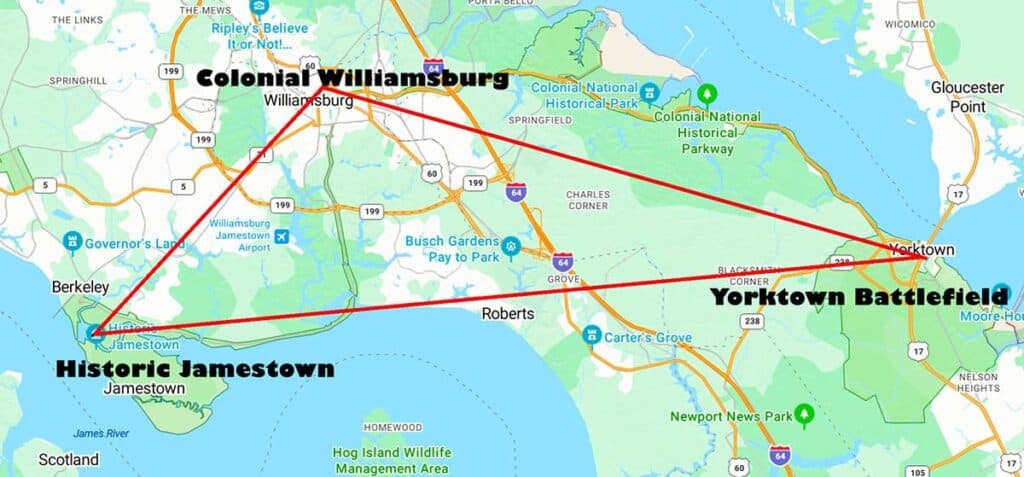
Table of Contents
So what exactly is the Historic Triangle?
The “triangle” refers to the literal shape you’d make on a map connecting these three points. The magic is that you can easily explore the entire timeline—from first settlers to final victory—in one fantastic trip. It’s the ultimate historical road trip without the long hours on the road. Together, they form a continuous narrative of early American history over 174 years.
- Jamestown: the site of the first permanent English settlement in America (1607).
- Williamsburg: the restored capital of colonial Virginia and a hotbed of revolutionary thought.
- Yorktown: The battlefield where General George Washington defeated the British army, effectively ending the American Revolution (1781).
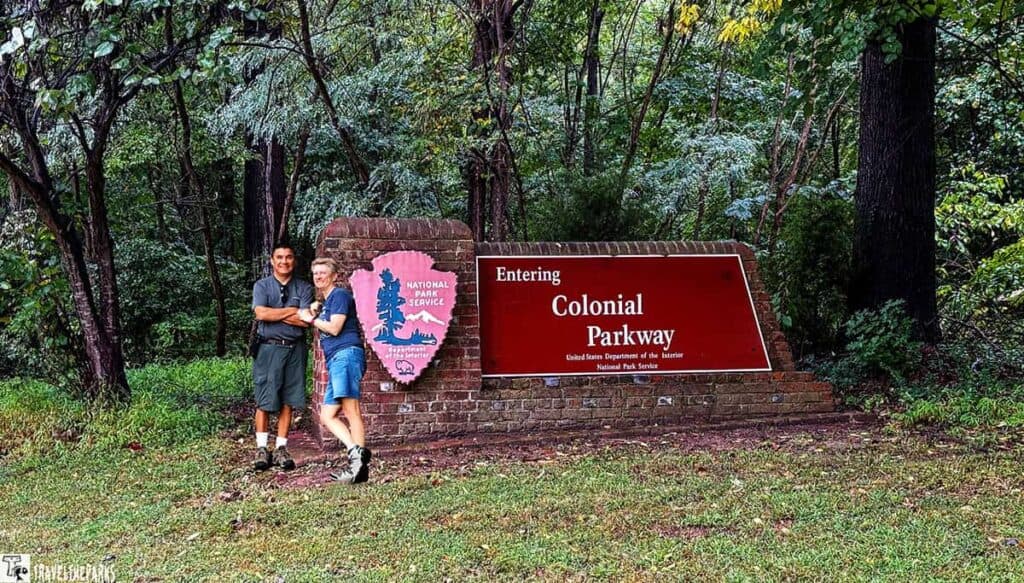
Where we stayed on our Colonial Historic Park Adventure
Newport News Campground was pretty nice! We were pleasantly surprised. The check-in process was a breeze, thanks to the friendly yet helpful attendants at the office, which also doubles as a handy store and laundry facility.
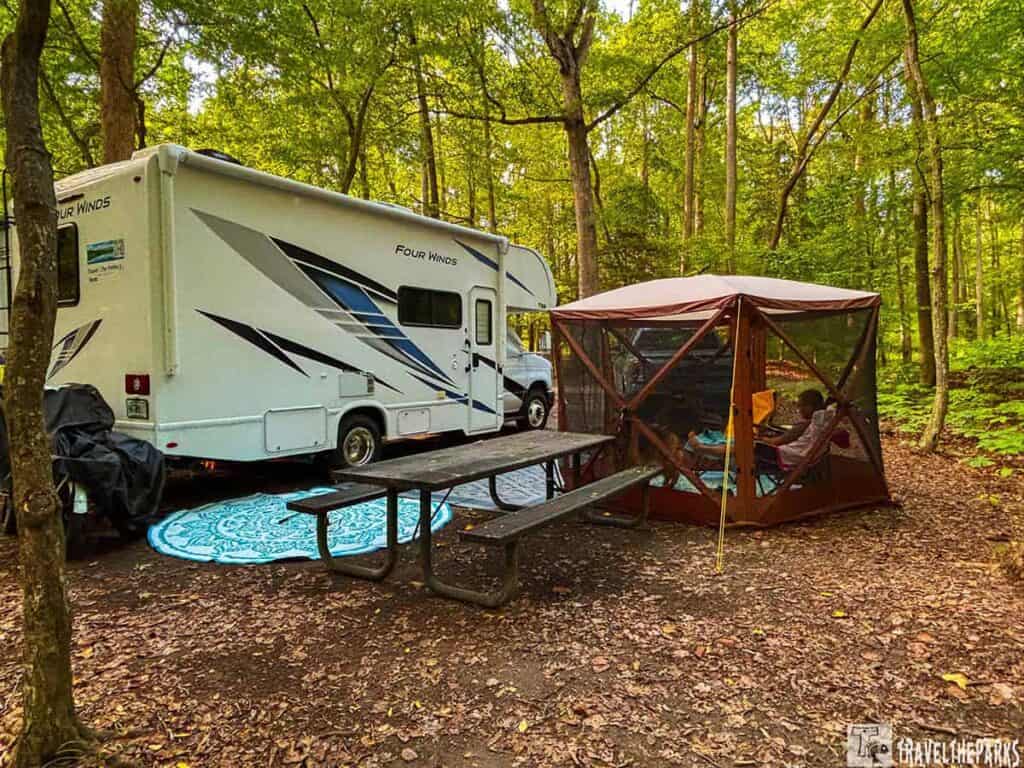
The campsites are large and spaced apart, with most of them tucked beneath plenty of shade trees. We stayed on C Loop and felt like we were the only ones in the campground. Our only advice would be to avoid the lakeside sites because of their steep slopes. The bathhouses are a little dated, but they were reasonably clean—which is what really matters to us. They also have a security patrol, and an officer drives by every once in a while.
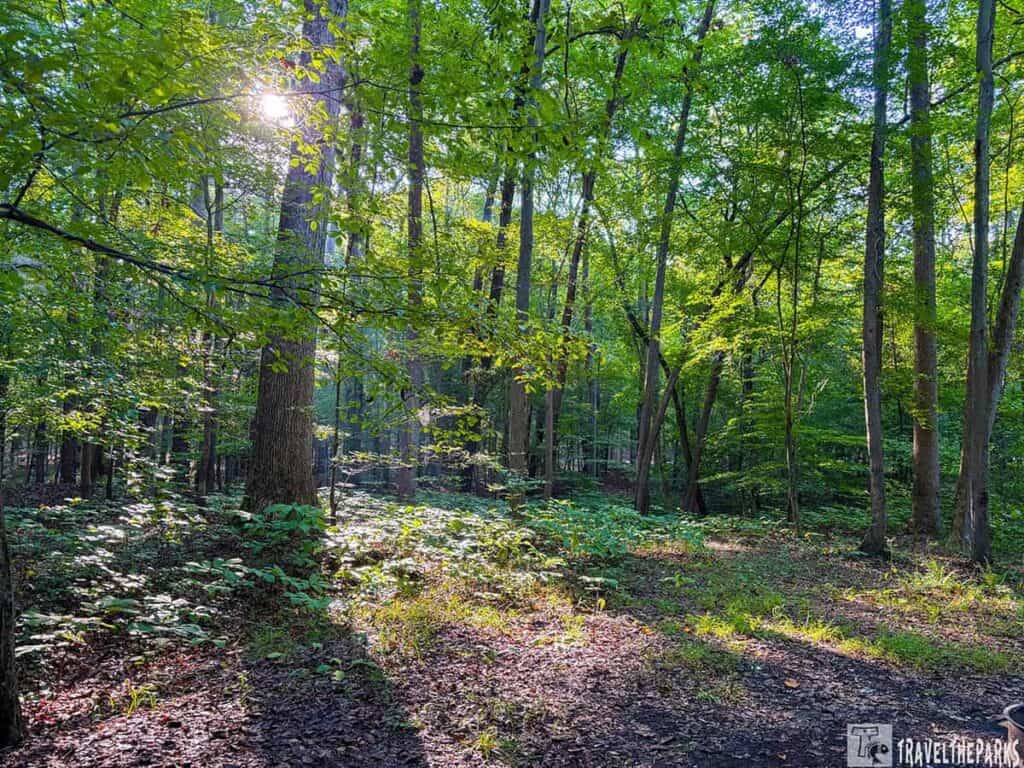
Since the park is within the city, some traffic noise is audible at night. Still, it was more of a quiet hum than anything disruptive. We appreciated its central location for easy access to Virginia’s Historic Triangle sites.
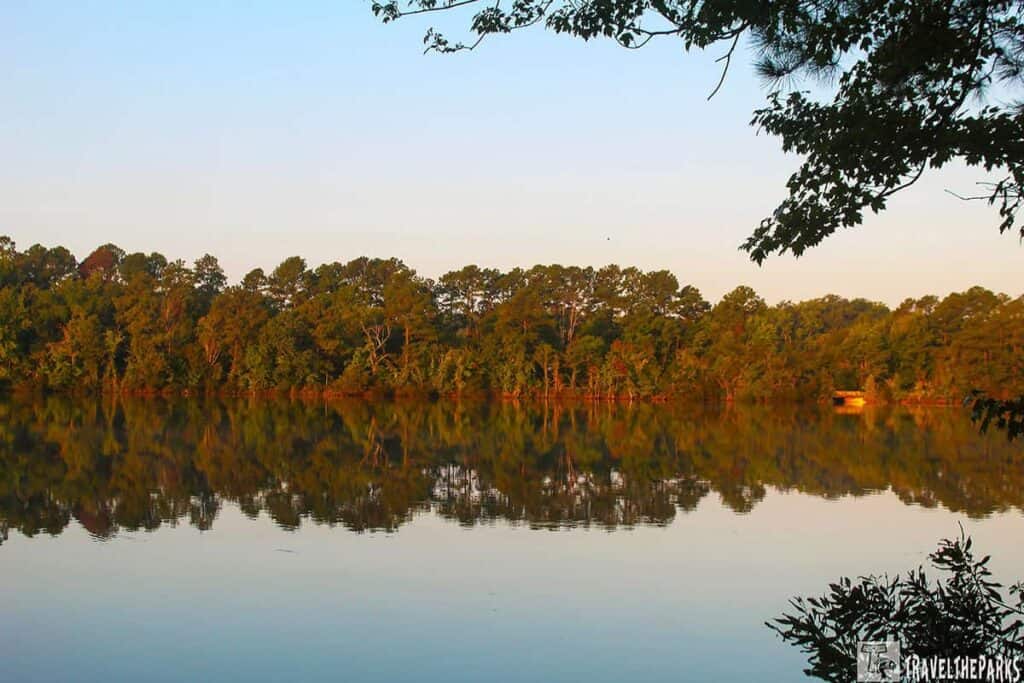
Without a doubt, the park itself is the genuine star. It’s stunning, with plenty of nature trails and a lovely little reservoir that’s perfect for a relaxing kayak or canoe trip. They have boats for rent, as well as bicycles. We had such a great time that we’ve already decided we’ll definitely be coming back!
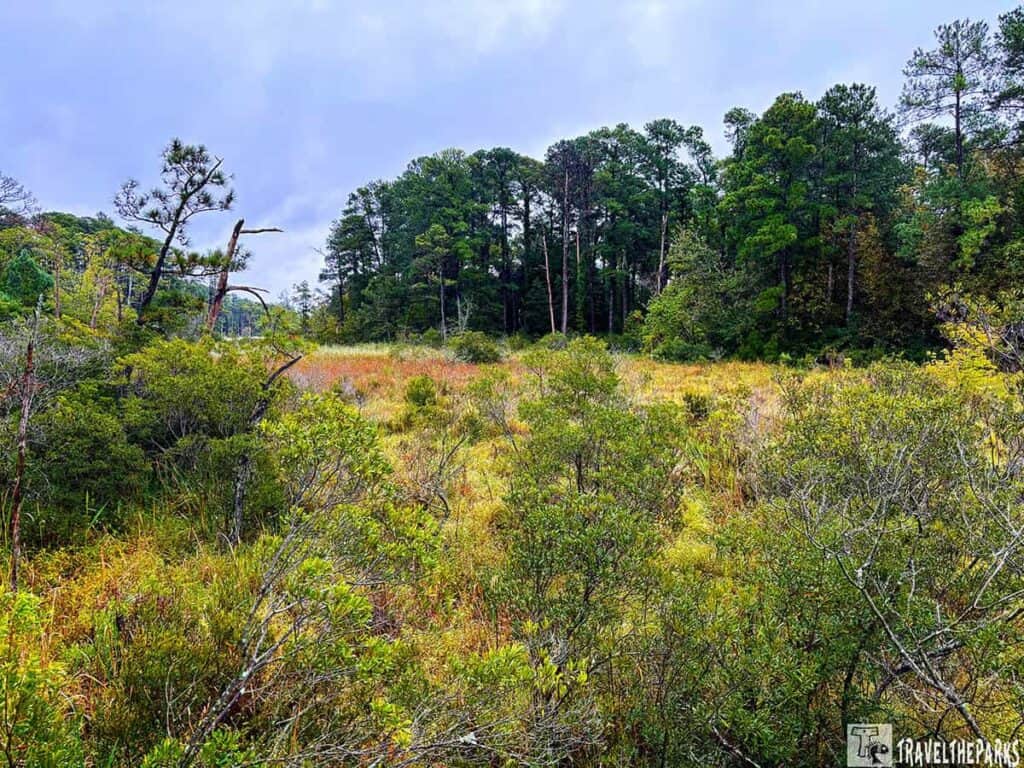
Tips for Visiting Virginia’s Historic Triangle
- Give Yourself Time (You’ll Need It!): Just don’t speed through it! Though the places are close, there’s a massive amount to explore. We would suggest not less than two entire days. Use the first day for Jamestown and Yorktown and another day for Colonial Williamsburg. In case you are an absolutely detail-oriented person, a third day will be perfect.
- Check the calendar: Many sites, like Colonial Williamsburg, are full of special events, re-enactments, and have different hours depending on the season. Just a quick look at their official websites can let you know if you can see a cool militia drill or a festive celebration.
- Choose Your Ticket and Save: If you intend to visit the major paid attractions (such as Jamestown Settlement, American Revolution Museum at Yorktown, and Colonial Williamsburg), then combination passes or multi-day tickets might be the way to go. That is easily a good portion of your money that you can save instead of buying individual entries.
- Pack for the weather; we spent much of our time outside. Bring a water bottle, sunscreen, sunglasses, and a hat. In the cooler months, wear layers, as you’ll be moving between heated buildings and chilly streets.
- You absolutely need comfortable shoes because you’ll be walking a lot, likely on cobblestone streets and dirt paths. Believe us, your feet will be very grateful.
- Best Time to Visit: Autumn (September–November): Crisp temperatures, beautiful leaves. Spring (April–June): pleasant weather, less crowded. Do not get caught in the summer heat; if you want quiet, go in winter, although there will be fewer services.
- Our biggest tip? Go in with an open mind and a curious spirit. Talking to the “residents” in character and the interpreters—they are the ones who really make history come alive.
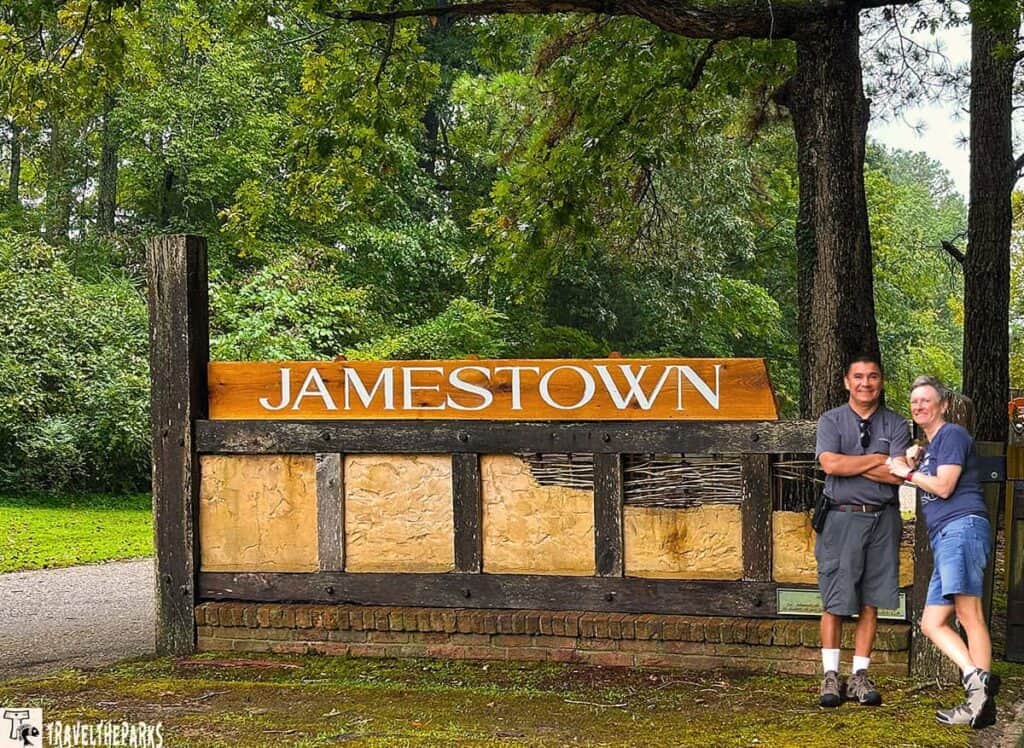
Day 1: Experience the Beginning at Jamestowne
We wanted to start our trip where America itself started — at the very site of the 1607 James Fort. This incredible archaeological site known as Historic Jamestowne is part of the Colonial National Historical Park.
A quick heads-up for your planning: It’s co-managed by the National Park Service through a partnership with Jamestown Rediscovery (through Preservation Virginia). There is an entrance fee-it was $15 per adult when we visited-but we can say with confidence it’s worth every penny.
Well, our adventure began on one of those chilly, damp mornings. We started at the visitor center, which is a fantastic first stop. The comprehensive exhibits here painted a vivid picture of the colony’s beginning. They detail the terrifying journey to the New World, the landing, and the difficult first years of the colony.
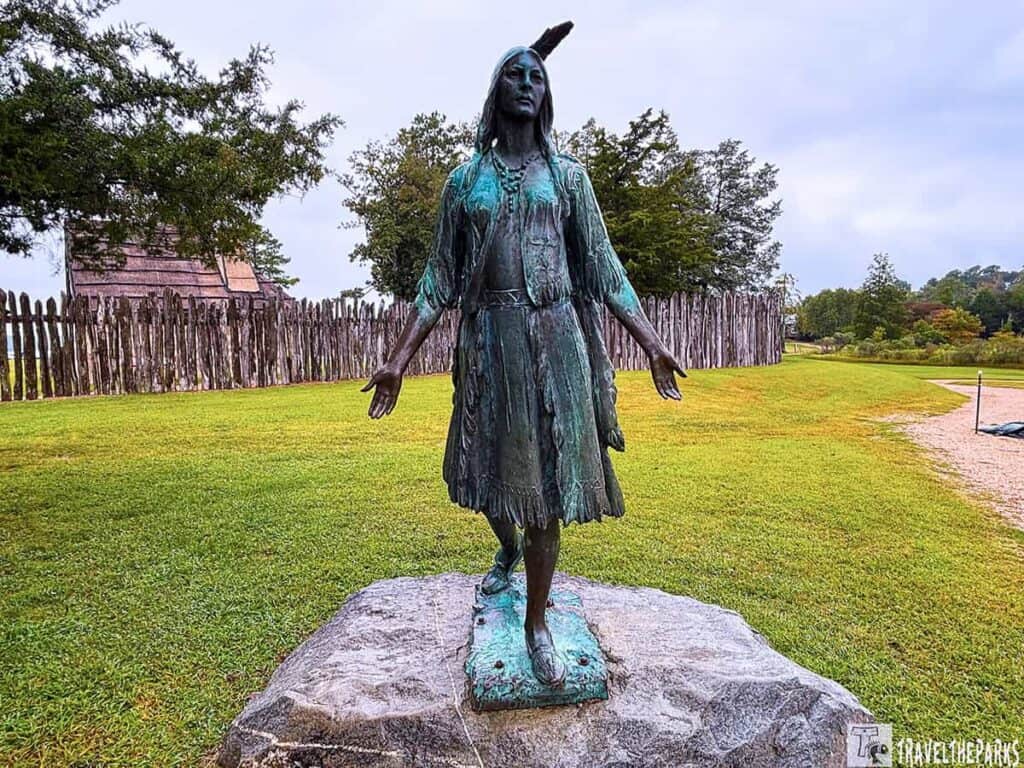
Stepping into the 17th Century at Historic Jamestowne
With the drizzle letting up, we walked through the grassy fields of the original Old Towne. Here, you really felt like stepping straight back in time. This isn’t just a park; it’s an active archeological site. We spent hours wandering past the outlines of the first buildings and watching researchers carefully unearth new discoveries right in front of us.
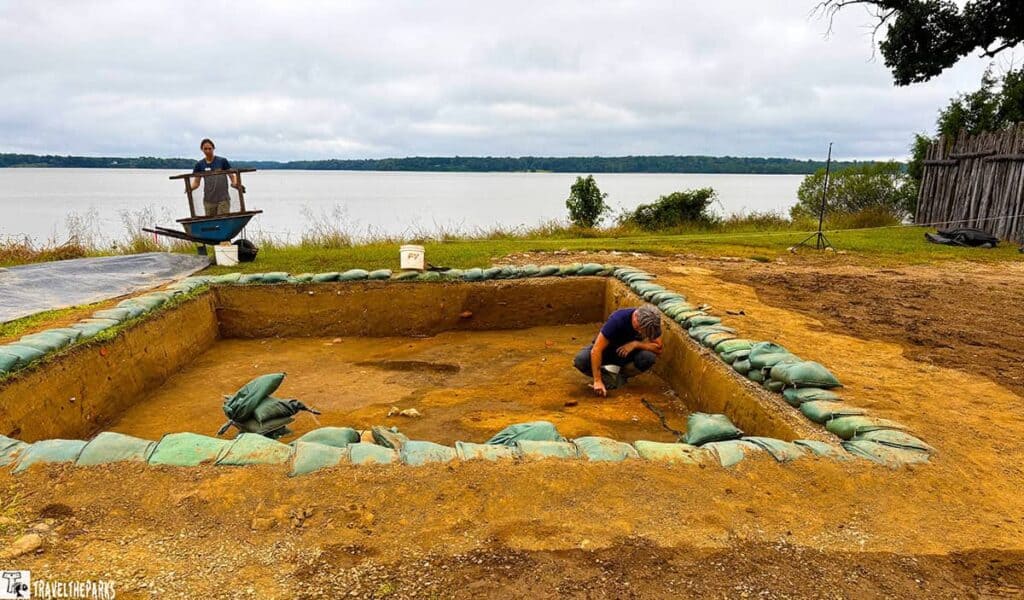
The most memorable moments were the ones spent inside the memorial church, whose brick tower dates to 1639, and standing on the very spot where Pocahontas and John Rolfe had been married in 1614.
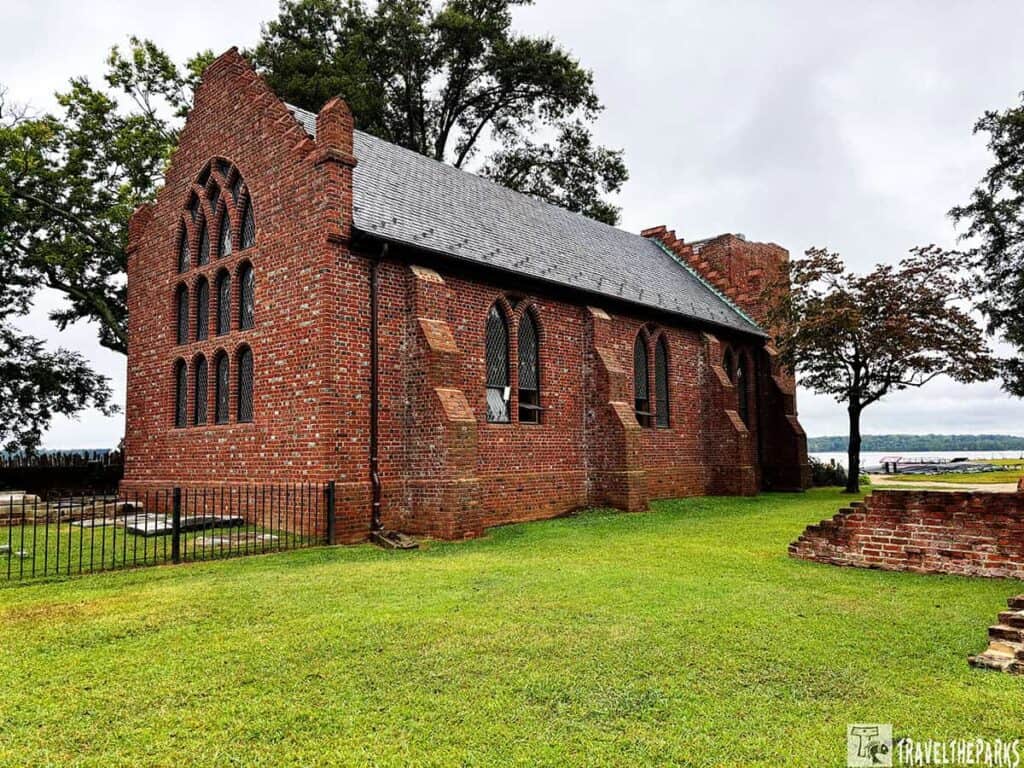
Of course, we couldn’t leave without visiting the Archaearium, and it’s an absolute must-see. This stunning museum houses thousands of artifacts recovered right from the soil outside, from suits of armor and tools to incredibly personal items like worn-out shoes and clay pipes.
But the most gripping exhibit reveals a dark and long-buried secret of Jamestown: the startling evidence of survival cannibalism during the “Starving Time.” Seeing the reconstructed face of “Jane,” a 14-year-old girl whose bones tell this tragic story, is a haunting and unforgettable experience. It’s a sobering reminder of the sheer desperation and brutal reality the colonists faced. This exhibit is a powerful, can’t-miss part of understanding the true story of America’s first permanent English settlement.
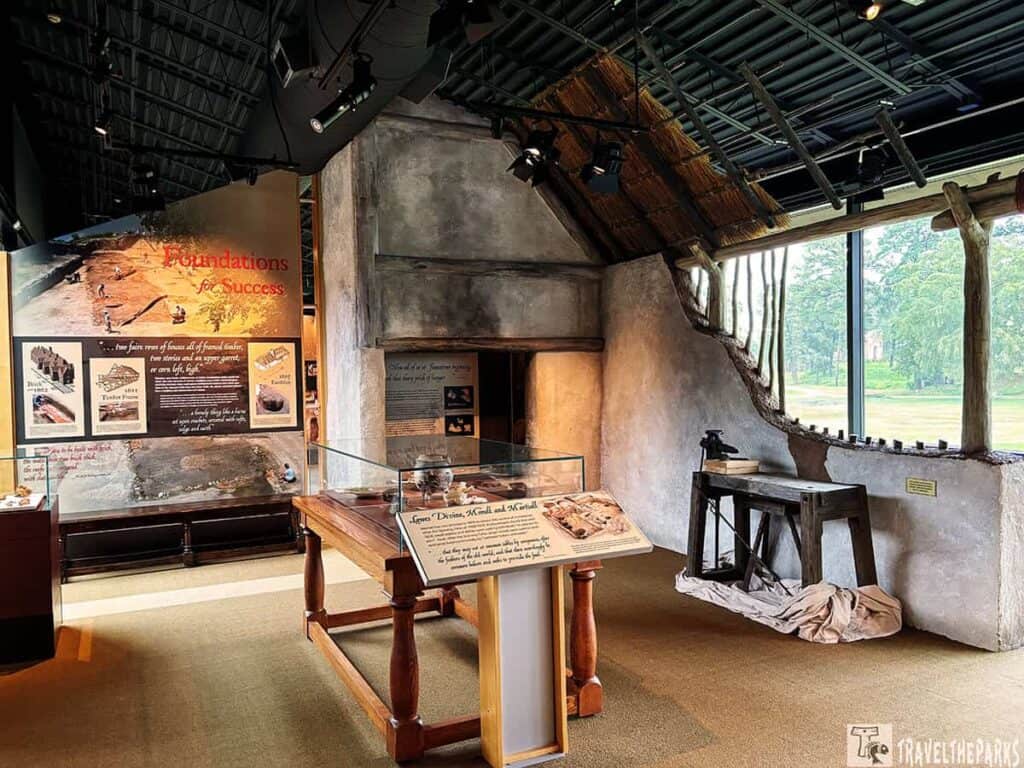
In my view, the entire journey, from Old Towne’s uncertain start to the developed community of New Towne, really made those initial hard years feel real.
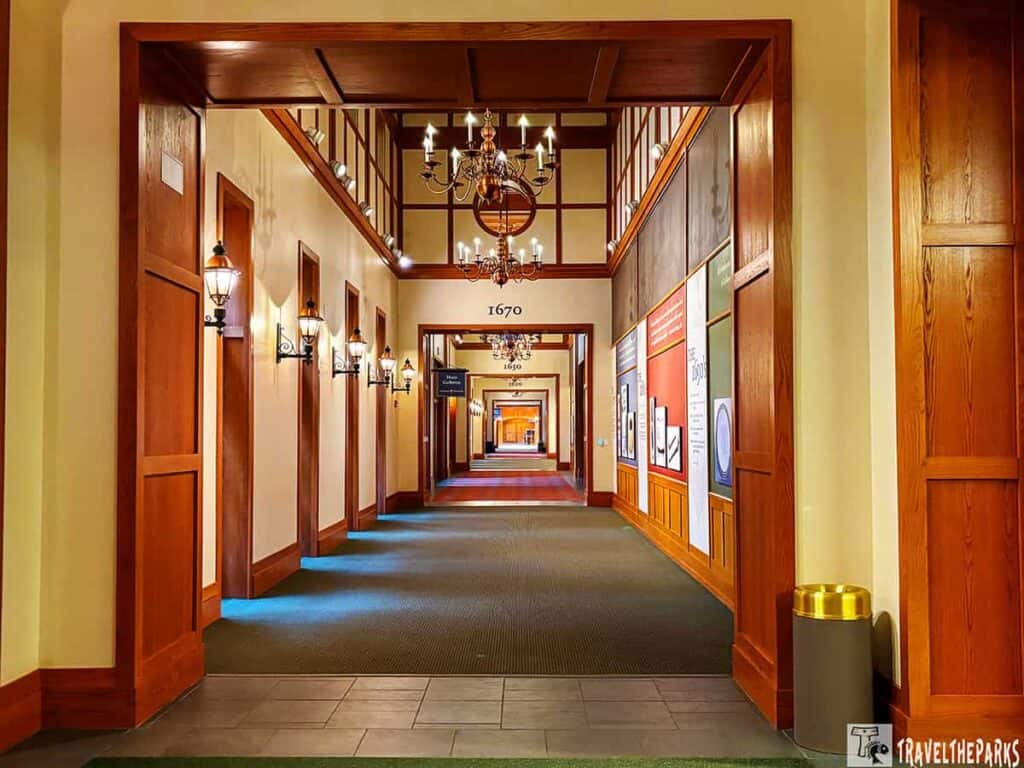
Day 1: Afternoon at Jamestown Settlement
Just a mile away from the original site, the Jamestown Settlement living-history museum offers a different but equally exciting experience. While Historic Jamestowne shares the story, Jamestown Settlement allows you to truly feel it.
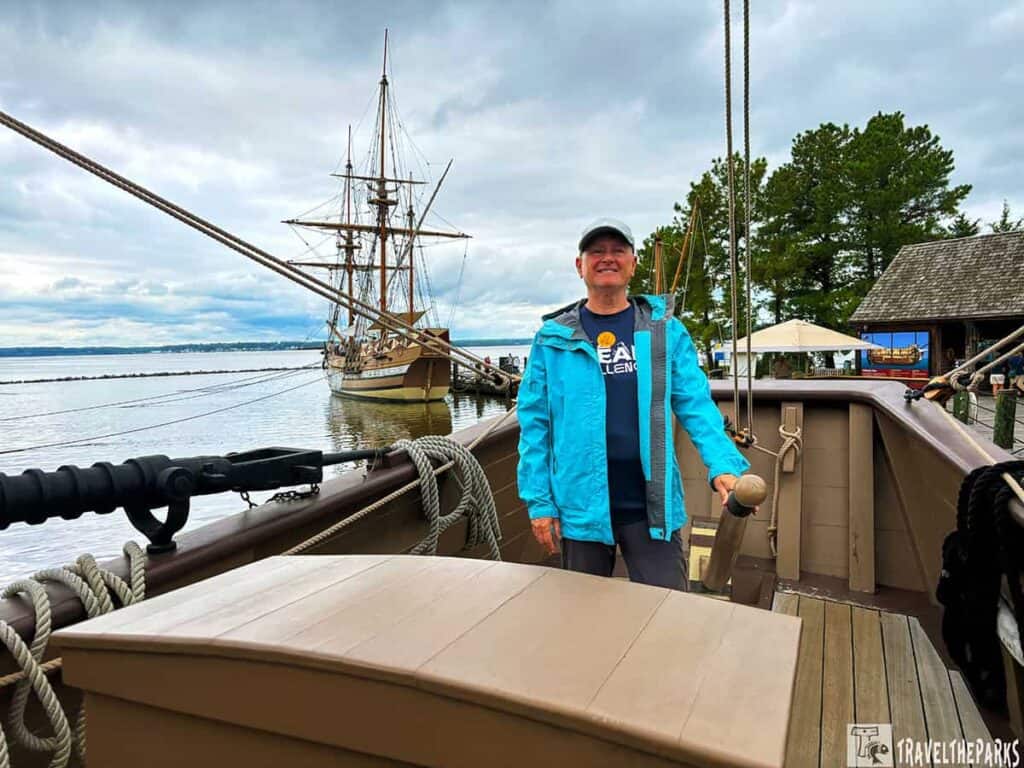
This place is a lot of fun for everyone. You don’t just learn about history—you experience it firsthand. Our adventure began at the docks, where we climbed aboard full-size replicas of the three ships that made the dangerous journey in 1607: the Susan Constant, Godspeed, and Discovery. Standing on the deck of the Susan Constant, we tried to picture being packed in with over 70 other people for four long months. It really showed us how brave (or maybe a bit foolish!) those early settlers were.
A Hands-On History Lesson at Jamestown Settlement
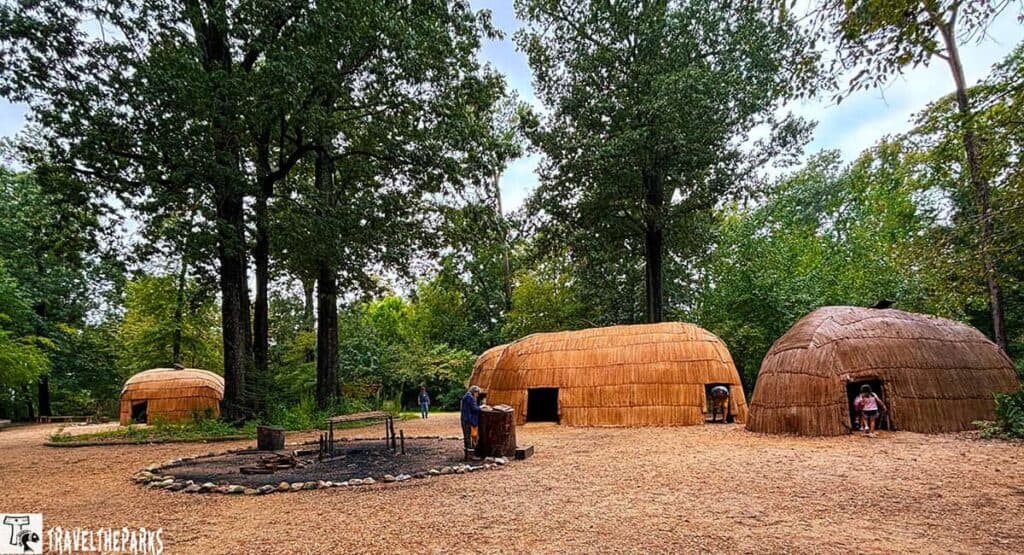
Next, we visited a recreated Powhatan Indian village. Here in Paspahegh Town, historical interpreters in traditional clothing were busy tanning hides, weaving baskets, and making stone tools. It was amazing to see the advanced culture that thrived long before the English arrived and to better understand their way of life.
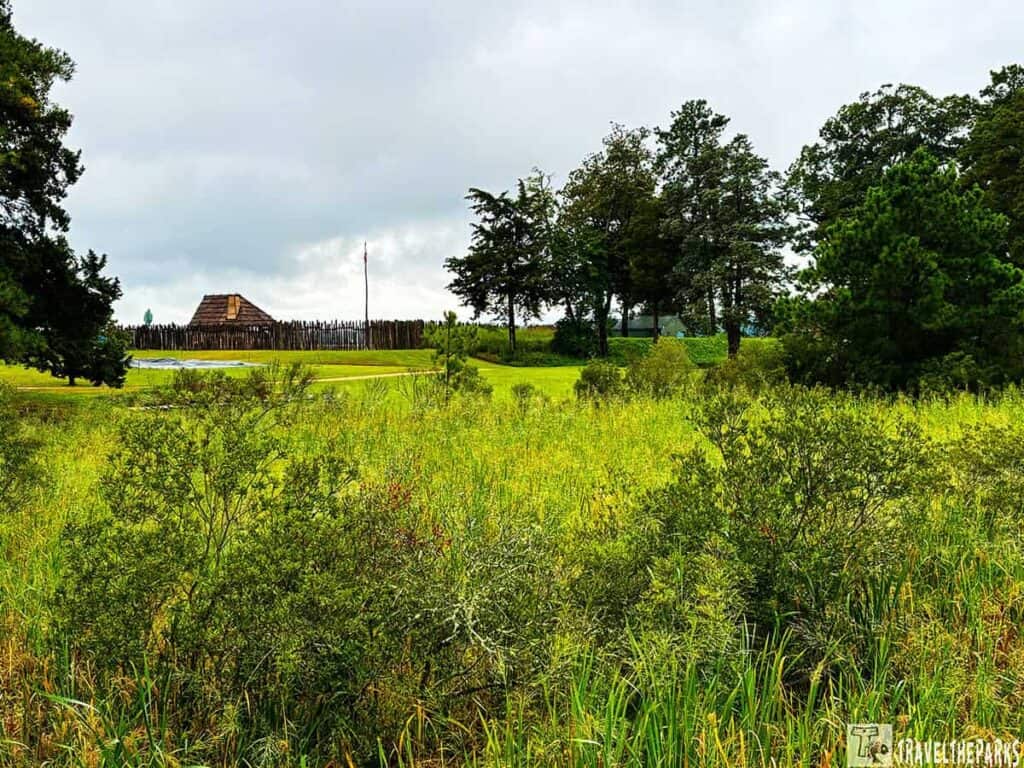
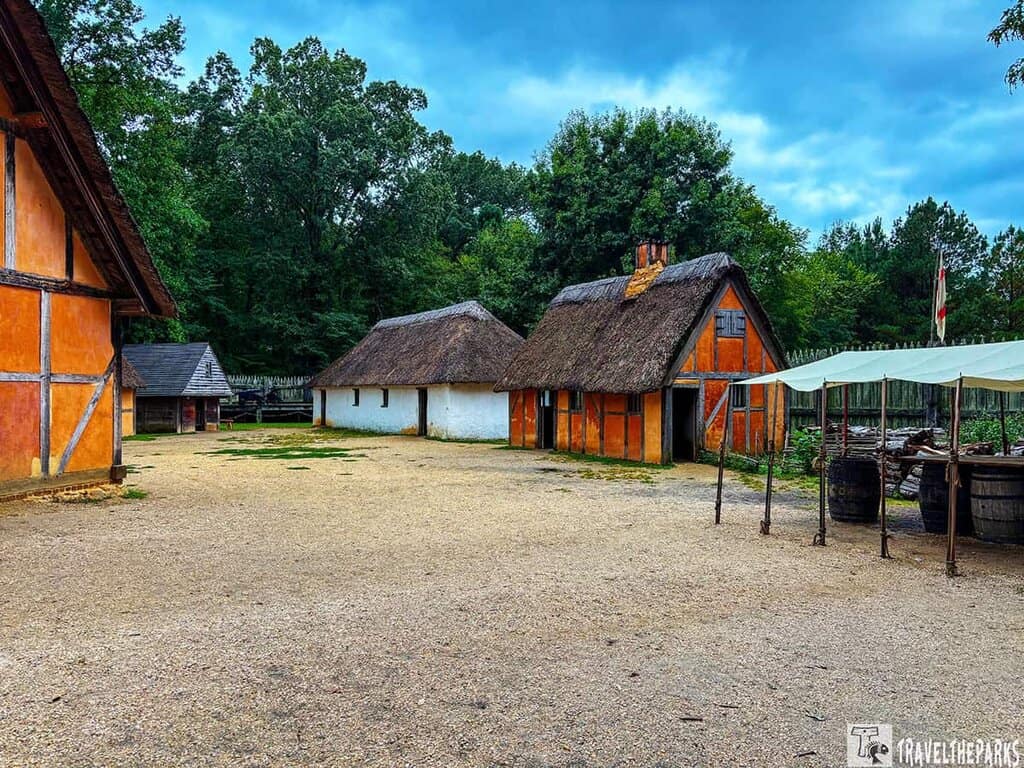
Finally, we checked out the recreated James Fort, filled with the sights and sounds of the 17th century. “Colonists” dressed in period clothing worked in their gardens, practiced blacksmithing, and drilled with muskets. We talked with them about their fears, hopes, and the daily fight for survival, which made the history we learned at the archaeological site feel even more real. This perfect mix of seeing, touching, and interacting makes Jamestown Settlement unforgettable.
Day 2: The Heart of the Revolution in Williamsburg
If Day 1 was about settling into early America, Day 2 was about diving headfirst into the political and social heartbeat of the revolution. We decided to immerse ourselves in the world of Virginia’s colonial elite and the thinkers who shaped a nation, and it was an experience that felt both grand and surprisingly intimate.
The Governor’s Palace & Its Grand Statement
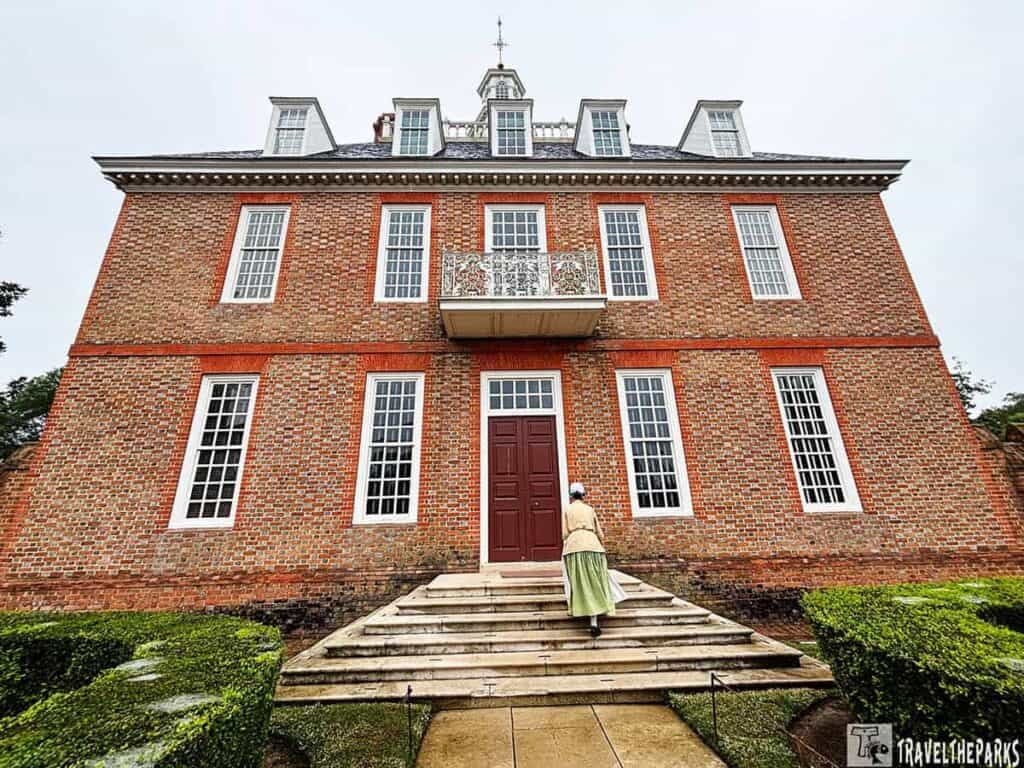
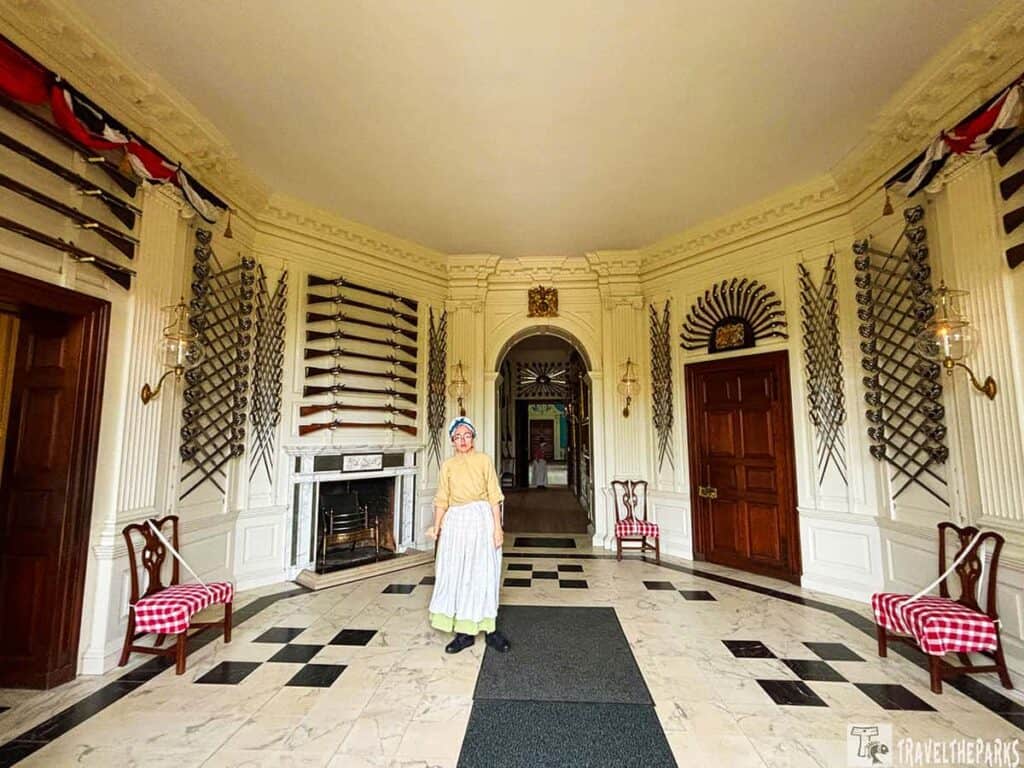
Our excursion began at the Governor’s Palace and, quite frankly, no amount of images mentally prepared the group for the first up-close view of the building. Walking toward the grand brick structure, with its green surroundings and rows of muskets and swords adorning the foyer, made a strong first impression. This building was no ordinary residence. This was a building that represented supreme power and control. Our guide, staying in character, described the lavish parties in the ballroom and pointed to the king’s portrait that would soon (figuratively, of course) be shot at. The grandness of the palace and the discontent that we would learn about in taverns were a stark contrast. It was a floating sanctuary amidst a chaotic sea. The distinction was never more evident.
A Playful Interlude: Conquering the Garden Maze
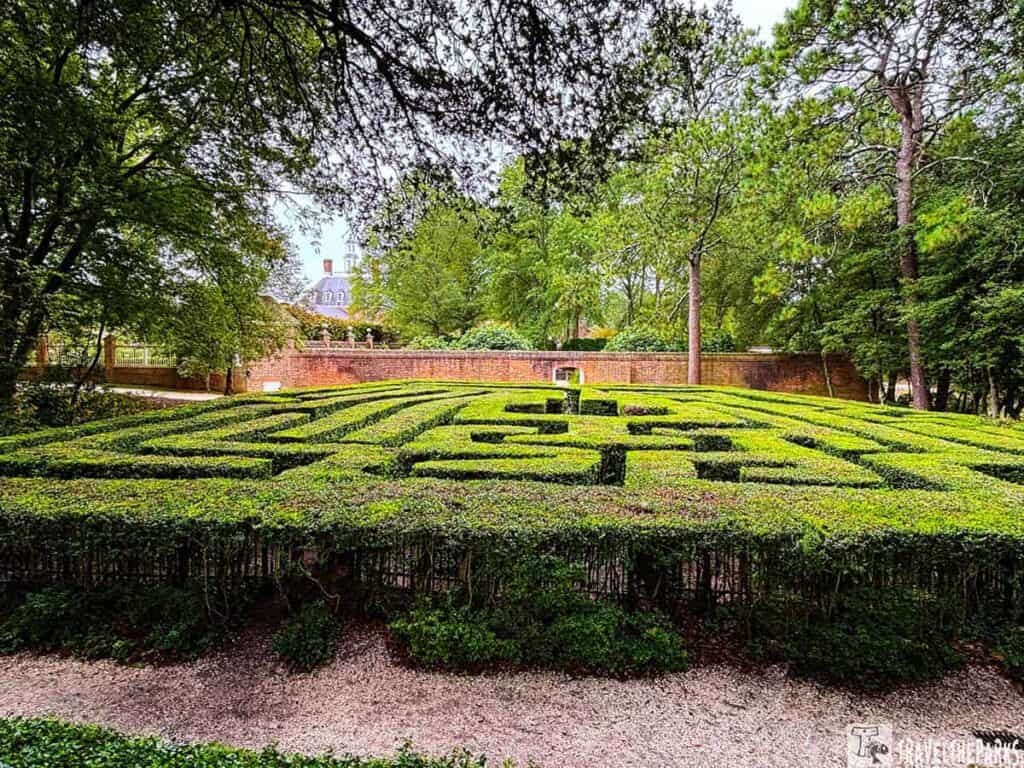
Wanting a little less formality in our day, we went to the Palace Garden Maze, where we took a turn wandering the lovely, tall, manicured hedges. We enjoyed the genuine delight of a child as we took wrong turns, while simultaneously having a laugh. The palace’s original residents, too, must have enjoyed our abortive good-natured chaos as a form of respite. Getting lost on a sunny morning in a lovely hedge maze, even while just having a laugh, brings joy to a history overshadowed with politics and other solemn decisions. Garden design and the leisure of history, on the other hand, also deserve to be remembered.
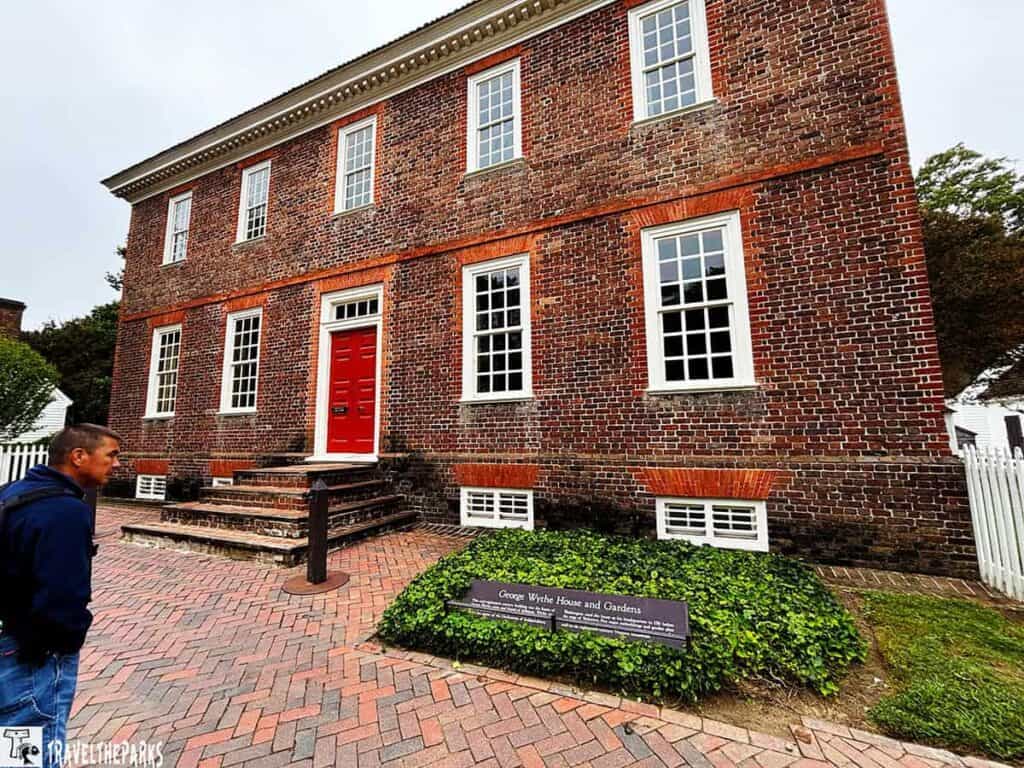
A House of Ideas: The George Wythe Home
After that, we moved into the silent, scholarly and a bit serious world of the George Wythe House. There, the mood was one of clever thoughts and vital talks. Walking through the stylish yet modest home of the first American law professor, a guide to Thomas Jefferson, we were able to imagine the founding fathers disputing philosophy and the ideals of freedom in the drawing room. An informed guide, representing a member of Wythe’s staff at home, gave interesting details about the daily life of the family and the enslaved people who lived and worked there, a very important and quite disheartening aspect of the story.
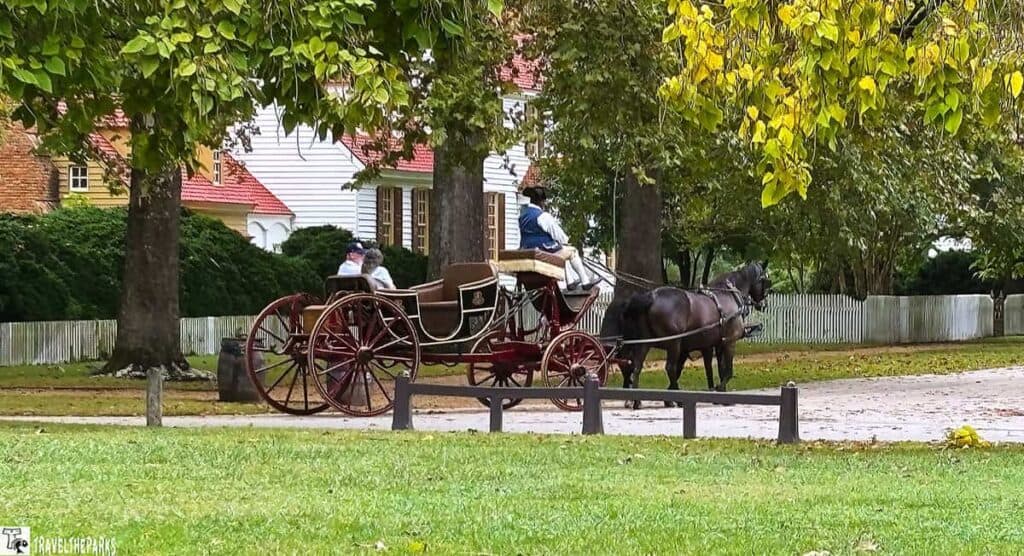
Needing to rest our feet but not our curiosity, we opted for a carriage ride through the historic area. Clip-clopping along the dusty streets, seeing the town from this slower, elevated vantage point, truly transported us. It was the perfect way to see the scope of the restored area and listen to our driver’s tales of 18th-century transportation, commerce, and gossip.
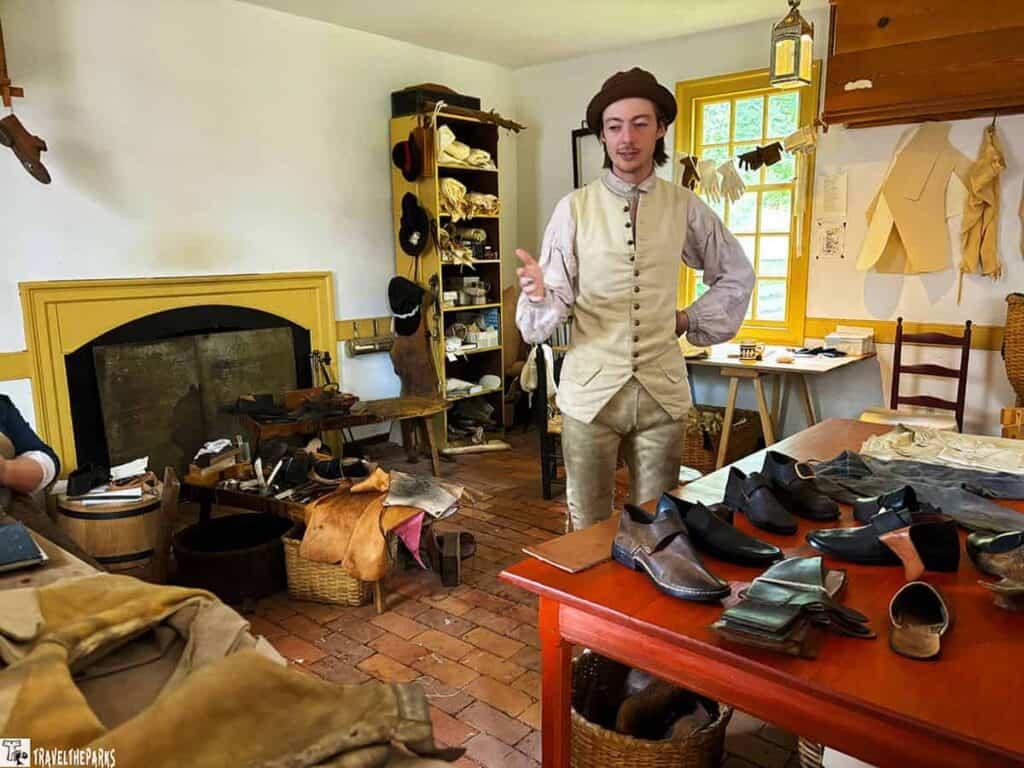
Conversations with the Past: The Magic of the Interpreters
But the true magic of Williamsburg lies in the spontaneous interactions with the actor-interpreters. We witnessed more than just history. A doubtful merchant about our views on the new “treasonous” Boston publications. We discussed the ethics of independence with a passionate, liberty-minded silversmith. Each conversation, whether with a bustling housewife, an enslaved cook sharing her complex perspective, or a red-coated soldier, deepened our understanding of the human emotions—fear, hope, anger, idealism—that fueled the revolution.
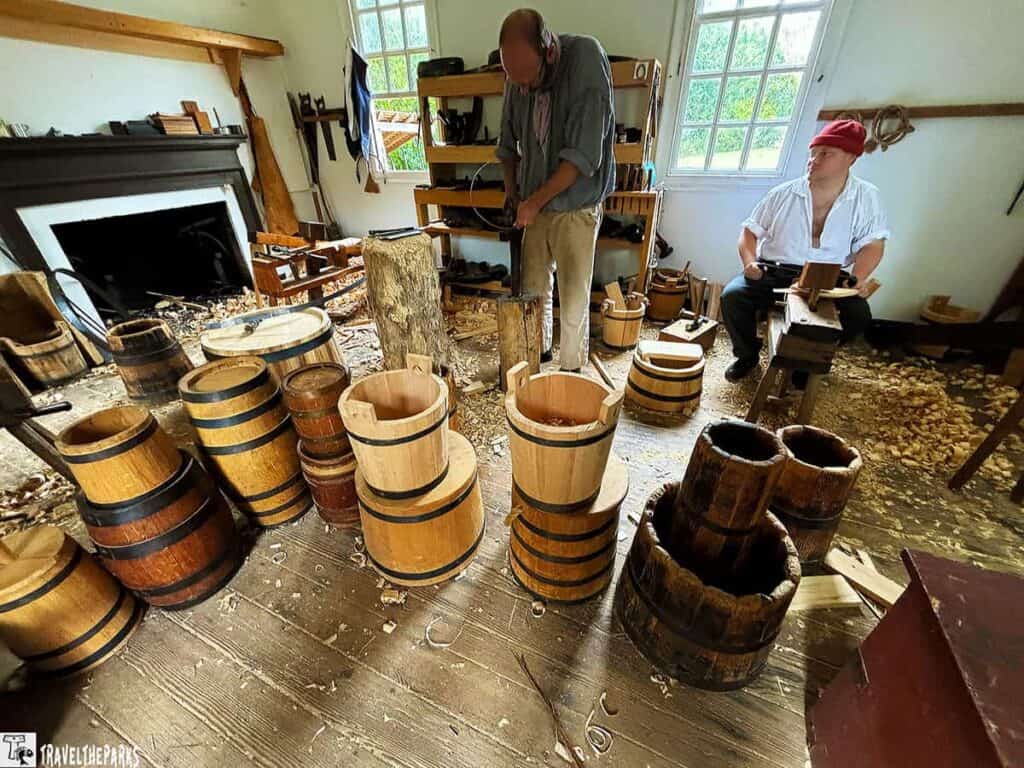
By the end of the day, it didn’t feel like a typical sightseeing trip anymore. This wasn’t just about looking at history—it was about stepping into it. From halls where power once ruled to gardens designed for leisure, every stop told a story. Ideas that shaped a nation were born in the rooms we explored, and the streets we walked marked the birthplace of a revolution. History felt alive, almost as if it was speaking back. Day 2 in Virginia’s Historic Triangle didn’t just teach the past—it let its pulse be felt.
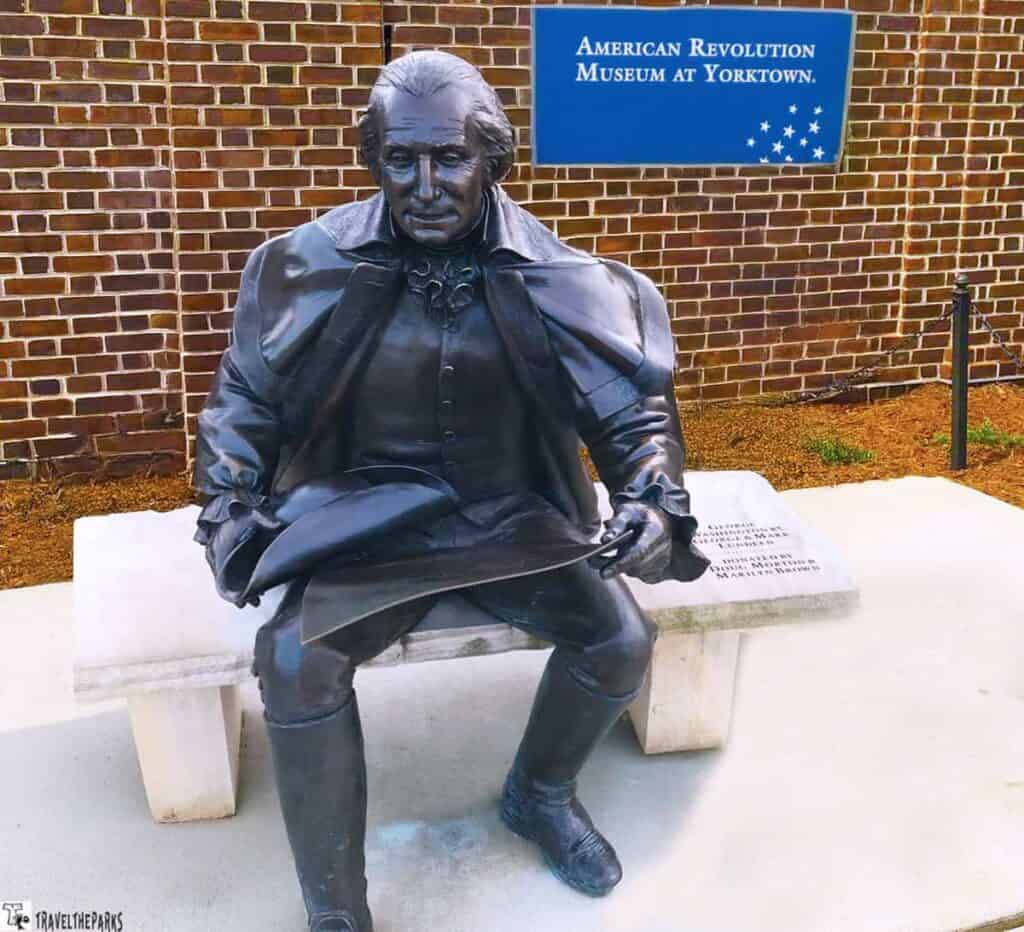
Day 3: Visiting Virginia’s Historic Triangle, Yorktown Battlefield
Discover Virginia’s Historic Triangle, Yorktown Battlefield. We visited Virginia’s Historic Triangle. We stood where the Revolution ended. Walking the ground where independence was won. This was Yorktown.
Our morning began at the American Revolution Museum, which tells the full story of the Revolutionary War from start to finish. The exhibits are immersive and thoughtfully done, pulling you into the struggle in a powerful way. Outside, living-history areas bring the era to life, from a re-created Continental Army encampment to a working 1780s farm. It set the tone perfectly—a meaningful, sobering prelude before heading out to the battlefield itself.
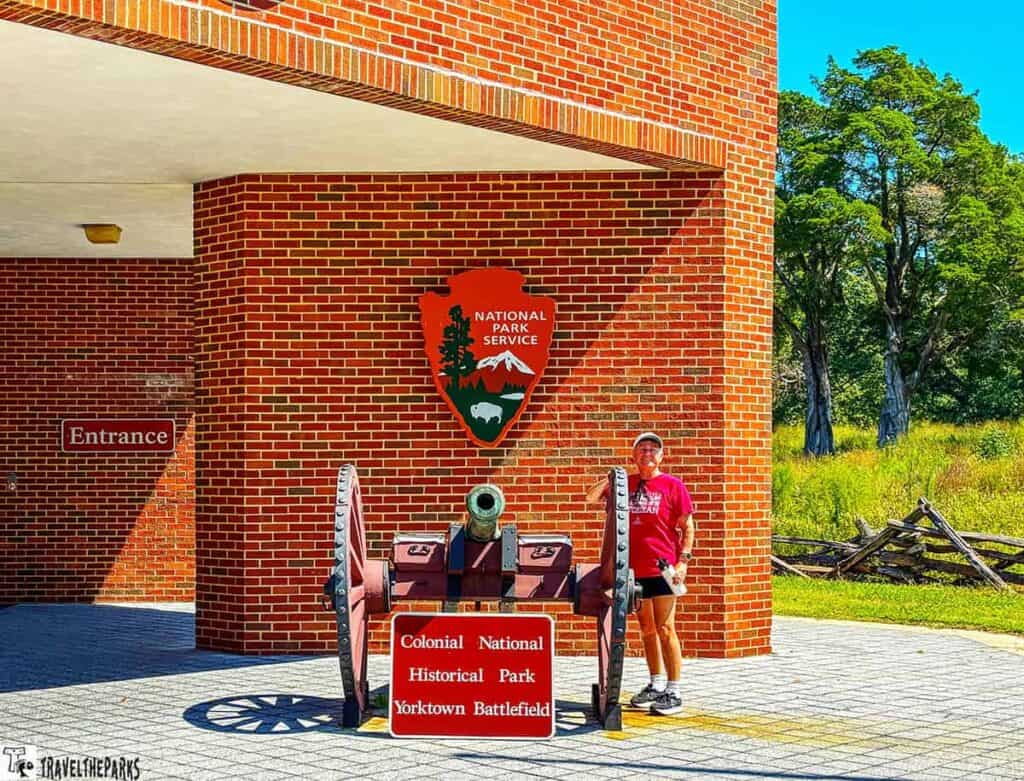
The Battlefield Driving Tour
The afternoon was for the hallowed ground of the Yorktown Battlefield. This land is managed by the National Park Service as part of the Colonial Historic Park. This is the actual soil where victory was secured. We chose the Yorktown Battlefield self-guided driving tour. It was the perfect way to explore. Both the red and yellow routes are simple to follow. Clear interpretive markers tell the story at each stop.
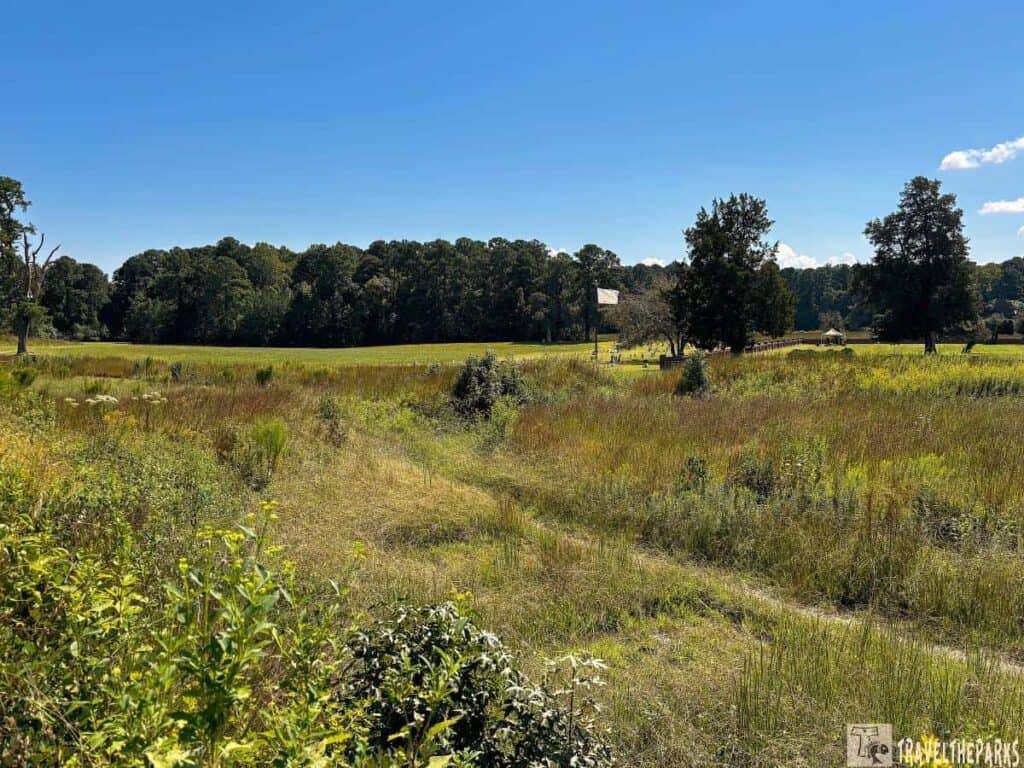
Standing inside the massive British earthworks made the scale of the siege feel real. From there, it was easy to trace how the Allied lines slowly inched closer. At the Grand French Battery, the landscape invited imagination—the thunder of cannon fire almost echoing across the field. Reaching the spot where Cornwallis surrendered brought everything to a quiet halt. The silence there felt heavy, and deeply profound.
The driving tour let us move at our own pace. We could pause and reflect. We could take in the breathtaking view. The landscape itself tells the story. It is both beautiful and humbling.
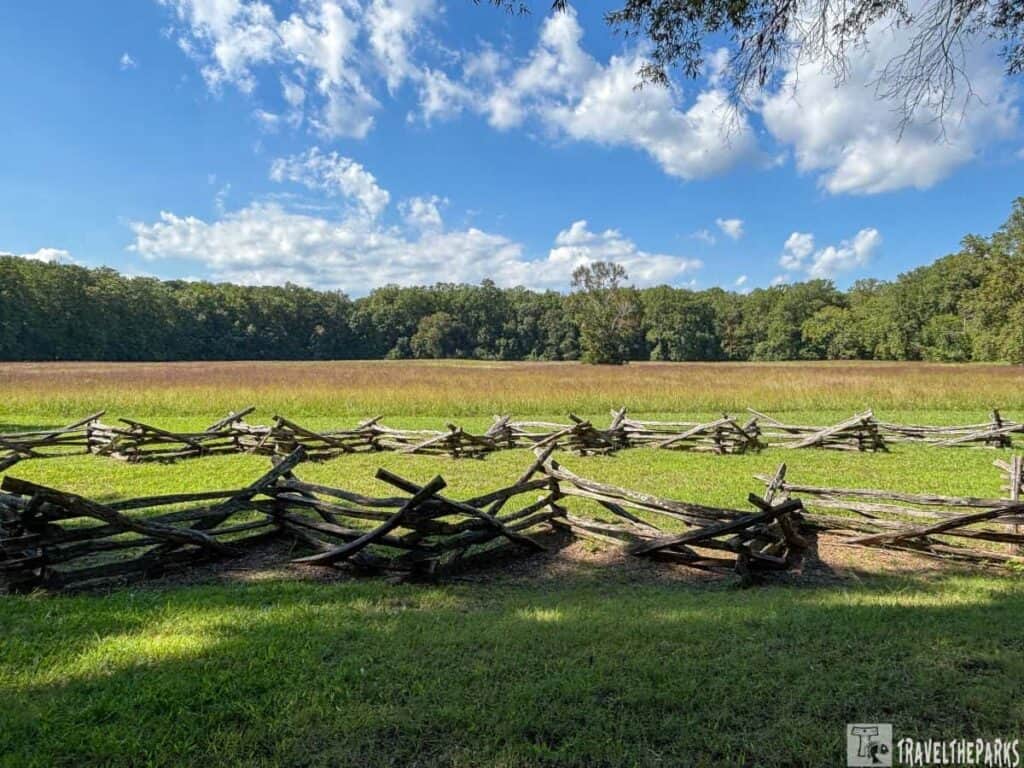
Explore beyond Virginia’s Historic Triangle at Fort Monroe National Monument
We added Fort Monroe National Monument to the last day of our Historic Triangle itinerary—and wow, was it worth it! Stepping here felt like leaving the 18th century behind and entering a place where four hundred years of history collide—from the nation’s earliest wounds to moments of hard-won hope. Fort Monroe isn’t just a fort; it’s a deeply layered chapter of the American story.
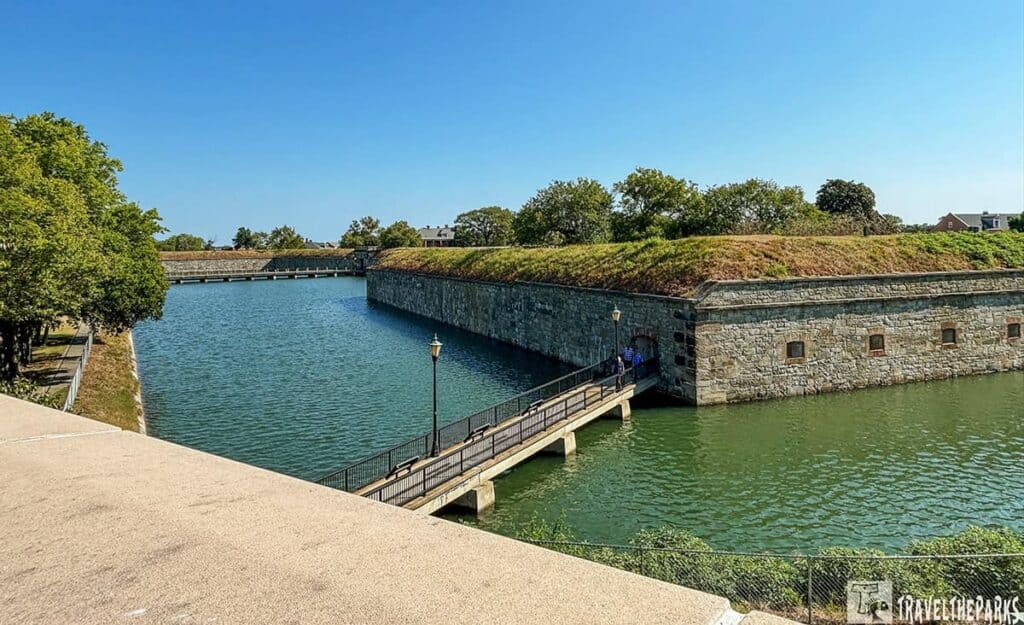
Setting the Stage at the Visitor Center
We started at the Visitor & Education Center, where the timeline made it clear how closely 1619 and 1861 are tied on this stretch of land. The exhibits set the stage—this wasn’t just a strategic stronghold on the Chesapeake, but a place that challenged the nation’s conscience.
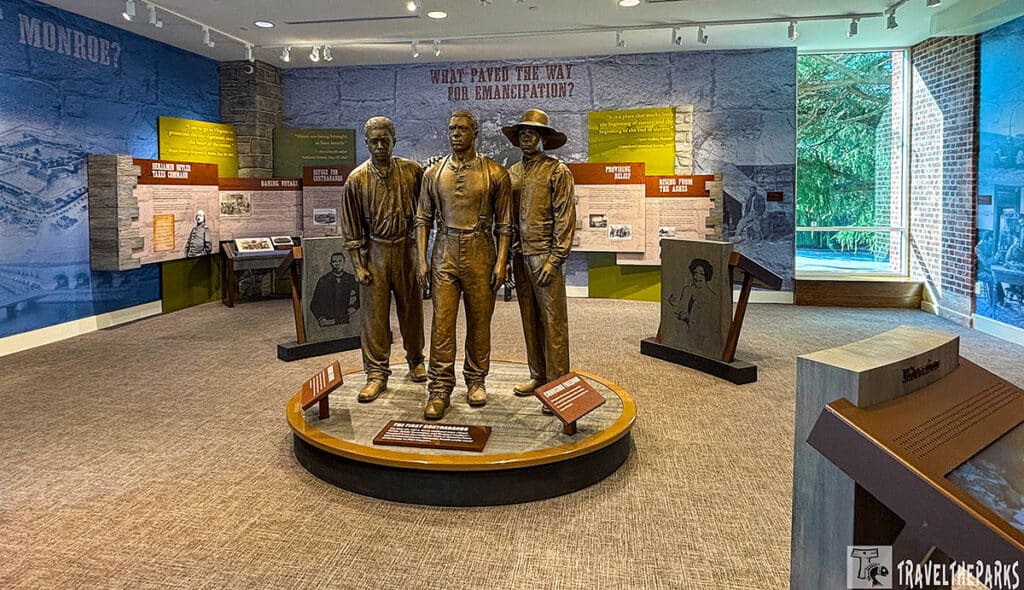
History Within the Walls: The Casemate Museum
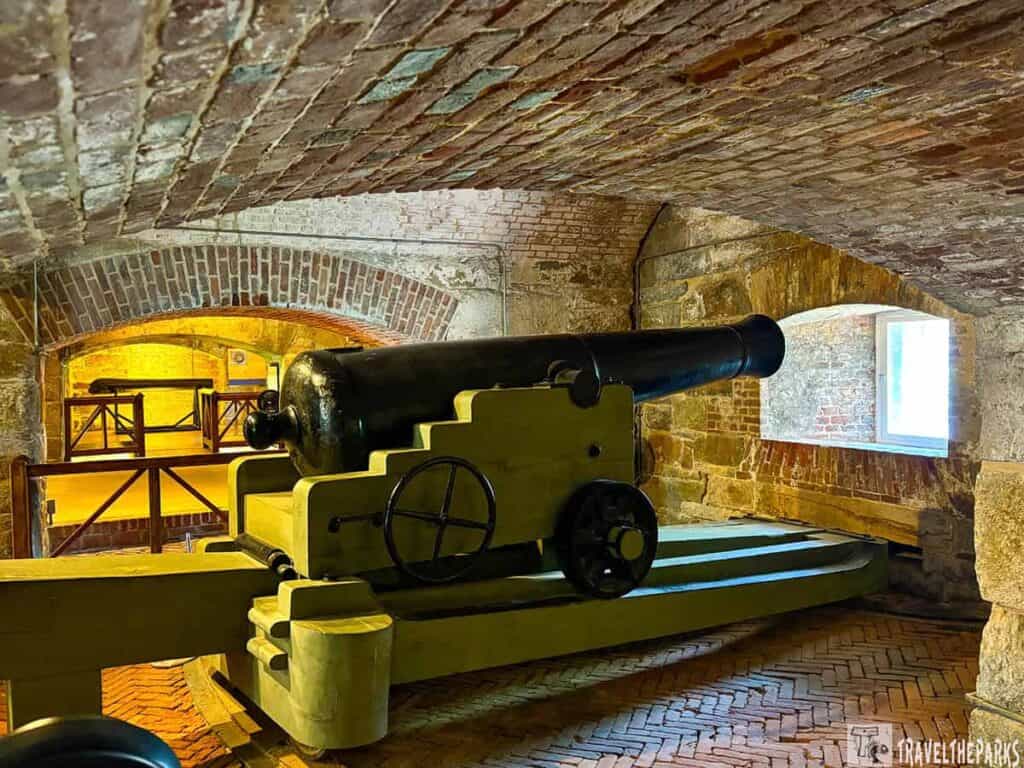
Inside the Casemate Museum, the mood shifted. Walking through the massive granite walls felt heavy, especially standing in the cell where Jefferson Davis was once held. Even more moving were the stories of the “contrabands”—enslaved men, women, and children who claimed freedom here. The stories’ setting made them more meaningful.
We walked the mile-long ramparts under a wide, open sky: the Chesapeake stretching to infinity on one side, the quiet moat on the other. With the breeze blowing steadily and the sweeping views at almost every turn, it was easy to see why this ground was contested for centuries.
We sought out places of remembrance next—the 1619 memorial at Point Comfort and the Contraband Historical Marker honoring Frank Baker, Shepard Mallory, and James Townsend. Their courage here helped reshape the course of the Civil War, and standing in that spot made their choice feel real.
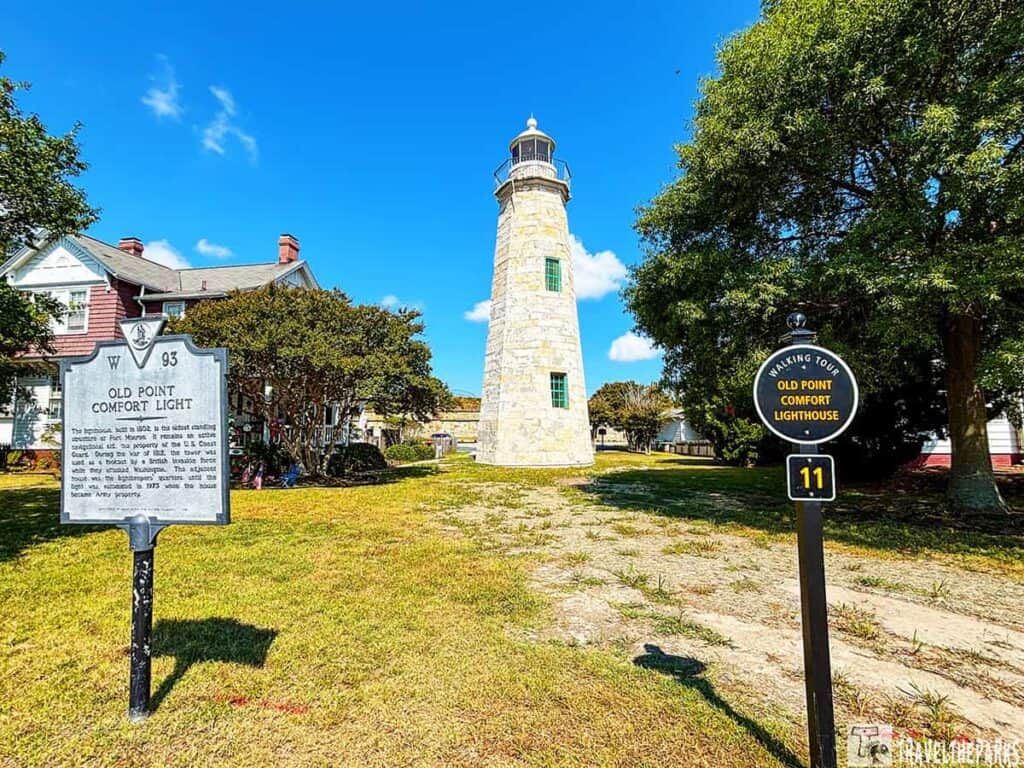
A Silent Witness: The Lighthouse
Our day concluded at the Old Point Comfort Lighthouse, a silent landmark that has seen many changes. The history that surrounded us contrasted sharply with the peaceful, golden light.
This day wasn’t about reenactments or reconstructed buildings. It was about standing on real ground, touching cold stone that once served as both prison and refuge. Fort Monroe tied our Triangle experience together in a sobering, essential way—reminding us that the ideals born in Williamsburg and secured at Yorktown were tested and forged here, in the long and unfinished fight for freedom.
Final Thoughts: Explore Virginia’s Historic Triangle: Jamestown, Williamsburg, and Yorktown
A journey through Virginia’s Historic Triangle is more than a vacation; it’s a pilgrimage through the foundational moments of the United States. You’ll walk away with a profound personal connection to the people, the politics, and the perseverance that shaped a nation.
Ready to walk through history? Start planning your trip to Virginia’s Historic Triangle today!