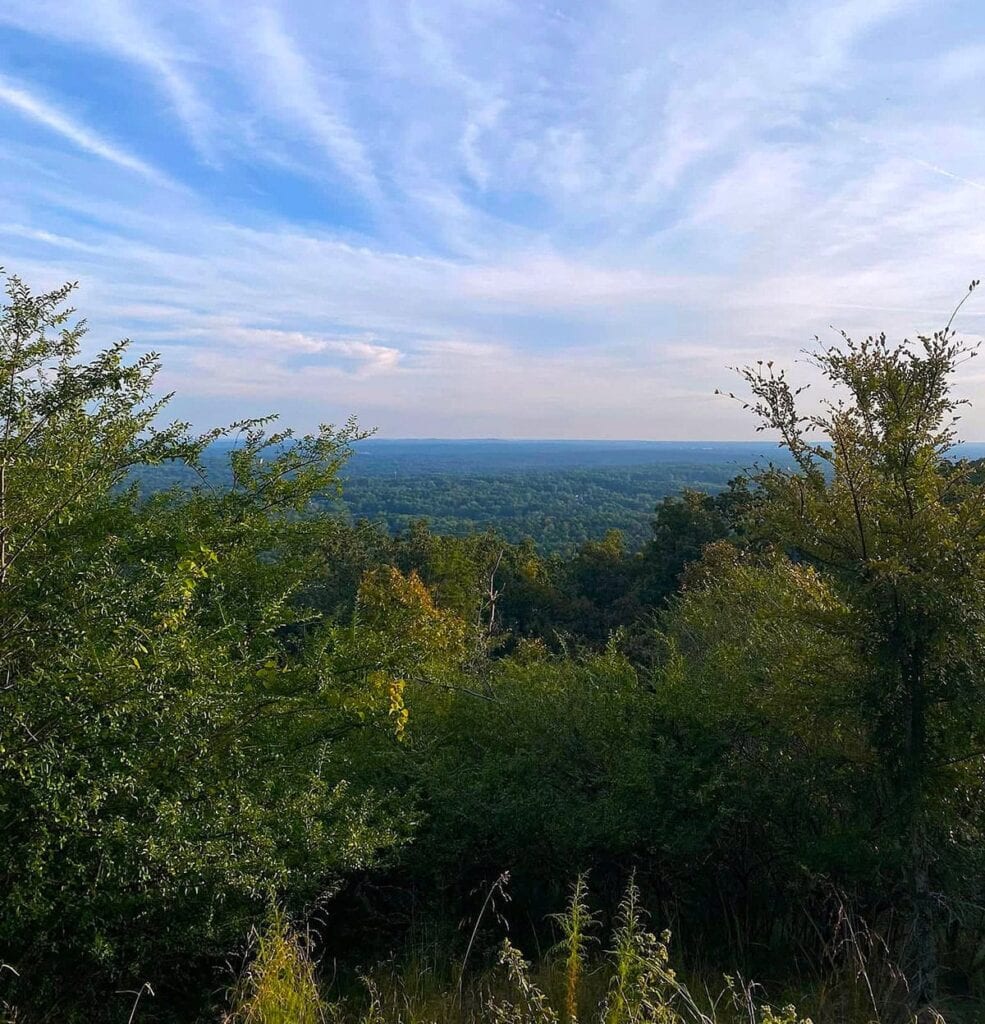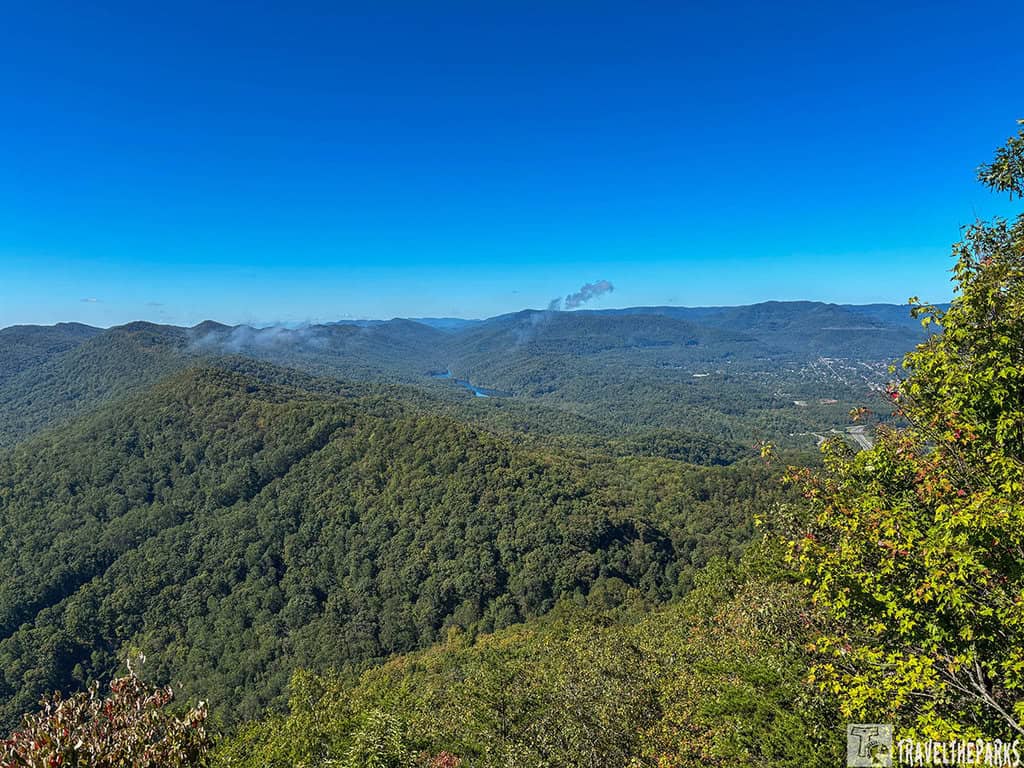
Visiting Cumberland Gap National Historical Park was an adventure,where we followed the paths of pioneers, soldiers and explorers. Here, the Appalachian Mountains connect with hundreds of years of American history. Found at the borders of Kentucky, Tennessee, and Virginia, this famous park protects the historic route that played a key role in westward expansion. It provided us with a special mix of outdoor fun and learning about history. Walking through green forests to enjoy wide views from places like Pinnacle Peak, standing at the top of the Tri-State Summit, or following the famous Daniel Boone Wilderness Road, a path that helped the country grow. Cumberland Gap was an amazing experience with its Civil War forts, beautiful waterfalls, and stunning mountain views. It was a memorable adventure.
This post may contain affiliate links, meaning if you purchase something through one of these links, we may earn a small commission at no extra cost to you! Read the full disclosure policy here.
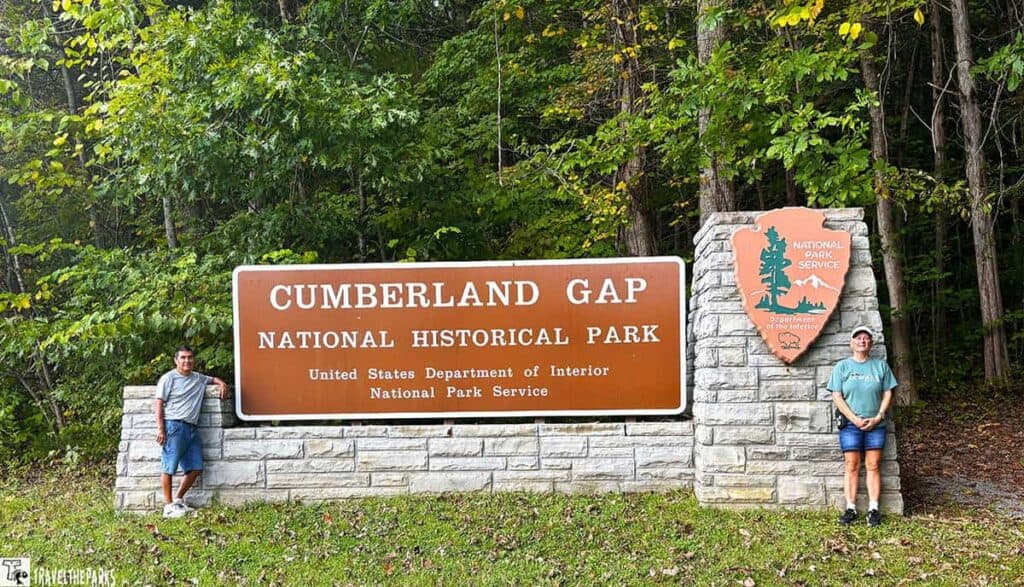
Table of Contents
How to Get to Cumberland Gap National Historical Park
On our road trip adventure, heading north through Tennessee—visiting Mammoth Caves National Park and Indiana Dunes National Park—we made a memorable stop at Cumberland Gap. The park is located where three states meet. Cumberland Gap National Historical Park is easily accessible by car. Here’s how to get there:
- From Kentucky: Take U.S. Highway 25E south toward the park.
- From Tennessee: Head north on U.S. Highway 25E to the park entrance.
- From Virginia: Take U.S. Highway 58 to U.S. Highway 25E south.
The main entrance is near the town of Middlesboro, Kentucky, and it’s well-marked from the surrounding highways. Visitors can easily reach the Cumberland Gap Visitor Center from any direction. The closest major cities are Knoxville, Tennessee (about 90 miles) and Lexington, Kentucky (about 125 miles). Check the weather forecast first, since the park’s mountains can cause delays, especially during winter.
A Brief History: America’s “First Gateway”
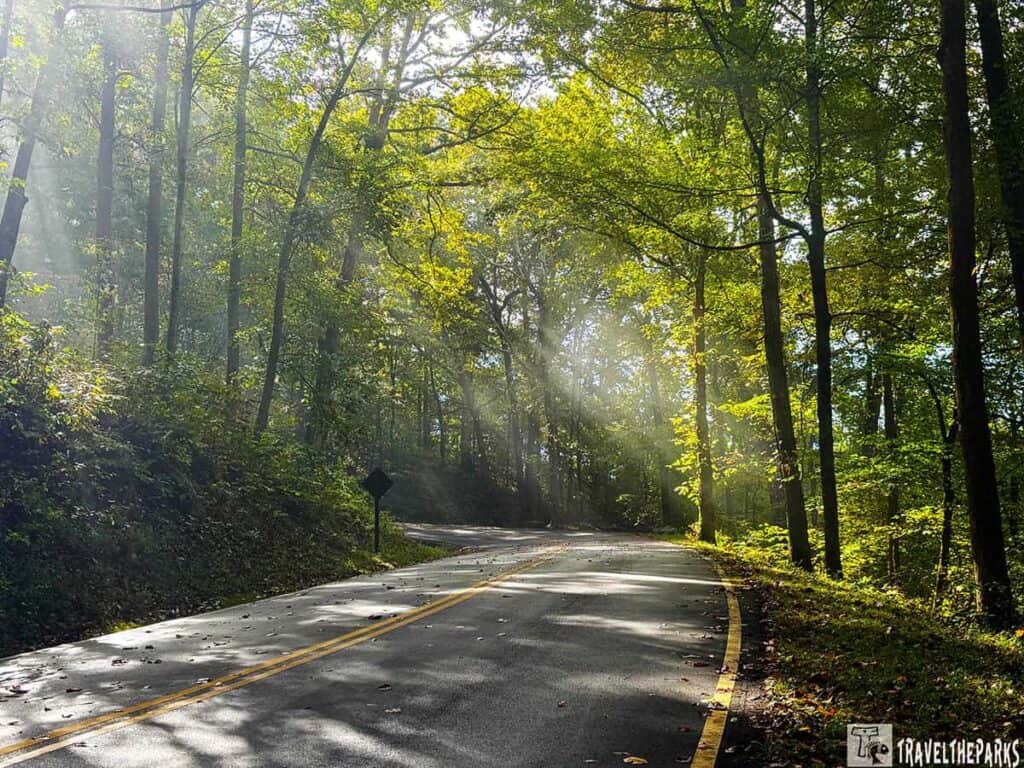
For more than 300 years, the Cumberland Gap was a passageway through the Appalachian Mountains, a natural corridor. The indigenous clans, like the Shawnee, were using it for trading; then came the settlers, like Daniel Boone, who made the Wilderness Road in 1775. Then, both Union and Confederate forces fought for control of the Gap during the Civil War. At present, the park is a sanctuary that boasts over 85 miles of hiking trails, historic homesteads, and the preservation of natural ecosystems, encompassing flora and fauna.
Things to Know Before You Go: Cumberland Gap National Historical Park
Before heading out to Cumberland Gap National Historical Park, here are a few important things to keep in mind:
- Park Hours: The park is open year-round, but the visitor center operates during specific hours (typically from 9 a.m. to 5 p.m. daily). Always check the official website for seasonal closures or event schedules.
- Entrance Fees: Admission to the park is free, making it an affordable destination for anyone.
- What to Bring: Whether you’re hiking, picnicking, or just exploring the park, remember to bring sturdy shoes, sunscreen, a refillable water bottle, and insect repellent. The park’s natural beauty also means you’ll encounter a lot of wildlife, so a camera is a must!
- Cell Service: Cell phone reception can be spotty in some areas, especially when you’re on the trails or deeper into the park. It’s a good idea to have a map or GPS app downloaded before your trip.
- Pets are welcome in the park, but please keep them on a leash and always clean up after your pet.
Things to See and Do at Cumberland Gap National Historical Park
Cumberland Gap is one of those places that really took our breath away. It’s not just because of the views (which are spectacular), but because of the stories tucked into the landscape. While we were camped here, we stretched our legs on the trails, soaked in the fall scenery, and got a feel for the history that shaped this region.
1. Cumberland Gap Tunnel
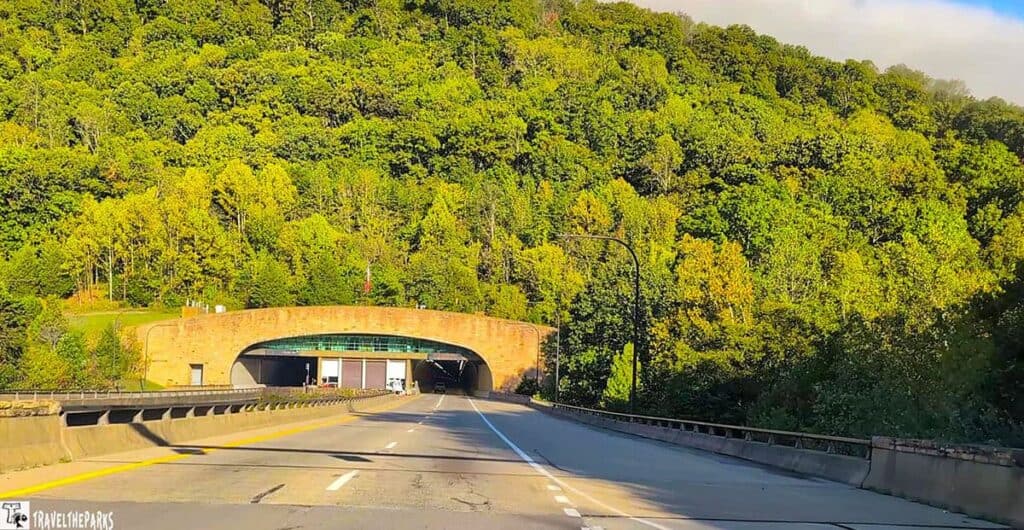
It’s hard to miss the Cumberland Gap Tunnel. This is one of the park’s most eye-catching modern elements, which visitors encounter en route to the park. Opened in 1996, this feat of engineering cuts straight through the mountain. It connects Kentucky and Tennessee. Driving through it is a cool experience. It had me reflecting. It made me think and reflect. How different things were for the pioneers who once had to navigate the rugged Appalachian terrain on foot or by wagon. It’s a real reminder of how far we’ve come — and how much history still lingers just outside the tunnel walls.

2. First Stop: Cumberland Gap Visitor Center and Museum
We started our adventure at the Cumberland Gap Visitor Center. It orients you both on the map and in time. As a product of the ’80s, I spent countless hours in front of the television watching reruns of Daniel Boone. I frequently envisioned myself as Fess Parker, complete with sporting a coonskin cap. My daydreams involved adventure, forging new pathways into the wilderness. As such, standing here where Boone actually forged the Wilderness Road feels incredibly surreal.
The exhibits at the center are simple but engaging, and they do a great job of showing how the Gap became this epic corridor for settlers heading west in the 1700s and 1800s. We wandered from one display to the next, trading “Did you know?” facts and imagining what it must’ve been like to face the wild unknown with nothing but a compass and some hope.
And of course, the visitor center had all the practical stuff too — maps, brochures, and helpful folks ready to point us in the right direction for trails and guided tours. It was the perfect mix of nostalgia, history, and getting our bearings before heading out to explore.
3. The Pinnacle Overlook
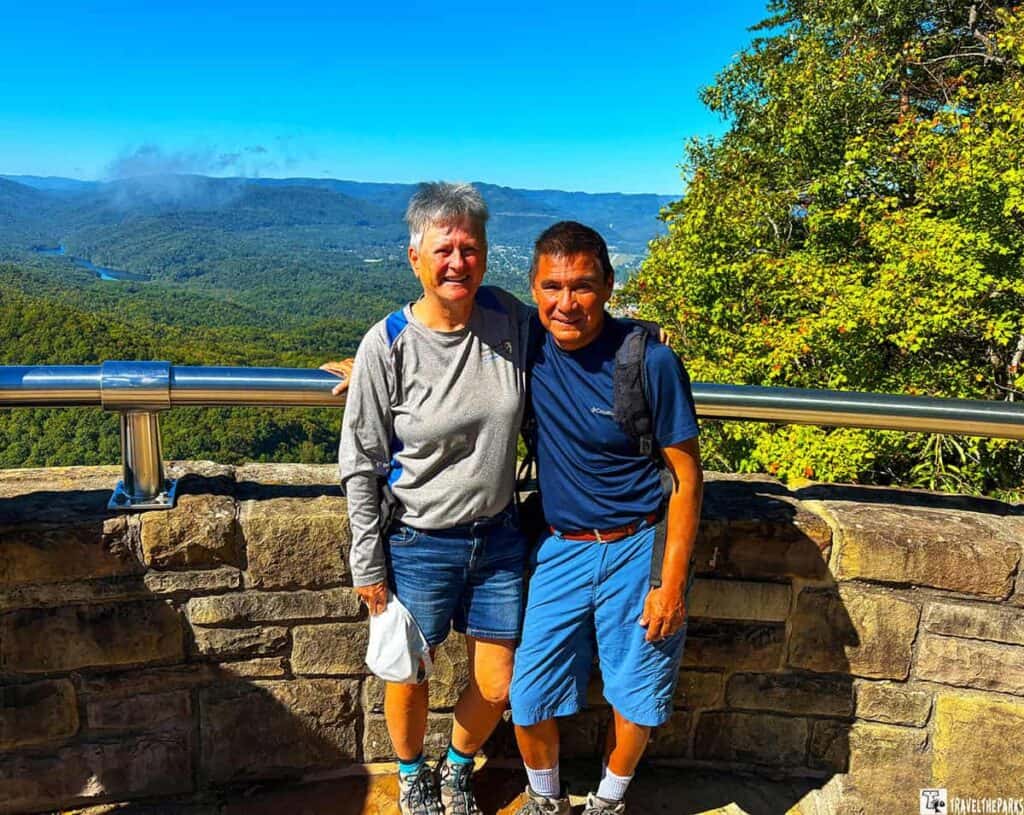
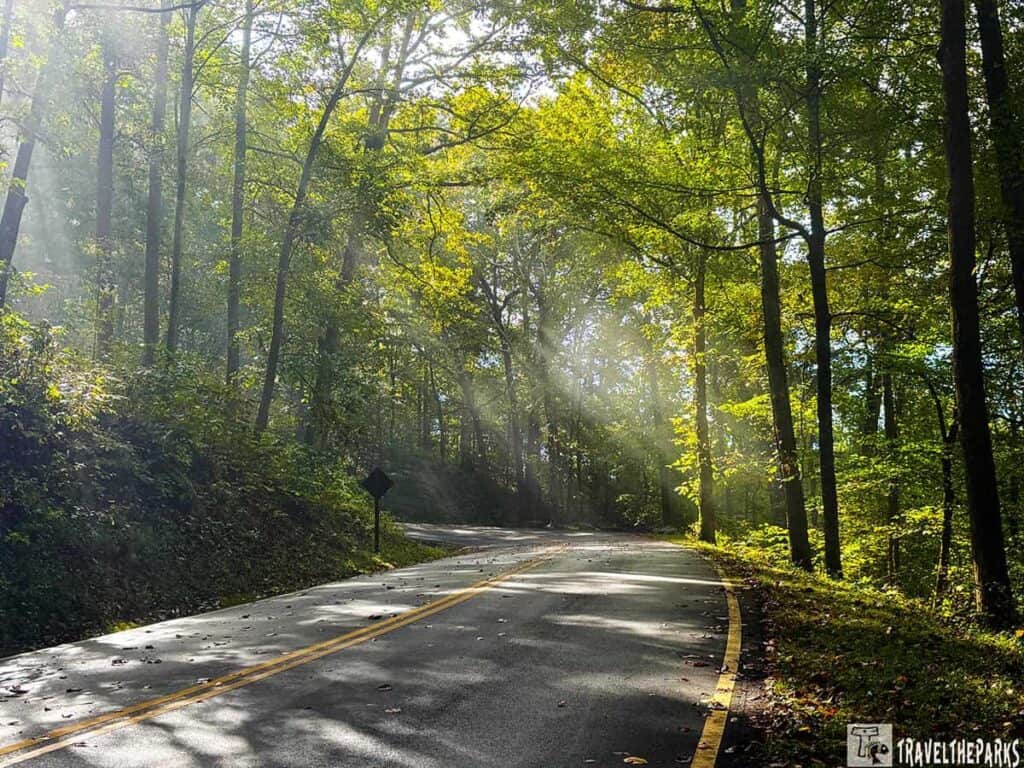
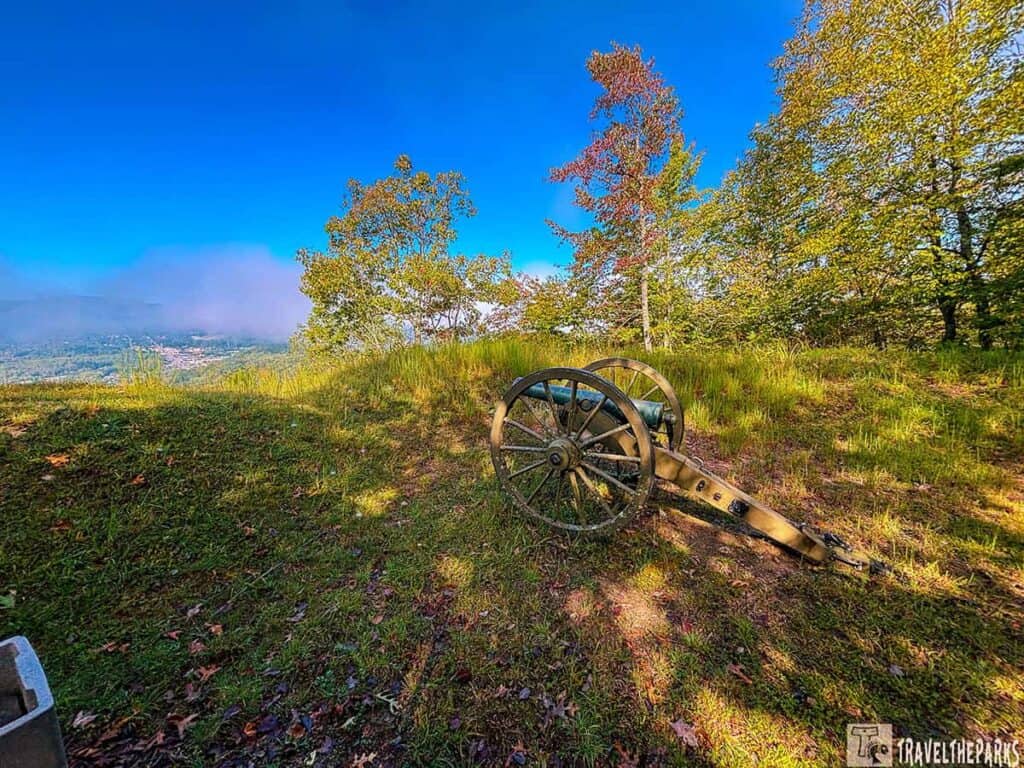
The Pinnacle Overlook caught us completely off guard. It’s not far from the campground. Just a short drive up a winding paved road off U.S. 25E—but nothing about that easy drive prepares you for what’s waiting at the top. We stepped out of the car, walked to the railing, and just stopped talking for a minute. The view rolls out across three states—Kentucky, Tennessee, and Virginia—all at once..
Bring your camera. Take the photos. Just know ahead of time that they won’t really do it justice.
We stood there longer than we planned, leaning on the railing, not saying much. At some point, one of us brought up the settlers who came through here, and it’s hard not to go there. Standing in that exact spot, looking out at all that open land, you can feel the weight of it. That same mix of wonder and uncertainty they must have carried with them. It makes you feel small, but in a way that’s oddly comforting.
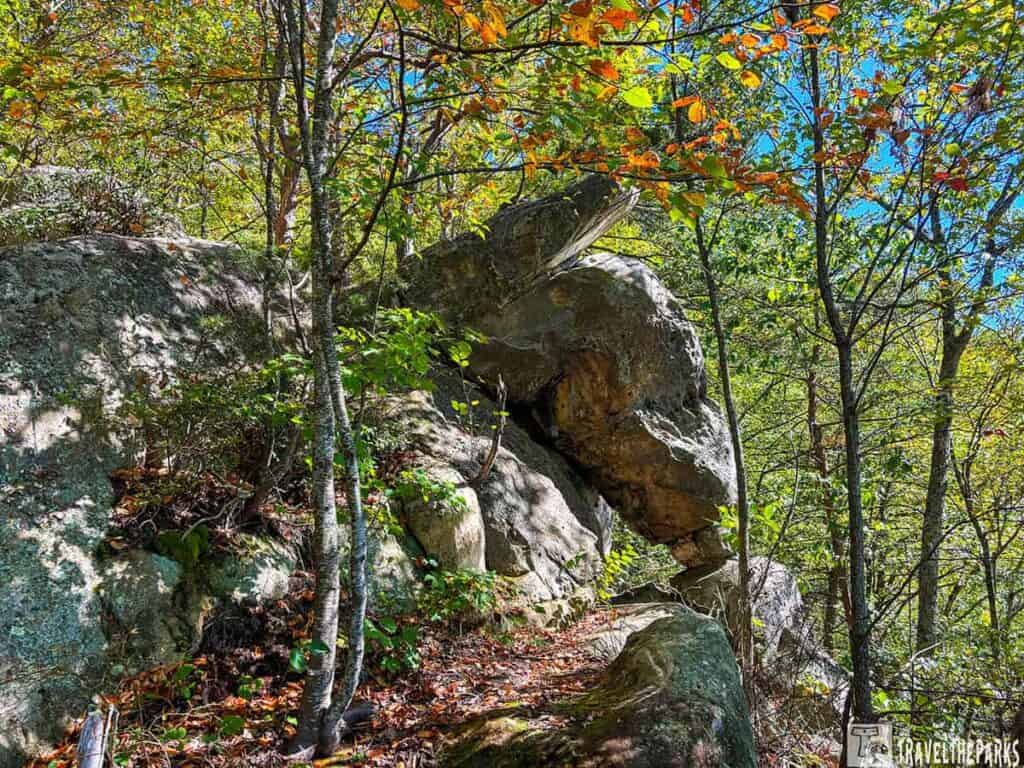
The deliberate architecture of another landscape came to mind while hiking Cumberland Gap’s rugged terrain. The Pinnacles have a sculpted quality. These tall, weathered stones rising toward the sky kind of reminded me of the massive rocky obelisks at Natural Chimneys Park. It guess the same ancient forces carved these landmarks from the same page of geological time.
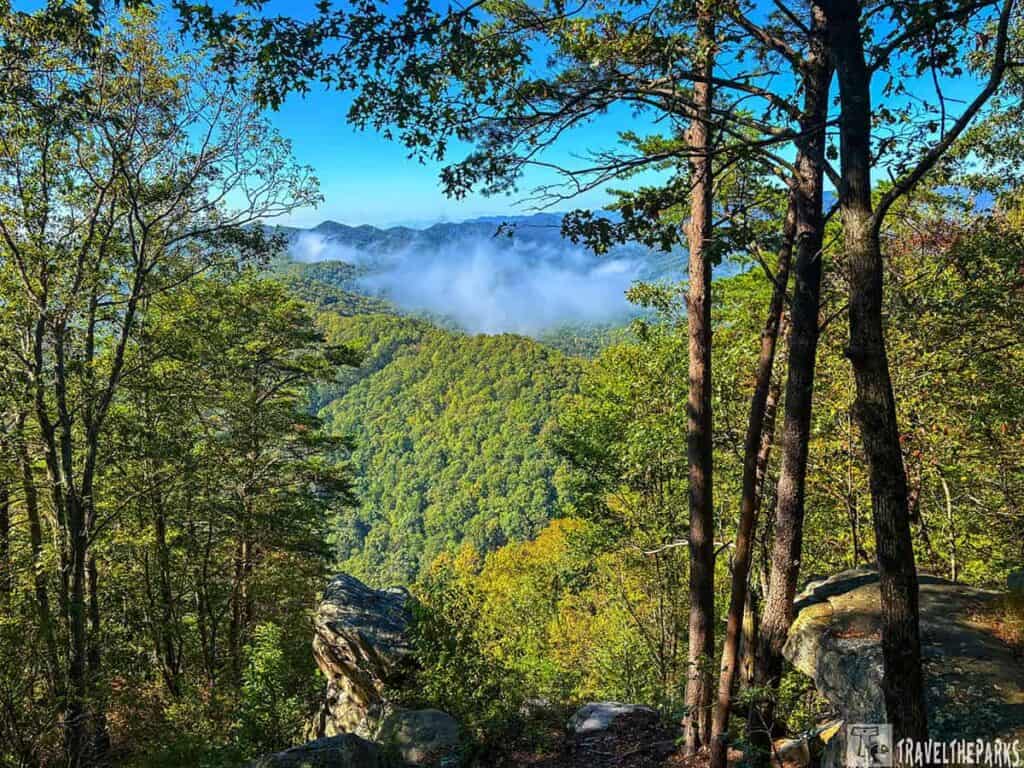
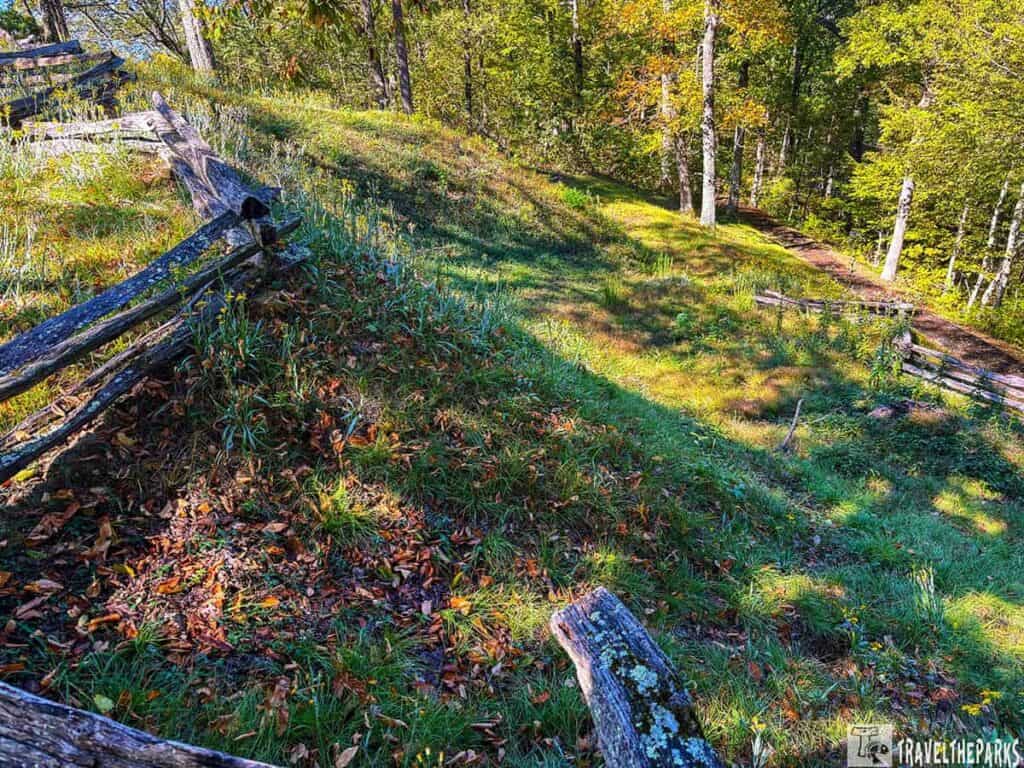
If you want a short hike with a big dose of history, the Fort Lyon Trail is a great choice. It’s a steep, straightforward climb on a spur trail off the overlook path. However, the real reward is everything you pass along the way. The trail cuts right through the preserved earthworks of Fort Lyon, a Union fort built to control the Gap during the Civil War. We could clearly see the old ridgelines and defenses. I had a hard time envisioning soldiers dragging cannons up the mountain. Not much is left from the 1860s, but you get the gist.
4. Historic Hensley Settlement
We decided to join the ranger-led tour to Hensley Settlement, and let me tell you, it was the highlight of our trip. There’s a small fee and you’ve got to book ahead, but trust me, it’s worth every penny. It requires a fee and advance registration, but trust us — it’s worth it.
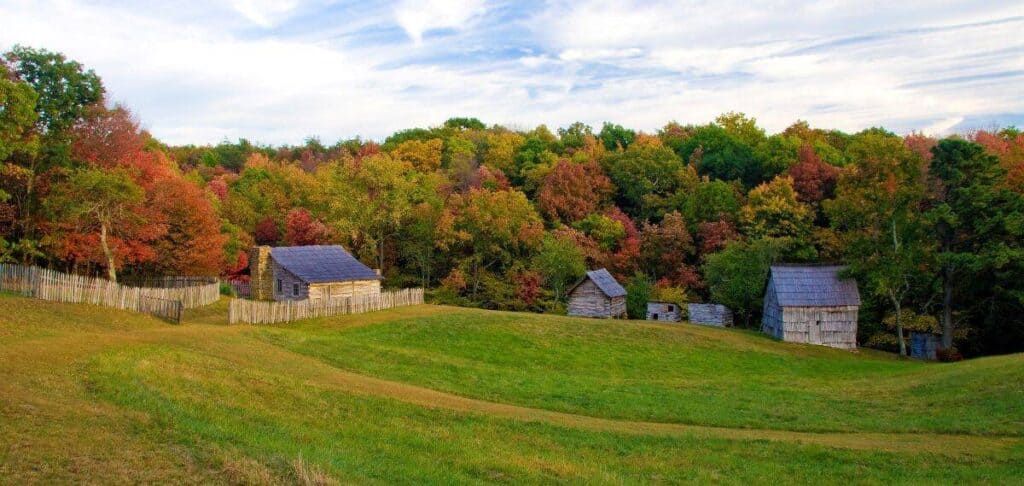
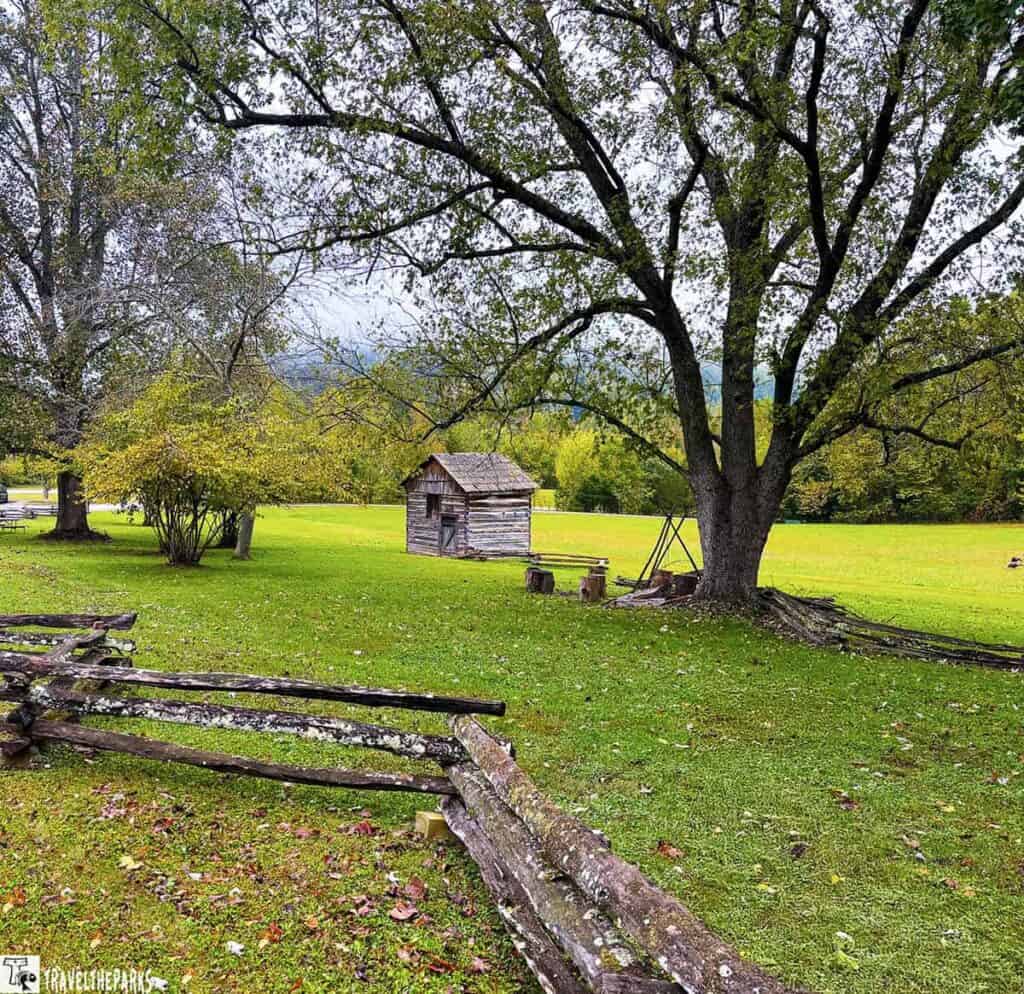
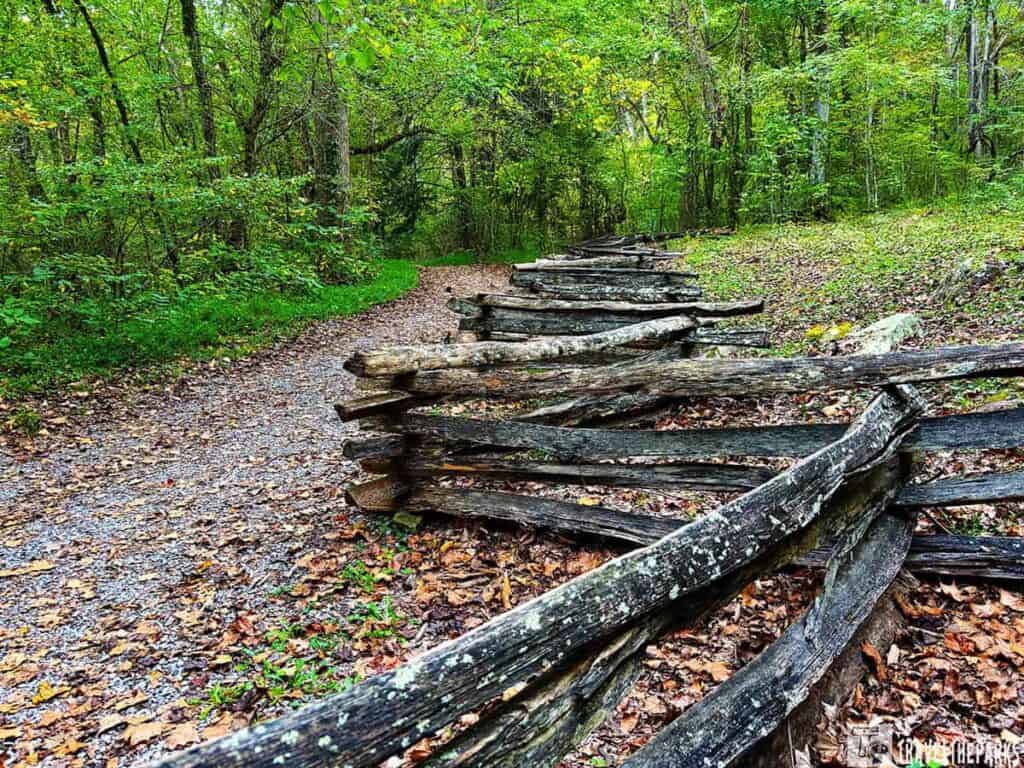
You feel as though you’ve traveled back to the early 1900s when you visit this cherished Appalachian community perched atop Brush Mountain. Featuring hand-crafted cabins, split-rail fences, and rustic barns, the settlement vividly illustrates the lifestyle of the Hensleys, who thrived entirely off the land, away from the comforts of modern life.
With the ranger as your guide, the stories of the families who once lived here really come to life. Wandering from one weathered structure to the next, we could almost imagine the sounds of daily life echoing through the hills. It was interesting learning how they farmed, raised children, and built a self-sufficient community without electricity or running water. No screens, no shortcuts, just hard work and tight-knit living.
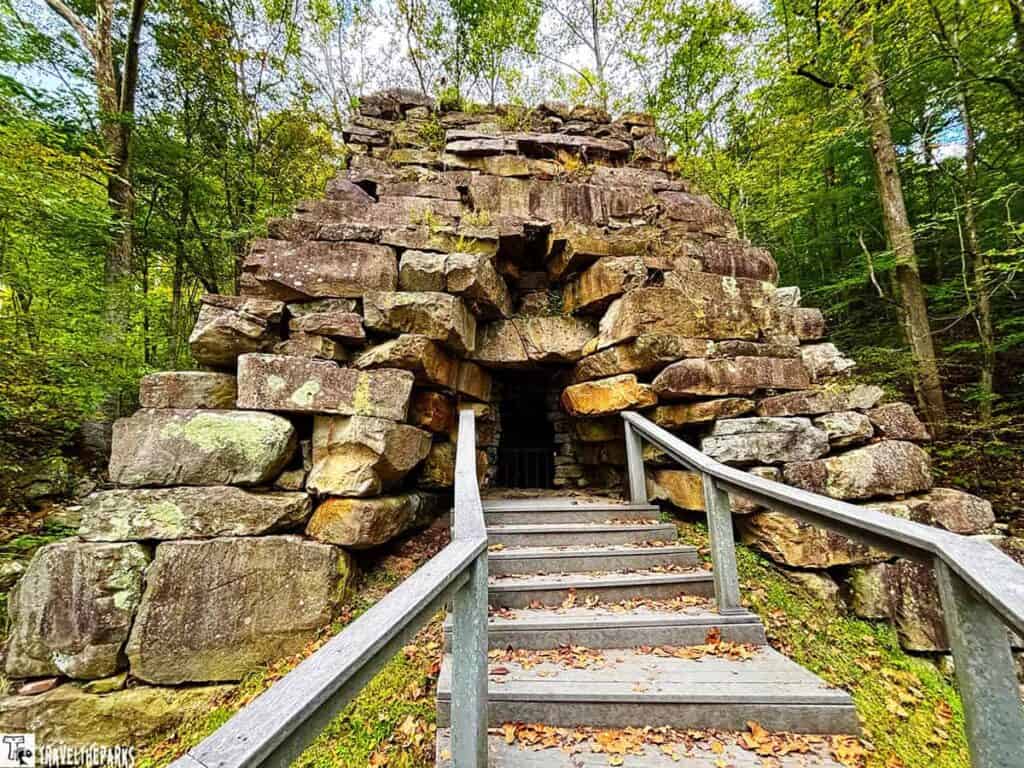
5. A Walk Through the Past at the Iron Furnace
Tucked away near the creek in Cumberland Gap town, the old Iron Furnace feels like a hidden gem. We came across a towering stone structure standing quietly beside the water.
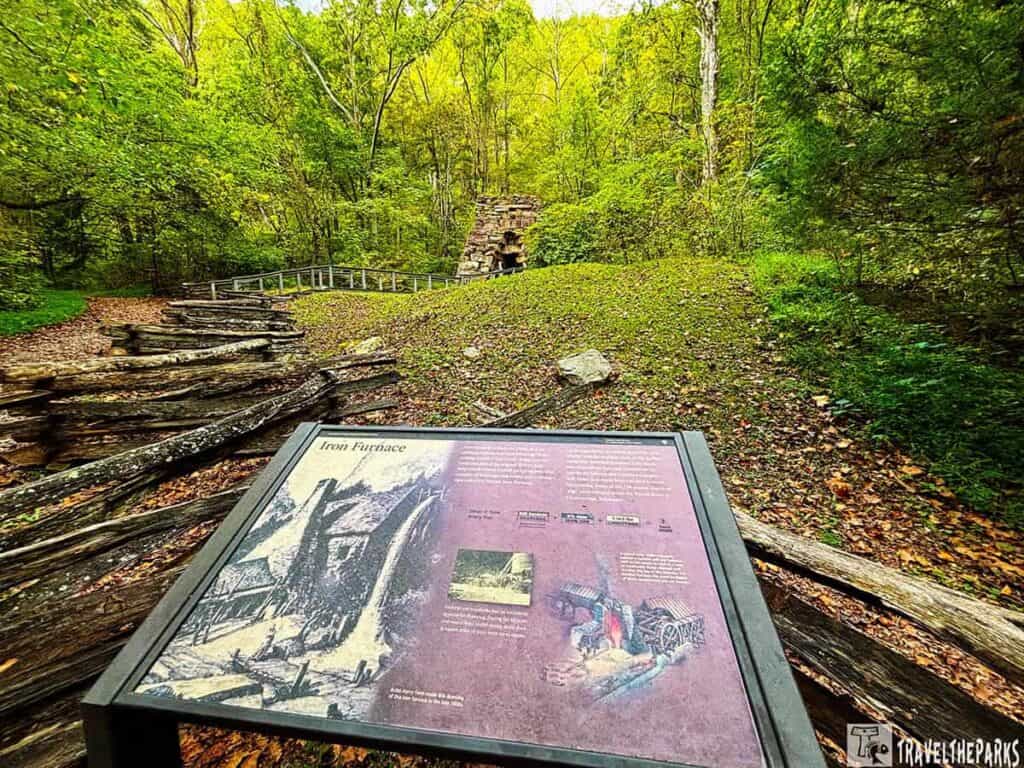
From the 1820s to the 1880s, this spot was the heart of a busy iron smelting operation known as the Newlee Iron Furnace. The park held everything they required. The iron ore, limestone, charcoal made from local timber, and the rushing waters of Gap Creek powered the machinery. It included a giant bellows and a hammer mill. Some of the iron ended up with local blacksmiths; the rest, massive 150-pound ingots called “pigs,” were floated downriver to Chattanooga.
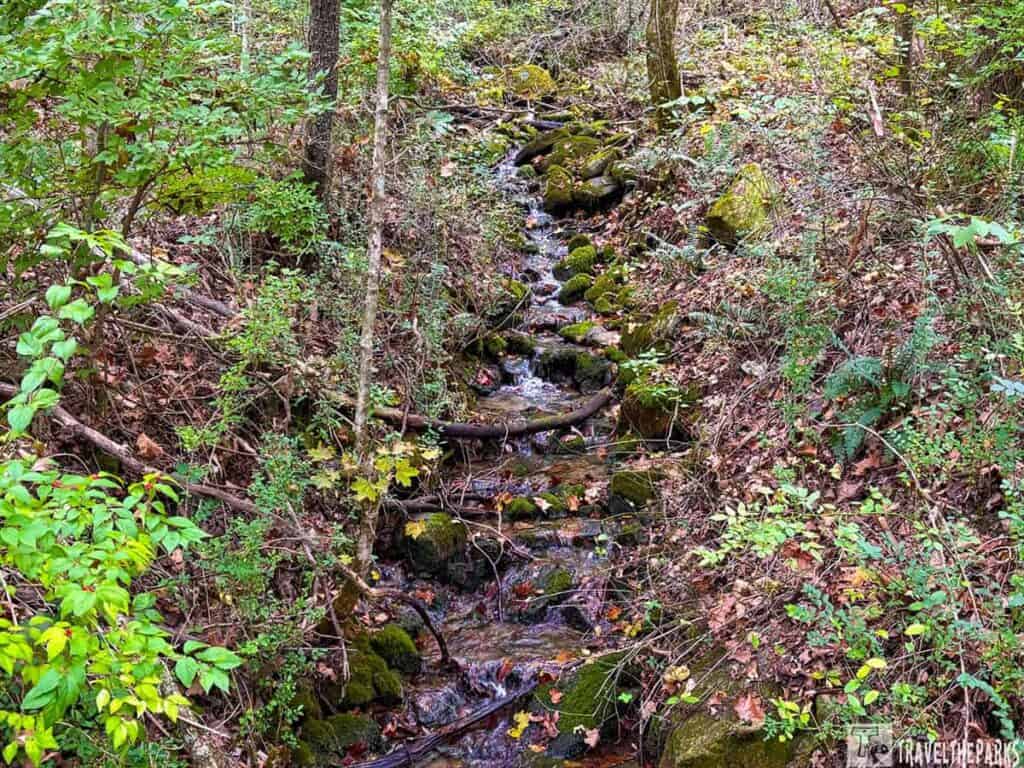
Although much smaller than the one we saw in Pine Grove Furnace State Park, what now remains is the stone tower and the creek. However, if you close your eyes, it’s easy to imagine the clang of metal and the hum of industry echoing through the trees. It’s a quiet place now, but there’s an entire story built into those old stones.
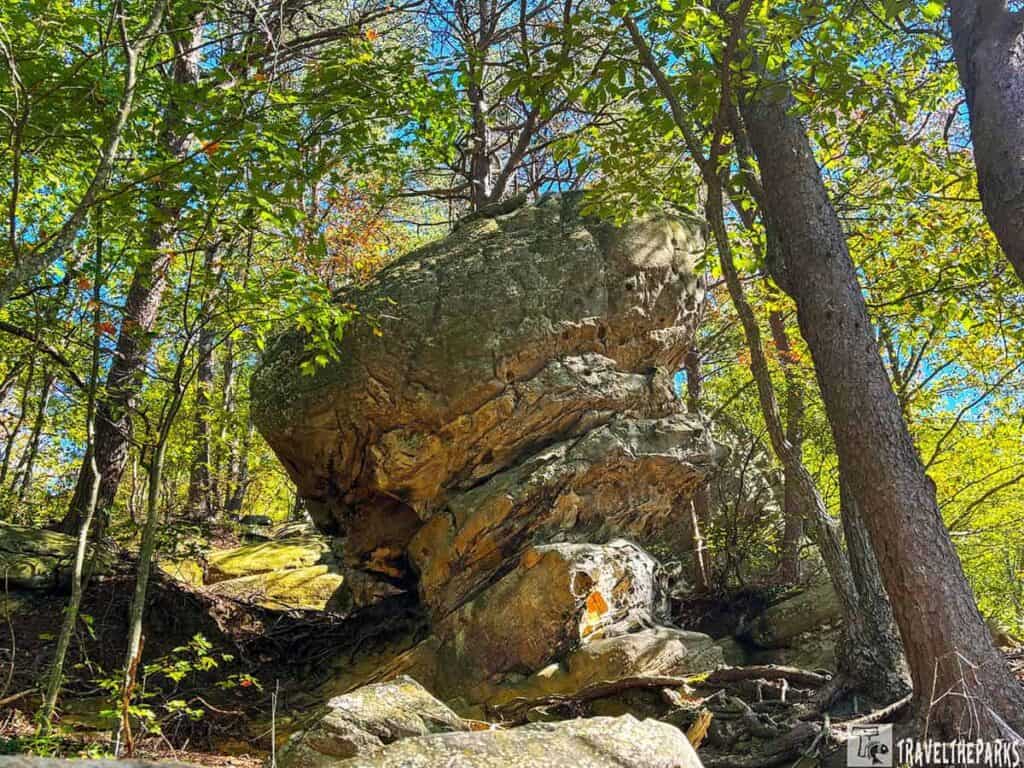
6. Underground Wonders at Gap Cave (Cudjo’s Caverns)
One of the unexpected highlights of our trip was the ranger-led tour of Gap Cave. We love caves and were curious about what lies beneath the mountain. Sign-up is required in advance (there’s a small fee), but it’s well worth it. A ranger meets your group (20) and leads you on a short walk to the cave entrance.
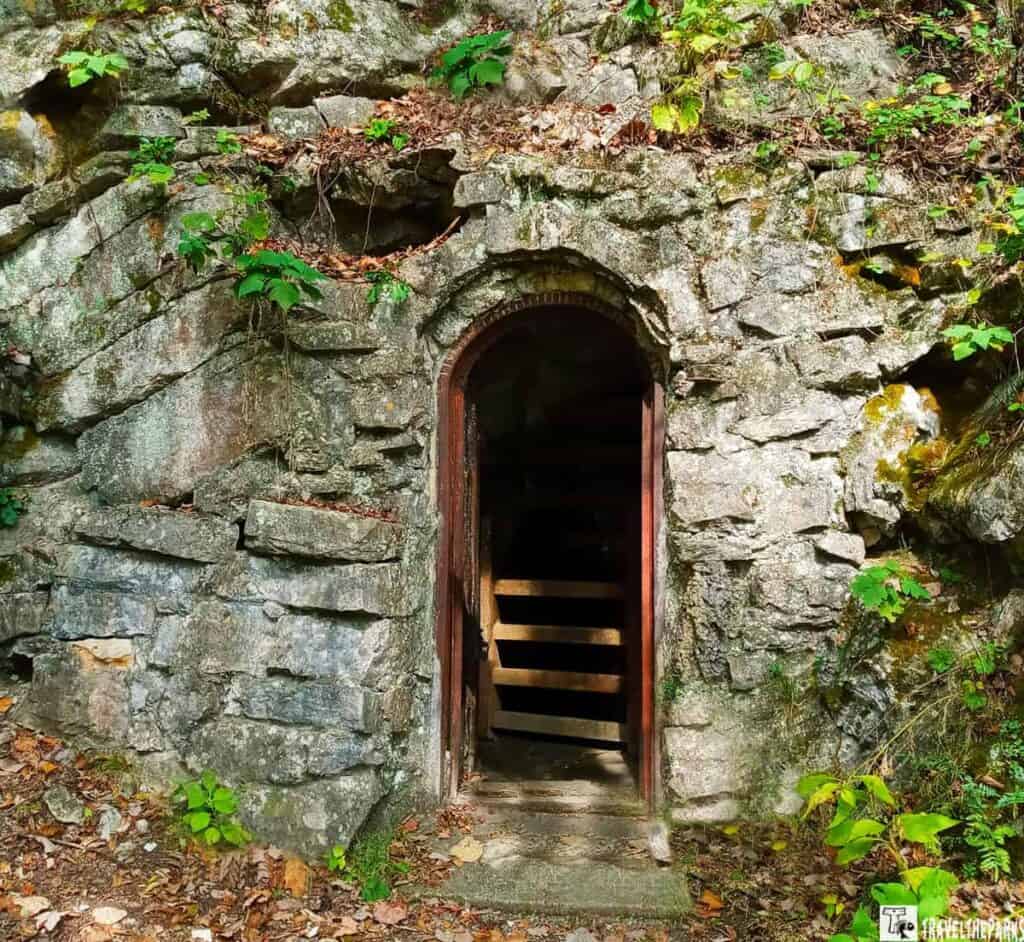
Inside, we explored 1.5-miles of winding passageways, cathedral-like chambers, and delicate formations that looked like they were sculpted by time itself. The ranger shared fascinating stories about how the cave was used over the years — from shelter for Indigenous peoples to a hideout during the Civil War. He was quick to point out flowstones, stalactites, stalagmites, and underground streams that we might’ve missed on our own.
There are 183 stair steps and uneven ground, so good shoes are a must. It gets chilly down underground. Walking through those ancient, echoing chambers made us feel like we were part of a long-lost expedition. It differed from our previous cave adventures at Jewel Cave in South Dakota or Carlsbad Caverns in New Mexico.
7. Visit the Daniel Boone Visitor Information Center: Follow the Wilderness Road
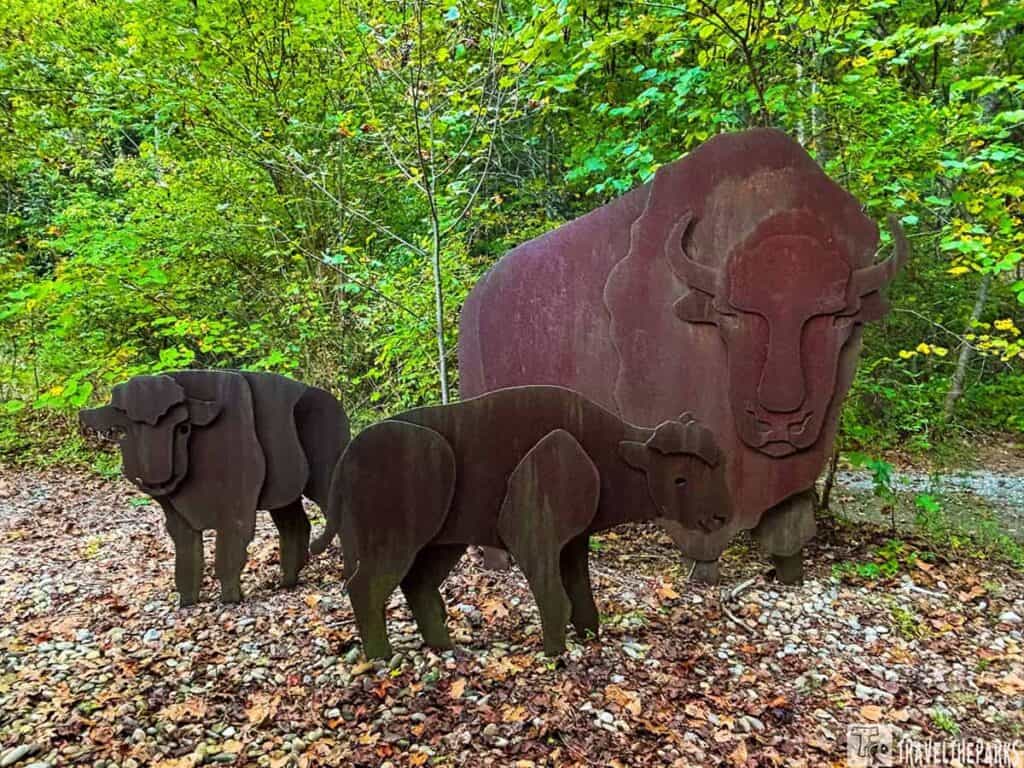
The first thing we did was visit the Daniel Boone Visitor Information Center. Through its interactive exhibits, we learned about the early pioneers and the history that shaped their journey. The timeline spans from the Indigenous cultures who traveled through the Gap for trade to the 250,000 settlers who ventured into the wilds of “Kentuckee.” Against the forest, giant bronze dioramas create vivid scenes from the past.
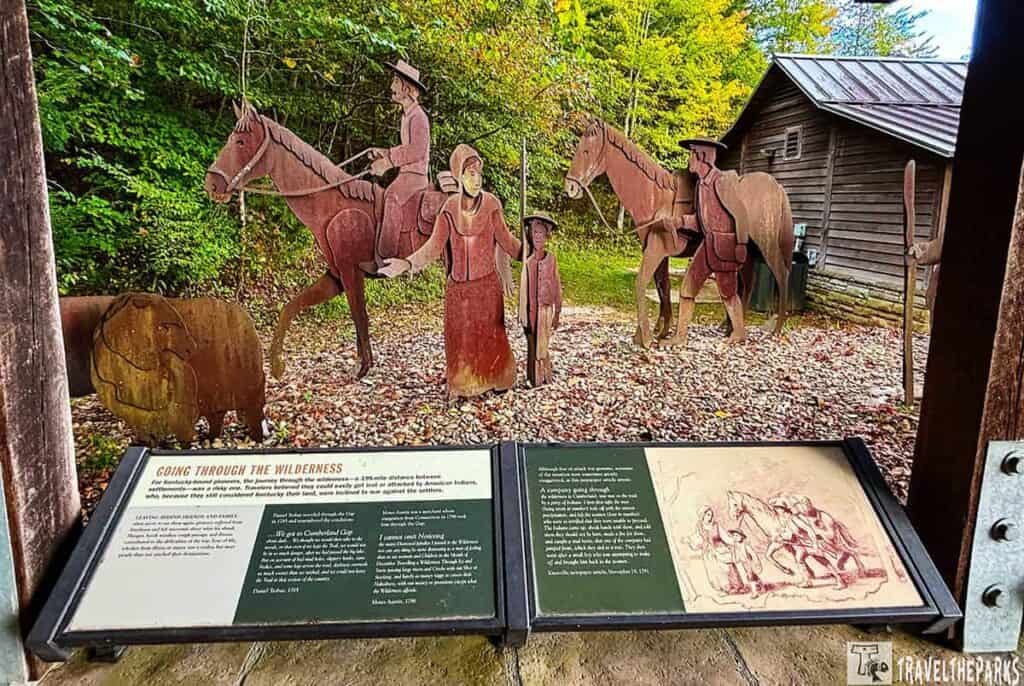
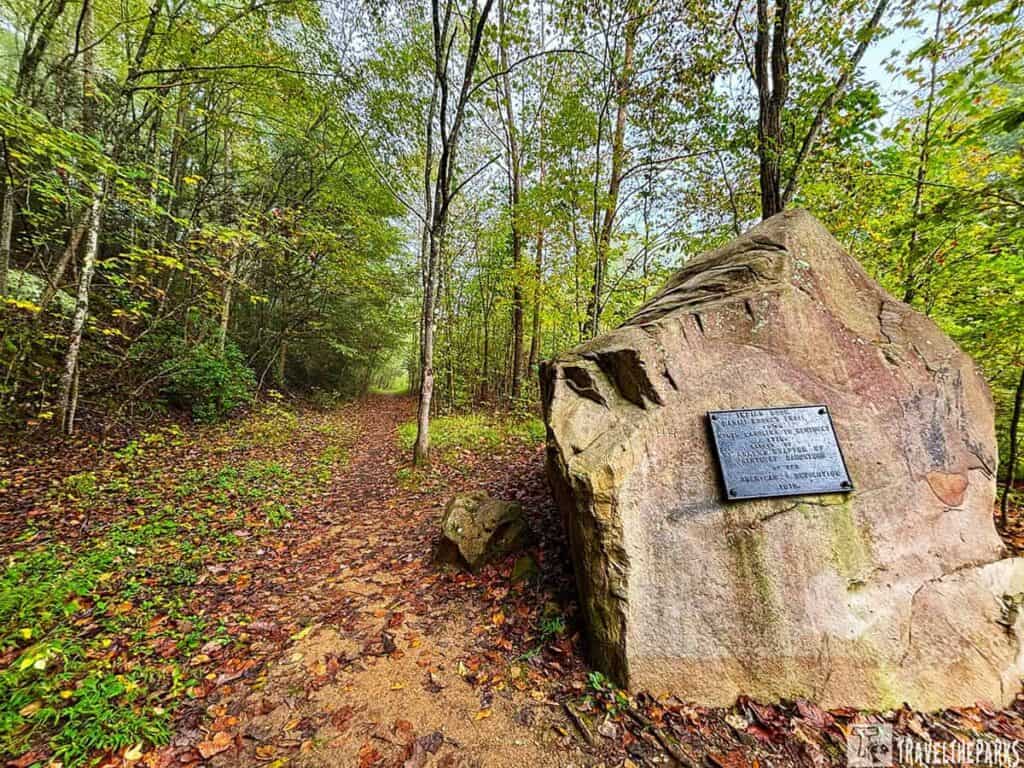
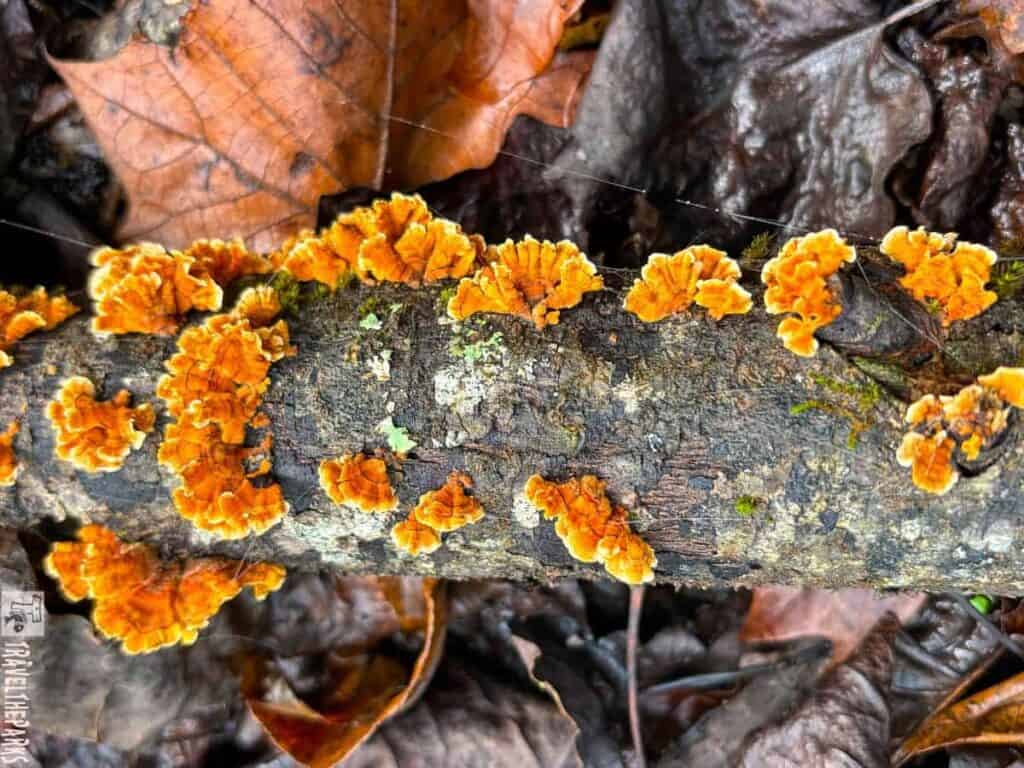
From here, we hiked the 2.5-mile Wilderness Road Trail. The trail mirrors part of the original 100-mile route Daniel Boone blazed in 1775 from the Tennessee–Virginia border to Cumberland Gap. It was incredible to think we were walking the same path Boone once traveled. The hike is moderate, with about 240 feet of elevation gain. Most people finish it in about an hour, but we took our time because I love stopping to look at fungi. Along the way, several informative signs shared more of the area’s rich history.
8. Hike to the Saddle of the Gap
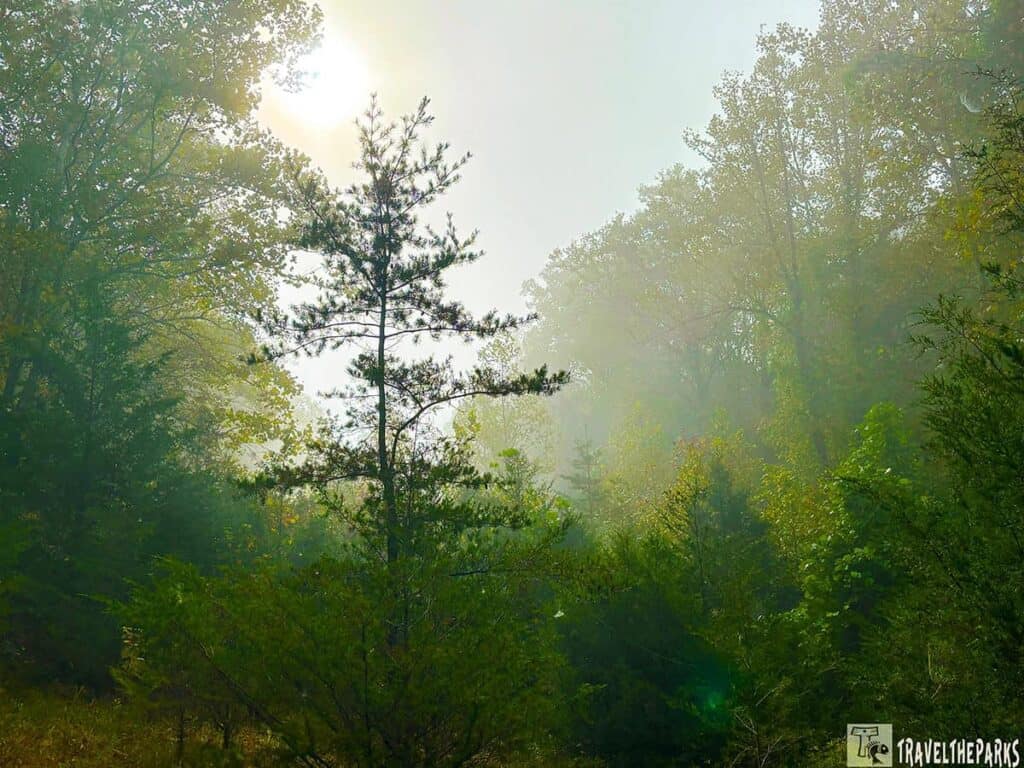
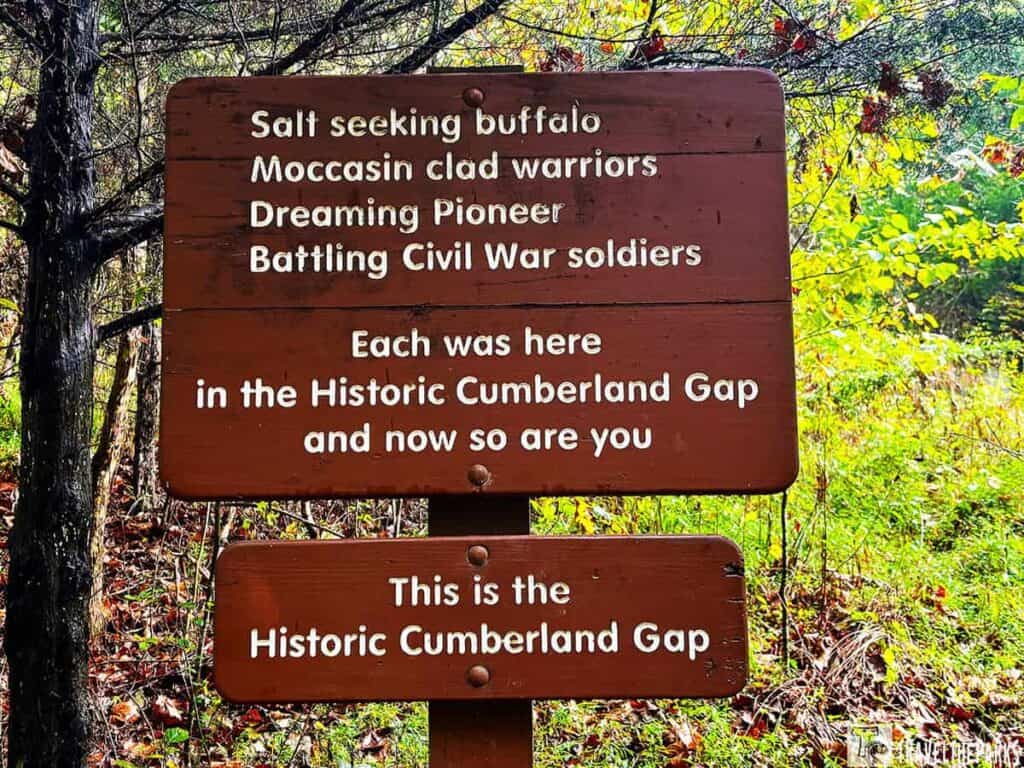
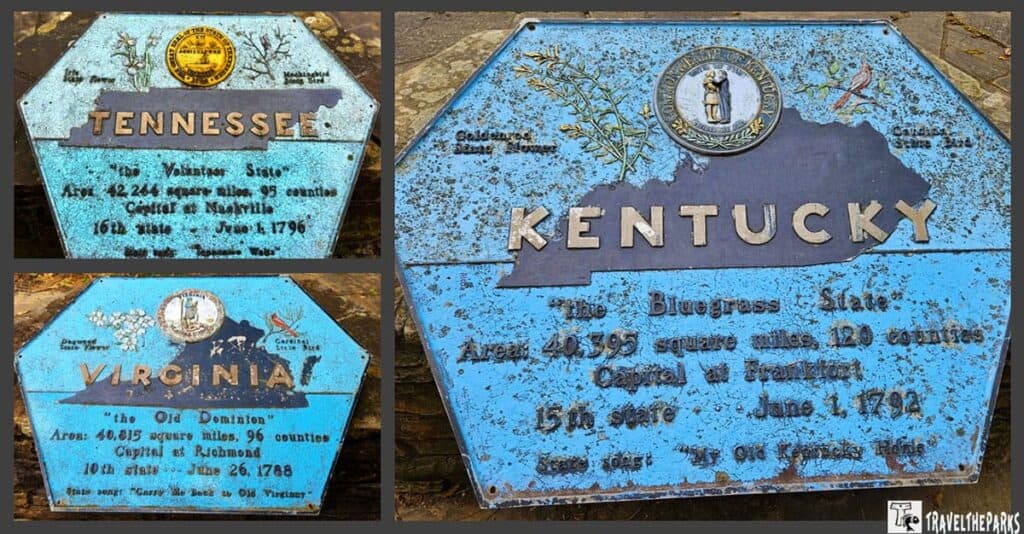
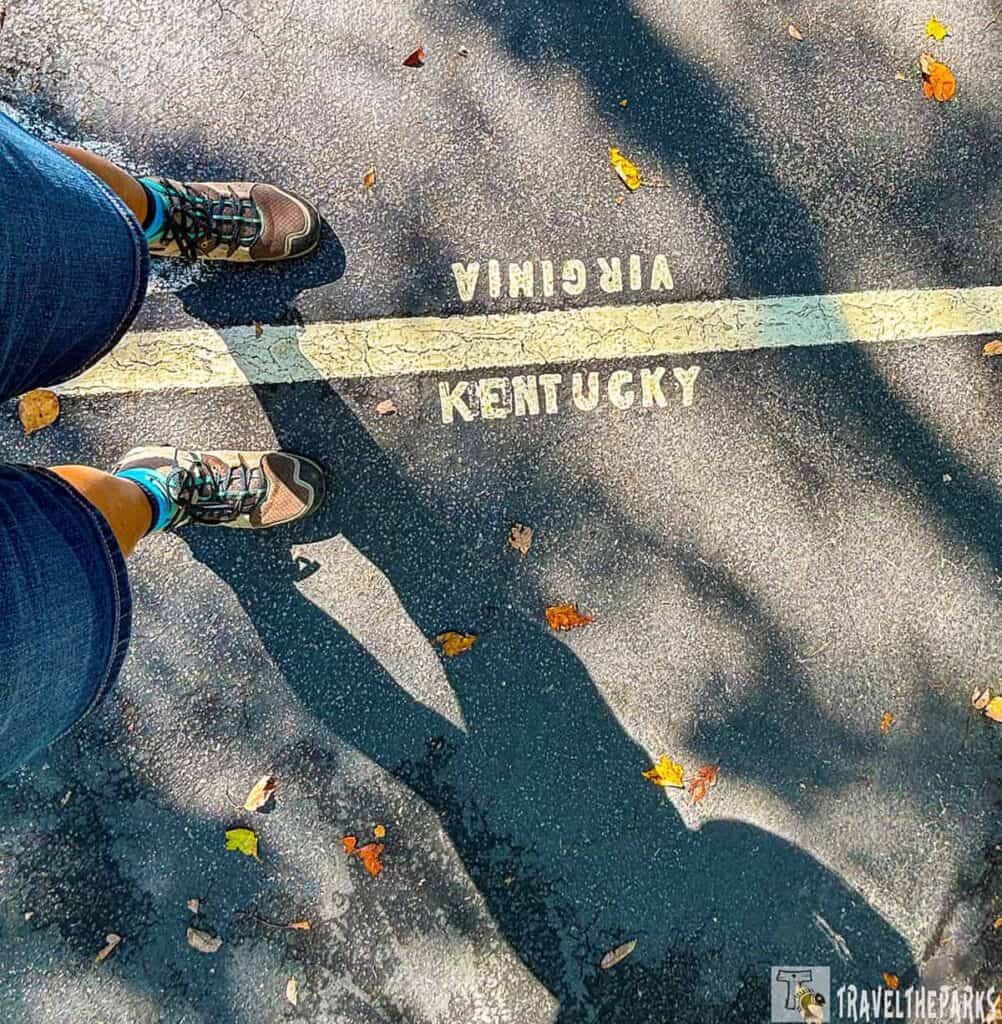
If you do only one hike in the park, this is the one to do. The 0.8 mile trail is wide and well-maintained, but we immediately notice the incline. It’s a steady climb. It is a fitting reminder that the pioneers’ journey was anything but easy. This morning, fog enveloped the forest. It adds a mystical effect to the forest canopy of oak, tulip poplar, and hickory. I notice the ruts. The ruts are a historical feature of the original wagon path. An estimated 300,000 settlers poured through the gap, headed west. Once you reach the gap, we took the short spur trail (0.1 miles) from the Saddle. It leads to a marker showing the meeting point of Kentucky, Tennessee, and Virginia.
Best Hiking Trails in Cumberland Gap National Historical Park
We packed the snacks and tackled as many trails as we could during our stay. Let’s just say the views (and the sore legs) were totally worth it. Here are some of our favorite hikes in the park, with notes on what to expect:
Tri-State Peak Trail (2.4 miles round trip, moderate)
We couldn’t resist this one — standing in three states at once? Yes, please. The trail climbs gradually through peaceful woods and ends at a stone marker where Kentucky, Tennessee, and Virginia meet. Worth it for the photo alone.
Pinnacle Overlook Trail (3.6 miles round trip, moderate-strenuous)
Okay, we admit it — we drove to the overlook once and hiked to it another day. We hiked it one morning after coffee and loved every step — even the sweaty ones. The trail is forested with many steep sections, but the panoramic views from the top are breathtaking. Bring water and take your time; Sage was happy for every shady rest stop.
Harlan Road Trail (4.5 miles one way, easy to moderate)
A gentle trail that winds along the old roadbed. No major climbs, which meant we could enjoy the sounds of the forest — and Sage could explore at her own pace. Peaceful and underrated.
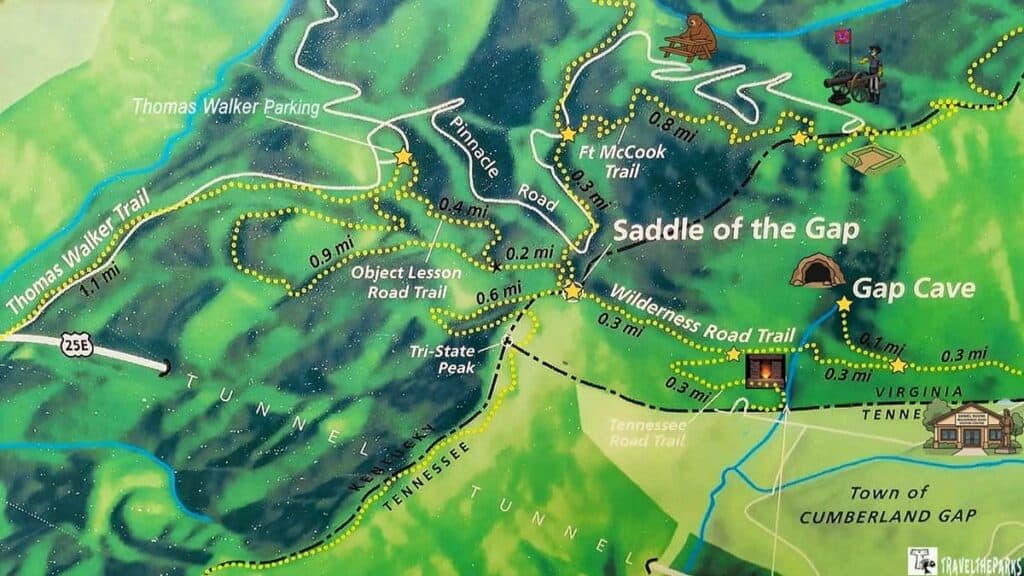
Object Lesson Road (0.4 miles)
This trail follows the 1907 roadbed built by the U.S. Department of Agriculture. The wide, clear path is excellent for families with children. Connects to the Cumberland Gap, Tri-State Peak, and the Thomas Walker Trail.
White Rocks & Sand Cave Loop (8.5 miles round trip, strenuous)
This was our one big hike. It has steep climbs, incredible overlooks, and a massive cave with colorful sandy floors that felt straight out of a fantasy novel. Challenging? Yes. Worth it? Absolutely.
If you’re heading to the White Rocks Trail, make time for a stop at Wilderness Road State Park. We were immediately pulled into Martin’s Station, where reenactors were busy tending fires and working with period tools. It felt like we were stepping back in time.
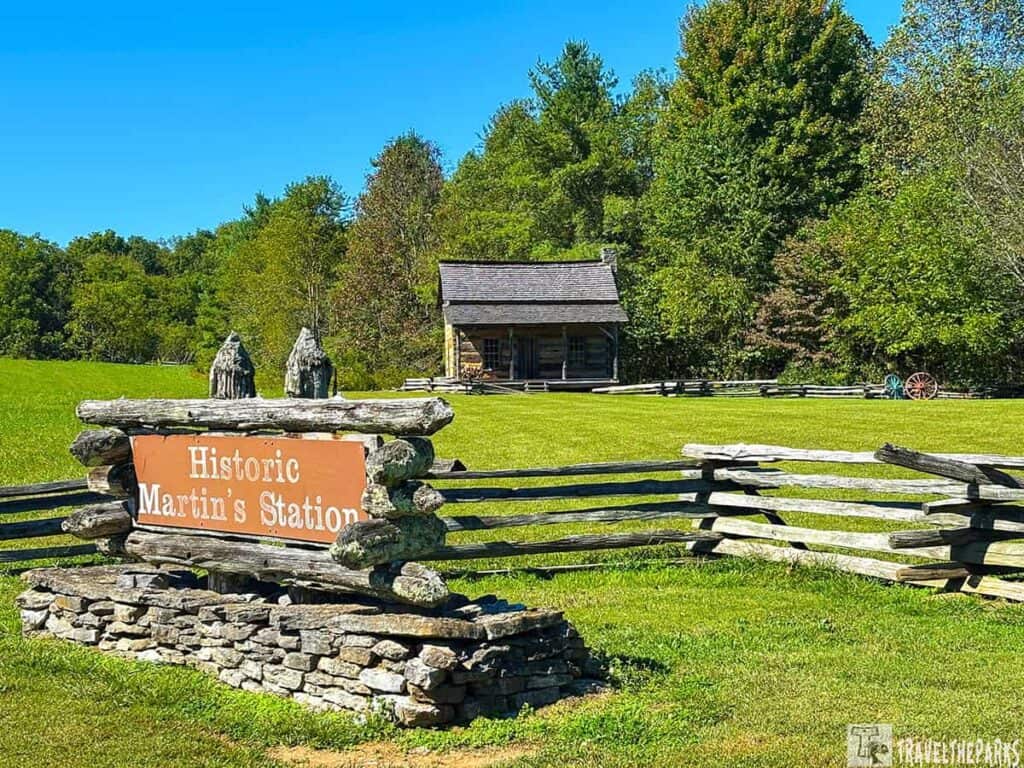
Standing there, it hit us: this wasn’t just a quick stop. It marked the true beginning for thousands of pioneers—the last touch of civilization before the unknown. You can almost picture them looking toward the distant White Rocks, knowing the Gap was within reach.
After soaking in the history, we continued on the Wilderness Road Trail, which leads from the state park into the national park and up to the White Rocks trailhead.
Camping Under the Stars at Wilderness Road Campground
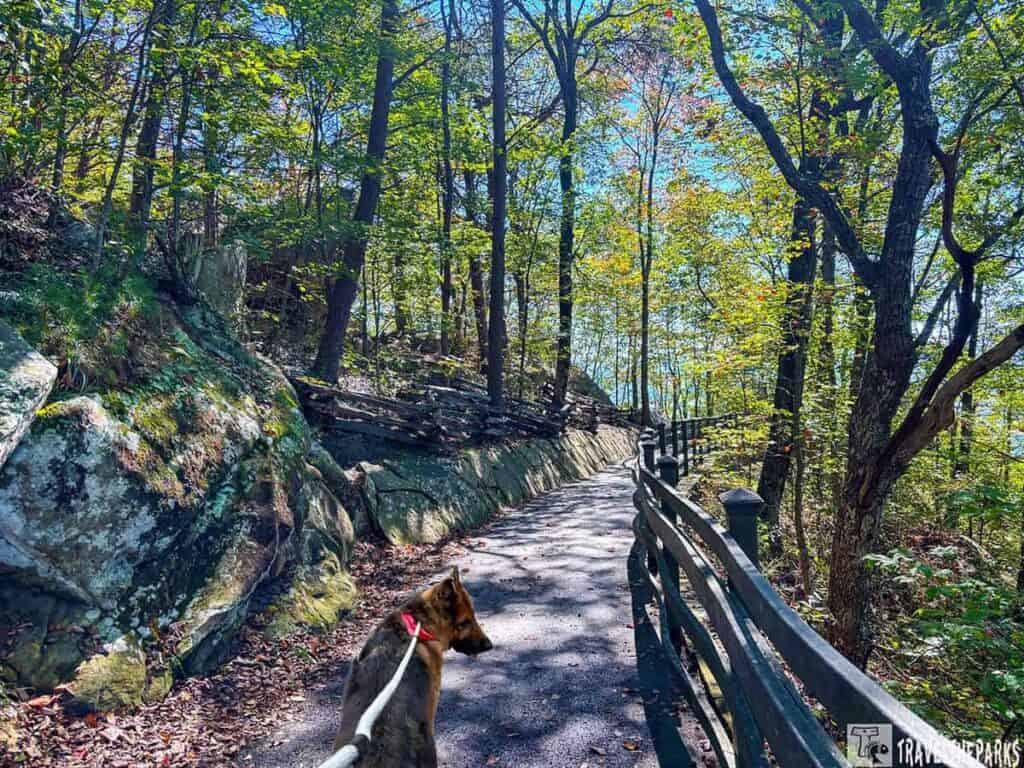
We spent five nights at the Wilderness Road Campground, and it ended up being one of our favorite parts of the trip. Not just for us, but for our dog, Sage, too. The campground is quiet, shaded, and has plenty of space to roam, which made it perfect for evening walks with him. Every path seemed to hold a fresh scent or a squirrel to investigate, and she was in heaven. Tucked among tall trees with plenty of space between sites, it felt like just the right mix of wilderness and comfort. There are clean restrooms, hot showers (a luxury after a long day), and even fire rings for a cozy evening by the flames.
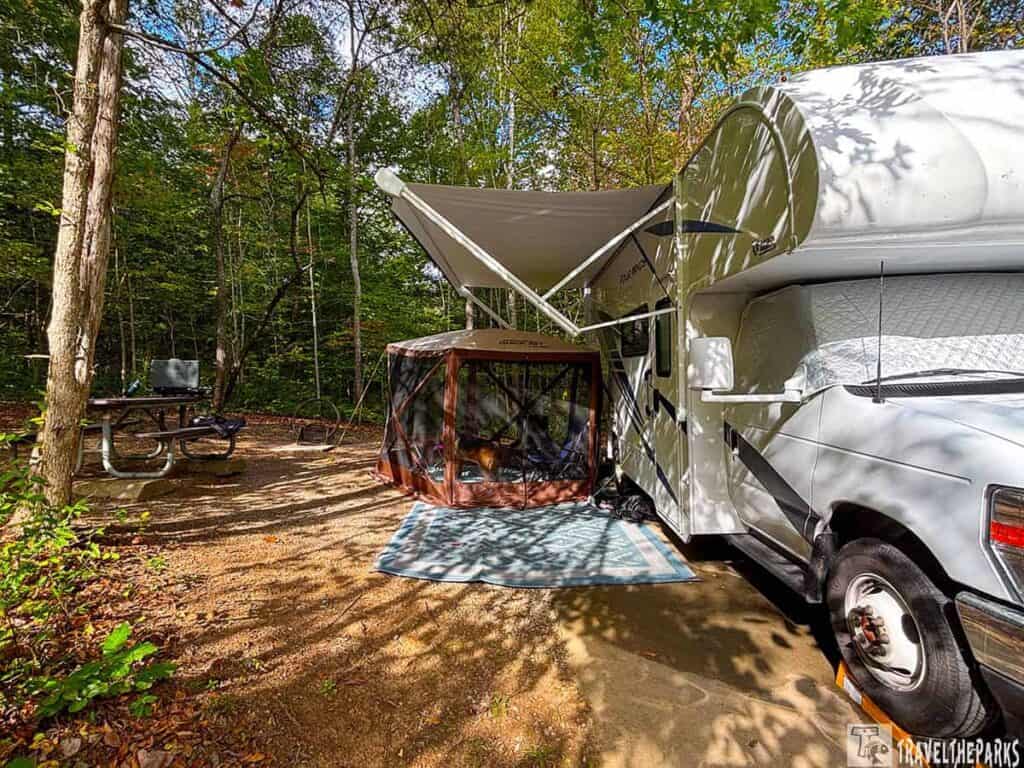
We didn’t feel the need to do much of anything — just sat by the fire, watching the sparks float up into the night sky while Sage curled up beside us. It was one of those moments that sneaks up on you — simple, still, and full of gratitude for where you are and who you’re with.
Final Thoughts: Cumberland Gap National Historical Park
It’s hard to imagine what life here must really have been like. These days, we lather on sunscreen, spritz insect repellent, and gear up in our lightweight, permethrin-treated clothing before we even set foot on a trail. But back then? Maybe you’d rub on some mud, if anything — or just deal with the bites and sunburn. A proper bath or shower was a luxury, not a daily routine. It really puts things in perspective—how much we expect comfort now, and how much they had to endure without it.
As we packed up our gear and said goodbye to the mountains, we found ourselves already talking about when we’d come back — not if. Cumberland Gap National Historical Park has a way of getting under your skin, in the best possible way.
We’d love to hear from you! Have you been to Cumberland Gap or planning a visit? Share your favorite trails, tips, or questions in the comments below.