
Creating your packing list for your dream Alaskan RV vacation will require careful planning and packing. Weather can be so variable from location to location at any time of the year. Remember, in Alaska, it can snow in July. Therefore, it is imperative that you pack for all seasons when planning your itinerary.
Camping in your RV can be an amazing adventure. We brought the essentials prior to our arrival in Alaska. However, before leaving Anchorage or Fairbanks, most supplies can be purchased at the local Fred Meyer.
PACKING LIST–RV VACATION needs to include everything for the week or more that you are using the RV.
This post may contain affiliate links, meaning if you purchase something through one of these links, we may earn a small commission at no extra cost to you! Read the full disclosure policy here.
Table of Contents
Do yourself a favor: purchase the milepost
For your first purchase, we recommend for any Alaska getaway is the Milepost magazine. The Milepost is the best-selling extensive guidebook covering Alaska, the Yukon, the Northwest Territories, and British Columbia. The Milepost highlights all the points of interest mile-by-mile along your route. We’ve been saved a few times finding gas stations or rest areas. When we travelled by RV, it helped us find the perfect wayside for lunch stops and campground insights.
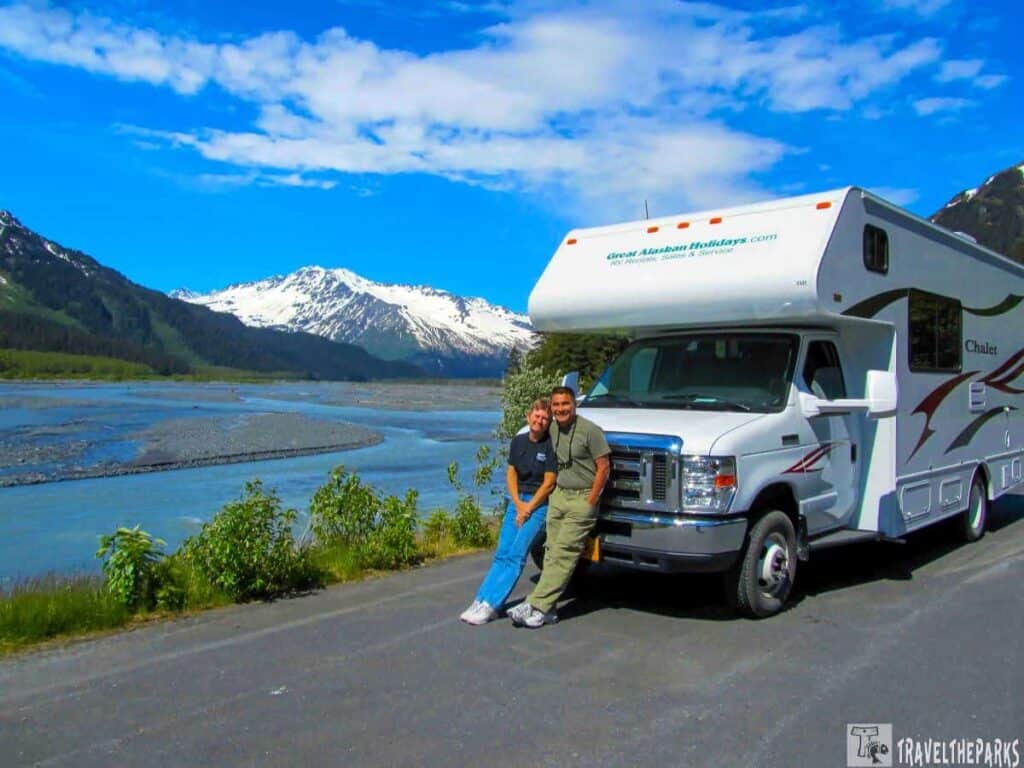
What to park? The Essential RV Trip Packing Checklist.
Purchasing travel organizers allows you to compartmentalize like-sized items and maximize every inch of interior luggage space. Clothes remain neatly folded and contained in their own compact “drawers,” preventing shifting during transit. Once you arrive, the organizers transfer seamlessly into the RV, making unpacking quick and effortless.

Outdoor Gear: Be Ready for Adventure
Bushnell H2O Waterproof/Fog-proof Roof Prism Binocular : Wildlife spotting is part of the magic — moose, bears, bald eagles, and whales. A pair of compact binoculars can be a significant addition to any travel pack and can come in handy in a wide variety of environments and situations. You might want a pair of the best compact binoculars when you are out hiking or exploring the great outdoors. Waterproof/fog-proof is best.
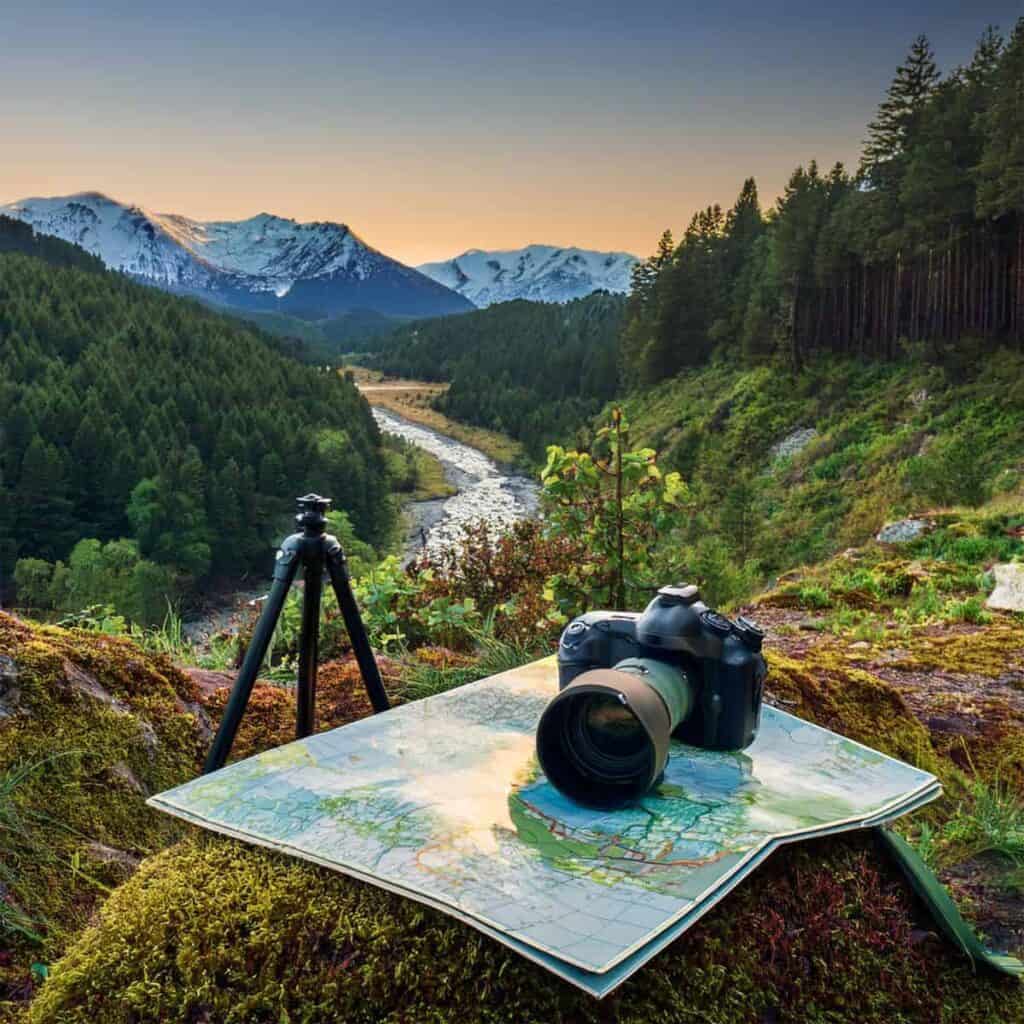
Camera with Extra Batteries: You’ll want to capture glaciers, wildlife, and epic landscapes.
Chargers & Power Bank{ Especially useful for long drives between towns

Refillable water bottle–A good rule of thumb is to bring about 3 quarts of water for each adult. Many places have free water refill stations.
We often overlook quality collapsible trekking sticks on packing lists, but they’re actually extremely handy for hiking the variable terrain in Alaska.
OlarHike Hydration Backpack Pack: Perfect for hikes, glacier walks, and town exploring. A good backpack with a water bladder for hiking can ensure you stay hydrated on the trail. The backpack has additional storage for phones and other items. Also of note is the ability to freeze water in the bladder prior to going out on a sweltering day.
A quality bug spray is an essential element. The mosquitoes in Alaska are relentless. Often referred to as Alaska’s national bird, a quality bug spray is necessary. A mosquito head net hat can be helpful for those who find the pesky critters annoying.
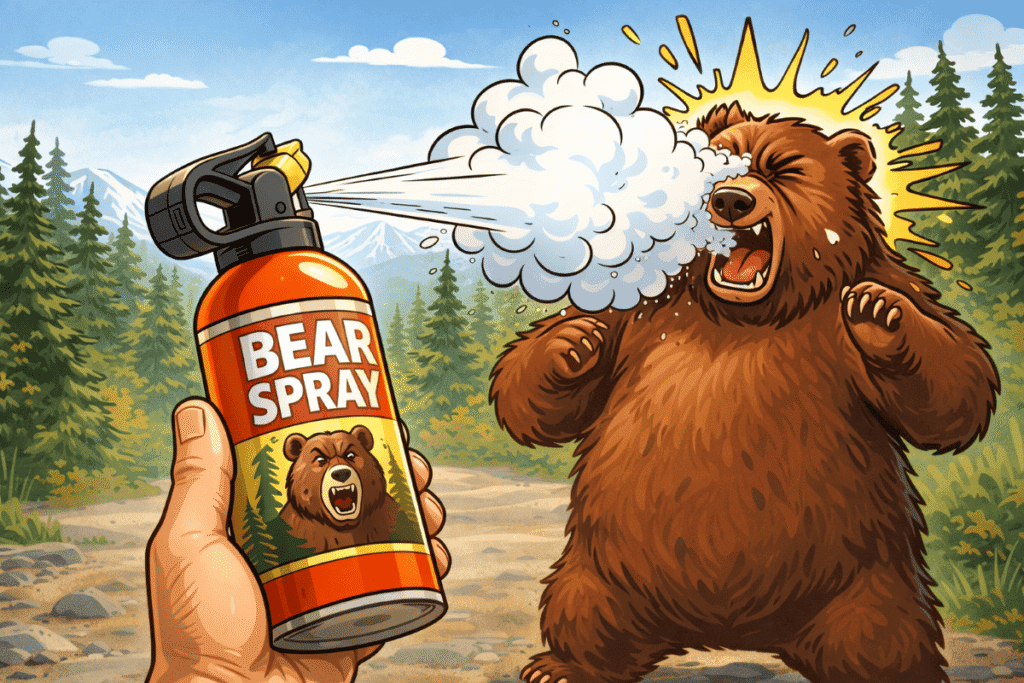
Bear spray–You can rent bear spray in Yellowstone, but is more expensive than just purchasing it. Remember to carry bear spray in a holster, never in your backpack. It’s illegal to carry bear spray in your luggage. I recommend you give your leftover spray to a ranger at the park office or the local police station when you leave.
RV Travel Packing Guide: Clothing & Footwear: Dress for All Four Seasons (In One Day)
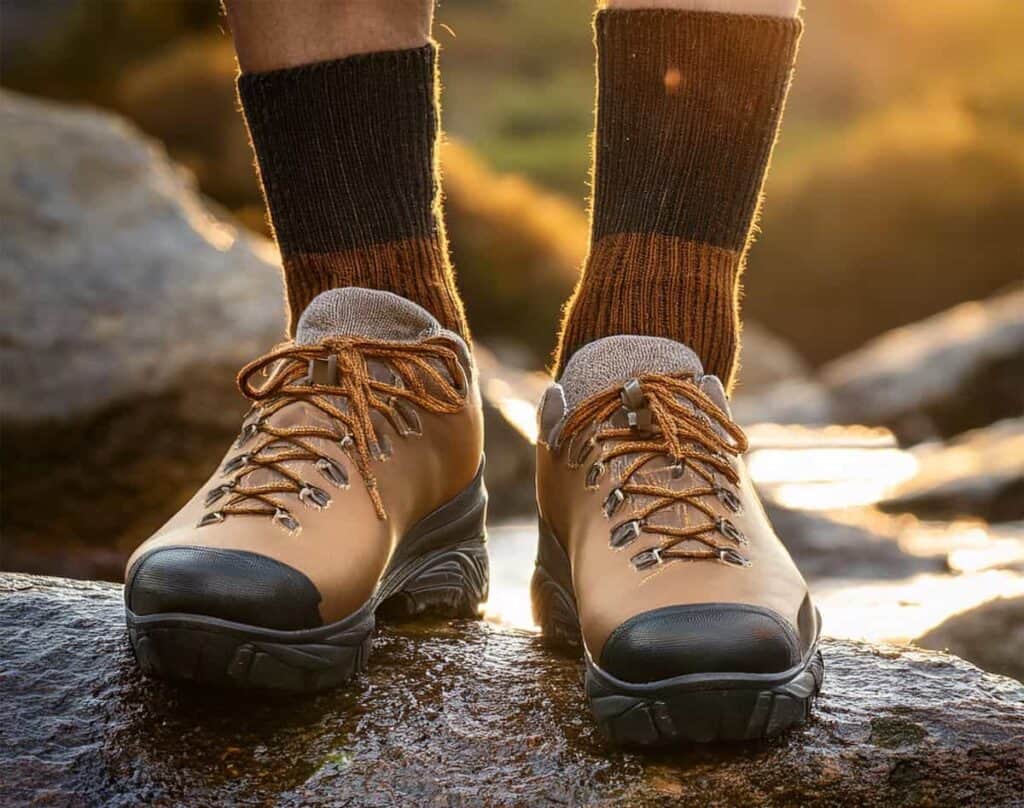
You really should have good walking or hiking shoes on the trails. Between muddy trails, riverbanks, and sudden rain showers, sturdy waterproof hiking boots are essential. Purchasing hiking shoes that are lightweight and quick-drying will keep you prepared for any weather event. Wool socks help regulate temperature and stay warm even when damp.
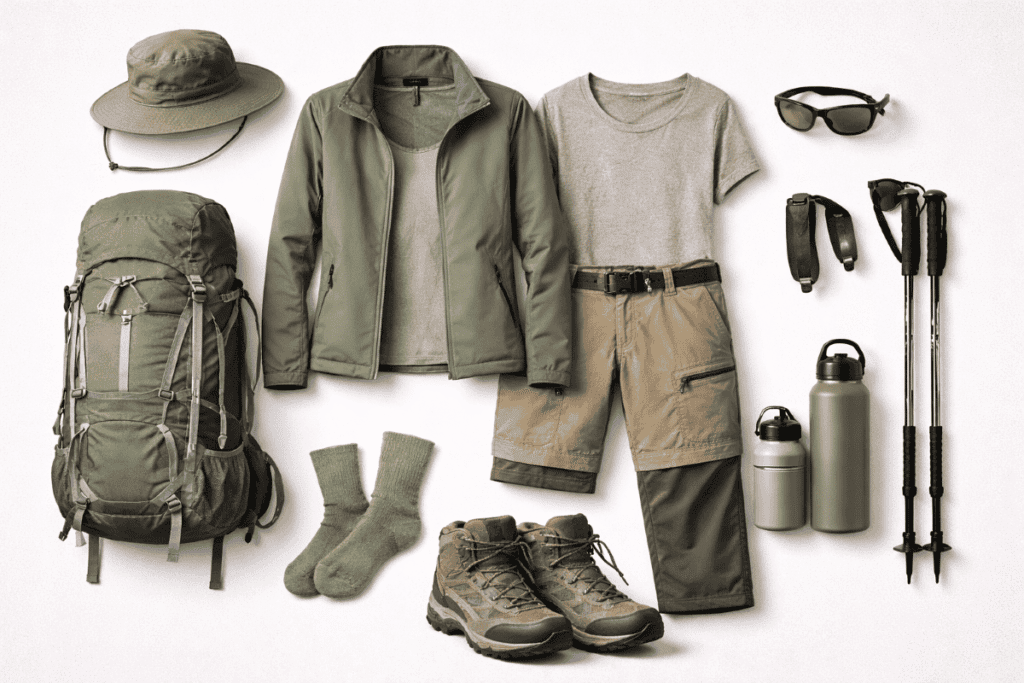
Rain Gear-I would suggest good weather gear if you plan to spend any time outdoors. Because we fish competitively regularly, we both brought our Columbia rain gear. Rain Jackets for Men’s and Women’s and Rain Pants in Men’s and Women’s. Regardless, always bring a rain jacket that is light on its own but can be layered for warmth on chillier days.

Convertible Hiking Pants: Women’s and Men’s are perfect for all-day hikes zip-off legs allow you to go from pants to shorts almost instantly. Breathable Omni-Wick technology quickly removes moisture from the skin into the fabric, where it spreads across the surface. This allows for evaporation—keeping you cool and your clothing dry. These are important when the mornings are cool and the afternoons are rather warm. UPF 50 to help block and shield from UVA and UVB sun rays.

Hooded Fleece: Men’s and Women’s for the cool mornings and evenings. Temperatures can dip into the 40s, especially in the evenings. Pack moisture-wicking base layers, fleece mid-layers, and a waterproof, insulated jacket. Wearing layers of fleece is crucial in Alaska. This is my third Columbia fleece jacket. I love it. It’s lightweight and comfortable.
Warm hat–for cool days. Yes — even in June or July. Early mornings and glacier cruises can be surprisingly cold. We purchased the liners that fit into baseball hats since we can easily remove them for warmer weather. Easily converts any ball cap into a warm, windproof hat.
Thermal Gloves, we use these on a few of the colder mornings. They also come in handy for fishing in the lakes and rivers.
Thermal Underwear: Lightweight thermals add warmth without bulk and are perfect for layering.
Lazy One Oversized Hoodie Sweatshirt (Sweater Dress for Women)
This cozy oversized hoodie doubles as comfortable sleepwear and a relaxed sweater dress — perfect for chilly Alaska evenings in the RV. The longer length adds extra warmth, while the soft interior makes it ideal for lounging after a full day of hiking or wildlife viewing. It’s easy to layer over leggings or thermal bottoms when temperatures drop, and it’s comfortable enough to sleep in on cooler nights. A versatile piece that transitions seamlessly from campfire lounging to bedtime comfort.
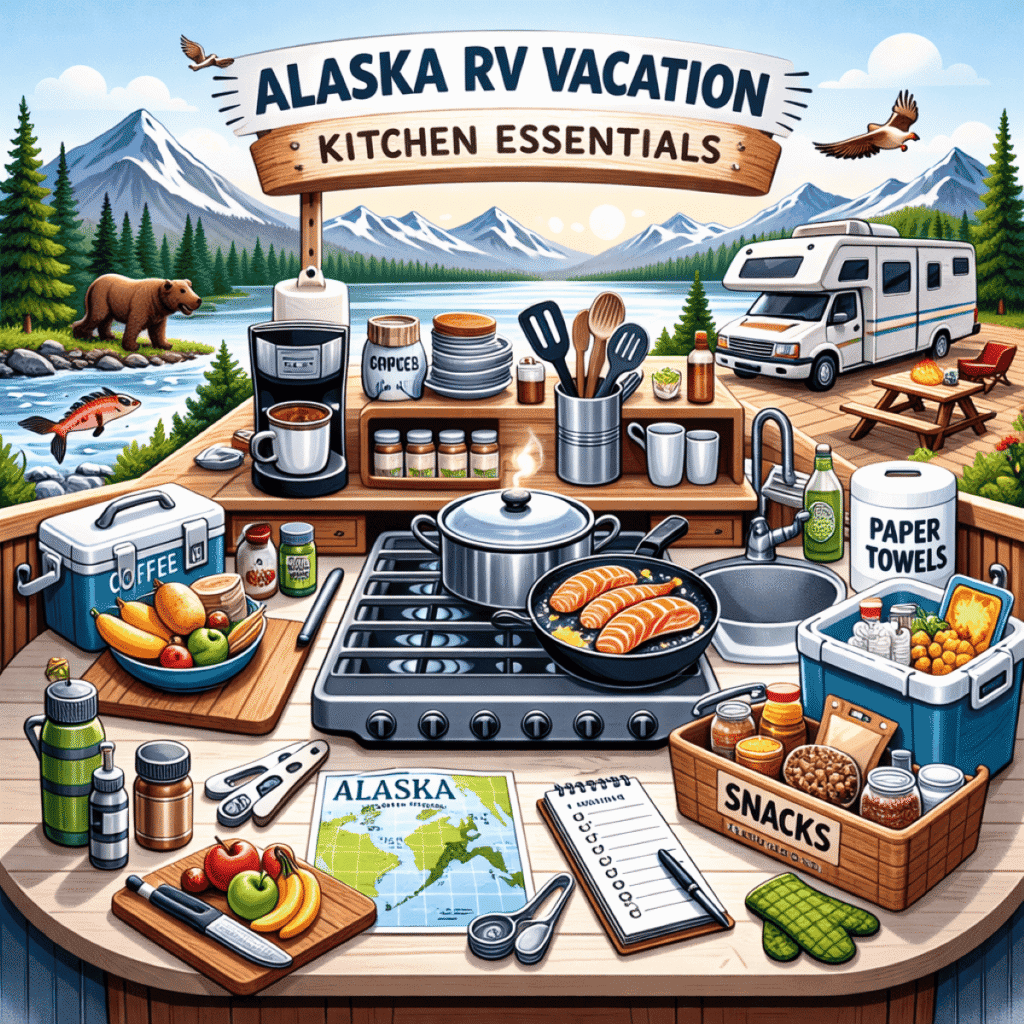
Kitchen & Food Essentials: RV-Friendly Supplies
Some RV rentals include basic kitchen items — but always double-check.
- Camping Cookware & Utensils: A simple set of pots, pans, and cooking tools keeps meals easy.
- Portable Grill: Great for cooking fresh-caught fish or enjoying campsite dinners.
- Cooler & Ice Packs: Perfect for day trips or stocking up in larger towns before heading remote.
- Non-Perishable Food: Stock up on pasta, rice, canned goods, oatmeal, and snacks. Grocery stores can be far apart in remote areas.
- Coffee & Favorite Snacks: Morning coffee with mountain views is a must. Buy packets of nuts, or trail mix for snacking along the trail or during the long drive.
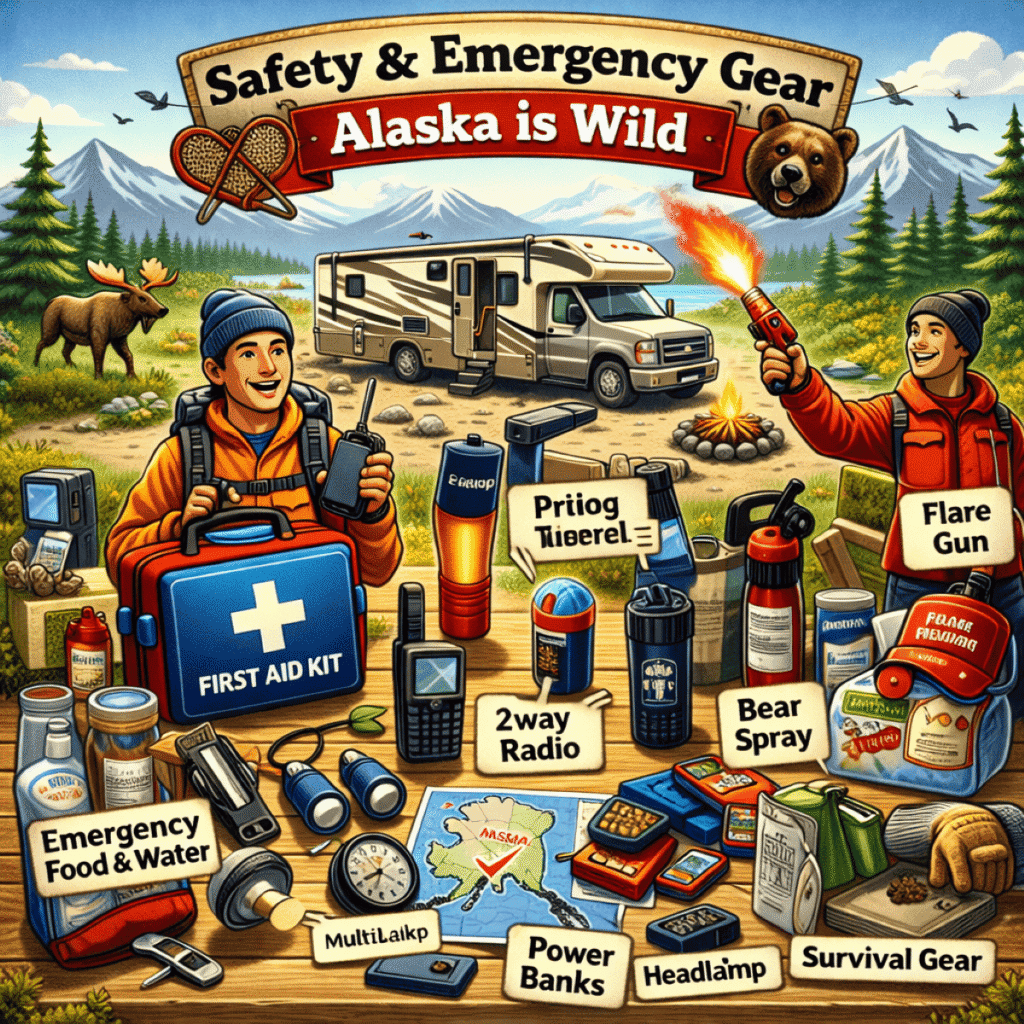
Safety & Emergency Gear: Alaska Is Wild
Distances are vast, and cell service can be limited.
- First Aid Kit: Include bandages, antiseptic, blister care, and any personal medications.
- Flashlight or Headlamp: Helpful even during long daylight hours, especially later in the season.
- Maps & GPS: Download offline maps. Don’t rely solely on cell service.

Bedding & Comfort: Sleep Well After Big Days
Some RV rentals provide bedding; some do not.
- Sleeping Bags or sheets: Confirm what’s included in your rental.
- Pillows & Extra Blankets: Even in summer, nights can get chilly.
- Eye Mask: If traveling during peak summer, Alaska’s midnight sun can make sleeping tricky. Most RVs in Alaska have room-darkening blinds, since the sun never sets in the summer. If you feel the blinds will not be enough, an eye mask may be helpful.
- Earplugs: Campgrounds can be lively during peak travel season.
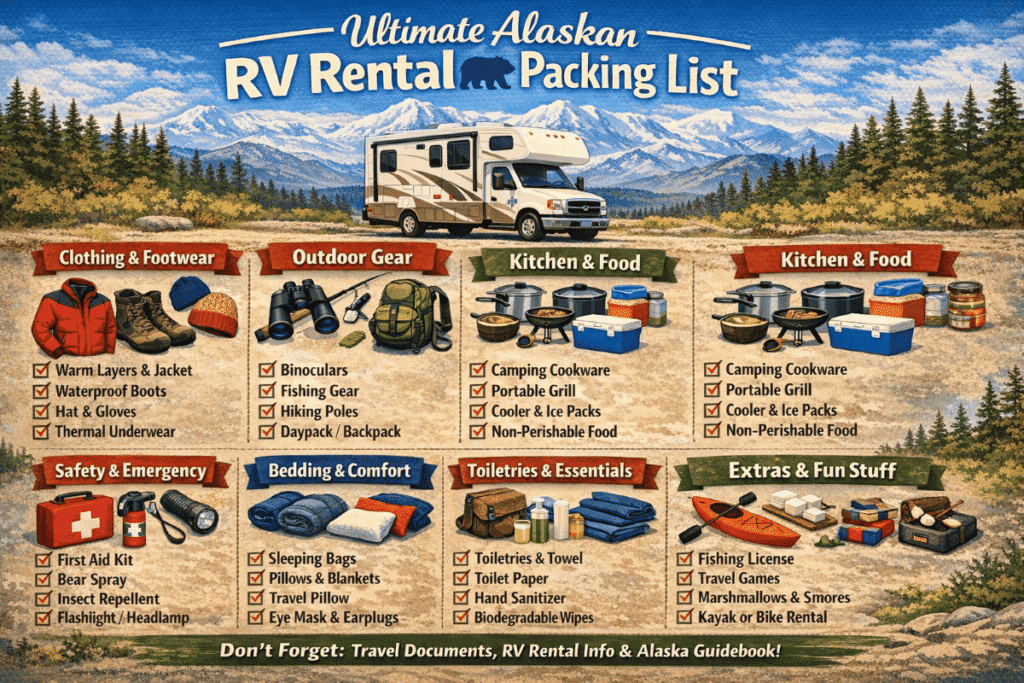
Additional Items to Include in Your Alaska RV Trip Essentials.
- Fishing License: Required if fishing independently.
- Travel Games: Great for rainy evenings.
- Marshmallows & S’mores Supplies: Campfire traditions never get old.
- Kayak or Bike Rentals: Consider renting in adventure hubs like Seward or Talkeetna to maximize exploration.
- Mosquito Head Net: Your personal force-field in the land where mosquitoes practically run the place. Absolutely essential on swampy trails, near lakes, or during dusk camp setups. Wear it over a brimmed hat to keep the mesh off your face and prevent bites through the netting. When Alaska’s “unofficial state bird” starts swarming, you’ll be grateful for the extra protection. With a head net in place, you can hike, explore, and set up camp in peace — no frantic swatting required.
- Multi-Tool / Pocket Knife: Be ready for your MacGyver moment. From tightening a loose screw in the RV to slicing cheese for a campsite snack or cutting paracord on the trail, a good multi-tool is the ultimate wingman. These compact lifesavers come in handy more often than you expect — we’ve needed the screwdriver, corkscrew, and knife more times than we can count. If you’re flying to pick up your RV rental, be sure to pack it in your checked luggage. You may not use it every day, but when you need it, you’ll be very glad it’s there.

Vacation Mats
Display your favorite vacation memories with style! Canyon Designs, an Alaskan-owned small business, specializes in photo mats that highlight your travel photos—perfect for National Park adventures. They’ve recently refreshed many of their designs to feature the parks we love most. I keep a photo mat for each National Park we visit—it’s a wonderful way to remember Your Alaska trip.