
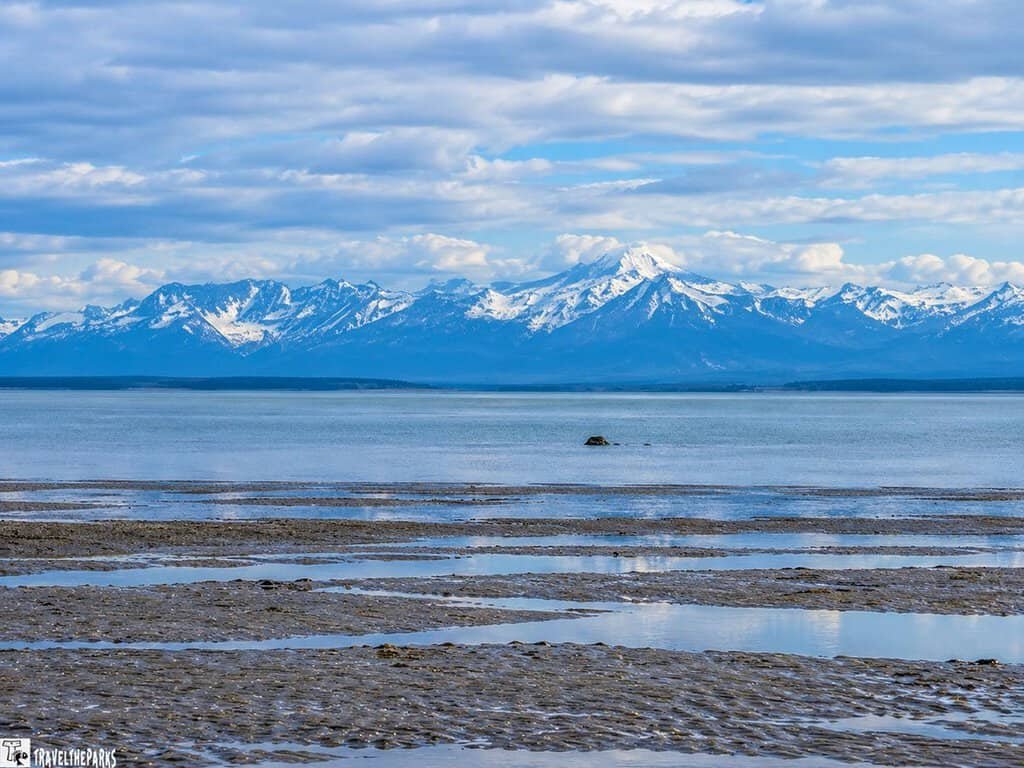
Old Town Kenai sits on a bluff overlooking the mouth of the Kenai River — a small historic district with a surprisingly big story.
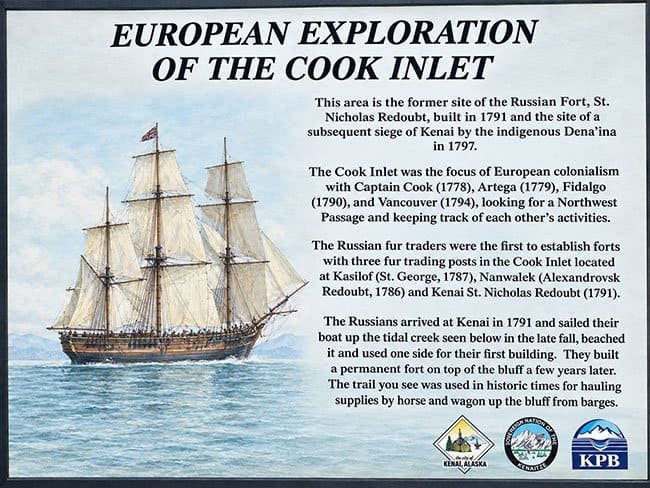
As we explored Old Town, we found a history shaped by the Dena’ina, Russian fur traders, and later American settlers. The Dena’ina have lived in this region for thousands of years, relying on the Kenai River and surrounding lands for food and trade. Salmon were an important part of life then, just as they are today. The Kenai River remains famous for its exceptional salmon and rainbow trout fishing.
Russian fur traders arrived in the late 1700s, drawn by the region’s abundant sea otters and other fur-bearing animals. Their presence left a lasting mark on the community — most visibly in the onion-domed Holy Assumption of the Virgin Mary Russian Orthodox Church, which still stands in Old Town today and is one of the oldest Russian Orthodox churches in Alaska.
What we found most interesting is how the different cultures remain layered together here. Dena’ina, Russian, and later American influences all come together on this same bluff above the river. Old Town Kenai isn’t a reconstruction or a theme park — it’s a living neighborhood where that history is still part of daily life.
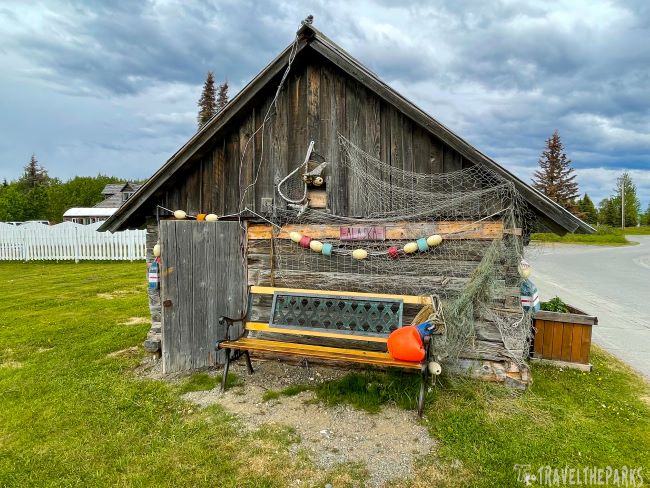
This post may contain affiliate links, meaning if you purchase something through one of these links, we may earn a small commission at no extra cost to you! Read the full disclosure policy here.

Table of Contents
Begin Your Journey at the Kenai Visitors and Cultural Center — The Gateway to Old Town Kenai
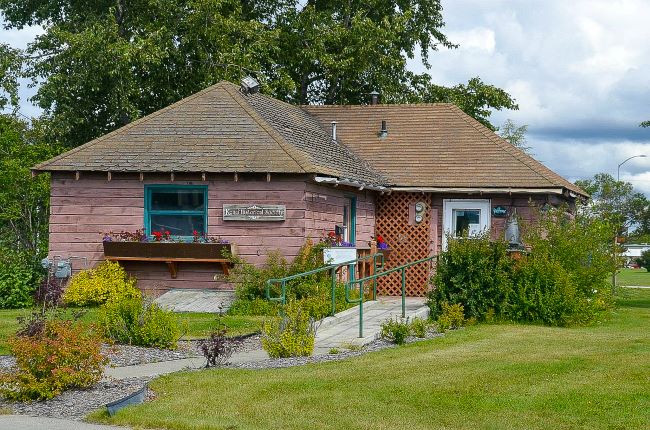
Just off the Sterling Highway, down the spur road, sits the Kenai Visitors and Cultural Center — and it’s the right place to begin.
We start here before setting out on our walking tour of Old Town. The center offers friendly, helpful staff, free parking, and clean restrooms — small comforts that make a big difference when we’re exploring. But the real gift is inside: historical displays that tell the story of this place before we go see it for ourselves. We learned a lot just by walking through them.
There’s a small gift shop, too, with an excellent collection of Alaska-made items — a good spot for us to pick up something made by hands from this region rather than shipped in from somewhere else.
The Kenai Visitors and Cultural Center is an absolute must-visit, and here’s the best part: it’s free. For us, it was the perfect gateway to Old Town Kenai — and to the story of Yaghanen, the good land.
Discover Kenai’s Past on a Walking Tour of the Old Town District
We think the walking tour of Old Town Kenai is like stepping back in time — and it’s an easy step to take.
We picked up the free Old Town Walking Tour map, which marks the significant buildings and historic sites along the route. The whole loop is just 1.2 miles, short enough to walk at an unhurried pace and long enough to give us a good look at Kenai’s past.
One stop we won’t want to miss is Moosemeat John’s Cabin, the original home of the Chamber of Commerce and Visitors’ Center. The cabin belonged to John Hedberg — although around here, almost nobody called him that. With thirteen children to feed, he became known for hunting moose, earning the nickname Moosemeat John. From what we learned, he was quite a character, the kind this town seems to have had no shortage of.
The Chamber eventually merged with the Convention and Visitors Bureau, and in 2012 both moved into the Kenai Visitors and Cultural Center — where our walk begins. In a way, the story comes full circle: we start at the visitor center, then head out to discover the people and places that shaped Old Town Kenai.
Erik Hansen Scout Park (913 Mission Ave)
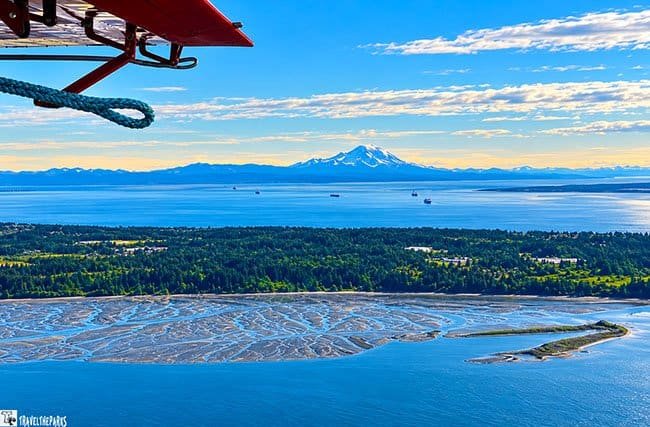
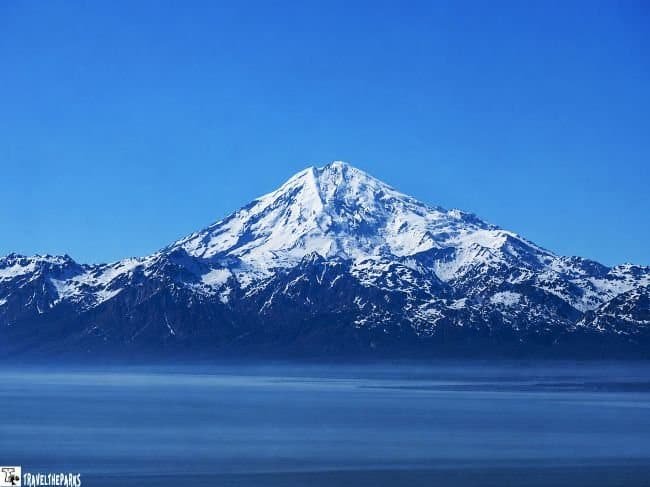
The views from Erik Hansen Scout Park are magnificent. From the bluff, we look out over Cook Inlet with the Alaska Range as our backdrop. On a clear day, we can see three active volcanoes — Mount Spurr, Mount Redoubt, and Mount Iliamna — rising in the distance.
The park has benches and colorful flower beds, making it a nice place for us to stop, sit for a while, and take in the scenery. We’d bring binoculars, too. There’s plenty of wildlife to watch from this bluff.
At the center of the park stands The Boy Scout statue, a tribute to Eagle Scout Peter Erik Hansen, a member of Kenai Boy Scout Troop 357. The park was named in his memory after he died from brain cancer at age 32.
Below the bluff, the Kenai River meets Cook Inlet. The river is famous for its annual salmon runs, and during the summer, Alaska residents gather along the riverbanks for the popular dipnet fishery. From the park, we can also head down to the expansive beach and walk along the shoreline.
Spring and fall bring another reason to visit. Migrating waterfowl, sandhill cranes, and shorebirds pass through the area, making this a popular spot for bird-watchers. Bald eagles are also common here, so we keep our eyes open for them while enjoying the view.
Fort Kenay: Explore Alaska’s Military Past in the Heart of Old Town Kenai
As we continued our walk through Old Town Kenai, we came across Fort Kenay, a reminder of the brief period when the U.S. military established a presence here.
The United States purchased Alaska from Russia in 1867 for $7.2 million. Just two years later, in 1869, the Army established Fort Kenay near the site of the former Russian settlement. At one point, the post housed about 100 soldiers.
The original fort is long gone, but we can still see a replica built in 1967 as part of Alaska’s Centennial celebration. The replica gives us a glimpse of what the military post may have looked like during those early years of American control.
Today, the replica is privately owned and serves as a residence, so we can admire it from the outside as we continue exploring Old Town Kenai.
Holy Assumption of the Virgin Mary Russian Orthodox Church
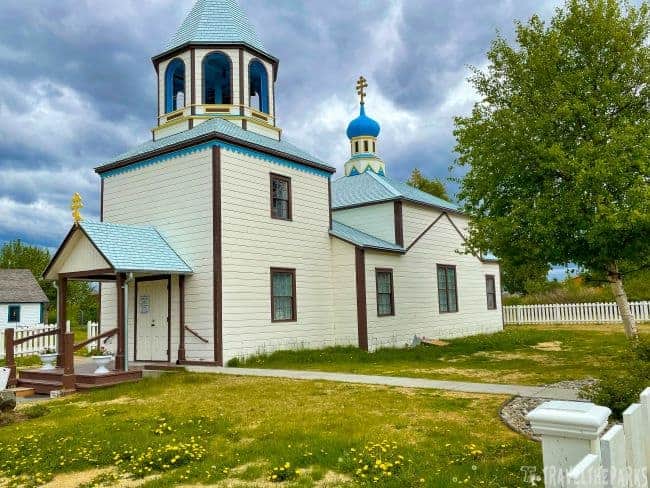
As we walked through Old Town Kenai, the blue onion dome of the Holy Assumption of the Virgin Mary Russian Orthodox Church immediately caught our attention. Built in 1894, the church is a National Historic Landmark and is recognized as the oldest Russian Orthodox church on the Kenai Peninsula.
The church is an enduring reminder of Kenai’s Russian heritage, and unlike many historic buildings, it isn’t simply a piece of the past. Services are still held here today, continuing a tradition that has been part of this community for more than a century.
The blue onion dome is the church’s most recognizable feature, but we found plenty to appreciate inside as well. Visitors can see the nave and iconostasis, with the interior reflecting the traditions of Russian Orthodox worship.
For us, this was one of the most meaningful stops on the Old Town walking tour. It’s a beautiful historic building, but more importantly, it’s a living part of Kenai’s community and a tangible connection to the town’s Russian past.
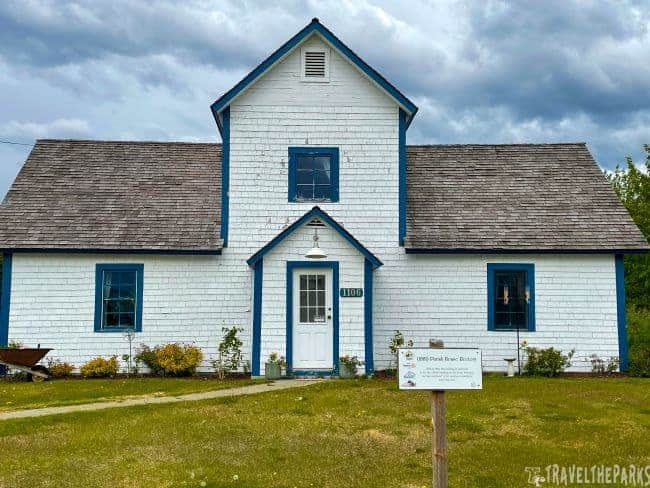
Visit the Parish House Rectory
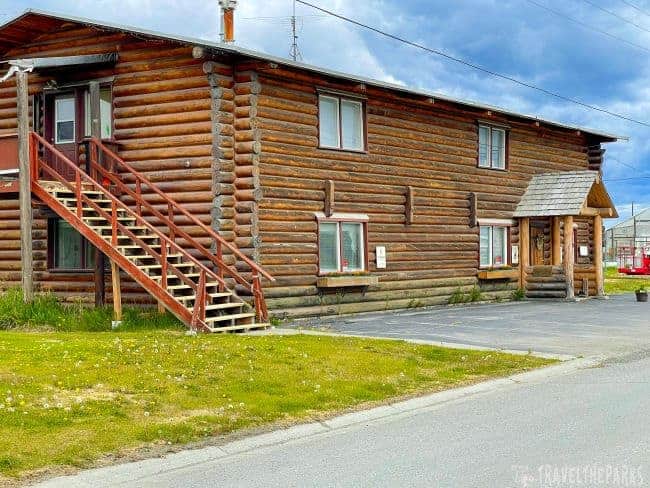
The Parish House Rectory is the home of the Russian Orthodox priest serving the congregation today. Built in 1886, the wood-shingled building is constructed from logs laid horizontally, giving it a simple but distinctive appearance.
It is believed to be one of the oldest buildings in Kenai, making it another important stop as we explore Old Town Kenai and its Russian heritage.
The rectory is also known for its connection to the 400-year-old Our Lady of Kazan icon, an important piece of Russian Orthodox religious art.
For us, the rectory was another reminder that the history of Old Town Kenai isn’t concentrated in just one building. It’s spread throughout the neighborhood, with the church, rectory, historic cabins, and other structures telling pieces of the story.
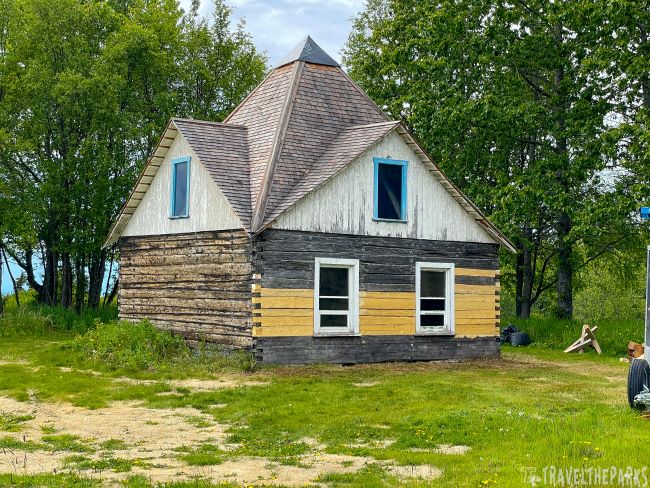
The Chapel of St. Nicholas
The Chapel of St. Nicholas stands on the bluff overlooking Cook Inlet, on the site of an earlier Russian Orthodox church dating to 1849. The current chapel was built in 1906 and has an unusual tall, pyramidal roof that makes it stand out among the historic buildings of Old Town Kenai.
The chapel stands near the site of Fort St. Nicholas, the Russian fur-trading post established in 1791. Its location gives us another glimpse into the layers of Russian and Dena’ina history that shaped this part of Kenai.
The chapel is also a memorial to Igumen Nicholai and Makary Ivanov, whose graves are located here. Nicholai was the first resident Russian Orthodox priest in Kenai. He is remembered for bringing a smallpox vaccine to Alaska, helping save the lives of hundreds of Dena’ina people.
As we walk around the chapel and its grounds, we’re reminded that the history of Old Town Kenai isn’t just about buildings. It’s also about the people who lived, worshipped, and served this community more than a century ago.
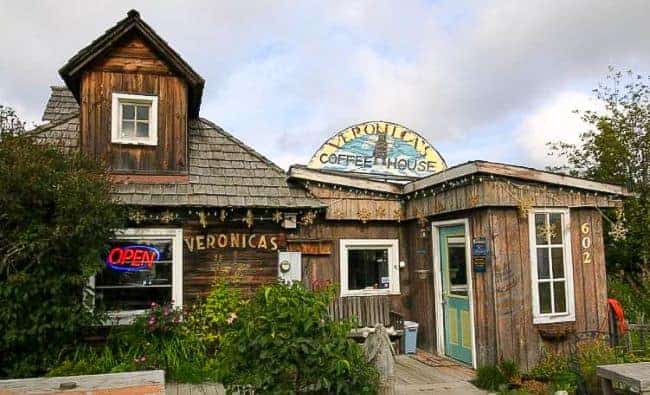
Enjoy Lunch at Veronica’s Coffee House
Just across the street from the Holy Assumption Russian Orthodox Church, we found a wonderful place to stop for lunch. Veronica’s Coffee House occupies a 100-year-old cabin, built in 1918 by the Oskolof and Dolchok families.
The little café is popular with locals and is especially known for its espresso drinks. But we found it was much more than a coffee stop. The menu includes soups, wraps, sandwiches, and other homemade favorites made with fresh ingredients.
We stopped for a quiche and hot cocoa, which was exactly what we needed to warm up. Everything hit the spot.
Veronica’s is the kind of little place we love finding when we’re traveling — casual, local, and full of character. For us, it was a true Old Town Kenai gem.
Explore Kenai Historic Cabin Park
The Kenai Historic Cabin Park is a small collection of historic buildings maintained by the Kenai Historical Society. Located on Main Street next to the Kenai Fine Arts Center, the park is free to visit and gives us another chance to step into Kenai’s past.
As we walked through the park, we found historic cabins filled with artifacts and displays that help tell the story of the families who lived here and the people who helped shape Kenai. When available, docents lead tours and share the stories behind the buildings and the families who called them home.
There’s even a piece of military history on the grounds: a 75mm Howitzer from World War I, donated by the former Wildwood Military Base.
The Historic Cabins
Each cabin has its own story.
Dolchok/Juliussen Cabin
Mike Dolchok built this cabin in 1922, and it remained in the family until the late 1940s. Julius Juliussen later moved the homestead from its original location on Overland Street to Riverview Street.
Sanders Cabin
Victor Sanders built the Sanders Cabin in 1921, adding another glimpse into the early homesteading era of Kenai.
Arness Cabin
Emil Berg built the Arness Cabin in 1925, and Jim and Peggy Arness purchased it in 1948. Part of the home later served as Kenai’s first kindergarten, giving this little cabin an important place in the community’s history.
Miller Cabin
The Miller Cabin was originally built in Kasilof around 1910 before being moved to its present location. George Miller used the home during the 1940s. He was the first Kenaitze chief to own a cabin in Kenai.
Walking through the park, we found ourselves slowing down to look at the details. These aren’t just old cabins preserved behind glass. They give us a glimpse into the everyday lives of the families who helped build the Kenai community.
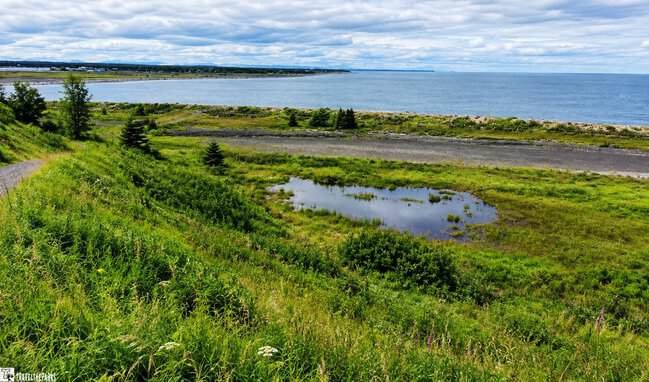
Explore Kenai Beach
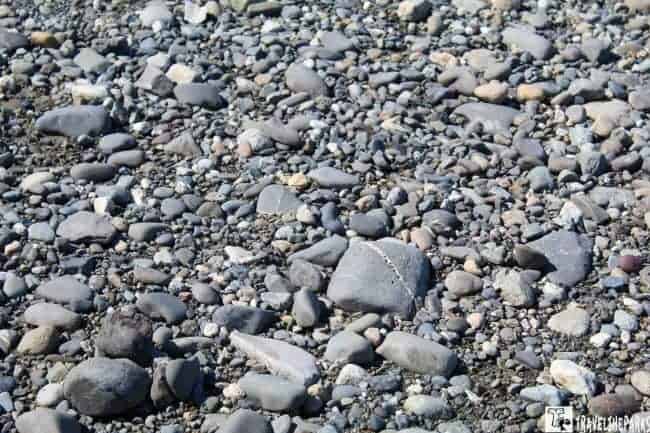
We accessed Kenai Beach from South Spruce Street off the Kenai Spur Highway. A short trail leads down to the beach. Once we arrive, we’re greeted with wide-open views of Cook Inlet.
From here, we can walk toward the mouth of the Kenai River. Anglers gather here during the salmon runs. For a longer walk, we can head north along the beach. Keep an eye out for driftwood, shells, and other treasures left behind by the tide.
The dunes help protect the sensitive shoreline. They also provide habitat for shorebirds. When we visited, the water was much too cold for us to wade. No surprise there! We stayed on shore instead. We watched a few eagles squabbling over scraps washed in by the tide.
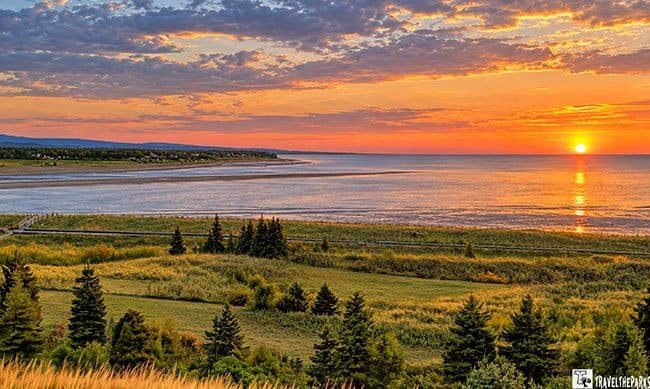
Our best advice? Stick around for sunset. Cook Inlet, the beach, and the surrounding mountains create a beautiful backdrop. It’s a great place to watch the day come to an end.
Know Before You Go
- Wear sturdy shoes. The historic area itself is easy walking, but the beach can be uneven, rocky, or soft in places. Shoes with good traction are a better choice than casual sandals.
- Dress for changing weather. Kenai’s coastal weather can change quickly. Layers and a lightweight rain jacket can make the walk much more comfortable, even when the day starts out sunny.
- The beach is tidal. Check the tide times if you plan to spend much time along the shoreline. The amount of exposed beach can change considerably with the tide.
- Bring bug spray. Mosquitoes can be an issue in Alaska, particularly during warmer months and away from the immediate shoreline.
- Bring binoculars if you have them. The beach and surrounding area can be a good place to watch for birds and, depending on the season and conditions, other wildlife.
- Take water. There may not be convenient places to refill along the walking route, so carry your own.
- Give wildlife plenty of space. This is Alaska, and wildlife sightings are always possible. Keep your distance and never approach or feed animals.
- Allow time to explore. Old Town Kenai isn’t just a walk from one point to another. Give yourself time to stop at the historic sites, take in the views, and wander down toward the beach.

Final Thoughts: Discovering Old Town Kenai
Kenai Fjords National Park and Denali National Park are two of Alaska’s best-known destinations, but we think Old Town Kenai deserves a place on the itinerary, too.
For us, Kenai offered something different. We could spend an afternoon walking through the historic district, learning about the Dena’ina, Russian, and American influences that shaped the community, and then head down to the beach to enjoy the wide-open views of Cook Inlet.
If you’re exploring the Kenai Peninsula, we’d recommend making the detour. Old Town Kenai is easy to explore, rich in history, and still feels like a real Alaska community rather than a destination built solely for visitors.
Sometimes the smaller stops are the ones we remember.
Have you visited the Kenai Peninsula? Did you explore Old Town Kenai? We’d love to hear about your experience in the comments below!


Wanda Reams
Beautiful photos and a lovely, historic account of Old Town Kenai. Thank you!
Travel the Parks
Thank you. Glad you enjoyed our blog!