Hoover Dam makes an easy and worthwhile detour on your return trip to Las Vegas from the Grand Canyon. If you have a few hours to spare, it’s definitely worth a stop. Over 8 million people visit each year, many taking an exciting tour of the historic dam. Some visitors even try to straddle the state line—standing in two time zones at once!
This engineering marvel is fascinating to explore, and a visit typically takes about 2–3 hours. For us, Hoover Dam was the perfect final stop on our Grand Circle adventure of the Utah Five, capping off an incredible journey through the region.
This post may contain affiliate links, meaning if you purchase something through one of these links, we may earn a small commission at no extra cost to you! Read the full disclosure policy here.
Table of Contents
Touring Hoover Dam: Discover the Distinguished History Behind This American Icon
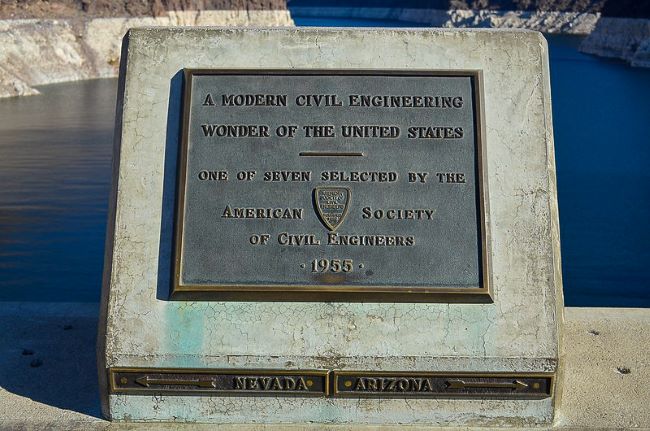
Hoover Dam is one of the seven industrial wonders of the world, one of seven modern civil engineering marvels of the U.S., and one of the world’s top engineering wonders of the 20th century.
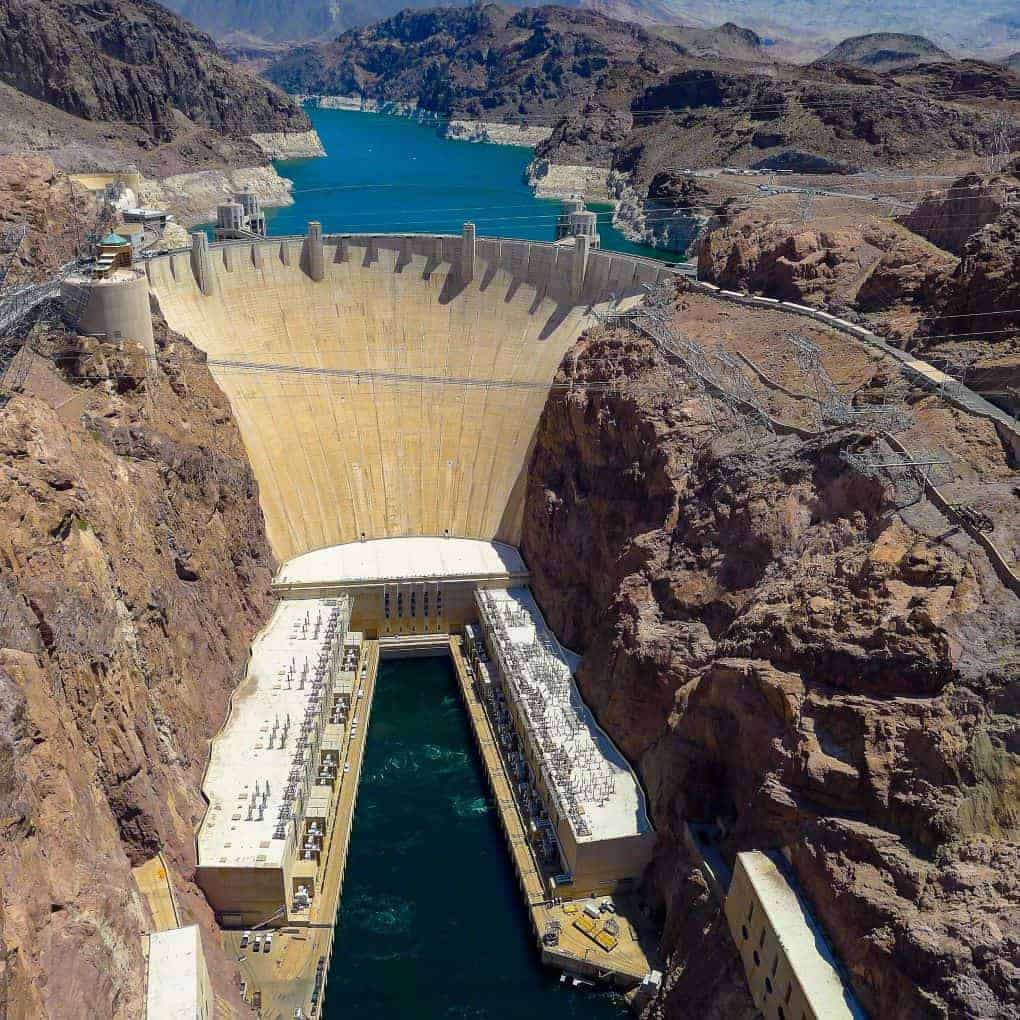
The Hoover Dam is a 700-foot-tall concrete arch-gravity marvel, a true testament to human ingenuity. It provides massive amounts of clean power and helps the surrounding states manage their water resources. Construction began on April 20, 1931, and despite the limited tools of the era, workers completed this incredible project on March 1, 1936.
Rising 726 feet above Black Canyon, with a concrete base 660 feet thick and stretching 1,244 feet across the top, the dam is an awe-inspiring sight. Today, the electricity it generates powers Arizona, Nevada, and Southern California. For more information, you can visit the Hoover Dam website.
Know Before You Go: Hoover Dam
- Open Year-Round: Hoover Dam is open every day except Christmas and Thanksgiving.
- Visitor Center Hours: 5:00 a.m.—9:00 p.m. Check the official website.
- Security Check: All vehicles are inspected before parking, so allow extra time for entry.
- Federal Rules: Hoover Dam is a federal facility. Carrying a firearm on the premises is a federal offense—leave firearms at your hotel or home.
Things to Do at Hoover Dam: Top Activities, Tours, and Scenic Highlights
Historically, before 911, your trip to Hoover Dam would drive directly over the dam. However, in today’s climate of security, the intestate bypasses the dam. This is a good detour, even if you just take in the view. It can easily occupy an hour or two of your downtime.
First off, don’t fall for the paid parking garage ($10). If you’re willing to walk a short to moderate distance, free parking is available on the opposite side of the dam. There are lots of interesting things you can do not just at Hoover Dam but in the nearby Lake Mead Recreation Area, too.
1. Step-back in Two Time Zones – Hoover Dam
Walking across the dam gives an amazing sense of scale. On one side, you see the expanse of Lake Mead. Although the water was historically very low, the lake extends 110-miles. On the opposite side, you can see the sheer canyon walls as the dam drops to the riverbed below, where the Colorado River continues its journey towards the Gulf of California.

At the halfway point on the bridge over Hoover Dam, there’s a plaque marking the Nevada–Arizona state line. You can literally stand in two states—and two time zones—at once! A clock on the Nevada side shows Pacific Time, while a clock on the Arizona side shows Mountain Time. We found this little quirk fascinating and a fun photo opportunity.
On the Nevada side, several plaques and monuments honor those who lost their lives during the massive construction project. The most moving is a bronze plaque commemorating the 96 men who officially died building Hoover Dam. Part of the inscription reads, “They died to make the desert bloom.” It’s a poignant reminder of the human effort and sacrifice behind this incredible engineering feat.

2. Walk through history in the Visitor Center
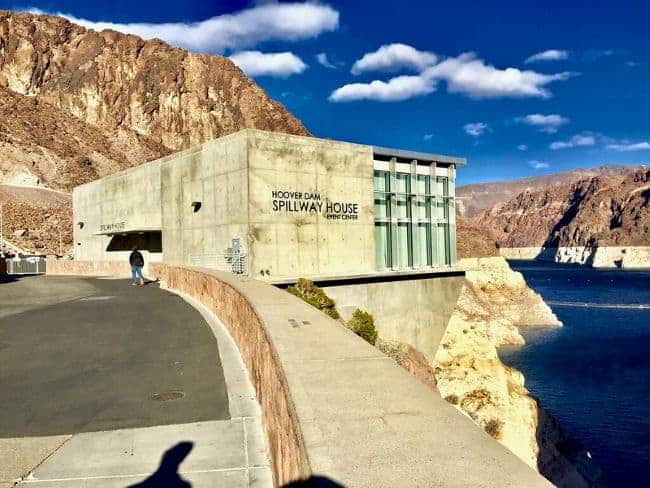
For many visitors, the first stop on a Hoover Dam tour is the Hoover Dam Visitor Center. Admission is $10 and gives you access to fascinating exhibits that explain the engineering and construction of the dam in detail. The fee also includes entry to the 1940s-era topographical map presentation in the original exhibit building.
Be sure to watch the video presentation—it immerses you in the history of Hoover Dam, walking you through the vision, design, construction, and ongoing operations. The interactive displays make it easy to understand how such a massive project came together.
Interestingly, President Herbert Hoover envisioned the concrete arch-gravity dam as a self-sustaining project. He predicted it would pay for itself through hydroelectric power—and he was right. The dam, built at a cost of $49 million, recouped its expenses with interest by 1987.

You can walk onto the observation deck for a better view of the dam and Lake Mead. Lake Mead is one of the largest artificial lakes in the world, and it is the largest reservoir in the United States in terms of water capacity.
NOTE: All visitors must go through the TSA security checkpoint to enter the Visitor Center. They allow only bottled water on the tours.

Parking, Gift Shop & Observation Deck
There is a bathroom in the parking garage. To access the bathroom in the visitor center, you must pay the entrance fee. If you take any of the tours, you will need to purchase tickets, and I thought the tours were expensive. However, if you cannot get to Glen Canyon (which is cheaper to tour) then I would be remiss if I did not recommend the tour.
They have a gift shop in case you need to buy more water, hat to keep the sun off your face, or anything you may collect. There is a café that offers sandwiches and drinks, a little overpriced, I’d suggest that you pack a cooler and bring beverages and snacks and just grab a bench or a lookout area of lake Mead and sit in the shade or car and enjoy the view.
3. Purchasing Tickets for Your Exciting Historic Tour of Hoover Dam
When planning your visit, it’s helpful to know the ticket options for exploring Hoover Dam. Tickets are currently sold on a first-come, first-served basis, and online sales are not available, so arriving early is a smart move.
There are three levels of tours:
- Visitor Center & Exhibits ($10): Explore the fascinating exhibits at your own pace and watch the 1940s-era topographical map presentation. Learn about the dam’s design, construction, and operations.
- Power Plant Tour ($15): Take a 30-minute guided tour of the dam’s power plant. This tour dives deeper into the inner workings of the hydroelectric system and how the dam generates electricity.
- VIP Tour ($30): This one-hour guided tour includes the power plant and an elevator ride into the interior of the dam itself. It’s the most immersive way to experience Hoover Dam and its engineering marvels.
All tour prices include entrance to the Visitor Center, and tours generally operate from 9:00 a.m. to 5:00 p.m
Exhilarating VIP Tour of Historic Hoover Dam
The VIP tour is truly remarkable and offers an in-depth, guided experience of the dam’s inner workings. Unlike other tours, VIP tickets are scheduled for a specific time, so be sure to plan ahead.
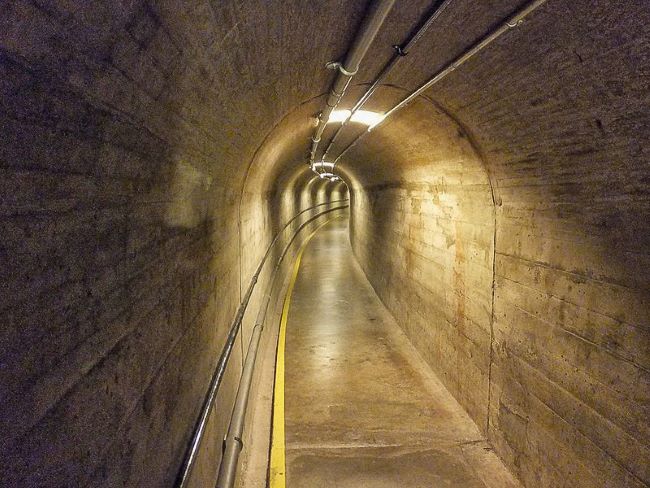
During the tour, you descend 530 feet in an elevator to explore the interior of the dam. Your guide provides a fully narrated experience, covering the turbines, penstocks, and hydroelectric generation system that powers millions of homes. You also walk through the inspection tunnels, gaining a rare perspective on how the dam operates day-to-day.
One of the most memorable moments is peering out from one of the ventilator shafts in the dam wall—it’s a view you won’t forget. Bonus: the interior of the dam is noticeably cooler, a welcome relief when outside temperatures soar over 100°F. Overall, this tour is both fascinating and immersive, perfect for anyone who wants to truly understand the engineering marvel that is Hoover Dam.

4. Mike O’Callaghan-Pat Tillman Memorial Bridge
To fully take in the panorama of the Hoover dam stop on your way out to walk the Pat Tillman Memorial Bridge. It can be accessed by crossing back over the dam, taking the switchbacks up the hill to the parking lot approximately a mile away further along. From the parking lot, it is a short walk up multiple concrete steps to the Bridge. Bring plenty of drinking water, or refill your water bottle at the many drinking fountains.
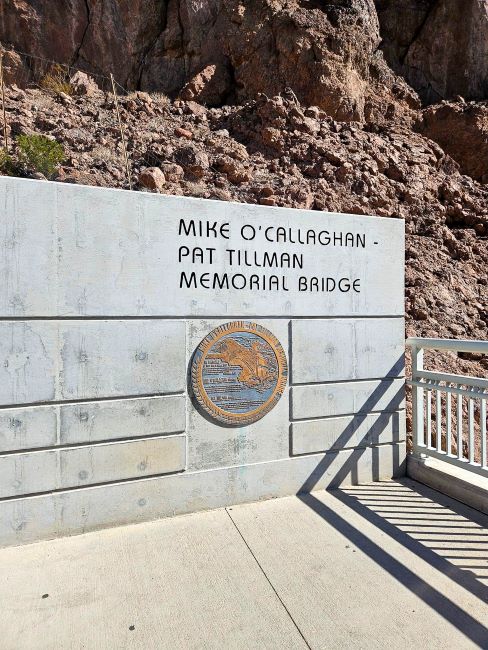
O’Callaghan-Pat Tillman Memorial Bridge is another monumental engineering feat. – they built it from both sides and met in the middle with only a 9.5 mm correction needed. The new bridge spans 1,900 feet across Black Canyon and 900 feet above the Colorado River.
We caught a slight breeze, so we decided to walk across the Mike O’Callaghan–Pat Tillman Memorial Bridge for some photos—and the views are absolutely incredible! From this vantage point, you can see the full expanse of Hoover Dam, Black Canyon, and the Colorado River far below. The height can be a little intimidating if you’re afraid of heights, but the experience is well worth it.
Along the bridge, interpretive signs share details about its construction and engineering, adding context to the impressive views and helping visitors appreciate the incredible effort that went into building this modern marvel.
5. Visit the Lake Mead National Recreation Area
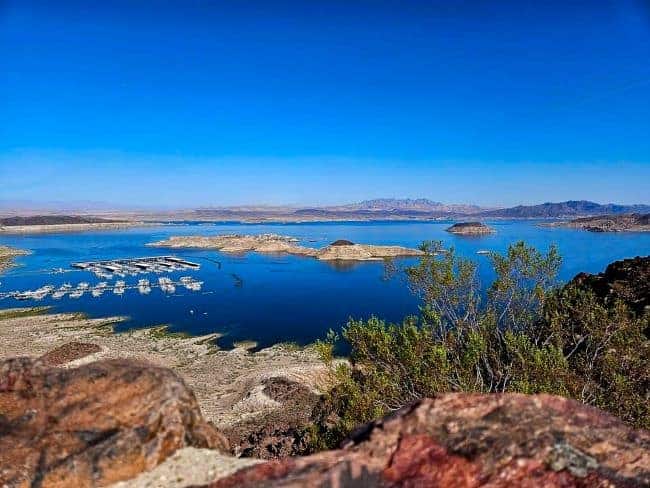
At 247 square miles, this is the largest reservoir in the United States. Why not take advantage of spending a day walking the sandy shoreline or kayaking through one of the many secluded coves? The beautiful azure waters make this an inviting destination for those who enjoy a day on the water. Boaters, swimmers, and avid hikers will find amazing landscapes in this year-round playground. We took the scenic drive along the lake shore, stopping several times at the overlooks with breathtaking views.
The waters of the lake are chilly, 60 degrees, but that does not seem to chase the swimmers away at Boulder Beach. This area is popular with day travelers and campers. They waive the entrance fee if you have the “America the Beautiful pass.” The Boulder Beach Campground has nearly 150 large, paved tent/RV sites. Each site has a fire pit/grill and a table. Potable water spigots and restrooms are throughout the campground. Group camping is also available by reservation only. The Lake Mead RV Village is next to the campground and includes RV sites with full hookups and 24-hour shower and laundry facilities.
Leave No Trace: All plants, wildlife, geologic features (rocks), and archeological artifacts are protected. They permit no collecting in the recreation area.

6. Boating on Lake Mead
In Boulder City, there are two marinas worth visiting: the Las Vegas Boating Marina and the Lake Mead Marina. This charming area features boats for mooring and rentals, a small store, and a standout dining option—the Harbor House Cafe. This floating restaurant hovers over the crystal-clear waters of Lake Mead, offering a unique and relaxing dining experience.
On a day like ours, with temperatures soaring over 100°F, the air conditioning was a welcome relief. It’s a magnificent spot for a light lunch without breaking the bank. If you’re feeling adventurous, you can also rent a pontoon boat or jet ski to explore the lake firsthand.
Note: Feeding the carp at the marina seems to be a popular tourist activity, as the fish swarm in large numbers for bread or popcorn. While it may look fun, we don’t condone feeding wildlife. Interestingly, the carp population has already impacted the lake’s ecosystem, having eaten much of the grass and contributing to an imbalance in the local environment. It’s a good reminder that even small actions can affect nature in big ways.

View of the water and hills at Lake Mead, Nevada. Photo by Nikater.
7. Thrilling Kayaking on Lake Mead
Who wouldn’t want to soak in hot springs with names like Boy Scout, Gold Strike, and Arizona? If you book a kayak adventure, you can enjoy exactly that! Evolution Expeditions offers a Hoover Dam & Hot Springs tour suitable for any skill level.
The tour begins at Hoover Dam, giving you a unique water-level perspective of this engineering marvel. You’ll paddle a 12-mile route—a full-day adventure, so it’s not for the faint of heart. Along the way, you’ll reach Emerald Cove and Sauna Cove, where you can relax in the natural hot springs.
Professional guides provide a light lunch and share a narrated history of the dam and Lake Mead. Keep your eyes open, as you might spot bighorn sheep, eagles, and other wildlife native to the area. It’s an unforgettable combination of adventure, history, and nature.
We recommend wearing a bathing suit and fishing shirt. Also remember sunscreen, a hat, sunglasses, water shoes, and a dry bag for your camera, valuables, and a change of clothes. This tour is first-come, first-served, as the National Park Service only issues a few permits on certain dates.
8. Tunnels, Slots and Hiking Trails. Oh-My!
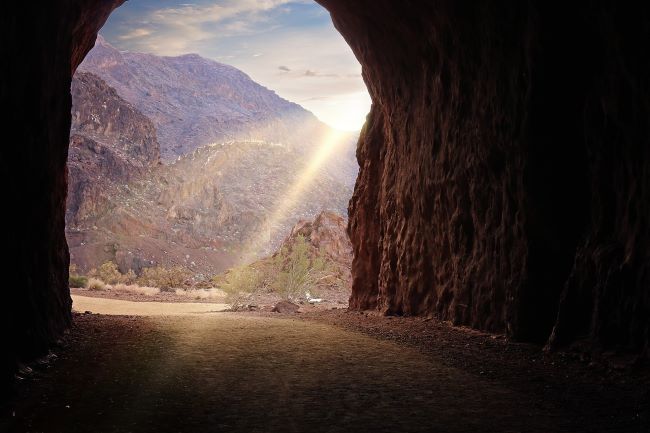
There are nine wilderness areas within the Lake Mead NRA. You can park for free and walk 4.5 miles to the Hoover Dam, passing through five tunnels that were carved through the mountains to help build the dam.
The Railroad Trail
This popular 8.2-mile out-and-back trail near Boulder City, Nevada, is a must-see for history buffs. The mostly flat trail follows an old railroad bed high above Lake Mead, offering stunning views along the way.
Parking is free just off Lakeshore Drive, and from there you can walk 4.5 miles to Hoover Dam—just remember you’ll need to walk back! The trail is frequented by families and dog walkers alike, making it a friendly, accessible option for many visitors.
Informational signs along the trail guide you through the history of the railroad and the tunnels carved into the mountains. We found the five tunnels particularly intriguing—they were originally built to transport construction materials to the Hoover Dam site. With excellent photographic opportunities and breathtaking vistas of Lake Mead, this trail combines both history and natural beauty in one memorable hike.
Note: You really should have sturdy walking or hiking shoes to traverse the trails. A quality trekking stick would be advisable on trails with loose gravel. Remember to have a refillable water bottle to quench your thirst in the heat.

Remarkable Owl Canyon Trail
Owl Canyon Trail is a fairly easy 3.5-mile loop along Lakeshore Drive in Lake Mead National Recreation Area. Parking is available at 33 Hole, but the trail is not well-marked, so we recommend downloading the AllTrails map before you go. Just before reaching the canyon, take the left fork to begin the descent into the slot canyon.
Once in the canyon, you’ll find plenty of shade, making early morning the ideal time to hike before the temperatures rise. The canyon is named for the white owls that live here—their excrement, or “white wash,” stains the walls. While we didn’t see any owls on our hike, we did spot a coyote and even found regurgitated owl pellets, a fascinating reminder of the canyon’s wildlife.
Lake Mead offers fantastic sport fishing with plenty of largemouth bass, striped bass, crappie, rainbow trout, channel catfish, and bluegill to entice anglers. Beautiful rock formations line the shores of the lake. Even if you do not catch fish, the views are spectacular. Grass rushes that line the lake’s edge are home to many waterfowl species: ducks, geese, swans, and red-winged blackbirds.

Prosfilaes/Wikimedia Commons
9. Hidden Gem: See the Original Wild West
Inside Lake Mead National Recreation Area lies a true hidden gem: a wild west ghost town that has reemerged after decades underwater. The town of St. Thomas was originally flooded when Lake Mead filled in the 1930s, submerging it nearly 60 feet below the water. Because of recent drought conditions, the town is now permanently high and dry.
Founded in 1865 by Mormon settlers at the confluence of the Muddy and Virgin Rivers, St. Thomas was prime fertile ground for farming. At its peak, the town had a population of around 500 residents. Today, only the foundations of the buildings remain, but it’s still fascinating to explore. The National Park Service preserves the ruins as a historic site within the northern part of Lake Mead National Recreation Area, offering visitors a glimpse into the past.
Getting There from Las Vegas: Head north on I‑15 and take exit 93 toward Overton. Just outside town, turn left onto Old St. Thomas Road. The 3-mile dirt road is mostly washboard but generally traversable by standard vehicles.
Once there, you’ll find a 2¼‑mile interpretive trail with 14 signs detailing the town’s history, complete with archival images of the original buildings. It’s an easy, informative walk that really brings the story of St. Thomas to life.

Final Thoughts on our Electrifying Plunge into Historic Hoover Dam
Today, the temperature is 117 degrees. If you plan to visit in the summer, expect higher temperatures and larger crowds. I’m thinking next time January through March may be a better time to visit the dam. Make memories: the history behind the dam is fascinating. There is more than just the dam to see. You could spend a few days here. However, if you are on a budgeted schedule, take the shorter tour of the Glen Canyon Recreational Area. The exciting Hoover Dam VIP tour is definitely a simple day trip from Las Vegas or on the trip to Grand Canyon National Park.
Have you been to Hoover Dam? Did you take the tour, hike, or kayak during your stay? We would love for you to share your thoughts in the comments below.