During our road trip, we stumbled upon Kennesaw Mountain National Battlefield Park, which turned out to be a wonderful surprise. This historic place in Georgia provides more than beautiful scenery. It takes you back in time to the days of the Civil War, where you can still feel its history. As first-time visitors, the beauty and the stories that this place really impressed us. Kennesaw Mountain offered exciting hiking paths amidst beautiful views. Just beyond Atlanta, Kennesaw Mountain National Battlefield Park is where the reverberations of Civil War history meet Georgia’s lush forests. If you love history or just want to enjoy some time outside, this Kennesaw Mountain National Battlefield Park travel guide will help you have a remarkable visit to Kennesaw Mountain, just like it helped us!
This post may contain affiliate links, meaning if you purchase something through one of these links, we may earn a small commission at no extra cost to you! Read the full disclosure policy here.
Table of Contents
What to Know Before You Visit Kennesaw Mountain National Battlefield Park
- Hours & Seasons: The park is open daily from 6:30 AM to 6:30 PM. During the summer, it stays open until 8:30 PM. The visitor center is open from 9:00 AM to 5:00 PM every day. Check the official website before you go.
- Free Admission: You can visit Kennesaw Mountain National Battlefield Park without paying an admission fee! This makes it an easy and affordable place for visitors to visit.
- Pet Policy: Kennesaw Mountain National Battlefield Park is a pet-friendly destination, allowing leashed dogs on all its trails. For their safety and the preservation of the site, pets are not permitted inside the visitor center or historic buildings.
- Best Time to Visit: Spring (March to May) or fall (September to November) The weather is pleasant during these periods, and the park is at its best. The milder weather makes hiking more pleasant. You can appreciate the park’s bright colors, whether it is the flowers during spring or the beautiful leaves during autumn. Summer can become extremely hot, so if you’re scheduling a visit during that time, it’s wise to go in the morning.
- Events: Kennesaw Mountain has various special events during the year, including reenactments and educational programs. Look on the park’s website to determine if any events overlap with your visit.
- Parking: Get there early to find a space since it gets busy on the weekends! You might have to pay a small fee to park in the main lot at certain times, especially during peak season. Always find out the latest parking information before you go.
Step Back in Time: The Kennesaw Mountain National Battlefield’s Story
Stepping into Kennesaw Mountain National Battlefield Park is like opening a time capsule where Civil War history and Georgia’s natural beauty collide. This landscape preserves the site of a critical engagement in the Atlanta Campaign. From June 19 to July 2, 1864, Union and Confederate forces were locked in a brutal month-long struggle.
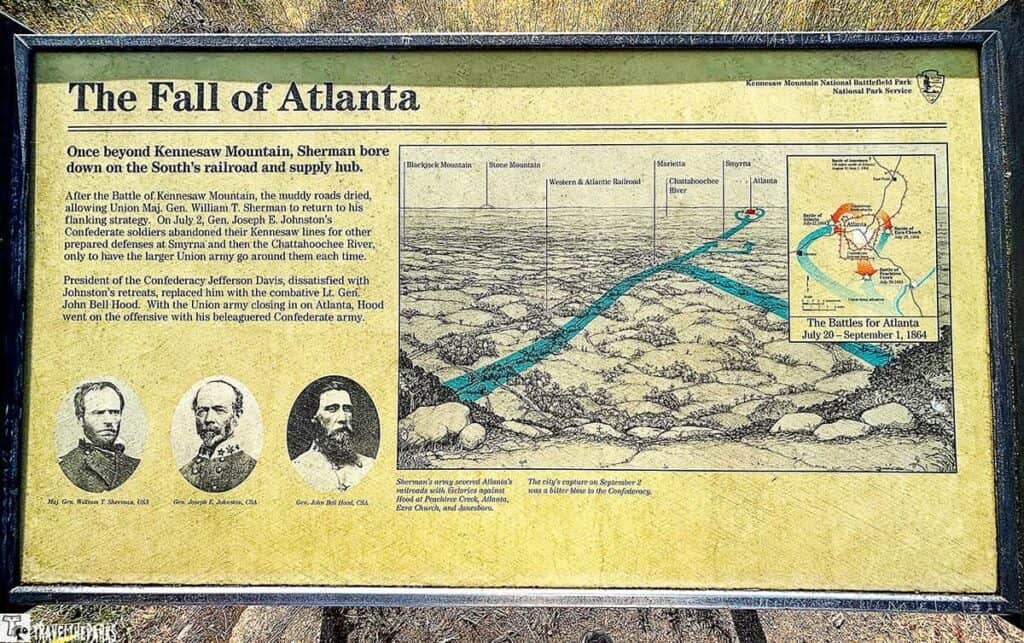
Although Union General William T. Sherman failed to breach the Confederate defenses here, the Battle of Kennesaw Mountain was only a temporary setback. Sherman simply flanked the position and continued his advance, ultimately capturing Atlanta by September. This victory was a pivotal moment that profoundly influenced the outcome of the Civil War.
While the Battle of Kennesaw Mountain was a tactical Confederate victory, it was far less significant than battles like Gettysburg, Antietam, or Vicksburg in terms of its immediate impact on the Civil War’s outcome. Its importance lies within the Atlanta Campaign, as it was part of the larger effort that ultimately led to the Union capture of Atlanta—a turning point in the war.
Guide: Things to Do at Kennesaw Mountain Battlefield
A visit to Kennesaw Mountain National Battlefield Park blends outdoor activity with powerful history. To make the most of your trip, here are the top activities:
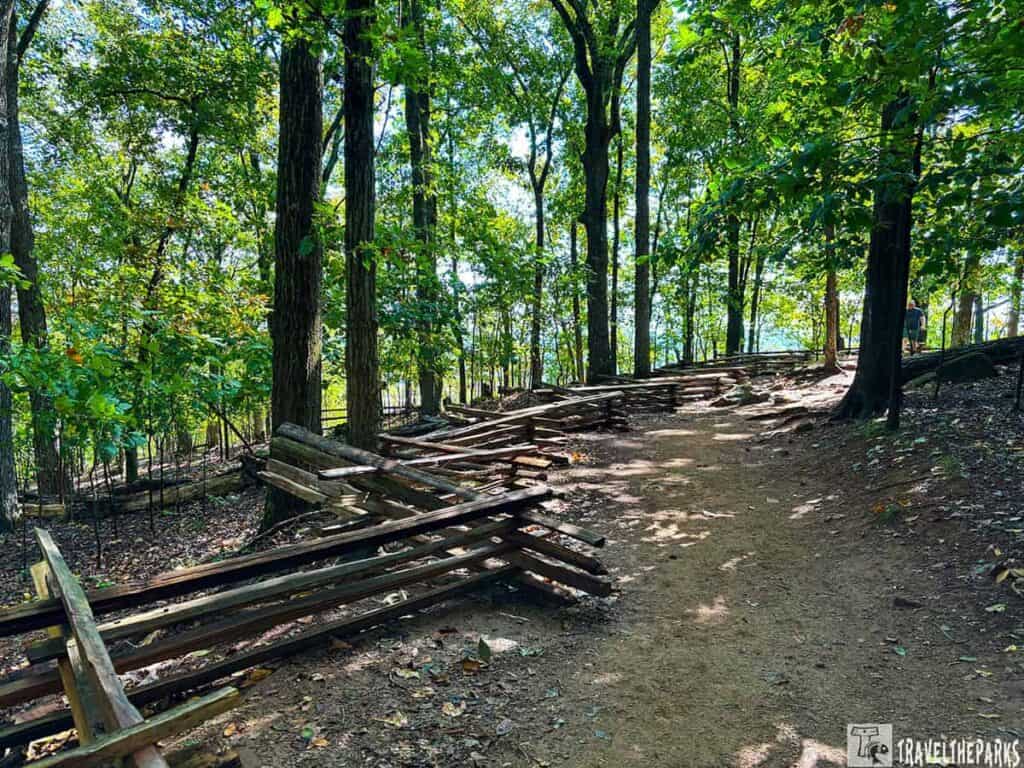
- Hike the Historic Trails: Explore over 18 miles of hiking trails that traverse the preserved earthworks and battlefields. The climb to the mountain summit rewards you with stunning views of the Atlanta skyline.
- Drive the Tour Road: For a quicker overview, you can drive the 5-mile park road, with pull-offs at key points like Pigeon Hill and Cheatham Hill for short walks and interpretation.
- Visit the Museum & Film: Start at the Visitor Center to see artifacts, exhibits, and watch a short film that details the 1864 Battle of Kennesaw Mountain.
- Join a Guided Program: Check the schedule for ranger-led talks, hikes, and living history demonstrations that bring the past to life.

Kennesaw Mountain National Battlefield Visitor Center: Civil War Exhibits, and Battle Insights
Today, the park protects over 2800 acres filled with trenches, cannons, and monuments, providing an actual link to history. We started our visit at the Kennesaw Mountain National Battlefield Park Visitor Center before exploring the park’s many features. You will find useful information, maps, and resources here to help you on your journey. Inside there are displays that explain the Battle of Kennesaw Mountain, which happened in June 1864 during the Civil War. The center also has a short film that provides an excellent summary of the park’s historical importance. The 35-minute film about the Atlanta Campaign and the Battle of Kennesaw is called “Kennesaw: One Last Mountain.” It shows every hour starting 15 minutes after the hour.
If you are interested in a deeper dive into history, guided tours and ranger-led programs are available. Don’t miss the chance to chat with park rangers—their stories bring the battlefield’s echoes to life. Check the park’s schedule—kids love the interactive “Junior Ranger” activities! Don’t forget your passport stamp.
Kennesaw Mountain National Battlefield: Self-Guided Audio Driving Tour
The self-driving auto tour map takes you to key points of interest, with parking available at each stop along the way, as well as informative wayside exhibits. Short interpretive trails are at the mountaintop, Pigeon Hill, and Cheatham Hill for further exploration.
Kennesaw Mountain: Summit the Past (Stop 1)
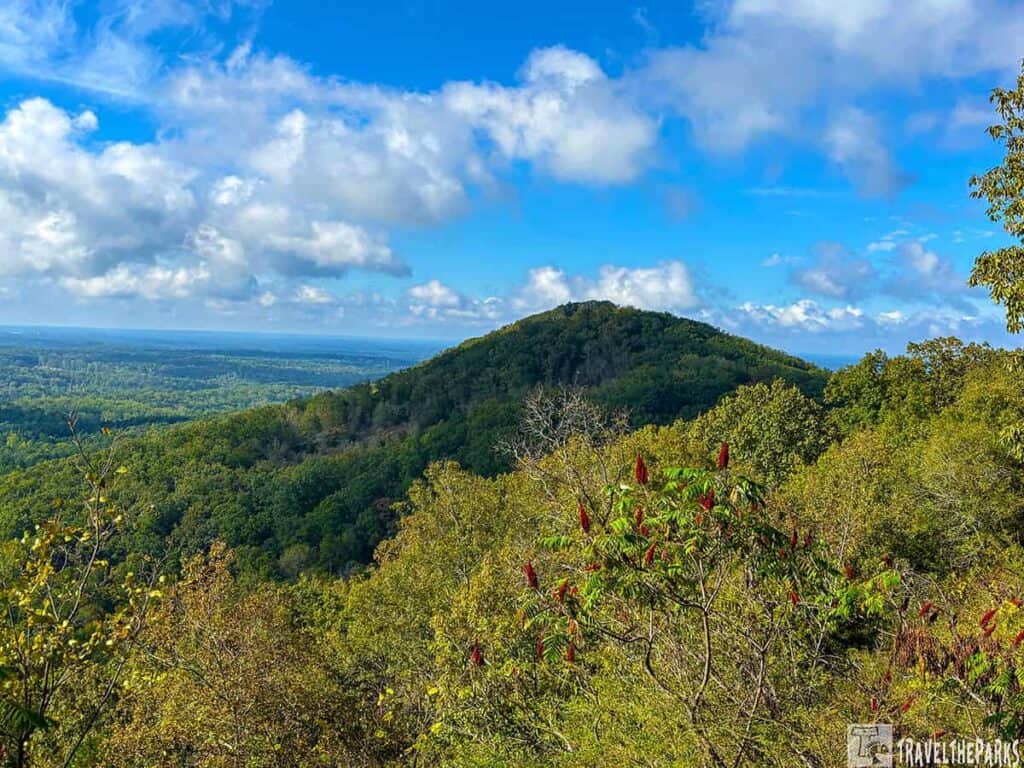
Although we opted to hike to the top of the mountain, you can drive to the top of Big Kennesaw Mountain on a weekday by taking Kennesaw Mountain Drive. During weekends (March–November) a shuttle bus transports visitors up to the summit for a small charge. This is a great alternative if you are visiting the park on a Saturday or Sunday. If you are driving, there is a pullout near the top where you can see Little Kennesaw Mountain. An information panel details the fighting here.
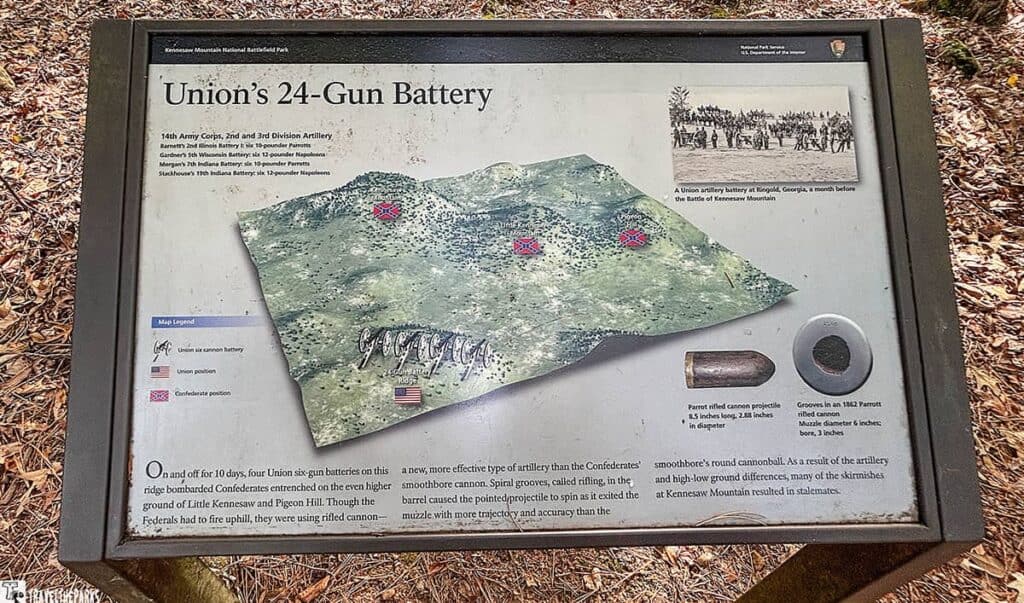
24-Gun Battery: Where Confederate Cannons Roared (Stop 2)
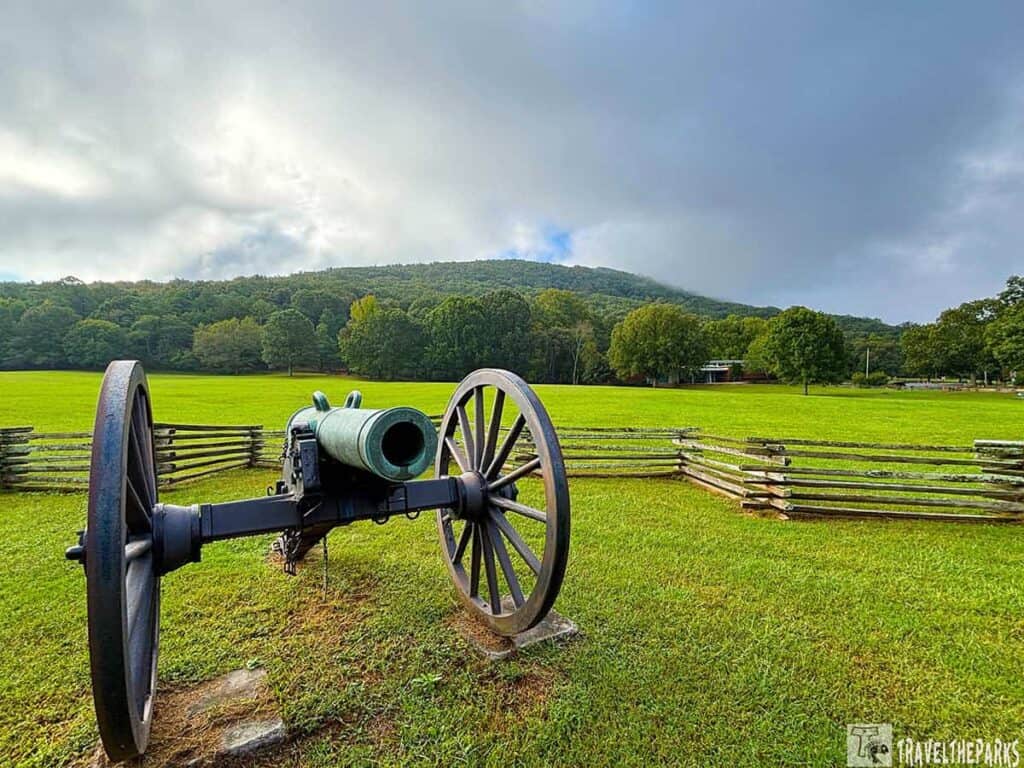
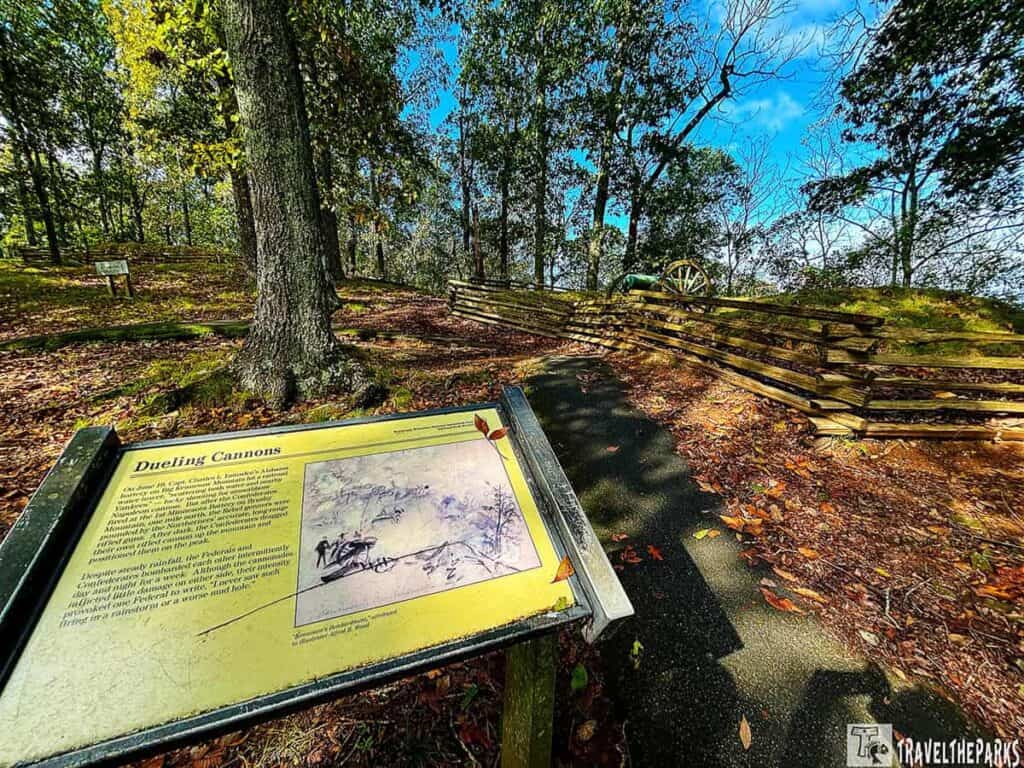
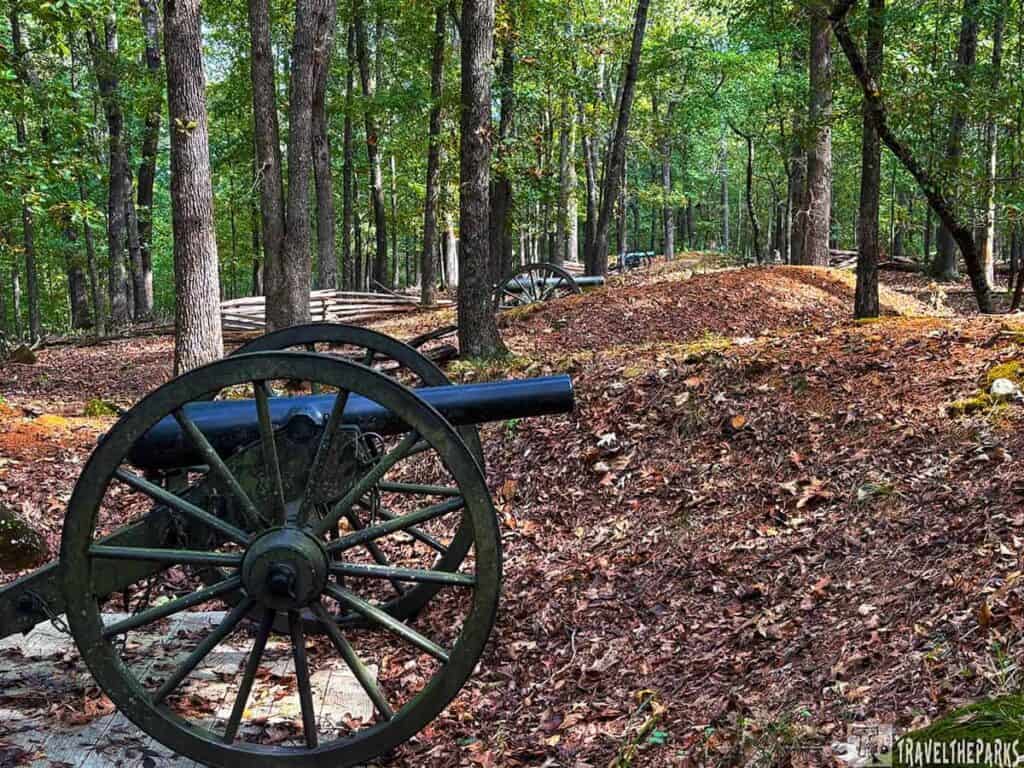
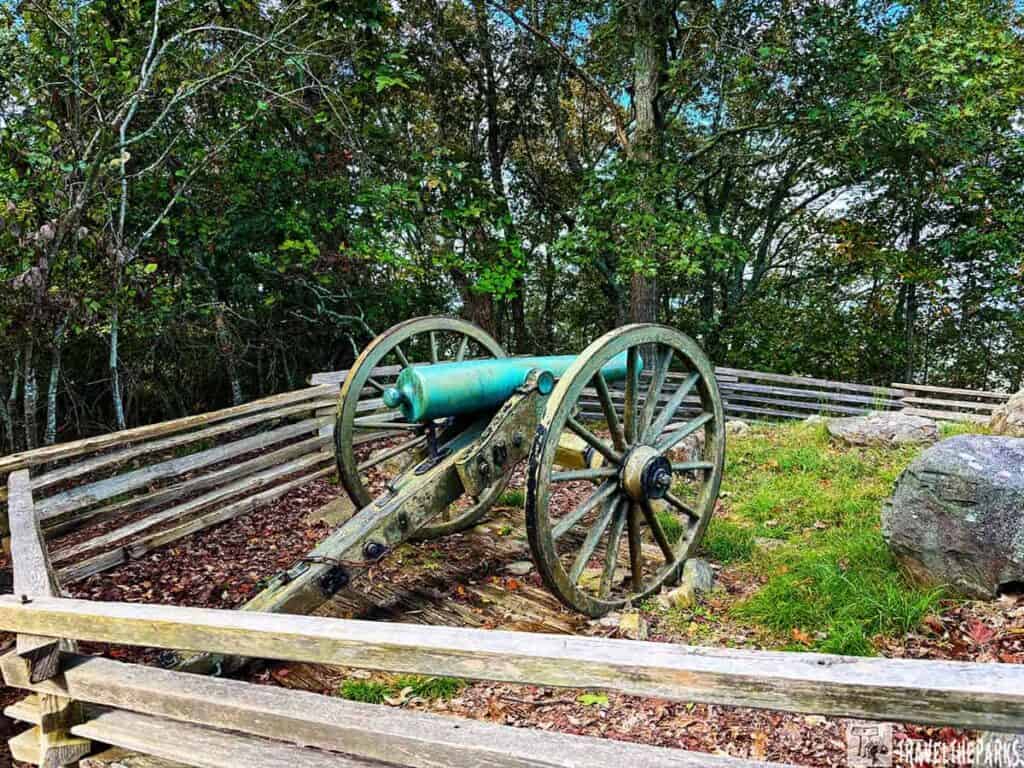
Just a short walk from the parking lot, this battery was a key part of the Confederate defense during the battle. It housed four batteries, each with six artillery pieces used to defend against the advancing Union troops. Positioned on a raised ridge, the Confederate artillery faced Little Kennesaw Mountain and Pigeon Hill, allowing them to fire down on Union soldiers advancing from the valley. This strategic position made the battery vital to the Confederate defense. While the original cannons are gone, a few replicas along the trail help visualize the artillery firing at Union soldiers. From this vantage point, you can appreciate the terrain and understand the challenges both Confederate and Union soldiers faced during the battle.
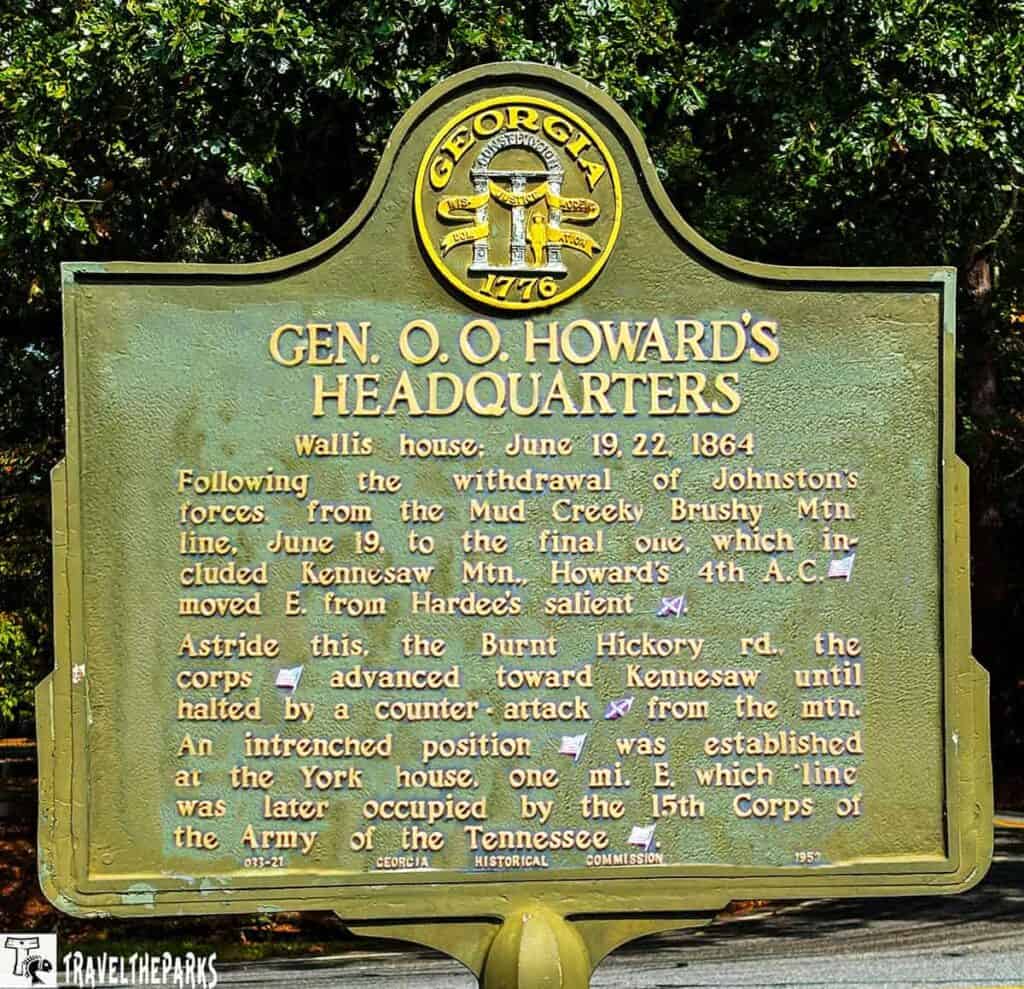
Step Into General Oliver O. Howard’s Headquarters: The Historic Wallis House (Stop 3)
The next stop is only a short drive from the main battlefield. Difficult to find, it is in a sad state of disrepair. The Wallis House, or George Wallis House, provides a peaceful but fascinating look into Civil War history. This simple white farmhouse, built in 1853 by Josiah Wallis, was very important during the 1864 Atlanta Campaign. Union Major-General Oliver O. Howard used it as his temporary headquarters while planning his approach to Atlanta. I could just imagine Howard standing on the porch. I could almost hear the clatter of telegraphs and the tense discussions that changed the war’s trajectory.
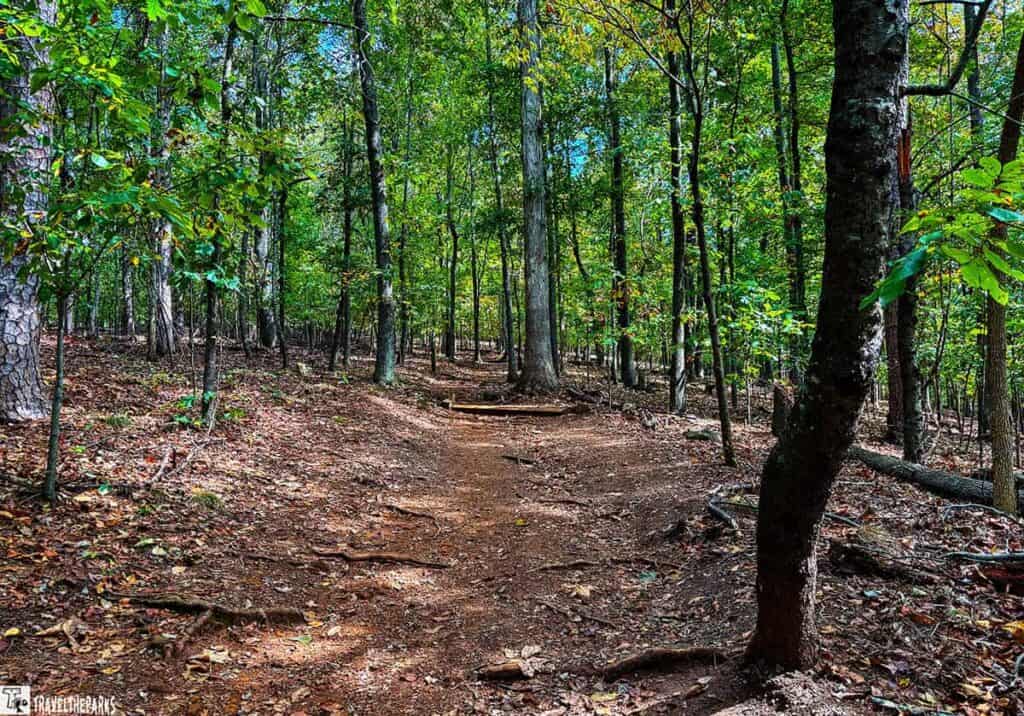
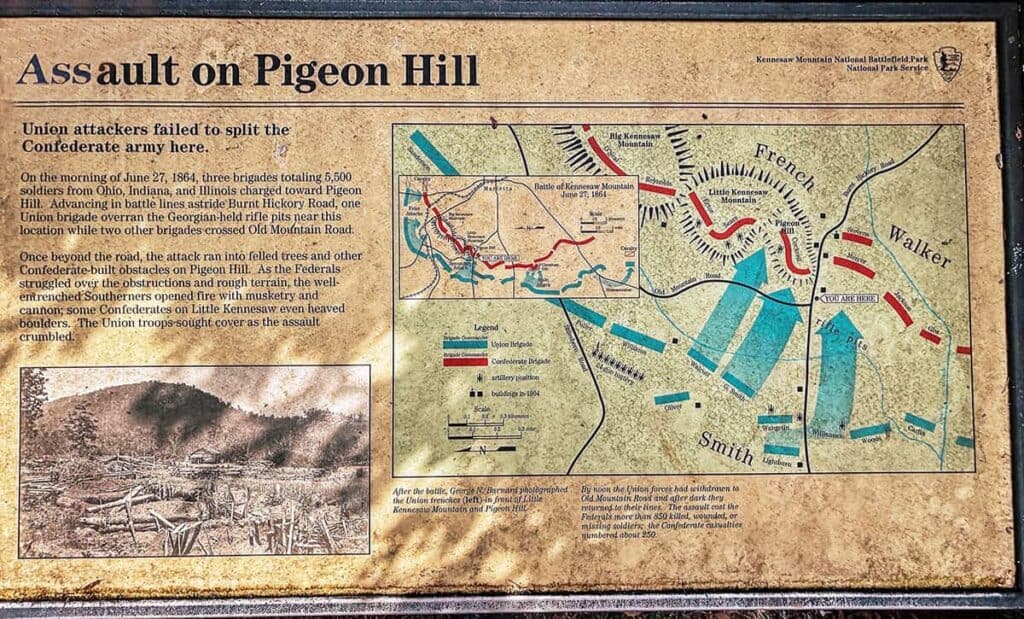
Pigeon Hill: Crumbling Confederate Trenches( Stop 4)
The Earthworks were an important goal for the Union army during the Battle of Kennesaw Mountain. Even though there was intense fighting on the hill, it stayed under Confederate control. A key feature of the park is the preserved Confederate earthworks and redoubt, which were used as defense spots during the battle. The Kennesaw Mountain Redoubt was a fort made of earthworks that served as an important stronghold. Close by there is a replica cannon I thought was a good way to connect with history. These old buildings helped us to see what life was like for soldiers who were based here over 150 years ago.
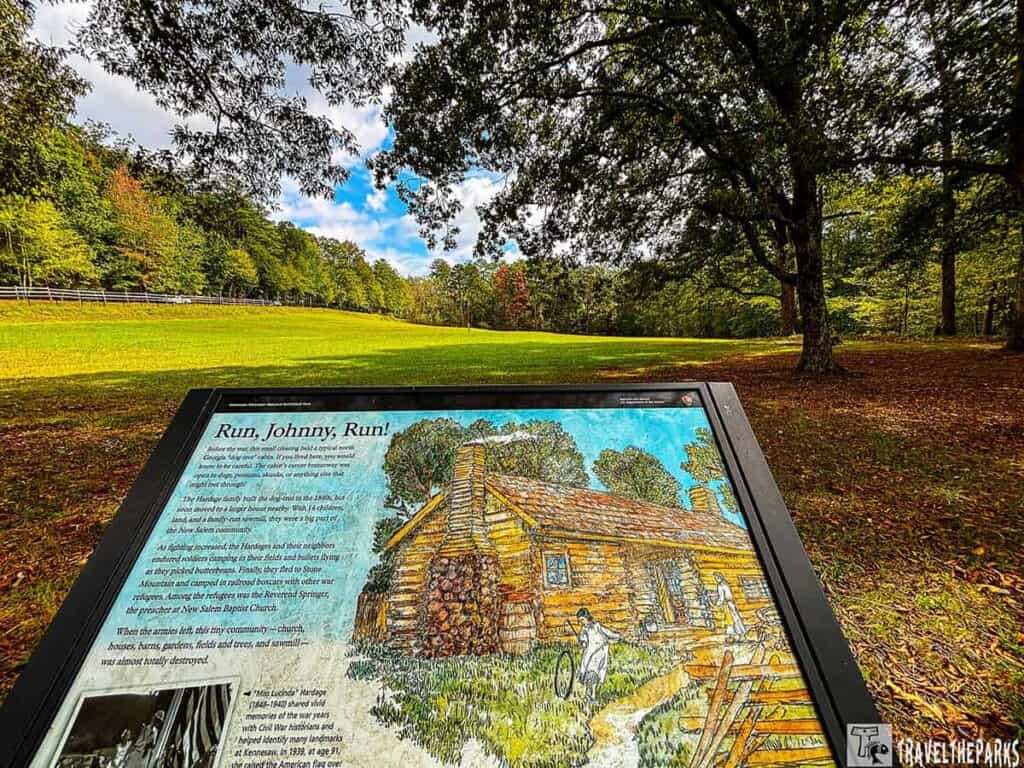
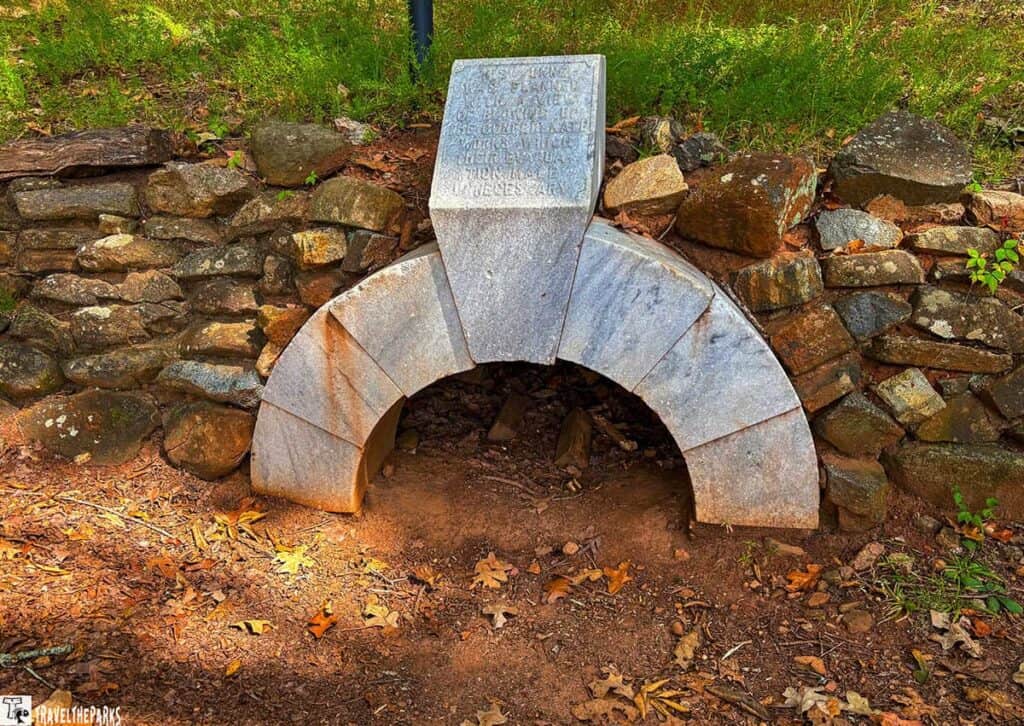
Driving down Burnt Hickory Road, it’s easy to miss the small, quiet history that stands in the shadow of Georgia’s larger Civil War story. The Hardage family’s story mirrors that of countless Georgia civilians during the war. Their journey began in a classic “dog-trot” cabin on this land in the 1840s. As their family and fortunes grew—with 14 children, a farm, and a sawmill—they built a larger house, becoming pillars of the New Salem community. When war arrived, they endured soldiers and skirmishes in their fields before finally fleeing. They returned to a home that was virtually erased from the landscape, a testament to the war’s total destruction.
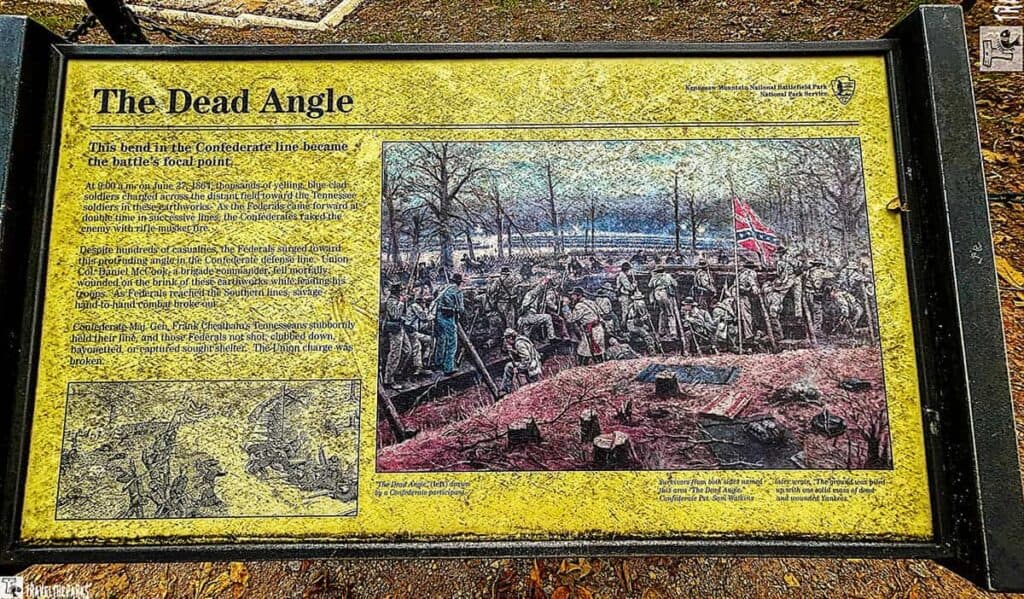
Cheatham Hill: Must-See Historical Gems (Stop 5)
Cheatham Hill is one of the most important stops on the Kennesaw Mountain audio driving tour. This area, known as the “Dead Angle,” saw some of the toughest fighting during the battle as Confederate troops stood firm against a large attack from the Union. It was an important location for the Confederate forces to defend during the battle. General Benjamin Franklin Cheatham, who commanded Confederate soldiers in that area, lent his name to the hill.
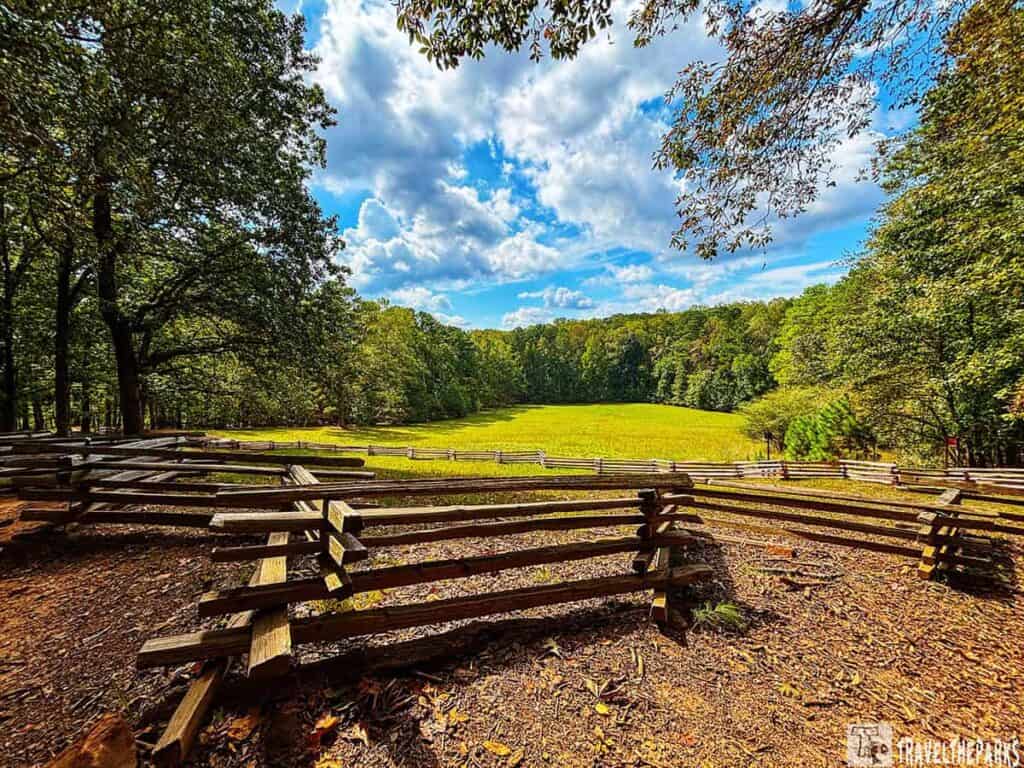
Interpretive signs near the Cheatham Hill Monument share historical information and explain the military strategies used by both sides. The monument is a tall stone pillar that pays tribute to General Cheatham and his soldiers. Visitors can still view parts of the well-placed Confederate earthworks and trenches that provided them with a strong defensive edge on the hilltop.
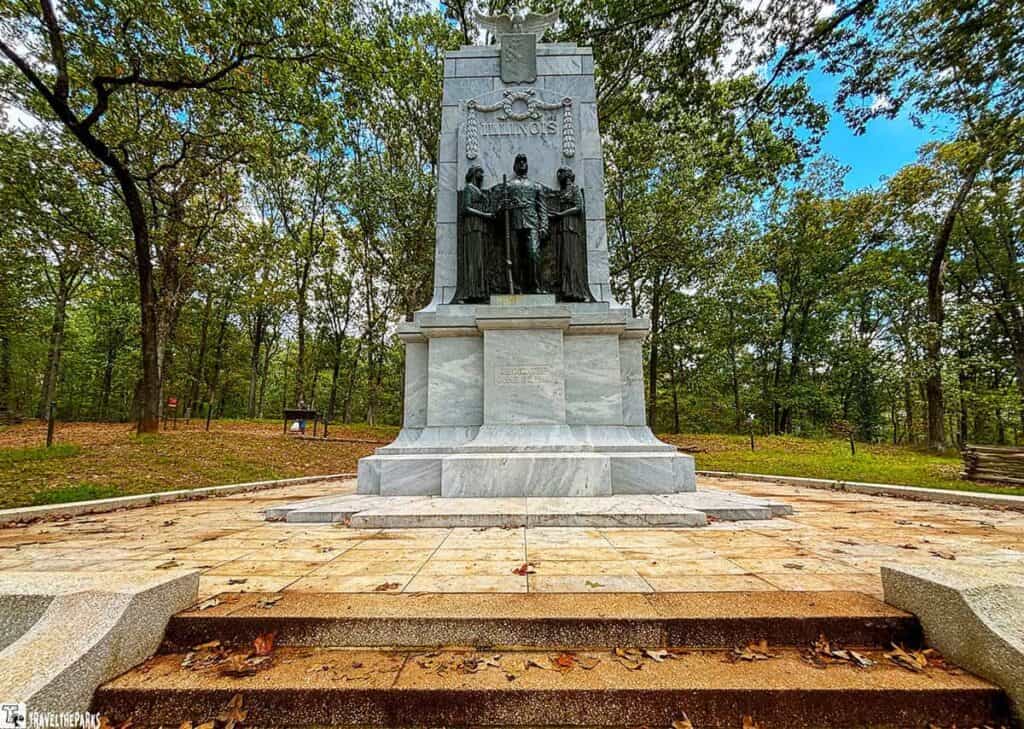
We followed a short trail, visiting the Illinois Monument, which honors the Union soldiers who fought courageously at Kennesaw Mountain. This serious tribute reminds us of the sacrifices made during the battle.
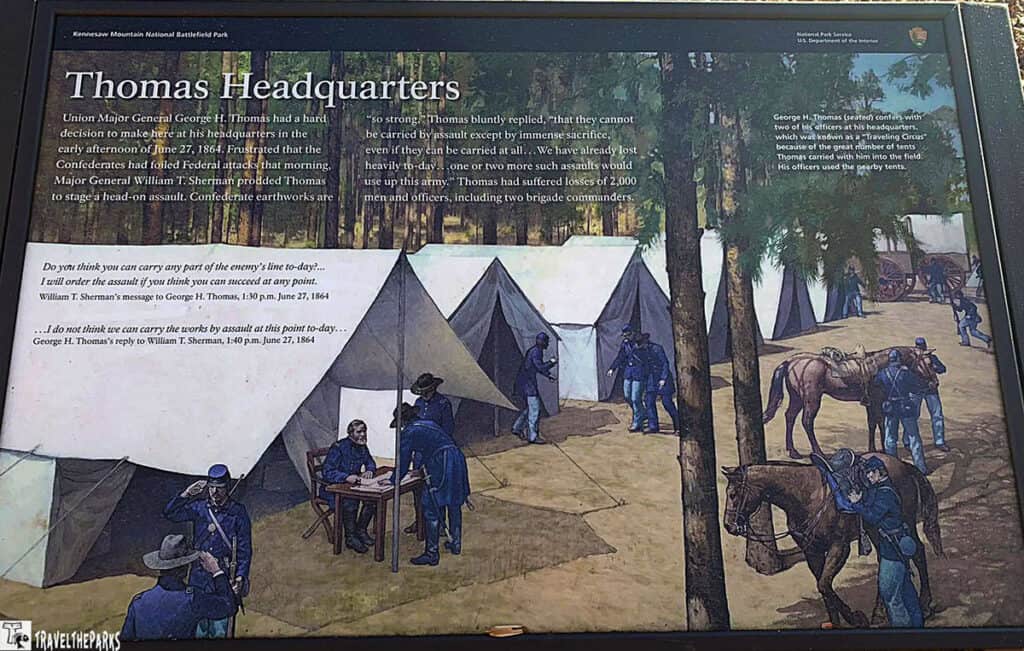
General George H. Thomas Headquarters: Where Union Strategy Collided with Reality (Stop 6)
On June 27, 1864, Sherman and Thomas strategized their offensive at this location, focusing on how to breach the heavily fortified Confederate positions on Cheatham Hill. Here, Sherman’s relentless aggression met Thomas’s methodical caution—a clash of tactics that defined the Battle of Kennesaw Mountain. The meeting was critical for coordinating the Union army’s tactics before the assault. At the Sherman/Thomas Headquarters stop, stand interpretive signs that explain the significance of this meeting. These reveal the military decisions that were made here. These signs provide insight into the tactics and strategies used by the Union generals during the battle. The assault ultimately failed, but the discussions that took place here were part of the larger plan for taking Atlanta.

Kolb’s Farm (Stop 7): Where History Echoes
Walk in the footsteps of Civil War strategy at Kolb’s Farm, where Confederate troops launched a daring—but doomed—flanking attempt on Sherman’s forces. You should definitely check out the Kolb Farm site when you visit Kennesaw Mountain. While walking the Kolb Farm Trail to Kolb’s Farm, we noticed signs that explain the battle and why this place is important. These markers explain the military actions and experiences of both the Union and Confederate troops at this spot. The Kolb family home was an important spot during the battle, and you can still see its ruins today. At the farm, we discovered a historic sign that explained the sad events that took place there during the battle. This area also has a small cemetery. Exploring the Kolb Family Cemetery, a peaceful place that remembers the everyday people affected by the war.

Hit the Trails at Kennesaw Mountain National Battlefield Park: Adventure with a View
I cannot emphasize enough yo get on the trails early to avoid the crowds. This park can get very busy on weekends, especially during peak season. Bring enough water and sunscreen with you because it can get very hot, especially during the summer. Some trails may require insect repellent. Make sure to bring your camera! This park has beautiful scenery and old landmarks, making it a great place to take memorable pictures. Hikers should wear comfortable shoes. Trails can be steep and often riddled with tree roots, which can make them challenging.
Kennesaw Mountain Summit Trail: Reaching Great Heights
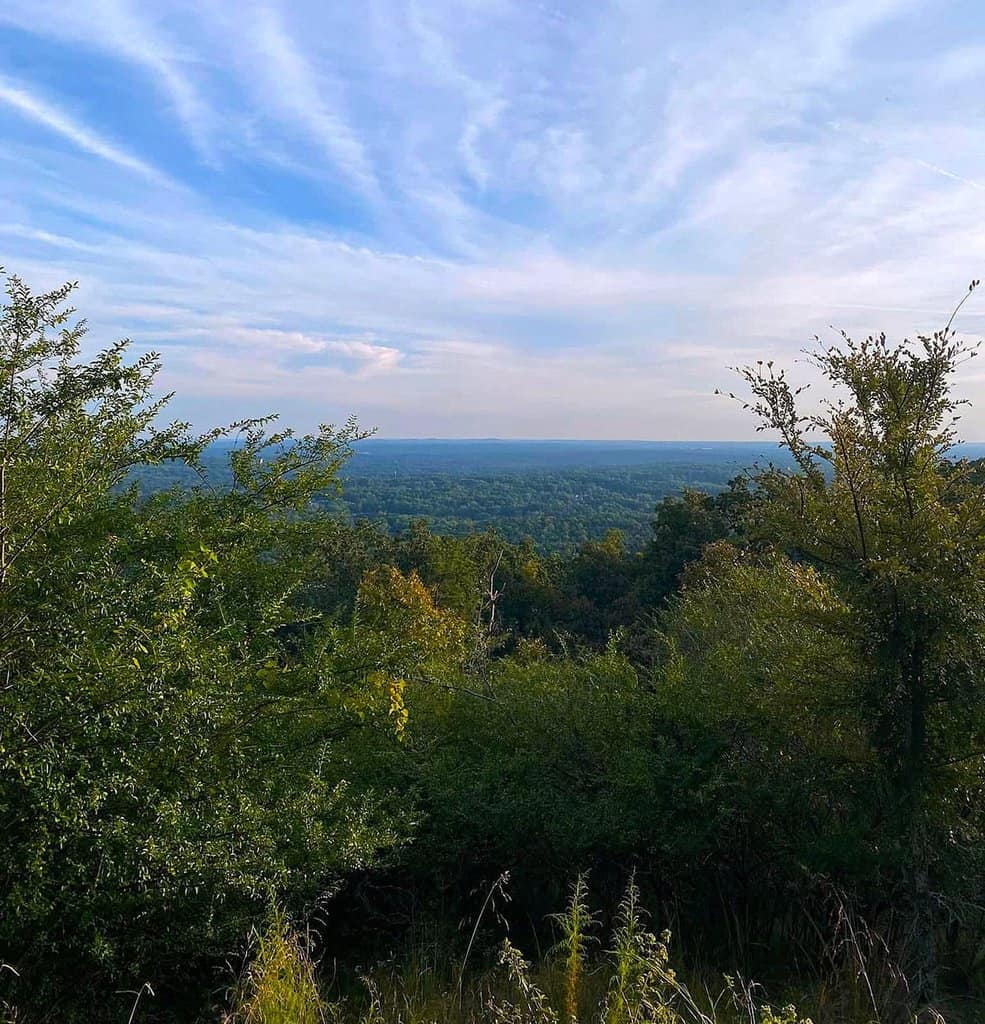
Picture yourself on a bright sunny viewpoint looking out at the Atlanta skyline and following the same paths that soldiers walked many years ago. One of the best parts of our trip was definitely hiking to the top of Kennesaw Mountain. The Kennesaw Mountain Trail is a 2.2-mile out and back. We hiked early morning, bringing along Sage, our dog. It was all uphill from the visitor center to reach the top of the mountain. These trails, switchbacks were a bit challenging, but the view from the top made it all worthwhile.
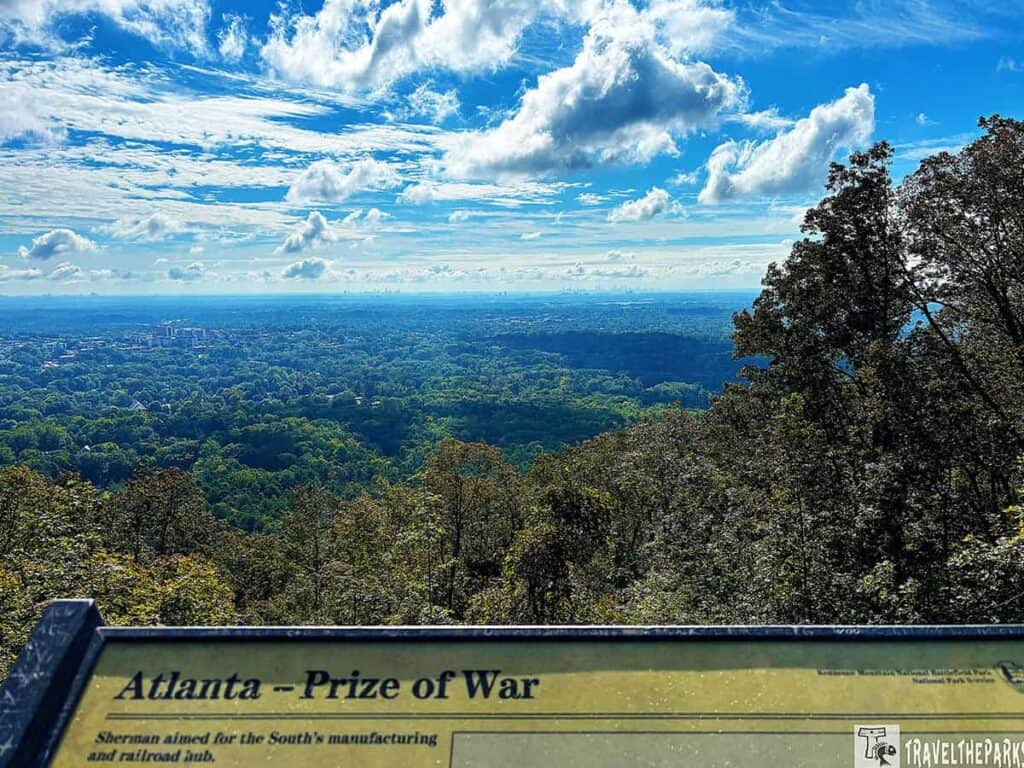
From the east side of the summit, we enjoyed amazing views of distant Atlanta. For the best views of Little Kennesaw Mountain, the observation deck is a magnificent spot. On the west side, you will see a historic cannon from the Civil War used by Union forces. It’s a perfect place for taking pictures.
Other Kennesaw Mountain National Battlefield Park Hiking Trails
- Camp Brumby Loop Trail: Length: an easy/moderate 2.1 miles (loop) winding through shaded forests and open meadows. This trail is perfect for families or just a quick nature escape. Look for interpretive signs detailing the area’s role as a Confederate camp. PRO Tip: Combine with the Summit Trail for a longer hike.
- Noses Creek Trail: Easy, 3.3 miles (one-way). A peaceful, shaded path following babbling Noses Creek. Ideal for birdwatching or a serene stroll. Look for remnants of historic mill sites along the water. Why Go: Less crowded—great for solitude seekers.
- Environmental Trail: Easy, 1.3 miles (loop). A fully ADA-accessible trail near the visitor center, featuring exhibits on the park’s ecology and Civil War history. Perfect for strollers, wheelchairs, or a quick educational walk. Don’t Miss: the reconstructed soldier hut and seasonal wildflowers.
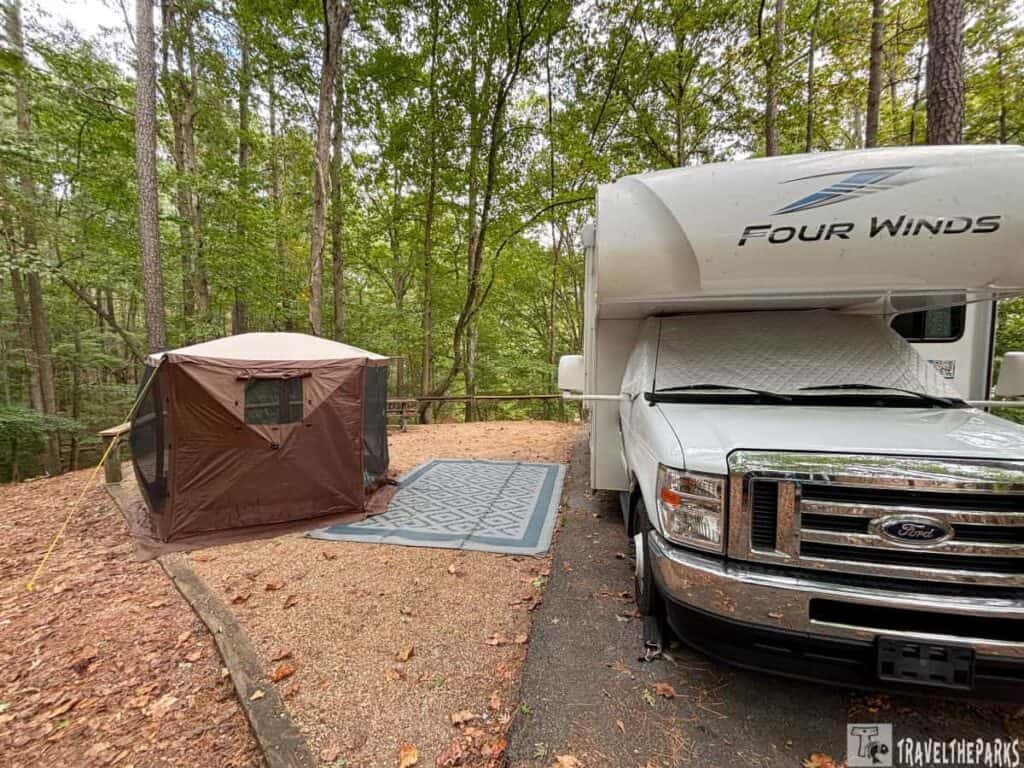
Where we stayed: McKinney Campground a Lakeside Escape Near Atlanta
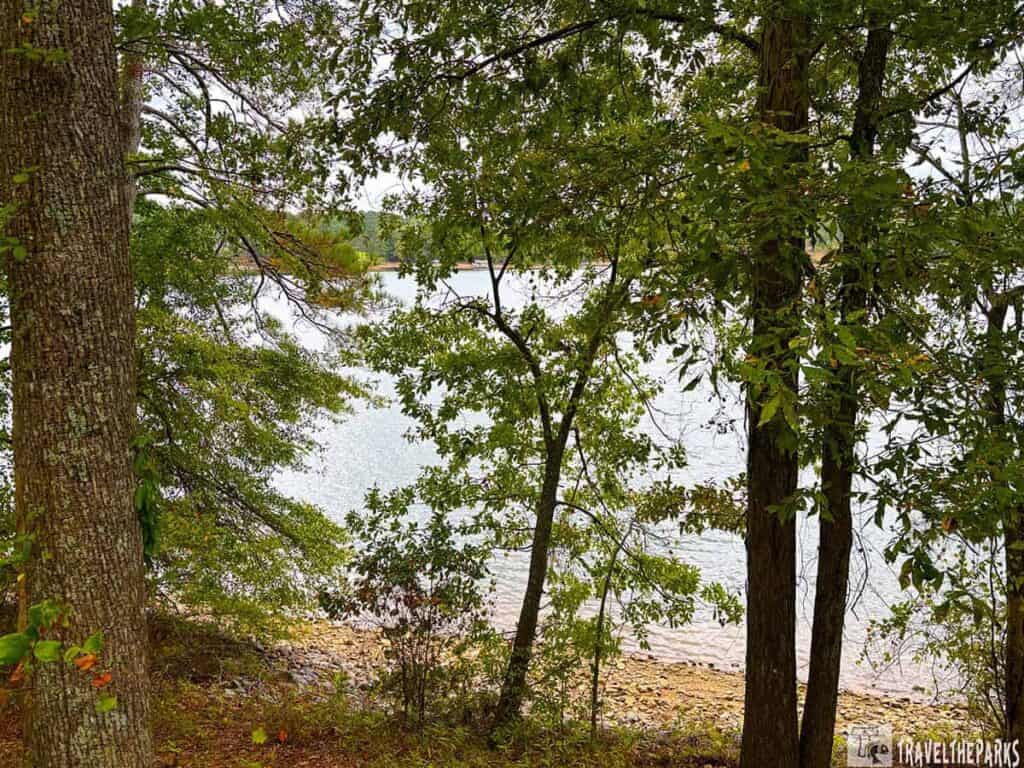
McKinney Campground on the shores of Allatoona Lake in northwest Georgia is a brilliant spot to camp. The large RV and tent spots are located under shady pine trees, and you can easily reach the lake’s sparkling water. The gem managed by the Army Corps of Engineers (COE) provides a mix of relaxation and fun activities. You can paddle, fish or swim during the day because the lake is full of bass, catfish and crappie! Then relax by a crackling campfire while the sunset colors the sky. Hikers can visit the Cooper’s Furnace Trail to see the old ironworks ruins from the Civil War. At the same time, history fans can take a quick trip to the nearby Etowah Indian Mound State Park. McKinney Campground offers modern features such as electric/water connections, hot showers and a boat ramp, making it easy to enjoy lakeside living.
Final Thoughts: Explore Kennesaw Mountain National Battlefield Park: A Complete Travel Guide
Kennesaw Mountain isn’t just a park—it’s an experience. It challenges you to climb, teaches you to remember, and rewards you with views that stretch far beyond the horizon. Our visit to Kennesaw Mountain National Battlefield Park was more than just a trip through a historical site—it was a chance to connect with the past, learn about the sacrifices made, and reflect on the significance of this moment in American history. Whether you’re stopping for a quick visit or spending the day exploring, the park promises an enriching experience that will stay with you long after you leave.
Have you visited Kennesaw Mountain? Share your favorite spot in the comments below!