Table of Contents
Updated July 2023
Grand Teton National Park should be on everyone’s bucket list. An itinerary for Grand Teton National Park includes the best activities such as hiking Jenny Lake and cruising Jackson Lake. Whether hiking, boating, or sightseeing, the Tetons are mesmerizing. I recommend a minimum of two days to see the park.

This post may contain affiliate links, meaning if you purchase something through one of these links, we may earn a small commission at no extra cost to you! Read the full disclosure policy here.
Tips to Know Before You Go: Your Ultimate Guide to Grand Teton National Park
- Entrance Fees: Private Vehicle (7-day pass): $35, Motorcycle (7-day pass): $30, Individual (on foot, bicycle, or ski): $20 per person (ages 16+), Grand Teton Annual Pass: $70. As part of your Itinerary-Grand Teton National Park, purchase an annual park pass. I would suggest purchasing an Annual Park pass that will give you unlimited access to all National Park and monuments. The pass costs $80 for one year.
- Operating Hours: Park Access: Open 24 hours a day, year-round. Visitor Centers & Facilities: Most are open from mid-May through September; many close or reduce hours in winter. Roads: Some roads close seasonally because of snow; check current conditions on official park site before your trip
- Pet Policy: Pets are permitted in developed areas, campgrounds, and parking lots. Restrictions: Pets are not allowed on trails, in the backcountry, on beaches, or in park facilities. Leash Requirement: Pets must be leashed at all times (6 feet or shorter).There is a downloadable Grand Teton National Park map. Click here. When we planned this trip, I had the map laminated and downloaded the Grand Teton Park app.
- Best Time to Visit: Mid-September (after Labor Day): Ideal for fewer crowds, fall foliage, and active wildlife. Late June to early July: Great for wildflowers, open trails, and full access to park amenities. Late May to early June: A good balance of accessibility and lighter crowds. Winter (October–April): Offers a serene, snow-covered landscape but with limited services and accessibility.
Essential for Planning Your Grand Teton Itinerary
- Be prepared if you plan to hike any of the trails in the park. You really should have good walking or hiking shoes for the trails, a quality collapsible trekking stick, and a good backpack with a water bladder for hiking can ensure you stay hydrated on the trail.
- I also packed convertible hiking pants. These are perfect for all-day hikes with zip-off legs becoming shorts almost instantly. Great, when the mornings are cool and the afternoons are warmer.
- A pair of compact binoculars is a must if you want to spot wildlife, specifically bears and elk.
- Research the park’s attractions, trails, and activities in advance. Check the weather forecast and be prepared for changing conditions, as weather in the mountains can be unpredictable.
Getting to Grand Teton National Park
Getting to Grand Teton National Park is relatively straightforward, with multiple transportation options depending on your starting point and preferences. A road trip to the park offers a quintessential American experience, letting you explore nearby attractions and enjoy the scenic routes along the way. Grand Teton National Park is easily accessible by car from various nearby cities, making it convenient for travelers seeking flexibility and adventure.
The closest major airport to Grand Teton National Park is Jackson Hole Airport (JAC), in Jackson, Wyoming. We connected through Denver, and the flight was quick—about 1.5 hours—with amazing views of the Tetons as you fly over them.
Other airports a bit farther from the park include Idaho Falls Regional Airport (IDA) and Salt Lake City International Airport (SLC). Most rental car agencies are in Jackson.
If you’re coming from sea level, I recommend spending at least one night in Jackson to adjust to the altitude. From the airport, the park is roughly a 30-minute drive away.

National Elk Refuge: Where the Deer-Elk and the Antelope Roam
After picking up our rental car in the morning, we headed toward Grand Teton National Park. Driving north from Jackson along US 26/89/191 provides direct access to the park.
If you start in Jackson, you’ll pass through the National Elk Refuge, which spans over 24,000 acres of pristine wilderness. This refuge offers vital winter habitat for thousands of elk as well as a diverse array of other wildlife. Stopping at the turnouts provides a wonderful opportunity for wildlife observation. During the harsh winter months, when snow blankets the Teton Range, thousands of elk migrate here in search of food and shelter, creating a truly spectacular wildlife spectacle.

One of the most unique ways to experience the National Elk Refuge is on a scenic sleigh ride. During the winter months, visitors can join guided sleigh tours that take them deep into the heart of the refuge. Glide through the snow-covered landscape, getting up close to the magnificent elk herds while enjoying the grandeur of the surrounding Teton Mountains.
The tours are also a great way to support the refuge, as proceeds go directly toward its conservation efforts. With thousands of elk wintering here, a sleigh ride offers a truly one-of-a-kind opportunity to witness these majestic animals in their natural habitat.

Must-See Stops in Grand Teton National Park
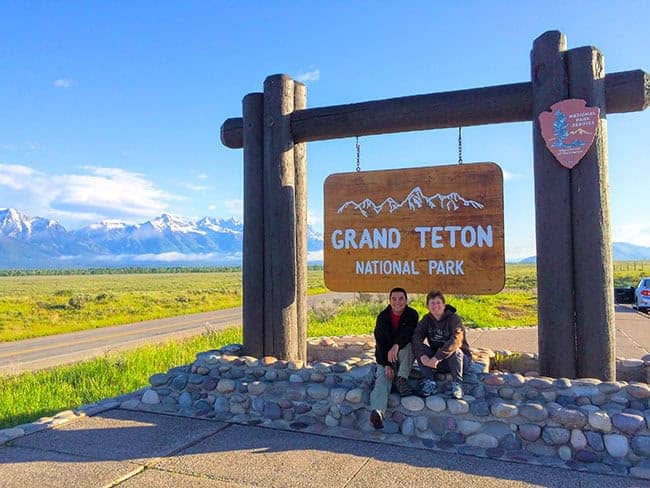
Today, we stopped at the National Elk Refuge turnout to walk the bike path in the cool morning air. The official Grand Teton National Park sign is always a must-do photo stop for us—part of our bucket list to visit every national park and capture a picture with the park signs. The views of the Teton Mountains from the rest area are absolutely stunning.
We also took a video of the many Uinta Ground Squirrels scampering and feeding along the path. These diurnal squirrels, Spermophilus armatus, are found in the sage-grass mountain meadows of the western United States. This Florida girl couldn’t help but be fascinated, watching their playful activity and keen alertness—it was a delightful wildlife moment to start the day.

Trip Itinerary: Grand Teton National Park Day 1
Welcome to Day 1 of our grand adventure in Grand Teton National Park! Today, we’ll take you on a scenic drive through some of the most breathtaking landscapes in the American West. Prepare to be mesmerized by the towering Teton Range, serene lakes, and abundant wildlife as we explore the wonders of this stunning natural paradise.

What to Do in Grand Teton National Park: Drive the 42-mile Scenic Loop
If time allows, we highly recommend completing the full loop along Teton Park Road, a 21-mile scenic route. The road heads north to the junction with Moose-Wilson Road, another picturesque drive. Continuing north, you’ll pass South Jenny Lake Junction, ending at Jackson Lake Junction.
From there, turn left onto US-89—Rockefeller Parkway toward Moran, then continue south on US-191 back to Jackson. This loop follows the base of the Teton Range from Moose to Jackson Lake Junction and includes the stunning Jackson Lake and Jenny Lake areas.
The entire loop can easily be done in a single day, even with multiple stops for sightseeing and wildlife observation.
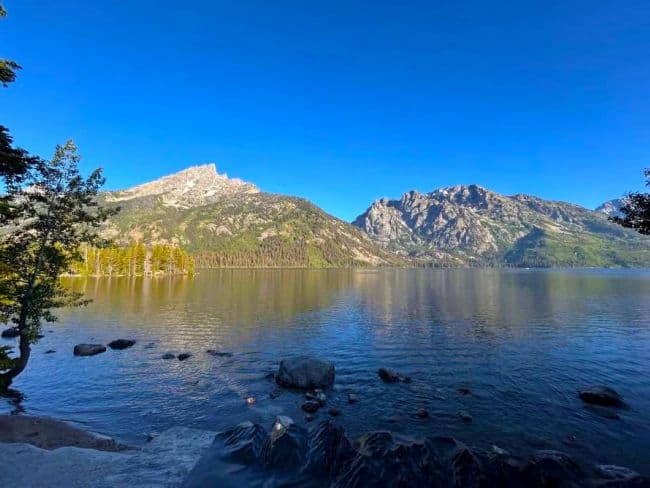
Craig Thomas Discovery and Visitor Center: Gateway to the Wonders of Grand Teton
At Moose Junction, you’ll find the turnoff for Teton Park Road. About half a mile after crossing the Snake River, on the left-hand side is the Craig Thomas Discovery & Visitor Center. Named in honor of the late U.S. Senator Craig Thomas, this visitor center serves as the gateway to one of America’s most cherished natural wonders.
Stop here to gather information about the park, pick up maps, and learn about its natural and cultural history. The building is modern, featuring hands-on, media-rich exhibits. Kids will love the video walkway where they can “walk on water,” along with the many interactive “feel free to touch” displays. Knowledgeable rangers and volunteers can provide updates on road and trail conditions, wildlife sightings, and upcoming activities such as ranger talks. We always check in here for trail information before venturing into the park—it’s an essential first stop for planning any Grand Teton adventure.

Park personnel have put together an excellent overview video that’s definitely worth watching. When the film ends, the screen rises, the curtains part, and you’re immediately greeted with breathtaking views of the Teton Range, which dominates Grand Teton National Park.
Families with young explorers will enjoy the Junior Ranger Program, a fun way to engage children with the park’s wonders—don’t forget to collect your passport stamps!
The Grand Teton Conservancy Store offers a wide selection of books and gift items. Outside, a peaceful garden trail features a Japanese garden theme, accented with bronze artwork and native plants, making it a lovely place to stroll and take in the scenery.

Chapel of the Transfiguration: A Serene Sanctuary Amidst Grand Teton’s Majesty
Near Mentor’s Ferry Road, you’ll find the charming Chapel of the Transfiguration, set against a striking mountain backdrop. The chapel stands as a beautiful example of the harmonious coexistence of man and nature.
Constructed in 1925, it has long served as a gathering place for locals and visitors seeking solace, reflection, or worship. Operated by St. John’s Episcopal Church, the chapel continues to host weddings and other special functions.
One of its most captivating features is the large window behind the altar, which perfectly frames the awe-inspiring Teton Range. Stepping inside, you can’t help but be drawn to the view—a peaceful, timeless scene that offers a glimpse of life in the pioneer days.

Windy Point Turnout: Our First Views of the Breathtaking Vistas of Grand Teton
The first viewpoint along Teton Park Road is the Windy Point Turnout, about a mile north of Moose, Wyoming. True to its name, this scenic overlook offers panoramic views that are absolutely breathtaking. Each turnout along Teton Park Road provides its own unique perspective of the Teton Range, making every stop a special opportunity to appreciate the park’s stunning landscapes.

Stepping out of the rental, we were immediately greeted by a majestic panorama at Windy Point Turnout. The viewpoint offers splendid views of the Teton Range and the surrounding sagebrush outwash.
The interpretive sign at Windy Point explains that a glacier, nearly 3,000 feet thick, once filled this valley. Enormous glaciers repeatedly transported cobbles, gravel, and coarse sand as they advanced. As the ice retreated, torrential meltwaters spread this rocky material across the valley. Rain and snow percolate quickly through the cobbles, leaving little moisture for the overlying soil—conditions perfectly suited for sagebrush, which dominates this dry outwash plain.
Teton Glacier Turnout: A Glacier’s Silent Symphony in Grand Teton National Park
The highlight of Teton Glacier Turnout used to be the views of the alpine glaciers that once capped the Teton Range. Today, most of those glaciers have melted due to climate change, but the turnout still provides an excellent view of the Tetons.
Driving along Teton Park Road, it’s impossible not to be struck by the magnificent scenery at every turn. We spotted herds of pronghorn antelope grazing in the meadows. We stopped multiple times to watch females with their young, capturing video of these graceful animals in their natural habitat.

Exploring the South Jenny Lake Area: Requires Patience in Grand Teton National Park
At the heart of the South Jenny Lake Area lies the enchanting Jenny Lake, a glacial gem that perfectly mirrors the towering Teton Range peaks. Whether you prefer a leisurely stroll along the lakeshore or a scenic boat ride, Jenny Lake offers a tranquil escape into nature’s beauty.
The lake sits at the base of Cascade Canyon, with striking glacial-blue waters. This is one of the busiest areas of the park, and parking is limited, so it’s best to arrive early. Access to the Jenny Lake Visitor Center and Jenny Lake Campground is via the spur road off Teton Park Road.
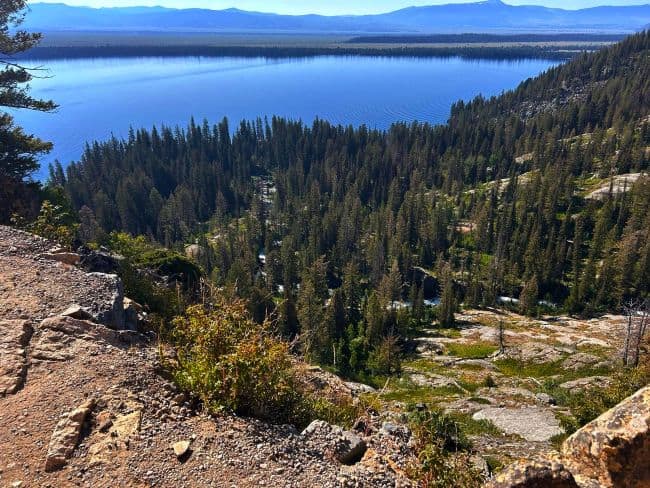
The Jenny Lake Visitor Center is housed in the historic Harrison Crandall Cabin, built in 1921. The center is open daily from 8 a.m. to 7 p.m., and as we stepped inside, friendly park rangers and knowledgeable staff greeted us warmly.
Interactive displays bring the park’s geological wonders, diverse wildlife, and human history to life. We admired some of Harrison Crandall’s artwork on the interior walls. On-site facilities include restrooms and a well-stocked gift store offering food and souvenirs. The Jenny Lake Access map helps locate trails, and the ranger station issues backcountry permits for those planning extended adventures.

Shuttle Boat to Hidden Falls: A Scenic Journey to Nature’s Hidden Gem
Adjacent to the Jenny Lake Visitor Center, you’ll find the Jenny Lake Boat Dock. A paved walkway leads to the dock at the mouth of Cottonwood Creek, where you can hop on the boat shuttle across to the west side of the lake.
Alternatively, you can walk the Jenny Lake Loop Trail around the lake to reach the West Shore Boat Dock. This convenient service saves time and lets you fully immerse yourself in the park’s beauty. Our 12-minute shuttle ride across Jenny Lake to Cascade Canyon ($20 round-trip) offered spectacular views of the Teton Range and Mt. Teewinot mirrored in the tranquil lake.
If you hike the 2-mile trail (one-way) around the lake, you can purchase a one-way shuttle ticket. For those seeking a more hands-on experience, canoe and kayak rentals are also available.

Hiking to Hidden Falls: Unveiling Nature’s Spectacular Treasures
The hike to Hidden Falls and Inspiration Point is entirely doable if you’re in reasonably good health, with an elevation gain of about 230 feet. While it wasn’t the easiest trek for this Florida girl, the breathtaking scenery made every step worthwhile.
After disembarking from the boat at Cascade Canyon Trailhead, you’ll find yourself at the base of the trail that leads to Hidden Falls—the starting point for this rewarding hike.

The hike begins on the Cascade Canyon Trail, climbing 0.3 miles through pristine conifer forest. This is one of the most popular trails in Grand Teton National Park. Cascade Canyon is a deep glacial valley that cuts directly into the Teton Range behind Jenny Lake, offering stunning scenery along the way.
Note: Bears are very active along many trails in the park. Stay alert, carry bear spray, and consider hiking with a group for safety.

The trail crosses Cascade Creek, where it forks. Following the lakeshore, the Jenny Lake Trail loops back to the Visitor Center, while the Cascade Canyon Trail continues toward Hidden Falls.
As we neared Hidden Falls, the sound of rushing water grew louder, hinting at the natural wonder ahead. Suddenly, we were standing before the majestic 100-foot waterfall, plunging into a rocky amphitheater—truly a breathtaking sight.

Inspiration Point Trail: A Breathtaking Vista in Grand Teton National Park
For those seeking a bit more adventure, the shuttle boat to Hidden Falls also provides access to Inspiration Point. The steep 0.4-mile climb to Inspiration Point follows a rugged trail, with steps carved directly into the rock. At the top, the elevation reaches 7,200 feet, and we had to pause to catch our breath.
From this vantage point, the panoramic views are absolutely unparalleled. Below, Jenny Lake stretches out in stunning clarity, and across the lake, the Gros Ventre Range extends as far as the eye can see—a truly breathtaking sight.

Cascade Canyon Creek: A Serene Journey into Grand Teton’s Untamed Beauty
On the descent, we paused along Cascade Creek, sitting quietly and listening to the rushing meltwater—a moment of pure tranquility. Cascade Canyon Creek originates high in the Teton Range, fed by melting snow and glacial streams. As it flows downhill, the creek winds through lush forests, rugged cliffs, and blooming wildflowers, creating a picturesque, idyllic setting.
We even spotted a Clark’s Nutcracker feeding its young, cleverly hiding the nest behind a large log along the creek’s edge. This serene walk is especially rewarding in the early morning, when the light, wildlife, and stillness combine for a truly magical experience.

For adventurous hikers, the journey doesn’t have to end at Hidden Falls or Inspiration Point. The Cascade Creek Divide Trail continues deeper into the heart of the Teton Range wilderness, offering a more secluded and challenging hike. This lesser-traveled trail rewards intrepid explorers with solitude, stunning scenery, and a profound connection to nature.

Jenny Lake Scenic Drive: A Journey Through Nature’s Majestic Canvas
This short scenic drive through the conifer forest offers superb views of Jenny Lake. Our first stop was the Jenny Lake Overlook, where we enjoyed breathtaking views of the crystal-clear waters shimmering beneath the towering Teton Range peaks.
At the String Lake Trailhead, the road becomes one-way for 1.5 miles, reconnecting with Teton Park Road. Parking fills quickly here, as String Lake is popular with swimmers during the summer months. A pleasant trail passes through fields of wildflowers, looping around the lake—a great spot for a picnic if you can snag a table. This easy, short hike is perfect for the entire family to enjoy.
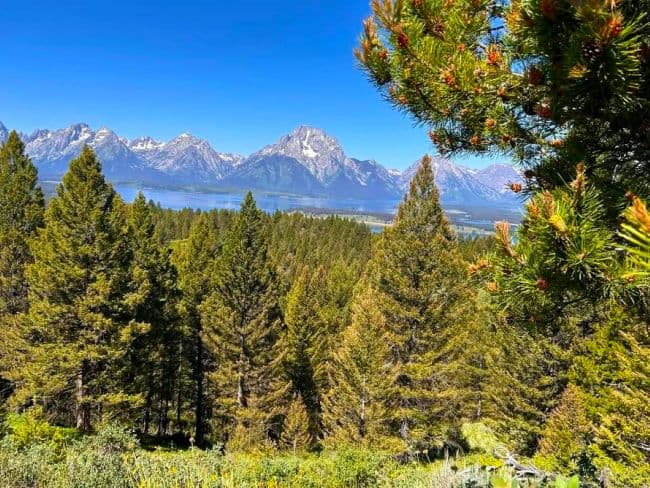
The Cathedral Group Turnout: A Glimpse of Grandeur in Grand Teton National Park
Stepping out of our vehicle, we were immediately struck by the breathtaking view of the Cathedral Group, whose majestic summits showcased nature’s artistry. This group includes Grand Teton (13,770 ft), Mount Owen (12,928 ft), and Teewinot (12,325 ft).
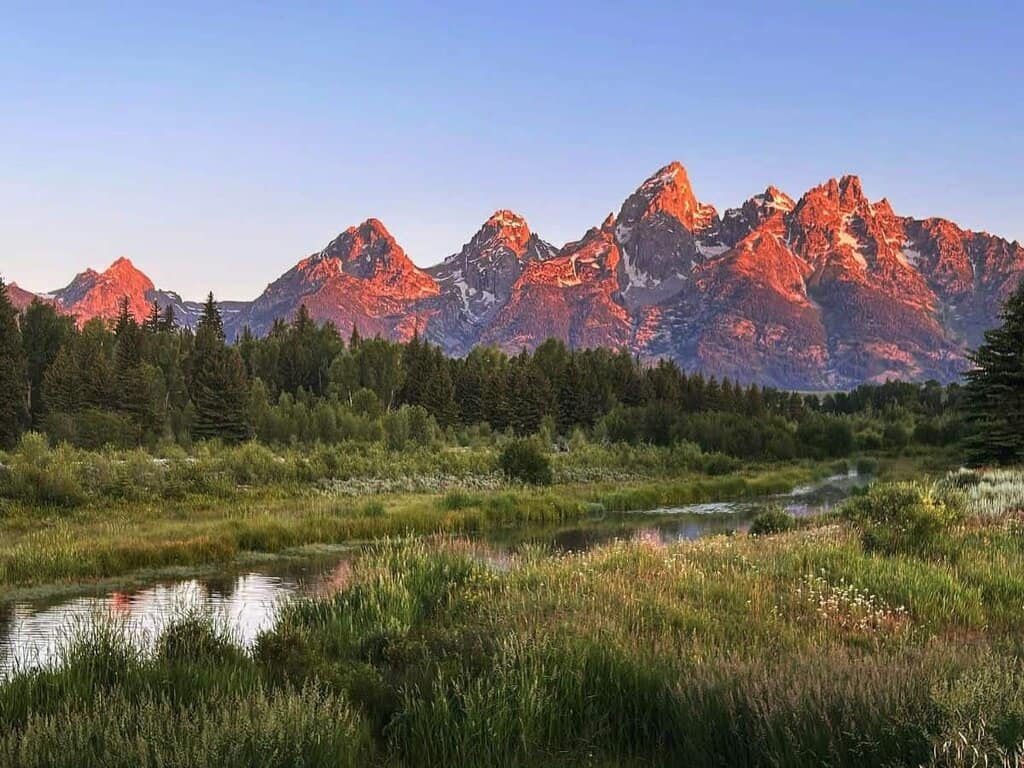
From this vantage point, you can capture excellent photos of each peak. The Cathedral Group is part of the Teton Range, with sharply pointed peaks rising over 7,000 feet above Jackson Hole. Rugged cliffs, snow-capped summits, and dramatic slopes give the mountainscape its unmistakable charisma. On calm days, the nearby waters create stunning reflections, offering a surreal mirror image of these iconic peaks.
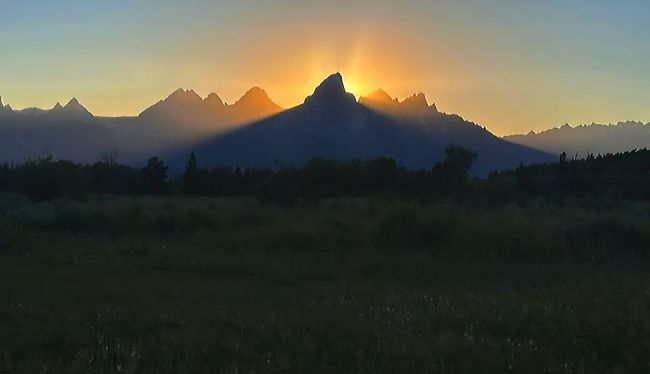
Signal Mountain: A Panoramic Vista in Grand Teton National Park
Located in the heart of Grand Teton National Park, Signal Mountain invites visitors to drive to its summit for spectacular views of the surrounding Teton Range. The 5-mile drive to the top is a worthwhile detour, climbing approximately 1,000 feet. Along the way, we spotted a few bighorn sheep grazing in the valleys, and each turn through dense forests revealed glimpses of the park’s breathtaking landscapes.
At the summit, a spacious parking area and viewing platform provide unobstructed vistas of the Teton Range, Jackson Lake, and the expansive valley below—a perfect spot to pause, take photos, and soak in the grandeur of the Tetons.

Picnic Lunch at the Jackson Lake Dam: A Scenic Feast Along the Water’s Edge
Just before the junction with Rockefeller Parkway (Hwy 89) lies Jackson Lake, a natural glacial lake that was enlarged in 1906 with the construction of Jackson Dam. Here, we turned left by the dam and parked in the designated lot along the Snake River.
The views of the lake framed by the Teton Range provided a stunning backdrop for our lunchtime feast, making this stop both scenic and memorable.

We enjoyed lunch here while watching the anglers, though we didn’t see anyone actually catch a fish. A cheeky Black-billed Magpie even tried to mooch a bite of our sandwich!
Bringing a collapsible cooler to keep drinks and lunch cold is an economical and convenient way to travel. We noticed magpies attempting the same trick with other picnickers’ food. There are only a few picnic tables at this spot, but they place you close to the Snake River. The view of Mount Moran directly behind the dam is stunning, and on calm days, the lake reflects the mountain perfectly, creating a serene and photogenic scene.

This spot is ideal for capturing a panoramic view of the Teton Range. Early morning is best, when the sun rises in front of the mountains, illuminating their peaks. Walking down toward the Snake River offers a stunning reflection of the Tetons in the water. With a bit of luck, you might even spot a moose or black bear making an appearance, adding a magical touch to the scene.
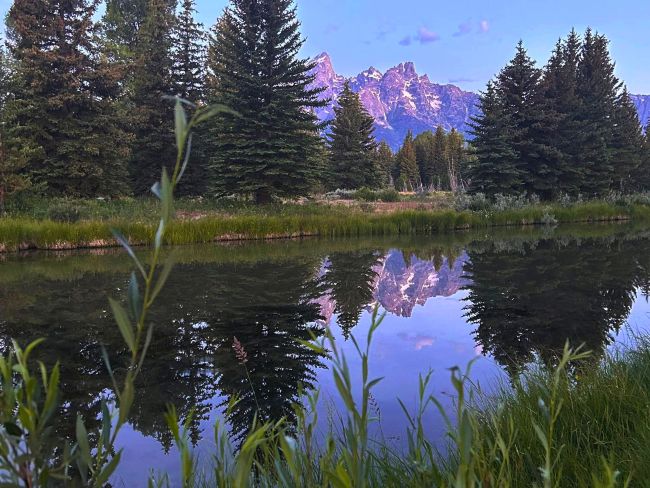
Oxbow Bend: Capturing the Most Photographed Scene in Grand Teton National Park
Oxbow Bend is an iconic spot offering postcard-perfect views of the Teton Range reflected in the still waters of the Snake River. Its breathtaking beauty and serene ambiance make it a favorite for photographers and nature lovers alike.
The calm water provides perfect mirror-like reflections of the Tetons, ideal for early-morning landscape shots. There’s limited pull-off space, so walking down to the river is the best way to capture incredible photos. With a bit of luck, you may also spot a moose or black bear, adding a touch of wildlife magic to the scene.

Mormon Row Historic District: Preserving the Pioneering Spirit of Grand Teton
Turn east onto Antelope Flats Road and explore the historic homesteads at Mormon Row Historic District. A short ride along a dirt road brings you to one of the most photographed locations near Jackson. The district’s most recognizable landmarks are its historic barns and homesteads. Iconic structures like the T.A. Moulton Barn and John Moulton Barn have become enduring symbols of the American West, often captured against the stunning backdrop of the Teton Range.
Take advantage of the self-guiding materials at the John Moulton site to learn the fascinating backstory of the area. The weathered barns offer incredible photo opportunities with the mountains behind them. Just a few miles down the road, a summer bison herd often grazes, providing another perfect chance for memorable wildlife photography.

Trip Itinerary Grand Teton National Park: Day 2: Colter Bay Village
Our Day 2 in Grand Teton National Park began with a visit to Colter Bay Village on the shores of Jackson Lake. Colter Bay is a gateway to a plethora of outdoor adventures. Whether you’re a hiker, wildlife enthusiast, or water sports lover, this area offers something for everyone.
Accommodations & Amenities: Colter Bay Village features 166 cabins, a campground with 112 RV spaces, and a variety of dining and recreational facilities operated by the Grand Teton Lodge Company. We stayed in the historic Colter Bay Cabins, rustic log cabins originally built around 100 years ago and relocated to Colter Bay in the 1950s. Nestled in a quiet pine forest, just a short walk from the lake, marina, and hiking trails, the cabins provide a charming and peaceful retreat.

Cabin Experience: The cabin was rustic and somewhat dark inside, with a single double bed that left us both rolling to the middle during the night. The room was small, but the heater kept us warm as nighttime temperatures dipped into the low 30s. The shower water was lukewarm, and the limited towels (two bath towels and two hand towels, no facecloths) were a minor inconvenience. While not as luxurious as accommodations in Yellowstone National Park, the historic charm and location of the Colter Bay Cabins made for a memorable stay.

Stay at Coulter Bay Cabins: Embrace Nature’s Warm Embrace in Grand Teton National Park
I booked our Colter Bay Cabins back in early January. Checking in was a bit frustrating at first, as the attendant at the front desk spent about half an hour discussing social media before another staff member stepped in to get us started. Once the check-in process began, the service was excellent.
Next time, I’d likely pay the higher price for a cabin with two doubles or two twins—the rooms shown in the images look far more spacious than our “closet-size” cabin.
One of the true highlights of staying at Colter Bay Cabins is the proximity to Jackson Lake, making it easy to enjoy the lake’s stunning views and outdoor activities right at your doorstep.

Because we arrived early, we made use of the laundromat and its free Wi-Fi while waiting for check-in. Once settled, we took a walking tour of Colter Bay Village, stopping at the General Store, which is well-stocked with groceries, camping supplies, and gifts. The Visitors Center offered interesting exhibits, guest information services, and access to the Indian Arts Museum. With a sunny day ahead, we wandered down to the marina to admire the boats—the same location where our morning breakfast cruise would later depart.
The dining options at Colter Bay restaurants didn’t look very appealing, so after check-in we drove up to Leek’s Marina Pizzeria, recommended on TripAdvisor. The parking lot is small, and there’s no table service, so we waited in line a bit longer than expected—but the food was well worth it.

Best Place to Eat-Leek’s Marina Pizzeria
The restaurant offers outdoor seating, ice cream, beer, and wine, making it a perfect spot to soak in the surroundings. We tried the Leek Supreme pizza—thin-crust, generously topped, and absolutely to die for. Easily the best pizza I’ve ever had. Prices were reasonable, and while the beer selection was limited, there were a few delightful local brews on tap. Extra cold beer on a warm day made it even better. We sat on the deck, enjoying the fresh air, the great outdoors, and the stunning views of the Teton Range.
Afterward, we returned to Colter Bay Village and enjoyed a cocktail—the Teton Sunset—at the Ranch House. We sat at the crowded bar to have access to the television, where most patrons were watching the NBA Finals. The waitstaff was extremely friendly, and the service was impressively fast, given how busy it was.

Lake Jackson Breakfast Cruise: A Scenic Feast to Start Your Day in Grand Teton
I highly recommend starting the day with the Lake Jackson Breakfast Cruise, a perfect combination of serene relaxation and breathtaking scenery to kickstart your adventure in Grand Teton National Park.
We met the cruise group early in the morning at the Colter Bay Marina. The morning was freezing, so I bundled up in layers as we prepared to leave the marina for the 30-minute ride to Elk Island. As the sun cast a golden glow over the Teton Range, we cruised across the pristine waters of Jackson Lake, taking in the stunning reflections and peaceful surroundings.
The gentle glide of the boat, the crisp morning air, and the towering peaks all around made this an unforgettable way to begin the day. Breakfast on board added a delicious touch to the experience, and the wildlife sightings along the way—elk, birds, and the occasional moose—made it even more special.

The boat, named Teewinot—a Shoshone word meaning “many pinnacles,” the same name as Teewinot Mountain—carried us across the lake. The ride to Elk Island was crisp in the cool morning air, but wonderfully refreshing. We chose to sit inside the cabin on the way out, where the crew shared stories about the history of Colter Bay, sparking our imagination about how early settlers must have felt when they first glimpsed the lake.
The lake’s surface was perfectly still, with no ripples, reflecting a flawless mirror image of the Teton Range. The panoramic mountains surrounding Jackson Lake made the experience breathtakingly serene.

Elk Island Breakfast: A Serene Morning Retreat in Grand Teton National Park
Jackson Lake is the largest high-altitude lake in the United States, stretching over 400 feet deep, and Elk Island is its largest island. This picturesque setting provided the perfect backdrop to savor a delightful breakfast amidst nature.
The breakfast spread was remarkable. A canoe was filled with pastries, fresh fruit, yogurt, and other treats. On the grill, fresh Idaho trout, pancakes, eggs, sausage patties, and bacon were served. Having trout for breakfast was unusual—but surprisingly delicious. Cowboy coffee brewed over the open fire was the perfect complement.
We savored every bite while soaking in the breathtaking views of the Teton Range mirrored in the tranquil waters of Jackson Lake, making it an unforgettable start to our day.

Ranger Peak Leisurely Hike: Taking Advantage of the Grandeur of Grand Teton National Park
As the crisp morning air gave way to the warming sun, we set out on a leisurely nature walk along the shores of Elk Island. Later, we ventured up a mountain trail to admire the full grandeur of Jackson Lake and the Teton Range. By this time, the sun had warmed the day enough that we shed our hoodies and jackets.
Elk Island is not only a haven for nature enthusiasts but also a sanctuary for wildlife. We kept watch for bald eagles soaring overhead, deer grazing quietly, and the occasional moose making its presence known.
The hours on the island passed quickly. On the ride back to the marina aboard the Teewinot, we chose to sit outside, soaking in soul-soothing views of Waterfall Canyon, where the cascading wilderness falls tower even higher than Yellowstone’s lower falls—a breathtaking sight to end our morning adventure.

Final Thought on Making Your Itinerary for Grand Teton National Park a Reality
From leisurely hikes to scenic drives and serene boat rides, every experience in Grand Teton National Park offers something special. We suggest that you also add an adventure in Yellowstone National Park. There are so many other ways to enjoy Grand Teton National Park that will stay with you for a lifetime.
While planning an itinerary is essential, be open to spontaneity and unexpected discoveries. Nature has a way of presenting delightful surprises, so allow yourself the freedom to adapt your plans and seize opportunities that come your way. Making your itinerary for Grand Teton National Park a reality is an invitation to immerse yourself in the majesty of the Teton Range, the serenity of the lakes, and the untamed beauty of the wilderness.
Have you been to Grand Teton? What did you think? We would love to hear your feedback. Share with us below in the comments.