
Table of Contents
Updated August 2026
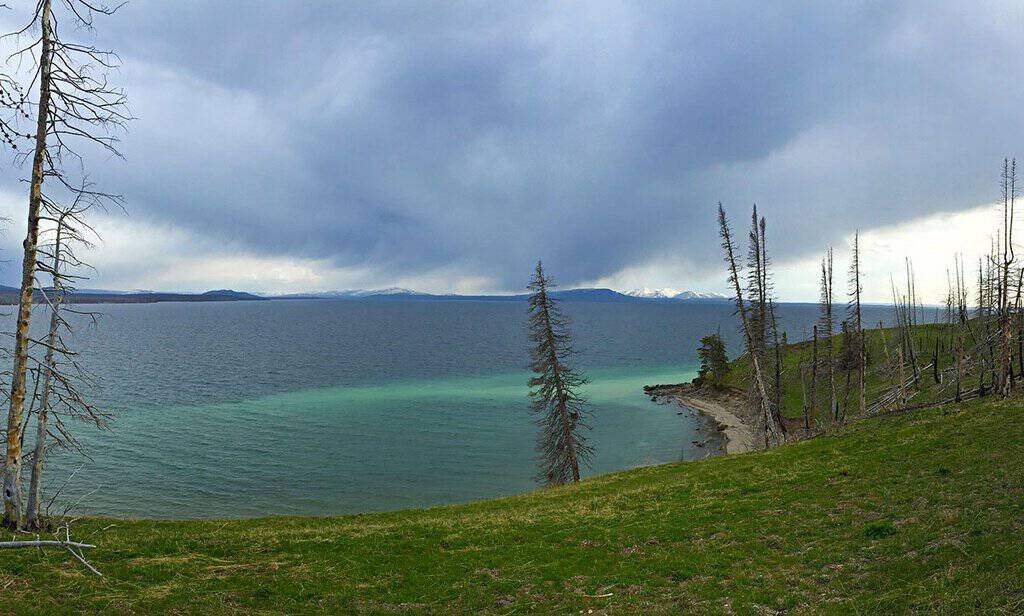
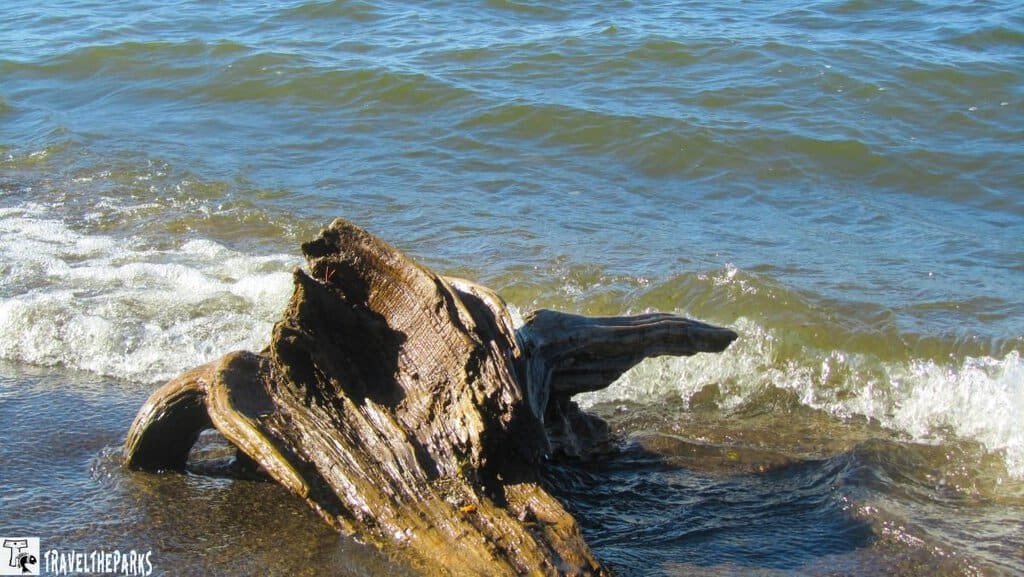
Adventure Abounds at Yellowstone Lake, and it hits different here. That impossible turquoise water stretches out until it blurs into the sky, the horizon so clean it almost looks painted. At 7,733 feet above sea level, this isn’t just any lake. It’s the largest high-elevation lake in North America, plunging more than 400 feet deep with miles of shoreline to explore.
But don’t let the postcard views fool you. Even in the heart of summer, that water is bone-chillingly cold. Swimming? Not happening.
What we loved most, though, was the quiet. Compared to the bustling crowds around the Grand Canyon of Yellowstone., this side of the park felt slower and more peaceful. It was almost like we’d stumbled onto a part of Yellowstone that the guidebooks don’t always shout about.
And honestly? That made it all the more unforgettable.
There is plenty of adventure at Yellowstone Lake, from hiking and fishing to scenic drives, historic lodges, wildlife watching, and simply finding a quiet stretch of shoreline to enjoy the view. During our time here, we discovered that you don’t have to chase the biggest attraction to have a memorable Yellowstone experience.
This post may contain affiliate links, meaning if you purchase something through one of these links, we may earn a small commission at no extra cost to you! Read the full disclosure policy here.
Fishing Bridge: One of the Most Exciting Things to Do at Yellowstone Lake
They built the original Fishing Bridge in 1902 as a simple crossing over the Yellowstone River. It also gave anglers easy access to the cutthroat trout gathering in the shallow waters each spring. Fishing quickly became a popular activity here, and by the 1930s, the original bridge had been replaced with a wider, more modern structure to handle the growing number of visitors.
But the fishing didn’t last forever. By 1963, the native cutthroat trout population had declined significantly, and fishing from the bridge was closed.
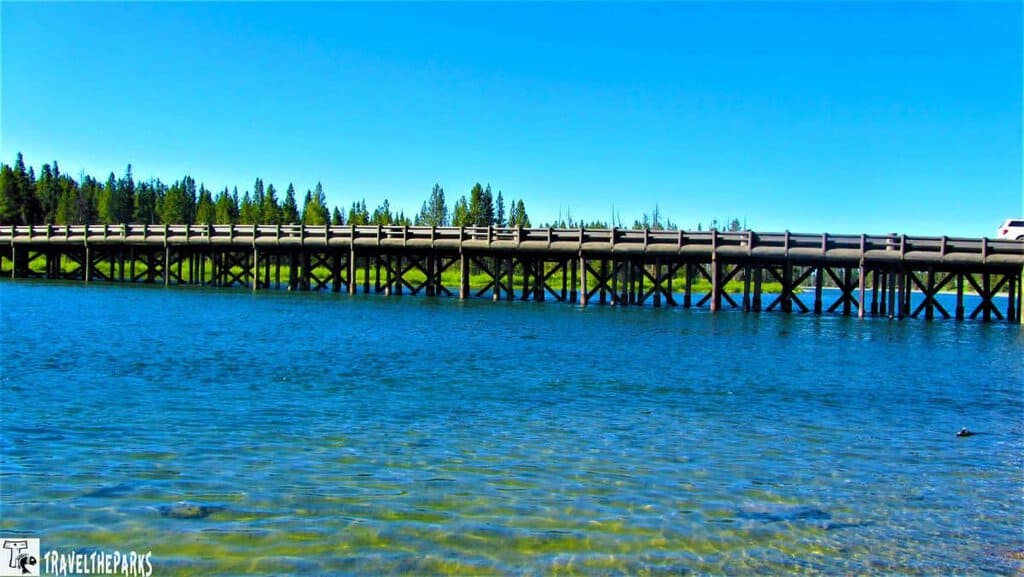
Today, Fishing Bridge offers a completely different experience. The bridge carries a 24-foot roadway with two 5-foot sidewalks and is supported by wooden pilings that give it a wonderful old Yellowstone feel. Nearby, you’ll find the Fishing Bridge campground, general store, and visitor center.
For us, though, the real attraction was along the shoreline.
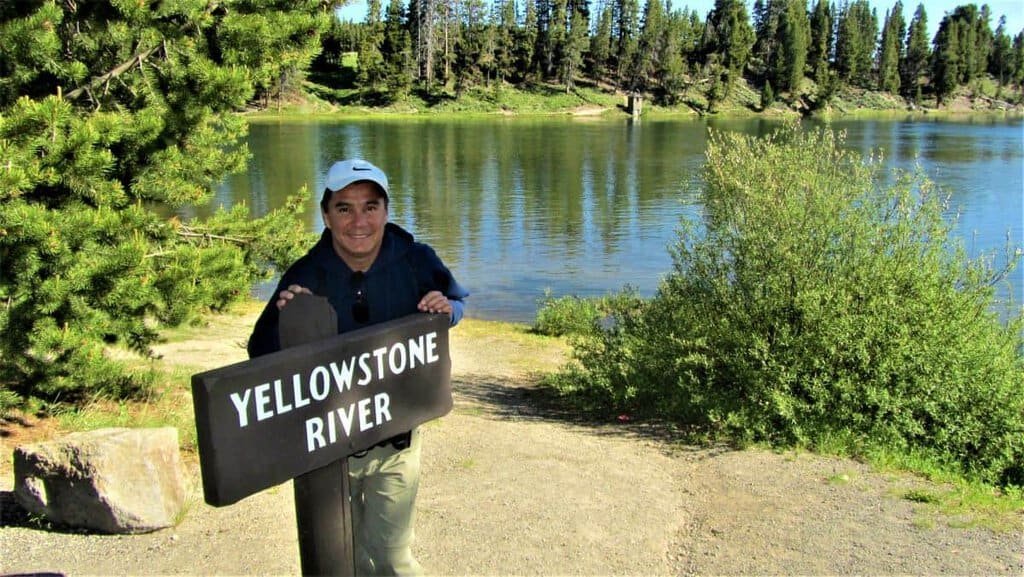
The Yellowstone River flows out of Yellowstone Lake here, beginning its journey toward the Missouri River. The clear water makes it easy to watch cutthroat trout moving through the current. Take your time along the riverbank, and you may spot an otter in the shallows, a trumpeter swan drifting across the water, or a beaver working along the shoreline.
Fishing may no longer be allowed from the bridge, but there is still plenty to watch. Sometimes it’s just nice to slow down, look into the clear water, and see what Yellowstone reveals.
Fishing Bridge RV Park: A Convenient Base for Exploring Yellowstone Lake
If you’re traveling through Yellowstone by RV, Fishing Bridge RV Park is one of the most convenient places to stay near Yellowstone Lake. Bridge Bay and Grant Village also offer camping in the area, but Fishing Bridge has something the others don’t: full hookups for RVs.
The campground was designed specifically for hard-sided RVs because of the area’s high bear activity. That means no tent camping, but for RV travelers like us, having electric hookups, water, and a dump station can make a few nights in Yellowstone much more comfortable.
The campground can accommodate larger RVs, with some sites accepting vehicles up to 40 feet. The location is another big advantage. You’re close to the Fishing Bridge area, the Yellowstone River, and the lake, making it a convenient base for exploring this part of the park.
The sites are set among the trees, although they are fairly close together. Don’t come expecting a secluded wilderness campsite. Instead, think of Fishing Bridge as a practical home base where you can return after a long day exploring Yellowstone.
One thing we appreciated was the location. The Fishing Bridge Visitor Center and amphitheater are within walking distance, and you’re close to the general store and other services.
There are no picnic tables or campfires at the campground, and pets must remain on a leash.
Planning to Stay at Fishing Bridge RV Park?
This campground is popular, especially during the summer, so don’t wait until the last minute to make your plans. Yellowstone camping reservations and reservation windows can change, so check the current park information before booking.
For us, staying inside Yellowstone made a huge difference. Instead of driving out of the park every evening, we could return to our RV and be ready to explore again the next morning.
RV Tip: If you’re traveling Yellowstone in a larger motorhome, always check the current campground length restrictions and road conditions before choosing your route. Some park roads and campgrounds have size limitations that can affect your plans.
Yellowstone Lake Adventure Guide: Fishing Bridge General Store
We couldn’t resist stopping at the Fishing Bridge General Store. Built in 1931, the historic store has a wonderful old Yellowstone feel and is much more than a place to pick up a souvenir.
You’ll find clothing, gifts, jewelry, artwork, groceries, and camping supplies. We thought the selection was better than some of the smaller stores around the park. I especially loved the beautiful display of Pendleton blankets. There is also a grocery section where you can pick up food and other supplies without having to leave the park.
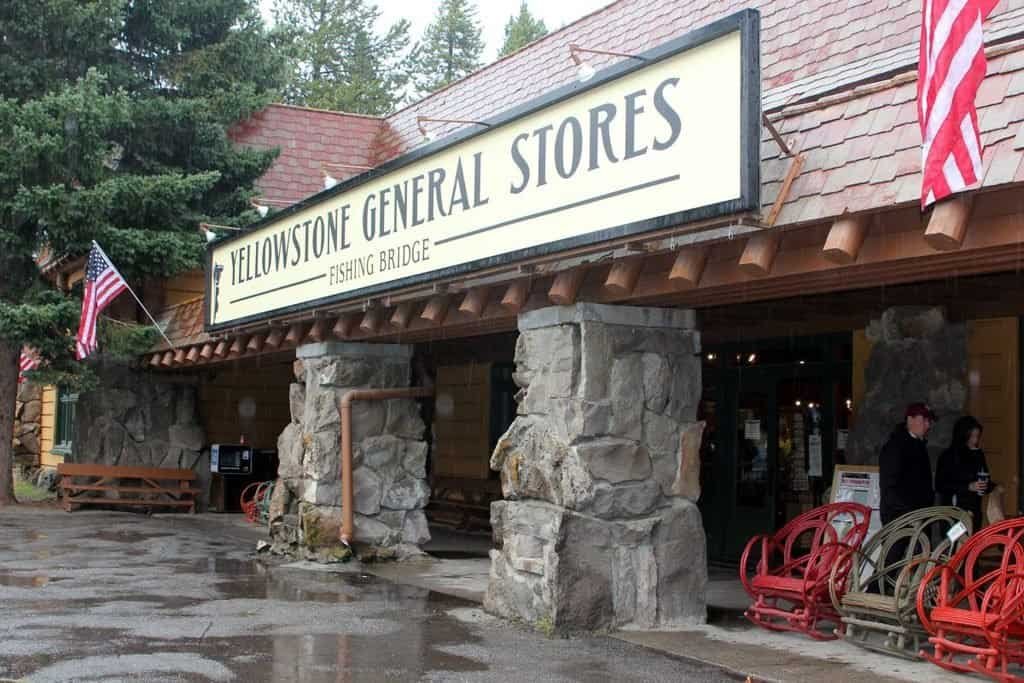
One of my favorite features was the enormous stone fireplace inside the store. Rocking chairs surround it, making it a welcoming place to warm up on a chilly Yellowstone morning. And believe me, mornings around Yellowstone Lake can be cold even in summer.
There is also a small dining area toward the back of the store. It has a nostalgic soda-fountain feel with classic bar stools. We stopped for breakfast, and the French toast was delicious. They also serve lunch, with sandwiches and other simple options.
The store also has an espresso and coffee bar, an ice cream counter, and free freshwater bottle refills. If you’re exploring Yellowstone, bringing a refillable water bottle is always a good idea.
Next door, you’ll find a camping supply store connected to a service garage. You can pick up additional camping supplies, fuel, and propane for your RV.
Travel Tip: Services and operating hours around Yellowstone are seasonal and can change from year to year. Check current park information before your visit if you’re counting on the General Store for food, fuel, or other supplies.
Fishing Bridge Visitor Center—Trailside Museum
The Fishing Bridge Visitor Center and Amphitheater are located about a mile east of the Grand Loop Road. The rustic log-and-stone building was completed in 1931 and designed by Herbert Maier. It is one of Yellowstone’s historic “Trailside Museums” and is listed as a National Historic Landmark.
One of the details we really enjoyed was the way the building frames the lake. As you approach the entrance, the open center of the building gives you a direct view toward the water. It is a simple design feature, but it makes the building feel connected to the landscape rather than simply sitting beside it.
Inside, you’ll find exhibits covering Yellowstone’s geology, wildlife, plants, and other natural features. There is also a regional collection of taxidermy birds. The exhibits and dioramas give visitors a better understanding of the ecosystem surrounding Yellowstone Lake and the Yellowstone River.
The visitor center is also a starting point for exploring the area. Trails lead toward the beach and the open-air amphitheater, where ranger programs are offered during the summer season.
We found that the visitor center helped us better appreciate just how much is happening around the lake. What looks like a quiet stretch of water is actually a busy ecosystem filled with wildlife, geology, and history.
Springtime Yellowstone Lake Flowers
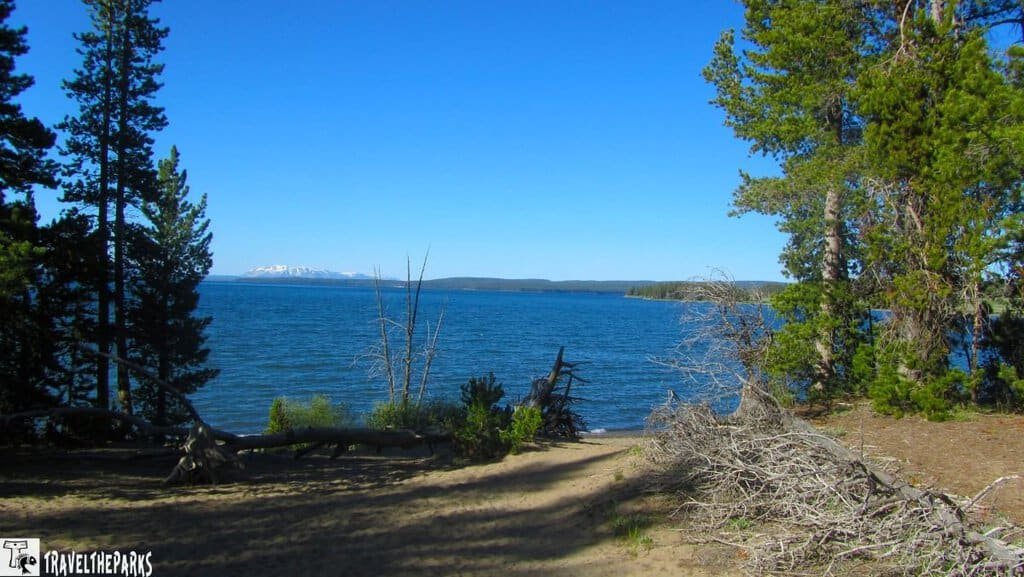
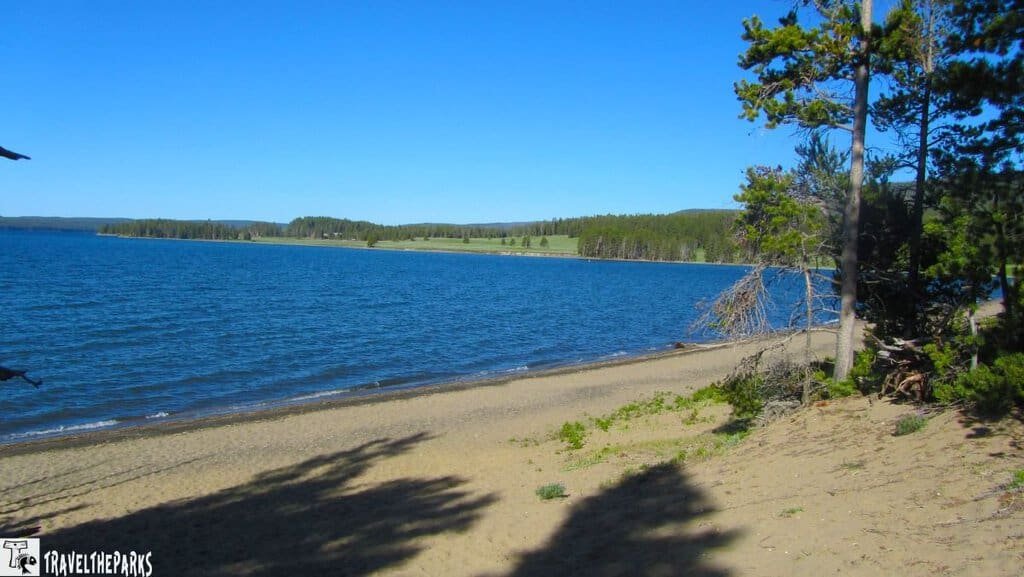
We walked along the beach one morning and noticed animal tracks scattered across the sand. It was so peaceful and quiet along the shoreline. There was a definite chill in the morning air, so I was glad to have my hooded fleece with me.
We only passed a few other walkers, and one told us they had seen a wolf earlier. Unfortunately, we didn’t see any wildlife as we continued along the trail through the forest.
Still, that quiet morning was one of the things we loved about Yellowstone Lake. You don’t always have to see a wolf, bear, or bison to have a memorable wildlife experience. Sometimes the tracks in the sand and the knowledge that animals are moving through the forest around you are enough.
Yellowstone Lake Adventure Guide: Explore the Hiking Trails
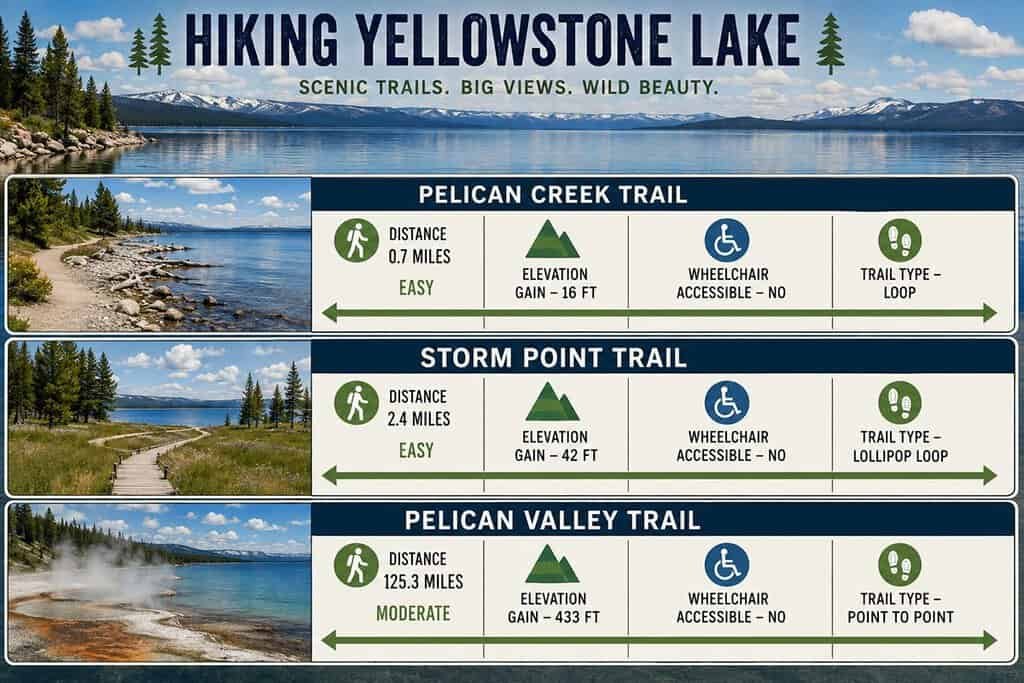
If you’re looking for a Yellowstone Lake adventure, the trails around Fishing Bridge and Bridge Bay offer several ways to get out and explore. One of our favorite ways to experience Yellowstone Lake is to get out of the car and hit the trails. There are several hikes around the lake and Fishing Bridge area, ranging from short walks through the forest to longer trails that take you toward the shoreline and into the surrounding wilderness.
The scenery changes quickly. One minute you’re walking through lodgepole pine forest, and the next you’re standing beside the lake with a wide-open view of the mountains.
We recommend waterproof hiking shoes, especially when trails are wet or muddy. A good trekking stick can also be helpful on uneven terrain. And don’t forget a refillable water bottle. Yellowstone’s elevation and dry climate can sneak up on you, even when the temperatures aren’t particularly hot.
Here are several trails to consider around Yellowstone Lake:
Pelican Creek Trail
Pelican Creek is a short, easy hike located about a mile east of the Fishing Bridge Visitor Center. The trail travels through the woods before reaching a sandy beach along Yellowstone Lake.
At only about 0.6 miles, it’s an easy addition to a morning or afternoon around Fishing Bridge. The lake views at the end make the short walk worthwhile.
Storm Point Trail
Storm Point is another relatively easy hike near Fishing Bridge. The trail travels through open meadow and forest before reaching the shoreline of Yellowstone Lake.
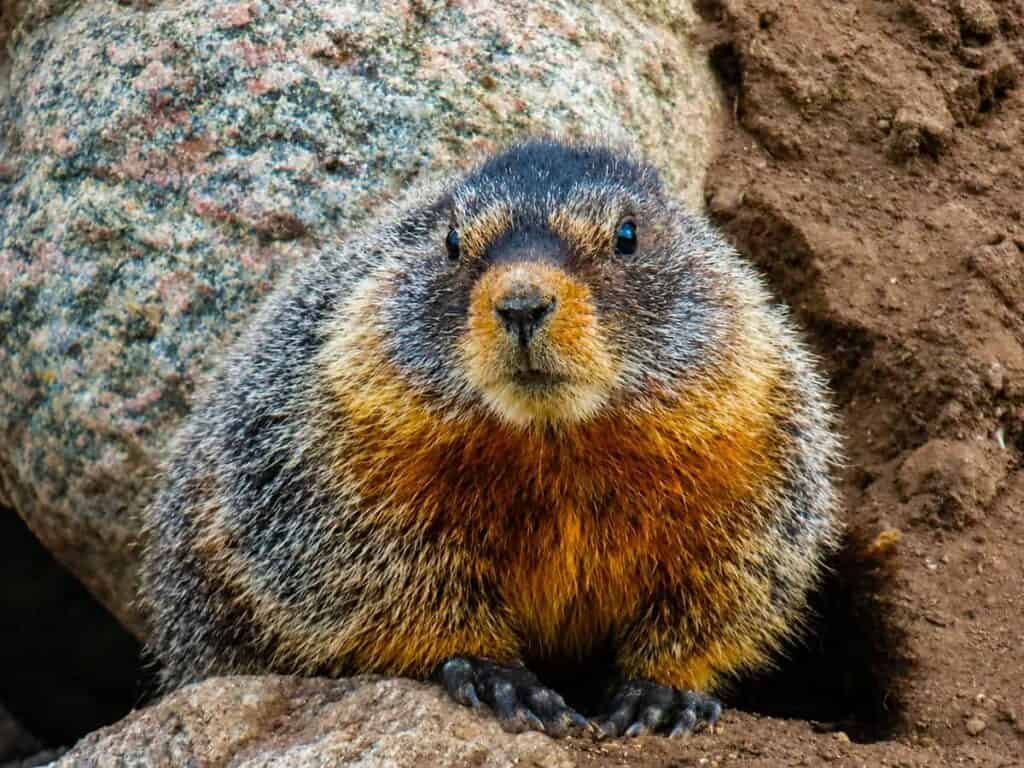
The loop is about 2.3 miles, and the scenery changes along the way. Keep an eye out for wildlife, especially around the meadows. Tip: Look for the marmot colony near the trail.
Natural Bridge Trail
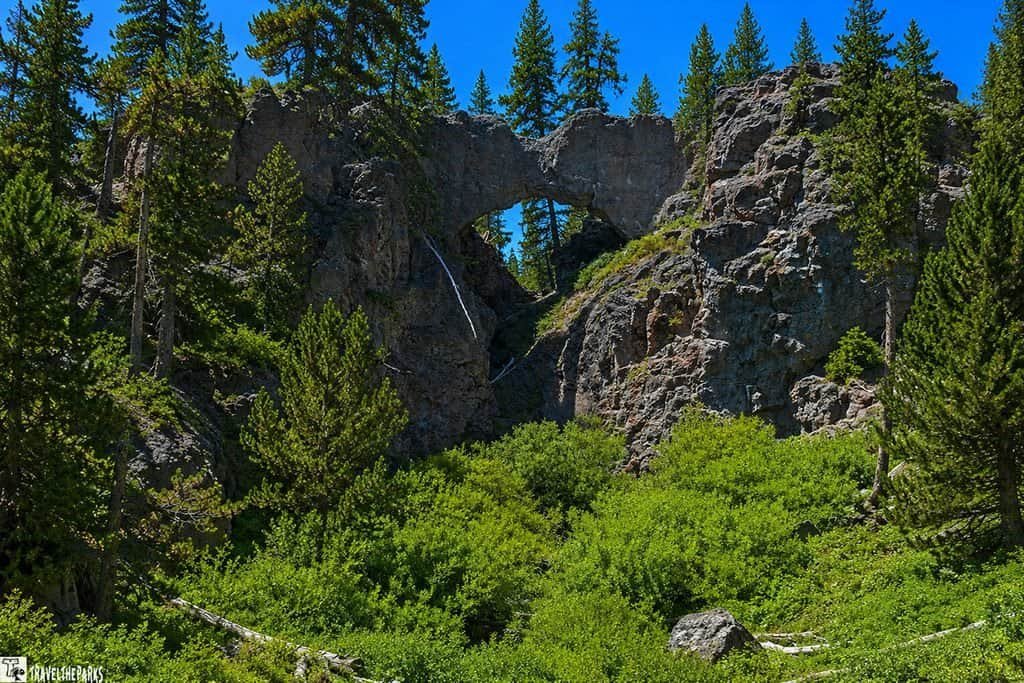
The Natural Bridge Trail begins near Bridge Bay Marina and Campground. The route travels through the forest before following a service road toward the Natural Bridge.
The natural bridge is a fascinating rhyolite formation carved by Bridge Creek. There is also a short, steeper section leading toward the top of the bridge if you want a closer look.
This is a nice hike to combine with a stop at Bridge Bay Marina.
Pelican Valley Trail
The Pelican Valley Trail begins near the Indian Pond area and offers the opportunity to explore a more remote part of Yellowstone.
This trail has important seasonal restrictions because of bear activity, so always check the current regulations before heading out. Follow all posted signs and stay aware of your surroundings.
Elephant Back Mountain Trail
If you’re looking for a more challenging hike with excellent lake views, Elephant Back Mountain is worth considering. The trail climbs through the forest toward the summit, where you’ll be rewarded with views over Yellowstone Lake and the surrounding mountains.
This one is not in the immediate Fishing Bridge area, but it’s a great option if you’re exploring the southern side of the lake.
PRO Tip: Yellowstone is bear country. Stay alert on every trail, follow current park safety regulations, and carry bear spray when appropriate. Never approach wildlife, and give animals plenty of room.
Scenic Bridge Bay Marina Area
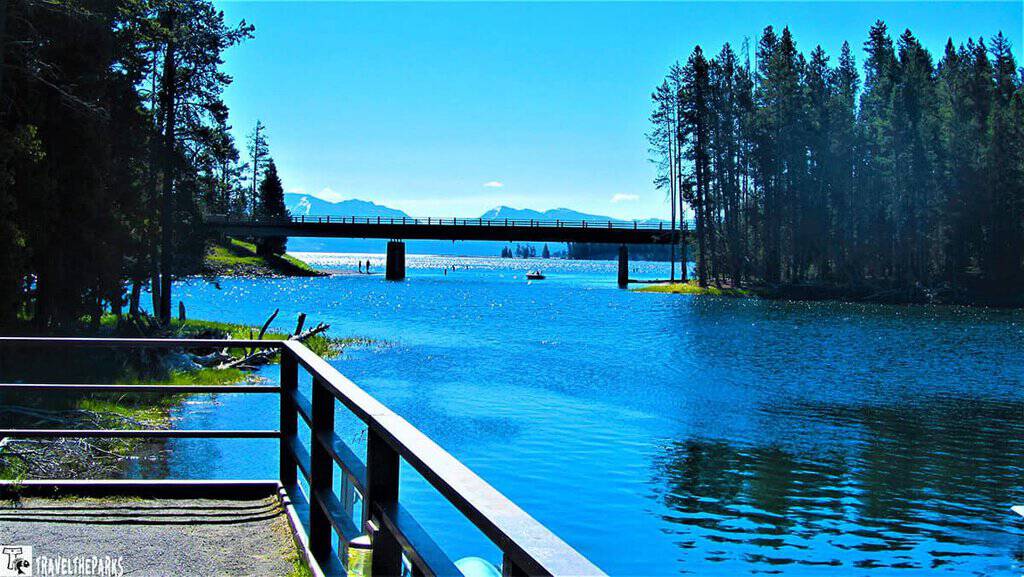
Bridge Bay Marina is one of those places that begs you to pause. It’s the perfect spot to stretch your legs, take a breath, and soak in a whole new angle on Yellowstone Lake. The marina area has everything you need for a quick stop or a lazy afternoon—campground, marina services, picnic area, restrooms, and snack stops to keep you fueled.
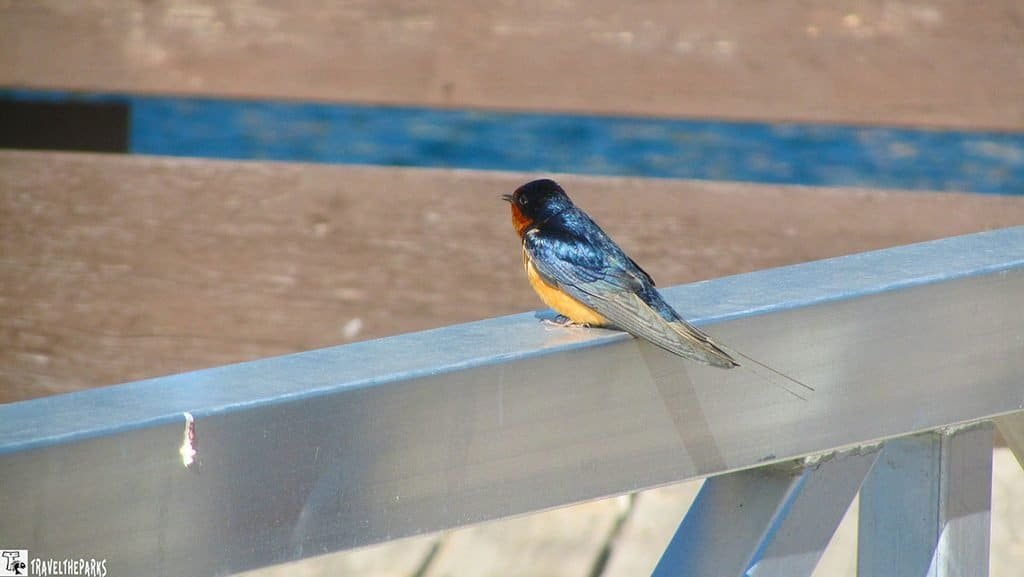
We found ourselves simply wandering along the boardwalk, watching the boats drift in and out, their wakes rippling across the glassy water. On a crisp morning, we grabbed hot cocoa and claimed a picnic table with a front-row seat to the view. A Steller’s jay entertained us with its bold antics nearby, while tree swallows danced over the water, snatching insects mid-flight.
Those are the moments that slip by unnoticed when you’re racing from one Yellowstone highlight to the next—and honestly, they’re the ones you remember most.
Our advice? Slow down here. The lake, the mountains, the bobbing boats, and the forested shoreline give you plenty to admire without any agenda at all. Sometimes the best activity is no activity at all.
Boating on Yellowstone Lake
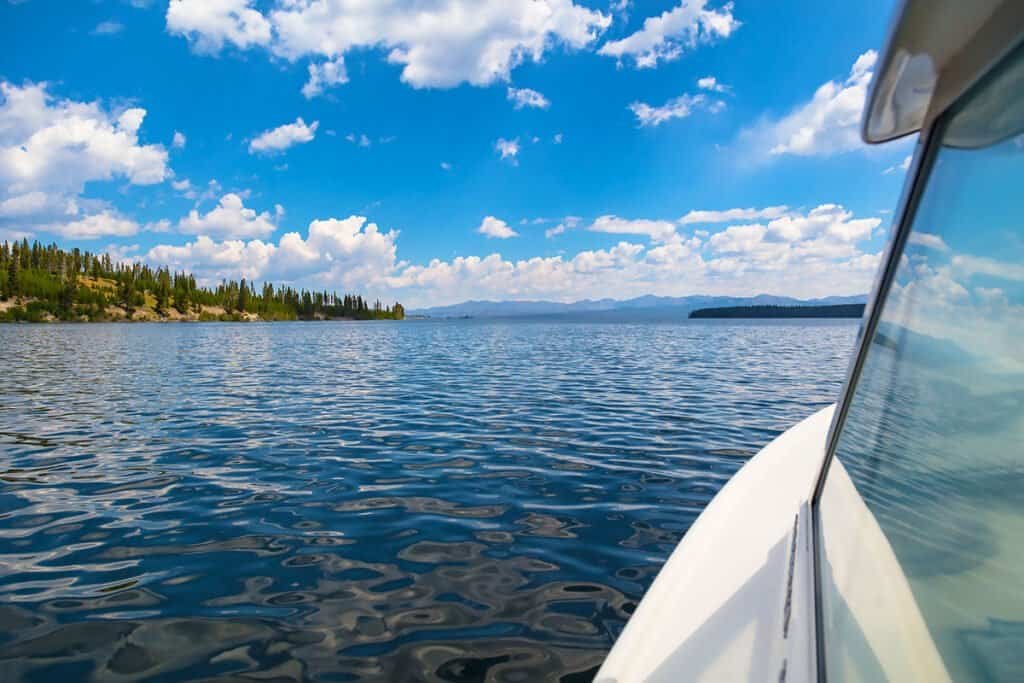
If you’re craving a closer connection to the water, Bridge Bay offers ways to make it happen. Getting out on the water is one of the best ways to explore Yellowstone Lake, especially when you want to see the shoreline from a completely different perspective. Depending on the season and current park operations, visitors can rent boats or join a guided excursion out onto the lake.
Bringing your own boat or watercraft? Make sure you’re up to date on Yellowstone’s current boating permit and inspection requirements. The park takes invasive species prevention seriously, and these inspections are an important step in protecting the lake’s delicate ecosystem.
A scenic boat tour is another fantastic option if you’d rather leave the navigating to someone else. We loved the idea of seeing Yellowstone from the water. The views are completely different when you’re looking back toward the shoreline and mountains rising in the distance.
Plus, a guided excursion gives you a deeper look at the lake’s history, geology, and wildlife. You get the scenery, but you also learn more about the incredible landscape you’re experiencing.
Bridge Bay Marina rents a variety of boats, including motorboats, rowboats, and canoes. Rentals are available by the hour or by the day, and you can explore the lake at their own pace. Visitors can bring their own powerboats, sailboats, canoes, and kayaks on the lake with a Yellowstone Boating Permit. Permits for marine craft are available and need to have a thorough inspection to prevent the introduction of invasive species to the lake. Boat rentals are also available here.
Yellowstone Lake offers wonderful photo opportunities. Book a scenic boat tour at the Bridge Bay Marina. It’s a great way to learn about the lake while in the comfort of the Lake Queen. The tours feature ranger guides who detail the history and can point out the park’s natural features and wildlife..
Fishing Fun at Yellowstone Lake
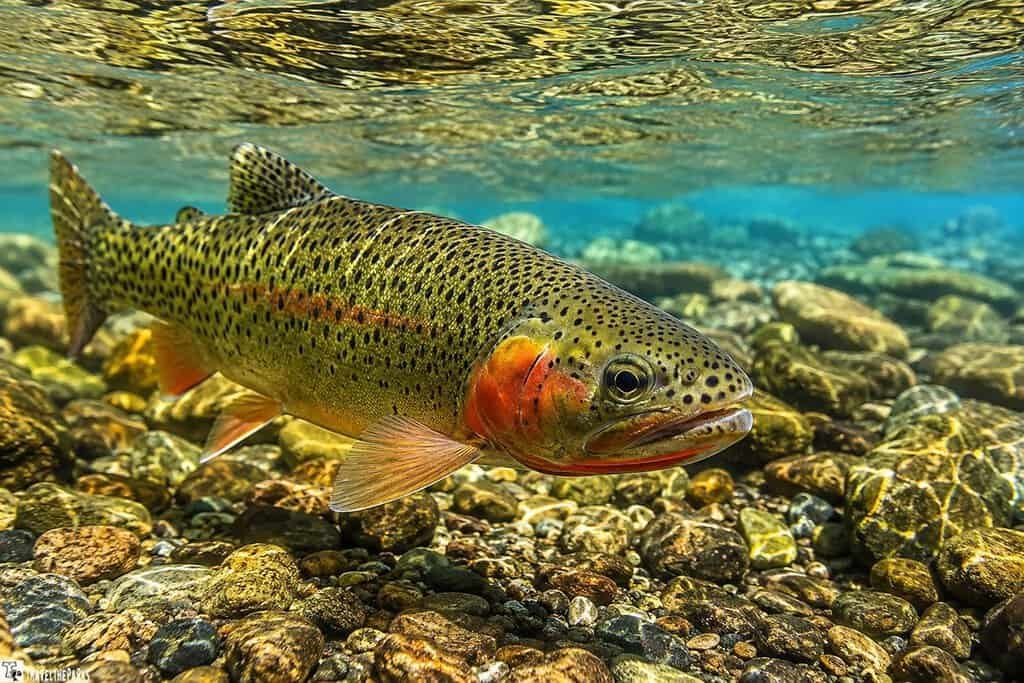
Fishing is one of the most exciting things to do at Yellowstone Lake, especially if you enjoy being out on the water. Yellowstone Lake offers another great way to experience the park. There’s something special about standing along the shoreline with the mountains behind you, wondering what might be waiting beneath that incredibly clear water.
Yellowstone Lake is home to native Yellowstone cutthroat trout, along with introduced lake trout and other species. Guided fishing trips may also be available from the marina during the appropriate season, giving visitors a chance to get out on the lake with someone who knows the waters.
You will need a valid Yellowstone National Park fishing permit, and the park has specific regulations regarding tackle, seasons, and which fish may be kept or released. Always check the current regulations before fishing, as they can change.
We spent some time fishing from shore, and while we didn’t have much luck, we did have a few fish follow our lures. Of course, following isn’t the same as biting!
That’s part of what makes fishing fun, though. You never quite know what is going to happen on the next cast.
Protecting Yellowstone’s Native Cutthroat Trout
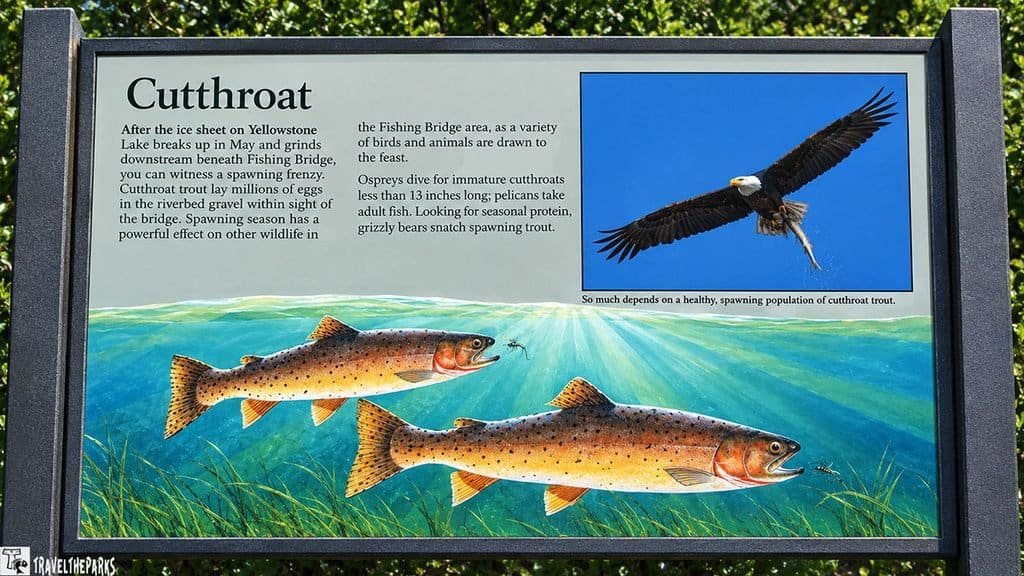
One of the biggest challenges facing Yellowstone Lake is the introduced lake trout population. Lake trout compete with native Yellowstone cutthroat trout and have had a major impact on the lake’s native fishery.
Yellowstone National Park has an ongoing program to reduce lake trout numbers and protect the native cutthroat population. Anglers play an important role in those efforts, which is why the park has specific regulations governing the treatment of lake trout and cutthroat trout.
If you catch a lake trout, follow the current park regulations for that species rather than assuming the rules from a previous visit still apply. Regulations can change as fisheries-management efforts evolve.
For us, fishing Yellowstone Lake was about more than catching a fish. It was the experience of standing along the shoreline, watching the water, and enjoying the quiet. Sometimes a few fish following your lure is enough to keep you casting.
Bridge Bay Marina Campground
The Bridge Bay Campground sits along the north shore of Yellowstone Lake, just a short distance from Bridge Bay Marina. It’s a convenient choice if you want to camp close to the water and wake up surrounded by Yellowstone’s forest and mountain scenery.
The campground offers hundreds of sites for tents, RVs, and trailers, although there are no hookups. Sites are tucked among the trees and open meadows, giving you a nice mix of shade and open space.
Restrooms and other basic camping amenities are available, with additional services nearby at Bridge Bay Marina and the surrounding area.
The location is the real draw. From here, you’re close to the marina, Yellowstone Lake, hiking trails, and some of the scenic areas we’ve already mentioned.
As with any Yellowstone campground, wildlife safety is important. Store food and scented items properly, follow all current park regulations, and never leave food unattended.
Camping Tip: Bridge Bay makes a good base if you want to spend several days exploring Yellowstone Lake. If you’re traveling by RV and want full hookups, Fishing Bridge RV Park is the better option, although it has different camping requirements and restrictions.
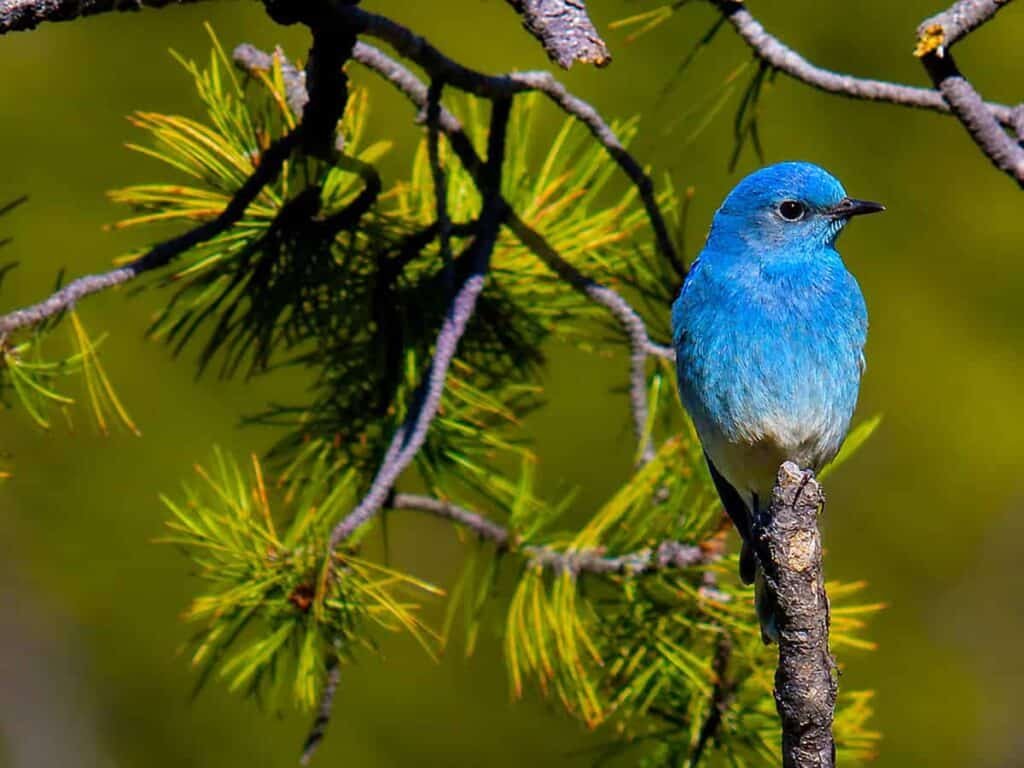
Scenic Gull Point Drive: A Must-Do at Yellowstone Lake
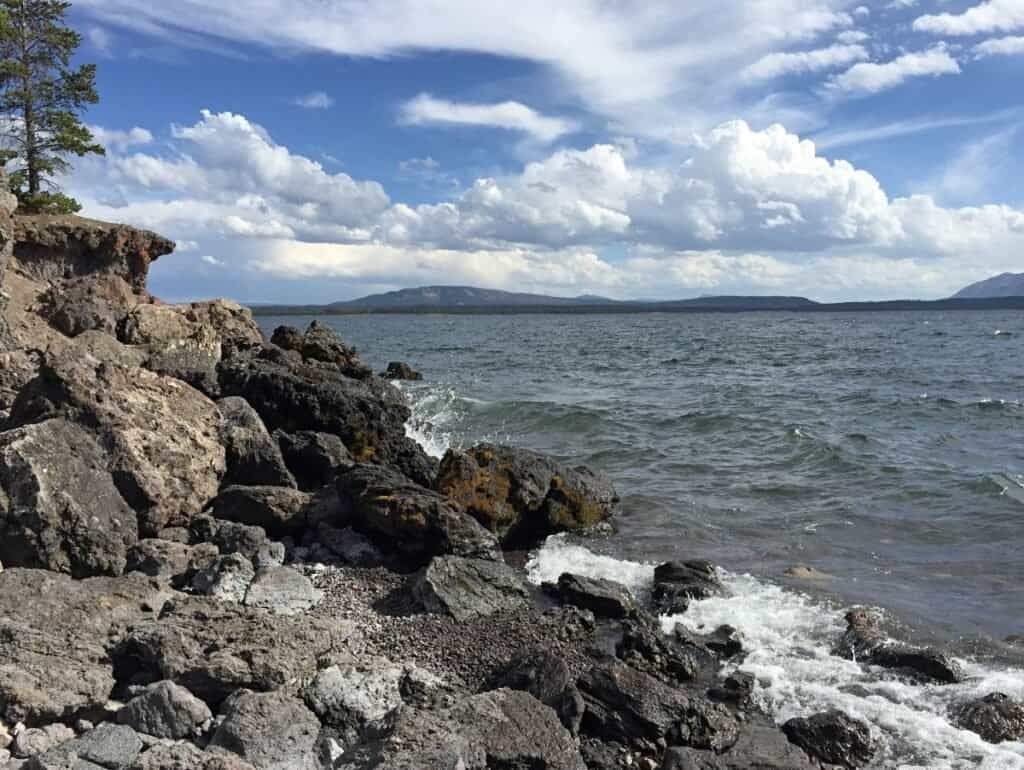
If you’re exploring the eastern side of Yellowstone Lake, don’t skip Gull Point Drive. This short spur road takes you through forest toward the lake and ends at Gull Point, where you can stretch your legs, enjoy a picnic, or try your luck fishing from shore.
We stopped along the way to take in the scenery and snap a few photos. The road winds through lodgepole pine and Douglas fir, and the forest opens up in places to reveal beautiful views of Yellowstone Lake. Keep an eye out for wildlife as you go.
The road eventually brings you to the Gull Point picnic area. This turned out to be a great place for us to stop for lunch. We found a table, enjoyed a simple meal, and took our time rather than rushing on to the next attraction.
From the picnic area, we walked a short distance toward the exposed shoreline. The views across the lake were beautiful, with the historic Lake Yellowstone Hotel and Stevenson Island visible in the distance. The mountains surrounding the lake rise dramatically above the tree-lined shoreline, making it easy to understand why Yellowstone Lake has been drawing visitors for generations.
We also spent some time fishing from shore. A ranger stopped to check our fishing licenses, and we chatted for a few minutes about the fish we’d seen following our lures. Unfortunately, none of them decided to bite!
The lake was also busy with birds that morning. Goldeneye ducks and white pelicans were among the wildlife we spotted along the water.
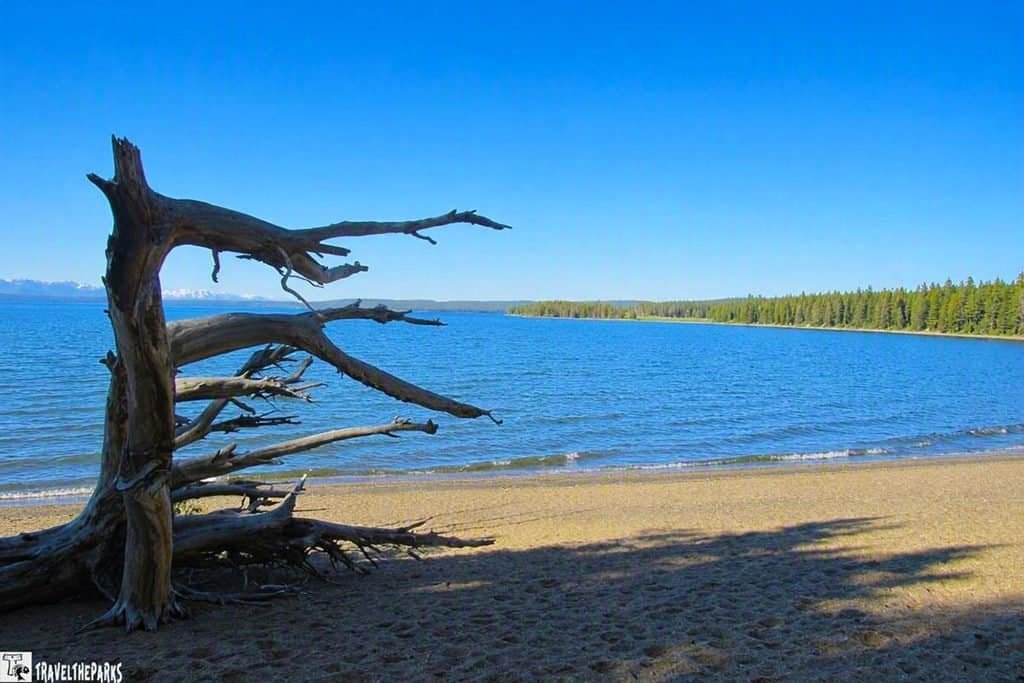
Lake Butte Overlook
If you have time, add Lake Butte Overlook to your Yellowstone Lake drive. The overlook sits high above the lake and provides a sweeping view across the water toward the surrounding mountain ranges.
On a clear day, the view stretches for miles. It’s one of those Yellowstone stops where it’s worth getting out of the car and simply taking a few minutes to look around.
Between Gull Point and Lake Butte Overlook, this is an easy area to explore at a slower pace. Pack a lunch, bring your camera, and give yourself some time. Yellowstone Lake rewards you when you aren’t in a hurry.
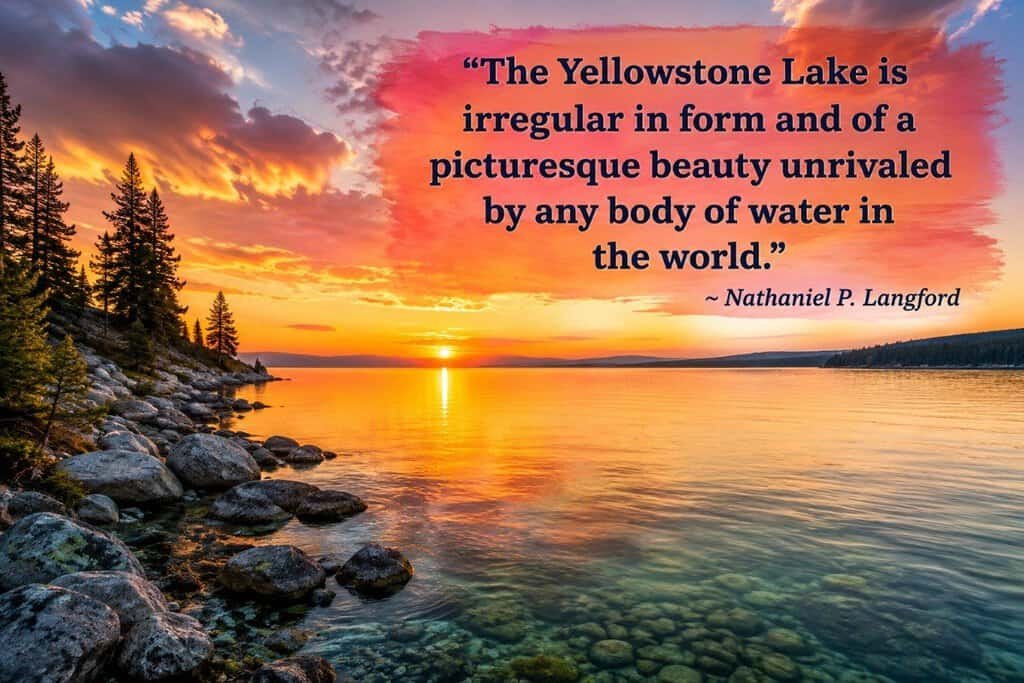
Best Places to Dine at Yellowstone Lake
One of our favorite experiences around Yellowstone Lake wasn’t a hike or fishing trip. It was dinner at the historic Lake Yellowstone Hotel Dining Room.
The dining room is beautiful, with white tablecloths, hardwood floors, and large windows overlooking the lake. It has an elegant atmosphere without feeling stuffy, and after a day of exploring Yellowstone, it was the perfect place to slow down.
I highly recommend making dinner reservations if you plan to eat here. We had wonderful service from the moment we arrived, and the menu included several choices featuring local ingredients.
Barry ordered the bison tenderloin with cremini mushroom and sage sauce, mashed potatoes, and baby carrots. I chose the quail with wild rice pilaf, seasonal vegetables, and cranberry compote. Both meals were beautifully presented and delicious.
Of course, we had to share dessert. We chose the sticky toffee cake, which was the perfect ending to the meal.
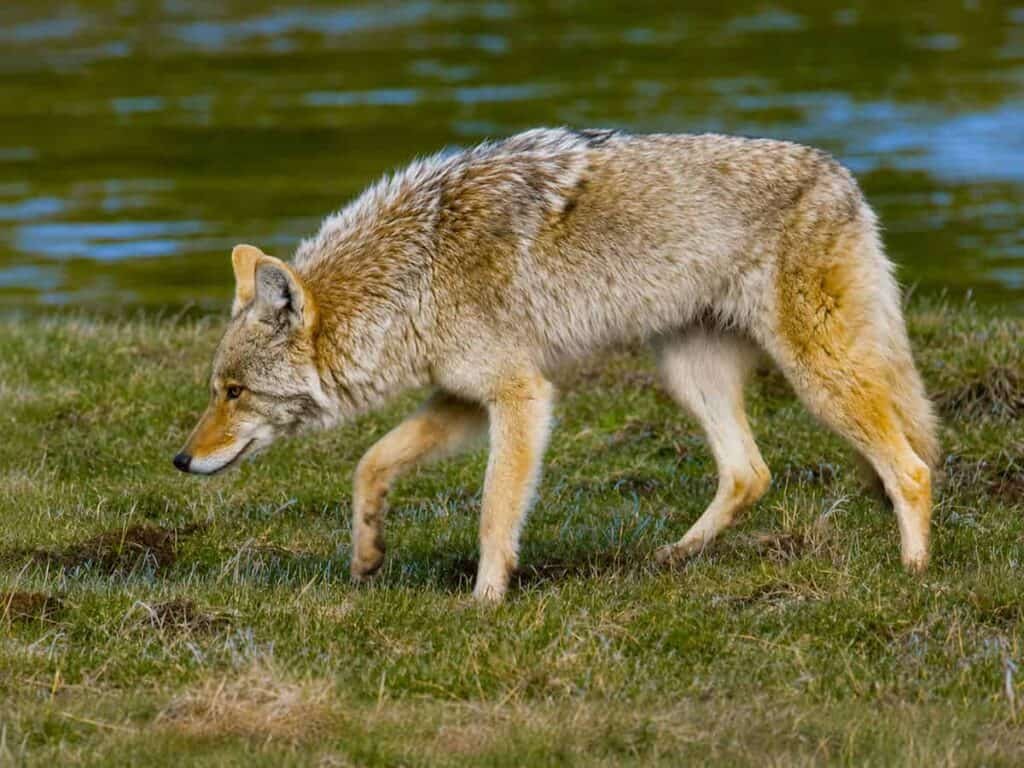
Don’t Rush Off After Dinner
One of the things we loved most was that the evening didn’t end when dinner was over.
We sat in the lounge and listened to the string quartet before heading back to our cabin. We also spent some time in the lobby bar, relaxing in the comfortable chairs and looking out at the lake.
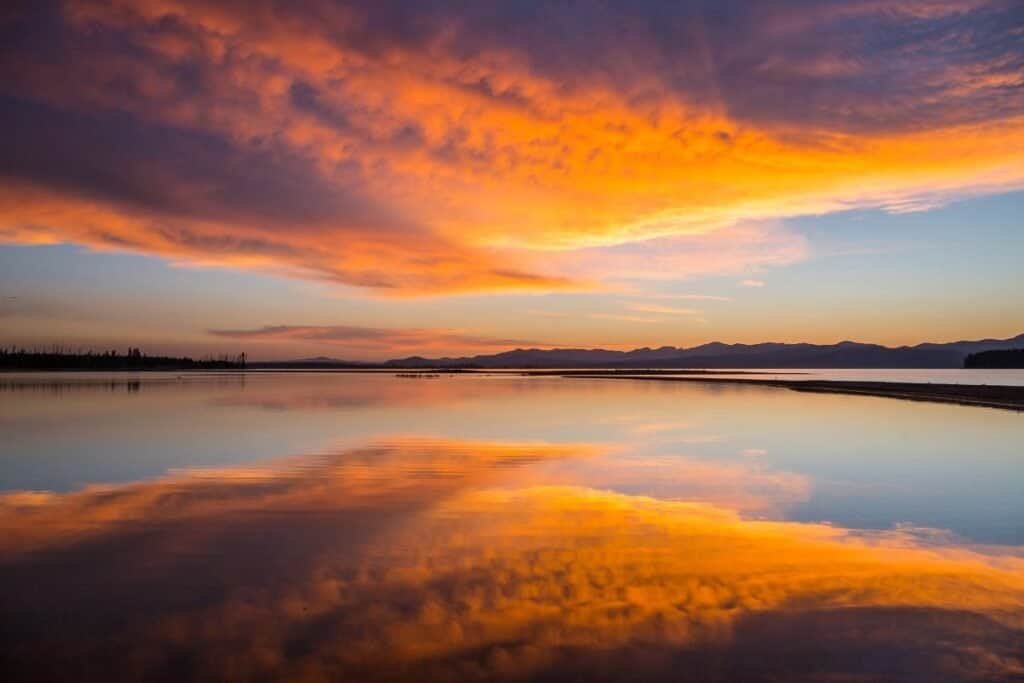
A Huckleberry Sunset in hand, we settled into the evening at Yellowstone Lake. The piano player filled the room with soft melodies as the daylight faded and the sky outside turned shades of amber and rose. We sat there with our drinks, listening to the music and enjoying the view. It was one of those evenings we didn’t want to rush—the kind of Yellowstone memory that stays with you long after you leave.
The view of Yellowstone Lake through the lodge windows was incredible.
It was one of those evenings where we didn’t need to be anywhere else. We could simply sit, enjoy the music, and take in the view.
Additional Dining Options Around Yellowstone Lake
If a formal dinner isn’t what you’re looking for, there are several other places to grab a meal or pick up food and supplies around the lake.
- Lake Lodge Cafeteria – A casual cafeteria-style option with a variety of choices. The front porch and rocking chairs are a great place to relax while enjoying the surrounding scenery.
- Lake Lodge Deli – A convenient option for sandwiches, coffee, drinks, and a quick meal when you’re ready to get back out and explore.
- Lake Yellowstone General Store – A handy stop for groceries, snacks, ice cream, drinks, souvenirs, and other supplies. We couldn’t resist trying the huckleberry ice cream.
Whether you’re looking for an elegant dinner or simply need something quick before heading back out on the Grand Loop, you’ll find several options around Yellowstone Lake.
Best Places to Stay at Yellowstone Lake
Staying around Yellowstone Lake gives you a great home base for exploring this part of the park. You’re within easy reach of Hayden Valley, West Thumb, Fishing Bridge, Bridge Bay, and several scenic areas along the lake.
There are several lodging choices, from the elegant Lake Yellowstone Hotel to rustic cabins and campgrounds. During the summer, accommodations inside Yellowstone can fill quickly, so planning ahead is important.
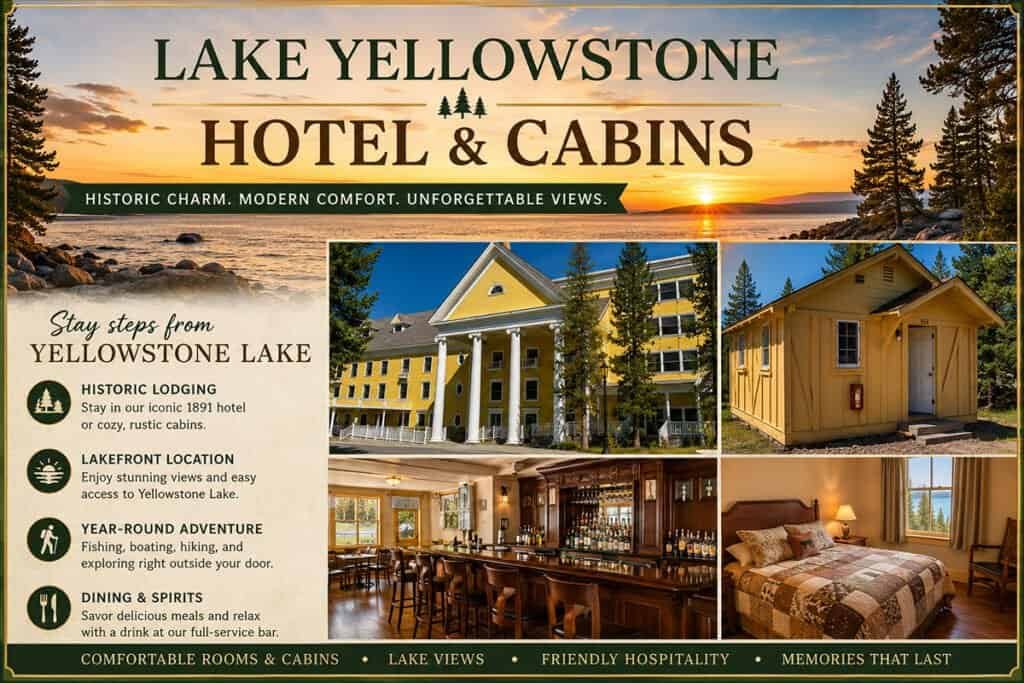
Lake Yellowstone Hotel & Cabins
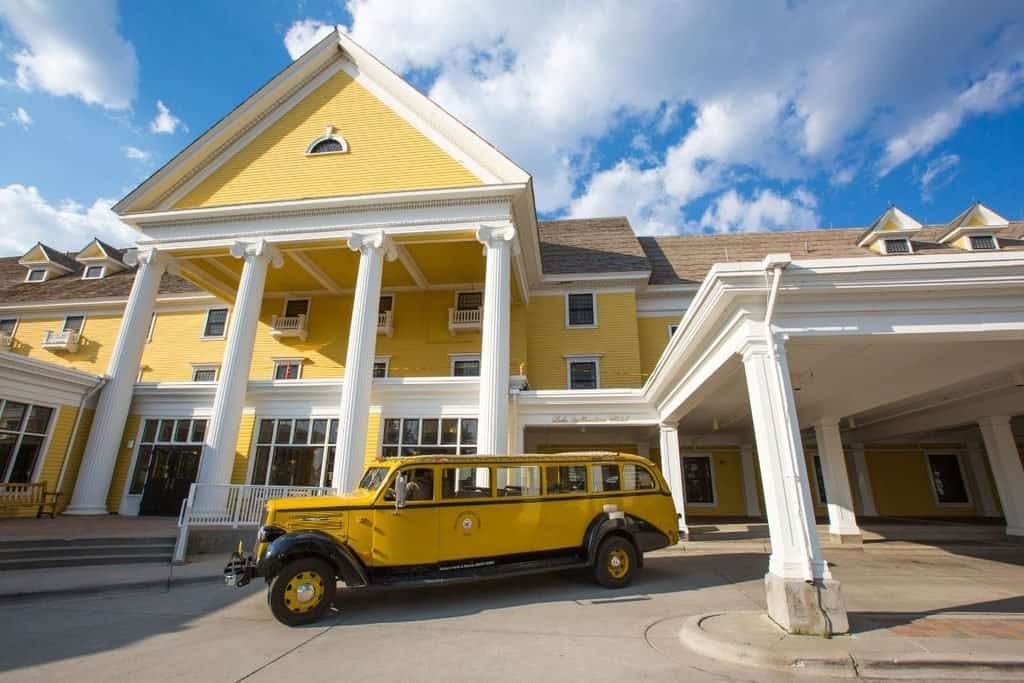
The historic Lake Yellowstone Hotel & Cabins is one of the most recognizable places to stay around the lake. The hotel dates back to 1891 and is listed on the National Register of Historic Places.
The hotel itself is beautiful, especially the public areas overlooking Yellowstone Lake. You’re definitely paying for the location and the historic setting, but that’s part of the experience.
We stayed in one of the cabins behind the hotel, and it was a good fit for us.
The cabin was simple and rustic, with two double beds and a private bathroom with a shower. There was a coffeemaker, but no refrigerator. The cabins are located behind the hotel near the parking area, so don’t book one expecting a lake view.
Since we visited in June, the evenings were chilly. We were glad to have a heater in the cabin to keep things comfortable.
These cabins aren’t luxury accommodations, and it’s important to keep your expectations realistic. Our cabin had no television or Wi-Fi. For us, that wasn’t a problem. We were in Yellowstone to spend our days outside anyway.
What we liked was the cozy, old-fashioned feel. After a long day exploring the park, it was nice to have a simple place to come back to and relax.
Travel Tip: Yellowstone lodging is popular during the summer, so make your reservations as early as possible. Reservation windows and booking policies can change, so check the current information when planning your trip.
Other Lodging Options Around Yellowstone Lake
If the historic hotel or cabins aren’t quite what you’re looking for, there are other options around the lake.
Lake Yellowstone Hotel & Cabins also includes additional accommodations associated with the property. Availability, room types, and amenities vary, so check the current lodging information before booking.
The Lake Lodge Cabins offer another rustic option near the lake. The historic lodge has one of those wonderful Yellowstone front porches lined with rocking chairs.
And honestly, those rocking chairs are part of the attraction.
You can sit back, watch the lake, and enjoy the scenery after a day of hiking or sightseeing. Ranger programs may also be offered seasonally in the area.
Camping Around Yellowstone Lake
If you prefer camping, there are several campgrounds serving the Yellowstone Lake area.
Bridge Bay Campground offers traditional camping without hookups and puts you close to the marina and lake.
Fishing Bridge RV Park is designed specifically for hard-sided RVs and offers full hookups, making it a convenient option for RV travelers who want a few more comforts.
We cover both campground options in more detail above, so you can compare them before deciding where to stay.
For us, staying inside Yellowstone made the trip much easier. We could spend the day exploring, return to our cabin in the evening, and be ready to head out again the next morning without driving outside the park.
That extra time inside Yellowstone is worth considering when you’re planning your own trip.
Planning Your Yellowstone Lake Adventure
Yellowstone Lake is easy to add to a Yellowstone road trip, but don’t underestimate how much there is to see around the shoreline. If you want to hike, fish, explore the marinas, enjoy the historic lodges, and take in some of the quieter scenery, give yourself more than a quick drive-by.
Here are a few things we would keep in mind when planning your visit.
Give Yourself Time
Don’t plan to simply drive past Yellowstone Lake and check it off your list. Fishing Bridge, Bridge Bay, Gull Point, and the Lake Yellowstone area each offer something different.
If you enjoy hiking or fishing, you’ll want even more time.
Pack for Changing Weather
The elevation makes a difference. Yellowstone Lake sits at more than 7,700 feet, and mornings can be surprisingly cold even during summer.
We were glad to have a hooded fleece with us. Layers are your friend here.
A refillable water bottle, comfortable hiking shoes, and rain gear are also good additions to your daypack.
Check Current Park Conditions
Yellowstone’s roads, trails, campgrounds, lodging, restaurants, and other services operate seasonally, and conditions can change quickly.
Before heading out, check the official Yellowstone National Park website for current road conditions, closures, weather, wildlife alerts, and other important updates.
If you’re planning to fish or boat, be sure to check the current regulations and permit requirements as well.
Plan Your Route Before You Go
One of the biggest mistakes first-time visitors make is underestimating the size of Yellowstone. A stop that looks close on the map can take much longer than expected once you factor in traffic, wildlife jams, construction, and photo stops.
This is where our Planning a 7-Day Trek Through Yellowstone & Grand Teton National Parks: An Ultimate Guide can help. We put the larger itinerary together there, while this guide focuses specifically on Yellowstone Lake.
Once you’ve explored the lake, you can continue your Yellowstone adventure with our guides to Hayden Valley, West Thumb, the Grand Canyon of Yellowstone, the Grand Loop, and the park’s individual geyser basins.
Don’t Forget to Slow Down
This may be the most important tip we can give you.
Yellowstone Lake doesn’t need to be rushed.
Pull over. Take the trail. Sit on the shoreline. Watch the birds. Cast a line. Grab a cup of hot cocoa and enjoy the view.
Some of our favorite Yellowstone memories came from doing exactly that.
Final Thoughts: Adventure Abounds at Yellowstone Lake
Adventure Abounds at Yellowstone Lake, but what surprised us most was how peaceful this part of the park felt. From watching the water at Fishing Bridge to exploring Bridge Bay, hiking the surrounding trails, fishing from shore, and enjoying dinner at the historic Lake Yellowstone Hotel, there was always something new to discover.
But what we remember most wasn’t any one attraction. It was the feeling of being here.
Yellowstone Lake seemed to move at a slower pace than some of the park’s more famous destinations. We could take our time, stop for a cup of hot cocoa, watch the birds, walk the shoreline, or simply sit and enjoy the view.
Our cabin was perfect for us, too. It was simple, comfortable, and gave us exactly what we needed after a day of exploring.
If you’re planning a Yellowstone trip, don’t overlook the lake. Give yourself time to explore beyond the roadside viewpoints. Take a trail, spend some time along the water, and let the day unfold without rushing from one attraction to the next.
Sometimes the quieter places end up being the ones you remember most.
Have you visited Yellowstone Lake? What was your favorite experience there? We’d love to hear about it in the comments!
Father Vint
The lake was so beautiful in the early morning. The hotel is stunning to say the least. We saw a bear in the early morning on our walk. Hope to visit again!
Travel the Parks
Yes the lake with the backdrop of the mountains is very beautiful Staying at the hotel gives you that early morning access to the park, the hotel reminded me of the grad age of lodges in the 1920s. So much history!