When we first began planning our Colorado road trip, it felt a little overwhelming. Colorado has four incredible national parks, towering mountains, deep canyons, ancient cliff dwellings, massive sand dunes, and enough scenic roads to keep us busy for weeks.
We were determined to see all four national parks in one trip. The challenge was figuring out how to fit them together without spending the entire vacation behind the wheel.
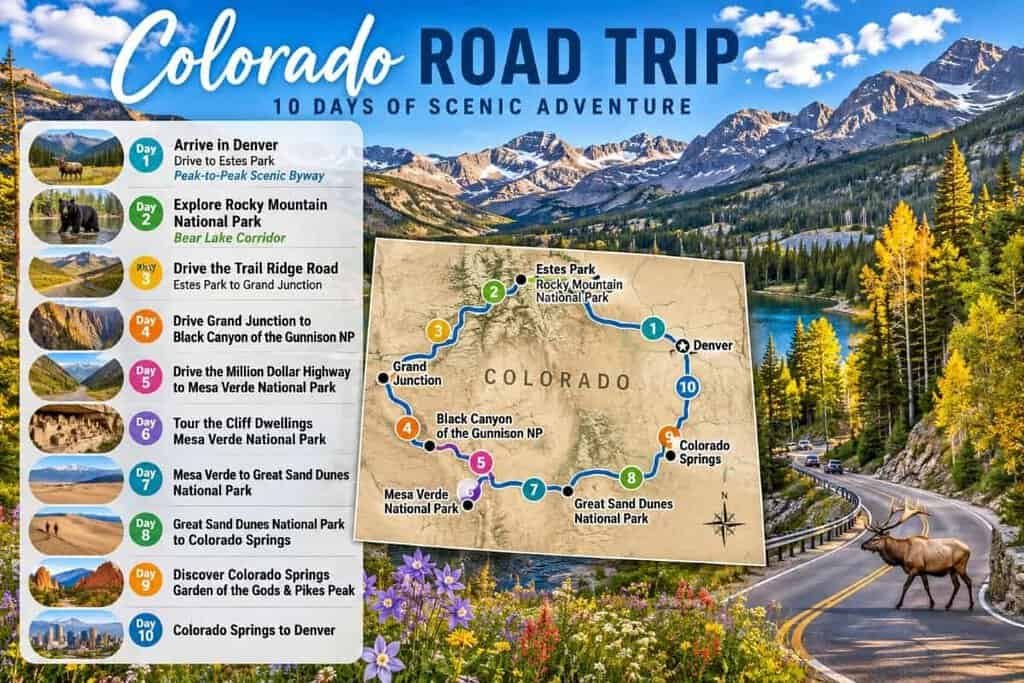
After plenty of planning, we created this 10-day Colorado road trip itinerary that combines all four national parks with some of the state’s most memorable scenic drives, historic sites, hiking trails, and outdoor adventures.
Along the way, we traveled from the Rocky Mountains to the high desert, explored ancient Ancestral Puebloan cliff dwellings, stood along the rim of one of the deepest canyons in North America, and walked across enormous sand dunes.
It was a busy trip, but that was exactly what we wanted.
This post may contain affiliate links, meaning if you purchase something through one of these links, we may earn a small commission at no extra cost to you! Read the full disclosure policy here.
Table of Contents
Planning Our Colorado Road Trip
I am a planner, so I usually have our major reservations made well in advance. That was especially helpful on this trip because several of these destinations can become busy during the peak travel season.
If you are planning a similar Colorado national park road trip, check park requirements, road conditions, lodging availability, and attraction reservations before leaving home. We also recommend considering the America the Beautiful National Parks and Federal Recreational Lands Pass if you plan to visit several national parks during the year. At $80, it can be a good value for travelers visiting multiple federal recreation sites
Day 1: Denver to Estes Park
After an early morning flight from Orlando International Airport, we picked up our rental SUV and headed toward Estes Park.
Rather than taking the fastest route, we chose the scenic Peak to Peak Highway. The approximately 55-mile route connects Black Hawk and Estes Park and passes through some beautiful mountain scenery.
The landscape quickly changed from the Denver area to pine forests, mountain valleys, and rocky peaks. We also had opportunities to explore places such as Golden Gate Canyon State Park and the historic communities along the route.
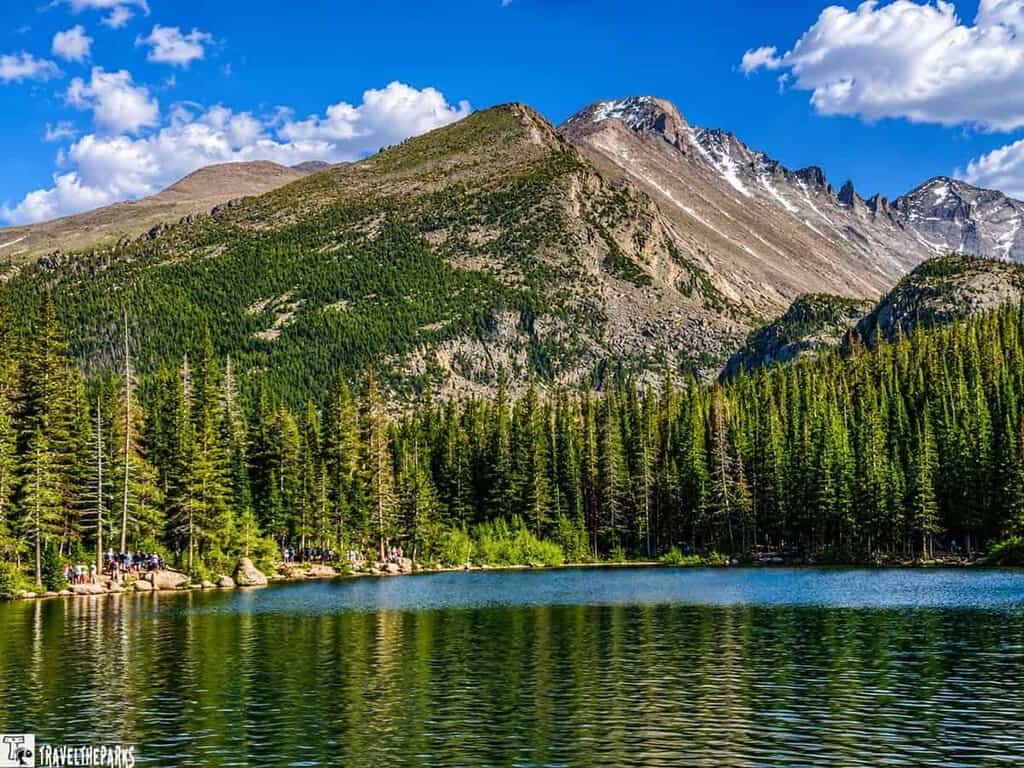
One of the stops we especially enjoyed was Lily Lake, where the surrounding mountains created a beautiful backdrop for photographs.
Explore Estes Park
Estes Park is the natural gateway to Rocky Mountain National Park, making it an ideal place to spend the first night. For more ideas on what to see and do before heading into the park, check out our Beautiful Estes Park Gateway to Rocky Mountain National Park guide.
After checking into our cabin at Loveland Heights Cottages, we explored the town and walked along the Estes Park Riverwalk. The path follows the Big Thompson River and Fall River through the heart of town.
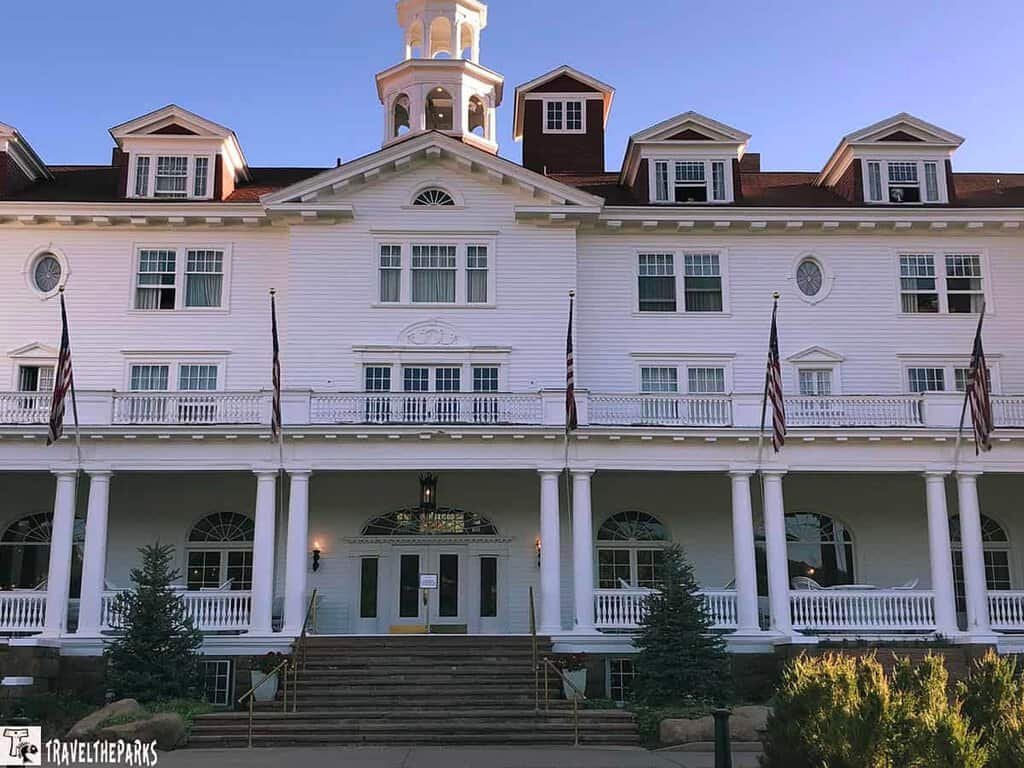
We also passed the historic Stanley Hotel. Stephen King famously found inspiration for The Shining during his stay here. We didn’t have time for one of the hotel’s ghost tours, but it gives you another reason to explore this historic property.
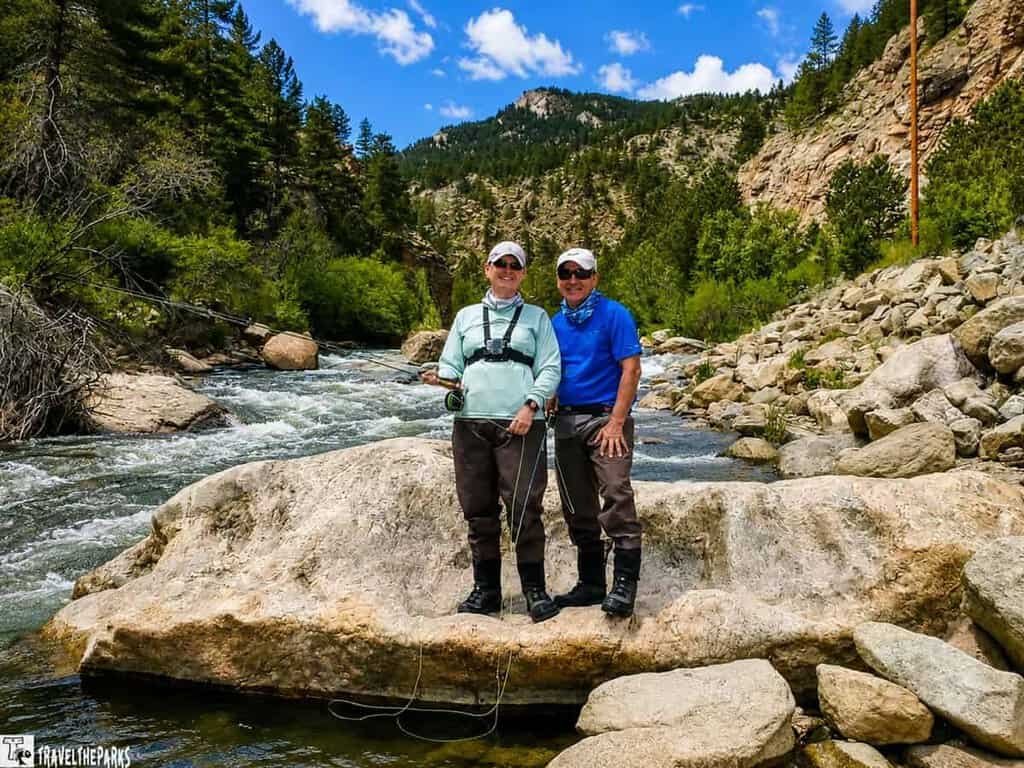
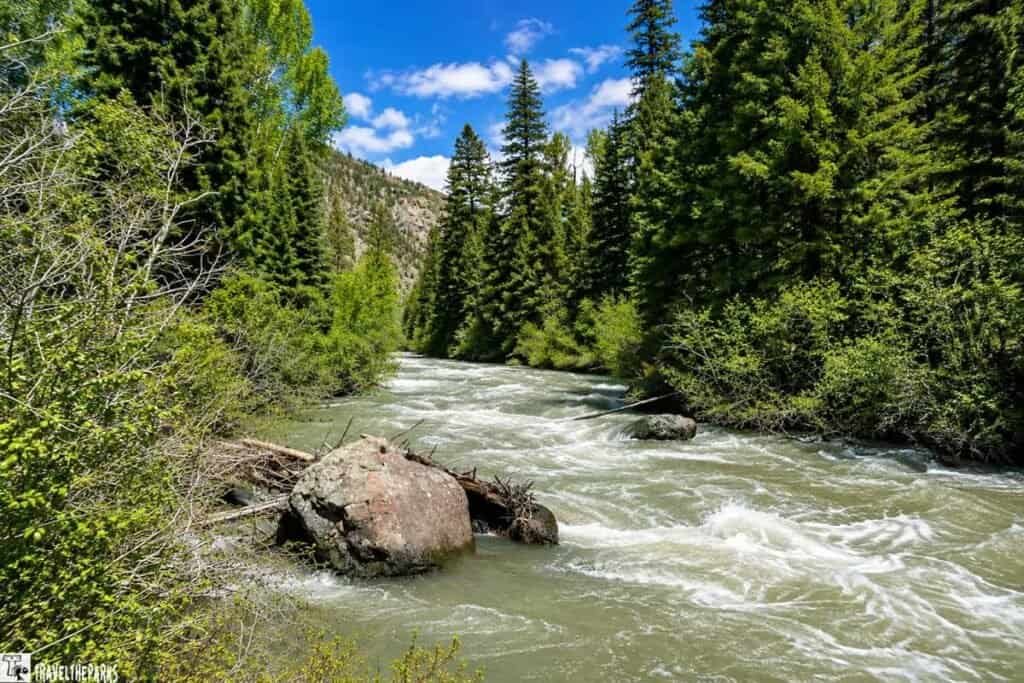
We ended our first day with some fly fishing in the Big Thompson River near our cabin.
Why visit Estes Park?
Estes Park is more than simply a place to sleep before entering Rocky Mountain National Park. The town has restaurants, shops, outdoor outfitters, scenic walks, and easy access to the park.
For a more detailed look at the park itself, including our favorite places to explore, hikes, and things to do, see our How to Enjoy an Epic Getaway Visiting Rocky Mountain National Park.
Our favorite memory:
After a long travel day, sitting beside the river and realizing that our Colorado adventure had finally begun.

Day 2: Rocky Mountain National Park – Bear Lake Corridor
Today was all about Rocky Mountain National Park.
The Bear Lake Corridor was our focus because it brings together several beautiful lakes, mountain views, hiking trails, and access to some of the park’s most popular destinations.
We began at Sprague Lake, walking the easy 0.5-mile loop around the water.
The peaceful lake reflected the surrounding peaks, while fly anglers tried their luck along the shoreline. It was a wonderful introduction to the natural beauty of the park.
We then continued to Bear Lake.
The Bear Lake Nature Trail is a short loop, but this area also provides access to several of the park’s most popular hikes, including Nymph Lake, Dream Lake, and Emerald Lake.
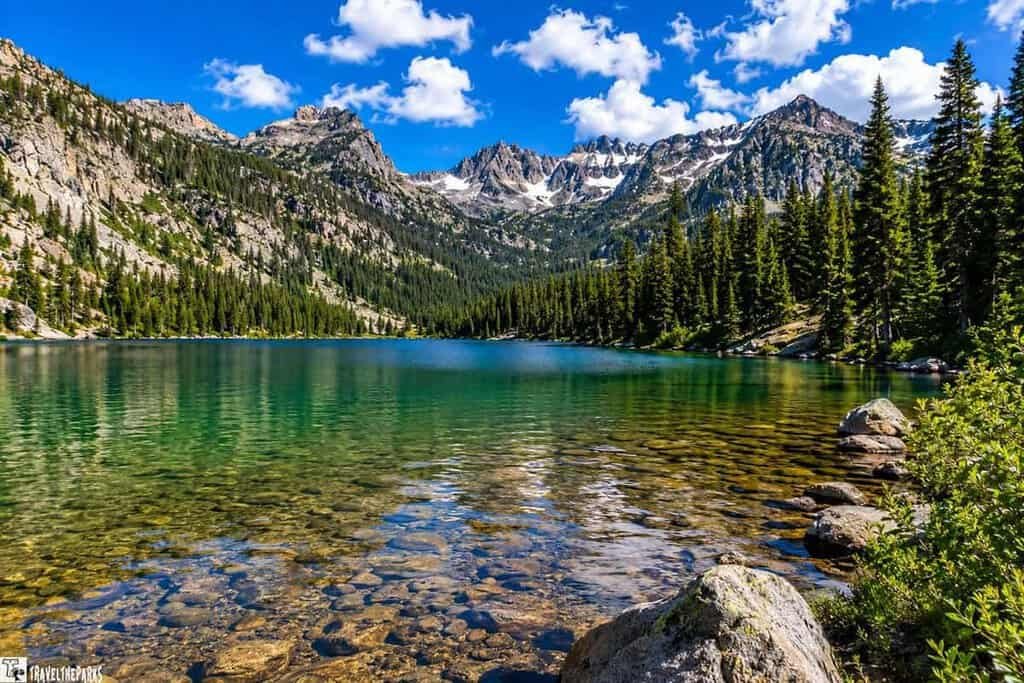
The scenery changes as you climb, with evergreen forests giving way to rocky mountain landscapes and alpine views.
Afternoon Hike to Alberta Falls
Later in the day, we tackled the approximately 1.6-mile round-trip hike to Alberta Falls.
The trail climbs gradually through the forest before reaching the waterfall, where water rushes through the rocky landscape.
It was a good reminder that even relatively short Rocky Mountain hikes can feel more challenging at higher elevations.
PRO Tip: Bring more water than you think you will need and don’t forget sunscreen. The high elevation and Colorado sunshine can sneak up on you.
More Rocky Mountain National Park
Rocky Mountain National Park deserves far more than two days. If you have additional time, we recommend exploring more of the park’s trails, lakes, wildlife areas, and scenic drives.
For a much more detailed look at visiting the park, see our guide: How to Enjoy an Epic Getaway Visiting Rocky Mountain National Park
Day 3: Drive Trail Ridge Road to Grand Junction
Today was one of the highlights of our Colorado road trip.
We left Estes Park and headed into Rocky Mountain National Park to drive Trail Ridge Road.
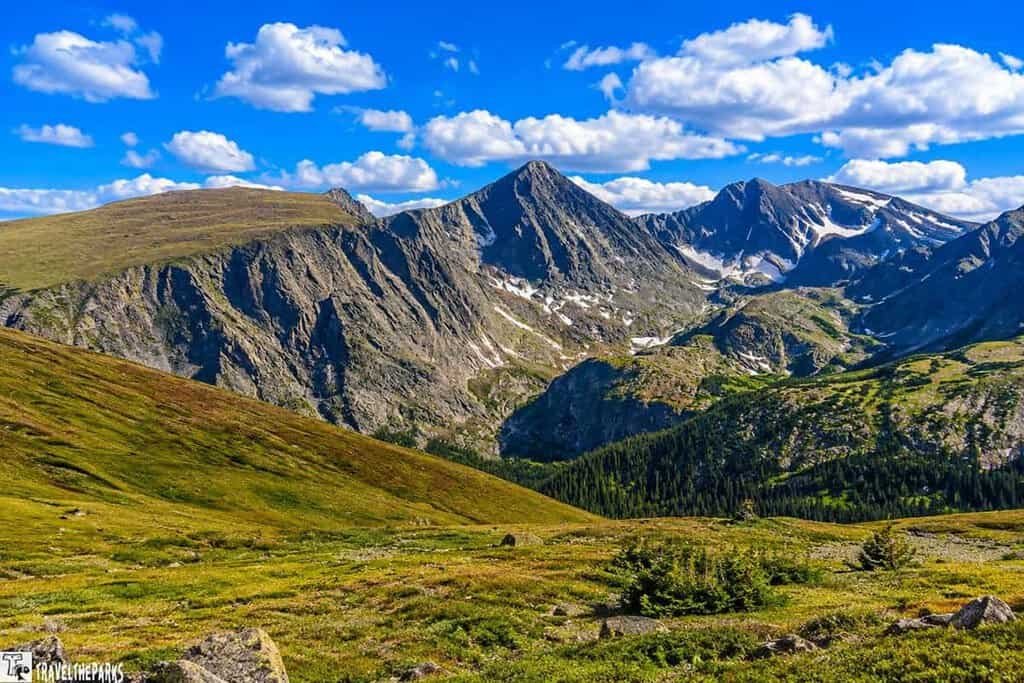
The road climbs dramatically through the mountains and crosses the Continental Divide at Milner Pass. Along the way, the scenery changes from dense evergreen forest to open alpine tundra.
At higher elevations, trees become scarce and the landscape becomes increasingly rocky and exposed. We could see mountain peaks stretching across the horizon, and wildlife sightings were always a possibility.
Trail Ridge Road reaches more than 12,000 feet and is one of the most memorable scenic drives in Colorado.
There are numerous overlooks and places to stop along the way, including Many Parks Curve, Rainbow Curve, Lava Cliffs, Gore Range Overlook, the Alpine Visitor Center, and Milner Pass.
For a detailed look at the drive and the best places to stop, read our: Epic Drive on Trail Ridge Road in Rocky Mountain National Park

From Grand Lake to Grand Junction
After reaching the western side of Rocky Mountain National Park, we continued toward Grand Junction.
The drive from Grand Lake to Grand Junction is approximately 150 miles and takes several hours depending on traffic, road conditions, and stops.
We spent the night at Camp Eddy, giving us a convenient base for the next day’s adventure.
Why visit Trail Ridge Road?
The road allows you to experience several mountain ecosystems in a single drive. You can begin surrounded by forests and eventually find yourself above treeline with sweeping views of the Continental Divide.
Our favorite memory:
Watching the landscape change as we climbed higher and higher until the familiar forests disappeared and the alpine tundra took over.
Day 4: Black Canyon of the Gunnison National Park
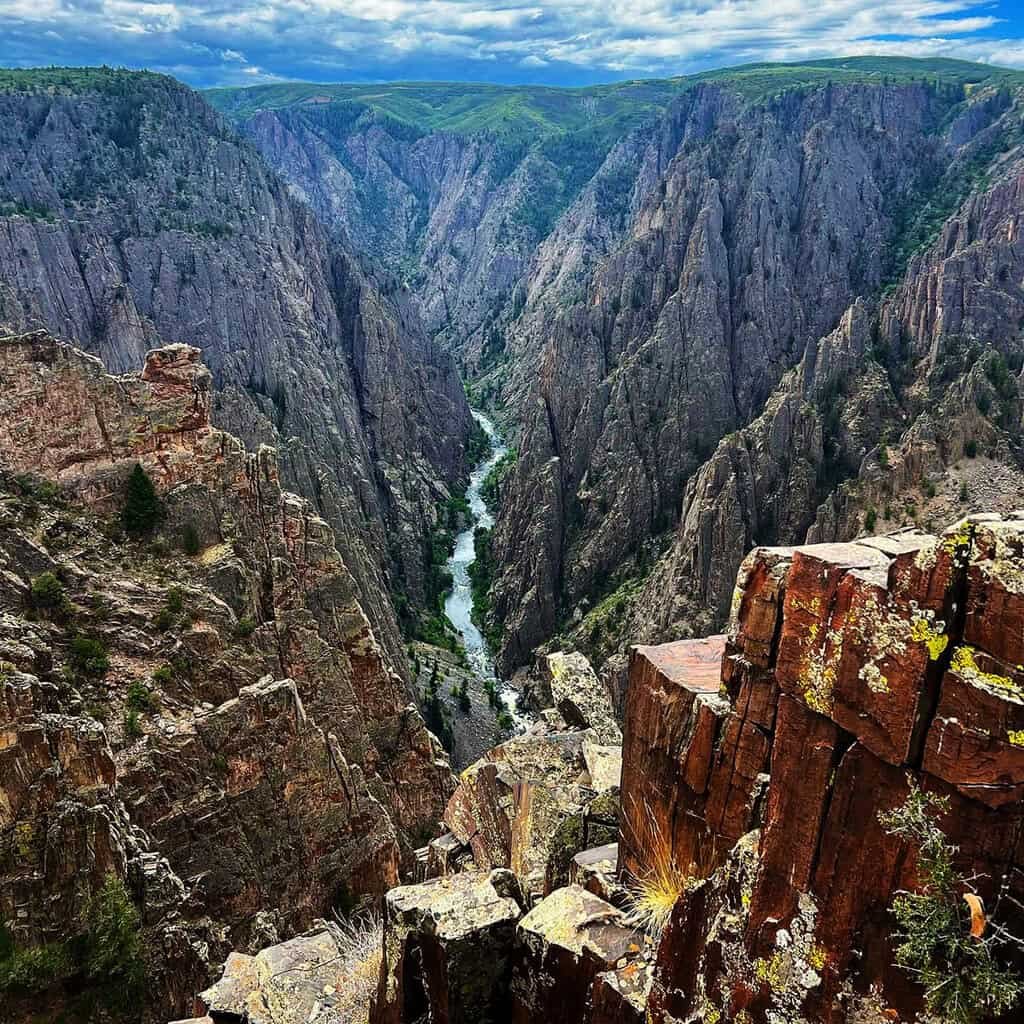
From Grand Junction, we traveled toward Montrose and Black Canyon of the Gunnison National Park, one of Colorado’s lesser-known national parks. The change in scenery was striking. The broad landscapes of western Colorado gave way to a narrow, deeply carved canyon.
At the South Rim, we explored several overlooks along the scenic drive. Chasm View, Pulpit Rock, Sunset View, and Painted Wall were among our favorites.
The canyon is enormous, and its dark walls drop dramatically toward the Gunnison River far below.
If you enjoy getting away from the crowds and discovering lesser-known national parks, Black Canyon of the Gunnison is a destination worth adding to your list. We cover more of these overlooked parks in our[Lesser-Known National Parks guide.
Drive East Portal Road
After setting up camp at the South Rim Campground, we drove East Portal Road into the canyon.
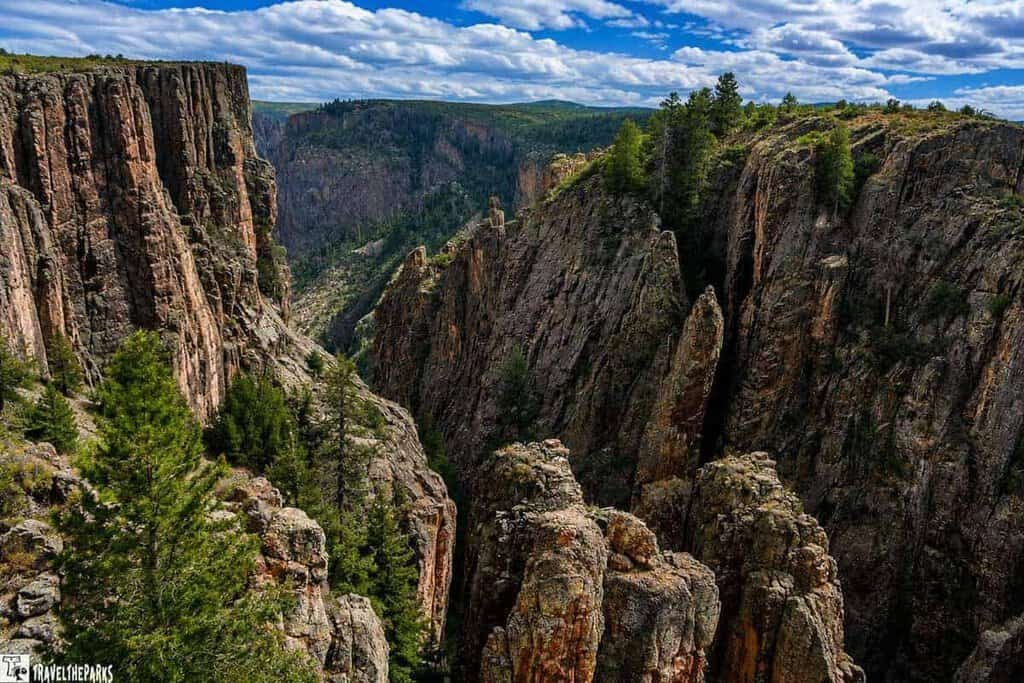
The road descends steeply toward the Gunnison River, providing an entirely different perspective of the canyon walls.
The road is narrow and winding, so take your time.
At the bottom, the Gunnison River looks very different from the small ribbon of water seen from the rim.
Fishing the Gunnison River
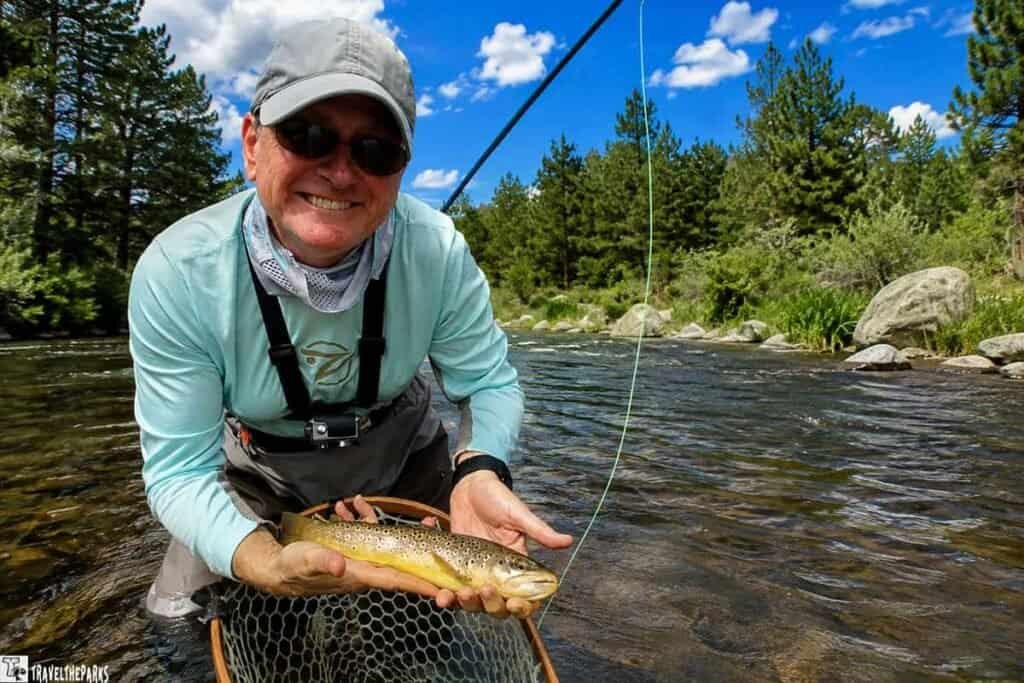
The Gunnison River is known for its excellent fishing, and we couldn’t resist trying our luck.
After landing a brown trout, I took a moment to admire its colors before releasing it back into the river.
That simple moment was one of my favorite memories of the trip.
Why visit Black Canyon of the Gunnison?
It offers a completely different landscape from Rocky Mountain National Park. Instead of broad mountain vistas, you get steep canyon walls, narrow rock formations, and a powerful river cutting through the landscape.
PRO Tip: If you are an early riser, sunrise can be an especially beautiful time to see the canyon walls illuminated by the morning light.
Day 5: Million Dollar Highway and Durango
Today we continued south through the San Juan Mountains.
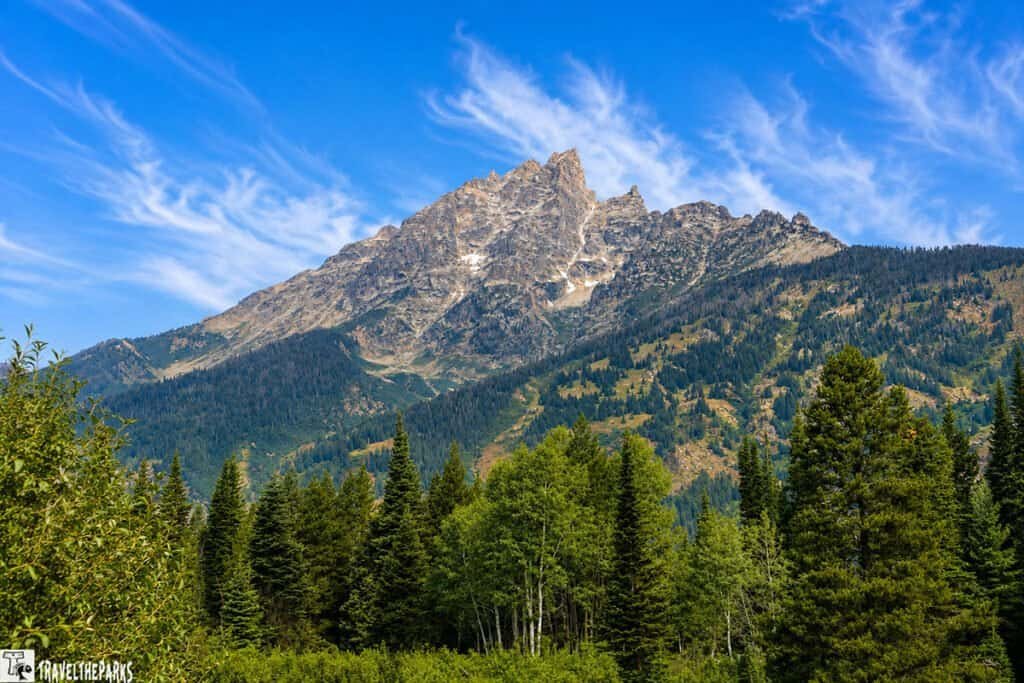
One of the highlights was driving the Million Dollar Highway between Ouray and Silverton.
The road follows U.S. 550 through rugged mountain terrain, with steep slopes, sharp curves, and spectacular views.
We stopped in Ouray for breakfast before continuing toward Silverton.
The landscape was a beautiful combination of high mountain peaks, forests, and glacial valleys.
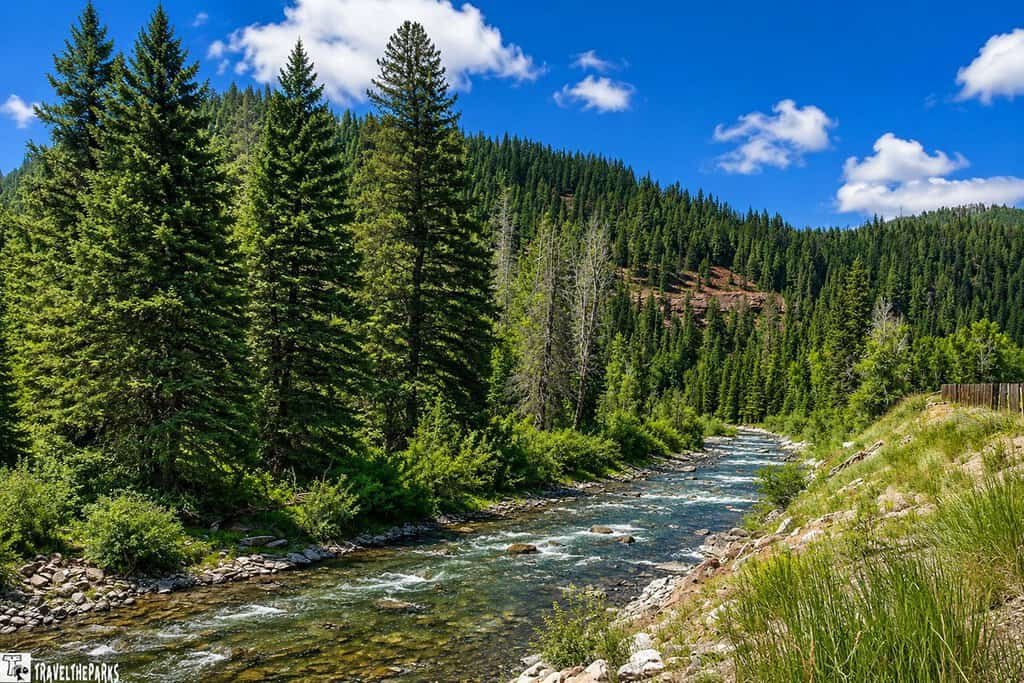
We are eager to reach Durango to ride the , a true gem of the American Southwest. The vintage steam locomotives carrying passengers between Durango and Silverton its journey back in time. Running along the Animas River, it follows in the footsteps of miners, ranchers, and pioneers who first settled this remote region. This daytime excursion was a visual feast for the senses, climbing nearly 3,000 feet in elevation, passing cascading waterfalls and mountain meadows. There was even time in our schedule for a trip through the museum and a stop at the .
Continue to Durango
We continued to [Durango], where we spent time exploring the historic downtown area and visiting the Durango & Silverton Narrow-Gauge Railroad. Our 7 Epic Things to Do in Historic Durango, Colorado has more ideas for exploring this historic mountain town and the surrounding area.
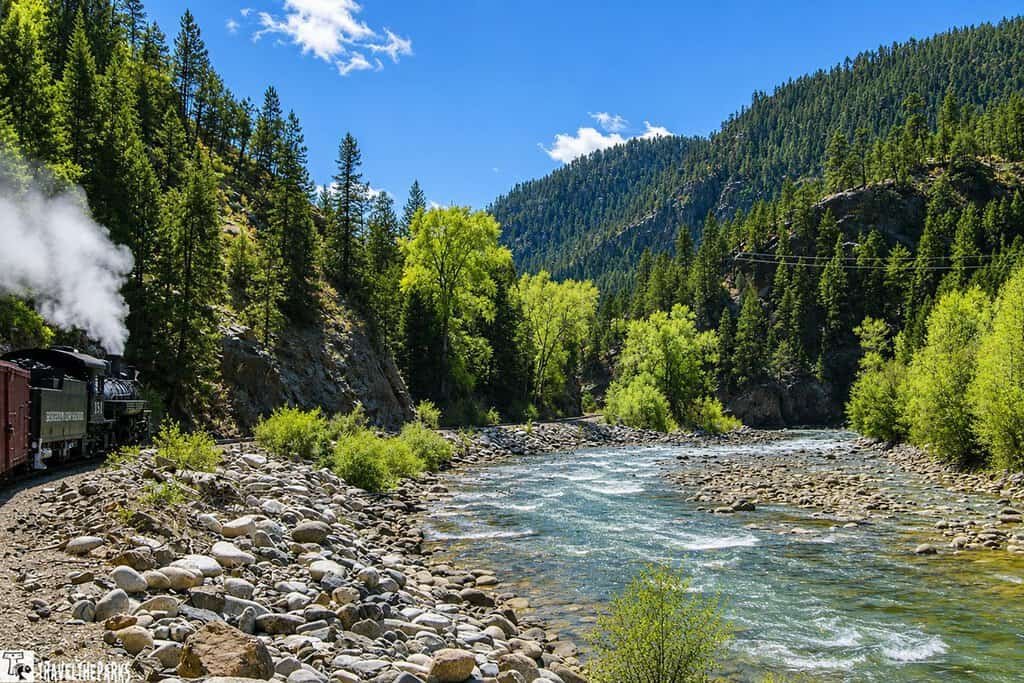
The historic steam train follows the Animas River through the San Juan Mountains. The scenery includes forests, mountain meadows, waterfalls, and steep canyon walls.
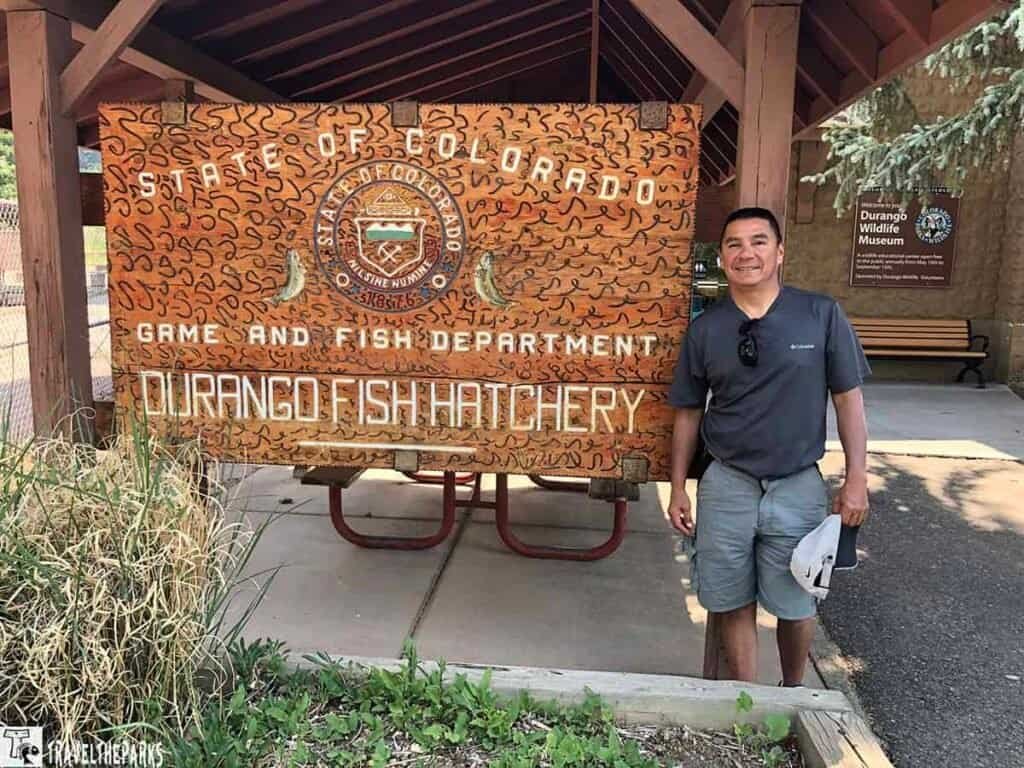
We also found time to visit the railroad museum and the Durango Fish Hatchery.
We also found time to visit the railroad museum and the Durango Fish Hatchery
Why visit Durango?
Durango adds history and a little Old West character to the trip while also providing easy access to the surrounding mountains and outdoor activities.
Our favorite memory:
Watching the scenery unfold from the train as it followed the Animas River through the mountains.
Day 6: Explore Mesa Verde National Park
Mesa Verde National Park was one of the most fascinating stops on our Colorado road trip.
Unlike Rocky Mountain National Park, where towering peaks and alpine landscapes take center stage, Mesa Verde combines incredible scenery with the history and archaeology of the Ancestral Puebloan people.
The park preserves remarkable cliff dwellings built into the canyon walls more than 700 years ago. We were fortunate to visit several of the park’s major sites, including Balcony House, Cliff Palace, and Long House.
For an overview of the park, its history, major attractions, hiking trails, and planning information, see our Mesa Verde National Park guide.
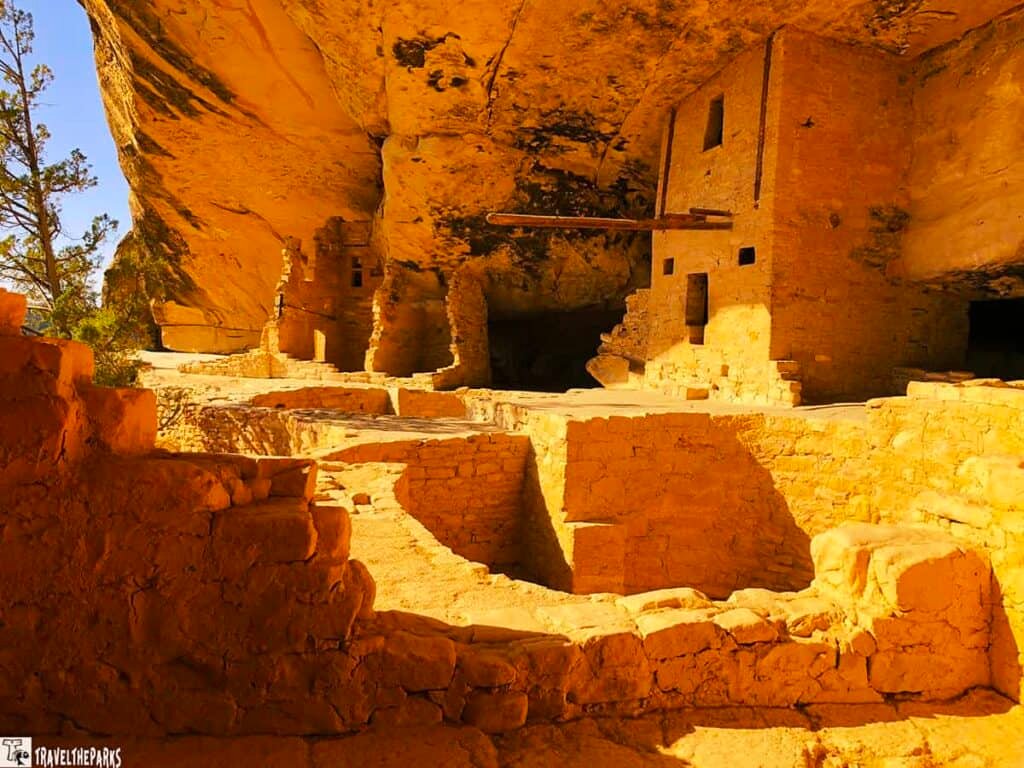
Balcony House
Balcony House was my favorite.
The guided tour involves climbing ladders, navigating narrow passages, and entering rooms built into the cliff alcove.
It was an active experience, but it also provided an opportunity to appreciate the skill and ingenuity of the people who built these communities.
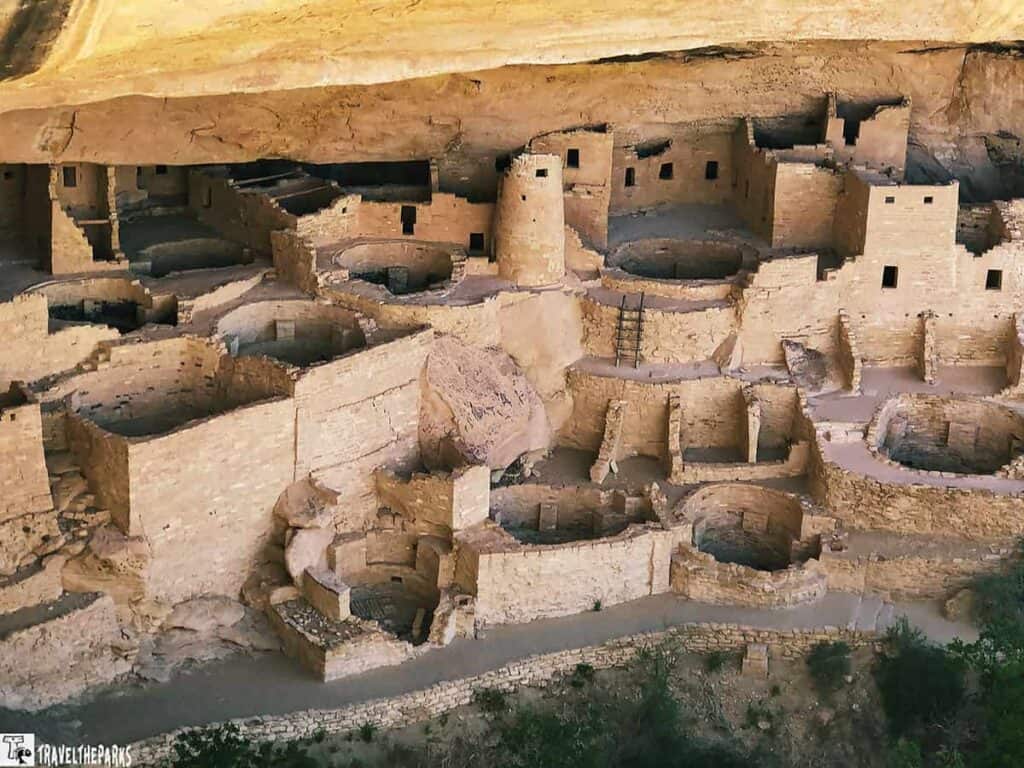
Cliff Palace
Next, we explored Cliff Palace, the largest cliff dwelling in the park.
Standing among the stone structures and kivas made it easier to imagine what life may have been like here centuries ago.
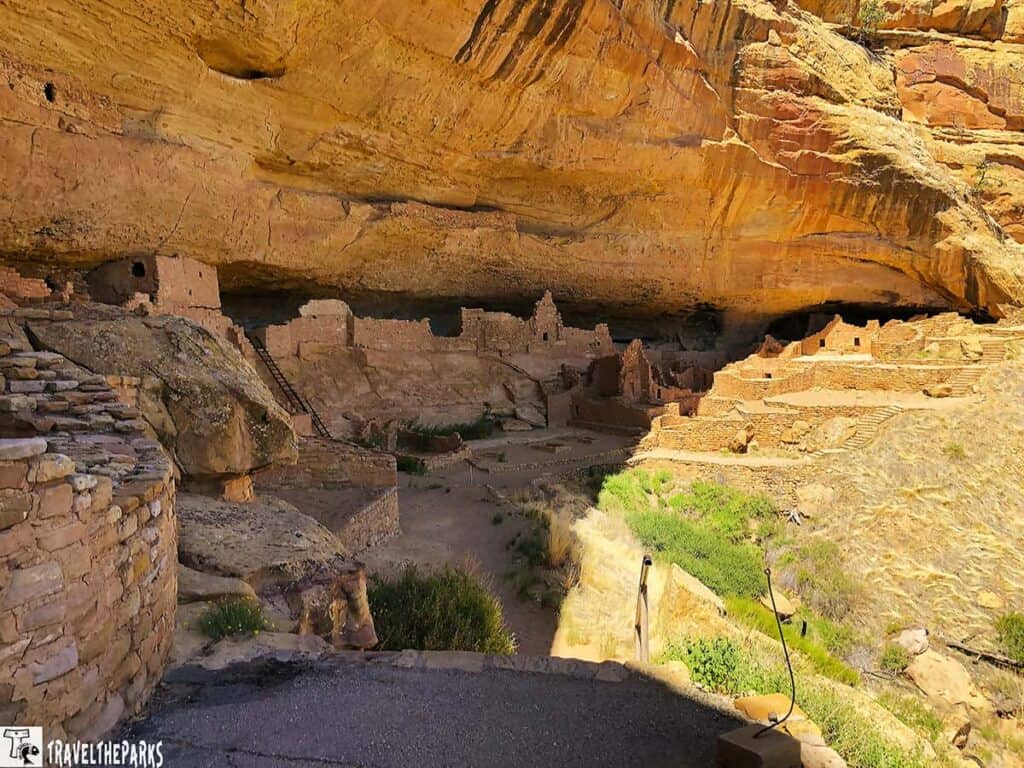
Explore Chapin Mesa
We also visited the Chapin Mesa Archaeological Museum and explored several mesa-top sites.
If you enjoy hiking, Mesa Verde has numerous trails. We particularly enjoyed the Spruce Canyon Trail and Petroglyph Point Trail.
We finished the day exploring Wetherill Mesa and touring Long House.
PRO Tip: Ranger-led cliff dwelling tours require reservations at recreation.gov. Check current availability and requirements before your trip.
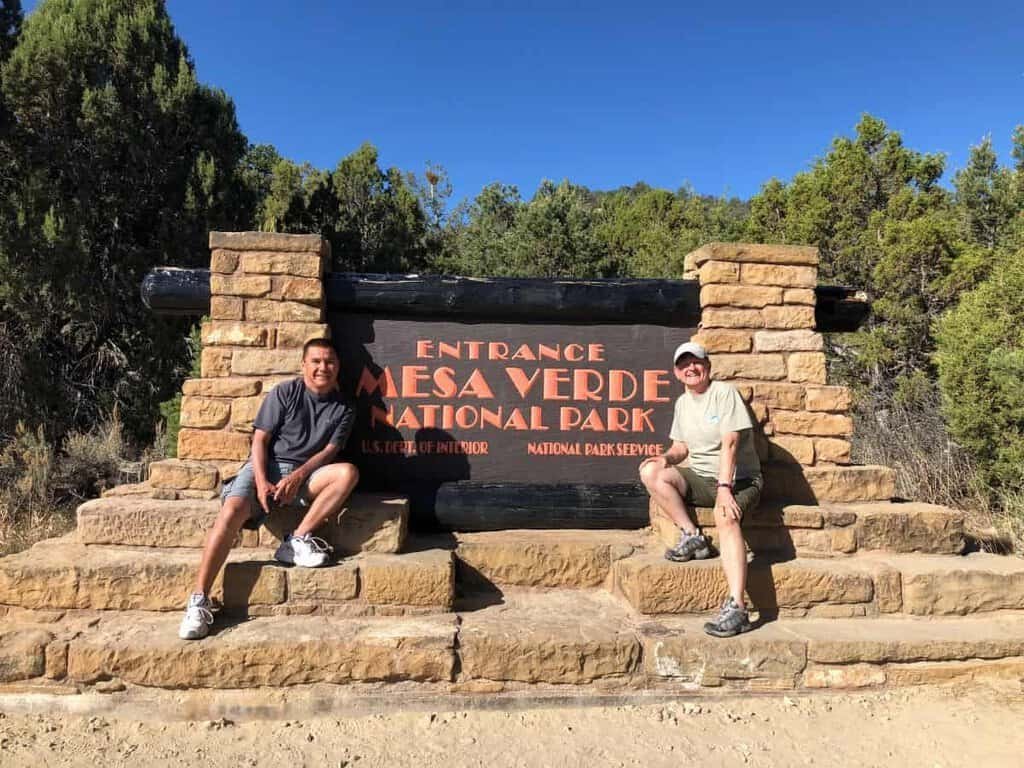
Why visit Mesa Verde?
Mesa Verde offers something completely different from Colorado’s mountain parks. The combination of archaeology, cliffs, forests, mesas, and sweeping views makes it one of the most unique stops on the itinerary.
Our favorite memory:
Standing inside the ancient cliff dwellings and realizing that these were once homes rather than simply archaeological sites.
TIP: Weather can be rather unpredictable. My advice is to pack rain gear, sunscreen, and have a good pair of hiking shoes. Flip-flops are not convenient when climbing up ladders.
Day 7: Mesa Verde to Great Sand Dunes National Park
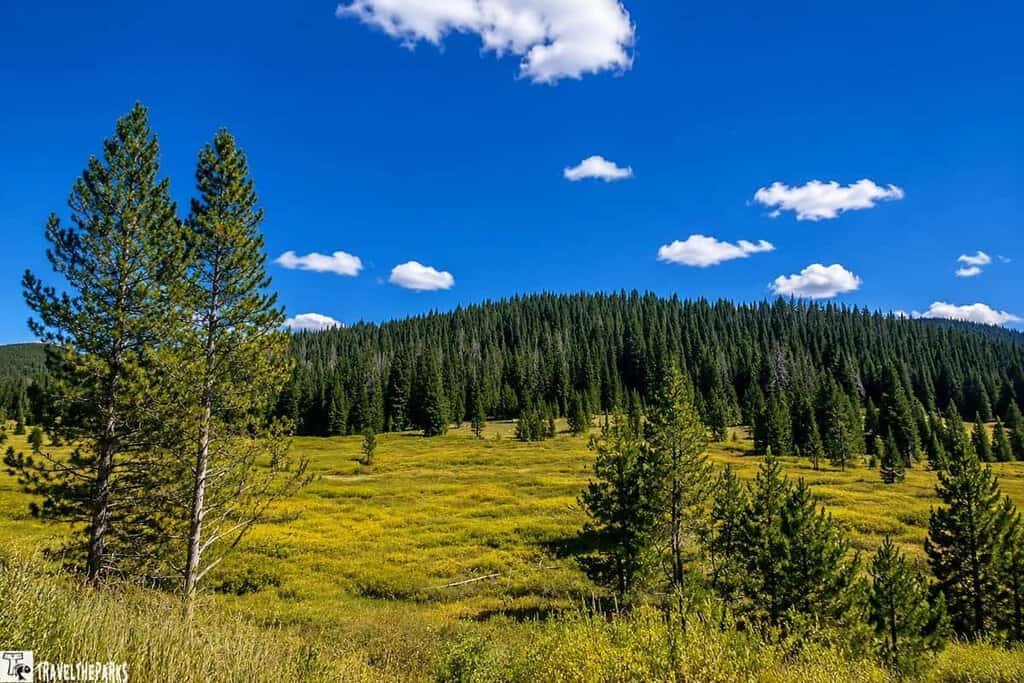
Today we made our way from Mesa Verde toward Great Sand Dunes National Park and Preserve.
The approximately 220-mile drive took us through some of southern Colorado’s beautiful mountain scenery.
We passed Chimney Rock National Monument, an impressive geological formation associated with the ancient Puebloan people, and continued toward Wolf Creek Pass.
Stop at Treasure Falls
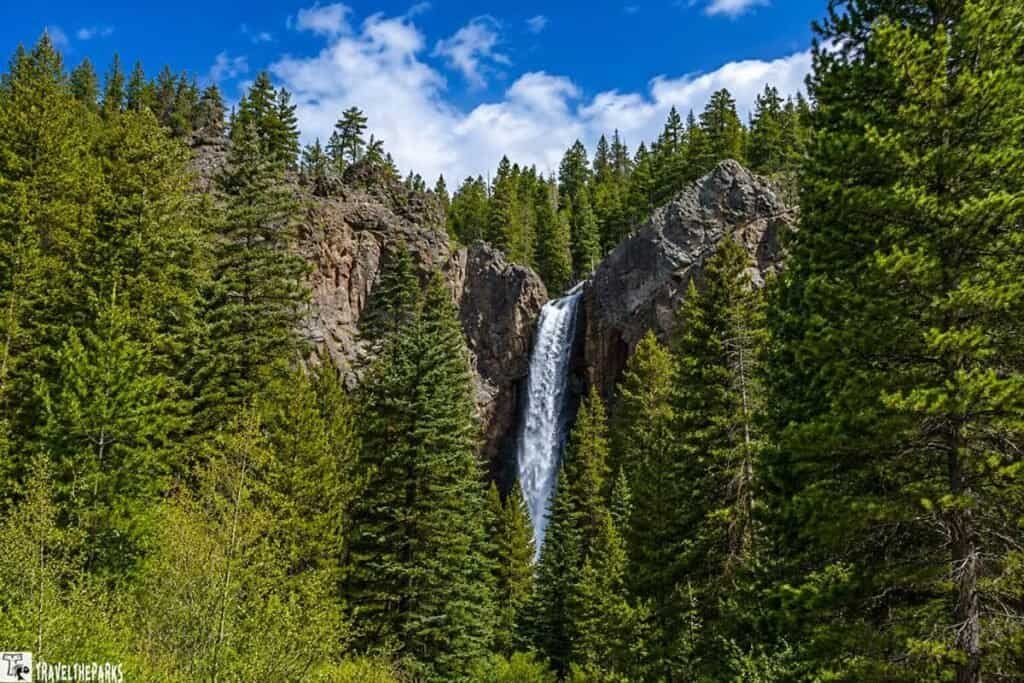
Near Wolf Creek Pass, we stopped at Treasure Falls.
The short hike to the approximately 100-foot waterfall was a welcome opportunity to stretch our legs before continuing the drive.
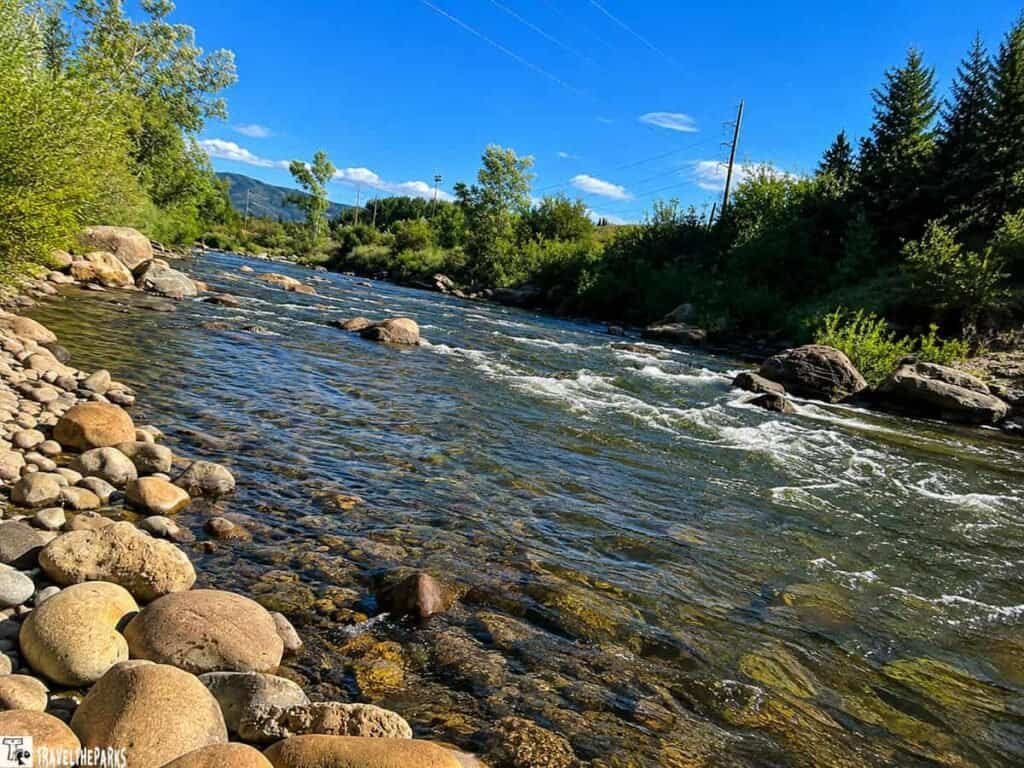
We eventually reached South Fork, where we stopped along the Rio Grande.
As anglers, we couldn’t resist trying our luck in the river. We caught several brown and rainbow trout before continuing toward the dunes.
Arrive at Great Sand Dunes
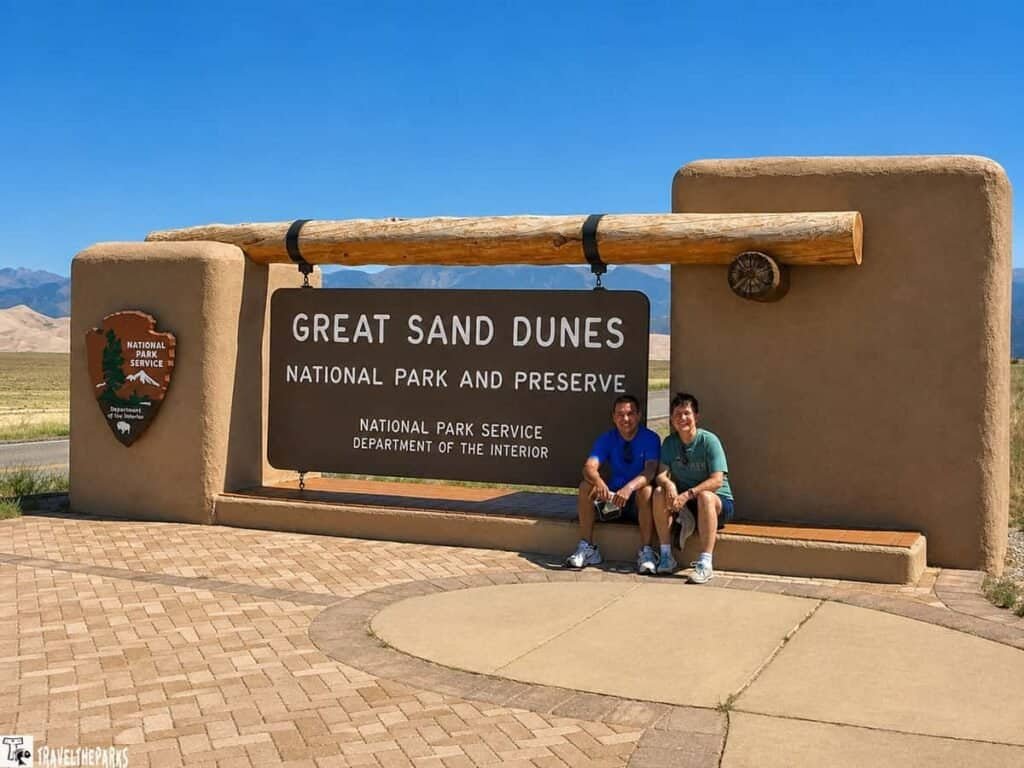
By evening, the enormous dunes were visible in the distance.
After setting up camp near the park, we settled in for the night.
The dark skies here were one of the unexpected highlights of the trip. Once the sun disappeared, the stars came out in force.
Why visit Great Sand Dunes?
Few places in Colorado look anything like this. The enormous dunes rise against the Sangre de Cristo Mountains, creating a landscape that seems almost out of place in the middle of Colorado.
Our favorite memory:
Sitting outside after dark and watching the Milky Way appear above the dunes.
Day 8: Explore Great Sand Dunes and Travel to Colorado Springs
After seeing the dunes from a distance, it was time to experience them on foot.
Walking across sand is harder than it looks. Every step upward seems to slide backward a little, which quickly reminds you that dunes are not ordinary hiking trails.
We climbed high into the dunes and enjoyed the views across the park and toward the surrounding mountains.
The contrast between the golden sand, green vegetation, and snow-capped peaks was one of the most memorable landscapes of our trip.
Visit Zapata Falls
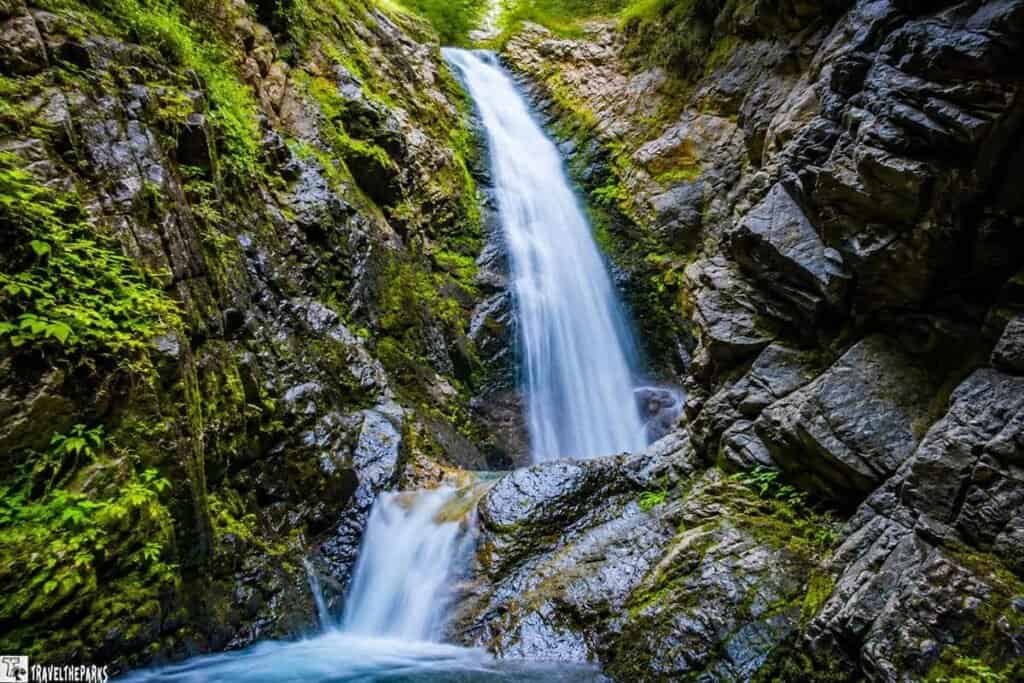
Before leaving the area, we stopped at Zapata Falls.
The short hike leads to a waterfall tucked into a rocky canyon. It was a refreshing change after hiking across the warm sand.
We then continued toward Colorado Springs and spent the night at Mueller State Park.
Located near Pikes Peak, the campground provided a peaceful place to relax after several busy days.
Tip: Sand can become extremely hot during the afternoon. Carry plenty of water, wear appropriate footwear, and consider visiting the dunes earlier or later in the day.
Day 9: Garden of the Gods and Colorado Springs
We spent our ninth day exploring the Colorado Springs area.
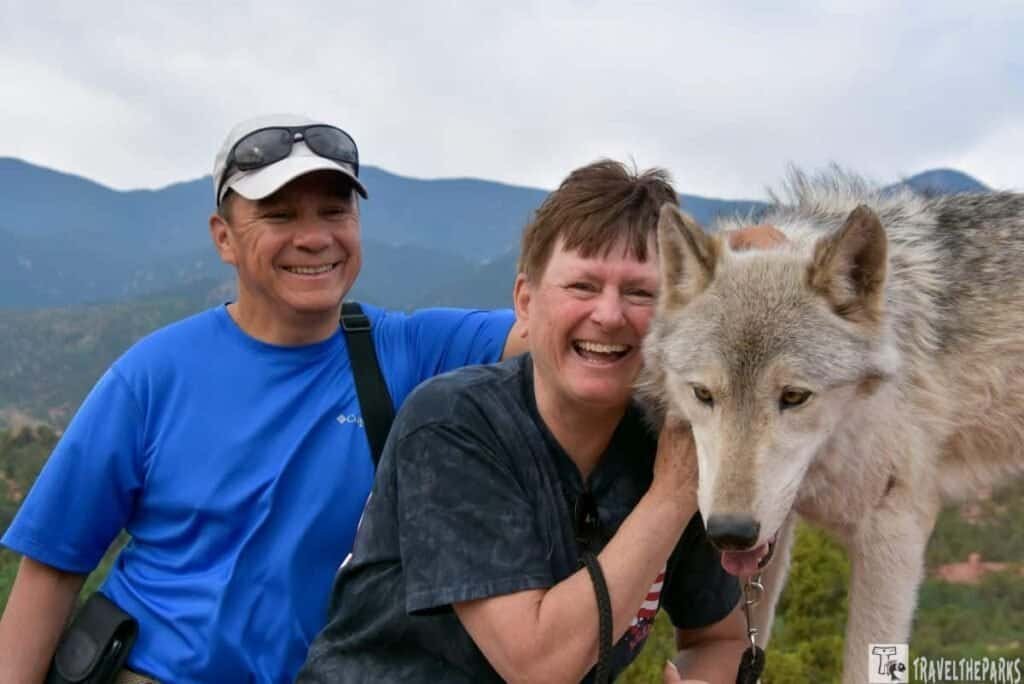
Our morning began with one of the most unusual experiences of the entire trip: a guided wolf walk at Garden of the Gods.
We met Ghost, the wolf who accompanied us during the walk, while our guides explained more about wolves and their behavior.
It was an unforgettable experience, especially with the red rock formations and Pikes Peak providing the backdrop.
Explore Garden of the Gods
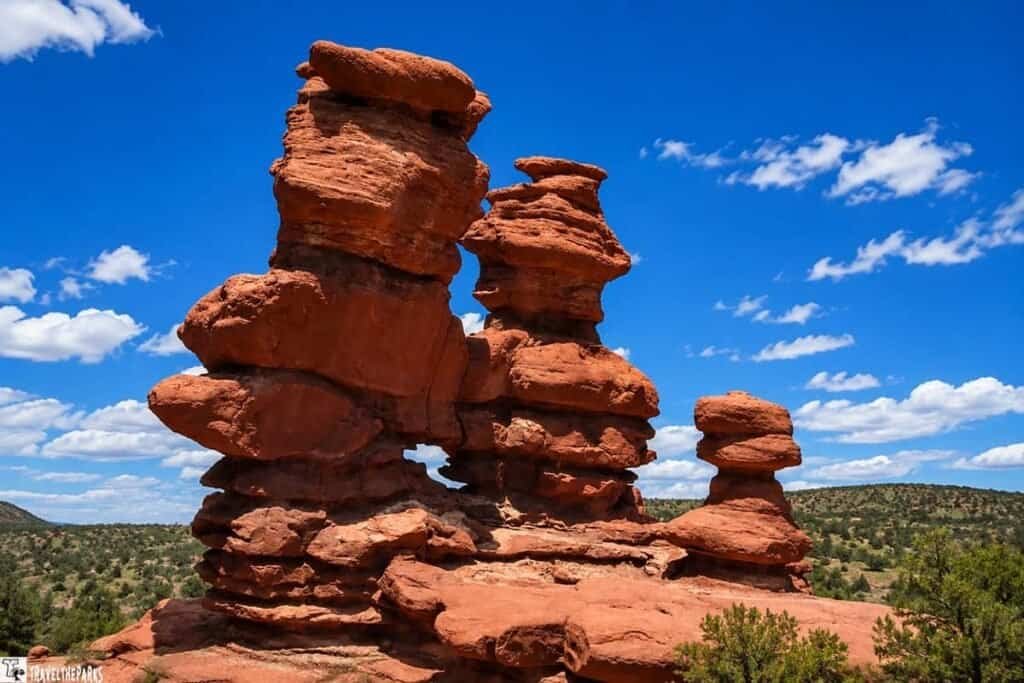
After our wolf walk, we explored Garden of the Gods on our own.
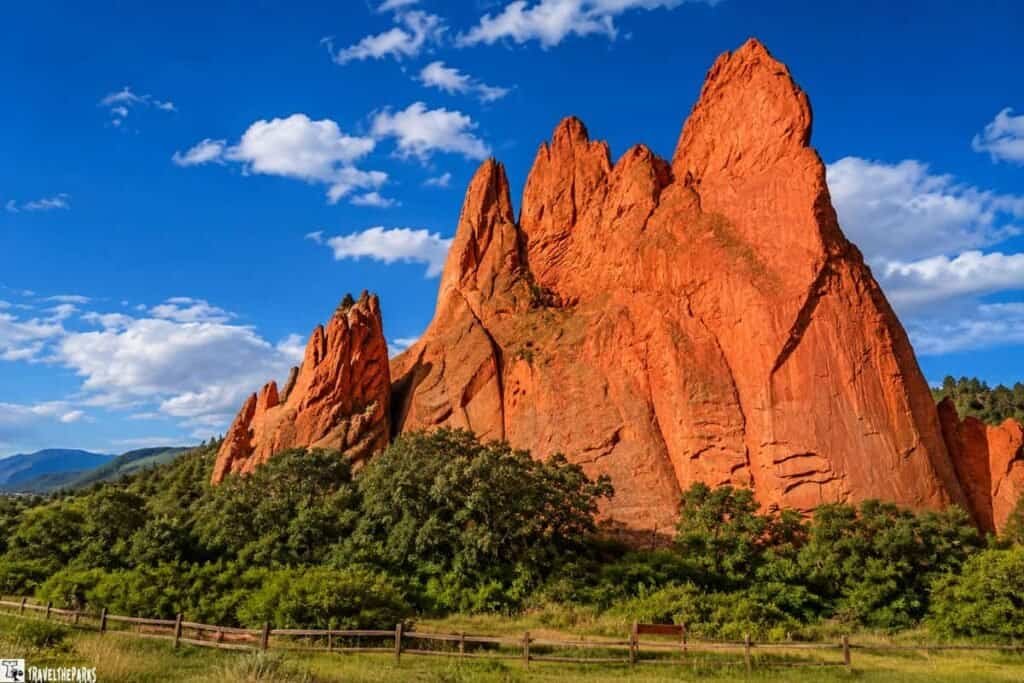
The enormous red rock formations rise dramatically from the landscape, creating one of the most recognizable natural settings in Colorado.
The park is especially impressive because of the contrast between the red sandstone formations and the mountains beyond.
We spent the rest of the morning exploring the area and photographing the formations.
Why visit Garden of the Gods?
It is easily accessible, scenic, and completely different from the landscapes we had experienced earlier in the trip.
Our favorite memory:
On our Colorado Wolf Adventures, walking beside Ghost with Pikes Peak and the towering red rocks in the background. It was certainly not something we expected to experience on a national park road trip.
Day 10: Drive Pikes Peak and Return to Denver
For our final day, we headed toward the summit of Pikes Peak.
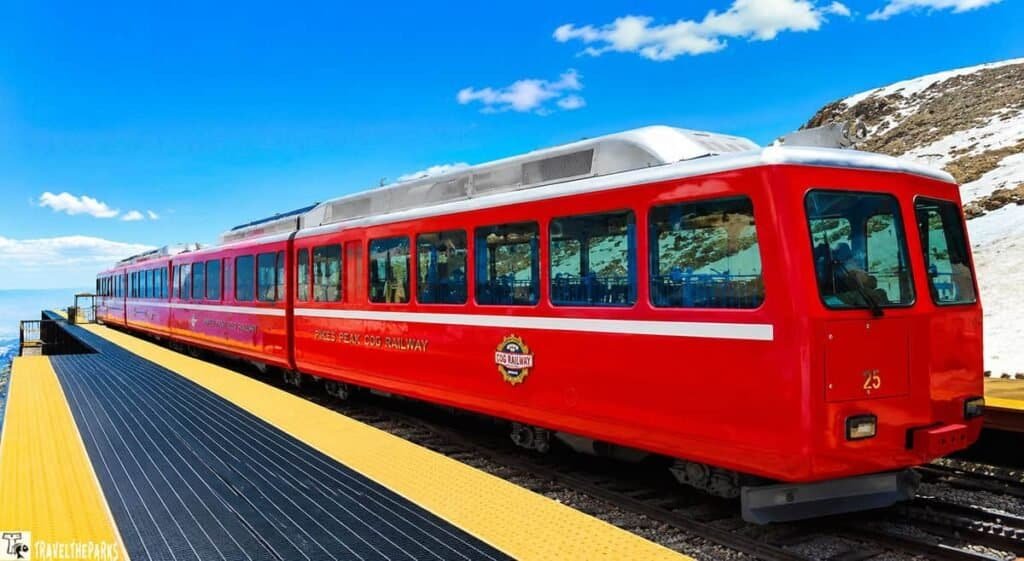
We had previously experienced the Pikes Peak Cog Railway, so this time we decided to drive to the summit.
After breakfast in Manitou Springs, we started the climb.
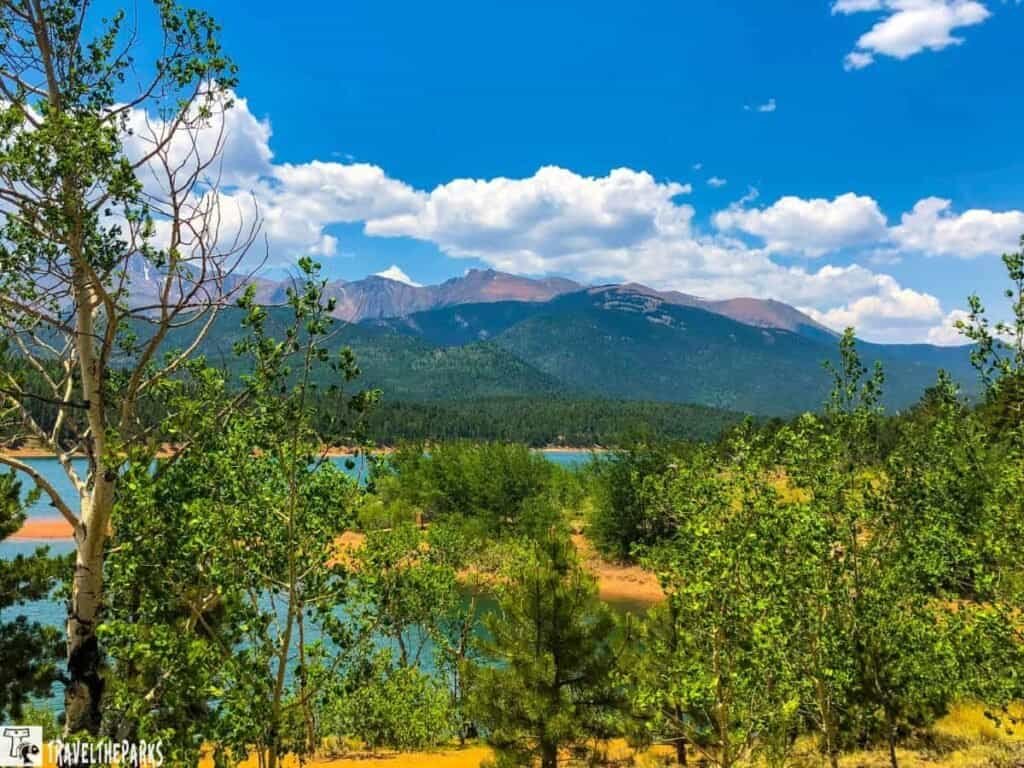
The road winds upward through several ecosystems, with forests gradually giving way to the rocky landscape of the higher elevations.
We stopped at several overlooks along the way, including Crystal Reservoir.
One of the highlights was spotting bighorn sheep near the road.
As we approached the summit, clouds moved in and visibility decreased. The views weren’t quite what we had hoped for, but that is part of traveling in the mountains.
And yes, driving back down was more nerve-racking than going up!
Spend Some Time in Manitou Springs
After returning from Pikes Peak, we spent the afternoon exploring Manitou Springs.
The town was a relaxing way to finish our Colorado adventure. We browsed the local shops and found a metal trout sign that became our favorite souvenir from the trip. Tomorrow, we would head back to Denver and begin the journey home
Is 10 Days Enough for a Colorado National Park Road Trip?
Ten days is enough to visit all four Colorado national parks, but it is a fast-paced itinerary.
If you prefer slower travel, I would add several days.
With more time, we would spend additional days in Rocky Mountain National Park, explore more of Mesa Verde, and give ourselves more time around the San Juan Mountains.
You could also add Colorado National Monument near Grand Junction or spend more time exploring Colorado’s state parks.
For us, however, the pace worked.
Tips for Planning a Colorado National Park Road Trip
What made this Colorado road trip so memorable was the incredible variety. In just ten days, we traveled from alpine mountains and tundra to deep canyons, ancient cliff dwellings, high desert, and enormous sand dunes.
Each of Colorado’s four national parks offered something completely different, which is exactly what we hoped to experience when we began planning this trip.
- Plan Your Route Carefully: Colorado may look manageable on a map, but mountain roads can make driving times much longer than expected. Build time into your schedule for scenic overlooks, road construction, wildlife, weather, and the occasional stop that wasn’t on your original itinerary. We certainly had a few of those.
- Make Reservations Early: Popular campgrounds, lodges, tours, and attractions can fill quickly. I prefer to make our major reservations months ahead of time whenever possible.
- Check Mountain Road Conditions: Weather can change rapidly at higher elevations. Trail Ridge Road, mountain passes, and other high-elevation roads may be affected by snow even when conditions are pleasant at lower elevations. Always check current road conditions before setting out.
- Bring Plenty of Water: Altitude, sun, hiking, and dry air can make dehydration a problem. We carried water with us every day, especially when hiking.
- Don’t Underestimate the Elevation: Many of the places on this itinerary are at high elevations. Take your time, stay hydrated, and don’t feel like you need to conquer every trail simply because it is on your itinerary.
- Sometimes the best decision is to slow down and enjoy the scenery.
Final Thoughts: The Best 10-Day National Park Colorado Trip Itinerary
Our 10-day Colorado road trip turned out to be everything we hoped it would be and more.
The best part wasn’t simply checking four national parks off our list. It was seeing how dramatically the landscape changed from one part of Colorado to another.
We started among the towering peaks of Rocky Mountain National Park, traveled above treeline on Trail Ridge Road, stood along the edge of Black Canyon, walked among ancient cliff dwellings at Mesa Verde, and climbed through the sand dunes beneath the Sangre de Cristo Mountains.
Each park offered something completely different.
If you have only ten days, this Colorado road trip itinerary will keep you busy. If you have more time, even better. Slow down, add a few extra nights, and explore some of the places we had to pass by.
One thing we learned is that Colorado rewards curiosity. Sometimes the unexpected stops become the memories you talk about the most.
And yes, after ten days of driving mountain roads, hiking trails, and exploring national parks, we were ready for a little rest.
But we were already thinking about where we would go next.
Are you planning a Colorado road trip itinerary? Have questions about the route, national parks, or places to stay? Leave a comment below. We would love to hear from you and help with your planning!