Table of Contents
Updated August 2026
Touring Enchanted Mesa Verde National Park feels like stepping into another world.
Some places feel like they belong in a dream. Mesa Verde National Park is one of them.
Perched high in the cliffs of southwestern Colorado, Mesa Verde is home to some of the best-preserved ancient dwellings in North America. These ancestral homes have endured for more than 700 years, tucked beneath towering cliffs and surrounded by a landscape that feels almost untouched.
This isn’t just a park. It’s a UNESCO World Heritage Site and a window into a civilization that thrived here long before any of us arrived. The Ancestral Puebloans didn’t simply survive in this rugged landscape. They built communities, raised families, farmed the land, and created a culture that still inspires wonder and respect today.
Discovering the Enchantment of Mesa Verde
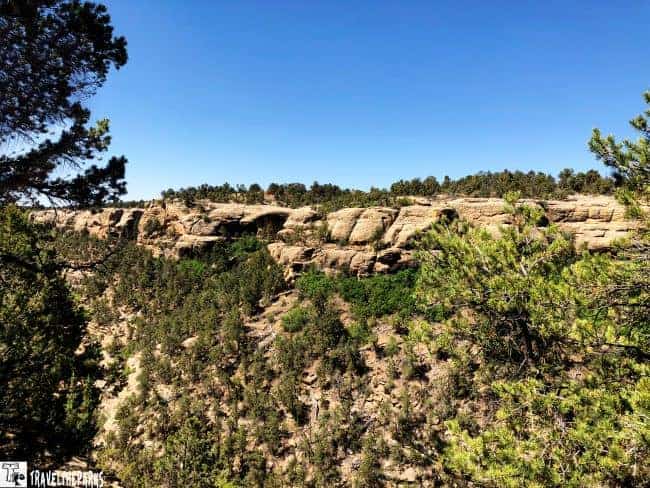
As you explore these remarkable cliff dwellings, you may find yourself asking the same questions I did: How did they do it? How did they build homes beneath these massive cliffs? How did they farm in such an arid environment? And how did their remarkable legacy endure for centuries?
Whether you’re a history buff fascinated by ancient cultures, a curious traveler looking for something different, or simply someone who loves a great outdoor adventure, Mesa Verde delivers.
It’s a place that stays with you long after you’ve left—a reminder that some of the most powerful stories aren’t written in books. They’re carved into stone.
This post may contain affiliate links, meaning if you purchase something through one of these links, we may earn a small commission at no extra cost to you! Read the full disclosure policy here.
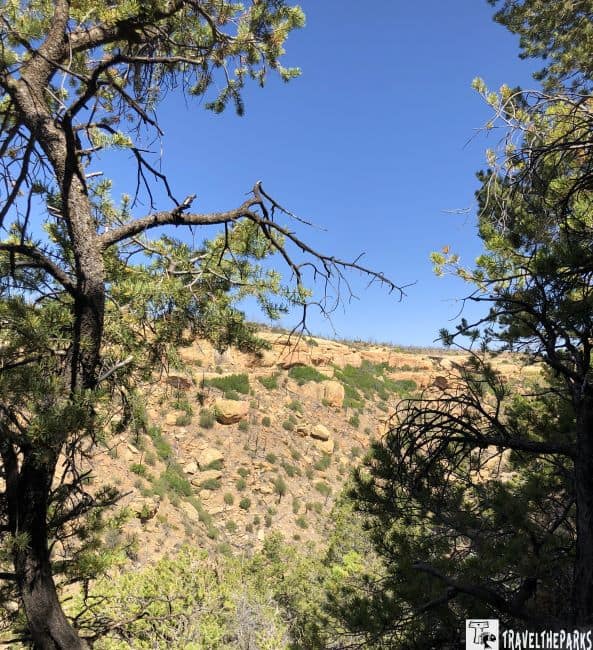
How Do I Get to Mesa Verde National Park?
Mesa Verde National Park is in southwestern Colorado, and the drive to the park is part of the adventure. Once you enter the park, you’ll still have some distance to travel before reaching the main visitor areas and cliff dwellings.
- From Durango: Follow US-160 West for approximately 35 miles to the park entrance. Allow about an hour for the drive.
- From Cortez: Follow US-160 East toward Mesa Verde National Park. The Mesa Verde Visitor and Research Center is near the park entrance, making it a convenient first stop before continuing deeper into the park. If you’re traveling by RV or towing a trailer, the visitor center parking area has oversized spaces for larger vehicles.
- From Denver: Plan on roughly 7–8 hours of driving, depending on traffic and your route. US-285 South and US-160 West are the primary highways.
Important: Don’t underestimate the distances inside Mesa Verde. The park entrance is several miles from the main visitor areas, and Far View Lodge and the Chapin Mesa attractions are considerably farther into the park. Give yourself plenty of time if you’re planning tours, especially if you have timed tickets.
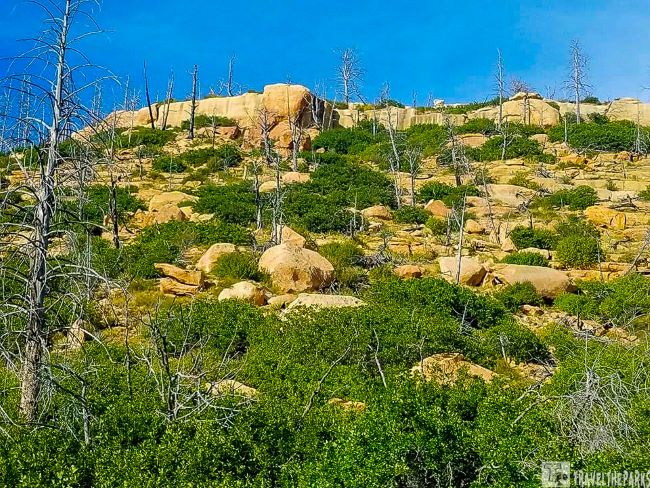
Essential Information for Your Visit to Discover Mesa Verde National Park
- Park Hours: Mesa Verde is open year-round, but visitor services, roads, and individual attractions can have seasonal hours or closures. Check current conditions before your visit.
- Entrance Fees: Mesa Verde National Park charges an entrance fee. Fees and pass options can change, so check the current NPS fee information before your trip.
- Pets: Pets are not allowed on most trails or inside cliff dwellings and park buildings. They must be leashed in areas where they are permitted. If you’re traveling with a pet, check the current NPS pet regulations before visiting.
- Best Time to Visit: Late spring through early fall is generally the best time for access to the park’s major attractions and tours. Summer brings the most visitors, while spring and fall can offer cooler temperatures and fewer crowds. Winter is quieter, but snow and seasonal closures can limit what you can see.
- Cliff Dwelling Tours: Some cliff dwellings require reservations and/or ranger-guided tours, and availability is seasonal. If visiting a specific dwelling is important to you, check tour availability and reserve ahead of time.
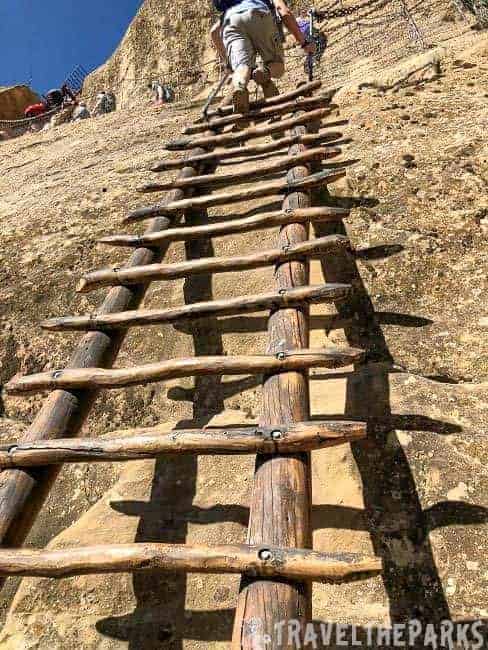
Tips for Touring Enchanted Mesa Verde National Park Cliff Dwellings
Let’s get one thing straight right off the bat: you can’t simply wander into most of Mesa Verde’s cliff dwellings on a whim. These ancient homes are fragile, irreplaceable, and deserve to be treated with respect.
If you want to step inside those iconic stone rooms and stand where the Ancestral Puebloans once stood, most cliff dwellings require a reservation for a ranger-led tour. And honestly? We found that having a ranger guide us made the experience even better. We weren’t just walking through ancient ruins—we were hearing the stories that brought them to life.
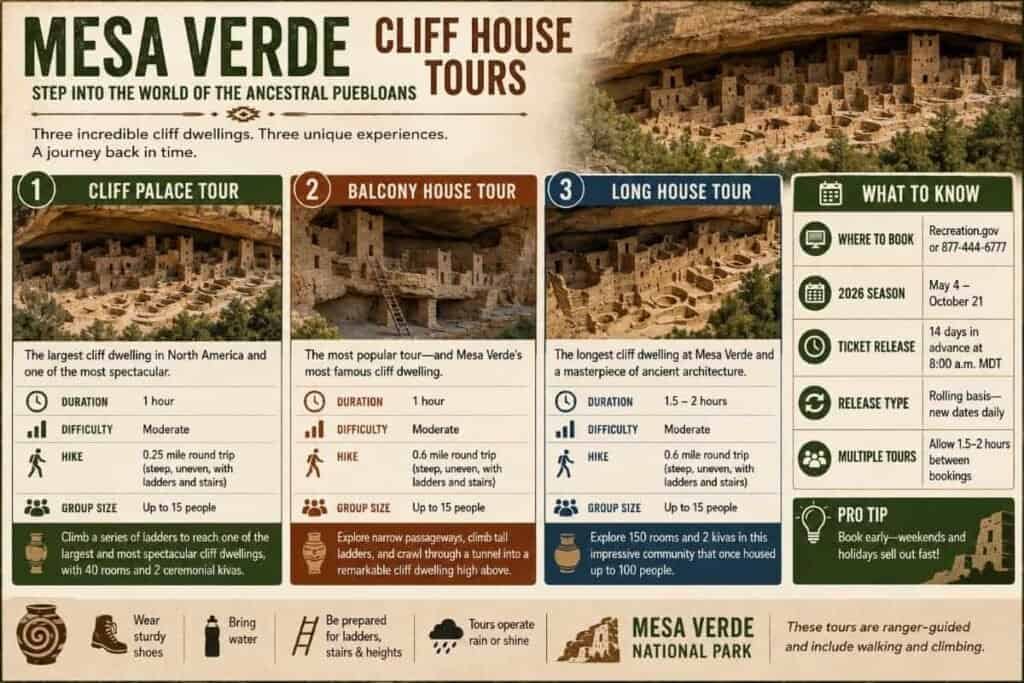
Tours are offered seasonally, typically from spring through fall. We purchased our ranger-led tour tickets online through Recreation.gov, and luckily, we were able to schedule all three of our tours on the same day. It took a little planning, but it was absolutely worth it.
How to Reserve Your Mesa Verde Tours
Here’s the nitty-gritty:
Reservations are available through Recreation.gov or by calling 877-444-6777. For the 2026 season, tours run from May 4 through October 21. Tickets become available 14 days before your tour date at 8:00 a.m. MDT, with new dates released on a rolling basis.
Pro Tip: Mark your calendar. Set an alarm. Do whatever it takes to be ready when those tickets become available. Popular tours can sell out quickly, especially on weekends and holidays. If a specific cliff dwelling is high on your must-see list, don’t wait until you arrive at the park to make your reservation.
Planning More Than One Tour in a Day?
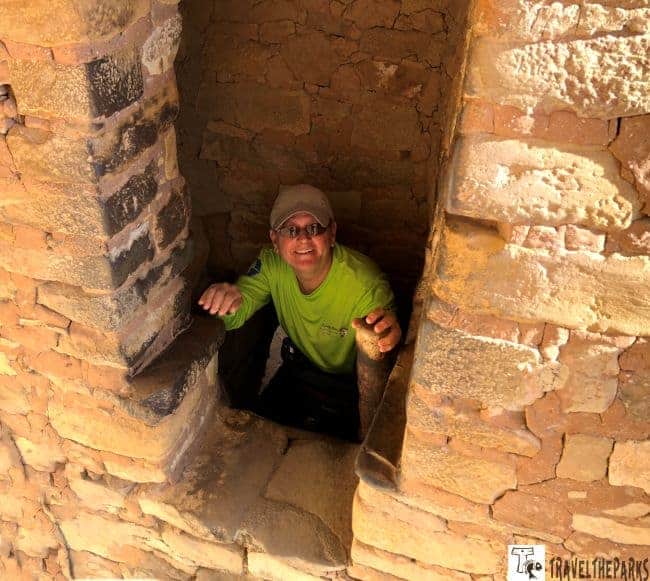
If you’re like us and want to see as much as possible in one day, you might be tempted to book back-to-back tours. I get it—when you’re excited, you want to see all the things.
But here’s the catch: Mesa Verde is a big park, and the cliff dwellings aren’t right next to each other. You’ll need time to drive between locations, park, and check in. You don’t want to spend your day racing from one tour to the next.
Our Strategy: We booked our tours with at least 1.5 to 2 hours between each one. That gave us time to drive, grab a snack, use the restroom, and actually enjoy the journey between cliff dwellings. No rushing. No stress. Just time to take in the incredible landscape.

Beginning Your Journey at the Mesa Verde National Park Visitor Center
Every great adventure needs a starting point, and at Mesa Verde, the Mesa Verde Visitor Beginning Your Journey at the Mesa Verde National Park Visitor Center
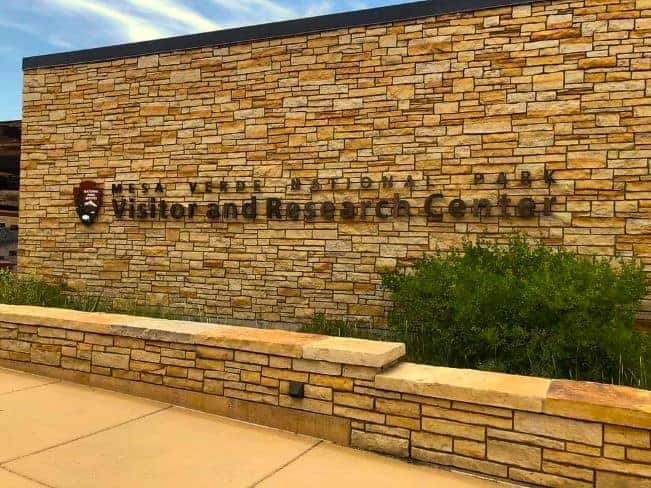
Every great adventure needs a starting point, and at Mesa Verde, the Mesa Verde Visitor and Research Center is a good place to begin.
Before heading deeper into the park, we recommend making a stop here to get oriented. This is where you can pick up maps, learn more about Mesa Verde, and get current information about roads, tours, and park conditions.
What You’ll Find Inside
- Exhibits That Bring History to Life: The exhibits provide an introduction to the Ancestral Puebloans, their culture, and the archaeological sites you’ll encounter throughout the park. Having this background makes the cliff dwellings much more meaningful when you see them in person.
- Orientation Film: If it’s being shown during your visit, take a few minutes to watch the orientation film. It’s a helpful introduction to Mesa Verde’s history, preservation efforts, and the landscape you’re about to explore.
- National Park Passport Stamp: If you collect National Park Passport stamps, don’t forget to add Mesa Verde to your book before you leave.
- Practical Stops: You’ll also find restrooms and water refill stations, making this a good place to take care of the basics before continuing into the park.
Don’t Skip This Stop
I know it’s tempting to grab a map and hit the road, especially when you know the cliff dwellings are waiting farther ahead. But taking a little time to get oriented can make the rest of your Mesa Verde experience much more rewarding.
Pro Tip: Check current road conditions, closures, and tour information before leaving the Visitor and Research Center. Mesa Verde is a large park, and a little planning here can save you time later.
Ancestral Cliff Dwellings at Mesa Verde
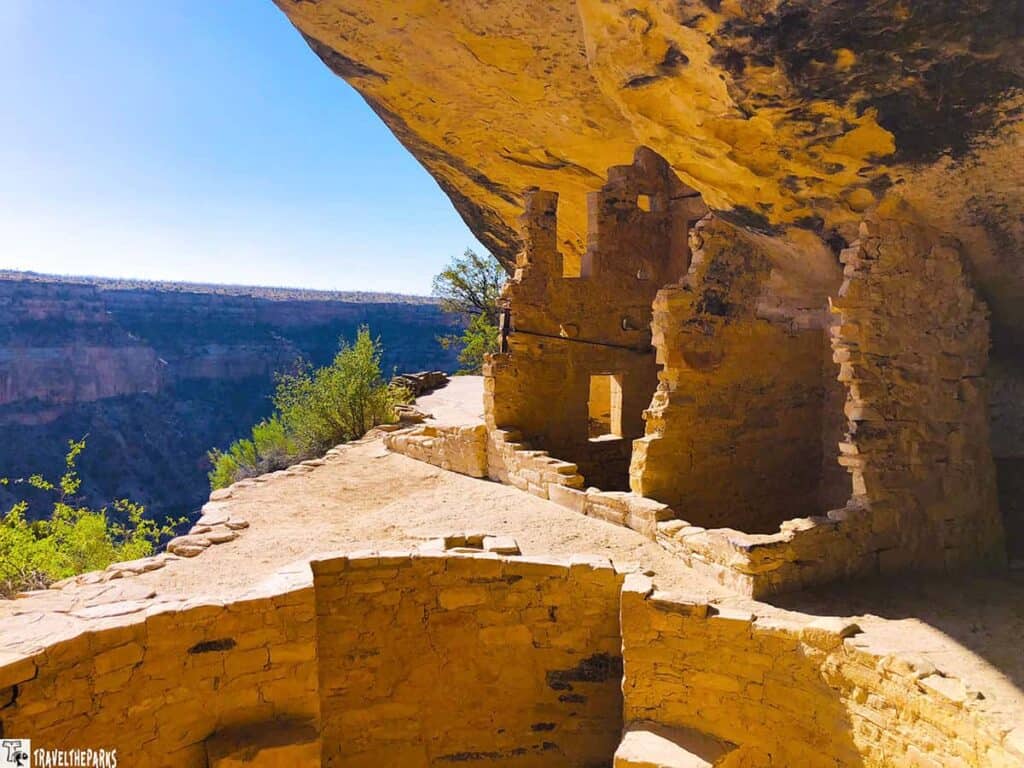
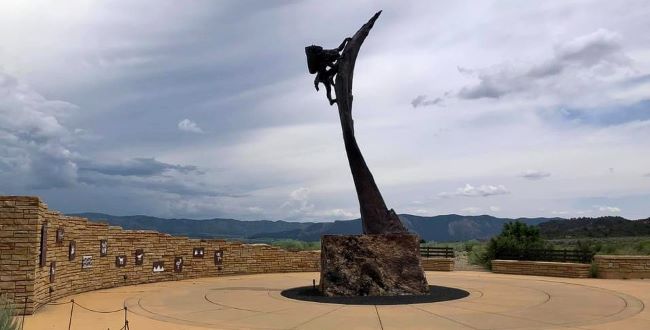
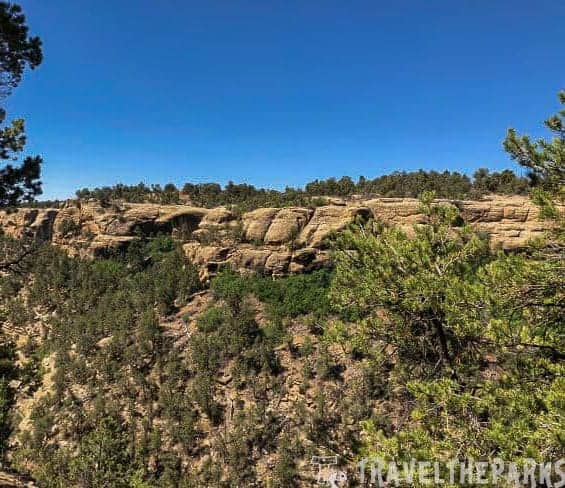
Mesa Verde National Park is home to some of the best-preserved cliff dwellings in North America. Built by the Ancestral Puebloans during the 12th and 13th centuries, these remarkable communities are tucked into sandstone alcoves along the mesa.
These weren’t simply shelters. They were homes and communities where people lived, worked, raised families, and adapted to the challenging landscape of the Southwest.
Standing beneath the massive stone walls, it’s hard not to wonder how these communities were built so high in the cliffs—and how they managed to thrive here for generations.
Chapin Mesa and the Discovery of the Cliff Dwellings
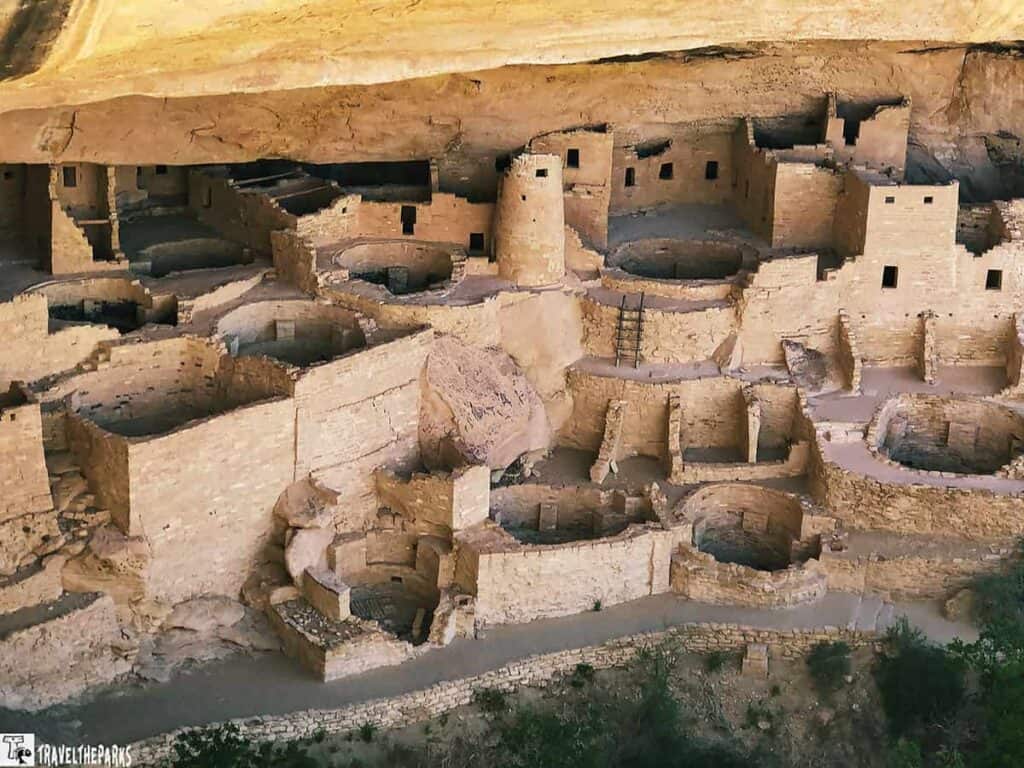
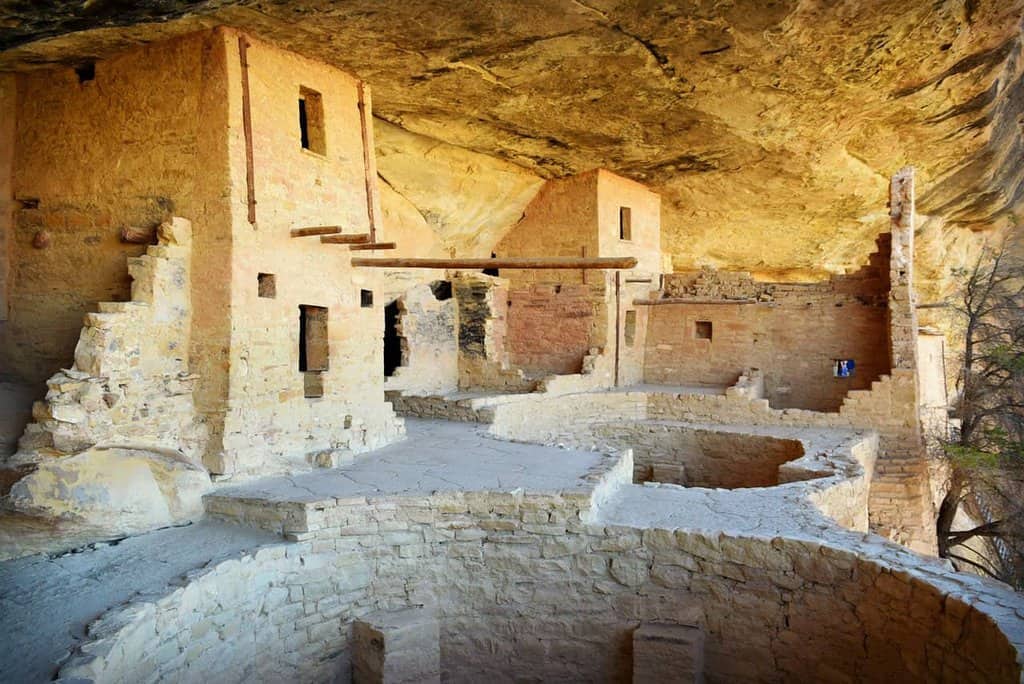
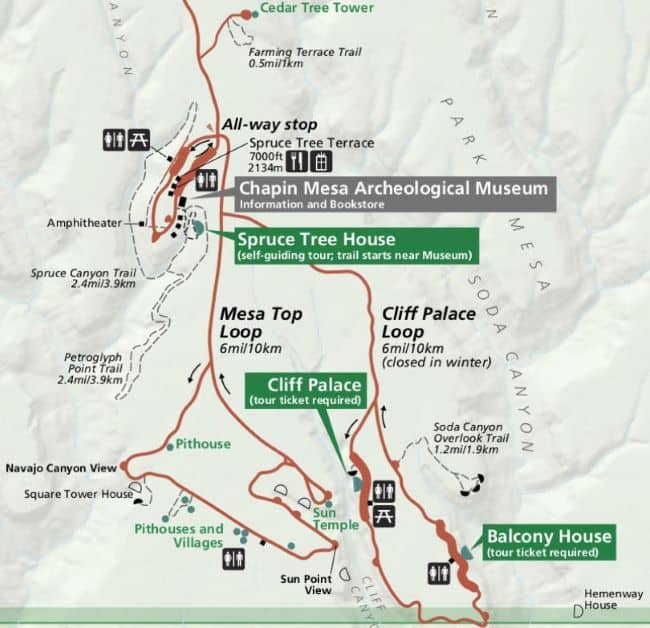
Many of Mesa Verde’s most famous archaeological sites are located on Chapin Mesa, including Cliff Palace and Balcony House.
The modern discovery of these dwellings began in the late 1800s. In December 1888, ranchers Richard Wetherill and Charles Mason were searching for cattle when they spotted what would become known as Cliff Palace from across the canyon.
The discovery brought increasing attention to the ruins. Swedish scientist Gustaf Nordenskiöld later worked with the Wetherill family to document and photograph many of the cliff dwellings, helping bring international attention to Mesa Verde.
That growing interest eventually helped lead to the establishment of Mesa Verde National Park in 1906, created to protect these remarkable archaeological sites.
Today, visitors can explore several of the cliff dwellings through ranger-led tours. Walking through these ancient spaces—and seeing the ladders, stone walls, kivas, and rooms up close—makes the history feel remarkably tangible.
And that’s where our Mesa Verde adventure really begins.
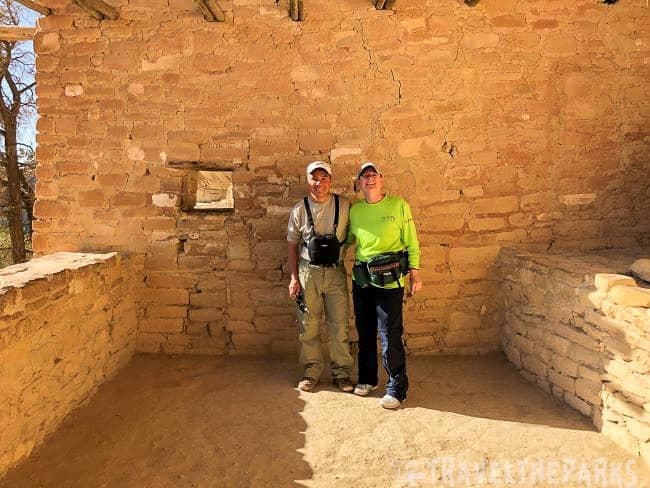
Preserving the Cliff Dwellings of Mesa Verde
The cliff dwellings we see today have survived for centuries, but they haven’t always been treated with the care they receive now.
By the time archaeologists began serious excavation and preservation work at Mesa Verde, some artifacts had already been removed by early visitors and collectors. Archaeologist Jesse Walter Fewkes conducted important excavation and preservation work at Cliff Palace beginning in 1909, helping document the site and stabilize some of its structures.
That early preservation work helped establish the importance of protecting Mesa Verde’s archaeological sites. Today, the National Park Service works to preserve these remarkable places while allowing visitors to experience them through carefully managed tours.
When you visit, remember that these aren’t simply old ruins. They are important cultural and archaeological sites connected to the descendants of the Ancestral Puebloans. Following ranger instructions, staying on designated routes, and treating the structures with respect helps protect them for future generations.
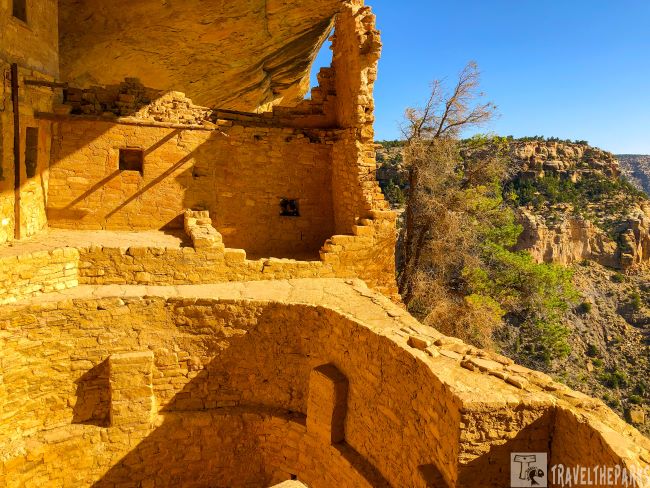
Exploring Mesa Verde’s Cliff Dwellings
One of the highlights of touring Mesa Verde National Park is getting to see these ancient dwellings up close. Several sites offer ranger-led tours, each with its own experience—from ladders and tunnels to dramatic canyon views.
We toured several of the cliff dwellings during our visit, and each one gave us a different perspective on life at Mesa Verde.
Want to see what the tours are really like?
- Magical Mesa Verde Long House Tour– Explore this fascinating cliff dwelling and learn what to expect on the tour.
- Our Intriguing Mesa Verde Cliff Palace Tour – Explore Mesa Verde’s largest cliff dwelling.
- Mesa Verde Balcony House Tour: Tickets, Tips & What to Expect – Prepare for ladders, tunnels, and an unforgettable adventure.
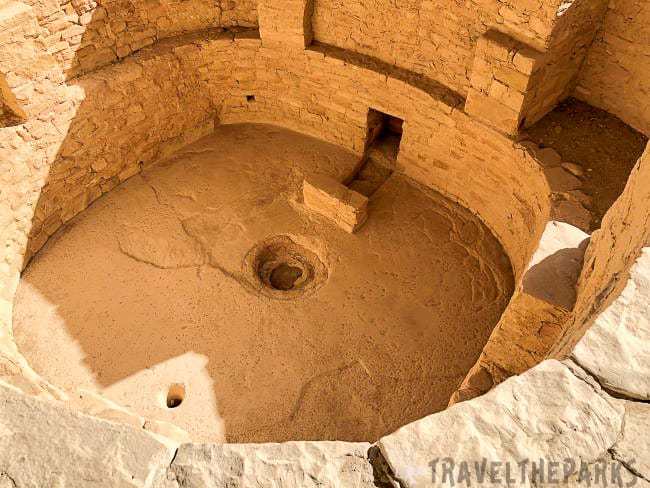
Chapin Mesa Archaeological Museum: A Must-See Before the Cliff Dwellings
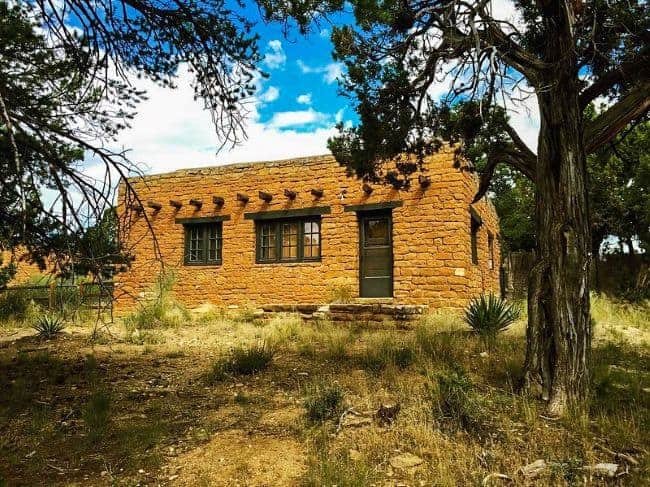
If you want more context before exploring Mesa Verde’s cliff dwellings, make time for the Chapin Mesa Archaeological Museum. Located on Chapin Mesa near Spruce Tree House, the museum provides an excellent introduction to the Ancestral Puebloans and the archaeological history of the park.
Inside, you’ll find an extensive collection of artifacts, including pottery, tools, jewelry, and other objects that help explain how people lived in this landscape hundreds of years ago.
The exhibits also tell the story of the archaeological work that took place at Mesa Verde and the efforts to preserve these important sites.
What You’ll See
- Archaeological artifacts – Pottery, tools, jewelry, and other objects offer a glimpse into everyday life.
- Dioramas and exhibits – Detailed displays help you understand how the cliff dwellings were constructed and used.
- Orientation video – The museum’s film provides additional background on Mesa Verde and the Ancestral Puebloans.
- Museum store – A convenient place to pick up books, educational materials, and souvenirs.
I especially enjoyed the dioramas, because they helped put the cliff dwellings into perspective. Seeing the structures represented as complete communities made it easier to understand what you’re looking at when you visit the actual sites.
Give Yourself Some Time
Don’t treat the museum as a quick stop between tours. If you’re interested in the history of Mesa Verde, allow at least 30 minutes to an hour to explore the exhibits.
I’d actually recommend visiting the museum before your cliff dwelling tours if your schedule allows. Having some background on the people who lived here and the archaeological sites you’re about to see makes the ranger-led tours much more meaningful.
Pro Tip: Check the current museum and exhibit hours before your visit, especially if you’re traveling outside the peak summer season. Park facilities and hours can change seasonally.
Hiking Petroglyph Point Trail: Ancient Art and Canyon Views
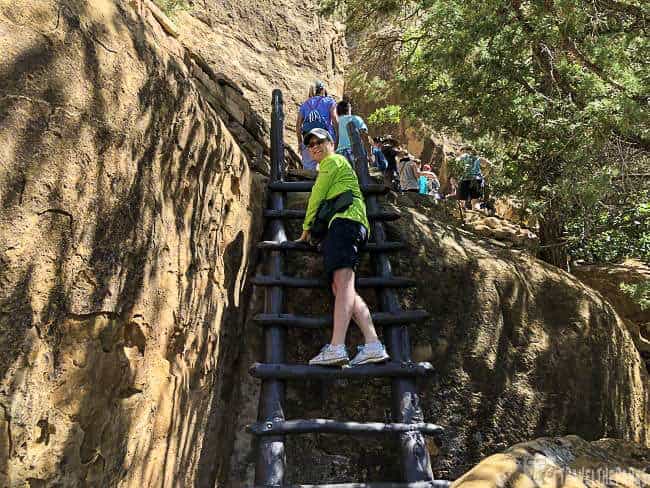
If you want to add a hike to your Mesa Verde itinerary, Petroglyph Point Trail is a great option. The 2.4-mile loop combines archaeological history with a more rugged hike and impressive views across the mesa.
The trail begins near the Spruce Tree House area, making it convenient to combine with other Chapin Mesa attractions. Before heading out, pick up a park map. Numbered markers along the trail correspond with information on the map, turning the hike into a self-guided introduction to the area’s history and landscape.
What to Expect on the Trail
The first part of the trail winds through the forest and is relatively shaded. As you continue, the terrain becomes more rugged, with rocky sections and a boulder scramble.
The trail also opens up as you reach the mesa, so expect more sun and little shade on parts of the route. Bring plenty of water and wear sturdy shoes, particularly if you’re not accustomed to rocky terrain.

See the Petroglyphs
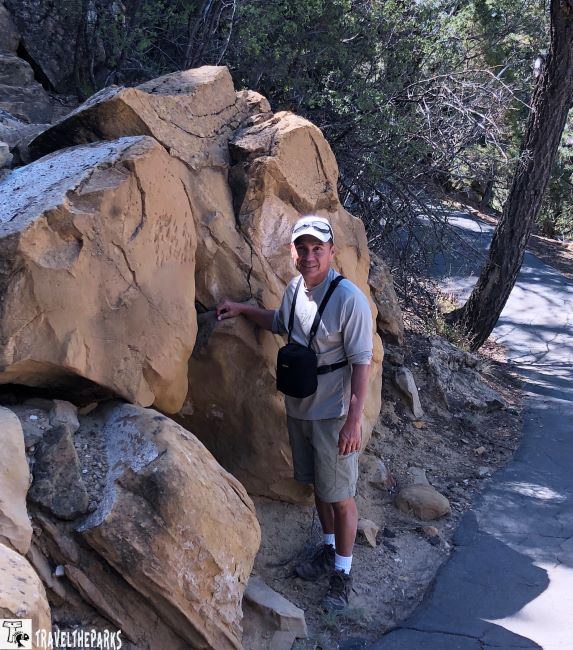
One of the highlights is the petroglyph panel, which features designs created by Ancestral Puebloan people.
Take your time here, but remember that these archaeological resources are fragile. Don’t touch, climb on, or otherwise disturb the rock art.
Enjoy the Mesa Views
The more challenging sections are rewarded with beautiful views across the canyons and surrounding Mesa Verde landscape. It’s a different experience from touring the cliff dwellings because you’re seeing the park from above and experiencing more of its natural terrain.
If you have time in your itinerary, I think it’s a worthwhile addition to your Mesa Verde visit. Some views—and some stories—are worth savoring.
Petroglyph Point Trail Tips
- Map: Pick up the park map before starting
- Distance: Approximately 2.4-mile loop
- Terrain: Rocky with some scrambling
- Shade: More shade early in the hike; exposed sections later
- Water: Bring plenty, especially during warmer months
- Footwear: Sturdy hiking shoes recommended
- Archaeology: Stay on the trail and never touch the petroglyphs.

Drive the Mesa Top Loop Road: 700 Years of History
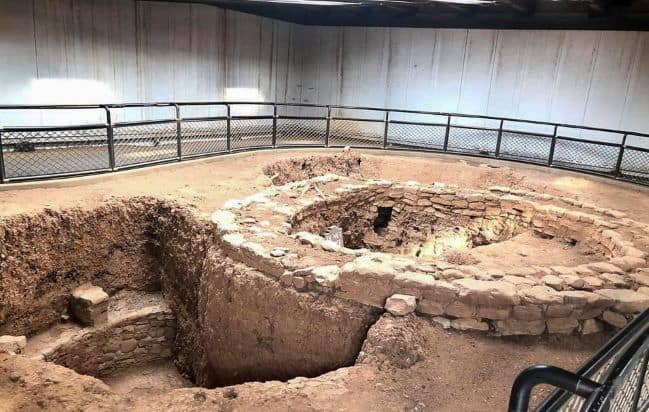
The Mesa Top Loop Road is one of the best ways to see another side of Mesa Verde National Park. This 6-mile scenic loop takes you past archaeological sites, overlooks, and ancient structures while showing how Ancestral Puebloan communities changed and developed over hundreds of years.
We followed the loop while listening to the “700 Years of Mesa Verde History” audio tour. The commentary adds useful context to the archaeological sites along the route and makes the drive much more than a scenic loop.
Along the way, you’ll find archaeological sites, overlooks, interpretive signs, and pullouts where you can stop and explore. Plan to take your time rather than simply driving the loop from beginning to end.
A Journey Through 700 Years
One of my favorite things about the Mesa Top Loop is the way the sites help tell a chronological story.
You’ll see early pithouses and other structures before reaching later sites that demonstrate how Ancestral Puebloan architecture evolved over time. Instead of seeing the archaeological sites as unrelated ruins, you begin to understand them as part of a much larger story.
Don’t Miss Sun Point View
Sun Point View is one of the highlights of the drive. From this overlook, you can see several major cliff dwellings across the canyon, including Cliff Palace, Sunset House, Mummy House, Oak Tree House, New Fire House, and Fire Temple.
After touring the cliff dwellings from below, seeing them from across the canyon gives you an entirely different perspective.

Tips for Driving Mesa Top Loop Road
- Download the audio tour before entering the park if possible, since cell service can be limited.
- Allow plenty of time. This isn’t a drive you want to rush.
- Bringing water, sun protection, and comfortable walking shoes. There aren’t food services along the loop.
- Use the pullouts. Some of the best views require getting out of the vehicle.
- Check current road conditions before heading out, particularly outside the summer season.
The Mesa Top Loop Road is a great complement to the cliff dwelling tours. The tours put you inside the ancient communities; this drive helps you understand how those communities developed across the mesa and surrounding landscape.
Some of Mesa Verde’s best stories aren’t found in one place—they unfold a little at a time along the road.
Exploring the Far View Complex on Chapin Mesa
Here’s the thing about Mesa Verde: everyone naturally focuses on the cliff dwellings. And I get it—they’re spectacular. But if you have time, don’t overlook the Far View Sites Complex.
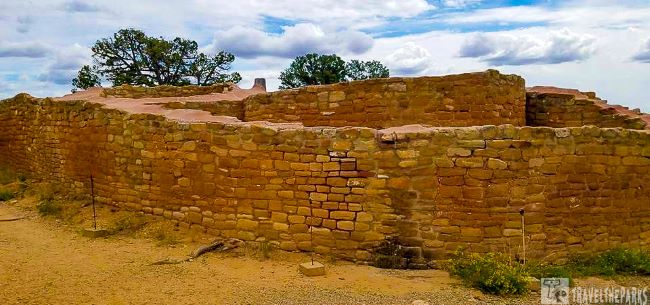
Located on Chapin Mesa, this ancestral Puebloan community is connected by a 1-mile unpaved loop trail. Between about 900 and 1200 CE, several villages occupied this area, including Far View House, Pipe Shrine House, Far View Reservoir, Megalithic House, Far View Tower, and Coyote Village.
Unlike the famous cliff dwellings tucked beneath sandstone alcoves, these communities were built on top of the mesa. Walking among the excavated structures gives you a different perspective on Mesa Verde and a glimpse into the everyday communities that came before the later cliff dwellings.
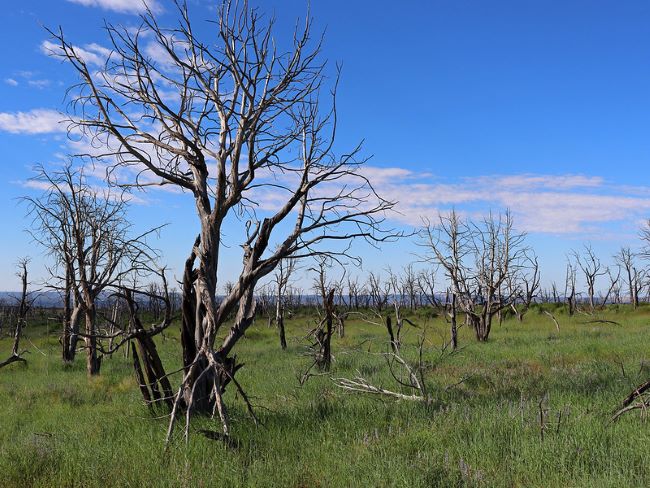
Walking the Far View Sites
We picked up a $1 self-guided trail map at the visitor center, which helped explain what we were seeing along the way. The loop is relatively gentle, with interpretive signs providing information about the individual sites.
What I enjoyed most was being able to get close to the ruins. There are kivas, storage rooms, dwellings, and other structures to explore without the ladders and tight spaces required on some of the cliff dwelling tours.
The experience is quieter, too. Instead of rushing from one dramatic viewpoint to another, you can slow down and imagine what daily life might have looked like in this mesa-top community.

Why the Far View Complex Is Worth Your Time
The Far View Sites don’t have the immediate wow factor of Cliff Palace or Balcony House. But they offer something those sites can’t: a closer look at the communities and everyday life of the Ancestral Puebloans.
If you have extra time in your Mesa Verde itinerary, I think this is a worthwhile addition. It adds another piece to the much larger story of how people lived, worked, and adapted to this landscape over centuries.
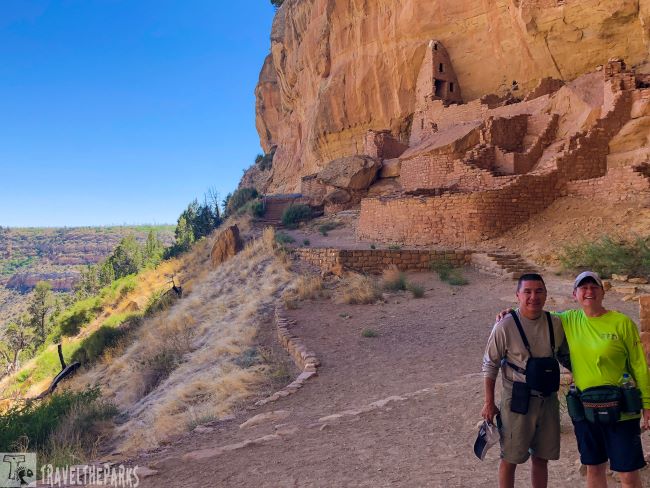
Explore Wetherill Mesa: A Quieter Side of Mesa Verde
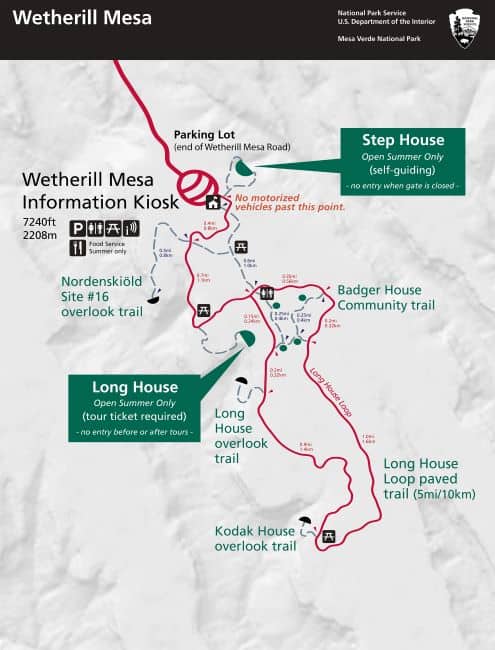
If you want to explore a quieter part of Mesa Verde, Wetherill Mesa is worth adding to your itinerary.
The 12-mile Wetherill Mesa Road winds through forests and open meadows before reaching several archaeological sites and scenic overlooks. It’s a beautiful drive, but keep in mind that Wetherill Mesa is seasonally accessible, so check current park conditions before planning your visit.
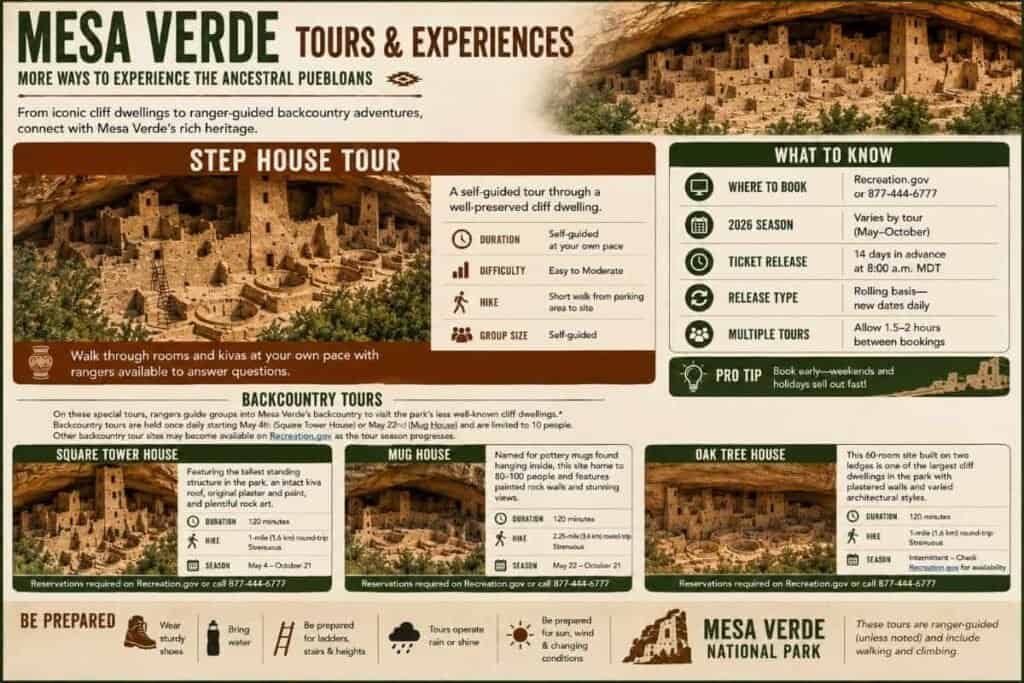
What to See on Wetherill Mesa
The road leads to several important archaeological sites, including:
- Long House – The second-largest cliff dwelling in Mesa Verde and the site of ranger-led tours.
- Step House – A self-guided site that includes both a cliff dwelling and earlier pithouse structures.
- Badger House Community – A trail through several archaeological sites that provides a look at mesa-top communities.
- Nordenskiöld Site No. 16 – An excavated pueblo named for Swedish scientist Gustaf Nordenskiöld.
We spent a good portion of our day exploring Wetherill Mesa. What I enjoyed most was that the experience felt different from the busier Chapin Mesa sites. There was more time to walk, explore, and take in the landscape between archaeological sites.
Pro Tip: Bring binoculars if you have them. Some archaeological sites and cliff dwellings are viewed from a distance, and binoculars can help you see details you might otherwise miss.
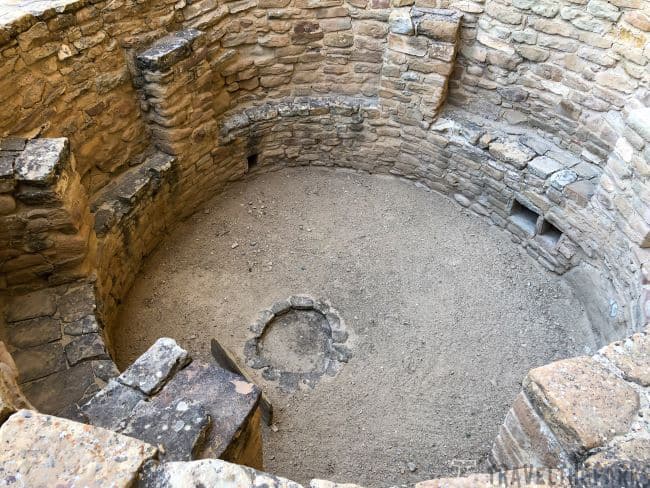
Is Wetherill Mesa Worth Visiting?
Absolutely—if you have enough time in your Mesa Verde itinerary.
Wetherill Mesa isn’t something I’d try to squeeze into a rushed one-day visit along with multiple cliff dwelling tours. But if you have a full day or additional time in the park, it’s a great way to see another side of Mesa Verde.
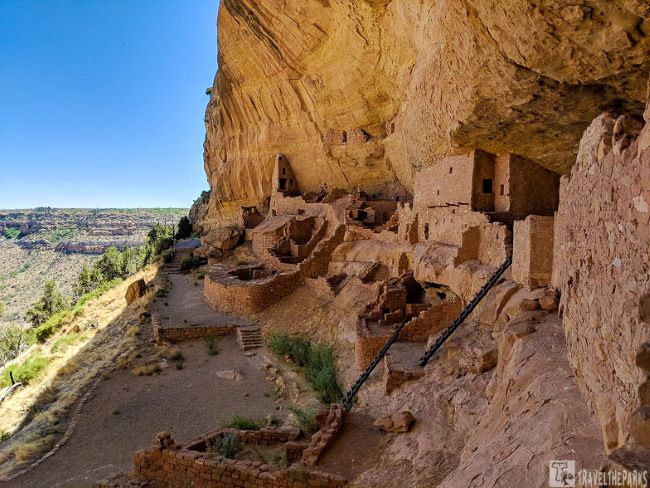
Long House: A Deeper Look at Mesa Verde
Long House is the second-largest cliff dwelling in Mesa Verde National Park and one of the highlights of Wetherill Mesa. The ranger-led tour takes you into the alcove and provides a closer look at the rooms, kivas, architecture, and daily life of the Ancestral Puebloans who lived here.
Our ranger, RisingBuffalo Maybee, brought the site to life with stories that helped us understand the cultural and spiritual significance of Long House.
Want to know what the Long House tour is really like? Read our Magical Mesa Verde Long House Tour.
Explore Mesa Verde’s Lesser-Known Dwellings and Archaeological Sites
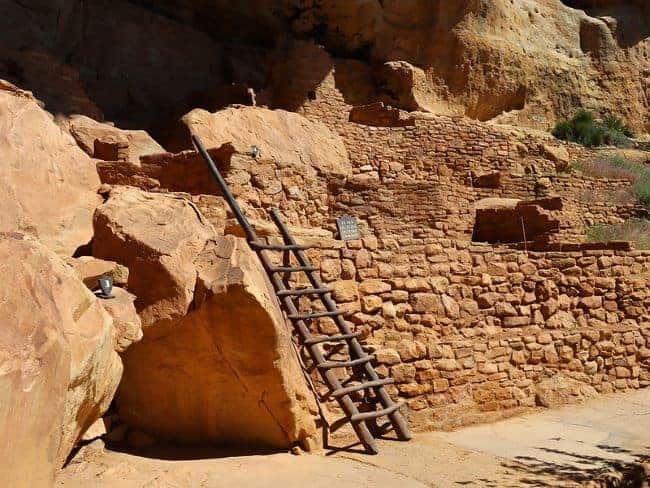
The three major ranger-led tours get most of the attention, but Mesa Verde has plenty of other archaeological sites worth exploring. Some are self-guided, while others are viewed from overlooks or occasionally offered as ranger-led hikes.
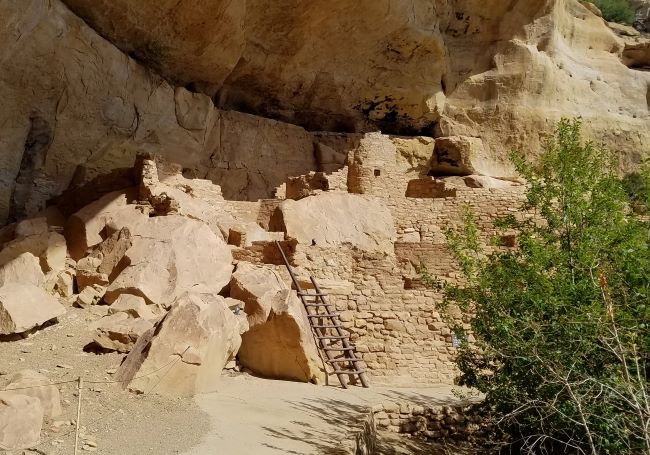
Step House: A Self-Guided Cliff Dwelling
Located along Wetherill Mesa Road, Step House is one of the few cliff dwellings you can explore without joining a ranger-led tour. A short, steep trail leads down to the dwelling, where you can see both the cliff house and reconstructed pit houses from an earlier occupation.
The combination makes Step House particularly interesting. You’re seeing evidence of different periods of Ancestral Puebloan life in one location, rather than just a single cliff dwelling.
If you have time in your itinerary, I think Step House is well worth adding to your Wetherill Mesa visit.
Badger House Community
The Badger House Community is reached by a self-guided trail and offers a quieter look at mesa-top communities. The trail connects several excavated sites spanning hundreds of years of Ancestral Puebloan history.
It’s a good choice if you want to explore at your own pace without another scheduled tour.
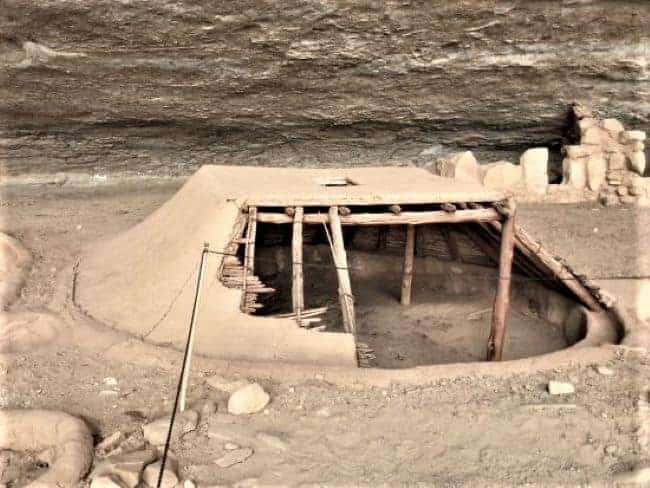
Nordenskiöld Site 16
The Nordenskiöld Site 16 trail leads to an overlook rather than directly into the archaeological site. The site was named for Swedish archaeologist Gustaf Nordenskiöld, whose work helped bring international attention to Mesa Verde’s archaeological treasures.
From the overlook, you can see the excavated remains and appreciate the site’s location within the surrounding landscape.
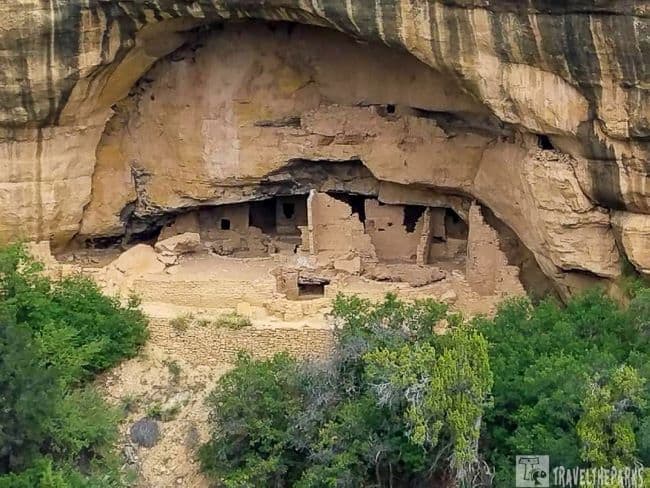
Oak Tree House
Another cliff dwelling, Oak Tree House on Wetherill Mesa that can be viewed from an overlook. Ranger-led hikes have also been offered periodically, so check the current schedule if this site is on your must-see list.
Which Should You Add?
If you’re short on time, I’d prioritize Step House because you can actually enter the cliff dwelling without booking a ranger-led tour. If you have more time, add Badger House Community and the Nordenskiöld Site 16 overlook for a broader look at Mesa Verde’s archaeological history.
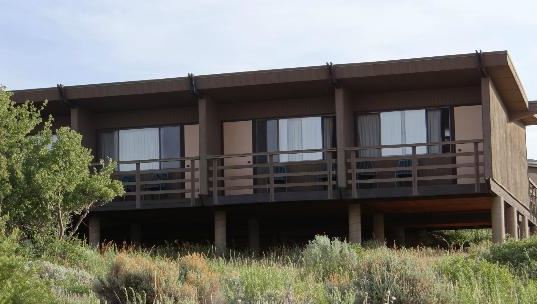
Where to Stay in Mesa Verde National Park
Staying inside Mesa Verde can make a big difference, especially if you plan to spend several days exploring the park. Rather than driving in and out every day, you can stay close to the archaeological sites and enjoy the park after many day-trippers have left.
Far View Lodge
Our overnight stay was at Far View Lodge, the only lodging inside Mesa Verde National Park.
Located high on Chapin Mesa, Far View Lodge offers rooms and cabins surrounded by beautiful views of the park and surrounding landscape. The property also has a restaurant and gift shop, making it a convenient base for exploring Mesa Verde.
We especially enjoyed sitting on our private porch in the evening and taking in the expansive views. On a clear day, you can see across the surrounding landscape for miles.
Pro Tip: Staying inside the park means you’re already close to many of the major attractions, but remember that Mesa Verde is a large park. You’ll still spend considerable time driving between the entrance, lodging, and archaeological sites.
Morefield Campground
If you’re traveling by RV or prefer camping, Morefield Campground is the park’s campground and is located near the park entrance.
The campground accommodates both tent campers and RVs and provides a convenient option for travelers who want to stay within the park while enjoying a more traditional camping experience.
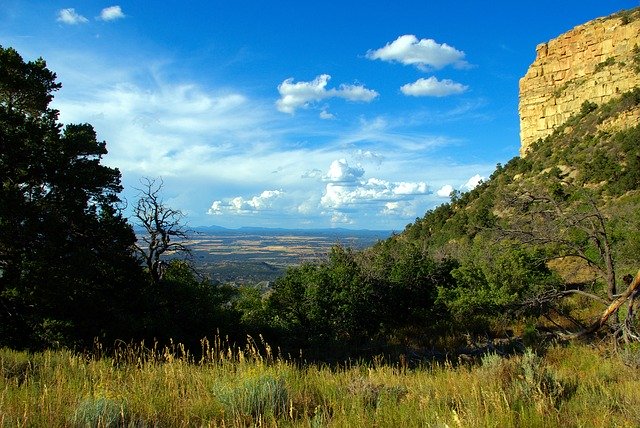
Staying Outside the Park
If Far View Lodge or camping isn’t your style, Cortez is the most convenient nearby base for exploring Mesa Verde. The town has a variety of hotels, restaurants, and other services and is only a short drive from the park entrance.
Our recommendation: If you can get a reservation at Far View Lodge, it’s worth considering for the experience alone. Otherwise, Cortez makes a practical home base, especially if you’re combining Mesa Verde with other southwestern Colorado destinations.
Dining in Mesa Verde National Park
Dining options inside Mesa Verde National Park are limited, so it’s worth planning your meals before heading deep into the park. Restaurants and cafés are concentrated around the main visitor areas and Far View, and options can be a long drive from the park entrance.
Spruce Tree Terrace Café
Located near the Chapin Mesa Archaeological Museum, the Spruce Tree Terrace Café is a convenient option for lunch while exploring Chapin Mesa.
We stopped here and shared the Navajo tacos, which came in a generous portion and were one of the highlights of our meals in the park. The café uses counter service, and seating can fill up during busy periods.
Pro Tip: If you’re planning to eat here, try to avoid the busiest lunch period.
Far View Terrace
Far View Terrace offers several casual dining options, including breakfast and quick meals. We had breakfast at the Far View Terrace Coffee Shop, where the selection included pastries, breakfast sandwiches, and oatmeal.
It’s a convenient choice if you’re staying at Far View Lodge or exploring the surrounding area.
Metate Room
For a more upscale meal, consider the Metate Room at Far View Lodge.
We had dinner here on our final evening and enjoyed both the food and the views. The restaurant offers a more relaxed dining experience than the casual cafés, making it a good choice for a special meal during your Mesa Verde visit.
Plan Ahead for Meals
The biggest thing to remember about dining at Mesa Verde is distance. You can’t assume you’ll be able to quickly drive back to town when you’re hungry.
If you’re spending the day exploring the archaeological sites, bring snacks and plenty of water and plan your lunch stop around your itinerary. If you’re staying at Far View Lodge, having dinner there can save you a long drive back out of the park.
Our favorite: For a quick lunch, we enjoyed the Navajo tacos at Spruce Tree Terrace. For a special dinner, the Metate Room was our clear winner.
What to Pack for Mesa Verde National Park
Mesa Verde’s elevation, exposed trails, and long distances between attractions make a little preparation worthwhile. You don’t need to overpack, but there are a few things we wouldn’t visit without.
- Plenty of water: Bring more than you think you’ll need, especially for hikes and cliff dwelling tours. Refill stations are available at some locations.
- Sturdy walking shoes: Several trails include steep, rocky, or uneven terrain. Good footwear is especially important for cliff dwelling tours.
- Sun protection: A hat, sunglasses, and sunscreen are essential. Some trails and archaeological sites offer very little shade.
- Layers: Temperatures can change quickly with elevation and time of day. A lightweight jacket or extra layer is useful, especially for early morning tours.
- Snacks: There are limited food options inside the park, and you’ll spend considerable time driving between sites.
- Daypack: A small backpack makes it easier to carry water, snacks, sunscreen, and extra layers.
- Camera or phone: You’re going to want it. The cliff dwellings and canyon views are spectacular.
- Binoculars: Helpful for viewing distant cliff dwellings and wildlife from overlooks.
Pro Tip: Pick up a park map and check current conditions before heading deep into the park. Mesa Verde is much larger than it initially appears, and cell service can be unreliable in places.
Planning ahead makes touring Enchanted Mesa Verde National Park much easier. With ranger-led tours, scenic drives, archaeological sites, and hiking trails spread throughout the park, give yourself plenty of time to explore.

Final Thoughts: Experience the Magic of Mesa Verde’s Ancient Cliff Dwellings
The National Park Service rangers deserve high praise for their knowledge and hospitality. They helped make our visit both educational and enjoyable while giving us a deeper appreciation for the people who once called this landscape home.
Exploring the cliff dwellings left us in awe of the Ancestral Puebloans’ ingenuity. Their sophisticated architecture, multi-level communities, and ability to build into natural alcoves are remarkable. Even though many questions about their lives and eventual departure remain unanswered, the evidence they left behind tells a powerful story.
Touring Colorado’s Mesa Verde National Park is about much more than seeing ancient ruins. It’s an opportunity to connect with a civilization that thrived here for centuries. Unlike Arches or Monument Valley, Mesa Verde offers a uniquely immersive journey into the past and is a memorable addition to any Colorado road trip itinerary.
Whether you have one day or several, make time for a cliff dwelling tour, explore the archaeological sites, and slow down enough to appreciate the landscape surrounding them.
What did you find most intriguing about Mesa Verde National Park? Did you take a cliff dwelling tour? Tell us about your experience in the comments below.