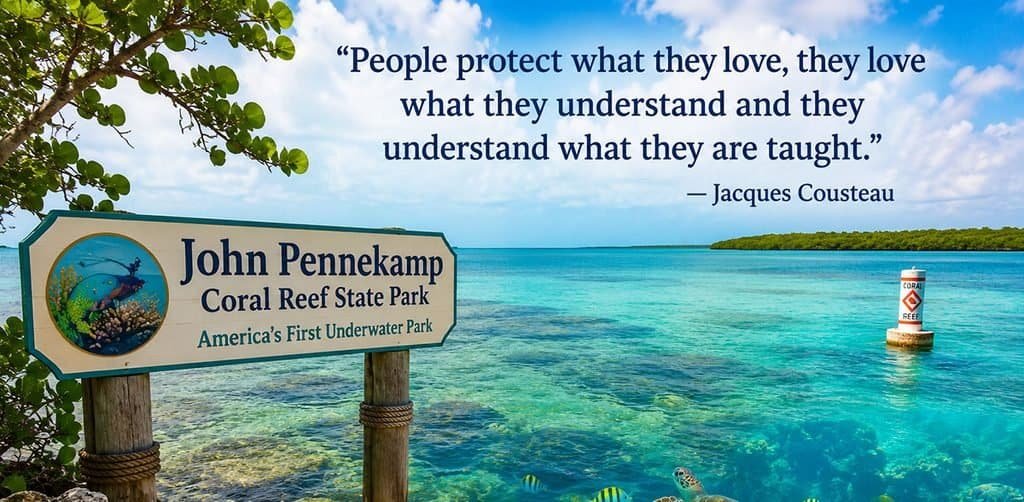
If you think the Florida Keys are all about beaches, boats, and snorkeling, John Pennekamp Coral Reef State Park might surprise you. Located in Key Largo, this was the first underwater park in the United States and protects an incredible mix of coral reefs, seagrass beds, and mangrove forests.
The park extends three miles into the Atlantic and covers about 70 nautical square miles. There are plenty of ways to experience it. You can snorkel or scuba dive over the reef, take a glass-bottom boat, paddle through the mangroves, or simply enjoy the beaches and picnic areas on shore.
If you’re planning a larger trip through the islands, check out our Florida Keys guide for more places to explore throughout the Keys.
We quickly learned one thing about visiting Pennekamp: arrive early. On a weekend, we’re talking “finish your coffee before sunrise” early. The crowds are real, and getting there ahead of them makes it much easier to enjoy the park.
There is an entrance fee, but we think it’s money well spent. The visitor center and aquarium offer a good introduction to the area’s marine life, and the staff were friendly and happy to answer questions.
And then there was the afternoon we didn’t plan.
We somehow ended up at a picnic table near the beach with a grill going and no plans to move. It turned into one of those afternoons you don’t see coming when you arrive at a park.
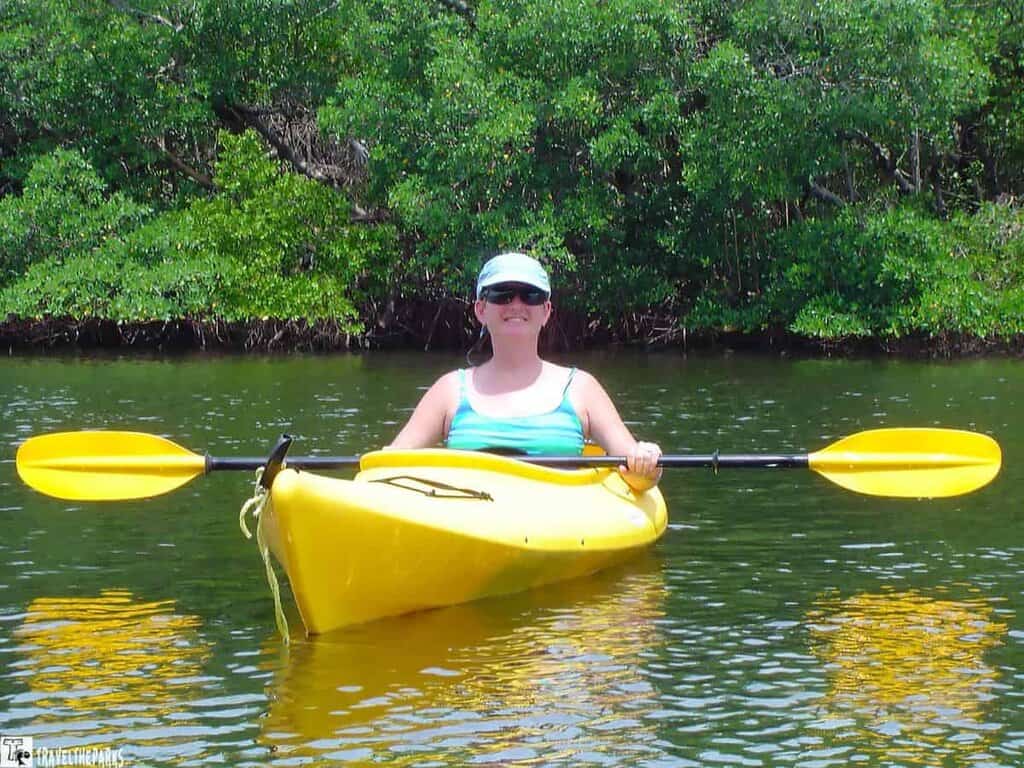
Table of Contents
A Brief History of John Pennekamp Coral Reef State Park
John Pennekamp Coral Reef State Park owes much of its existence to a newspaper editor who believed Florida’s natural resources were worth protecting.
John D. Pennekamp, an editor at the Miami Herald, used his position to advocate for conservation, including the protection of Florida’s coral reefs. At the time, the reefs were increasingly threatened by development, tourism, and the collection of coral and marine life.
In 1960, the Florida Legislature established John Pennekamp Coral Reef State Park, making it the first underwater park in the United States. The land-based portion of the park opened to the public in 1963.
Today, the park protects both underwater and coastal habitats and remains one of the best-known places in the Florida Keys to experience the reef ecosystem.
Disclosure: This post may contain affiliate links. If you make a purchase through one of these links, I may earn a small commission at no additional cost to you. These commissions help support the blog and allow me to continue creating travel guides. Thank you for your support! Read the full disclosure policy here.
Best Things to Do at John Pennekamp Coral Reef State Park
1. Snorkeling and Scuba Diving
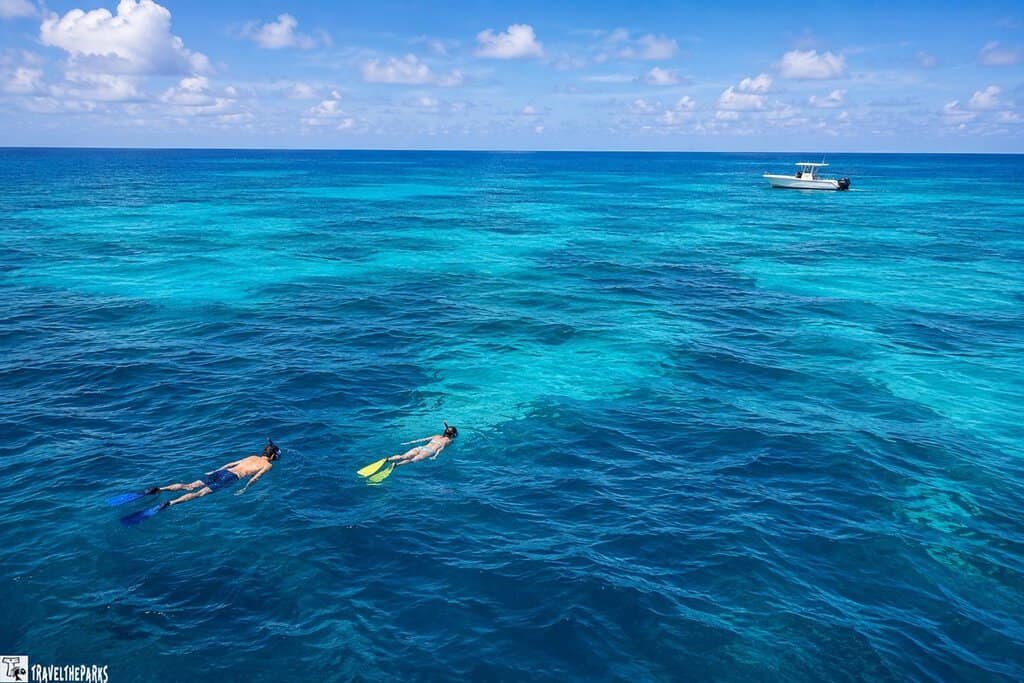
For many visitors, getting into the water is the main reason to come to Pennekamp.
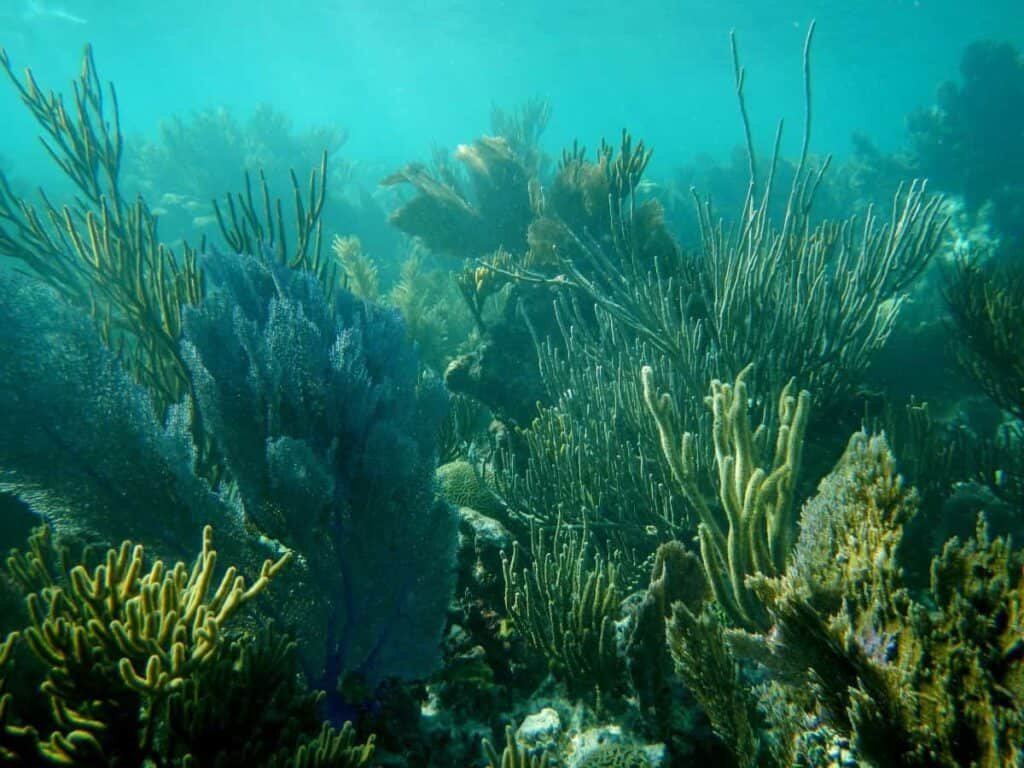
The park protects part of the Florida Keys reef tract, where you can encounter colorful fish, coral formations, sea turtles, and a variety of other marine life. Conditions vary, of course, and what you see depends on the weather, water clarity, and the reef site you visit.
One of the park’s most famous underwater sights is the Christ of the Abyss. The bronze statue stands about 25 feet below the surface and has become covered with marine growth over the years.
Seeing it requires getting offshore, and the exact reef site visited can depend on weather and sea conditions. But if your snorkeling or diving trip heads there, it’s an unforgettable sight.
Tip: If you have your own mask and snorkel, bring them. Having gear that fits well can make the experience much more comfortable.
2. Take a Glass-Bottom Boat to the Reef
Want to see the coral without getting wet? A glass-bottom boat is a great option.
The boat takes visitors offshore to view the reef through viewing areas in the bottom of the vessel. It’s a particularly good choice for families, non-swimmers, or anyone who would rather stay dry while still getting a glimpse of the underwater world.
Trips can be affected by weather and sea conditions, so don’t be surprised if the route or destination changes.
A glass-bottom boat trip also gives you a completely different perspective of the Keys. Instead of simply looking across the blue water, you’re looking into it.
PRO Tip: John Pennekamp Coral Reef State Park offers several boat tours that give visitors a chance to experience the coral reef system offshore. Options include snorkeling and scuba trips, as well as glass-bottom boat tours for those who prefer to stay dry. Check the park’s current tour schedule and availability before your visit.

3. Kayak the Mangrove Tunnels
Renting a kayak turned out to be one of our favorite things to do at John Pennekamp.
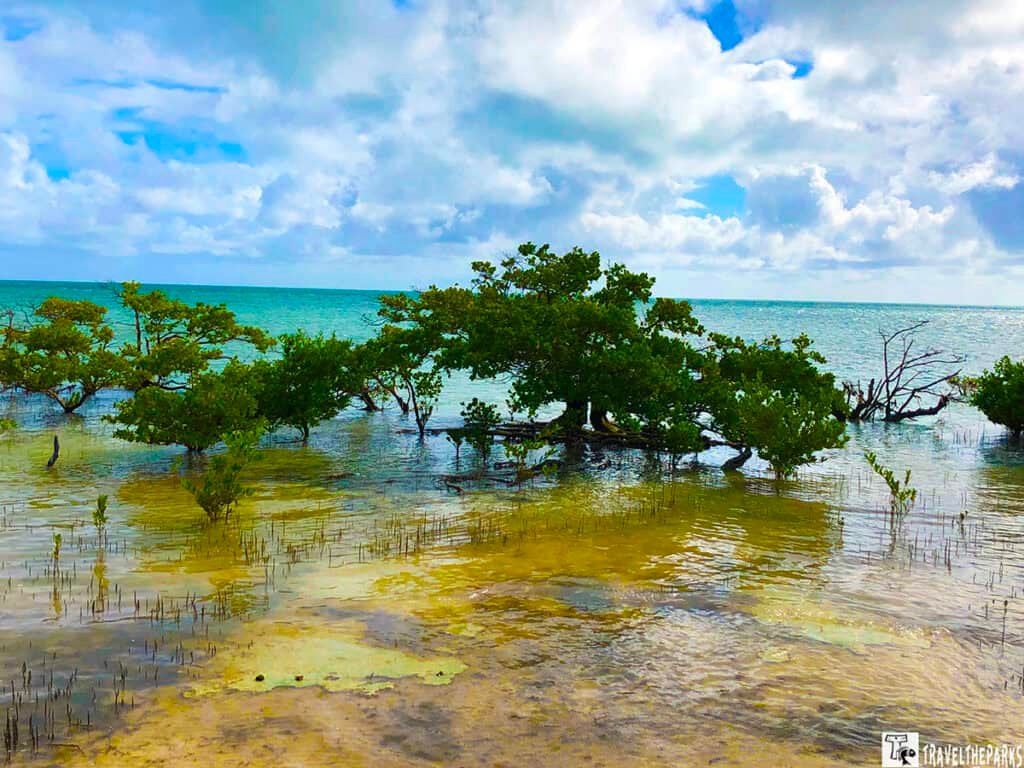
We paddled into the mangrove channels and spent much longer than planned peering down into the tangled roots. The water is surprisingly shallow in many areas, with some channels only a few feet deep.
That makes it easy to see what’s happening beneath the kayak. Fish, movement, and color seem to be everywhere you look.
At times, the mangroves close in around the channel, and you may find yourself ducking beneath branches as you paddle through. It’s a completely different experience from being out on the open water.
And here’s the part we didn’t expect: snorkeling in the mangrove channels.
The shallow water lets you get a close look at this unique ecosystem. It was one of those unexpected Florida Keys experiences that ended up being a highlight of our visit.
Bring bug spray. The mosquitoes and no-see-ums can be brutal, particularly around dawn and dusk.
4. Hike the Nature Trails
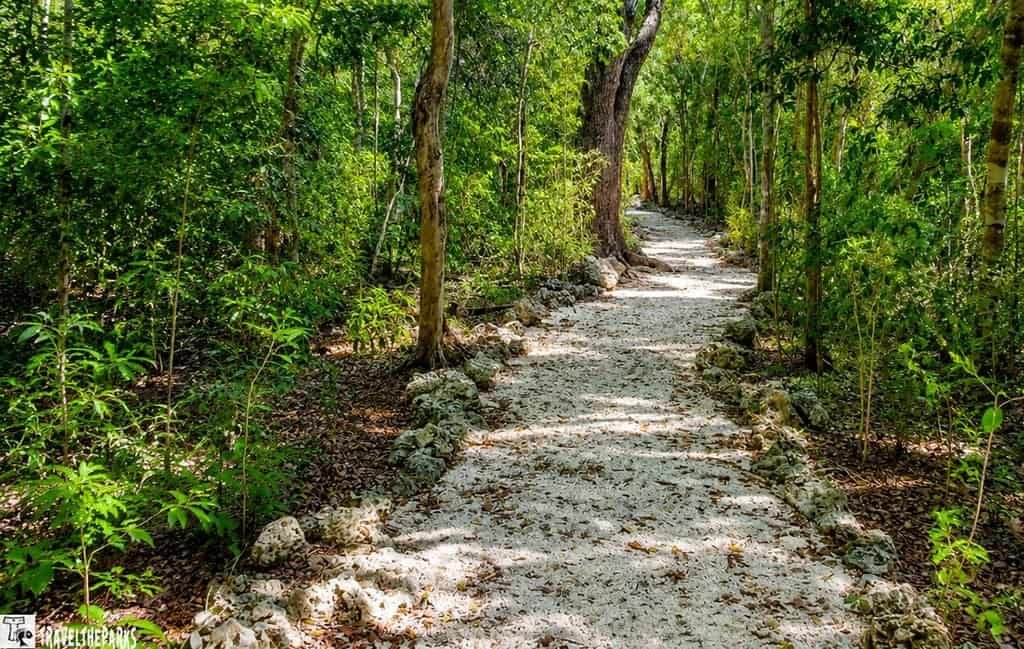
If you’ve had enough time on the water, John Pennekamp has three short nature trails that offer a different look at the park’s habitats. None are strenuous, so these are easy additions to a day of exploring.
- Wild Tamarind Trail: This 0.3-mile loop winds through a tropical hardwood hammock. Many of the trees are marked, making this a good little walk for learning more about the native vegetation.
- Grove Trail: At 0.6 miles, this is the longest of the three trails. It begins near a mangrove swamp, passes through tropical hardwood hammock, and ends at a historic fruit grove. Keep an eye out for butterflies among the tropical fruit trees before heading back toward the Visitor Center and Cannon Beach parking area.
- Mangrove Trail: This 0.3-mile loop is a boardwalk through the mangroves near the south end of the Far Beach parking lot. The trail follows the edge of the swamp and runs alongside part of the park’s paddling trail, giving you another chance to see this unique ecosystem from land.
Pro Tip: These are short trails, so don’t think of them as a hiking destination in themselves. They’re an easy way to stretch your legs and see a side of Pennekamp you won’t experience from a kayak or boat.
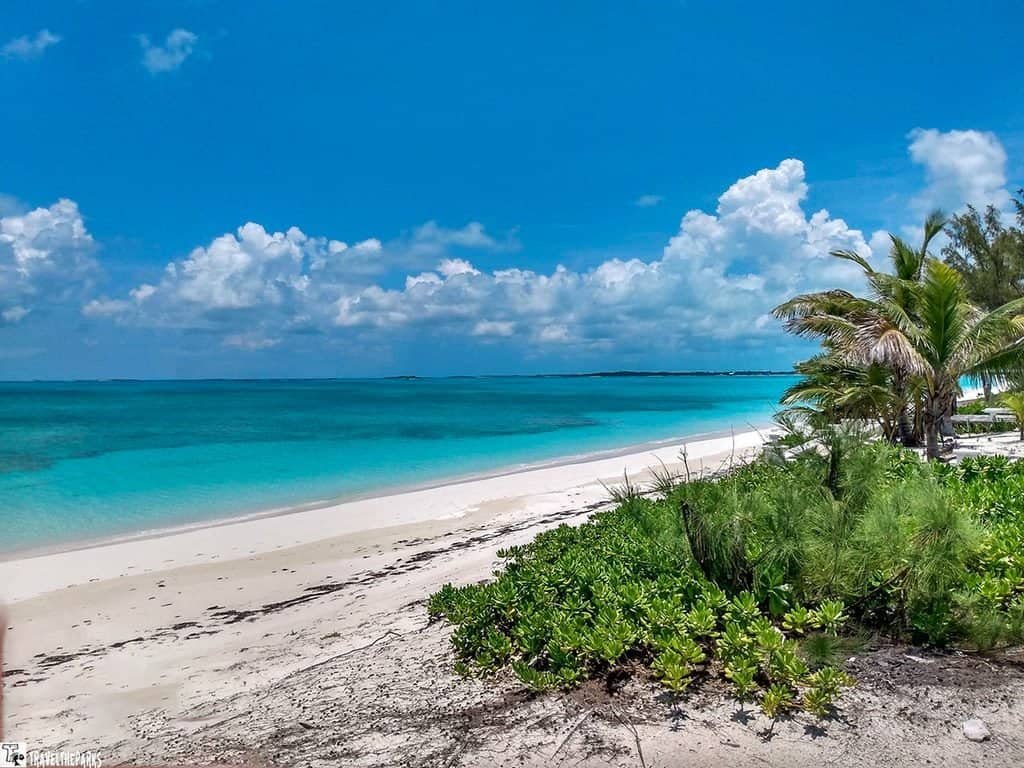
5. Relax at Cannon Beach and Far Beach
Not everything at Pennekamp requires a boat or snorkel mask.
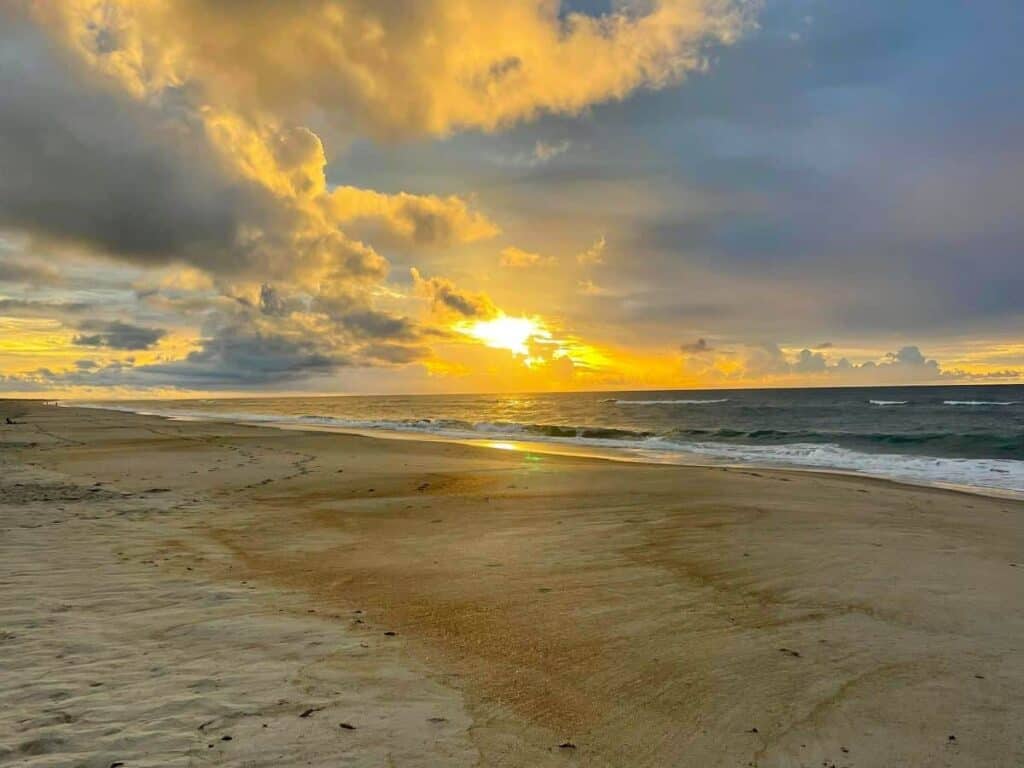
Cannon Beach and Far Beach provide places to swim, relax, and enjoy the water from shore. There are no lifeguards, so keep an eye on children and other members of your group.
These aren’t the wide, powdery beaches you’ll find at some Florida destinations. They’re more typical of the Keys, but they’re still a pleasant place to cool off or spend some time between activities.
And if you’re lucky, you might find yourself doing exactly what we did—grabbing a picnic table and deciding that your plans can wait.
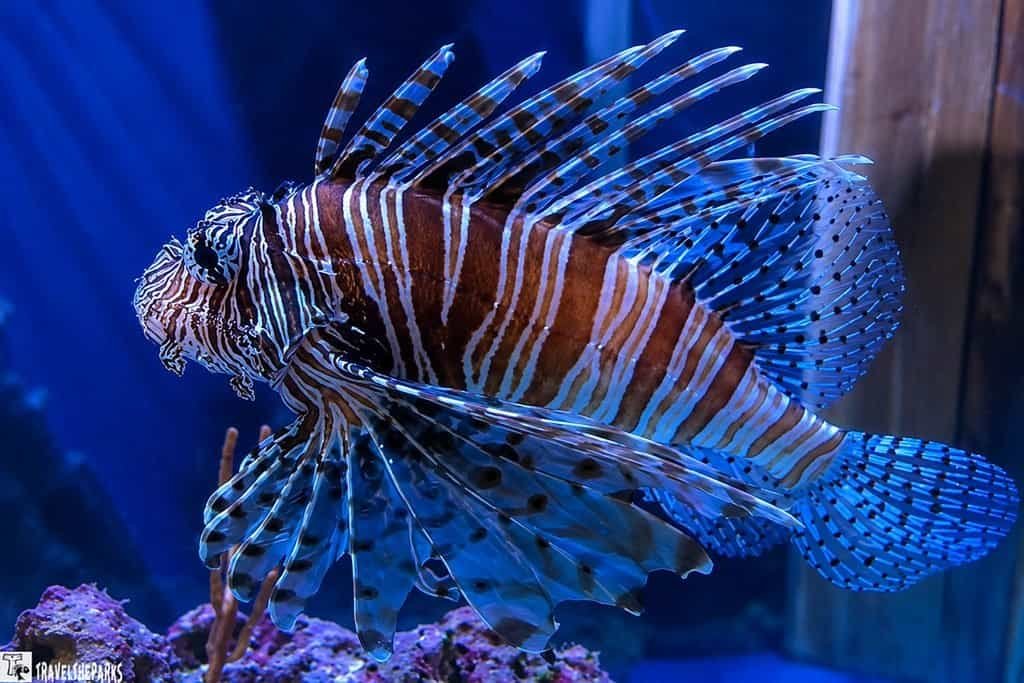
6. Visit the Visitor Center and Aquarium
Don’t skip the visitor center, especially if you want to learn more about the underwater world you’re about to explore. Located near the main concession building and Cannon Beach, it houses a 30,000-gallon saltwater aquarium filled with reef fish.
There are also smaller aquariums showcasing fish, invertebrates, and other marine creatures found in the Florida Keys. Some even feature live coral, giving you a closer look at the ecosystem protected just offshore.
It’s a nice place to spend a little time before or after your water activities, and it gives you a better appreciation for just how much life is packed into the reef.
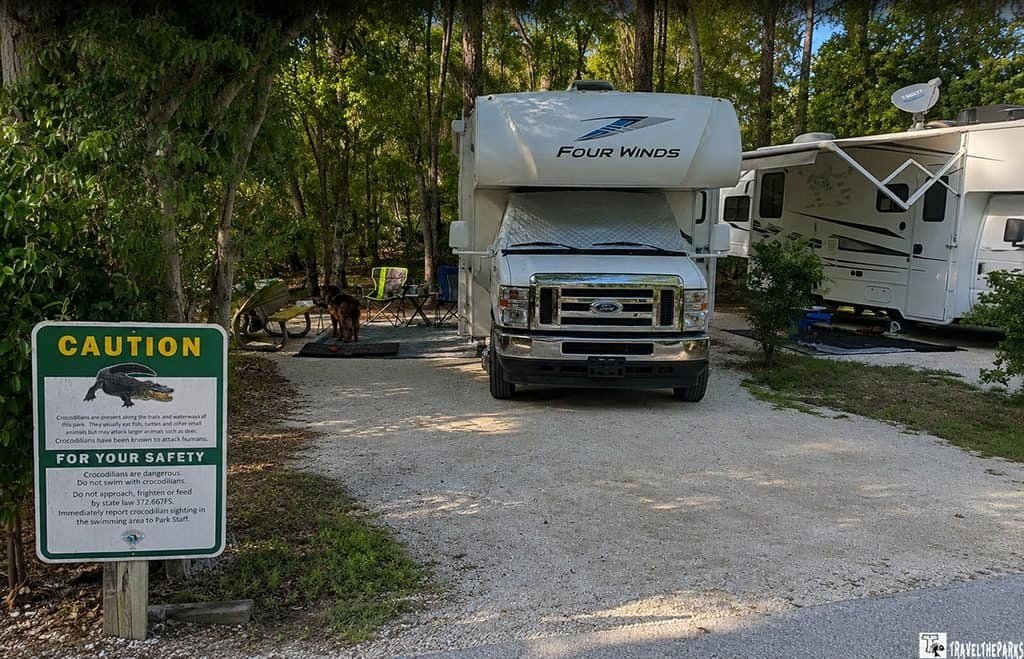
Camping at John Pennekamp Coral Reef State Park
If you’re traveling the Florida Keys by RV, staying at the campground puts you right inside the park.
We’ll be straight with you, though: the campground is more about the location than the campsite itself.
The sites can be tight, and some have limited shade. You could practically share a bag of chips with your neighbor.
But the location is hard to beat.
The Good
- Full hookups are available at many sites.
- The campground is convenient for exploring the park.
- You’re close to the beaches, mangroves, and visitor center.
- It’s a good base for exploring Key Largo and the surrounding Keys.
The Not-So-Good
- Campsites can be close together.
- Shade is limited in some areas.
- Bugs can be especially annoying around dusk.
- This is a popular park, so reservations are important.
Our advice? Go for the location and access to the park, not because you’re expecting a secluded camping experience.
If you’re looking for a peaceful, private campsite surrounded by nature, this probably isn’t going to be your favorite Florida campground. But if you want to wake up in Key Largo and have the park right outside your door, it has some serious advantages.
Know Before You Go to John Pennekamp Coral Reef State Park
- Hours: The park is open daily from 8 a.m. until sunset, 365 days a year. Arrive early on weekends and holidays when the park can reach capacity. Check official park website for advisories.
- Pets: Pets are welcome in designated areas of the park but must be kept on a leash no longer than six feet. Pets are not permitted in some areas, including the beach and swimming areas. Never leave a pet unattended in a vehicle, especially in the Florida heat.
- Entrance Fee: There is an entrance fee to the park. Fees are charged by vehicle and can vary depending on the number of occupants and Florida residency. Check current rates before your visit.
- Reservations: If you’re planning to camp or take a snorkeling, diving, or glass-bottom boat tour, make reservations ahead of time. Popular weekends and winter and spring-break periods can fill quickly.
- Arrive Early: This is probably our biggest piece of advice. Weekends can get crowded. If you want a better chance of enjoying the park before the crowds arrive, get there early. We’re talking finish your coffee before sunrise early.
- Bugs: Bring insect repellent, especially if you’re planning to kayak through the mangroves. Mosquitoes and no-see-ums can be particularly bothersome around dawn and dusk.
- What to Bring: Sunscreen, water, a hat, sunglasses, SPF clothing, and comfortable shoes are all good ideas. If you’re snorkeling, bring your own mask and snorkel if you have gear that fits you well. Water shoes are always a good idea.
- Don’t Forget the Rest of Key Largo: Pennekamp makes a great stop on a larger Florida Keys road trip. Give yourself enough time to explore rather than treating it as a quick roadside stop.
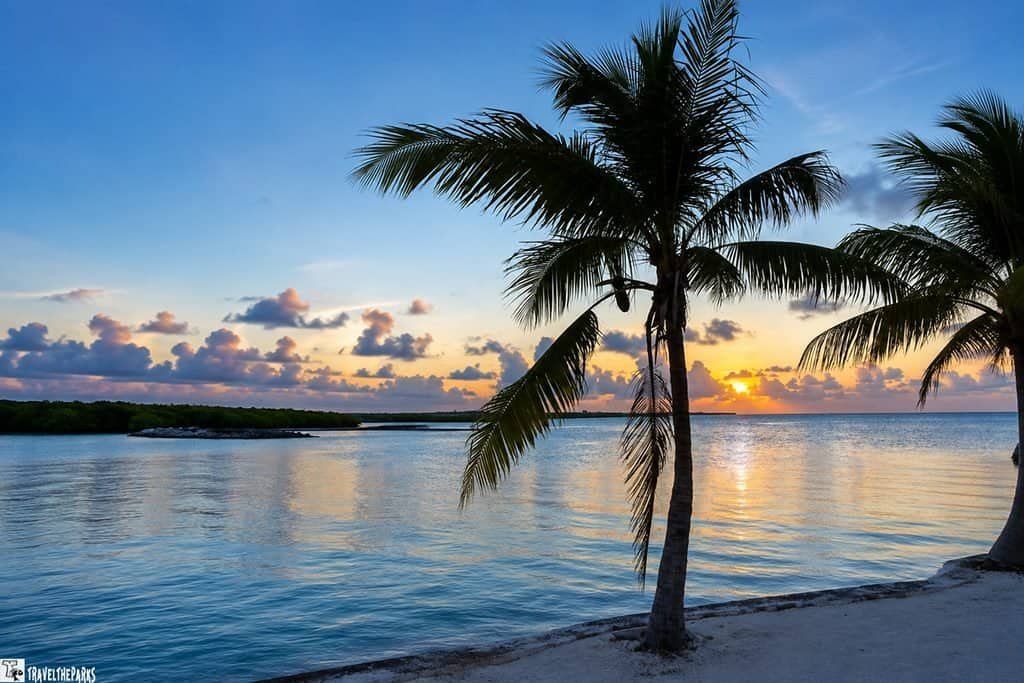
Final Thoughts: John Pennekamp Coral Reef State Park
John Pennekamp Coral Reef State Park is one of those places that reminds us how much there is to discover beneath the surface.
Whether you’re snorkeling over a reef, looking through the glass-bottom boat, paddling through mangroves, or simply enjoying the beach, there are plenty of ways to experience the park.
It isn’t perfect. The campground is tight, the bugs can be relentless, and weather conditions can affect what you see offshore. But that’s part of visiting a place built around nature. The reef, mangroves, and marine life are the real attraction.
For us, kayaking through the mangroves and unexpectedly snorkeling in the shallow channels were some of the biggest surprises. And then there was that picnic table, the grill, and an afternoon when we decided there was nowhere else we needed to be.
That’s what we love about state parks. Sometimes the thing you remember most isn’t the attraction you came to see. It’s the unexpected moment that makes you slow down and stay awhile.
John Pennekamp is just one piece of what makes the Florida Keys so special. If you’re planning a road trip through the islands, check out our Unexpected Treasures in the Florida Keys: Hidden Gems Beyond Key West guide for more places we discovered along the way.
Have you visited John Pennekamp Coral Reef State Park? Did you snorkel the reef, paddle the mangroves, or discover your own perfect spot to spend the afternoon? Tell us about it in the comments!