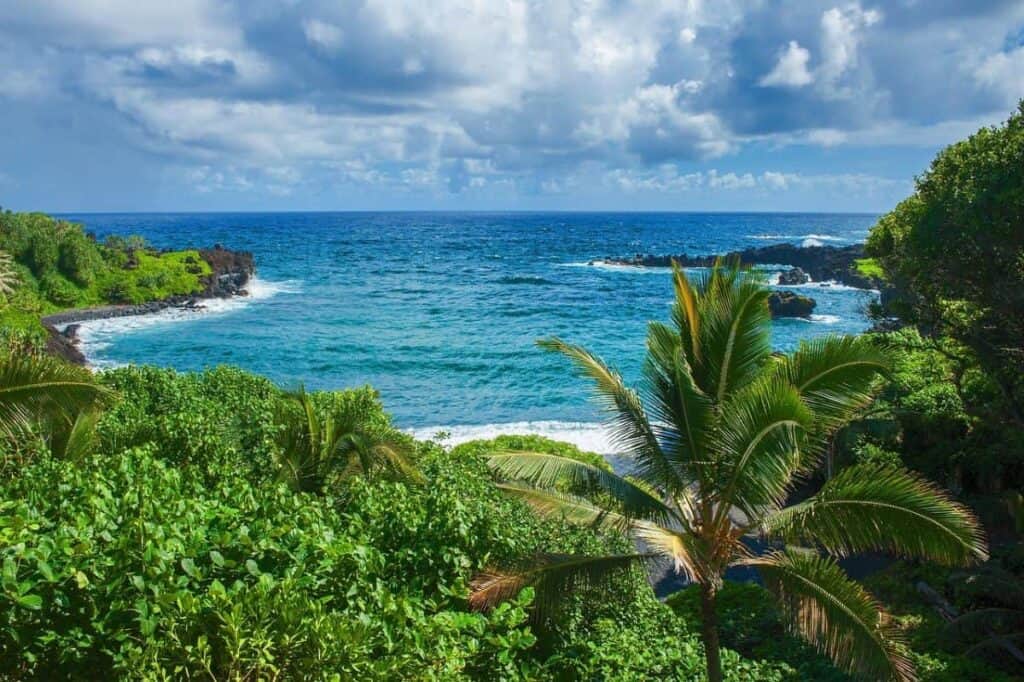
We spent our first day exploring Old Lahaina via the Lahaina Historic Trail, a self-guided walking tour highlighting Maui’s rich history. Lahaina is easily accessible by shuttle from most hotels for a dollar. At the Lahaina Visitor Center in the old courthouse, we picked up the free brochure for the trail. Covering three square blocks along the harbor, the trail guides visitors past iconic sites—from the sprawling Banyan Tree Park to the Old Lahaina Courthouse—each a window into the town’s past. A quick tour can be done in 1–2 hours; a longer, immersive walk could easily take a full day.
This post may contain affiliate links, meaning if you purchase something through one of these links, we may earn a small commission at no extra cost to you! Read the full disclosure policy here.

Table of Contents
Lahaina: From Whaling Capital to National Historic Landmark
The Lahaina Historic Trail (Ala Hele Mo’olelo O Lahaina) reveals how this tiny village transformed from a whaling hub to the cultural heart of Maui. From 1820 to 1845, Lahaina was Hawaii’s capital. Whaling ships first arrived in 1819, driving the local economy for 40 years. Fertile soils supported sugarcane, potatoes, pineapples, and other crops, while local fisheries supplied sailors and residents. Today, tourism forms the backbone of the economy. The town was recognized as a National Historic Landmark in 1962.
A Note from the Writer:
This blog post was written from memories and notes gathered prior to the devastating wildfires of August 2023. The historic town of Lahaina suffered a profound loss. While the spirit of Lahaina endures, many of the buildings described here were tragically lost. Their future, and the nature of rebuilding, remain part of a deeply respectful and ongoing community process. We share this look back to honor the town’s irreplaceable history and cultural significance.

Starting Your Adventure: Navigating the Lahaina Historic Trail
We found it easy to get started. After taking the affordable shuttle from our hotel, we stopped at the Lahaina Visitor Center inside the old Courthouse for the essential map. The Old Lahaina center covers three square blocks on the harbor front. The trail, marked as the Ala Hele Mo’olelo O Lahaina (The Lahaina Story Trail), guided us past iconic landmarks. You could sense the town’s evolution—from a political and spiritual center for Hawaiians to the “whaling capital of the Pacific,” and a vibrant cultural hub.
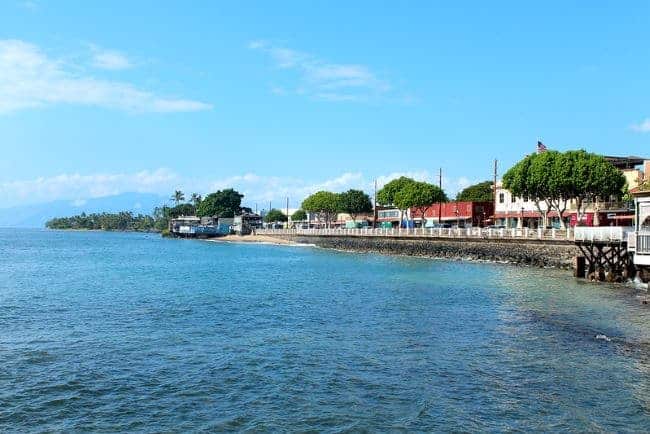
First Stop: The Masters’ Reading Room & Lahaina’s Whaling Past
At the corner of Front and Dickenson Streets, the Masters’ Reading Room, completed in 1834, introduces Lahaina’s whaling past. While the upper level remains closed, visitors can explore the lower floor’s shops and displays, immersing themselves in the maritime legacy that fills this two-story coral-stone building once used by whaling ship captains.
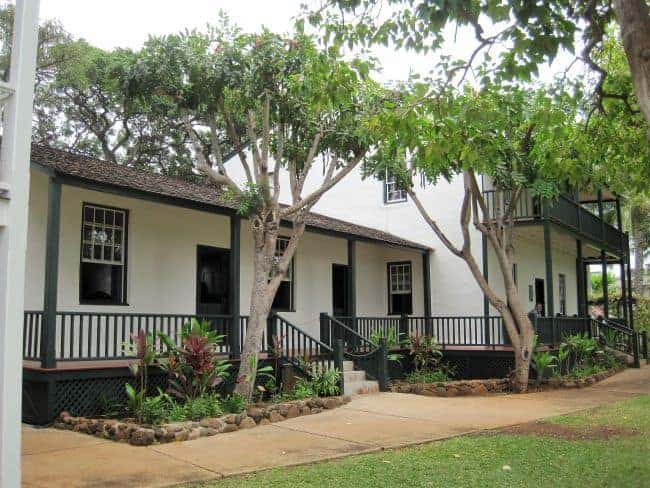
Baldwin House: A Missionary Legacy in Old Lahaina
Next door, the Baldwin House offered a stark contrast. This missionary home, filled with artifacts from the 1800s, told a story of settlement, medicine, and profound community influence. Learning about Dr. Baldwin’s fight against a smallpox outbreak was a powerful reminder of the town’s complex layers beyond the wharves. (The Baldwin House was tragically lost in the 2023 fire.)
Next, we walked down Market Street to the Lahaina library. The map notes that the area used to be occupied by a large taro patch (Kapukaiao). Long a staple for many Hawaiians for making poi. Local lore says King Kamehameha III even worked the patch himself, demonstrating the dignity of labor. The king’s taro patch was visible well into the 1950s before they constructed the library.
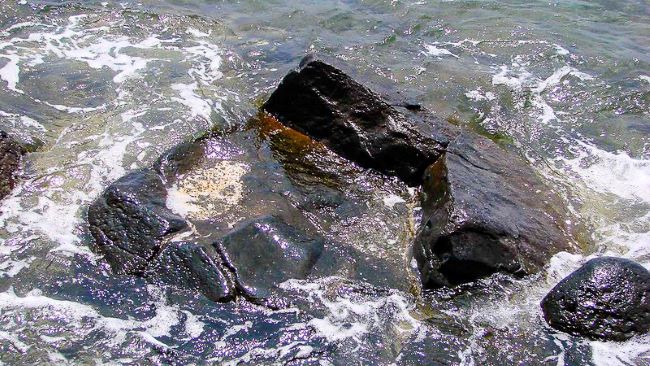
Sacred Stones & Royal Foundations: Hawaiian History in Lahaina
Walking toward the harbor, we found the Hauola Stone, a seemingly simple rock at the water’s edge marked by a plaque. Learning it was a sacred pohaku (stone) used for healing and royal childbirth connected us to Lahaina’s deep Hawaiian roots. Nearby, a humble brick outline marked the spot of King Kamehameha I’s Brick Palace, the first Western-style building in the islands, bringing the era of the monarchy vividly to life.
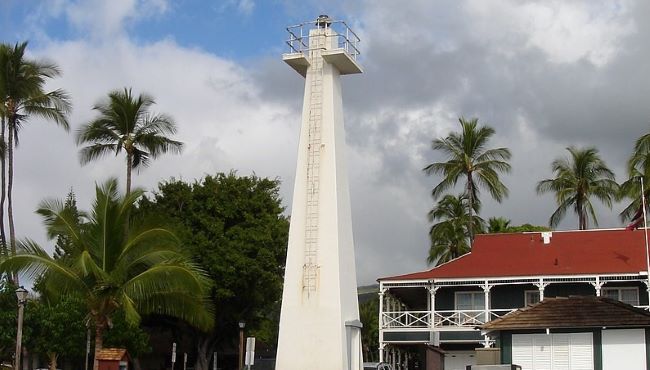
Harbor Front History: The Lighthouse & Pioneer Inn
The harbor front told the whaling story. The Old Lahaina Lighthouse, a modest 1840 structure ordered by King Kamehameha III, was the first in Hawaii, built to guide those very whaling ships in. Gazing at it from the porch of the historic Pioneer Inn (circa 1901), we could almost picture the chaotic, bustling scene of centuries past.
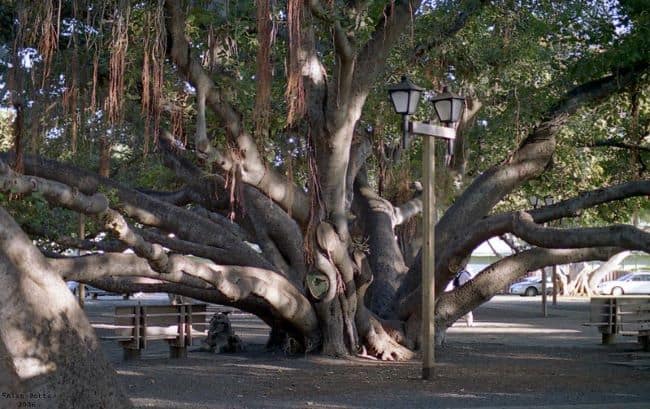
The Immovable Heart: Banyan Tree Park
No moment on the tour was more breathtaking than entering Banyan Tree Park. The sheer scale of the single magnificent tree—planted as a small sapling in 1873—was awe-inspiring. Its aerial roots had grown into massive trunks, creating a shaded cathedral. It was a natural monument and a living community space, bustling with local artists. (Miraculously, the great Banyan Tree survived the fires and stands as a symbol of resilience.)
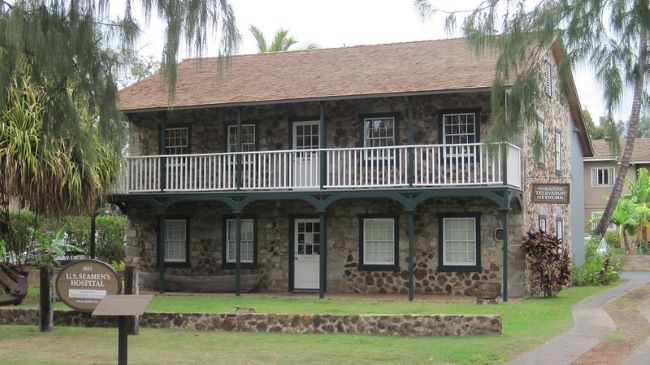
Layers of History: The Courthouse & Seamen’s Hospital
We looped back to the Old Lahaina Courthouse, where the free museum on the upper floor expertly wove together all the threads of history we’d just seen. At the north end of Front Street, the stone U.S. Seamen’s Hospital (1833) stood as another silent witness, having cared for ailing sailors from a bygone era. Both the Courthouse and Seamen’s Hospital fell victim to the flames in the devastating fire.
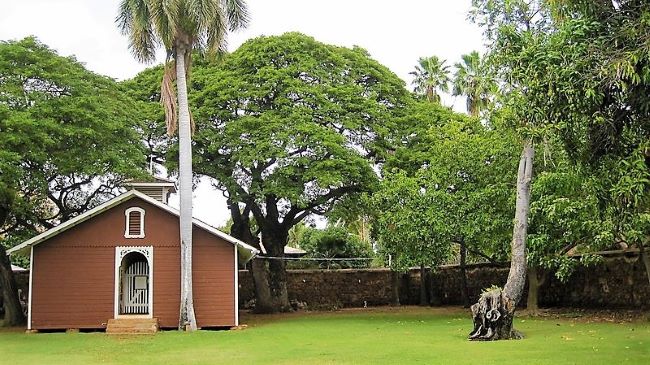
Hale Pa’ahao: The Story of the Old Lahaina Prison
A short walk led us to the Old Lahaina Prison (Hale Pa’ahao). Visitors can tour the yard and cells on the Old Lahaina walking tour. Walking the grounds of this 1852 coral-brick lockup, built to house drunken sailors who missed their ship’s curfew, added a final, gritty layer of authenticity to the port town’s story. (The prison structure was also lost.)
What to Bring on Your Lahaina Historic Trail Walk
To make the most of your self-guided tour and explore comfortably, we recommend packing a few essentials:
- Comfortable Walking Shoes: You’ll be on your feet for 1-2 hours (or more), mostly on paved sidewalks and historic streets.
- Sun Protection: The Hawaiian sun is strong. Bring a hat, sunglasses, and reef-safe sunscreen.
- Reusable Water Bottle: Stay hydrated as you walk. You can find places to refill it along Front Street.
- The Map/Brochure: Pick up the free walking tour map from the Lahaina Visitor Center—it’s your essential guide.
- A Camera or Phone: You’ll want to capture the iconic banyan tree, historic architecture, and beautiful harbor views.
- Curiosity and Respect: Come ready to learn and explore. Remember, you are walking through a place of deep cultural and historical significance.
- Dining Options: Front Street is lined with casual cafés, oceanfront restaurants, and local favorites—plan a meal or snack stop along the way to enjoy Lahaina’s flavors and give your feet a well-deserved break.
This simple list will ensure you’re prepared for a comfortable, enriching, and respectful journey through Lahaina’s storied past.

Final Thoughts: Lahaina Historic Trail—A Walk to Remember
The Lahaina Historic Trail offers more than a tour; it’s an immersive experience connecting the past with the present. From whaling-era buildings to royal sites, banyan trees, and historical streets, every stop tells a story. For travelers seeking a deeper understanding of Maui’s culture, this self-guided tour of Lahaina is a must-do.
Today, our memories of this walk are precious. Even after the devastation of 2023, the spirit of Lahaina endures. Walking the trail allows visitors to honor its history while imagining the town’s future restoration.
Have you ever walked through a place where you could almost hear the echoes of the past? Lahaina was one of those rare towns for us. What historic destination has left that kind of lasting impression on you?