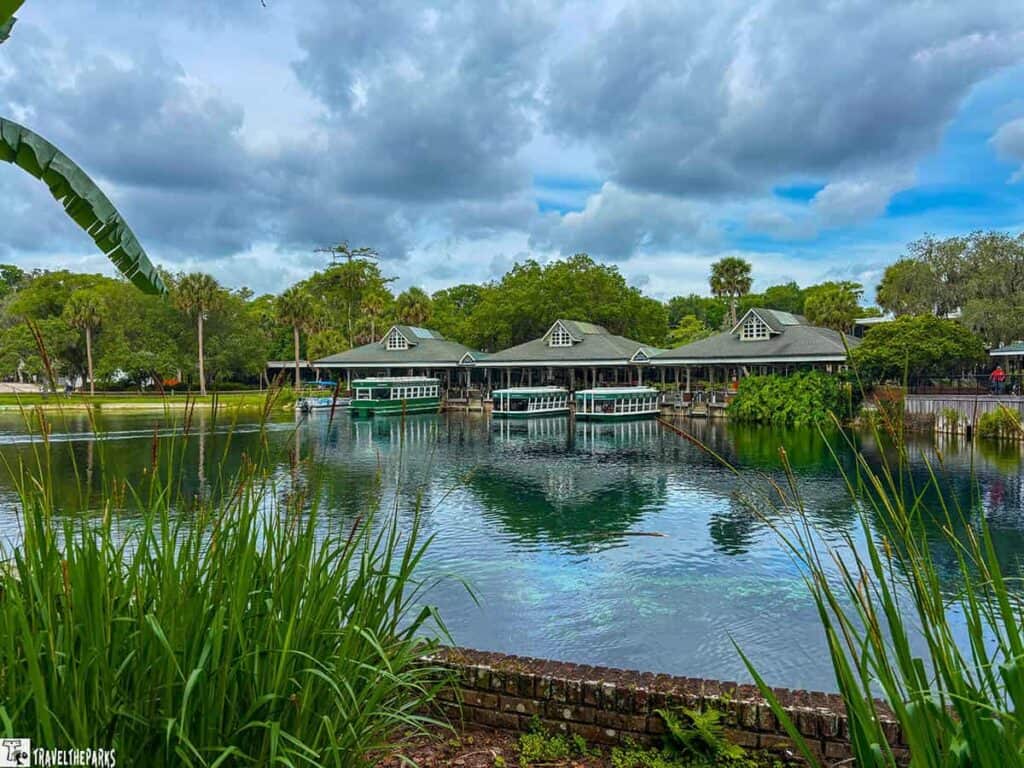
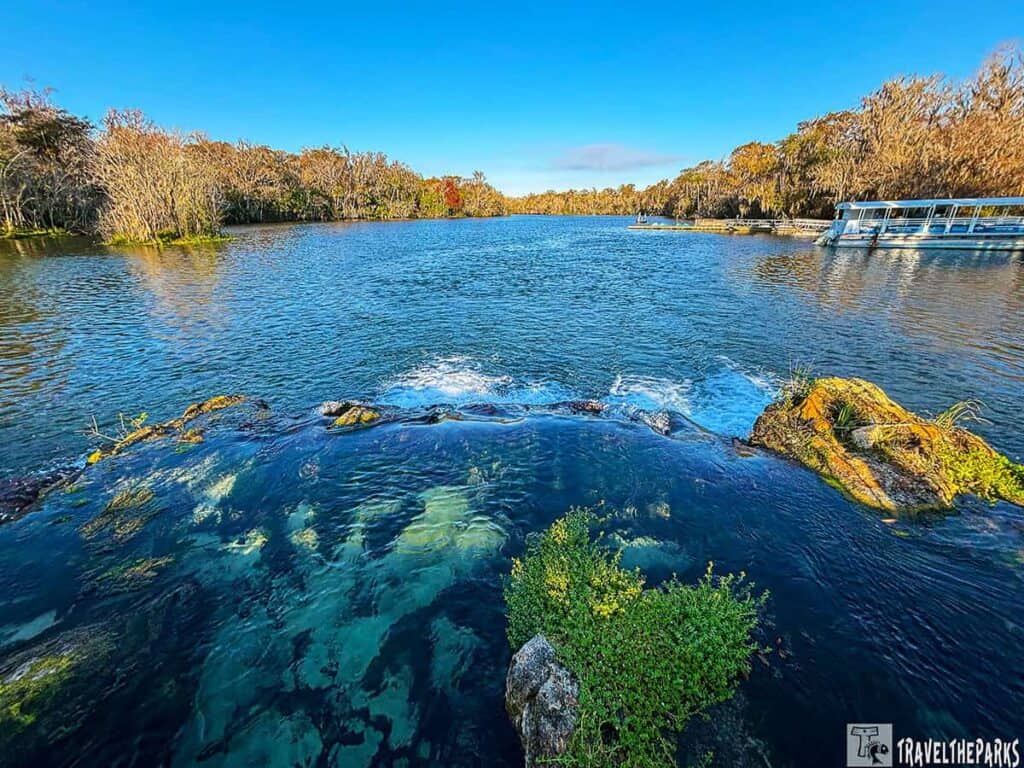
So we finally made it to DeLeon Springs State Park. You walk in under these gigantic oak trees with Spanish moss everywhere, the Florida sun already doing its thing. You can hear kids yelling from the water before you even see it. Then you look past the trees and, bam—this blue spring where you can see straight down to the sand. And it ends up being way more than just a place to swim. This is our guide to Florida’s DeLeon Springs—and trust us, it’s way more than just a swimming hole.
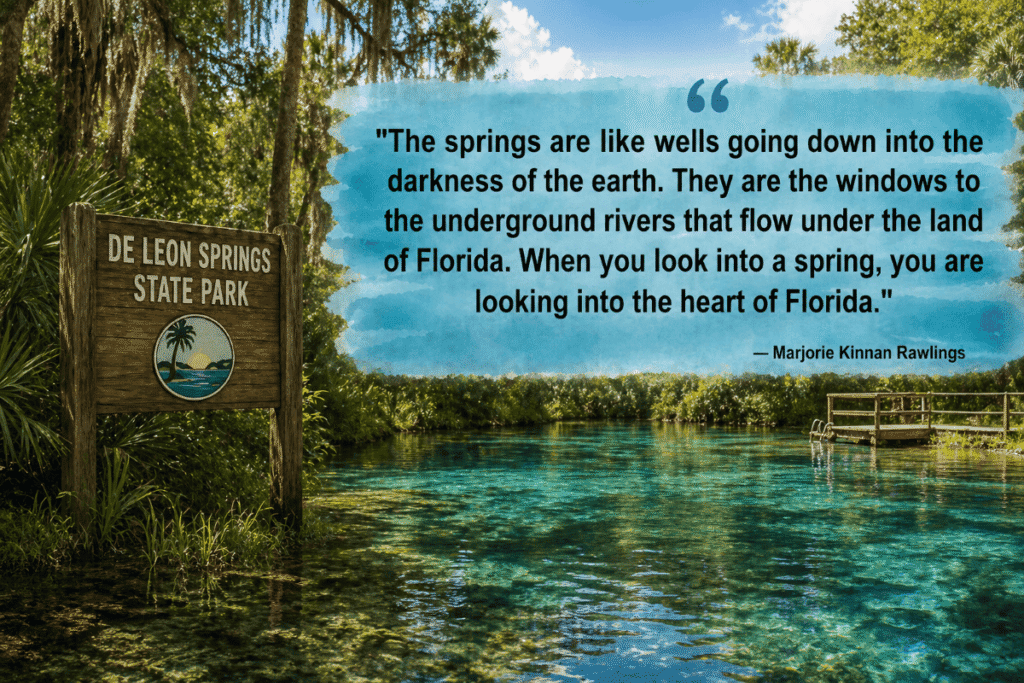
Skip the crowded Orlando theme parks for a day. Seriously. DeLeon Springs is where Floridians actually go. It’s in Volusia County—about 23 miles west of Daytona Beach and maybe 45 miles north of Orlando. After visiting, we get why. Easy day trip from Orlando. Or a chill weekend thing if you have time.
This post may contain affiliate links, meaning if you purchase something through one of these links, we may earn a small commission at no extra cost to you! Read the full disclosure policy here.
Table of Contents
Know Before You Go: The Essential DeLeon Springs Cheat Sheet
Consider this your quick guide to Florida’s DeLeon Springs before you hit the road. For more springs to explore, check out our favorite Florida Springs guide.
- Hours: 8:00 a.m. until sundown. Every day of the year.
- Entrance fee: $6 per vehicle (for up to 8 people). Pedestrians and cyclists are $2 per person. If you’re hitting multiple Florida State Parks, an annual pass is a good deal. Extra costs for canoe, kayak, and paddleboard rentals — those go through the park’s concessionaire.
- Pets: Allowed on a 6-foot handheld leash. They can go in picnic areas, on trails, and in paddling areas. But not in the swimming area, park buildings, or the pancake restaurant.
- The Old Sugar Mill Pancake House:: Usually open 9 a.m. to 4 p.m. but check their website because hours change. It gets wicked busy. Put your name on the list as soon as you get to the park, then go enjoy the spring or walk around while you wait. They rarely take reservations.
- ARRIVE EARLY. Can’t say this enough. The park fills up, especially on weekends. Aim to be at the gate before 10 a.m.
- Pack like a pro: sunscreen, hat, water shoes, towel, bug spray (for the trails), reusable water bottle.
- Bring cash: Cards usually work, but cash for rentals or the gift shop is a safe bet.
- Respect the wildlife: you’re in Florida. Alligators exist. Admire them from a distance. Don’t feed anything.
Historical Overview Guide to DeLeon Springs
For thousands of years, DeLeon Springs and its waters were central to human activities, preceding its conversion to a state park.
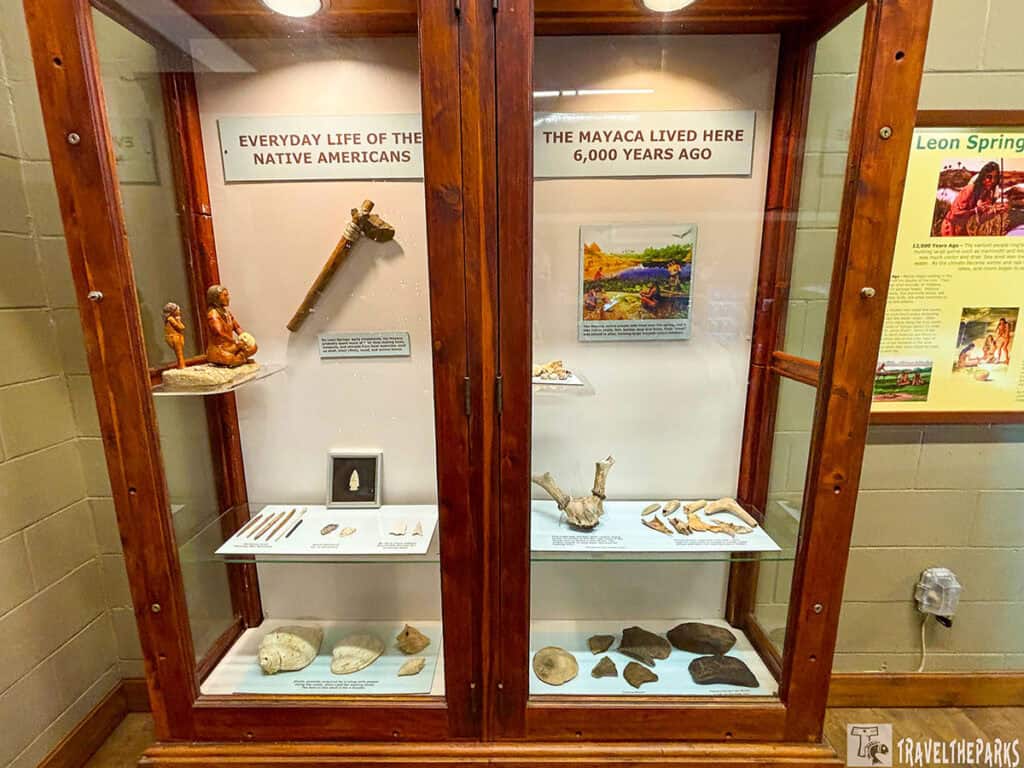
- Way back (over 6,000 years ago): The Mayaca Indians lived here first. They liked the water and the wildlife. There’s still a shell midden near the spring — basically an old trash pile of shells and stuff. Quiet reminder they were here.
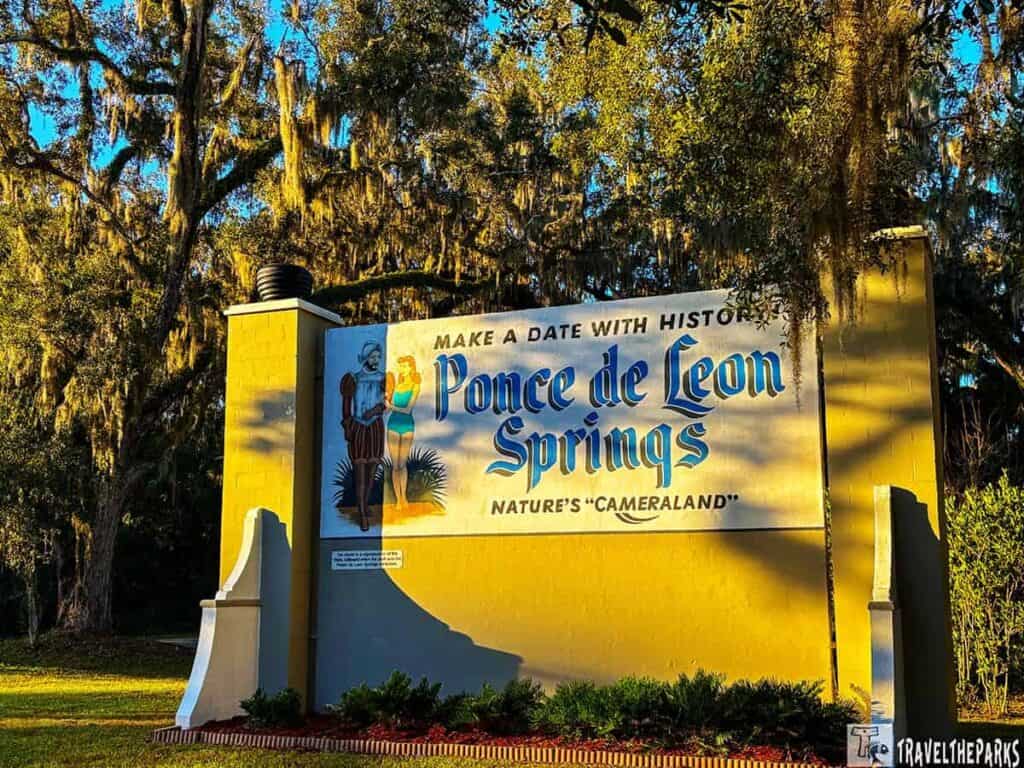
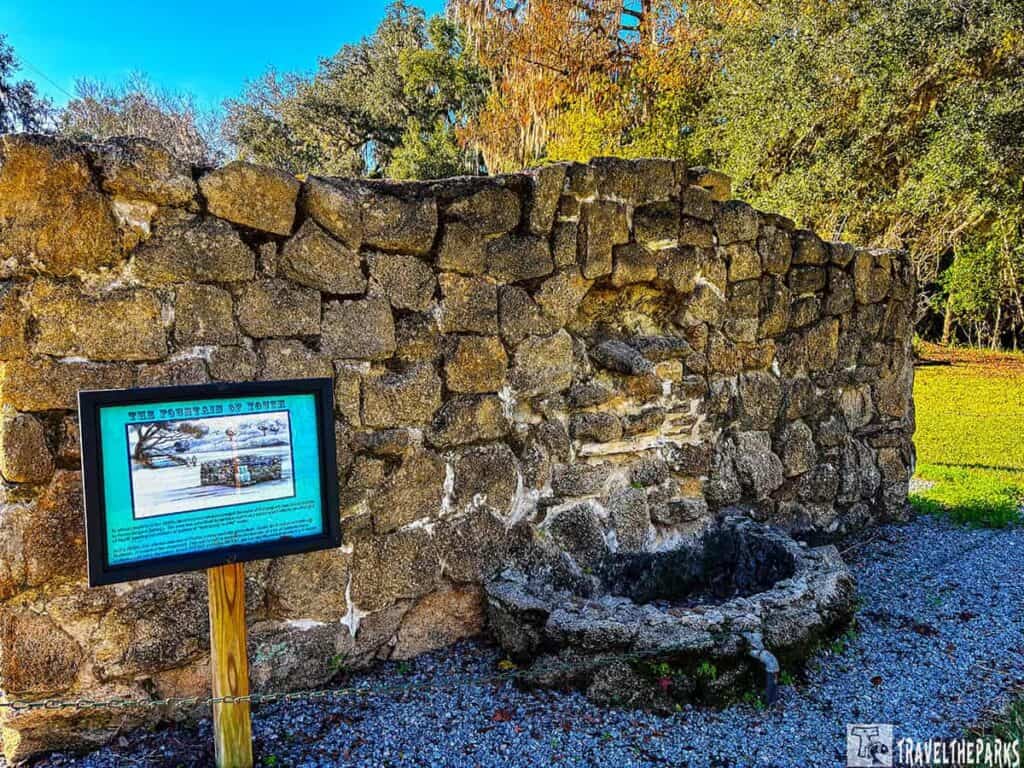
- Spanish missions (1500s-1700s): No evidence that Ponce de León actually visited this specific spring, but the name stuck anyway. Spanish missionaries set up a mission nearby in the 1500s. Didn’t last long. But the name connects the spring to that whole Fountain of Youth thing.
- The sugar mill days (early 1800s): A guy named Colonel Orlando Rees turned the land into a sugar plantation. Built a mill powered by the spring to grind sugarcane. You can still see the foundation. Native American forces destroyed the mill during the Seminole Wars.
- Resort era (late 1800s-early 1900s): After the Civil War, someone turned it into “Fountain of Youth Springs.” They built a big, multi-level hotel in the 1920s. The idea was to make it a spa resort where northerners could come for the healing waters.
Things to do in DeLeon Springs
Start at the Visitor Center
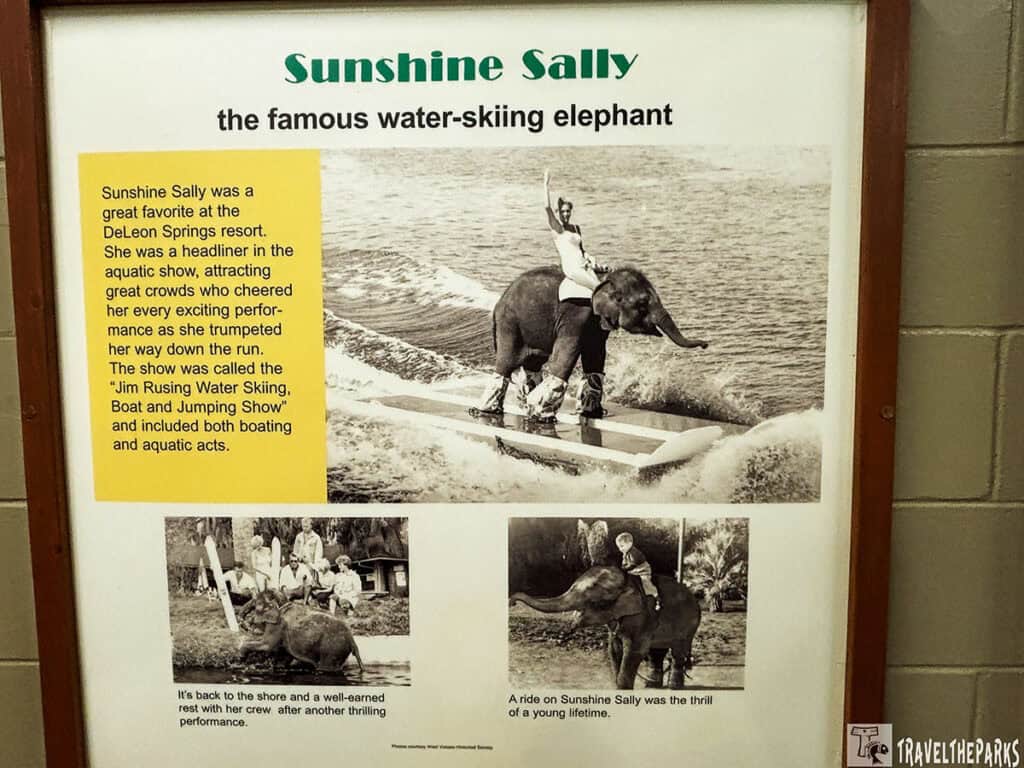
Before you head to the spring, stop at the Visitor Center. They’ve got a timeline of the park’s 6,000-year history—from the Mayaca people through the tourist days. Watch the old home movie of a water-skiing elephant. It’s a real thing. We’re not kidding. They also have a touch table with bones and shells, plus a kids’ area. Good pit stop.
1. Florida’s DeLeon Springs The Main Event: Flipping Your Own Pancakes
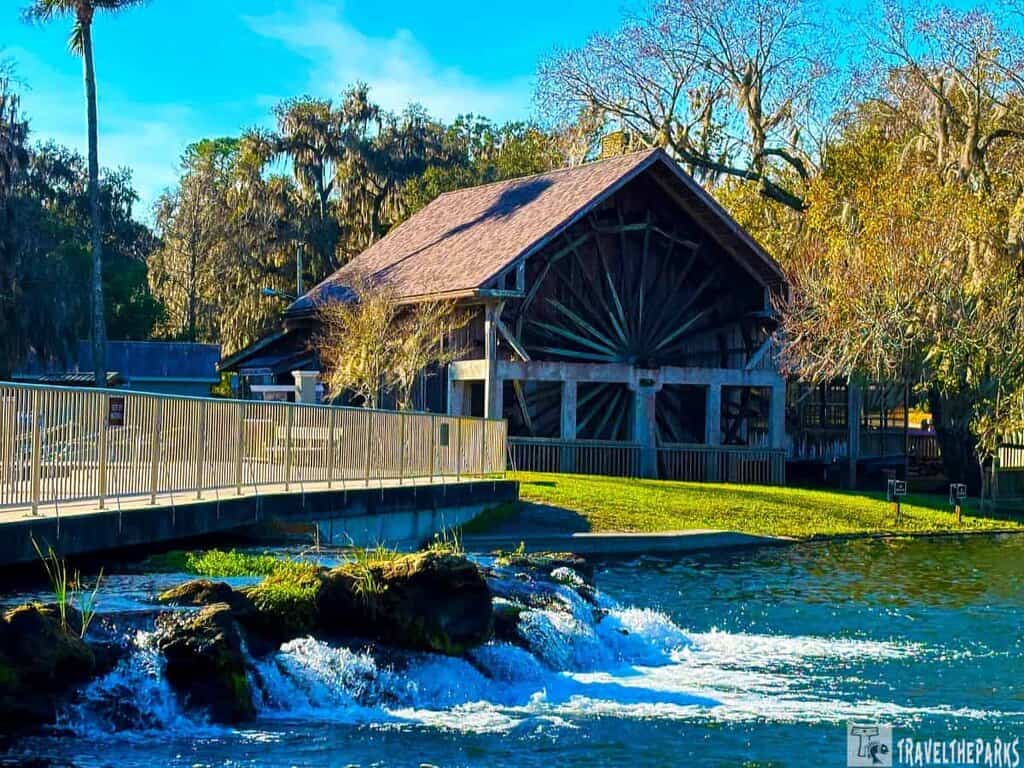
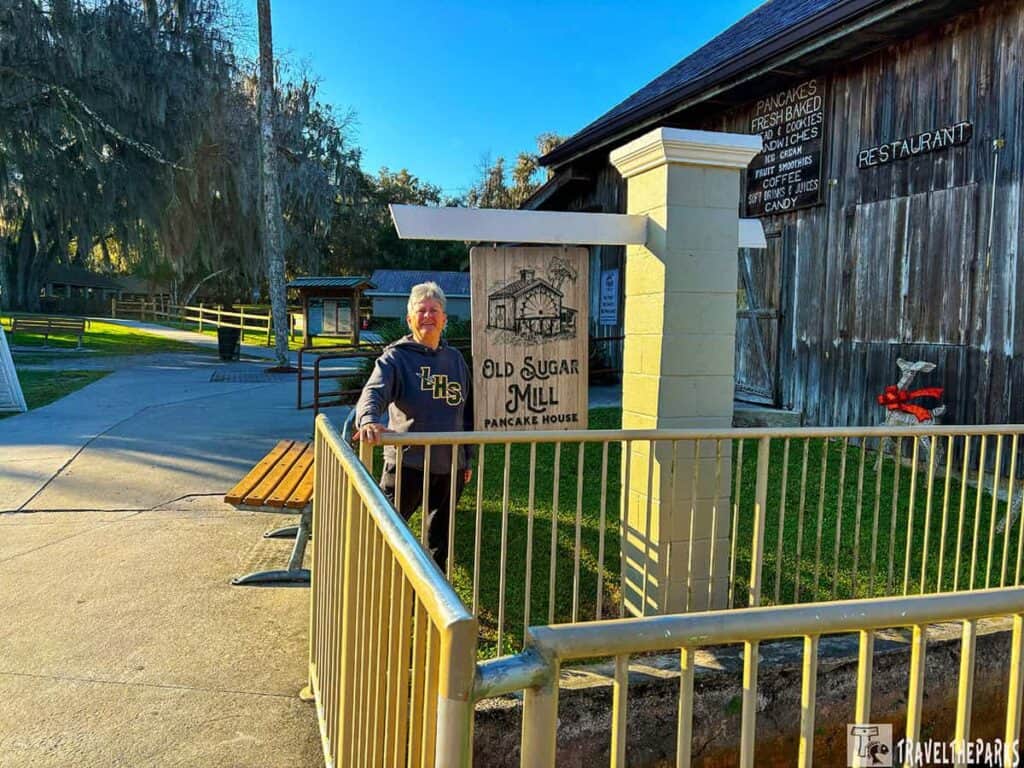
Let’s be real. The main reason people come here isn’t just the spring. The Old Sugar Mill Pancake House is a huge part of any guide to Florida’s DeLeon Springs. It’s in a replica of the original 1830s sugar mill.
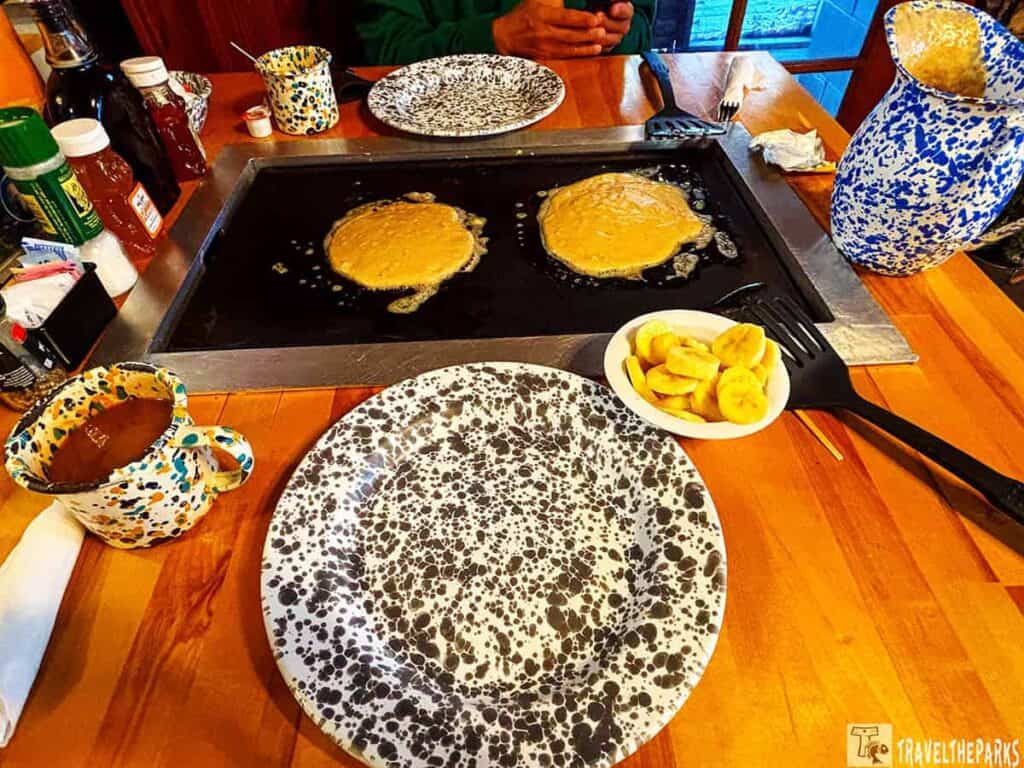
Here’s the thing—you’re the cook. Each table has a built-in griddle right in the center. The staff brings you batter (regular or gluten-free) and you make your own pancakes. Toppings are unlimited. We added blueberries, chocolate chips, and pecans. You can cook your own eggs too. The whole place smells like pancakes. The sizzling sound is everywhere. It’s chaotic and amazing.
PRO tip: Go early or be prepared to wait. The line is long for a reason.
2. Visiting DeLeon Springs State Park: Swim, Take the Plunge
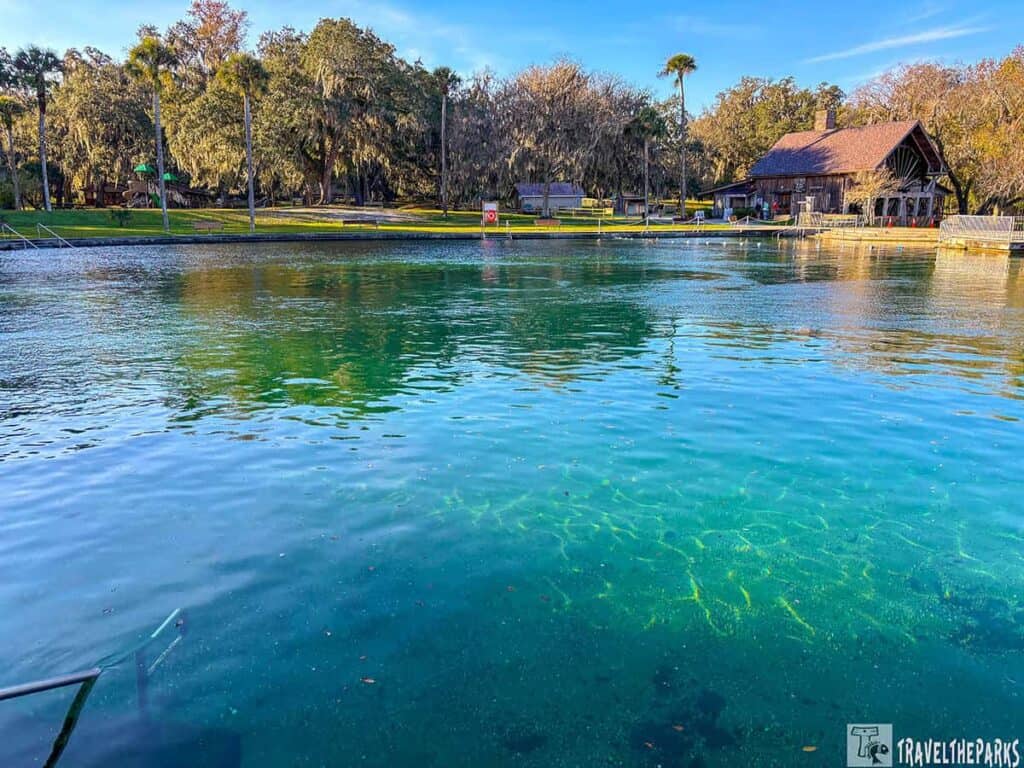
After breakfast, you pretty much have to get in the water. It’s 72 degrees year-round, which sounds cold, but honestly feels great when it’s hot out. We floated on our backs for like an hour, just looking up at the sky through the oak trees. Didn’t even notice the time.
The swimming area has this diving platform and some steps that make it easy to get in. Kids go wild for the platform. If you just want to wade around, use the steps.
PRO tip: No recreational diving or free-diving into the spring cavern. They don’t allow it.
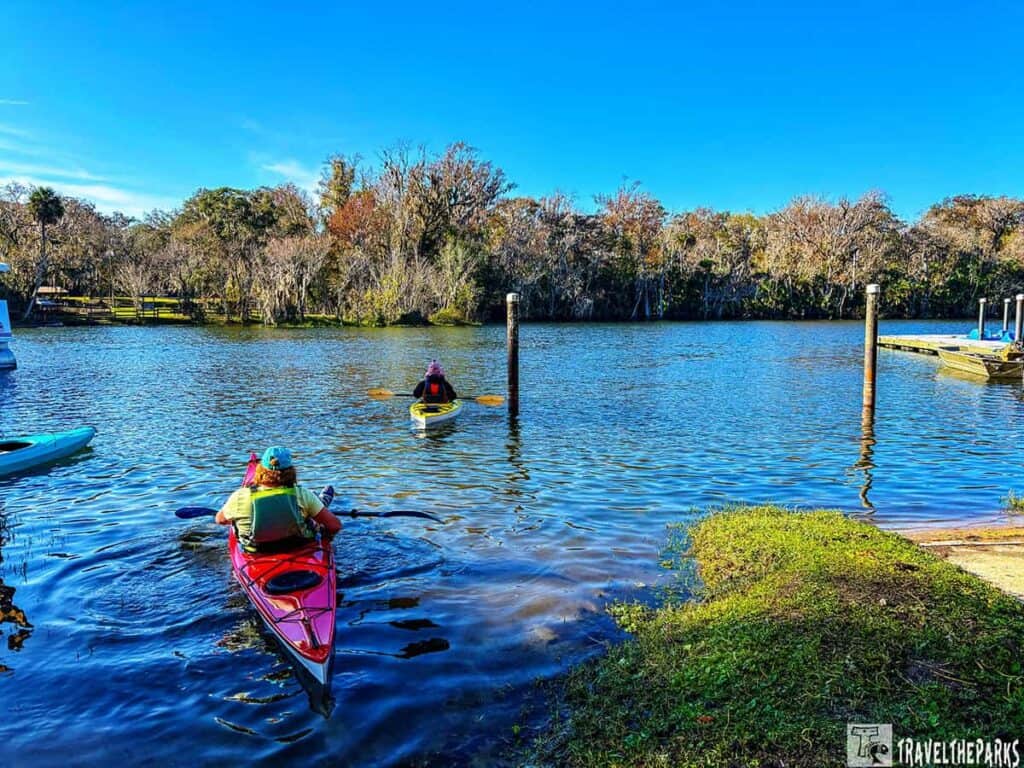
4. Paddle Into Florida’s DeLeon Springs: Kayak & Canoe Adventures
Swimming is fine, but honestly, the real adventure is renting a canoe or kayak. You paddle out of the spring and into the wildlife refuge—Lake Woodruff National Wildlife Refuge, it’s like 22,000 acres. The park noise just fades away after a bit. Then it’s just you, the sound of your paddle, and cypress trees everywhere.
We saw a great blue heron just standing there in the shallows, and a bunch of turtles all piled up on a log, and there was even this small alligator laying on the bank soaking up the sun. You just have to paddle slowly and stay quiet, and you’ll see stuff.
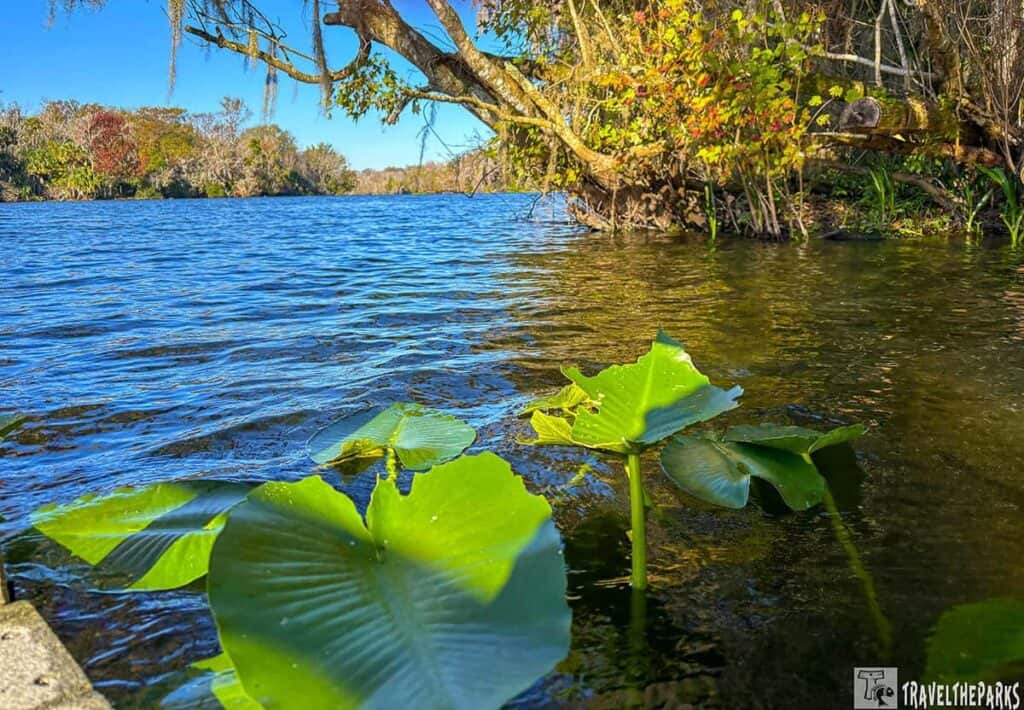
This is also where Monkey Island used to be a weird piece of local history. Jungle boat tours in the 1950s and 60s had monkeys on a tiny island for the tropical vibe. Today it’s just some old pilings and memories.
5. Seek Out “Old Methuselah”: A Living Witness to History
Don’t miss this. Don’t miss this. There’s a bald cypress called Old Methuselah. Over 500 years old. It was already centuries old when Ponce de León’s name got attached to these waters.
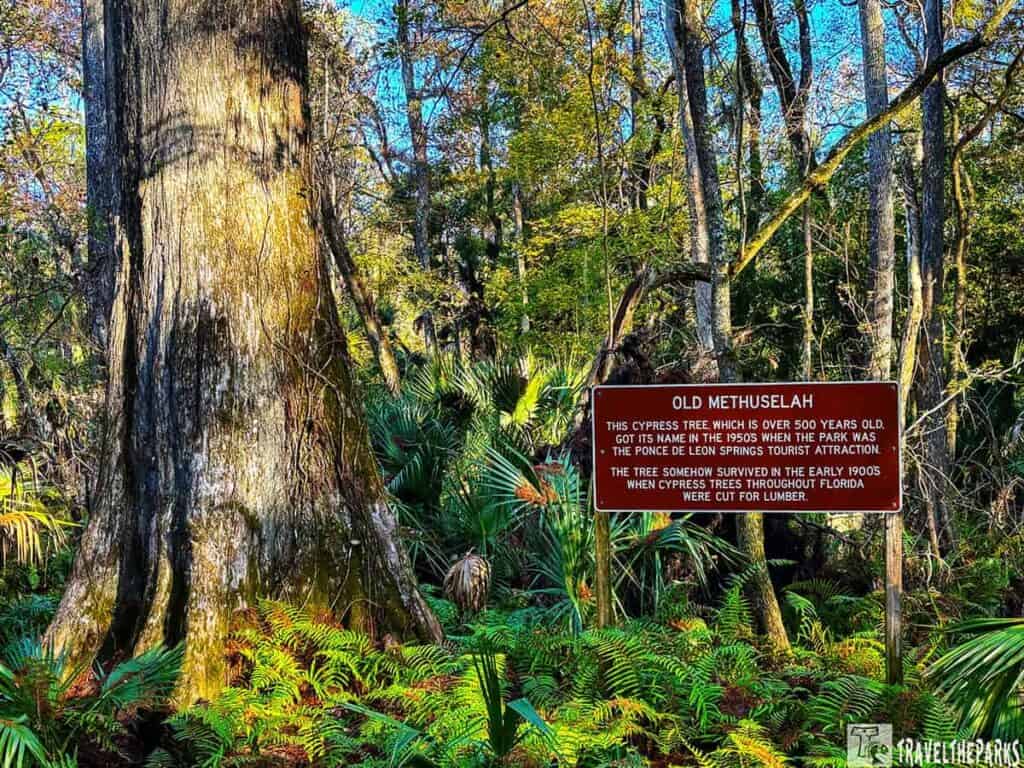
You can walk to it from the mainspring on a boardwalk trail. Takes about five minutes. Standing under it makes you feel pretty small, honestly. In a good way. You feel the weight of all that time. Worth it.
6. The Quest for Monkey Island: A Quirky Little Mystery
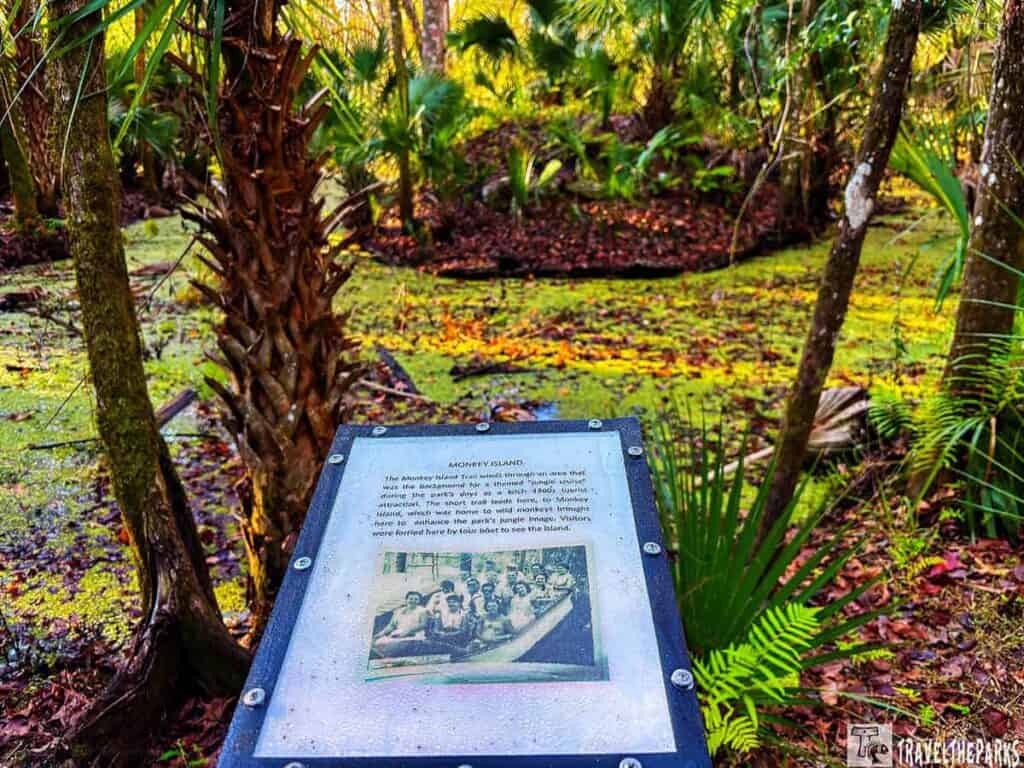
There’s this weird little thing called Monkey Island. Back in the 50s and 60s, they kept monkeys on a tiny island there for the boat tours. Reminded us of Silver Springs, actually.
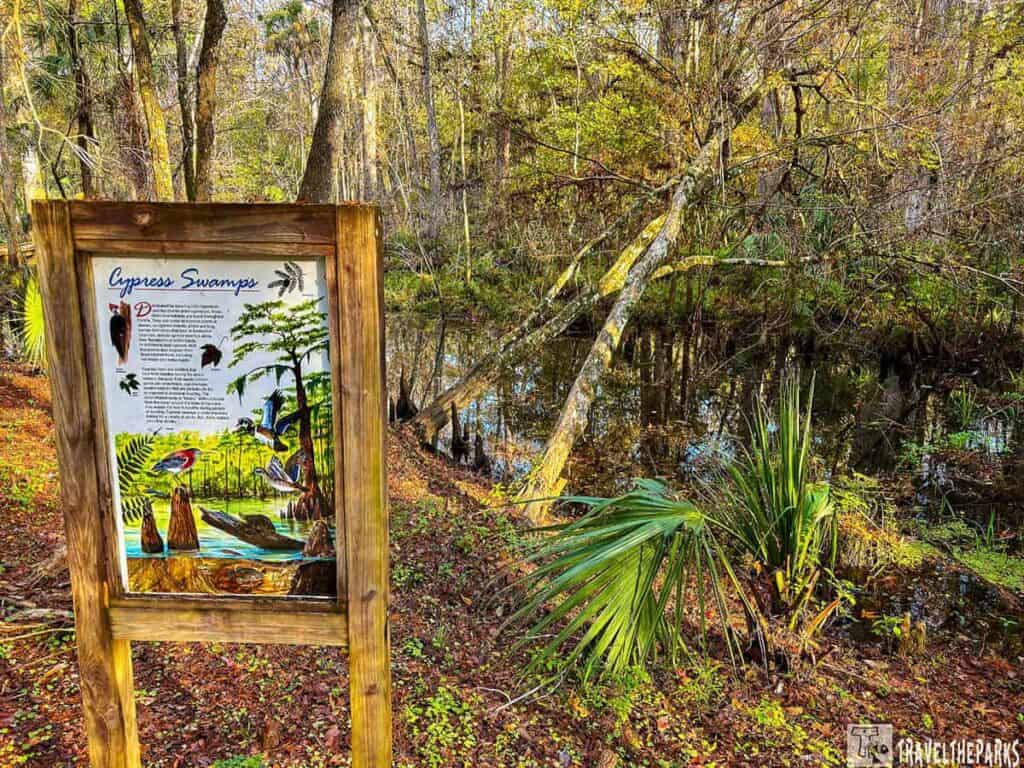
Finding it today is half the fun. The trailhead is easy to miss. We almost walked right past it. The path isn’t well-marked, just so you know. It’s maybe 0.8 miles out and back from the spring. And when you get there, don’t expect an island or monkeys. It’s not actually an island anymore. It’s just forest now, connected to the mainland.
Should you go? If you like quirky history or a short secret mission, yeah. If you’re short on time, just stick to the spring or kayaking. Monkey Island is probably better admired from a kayak, anyway.
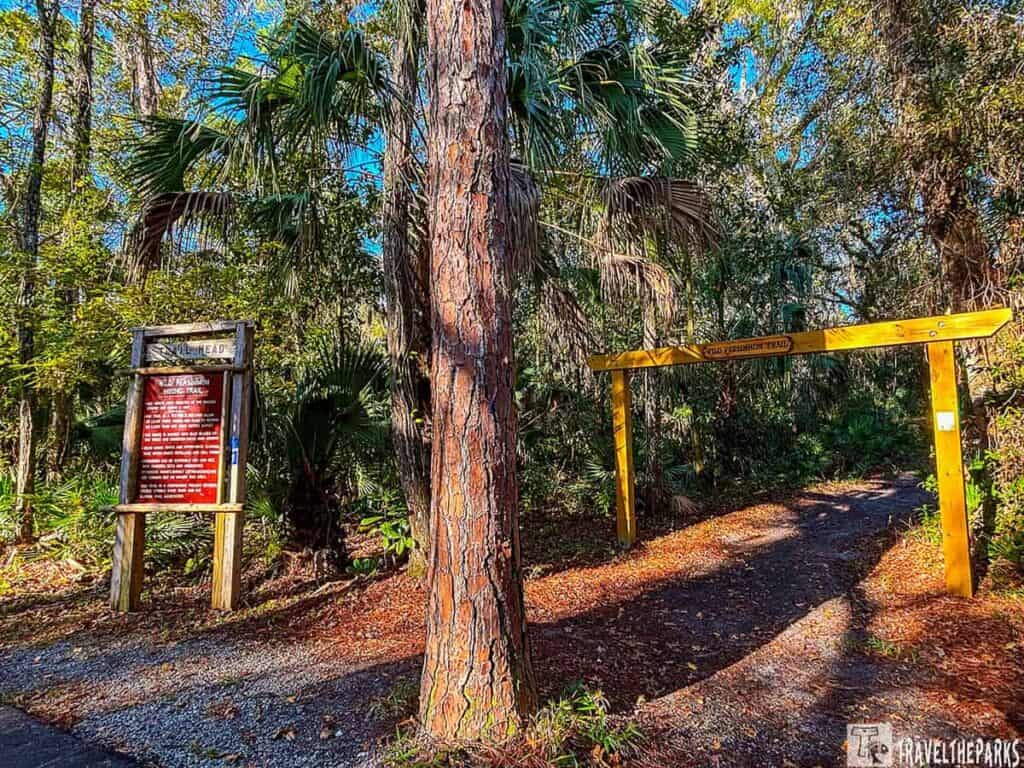
7. Walk on the Wildside: Wild Persimmons Trail
For a deeper woods experience, try the Wild Persimmon Trail. It’s a 4.2-mile loop through a shaded green forest. Total contrast to the open spring. Lots of birds. The only sounds are leaves crunching under your feet and warblers calling. Wonderful escape if you enjoy hiking.
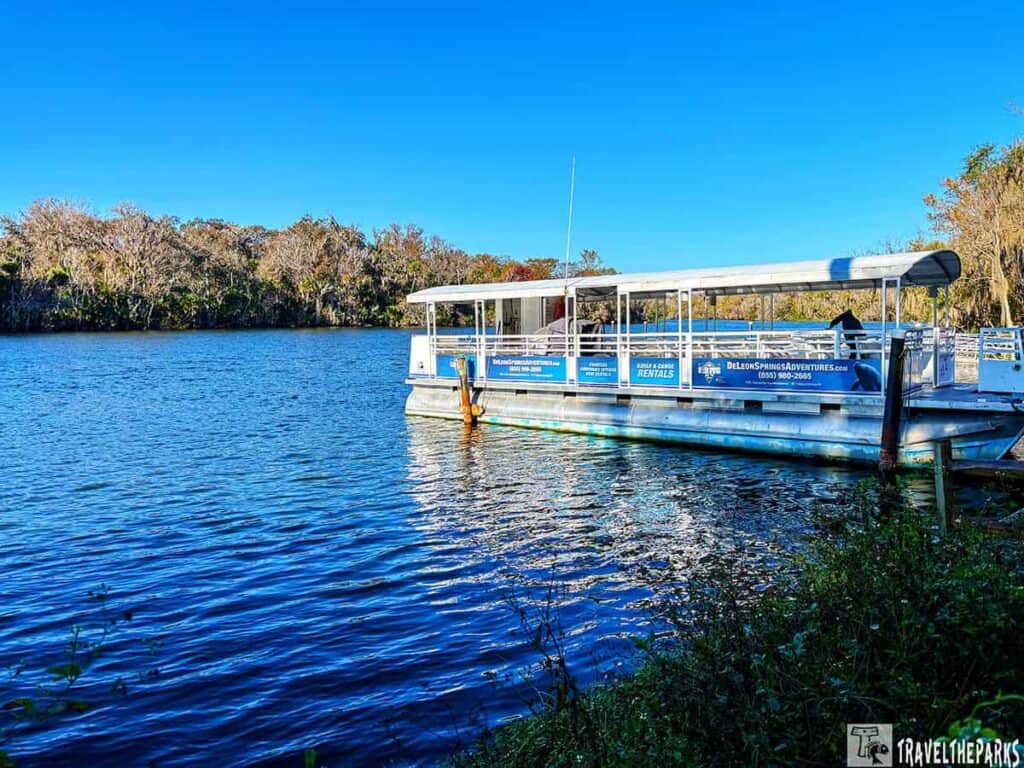
8. The Fountain of Youth Boat Tour: A Nod to Nostalgia
There’s a narrated cruise, about 50 minutes long. They talk about the history, the wildlife, and the Fountain of Youth stuff. You float down the Spring Garden Run. See turtles, birds, maybe some gators. Laid-back. Good for all ages.
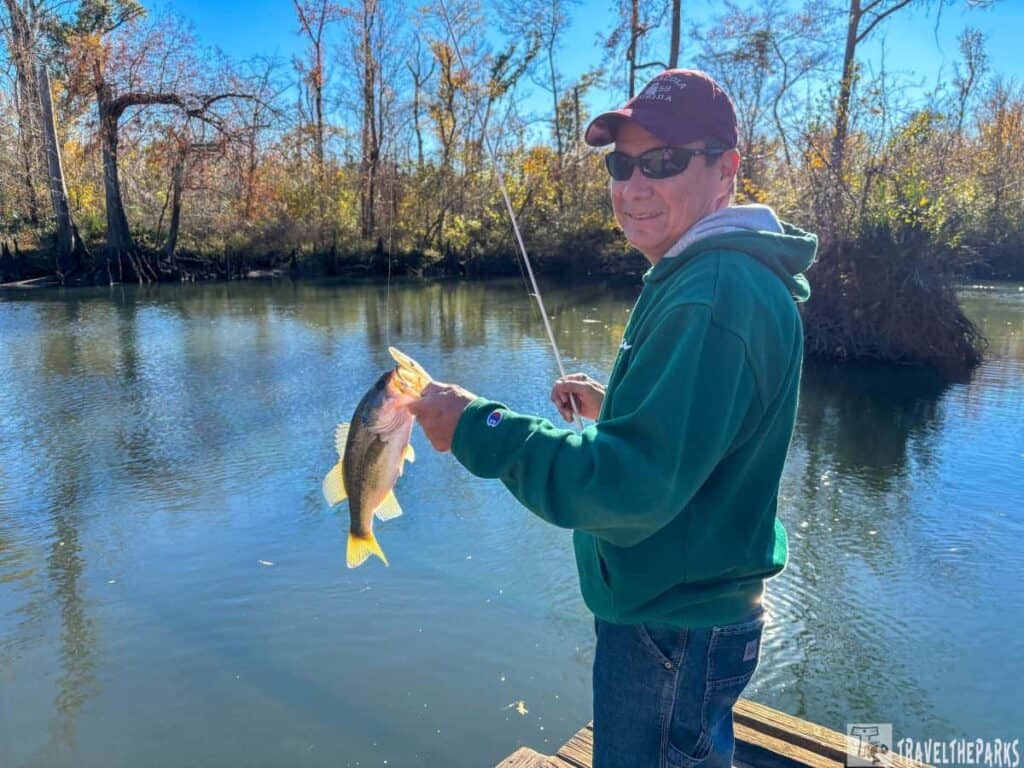
9. Paddle & Cast: Kayak Fishing in DeLeon Springs
For fishing, rent a kayak. You can get into quiet coves and grassy shorelines you can’t reach from land. The refuge has endless little spots to explore, honestly. And you’ll find largemouth bass, bluegill, sunfish, catfish—stuff like that.
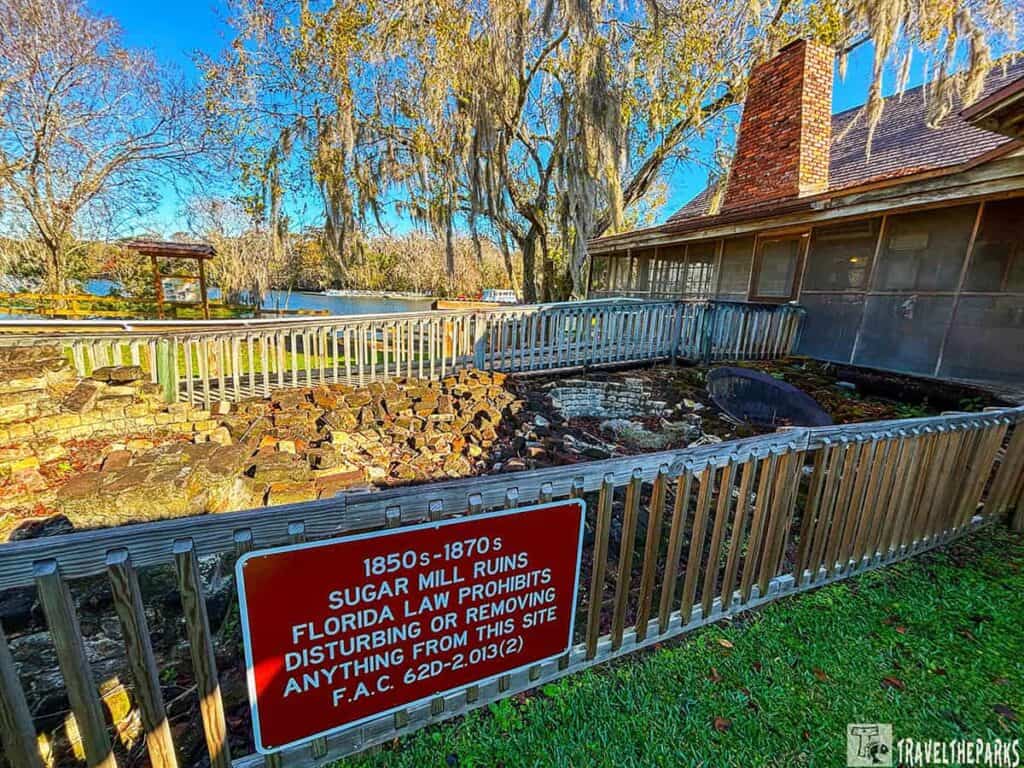
10. Lastly, wander the old sugar mill at De Leon Springs
Walk around the sugar mill grounds. Check out the preserved machinery — the water wheel, grinding rollers, boiling kettles. You can see the stone foundation of the original mill. They’ve also got the remains of what they used to call the ‘Fountain of Youth.’ It’s basically a stone-lined well with a plaque.
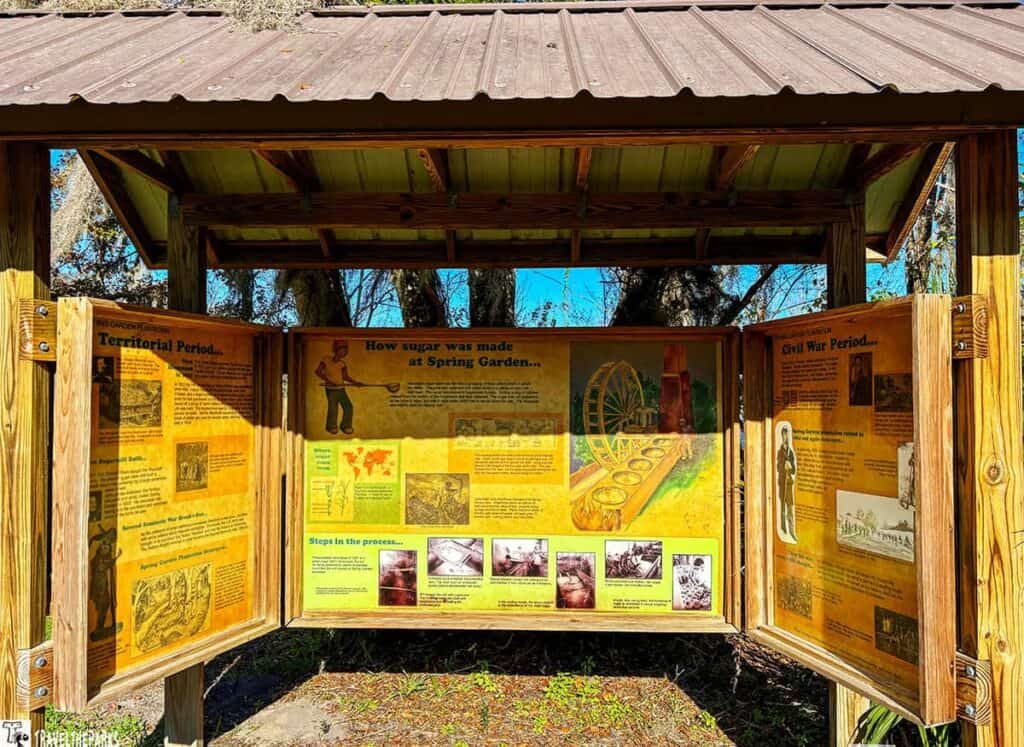
You stand there and think about all the different lives these stones have seen. Kind of wild. Timucuan shell mound. Spanish mission. Sugar plantation. Union camp during the Civil War. Resort hotel. It’s a lot of history in one small spot.
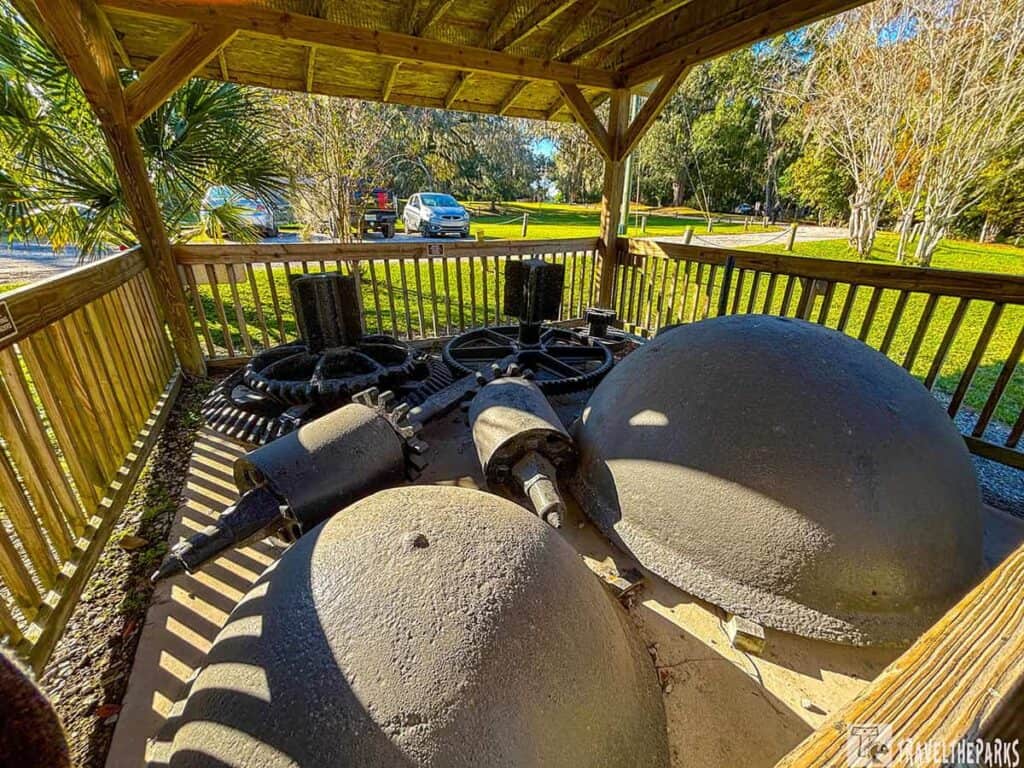
And honestly? Making sugar back then was hard work. Walking around those old machines gives you a genuine appreciation for how labor-intensive it was before automation.
Final Thoughts: Our Ultimate Guide to Florida’s DeLeon Springs State Park
There’s the sound of pancakes cooking, then later you’re in a kayak gliding through cypress trees. Kind of hits everything, honestly. You don’t find too many places that do family stuff and real outdoor adventure and actual history all in one spot. We hope this guide to Florida’s DeLeon Springs helps you plan a great day (or weekend).
Have you been to DeLeon Springs? What was your favorite part? Share your stories in the comments below!