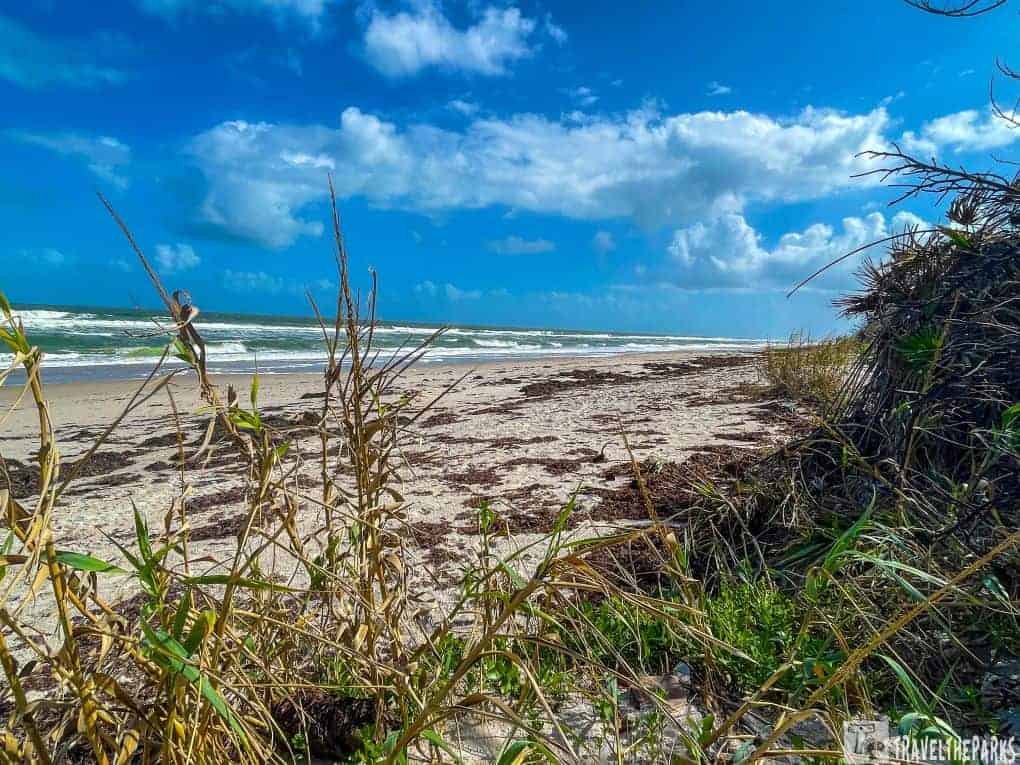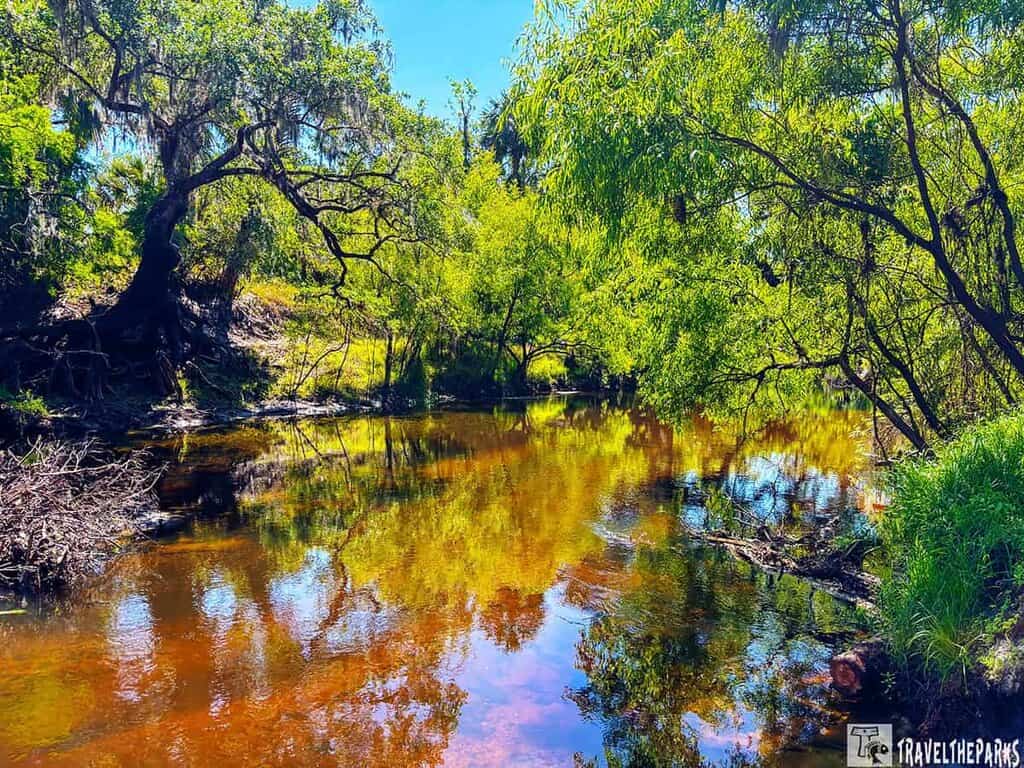
Forget the Florida of sprawling resort communities and congested coastlines. Go inland, to an area where saw palmetto rustling takes one into tales of hardship, and shaded trails chart the edges of a vanished frontier. Visit Paynes Creek Historic State Park, a hidden gem in Bowling Green, that holds out for so much more than a stroll through the woods.
Here is where nature’s peaceful beauty meets a profound and interesting history. Here, beneath the live oaks and along the peaceful creek, history appears within reach. The park protects the site of a tragic event—the 1849 attack on an Indian trading post that heightened tensions and led to the establishment of Fort Chokonikla. Now, a visit to Paynes Creek Historic State Park is an adventure like no other, inviting you to explore beautiful museums, peaceful fishing grounds, and, naturally, some of Bowling Green’s most beautiful hiking trails, FL.
This post may contain affiliate links, meaning if you purchase something through one of these links, we may earn a small commission at no extra cost to you! Read the full disclosure policy here.
Table of Contents
Who Was Chief King Payne?
Chief King Payne (also spelled Paine or Pane) was the son of the powerful Seminole leader Chief Cowkeeper. After Cowkeeper’s death in 1784, Payne became the principal chief of the Alachua Seminoles. His Seminole name was “Tacosa Tuchee.”
Paynes Creek was named later in relation to the same chief. The name was used by settlers and mapmakers during Territorial Florida to reference areas involved in Seminole–settler conflicts tied to Payne and his band. Because of the conflict over the 1849 killing of two workers, the creek became historically significant.
Under his leadership:
- The Alachua Seminoles controlled a large region of north-central Florida.
- Payne maintained villages, hunting grounds, and grazing areas around what is now the prairie.
- He led the resistance against encroaching settlers during the early conflicts that preceded the Seminole Wars.
He was ultimately killed in 1812 during a clash with American militia forces.
Getting to Paynes Creek Historic State Park
Located in Bowling Green, Florida, Paynes Creek Historic State Park is an easy and scenic drive from many parts of Central and Southwest Florida. It’s a simple day trip from Orlando. Look for signage once you’re near County Road 664 — the park entrance is clearly marked but easy to miss if you’re not paying attention.
- By Car:
- From Tampa: Take I-75 South to FL-674 E, then head south on US-17 S toward Bowling Green. In Bowling Green, turn left onto Main Street and follow it east for a quarter mile to Lake Branch Road. Turn right and drive 1.1 miles. The park entrance is on the right. Make the first right along the entrance road to park in front of the visitor center. The drive takes about 1.5 hours.
- From Orlando: Take I-4 W to FL-60 W, then head south on US-17 S. In Bowling Green, turn left onto Main Street and follow it east for a quarter mile to Lake Branch Road. Turn right and drive 1.1 miles. The park entrance is on the right. Make the first right along the entrance road to park in front of the visitor center. Expect about a 2-hour drive.
- From Bartow: Follow US 17 south to Bowling Green. In Bowling Green, turn left onto Main Street and follow it east for a quarter mile to Lake Branch Road. Turn right and drive 1.1 miles. The park entrance is on the right. Make the first right along the entrance road to park in front of the visitor center. It’s about a 30-minute drive.
- From Sarasota or Fort Myers: Take I-75 North to FL-64 E, then continue to US-17 N. You’ll reach the park in 1.5 to 2 hours depending on your starting point.
Know Before You Go to Paynes Creek Historic State Park
This guide will walk you through the top things to do at Paynes Creek Historic State Park, from living in the past to simply enjoying a perfect picnic in the sunshine. Prepare to decipher a page of history long lost and a natural paradise yet to be discovered. To make the most of your journey to this historic site, a little preparation goes a long way. Here’s what you need to know before you visit Paynes Creek Historic State Park.
- Hours & Entry: The park is open daily from 8 a.m. until sunset, year-round. There’s a small entrance fee (typically $3 per vehicle), so bring exact change or pay via the self-service station. Check the official Florida State Parks website for any seasonal changes to its operating hours before your trip.
- Museum Hours: The Visitor Center is open 9:00 a.m. – 5:00 p.m. daily.
- Wildlife Caution: This is wild Florida — keep your distance from any alligators, snakes, or other wildlife you may encounter, especially near the riverbanks.
- Cell Service: Don’t count on a strong signal here — which makes it the perfect place to disconnect and recharge in nature. It’s wise to download or print a map of the trails beforehand.
- Pet Policy: Good news — Paynes Creek Historic State Park is pet-friendly! Pets must be kept on a handheld leash no longer than six feet at all times.
- Heat Warning: Florida gets hot, especially in summer. Carry more water than you think you’ll need—hydration is crucial.
- The Insect Reality: This is a natural Florida ecosystem, which means insects are part of the experience. Insect repellent is nonnegotiable. For a more comfortable hike, consider treating your clothing with permethrin beforehand.

What to See and Do at Paynes Creek Historic State Park
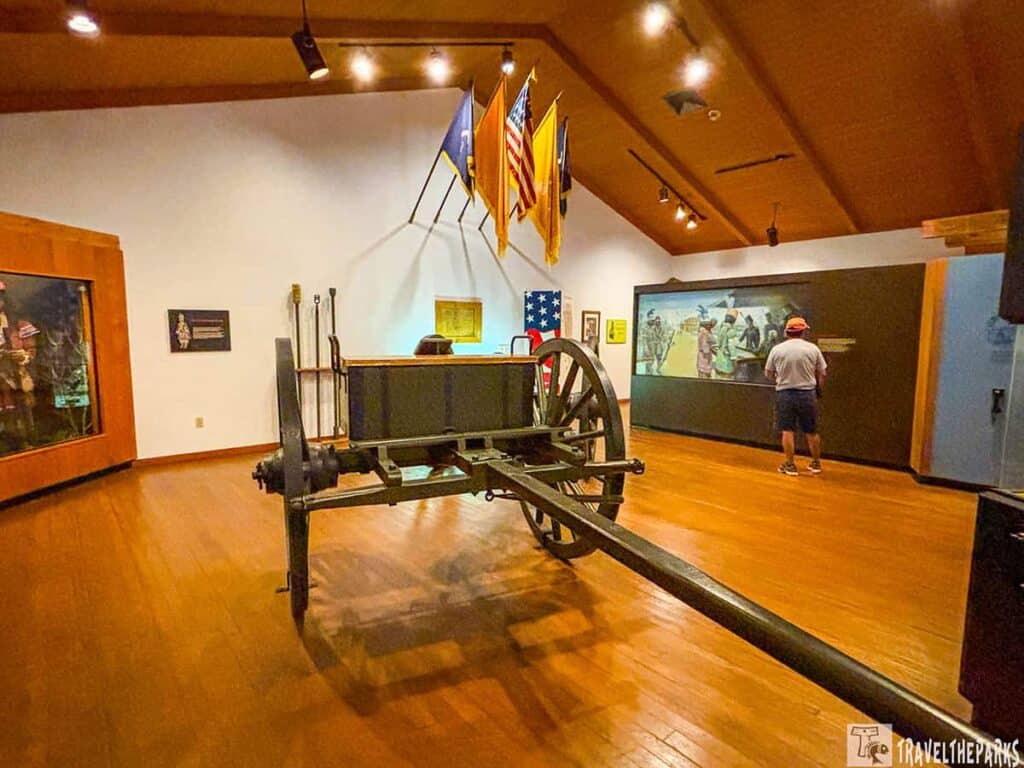
The visitor center has to be your starting point—a little but unassuming building with exhibits telling the amazing history of this place. A must-see, it recreates the 1849 trading post conflict and the area’s early settler history — key for anyone interested in visiting Paynes Creek Historic State Park with a deeper appreciation. The park’s historical narrative centers on the events surrounding the Kennedy-Darling Trading Post, the Payne-Whidden Massacre, and the establishment of Fort Chokonikla.

To truly appreciate a visit to Paynes Creek Historic State Park is to understand the troubled and bittersweet history that pervades this land. This is not simply a scenic location; it’s one where the volatile relationship between American settlers and the Seminole nation boiled over into violent conflict, altering the future of Florida forever.
A Step Back in Time: The History of Paynes Creek
After the Second Seminole War (1835–1842), the U.S. government sought to stabilize Florida and encourage American settlement through laws like the Armed Occupation Act of 1842. In 1849, as part of a broader effort to manage relations with the few hundred Seminoles who remained in South Florida, the U.S. Army established a government-operated trading post near Paynes Creek.
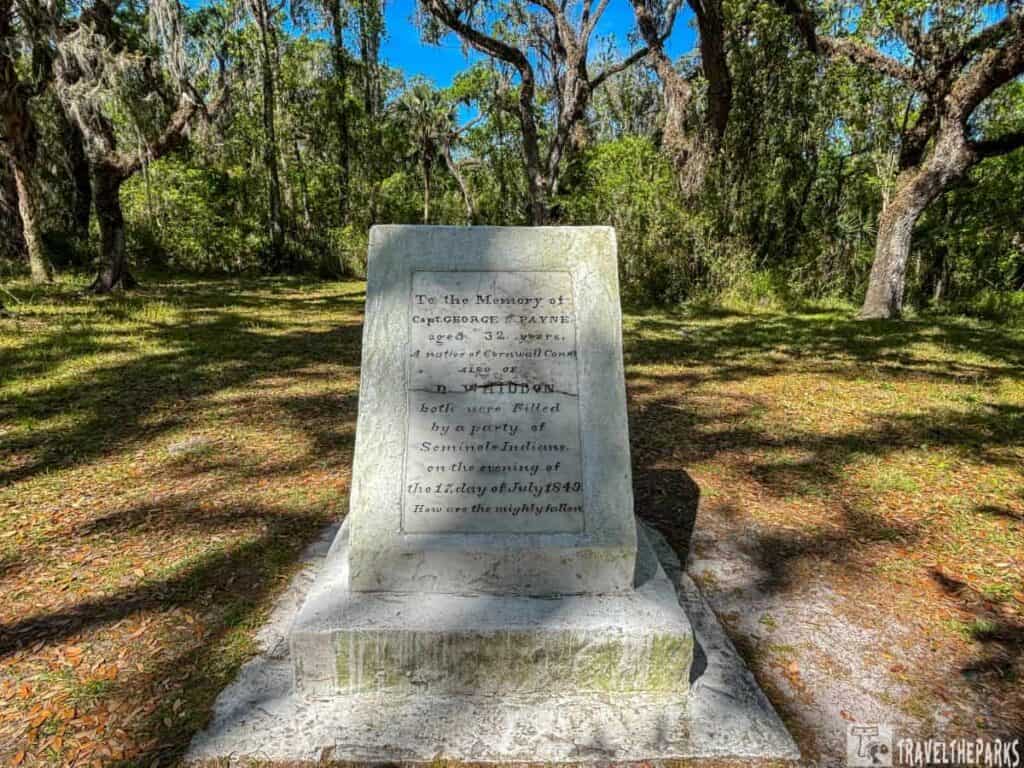
This post, supplied by the firm Kennedy & Darling and often referred to as the Kennedy-Darling Trading Post, was managed by U.S. Army officers, including Captain George S. Meade. Its purpose was to provide goods to the Seminoles under a fragile peace agreement, intending to act as a controlled point of contact and a buffer between them and the incoming settlers. However, the post was destroyed shortly after its opening in 1849 when a Seminole band led by Chief Chipco killed the civilian clerk, George S. Payne, and interpreter Dempsey Whidden. This event underscored the continued volatility in the region, even as the U.S. incrementally forced the remaining Seminoles into the remote areas of the Everglades.
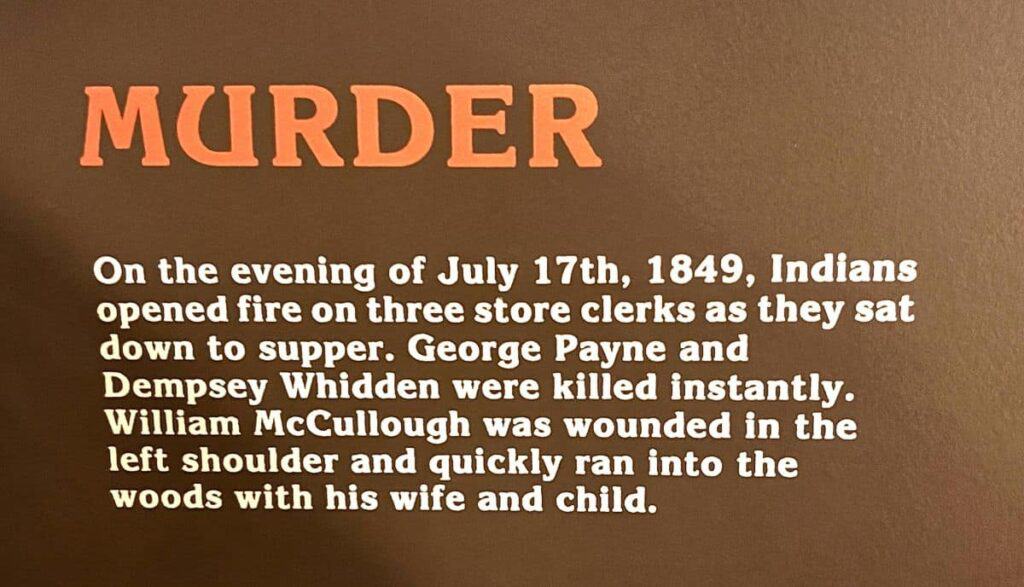
But that peace did not endure. A band of Seminole warriors attacked the trading post on July 17, 1849, slaying two clerks and destroying the store. The brutal act of violence shocked the local populace and revived settlers’ fears, ultimately resulting in the evacuation of the proximate Fort Chokonikla and contributing to the series of events that led to the Third Seminole War.

Explore the Site of Fort Chokonikla
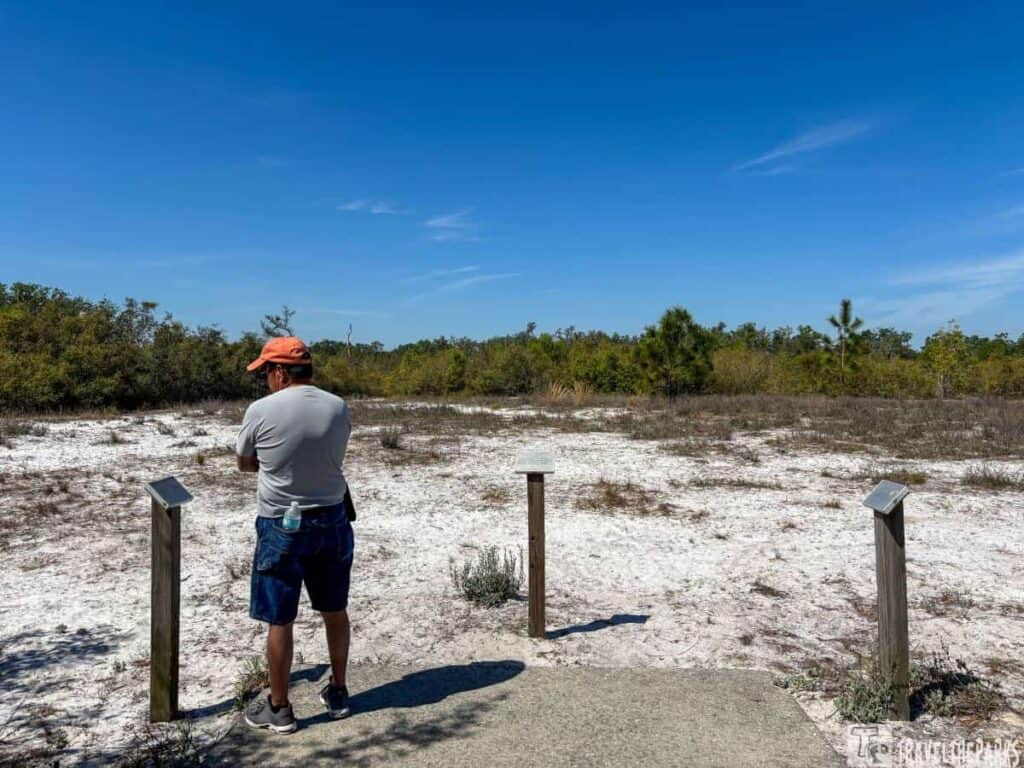
This park was the site of Fort Chokonikla. Built in 1849, when the tensions between settlers and the Seminole clans were escalating. Today, informational plaques that detail the history of the fort, its purpose, and the life of the soldiers stationed there. You can walk the grounds where the fort stood. While the wooden structures are long gone, you can see the raised earthworks that formed the foundation of the fort’s walls. Seeing this terrain gave us an appreciation of its strategic position. It had me thinking about the war, the harsh environment for the soldiers (who took a hard hit from malaria), and the larger tale of the Seminole Wars.
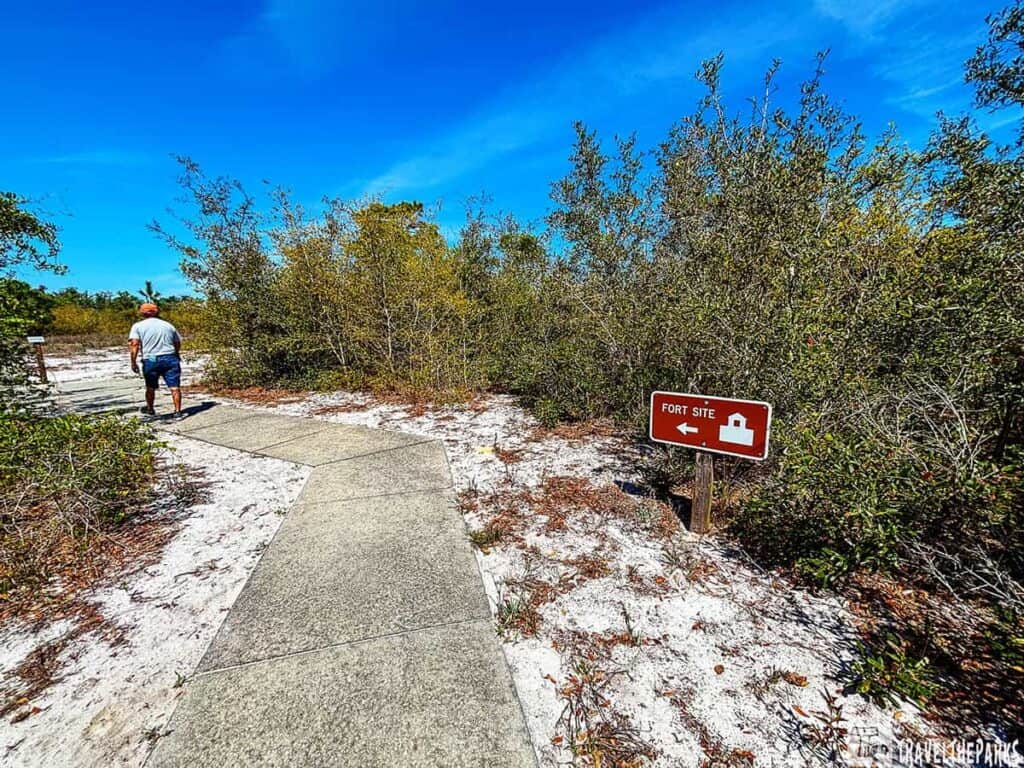
I can see why the Seminoles called Fort Chokonikla “burnt house.” Fort Chokonikla was abandoned after just about one year. The primary reason wasn’t enemy attack, but disease. Mosquito-borne illnesses like malaria and yellow fever ravaged the troops stationed in the swampy environment, making the post unsustainable. Exploring the Fort Chokonikla site is less about seeing impressive ruins and more about connecting with a story written on the landscape.
Hiking Trails Along Hatsé Lotka (The Winding Creek)
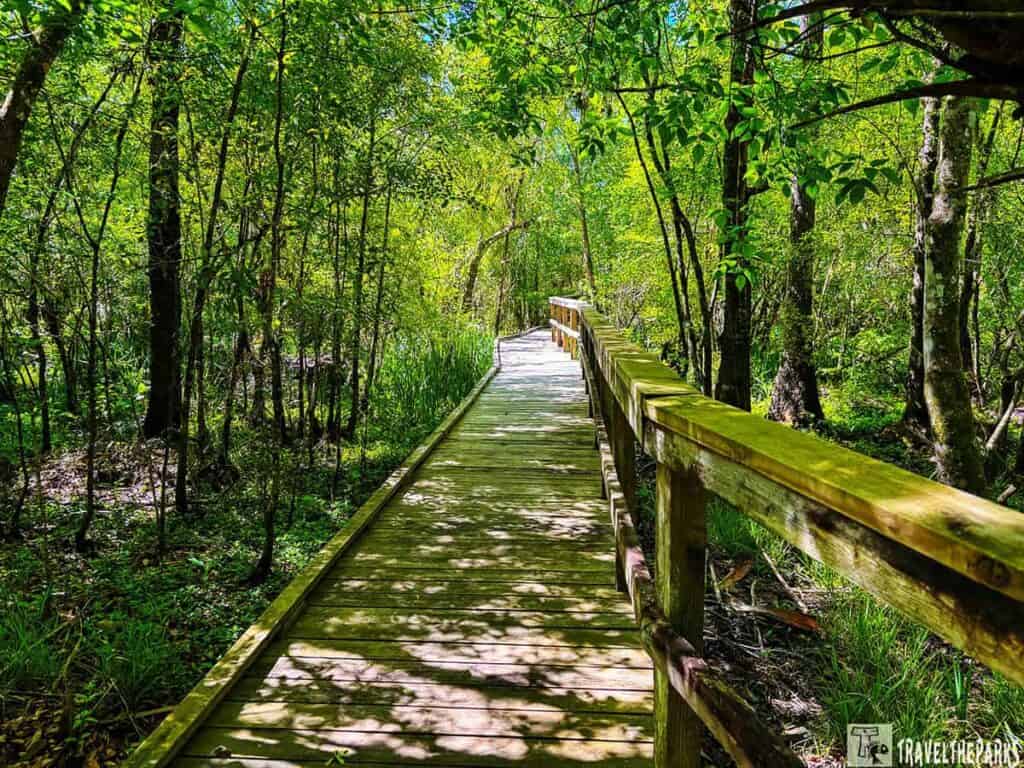
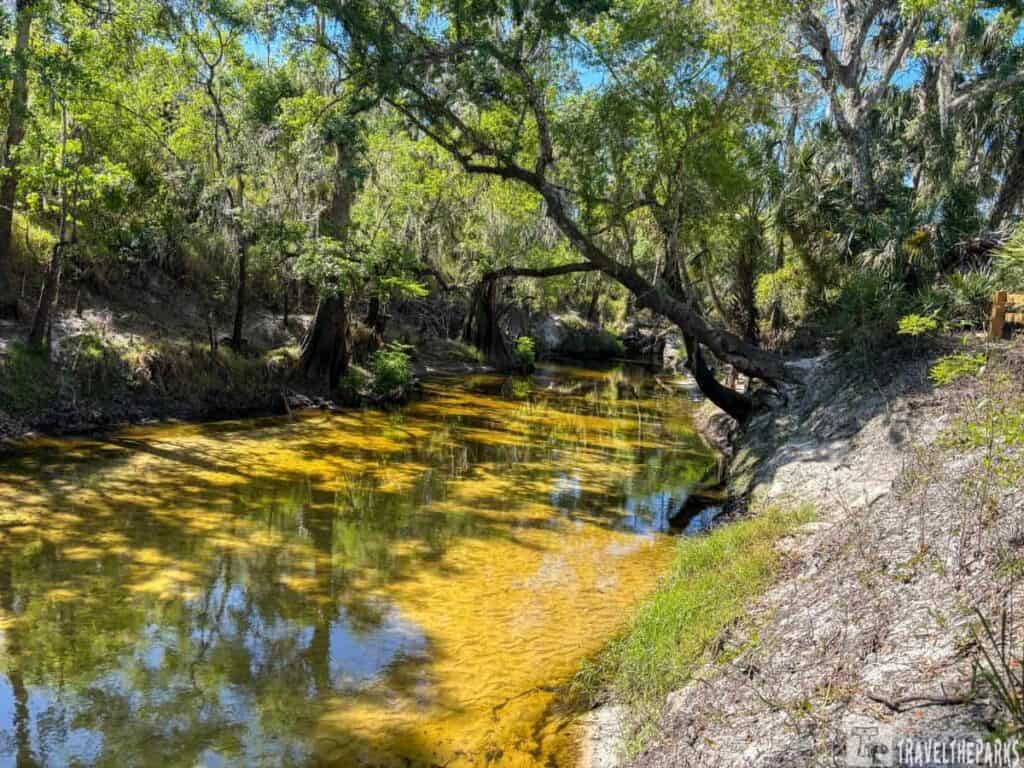
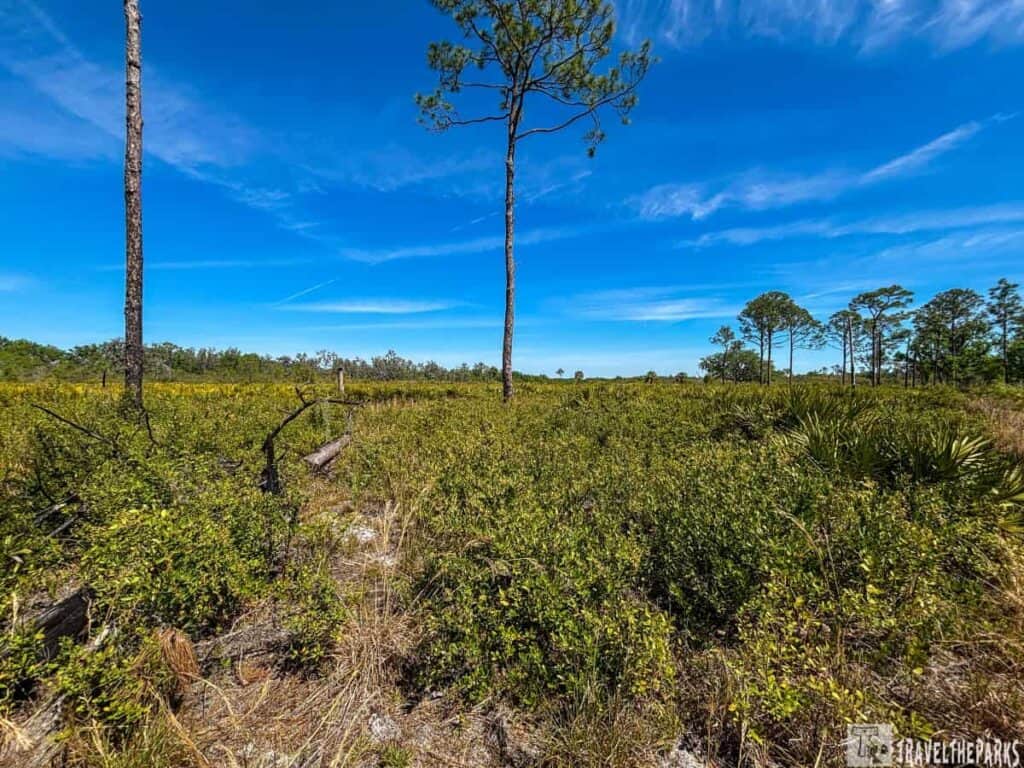
There are over 4-miles of trails to explore here. We found they were peaceful, meandering through the park’s pine flatwoods, and hardwood hammocks. Most follow the quiet path of Hatsé Lotka—the name for Paynes Creek in the Seminole language, meaning “Winding Creek.”
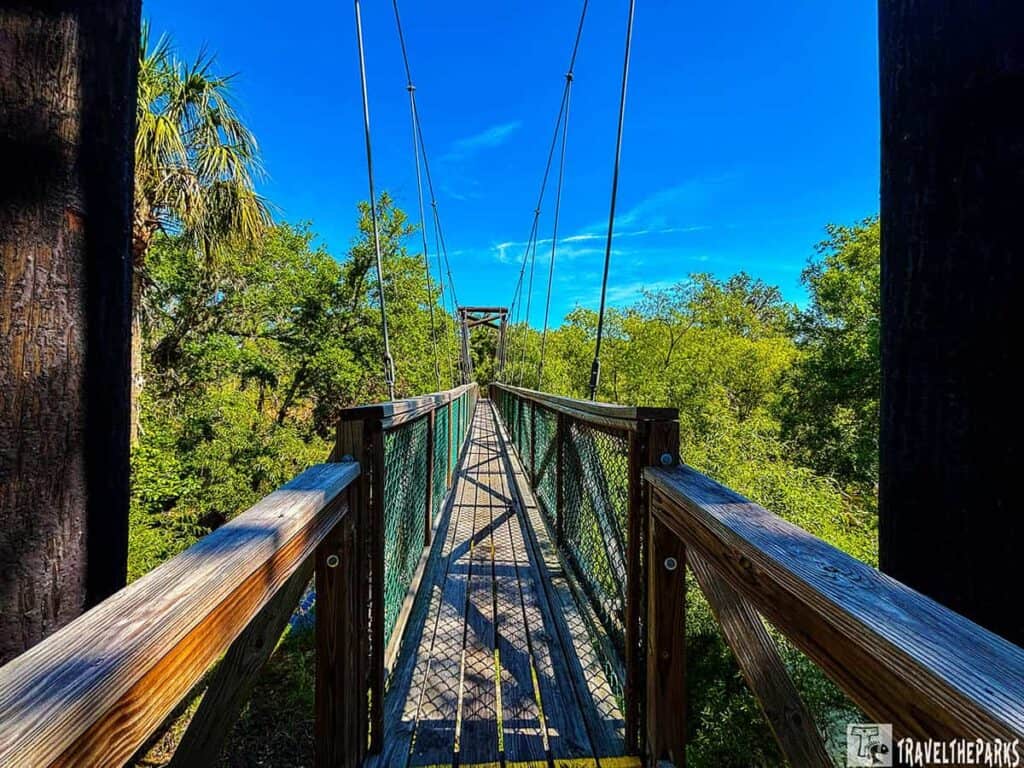
The Historic Trail takes you directly to the monument via the suspension bridge and the site of the old trading post. The highlight of this trail for me was the scenic suspension bridge that crosses the creek, offering beautiful views and a peaceful spot to observe the water and wildlife. All the trails are flat and well-maintained but can be sandy or have exposed roots. The other loops are all interconnected and offer quiet walks with excellent birdwatching and glimpses of wildlife like deer, gopher tortoises, and turtles.
- Mary Jane Trail: a 2.3-mile loop. Can be muddy. Wear waterproof, closed-toe shoes suitable for walking .
- Peace River Trail: a 1-mile loop trail to an overlook of the Peace River. Good for spotting gators.
- Flatwoods Trail: the 1.6-mile trail traverses the hardwood forest, with certain sections offering limited shade because of exposure.
What else can you do at Paynes Creek Historic State Park
- Kayak or canoe the Peace River: bring a kayak or canoe and launch into the Peace River, which flows along the park’s eastern edge. It’s a brilliant spot for a slow paddle, fossil hunting (shark teeth), or just soaking up the old-Florida atmosphere.
- Have a Peaceful Picnic: Several shaded picnic tables and pavilions make this park a lovely place for a laid-back afternoon. There’s even a small playground near the main parking area if you’re visiting with kids.
- Watch for Wildlife: This quiet, less-trafficked Florida park is magnificent for spotting wildlife. Look for herons, egrets, woodpeckers, and even river otters. Early mornings and late afternoons are best for animal activity.
When visiting Paynes Creek Historic State Park, be sure to bring plenty of water, comfortable walking shoes, and weather-appropriate clothing for exploring the trails and historic sites. Sunscreen, insect repellent, and a hat are helpful for spending time outdoors, while a small backpack makes it easy to carry snacks, a map, and personal items. A charged phone or camera is great for photos of the park’s natural scenery and historic structures, and binoculars can enhance wildlife viewing along the creek. A first-aid kit and any needed outdoor essentials will help ensure a safe and enjoyable visit.
Final Thoughts: Paynes Creek Historic State Park
Whether you take the historic trail and pause at the suspension bridge upon which soldiers and Seminoles once marched, or glimpse a gopher tortoise ambling quietly through undergrowth, there’s simple authenticity to what this park has to offer. The park connects you to a deeper, often forgotten Florida. It is a place for those who want to escape the noise of everyday life. Here, you can feel the weight of history; the past is still alive in this peaceful setting. This place isn’t loud about what it has to say. It waits for you to slow down. For those who come with open eyes and unhurried steps, the park offers more than just a visit, giving them a moment to belong to something older, quieter, and deeply rooted.
A hidden gem right in our backyard—have you visited Paynes Creek Historic State Park? Share your experience in the comments below—we’d love to hear what moments stood out to you.