Visiting Jamestown Settlement was the anchor of our Virginia history road trip. It was an amazing opportunity to experience the beginnings of the United States. As one of the most significant Jamestown, VA, historical sites, it offered us a truly authentic glimpse into the lives of the first English colonists. This Jamestown travel guide is partially based on our firsthand experience. It is interspersed with professional tips so that you can have an equally rewarding experience.
This post may contain affiliate links, meaning if you purchase something through one of these links, we may earn a small commission at no extra cost to you! Read the full disclosure policy here.
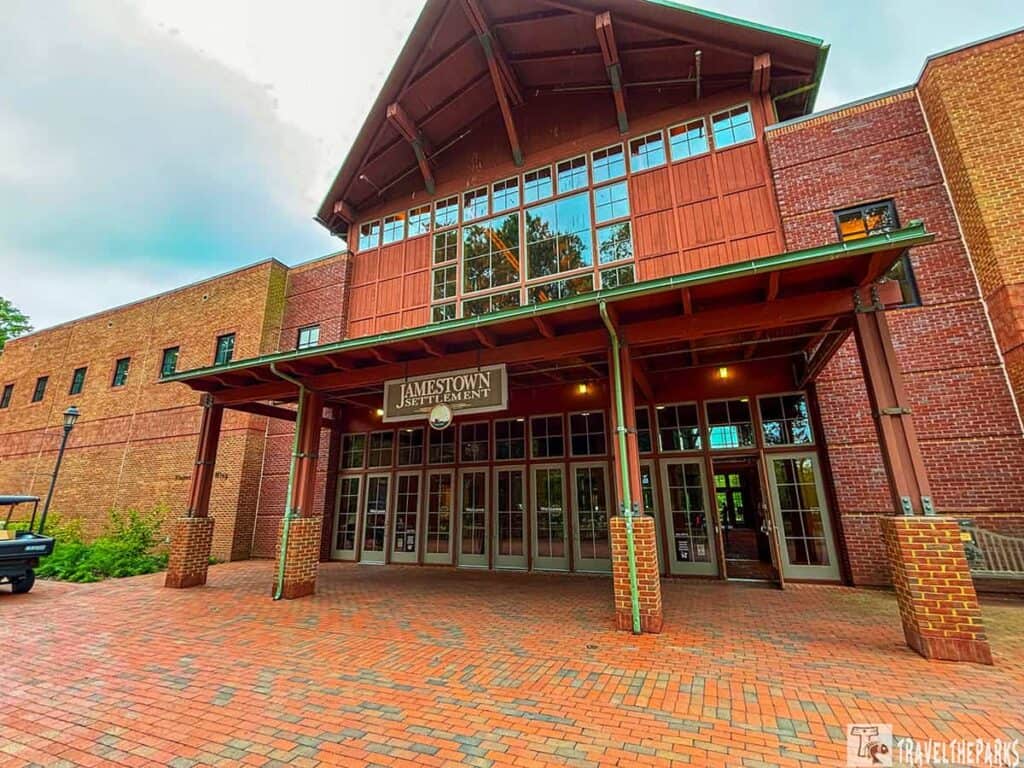
Table of Contents
Need to Know Before You Visit | Visiting Jamestown Settlement
This “Know Before You Go” section is based on what we learned through experience:
- Comprehending the Two Locations: Experiencing Jamestown Settlement and Historic Jamestowne entails visiting two separate locations, each with its own ticket. Historic Jamestowne, about a mile away, is the actual archaeological site of the original 1607 fort.
- Our Take: They complement each other. For a full day, do Historic Jamestowne in the morning for the actual site, then Jamestown Settlement in the afternoon for immersion.
- Ticket Information & Savings:
- General Admission: Adult tickets are around $20, children (6-12) are about $12, and kids under 6 are free.
- Combo Tickets: If you want to save money, check out the combo ticket. The Jamestown-Yorktown Foundation or the Historic Triangle Pass provides admittance to Jamestown Settlement, Colonial Williamsburg, and Yorktown.
- In our case, we bought the tickets online ahead of time.
- Accessibility Details: Jamestown Settlement is wheelchair accessible. People with disabilities can easily walk around, see all the exhibitions, and take part in all activities. Besides that, there is parking for people with disabilities.
- Best Times for a Great Experience:
- To escape the crowds, go early when they open (generally 9 AM) or go on a weekday. The peak is on weekends and holidays during summer vacation.
- As far as ideal weather conditions are concerned, the best time to visit is during spring (April-May) and autumn (September-October). These months offer pleasant temperatures.
- For special occasions, look for historical anniversaries, military displays, and fun festivals. These events cater to families, providing an additional element of fun.

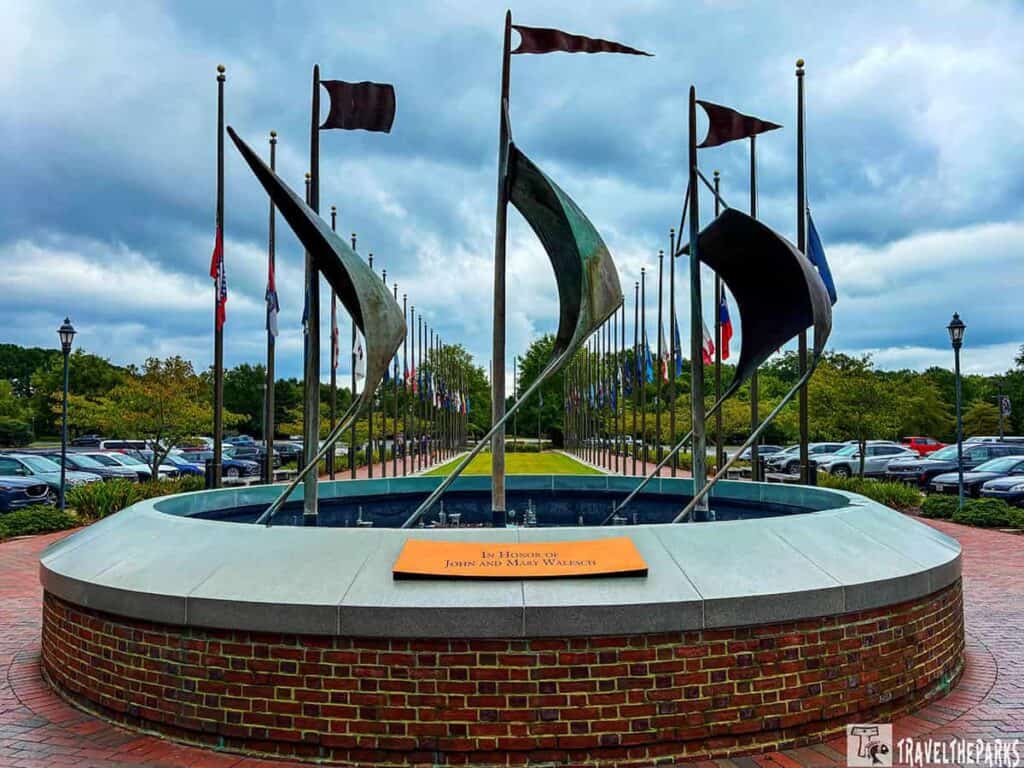
Overview: What is the Jamestown Settlement?
The Jamestown Settlement is a living history museum that brings the 1607 English settlement to life. As we walked the grounds, we moved through hands-on exhibits, a recreated Powhatan Indian village, full-size replicas of the settlers’ ships, and a rebuilt fort. Instead of viewing history through paintings or placards, we experienced it firsthand. Interpreters helped us understand what daily life was really like for those early settlers in the New World.
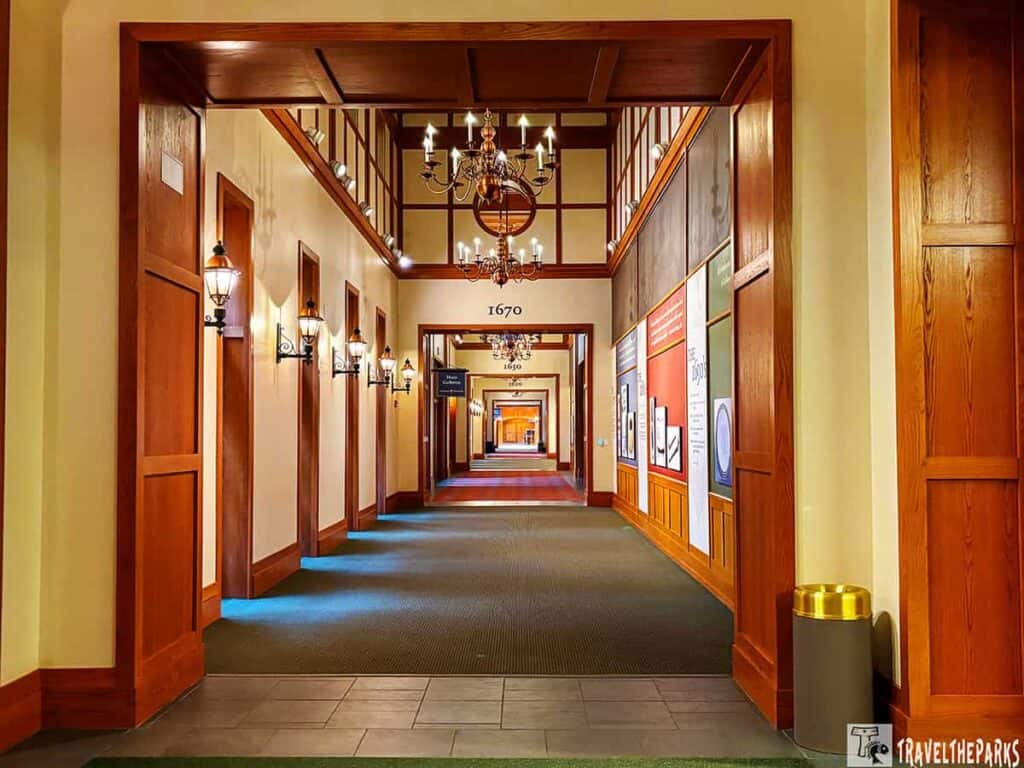
How to Plan Your Visit: What to See and Do at the Jamestown Settlement
We arrived about 30 minutes after opening, and the lot was already filling fast. Having pre-purchased tickets definitely saved us some serious time. Walking into Jamestown Settlement is almost like going back to the year 1607. It is not a silent museum with velvet ropes. Instead, it is a busy living recreation of the first permanent English colony in America.Our first stop was the indoor gallery to catch the short film 1607: A Nation Takes Root—it was a great way to set the stage for the rest of the visit. Almost skipped it, but it turned out to be the perfect primer-setting the stage for the living history outside. The 4D multi-sensory film “Bacon’s Rebellion” in the projection theater is pretty incredible, so don’t miss it.
PRO tip: arrive right at 9 a.m. for the lightest crowds.
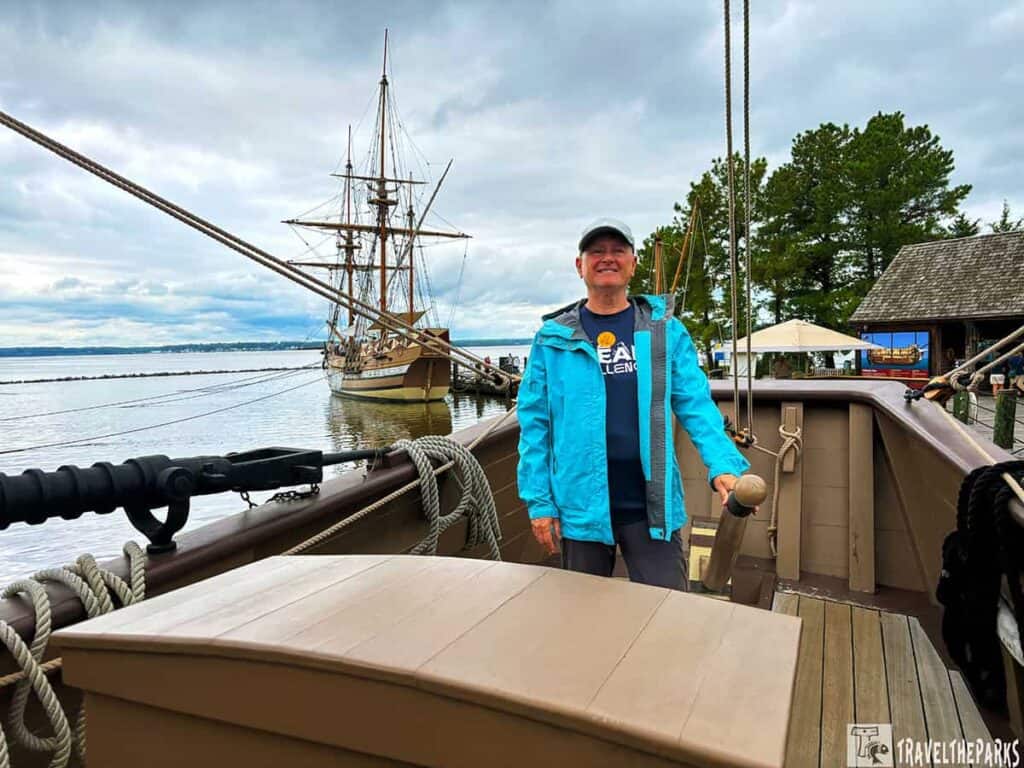
Boarding the Ships (Susan Constant, Godspeed, Discovery)
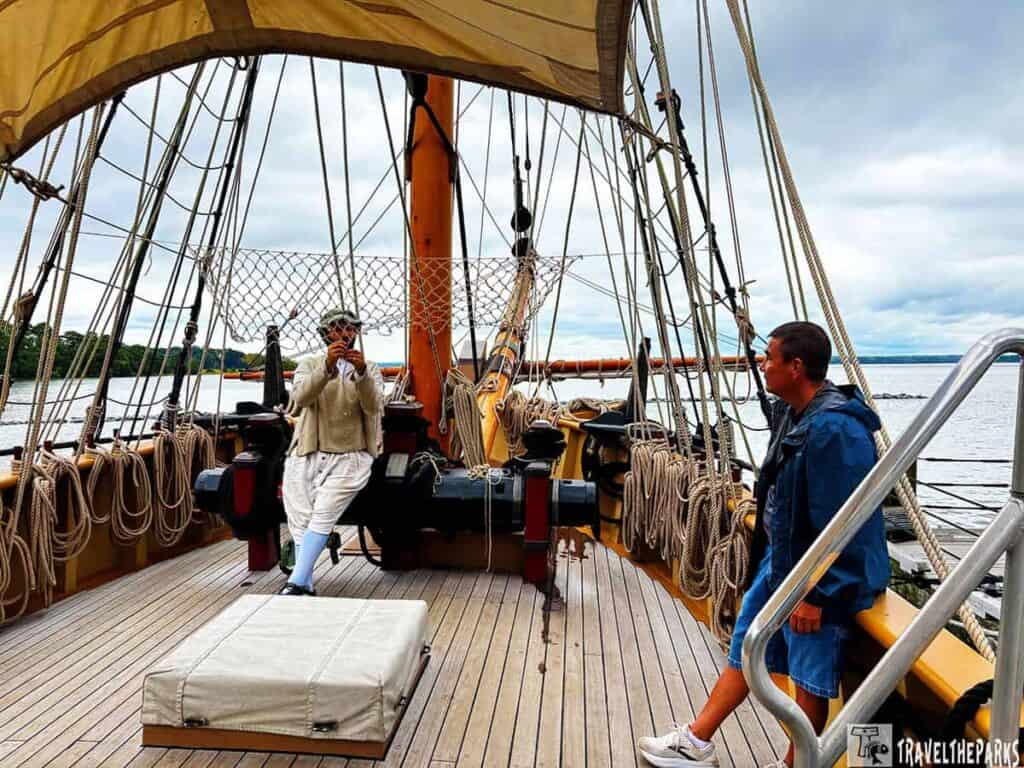
A “wow” experience was walking down to the riverside to view the replica ships. First, we visited the largest ship, the Susan Constant. Going down to the lower deck, the realities of the 144-day journey from England sunk in. As we ascended back to the deck, our costumed sailor guide pointed to the area where 71 people would live. To get the ship sailing, we were able to participate in hoisting a sail, laughing as we tried to help raise the sail together with a group of other members. It’s a “floating classroom” for kids who could learn knot-tying and steering navigation skills.
Paspahegh town
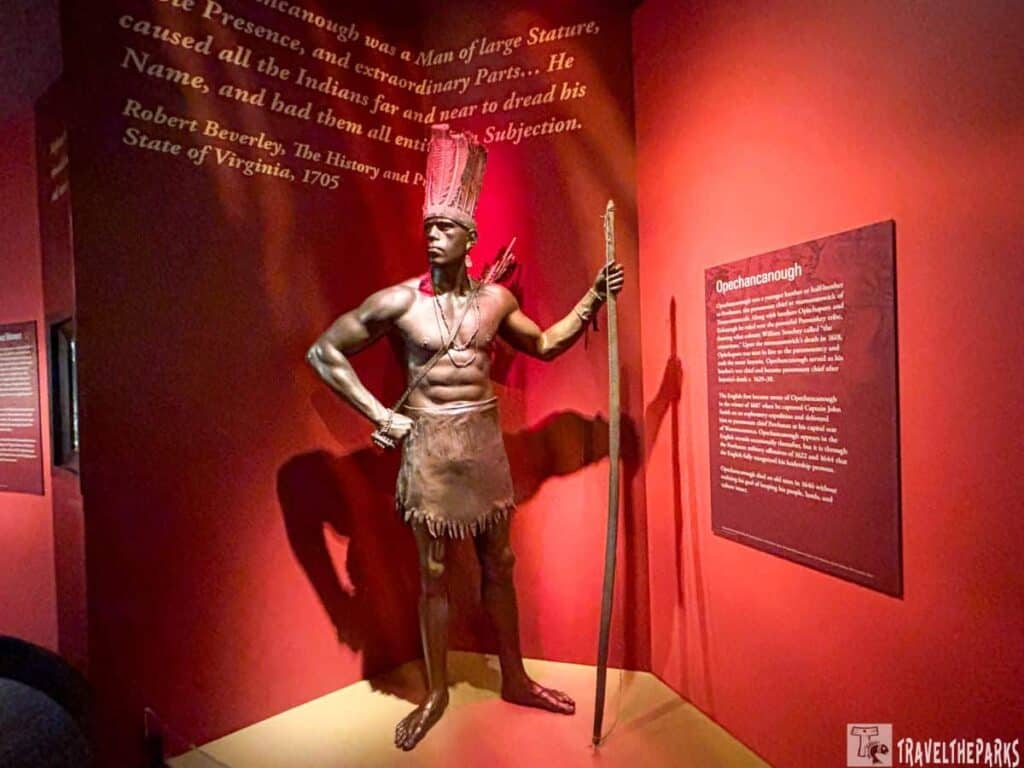
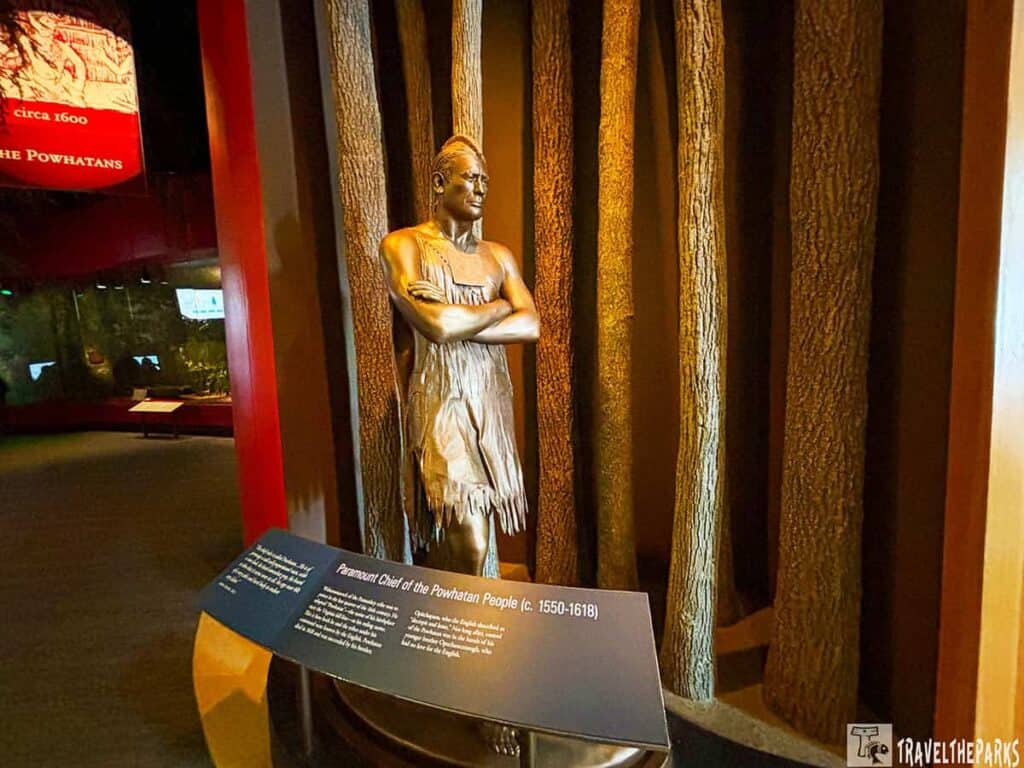
A short walk from the ships brought us to the recreated Paspahegh town. The contrast was immediate and profound—from the wooden decks of English ships to the dome-shaped yahacan houses made of saplings and reed mats. Part of the Powhatan chiefdom, the clan spoke the Algonquian language. The land here along the James River was called Tsenacommacah.
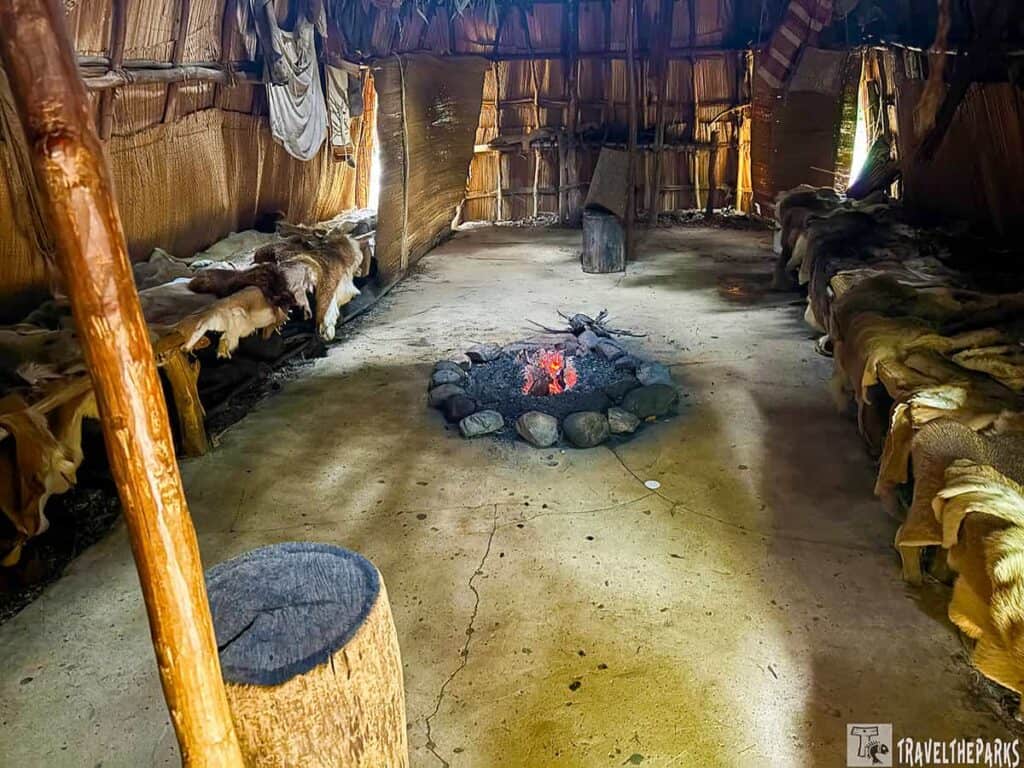
We got our hands dirty as a historical interpreter showed us corn grinding with a mortar and pestle. Watching her twist plant fibers into cordage was cool, too. But the best part was simply listening to stories about Powhatan culture. The living history reenactors spoke about their deep connection to the land. For us, that perspective was essential to understanding Jamestown’s full history.
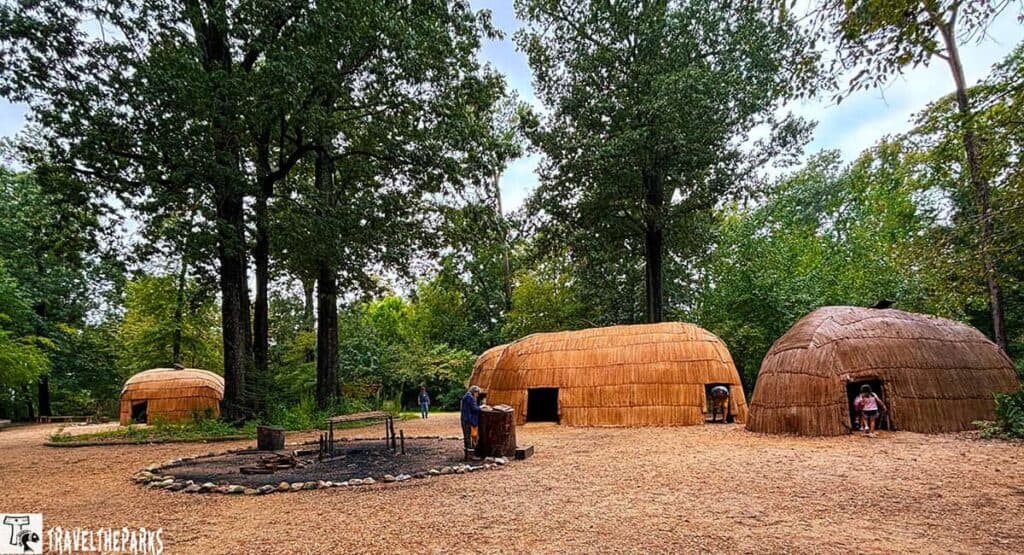
James Fort & The Sound of Musket Fire
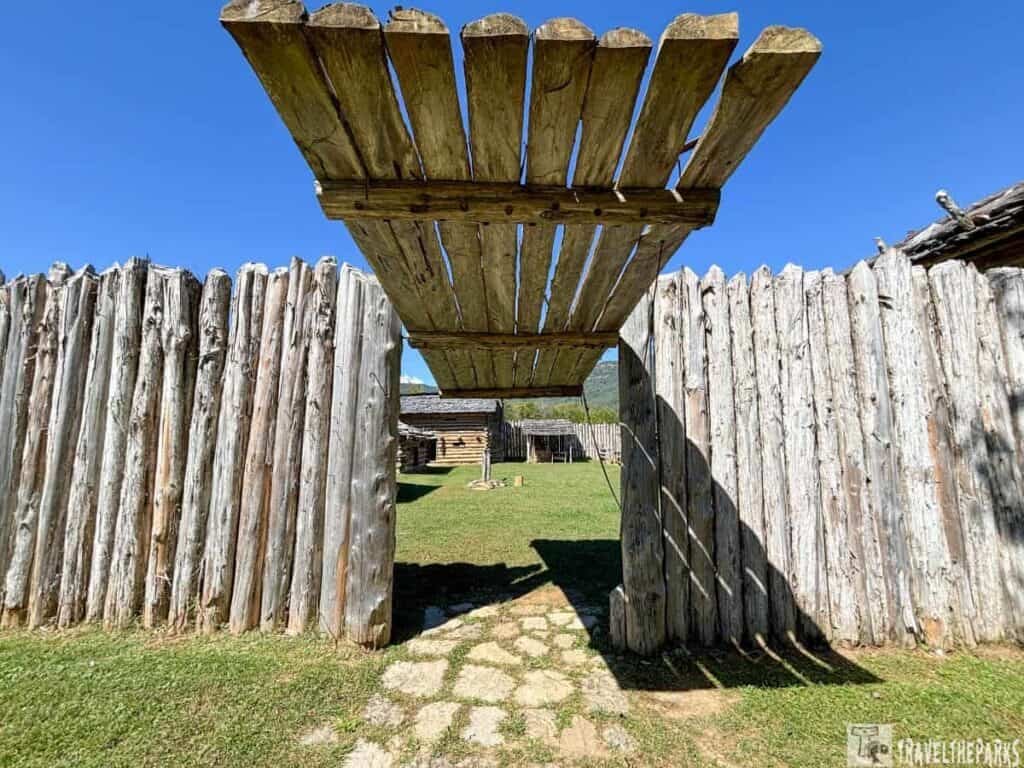
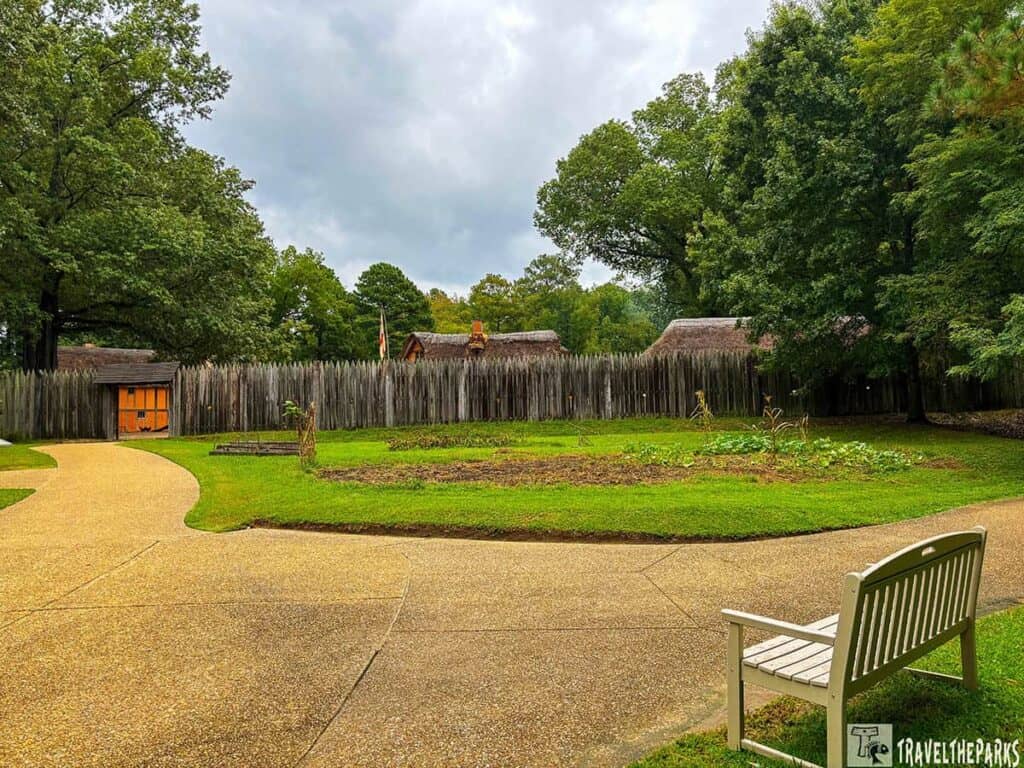
The sharp crack of a musket drew us to the fort. Passing through the wooden gates, we didn’t just see a reconstruction—we stepped into the desperate reality of the original James Fort.
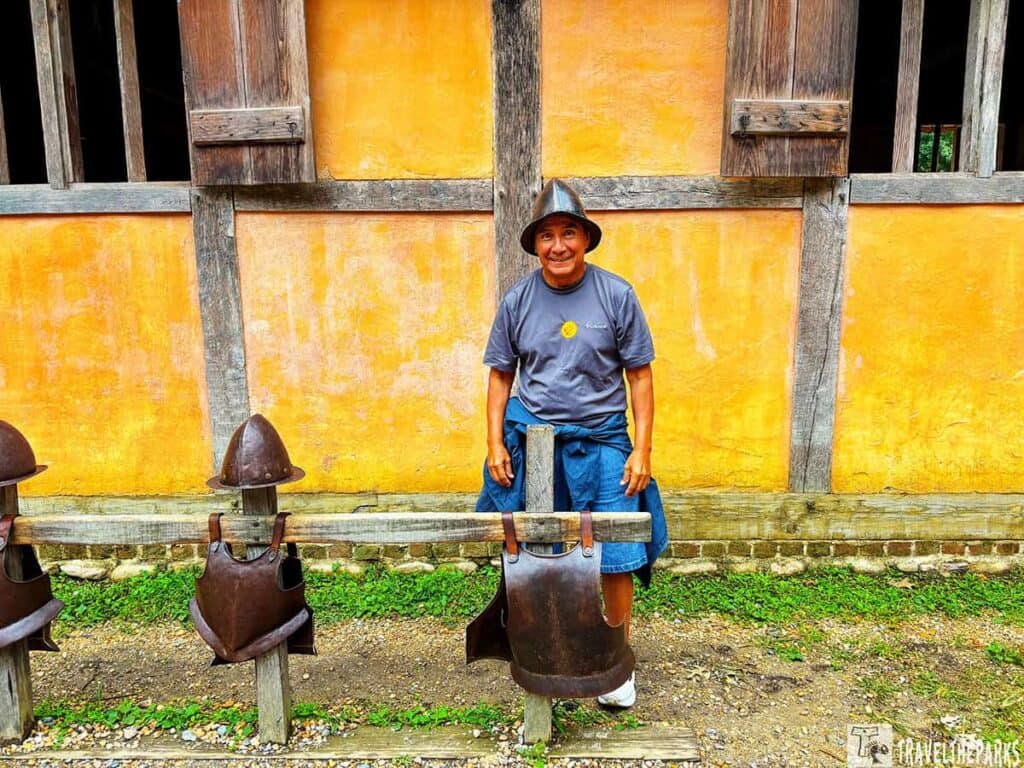
The recreation follows the urgent blueprint for survival. Built in May 1607, the original fort was a cramped, triangular stronghold—the settlers’ entire world. It was shelter, church, storehouse, and defense, all in one. Life inside was brutal, marked by famine, disease, and conflict. During the “Starving Time” of 1609–1610, the fort became a tomb for many.
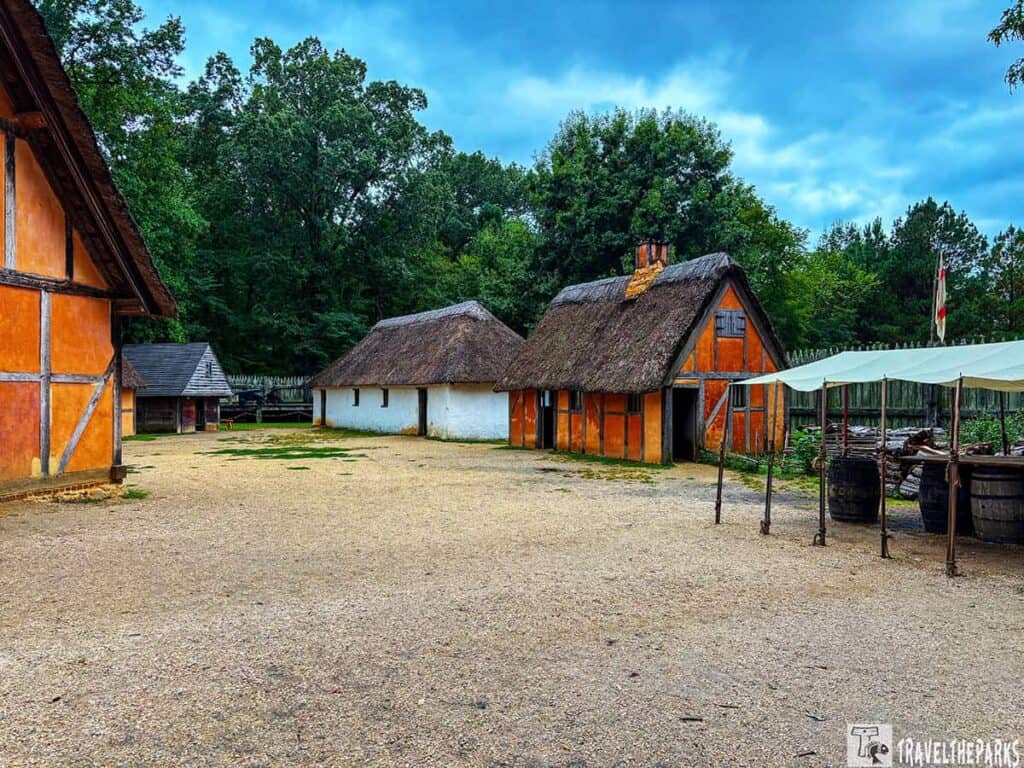
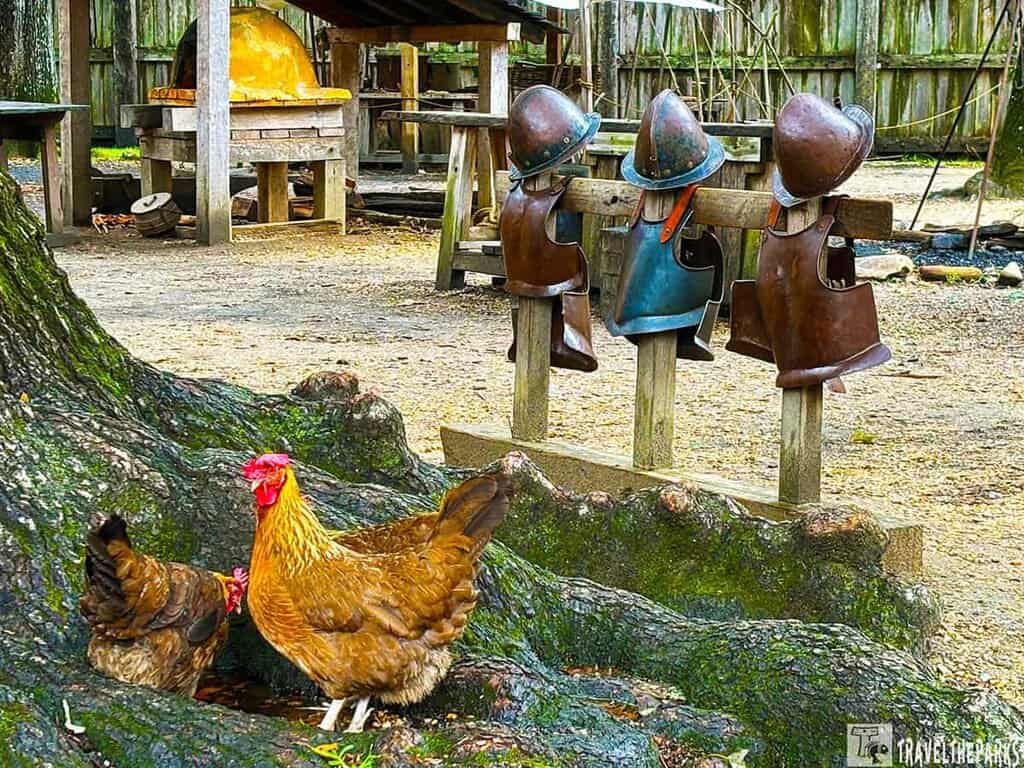
The history came alive at the re-created fort: the doctor with his rather grotesque tools, the blacksmith and the gunsmith at work, and the cook with her fire-the windows to daily survival. Soldiers were drilling in the yard, practicing the defense of the fragile settlement.
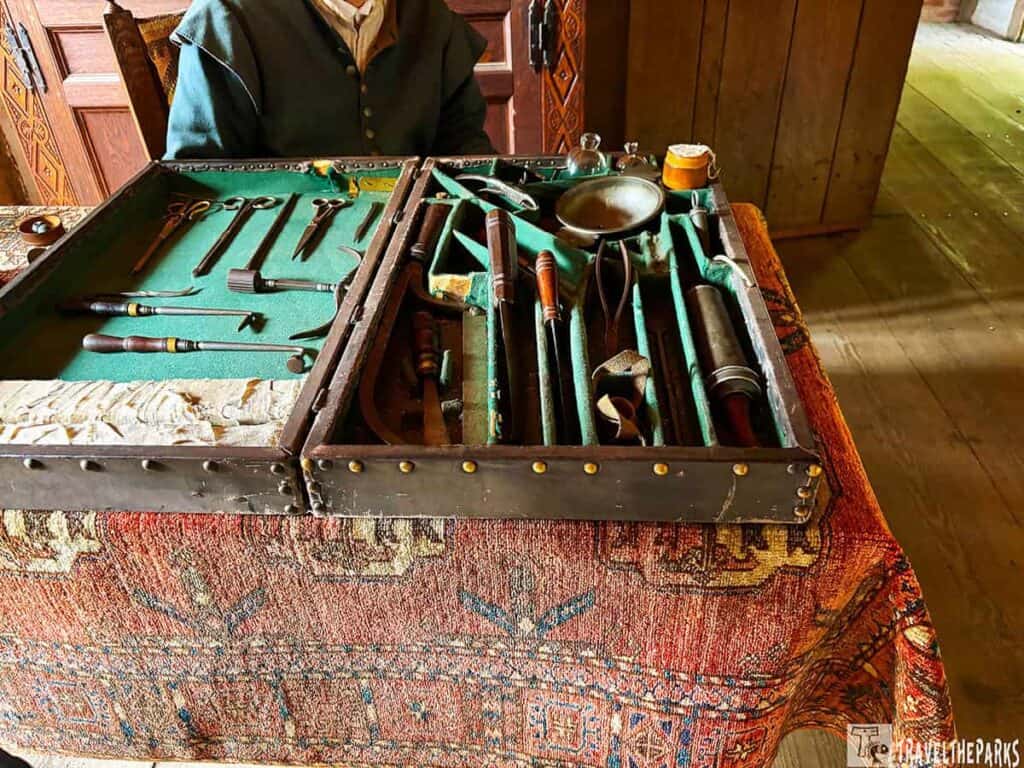
We had spent an hour moving from building to building: the simple church, the often-empty storehouse, the barracks. The musket demonstration was the highlight. The deafening boom and sharp scent of gunpowder made it real. In that moment, it wasn’t a show-it was a gut feeling of what the fort was supposed to be like: keeping alive a small spark of settlement in a big, wide, unsure New World. We did not just witness history; we felt it.
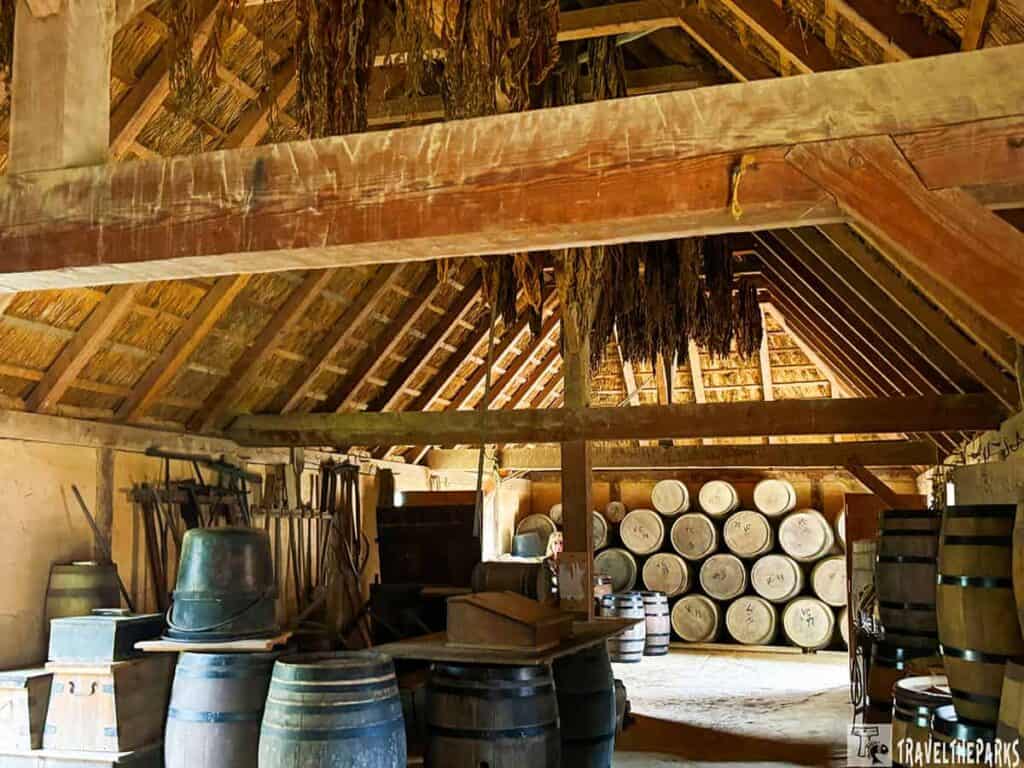
Lunch at the Café & Museum Gallery Deep Dive
After exploring all morning, we got hungry and grabbed a quick lunch at the Jamestown Settlement Café. The beer-battered cod tasted great! Refueled, we returned to the expansive indoor gallery. The gallery itself is a marvel—spacious, modern, and designed not to overwhelm you with glass cases, but to draw you into a story. With the context from our morning, the artifacts were infinitely more meaningful.
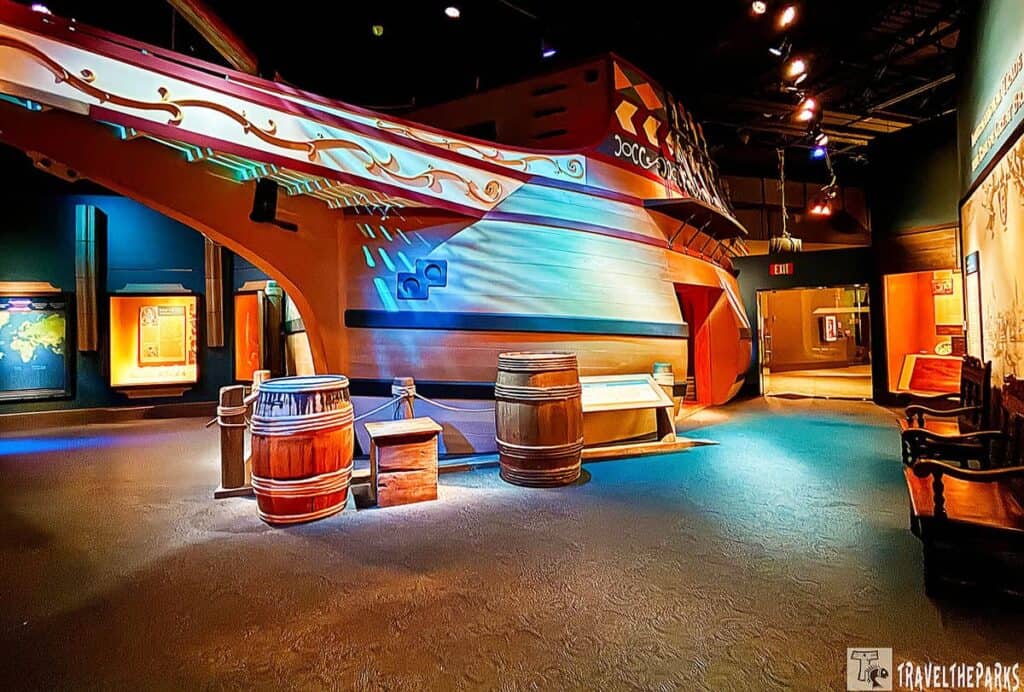
Here, for me, the veritable treasure stood out. That suit of armor wasn’t just steel; it was the same design we’d seen a soldier sweating in, and my husband had even tried it on. The hand-wrought tools matched the ones the blacksmith had used. A small, worn prayer book felt profoundly intimate—imagine clutching it for comfort during the terrifying “Starving Time.”
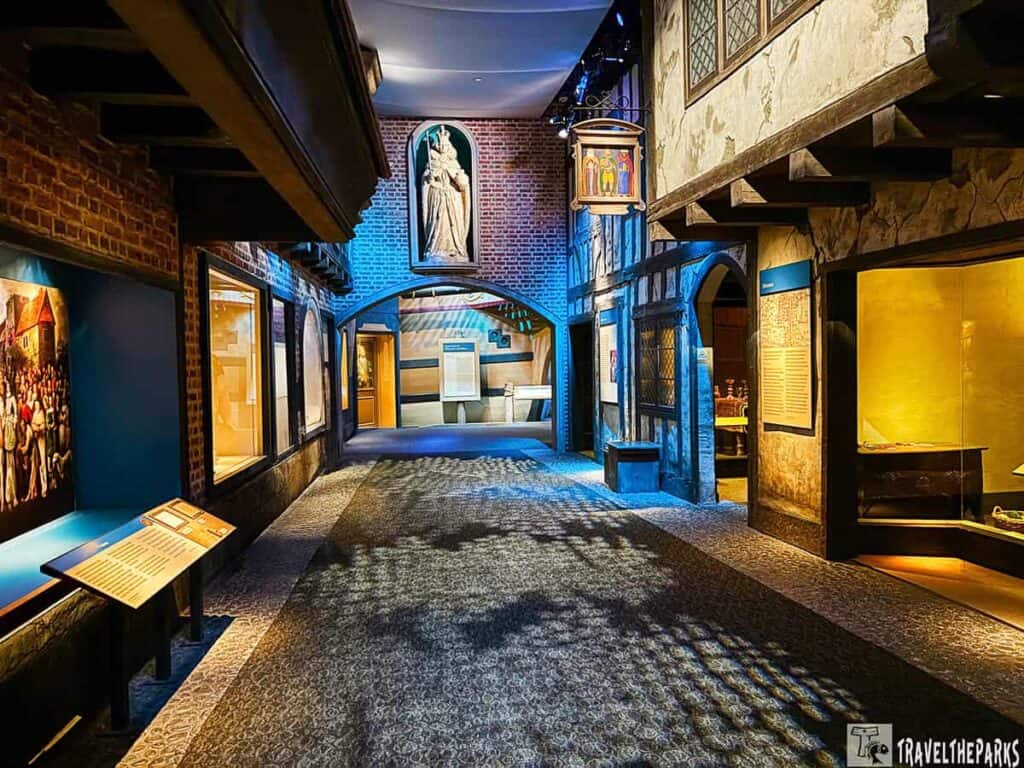
The real genius, though, is the gallery’s interactive timeline, a century-long ribbon of history from 1600 to 1699. After our morning spent smelling wood-smoke and hearing musket fire, it pulled everything into sharp, emotional focus. Walking that timeline felt like connecting the final dots of an enormous picture. The chaotic living scenes we’d just experienced in the fort and village clicked perfectly into place on the historical map, turning a fun day of exploration into something far more meaningful: a real, resonant understanding of where the American story truly began.
What to Bring Visiting Jamestown Settlement
Packing the right items made our day more enjoyable.
- Sturdy, comfortable shoes: this is non-negotiable. You will walk on dirt paths, gravel, and wooden ship decks.
- Weather Protection: A hat, sunscreen, and a reusable water bottle are essential for the exposed outdoor areas. A light rain jacket is also wise.
- Camera or phone: You’ll want to capture the incredible ships, fort, and river views.
Final Thoughts on Visiting Jamestown Settlement
Stay curious at Jamestown Settlement. Ask questions. Picture the lives of the folk who walked these paths 400 years ago. Heading out for a family trip, solo history visit, or big Virginia getaway? Jamestown delivers a trip you won’t forget. It ties you right to America’s beginnings.
A visit to Jamestown Settlement beats plain history lessons. You feel the past. Pick up a tool’s heavy weight. Catch a musket’s sharp echo. Gaze at the wide river settlers braved. Stick to our route—ships, village, fort, gallery. You’ll share their history and emotions. For us, it was the best history class ever.
Did our daily journey help you plan yours? We’d love to hear your questions or your own Jamestown stories in the comments below!