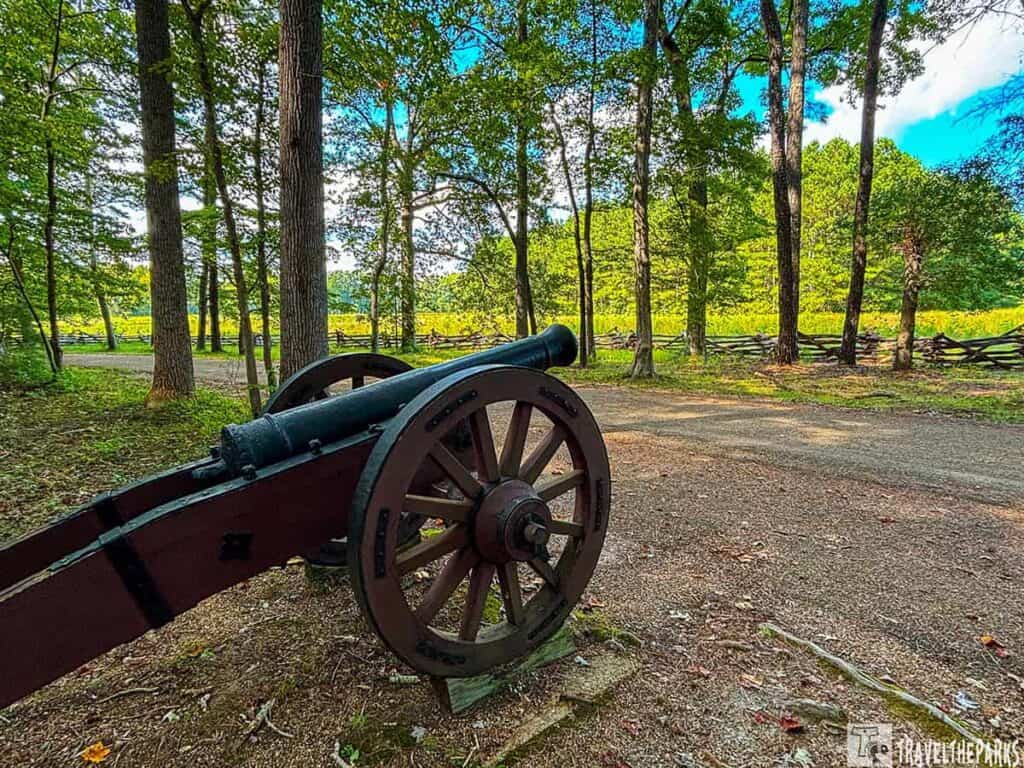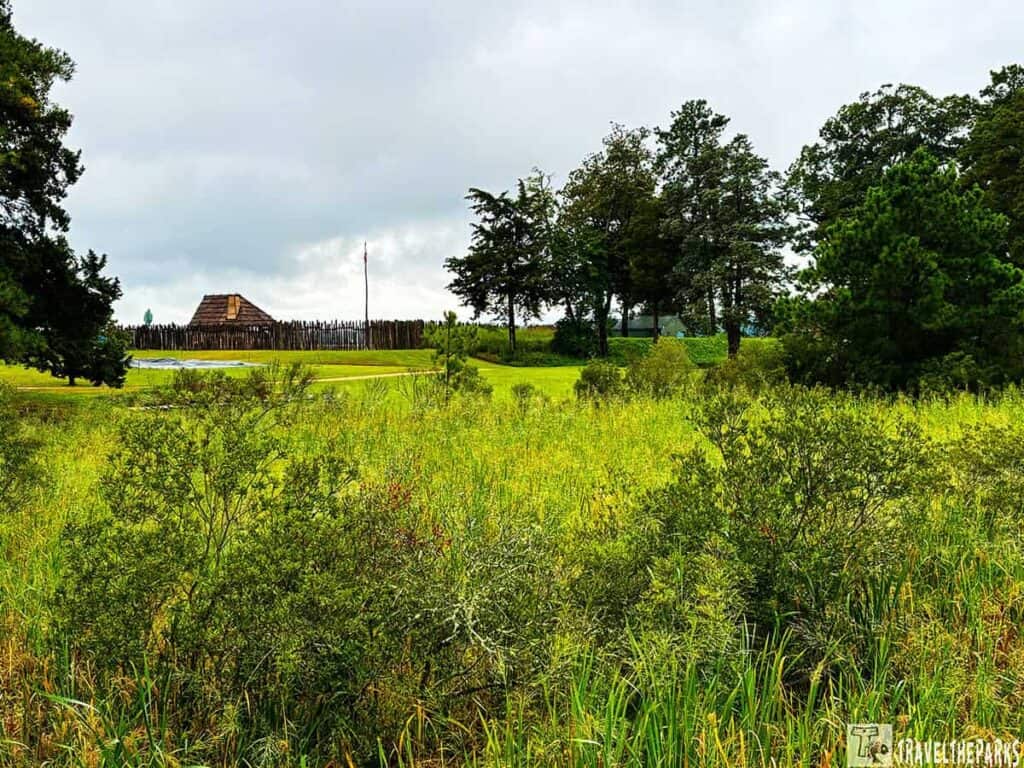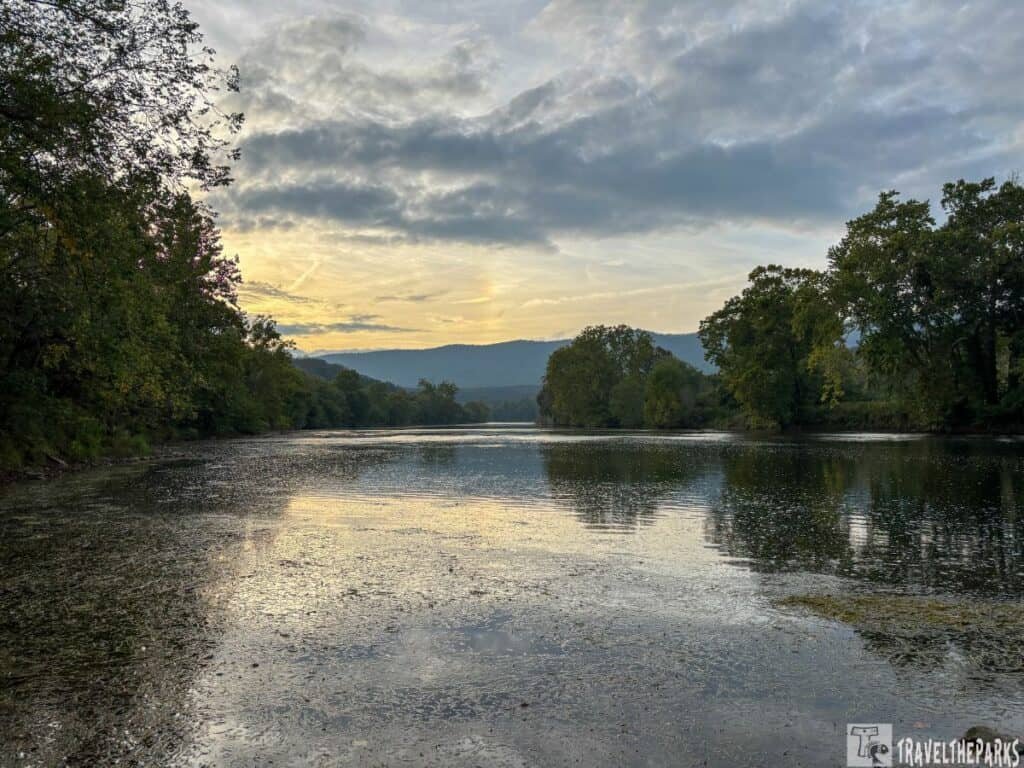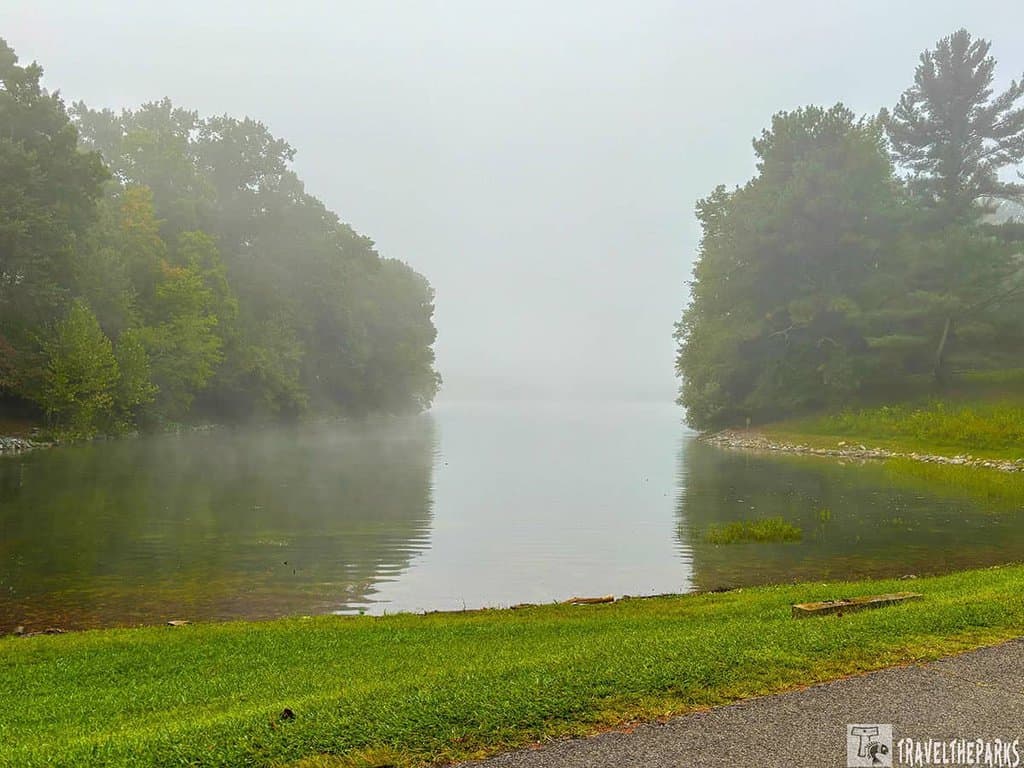
There’s something about an October camping trip that feels extra special. Maybe it’s the cool mornings, warm afternoons, and that quiet shift into late fall. Claytor Lake State Park camping gave us all of that and more. We pulled into our site tucked beneath tall trees. The moment the jacks went down, and we opened the door, we felt ourselves settle into that familiar, peaceful exhale. We settled in for a weekend that promised more than just a pretty view. Camping at Claytor Lake State Park was a stop on our journey to Cumberland Gap National Historical Park, and we were really surprised by all the great things it had to offer.
This post may contain affiliate links, meaning if you purchase something through one of these links, we may earn a small commission at no extra cost to you! Read the full disclosure policy here.
Table of Contents
Beyond the Lake: Finding Solitude at Claytor Lake State Park
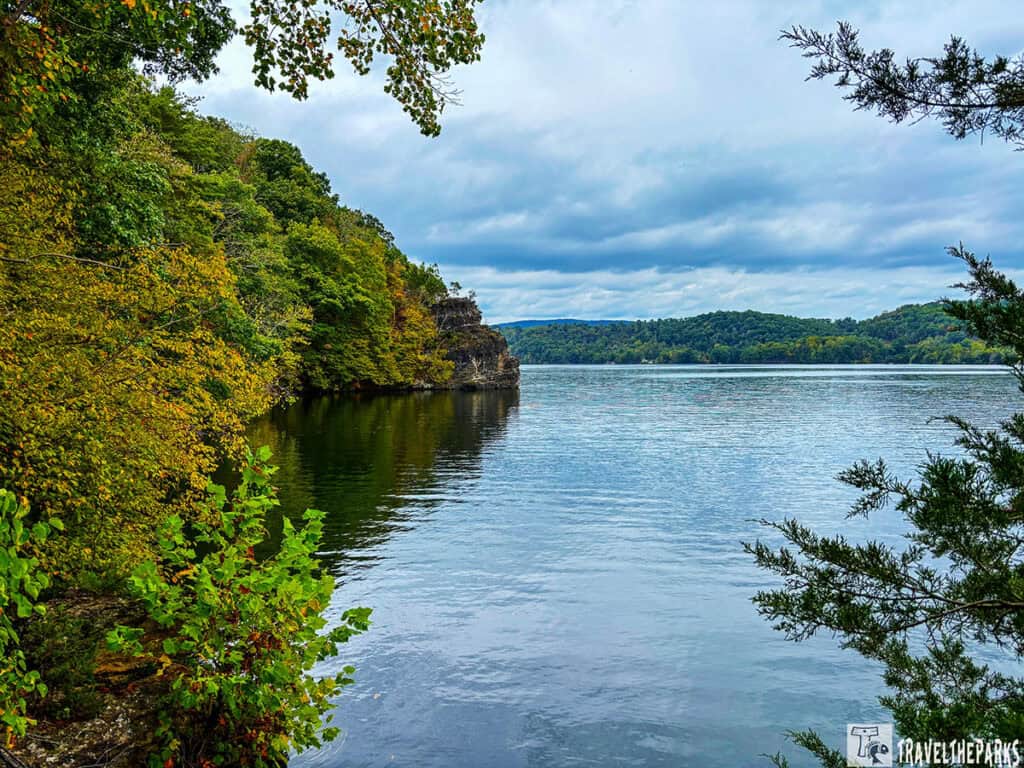
Located in Pulaski County, just off I-81 and a short drive from the college town of Radford. Claytor Lake State Park is a 472-acre lakeside oasis. It is centered around the 4,500-acre Claytor Lake-a reservoir on the New River. This park is known for its peaceful wooded setting, clean facilities, and endless opportunities for outdoor recreation. Having just come from Natural Chimneys Park, this park was huge with many more things to do.
Our Camp at Site 40
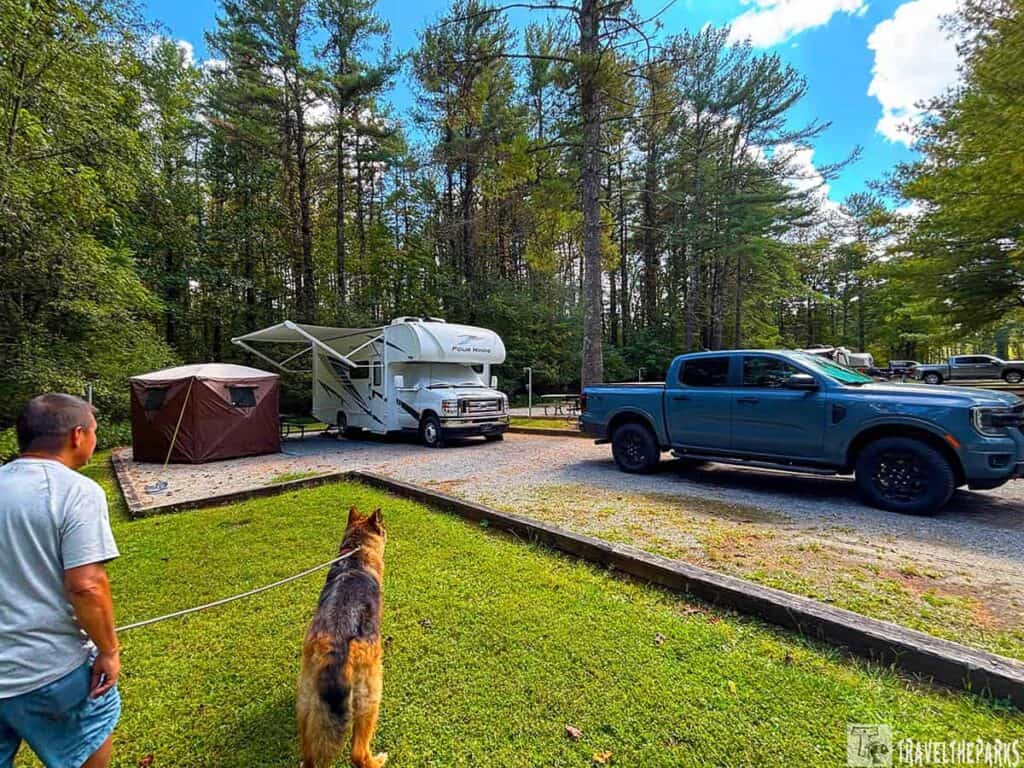
Site 40 turned out to be the perfect home base. Spacious, level, and surrounded by mature trees just starting to turn. For me, it struck a sweet balance between privacy and convenience. The entire campground was spotless—bathhouses, roads, even the picnic areas looked like they’d been freshened up that morning. If you are a fan of a neat, well-kept state park (which is the case for everyone, I guess), then Claytor Lake is definitely the place for you if you are a camping enthusiast.
Know Before You Go: Planning Your Perfect Claytor Lake Escape
- Location & Getting There: In the scenic New River Valley of Southwest Virginia. Physical Address: 6620 Ben H. Bolen Dr, Dublin, VA 24084. Our GPS guided us there without a hitch.
- Park Hours: The park is open from 6 AM to 10 PM daily. It’s always best to check the official website. This park is serious about closing time, so plan your evening arrivals accordingly!
- Entrance Fee: Yes, there is a small daily parking fee. It’s a small price to pay for the upkeep of such a beautiful place. As for our trip, it was $7 on weekdays and $10 on weekends. You can purchase a pass at the contact station or self-service pay stations.
- Facility operating hours: The Visitor Center is open daily, 8 a.m. – 4 p.m. Gift Shop at the Water’s Edge Meeting Facility is open weekends, 10 a.m.–6 p.m.
- Reservations: This is the big one. We can’t stress this enough: reserve your spot early. You can reserve campsites and cabins at Virginia State Parks up to 11 months in advance online through the Virginia State Parks website. For prime spots and summer weekends, this isn’t a luxury—it’s a necessity.
- Bringing a Furry Family Member? Claytor Lake is a wonderful pet-friendly park! You must leash pets at all times, and they cannot enter any park buildings or the swimming beach. Always clean up after your pet to keep the park pristine for everyone.
- Accessibility for All: The park’s commitment to accessibility genuinely impressed us. Many of the key facilities, including the visitor center, main restrooms, and the historic Howe House, are wheelchair accessible.
More Than a Lake: The Layered History of Claytor Lake
Claytor Lake has a past shaped by transformation. Prior to the lake, the land was gentle hills owned by the Howe family’s farm. The 19th-century Howe House is still there and has become the park’s museum. The most significant change was the one that happened in 1939 after the Appalachian Electric Power Company dammed the New River to get hydroelectric power. Claytor Hemric was the namesake of the lake, which formed after the valley flooded.
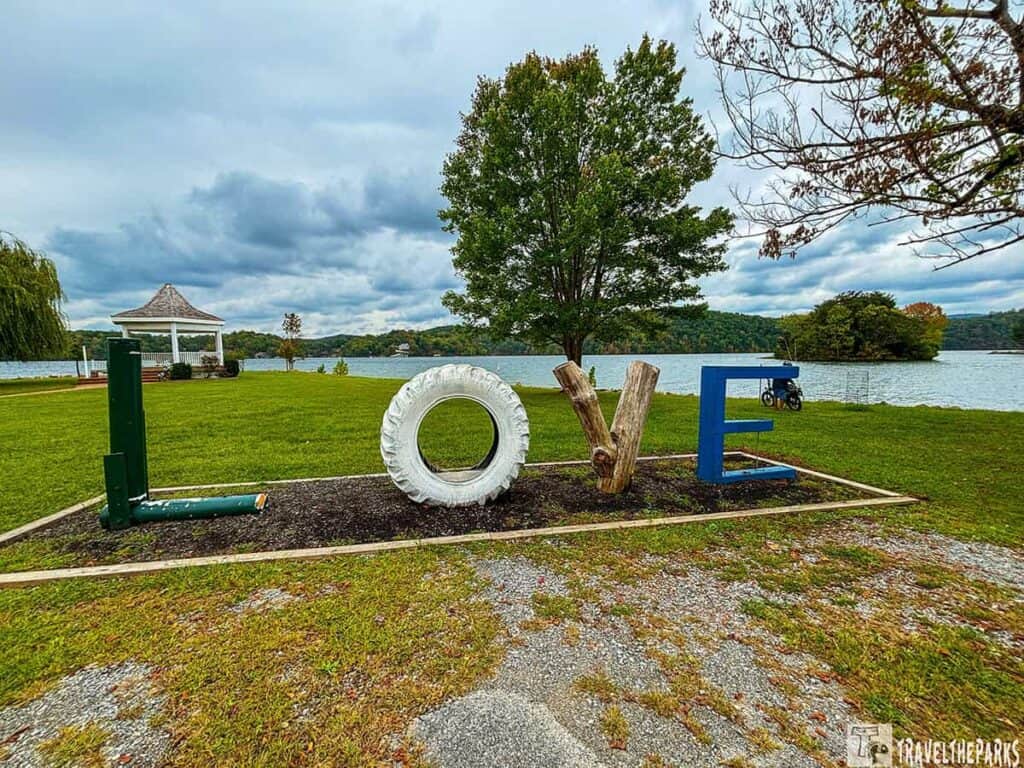
The lake was quickly seen as a place for recreation, which brought about the opening of the park in 1946. The Civilian Conservation Corps (CCC) built most of the initial projects, like the beach house and picnic shelters. Their influence is deeply embedded in the park’s foundation. So, when you visit, you’re enjoying a landscape shaped by a pioneering family, powered by industry, and built by the hands of the CCC.
Water’s Edge Meeting Facility
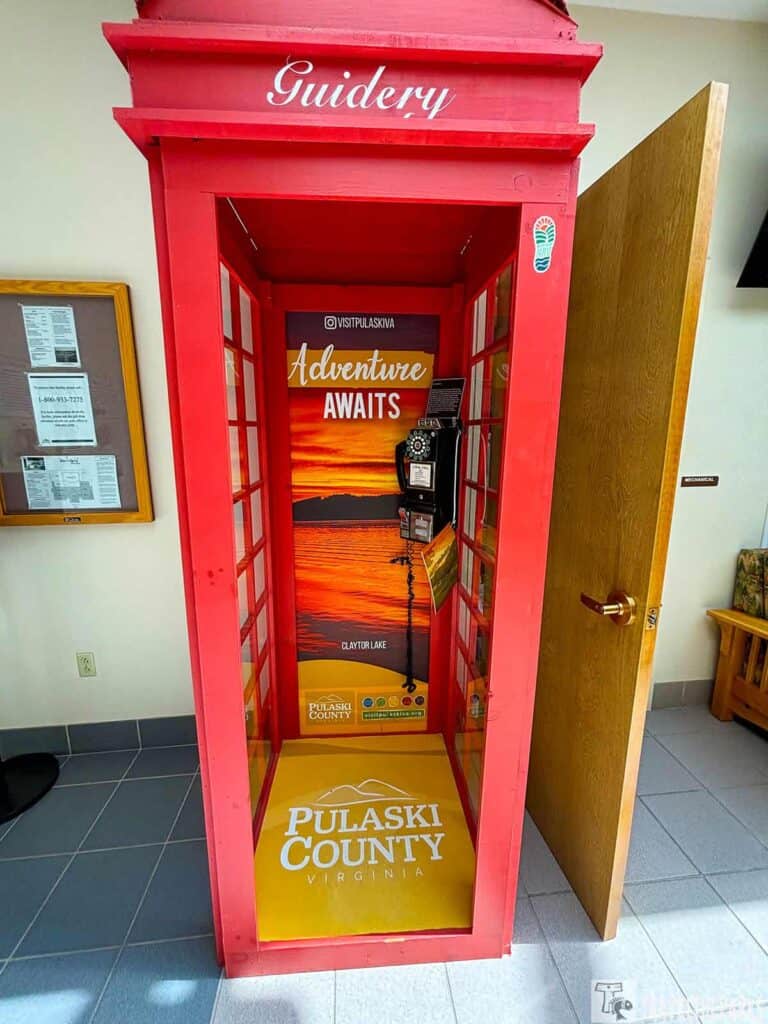
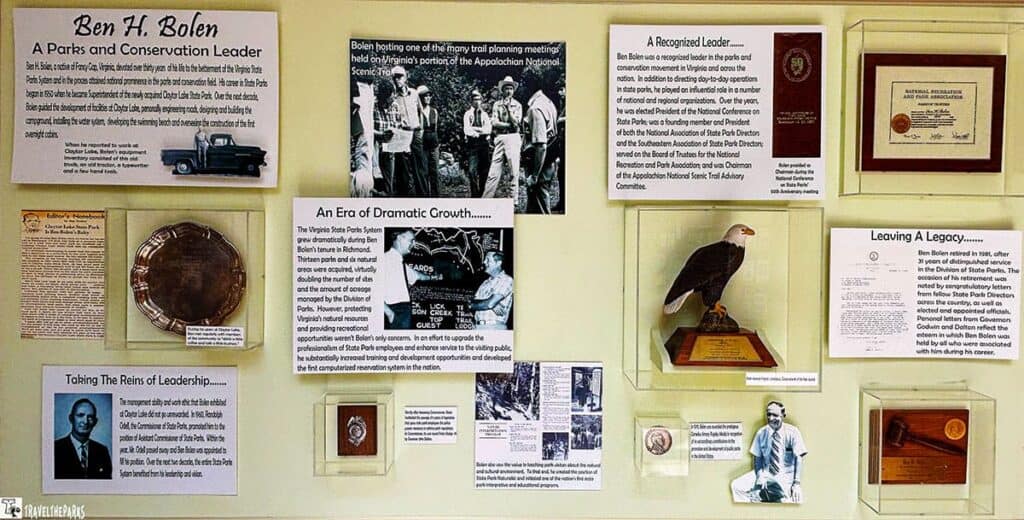
Our exploration of the Water’s Edge Meeting Facility yielded a surprise that complements the park’s history and its future endeavors. Besides being an event space, the building is home to a lovely gift shop and fun historical exhibits, among them a timeline showing the contributions of Ben Bolen. But, in fact, the most memorable thing for us was not the history but the presence of an old-fashioned bright red English phone booth that was making a statement in the lobby. It was a delightfully weird thing that, in a way, added to the charm by artistically bringing attention to the Pulaski County Tourism Bureau. This strange combination of a British icon and Virginian history is just a fine instance of how the park has a distinctive personality.
Exploring Claytor Lake by Bike and Foot
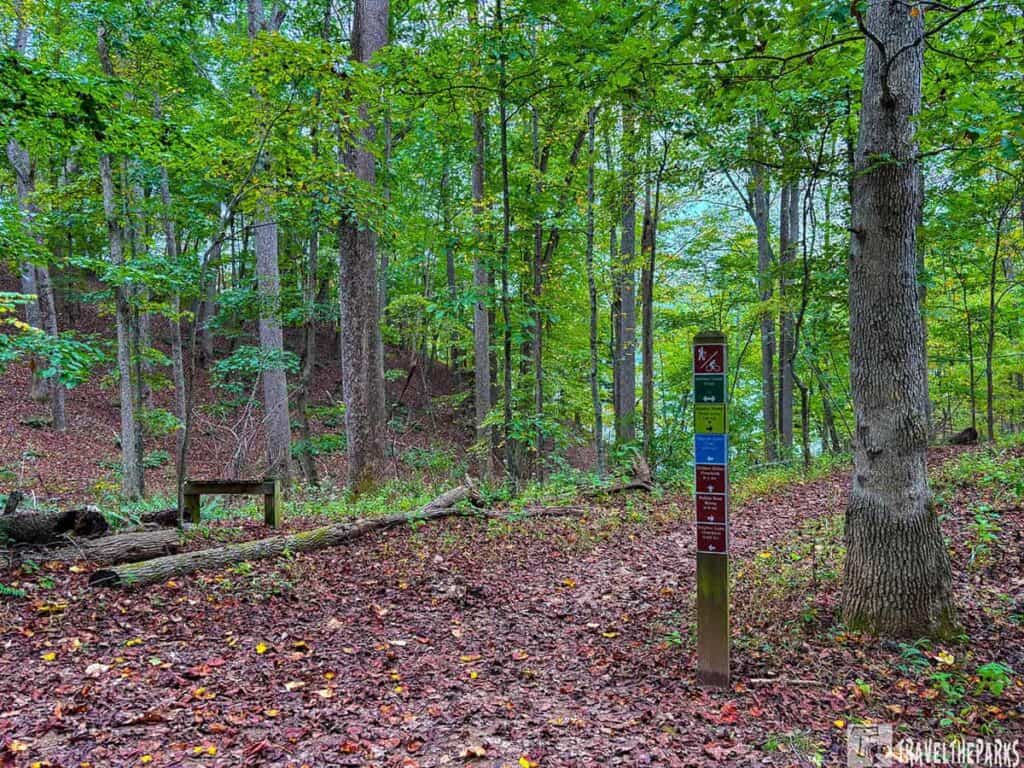
Once we set up the RV and settled in, we hit the trails. Claytor Lake’s terrain is bike-friendly, with enough hills to make it fun. However, it is gentle enough that you can truly enjoy the ride. We coasted beneath yellowing leaves and glimpses of the lake. It was the kind of ride where you can chat, point things out, and never feel rushed during your stay at Claytor Lake State Park camping.
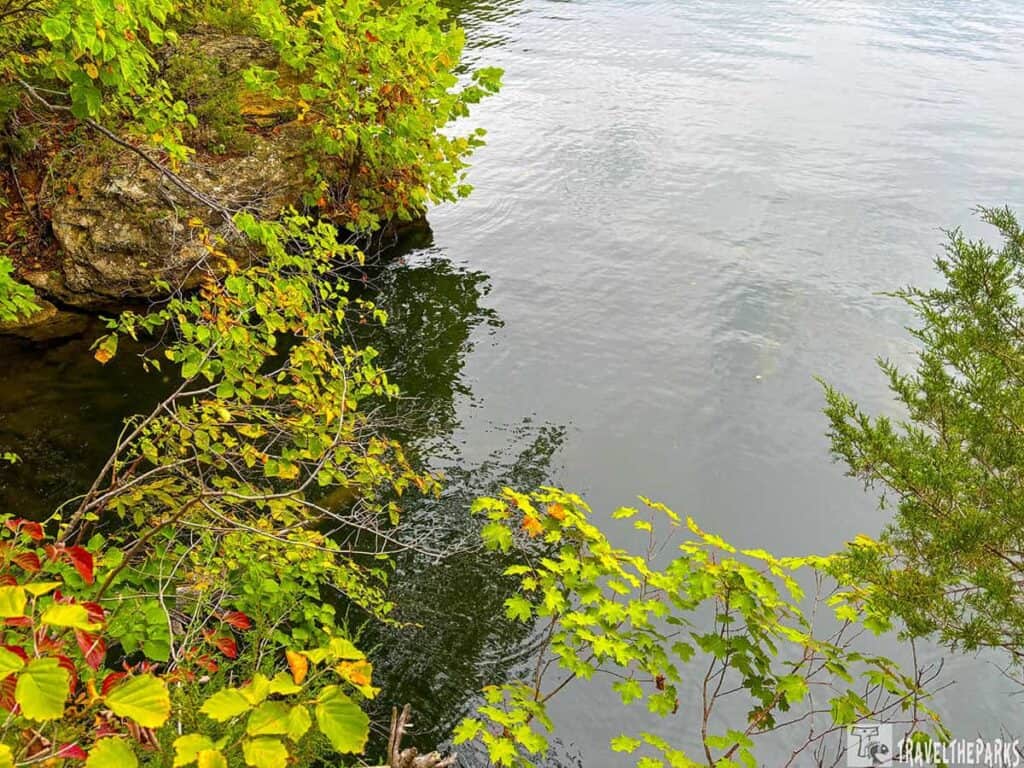
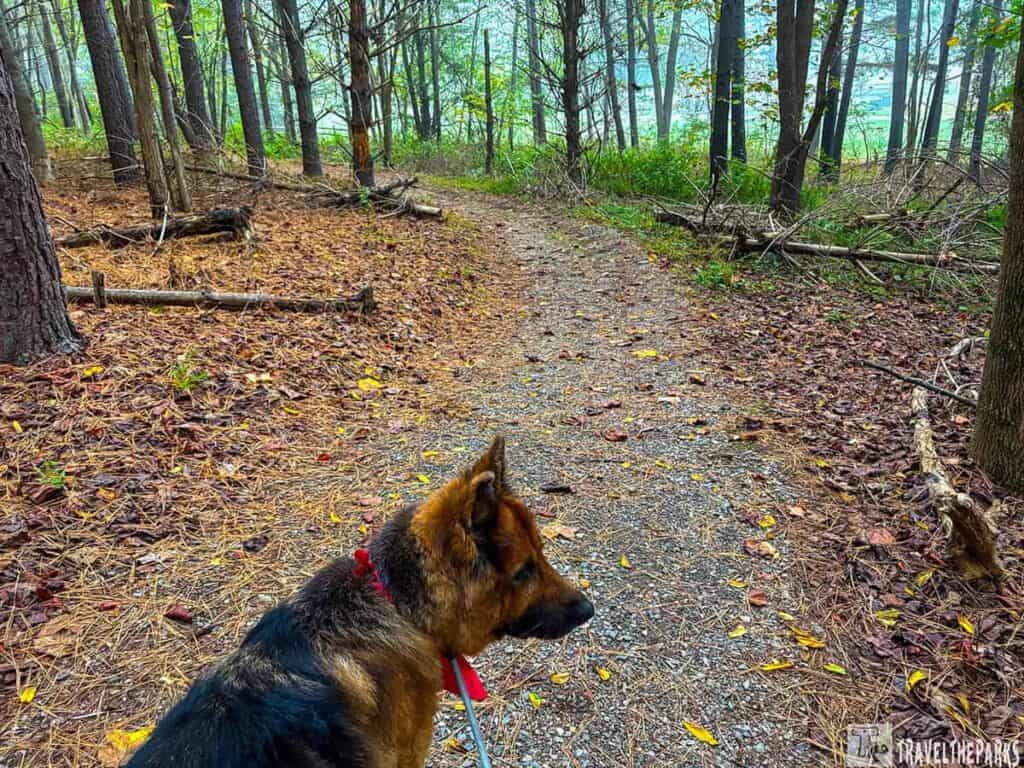
We hiked on the trails that showed us another view: the silent and forested passages that led to lake viewpoints and rocky outcropping along the shore. In October, the paths were almost deserted, and we felt as if the entire park was ours. Oh yeah, lots of deer in the park.
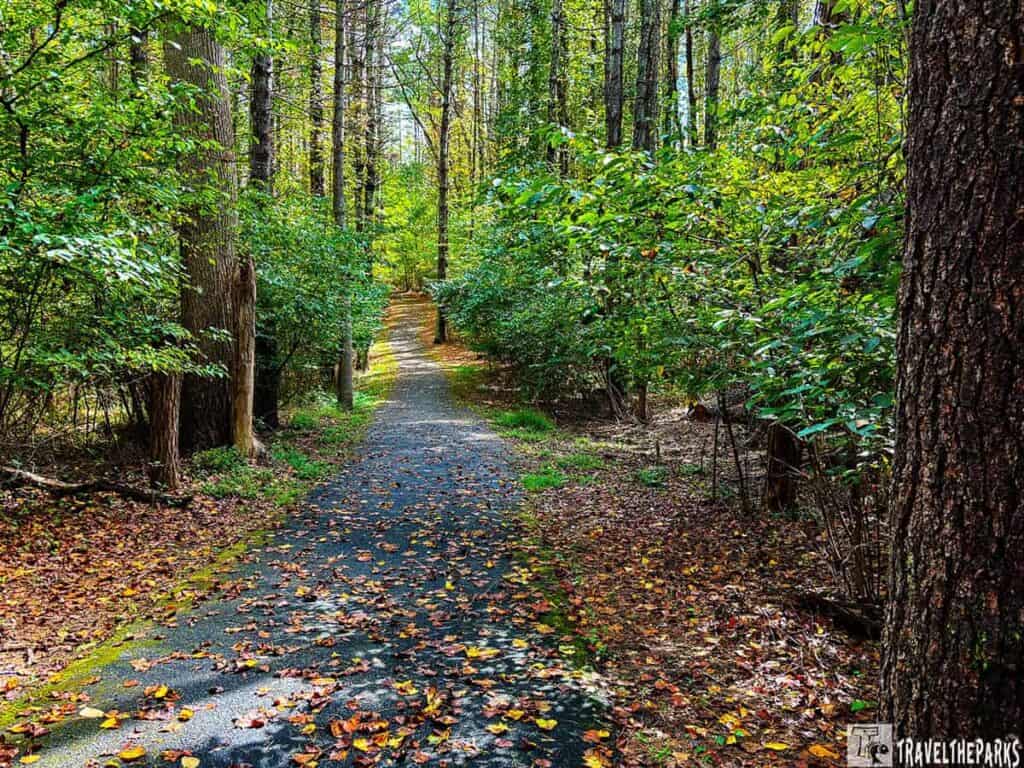
Our Favorite Trails in Claytor Lake State Park
The park’s wooded trails make it stand out as a hidden gem for hikers. The trail map makes finding the trails relatively easy.
- Poplar Leaf Trail: This trail was directly beside our campsite, so it’s popular. If you enjoy forest walking, the Poplar Leaf Trail is a great place to start. This easy, orange-blazed path winds less than a mile through oak, hickory, and poplar trees, connecting to the waterfront amenities. It’s short and a perfect warm-up hike.
- Hidden Valley Loop: For a slightly longer adventure, the Hidden Valley area offers a scenic, wooded loop that pairs beautifully with Poplar Leaf. We combined it with the Poplar leaf. It is a roughly 3.5-mile route with about 300 feet of elevation gain. With the bikes, it’s just enough of a climb to feel satisfying without being strenuous.
- Lakeview Trail: True to its name, the Lakeview Trail delivers steady, wide-open water views. This easy, 1 mile path is bike-friendly. It connects to several trails near the waterfront. We think it is one of the best places in the park to watch a sunset.
Fishing in Claytor Lake State Park
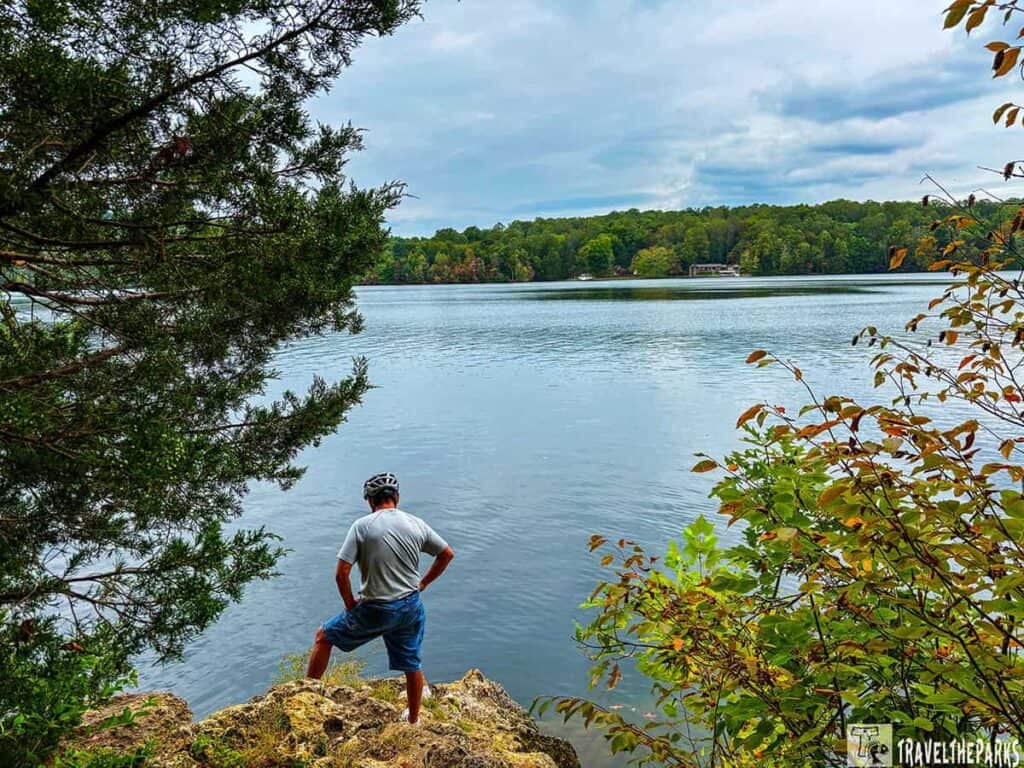
Claytor Lake is renowned for its fishing, so we loaded our gear onto our bikes and rode down to the shore. We spent the afternoon with our fishing lines in the water, surrounded by the ripples of the lake. The only interruption being the lapping of waves and the distant call of a bird. The fish weren’t biting much, but the beautiful scenery more than made up for it. I didn’t catch the big one, but that didn’t matter. It was the rhythm of it-the casting of the line, the waiting, holding onto hope. It felt good just to be in the moment.
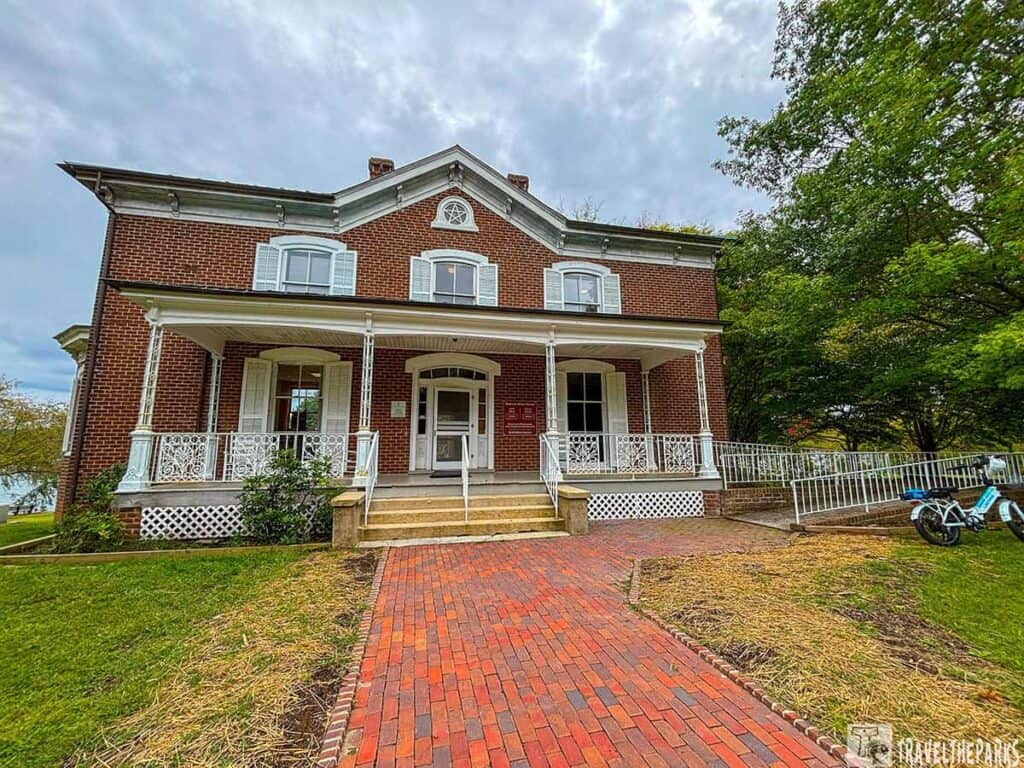
A Walk Through the Haven B. Howe House
In 2008, officials listed the Haven B. Howe House on the National Register of Historic Places. Today, it serves as the museum and visitor center for Claytor Lake State Park. This carefully preserved home offers a window into the lives of the Howe family. The original floor plan keeps it a preserved 1930s time capsule. I loved the original windowpanes that were handmade with their typical bubbles and waves. Among the things you will find here is an etched glass pane in the front hall with Haven Howe’s initials (“1898 HH”) and an unusual five-pointed star at the attic window, which is assumed to represent his Masonic affiliation.
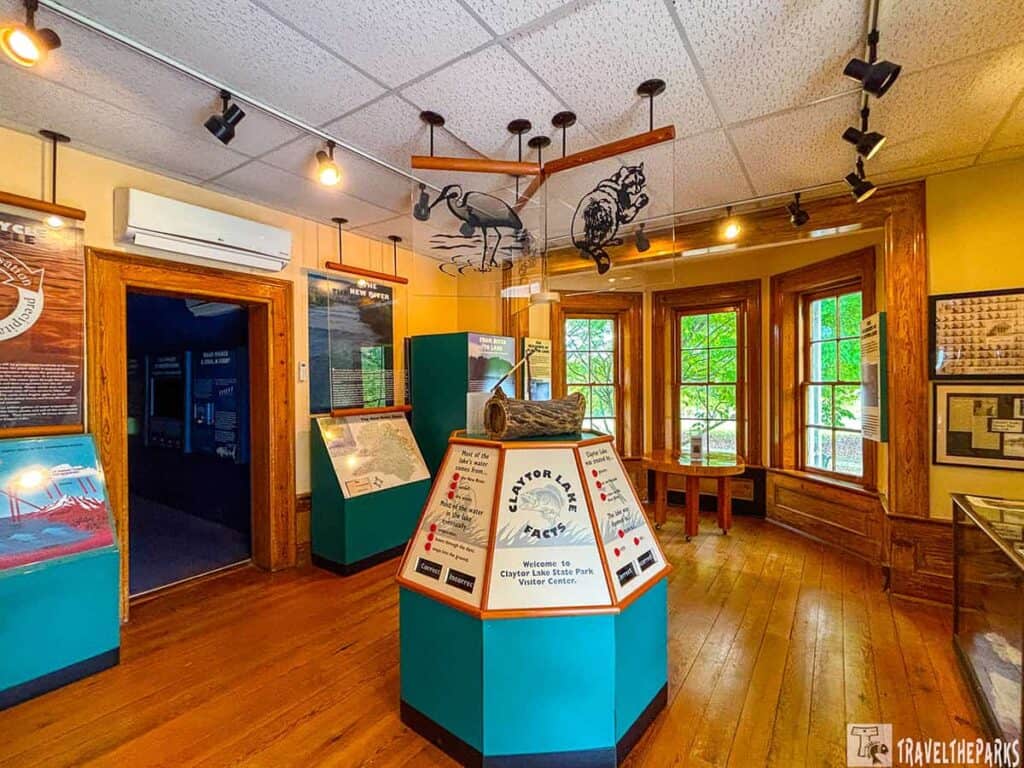
The front room was originally Haven Howe’s study. Here was where he wrote at an oak desk. Today, guests can learn the fascinating story of how the lake was formed through interactive displays. Directly behind it was the bedroom of his first wife, Katie Cloyd Howe. She lived here with their six children until her untimely passing at age 42. Across the hall is the Parlor, known for its historic red carpet and tapestry wallpaper, which has now been turned into a gift shop. The back porch offers a surreal feeling, knowing the Howes enjoyed this view so many years ago.
Threads of the Past
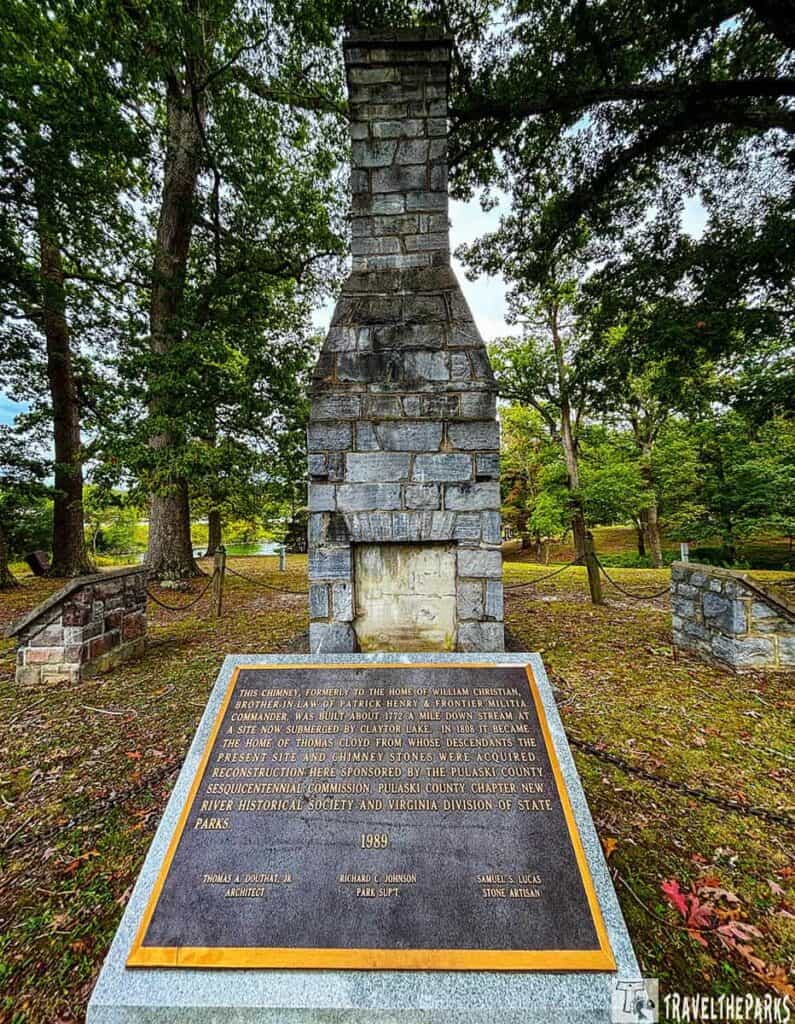
An old brick chimney stands forlornly right next to the Howe house. The chimney was originally built circa 1772 for William and Annie Henry Christian in Dunkard’s Bottom. It came from one of the last handful of buildings that were part of the first white settler community in the area. When the valley was inundated following the impounding of the New River to create Claytor Lake in 1939, the chimney was taken apart and then put back together with its original bricks for a display to the public at Claytor Lake State Park.
Paddling Paradise: Get Out on the Water
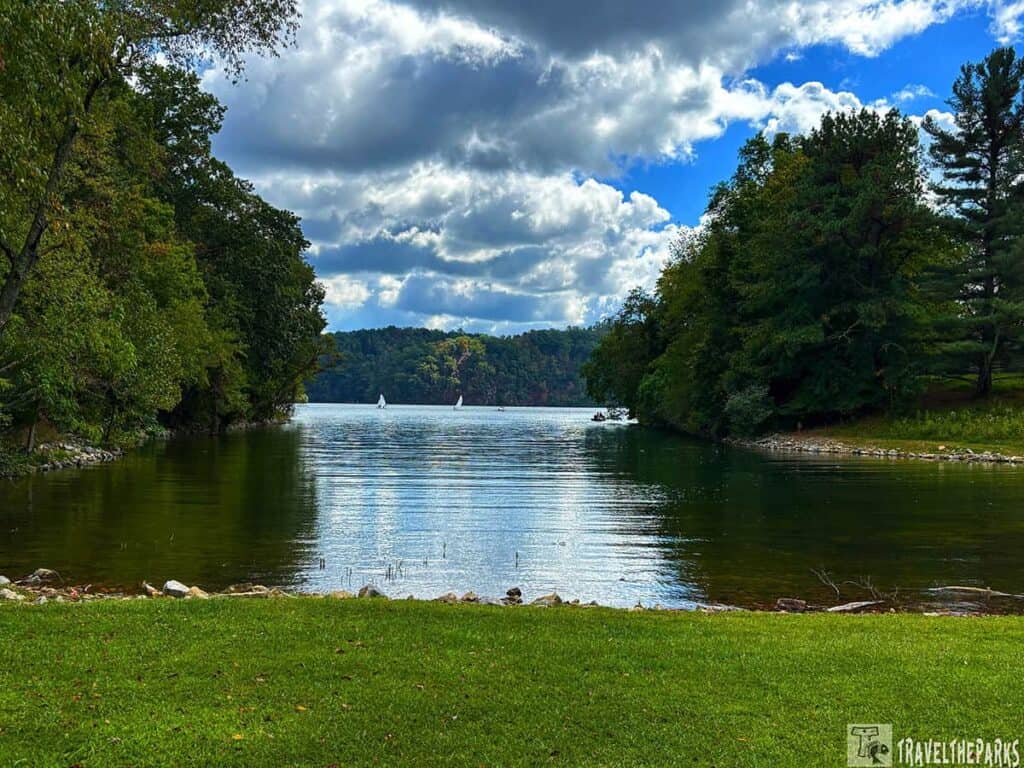
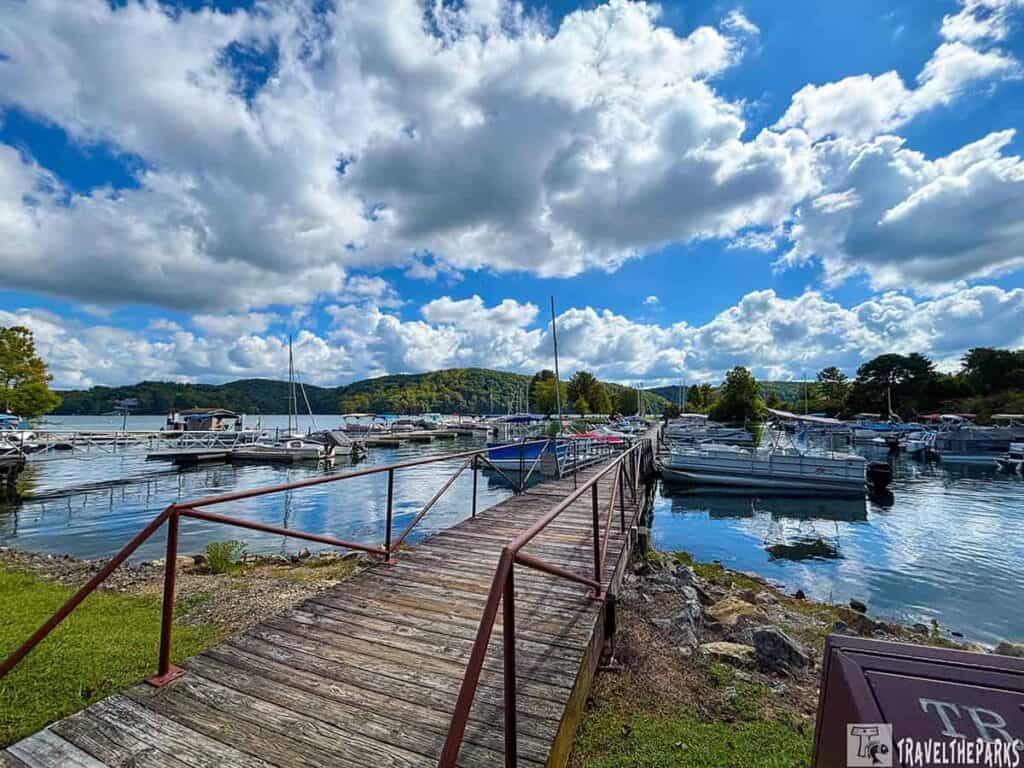
Looking for a water getaway? Kayaking at Claytor Lake is surely the right answer. With the park’s full-service marina, it’s super easy to get on the water—you can either load up and go with your own gear or get kayaks, canoes, or even motorboat rentals directly from the concessionaire.

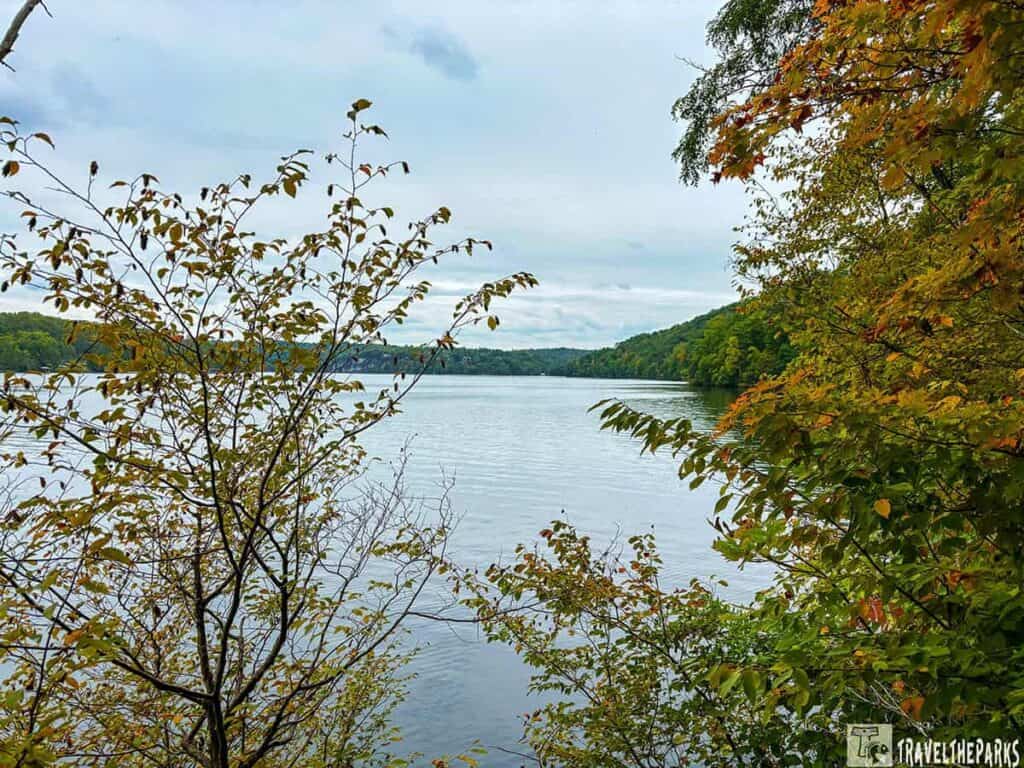
For me, there is absolutely something very magical about going into the quiet, wooded inlets of a lake. Everything slows down, the noise disappears, and it feels like you have found a hidden treasure. On our early morning paddle, the water was still and clear, and the trees and hills were perfectly reflected in the lake. It was one of those very simple moments that become your memories long after the trip. Out on the water, Claytor Lake is just perfect for a day.
Final Thoughts: Claytor Lake State Park Camping
Claytor Lake was our quiet escape, but honestly, getting there was half the fun. We wound through some of Virginia’s prettiest backroads on the way in—the kind of drive where you catch yourself wishing you’d taken the long way just to keep it going. If you’re headed to this part of the state, our guide to Virginia’s scenic byways has the routes that made our trip out there almost as good as the destination itself.
Claytor Lake is one of those places that grows on you the longer you stick around. Sure, people come for the lake itself—fishing off the shore, kayaking, cooling off when it’s hot. But the real appeal only shows up once you actually camp there. Morning coffee tastes better at a picnic table when everything’s still quiet. Someone camped a few sites down waves like they’ve known you for years. And somehow an extra hour of reading in the shade feels like the whole point of the trip, because there’s nowhere else you need to be.
That’s really what camping does here—it pulls everything together. Your site’s basically lakefront property for the weekend, trails start wherever you stop walking, and even the Howe House hits different when you’re staying down the road instead of just swinging by for an hour. Yeah, you’ll have sand in the car for weeks. But you’ll also have that feeling you only get after a weekend that didn’t ask much of you—and somehow still left you fuller than when you showed up.
Have you camped at Claytor Lake State Park? Share your favorite campsite or memory—I love hearing how others experience this place.