
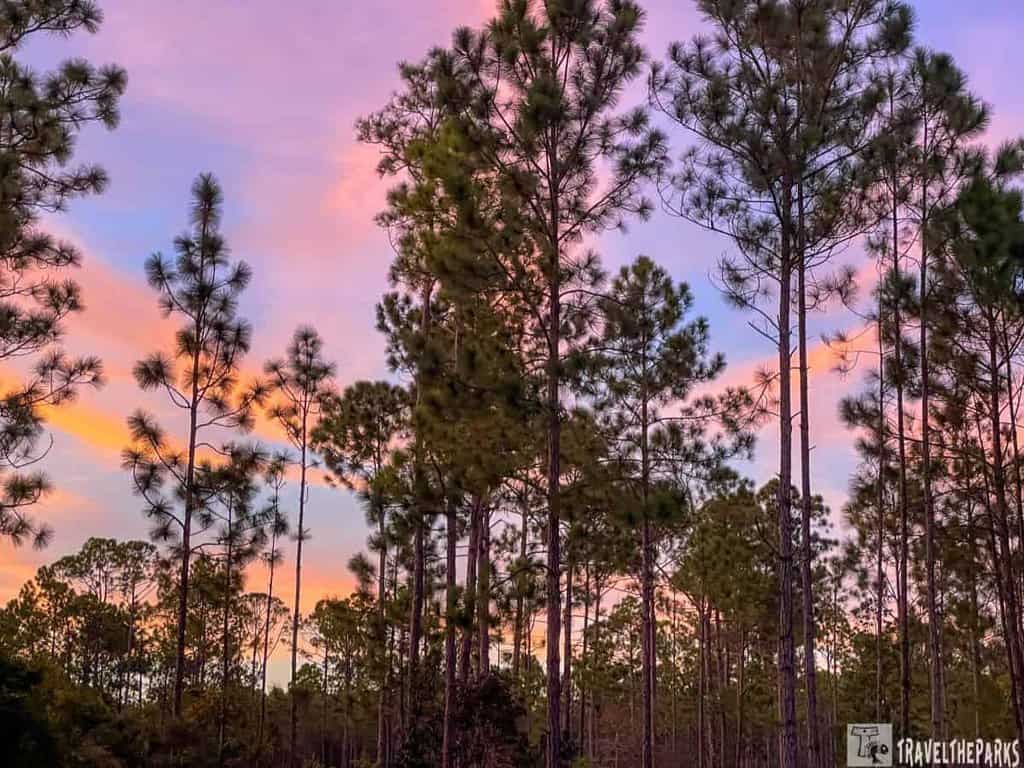
We hadn’t heard of the Forgotten Coast Florida until a local mentioned it over cheap coffee. “You want the real thing?” she said. “Skip the panhandle crowds. Go east.” So we did. What we found—from Mexico Beach to St. Marks—wasn’t forgotten so much as quietly ignored. No high-rises. No neon. Only deserted beaches in Florida, fantastic panoramic views of the Gulf Coast, and communities where people still greet you with a wave. This is the secret shoreline of Florida, and frankly, we were almost reluctant to let you discover it.
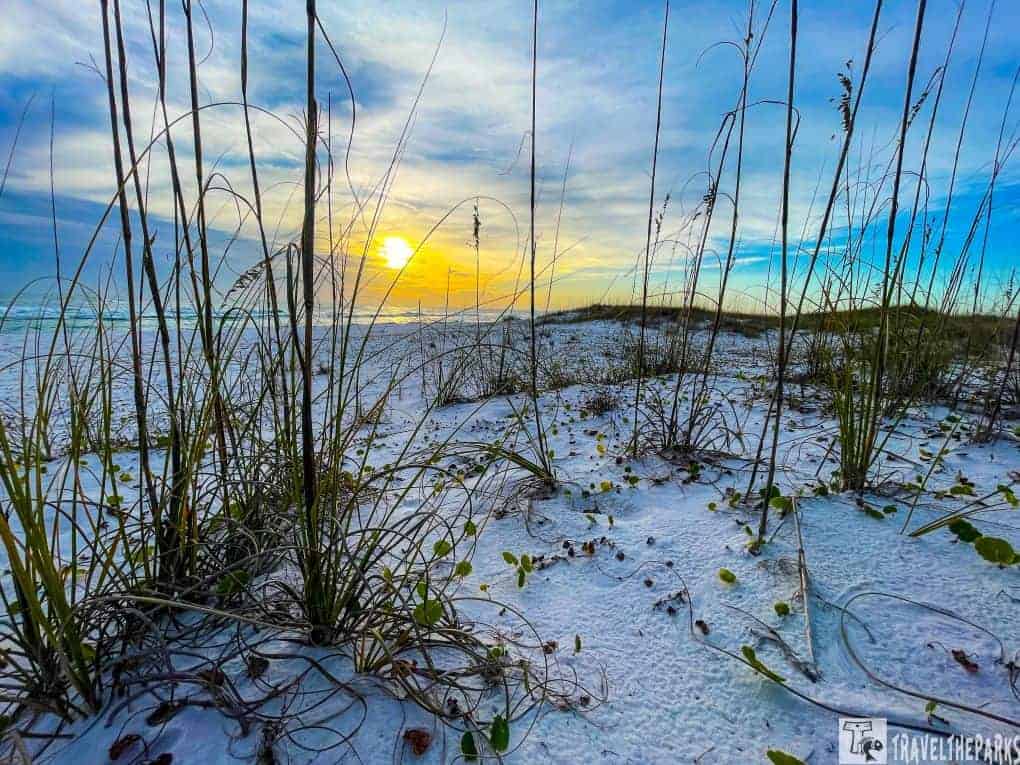
We first visited the Forgotten Coast as part of a bigger plan—Emerald Coast, later Gulf Islands National Seashore in Pensacola. St. Marks and Apalachicola were weekend getaways, first impressions. But honestly? The Forgotten Coast stuck with us the most. Maybe it was the wild marshes. Maybe it was the tiny towns where everyone waved. Both make for a nice road trip.
This post may contain affiliate links. This means that if you purchase something through one of these links, we may earn a small commission at no extra cost to you! Read the full disclosure policy here.
Table of Contents
What Makes It “Forgotten”?
Here’s the thing—the Forgotten Coast Florida isn’t actually forgotten. Locals started using the nickname as a badge of honor back in the 1990s. Local people began to adopt this nickname as a badge of honor during the 1990s. A way of saying, “Yeah, we saw what happened to Miami and Daytona. No thanks.”
And honestly? Good for them.
Why We Love Forgotten Coast Florida
This area of Florida doesn’t follow the trend of high-rises, bright lights, and condominiums being built everywhere. What you’ll find here instead are Florida’s state parks and wildlife refuges, along with beaches that inspire you to write awful poetry. The Apalachicola River flows through these areas and serves as the primary water source for what is considered one of the most biologically diverse habitats in the Americas. St. Joseph Bay protects the seagrass beds, which serve as nurseries for fish.
Top Places to Explore on Florida’s Forgotten Coast
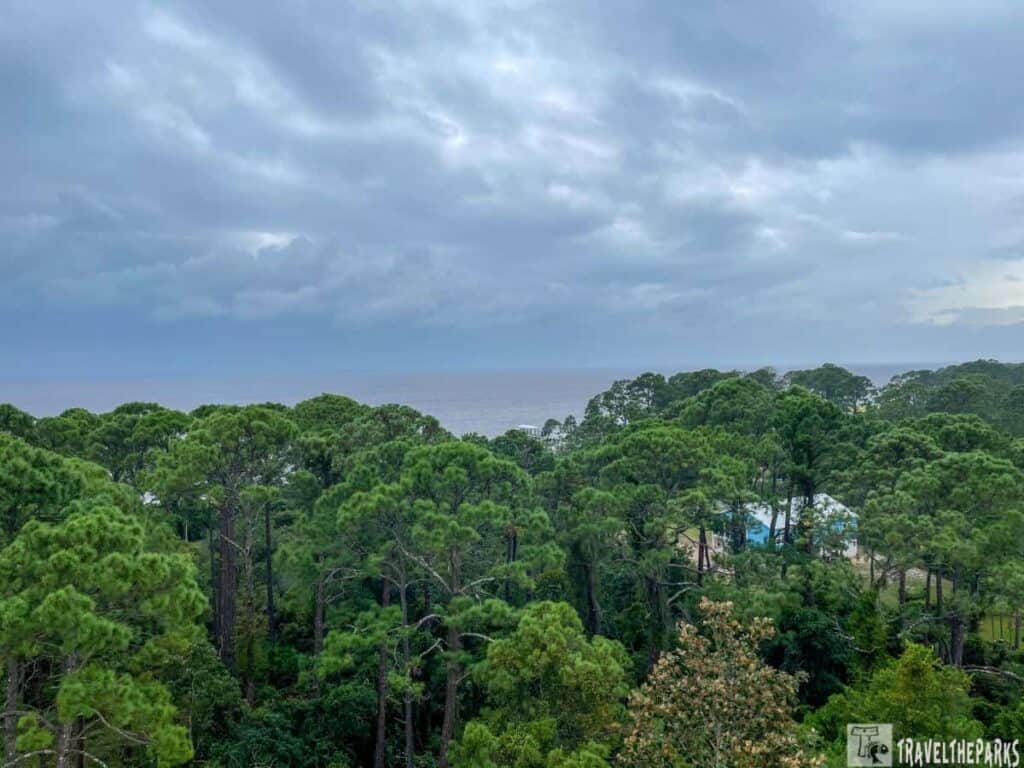
We zigzagged a fair amount, but that’s what makes this place special. There’s no rushing anywhere. Distances are short. And each stop is unique—like a family reunion where you love all your relatives.
Here’s where we ended up falling in love:
- Mexico Beach: Calm waters, serene sands, and no attitude whatsoever. A soft introduction.
- Port St. Joe: Grab lunch at a waterfront restaurant and take a walk around the bay.
- Cape San Blas: a narrow strip of land with stunningly white beaches. Feels like discovering a new world—minus the machete.
- Apalachicola: The cultural heart of the area. Plentiful oysters, deep history, and a downtown charming enough to get lost in.
- St. George Island: Beachcombing by day. Stargazing by night. This barrier island delivers both.
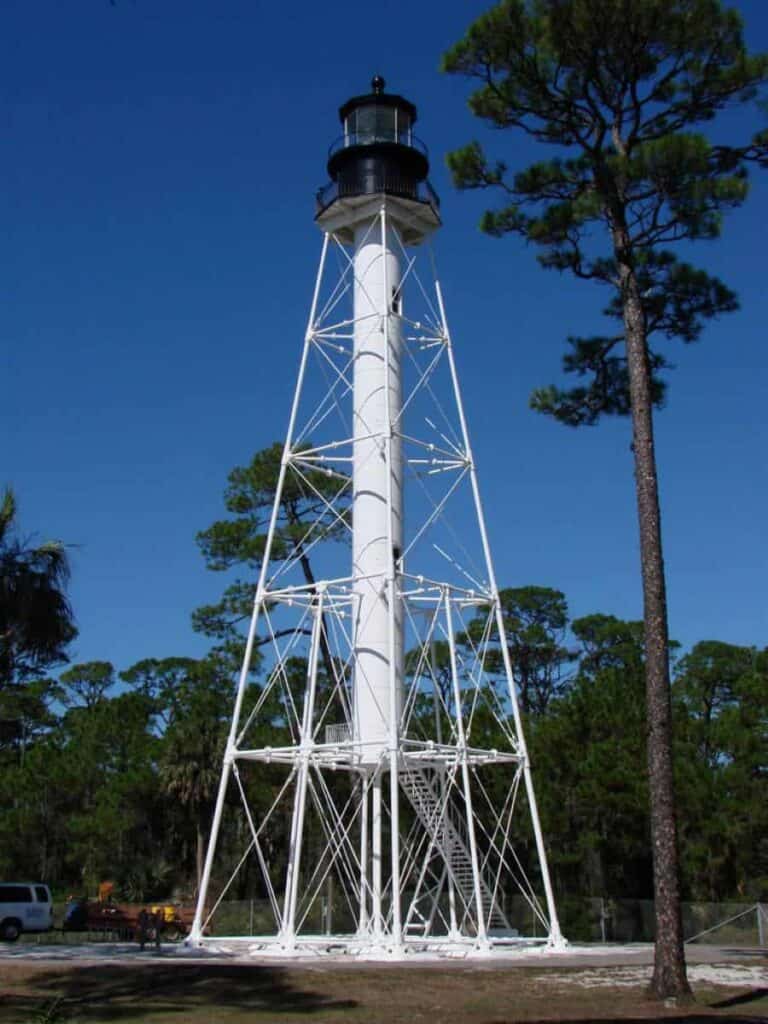
- Carrabelle: Small town, big heart, and a working lighthouse you can actually climb.
- Wakulla Springs State Park: A gargantuan spring system, old Hollywood connections, and alligators that pose like they’re paid for it.
- St. Marks: Coastal trails, lighthouse history, and the kind of peace that makes you whisper for no good reason.
Every stop tells a story. None of them feel rushed. And that’s exactly the point.
Cape San Blas & St. Joseph Peninsula State Park: Wild Beauty That Works Out
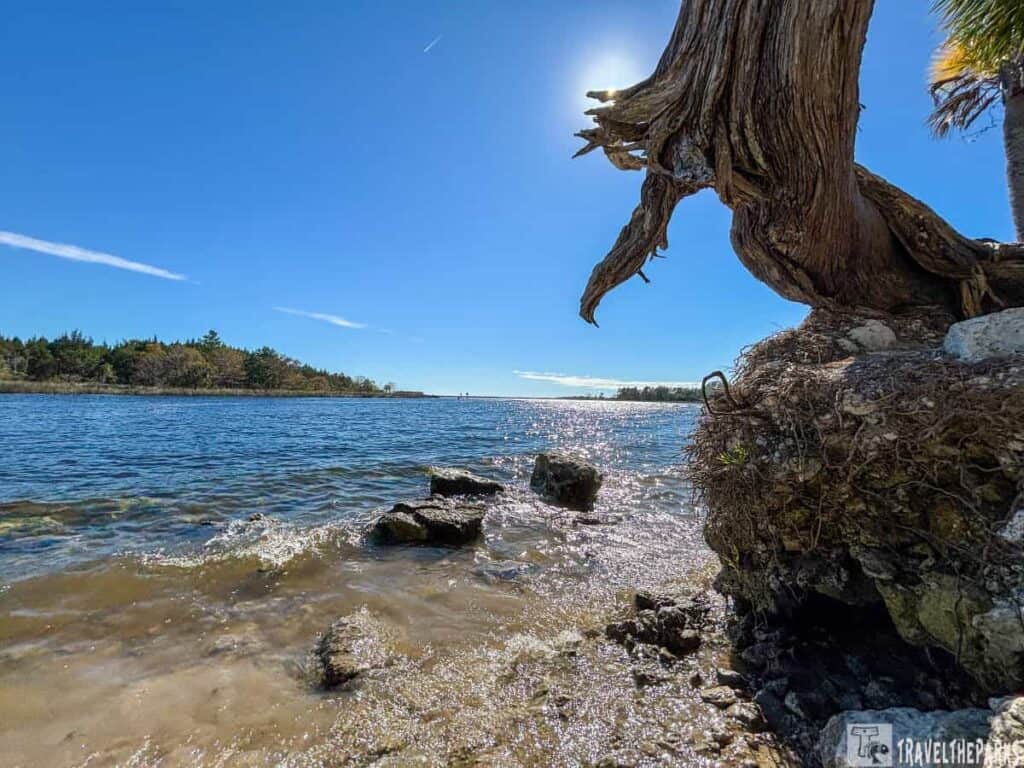
If you’ve ever wanted to see a beach straight out of a computer screen, head down to Cape San Blas on the Forgotten Coast Florida. This windy peninsula is classic Florida—raw, bumpy, and totally unrepentant.
We trekked across coastal forests, paddled in the clear shallows of St. Joseph Bay, and spent far too much time just looking at the beach. But not because we were tired. Just because it was that beautiful. And when we got hungry? We grabbed fresh Gulf fish at the Indian Pass Raw Bar, a beachside hut with no airs. Plastic forks included.
Pro tip: Bring bug spray if you’re hiking at dawn or dusk. The mosquitoes here are enthusiastic.
Apalachicola: Oysters, Old Buildings, and Absolutely No Hurry
Apalachicola might be our favorite stop on the whole Forgotten Coast, Florida. And yes, we say that knowing full well we also fell in love with three other towns. Don’t make us choose.
This is a working fishing town. Shrimp boats rock in the harbor. The air is salty and full of possibilities. And the historic downtown, which is composed of buildings constructed out of bricks dating back to the 19th century, has managed to avoid becoming a row of stores selling t-shirts.
We saw the fishermen carrying their fish at Grady Market. We wandered the docks, counting shrimp boats like other people count sheep. And yes, we ate oysters. So many oysters.
Fun Fact: Apalachicola Bay used to produce 90% of Florida’s oysters. Not anymore, but the town still has its salty soul. Hit the Apalachicola Maritime Museum. Then do yourself a favor and get homemade ice cream at The Tin Shed.
St. George Island State Park: Nine Miles of “Where Is Everybody?”
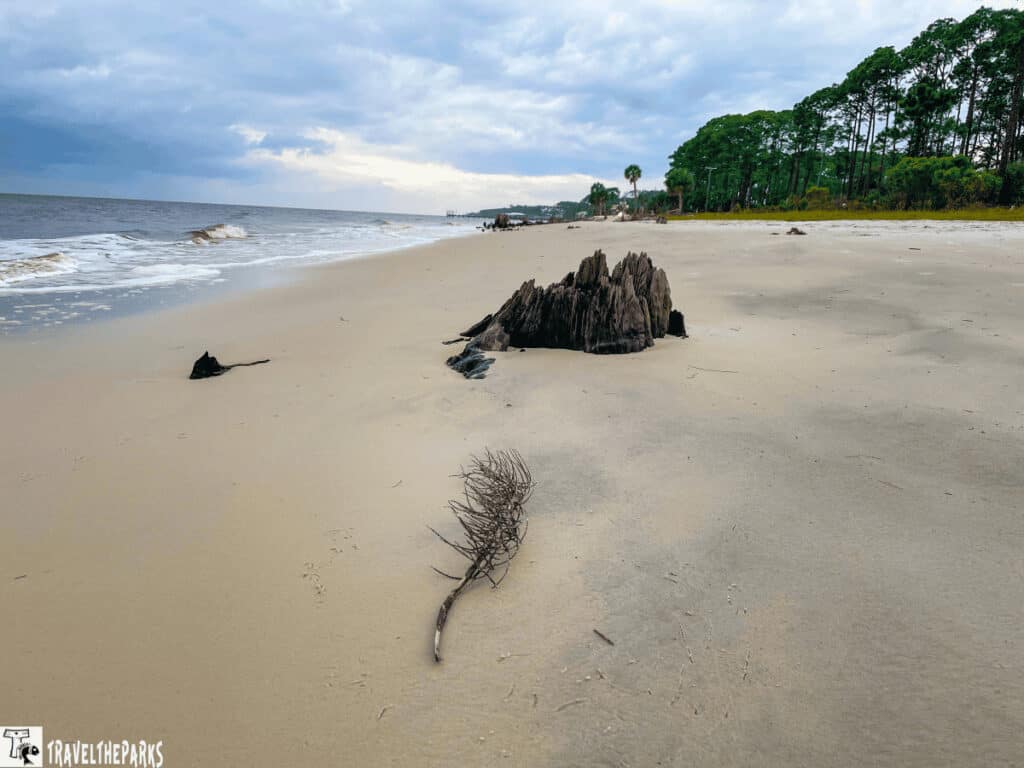
We’ve been to a lot of Gulf Coast beaches. Some are lovely. Some are lovely and packed like a can of sardines. St. George Island State Park falls into another category: idyllic, empty, and eerie quiet.
At 2,023 acres, it’s got nine miles of beach and not a single skyscraper in sight. No condos. You also won’t hear jet skis buzzing past.
We climbed the 92 steps of the Cape St. George Lighthouse (a replica of the 1852 original) for a bird’s-eye view of the Gulf and Apalachicola Bay. Below us: just dunes, shells, and the occasional sea turtle track. Worth every step. Even the ones where we stopped to pretend we were just “enjoying the view.”.
Tate’s Hell State Forest: A Wild Side of the Forgotten Coast, Florida
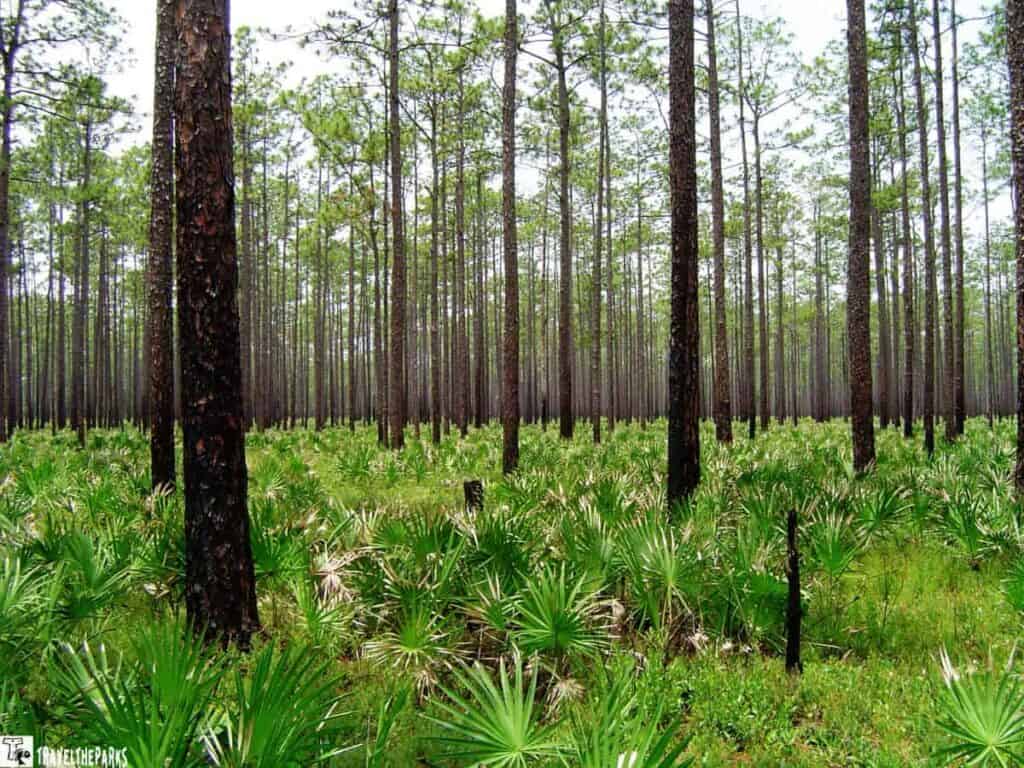
Tate’s Hell. Named for a farmer who staggered out of the swamp saying, “My name is Cebe Tate, and I just came from Hell.” We didn’t get lost. Paddled blackwater creeks. Hiked pine flatwoods. Saw no bears, a few orchids, and plenty of birds. This isn’t a quick stop. It’s where you go for real alone time—the peaceful version.
Carrabelle: Small Town, Big Heart
Carrabelle is one of those places where you drive into town, sit down at a restaurant by the docks, and instantly get the feeling that you’ve been visiting for many years.
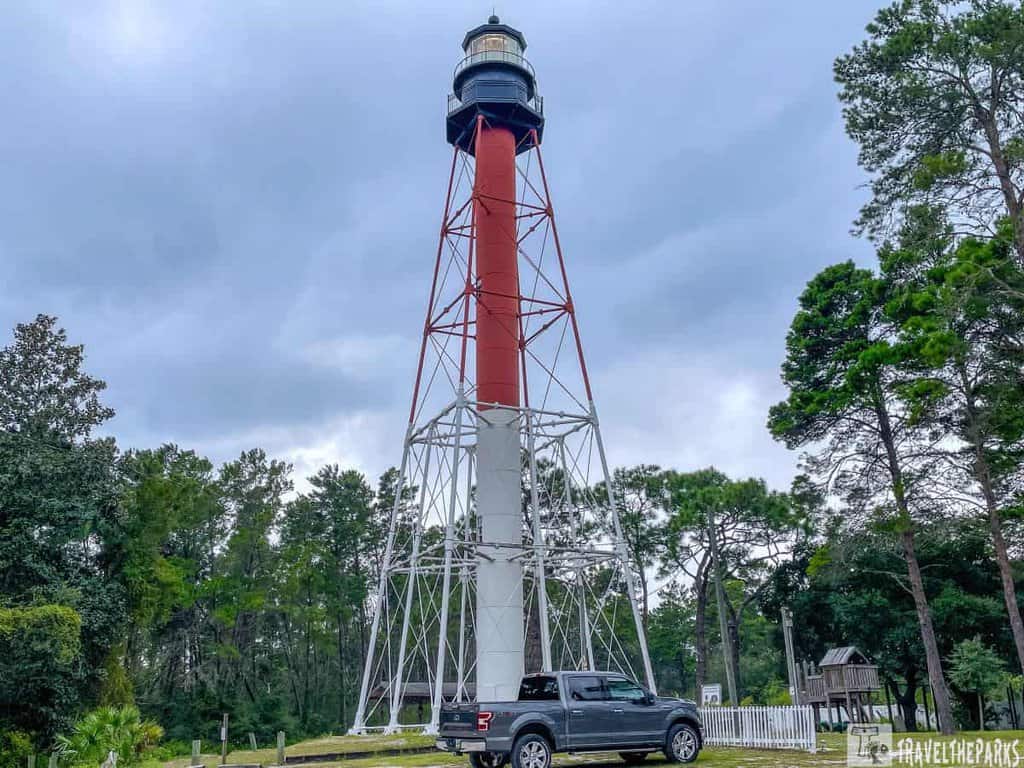
We went to the Crooked River Lighthouse, climbed it, took pictures, felt quite accomplished, had way too many fried shrimp, and… relaxed. No hurry. No schedule. Just fresh air and great company.
Alligator Point & Panacea: No Traffic Lights, No Problem
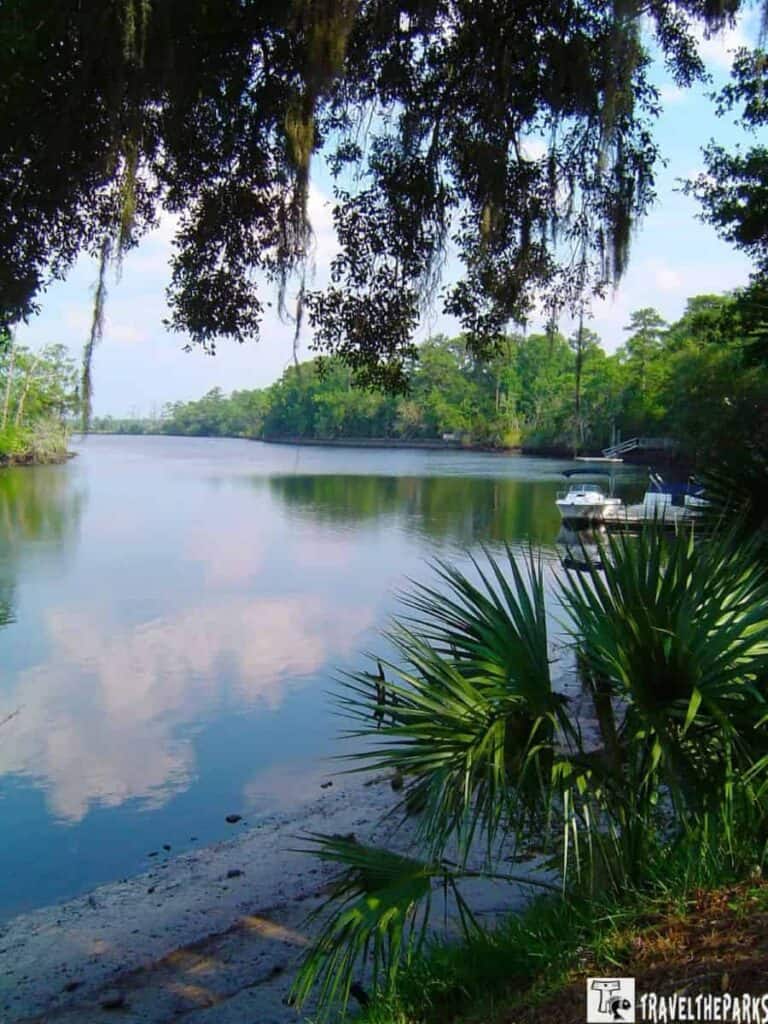
The skinny island boasts no traffic lights, no high-rises, and just enough character that’s worn by the salty air. Shell collecting on soft white sand beaches took up our morning, and hiking through Bald Point State Park with towering dunes and pine forests took up our afternoon.
But that wasn’t all. The Salty Donkey was next. An outdoor tiki bar on Dickerson Bay offering freshly caught seafood and cold beverages, and everything else you’d expect from a beach getaway.
PRO Tip: Word to the wise: spring and fall are your ideal seasons; comfortable weather, low bug population, and single-digit crowds. Pack binoculars.

San Marcos de Apalache Historic State Park: History You Can Touch
Each stop doesn’t have to be on the beach. There may be times when what you need is a crumbling old fort with an informative museum.
Marcos de Apalache Historic State Park itself is situated at the point where the Wakulla River converges with the St. Marks River. The original fort was a Spanish establishment constructed in the sixteenth century that later became the property of the Confederacy troops; today, it allows one to take a historical tour of Florida’s past.
Our exploration took us around the fort ruins, up to the top of the powder magazine for views of the rivers, and left us slightly enlightened and profoundly thankful that we didn’t serve here during the 17th century.

Wakulla Springs State Park: Crystal Waters, Old Florida Charm
Wakulla Springs is one of the deepest freshwater springs anywhere. It’s a first-magnitude spring—that’s 250 million gallons a day. Million with a capital M. The water’s tannic, though. Dark. Can actually spook you a little.
We took the riverboat tour. Saw alligators lounging like they owned the place, manatees drifting along in their sleepy way, and snowy egrets that looked almost too pretty to be real.

Then we stumbled into the Lodge, which has been there since the 1930s and hasn’t really tried to hide it—in the best way. Big, dramatic ceilings, murals everywhere, and an old soda fountain still serving ice cream floats like time just stopped somewhere around 1955. We sat there way too long.
Oh, and much like Silver Springs as a famous movie location, the Creature from the Black Lagoon was filmed here. So that’s cool.
St. Marks National Wildlife Refuge: Bird Nerds Welcome
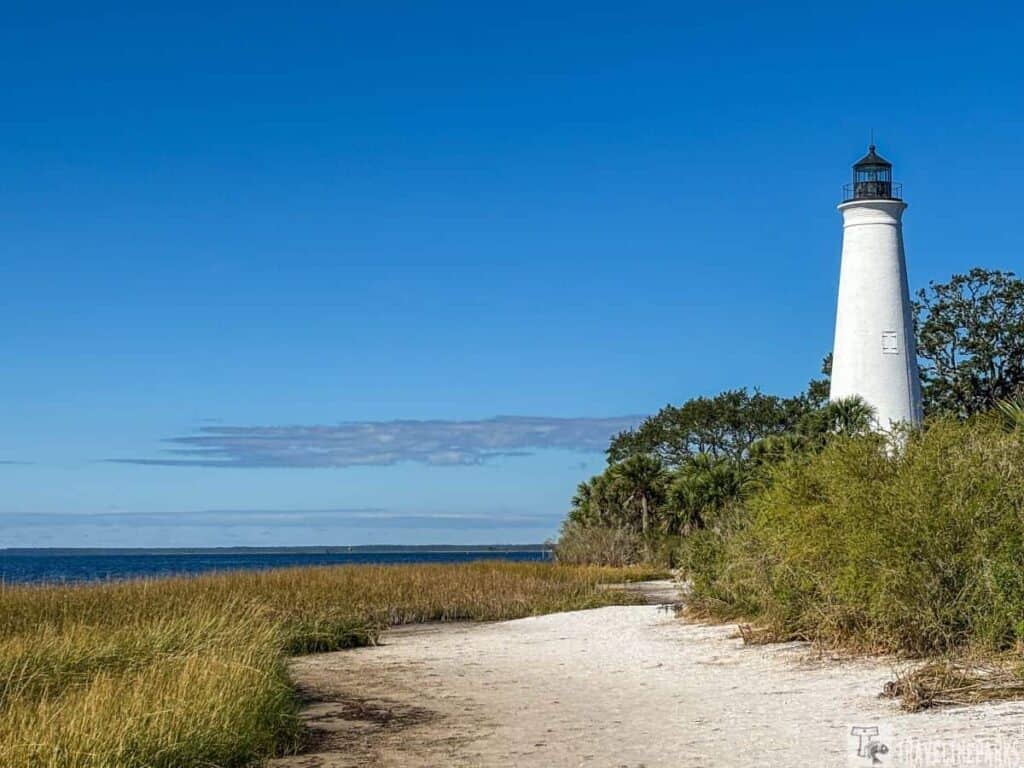
St. Marks National Wildlife Refuge was established in 1931 as one of America’s earliest wildlife sanctuaries. The lighthouse there has been standing since 1832—that’s the main draw.
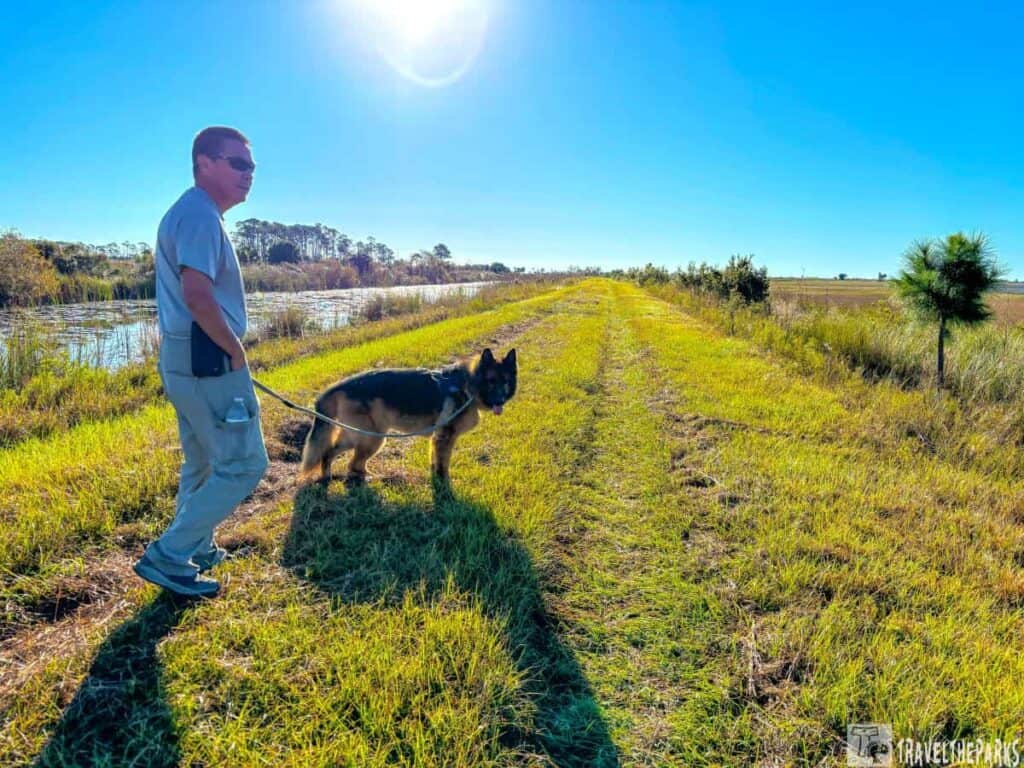
We kayaked glassy waterways and hiked levee trails. Spotted roseate spoonbills too. Think flamingo with a flat bill.
It would be great to pack binoculars, sunscreen, and shoes that you can be on your feet all day long. Bring plenty of water. And one more thing, do not take the Bluetooth speaker as the birds already have their music without it.

Where we stayed: Newport Park Campground along the St. Marks River. Quiet, clean, full hookups, and sunrises that made us wake up early on purpose.
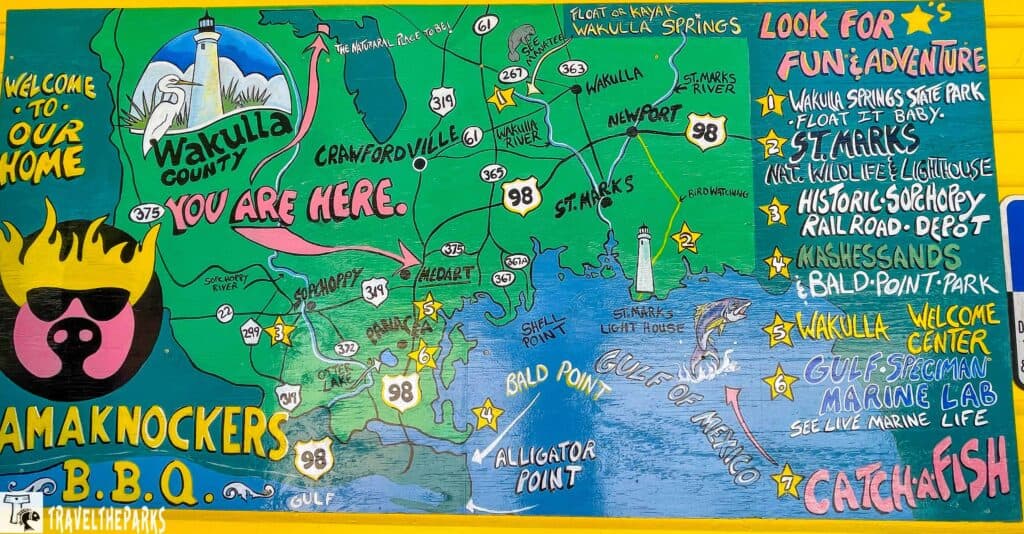
Where we ate: Found a place called Hama Knockers BBQ in Crawfordville. The family’s been running it since 2004. Pulled pork was great, ribs came right off the bone, and those sauces? Almost ended up in our cooler.
Final Thoughts: Why the Forgotten Coast Florida Stays With You
The Forgotten Coast isn’t trying to impress anyone. That’s what sticks with you.
No mega-resorts. No velvet ropes and no fancy dinner bookings. Just beaches, small towns, and an old-school charm that’s becoming rare.
We left with sandy shoes, leftover BBQ, and that calm you only find in places that refuse to hurry.
Drop your comments below! Share your secret spot, the seafood joint that you shouldn’t miss, or the beach where you read that novel at last.
![Statue on a stone pedestal with flags and trees in a park. Transcribed Text: JUAN PONCE DE LEON DISCOVERER OF FLORIDA […] MARCH 1513 THIS LAND WHICH HE CALLED LA FLORIDA ESTABLISHING A RIGHT OF POSSESSION UNDER THE SOVEREIGNTY OF THE CROWNS OF SPAIN AND CASTILE FROM WHICH THIS COUNTRY DERIVES THE NAME OF FLORIDA THIS MEMORIAL ERECTED BY PONCE DE LEON’S DESCENDANTS IN THE RICHEST AGRICULTURAL SECTIONS OF SPAIN AUGUST 1909.](https://traveltheparks.com/wp-content/uploads/2020/12/statue-of-ponce-de-leon-st-augustine-1020-FI-1.jpg)

