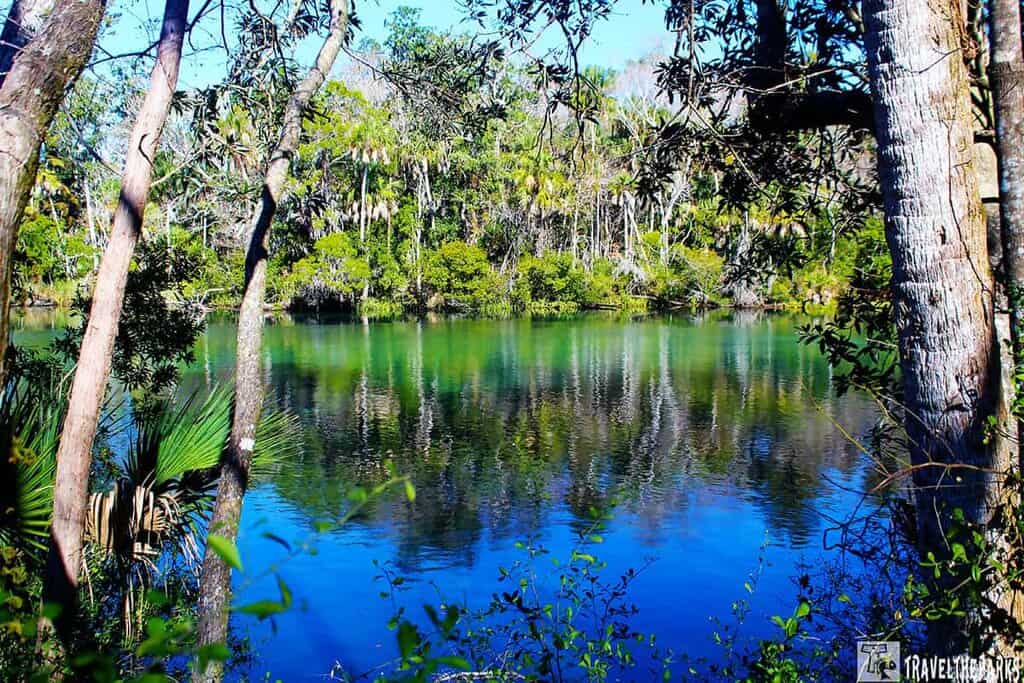
Stepping into this park feels like magic. Time seems to slow down. Spring water flows clear and steady from deep below ground. You can feel the powerful, wild spirit of the Sunshine State right here. Ellie Schiller Homosassa Springs Wildlife State Park is a sanctuary for the area’s wildlife. This park focuses entirely on animals native to Florida.
On a Florida road trip, we took a full day to roam this treasure on Florida’s Nature Coast. Manatees steal the show (they’re that good). Waterbirds and panthers join the fun. Come see it all.

This post may contain affiliate links, meaning if you purchase something through one of these links, we may earn a small commission at no extra cost to you! Read the full disclosure policy here.
Table of Contents
Getting Here: Ellie Schiller Homosassa Springs Wildlife State Park
The nearest major airport is Tampa International Airport (TPA), about 70 minutes south. From there, rent a car and follow the Tampa directions below.
From Tampa: About 70 minutes (75 miles): Take Veterans Expressway (Toll 589) north to Suncoast Parkway (Toll 589 continues). Follow Suncoast Parkway north to US 98. Head west on US 98 to US 19, then north to the visitor center. Alternate route: I-275 north to SR 60 west, then north on US 19—scenic but slower.
From Orlando: About 90 minutes (85 miles): Take Florida’s Turnpike north to I-75 north. Exit onto SR 50 West (toward Brooksville). Follow SR 50 to US 19, then north to the visitor center.
Pro tip: The Brooksville section of SR 50 can get congested—build in an extra 15 minutes
Know Before You Go: Ellie Schiller Homosassa Springs Wildlife State Park Guide
Homosassa Springs is just one of the many incredible springs worth exploring in Florida. If you’re planning to visit more than one, our favorite Florida Springs guide is a great place to find additional destinations. Little planning goes a long way.
- Location: Front entrance: 4150 S. Suncoast Blvd., Homosassa, FL 34446 (currently closed to visitors). Fishbowl Drive Entrance: 9225 W Fishbowl Dr, Homosassa, FL 34448.
- Hours: Open daily from 9:00 AM to 5:30 PM. Ticket counters close at 4:45 PM, so don’t cut it too close. See the official park website for weather alerts.
- Admission: Adults (13+): $13. Children (6-12): $5. Kids 5 and under: Free. For a state park experience with this much to offer, that’s a genuine bargain. Give yourself 3.5 to 4 hours minimum.
- Best time to visit: Winter, hands down. When the Gulf cools, manatees flock to the springs in larger numbers. You might see a dozen or more in the observatory windows. Plus, Florida winters offer perfect walking weather—cool enough to be comfortable, enough to remind you why you came.
- Accessibility: Wheelchair-friendly boardwalks and facilities throughout
- What to Bring – Comfortable walking shoes (the paths are paved but extensive). A camera with a zoom lens for bird photos. Water bottle—Florida humidity sneaks up on you.Sunscreenand hat for the boat ride and open areas. Binoculars if you have them.
- Check the daily schedule for feeding times and educational programs
- Amenities: Restrooms throughout. Picnic areas if you pack a lunch. The Wildside Café for snacks and sandwiches if you don’t. Two gift shops for souvenirs. Free kennel at the park entrance if you’re traveling with a dog.
- Pet Friendly: No pets are allowed in the park.
The Journey Begins Before You Even Enter the Park
Here’s something interesting about Homosassa Springs: The park is really two different sections. The large visitor center sits along the busy US Highway 19. The actual wildlife park and springhead are a mile away on Fishbowl Drive. While you can drive to the Fishbowl entrance, available parking is limited.
You have three choices for making that mile journey, and honestly, each offers something special:
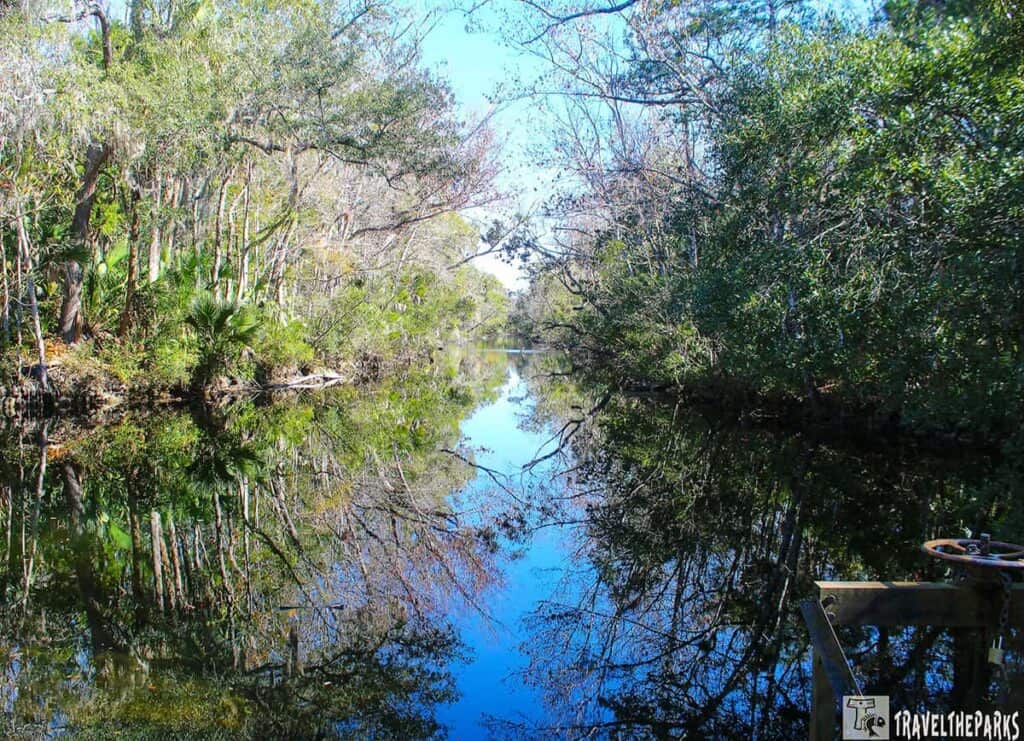
The Pontoon Boat Ride: This is the way to go if you ask me. The short ride via pontoon boat is nostalgic Florida. A guide provides narration as the boat maneuvers past overhanging trees in the shaded canal. Although he talks mostly about the local ecology, he will point out great blue herons or ospreys. If you are lucky, maybe a pair of otters on the bank.
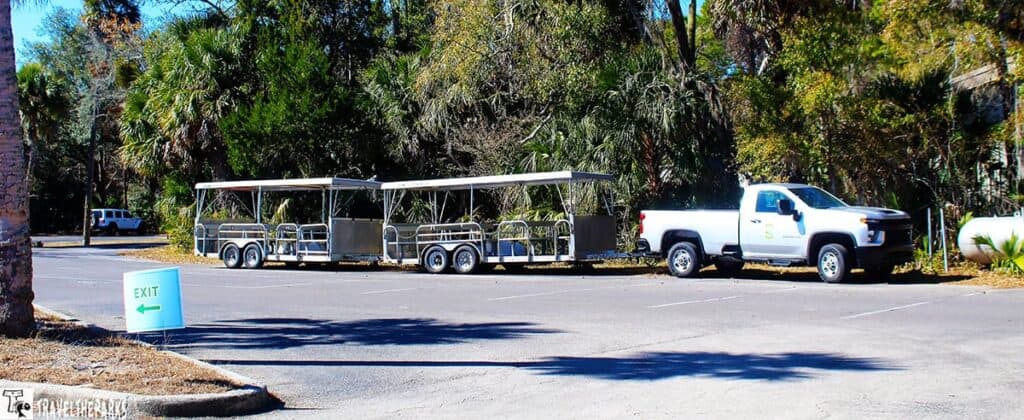
The Tram: This is the quickest method to arrive at the wildlife park. If you’re short on time or have mobility concerns, I would suggest taking this.
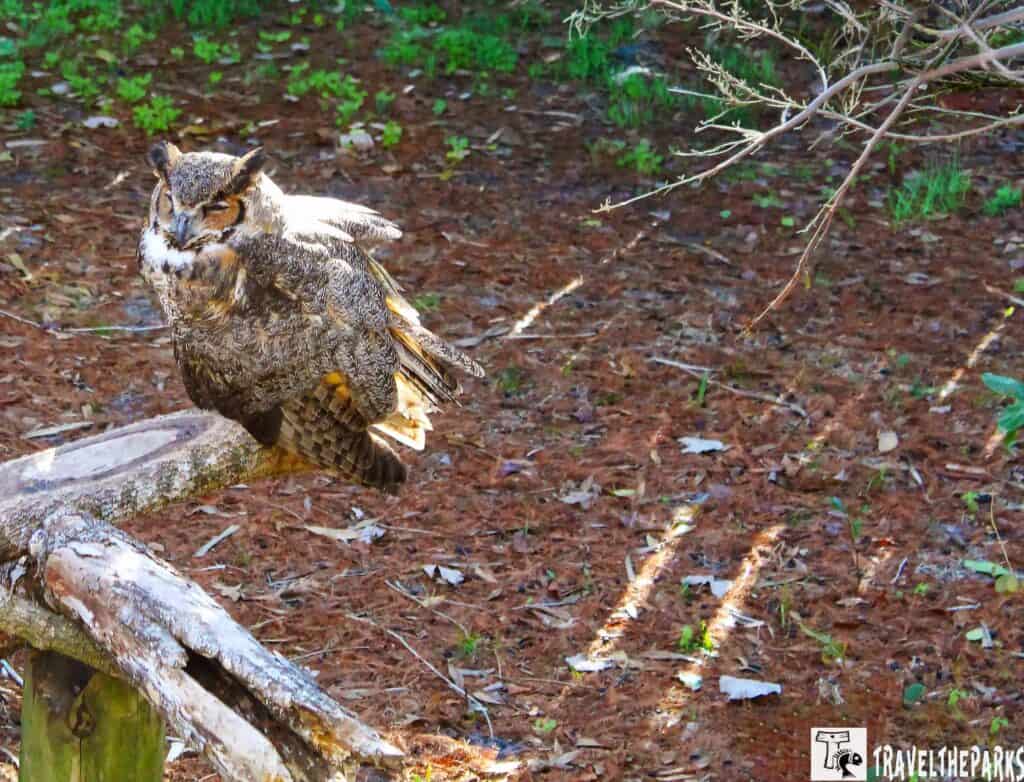
Finally, the Pepper Creek Trail. It’s made for walkers. This nice 1-mile paved path cuts through a coastal hammock.Benches and shaded areas are scattered throughout, perfect for taking breaks. We took our time on the return walk. We loved having the quiet all to ourselves. That’s when we got lucky. Hearing a hoot, we spotted a great horned owl in a pine tree.
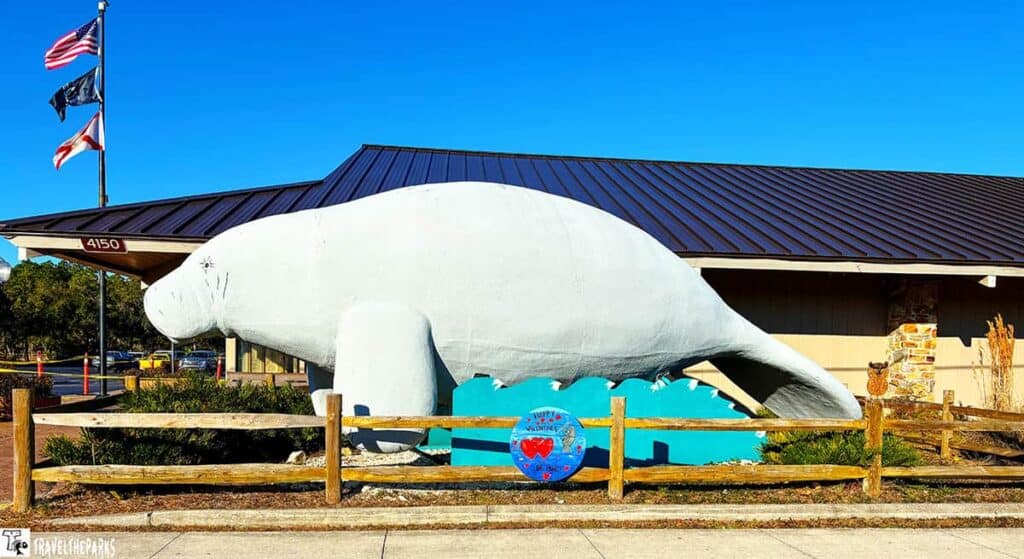
Before You Cross: The Visitor Center on US 19
Find the visitor center along busy US Highway 19 at 4150 S. Suncoast Blvd, Homosassa, FL 34446. You will spot it easily enough—look for the signs, and the parking lot.
Every adventure needs a solid beginning. Homosassa Springs nails it right from the start. Even before you spot your first manatee, it’s best to begin at the visitor center. Honestly, looking over the exhibits makes everything clearer and understandable.
Inside, there’s a little gift shop if you want to grab a souvenir or two. The women at the desk were super helpful. She filled us in on the day’s events. She also told us about the latest wildlife sightings and let us know what was closed.
Before we headed out, check out the map posted by the tram stop. It helps to get your bearings. And hey, don’t forget to snap a quick photo before the real adventure kicks off.

What Makes Homosassa Springs Wildlife State Park Special
Unlike traditional zoos, Homosassa Springs Wildlife State Park emphasizes conservation and education. Many of the animals here are unable to survive in the wild due to injury or past captivity. Knowing their stories made our experience more meaningful as we explored the park.
The setting itself—natural springs, shaded boardwalks, and calm waterways—adds to the laid-back feel.
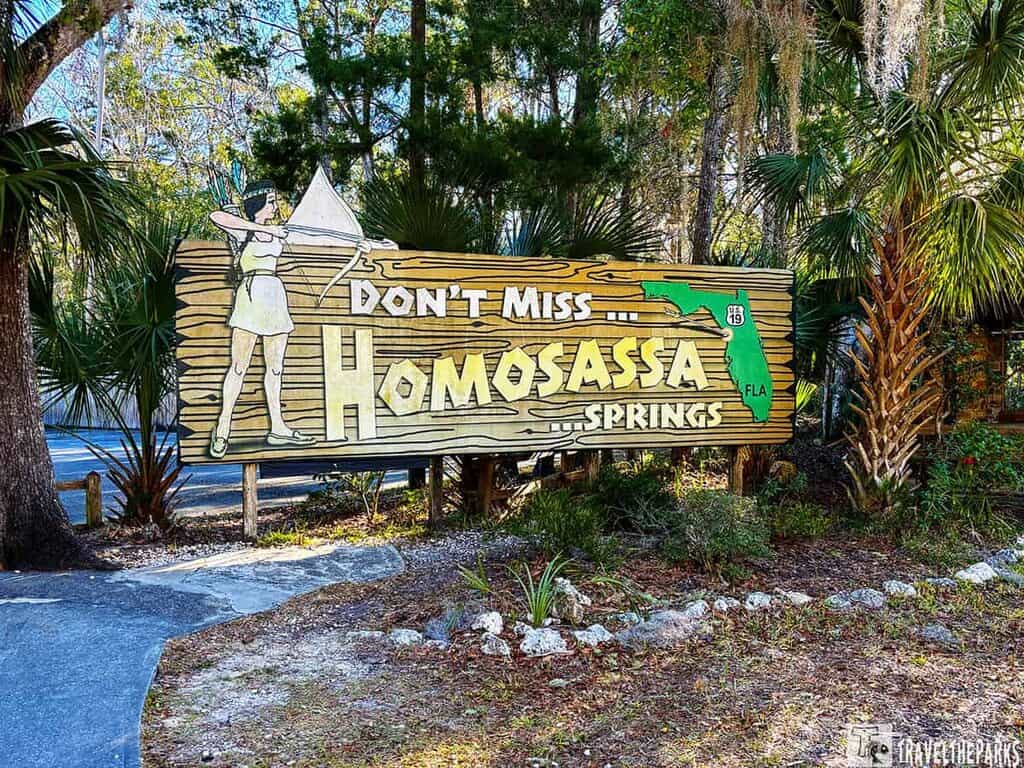
Into the Park: Where Springs and Wildlife Meet
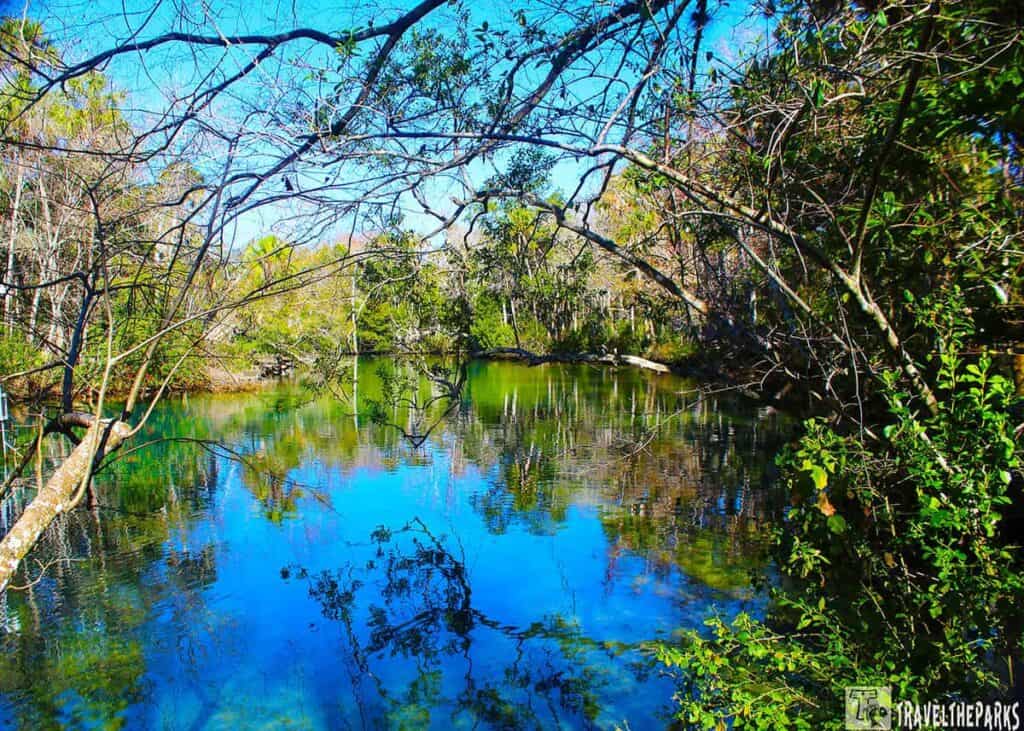
The boat/tram deposited us at the park’s heart, and immediately we felt it. The air, heavy with moisture and carrying the subtle scent of fish and plants, felt cooler. We are standing beside a first-magnitude spring, one of Florida’s natural wonders, and it sets the stage for everything this park does well.
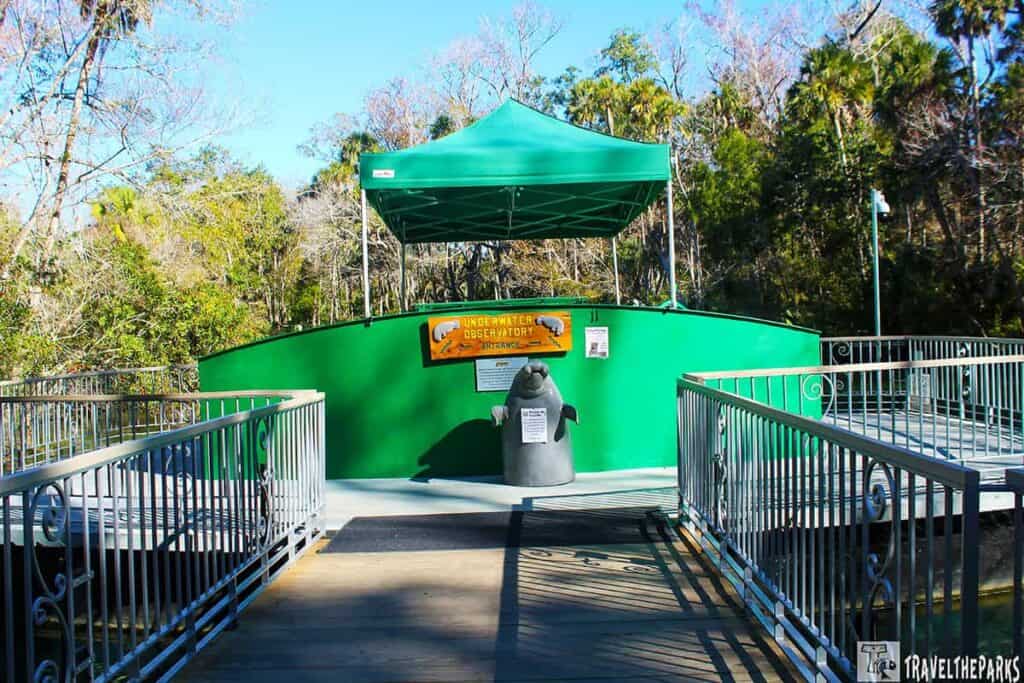
The Underwater Observatory: Face to Face with Giants
Let’s start with the main attraction. A floating structure sits directly over the spring’s main vent. Inside, you walk down a ramp into a submerged room with windows looking directly into the crystal-clear water.
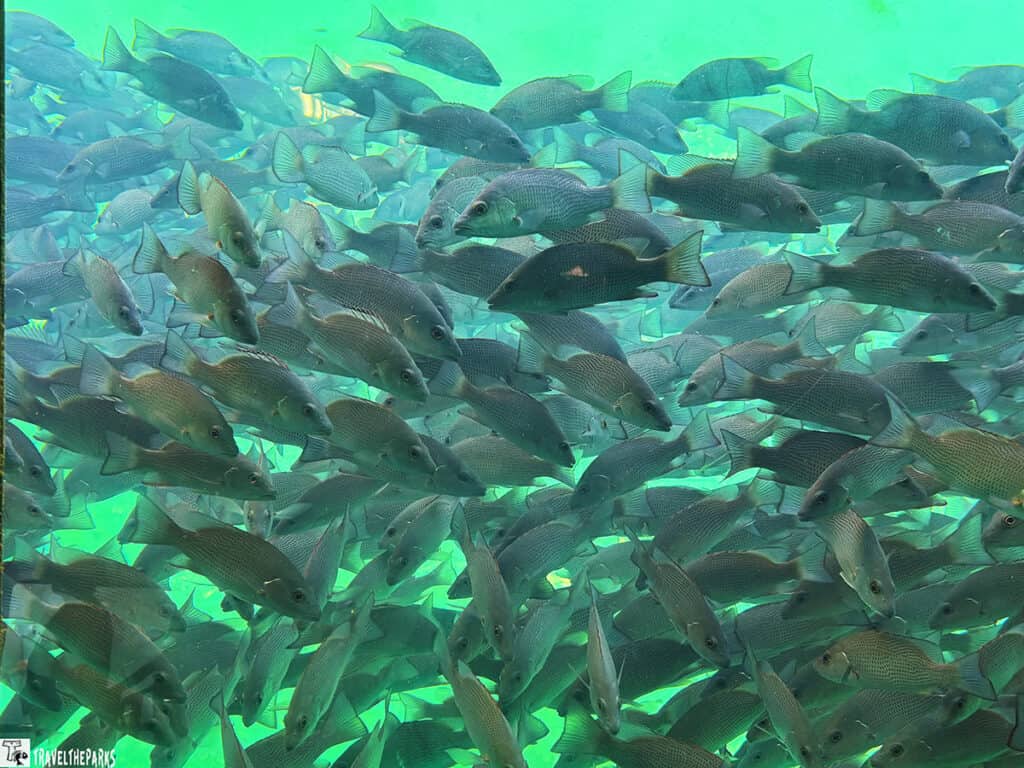
Cold morning at Homosassa means manatees. The main spring is glass-clear, revealing huge schools of fish below. Today’s lineup: sheepshead, snook, gray snapper, tarpon, and striped mullet, all in abundance.
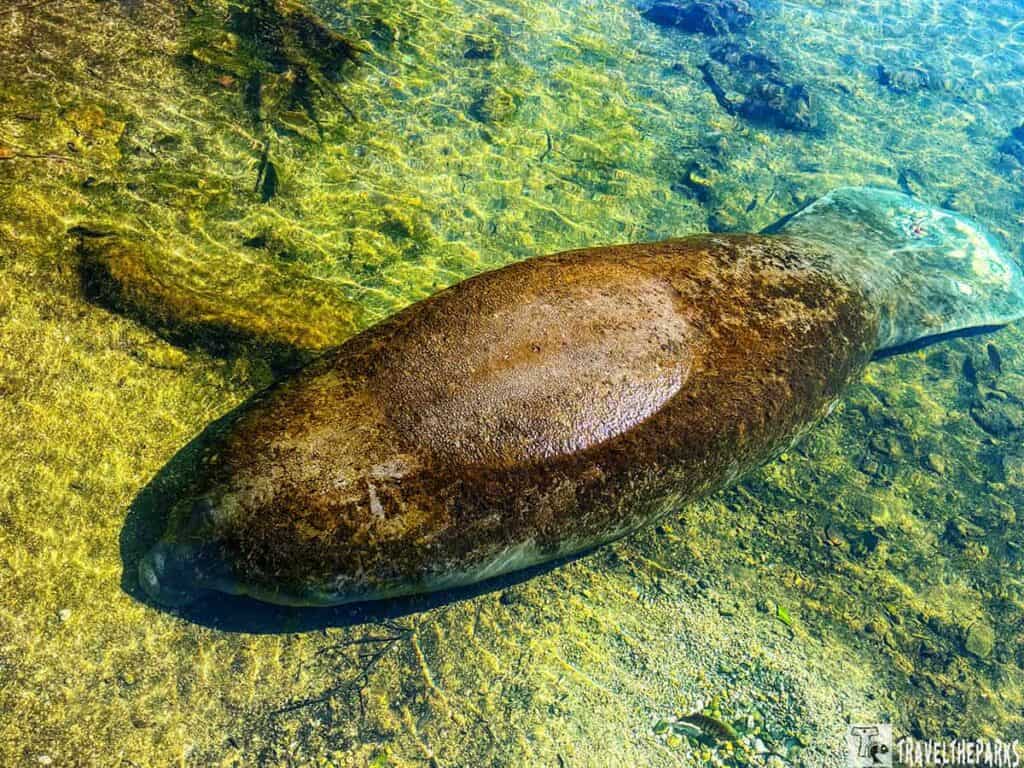
In winter, cold Gulf waters draw dozens here. They crave the steady 72-degree spring water that keeps them going. To me, West Indian manatees look like gentle giants with wrinkles and whiskers. No manatees drift by the fish bowl window this morning. On the boardwalk, we can see some napping along the bottom. Others rise to check visitors. With minimal movement of their paddle-shaped flippers, they glided gracefully under the boardwalk bridge.
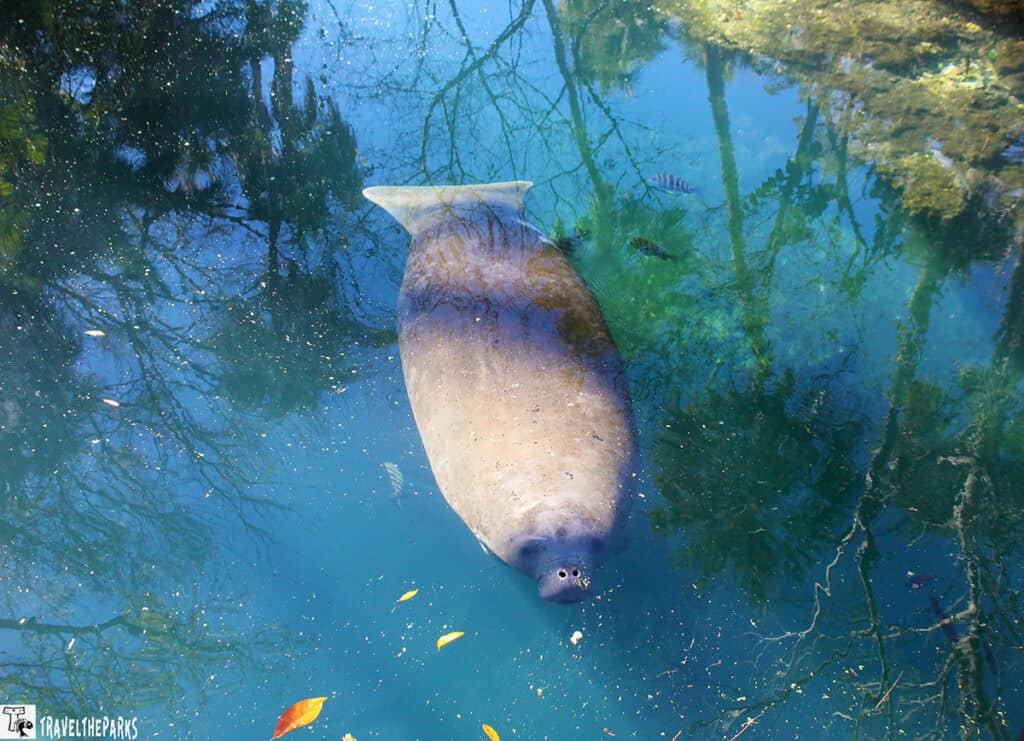
Just a heads-up: Recent visitors say the underwater observatory may be closed for fixes after hurricane damage or heavy storms. Check the park’s website for updates before your trip. Florida weather hits hard, but the park fights to stay open.
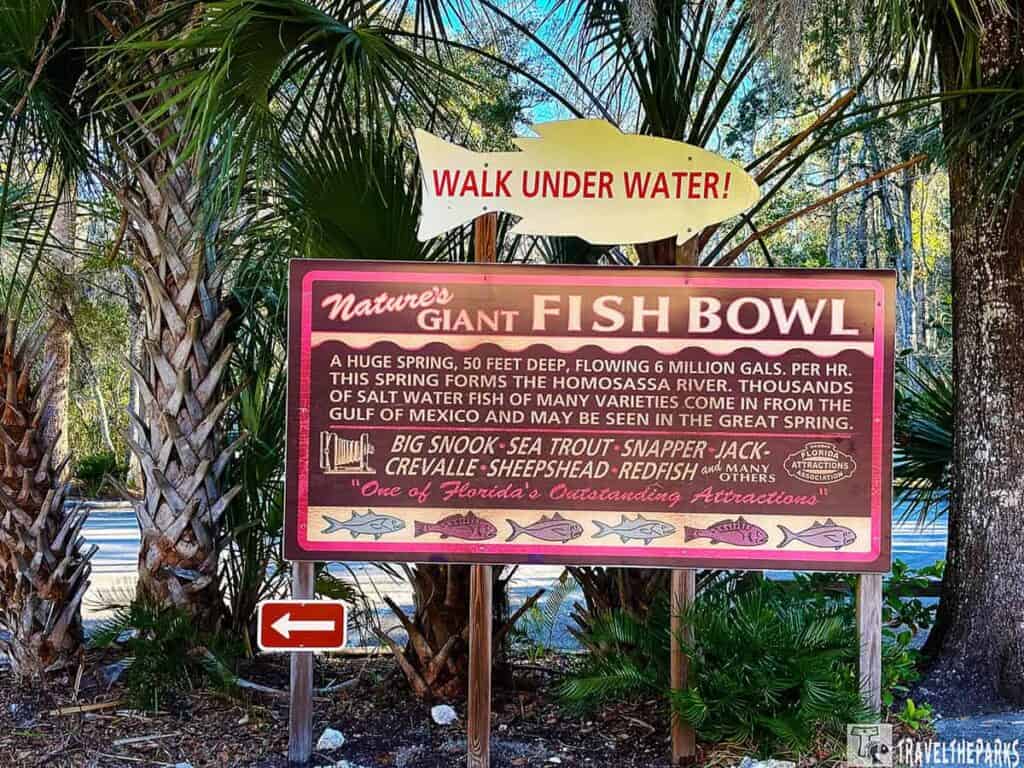
Garden of the Springs and Discovery Center
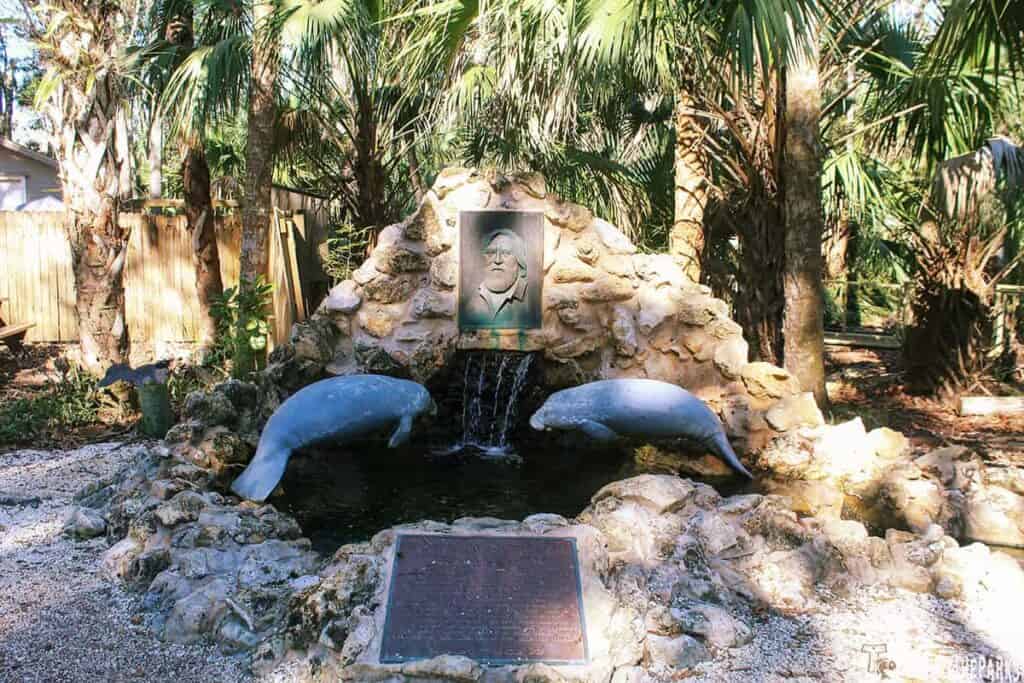
Don’t skip the Garden of the Springs area. It is a pleasant stroll by the water. We stopped at many spots to watch manatees. The manatee fountain is a delicate touch. The Discovery Center sits nearby. It has exhibits that provide great insight into the manatees.
Lu the Hippo: An Honored Exception
Here’s something that surprised us: almost everything in the park focuses strictly on Florida’s native wildlife. Almost.
There was one unforgettable exception—and he was a legend.
Lu arrived in 1964, born at the San Diego Zoo and shipped east to what would become his forever home. He even appeared in television shows like Daktari. Over the years, he charmed generations of visitors. When new wildlife regulations required the park to focus only on native species, Floridians weren’t having it. They rallied. In the end, officials declared Lu an “honorary citizen” of Florida so he could stay.
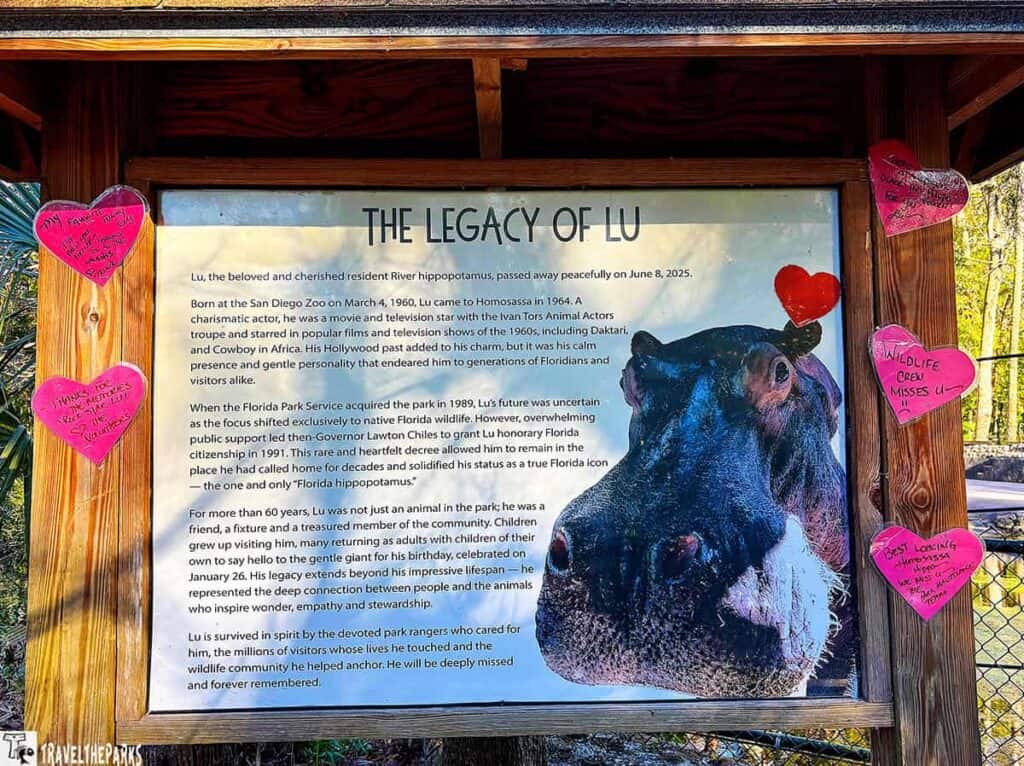
By the time Lu passed, he was over 60 years old and held the title of the oldest hippo in North America.
Today, his spacious pool sits quiet and empty. But standing there, we could still feel his presence. His legacy hasn’t left.
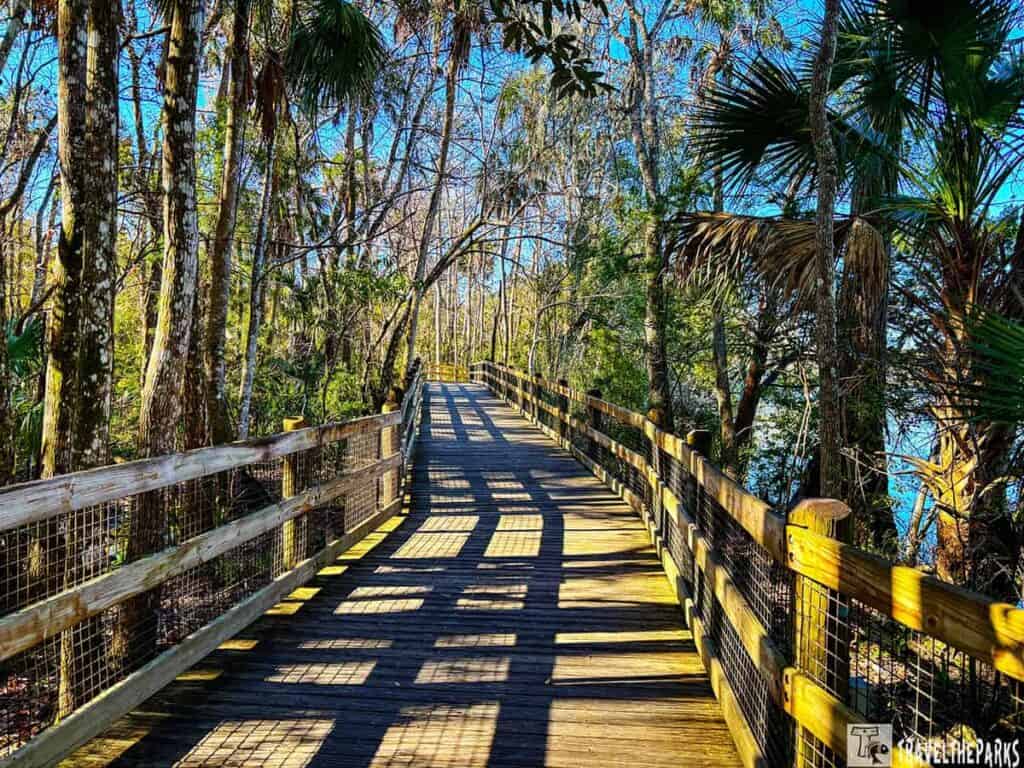
Boardwalks Through Florida’s Wild Places
The park’s genius lies in its design. Elevated boardwalks and paved paths wind through carefully crafted habitats, bringing you close to animals without making you feel like you’re in a zoo.
Most people come for the manatees. They park themselves at the underwater observatory, watch the sea cows glide by, and figure they’ve seen the park. But if you don’t walk the Wildlife Walk, you’re leaving half the experience behind.
The Wildlife Walk: Where Florida’s Rescued Natives Roam
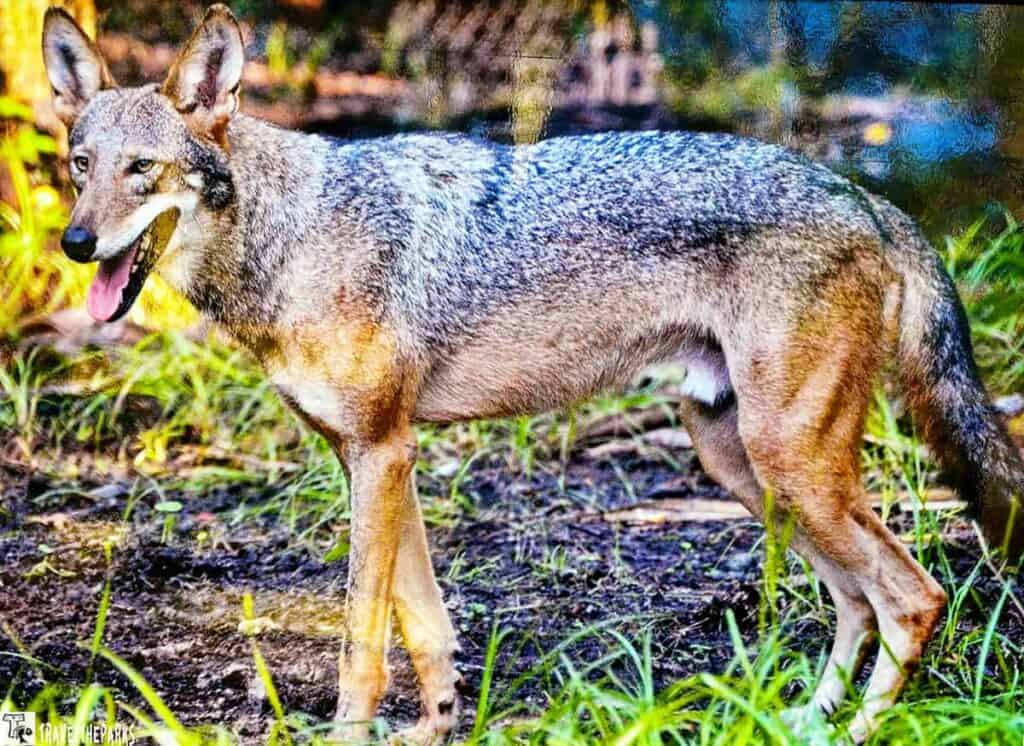
Deep in the woods of the Wildlife Walk, in the first enclosure, we found Jesper and Rose. These red wolves top the list of North America’s rarest canine creatures. Just twenty or so roam wild. They all come from fourteen survivors back in the 1970s. That’s when the species nearly died out. From afar, the pair looks like coyotes. Look closer. That reddish fur, those longer legs, the weight of something ancient in their eyes. They’re here under the federal Species Survival Plan (SSP), not for show but for survival. I could watch them for hours. Not because they do anything dramatic—they pace, they rest, they watch back. But because every second in their presence feels like a minor miracle. A species down to its last threads, hanging on because places like this refused to let go. That’s worth standing still for.
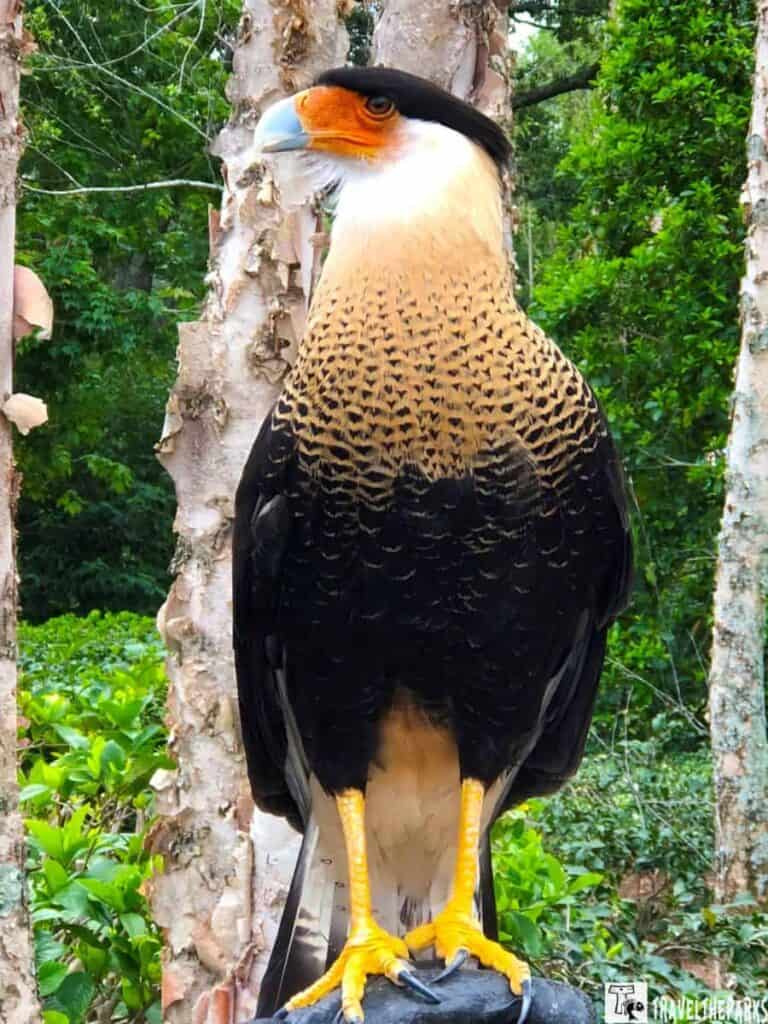
Next, we spotted several birds of prey. Hawks, owls, caracaras and eagles fill large aviaries. Some heal from wounds that block their wild release. Stay still. Watch them groom feathers, stretch wings, eye the sky. Barred owl’s gazing straight through you.
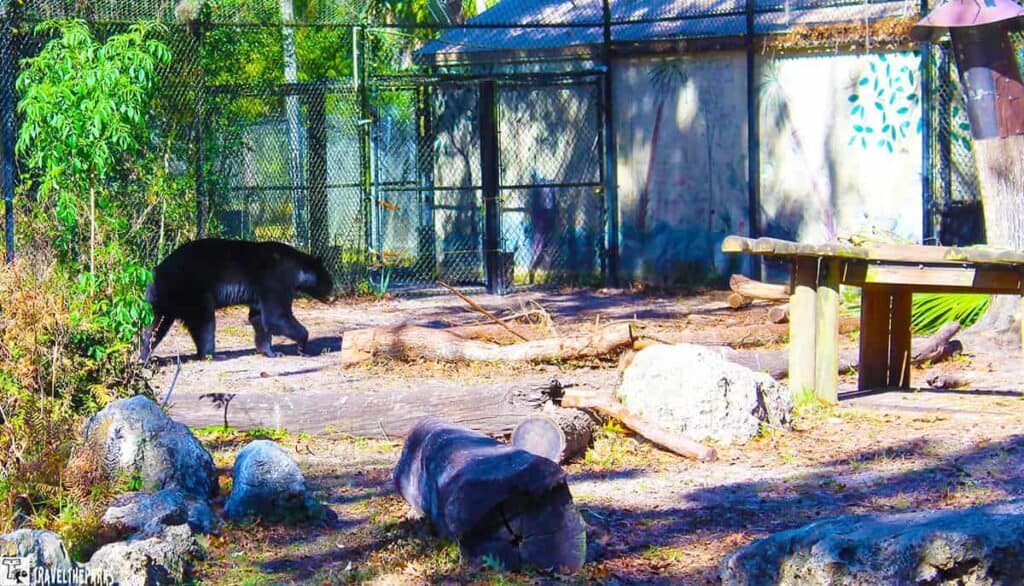
At the Florida black bear enclosure, we watch as one bear ambles about, sometimes napping in the sun, sometimes pacing with that loose-limbed bear gait. This one is smaller than its northern cousins, but no less impressive.
Florida’s Big Cats
The Florida panther in Homosassa Springs skips the tricks. He just patrols. Back and forth he goes, calm and focused, gold eyes searching like he’s deep in the cypress swamps from where he was born. Each muscle screams hunter. Each stride shouts free.
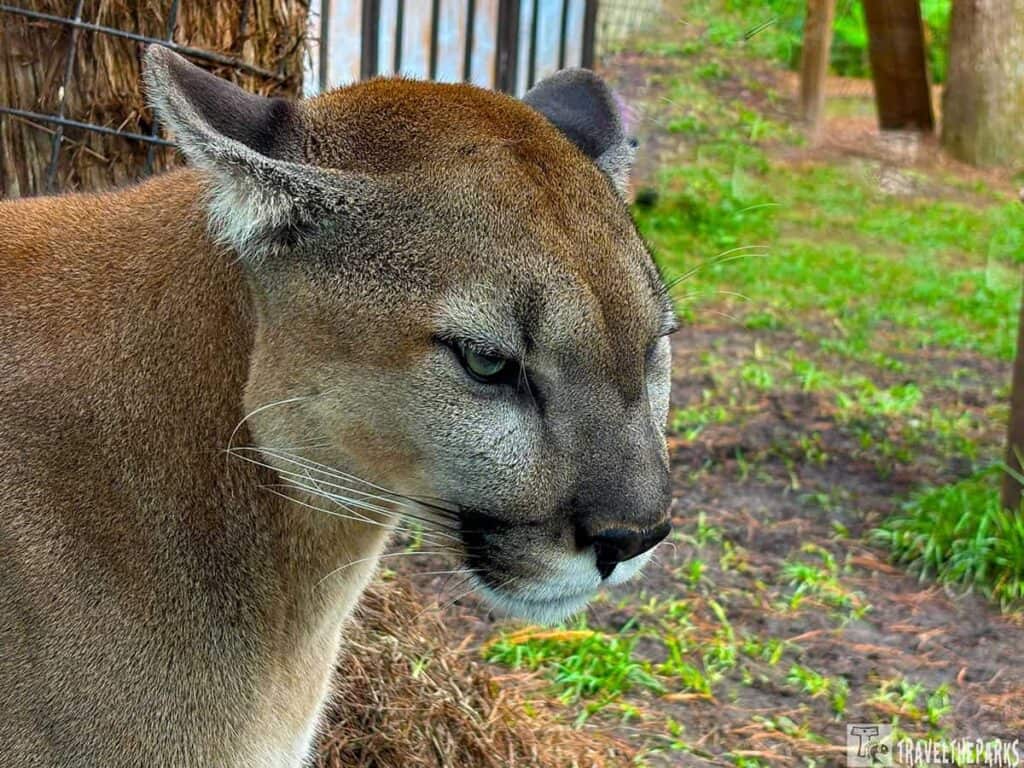
He stays here since the wild won’t take him back—hurt, alone as an orphan, or some reason release failed. He walks his pen now, as his kind clings to life in south Florida. Two hundred left. Nothing more.
I stare at him and sense two feelings together: wonder at this amazing creature still alive, and sadness that we nearly killed it with our love. He owes no performance. He lives, and that’s plenty. It must be.
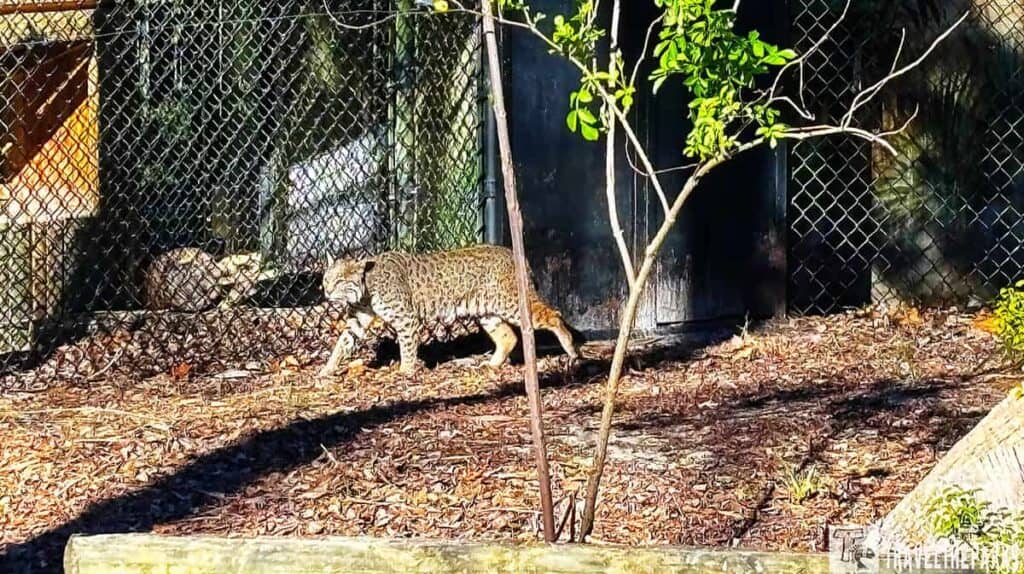
Nestled in a shady spot on the Wildlife Walk, the bobcat hides from most eyes. People rush by, chatting about panthers. What a waste. This cat stands out. Small and strong, ready to pounce. Tufted ears stick up. Its short tail bobs. Spots blend into light and shadow—pure hunter. It eyes you calmly. Watching. Sizing us up. No oversized pets here. This is raw wildness in disguise, with sharp claws and endless patience. I linger for hours, waiting for it to stir. To see that power burst free. It rarely does. No need to perform. But spotting that fur in Florida’s woods? Even if rare? That’s plenty. That’s magic.
Reptile House Exhibits
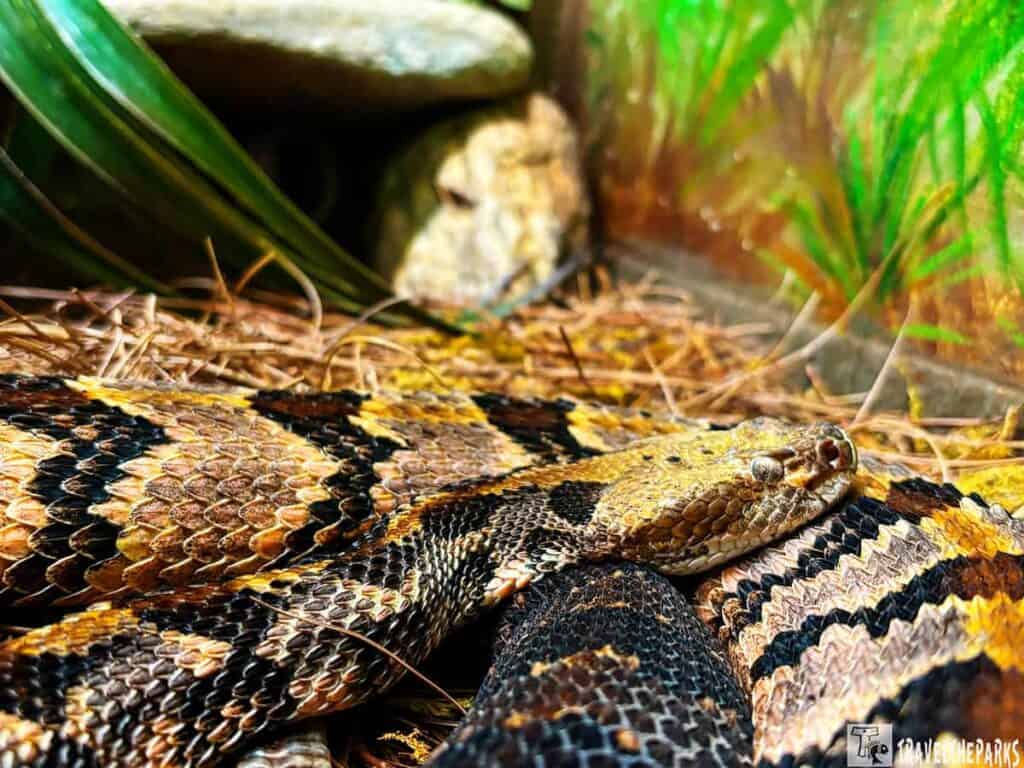
You’ll spot snakes, turtles, and frogs. Folks naturally dodge these creatures on sight. Here, they teach educational lessons. They show which snakes are venomous, demanding respect. Which one’s help us out. Why every Florida reptile is an important aspect of our ecosystem. This is an exhibit you enter and feel scared. It’s not fancy. It’s vital.
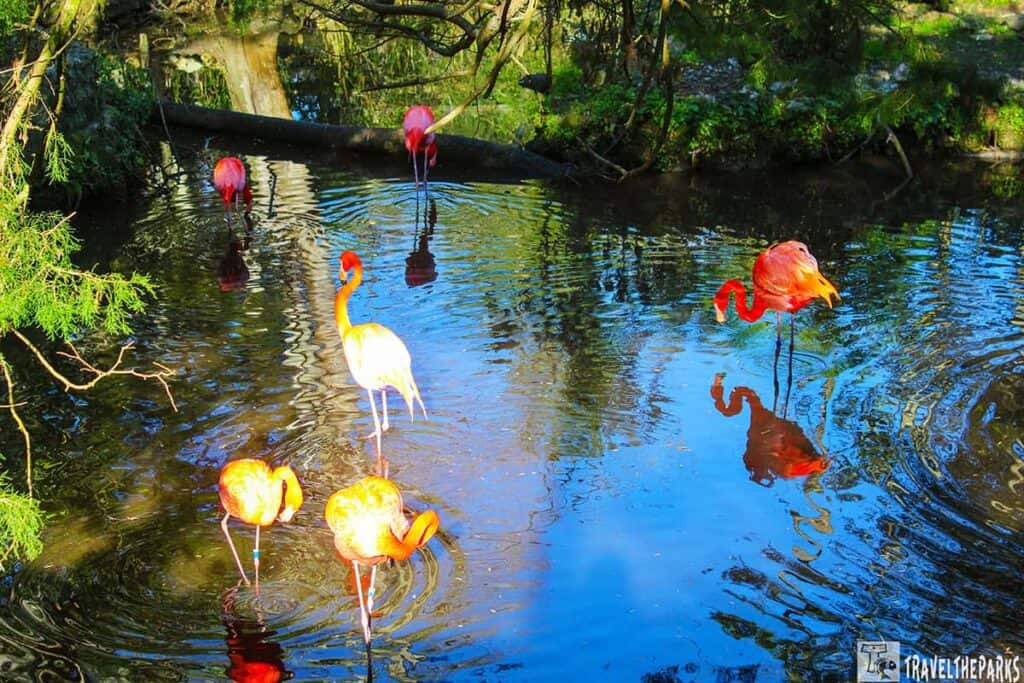
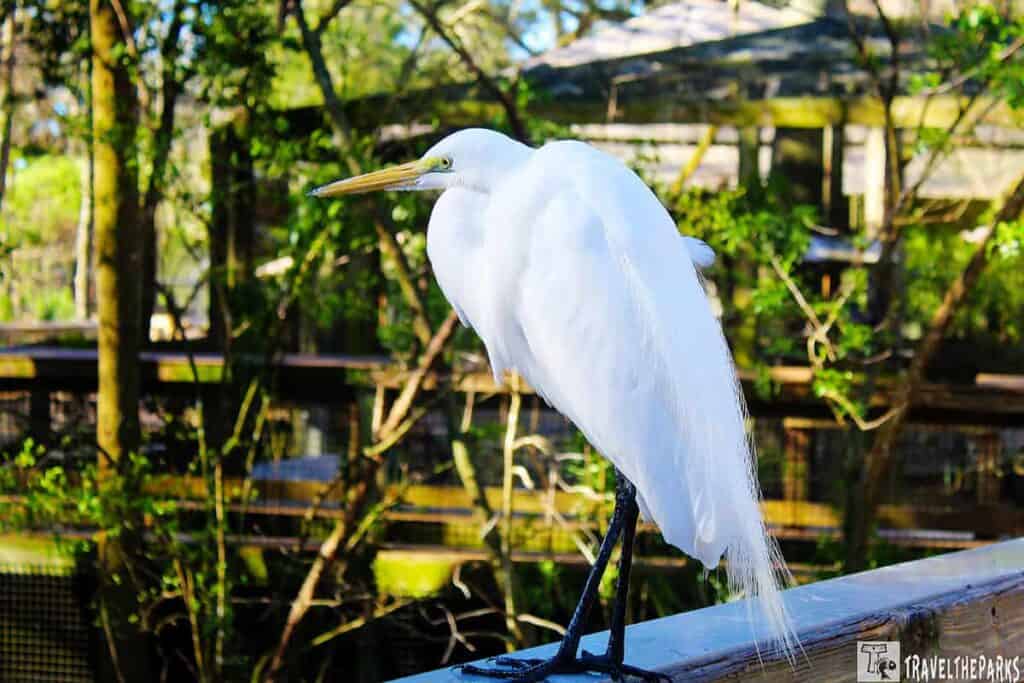
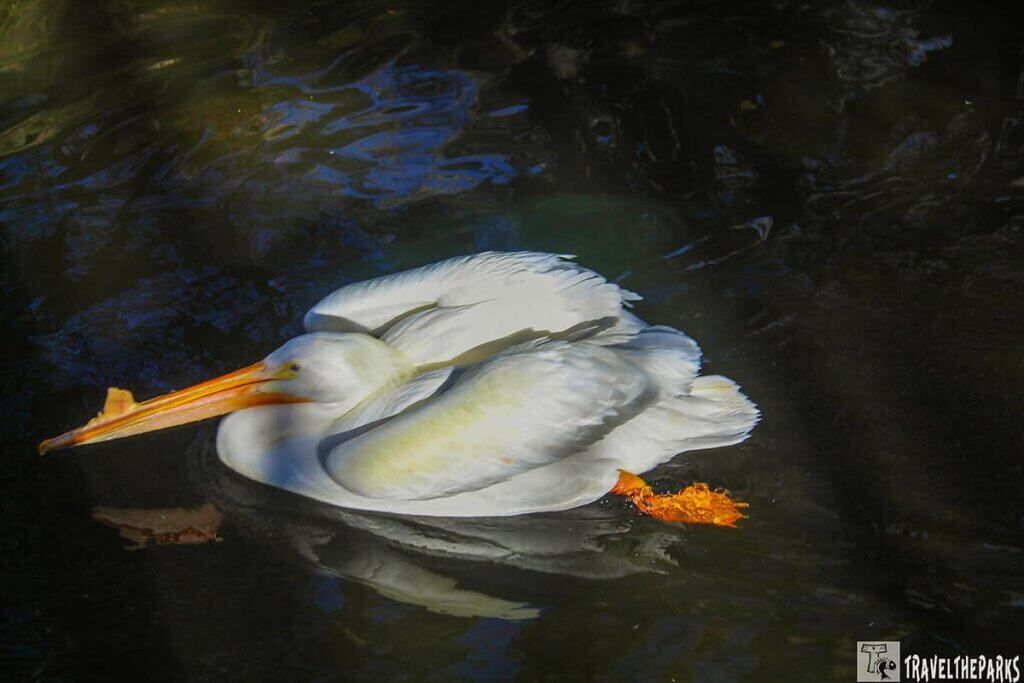
Wading Birds and Flamingos: Scanning the spring run, we could see them everywhere. Snowy-white egrets and roseate spoonbills ply the riverbank. You might think herons aren’t real because they are so still. Wood storks with bald heads slowly slosh the river bottom. White pelicans are building nests and courting. Then we see—or rather, smell—the flamingos. These pink wonders seem silly yet graceful.
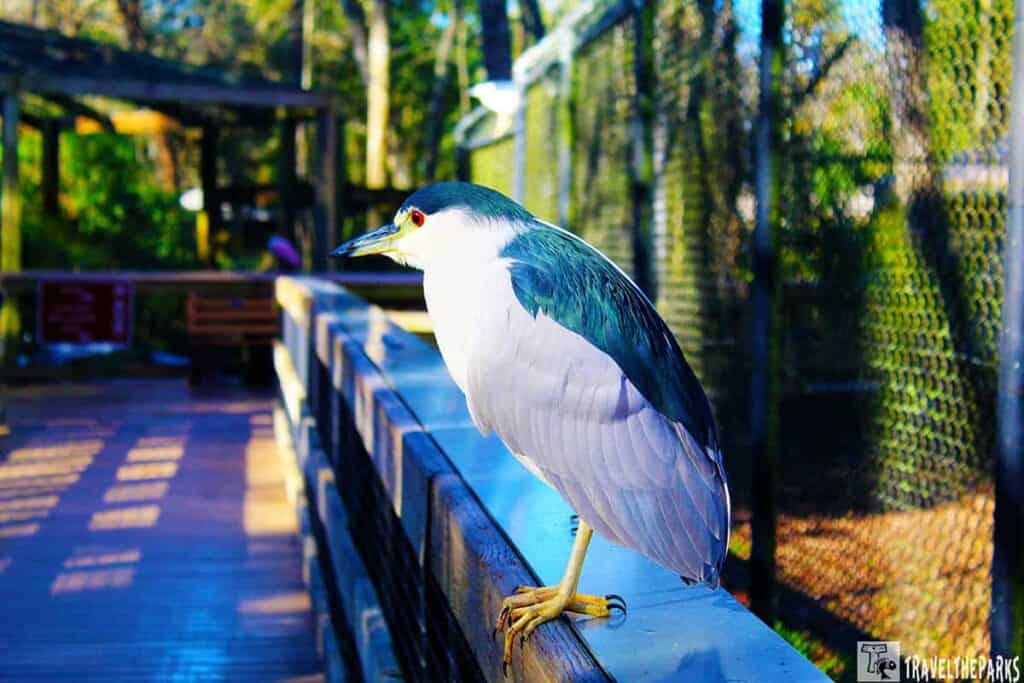
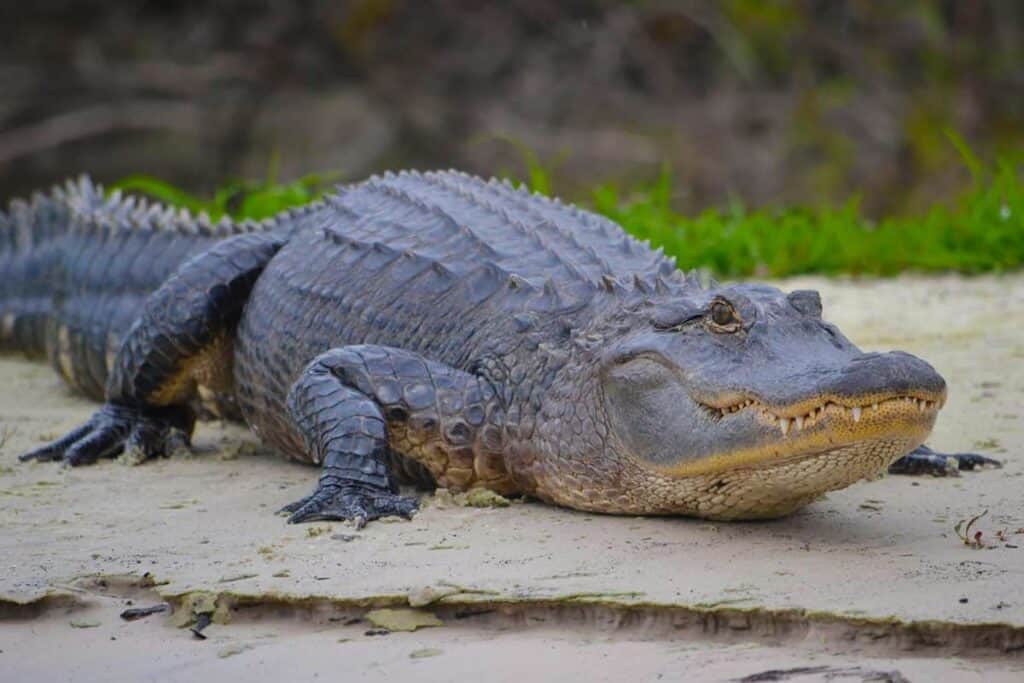
Alligators: They lounge at the edges of the pool. Basking in the sun like dinosaurs. Florida packs gators. But up close, you recall who ruled first. They skip speed. No need. They lie in wait. That calm, but steady gaze. Not lazy. It’s their strategy. Millions of years of strategy. Respect it.
Interpretive Programs That Bring Stories to Life
Park rangers and volunteers run programs all day. They change your trip from just watching to true learning.
- Manatee Programs: Rangers tell tales of single manatees. Their pasts, boat-hit scars, and healing journeys. You spot them by unique scar marks. They shift from “manatees” to Lucy, Ariel, and Ambrose. In chillier months, it’s prime for watching manatees crowd the warm springs.
- Wildlife Encounters: Spot an owl, snake, or turtle up close. Rangers field questions, bust myths, and stress respect plus care for these creatures.
- Alligator Talks: They cover the death roll. It’s gripping. You’ll value that fence to the gator even more after.
.
We return via the pepper tree trailhead. Easy to find, we simply cross the parking lot toward the large, white-roofed picnic pavilion. A small sign marking the start of the trail—it follows the paved tramway. Benches and shaded areas offer perfect spots for taking breaks and enjoying the forested pathway.
Final Thoughts: Ellie Schiller Homosassa Springs Wildlife State Park
Ellie Schiller Homosassa Springs Wildlife State Park gives a rare gift. You connect with wild animals in a place that puts their care first. It teaches guests about their place in Florida’s wild history.
You take photos home, sure. But you take experiences, too. A manatee baby nudging its mom. An alligator’s old eyes tracking you across his pool. A pair of foxes entertaining each other—and you.
You might leave with more—a fresh respect for wild Florida. It still lives here, bubbling up from underground springs, and it needs our watch and our care.
Have you visited Homosassa Springs? Share your favorite memory in the comments below. And if you’re planning a trip and have questions, drop them here—I’m happy to help.