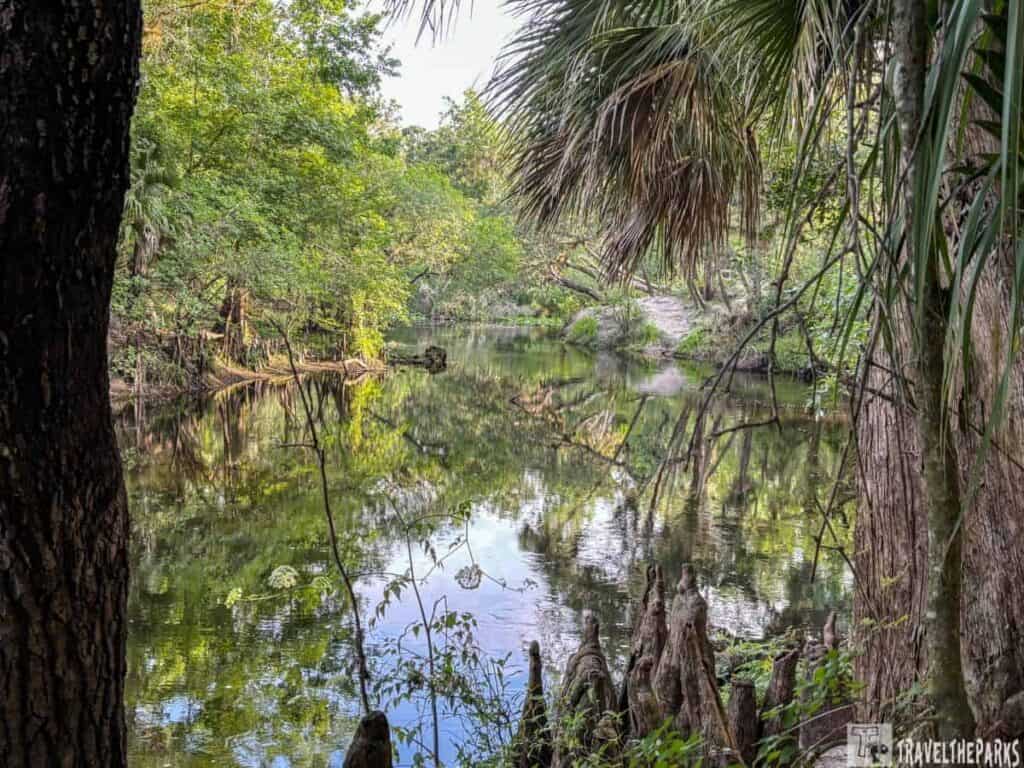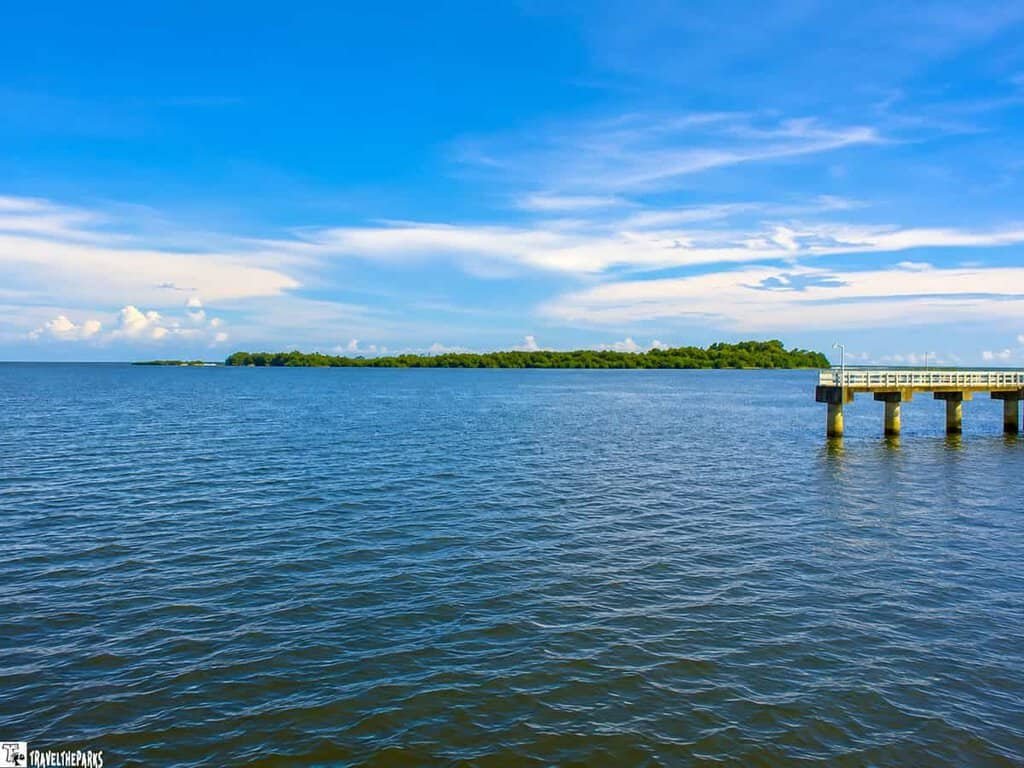
Step back in time—and maybe even slow your scroll—because that’s exactly what happens when you’re visiting Cedar Key, Florida. Tucked away about a three-hour drive from Orlando, this isn’t your typical Sunshine State stop. Cedar Key is a hidden gem along Florida’s Nature Coast, and once you visit, you’ll understand why.
Forget the crowds of Biscayne National Park or the swampy expanse of the Everglades. Exploring Cedar Key Florida feels more like wandering into a living postcard: a tiny fishing village perched on a group of islands, surrounded by mangroves and salt marsh grasses. It’s part artist colony, part adventurer’s launchpad, and a full-on birder’s paradise.
Idyllic? Absolutely. But here’s the real charm: in winter, snowbirds flock here and the island buzzes with energy. Come summer, though? The pace slows to a hammock sway. There are plenty of things to do in Cedar Key, but you don’t have to fill every minute. Sometimes it’s enough to walk the docks, watch the boats, and enjoy the breeze coming off the Gulf.
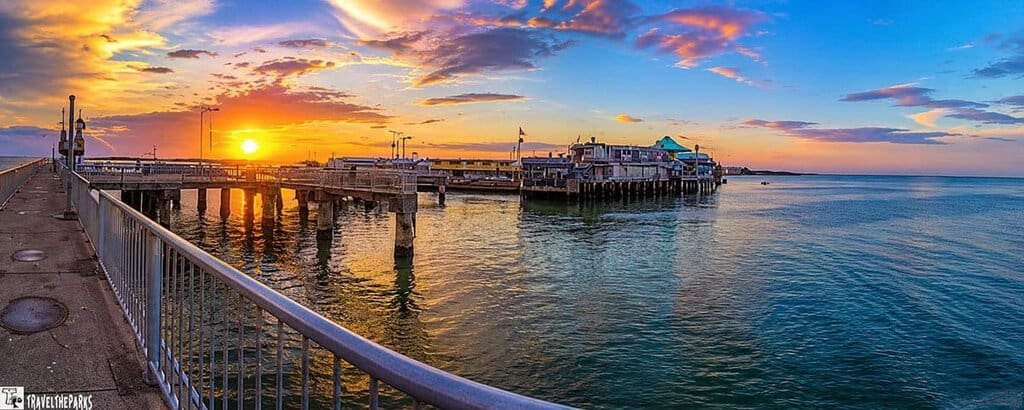
This post may contain affiliate links, meaning if you purchase something through one of these links, we may earn a small commission at no extra cost to you! Read the full disclosure policy here.
Table of Contents
Getting There: Your Travel Guide to Cedar Key
Getting to this hidden gem on Florida’s Nature Coast is easier than you might think. Cedar Key is about 130 miles from Tampa and 145 miles from Orlando, making it an easy day trip from either city.
From the mainland, follow US 19 to Highway 24. Highway 24 is the only road into Cedar Key. The island sits about three miles out in the Gulf of Mexico and is actually a group of small barrier islands connected by bridges. As you get closer, the scenery changes and the pace seems to slow down.
Highway 24 eventually ends at Dock Street, right in the heart of Cedar Key. Most of the restaurants and businesses are concentrated around this small downtown area, so you won’t need your car much once you arrive.
We found Cedar Key easy to explore on foot. The downtown area is small, and you can leave your car parked while you walk around. If you’d rather cover more ground, bikes and golf carts are also available to rent on Dock Street.
That’s part of what we liked about Cedar Key. You don’t have to spend your day driving from one attraction to another. Park the car, start walking, and see where the day takes you.
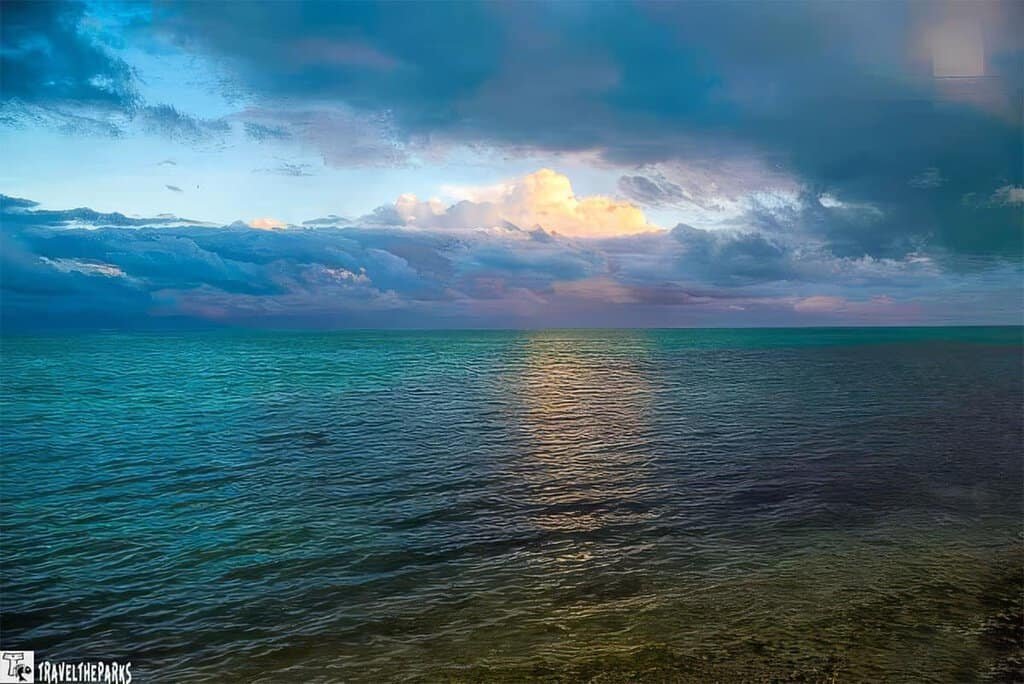
Top 10 Things to Do in Cedar Key: A Hidden Gem on Florida’s Gulf Coast
1. Cedar Key Museum State Park
If you’re the type who likes to know the story behind the scenery—and trust us, this one is worth telling—then Cedar Key Museum State Park is a must-do when Visiting Cedar Key. For just two bucks, you get a front-row seat to the island’s colorful past.
This small museum packs a lot of history into one place. Exhibits cover Cedar Key’s story from Indigenous peoples and early settlers through the Civil War, the famous cedar industry, and modern times. Old photographs, newspaper clippings, letters, artifacts, and dioramas help bring it all to life.
One fact that stopped us cold was the story of the cedar industry. Cedar Key became an important center for pencil manufacturing, and the area’s cedar trees were heavily harvested. Eberhard Faber began acquiring timberland here in the 1850s, and pencil mills followed. Eventually, much of the local cedar was gone. It’s a fascinating—and sobering—part of the island’s history.
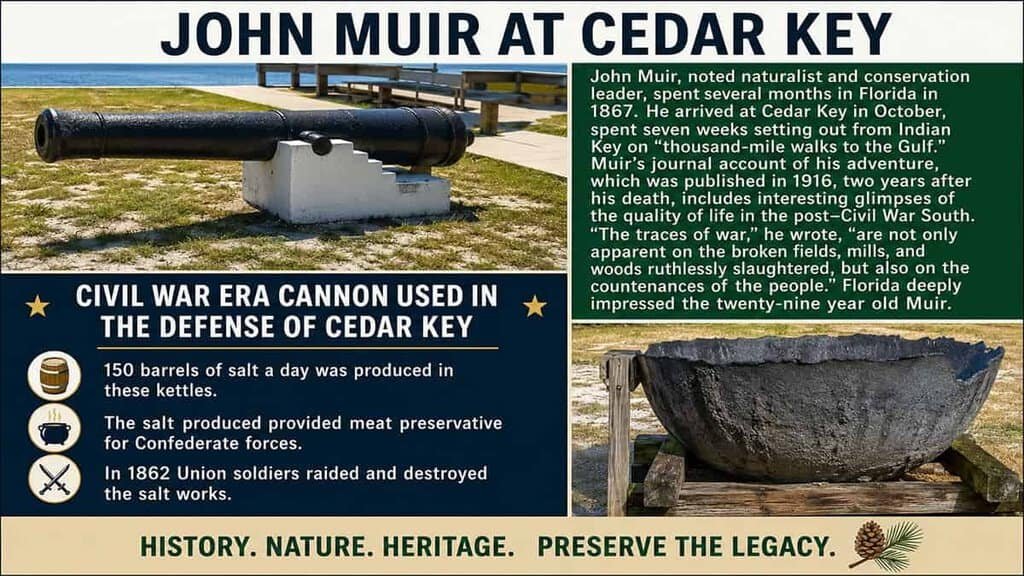
The museum is small, so take your time and chat with the staff if they’re available. You may learn something you won’t find on the displays. There’s also a small gift shop with postcards, T-shirts, and souvenirs.
Outside, take the self-guided nature trail. Give yourself about 30 minutes to wander through the native vegetation toward the salt marsh. There’s also a kayak and canoe launch if you’re bringing your own boat.
We visited on a beautiful afternoon and found ourselves lingering longer than planned. That’s part of the magic of discovering Cedar Key. Sometimes, the best places are the ones that make you slow down.
2. St. Clair Whitman House
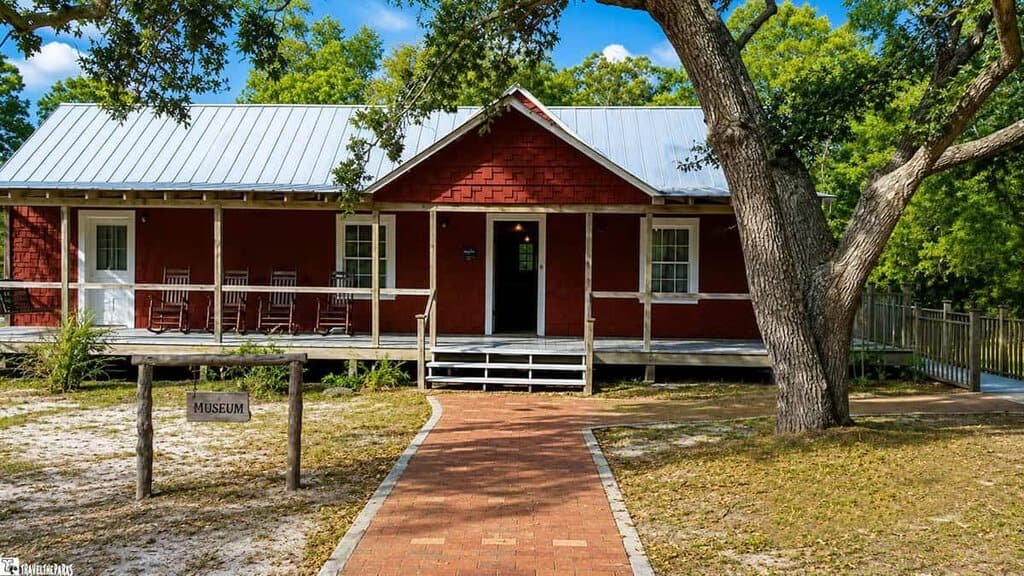
If the Cedar Key Museum gave you the big-picture history, the St. Clair Whitman House is where that history actually lives. Donated to the state by relatives of the Whitman family, this restored home is filled with vintage pieces that give you a glimpse into 1920s coastal life. Walking through the rooms, you get a perspective of what life was like along Florida’s Nature Coast—a bygone era when life was simpler and the pace was a whole lot slower.
This isn’t just another museum on your list of things to do in Cedar Key; it’s a little time capsule. The furnishings and personal belongings give you a feel for what everyday life was like in a small coastal fishing community. No flash, no frills, just a look at a way of life that has largely disappeared.
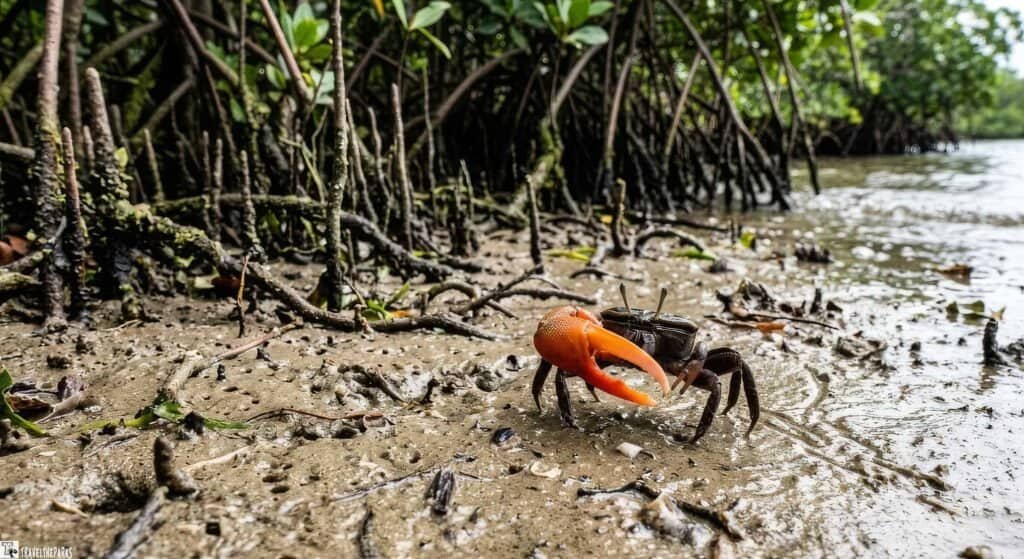
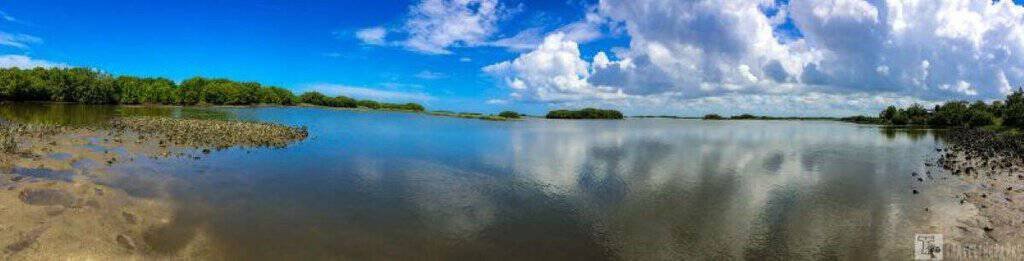
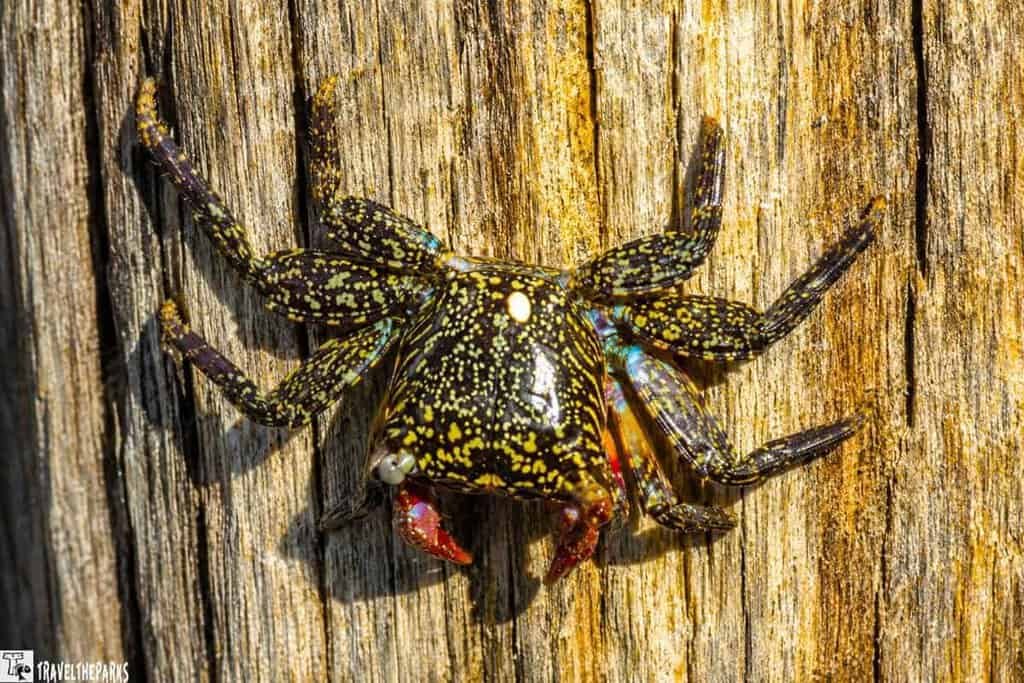
But save some time for the back of the house, because that’s where the magic really lives. A short nature trail leads you to a view of the salt marsh, and on a breezy morning—trust us on this—it’s pure therapy. Hundreds of fiddler crabs scuttled along the shoreline when we visited, waving their oversized claws like tiny island greeters. It’s the kind of scene that makes exploring Cedar Key feel less like tourism and more like discovering a little piece of Old Florida.
It’s a short stop, maybe 30 to 45 minutes, but it lingers. And isn’t that the whole point of discovering Cedar Key?
3. Railroad Trestle Hiking and Nature Trail
This one’s short, sweet, and steeped in stories. The 0.5-mile Trestle Trail follows the original railroad bed into the salt marshes—a flat, easy out-and-back that packs a lot of history into a short walk.
Here’s the backstory: Yulee’s Florida Railroad—the state’s first railroad, completed in 1860—transformed this little fishing community into an important shipping port, connecting Cedar Key to Fernandina Beach on Florida’s eastern coast. Hard to imagine now as you walk along the dirt path, but this quiet stretch was once a busy lifeline for commerce and transportation.
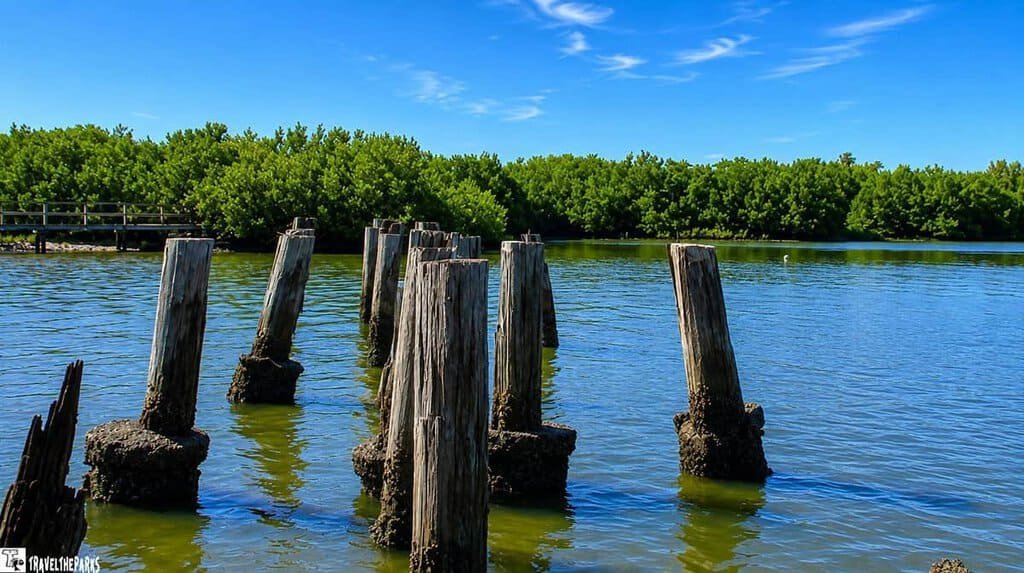
The trail ends at the old trestle bridge site, where the remaining pilings are all that’s left of the structure. It’s pretty amazing to stand there and imagine trains crossing this same stretch of salt marsh more than a century ago.
Along the way, identification markers name the native plants and trees, adding another interesting layer to the walk. We did this on an overcast morning with barely a whisper of wind—perfect conditions for a marsh walk.
Here’s the insider tip you’ll thank us for: bring mosquito repellent. Trust us on this one. A good pair of binoculars is also worth bringing if you’re a birder, and don’t forget a refillable water bottle. Even a short Florida hike can leave you thirsty.
Sometimes the shortest trails leave the longest impressions, and this little trail is a great example of why visiting Cedar Key is about more than just seeing the sights.
4. Discovering Cedar Key: Cemetery Point Boardwalk
Tucked away on the east side of Cedar Key, this modest 3.5-acre park sits quietly next to—you guessed it—a historic cemetery. And while that might sound a little macabre, trust us: this is one of the most peaceful spots you’ll find while discovering Cedar Key.
The trail begins with an elevated boardwalk that winds through the tidal marsh. There’s plenty of seating along the way, so don’t be in a hurry. Stop, sit for a while, and take in the view. The boardwalk eventually opens up to sweeping views of the bay that’ll have you reaching for your camera before you even realize it.
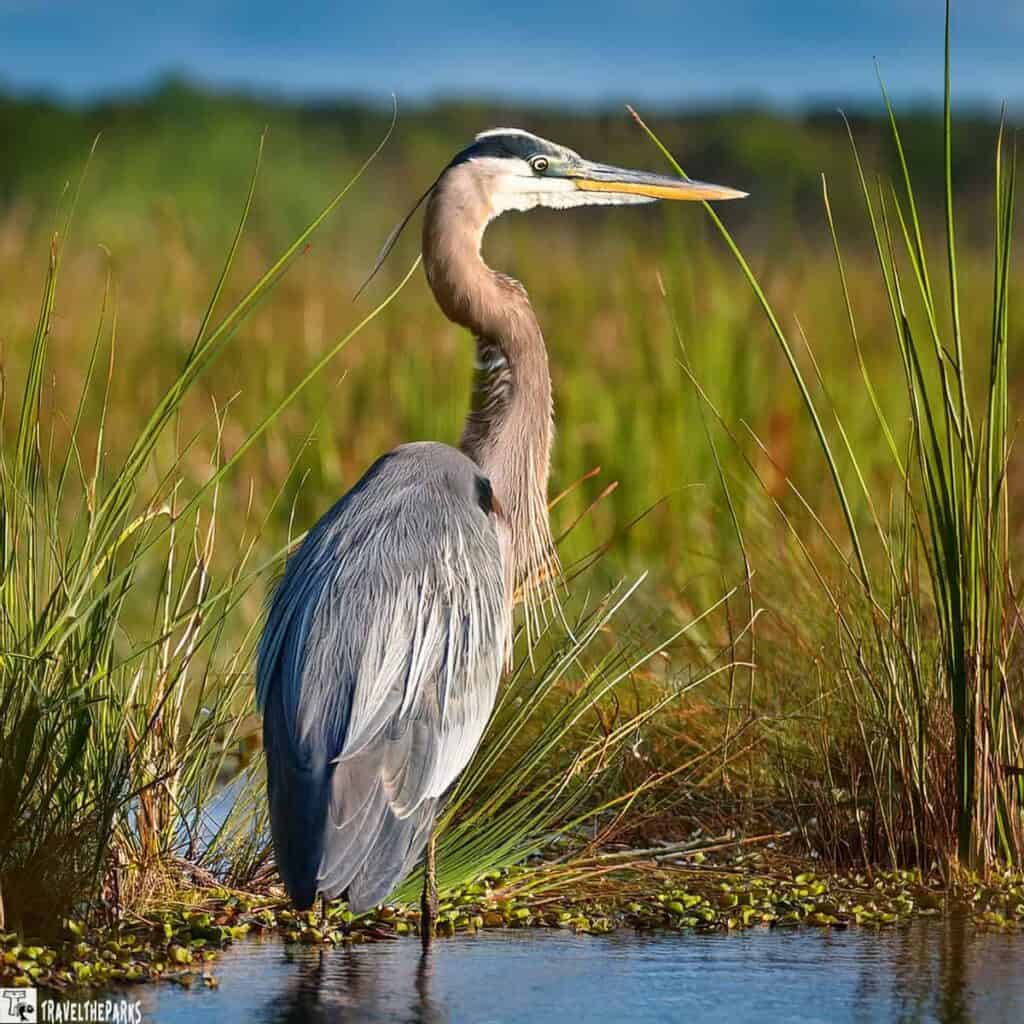
Birders, bring your binoculars. Migratory birds visit the area, making this a great spot for watching and photographing birds against that big Florida sky. You never know what might make an appearance while you’re walking.
At the end of the boardwalk, you’ll find a small picnic and playground area. It’s a nice spot for families, especially if the kids need a place to burn off some energy while you enjoy the salt breeze. There’s also a fitness trail with aerobic activity stations that circles the park if you’re feeling ambitious.
But our favorite discovery was the butterfly garden. We stumbled upon it during our walk and ended up lingering longer than planned. Native Florida plants attract butterflies, and watching monarchs and swallowtails move from bloom to bloom was one of those simple moments that made us slow down and enjoy where we were.
It’s small, it’s quiet, and it’s exactly the kind of unassuming treasure that makes exploring Cedar Key Florida so rewarding. Cemetery Point doesn’t shout for attention—it just waits for you to find it. And when you do, you’ll wonder why you didn’t come sooner.
5. Explore the Cedar Keys by Boat
Here’s the thing about Cedar Key: you can explore the downtown, walk the trails, and still only know half the story. Because the real Cedar Key? It’s out on the water. The city sits alongside the Cedar Keys National Wildlife Refuge, a collection of offshore islands, and if you want a true perspective of this place, you need to get your feet—or at least your boat—wet.
Enter Tidewater Tour. We originally booked the Suwannee River tour, but they couldn’t fill the boat because of the four-person minimum. So we hopped on the two-hour island tour instead. Best accidental decision ever.
Captain Fred was a walking encyclopedia—knowledgeable, personable, and clearly in love with this stretch of coast. His narration wove together history, ecology, and local stories in a way that made us feel less like tourists and more like guests who had been invited to see his favorite part of Cedar Key.
Atsena Otie Key
Atsena Otie Key was our first stop. This was the original site of the town of Cedar Key, and it played an important role in the area’s booming cedar industry. The Faber Mill was built here in 1868 to process cedar for the pencil industry. A devastating hurricane in 1896 destroyed the factory, and the community eventually moved to the location of today’s Cedar Key. You can still see remnants of the old mill along the shoreline.
We made a mental note to come back and kayak Atsena Otie Key on a calmer day. It was too windy during our visit, but we could already picture exploring the trails, checking out the beach, and wandering among the remnants of the old town.
Snake Key
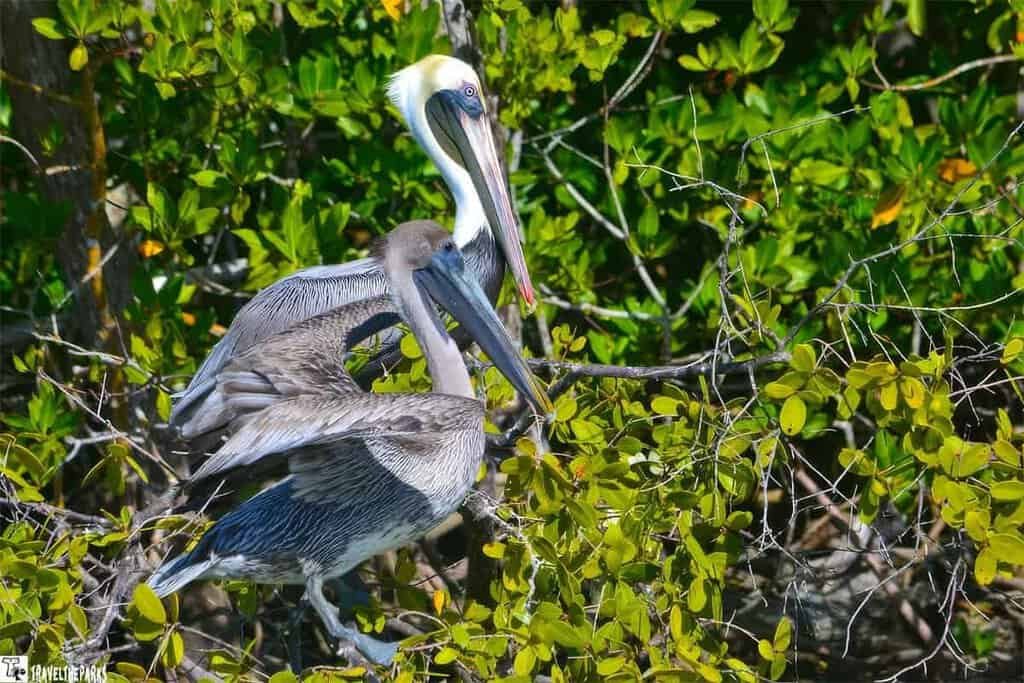
Snake Key came next, and wow. This island is an important nesting area for birds, and we happened to visit when the rookery was busy. Pelicans were nesting, and frigate birds were showing off their amazing mating displays, puffing out those bright red throat pouches like they were competing for a prize.
Captain Fred helped us identify species after species while we watched from a respectful distance. Baby pelicans? Absolutely adorable. Frigate birds soaring overhead? Breathtaking. This was one of those moments when you realize just how much more there is to see when you’re exploring Cedar Key Florida from the water.
Seahorse Key
We cruised past Seahorse Key next, home to a University of Florida marine research facility and one of the highest points in the Cedar Key area. The island’s historic lighthouse was built in 1854 and adds another fascinating piece to the area’s history. Seahorse Key is also an important wildlife area, so access is limited and conditions can change depending on research and nesting activity.
North Key
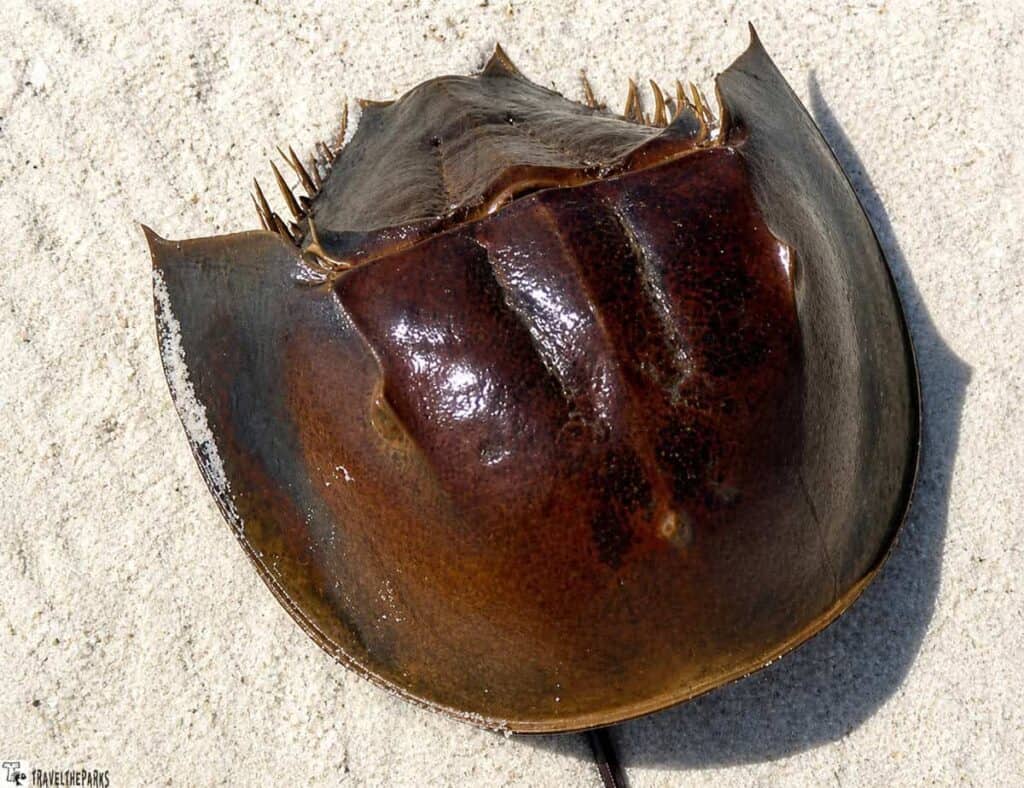
Then came North Key, where we were finally able to step ashore and stretch our legs. The sand felt like sugar between our toes, and the view across the bay was beautiful. We found a massive horseshoe crab skeleton lying on the beach—ancient-looking and completely fascinating—and waded into the warm, clear water.
Time flew, and too soon we were heading back.
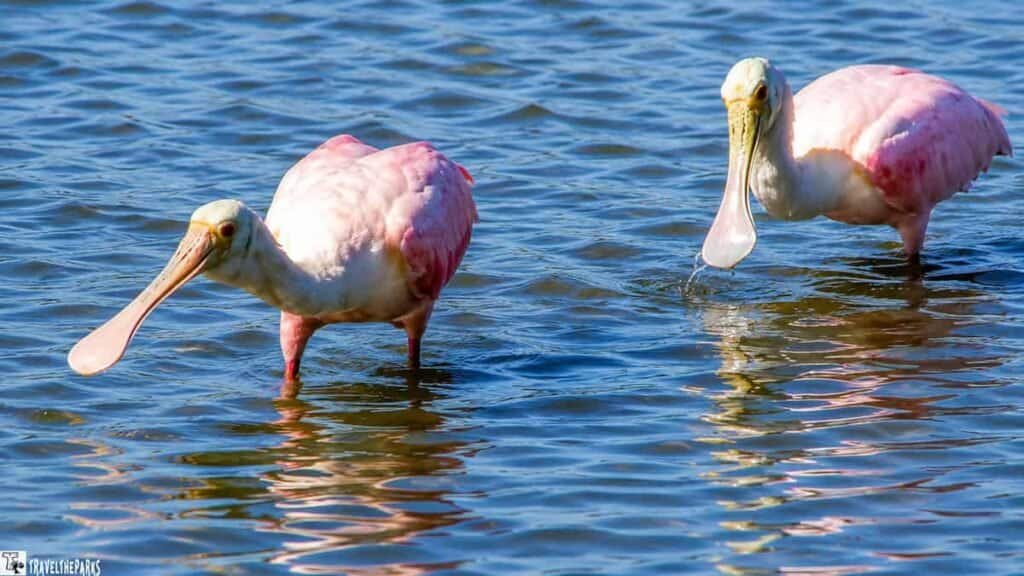
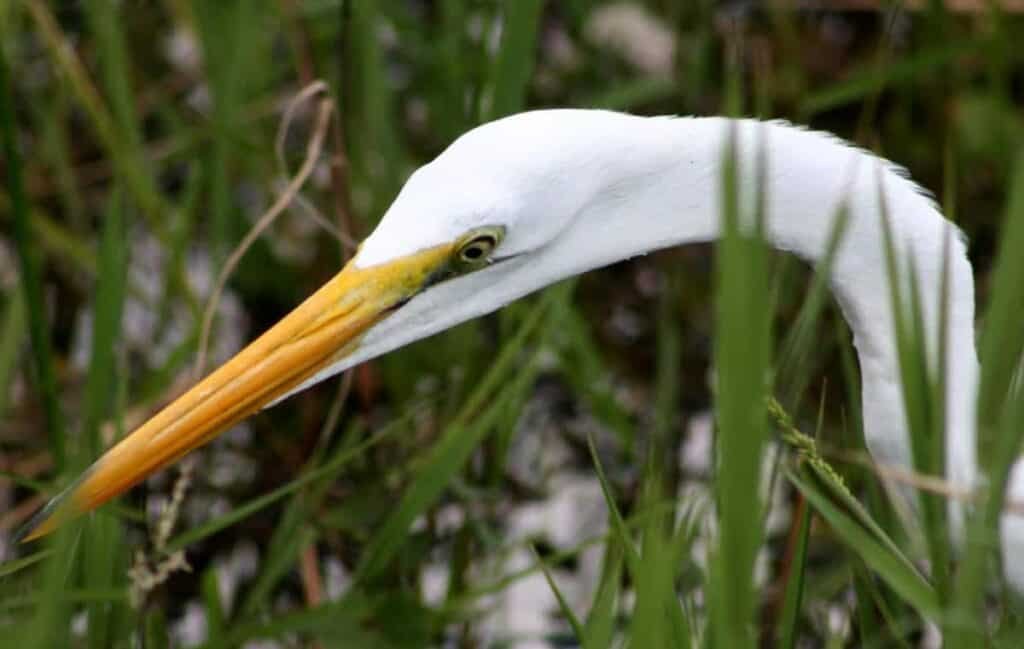
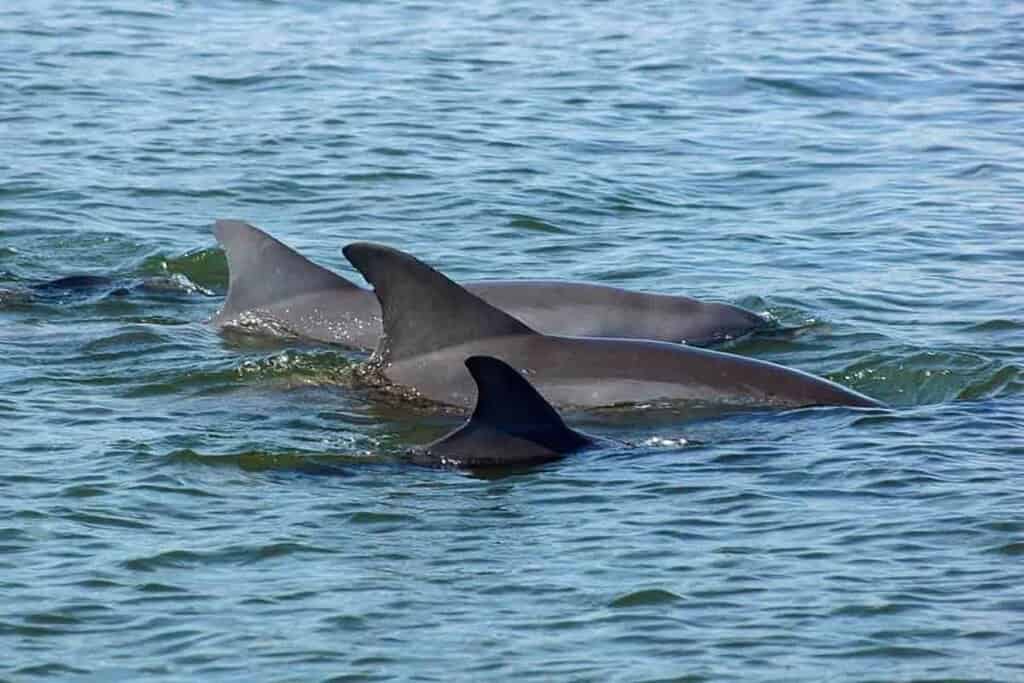
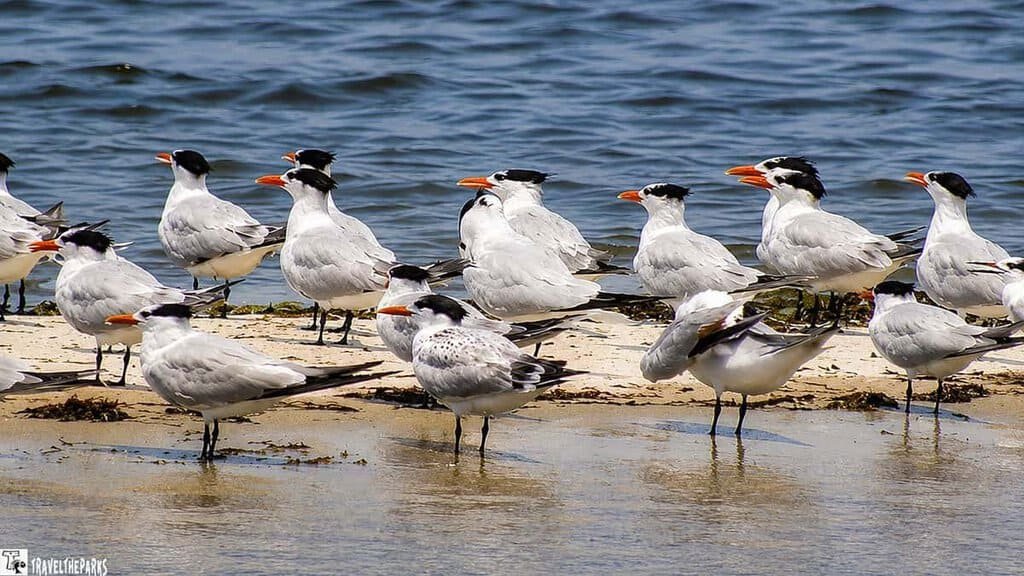
But the wildlife wasn’t finished with us. Along the return trip, we spotted frigate birds, pelicans, egrets, herons, roseate spoonbills, purple martins, ibis, and even eagle nests. And then came the grand finale—green sea turtles and dolphins playing in the boat’s wake, surfacing and diving like they were putting on a show just for us.
6. Shell Mound Archaeological Site
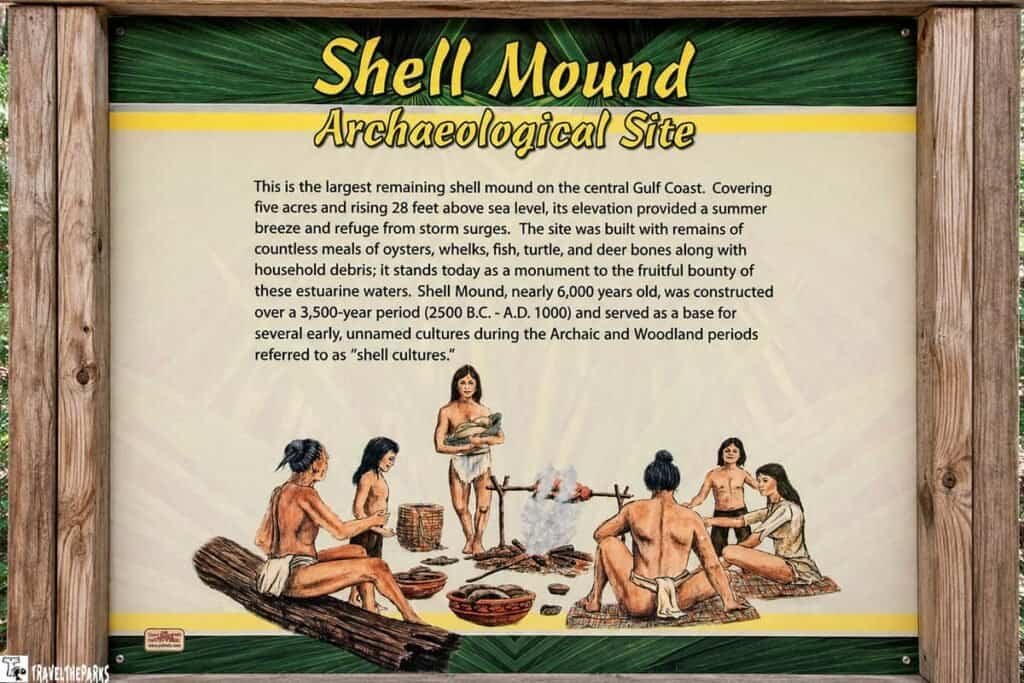
If you’ve ever wondered what 1,800 years of oyster dinners look like, wonder no more. The Shell Mound Archaeological Site is exactly what it sounds like—and so much more. Built up over centuries from layers of oyster shells, this ancient mound is a fascinating reminder of the Native American people who lived along this coast and relied on the Gulf for food.
Part of the Lower Suwannee National Wildlife Refuge, this quiet stop stays off most tourist radars. A short, self-guided trail takes about 30 minutes and winds through saw palmettos and beautiful oak trees draped in Spanish moss.
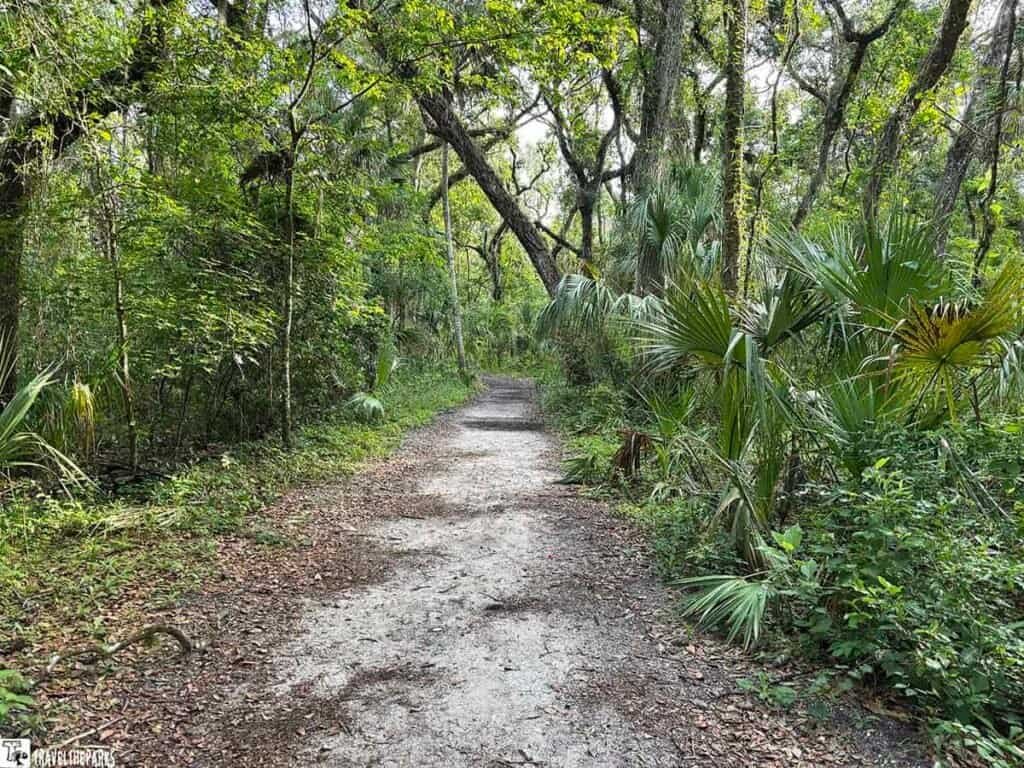
The trail is only about 0.3 miles, but there’s plenty to see. Shells peek through the vegetation where portions of the mound have eroded, and at the top, you’re rewarded with a beautiful view across the salt marsh. Take a few minutes to stop and imagine the people who stood here thousands of years ago.
Want a little more? Add the Dennis Creek Trail, a roughly 1-mile loop with an observation tower that’s a good spot for seeing shorebirds. Bring your binoculars—you may spot ibis, herons, or roseate spoonbills.
If ancient Florida history grabs your attention, check out our guide to Crystal River Archaeological State Park, just down the coast. It’s another fascinating look at the Native American cultures that called this part of Florida home.
This is the kind of place that doesn’t shout for attention. It just sits there, quietly ancient, waiting for curious travelers who want more than a postcard. And honestly? That’s exactly why we love discovering Cedar Key.
7. Cedar Key Scrub State Reserve
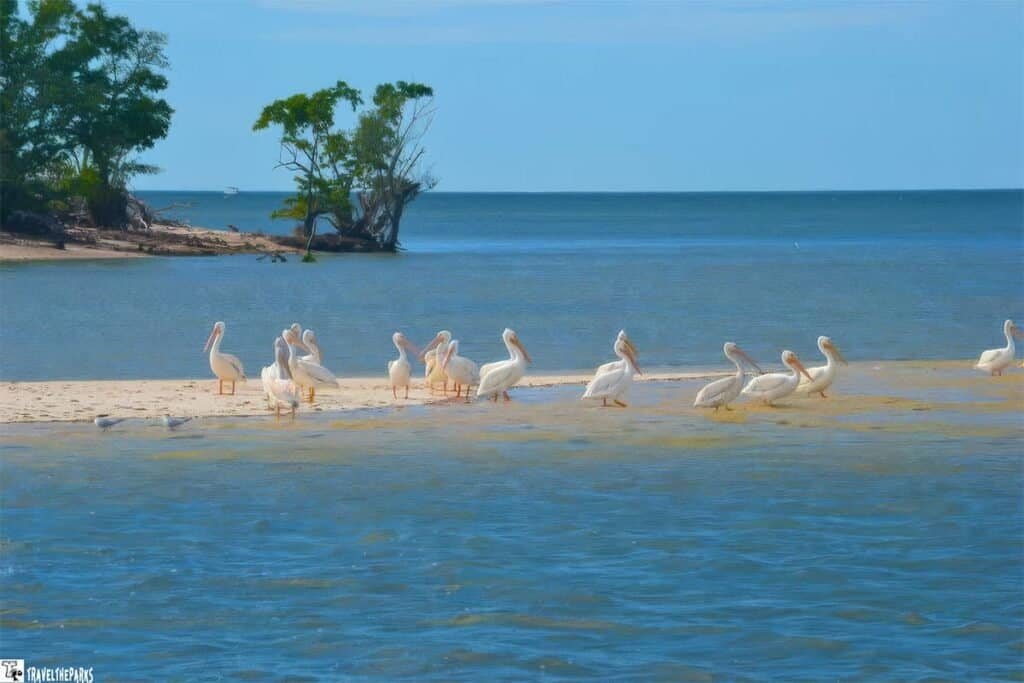
Just six miles northeast of Cedar Key on State Road 24, a different Florida awaits. Cedar Key Scrub State Reserve covers more than 5,000 acres of ancient sandhill and scrub, and honestly? It feels like a whole other world compared to the salt marshes and mangroves you’ve been exploring.
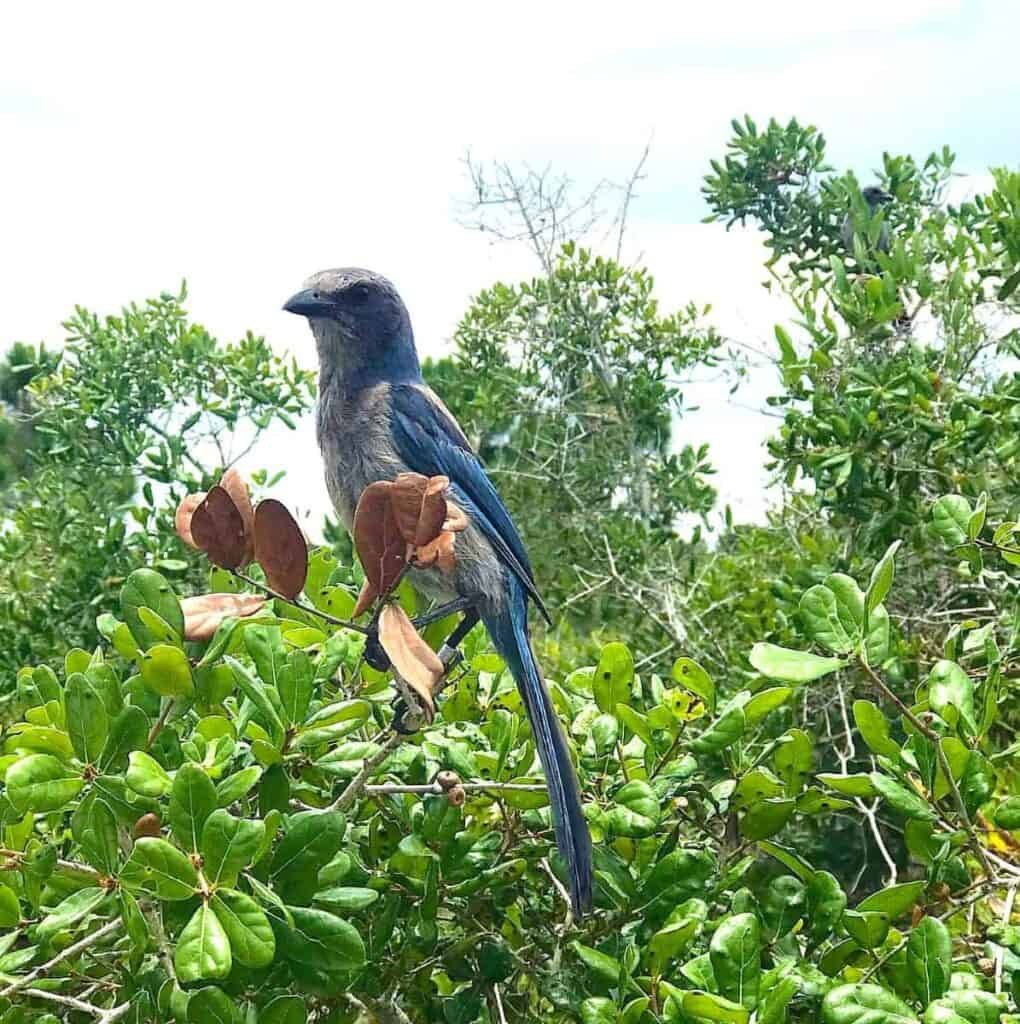
This isn’t your typical coastal landscape. The Florida scrub is dry, sandy, and surprisingly delicate. It’s also an important habitat for two of Florida’s most interesting residents: the Florida Scrub-Jay and the Gopher Tortoise. Both depend on this unique ecosystem to survive, so tread lightly and keep your eyes peeled. Spotting a Scrub-Jay here is pretty special. They’re curious, active birds, and once you see one, you’ll understand why birders love this place.
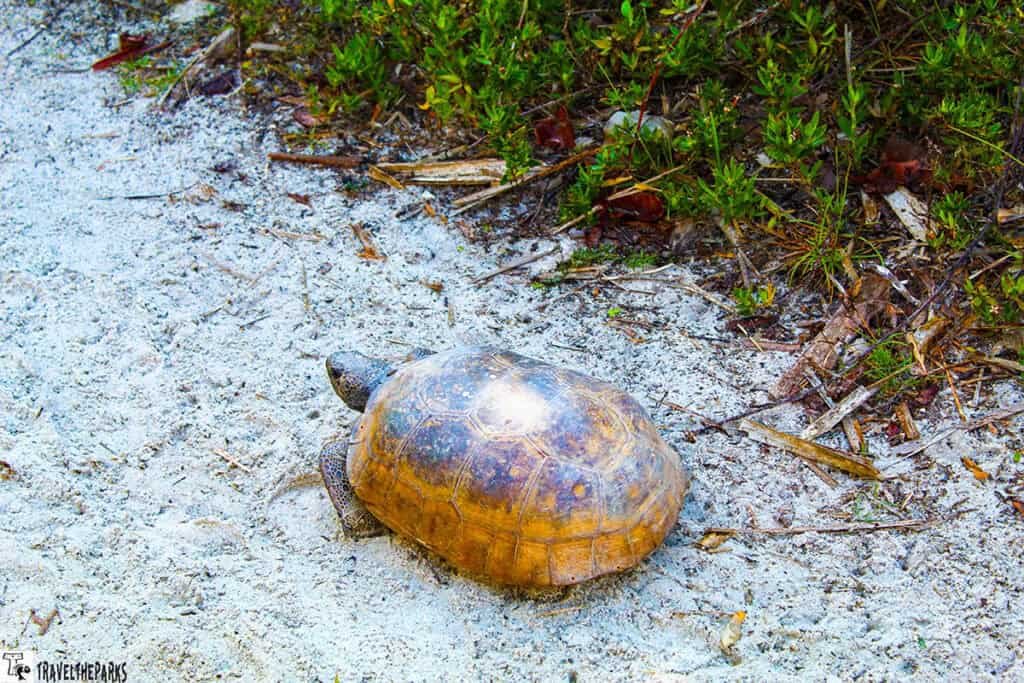
The trails wind through a landscape of oak, cedar, cabbage palms, and pine, with hard-packed sand under your feet. As you explore, the scenery changes from dry uplands and scrub to pine flatwoods and eventually toward the coastal marshes. It’s a completely different side of Cedar Key, and that’s what makes it worth the drive.
If you’re looking for Things to Do in Cedar Key that get you off the water and into the woods, this is it. Cedar Key Scrub is one of those quieter places that makes exploring Cedar Key Florida so much fun. You won’t find crowds or a long list of attractions. What you will find is nature, solitude, and a chance to see a side of the area many visitors miss.
Lace up your hiking shoes, bring your binoculars, pack plenty of water, and give yourself a couple of hours to wander. And keep watching the trees and scrub as you go. You just might spot a Scrub-Jay—or a Gopher Tortoise slowly making its way across the trail.
8. Kayak Cedar Key
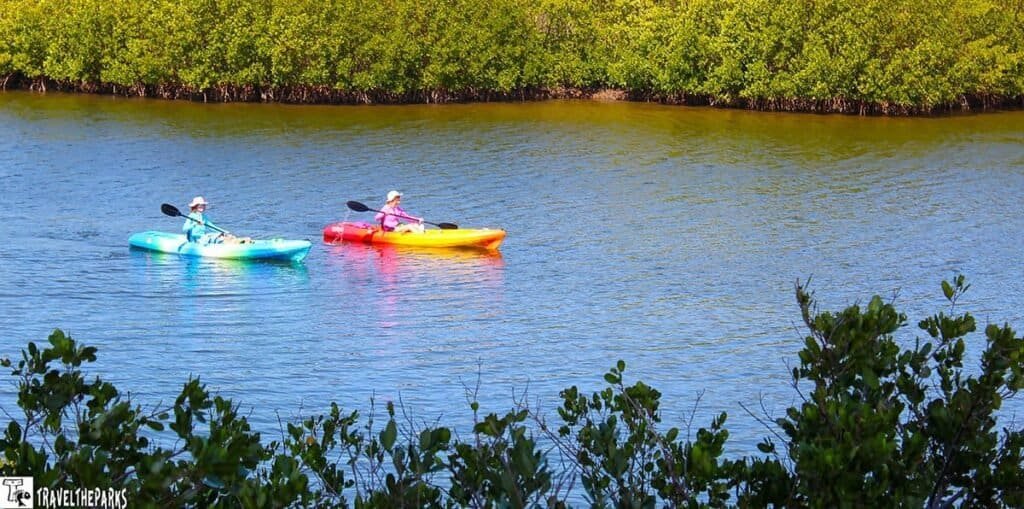
If you’ve been visiting Cedar Key on foot and by boat tour, now it’s time to get your arms into the action. Kayaking is one of our favorite ways to experience the backwater bays and salt marshes up close.
Kayak Cedar Keys offers hourly rentals, making it easy to get on the water. Just remember, the tide is your co-pilot. Mudflats can be surprisingly shallow, and oyster shells are sharp, so pay attention to your route.
The wildlife is part of the fun. Egrets, herons, turtles, and raccoons are common sights, and if you’re lucky—and we were—you may even have dolphins surface near your kayak. Winter is especially good for birdwatching when migratory birds arrive.
One of our favorite paddles was the 0.6-mile crossing to Atsena Otie Key. The white, sugary sand beach was perfect for a hot summer day. Once ashore, we followed the trail to the old Faber Pencil Company foundation and the 19th-century cemetery we had learned about on our Tidewater Tour. Seeing it from the water first gave us a completely different perspective.
And here’s our biggest piece of advice: bring bug spray.—and then bring backup bug spray. The bugs can be relentless, especially during the warmer months. Trust us on this one.
Kayaking is one of our favorite things to do in Cedar Key because it lets you experience the area at your own pace. You’re out there with the tides, the wildlife, and nothing between you and the water. That’s exactly what we love about visiting Cedar Key.
9. Cedar Key Fishing Pier
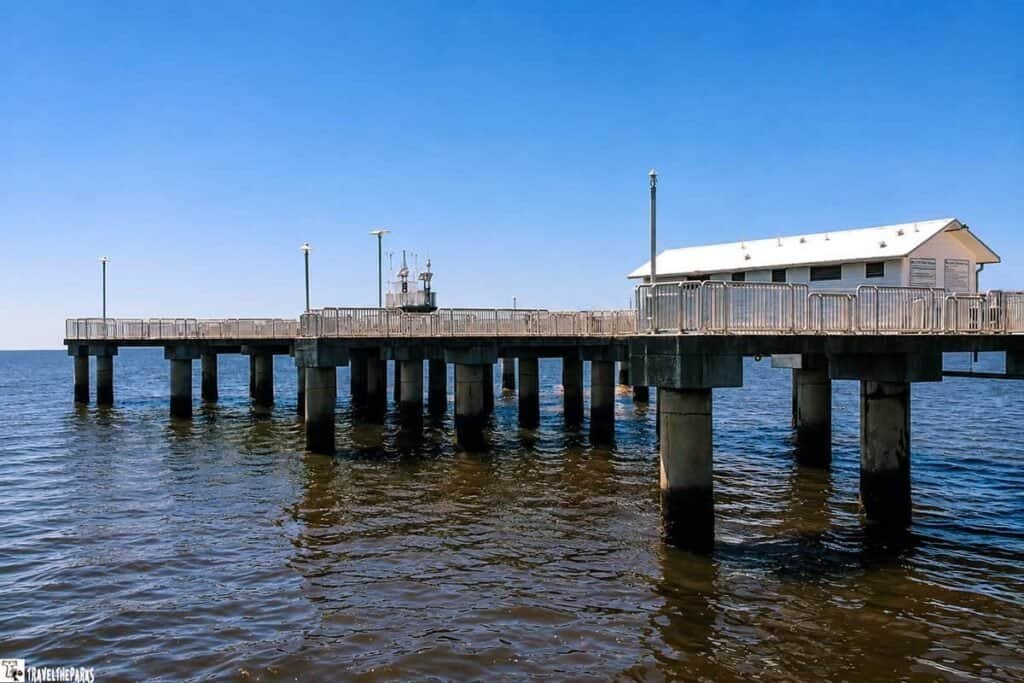
Let’s be real—Cedar Key is a sleepy fishing village, and the pier is where that sleepy soul comes alive. The Cedar Key Fishing Pier isn’t just a place to cast a line; it’s a front-row seat to local life. Morning strolls here are practically a ritual, and if you stop to chat with the locals—do it. They’ll tell you stories that won’t make it into any guidebook.
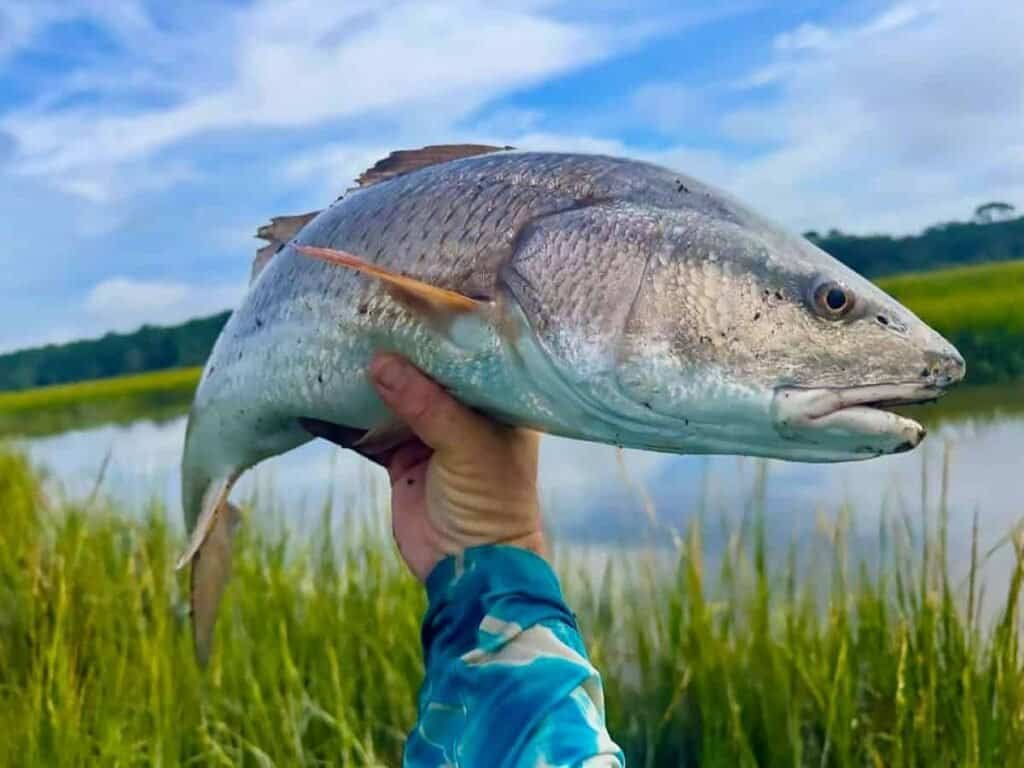
As for the fishing? You can catch a variety of inshore species around Cedar Key, including sheepshead, redfish, and sea trout. Light tackle is a good choice, and bait is easy to find around town. Fishing conditions change with the seasons and tides, so don’t be afraid to ask the local bait shops what’s biting.
Not into pier fishing? No worries. Book a charter and head out to the shallow flats or surrounding islands. Depending on the season, you may find snapper, snook, tarpon, and plenty of other species in the surrounding waters. And yes, some of those fish can reach impressive sizes. Landing one of those is the kind of memory that sticks with you long after you’ve left the island.
But whether you’re fishing or just people-watching, the pier captures that quintessential Cedar Key vibe: unhurried, authentic, and welcoming. It’s one of those simple things to do in Cedar Key that somehow feels essential
10. Harvesting Scallops
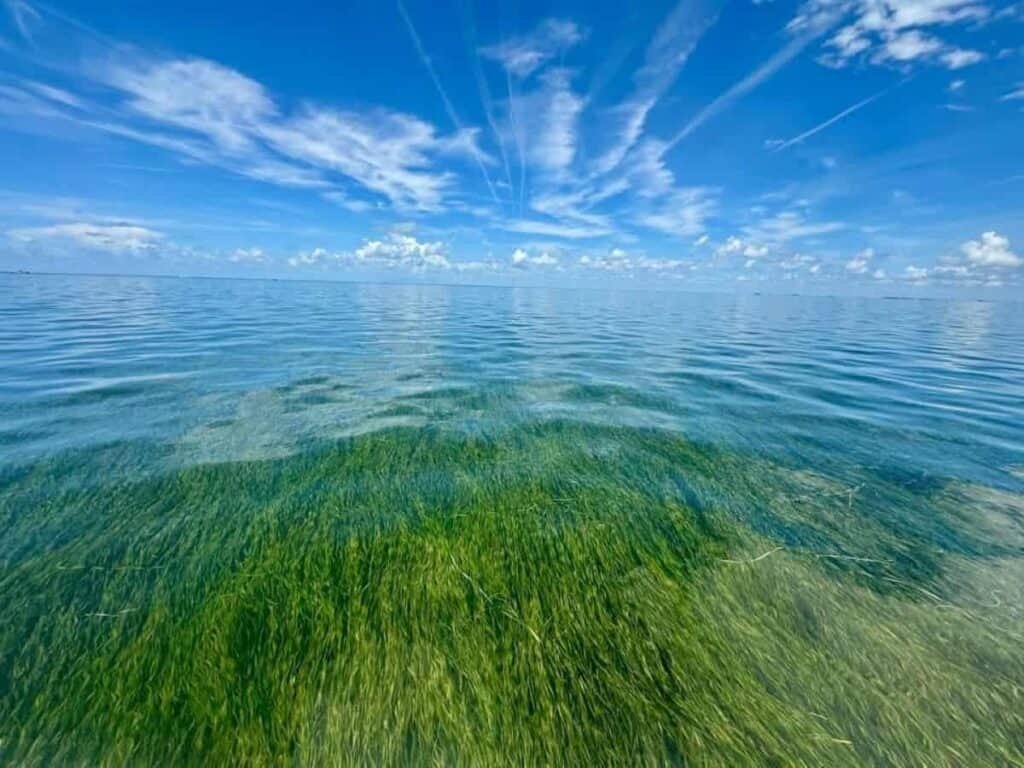
Now, if you’re visiting Cedar Key during scallop season, there’s another water activity you may want to add to your list: scallop hunting. These well-camouflaged mollusks live in the shallow Gulf waters around Cedar Key, and hunting for them is about as family-friendly as a water adventure gets.
Here’s the deal: scallops are harvested by hand or with a dip net. No fancy gear is required. Get out in the shallow grass beds, put on your mask and snorkel, and start looking. And you’ll quickly discover that patience is the real secret ingredient. These little guys are masters of disguise, blending right into the seagrass until you spot that telltale flash of color.
Many local tour operators offer scalloping trips and can provide the equipment you’ll need. They also know where the scallops are likely to be hiding, which can save you a lot of time—and a lot of aimless swimming around.
Before you head out, be sure to check the current Florida scallop season, bag limits, size limits, and license requirements. Regulations can change, and it’s always better to know the rules before you get in the water.
The best part? You can bring home dinner. Fresh, local, and earned by your own hands—there’s nothing quite like it. It’s messy, it’s fun, and it’s one of those experiences that makes visiting Cedar Key feel like more than just another Florida getaway.
Whether you’re a seasoned angler or a first-time snorkeler, scalloping is a memorable way to connect with the waters that make this little island community so special.
Where to Eat in Cedar Key
Let’s talk about the most important question after a day of visiting Cedar Key: where to eat. And here’s the good news—you’re in a working fishing village, which means seafood is a big part of the local food scene. We found plenty of places serving fresh Gulf seafood, and after a day on the water, nothing tastes better.
Big Deck Bar & Grill
When we visited Cedar Key, we stopped at Big Deck Bar & Grill for a quick lunch before our Tidewater boat tour, and it hit the spot. The atmosphere was breezy, the view of the harbor was postcard-perfect, and the location couldn’t have been more central.
The food was fresh and tasty, the iced tea was cold, and the prices were reasonable. The lunch crowd was light when we visited, but we’d noticed the night before that dinner was packed. Live music most nights spilled out across the street, and we found ourselves listening from our hotel balcony.
Would we have eaten here again? In a heartbeat.
Current update: Big Deck is currently being rebuilt, so it isn’t operating as it was when we visited. We’re keeping it in this post because we enjoyed our experience there and want to remember the place that was part of our Cedar Key trip. Hopefully, we’ll get to return when the new version is ready.
1842 Daily Grind and Mercantile
If you’re looking for coffee and breakfast while exploring Cedar Key Florida, 1842 Daily Grind and Mercantile is worth a stop. It has helped keep the coffee-and-breakfast tradition alive after some of the older downtown favorites closed.
We originally discovered Holey Moley during our visit and ate there both mornings—yes, twice. The coffee was wonderful, the service was amazing, and the food was exactly what we needed to start the day.
And then there was the Banana Pudding Donut.
Friends, we cannot adequately describe this donut. It was transcendent.
We sat outside, watched the small downtown wake up, and felt like we were exactly where we were supposed to be. While Holey Moley is no longer open, we’re keeping that memory here because sometimes the places that make a trip memorable don’t stick around forever.
Steamers Clam Bar & Grill

This one’s still a favorite, and we’re hoping to see it back in action soon. We ate at Steamers Clam Bar & Grill both nights of our stay—and we have zero regrets.
Night one was the Low Country Boil, a glorious mess of shrimp, sausage, corn, and potatoes that required a bib and zero shame. Night two was the choice-of-three fresh seafood meal, which let us sample a little bit of everything.
Both nights we had the same server, and the service was consistently excellent—friendly, efficient, and happy to offer recommendations. And when the sun dipped into the bay through those enormous picture windows? Pure magic.
Current update: Steamers is currently being rebuilt, so check its status before planning your dinner there. We’re leaving our experience in the post because it was one of our favorite meals in Cedar Key, but we’ll update this section again when the restaurant is back open.
For us, that’s part of discovering Cedar Key. Restaurants change, buildings get rebuilt, and favorite little places sometimes disappear. But the memories—and the stories that come with them—are worth keeping.
If you’re putting together a Cedar Key travel guide, leave room for a good seafood dinner. After all, you can’t spend the day exploring the Gulf and not reward yourself with a plate of shrimp.
Best Places to Stay in Cedar Key
Before we dive in, a quick and honest note: Cedar Key took a hard hit from Hurricane Idalia in 2023, and recovery has been an ongoing process. Some properties may still be closed, under renovation, or operating with limited availability. Always check directly with the property before booking so you have the most current information. And honestly, staying local is one of the best ways to support this little island as it continues to rebuild.
Harbour Master Suites
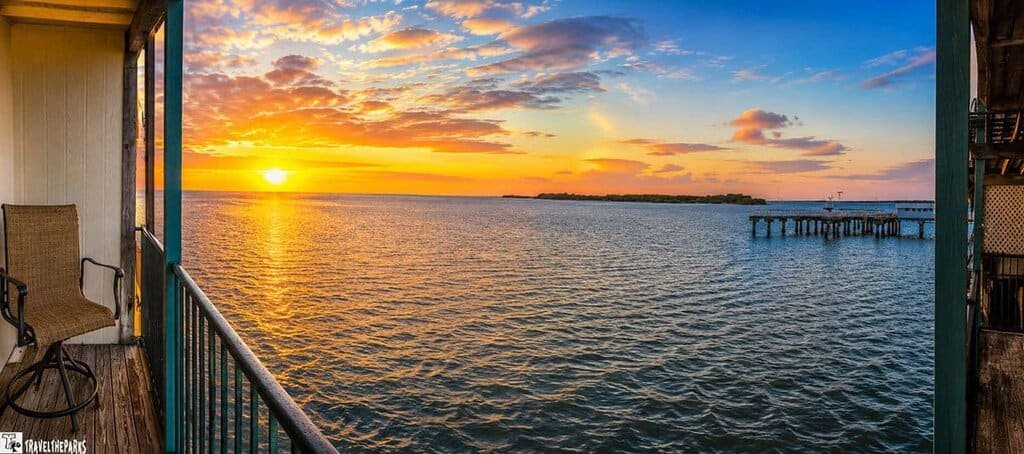
We spent two nights in the Castaway Suite, and honestly? We could have stayed a week. The room offered magnificent views overlooking Atsena Otie Key, and we found ourselves planted on the deck for hours—mornings with coffee, evenings with wine, just watching the water and scanning for dolphins playing in the boat wakes.
I’d read that parking in Cedar Key could be tricky, but we found street parking on Dock Street without breaking a sweat. And here’s the beauty of staying right in town: you can park your car and pretty much forget about it. Downtown is compact and easy to explore on foot, which is exactly the kind of pace we like.
Check-in was quick and seamless, the service was excellent, and everything about our stay was easy. Free Wi-Fi was included, although our cell service was sometimes spotty. But honestly? If you’re visiting Cedar Key to slow down and reconnect with the salt air, we didn’t mind one bit.
The Castaway Suite
The room itself was tastefully decorated with a breezy, beachy feel. A large king bed made lazy mornings pretty easy, the small kitchenette was handy for snacks and drinks, and the bathroom was clean and well-appointed.
But the real showstopper was that large deck.
Watching pelicans glide by and the sun set over the water became one of our favorite parts of the stay. We could have spent hours out there—and, as it turns out, we did.
If you’re looking for a place to stay while discovering Cedar Key, we’d definitely recommend checking out Harbour Master Suites and seeing which room best fits your trip. For us, the Castaway Suite was a winner.
Other Accommodations to Consider
If Harbour Master Suites doesn’t have availability, or you simply want to compare a few options, there are several other places to look into when planning your stay:
- Faraway Inn: A convenient location with a cozy, no-fuss feel that’s close to the heart of Cedar Key.
- Cedar Cove Hotel: A quieter option toward the end of the island with water views and a more laid-back setting.
- Pirates Cove Cottages: excellent views, easy access to fishing.
- – A good option to investigate if fishing is high on your list and you want easy access to the water.
- Island Hotel: A historic option for travelers who enjoy old Florida charm and a more traditional bed-and-breakfast atmosphere.
Availability and property status can change, especially as Cedar Key continues recovering from the hurricane. Check directly with each property before booking.
For our Cedar Key travel guide, Harbour Master Suites was an easy choice because of the location, the views, and that wonderful deck. But wherever you stay, you’re never far from the water, the wildlife, or the laid-back personality that makes this little fishing village so special.
Campgrounds in Cedar Key
If you’re traveling by RV, there are several places to camp around Cedar Key. We haven’t stayed at all of them, so rather than pretend we have, here’s a quick rundown of the options worth checking out.
- Sunset Isle RV Park is a popular choice if you want to be close to the water and within walking distance of restaurants. The park has RV sites with full hookups, plus amenities including restrooms, showers, laundry, Wi-Fi, and a clubhouse. And those sunset views over the bay? That’s a pretty nice bonus.
- Looking for something smaller and quieter? Low-Key Hideaway has just a handful of RV sites along with motel rooms. It’s right on the water, with a private dock and the famous Tiki Bar on the property. This is an adults-only option, so keep that in mind when planning your stay.
- Cedar Key RV Resort is a good option if amenities are more important to you than being right on the water. The resort offers full-hookup RV sites, paved roads, a bathhouse, laundry facilities, a clubhouse, and a heated pool. It’s a little farther from the bay, but you get a comfortable, convenient place to settle in after a day of visiting Cedar Key.
If you’re planning an RV trip, I’d recommend checking current availability and amenities directly with each campground before booking. Cedar Key continues to recover and change, so what’s available today may not be the same when you arrive.
For us, though, that’s part of the charm of discovering Cedar Key. Whether you’re staying in a waterfront suite or pulling your RV into a quiet campground, the island has a way of making you slow down and stay awhile.
Final Thoughts: Visiting Cedar Key, a Hidden Gem on Florida’s Gulf Coast
Visiting Cedar Key feels like stepping into a time capsule of Old Florida—the kind that most people assume doesn’t exist anymore. Here, life moves with the tides, not the clock. Nature takes center stage, history whispers from every weathered dock and shell-strewn shoreline, and the salty air seems to slow you down whether you want it to or not.
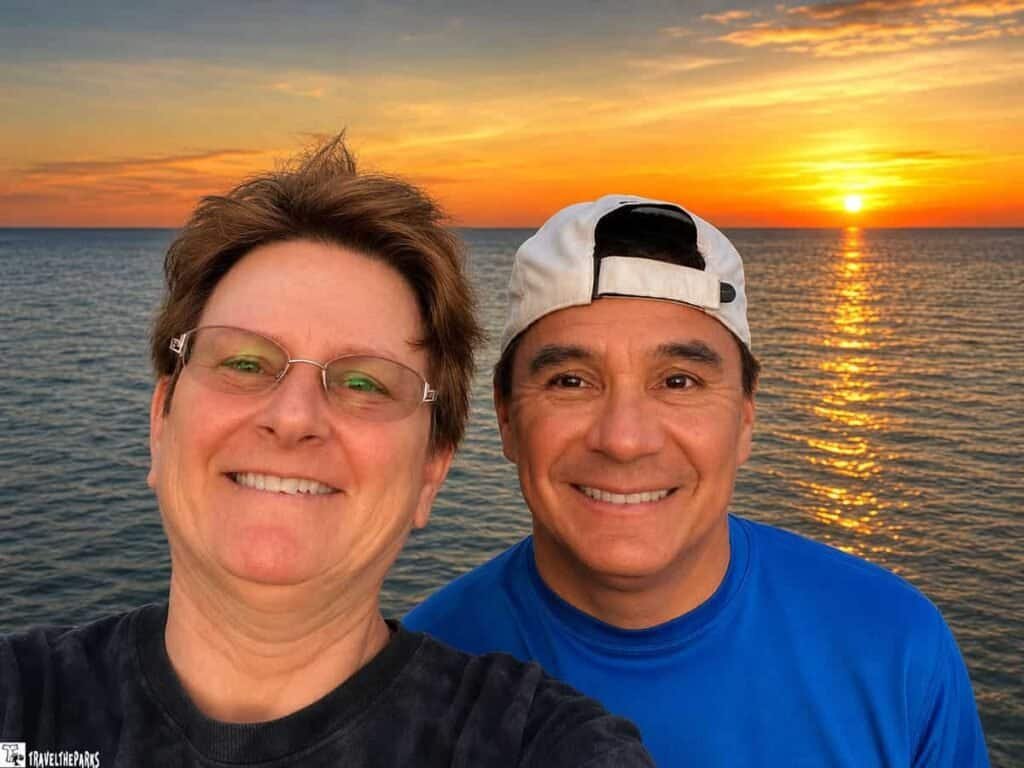
We loved the solitude, the quiet, and the way Cedar Key doesn’t try to impress you but somehow leaves you impressed anyway. Whether you’re walking the trails, paddling through the backwaters, exploring the islands, or watching the sunset with a plate of fresh seafood, there’s always another little corner to discover.
That’s what makes exploring Cedar Key Florida so special. It isn’t about checking off a long list of attractions. It’s about slowing down enough to notice the fiddler crabs along the shoreline, the birds overhead, the boats coming and going, and the stories hidden in this little fishing community.
You can still experience Old Florida here, and that’s becoming rarer with every passing year.
So if you’re looking for things to do in Cedar Key, planning a Gulf Coast getaway, or simply searching for somewhere that feels a little removed from the everyday, put Cedar Key on your list. This hidden gem on Florida’s Gulf Coast may be small, but it leaves a surprisingly big impression.
And when you visit, don’t rush it. That’s really the secret to discovering Cedar Key.
Have you visited Cedar Key? Or is it calling your name now? Drop us a comment below and let us know—we’d love to hear your story.