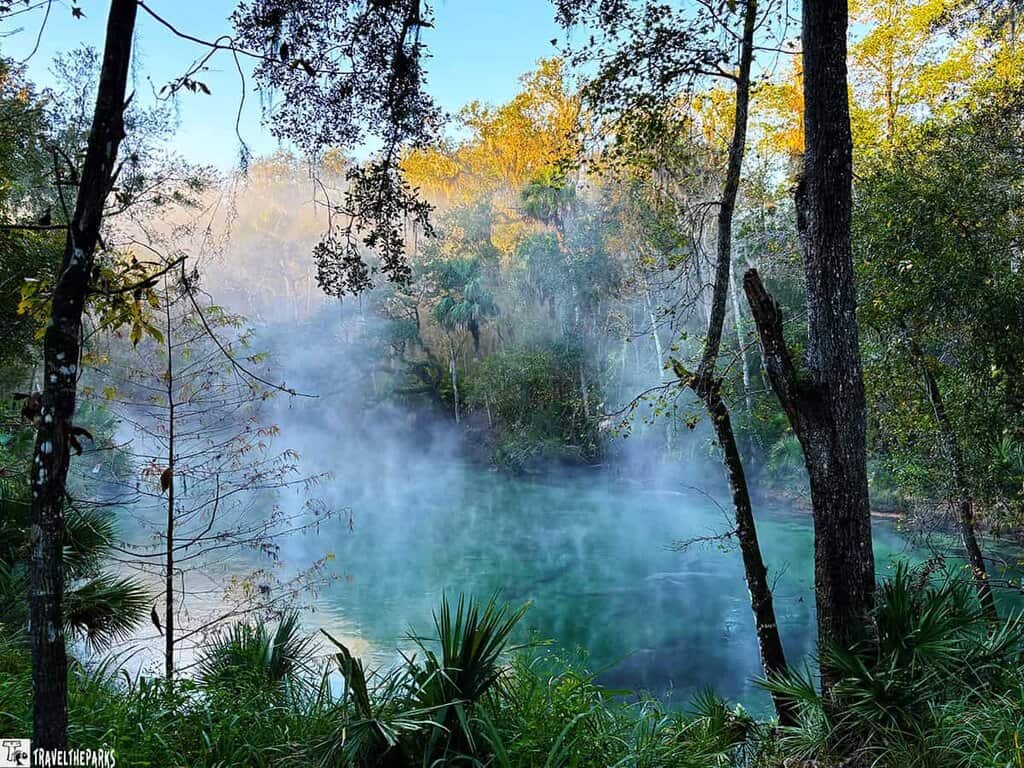
We’d heard about the Florida springs for years. That turquoise water everyone raves about. Looks fake in pictures, but it’s real. Ichetucknee, Homosassa, DeLeon, Wakulla, Silver Springs—all nice, all have their people. But one name kept coming up whenever anyone mentioned manatees at beautiful Blue Springs Park.
So we went to see for ourselves.
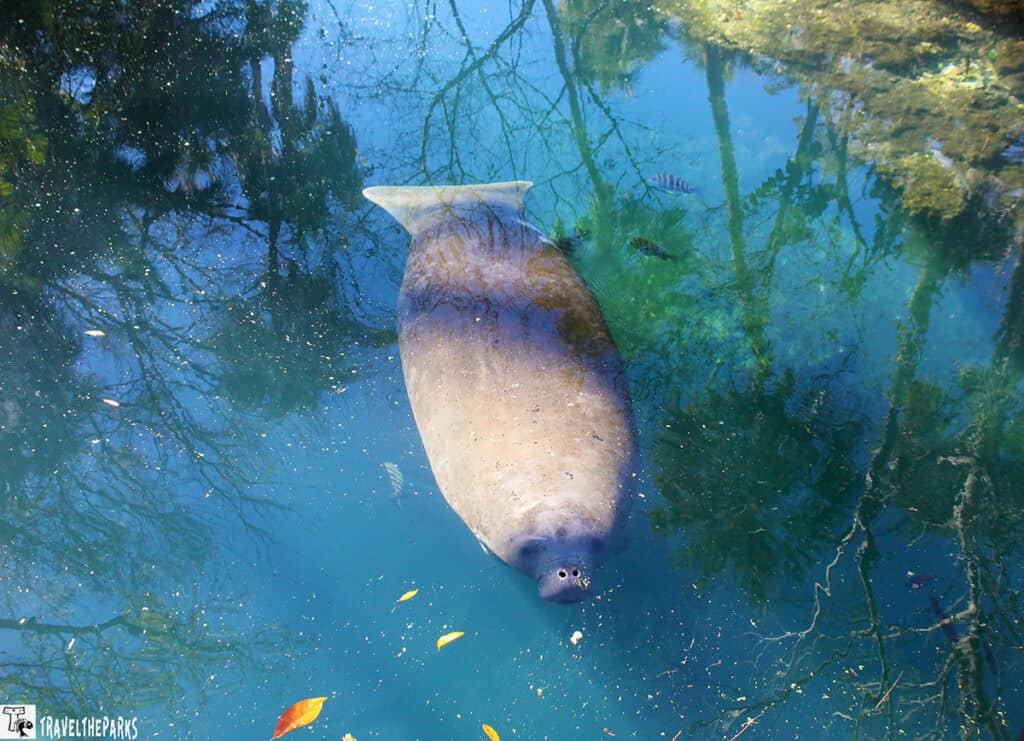
Manatees. Yeah, they look like wrinkled potatoes with flippers. Slow. Goofy. But watch them for a minute and you notice stuff. They’re smart. Curious. Kind of charming, honestly. But here’s the catch—they hate cold water.
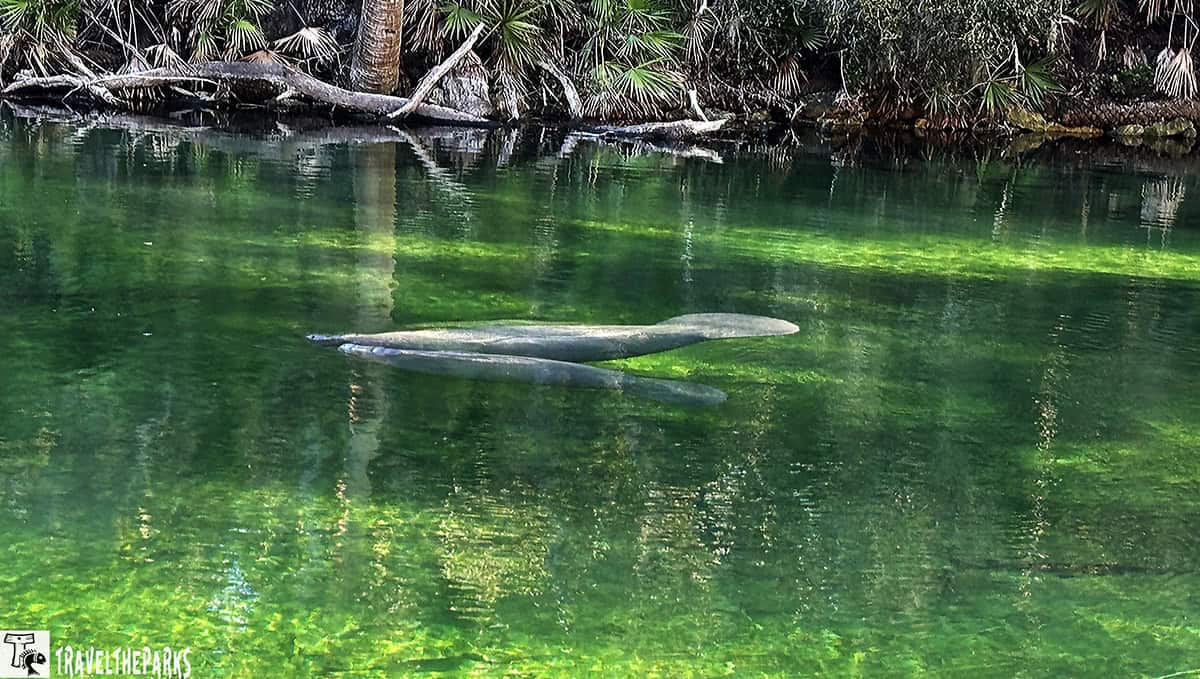
From November through March, Central Florida gets cold fronts. So hundreds of manatees pile into the springs where the water stays 72 degrees year-round. They know the deal. We pulled up on a chilly January morning. The run was packed—not with tourists, but with manatees. Big ones, babies, whole families. Just floating. Napping. One rolled over and stared at us like we were weird for wearing puffy jackets. Fair.
Watching a thousand-pound animal nudge its baby away from a kayak paddle? That stuck with us. Slow. Deliberate. Like, “Not today, little one.”
So, no, Blue Springs isn’t the only spring in Florida. But for manatees at Blue Springs Park? It might be the best place to see them without fighting crowds or showing up at 5 AM.
This post may contain affiliate links, meaning if you purchase something through one of these links, we may earn a small commission at no extra cost to you! Read the full disclosure policy here.
Table of Contents
A Little History (Not the Boring Kind)
So Blue Springs has been around way longer than us.
The first people here were the Timucuan. They used the spring for everything—food, materials, shelter. Then the pioneers showed up. John Bartram came through exploring the St. Johns River for the British, and things started changing. Native peoples got pushed out. Same old story.
Fast forward to 1856. A gold prospector named Louis Thursby bought the land. Actually bought it. He tried growing citrus—seemed like a good idea at the time. Then a freeze in the early 1890s killed most of his crops. Oops.
So the family pivoted. They realized the run would make a good steamboat hub. Built a dock. Started moving cargo and tourists up and down the St. Johns River. People from Jacksonville would come down to see the spring. Business was good.
Then the railroad showed up. Steamboats died quick. So did that business.
The Manatee Moment
And here comes the fun part. In the early seventies, there was a movie by Jacques Cousteau titled “The Forgotten Mermaids.” Sailors believed that mermaids were manatees—from this, we can assume just how long sailors had been out at sea. The film showed people how bad things were getting for the manatees.
People paid attention.
Two years later, in 1972, Florida made Blue Springs a state park. Designated it a refuge. About 2600 acres protected in the St. Johns Watershed. All because people finally started caring about those big, slow potatoes with flippers.
Travel Tip: Planning a day trip? Be sure to reserve your entry before you leave home. Blue Spring State Park now uses a day-use reservation system, and popular dates can fill well in advance. Without a reservation, you may be turned away if the park has reached capacity. Reserve Florida State Parks.
Manatee Season at Beautiful Blue Springs Park (When to Go)
The park is about 30 minutes from Orlando, just outside Orange City. Easy on and off Interstate 4, which matters when you’re road-tripping and don’t want to go too far off course.
Summer is a whole different scene. The 72-degree water still feels amazing, but not for manatees — for humans. Hordes of swimmers show up trying to escape Florida’s humid nightmare. It gets crowded.
But from November through the end of March? Different story.
They shut down all water activities in the spring run during those months. No swimming, no kayaking in certain areas. Park officials call it prime manatee season. Because that’s when the manatees take over. If you want the best chance to see manatees at beautiful Blue Springs Park, this is your window.
Honestly? Good for them..
What to Know Before You Visit Blue Springs State Park
Blue Springs is another beautiful destination for experiencing Florida’s crystal-clear spring waters and abundant wildlife. For more springs to explore across the state, check out our favorite Florida Springs guide.
- Cost: $6 per vehicle to get in. Not bad.
- Crowds: This place gets packed. Especially during the Orange City Blue Springs Manatee Festival in mid-January. That festival raises money for Friends of Blue Springs State Park, D.A.R.E., and some local groups. Nice cause. Still crowded.
- Arrive early. Like, really early. The park fills up by noon most days. Once the two parking lots are full, rangers close the gate, and that’s it. We rolled up on a warm December morning and were the second car in line before they even opened.
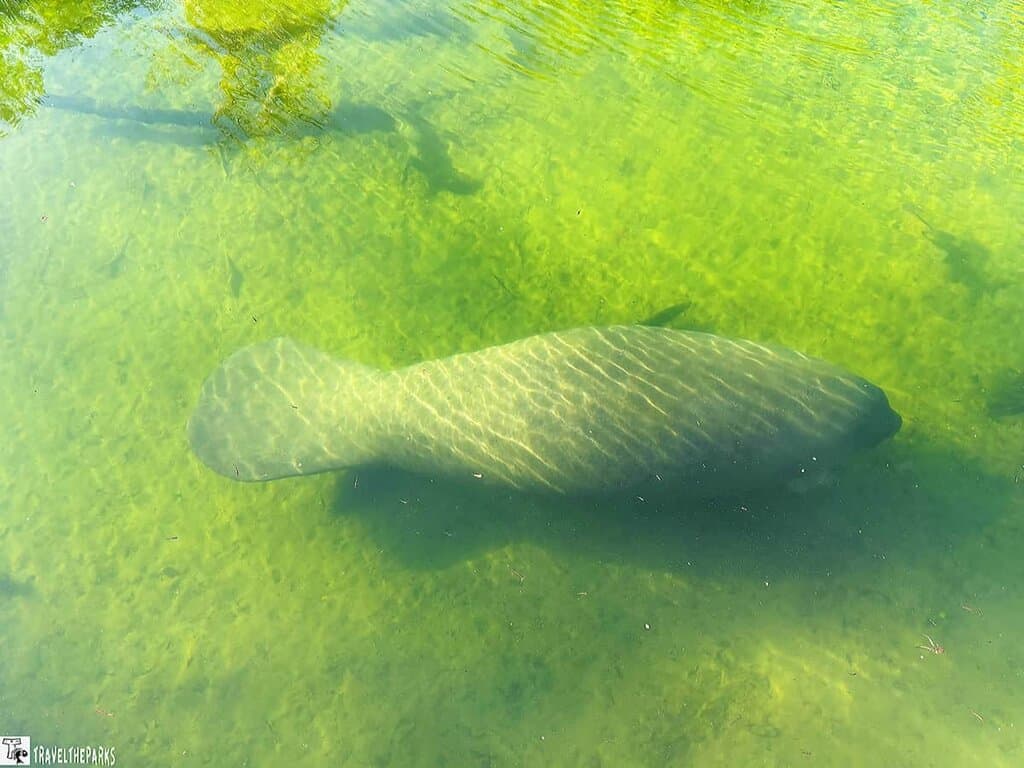
- Best time for photos: No wind. Seriously. Wind ripples the water, and then you can’t see the manatees clearly. We got lucky—no wind all morning. Got some decent shots. If it’s windy, don’t bother with underwater photos.
- Manatee schedule: They’re most active in the spring run in the morning. As the day goes on, they head out to the river to eat. Fewer manatees later in the day. So yeah, morning is the move.
Why Manatees at Beautiful Blue Springs Park? Why Not Somewhere Else?”
Good question.
Manatees can’t handle water below 68 degrees. That’s just a fact. They look like they’d be fine—all that chub, right? But Nah. Only about an inch of blubber on those things. So when the bays and rivers get cold in the winter, they have to find warm water. And fast.
Blue Springs has 72-degree water coming out of it all year. Steady. About 100 cubic feet per second pushes up from a spot they call “The Boil.” That hole goes down 150 feet. And the water is clear enough that you can see 20 feet down in most places.
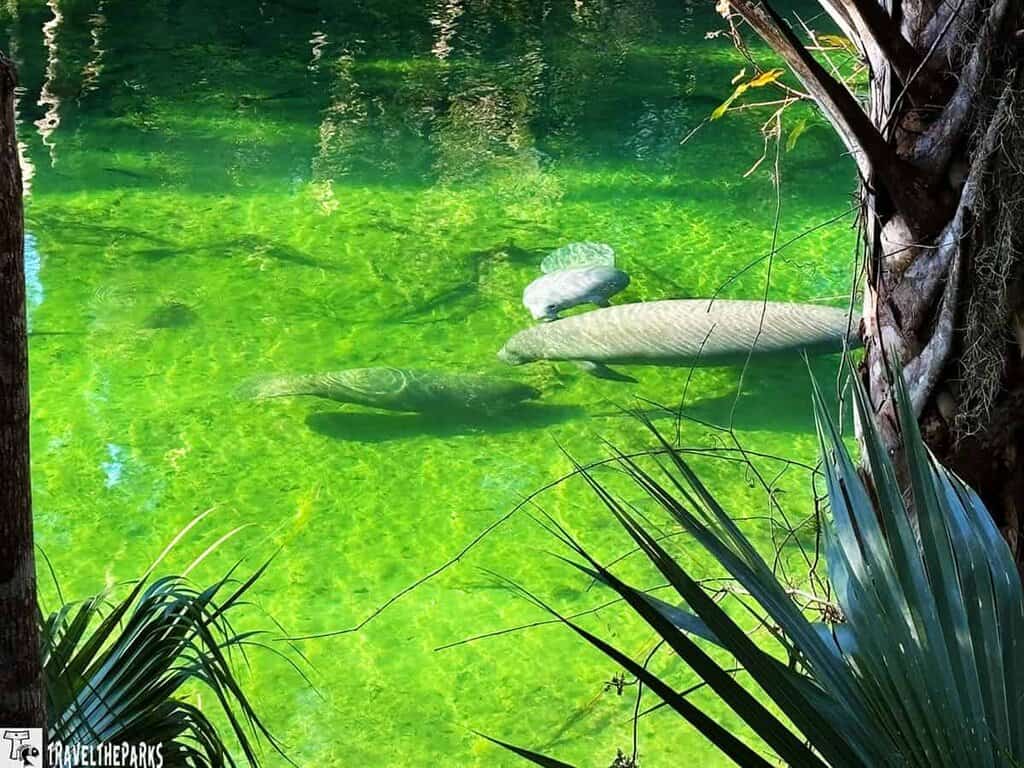
So the manatees show up. Dozens. Hundreds. They just float there. Resting. Staying warm. Not having to think about the cold.
And here’s the thing—the biggest threat to manatees is us. Boats. Pollution. Development. This spring is protected. It’s a refuge. Which means the manatees can just be manatees without worrying about getting hit by a propeller.
That’s why Blue Springs is the best place to see them. Not because of crowds or festivals. Because the manatees actually need this place to survive.
So what do they actually do all day?
Manatees are basically big floating vegetarians. They eat seagrasses mostly. Related to elephants—weird, right? They spend about 7 hours a day eating. And they put away 7 to 15 percent of their body weight. Daily. That’s a lot of salad.
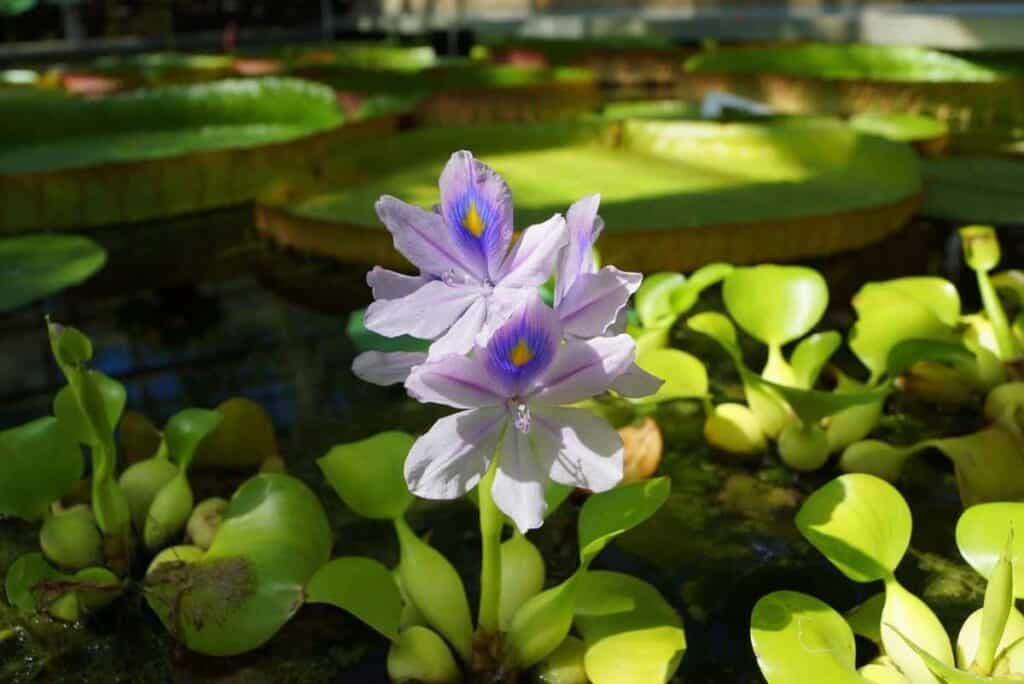
In the river, they go for water lettuce, pickerelweed, and water hyacinth. Stuff like that.
Here’s the sad part, though. They’re slow. Really slow. So every year manatees get hit by boats. Propellers mostly. A lot of them die. The ones that survive have scars all over. You’ll see them if you look close. The St. Johns River has idle speed rules in a lot of places, which helps. But still.
Most of the time, all you see is a flipper or a snout, or a tail poking up out of the water. That’s it. That’s how you know they’re there.
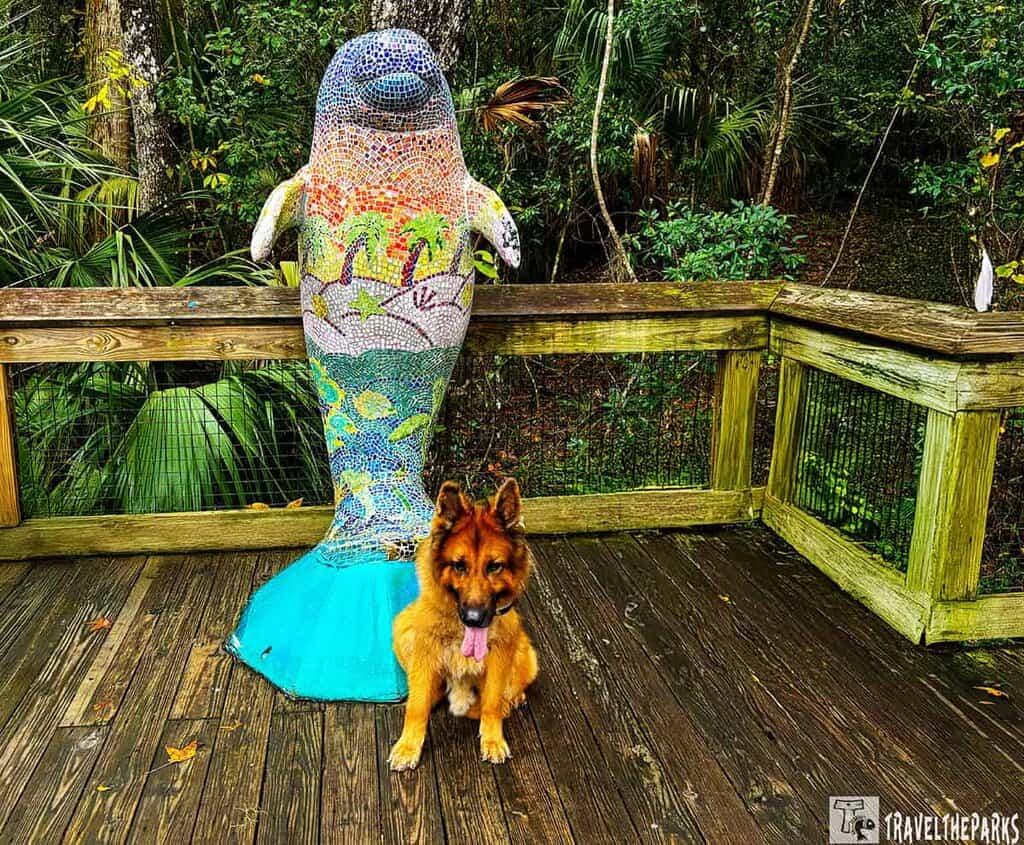
They’re protected. For real.
At Blue Springs, they have a sanctuary. Federal law says you can’t harass them. And they define harassment as anything that changes their natural behavior—feeding, chasing, touching. All illegal. Fines can get serious.
So don’t be that person.
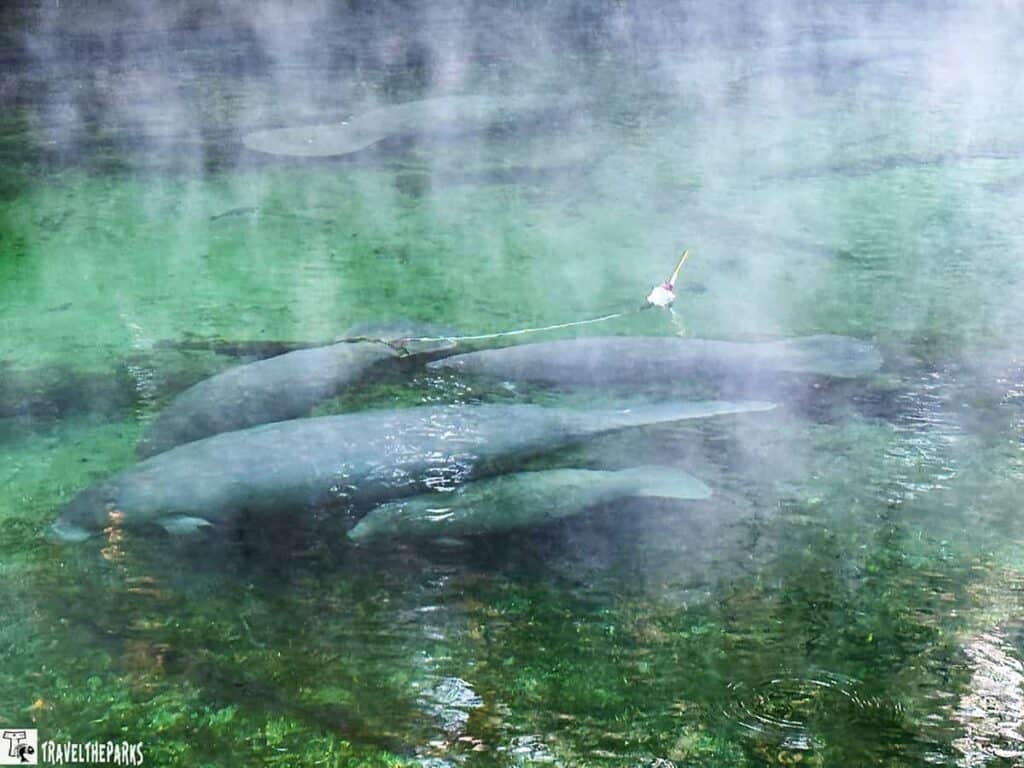
Watching them is the best part though.
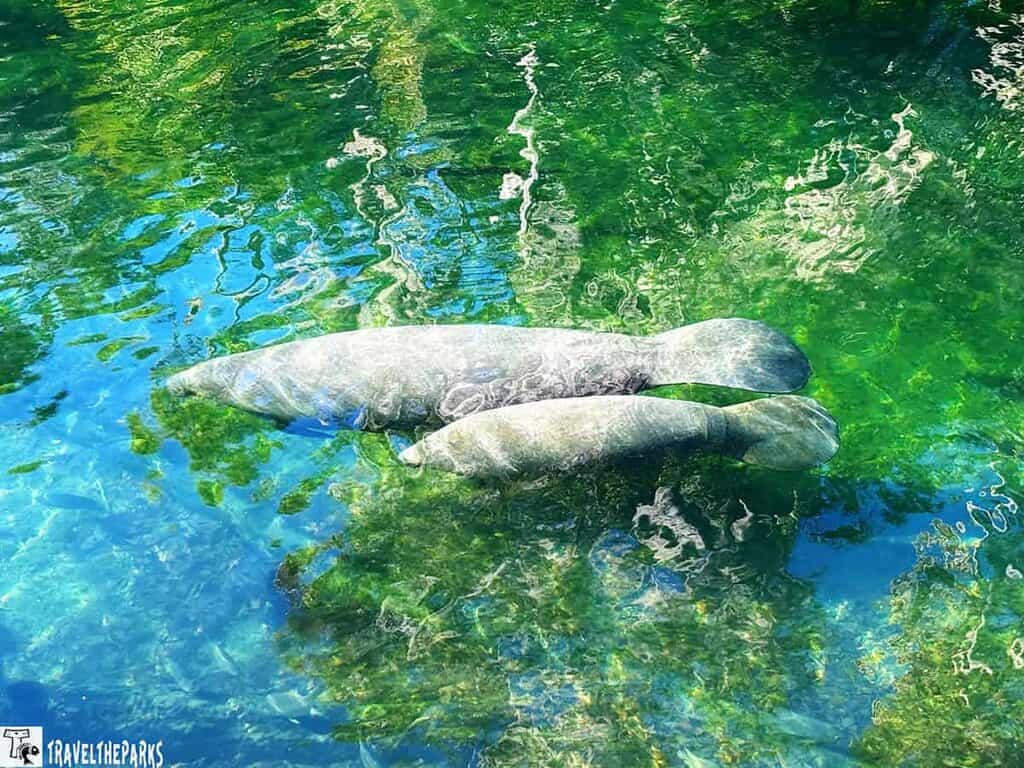
You see some cool stuff if you just sit quietly. A calf nursing under its mom’s flipper is pretty special. Once in a while they’ll barrel roll—trying to get those little suckers off. There are these invasive fish called plecos that eat algae off the manatees’ skin. The manatees seem annoyed by it. Can’t blame them.
You’ll hear them too. They stick their whiskery snouts up and snort for air. Sounds kind of like a wet dog.
And tail slapping? Saw a lot of that. Seemed like they were playing. Or maybe arguing. Hard to tell.
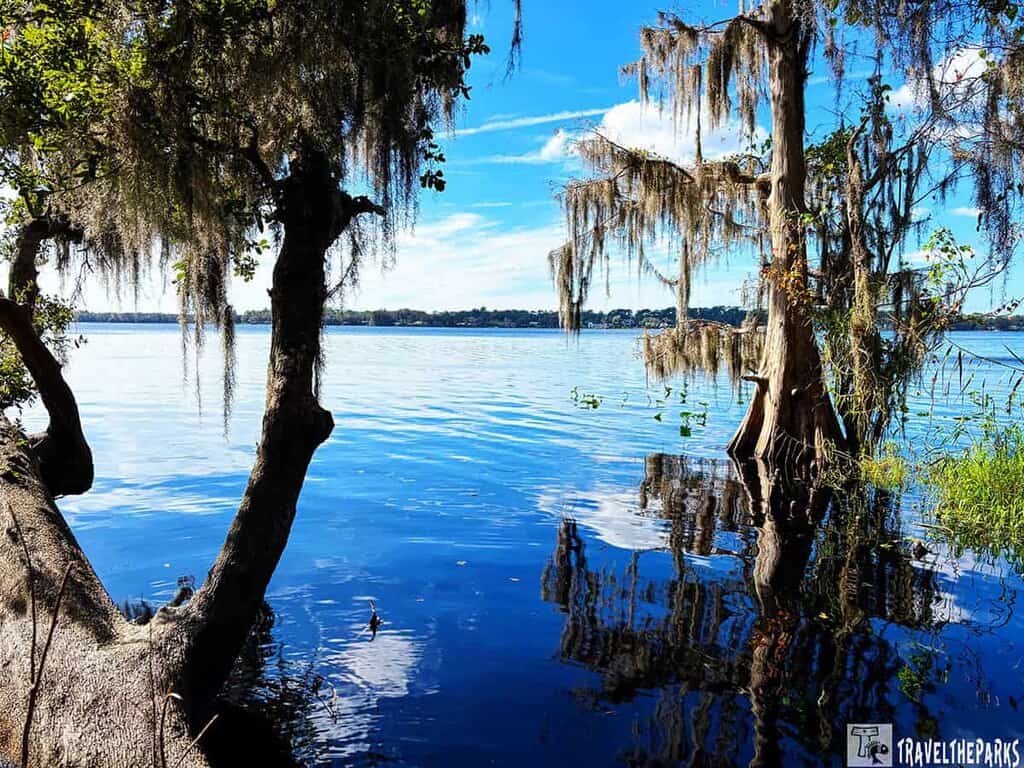
Wander the Trails (It’s Easy, Promise)
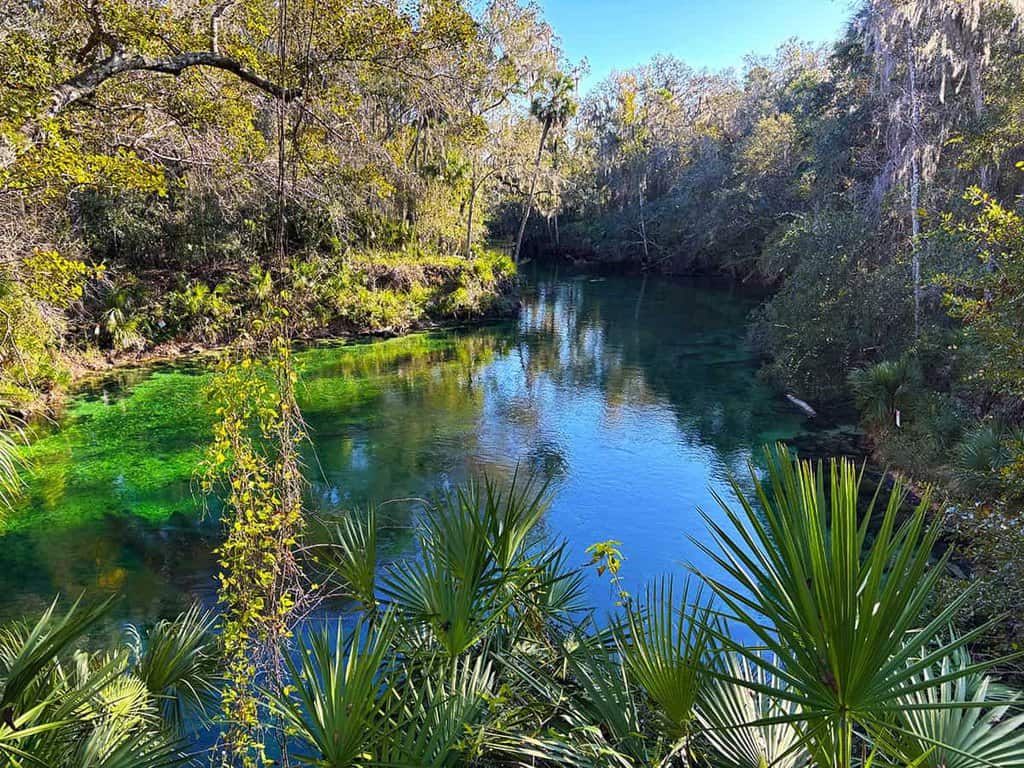
There’s an elevated boardwalk along the south side of the spring run. Takes you to the springhead. Oak trees, Spanish moss, saw palmettos, sabal palms. Kind of looks like Jurassic Park. Not kidding. But let’s be real, you’re here for the manatees at beautiful Blue Springs park.
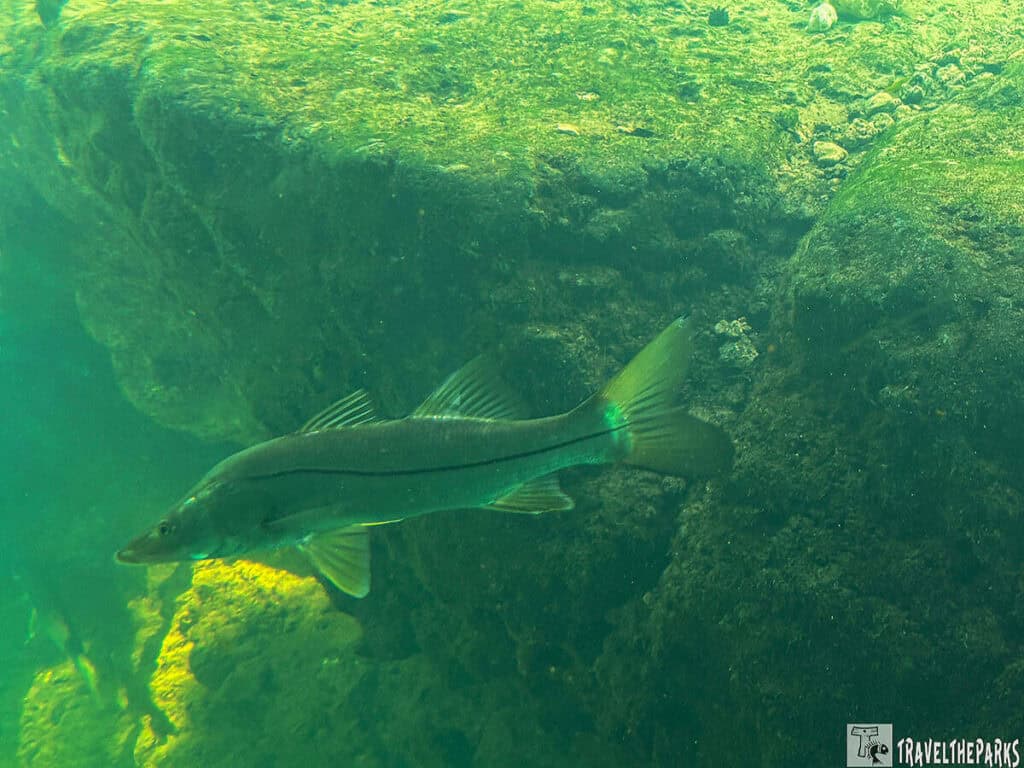
The water is clear. Really clear. Viewing platforms stick out over the spring so you can just stand there and watch. You’ll also see fish in there—snook, tarpon, even alligator gar. But let’s be real, you’re here for the manatees.
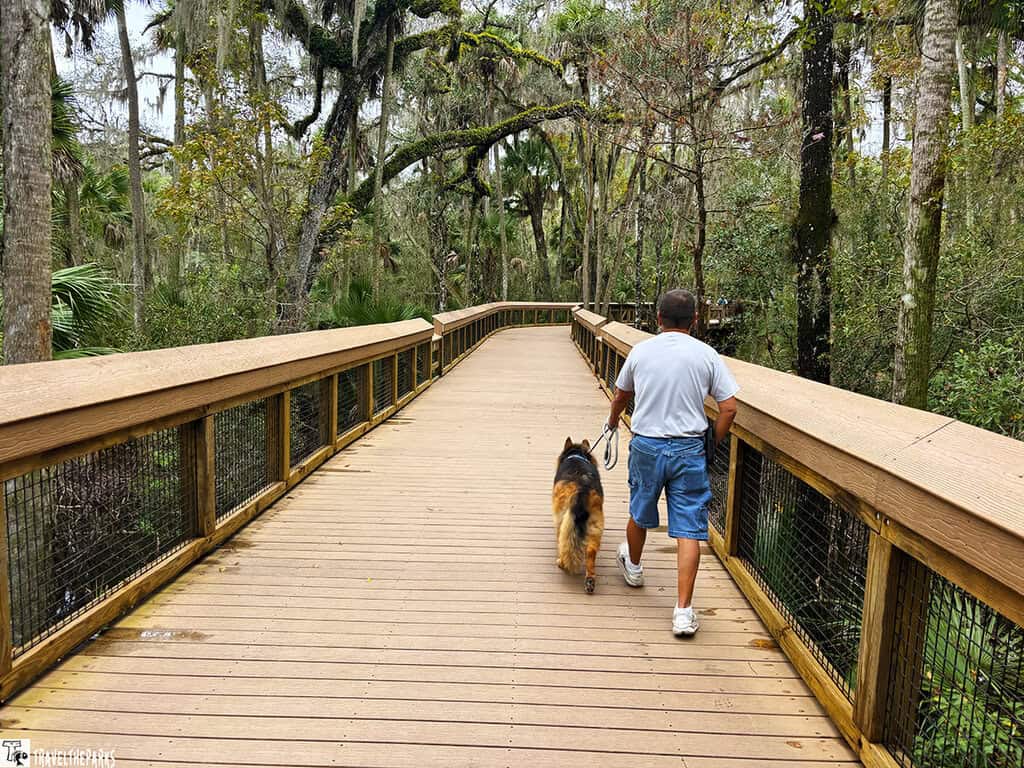
The boardwalk is wheelchair accessible. There are interpretive signs if you want the full history. We read some.
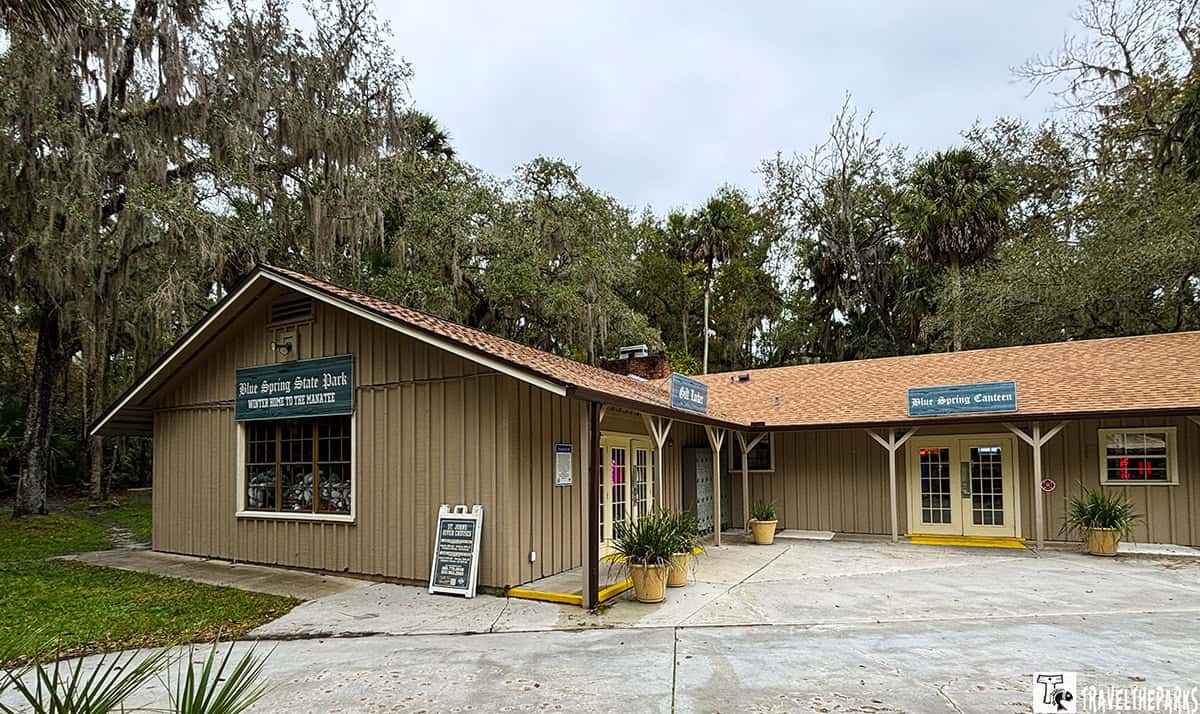
On-site: A small gift shop and food concession. Souvenirs, snacks, camping supplies, limited groceries. Enough.
Ranger programs happen throughout the day. Volunteers are around too. We asked one a question and got a solid ten-minute answer. Good people.
Swimming in the Spring Run and The Boil (Summer Only)
Summer is a whole different scene.
In the warmer months, they open up multiple access points along the boardwalk for swimmers. You walk down to a floating dock, hit some metal stairs with railings, and then—no gentle wading here—you just kind of have to plunge in. That water is cold. Like, takes-your-breath-away cold. Feels great once you’re in though.
You can rent full snorkel gear at the concession stand nearby—mask, snorkel, flippers. Or float tubes if you just want to lounge. Reasonable prices.
Plenty of room for swimming and floating around. Honestly? We prefer springs like this one or Wekiwa Springs over the beach. No salt, no sharks, and way less sand. Just clear, cold water and trees.
A few tips:
Water shoes. Rocks, gravel, big fallen branches. The current pushes hard the closer you get to the boil. You’ll want them.
Shoreline erosion is pretty bad right at the boil. The spring is an ecological jewel—sounds cheesy but it’s true. Be respectful. Stay in the water where you’re supposed to.
Diving? You need cave diver certification. Regular open water cert won’t cut it. Register with the park rangers first. We’re not cave divers ourselves, but gotta imagine it feels pretty otherworldly down there.
Hiking the Pine Island Trail
This one feels like the “real Florida” people always talk about.
Pine Island Trail is 4.5 miles out and back. You walk under bald cypress, palms, and oaks. Really scenic.
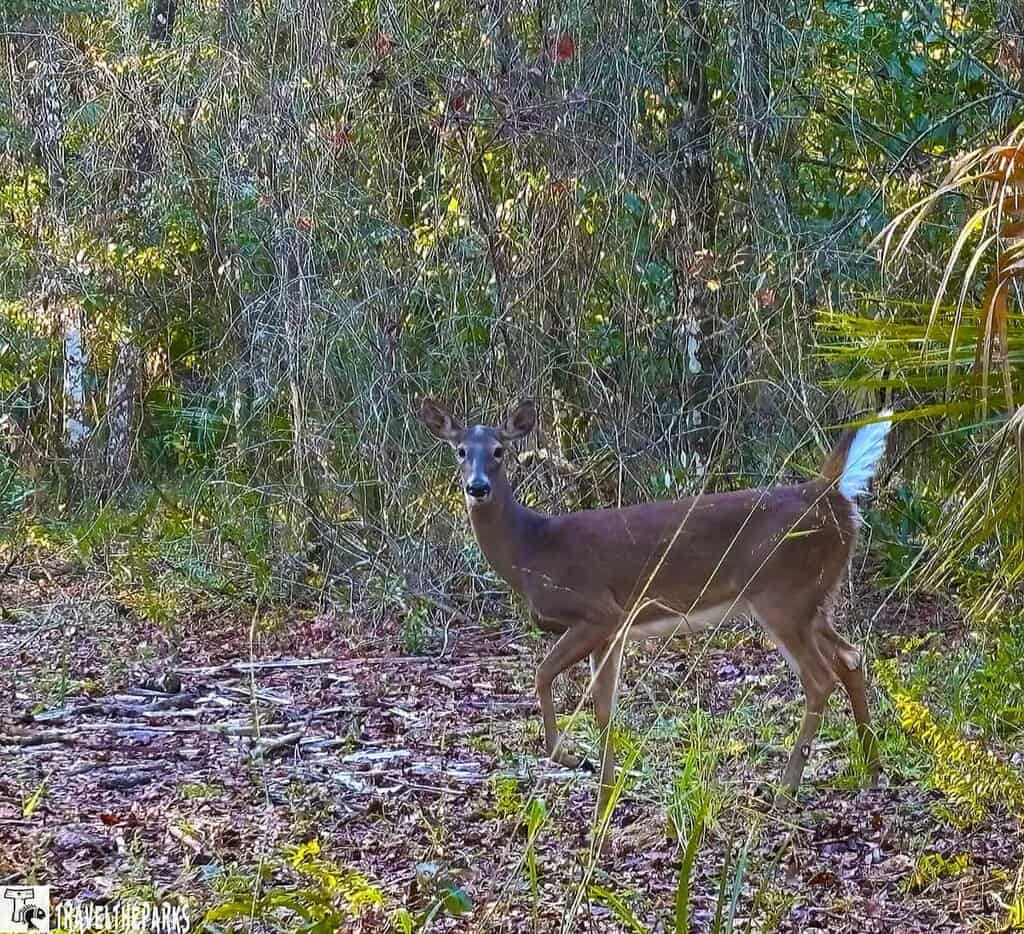
We saw deer early morning. Ranger said bears are around too. Didn’t see any. Probably for the best.
Wetlands have wading birds, ospreys, eagles, and kingfishers. Bring binoculars.
There’s a big picnic pavilion under giant oaks. Grills, shade, shelter. Volunteers there to answer stuff. We asked about bears. Got a good answer. Still no bears.
Paddling with Manatees at Blue Springs
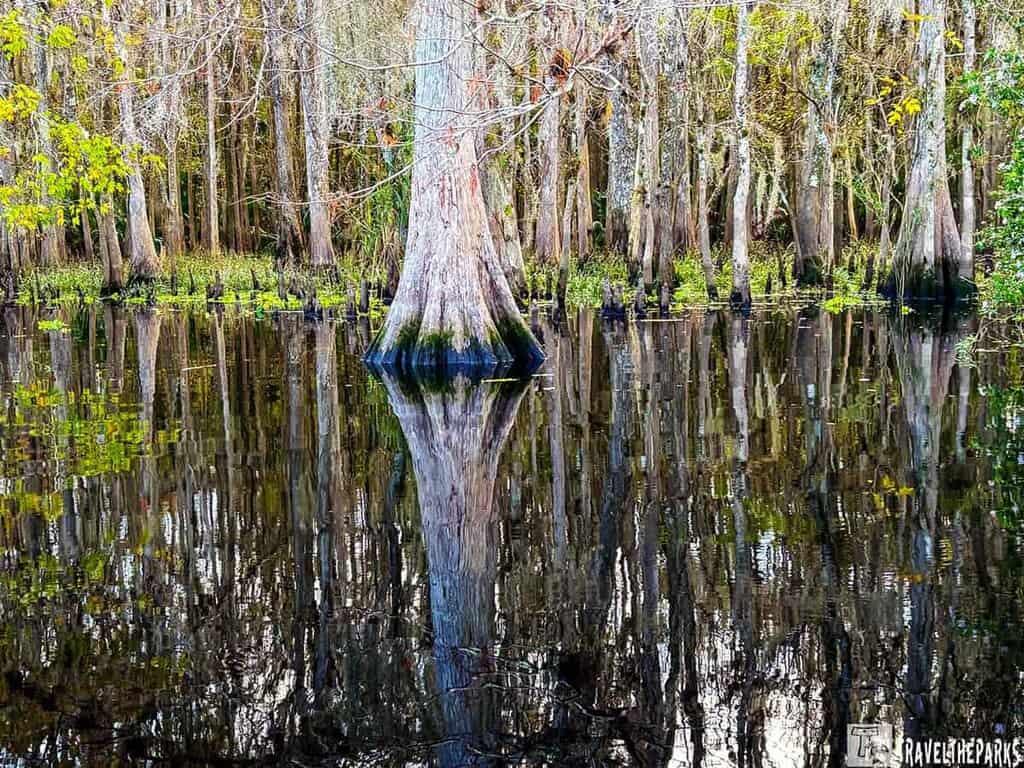
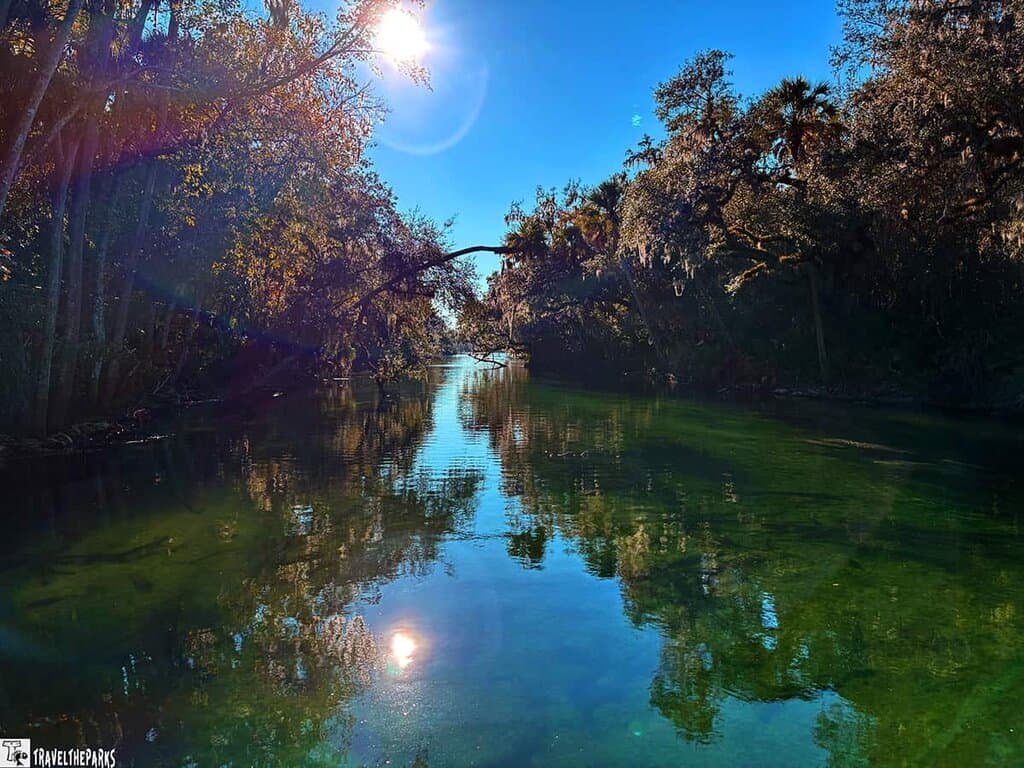
Rent a canoe or kayak if you want to paddle on the St. Johns. Water looks like tea—tannic acid from cypress leaves. Weird at first, but normal.
Weekdays are better. Fewer boats. This entire area is idle speed, anyway.
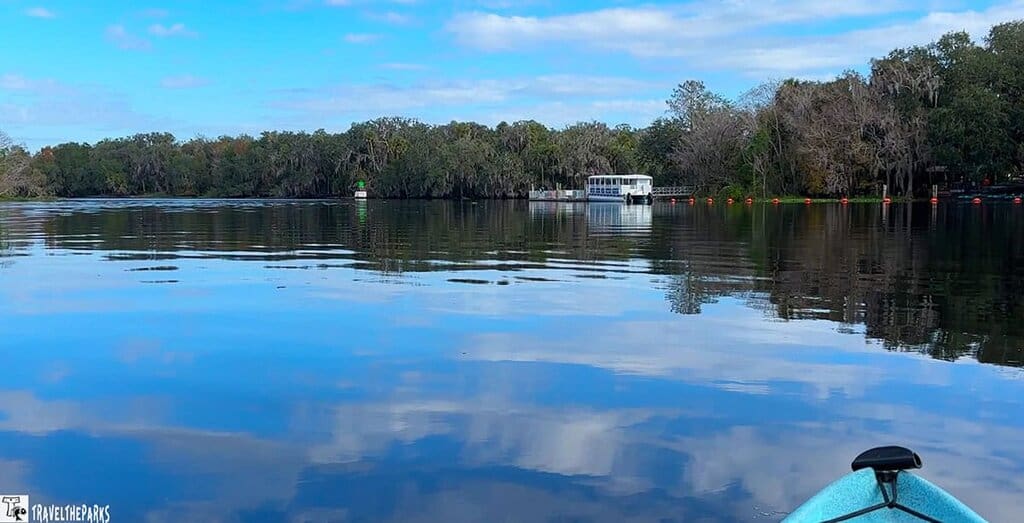
We did the 2-hour narrated cruise with Blue Springs Adventures. 10 AM or 1 PM. Reasonable rates. Saw plenty of wildlife. Relaxing. Worth it.
New this year—All-Terrain Segway Tours. Guides take you around to point out the ecological stuff. Good option if you don’t want to hike.
Step back in time at Thursby House
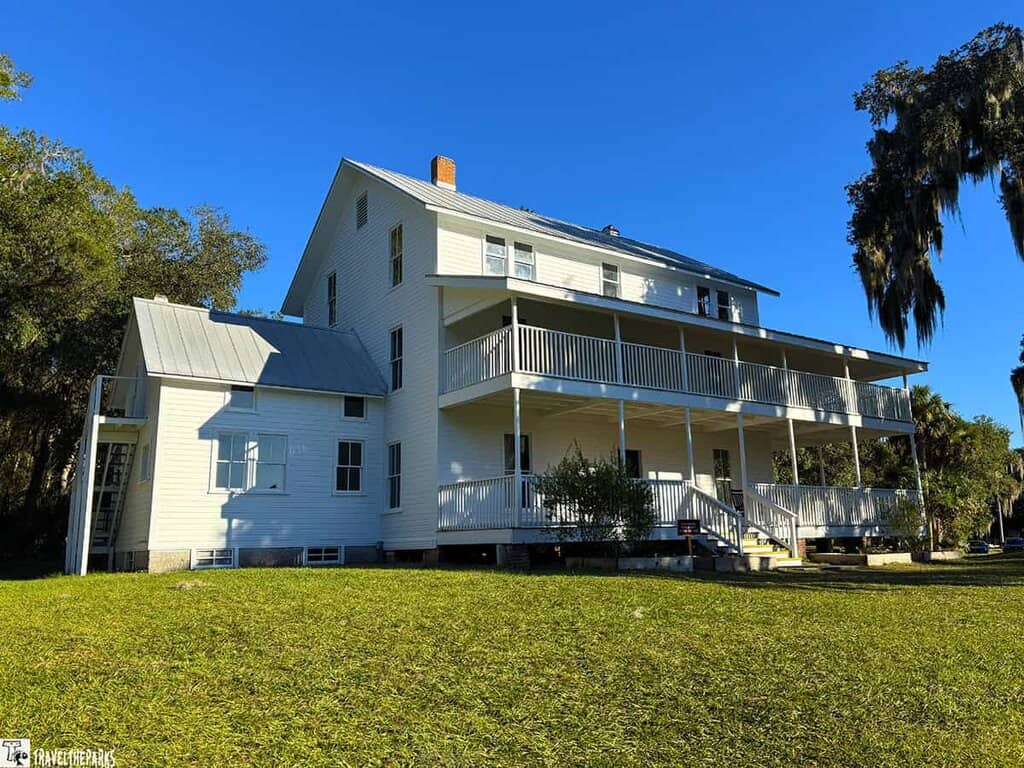
Remember Louis Thursby? The gold prospector? He built this house in 1872. It’s open Wed-Sun for self-guided tours.
The house sits on top of an old shell midden—basically a trash pile made of shells. Sounds weird, but it’s the highest point in the park.
First floor only. Old artifacts, birth and marriage certificates, a pretty cool kitchen. There’s a ramp in the back for accessibility.
The rocking chairs on the porch are the real highlight, though. We sat for a bit. Easy to imagine what life was like back then. Slower. Quieter. Probably nicer.
Camping and Cabins (If You Want to Stay Overnight)
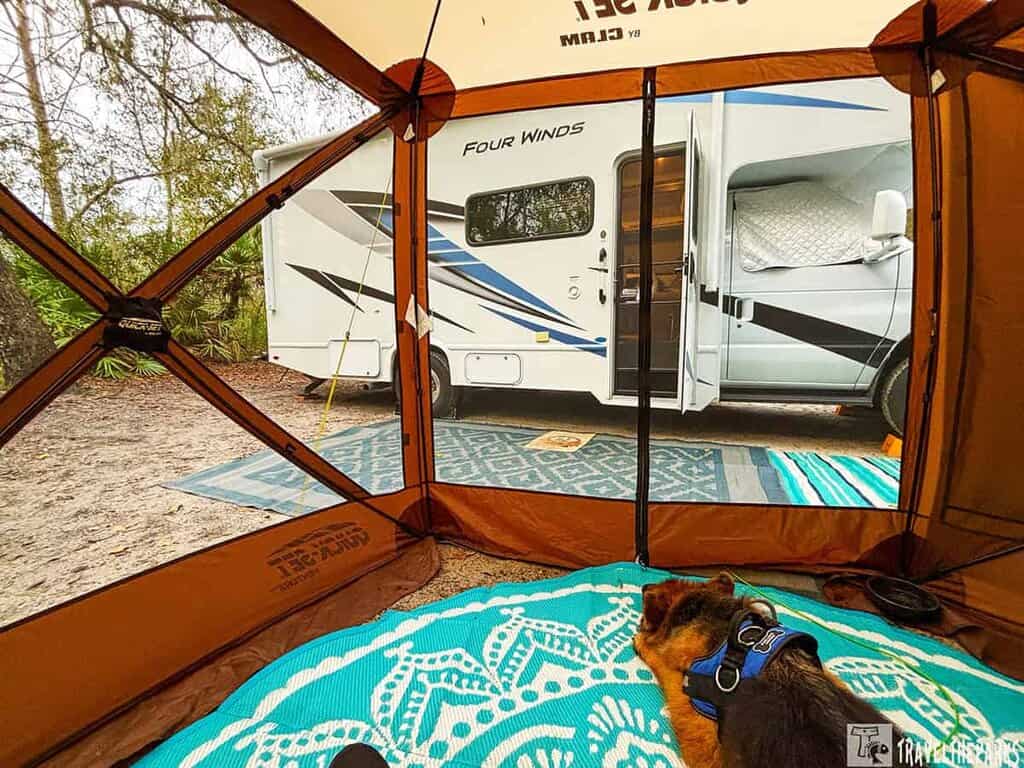
- Campsites: 51 total. 27 have electrical hookups. Each site has a picnic table, a grill, and water. Multiple outlet types, so you’re covered. Sites are spaced out. For us it feels pretty private. Clean bathrooms, hot showers, and coin-operated laundry machines near the bathrooms.
- Cabins: Six modern cabins. Sleeps up to 6 people, two bedrooms. Tucked in an oak hammock as it feels secluded, but it’s a short walk to the spring. Each cabin has a full kitchen, a screened porch, an outdoor grill, a picnic table, heat, and AC.
- Travel tip (a good one): If you’re there in March or April, keep an eye out for fireflies in the evening. Seriously. Worth staying up for.
- Reservations: They take bookings 11 months in advance through ReserveAmerica (800-326-3521). Cabins and campsites go fast. Like, really fast.
What to Bring on Your Trip to Blue Springs State Park
- Park hours are 8:00 a.m. until sundown, 365 days a year.
- Blue Springs State Park, 2100 West French Ave., Orange City, FL 32763. Phone 386-775-3663.
- The best time for viewing large groups of manatees is from November through March.
- $6 per vehicle. Limit 2-8 people per vehicle.
- Traveling in Florida requires you to have plenty of water in a refillable water bottle, sunscreen, bug repellent, and a camera.
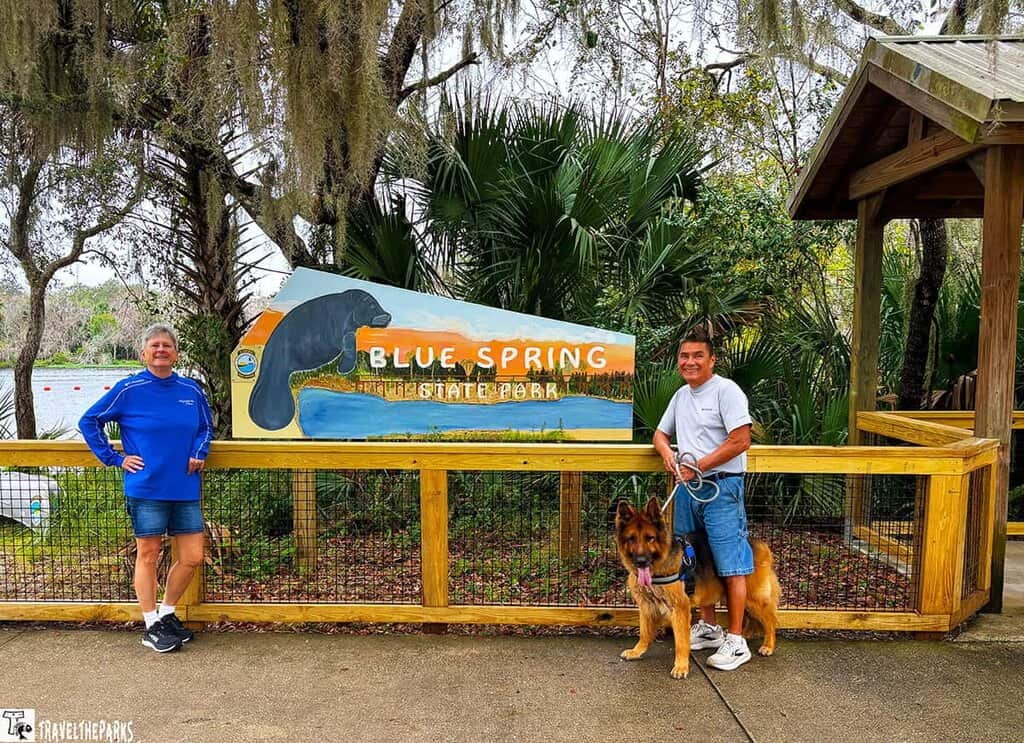
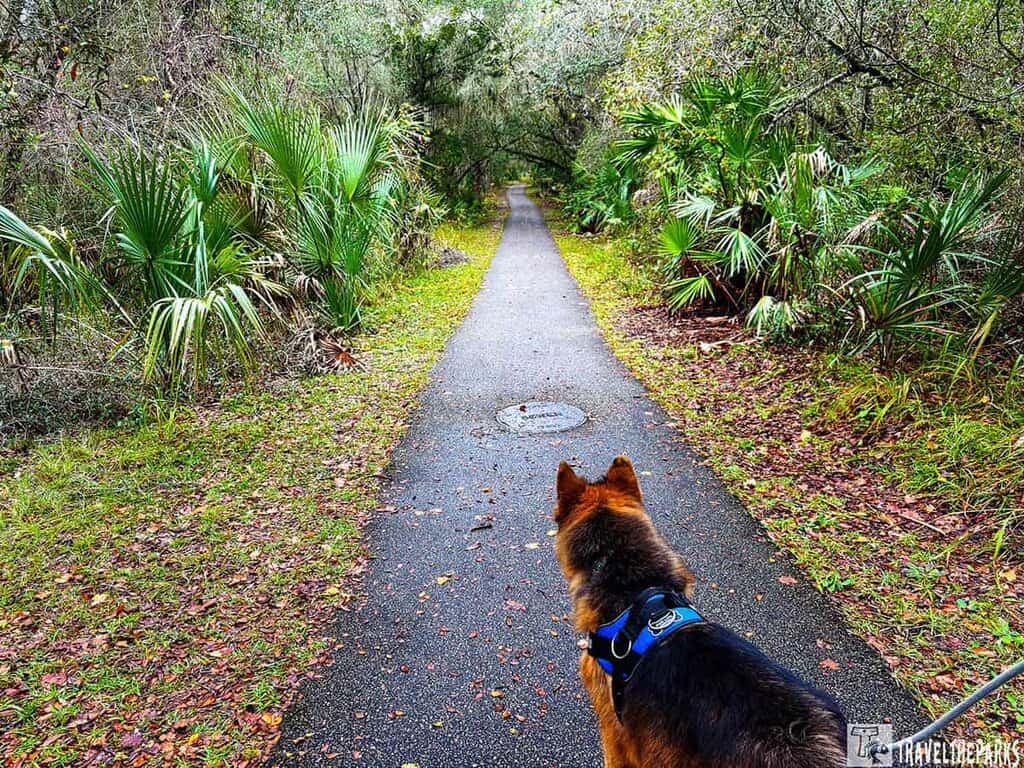
- They allow pets on a leash in the park. They are not allowed on the boardwalk near the water.
- Adult manatees are typically 9-10 feet long from snout to tail and weigh around 1,000 pounds.
Final Thoughts: Home to Enchanted Manatees Beautiful Blue Springs ParkSo here’s the thing about Blue Springs.
There’s a place where time moves slow. Not in a cheesy way—just slow. The manatees make sure of it. You stand on that boardwalk, watching a mother and her calf in water so clear you can see every little paddle of a flipper. And suddenly you’re not in a hurry anymore.
Blue Springs isn’t the Everglades. It’s not the coast. It’s something else. A 72-degree spring run that turns into a winter refuge for these big, wrinkled creatures. They float there like they own the place. And honestly? They do.
We left with more than photos. There’s this calm that sticks with you. Hard to explain. You just feel… quieter.
If you’re spending more time exploring this part of Florida, keep an eye out for our upcoming guide to Lake Woodruff National Wildlife Refuge. It’s another nearby place worth adding to your itinerary for wildlife and nature.
Anyway. This was one of those trips we’ll actually remember. Not because it was fancy or dramatic. Just because it was real.
Have you been to Blue Springs State Park? What’d you like best? Drop it in the comments. We actually read them.