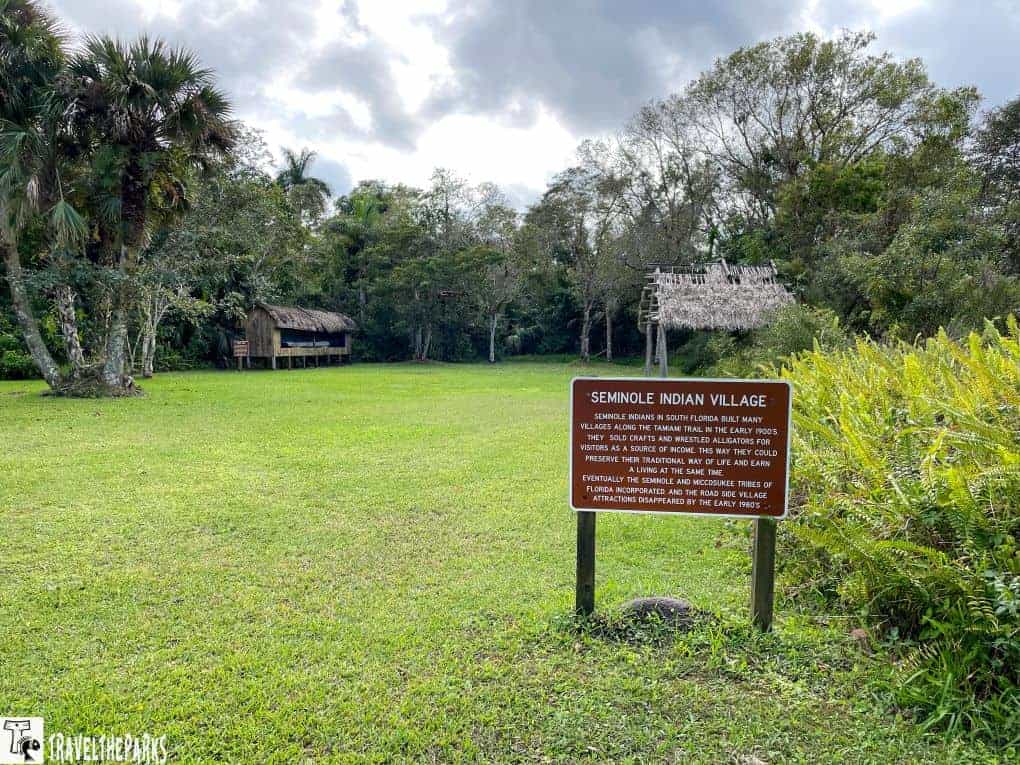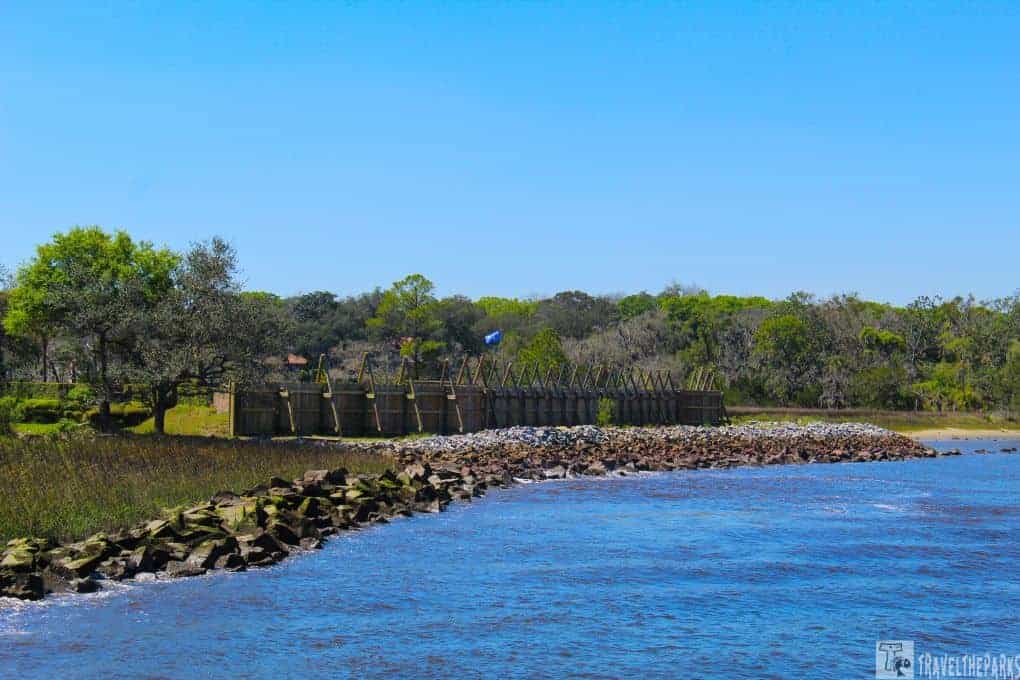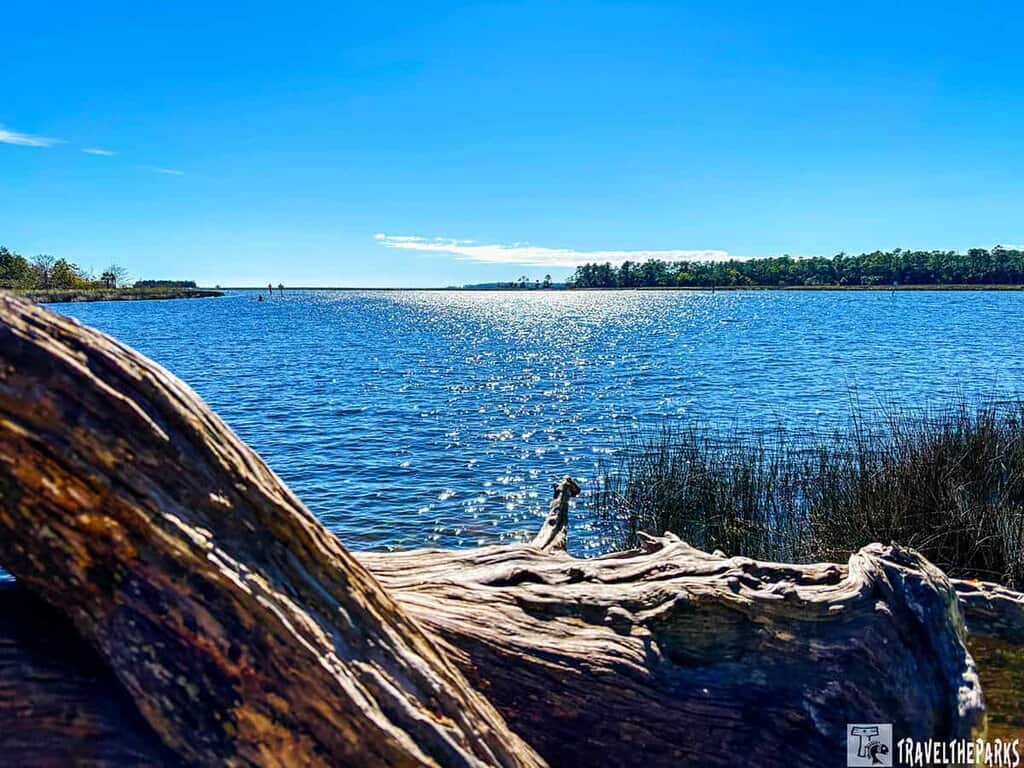
You know, when we explored San Marcos de Apalache Historic State Park recently, it was like stepping into a time machine. This spot, where the Wakulla and St. Marks rivers meet, is a true treasure trove of archeological history.
I mean, who would’ve thought that this sleepy little place once rang with the footsteps of indigenous clans, gold-seeking Spanish conquistadors, and the hurried steps of British soldiers in formation? Walking around the archaeological site at San Marcos de Apalache was to uncover centuries of tales. Each trail seemed to harbor whispers of wars fought, empires risen and fallen, and the abundant life that teemed in Florida’s green, watery landscapes. Incredible to think about, isn’t it?
This post may contain affiliate links, meaning if you purchase something through one of these links, we may earn a small commission at no extra cost to you! Read the full disclosure policy here.
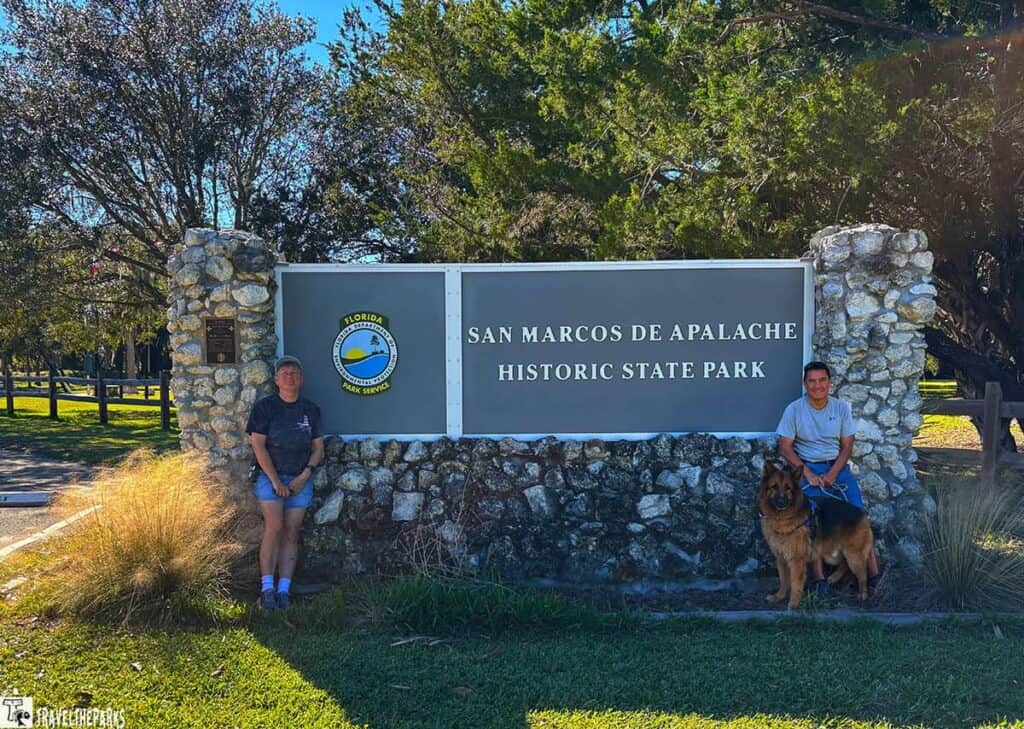
Table of Contents
What Should You Know Before You Go?
- Hours of Operation: The park is open every day of the week. Museum and visitor center, 9 AM to 5 PM, Thursday through Monday. The park is closed on Tuesdays, Wednesdays, Thanksgiving, Christmas and New Year’s Day. Be sure to check the official website for any seasonal adjustments or closures. Park brochure download.
- Entrance Fees: No entrance fee; $2 per person museum admission
- Pets: must be well-behaved and kept on a handheld leash no longer than six feet at all times. The museum does not permit pets.
- What to bring: wear comfortable walking shoes for exploring the trails and historic ruins, insect repellent (especially in warmer months), water, snacks and sun protection like a hat and sunscreen. A camera or binoculars can enhance the experience, especially for nature and history enthusiasts. If you want to learn more, bring a guidebook or download the park brochure beforehand.

What to See and Do at San Marcos de Apalache Historic State Park
You can see the whole park in just a few hours because it’s small. St. Marks is also a good place to spend roughly an hour.
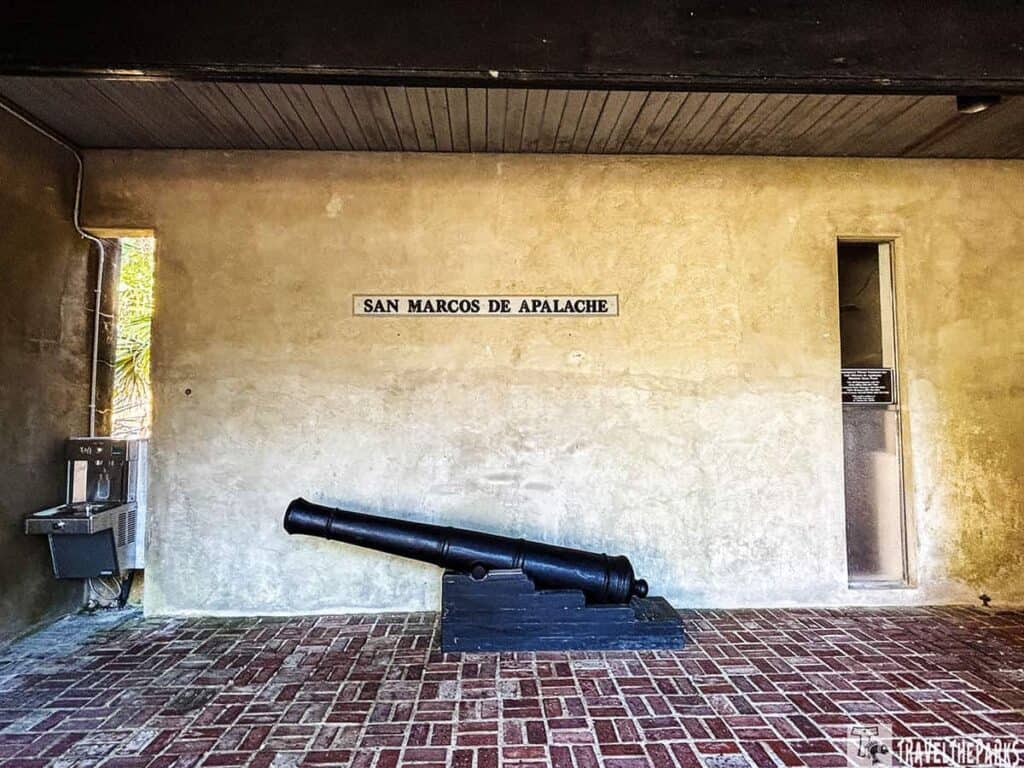
1. Discover History at the Fort at the Museum
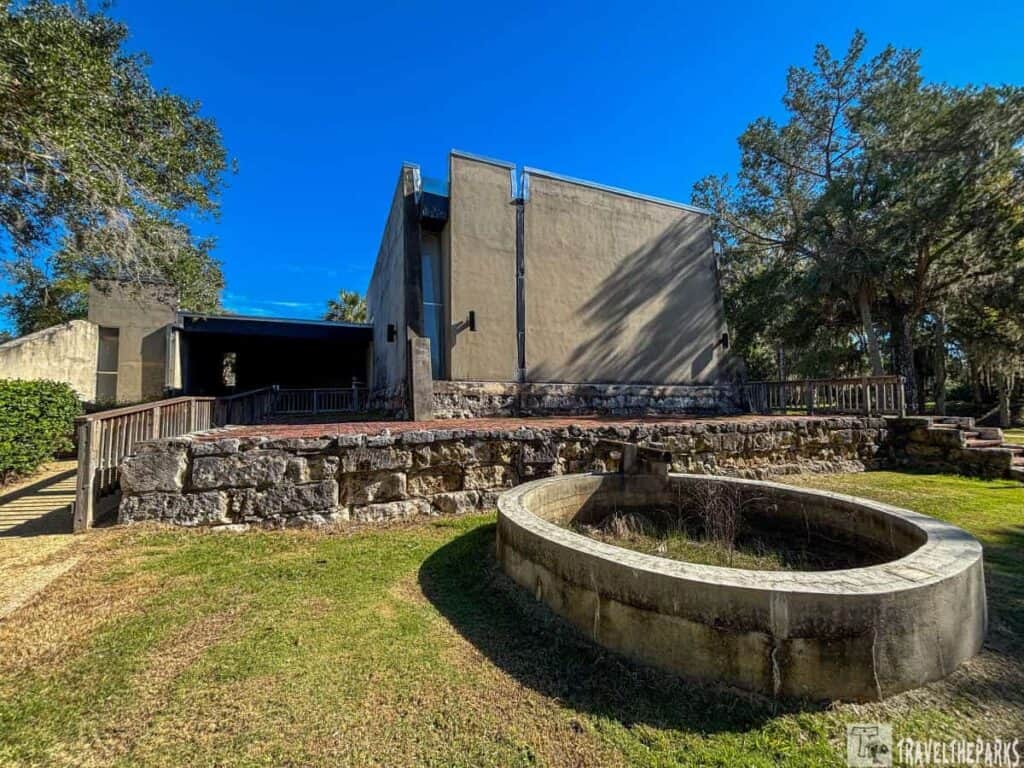
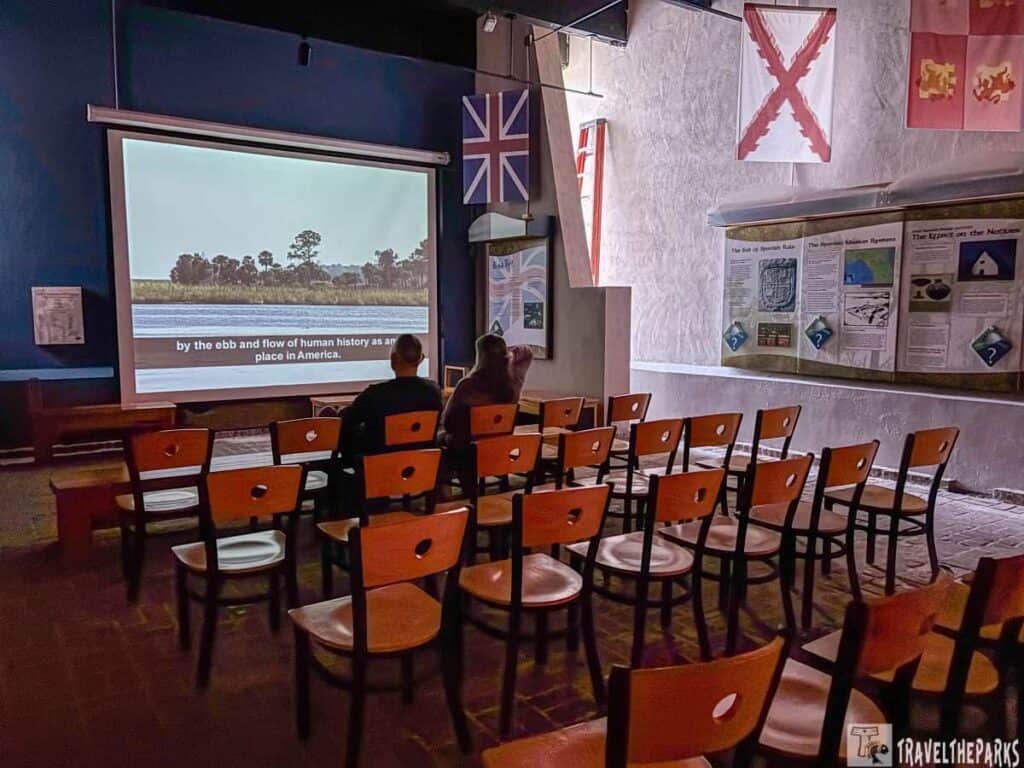
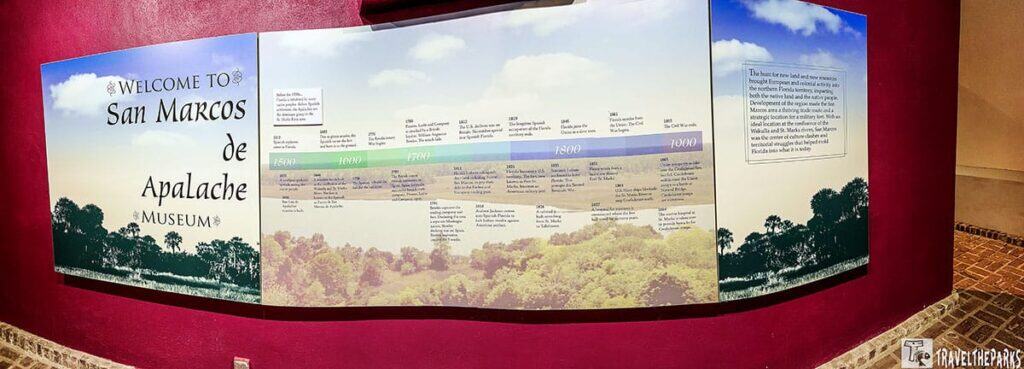
Now, should you ever have the chance to visit San Marcos de Apalache, be sure to stop by the Fort San Marcos de Apalache Museum, which is located inside part of what was once this fort. It’s pretty cool! The museum sits on the remains of an 1850s marine hospital, once used to treat sailors, especially those with yellow fever. Once inside the museum, we watched the 18-minute film covering the five flags that flew over this site—Spain, Great Britain, the U.S., the Confederacy, and even the State of Muskogee.
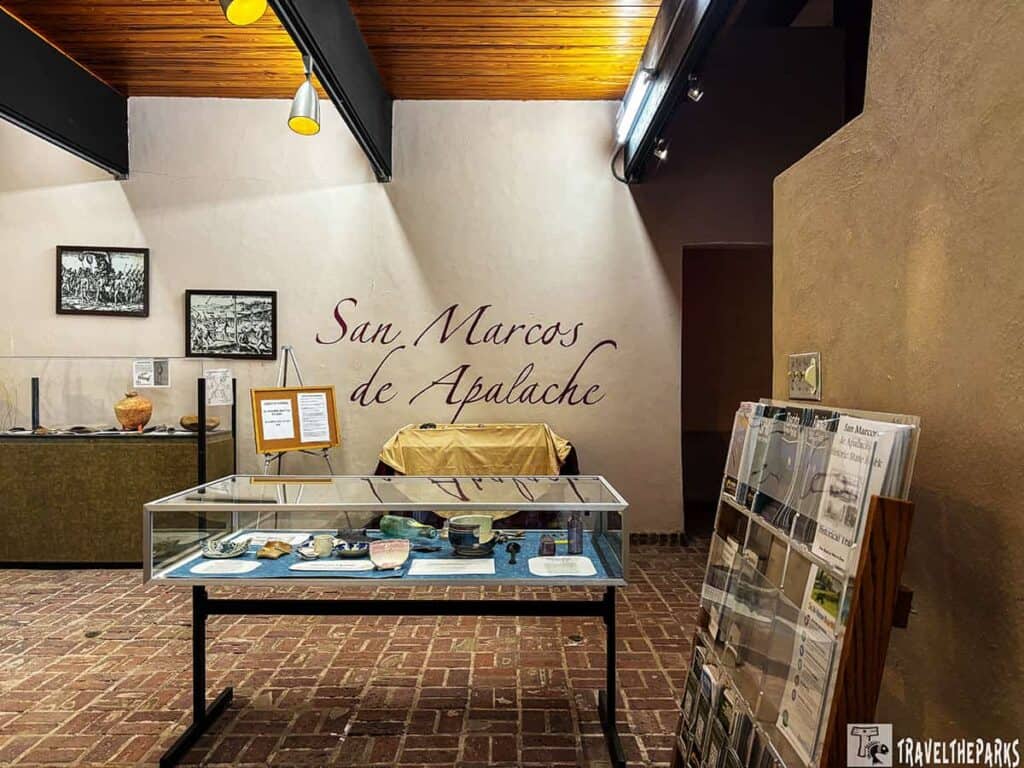
The museum has many interesting exhibits, some of which delve into various periods in the area’s past. It genuinely feels like traveling through time! On display, you get to see remnants from the time of Spanish colonialism. Surprisingly, you can also see relics derived all the way back as far as WWII. It shows what life in old Florida was like, and you shouldn’t miss it.
The Rich History of San Marcos de Apalache Historic State Park
San Marcos de Apalache’s most famous feature is the historic fort. The Spanish actually built it in 1600! Absolutely wild to imagine how many times this land has switched hands over time — Spanish, British, Americans… you name it!!! Adding layers to its story, each of these groups has left a mark on the place.

Before Europeans arrived in Florida, indigenous clans, like the Apalachee, lived in the San Marcos area. The Apalachee cultivated agricultural crops. This strategic location allowed them to easily defend against marauding parties while providing direct access to waterways for trade and communication. The museum includes artifacts of old pottery and tools, confirming indigenous peoples inhabited this area.
The Spanish Influence and Fort San Marcos de Apalache
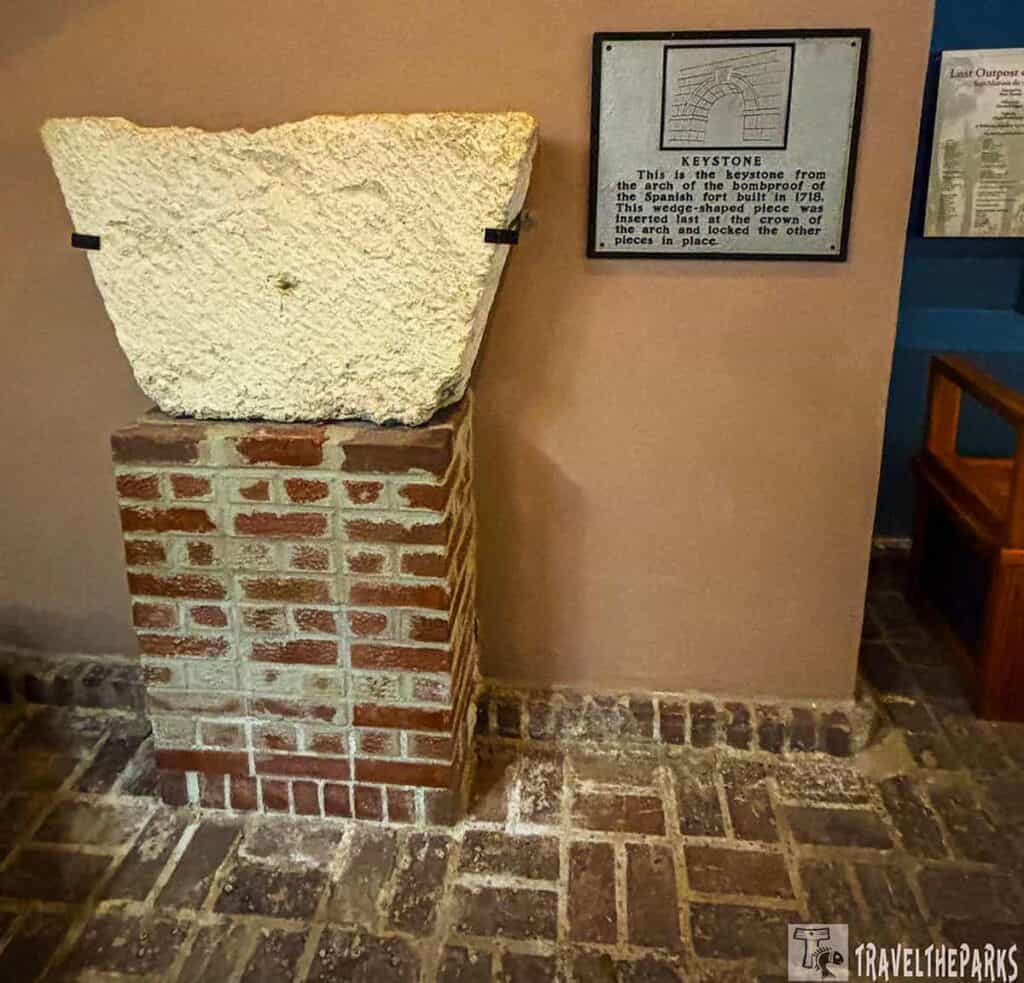
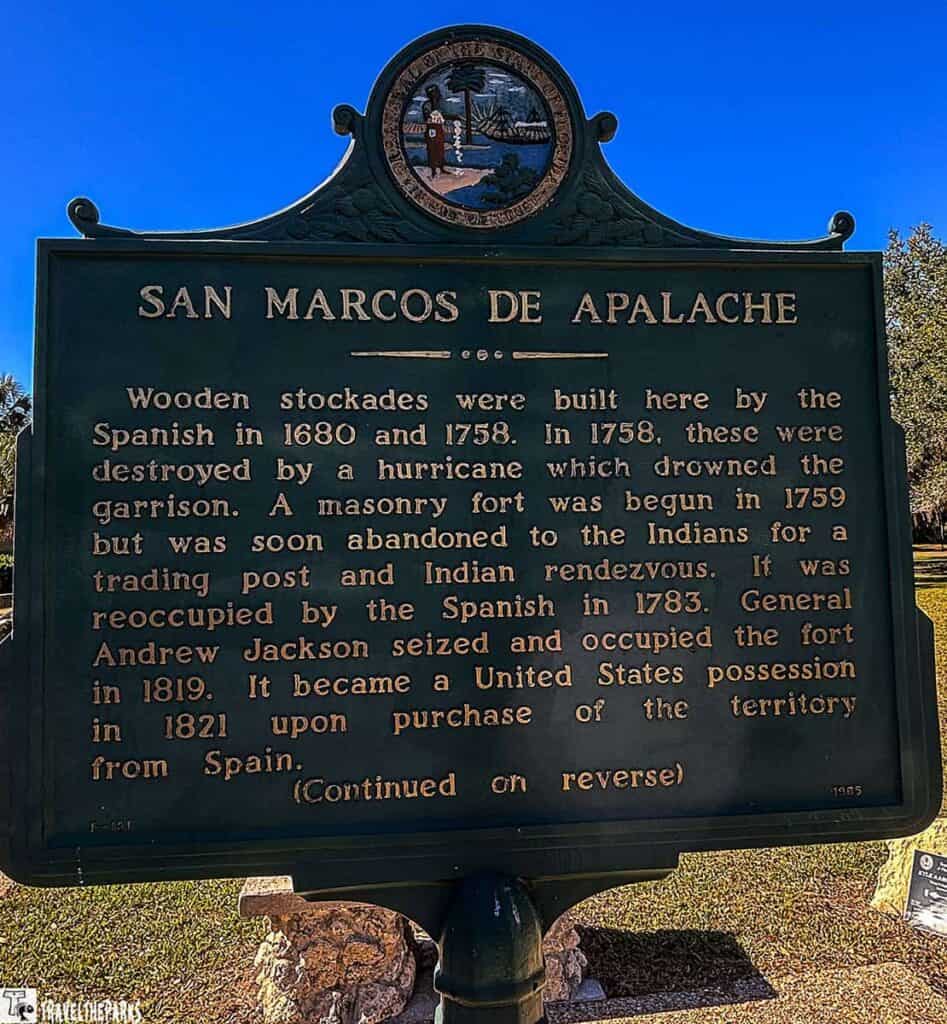
San Marcos de Apalache holds a pivotal place in Spain’s colonial history in Florida. Before any fort stood here, Spanish conquistador Pánfilo de Narváez (1528) camped at this site during his ill-fated expedition, marking one of Florida’s earliest European contacts. The Spanish built their first wooden fort here, coating logs with lime to mimic stone—a deceptive defense tactic. However, in 1682, French pirates led by Robert Searles burned it down. In 1685 under Don Juan de Siscara, Spain drafted plans for a stronger fort, but it was never fully realized. The site fell into disrepair as Spain temporarily withdrew. Later, recognizing the site’s importance, Spain returned and constructed a sturdy coquina stone fort in 1729.
Fort St. Marks: The British Legacy at San Marcos de Apalache (1763-1783)
The fort was originally designed as a military defense structure. However, it expanded to accommodate the additional roles in order to fight off Spanish pirates and hostile indigenous clans. After being renamed Fort St. Marks, it served as a trading post, drawing in many Seminoles due to its massive production of crops like cotton and indigo. The British period didn’t last long; the Treaty of Paris (1783) removed England and gave Florida back to Spain. While the fort itself was derelict, the British element had reshaped Florida’s economic future. In this brief and transformative chapter, we see San Marcos de Apalache as part of 18th-century North American imperial rivalries again, with specific attention to its enduring strategic site aside Florida’s Gulf coast.
The U.S. Military and the Seminole Wars
In the early 1800s, Florida changed hands once more. This time it became part of the United States. General Andrew Jackson sped up this change when he took control of San Marcos de Apalache from the Spanish during the First Seminole War in 1818. He used it as the base of his operations. His bold actions, though disputed, paved the way for the U.S. to get Florida. In the 1830s, during the Seminole Wars, the old fort became important once more. It turned into an important military base in efforts to relocate the Seminole people from their land. Although no major battles took place inside its old coquina walls, the fort was very important. It acted like a hardworking stage manager, providing shelter for soldiers, storing supplies, and supporting America’s efforts on the frontier.
Evidence shows that even “retired” forts can still play an important role when history demands it. The Florida Division of Parks and Recreation took ownership of the site, eventually designating it as San Marcos de Apalache Historic State Park in the 1960s. It officially became a National Historic Landmark in 1970, opening to the public.
2. San Marcos de Apalache Interpretive Trail: A Walk Through Tim
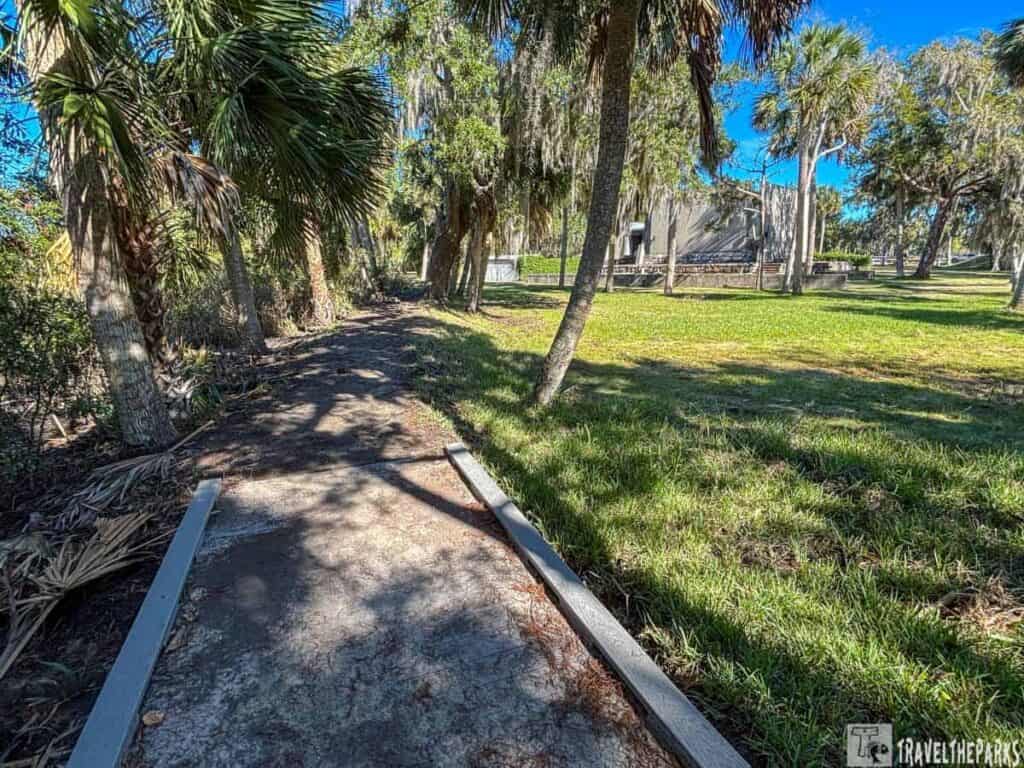
While the park’s rich history is its primary draw, the natural beauty surrounding the fort is just as impressive. We next strolled through 300 years of history along this scenic trail, where each station reveals layers of Spanish, British, American, and Confederate stories. Here’s what to see at each stop:
PRO Tip: Visit in winter—fewer bugs, cooler temps, and golden light perfect for photos of the old coquina walls.
Station 1: Spanish Moat
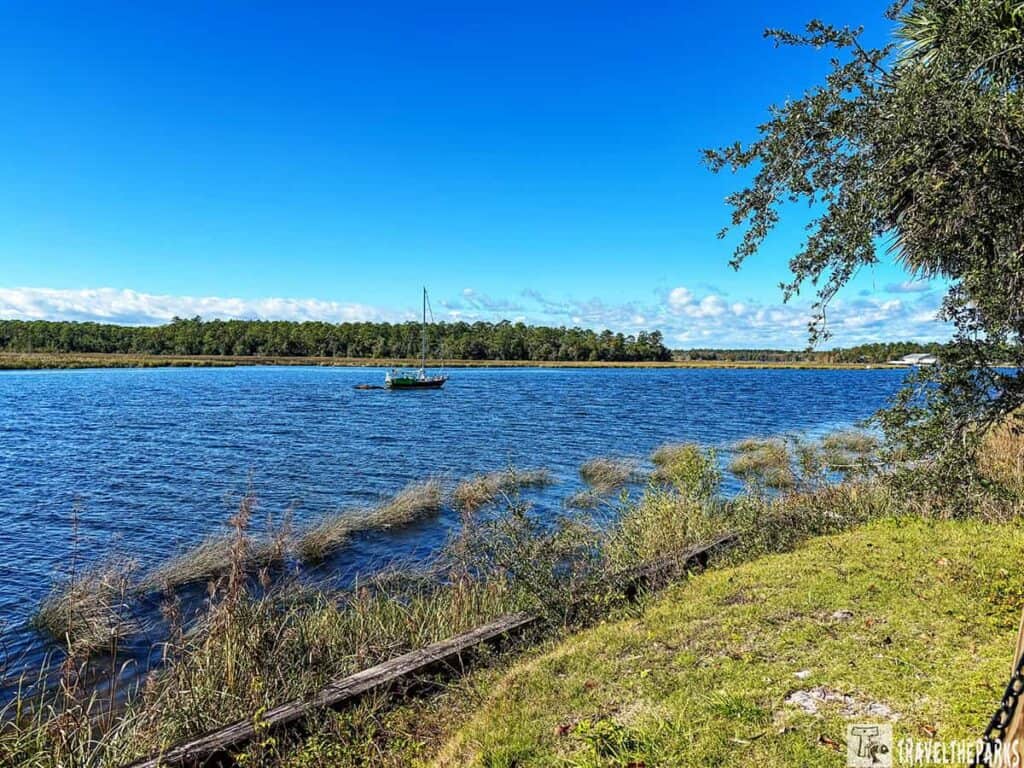
The remains of a 17th-century defensive trench, dug by the Spanish. This deep ditch connected the Wakulla and St. Marks rivers and protected the original wooden fort from pirates and rival forces. The moat became filled in when the fort was under Confederate control. Later, erosion filled it completely. Today we could see the subtle depressions in the earth. Although nature has softened the edges. However, the strategic purpose was still clear.
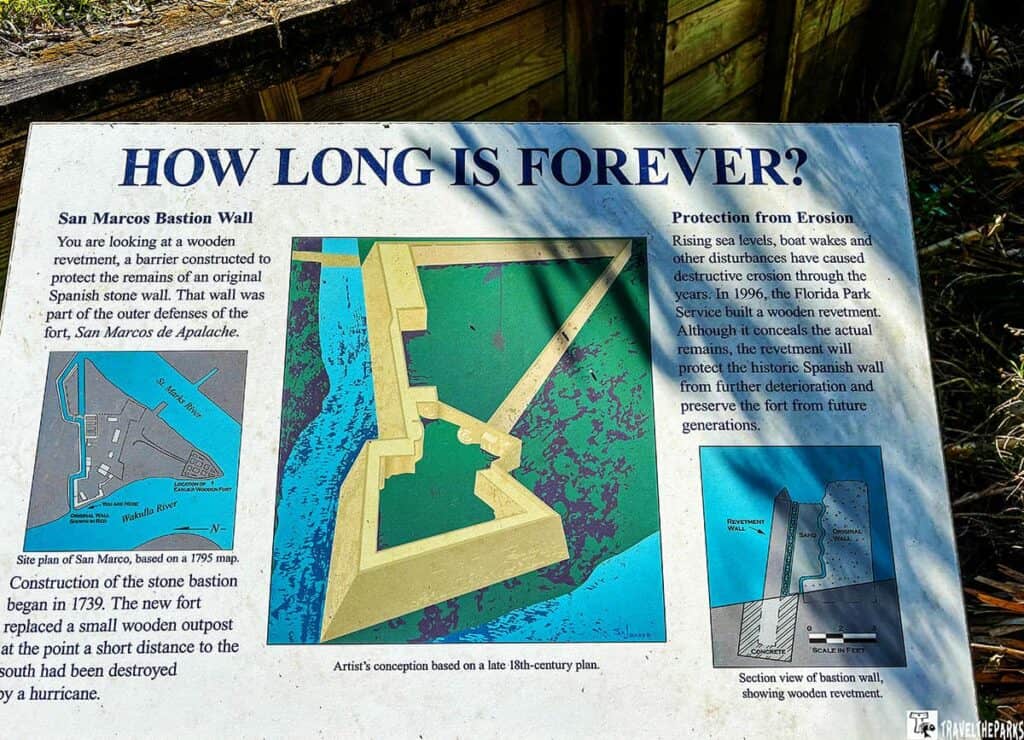
Station 2: Bastion Wall
At Station 2, we encounter the Bastion Wall, a crucial part of the fort’s fortifications during its Spanish and British occupations. What we saw was a surviving corner of the coquina stone bastion (angled defensive wall) from the 1739 Spanish fort. Interestingly, the sturdy, shell-filled limestone blocks—same material used in St. Augustine’s Castillo de San Marcos and Fort Matanzas National Monument.
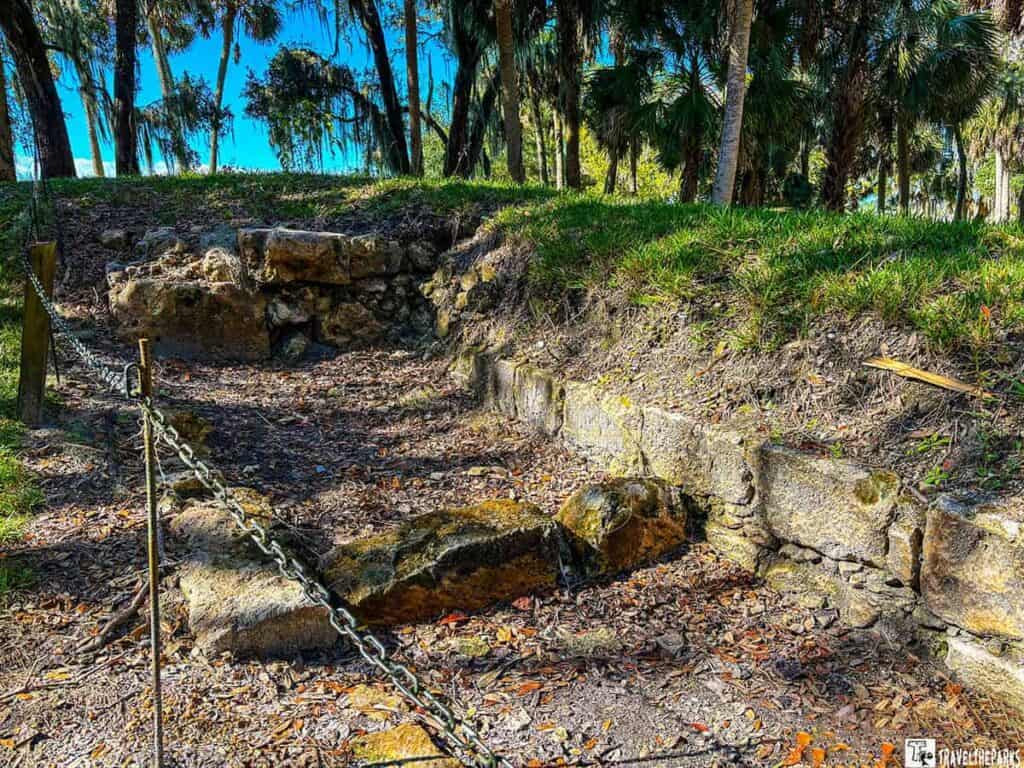
Station 3: Fuerte San Marcos de Apalache Wall
Moving forward, Station 3 brings you to the Fuerte San Marcos de Apalache Wall, a later defensive structure that marked a critical period of transition from Spanish to British control. Here, we found low, vaulted rooms preserved from the past. The chiseled stone of the north wall still bears mortar lines and erosion patterns, hinting at where cannons might once have been mounted.

Station 4: Spanish Bombproof
We could see the stone foundations that date back to the 1750s. These were part of a Spanish bombproof structure. It was built with four vaulted rooms and heavy doors designed to shield troops and supplies during enemy attacks. Covered with a flat roof, which had a dual purpose. It served as a firing platform for soldiers defending the fort’s northern edge. Later, around 1857, limestone from these original walls was repurposed to help build the Marine Hospital and the nearby St. Marks Lighthouse.
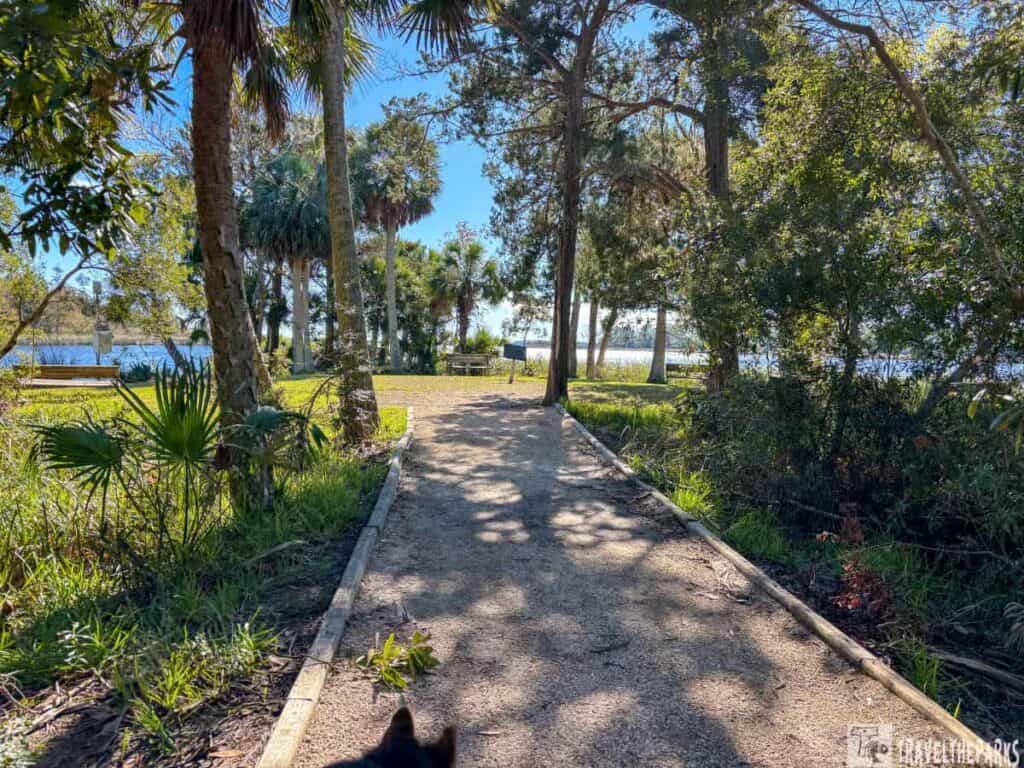
Station 5: Early Forts
Station 5 highlights Luther Tucker Point. This is where the earliest forts were built at San Marcos de Apalache. The Spanish first constructed wooden defenses here in the late 1600s, with markers now outlining the footprint of those early 1680s structures. But while the location was strategic, it had its problems. The frequent flooding made it more dangerous than expected—so much so that in 1478, a hurricane swept through, tragically drowning 40 men.
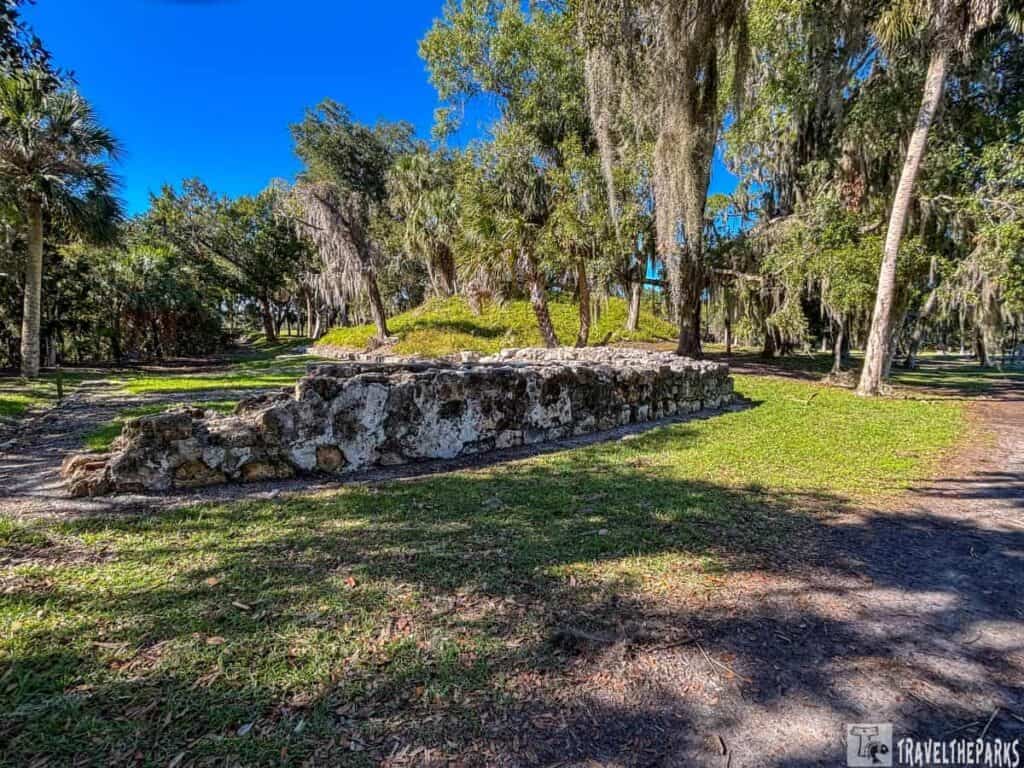
Station 6: Confederate Gun Position
As we continued along the trail, Station 6 led to the site of a Confederate artillery position from the Civil War. Mounted atop the old Spanish bombproof, this emplacement allowed Southern forces to aim cannons downriver in defense against Union naval attacks. Just behind this position stood Fort Ward, strategically located to oversee and control the surrounding waterways. Today, the leveled platform and interpretive signage help tell the story of the fort’s role in the 1865 Battle of Natural Bridge.
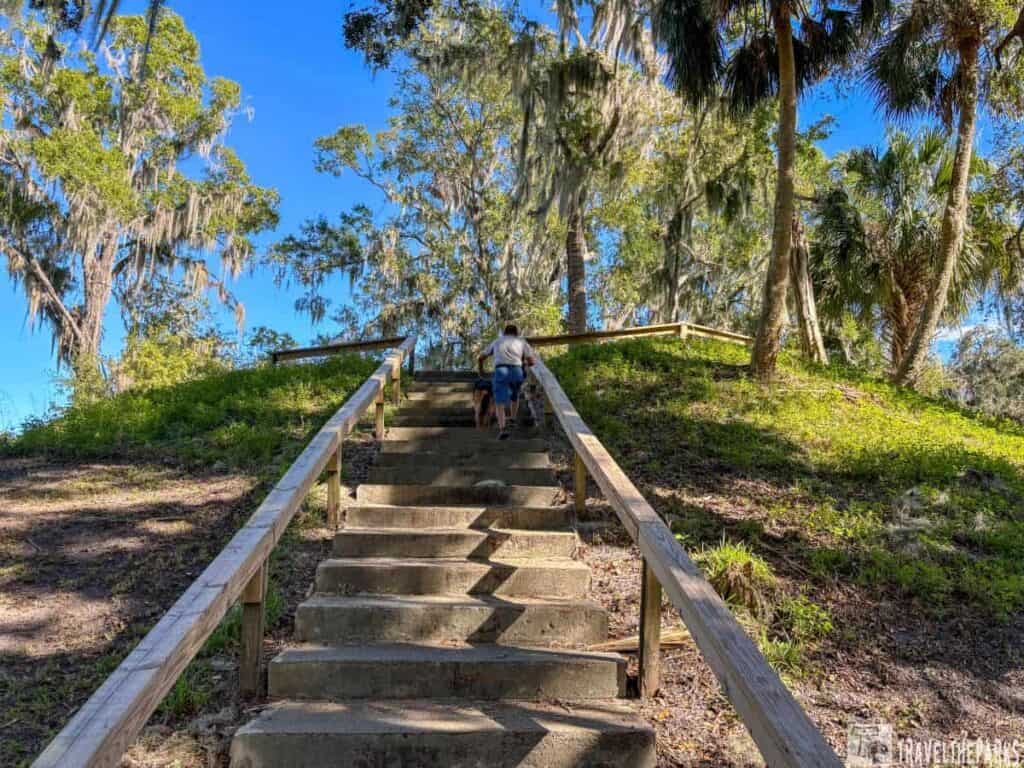
Station 7: Fort Ward Confederate Powder Magazine (1861-1865)
At Station 7, we found the Fort Ward Confederate Powder Magazine, an essential structure for storing gunpowder and munitions during the Civil War. This powder magazine, lined with brick and covered with earth, was part of a larger Confederate fortification. It was designed to keep the highly volatile materials safe from both external attacks and accidental explosions. Built by the Confederacy in 1861—it is one of the best-preserved features on-site. Climbing to the top of the platform gives a commanding view of the entire historic site.
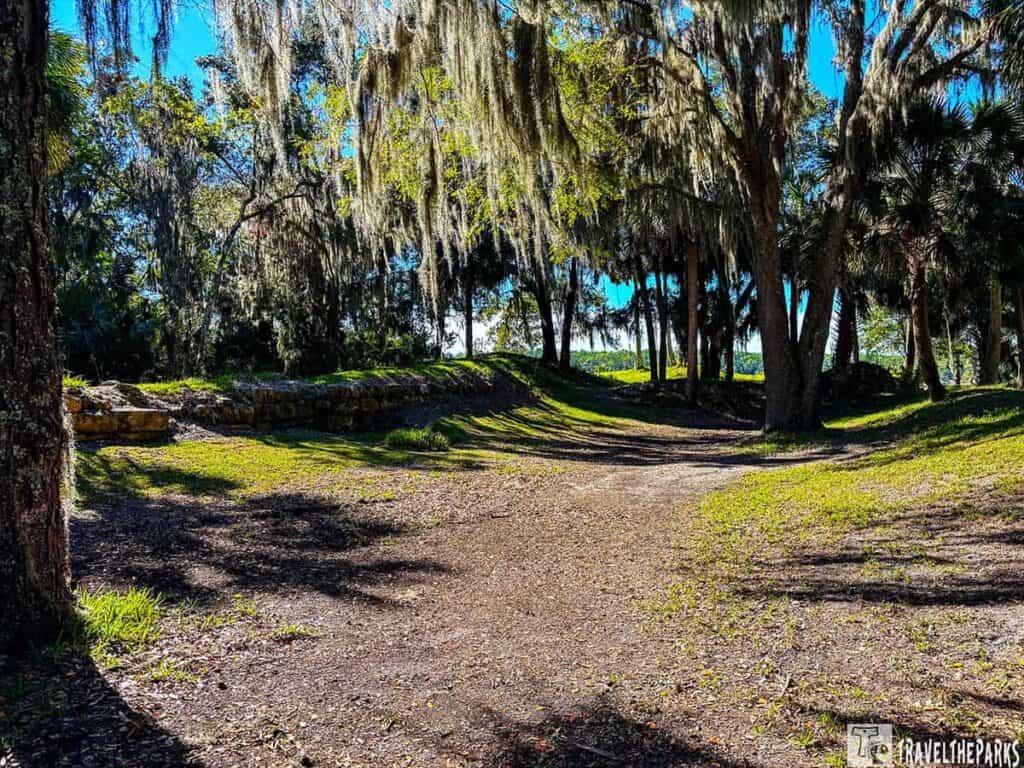
Station 8: Confederate Earthworks (1861-1865)
At Station 8, we could see the Confederate earthworks. These were built during the Civil War to protect this important area. These fortifications were built using compacted soil and wood. They featured trenches and barriers that provided soldiers with protection and a solid place to defend themselves. Even today we could still see the raised piles of dirt, built quickly by Confederate soldiers, showing how urgent their work was. The zigzag shape of the trenches shows a common military design used during that period.
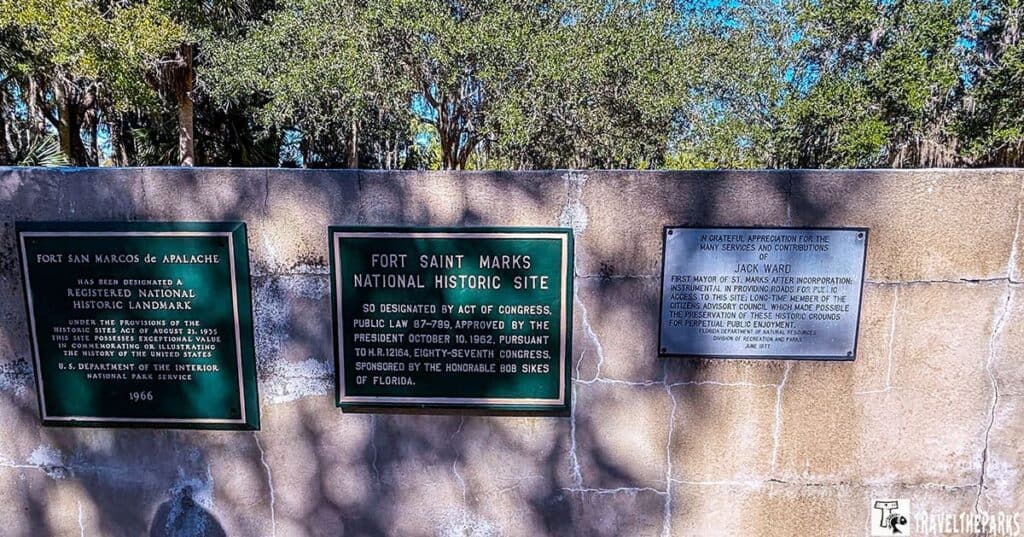
Station 9: Marine Hospital and Museum
As you keep walking along the trail, Station 9 takes you back to the Marine Hospital and Museum completing the loop. This station highlights the area’s importance in Florida’s maritime history. The hospital was built to take care of sailors and soldiers who were based at the fort, helping those who were part of the ongoing fights in Florida. The museum provides a close look at the medical practices from that time and shares the larger story of the fort and its importance in defending Florida.
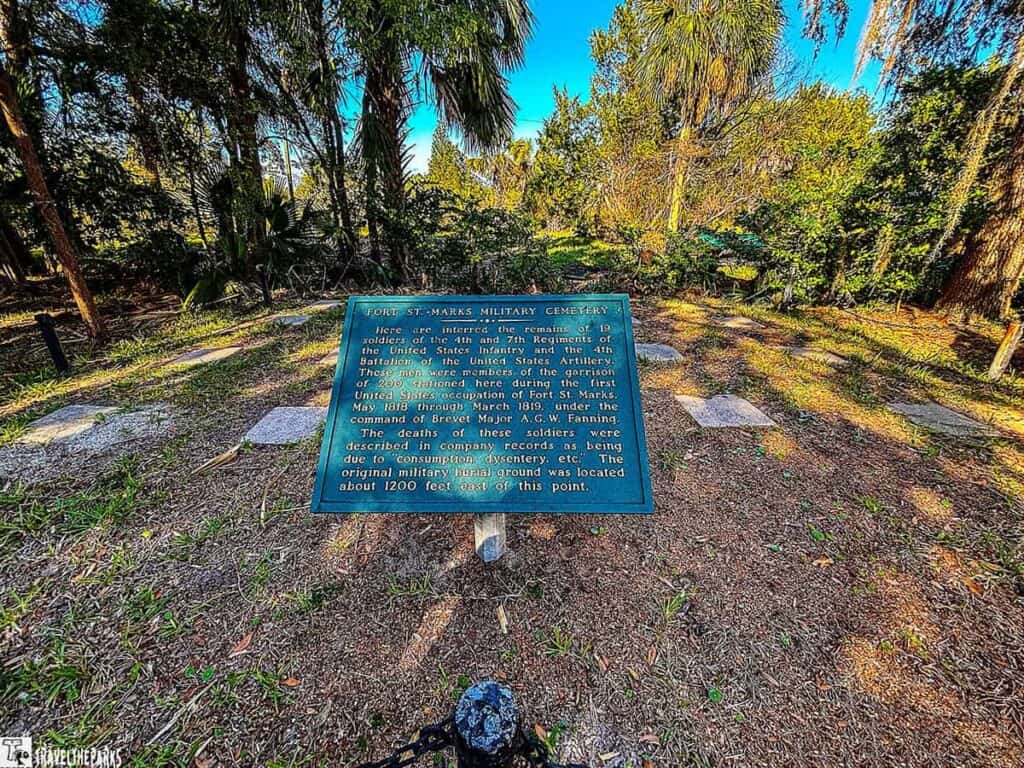
Station 10: American Cemetery
The last stop, Station 10, is the American Cemetery, a quiet place. It gently reminds us of the lives lost during the turbulent times that shaped this fort’s long history. In 1818, after Andrew Jackson’s troops took control of the site. However, illness—not battle—claimed the lives of many soldiers. They were first buried nearby; their final resting place was eventually lost to time. Yet history often finds a way to return—when the old cemetery was rediscovered, their remains were reburied within the fort’s grounds. As the trail ends, it offers a moment to pause and reflect.
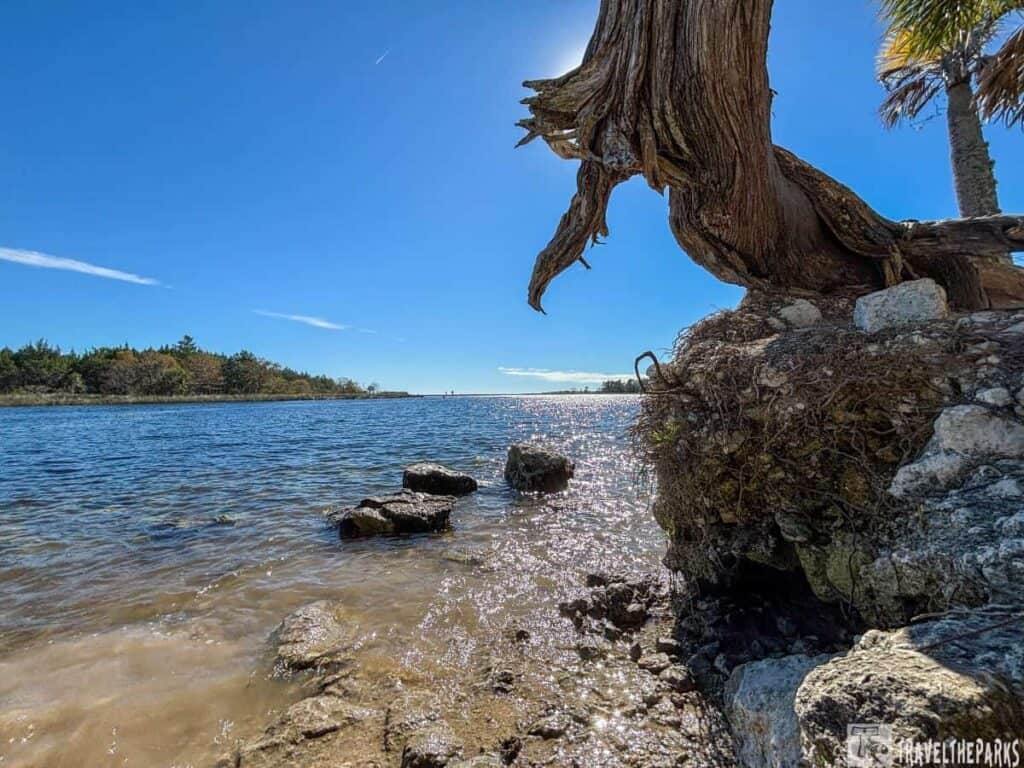
3. Outdoor Adventures Beyond the Fort: Exploring San Marcos de Apalache
- Paddle the Rivers: Grab your kayak, canoe, or paddleboard and set off on a watery adventure along the St. Marks or Wakulla River. Glide past cypress trees and marshes. If you’re lucky, a manatee or an egret might just join the journey.
- Picnic with a View: After a day of adventuring, unwind with a picnic in the shade. With the wind blowing off the water and birds soaring overhead, even a plain sandwich feels like a banquet.
- Cast a Line or Spot Some Wildlife: Whether you’re angling for dinner or hoping to glimpse an eagle, this is the place. The mix of freshwater and saltwater makes it a fishing hotspot, and nearby St. Marks National Wildlife Refuge is a haven for birdwatchers and critter-spotters alike.
Final Thoughts: Exploring San Marcos de Apalache Historic State Park
Discovering the Forgotten Coast? If you find yourself in the Tallahassee area or are planning a road trip through northern Florida, don’t miss adding this to your itinerary. It’s an adventure into both Florida’s past and present. Exploring San Marcos de Apalache is one of the least-crowded gems of Florida, making it an ideal stop for those seeking a more laid-back, reflective experience away from the crowds.
Have you explored San Marcos de Apalache? Do you have your own favorite forgotten Florida gem? Drop it in the comments—we’re always hunting for the next time-warp adventure!