If you’ve ever wanted to camp somewhere that makes you feel you’ve parked your RV on the pages of a history book, then Kolomoki Mounds State Park in southwest Georgia is the place for you. Sure, the Wi-Fi signal might flicker like a campfire ember, but that’s part of the charm—because here, the stories go back over 1,650 years.
This post may contain affiliate links, meaning if you purchase something through one of these links, we may earn a small commission at no extra cost to you! Read the full disclosure policy here.
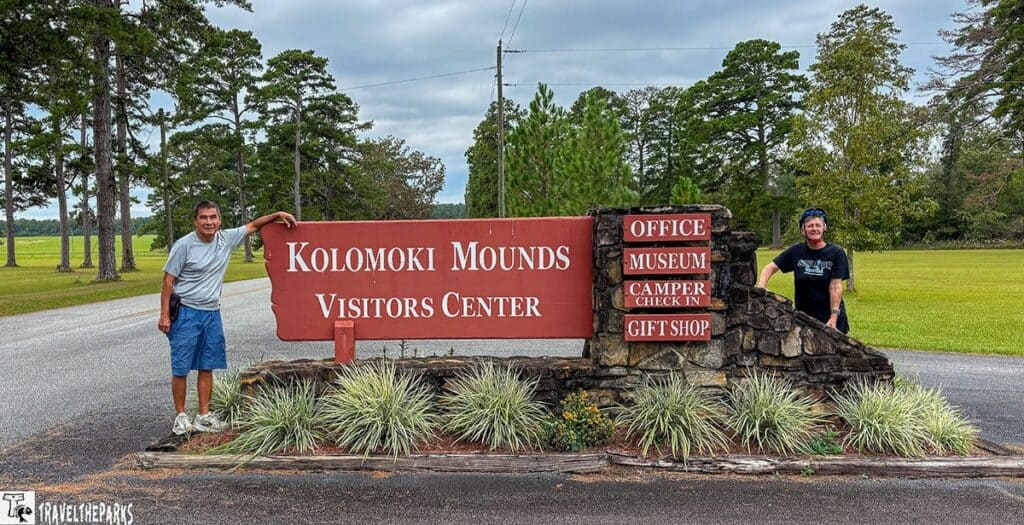
Table of Contents
Finding Kolomoki: The Journey There Is Part of the Adventure
Getting to Kolomoki Mounds State Park feels a bit like traveling through time—one mile marker at a time. Just beyond the small town of Blakely, Georgia, the roads start to trade traffic lights for towering pines and wide-open farmland. You’ll find yourself about 40 miles south of Eufaula, Alabama, and roughly 75 miles southeast of Columbus, Georgia—but honestly, you’ll feel much farther away from the modern world.
As you wind through the countryside, the landscape turns into a patchwork of golden fields of peanuts and whispering woods. By the time you pull into the park, you’ll swear your GPS took you not just off the beaten path, but straight into another century.
What is Important to Know Before Visiting Kolomoki Mounds
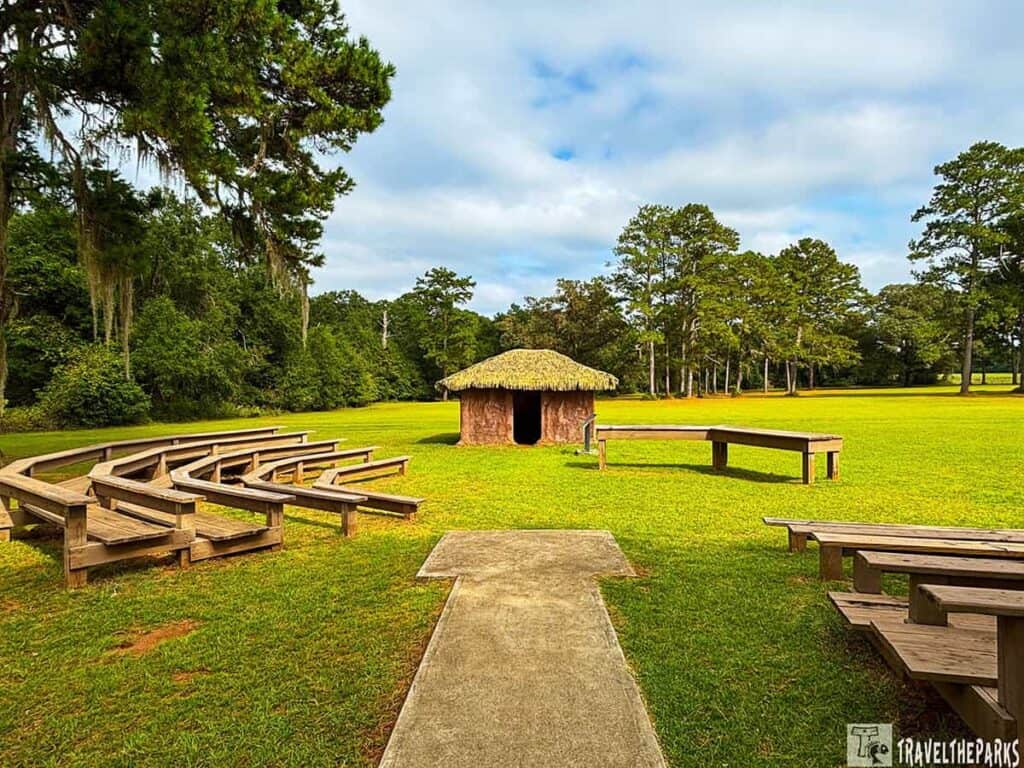
- Entrance Fee: $5 ParkPass per vehicle (valid across GA state parks same day) includes museum access.
- Hours: park open daily from 7 AM–10 PM; mound area closes at sunset. The visitor center and museum are open daily from 8 AM–5 PM.
- Best Time to Visit: Spring & Fall: Ideal for hiking—comfortable temps and fewer bugs. Summer: Hot/humid. Winter: cooler/no crowds, but some facilities may have limited hours.
- Campsites: 25 shaded sites (30-amp, water hookups). Reserve up to 13 months in advance.
- What to Bring: water, snacks, map, camera, sunscreen, bug spray , hat, sturdy shoes, light layers/rain jacket, small backpack, optional binoculars.

History of the Kolomoki Mounds: Georgia’s First Metropolis
Tucked just outside Blakely, Georgia, Kolomoki Mounds State Park is home to the state’s oldest and largest Woodland Indian site. Long before Georgia had peaches, peanuts, or road trip playlists, the Kolomoki people built an entire community here—complete with temples, burial mounds, and plazas that would make any modern city planner jealous.
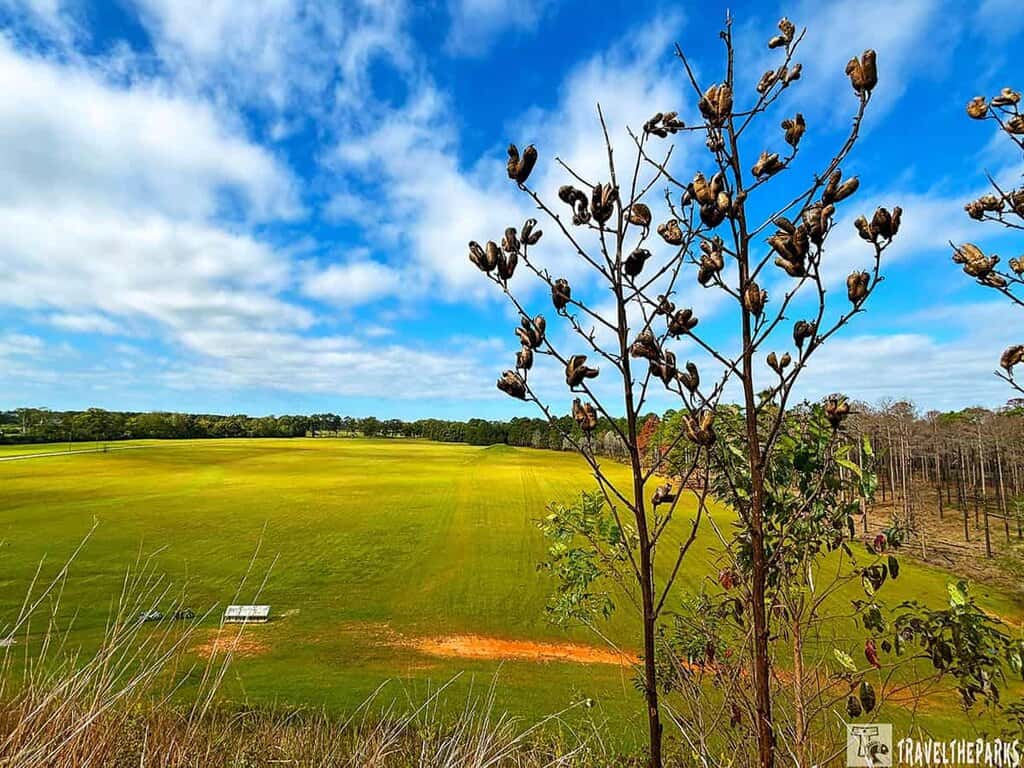
When you first arrive, it’s hard not to be amazed. The park’s main temple mound towers nearly 56 feet high, and yes, you can climb to the top. (It’s a great way to justify those s’mores later.) The view stretches across the park’s serene lake and forested trails—just imagine it centuries ago, bustling with life and ceremonies instead of campers and kayaks.
How Kolomoki Stacks Up: A Mounds Comparison
The Southeast is dotted with these incredible ancient sites, each a chapter in a long and complex story. Think of them as a series of great historical novels. Here’s how Kolomoki fits in:
While its cousins like Poverty Point, Ocmulgee and Etowah often grab the headlines, Kolomoki Mounds is the standout for its accessibility and its quiet, under-appreciated charm. You get all the awe-inspiring history without the crowds, making your exploration feel more like a personal discovery.
| Mound Site | Peak Period | Key Features | Significance |
|---|---|---|---|
| Poverty Point Louisiana | 1700-1100 BCE | Huge, intricate, curved ridges. A true ancient engineering marvel. | One of North America’s oldest and largest earthwork complexes |
| Kolomoki Georgia | 350-750 AD | A large village with a temple and burial mounds. The tallest in Georgia. | A powerful political and religious center during the Woodland period |
| Etowah Georgia | 1000-1550 AD | A major Mississippian chiefdom; Large, mounds with impressive palisades. | its size and fortifications show a complex, highly structured, and sometimes defensive society. |
| Ocmulgee Georgia | 900-1100 AD | A massive site with a unique underground Earthlodge. | Shows over 17,000 years of continuous human habitation, representing every major cultural period in the Southeast. |
Camping at Kolomoki Mounds State Park was quite the learning experience. The mounds here are the oldest and largest Woodland Period mound complex in the Southeast that predates the Mississippian sites at Etowah and Ocmulgee. While later Mississippian sites such as Etowah or Poverty Point emphasized elite rulers, fortified cities, and social hierarchies, Kolomoki tells a different story. It’s one rooted in ceremonial life, burial traditions, and the slower rhythm of early Woodland culture. Kolomoki represents a pivotal moment in Native American history, a cultural crossroads between small bands of hunter-gatherers and the rise of large, complex societies.
Things to Do at Kolomoki Mounds
Do not think of the park trail map as a simple guide, but rather as your own personal time machine map leading to the past. Taking the self-guided tour is a great way to go at your own pace and let your creativity flow. Here is a preview of the ancient “neighborhood” you will be strolling through:
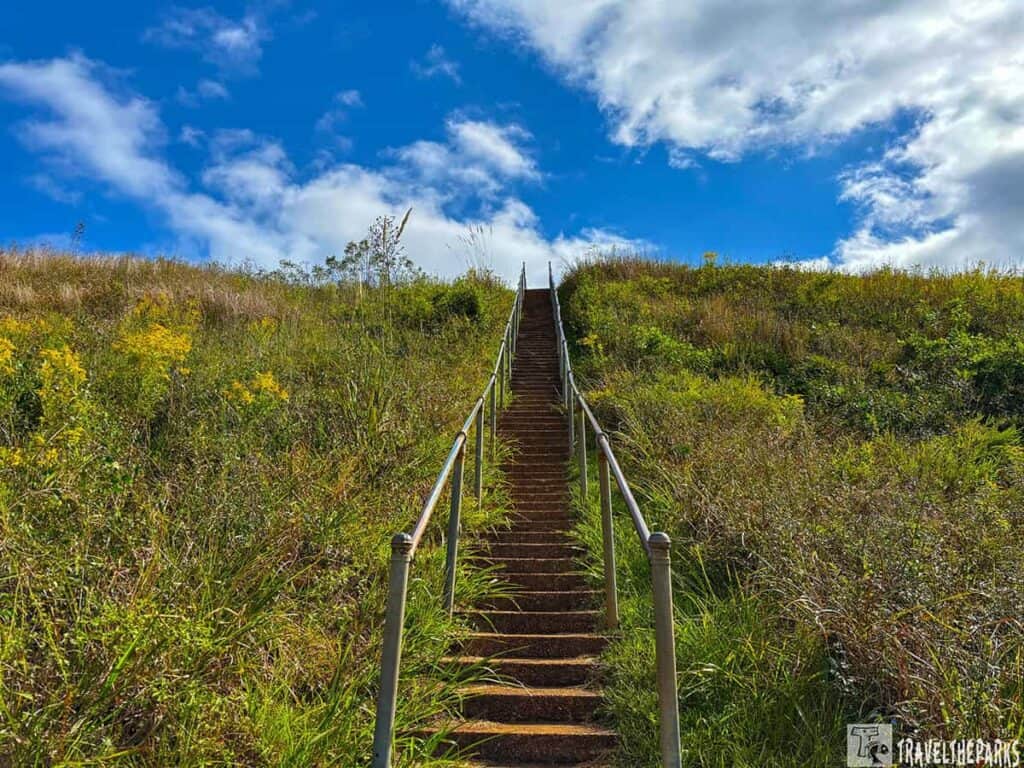
1. Explore on a self-guided tour of the ancient mounds
There’s something magical about walking among ancient earthworks, knowing that centuries ago people gathered here for ceremonies and community. It’s humbling—and it puts modern “traffic jams” and “email inboxes” into perspective. When you explore the park, take your time. Read the signs.
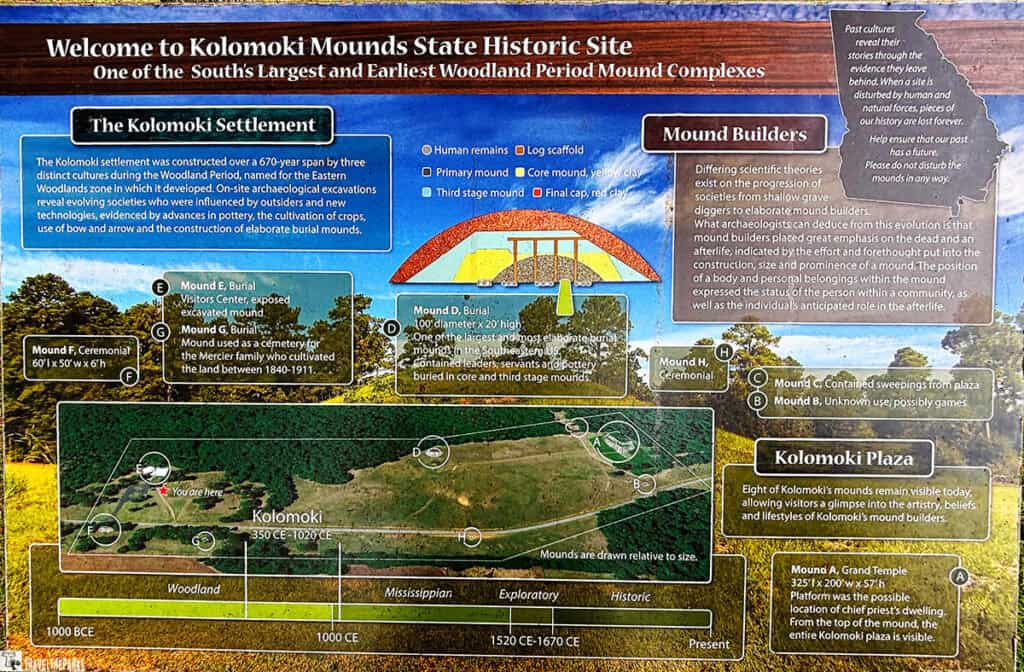
Mound A: The Great Temple Mound
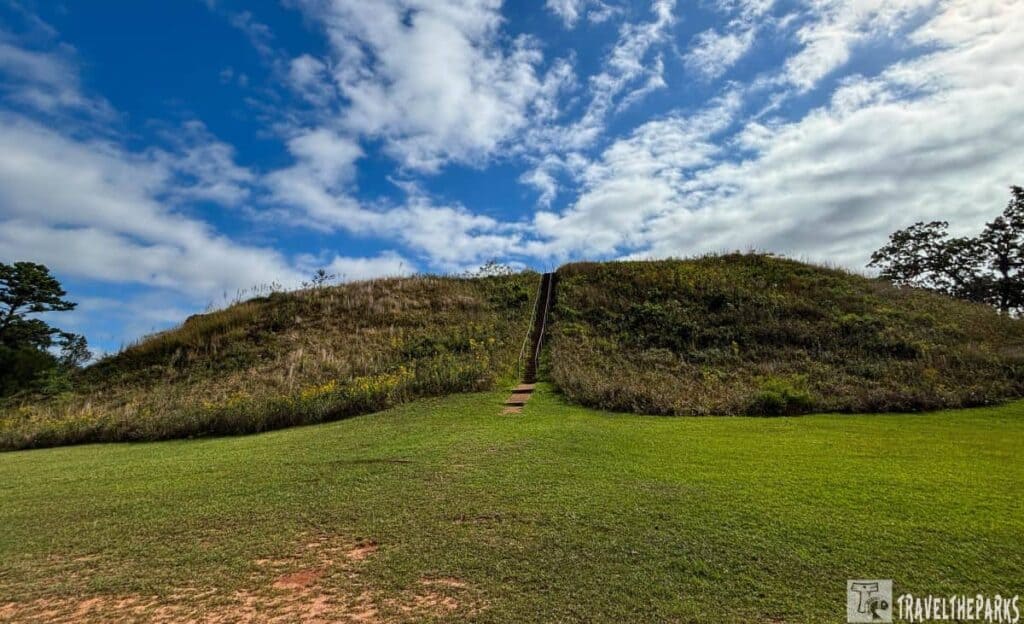
Now here’s the showstopper—the Great Temple Mound. Rising 56 feet above the central plaza, it’s the tallest and most impressive of them all. Thankfully, today’s visitors get a handy set of concrete steps to make the climb—no hauling dirt baskets required.
At the top, you’ll find a broad, flat surface stretching roughly 325 by 200 feet. Pause for a moment to imagine it: archaeologists estimate it took more than two million baskets of earth to build. That’s dedication… or maybe the original version of unpaid overtime.
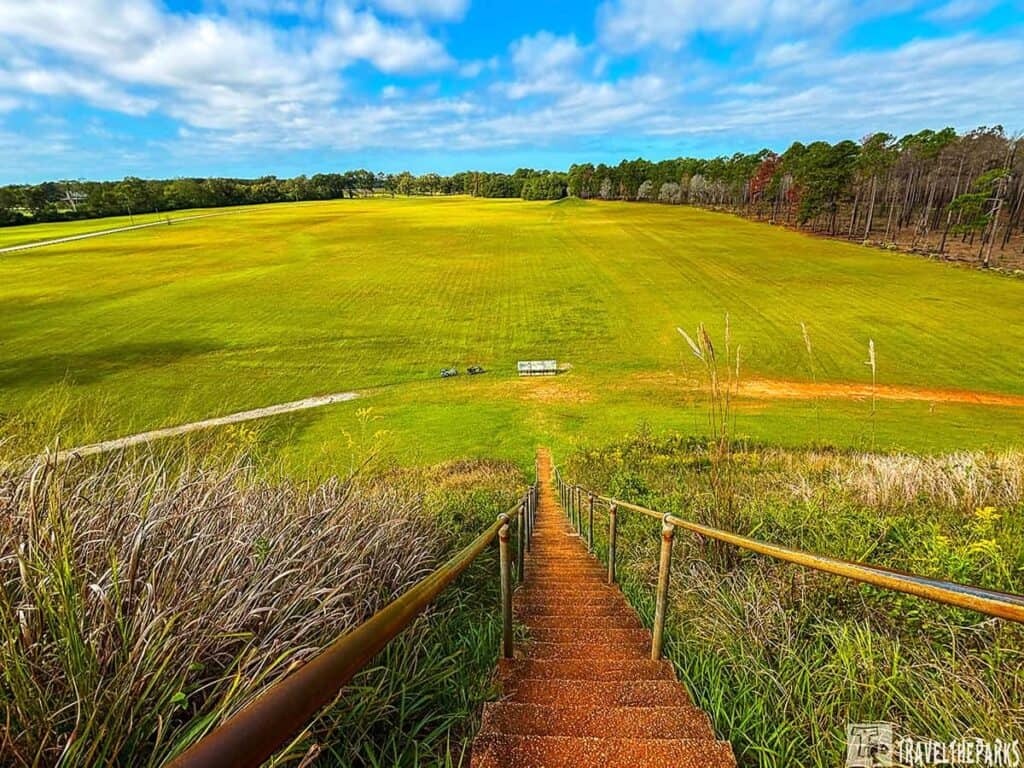
Experts think tribal priests once made their homes up here, overseeing ceremonies and daily life below. So go ahead—take in that sweeping view in every direction. It’s the ultimate king-of-the-hill perch, only this one came with sacred duties instead of squabbling kids and bragging rights.
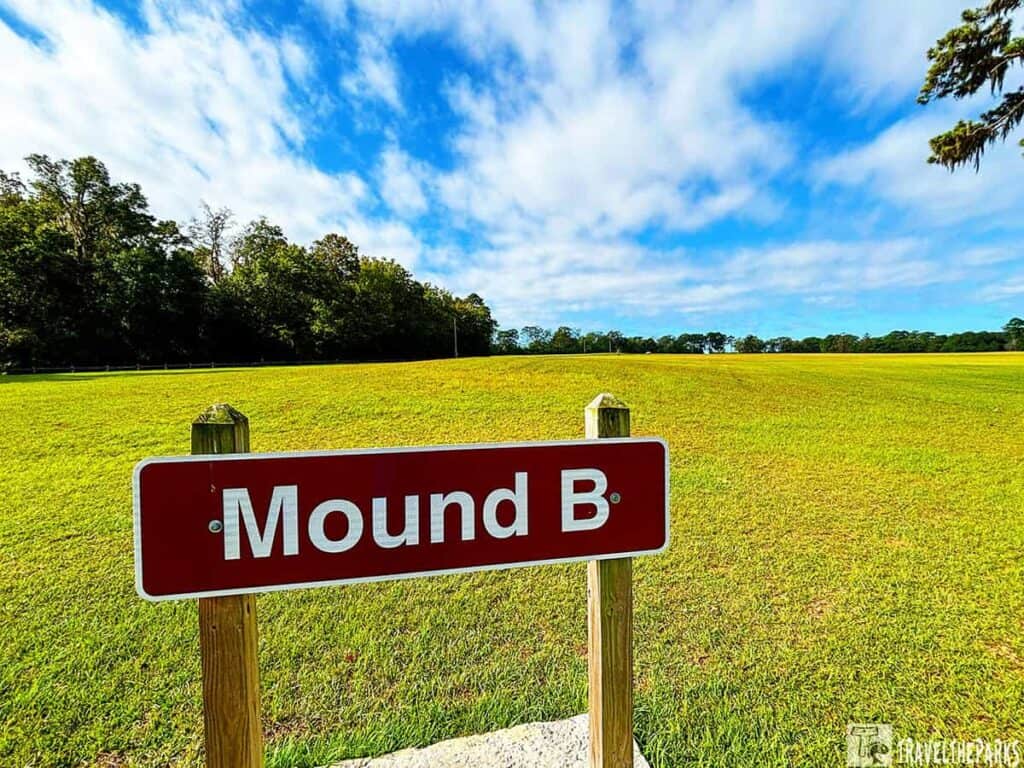
Mound B: Kolomoki’s First Sports Arena
Mound B indicates that the Kolomoki had their own traditional pastimes. It is not a burial or temple mound, but something much more vibrant. Archaeologists discovered that here, a number of huge wooden posts were put up, which strongly indicates that it was a place for games.
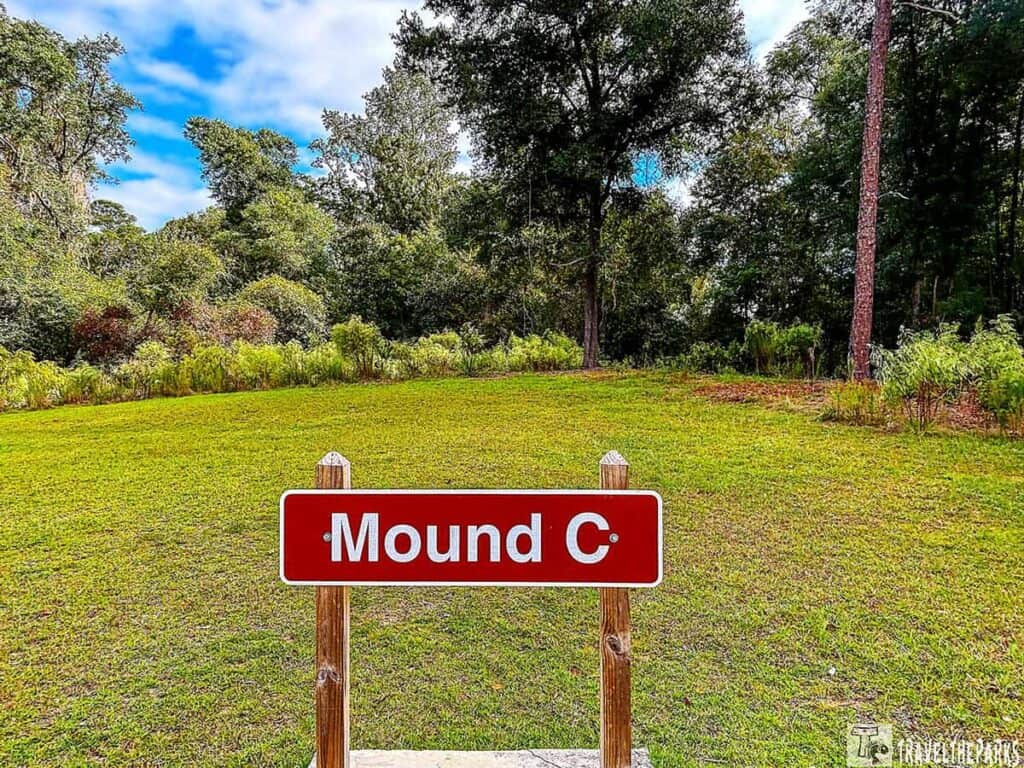
Mound C: The Mystery Mound
Just a short way further up on our hike, onto the White Oak Trail, we passed by Mound C. The purpose of this small mound is not known, which is your official invitation to play archaeologist for the day. Was it a platform for an important home? A marker for the stars? We let our imaginations fill in the blanks as we wandered toward the next mound.
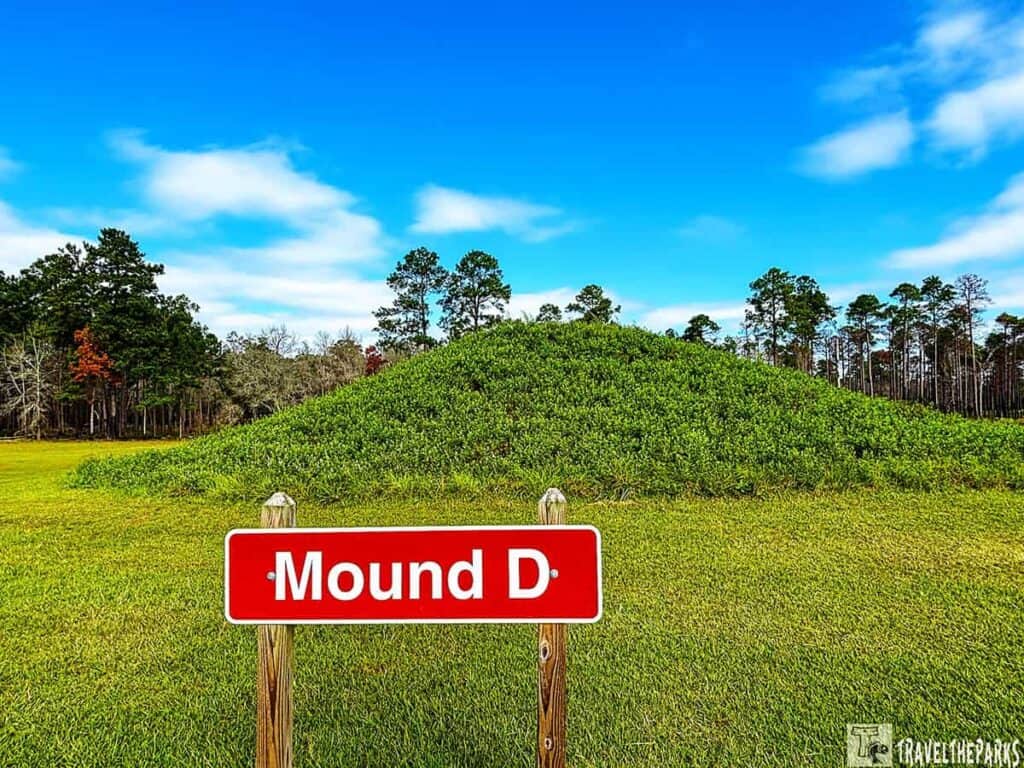
Mound D – The Burial Mound
After descending the Temple Mound, walk across the grand plaza to Mound D. Though it’s a smaller 20 feet high, this cone-shaped mound is one of the largest and oldest burial mounds in the entire Southeast. While it may look like a simple hill today, this was a sacred burial mound where archaeologists have carefully documented the remains of 77 burials. It is also a geographic marvel; geometrically speaking, it forms the exact center of the entire mound complex. It is a quiet, powerful, and humbling place that underlines the spiritual sophistication of the Kolomoki people.
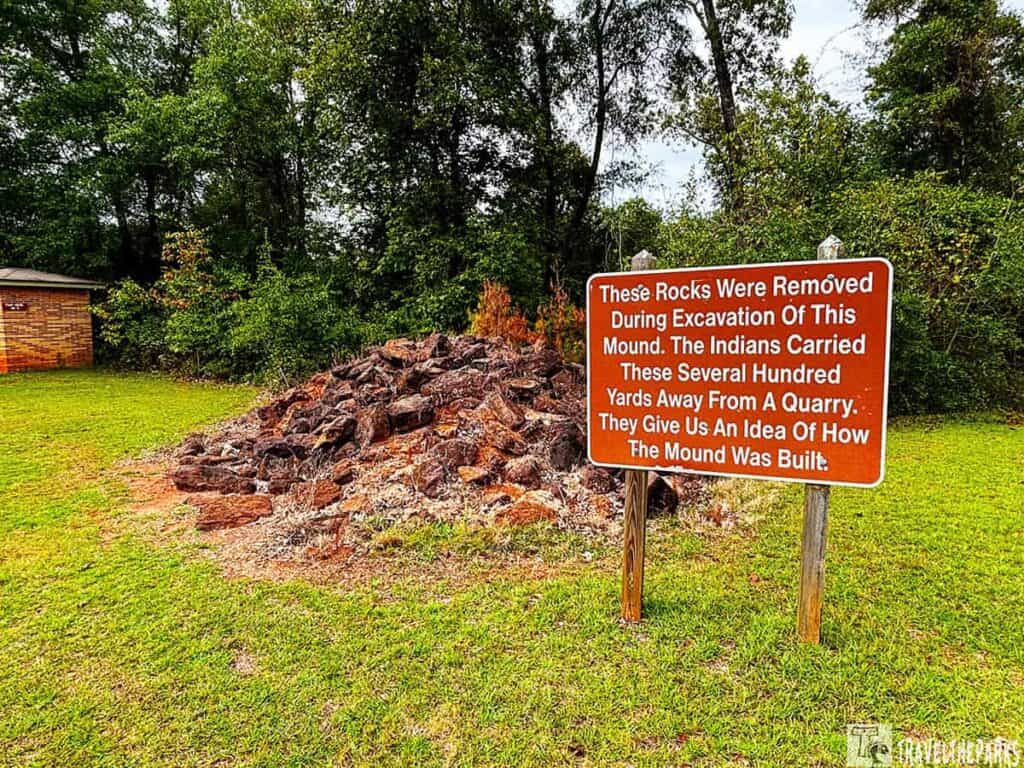
Mound E: Where the Past is Built Upon
For a direct link to the ancient world, look no further than the visitor center itself, which is constructed on top of Mound E. This was a burial site for four people, and radiocarbon dating reveals it was built around 170 BC. This unique setup allows you to explore exhibits while standing on a sacred site that has witnessed over 2,000 years of history.
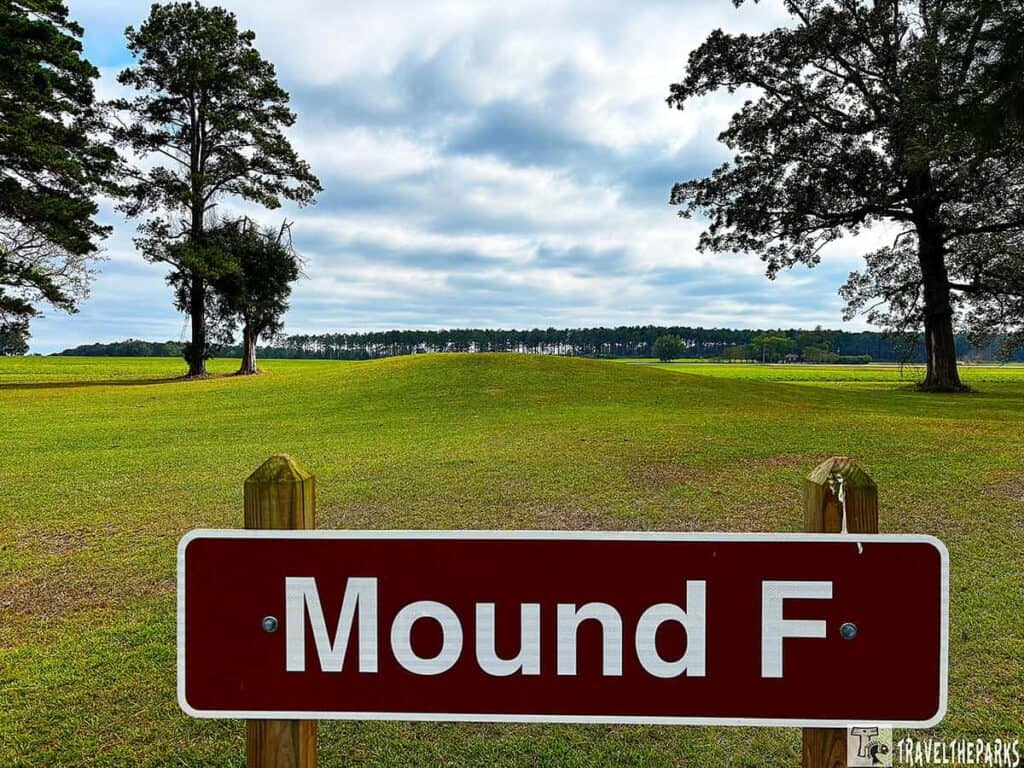
Mound F: The Puzzling Platform
This oval mound can be described as a gentle giant—its dimensions are 60 feet long, 50 feet wide, and six feet high. What makes it stand out is the neat, white clay platform, 30 feet across, concealed inside. The local artifact collection is enigmatically minimal, comprising only a few pieces of broken pottery, the majority being from the Weeden Island period. One might say that it was intentionally done by the constructors as if they had thoroughly cleaned after their work, thus leaving a stunning, vacant stage and a 2,000-year-old mystery.
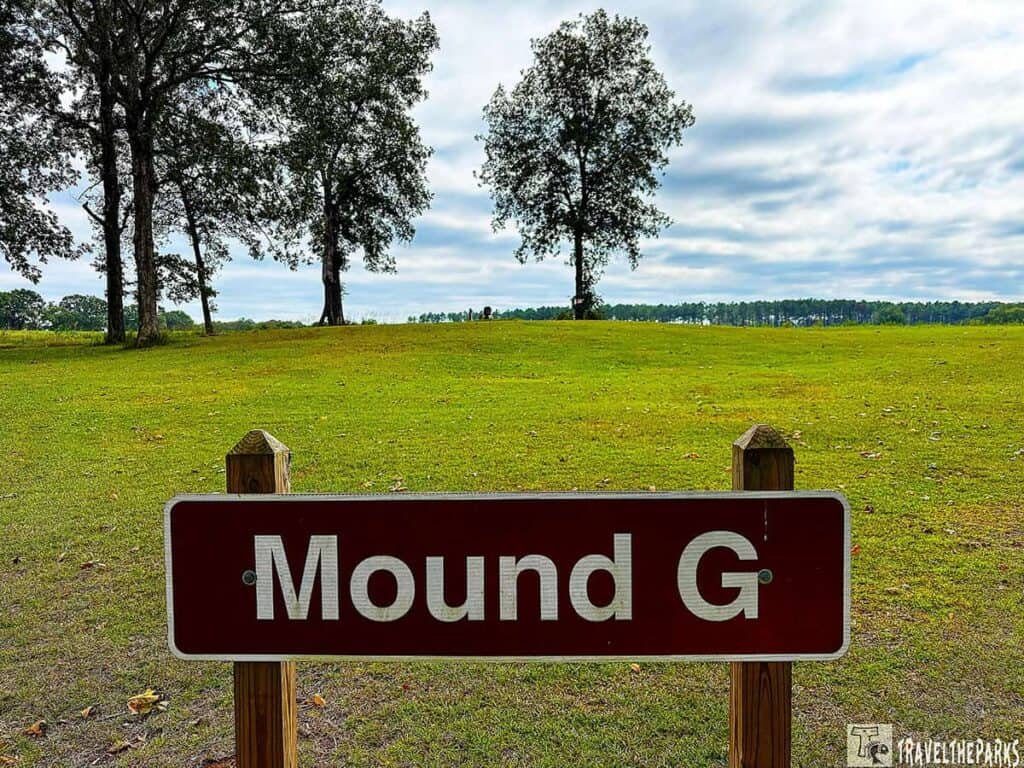
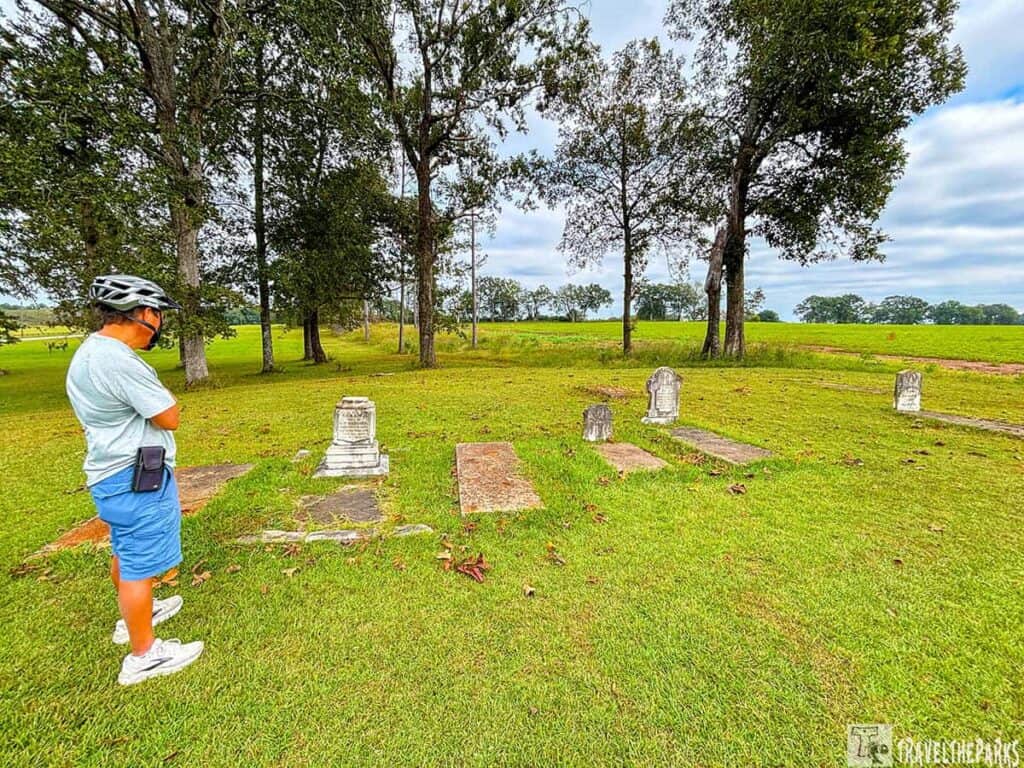
Mound G: Ancient Earthwork or Natural Accident?
After that, we have the puzzling case of Mound G, the Mercier Family Mound. Right next to the park, on the grounds of a long-gone plantation, this tiny hill was the Mercier family’s burial place. Without any excavation done there, it is the one that guards the secret closely: is it an ancient fabricated mound of the Kolomoki people, or has it been simply a part of nature all along?
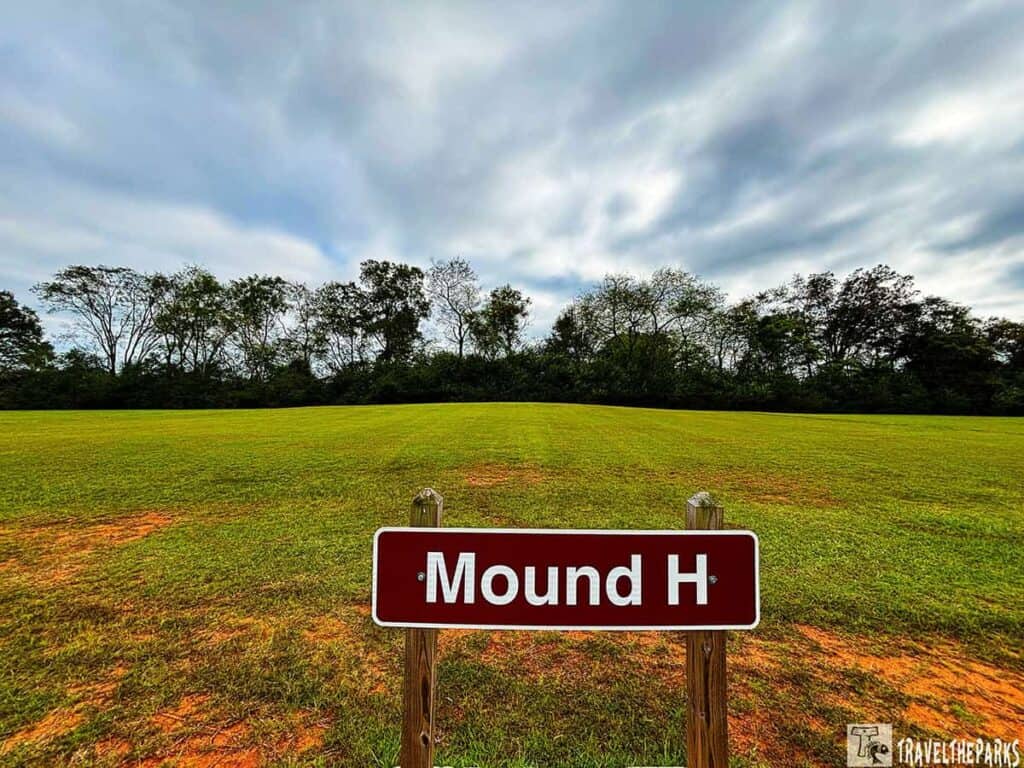
Mound H: A Leader’s Final Send-Off
This little mound can be the story of something big. Archaeologist Dr. William H. Sears thought that this was a place where they performed their burial rituals, and it was the burial of the leader they buried in Mound D that was the most important. When the mound was no longer needed, it was ritualistically “closed” with a layer of red clay. A small, three-foot-high yellow clay platform inside the mound is still there, and it is a silent, untouched witness to the past’s sacred rituals.
Pro-Tip for Your Tour: Wear good shoes, bring water, and don’t rush. The magic of Kolomoki Mounds isn’t just in seeing the mounds, but in feeling them. It’s a history lesson you get to walk through with no pop quiz at the end, just the profound sense of having connected with a story thousands of years in the making.
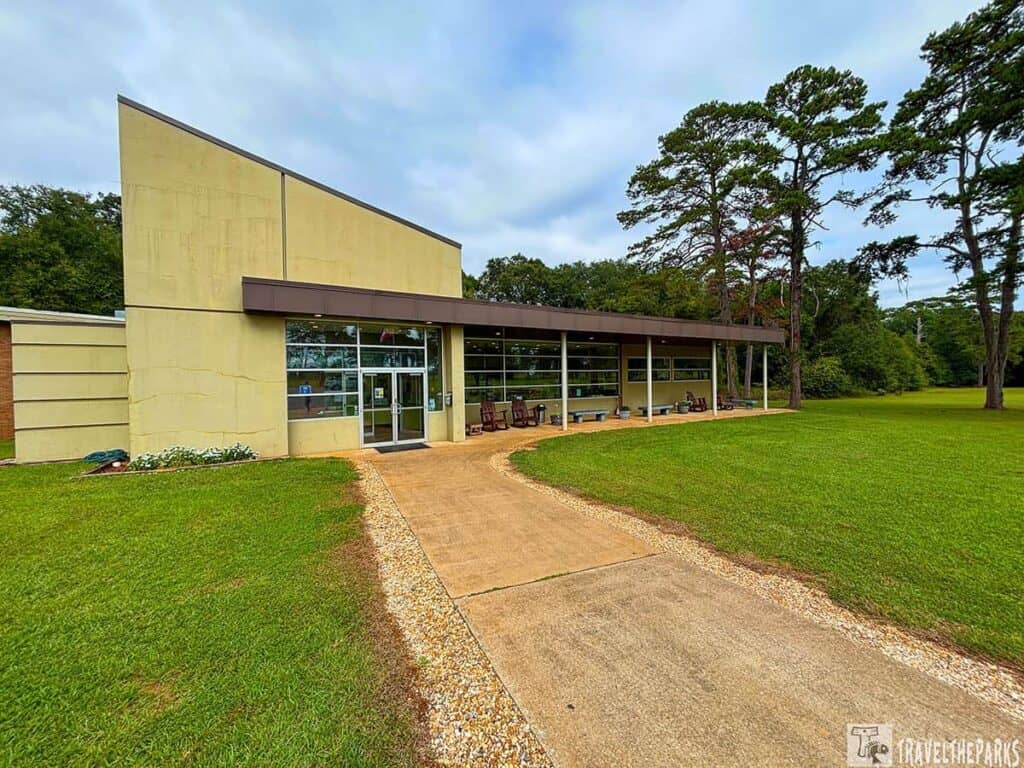
2. Visit the Kolomoki Mounds Museum
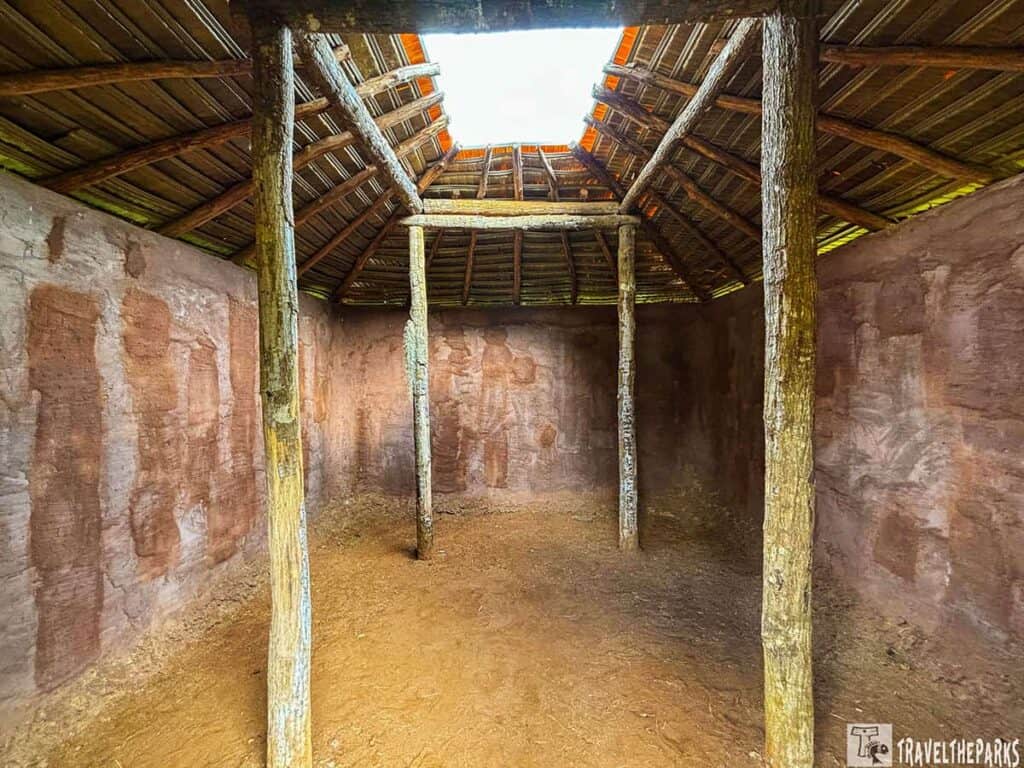
The on-site museum visitor center at Kolomoki Mounds offers a fascinating look at the people who built these ancient earthworks—though some artifacts are currently off display for repatriation. The museum, built into one of the mounds itself, usually showcases pottery, tools, and ceremonial objects, along with a short film explaining the history of the mounds and the Woodland Indian culture that once thrived here. Kids and adults alike love the model village displays—it’s like peeking into ancient Georgia life without needing a time machine. Even with some artifacts temporarily unavailable, the museum still provides a vivid, hands-on connection to the past.
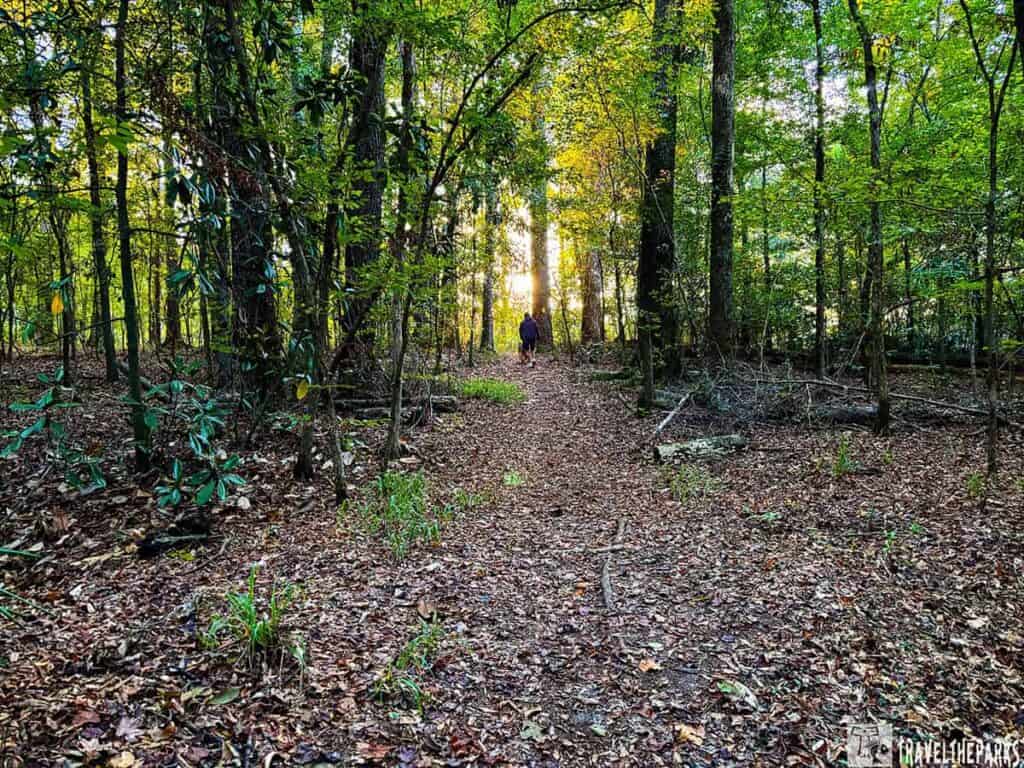
3. Hike the Scenic Trails of Kolomoki Mounds
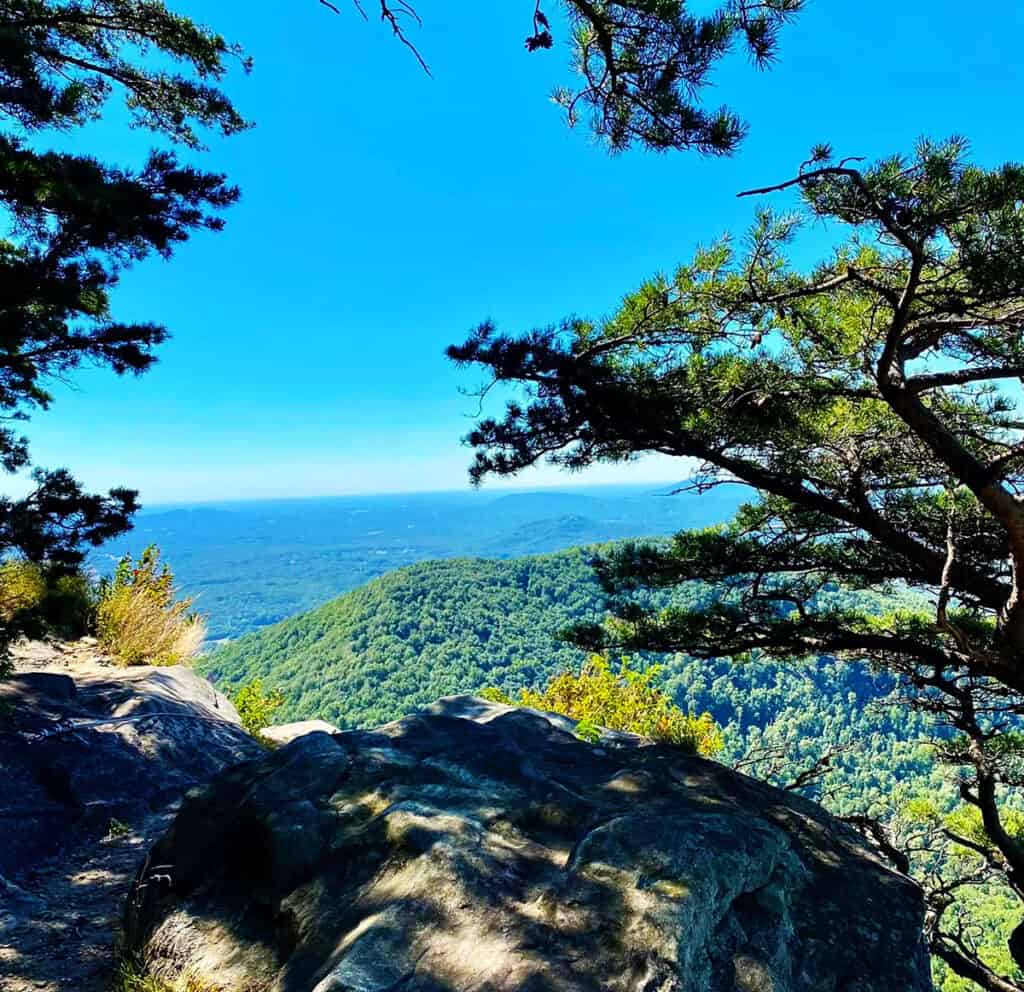
The park has several easy-to-moderate trails that wind through pine forests, past mounds, and around the lake. The Trillium Trail and the Spruce Pine Trail are must-dos if you want the best views and a touch of mystery. A trail map is available at the visitor center.
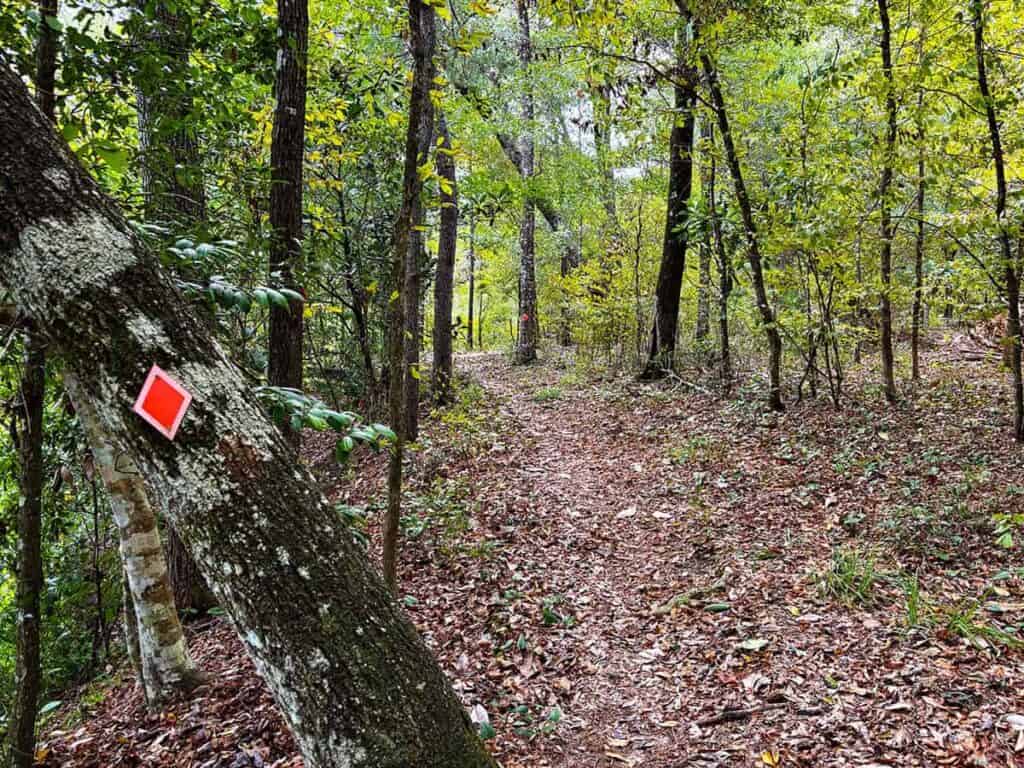
Trillium Trail (~1.25 miles, loop)
An easy, forested trail with gentle ups and downs, Trillium Trail passes spring-fed streams, upland hardwoods, and moist slopes. Keep an eye out for deer, woodpeckers, and native plants like magnolias and sassafras. A nature guide with 15 different stops explains the flora and fauna.
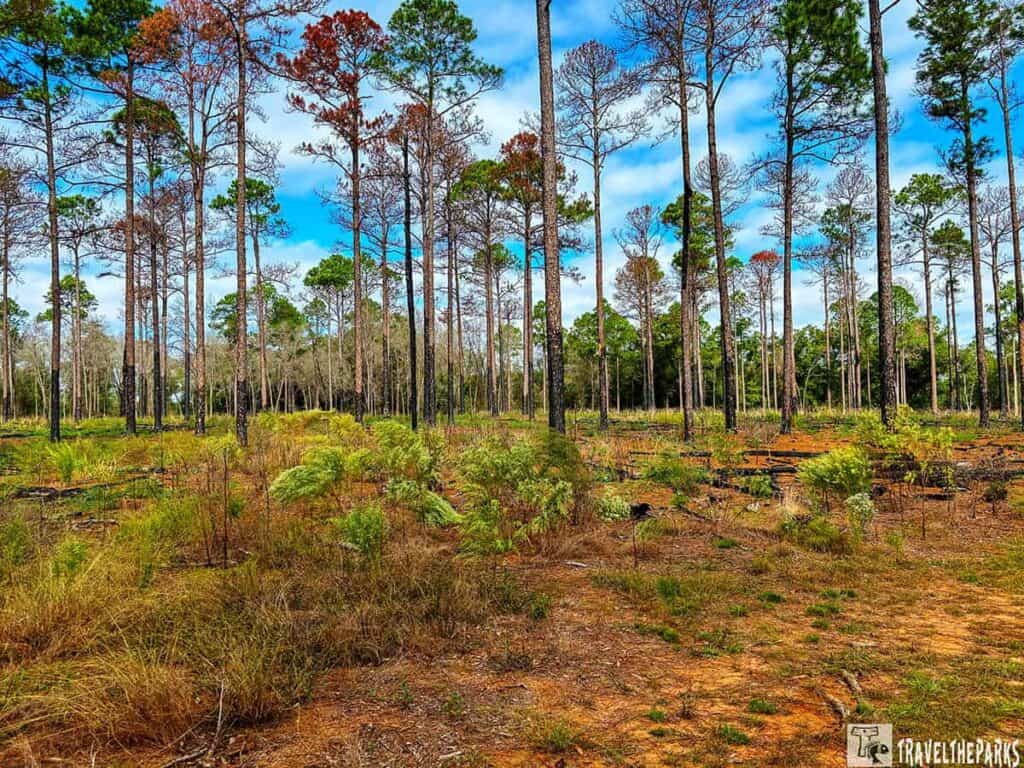
White Oak Trail (~1.5 miles, loop)
This trail loops around the mounds themselves, taking you past Mounds A, B, and C. A short climb up Temple Mound (Mound A) rewards you with a sweeping view of the park and surrounding forest—a perfect spot for photos.
Spruce Pine Trail (~2.5 miles, loop)
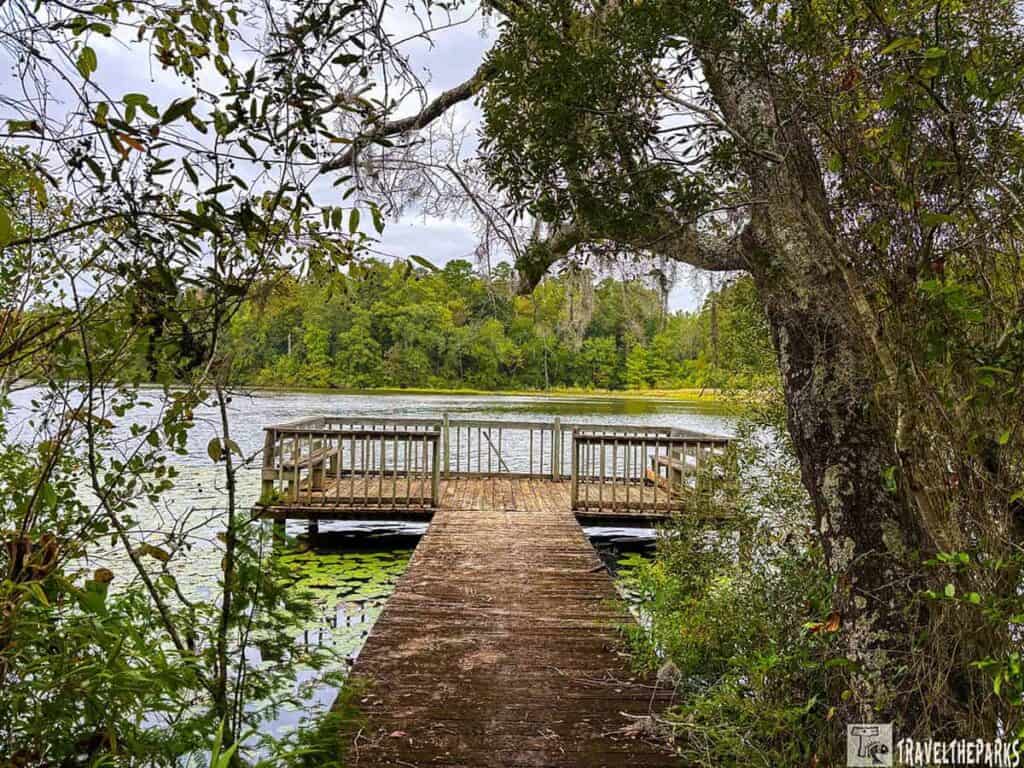
Don’t skip the Spruce Pine Trail. It’s the longest in the park at just over five miles out and back, and it’s our personal favorite. The trail leads to Lake Kolomoki, with footbridges, birding platforms, and plenty of native trees along the way. Go in spring if you can—the wild azaleas are blooming, and early birds (literally) might spot turkeys, quail, or even a bobcat. We pieced together a route using the campground trail and the Trillium Trail loop to make a full day of it. Highly recommend.
4. Fishing & Boating on Kolomoki Lake
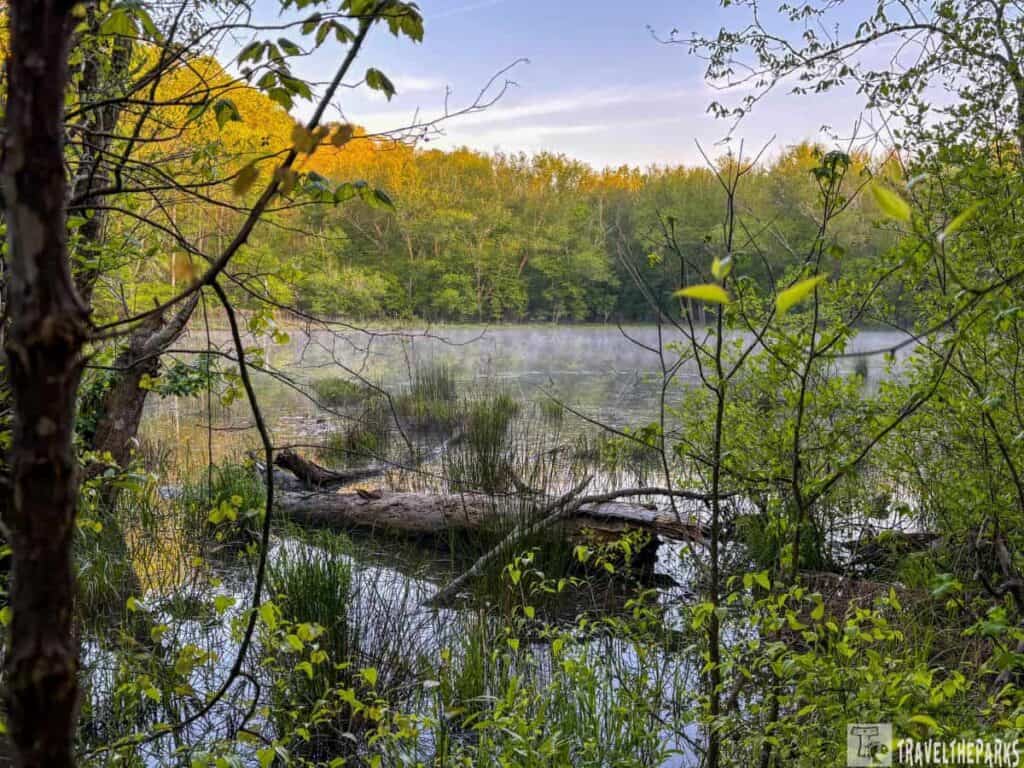
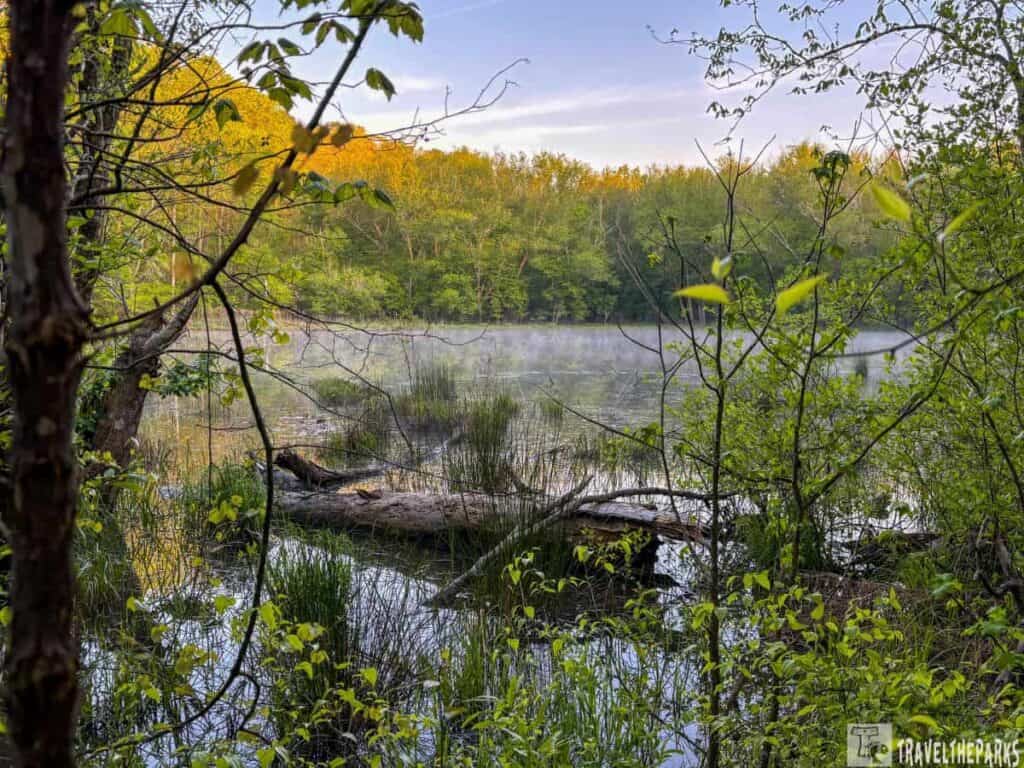
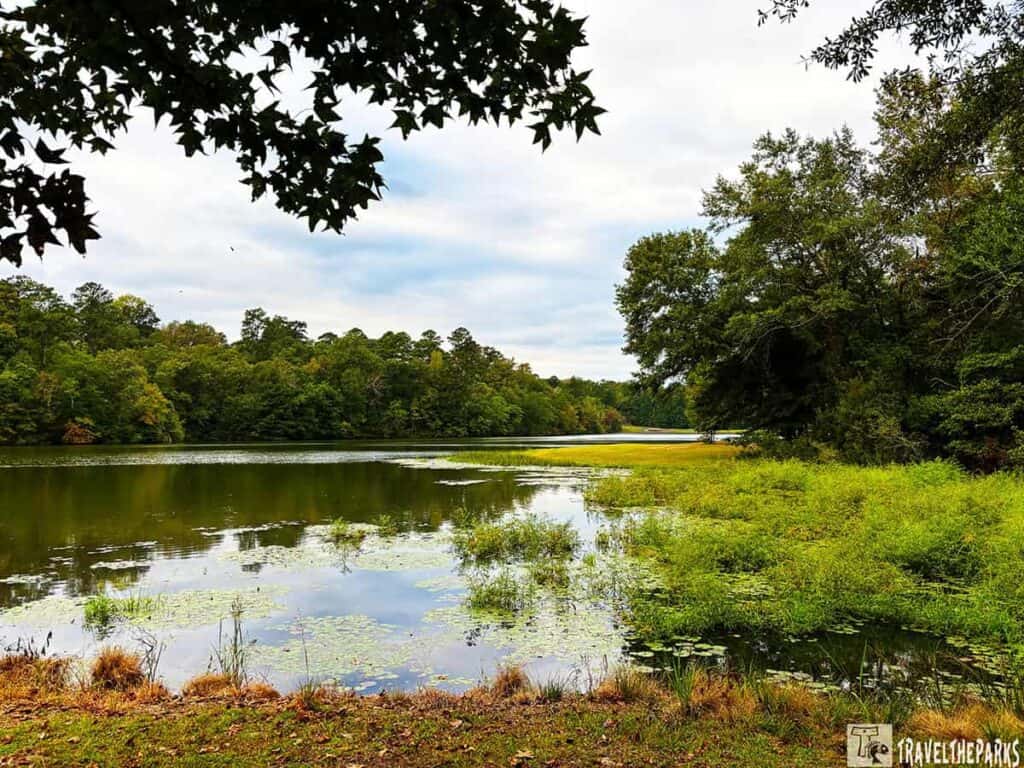
Don’t forget your fishing rods. This lake is full of bass, bream, and catfish. It is an ideal place for fishing, especially for the kids. Only non-motorized boats are allowed. They rent kayaks, canoes, and paddleboats. Such a wonderful way to see the water. The park’s Kolomoki Lake and Lake Yahola have a way of making time go slower. We were so caught up that we forgot what day it was (and that’s really part of the charm).
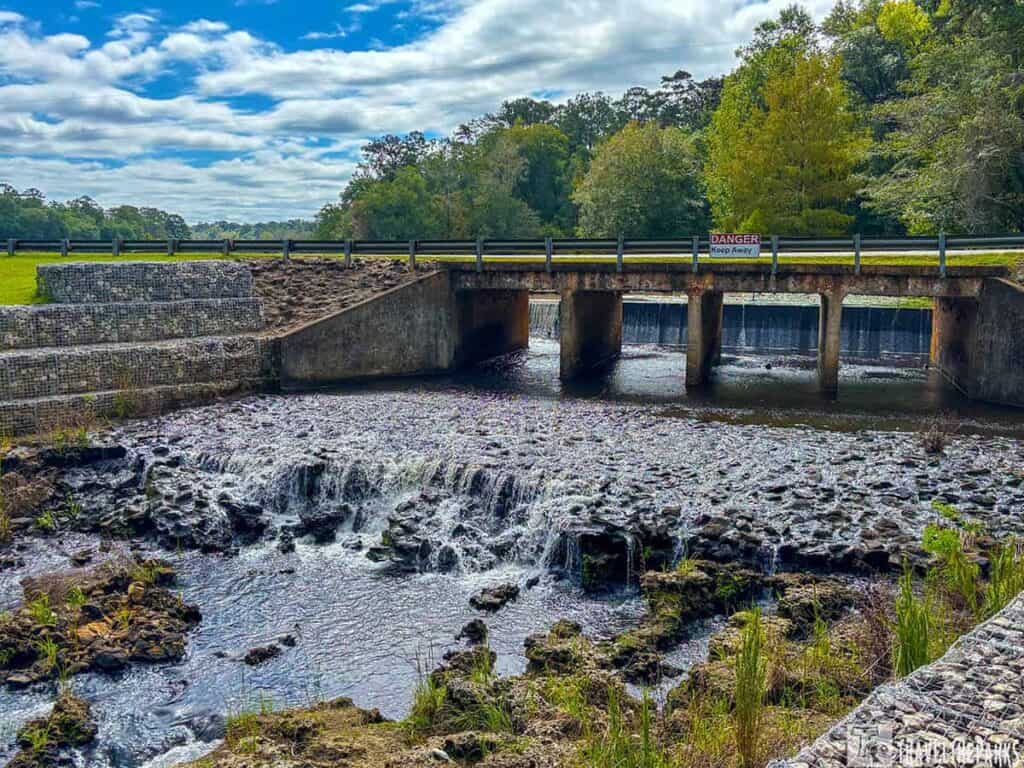
Watch for wildlife. We saw herons wading along the shore, turtles sunning themselves on logs, and the occasional deer wandering through the woods. Visiting Kolomoki Mounds feels a bit like stepping into a living nature documentary—just without the dramatic soundtrack.
5. Picnic and Mini-Putt
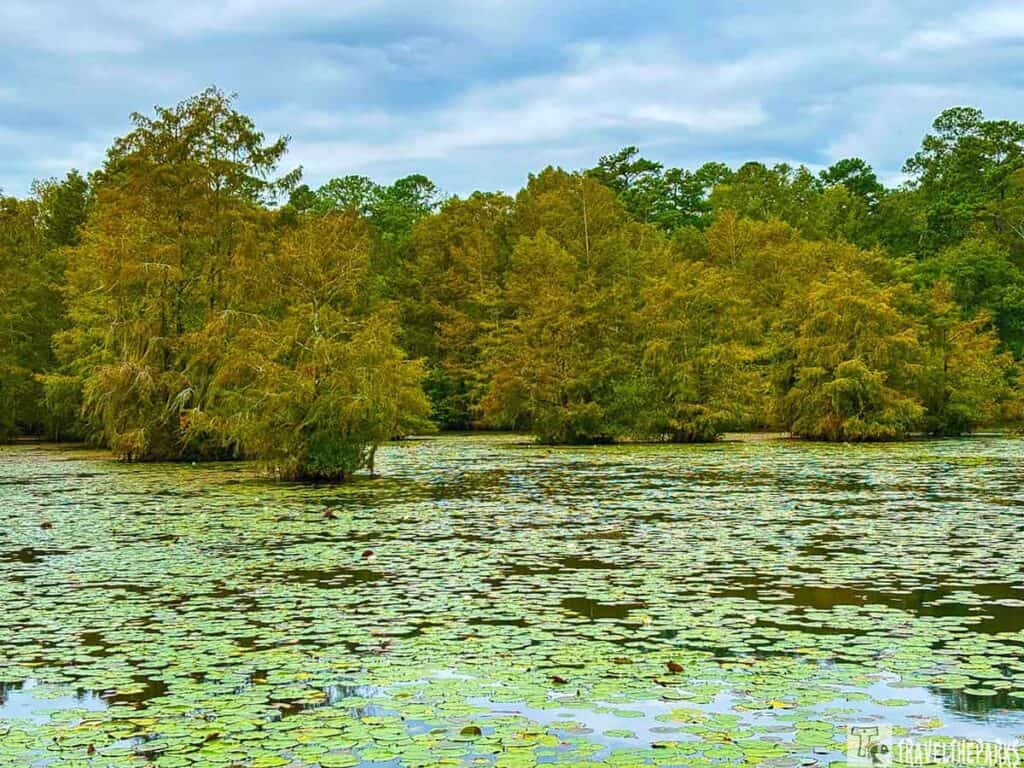
After a morning of exploring trails and ancient mounds, there’s nothing better than kicking back for a relaxing picnic. Kolomoki Mounds State Park offers several shaded picnic areas complete with tables, grills, and nearby restrooms—perfect for a family lunch or a leisurely snack break. The park has two sandy beaches for the kids too.
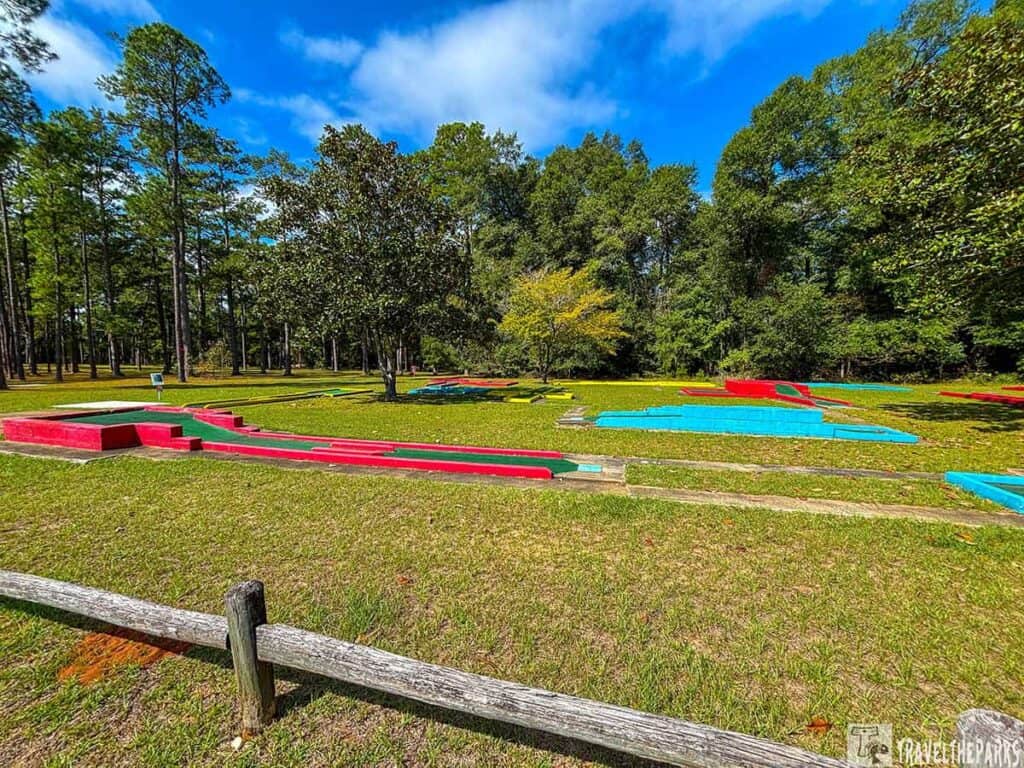
For a bit of extra fun, the park also features a miniature golf course right on-site. It’s a playful way to stretch your legs after a hike, and a hit with kids and adults alike. Between swinging a putter and enjoying your picnic, you’ll find there’s a lot to love about combining classic outdoor recreation with a touch of friendly competition. It’s simple, laid-back fun that complements the park’s historic and natural wonders perfectly.
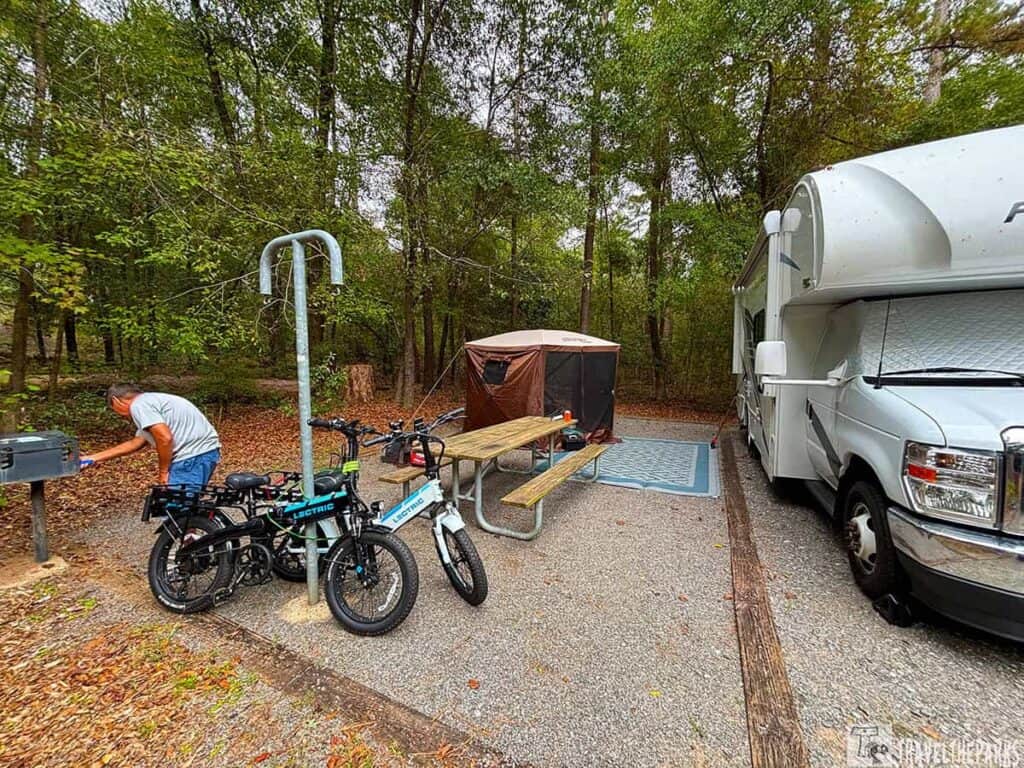
6. Camping at Kolomoki Mounds State Park
RV travelers will find Kolomoki Mounds camping both peaceful and surprisingly comfortable. The campground sits near the lake. RV and tent sites with water/electric hookups, fire rings, and picnic tables. For a more basic experience, the pioneer campsites are walk-in only. You’ll also find a few tent-only sites if you’re feeling extra adventurous—or just want to prove to yourself that you can still sleep without an air conditioner. And yes, the campground bathhouses are clean, because we all know history is best appreciated with modern plumbing.
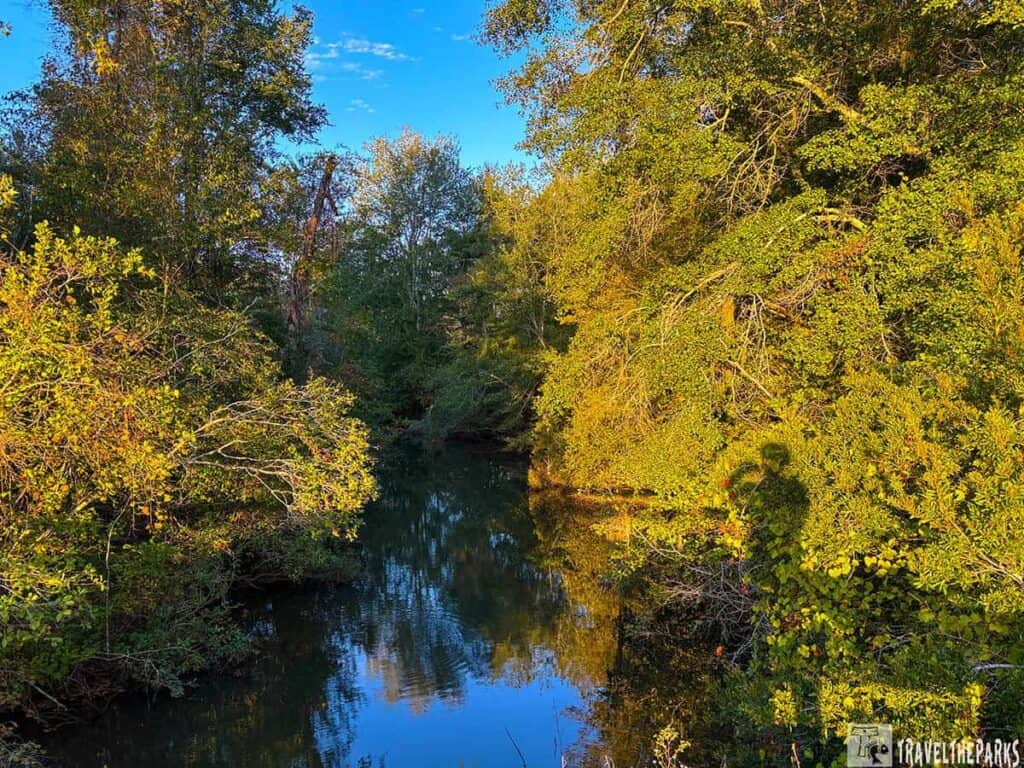
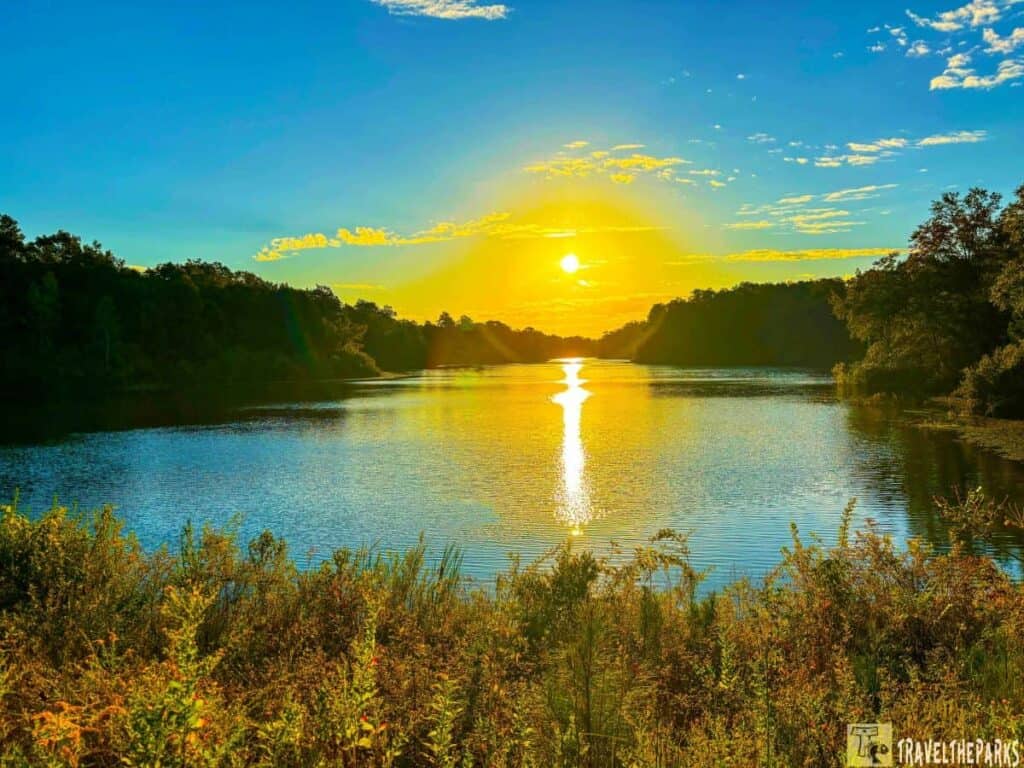
Evenings here are special. The sunsets turn the lake into a mirror of pink and gold, and at night, the stars come out in full Georgia glory.
PRO tip: download a stargazing app before you lose cell service—it’s that kind of quiet out here.
Final Thoughts: Kolomoki Mounds State Park Camping in Georgia
When you explore the park, take your time. Read the signs. Feel the breeze on top of the mound. And if you start to hear the faint beat of drums or the whisper of voices on the wind… don’t worry. That’s just the spirit of history reminding you that you’re standing somewhere extraordinary.
If you are camping at Kolomoki Mounds, stopping by on a Georgia road trip, or chasing a brief history between state parks, this site is a hidden gem that blends archaeology, nature, and relaxation in one spot. It’s the kind of place that leaves you feeling a bit wiser—and maybe a little sunburned.
Have you visited Kolomoki Mounds? Share your experience in the comments!