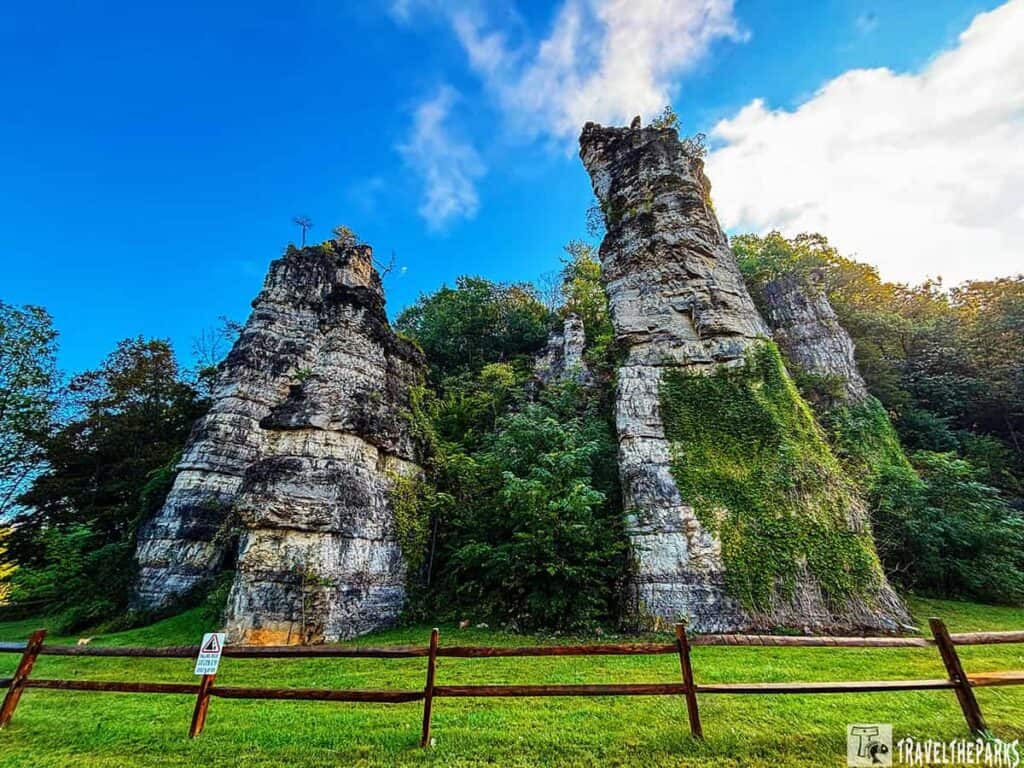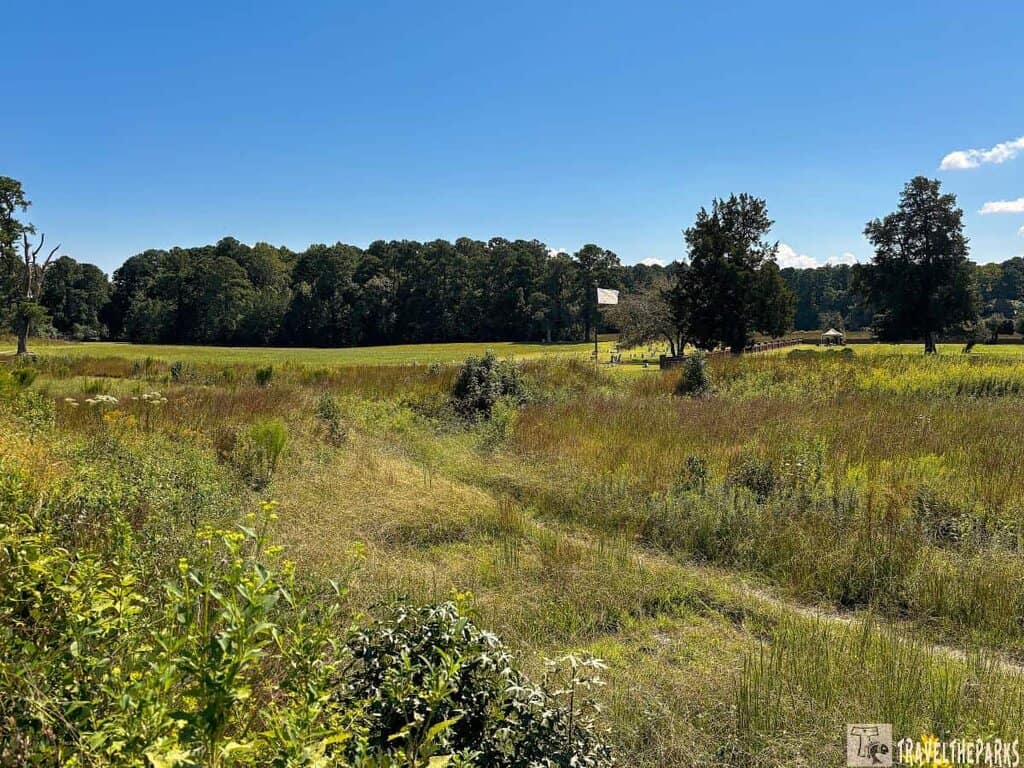
By sheer chance, while on our recent road trip, we discovered the Yorktown Battlefield. It is, in fact, part of the Colonial National Historical Park. It’s almost unbelievable that this is where the American Revolution in 1781 made its last, quite dramatic stand. For me, this park was like stepping into the past, following the paths of the great ones. George Washington, Marquis de Lafayette, and the rather distressed General Cornwallis. This place boasts an incredible blend of history, preserved through its silent cannons, strong fortifications, and vintage colonial structures. Yorktown Battlefield doesn’t only make you learn history; it provides you with an experience to actually live it, and that’s a trip I will remember for a very long time.
This post may contain affiliate links, meaning if you purchase something through one of these links, we may earn a small commission at no extra cost to you! Read the full disclosure policy here.
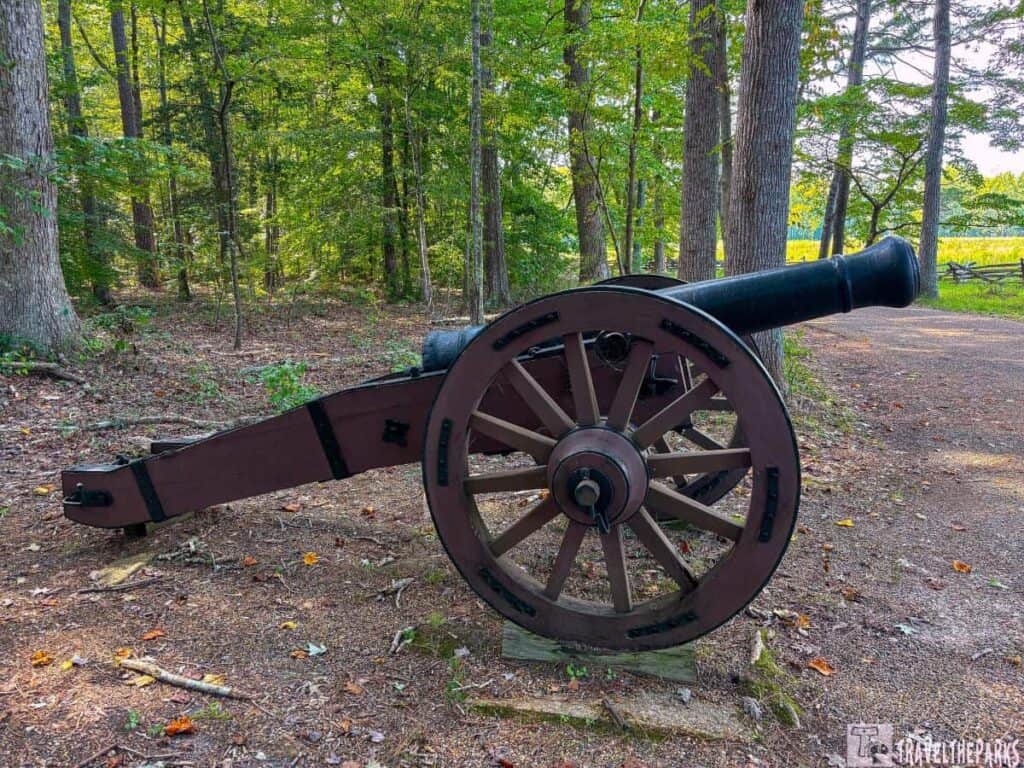
Table of Contents
Know Before You Go to Visit the Battlefield
- Hours: Park grounds open daily sunrise to sunset; Visitor Center open daily, 9 AM–5 PM (check the official NPS site for seasonal changes).
- Fees: Entry to Yorktown Battlefield is $10/person (valid for 7 days, also includes access to Jamestown). As always, the park accepts America the Beautiful passes.
- Junior Ranger Program: Kids can earn badges by completing activity books, making history interactive and educational.
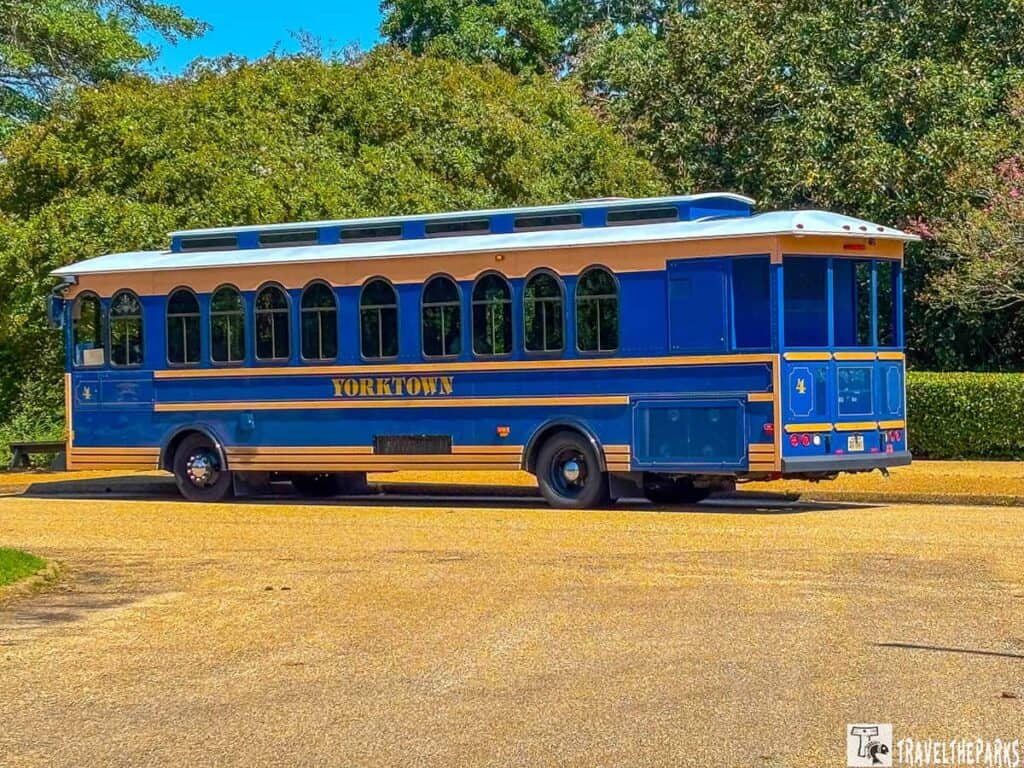
- Yorktown Trolley: FREE! The trolley takes visitors to the Yorktown Battlefield Visitor Center, the American Revolution Museum, Yorktown Beach, and the Riverwalk.
- Guided Tours: Ranger-led walks (free) and audio tours available; check the NPS schedule.
- Free Parking Locations: Visitor Center, Moore House, Yorktown town lots.
- Accessibility: The primary facilities and most trails are wheelchair accessible.
- Best Time to Visit: Spring and fall offer mild weather and fewer crowds.
- Pets: Leashed pets are allowed on trails but not in buildings.

Top Things to Do Visiting Yorktown National Battlefield
A visit to Yorktown Battlefield is a journey to the very ground where American independence was won. To help you make the most of your trip, we’ve curated the top activities that combine powerful history with beautiful scenery.
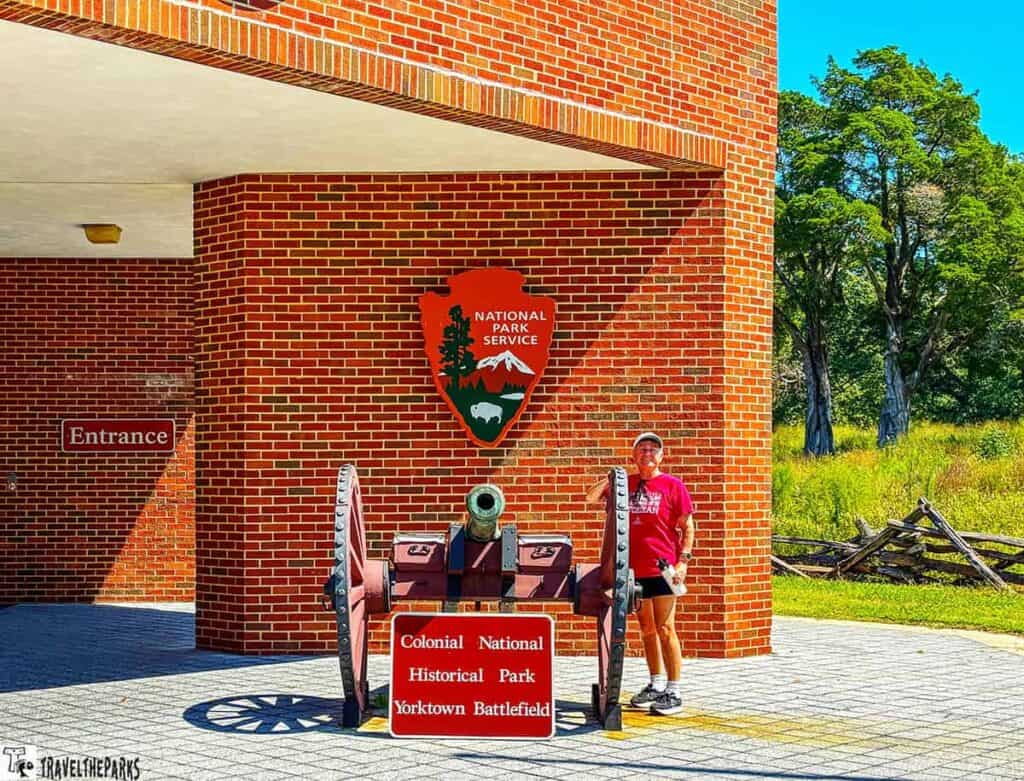
1. Inside the Yorktown Battlefield Visitor Center: Where the Story Begins
Before heading out to walk the battlefield itself, start your adventure at the Yorktown Battlefield Visitor Center—your gateway to understanding the siege, the strategy, and the people behind America’s last major Revolutionary War victory. Watching the short, 15-minute film, “Siege at Yorktown,” set the scene for us. Afterward, we started by previewing the 3D illuminated map. It highlights troop movements and key moments of the battle, making it easy to visualize the unfolding conflict. Benches surround the map so you can listen to each selection.
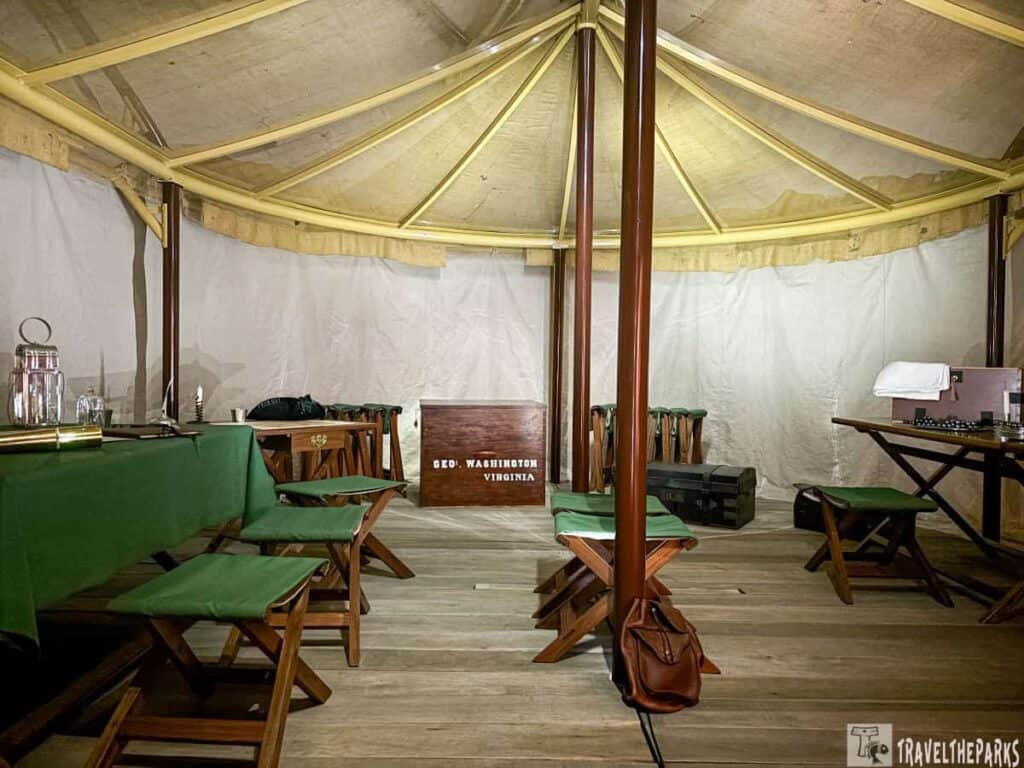
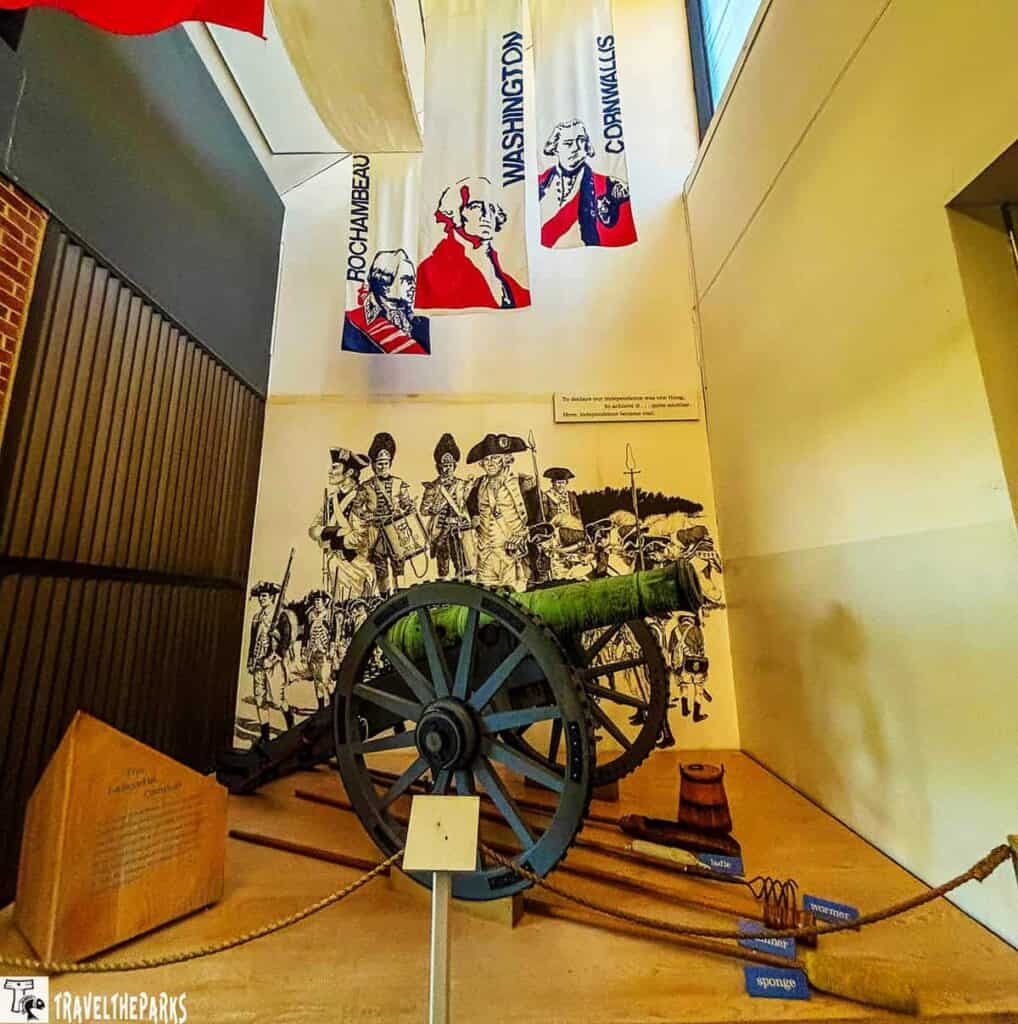
One of the unique exhibits when visiting Yorktown National Battlefield is the full-size reproduction of General George Washington’s command tent. It was the nerve center of the American camp. History comes to life with real and replica weapons and gear, including cannon parts associated with the Marquis de Lafayette’s troops. These authentic pieces connect visitors directly to the battlefield experience. We also discovered the detailed dioramas that depict key scenes from the siege—from camp life to nighttime assaults.
PRO TIP: Before leaving, grab a map for the self-guided driving tour. Don’t forget to ask a ranger for local tips and hidden spots!
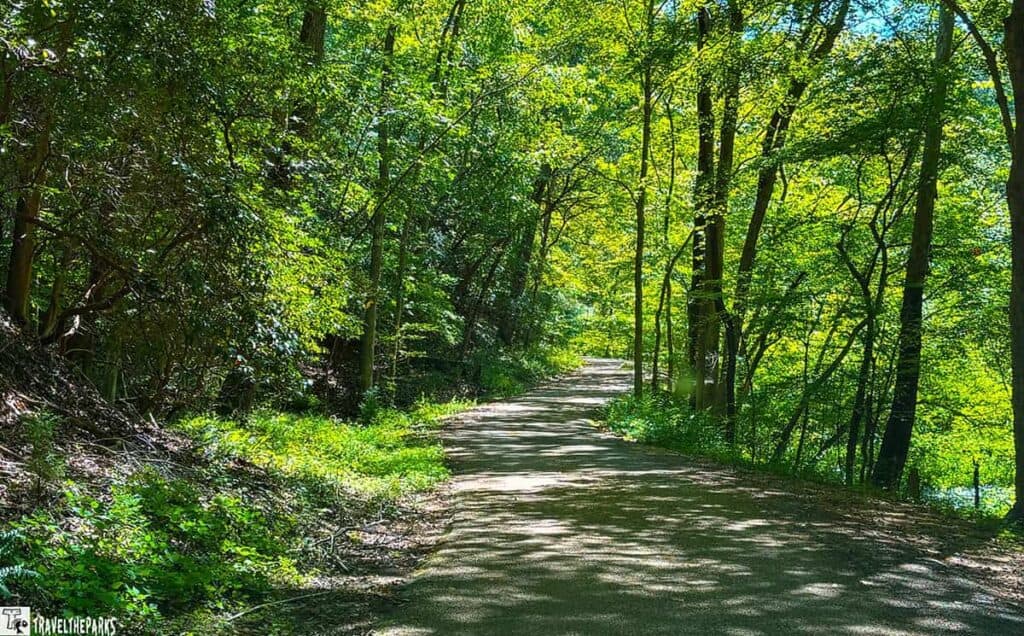
2. Hit the Road: Choose Your Battlefield Driving Tour (or Do Both!)
We were eager to delve further into Yorktown’s history. Stepping into our truck, we took both—of the scenic driving tours available through the battlefield. The Red and Yellow Routes encompass six significant stops along a 7-mile loop, typically taking around 45 minutes to complete. Embarking on our picturesque drive around the battlefield, we made stops at notable locations such as French Battery Park and the Second Allied Siege Line. Downloading the NPS app for an audio tour that vividly describes each site enhanced our experience at each stop along our route.

The self-guided tour is simply to adhere to. There is plenty of clearly marked signage; just remember to pick up a complimentary tour map at the Visitor Center to assist you on your journey. This is an ideal opportunity to explore at your own leisure and witness where the Revolutionary War was decisively won.
Drive the Red Route on the Yorktown Battlefield Auto Tour
Explore the pivotal sites of the 1781 siege along this 7-mile loop. Each stop offers a powerful glimpse into the final chapter of the Revolutionary War.
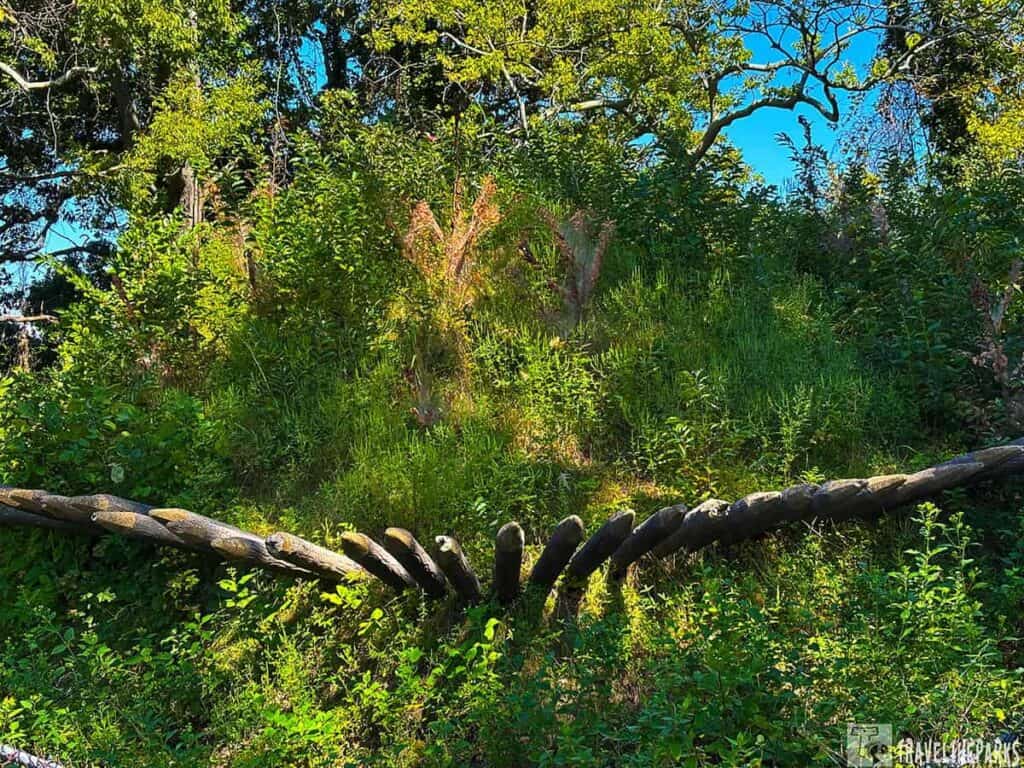
- Stop A: British Inner Defense Line: We could see the remaining earthworks where British troops dug in for their last stand against the Allied siege.
- Stop B: Grand French Battery: Here we viewed the impressive French artillery positions that pounded the British defenses during the siege.
- Stop C: Second Allied Siege Line: Standing where American and French forces advanced under cover of night to tighten the noose on Cornwallis’s army, we would imagine the siege.
- Stop D: Redoubts 9 and 10: We stepped into history walking the actual trenches and defensive earthworks used during the 1781 siege. We stood where Continental and French forces made their bold nighttime assault to turn the tide. These helped break the British line—key to the Allied victory.
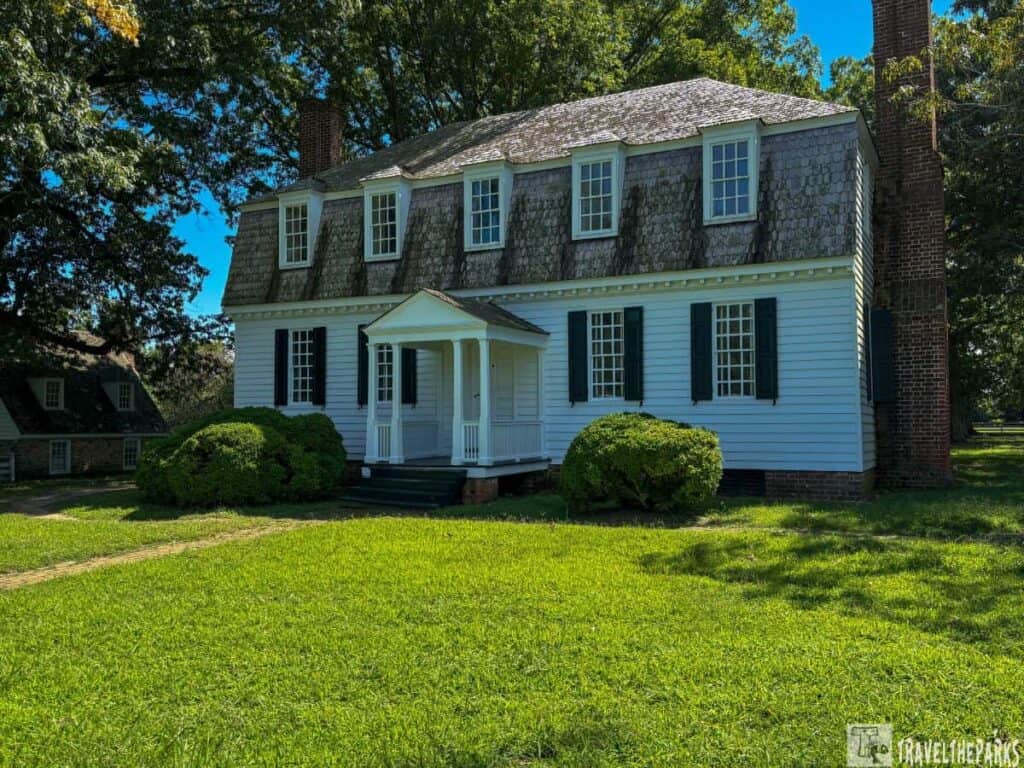
- Stop E: Moore House: We entered the elegant 18th-century Moore home where surrender terms were negotiated. The restored rooms and furnishings brought those high-stakes conversations between British and Allied officers vividly to life.
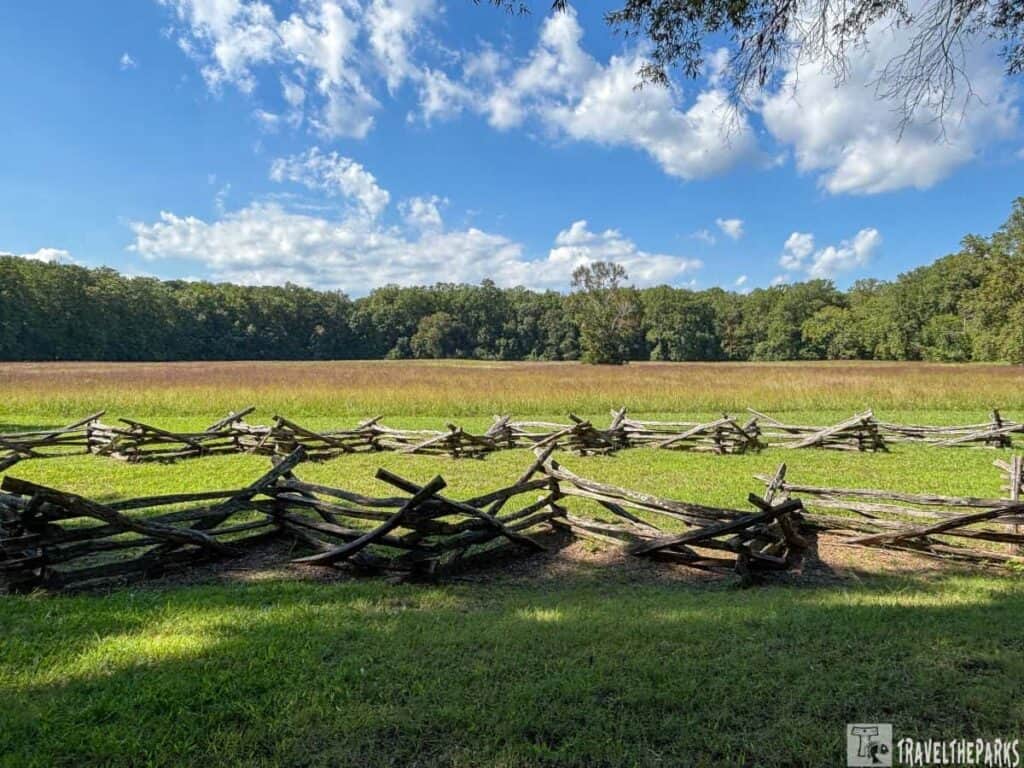
- Stop F: Surrender Field: This is where it all ended—where British troops laid down their arms on October 19, 1781. Interpretive signs walk you through the emotional last moments of the Revolutionary War.
Drive the Yellow Route: Yorktown Battlefield Auto Tour
This scenic loop takes you through the broader landscape of the siege—encampments, artillery positions, and key command sites used by the Allied forces.
- Stop A: American Encampment Area: We explored the recreated American and French camps—complete with replica tents, gear, and artillery. If you time your visit right, you might catch living history demonstrations with reenactors portraying daily life as a Revolutionary War soldier.
- Stop B: Washington’s Headquarters Site: Interesting standing near the location where General George Washington directed the siege and coordinated with French allies.
- Stop C: French Encampment Area: This is where French troops, under General Rochambeau, camped and supported the siege operations.
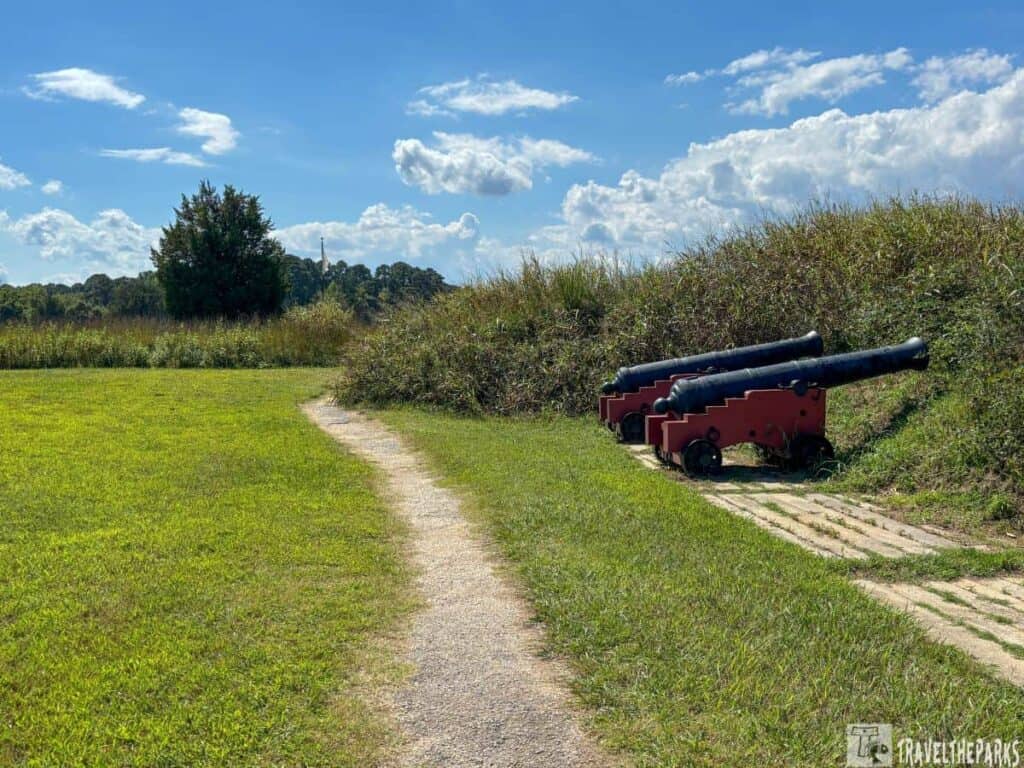
- Stop D: French Artillery Park: Kids (and adults) love the Artillery Park, where rows of original and replica cannons are on full display. It’s a great spot for photos—and some serious firepower! The French cannons looked prepared for battle.
- Stop E: American Artillery Park: Explore where American forces staged their heavy artillery before bombarding British positions.
- Stop F: York River Overlook: We enjoyed the sweeping views of the York River. Here is where the French fleet blockaded the British escape. Keep an eye out for wildlife like bald eagles and herons.
3. Explore the American Revolution Museum
Aside from the NPS Yorktown Battlefield park, this museum tells the more general story of the American Revolution—from causes to effects. This museum is more than just the fighting in the 1781 siege. The museum depicts the entire history of the American Revolution., starting with its ideas and beliefs. It progresses through the war and to the creation of a new country.
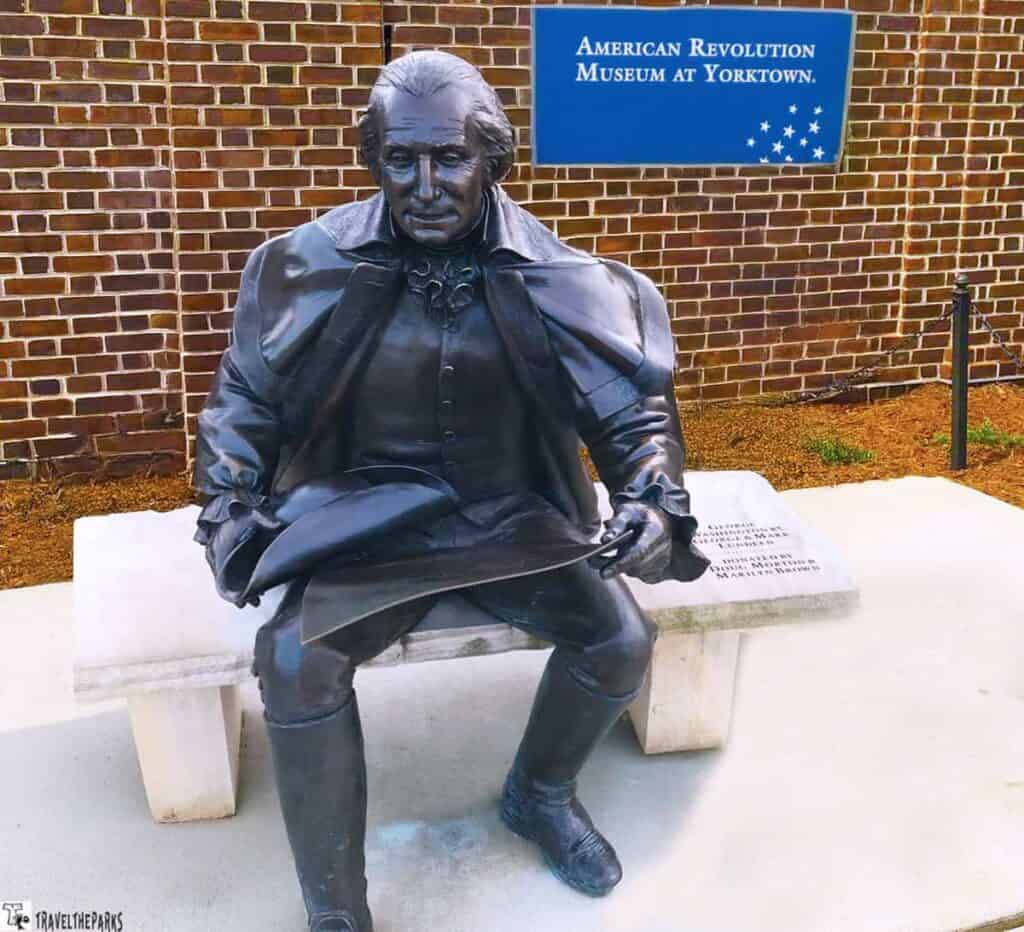
Inside are interactive displays with authentic artifacts, life-size models, and interactive multimedia presentations. One of the highlights is a surround-sound movie called The Siege of Yorktown, with riveting special effects. Just outside the living-history area is another principal attraction. We visited a re-created Continental Army camp. Here, costumed interpreters demonstrated soldier life. We watched musket drills and saw how medical care was delivered. Observing their daily camp activities was interesting. You can also visit an 18th-century farm to learn how colonial households lived, worked, and aided the war effort. It’s interactive and engaging. This is more than a battle tactics-focused experience. It’s about the powerful human stories within history. Individuals create connections with people. The experience reveals their struggles and brings to light their important contributions to history.
4. Wander Historic Yorktown
A brief walk brings you to the colonial charm of Historic Yorktown. There, you can tour the Nelson House, once home to Declaration signer and Virginia Governor Thomas Nelson Jr., and learn about his revolutionary actions and the damage the house sustained during the war. The visit pairs perfectly with a stroll along the vibrant waterfront, known for its paths, shops, and cafés.
5. Stretch Your Legs on the Trails
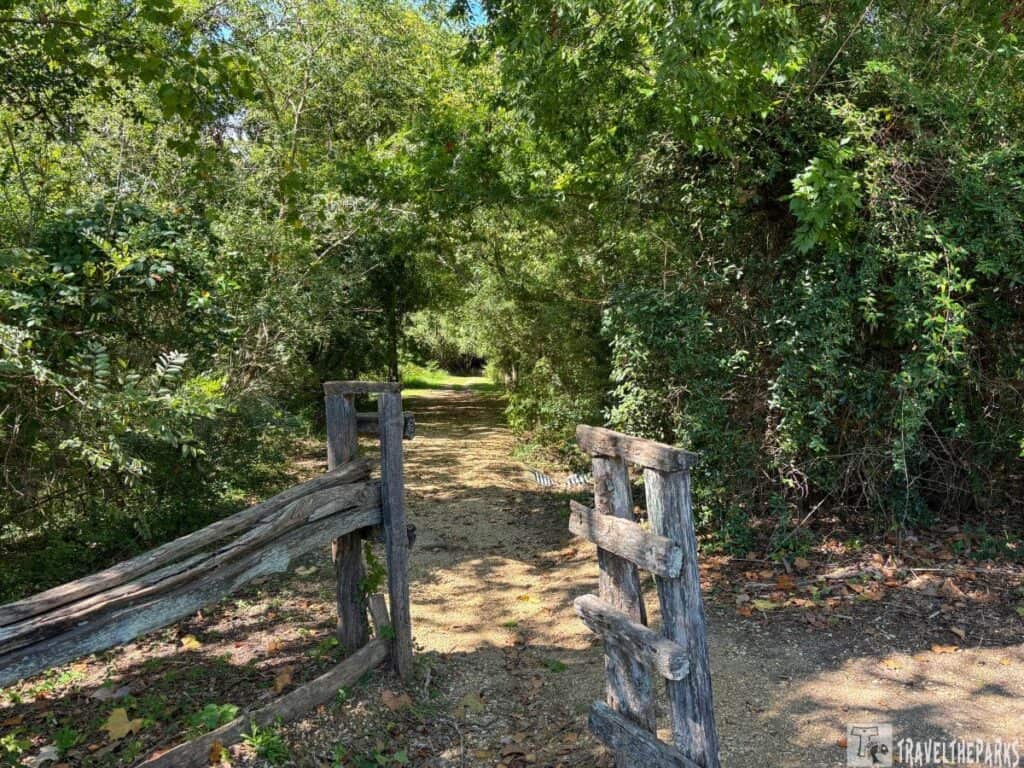
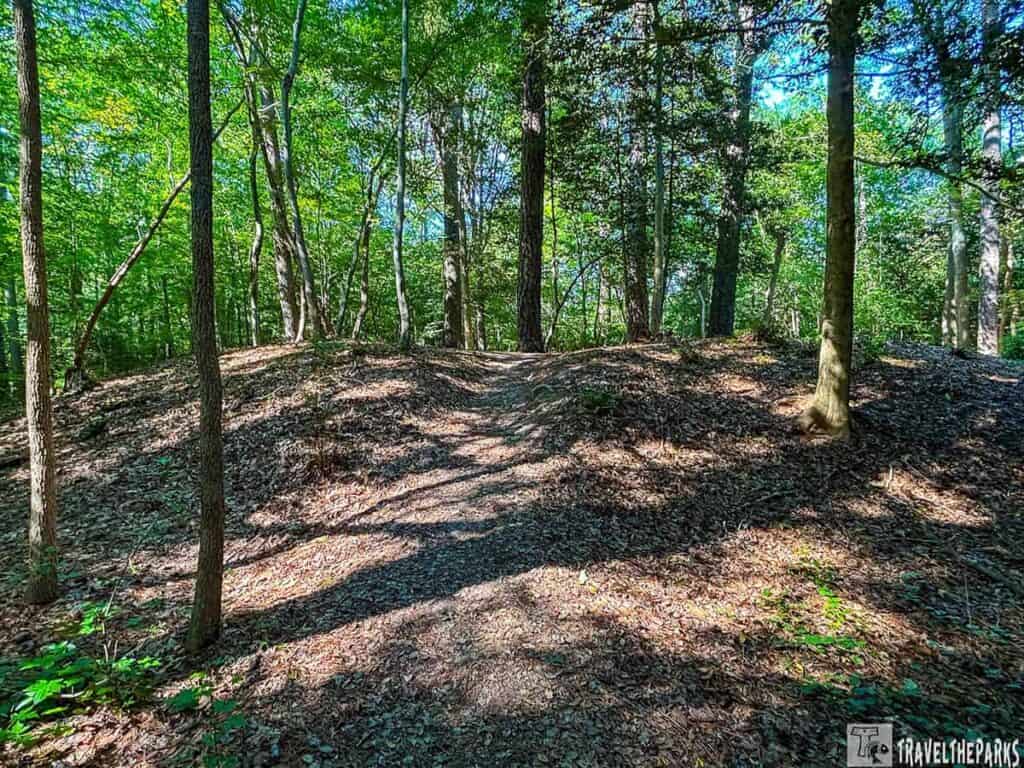
For a different perspective, escape the open fields and explore the park’s wooded trails. Choose from several walking options, including the 1.5-mile Battlefield Tour Trail or the Yorktown Riverwalk (2.7-miles). Each path blends natural beauty with interpretive signs that explain troop movements and tactics. The Yorktown National Cemetery Trail offers a shaded, reflective walk and leads to the historic cemetery, established after the Civil War. The Tobacco Road Trail, which is a 2.5-mile loop, can easily be combined with the Riverwalk.
6. Catch Seasonal Reenactments
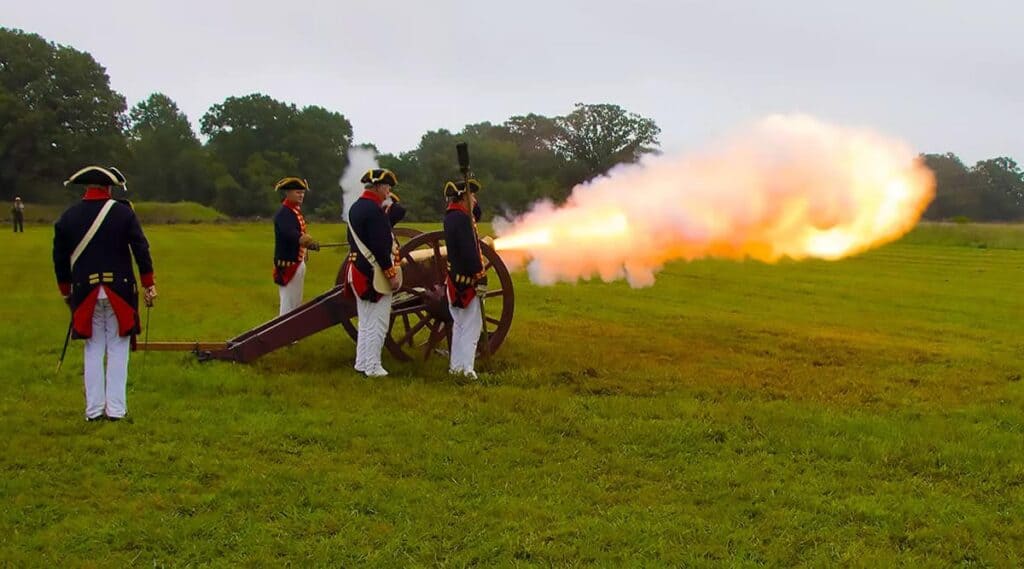
If you’re lucky enough to visit in October, don’t miss the Yorktown Victory Celebration. The event includes musket drills, cannon firings, and performances by fife-and-drum corps that bring 1781 roaring back to life.
For a truly immersive experience, time your visit to see the live artillery demonstrations conducted by park rangers or volunteers in period dress. The thunderous blast of a reproduction cannon and the cloud of smoke make the history you’ve been learning about feel thrillingly real. Check the National Park Service website for the current schedule.
7. Combine Your Visit: Virginia’s Historic Triangle
A trip to the Yorktown National Battlefield is an education in more than just history—it’s a chance to tread where a country’s fate was shaped. From the thundering echoes of gunshots to the hushed serenity of Surrender Field, every nook and cranny of this park holds a story of resolve and cooperation. Yorktown is one corner of Virginia’s Historic Triangle, which also includes:
- Colonial Williamsburg: Step into a living-history city where 18th-century life is recreated.
- Jamestown Settlement: Explore the site of the first permanent English colony in America. Also tour the reenactment site, just a stone’s throw down the road from the Colonial Historic original Jamestowne site.
PRO Tip: Purchasing a combination ticket can offer significant savings if you plan to visit all three.
What to Bring on Your Adventure at Yorktown National Battlefield
When visiting Yorktown National Battlefield, it’s helpful to come prepared with a few essentials to make the most of your trip. Bring plenty of water, comfortable walking shoes, and weather-appropriate clothing for exploring the historic grounds. Sunscreen, a hat, and insect repellent are useful for time spent outdoors, while a small backpack can help you carry snacks, maps, and any personal items. A charged phone or camera is great for photos and for accessing digital guides, and a printed or downloaded park map will help you navigate the battlefield’s trails and historic sites. Optional binoculars can enhance views of the landscape and wildlife along the way.
Final Thoughts: Visiting Yorktown National Battlefield
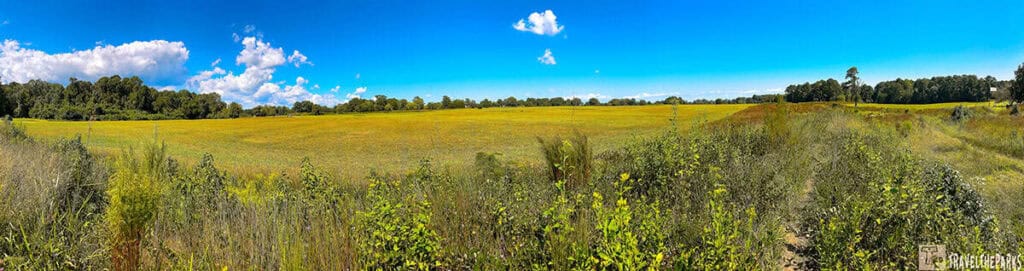
There are places you visit, and then there are places you feel. Yorktown is the latter for me. Walking in the quiet, sun-drenched fields, it’s hard to imagine the thunder of cannon and the smoke of musket fire that once filled this air. Yet, standing at the redoubts or gazing across Surrender Field, you can’t help but feel the weight of what happened here. It’s a quiet, profound weight—not of stone and monument, but of resolve and sacrifice.
For us, visiting Yorktown National Battlefield, the most powerful moment wasn’t found in the grand overviews, but in the small, human details. Reading a soldier’s letter home, seeing the crude surgical tools in the museum, or standing in the sparse Moore House where surrender terms were negotiated—these are the moments that bridge the centuries. They transform dates and names from a history book into a deeply human story of struggle and hope.
It’s more than a battlefield; it’s a pilgrimage. And it’s one I’ll carry with me.
What part of Yorktown’s story resonates most with you? Share your thoughts or favorite spot on the battlefield in the comments below.