While we were driving along the east coast, I really wanted to see Colonial Williamsburg. We literally fell straight into the 1700s, this place being a “living history museum” experience of 18th-century America. Colonial Williamsburg is one of the great treasures of America, with its diverse history, engaging experiences, and historic buildings, plus the special atmosphere. Searching for an escape like no other? We made an impressive list of the best things to do in Colonial Williamsburg for you to have an unforgettable trip. Discover the best things to do in Colonial Williamsburg, from historic tours to colonial dining. Plan your trip with this must-read guide!
This post may contain affiliate links, meaning if you purchase something through one of these links, we may earn a small commission at no extra cost to you! Read the full disclosure policy here.
Table of Contents
Know Before You Go: Colonial Williamsburg
- Plan for at least a full day (or more): to truly enjoy the best things to do in Colonial Williamsburg, consider a multi-day visit. There’s more to see than can be covered in just a few hours.
- Colonial Williamsburg Tickets & Pricing: Single-Day Ticket: $35–$50 (adults), $19 (ages 6–12), Multi-Day Pass: $57 (3-day adult pass)
- Consider a combo pass: to expand your Colonial Williamsburg itinerary, look into combination tickets that include Jamestown Settlement and the American Revolution Museum at Yorktown.
- Download the official Colonial Williamsburg app. This handy tool offers maps, event schedules, and historical information to enhance your experience.
- Operating Hours: open every day of the year. Historic Area: Open daily, 9:00 AM–5:00 PM (hours extend in summer).
- Parking: It costs $10 per day. Payment is via the free Passport Parking app or kiosks in the parking lots. Only the first 30-minutes are fee free. Take the complimentary shuttle bus, which runs continuously to and from the Historic Area.
- Dining and shopping are available onsite: Colonial taverns, modern cafés, and artisan shops provide great ways to take a break or bring home a piece of history.
- Respect the living history aspect: Costumed interpreters stay in character and help bring history to life. Interact with them—it’s one of the most memorable parts of the experience!
A Brief History of Colonial Williamsburg
When the government moved from Jamestown to Middle Plantation, Colonial Williamsburg became Virginia’s colonial capital in 1699. Not long after, officials renamed it Williamsburg as a way of honoring King William III. It was a political, cultural, and educational center of the American colonies for nearly a century. There strolled the streets, discussed revolutionary ideas, and established the stage for American freedom such future Founding Fathers as Thomas Jefferson and George Washington.
By the late 18th century, political significance had faded after the capital moved to Richmond in 1780. The once-thriving city lapsed into a peaceful town. That was until the 20th century, when a massive restoration project, led by Reverend Dr. W.A.R. Goodwin and funded by John D. Rockefeller Jr., revived it. He envisioned reviving the early American spirit through living history and sharing it.
Colonial Williamsburg is now the globe’s largest living history museum—a fully interactive portal to 18th-century America. With hundreds of restored structures, master costumed interpreters, and operating trade shops preserving colonial arts, you don’t just observe history but experience it. Understanding this dramatic evolution from lost capital to living museum makes every experience here more poignant, making sightseeing feel like actual time travel.
Getting Around Colonial Williamsburg
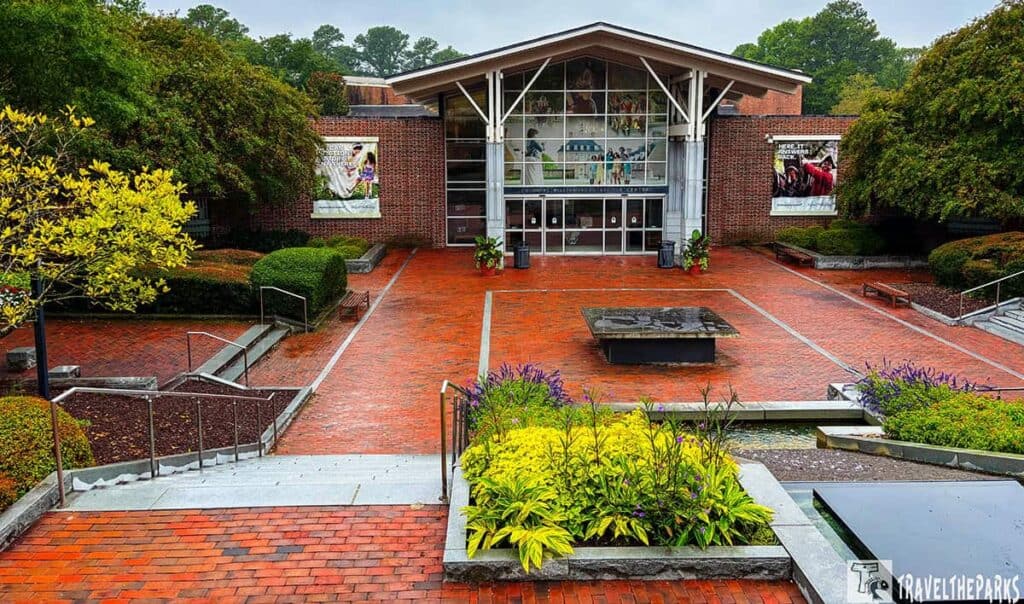
We began our visit at the Colonial Williamsburg Visitor Center, where you’ll find parking ($10/day) and easy access to the historic area. Complimentary shuttle buses run daily from 9:00 AM to 10:00 PM, with pickups about every 15 minutes. These shuttles make it simple to explore the expansive grounds, offering convenient transportation between key sites—no need to worry about driving or finding parking throughout the day.
1. Explore the Colonial Williamsburg’s Historic Area
We wandered the charming streets of Colonial Williamsburg’s Historic Area, where costumed interpreters brought the 18th century to life all around us. Together, we explored iconic sites like the Governor’s Palace, the Capitol Building, the Wythe House, and the Raleigh Tavern, feeling as though we’d stepped back in time.
Governor’s Palace
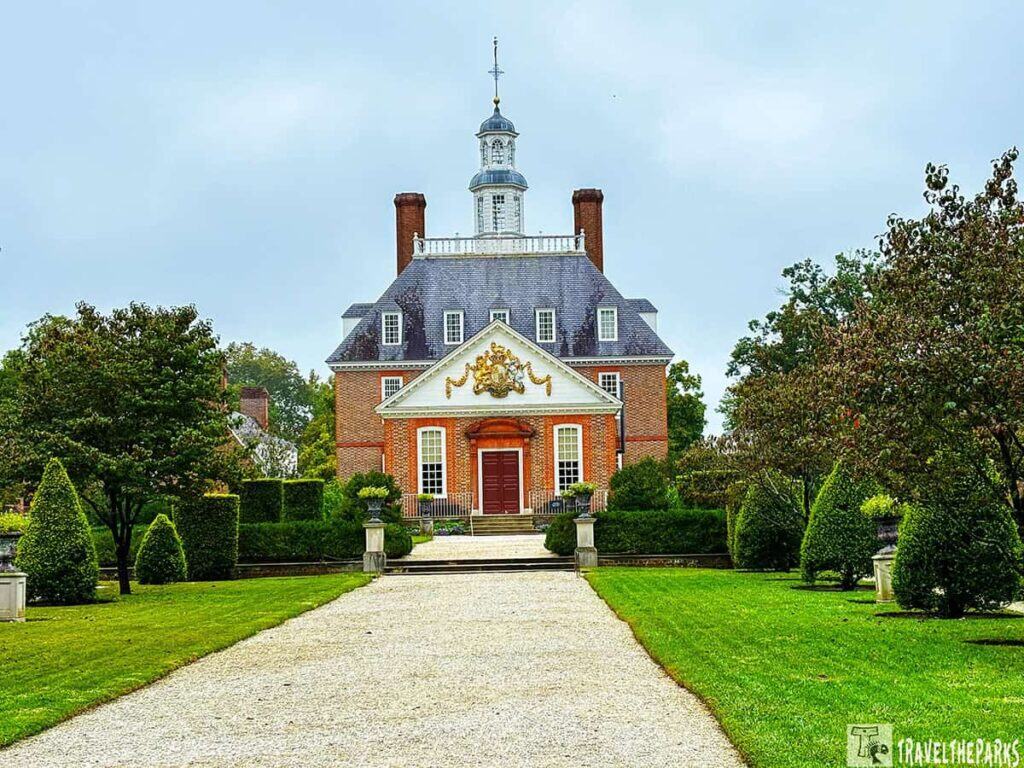
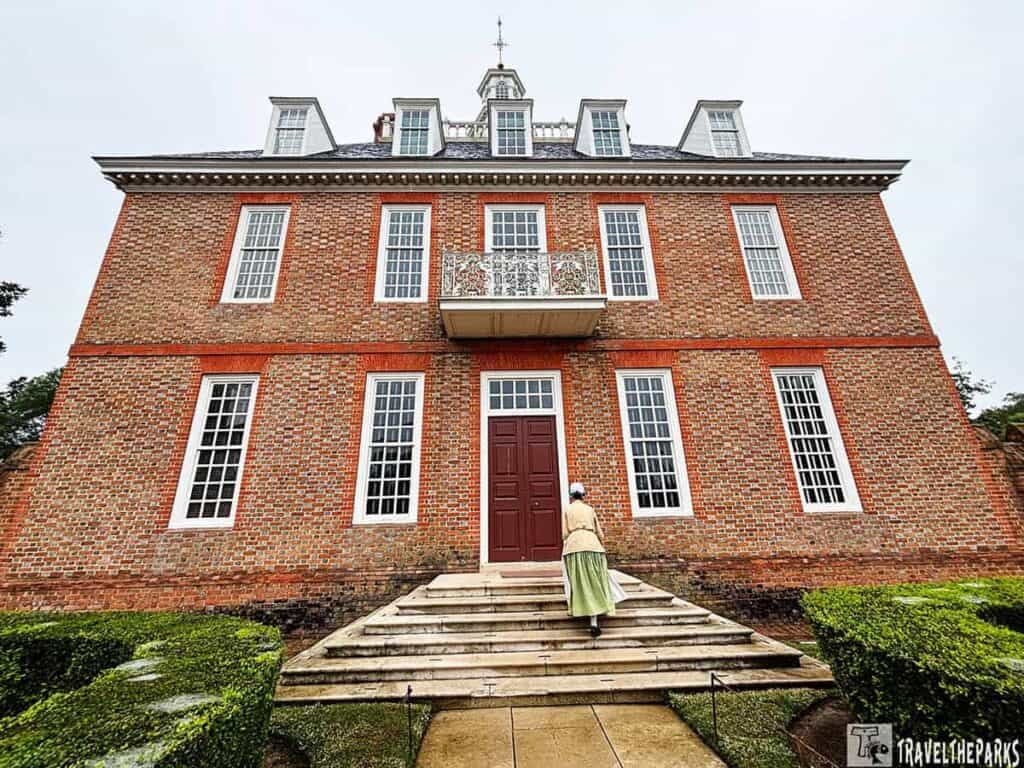
We began our adventure in Colonial Williamsburg by visiting the Governor’s Palace, an amazing place that you definitely shouldn’t miss. (Don’t forget to check the times of the guided tours when you get there!). This luxurious mansion was the royal power center of Virginia when it was a crown colony. After the capital was moved from Jamestown to Williamsburg, it was the residence of Her Majesty’s Royal Governor.
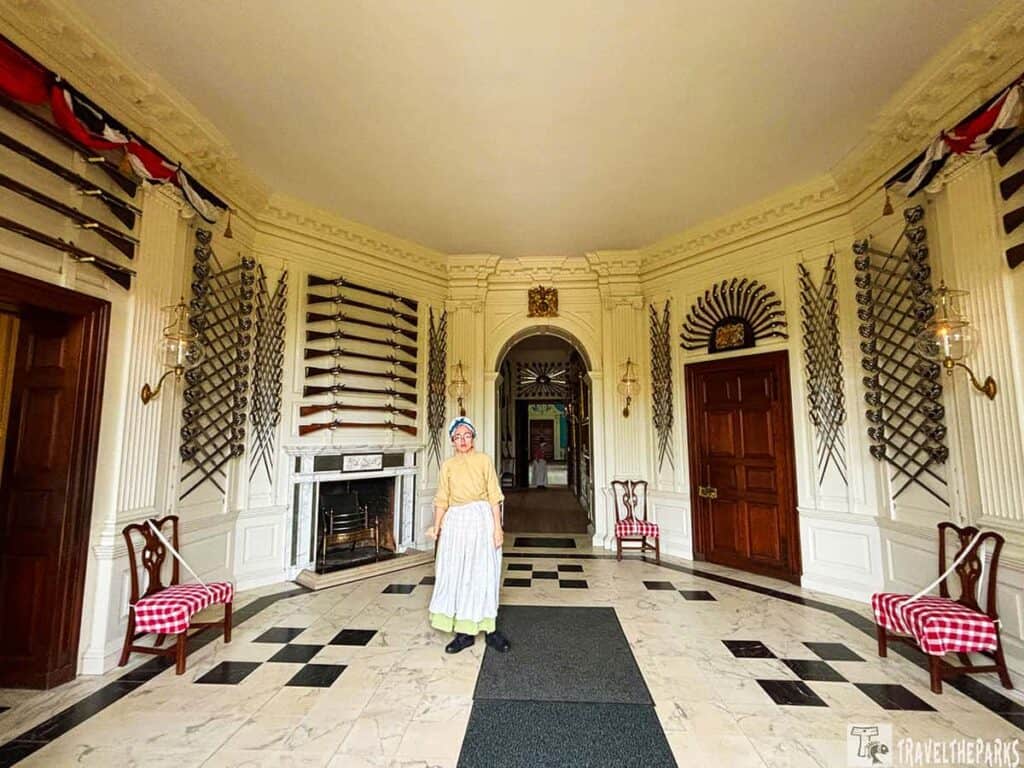
Penty of revolutionary history is present in the palace. It was also home to Virginia’s first two American governors until the capital moved to Richmond under Thomas Jefferson. However, the most interesting stories are about its last colonial resident, the unpopular John Murray, Earl of Dunmore. However, the most colorful stories of its tragic demise revolve around the last colonial resident, the ill-fated John Murray, Earl of Dunmore, who was hated by the colonists. This naughty royal official, under the cover of night and using the fear of a slave rebellion as an excuse, tried to confiscate the colonists’ gunpowder. Spoiler: it didn’t go as he had planned at all. In fact, he ended up running away and leaving this beautiful palace behind forever.
Explore the Grovenor’s Palace Grounds
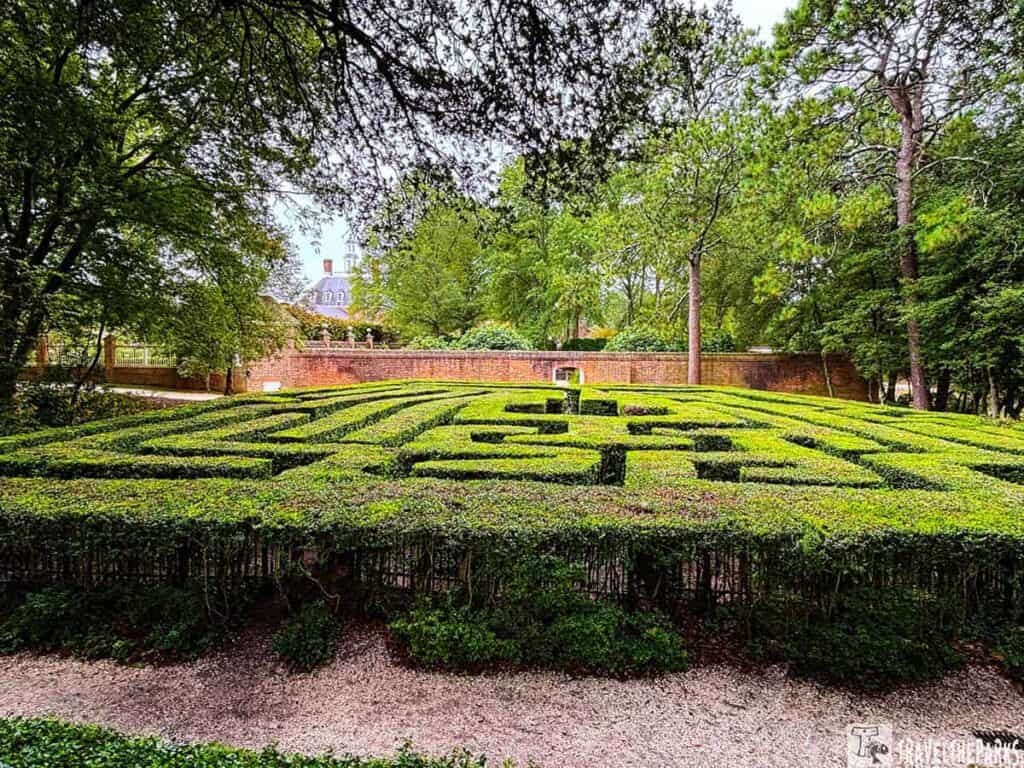
On the Governor’s Palace grounds, we found a wonderful surprise hidden away: the beautiful Maze Garden. This is not a classic tall hedge maze but a lovely “pattern” garden. Here, the low, neatly trimmed boxwoods outline an intricate geometric puzzle right at your feet. It’s a charming place that provides a completely different vibe from the royal splendor of the palace.
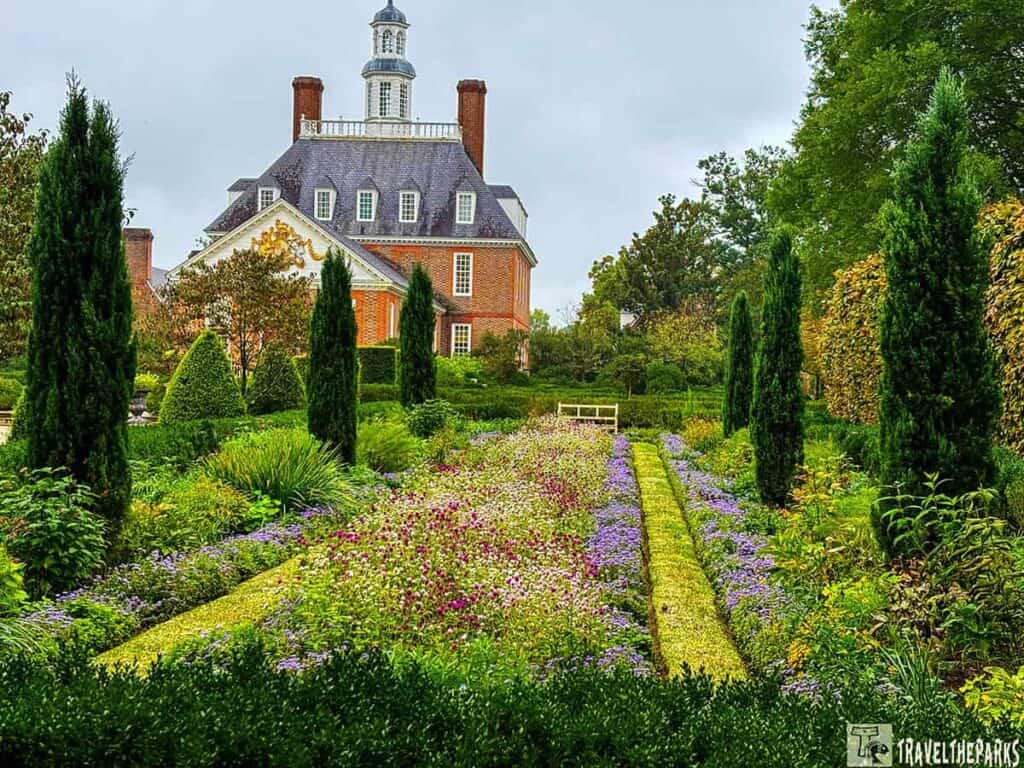
While the grown-ups can admire the formal 18th-century garden design, kids (and adults) will enjoy the fun challenge of finding their way to the center. This historic landmark invites you to play. It’s also a magnificent spot for a photo shoot or a quiet moment amid the hustle and bustle of the historic area. Don’t just walk by—step inside and wander along its lovely paths.
George Wythe house
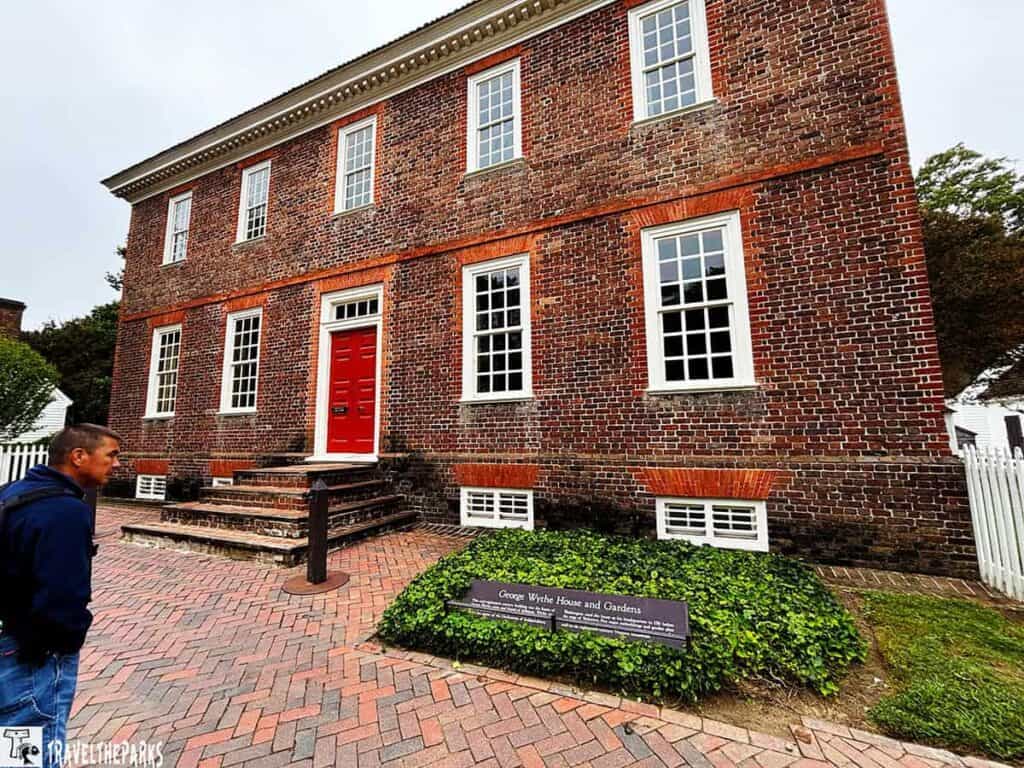
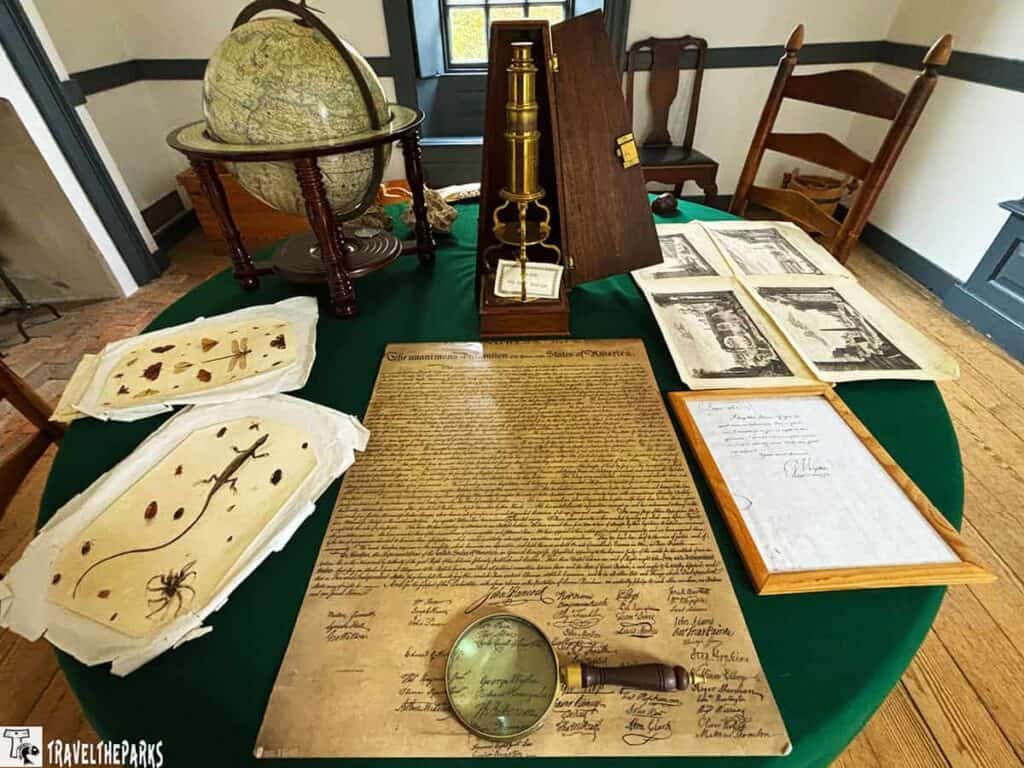
To enter the George Wythe house was to step into history itself. We walked through the sun-filled rooms of Wythe House, our hands trailing along the same wood railings Thomas Jefferson had held; and the past came alive. Our guide recalled fiery debates over independence that once resounded within its walls between Wythe, his protégé Jefferson, and other founding minds.
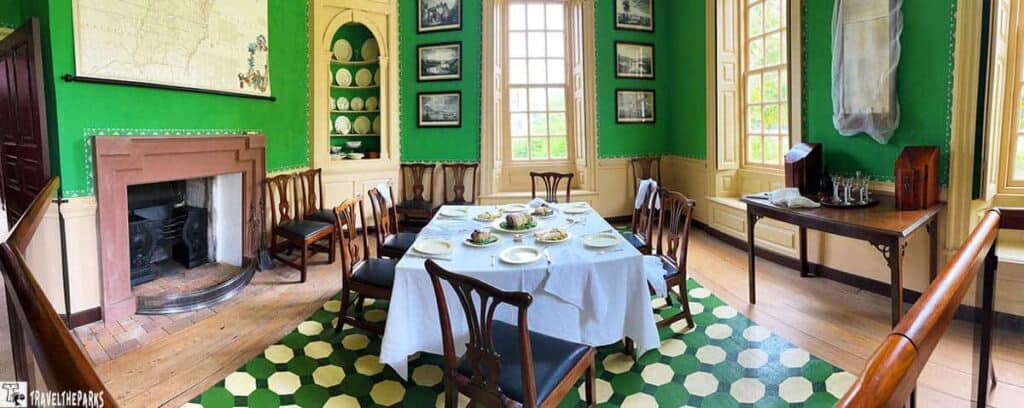
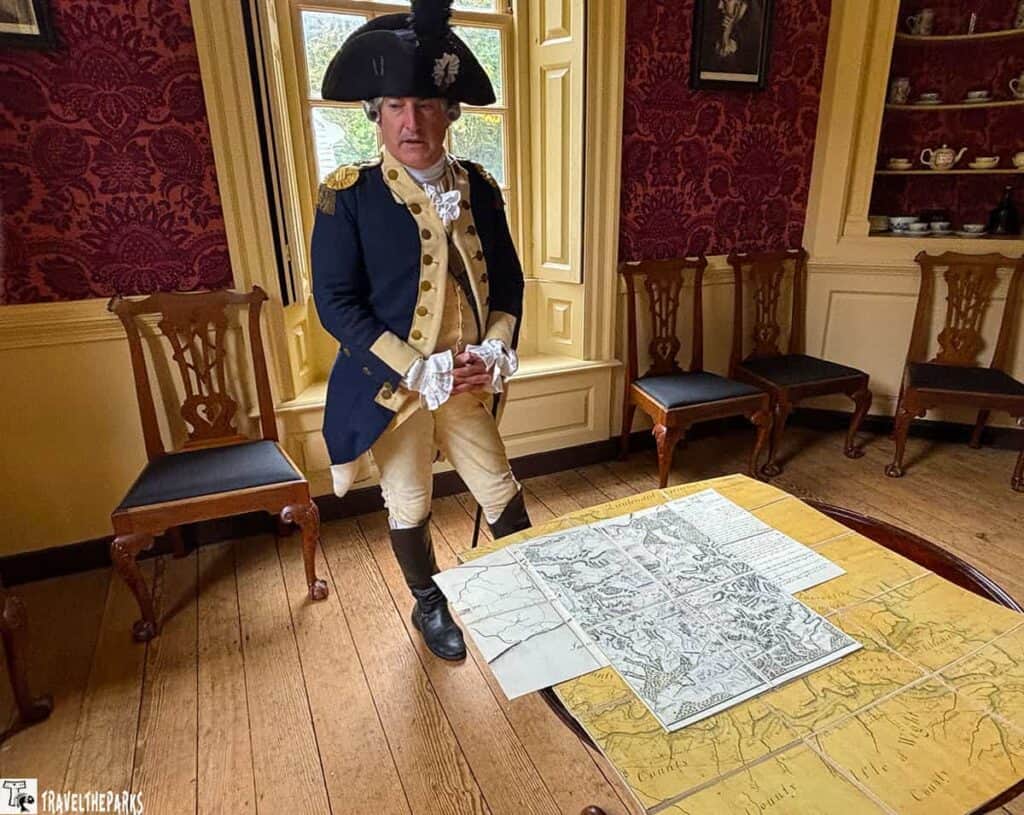
The unexpected treat was a stirring discussion with none other than the Marquis de Lafayette himself, brought to life by a brilliant interpreter. Such a captivating encounter made the era’s ideals and conflicts feel immediate and personal, perfectly closing our visit to this remarkable home.
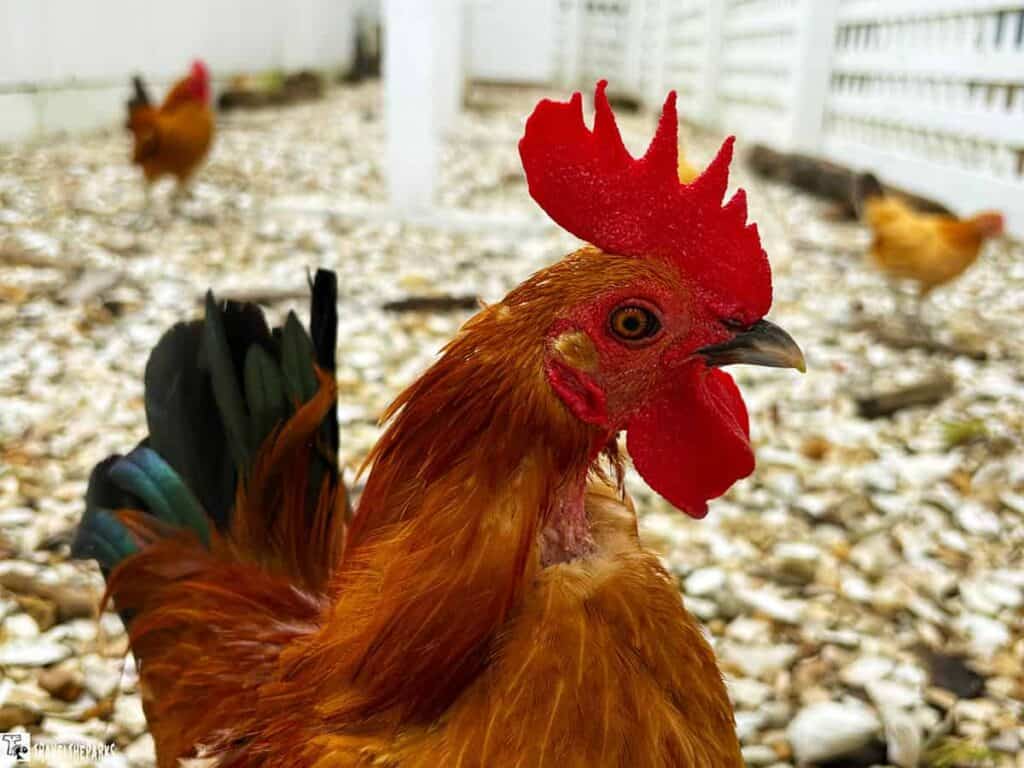
In the silent garden, which is still bordered by the boxwood hedges that Wythe had planted, it’s very much possible to visualize the murmurs of the revolution passing through the air. However, taking a walk in the yard and that past becomes vibrant. There are heritage-breed sheep and a few chickens who are quite vocal and obviously think they are the bosses of the place—a cheerful way to remind that life in the 18th-century was not always politics.
This is not the tour that we were expecting. It was more like entering the circle where the idea of America first came up. When we were about to leave, the Declaration of Independence was less of a museum piece and more of the creation of the people. Who, among other things, drank tea, debated freedom, and gave their yards to the squawking revolutionaries.
Capitol Building
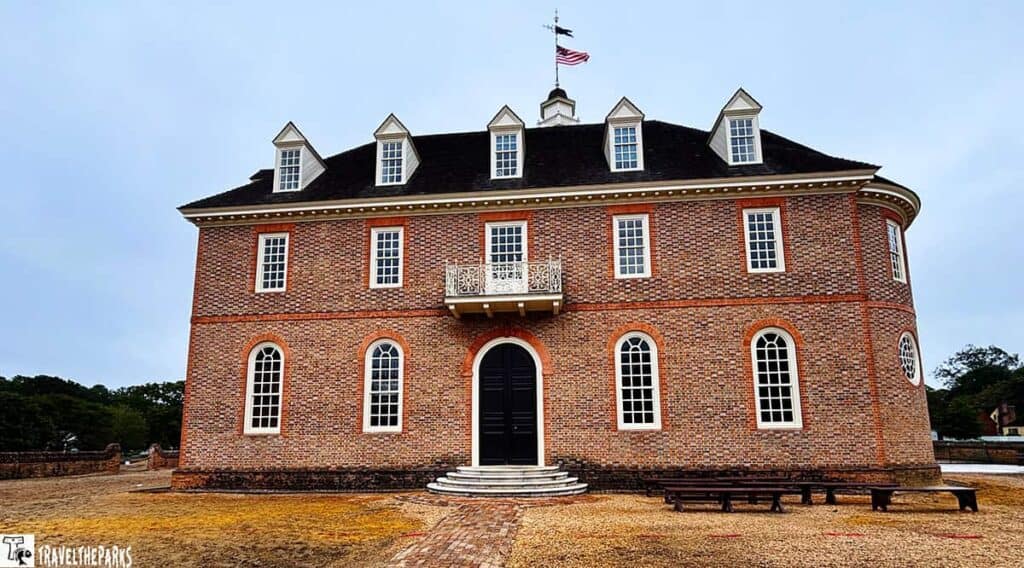
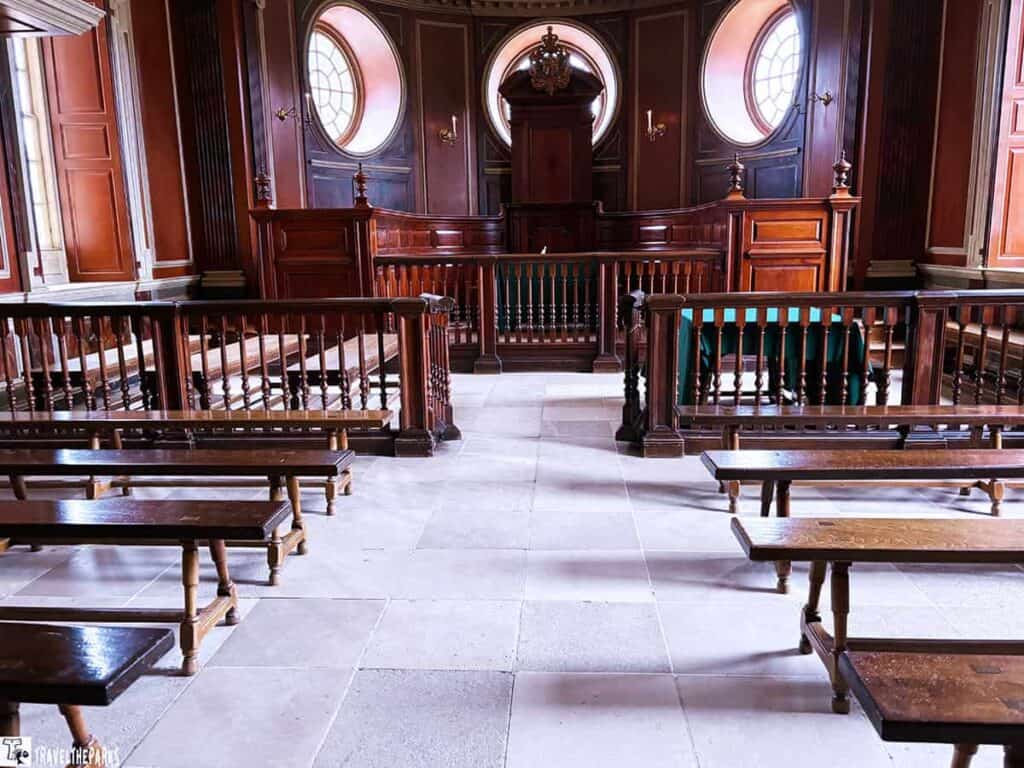
We climbed the same wooden stairs on which Patrick Henry had thundered against tyranny. Our boots echoed through the chamber where Virginia—our Virginia—cast her vote for independence weeks before Congress in Philadelphia. Within the courtroom, the tour guide confided: “Right here,” she touched the clerk’s desk. She continued, “Virginia’s constitution was written by a young Jefferson, and George Wythe argued that laws belonged to the people, not kings.” History was not a collection of dates in that instant—it was alive. I saw myself reflected in the window and understood why they would risk so much. The Capitol is not a building—it’s where the radical idea was conceived that human beings could govern themselves.
Raleigh Tavern
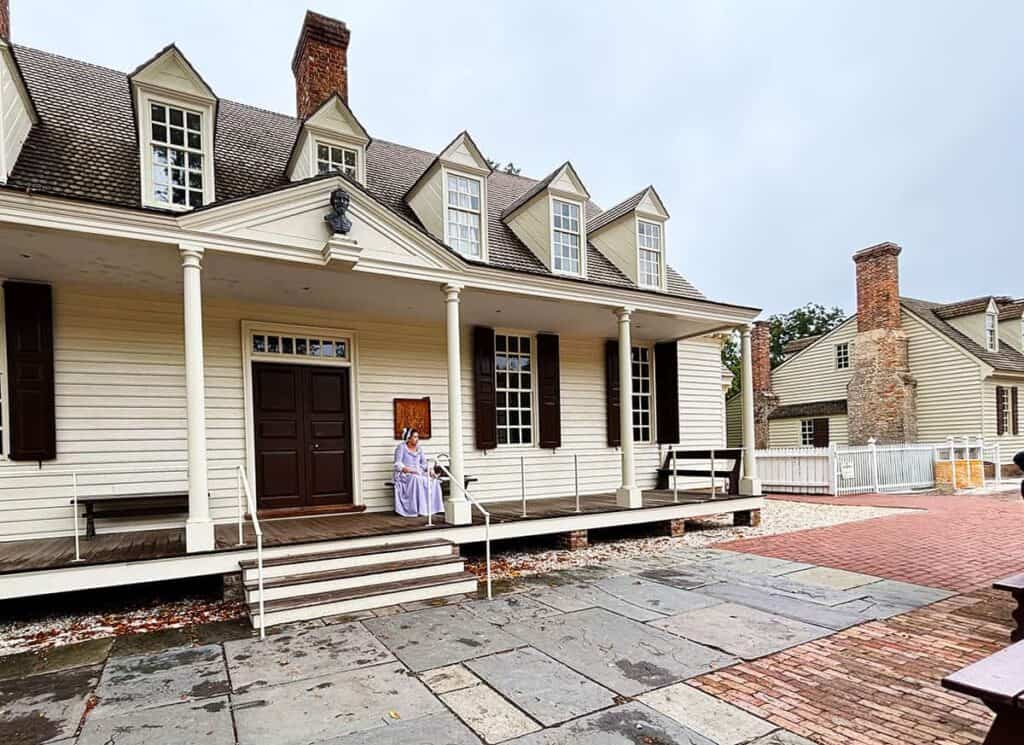
Upon our entrance into the Raleigh Tavern, we were transported back in time. The small ceiling, candles melting their wax onto the table, and creaking wooden floorboards collectively provided a glimpse of a time when this lively tavern was the center of community and the politically charged environment.
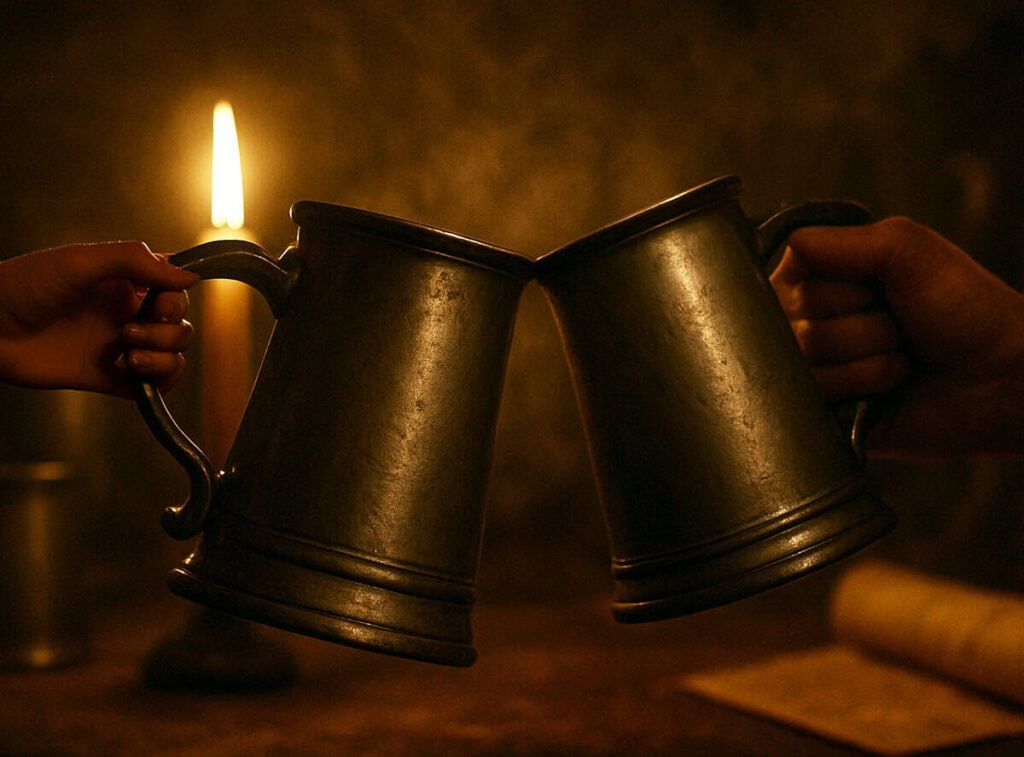
We could almost hear mugs clinking, envisioning the buzz of argument from patriots who would gather here. In our minds, we saw Thomas Jefferson leaning in over a table, Patrick Henry gesturing passionately as he made his point. We found ourselves grinning in the Apollo Room. After the royal governor dissolved the House of Burgesses, the rebellious legislators of Virginia met up here. It was easy to picture heroes warming their hands by the hearth or exchanging stories after a hearty meal. We were absolutely dumbfounded by the amount of history that had taken place right under this very roof.
2. Join a Guided Tour: The Colonial Williamsburg Tour That Will Challenge Everything You Know
For a deeper historical understanding, we joined a guided walking tour. I cannot recommend the Freedom’s Paradox Tour enough. It was a profoundly moving experience. Walking through the grand plantation mansions and historic buildings with our guide, we were confronted with the raw, unvarnished truth of slavery in colonial Virginia. It’s a tour that doesn’t just teach history—it forces you to feel its weight.
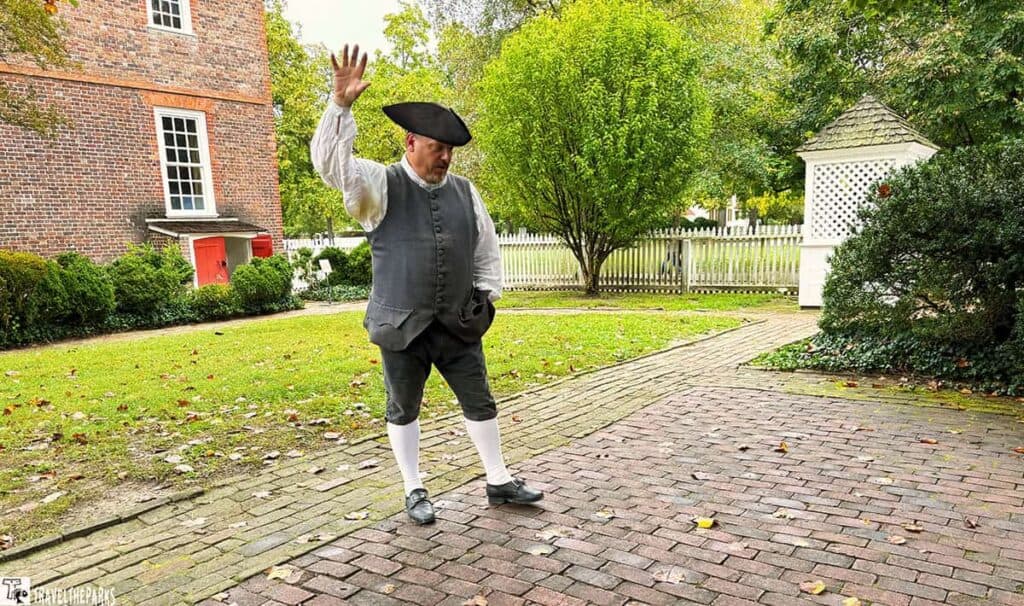
Our guide was quite open about the disparities — how the very people advocating freedom were also the ones who owned slaves. It was shocking to see, right before our eyes, how the liberty of a few was built on the suffering of so many. We couldn’t stop talking about it. Afterwards, we spent hours trying to understand how it continues to shape our nation’s history and the ongoing struggle for equal rights. It wasn’t a walk in the park, but it was one of those moments that stays with you — one that makes you think deeply and feel the true weight of history.
PRO Tip: Book tours in advance, especially during peak seasons (spring and fall).
3. Explore the Historic Campus of William & Mary College
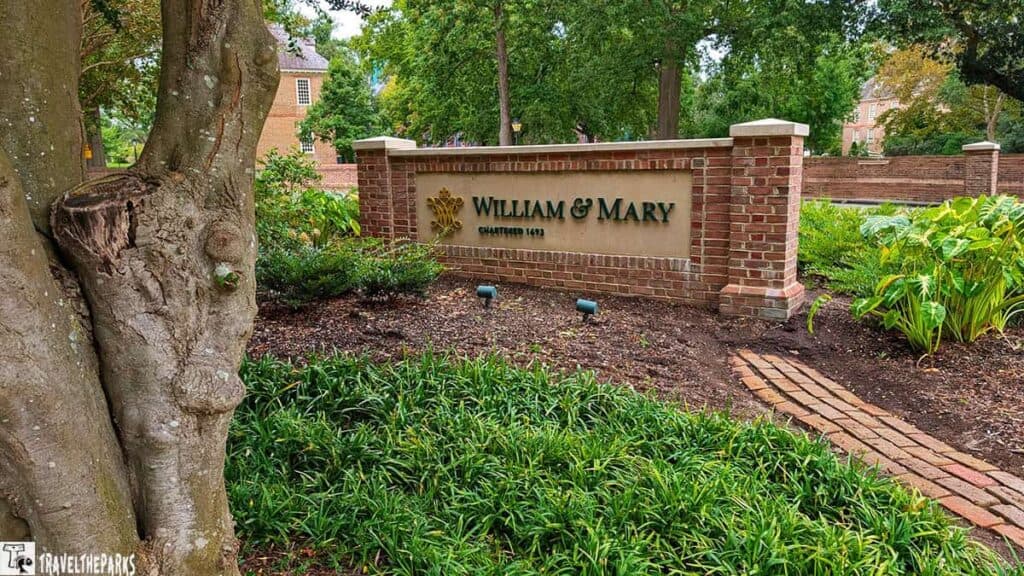
A tour of this historic College of William & Mary will definitely be included on the list when you plan your Colonial Williamsburg itinerary. The college established in 1693 is America’s second-oldest college. Since it was established for England’s King William III and Queen Mary II, it has been an integral part of early American history. Over the years, the college has educated numerous influential figures, including leaders from various nations and U.S. presidents. As we walked through this gorgeous campus, we marveled at the beautiful architecture of the old brick buildings. Shaded trees and well-manicured green areas create a nice ambiance on campus. When touring Colonial Williamsburg, William & Mary is definitely not to be missed.
4. Experience the Colonial Williamsburg Trade Shops
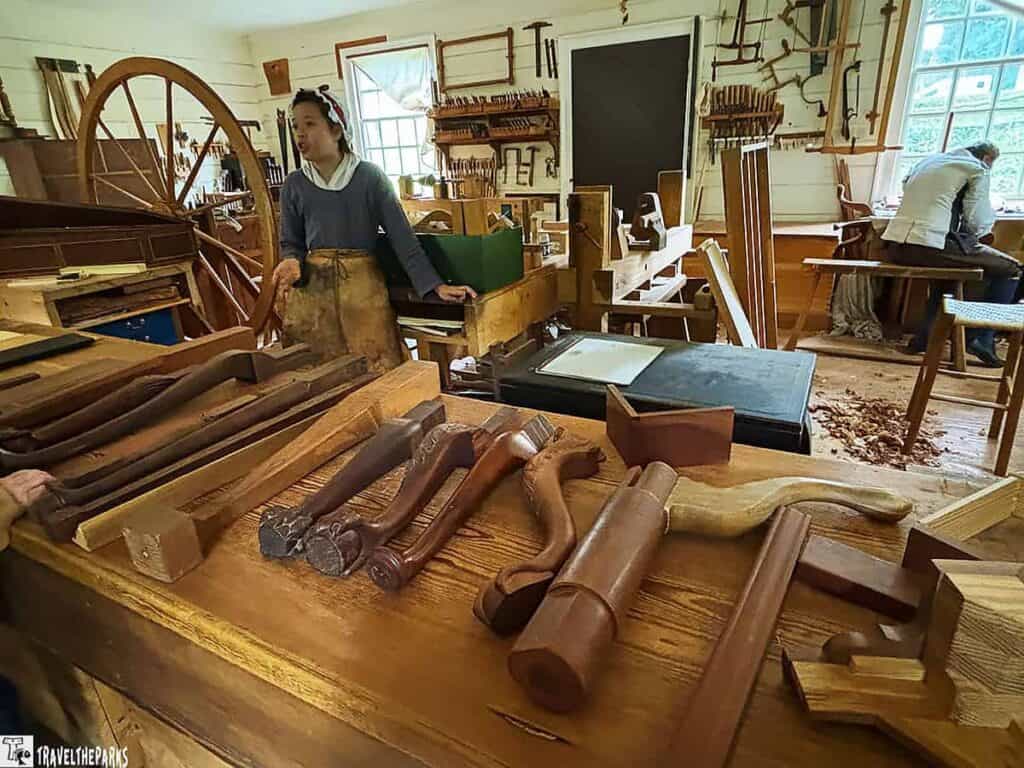
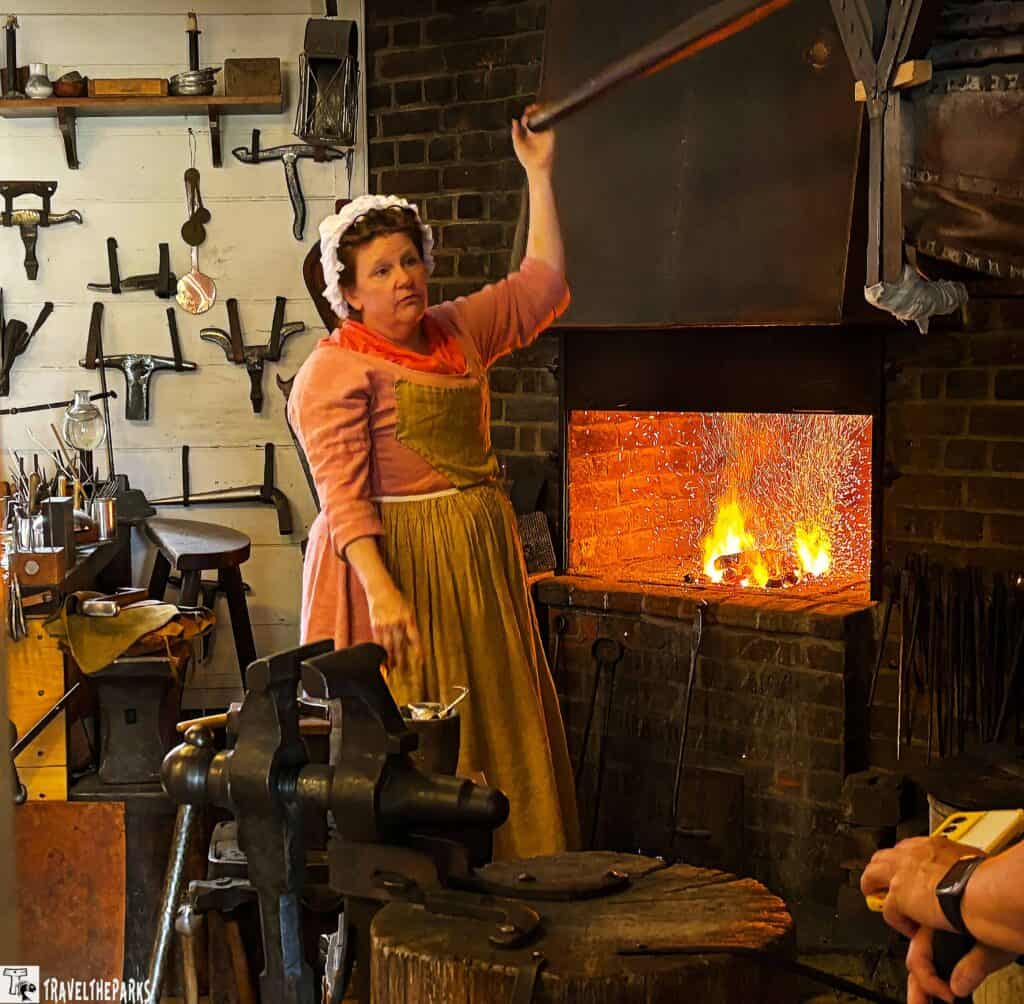
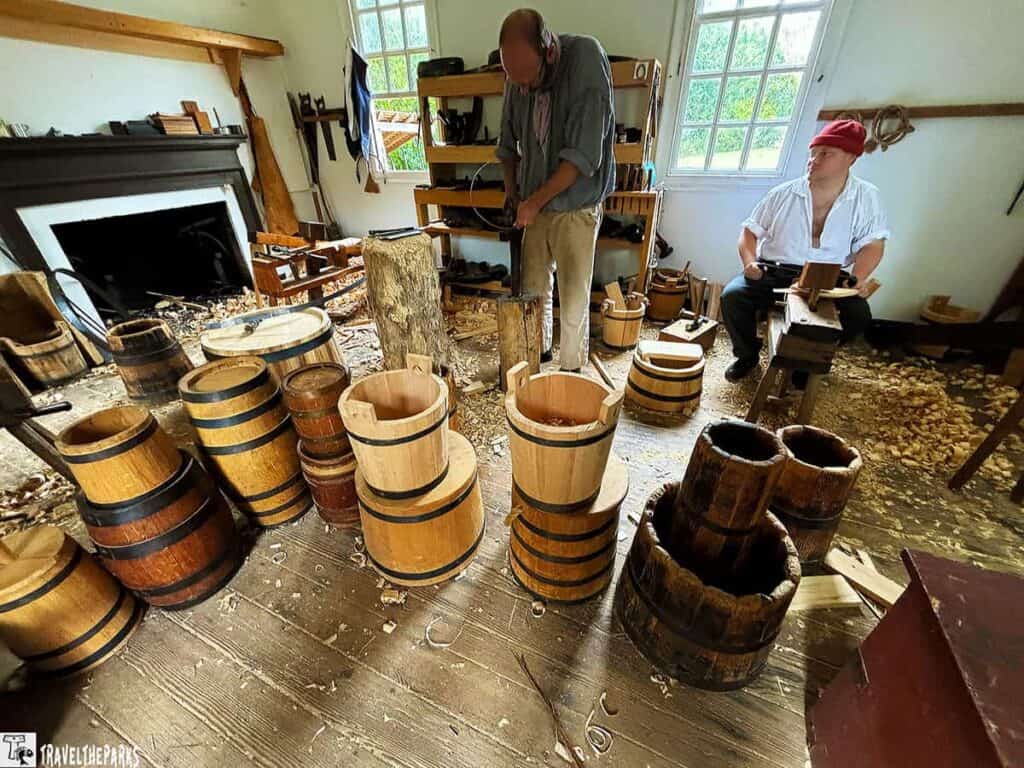
If we’re making a list of the best things to do in Colonial Williamsburg, there’s one thing that always springs to mind: touring the historic trade shops. They’re not just displays, but living and working areas in which talented artisans make the 18th century come alive. Every clang of a hammer or thread of a needle has a story to tell, and for us, these shops are truly one of the best things to do in Colonial Williamsburg.
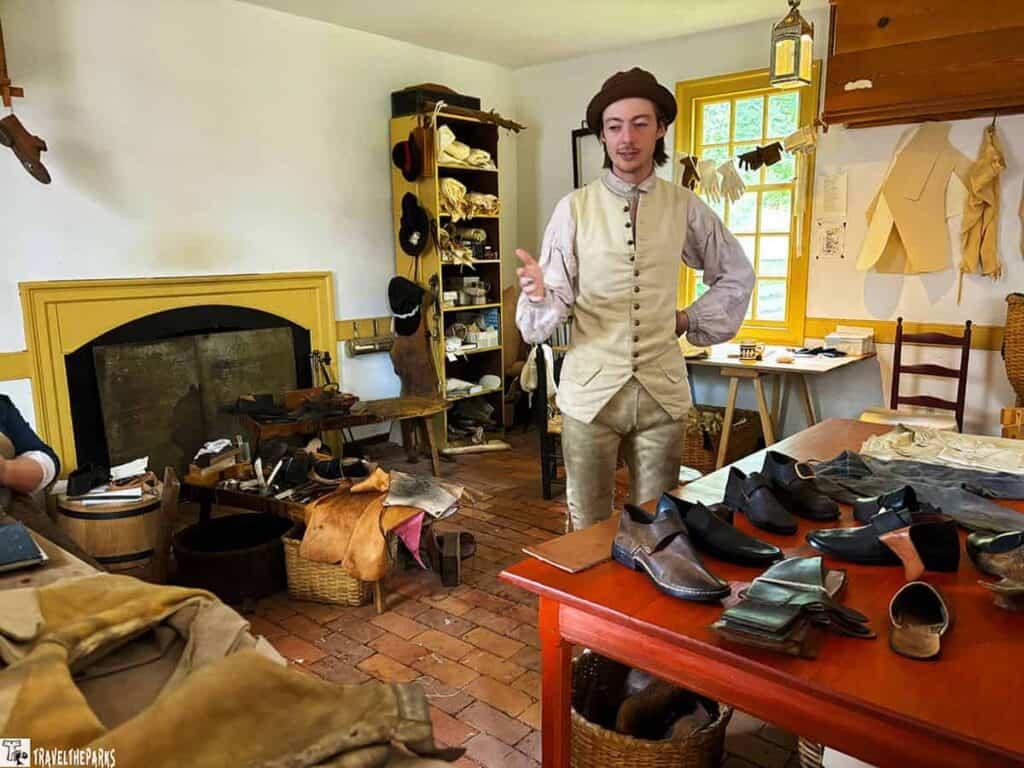
Authentic Artisan Experiences: Our Favorite in Colonial Williamsburg
- The Wigmaker’s Shop: We discovered that a wig was far more than a fashion statement; it was a political declaration on top of your head! The elaborate process of creating these status symbols revealed the deep class distinctions of colonial society.
- The Silversmith Shop: A touch of glamour never hurts, so we stopped by here to admire the work of colonial silversmiths and jewelers. Their table settings and accessories are beautiful.
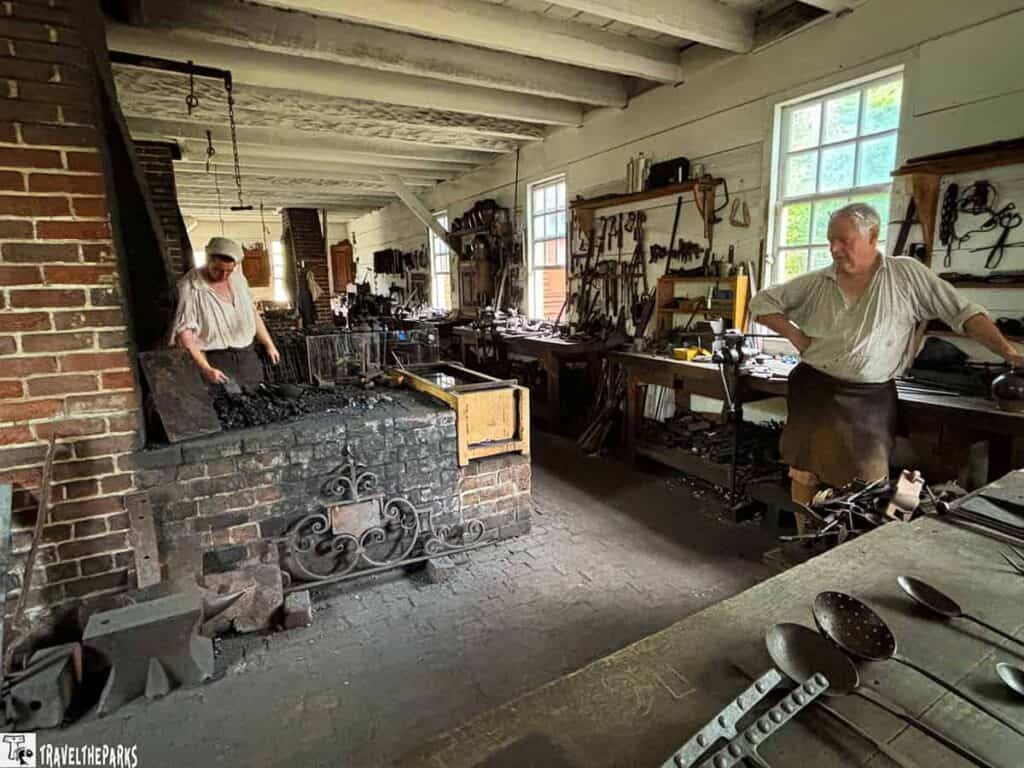
- The Blacksmith Shop: We love to watch sparks fly as the blacksmith hammered out nails, tools, and hardware, just as they have done for centuries.
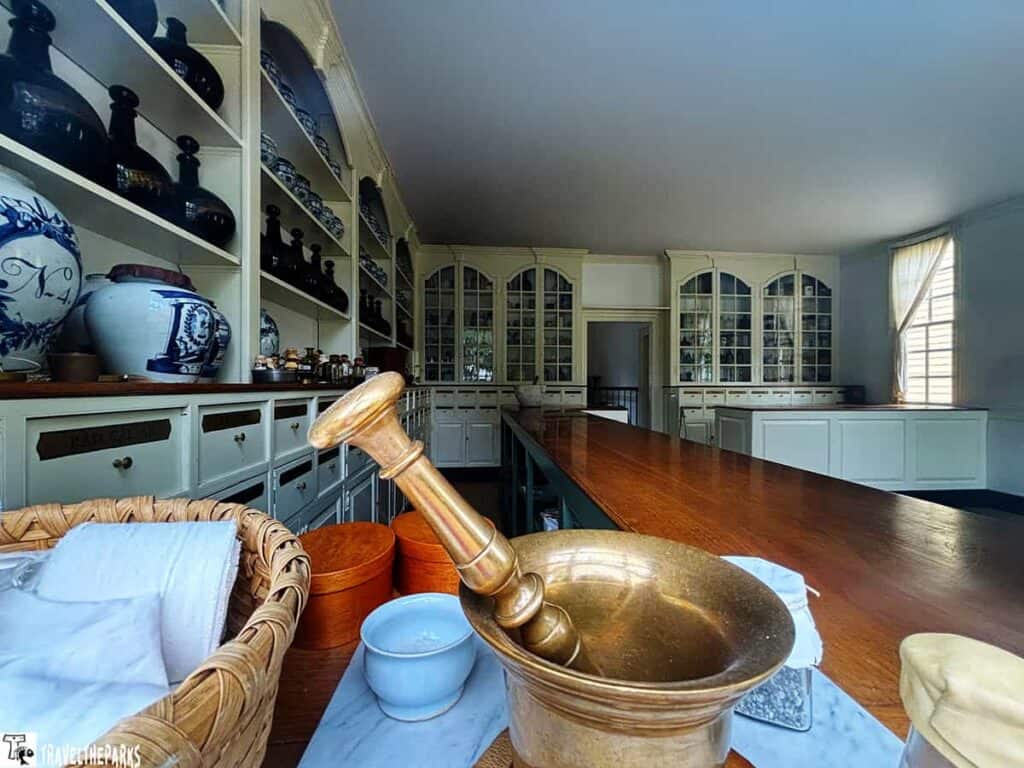
- The Apothecary: a place of both wonder and a little relief for modern sensibilities! We peered at remedies made from herbs, minerals, and… let’s call them “questionable” ingredients. It was a potent reminder of how far medicine has come.
- The Bookbinder’s Shop: This store often leads to interesting discussions. Watching how people used to bind books by hand and learning how printed materials sparked revolutionary thoughts makes history feel alive and important.
- The Carpenters Shop: We observed furniture made by hand, wagons, and even frames for houses, all created using old-fashioned tools. The talent and accuracy in every piece were really amazing.
- The Shoemaker’s Shop: Ever wonder how shoes were made before factories? We were amazed to watch every step of the process—from cutting leather to hand-stitching soles.
5. Visit the Art Museums of Colonial Williamsburg
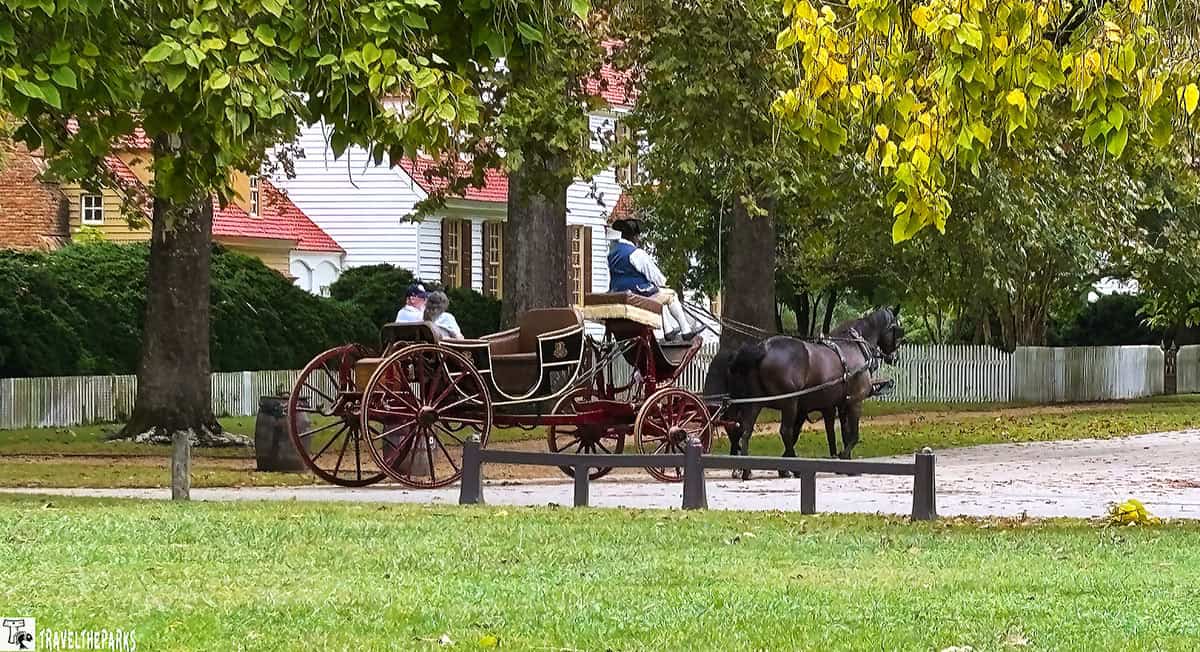
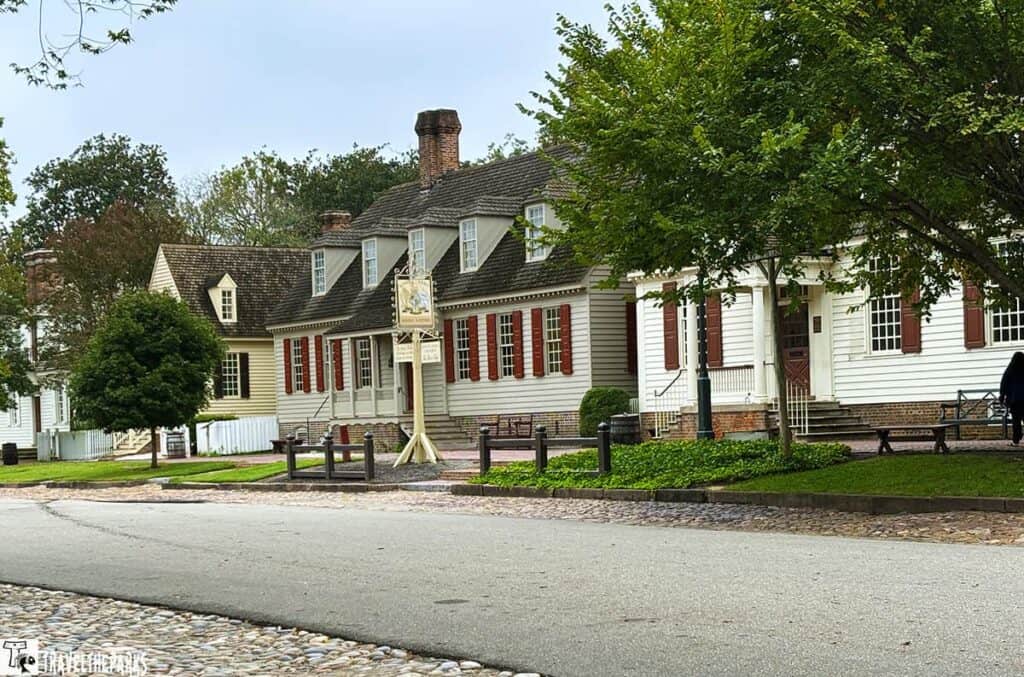
As first-time visitors to Colonial Williamsburg, we became captivated not only by the horse-drawn carriages and the cobblestone streets but also by the museums that encourage you to take time to relax. We really enjoyed our time exploring the art museums. Located just a short walk from the historic area, the DeWitt Wallace Decorative Arts Museum and the Abby Aldrich Rockefeller Folk Art Museum catch visitors by surprise with their delightful charm, vibrant colors, and engaging stories.
- DeWitt Wallace Decorative Arts Museum: We lingered here longer than we intended, amazed at the elegance of early American life. From beautifully hand-carved chairs to elagantly crafted silver tea sets, every piece seemed to be sharing a story of the people who had once handled them. The elegance and delicacy in simple objects left us in awe at the skill that went into everyday colonial existence.
- Abby Aldrich Rockefeller Folk Art Museum: We were completely enchanted by this institution. We couldn’t help but grin at the naughty weathervanes, bright and quirky portraits, and heavenly weird trinkets that were both old and reassuringly familiar. A joyful reminder that colonial art wasn’t all proper and perfect—it was cozy, vibrant, and wonderfully creative.
6. Experience Colonial Dining
As we settled into one of the historic taverns, candlelight danced on pewter platters and muted fiddling in the distance, creating a unique dining atmosphere. Colonially dressed servers welcomed us as old friends from times past, and the menu? A delightful mix of hearty colonial fare and comfort food.
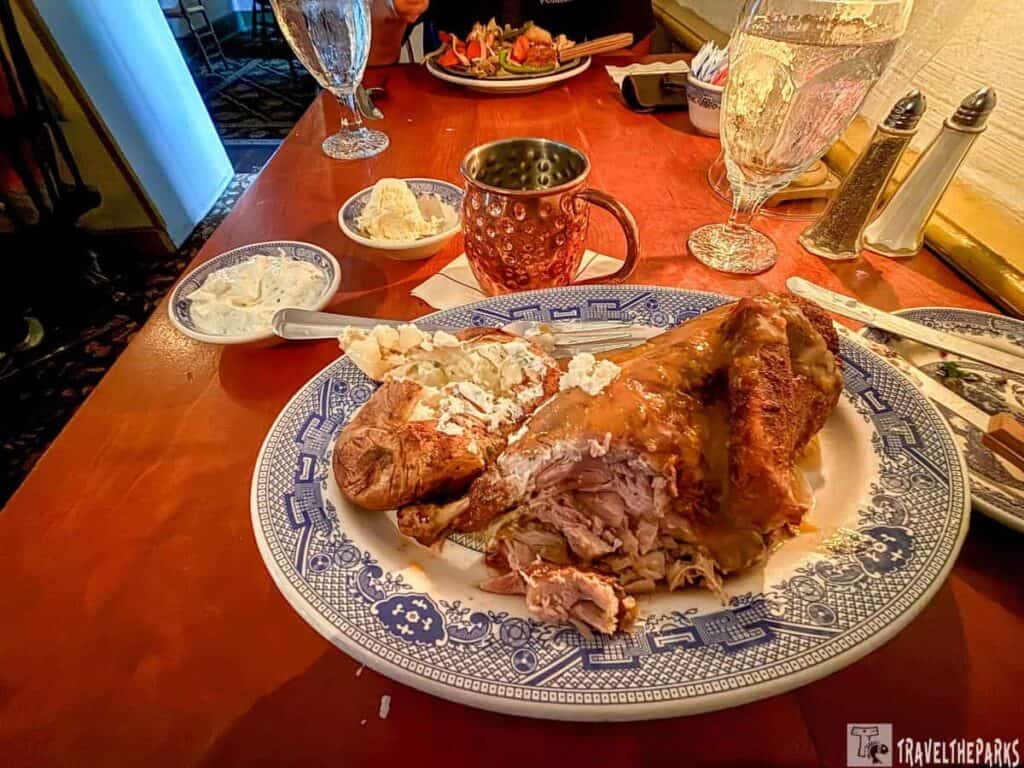
We feasted on plates of roasted duck, onion pye which was rich and flavorful, and spoon bread, whose flavor was akin to something straight out of an 18th-century hearth. Amidst sips and bites, we couldn’t help but speculate who might have sat at these very tables centuries ago, drinking cider and discussing the future of the colonies.
There was something wonderfully theatrical in it all. The food filled our bellies, and for an hour we were all characters in a story centuries in the making. Laughter echoed between the tables, fiddles whispered in the background, and for one fleeting moment, we forgot the world at all.
PRO Tip: Make reservations for taverns, as they fill up quickly, especially for dinner.
7. Attend Seasonal Events: Periodic Magic in Colonial Williamsburg
Throughout the year, Colonial Williamsburg puts on exciting seasonal events. December’s Grand Illumination features fireworks and fun performances. In the spring and fall, there are Market Days, where visitors can enjoy colonial crafts and music. Every season has its own special events. We recommend that you check the event calendar before traveling. No matter if it’s an exciting reenactment or a peaceful lantern night, these events make your trip more special, and they could be the best part.
PRO Tip: Visit during shoulder seasons (April-May or September-October) for pleasant weather and fewer crowds.
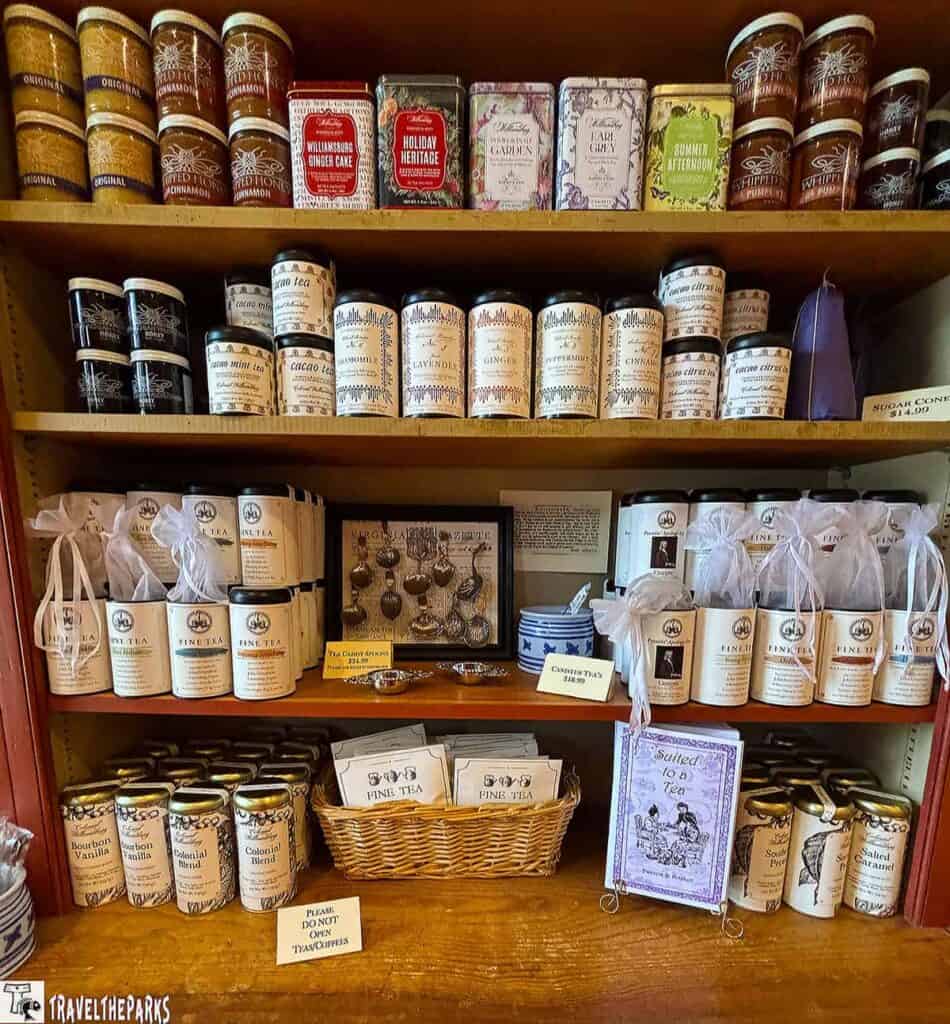
8. Shop at Merchant’s Square
Just steps from the cobblestone streets, we discovered Merchants Square – our perfect blend of history and modern comforts. It’s a magnificent spot to pick up unique souvenirs. We spent hours happily exploring the treasures within the red-brick storefronts.
- The Candle Cart: where we couldn’t resist hand-dipped tapers that now make our date nights feel straight out of the 18th century
- R. Bryant’s Mercantile: the spot where we (perhaps impulsively) invested in a tricorn hat and stays “for research purposes”
- Aromas Coffeehouse: our modern pitstop for pumpkin spice lattes when the colonial fantasy needed a caffeine boost
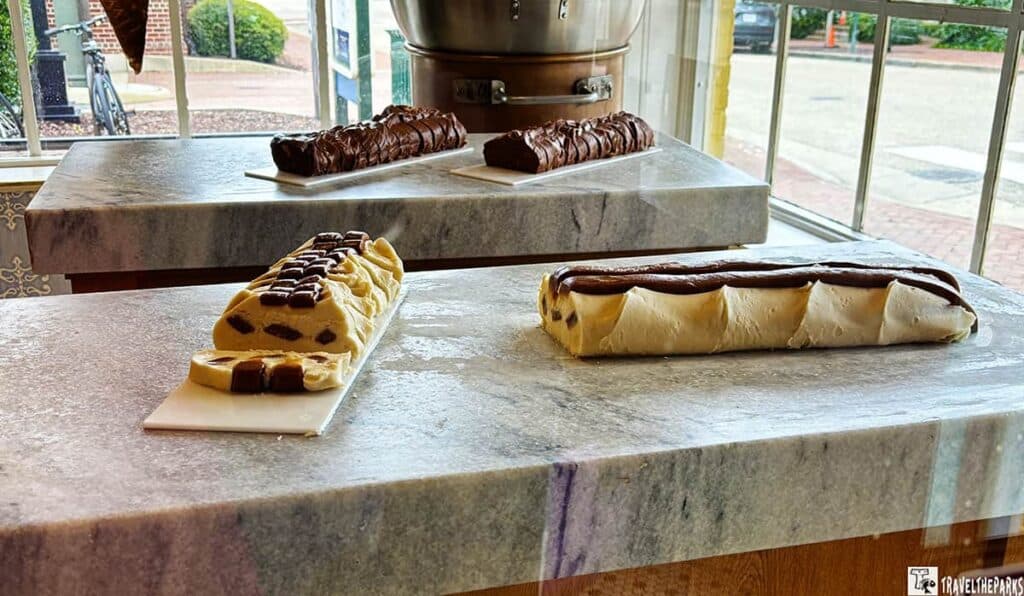
Just steps from Colonial Williamsburg’s main square, Kilwins is the kind of place that draws you in with the smell alone. You can watch creamy fudge being hand-paddled on marble tables, then sample a slice still warm from the batch. Alongside their signature fudge, they offer caramel apples, hand-dipped chocolates, and small-batch ice cream — the perfect sweet stop after a long day of exploring the historic streets.
Pro Tip: For a truly unique taste of history, skip the standard souvenirs and make a beeline for the Williamsburg Lodge Marketplace. Don’t leave without a bottle of their mead from Silver Hand Meadery. It’s the most delicious history lesson you can bring home.
9. Stroll the Gardens and Green Spaces
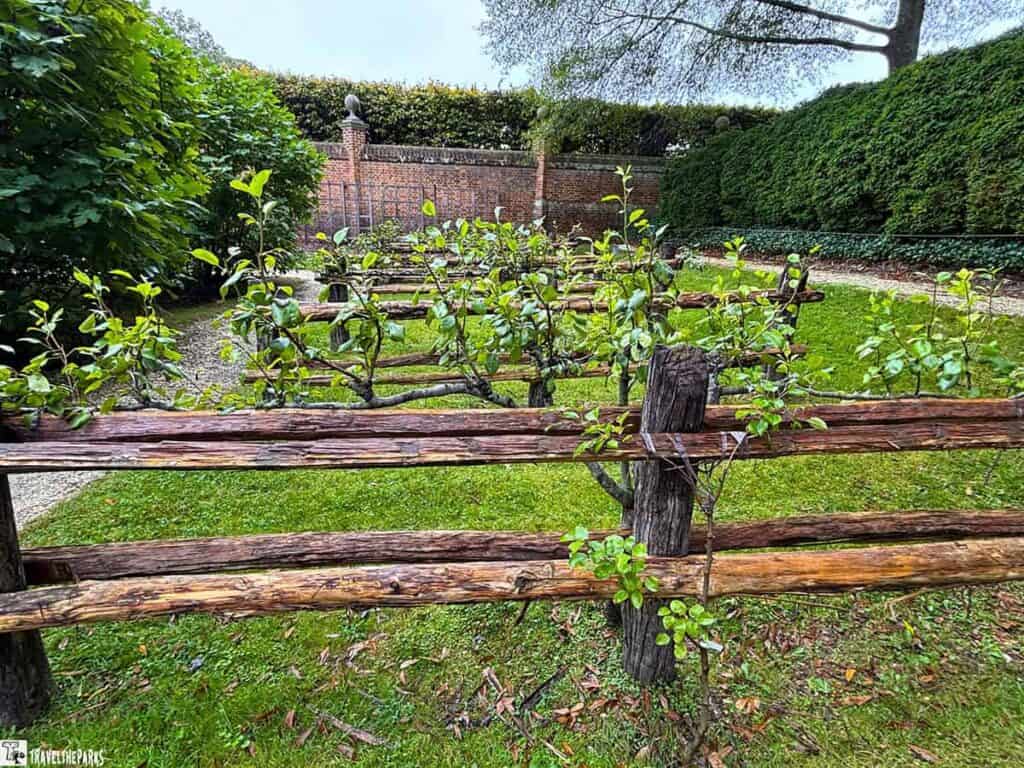
We briefly left the noise behind and went into the colonial gardens. These spots are excellent places to take a leisurely walk, have a quick snack, or simply sit and appreciate the quiet.
- Governor’s Palace Gardens: Take a walk through elegant hedgerows, seasonal flowers, and wooded paths. Make sure you see the boxwood maze, which is hidden beyond the gardens. Regardless of age, it’s a crowd-pleaser, adding fantasy to historical visits.
- Bassett Hall Gardens: John D. Rockefeller Jr. used to call this place home. These gardens are a little more formal and less lively. They are perfect for reflection or just strolling under the trees.
- Colonial Kitchen Gardens: These working gardens are scattered throughout the Historic Area. They demonstrate 18th-century planting techniques and showcase herbs, vegetables, and flowers just as people grew them centuries ago.
Colonial Williamsburg: Frequently Asked Questions
- What should I bring with me for the day?
- Comfortable walking shoes: the historic area covers several blocks.
- Water bottle: stay hydrated while exploring.
- Weather-appropriate clothing: layers are ideal in spring or fall; bring sun protection in summer. I know our rain gear was a must-have for us on a rainy day.
- Snacks: though there are cafes and restaurants, small snacks can help between meals.
- Camera or phone: for photos of historic buildings, gardens, and costumed interpreters.
- Backpack or tote: to carry your items comfortably throughout the day.
2. What is the best time to visit?
- Spring (April–June): Mild weather, blooming gardens, and fewer crowds.
- Fall (September–November): Cool temperatures, fall foliage, and seasonal events.
- Summer (July–August): Longer hours and special programs, but expect larger crowds and higher heat.
- Winter (December–February): Fewer visitors, some attractions may close, but holiday events offer a unique experience.
3. How long should I plan to spend there?
- A full day is ideal to explore the Historic Area, trade shops, taverns, and museums.
- Two days let you enjoy guided tours, special programs, and nearby attractions.
4. Are tickets required?
- Yes! Tickets are required for access to most historic buildings and programs. Some gardens and public areas are free to visit.
Final Thoughts: The Best Things to Do in Colonial Williamsburg
One of my most unforgettable experiences was watching the blacksmith in action. Although we have encountered working forges at Hard Labor Creek State Park and Prophetstown Farm, we both feel that witnessing the blacksmiths here was exceptional. Observing them as they deftly created 18th-century metalwork right in front of us enhanced our overall experience. It brings history to life uniquely.
Colonial Williamsburg offers more than just a place to visit; it allows us to step back into history. Every time we tour a historic house, our understanding of America’s heritage increases. I must say, this living history museum turns the past into a remarkable adventure.
Ready to step into history? Book your tickets now and share your Colonial Williamsburg adventures in the comments below!