There’s a moment — somewhere between passing through the wooden palisade gate and hearing the crack of a musket in the distance — when the modern world just falls away. That’s what the Fort Foster State Historic Reenactment does to you. One minute you’re a regular Florida family on a weekend outing. The next, you’re standing smack in the middle of 1836, surrounded by soldiers, settlers, and stories that most people never even knew existed.
Tucked inside Hillsborough River State Park, just a short drive north of Tampa, this is one of those rare places that earns the word “hidden gem” without a hint of irony. If you’ve been searching for something different — something that actually sticks with your kids long after the weekend is over — the Fort Foster living history event is exactly what you’ve been looking for.
This post may contain affiliate links, meaning if you purchase something through one of these links, we may earn a small commission at no extra cost to you! Read the full disclosure policy here.
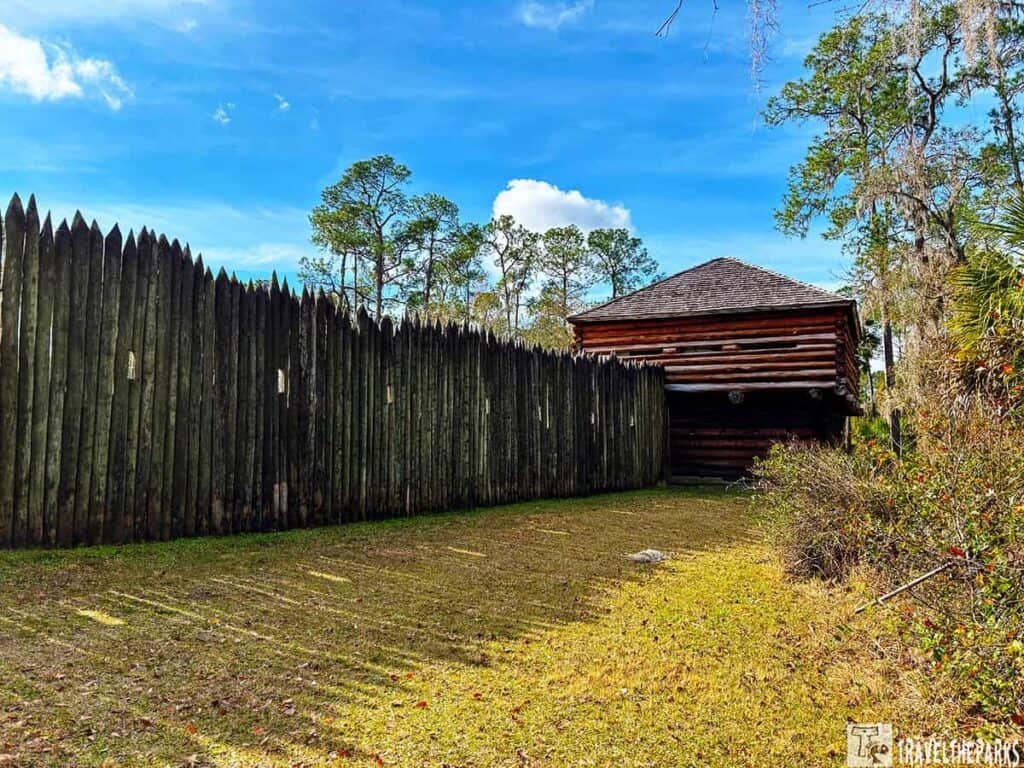
Table of Contents
What to know before you go: Fort Foster Historic Reenactment
- Location: The address is 15402 US-301, Thonotosassa, FL 33592
- Interpretive Center inside Hillsborough River State Park, open daily from 9 AM to 4 PM.
- The Fort Foster State Historic Reenactment is a ticketed event that typically takes place on select weekends between January and March — Florida’s sweet spot for outdoor activities when the weather is cool, dry, and genuinely pleasant. February mornings in particular feel tailor-made for this kind of outing. Check the Florida State Parks website or Hillsborough River State Park’s event calendar for the exact dates each year, as they can shift.
- Tickets and Entry Fees: There is a separate admission fee for the reenactment event, in addition to the standard state park entry fee. Prices are very reasonable — especially for a family outing with this much substance. It’s worth checking in advance and purchasing tickets early, as these events can sell out on busy weekends.
- Best Time to Arrive: Get there early. The morning hours are cooler, less crowded, and the light through the trees is stunning. Arriving right when the gates open also gives you more one-on-one time with the reenactors before the crowds build up.
- Parking is available inside the park. On reenactment weekends, follow staff directions as overflow areas may be in use.
How to Get There: Directions to Hillsborough River State Park
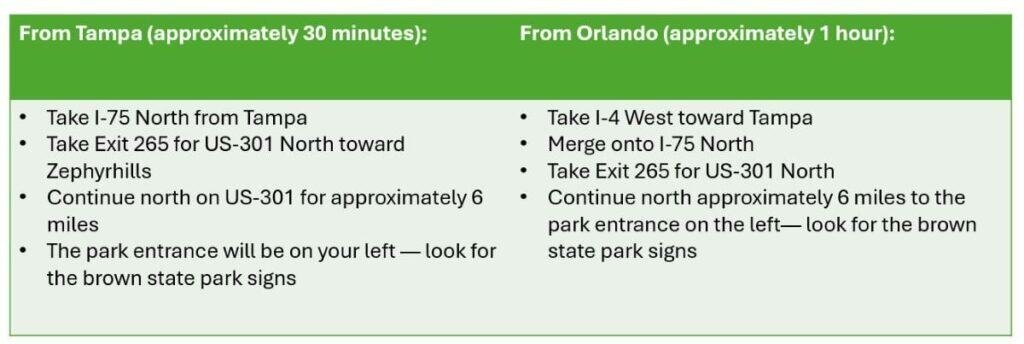
Fort Foster is part of Hillsborough River State Park, about 12 miles north of Zephyrhills and roughly 30 miles northeast of Tampa.
Why Fort Foster Deserves a Spot on Your Bucket List
Most people think of Civil War battlefields like Antietam or Colonial Williamsburg when they imagine living history experiences. But the Fort Foster frontier reenactment tells a chapter of American history that rarely gets the spotlight — Florida’s Second Seminole War (1835–1842), the longest and most expensive Indian war in U.S. history.
First, a quick history lesson—the kind that actually sticks because you’re about to walk through it.
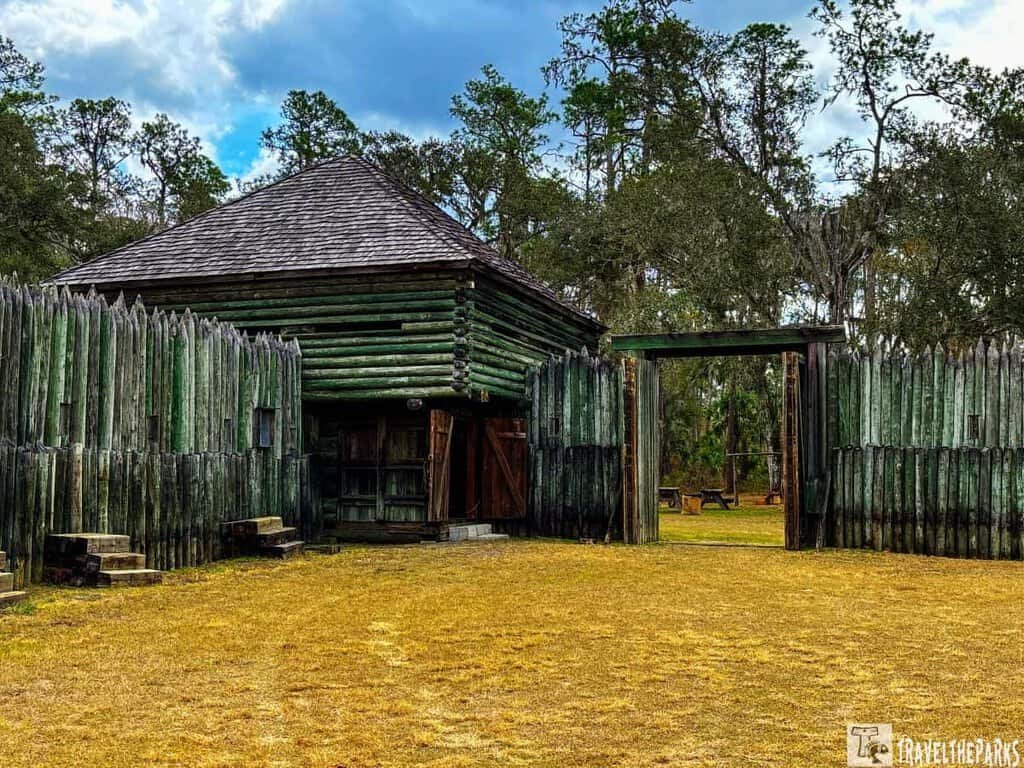
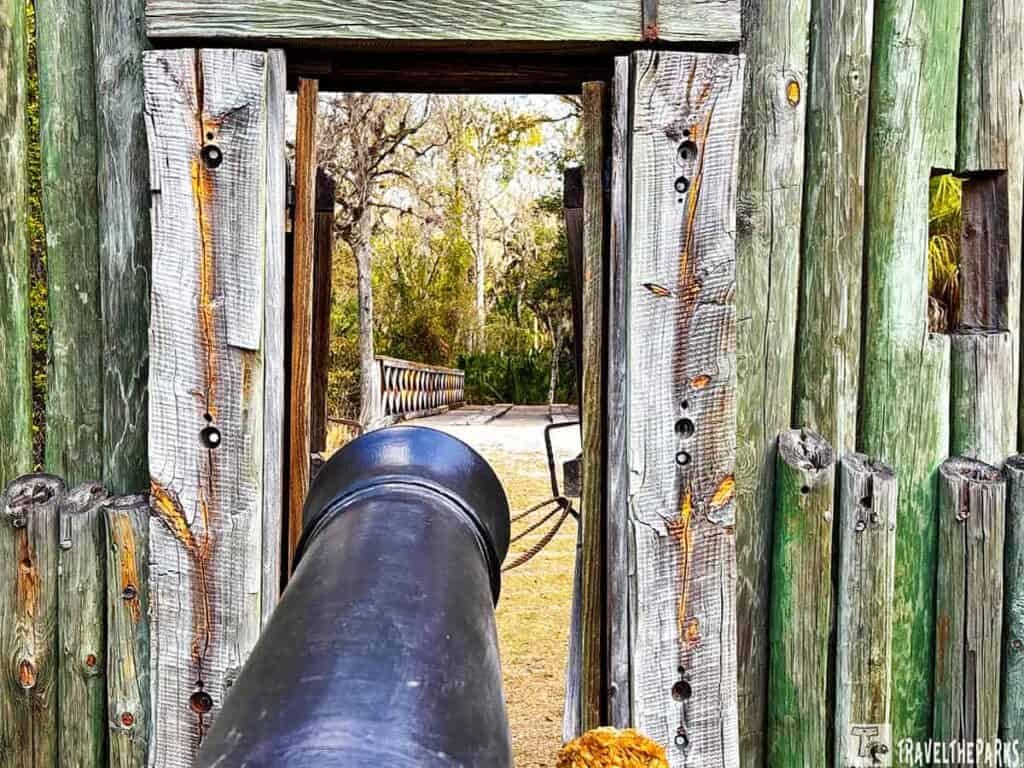
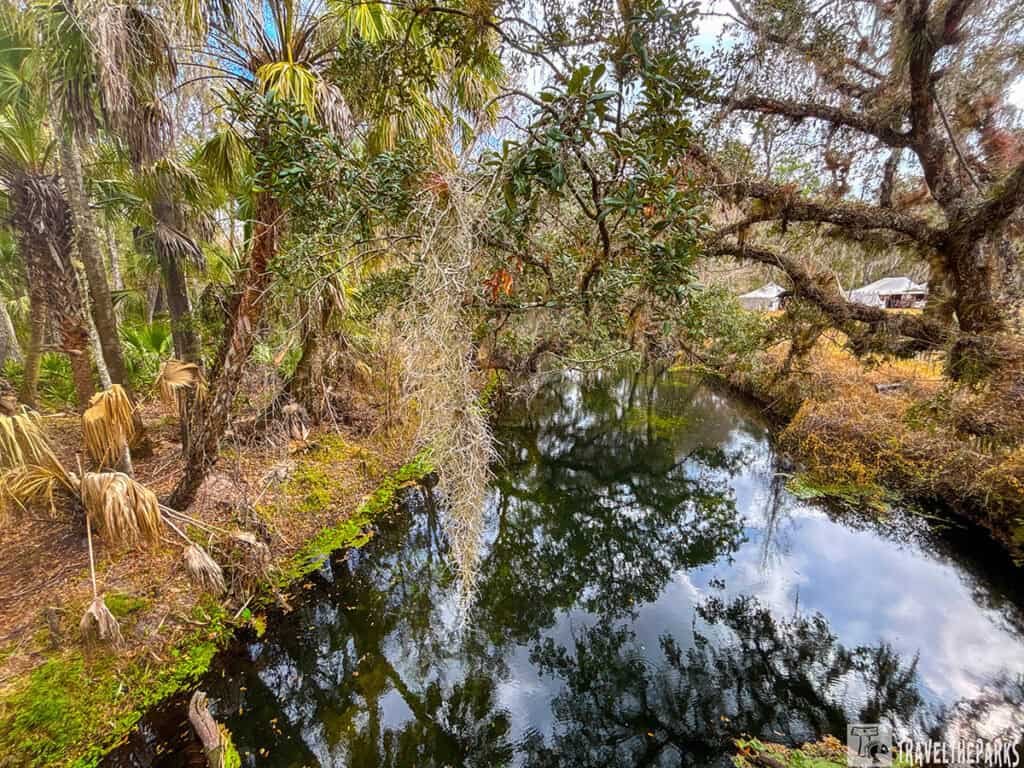
Fort Foster was a real U.S. Army outpost built to guard a strategic Fort King Military Road crossing on the Hillsborough River. Today, the reconstructed fort stands in almost the exact same spot, surrounded by the same river, the same Spanish moss-draped oaks, and the same wild Florida landscape. That authenticity is hard to fake — and here, nobody has to.
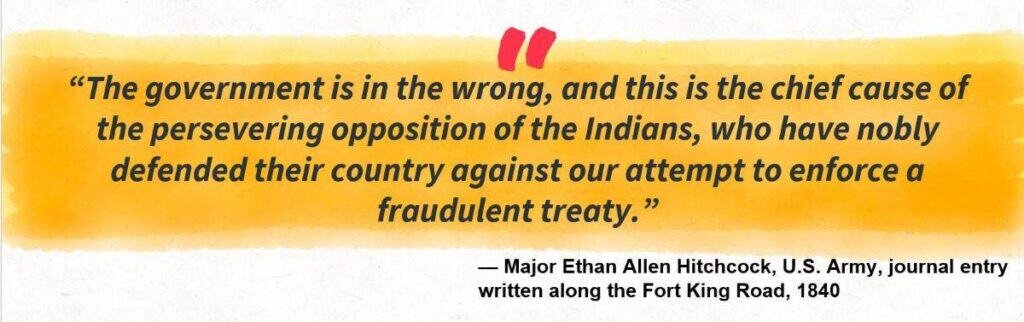
The Fort Foster historical experience brings in dedicated reenactors who don’t just dress the part — they live it for the weekend. They cook period food over open fires, demonstrate musket drills, and talk to visitors like neighbors rather than museum guides. It’s interactive, it’s personal, and honestly, it’s a little bit magical.
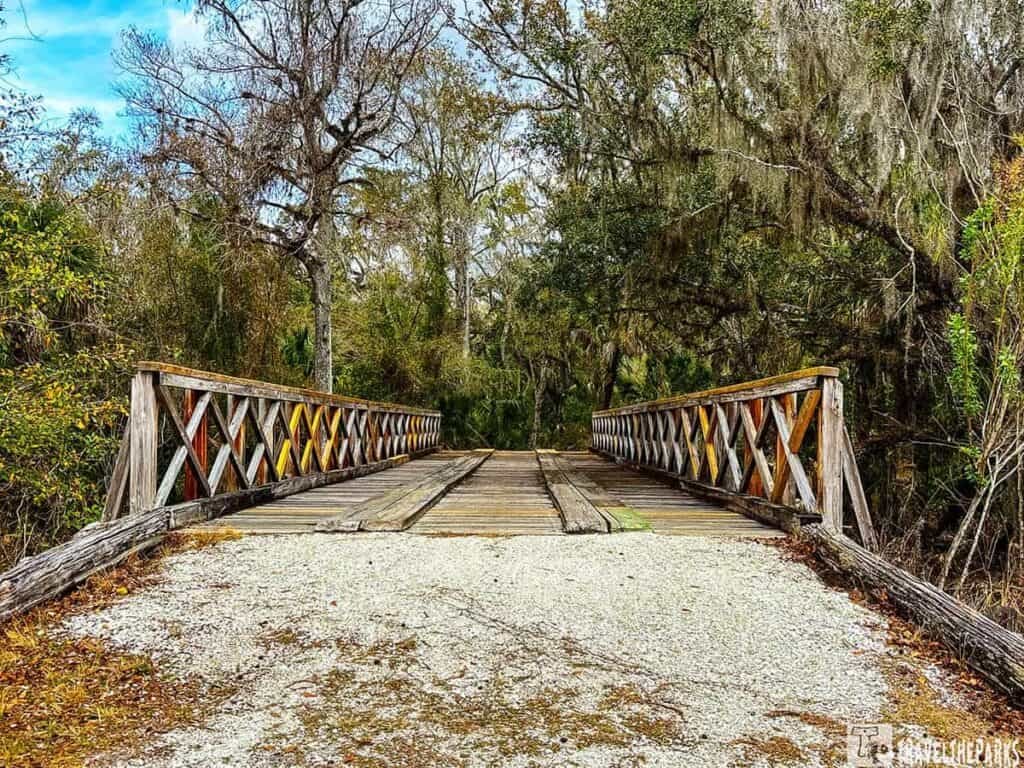
Inside the Stockade at Fort Foster State Historic Reenactment
Step through the gate and you’re in another century.
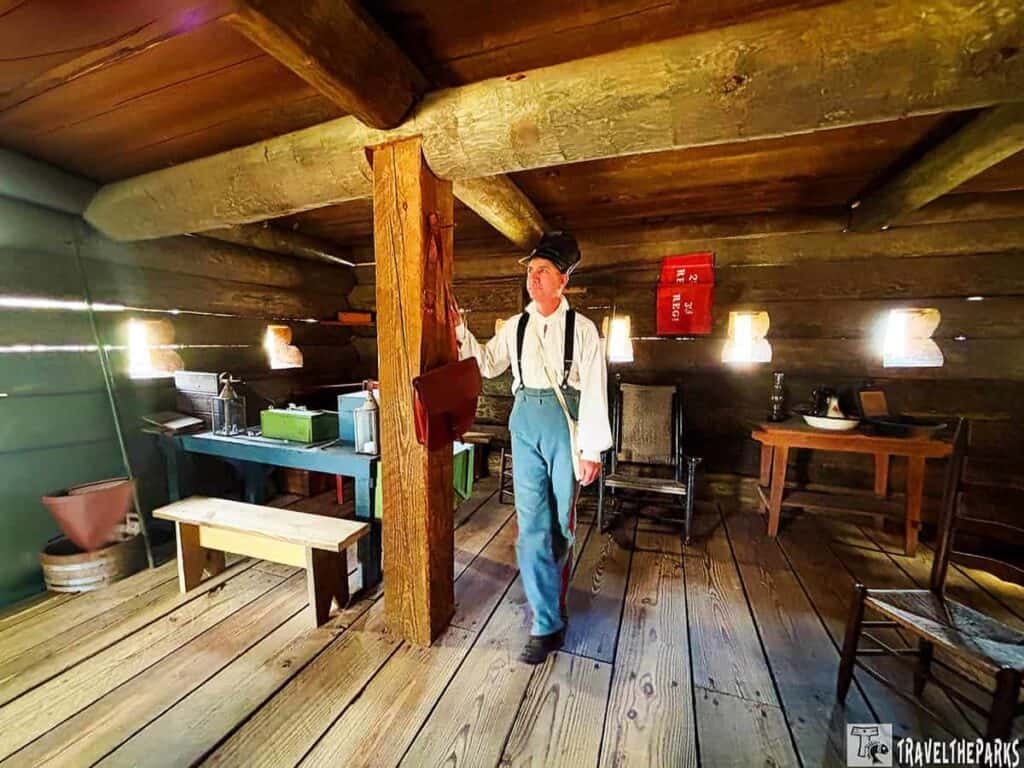
The fort itself is compact — a few buildings inside a wooden palisade: the enlisted men’s quarters, the officers’ quarters, the powder magazine, and the well. Reenactors in period dress populate every corner, ready to answer questions and demonstrate 1830s life.
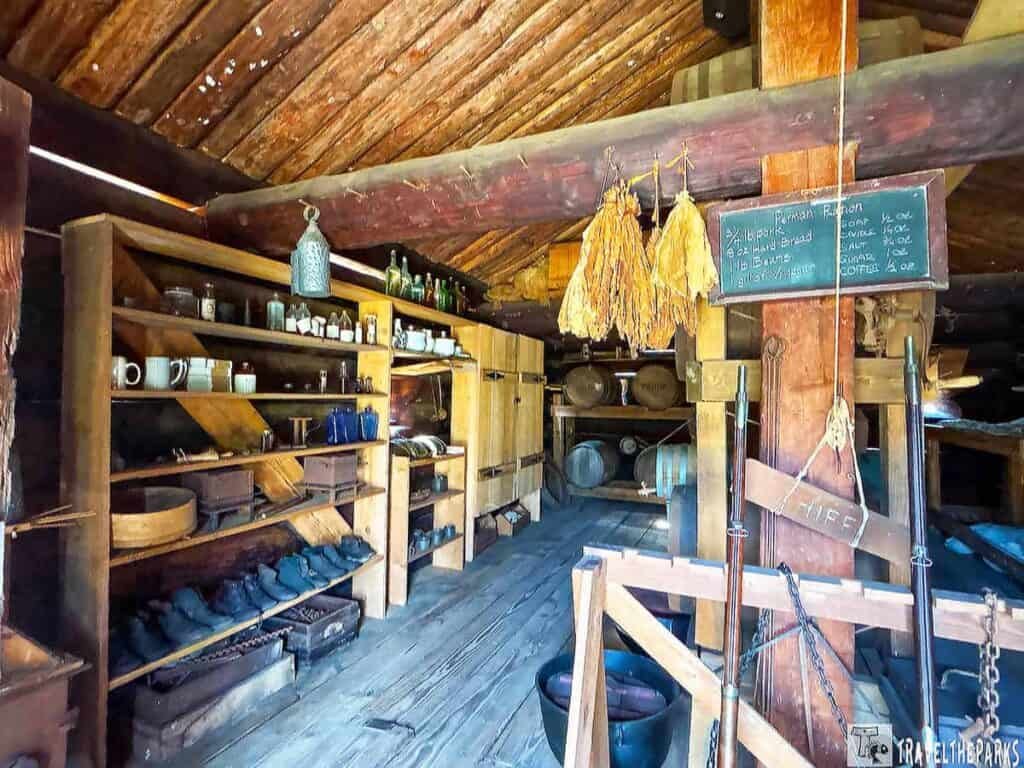
What You’ll See Inside:
- Soldiers drilling: Volunteers in U.S. Army uniforms of the 1830s march and maneuver, their movements precise, their muskets gleaming. The commands sound strange to modern ears — “Prime and load!” “Make ready!” “Take aim!” “Fire!” — and the crack of blank rounds echoes across the river.
- Period demonstrations: Blacksmiths work portable forges. Women in period dresses cook over open fires. Medical interpreters display gruesome surgical tools that make you grateful for modern anesthesia.
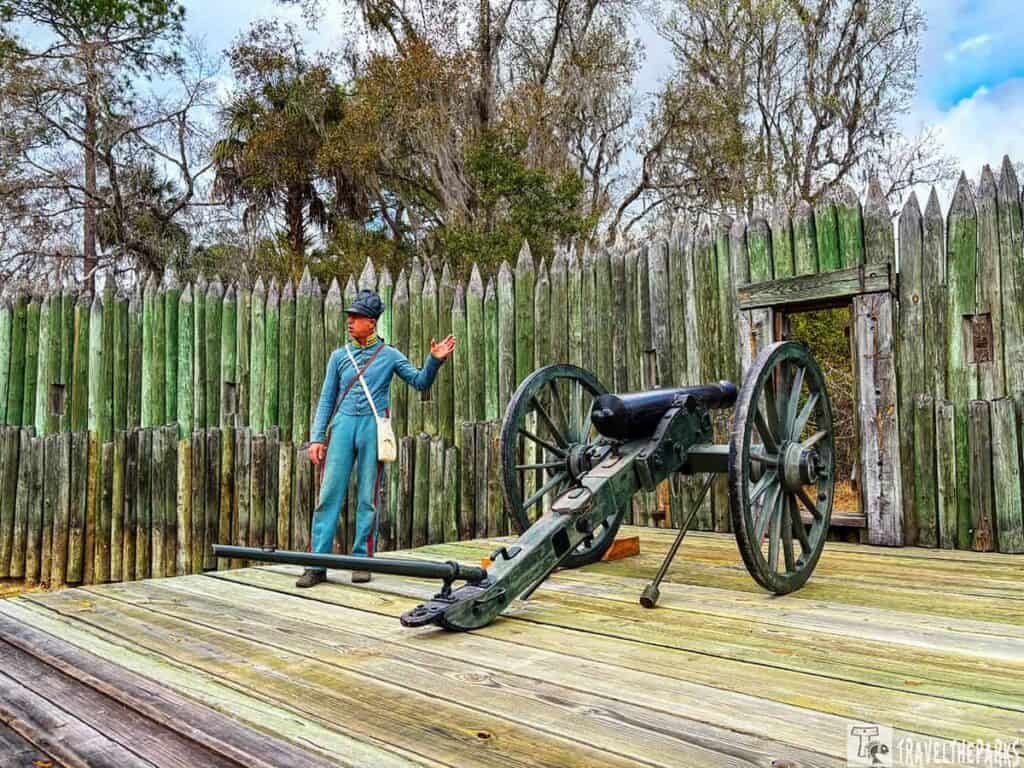
- Cannon demonstrations: The real showstopper. When the field piece fires, you feel it in your chest. The smoke, the thunder, the way children clap hands over their ears — it’s unforgettable.
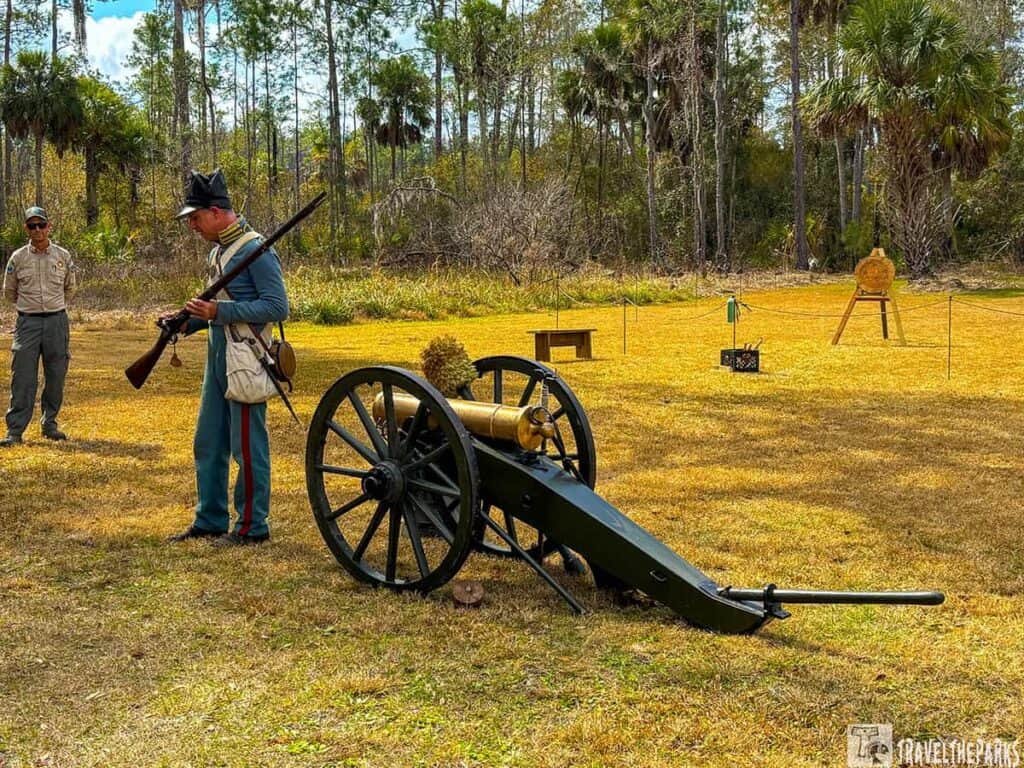
The Battles: History Comes Alive
Twice daily, the reenactment moves outside the fort for the main event: a staged battle between U.S. soldiers and Seminole warriors.
Now, let’s be clear about something—this isn’t a Hollywood spectacle with explosions and slow-motion heroics. It’s something better. It’s educational.
The “Seminoles” (portrayed by reenactors in period-appropriate dress) emerge from the tree line. Shots are exchanged. Tactics are demonstrated. You hear the officers shouting commands, see the soldiers form lines. We watched as the Seminole warriors used the Florida landscape to their advantage.
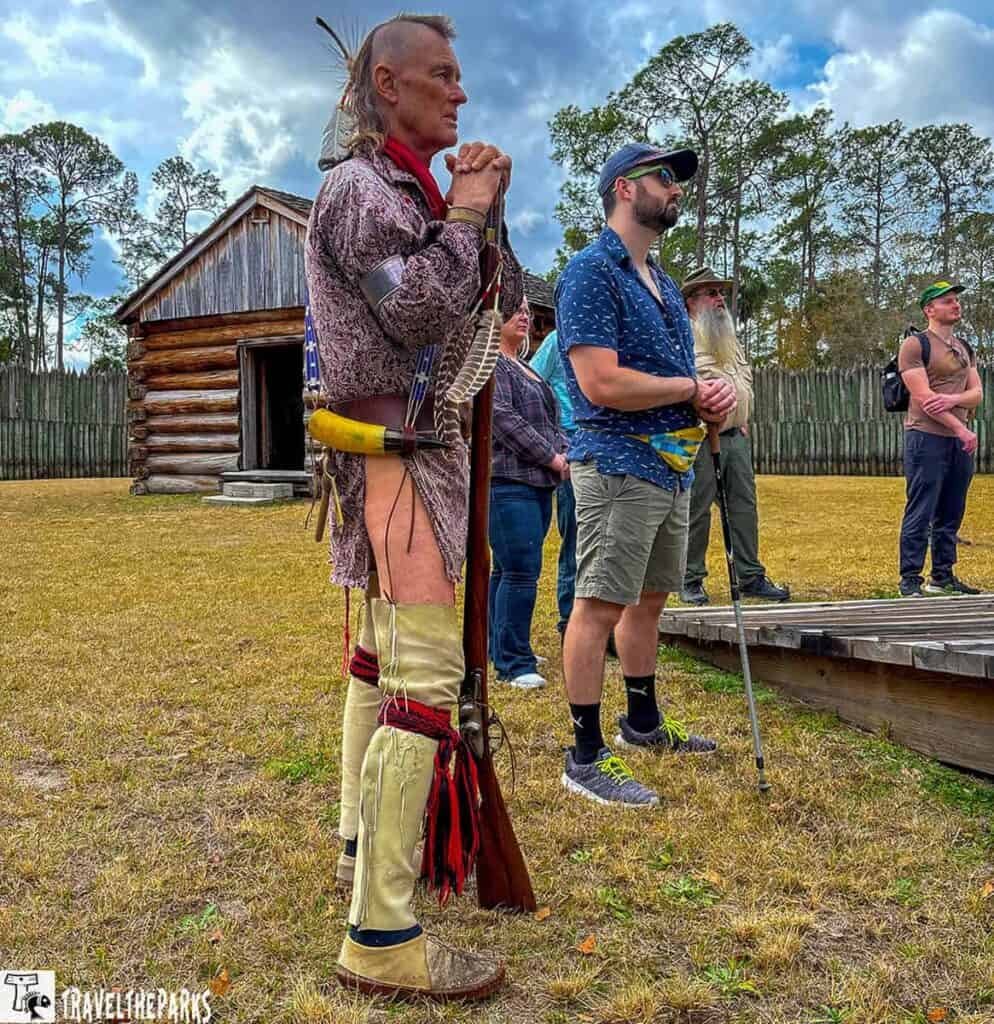
The interpreters pause between volleys to explain what’s happening — why the soldiers fight in lines, how the Seminoles adapted European tactics to Florida’s dense woods, what both sides hoped to achieve.
By the end, we understood something you couldn’t learn from a textbook: this war was brutal, confusing, and fought by ordinary people on both sides.
Beyond the Battle: Living History
What makes Fort Foster special isn’t just the battles — it’s the living history scattered throughout the site.
- Candle-making and cooking: Try your hand at dipping candles or watch hardtack biscuits bake in a cast-iron skillet. The vendor sells authentic fry bread.
- Period games: Children can try games 1830s kids would have played. No screens, no batteries, just sticks and balls and imagination.
- Weapons demonstrations: Beyond the battles, interpreters explain the technology: flintlocks, bayonets, the brutal efficiency of military firepower.
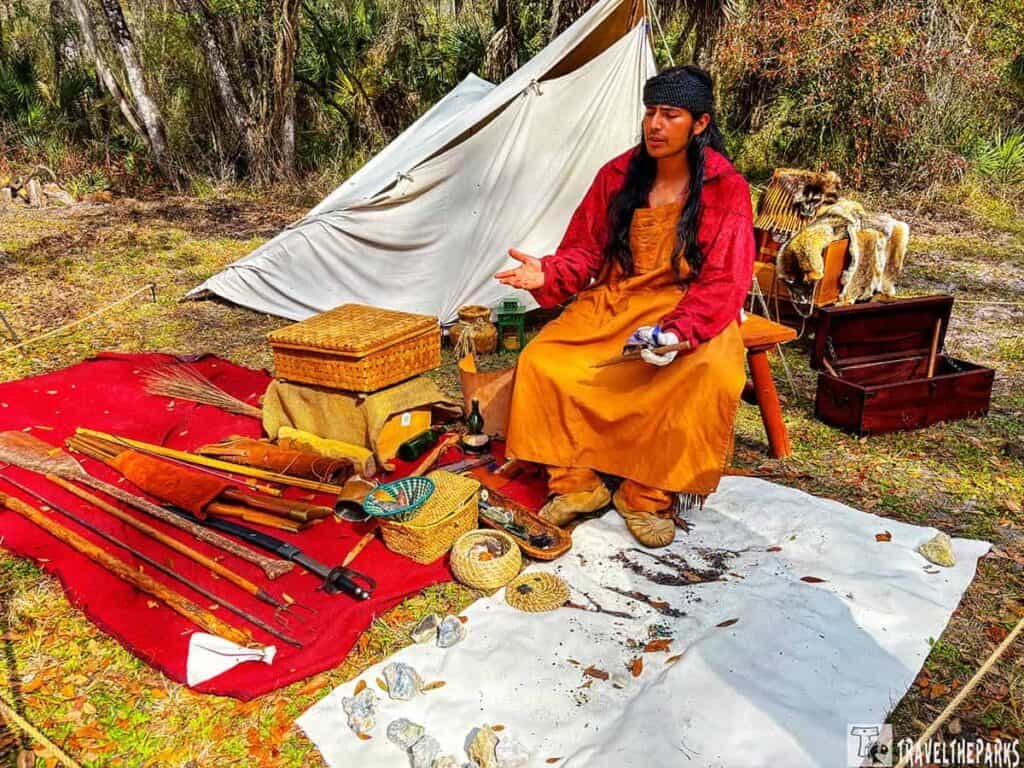
- Seminole Camp perspectives: Today’s reenactments include interpreters discussing the Seminole side of the conflict — their reasons for fighting, their leaders, and their eventual removal from Florida. For us, this was the best part of the day.
More Things to See and Do at the Fort Foster Living History Program
Beyond the core reenactment, the Fort Foster’s living history program offers plenty more to explore:
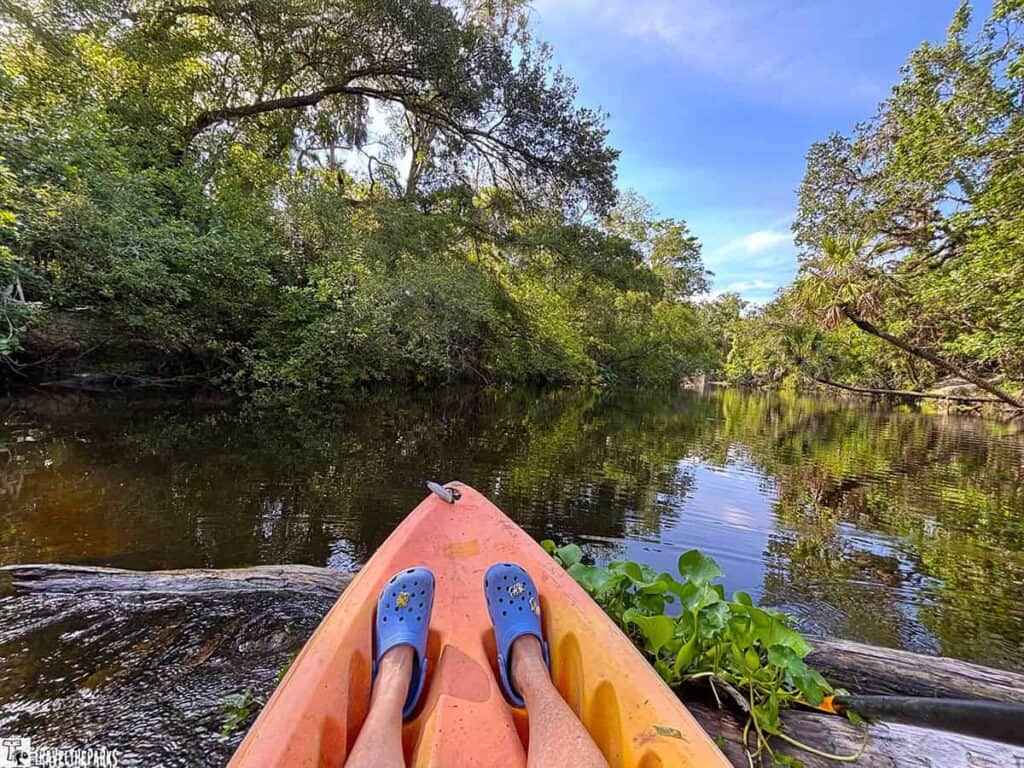
- Nature trails and the Hillsborough River: The park itself is gorgeous. The suspension bridge over the river and the surrounding trails make for a beautiful complement to the historical experience.
- Wildlife spotting: Hillsborough River State Park is alive with Florida wildlife. Keep your eyes open for alligators along the riverbank, osprey overhead, and deer moving through the trees.
What to Wear and Bring
- Comfortable walking shoes: the grounds are uneven in places
- Sunscreen and a hat, even in winter — Florida sun is no joke
- Water bottles for the whole family
- Bug spray, especially if you plan to hike the trails.
- A camera — the fort and river make for incredible photos
- Snacks or a packed lunch, since dining options in the park are limited
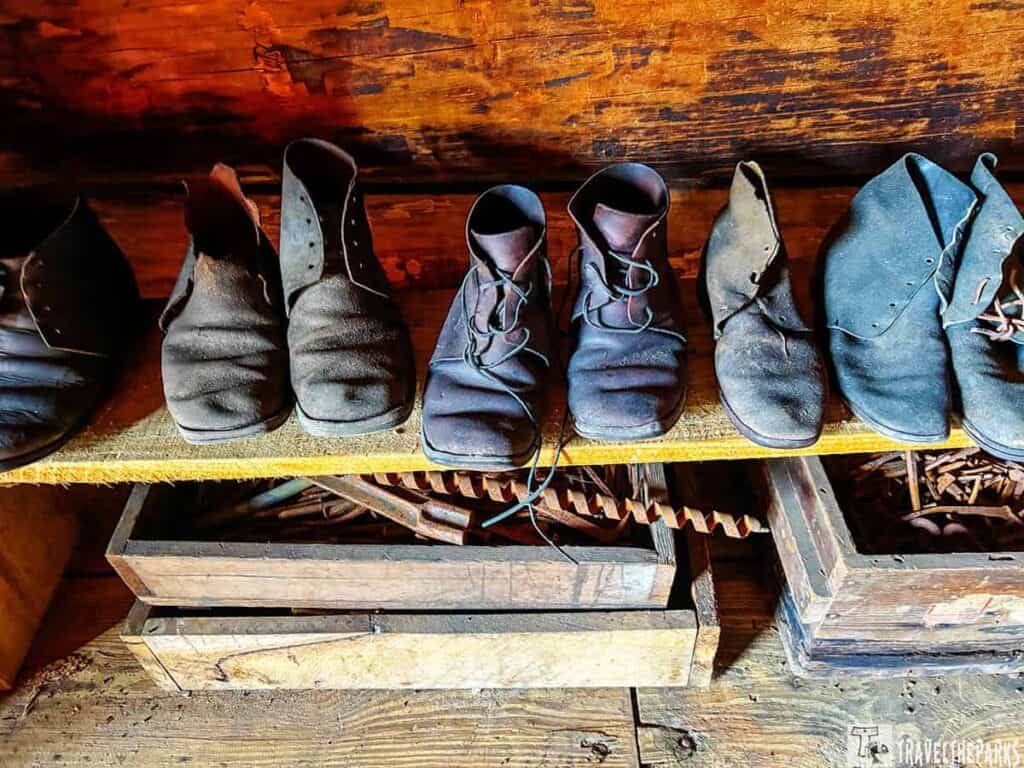
💡 Did you know? Soldiers in the 1830s wore shoes with no left or right foot. Both shoes were completely identical — known as “straight-lasted” — and soldiers would swap them between feet to wear them down evenly. It sounds uncomfortable because it was. Next time you spot the reenactors’ footwear, take a closer look!
Final Thoughts: History That Actually Sticks
The Fort Foster Historic Reenactment isn’t just a fun weekend activity — it’s one of those rare experiences that quietly shifts the way your family sees the world. History stops being something that happened in a textbook and starts feeling like something real, something that involved actual people making impossible choices in wild, dangerous terrain.
If you live in the Tampa Bay area or are passing through central Florida between January and March, do yourself a favor and carve out a morning for this one. The Fort Foster frontier reenactment has a way of sneaking up on you — and long after the drive home, you’ll still be thinking about what it felt like to step back in time.
Have you visited Fort Foster? Drop your experience in the comments below — we’d love to hear what you thought.