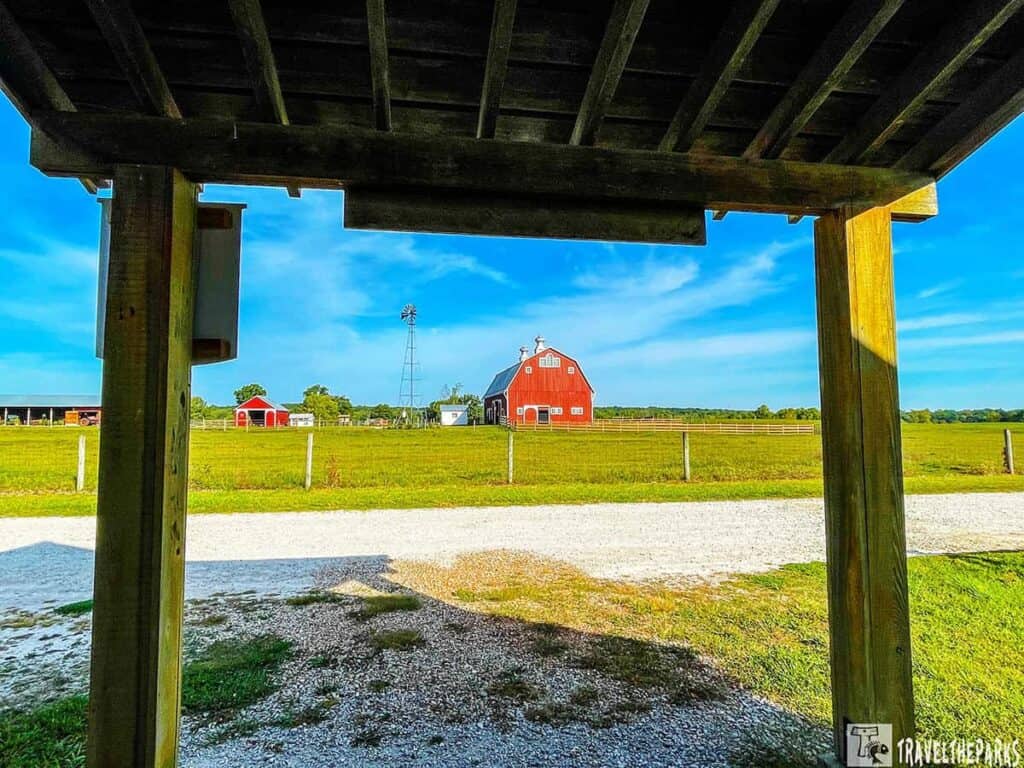
Let’s be real: our pit stop at Prophetstown State Park wasn’t supposed to be the highlight of our Indiana road trip. We were just passing through on our way to the dunes, nursing a blown trailer tire (yes, plural) and praying the next rest area had coffee. But sometimes the best detours are the ones you never see coming.
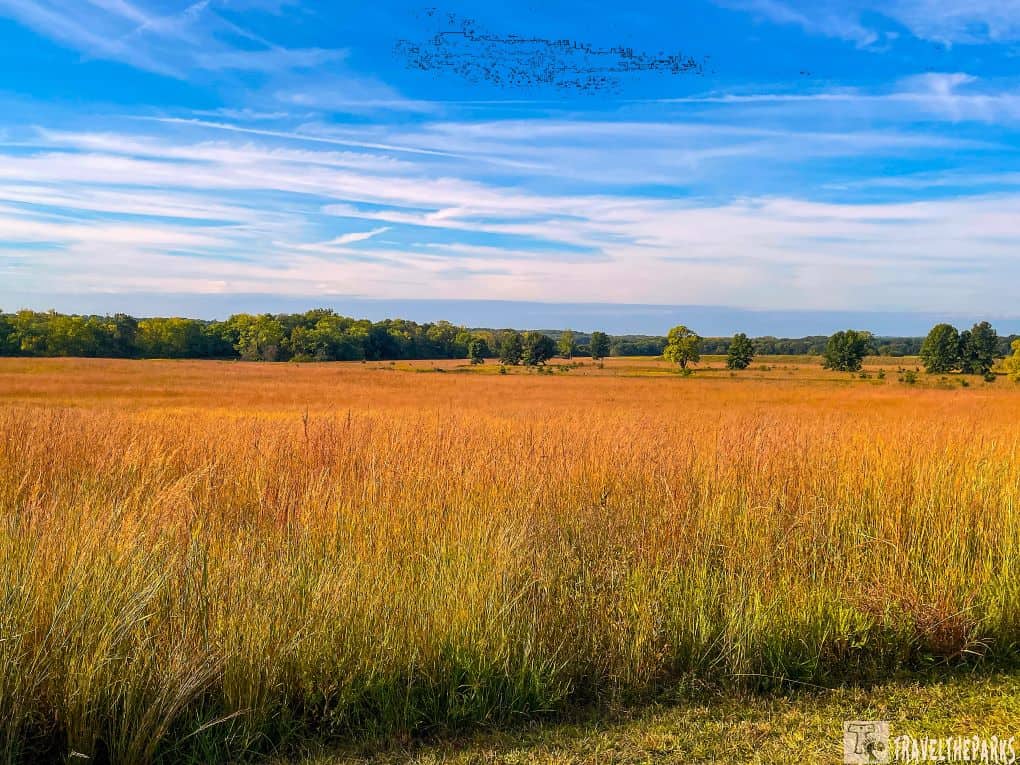
Tucked along the Wabash River, this park snuck up on us in the best way—wide prairies, quiet trails, and a historic farm that made us forget we were running on three hours of sleep and a prayer. One overnight turned into a full-blown “why didn’t we stay longer?” moment, and by sunrise, we were already planning our return.
So whether you’re mapping out a full Prophetstown State Park itinerary or just scrambling for a last-minute weekend escape, here’s the honest truth: this place deserves more than a quick pit stop. From riverside hikes to family-friendly things to do at Prophetstown State Park, we’ve got everything you need to know—because planning a trip to Prophetstown State Park shouldn’t feel like work. It should feel like the start of your next favorite memory.
This post may contain affiliate links, meaning if you purchase something through one of these links, we may earn a small commission at no extra cost to you! Read the full disclosure policy here.
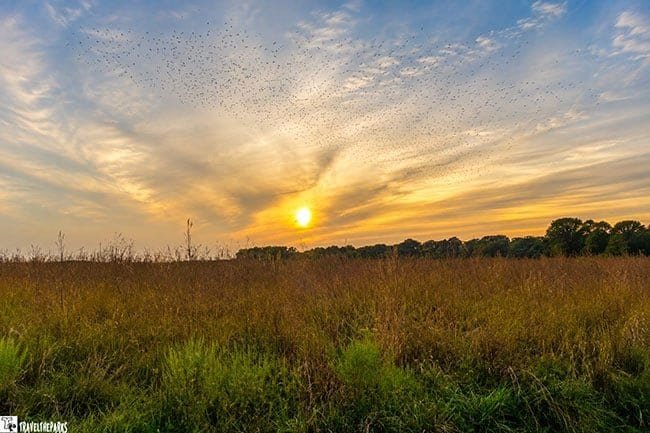
Table of Contents
Planning a Trip to Prophetstown State Park
Here’s the thing about Prophetstown State Park: it rewards the prepared traveler. Not in a “spreadsheets-and-laminated-maps” kind of way—more like a “know-before-you-go-so-you-don’t-miss-the-good-stuff” way.
Start simple: check the park’s official website for the latest information on trail conditions, park hours, campground availability, and special events. Depending on when you visit, you may find seasonal programs, prairie walks, or other activities that could be worth planning around.
And here’s the kicker—what’s glorious in May might be muddy or less accessible in November. Some trails hug the river and can stay damp longer, while others wind through the prairie and offer a completely different experience.
A little foresight goes a long way. Think about what you want to experience before you arrive. Are you coming for the hiking trails? The Native American village? The Farm at Prophetstown? Maybe you’re camping and want enough time to explore rather than simply pulling in for the night.
We learned that lesson ourselves. Prophetstown was supposed to be an overnight stop on our way to Indiana Dunes National Park. Instead, we quickly realized there was far more to see than we’d planned for.
So give yourself some time to explore. The best part of a trip to Prophetstown State Park might be the thing you didn’t expect to find.
What you should know before you go
- Entrance Fee: $8 for Indiana residents, $10 for out-of-state residents. Be advised we still had to pay this fee on top of our campground reservation when we checked into the park.
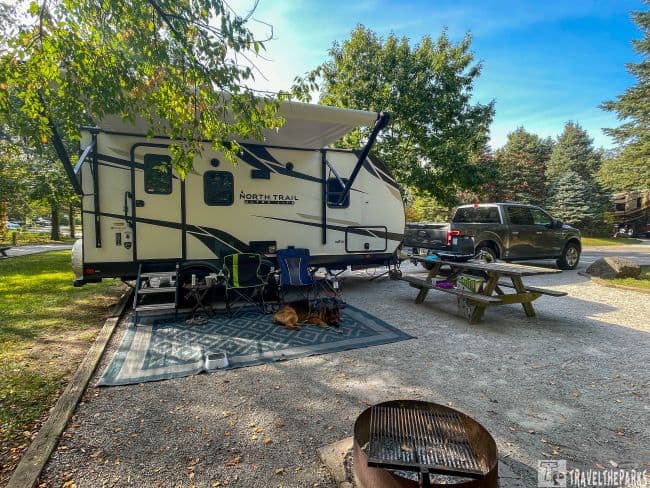
- Camping: I highly recommend overnighting here as it is a short distance off the Interstate. You can pitch a tent, build a campfire, and toast marshmallows while looking up at the night sky. The campground has 110 sites with 55 of them having full electric hookups. You can book a spot at the campground in advance by visiting Prophetstown Camping.
- Lodging: If you prefer not to camp, the closest hotel options can be found in Lafayette, IN, about 7 miles south of the park.
- Dining: The park has several excellent picnic areas for visitors so I suggest packing a lunch. The Aquatic Center offers seasonal concessions, and vending machines are located near the Farm. Beyond the park, the city of Lafayette, Indiana, provides a variety of dining options.
- Pack Essentials: Bring plenty of water, sunscreen, and appropriate clothing for the weather. Water or snacks are not available for purchase inside the park when concessions are closed. Bring insect repellent, especially during the warmer months. Most of the park has very little shade.
History of Prophetstown State Park
Before the trails, campgrounds, and prairie grasses of today, this land was home to Prophetstown, a settlement founded by the Shawnee brothers Tenskwatawa and Tecumseh in 1808. Located near the meeting of the Tippecanoe and Wabash rivers, Prophetstown became an important center for Native peoples who came together in response to the growing pressure of American expansion.

Tenskwatawa — The Prophet
Tenskwatawa, known as “The Prophet,” was the spiritual leader of the movement. He called on Native people to reject alcohol and many European customs and return to traditional beliefs and ways of life. His teachings attracted followers from several tribes and helped make Prophetstown an important gathering place.
Tecumseh — The Warrior
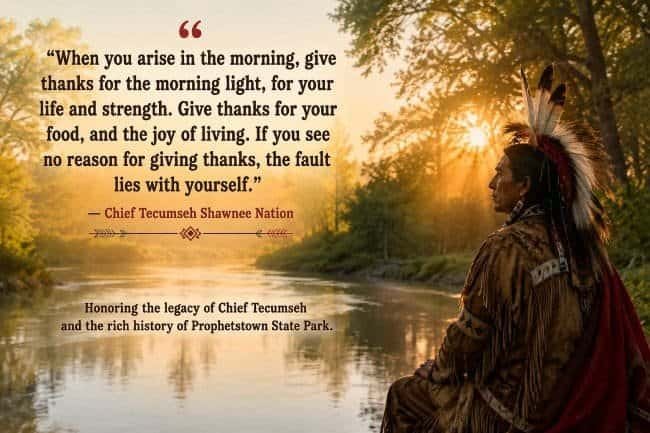
His older brother, Tecumseh, took a different approach. A gifted leader and diplomat, he traveled extensively to build an alliance among Native nations. His goal was to unite tribes in opposition to the loss of their ancestral lands as American settlement continued to expand.
The settlement was short-lived. In 1811, while Tecumseh was away, U.S. forces under William Henry Harrison attacked Prophetstown in what became known as the Battle of Tippecanoe. The village was destroyed, marking a major turning point in the brothers’ movement.
Although Prophetstown itself disappeared, its story didn’t. Today, Prophetstown State Park preserves and interprets this important chapter of Indiana and Native American history.
As we explored the park, it was interesting to realize that we weren’t simply hiking through prairie or setting up camp. We were walking through a landscape connected to a much larger story—one involving two brothers, a remarkable attempt at unity, and the struggle to protect Native lands and traditions.
Prophetstown State Park Visitor Center
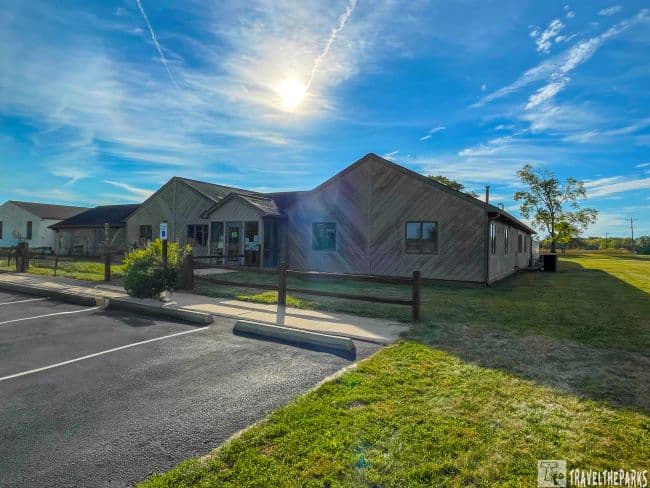
Before heading out on the trails, we recommend stopping at the Prophetstown State Park Visitor Center. It’s a great place to get oriented and learn more about the park’s history, wildlife, and diverse habitats.
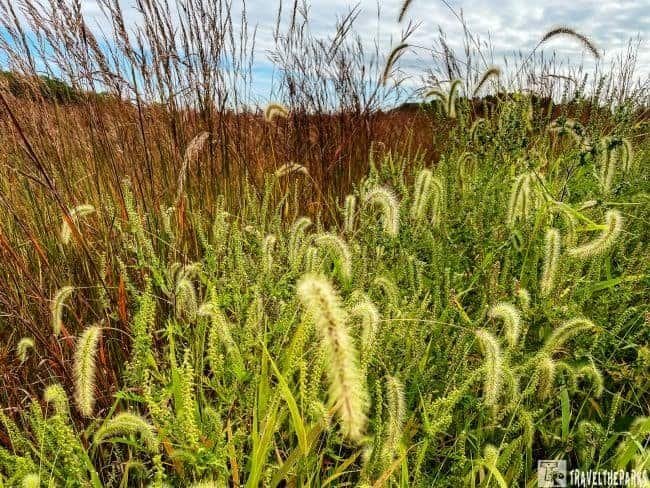
Prophetstown is much more than a beautiful stretch of prairie. The park protects a mix of tallgrass prairie, wetlands, streams, and wooded areas, creating habitats for a wide variety of plants and wildlife.
I’ll be honest—I walked into the Visitor Center expecting a few brochures and a gift shop. Instead, I found interactive exhibits, information about the park’s history and natural environment, and friendly rangers who were happy to answer questions. They pointed me toward maps and helped me get a better feel for the trails before I headed out.
The exhibits were especially interesting. I enjoyed reading about how the park’s prairie and other habitats developed and seeing the collection of taxidermy birds and small mammals representing some of the wildlife found in the area.
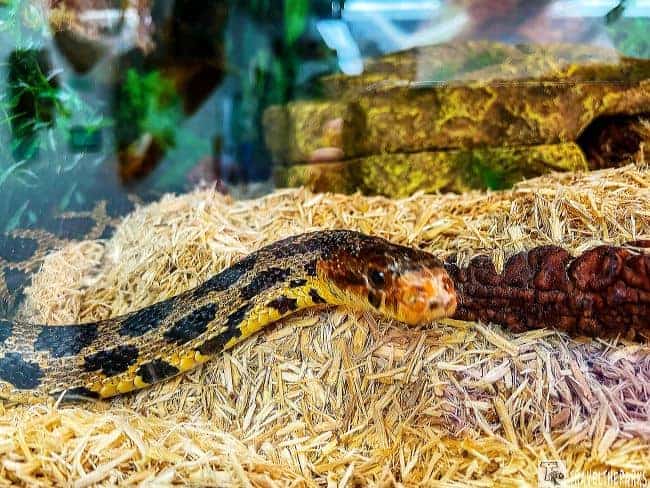
But my favorite part was the live animals.
Aquariums and terrariums throughout the center housed box turtles, a snake, and several amphibians. As someone who loves seeing wildlife while traveling, I enjoyed getting a closer look at some of the smaller creatures that are easy to miss while hiking the park’s trails.
If you’re traveling with kids, the live animals and interactive exhibits make the Visitor Center a particularly nice first stop. Even if you’re visiting without children, it’s worth spending a little time here before heading outside.
Pick up a map, talk to the rangers, and get familiar with the park before you start exploring. You’ll have a better understanding of what you’re seeing once you’re out on the trails.
Best Hiking Trails at Prophetstown State Park
Let’s talk trails—because honestly, this is where Prophetstown State Park really shines.
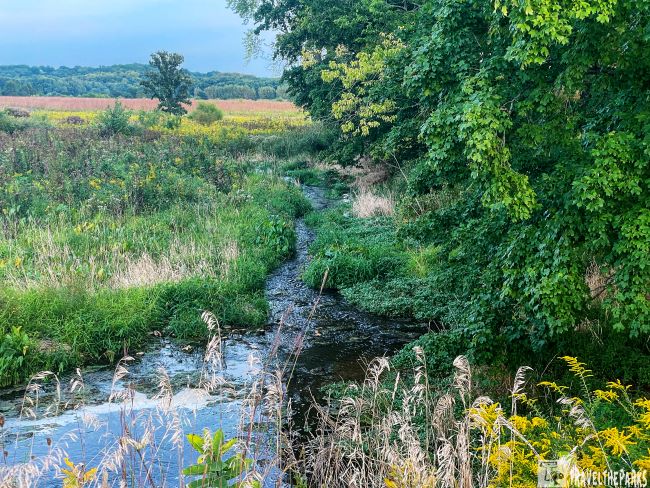
I wasn’t expecting such a variety of well-maintained trails when we arrived. Instead, we found paths winding through tallgrass prairie, woodlands, wetlands, and along the rivers, with options for different distances and levels of effort. And Sage was thrilled to be along for the adventure, happily trotting beside us as we explored.
Our Favorite: Prophetstown Trail #3
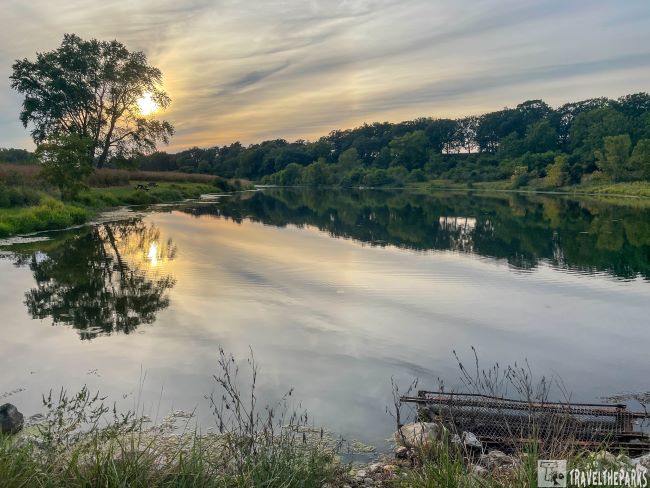
If you only have time for one hike, we’d recommend Trail #3. This 3.1-mile loop follows a gravel road through the park toward the confluence of the Wabash and Tippecanoe rivers.
The scenery changes along the way, but the riverside section was our favorite. It was quiet and peaceful, with plenty of time to slow down and enjoy the landscape. We hardly saw anyone else, which made the walk feel even more relaxing.
For a More Challenging Hike: Trail #4
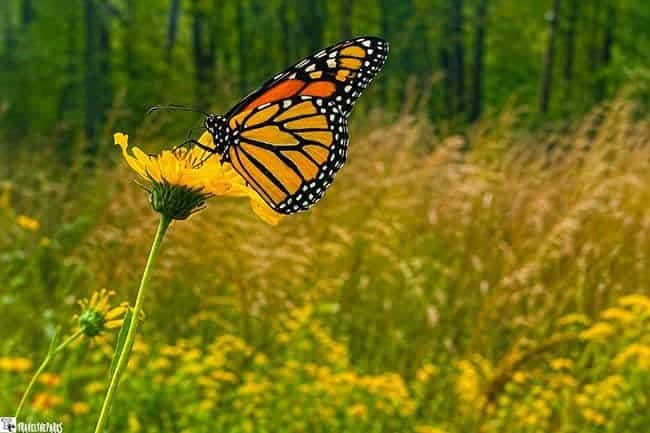
Looking for something a little different? Trail #4 takes you through a bottomland deciduous forest. We only hiked part of this trail because we were running short on daylight, but I enjoyed the change from the open prairie.
The wooded section provided some welcome shade and made me wish we’d started earlier so we could have explored more.
Next time, Trail #4 is going on the list.
A Sunset Stroll on Trail #2
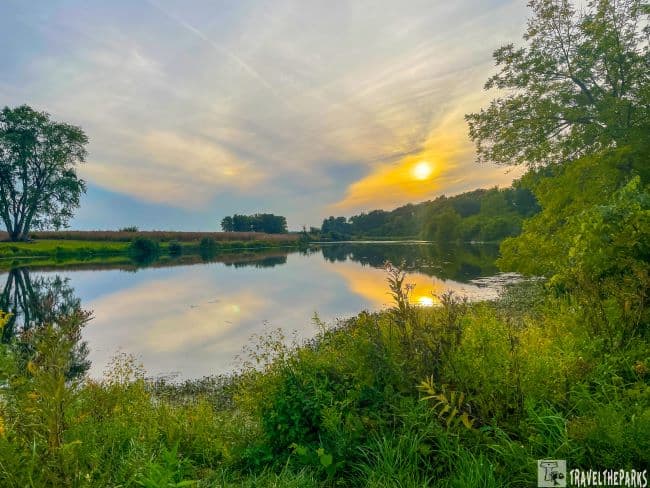
On our first evening, we started Trail #2 right from the campground, which made it especially convenient. The 2.2-mile trail follows Harrison Creek toward the Fish Pond before continuing through the prairie.
We also took some time to explore the Circle of Stones along the way. By then, the sun was beginning to set, and the evening light made the landscape especially beautiful.
That cooler evening was a blessing because the day had been incredibly hot. The second half of the trail crosses open tallgrass prairie with little shade, so I’d recommend saving this one for later in the day during the summer.
Prophetstown Homestead & Indian Village Loop
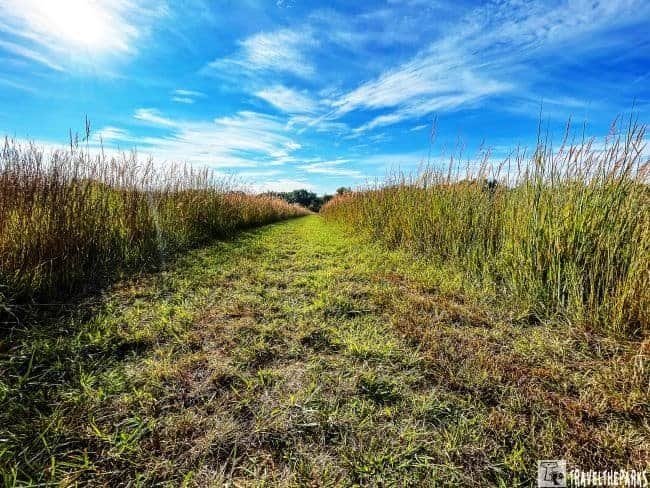
On our final morning, I headed out early on the 2.1-mile trail connecting the Native American Village and The Farm at Prophetstown. I had the trail almost entirely to myself.
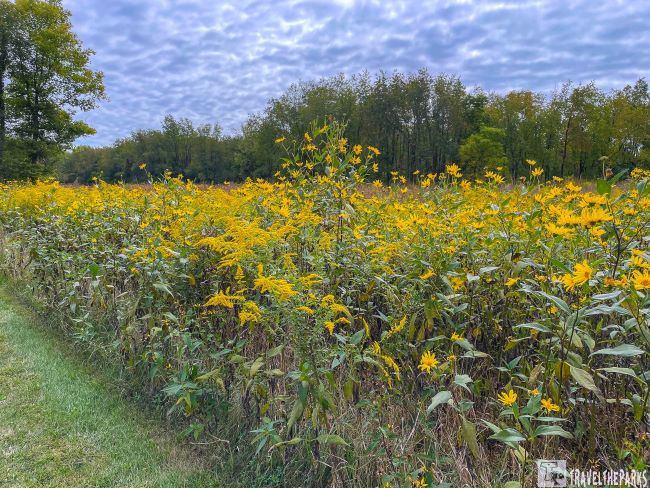
The wildflowers were beautiful, and the only sounds were the wind moving through the tall grasses and the buzzing of insects. It was one of those quiet travel moments I wish I could bottle up and take home.
I was especially glad I’d brought my camera because the prairie views changed with every step.
Our Take on Hiking at Prophetstown
What I loved most about hiking at Prophetstown was the variety. One trail takes you through open prairie, another into the woods, and another toward the rivers. You don’t have to tackle a strenuous hike to experience the beauty of the park.
And for us, having Sage along made those walks even more special. Looking back, those simple trail walks are some of the memories I treasure most from our stay.
If you’re planning a trip to Prophetstown State Park, I’d give yourself enough time to hike at least two trails. We originally thought we’d just spend the night—and ended up wishing we’d stayed longer.
Discover the Native American Village at Prophetstown State Park
Sometimes the best discoveries happen when you’re not even looking for them.
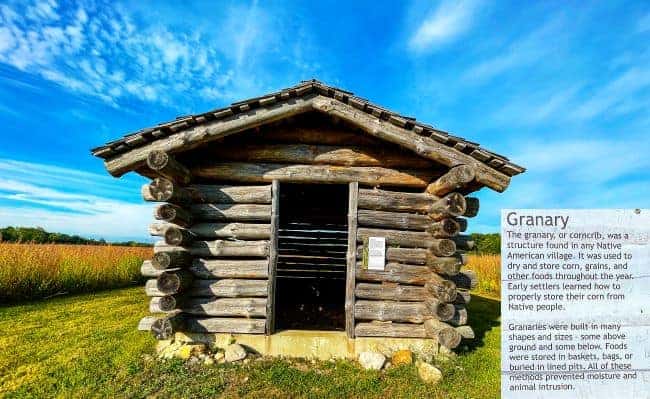
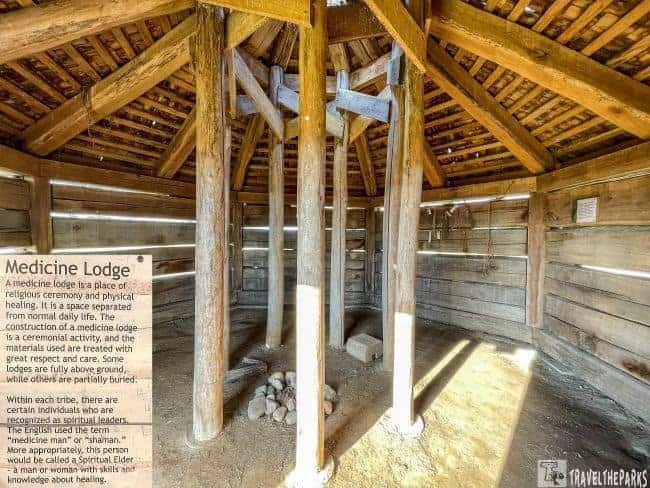
While wandering the trail network at Prophetstown State Park, I came across one of the park’s most interesting surprises—a reconstructed Native American village tucked into the prairie.
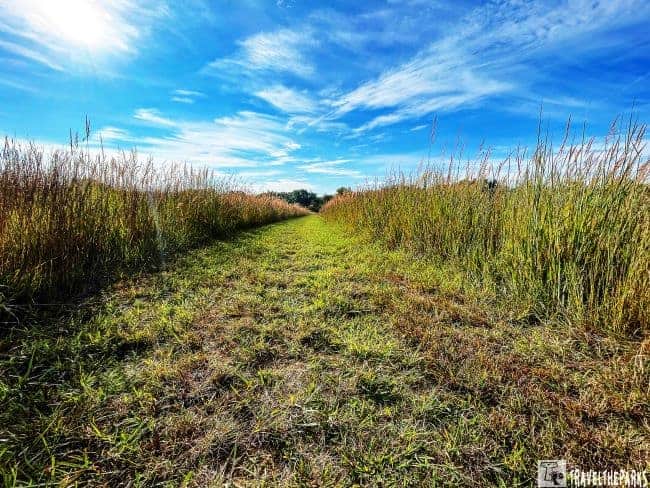
Following the mown paths, I explored a collection of structures designed to help visitors understand what life may have been like for Native people in this region. The village includes a Medicine Lodge, Granary, wigwam-style shelters, and Chief’s Cabin, along with interpretive information explaining how these structures were used.
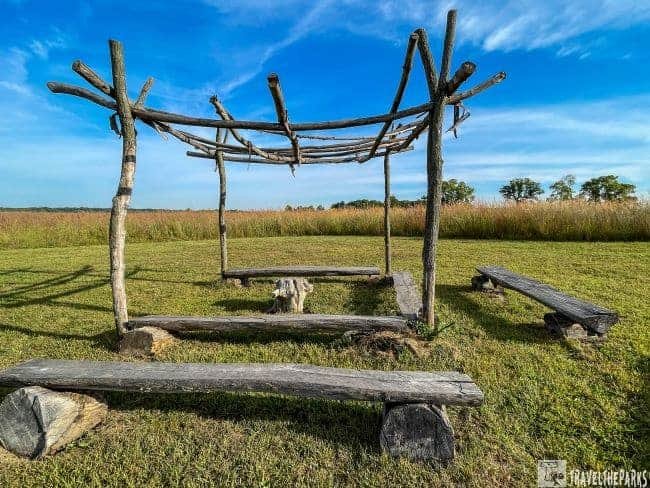
I found myself slowing down as I walked from one building to the next. The reconstructed structures, prairie setting, and information panels made the history feel much more tangible than simply reading about it in a book.
It was also a nice reminder that Prophetstown State Park isn’t just about hiking and camping. The park sits on a landscape with a fascinating and complicated history, and the village provides another opportunity to learn about the Native cultures connected to this area.
Don’t want to hike the longer trails? There’s a shorter path to the village from across the road near the Visitor Center, with convenient parking nearby. So there’s really no reason to skip it—even if you’re short on time.
For us, this was one of those unexpected finds that made our overnight stay at Prophetstown so much more memorable.
The Farm at Prophetstown State Park
The next morning, I traded my hiking boots for a slower pace and pointed my feet toward The Farm in Prophetstown.
Now, full disclosure: I grew up surrounded by farmland—the smell of hay, the crow of roosters at dawn, the honest rhythm of a day’s work. So stepping onto this 1920s living-history farm felt less like sightseeing and more like coming home.
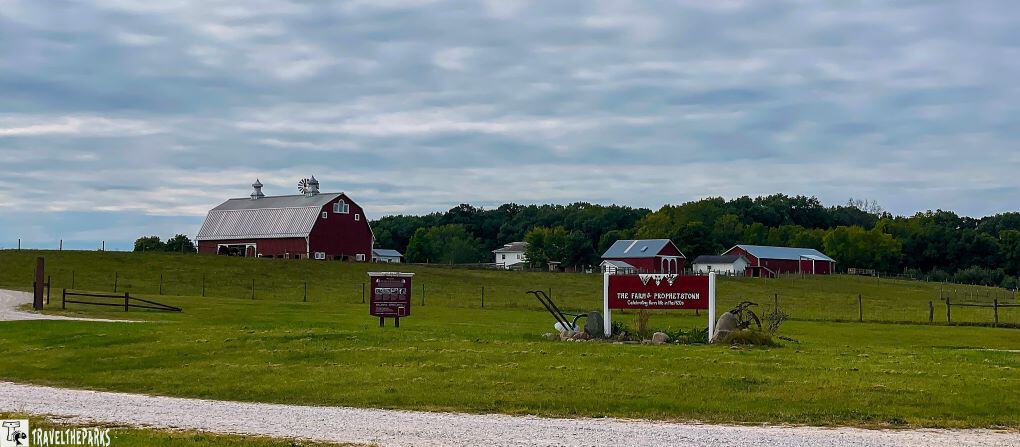
I followed the map at my own lazy pace, wandering past weathered barns, gardens, and farm buildings. The chickens came running the moment I bent down—clearly, they know a soft touch when they see one.
Along the way, interactive displays introduced me to sustainable farming practices, heirloom seeds, and the way families lived and worked on farms during the 1920s. I barely saw another person during my visit, which made the experience feel wonderfully peaceful.
And then there were the animals.
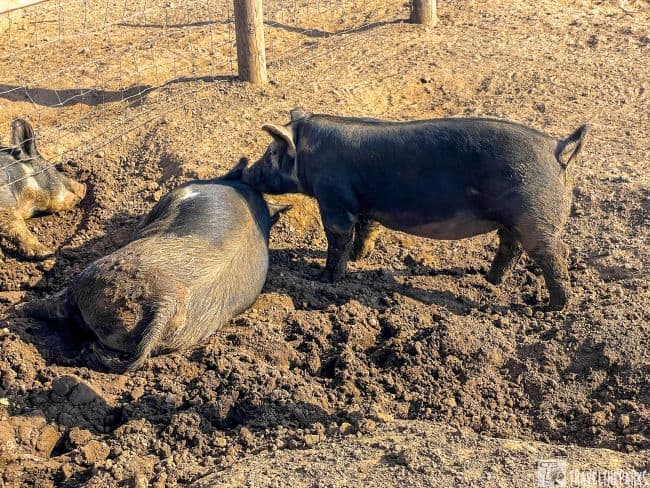
Hogs at The Farm
Let’s talk about the pigs.
There’s something utterly therapeutic about watching hogs wallow without a care in the world—mud-caked, blissful, and completely unbothered by modern chaos. They were my absolute favorite.
The barn held its own charm, too. Inside, I found Bessy, a wooden cow complete with a milking station where visitors can learn about the milking process. It’s the kind of hands-on experience that’s especially fun for kids, but honestly, I enjoyed it too.
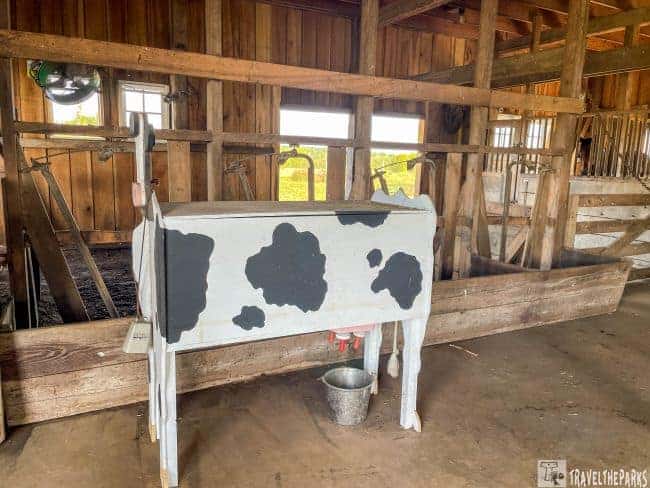
The Farm isn’t just a collection of old buildings and farm animals. It gives visitors a chance to see, touch, and experience aspects of everyday farm life from another era.
And for someone who grew up around farms, that made my visit feel surprisingly personal.
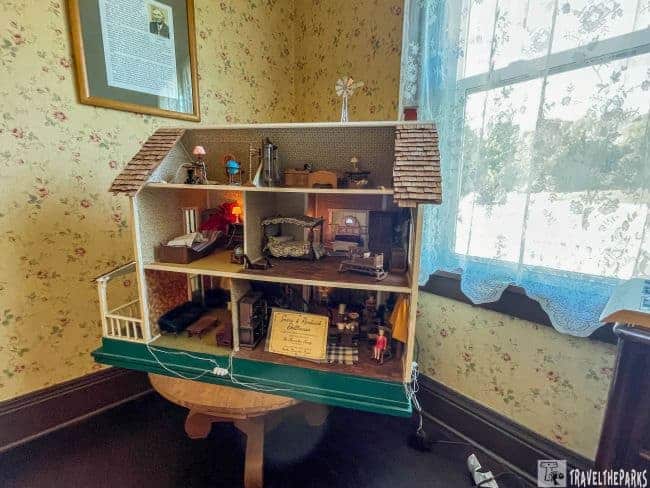
Step into the I. Floyd Garrett House
The cottage stopped me in my tracks.
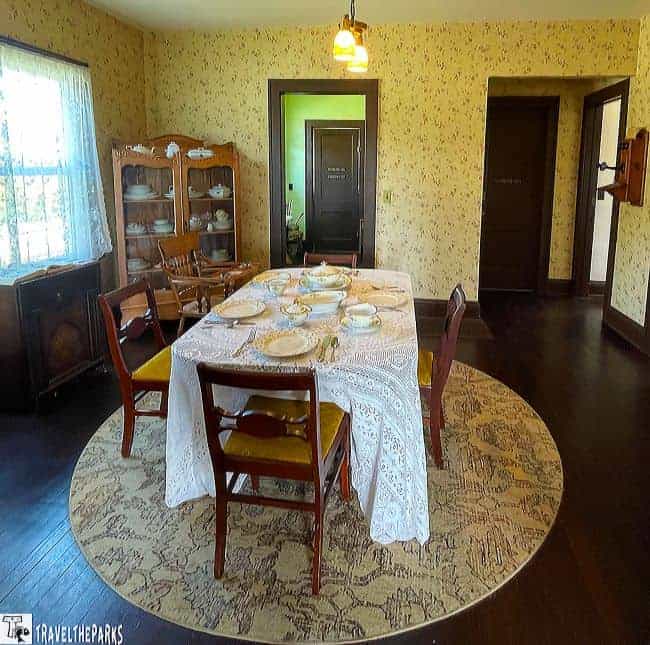
I peeked inside the I. Floyd Garrett House and immediately felt like I was barging into someone’s home uninvited. The table was set for dinner, the dollhouse was filled with tiny furniture and impossibly small dishes, and even the highchair was ready for a little one.
The details were so realistic that I kept expecting someone to walk in and ask what I was doing there. 😂
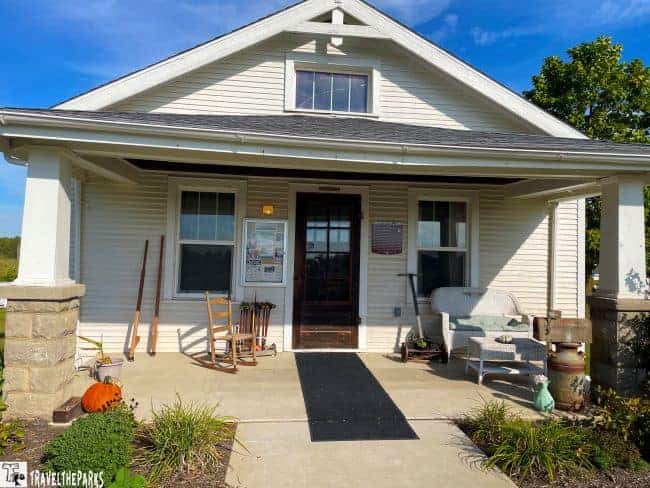
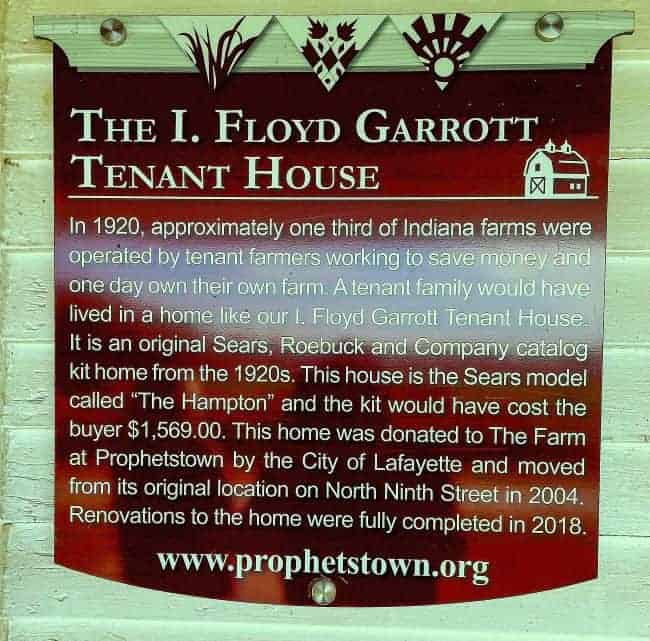
And here’s the kicker: this charming home was actually a Sears & Roebuck catalog house known as “The Hampton.” Yep, you could order a house from a catalog back then. Imagine that delivery day!
Walking through the house gave me another glimpse into what everyday life looked like during the early 20th century. It was one of those unexpected little discoveries that made The Farm much more interesting than I had anticipated.
The Takeaway
From the blacksmith shop and vegetable gardens to the farm animals and historic buildings, there’s more to The Farm at Prophetstown than I expected. You can wander through the grounds, learn about sustainable farming, interact with the animals, and step inside historic buildings like the I. Floyd Garrett House.
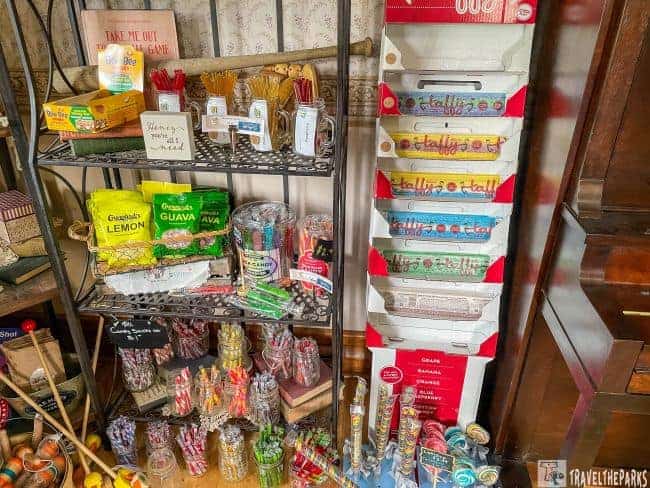
Before you leave, stop by the gift shop for some old-fashioned candy or, depending on what’s available, order a boxed lunch made with farm-grown ingredients.
Honestly, The Farm could easily take up several hours of your visit if you let it. Whether you’re a history buff, a foodie, a kid at heart, or just someone who appreciates a slower pace, it’s one of the places at Prophetstown State Park that’s worth taking your time to explore.
And for me, with those farm memories from growing up, it felt a little like coming home.
Family-Friendly Things to Do at Prophetstown State Park
Let’s be honest: finding a destination that keeps everyone interested—from little kids to teenagers to grandparents—can be a challenge. Prophetstown State Park makes it easier.
With hiking trails, wide-open prairie, wildlife, hands-on exhibits, The Farm at Prophetstown, and seasonal activities, there’s plenty here to keep families busy. And the best part is that many of the experiences are both fun and educational without feeling like a classroom.
Programs That Don’t Feel Like School
One of the park’s strengths is its variety of nature programs and educational activities offered throughout the year. Depending on when you visit, you may find nature walks, wildlife programs, educational talks, and hands-on activities.
As a retired teacher, I especially appreciate places that make learning part of the experience. Kids can discover more about the prairie, wildlife, plants, and history of Prophetstown while actually being outdoors and exploring.
That’s the kind of education I like best—the kind where you don’t realize you’re learning because you’re too busy having fun.
Hands-On Fun for Little Explorers
Younger visitors can also enjoy activities such as scavenger hunts, nature crafts, and other park programs designed to get them looking closely at the world around them.
The Visitor Center is another good stop for families. The interactive exhibits and live animals, including turtles, snakes, and amphibians, give kids something to see and do before heading out onto the trails.
And then there’s The Farm at Prophetstown, which is probably one of the best family stops in the park. Kids can see farm animals, explore the historic buildings, and learn about farming practices while experiencing what life was like on a 1920s farm.
The Aquatic Center
If you’re visiting during the warmer months, don’t forget about the Prophetstown State Park Aquatic Center. With a swimming pool, lazy river, and water slide, it’s an easy way to add some fun to a summer visit.
The Aquatic Center was closed when we visited in the fall, but it’s definitely something to keep in mind if you’re planning a summer trip.
Why Families Will Enjoy Prophetstown
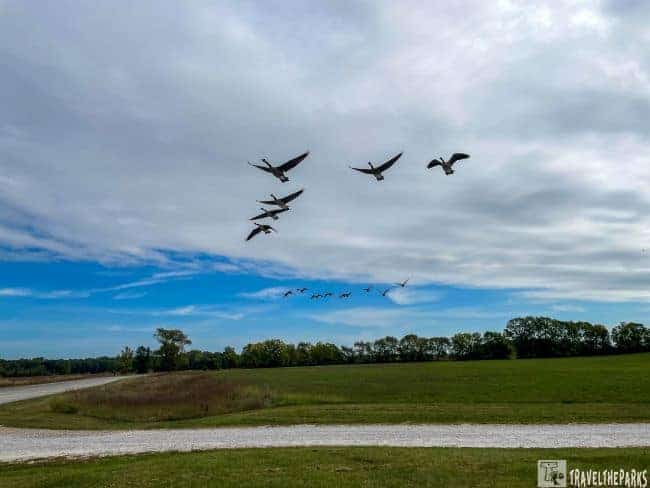
What I love about Prophetstown is that families don’t have to choose between fun and learning. Kids can hike through the prairie, see wildlife, explore a historic farm, discover Native American history, and cool off at the Aquatic Center in summer.
And as a retired teacher, I think that’s pretty great.
Sometimes the best family memories happen when everyone puts down the screens, gets outside, and discovers something together. Prophetstown State Park gives you plenty of opportunities to do exactly that.
So, How Do You Plan Your Visit?
Start simple. Before you go, check the park’s website and make a short list of the things you most want to see. Maybe you’re coming primarily for the hiking. Maybe the history interests you most. Or maybe, like us, you’re camping and just want to see where the day takes you.
Give yourself more time than you think you’ll need. That’s probably our biggest piece of advice.
Pack sunscreen, plenty of water and snacks, comfortable walking shoes, and whatever else you’ll need for the season. Then leave a little room in your plans for the unexpected.
Because that’s what happened to us at Prophetstown.
We thought we were making a quick overnight stop.
Instead, we found an unexpected gem that made us wish we had stayed longer.
Final Thoughts on Prophetstown State Park
Here’s the thing about Prophetstown State Park: it stays with you.
Long after the trail dust settles and the camping gear is packed away, I still remember the quiet prairie, the rivers, the historic sites, and the unexpected feeling that we’d discovered something special.
What started as a simple overnight stop on our Indiana road trip turned into one of those places where we found ourselves saying, “Why didn’t we plan to stay longer?”
There’s plenty to explore here. You can hike through prairie and woodland, walk toward the confluence of the Tippecanoe and Wabash rivers, discover the reconstructed Native American village, and spend several hours exploring The Farm at Prophetstown.
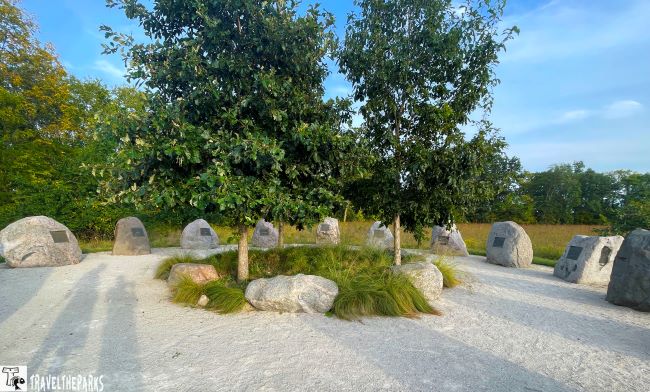
And don’t rush through the Circle of Stones. When we visited in the evening light, it was one of those quiet moments that made us stop and simply take it all in.
If you’re interested in history, Prophetstown offers another layer to your visit. The story of Tenskwatawa, Tecumseh, and the Battle of Tippecanoe is part of the landscape, giving you something to think about long after you’ve left.
Have You Visited Prophetstown State Park?
Have you hiked the trails, explored the Native American village, or spent time at The Farm? Which part of Prophetstown was your favorite?
Tell us about your experience in the comments. We always love hearing about the places other travelers have discovered along the way.
And if Prophetstown isn’t on your Indiana itinerary yet, maybe it’s time to add it. Sometimes the best stops are the ones you never planned on making.