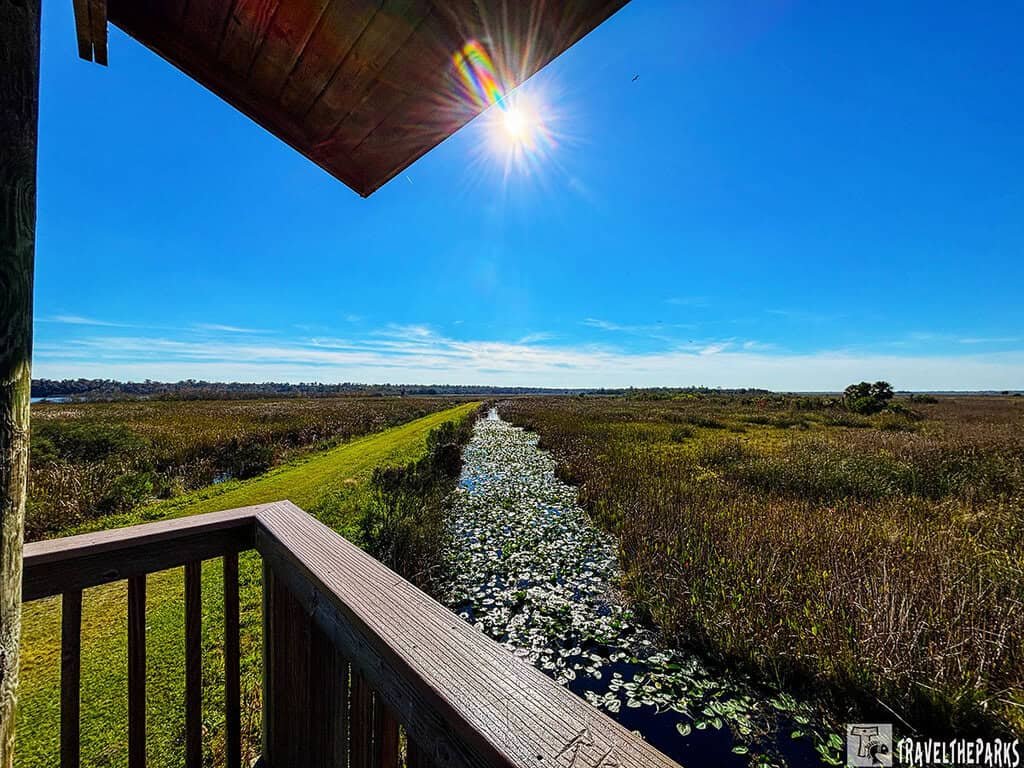
Located a short drive north of Deland, Florida, the Lake Woodruff National Wildlife Refuge safeguards more than 21,500 acres of freshwater marshes, swamps, and creek habitats that are right along the Atlantic Flyway. Managed by the U.S. Fish and Wildlife Service, Lake Woodruff is a stunning location ideal for nature lovers seeking a break from busy city life.
This post may contain affiliate links, meaning if you purchase something through one of these links. We may earn a small commission at no extra cost to you! Read the full disclosure policy here.
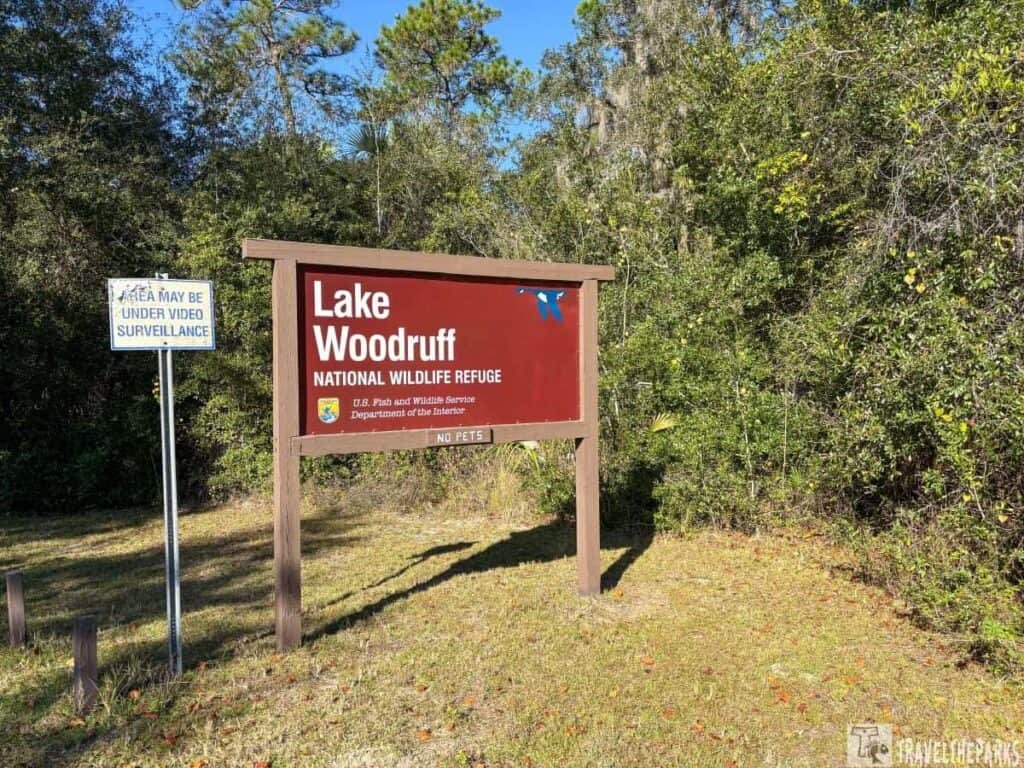
Table of Contents
Getting to Lake Woodruff Refuge, Florida
So it’s a short drive north of Deland. Maybe 30 minutes? Something like that. The refuge is about 21,500 acres of freshwater marshes, swamps, and creeks. The U.S. Fish and Wildlife Service runs it. And it sits right on the Atlantic Flyway, which is just a fancy way of saying “birds love this place.”
If you need a quick day trip from Orlando, this is a solid pick. Take I-4 or Highway 17. Follow the signs to 2047 Mud Lake Road in DeLeon Springs.
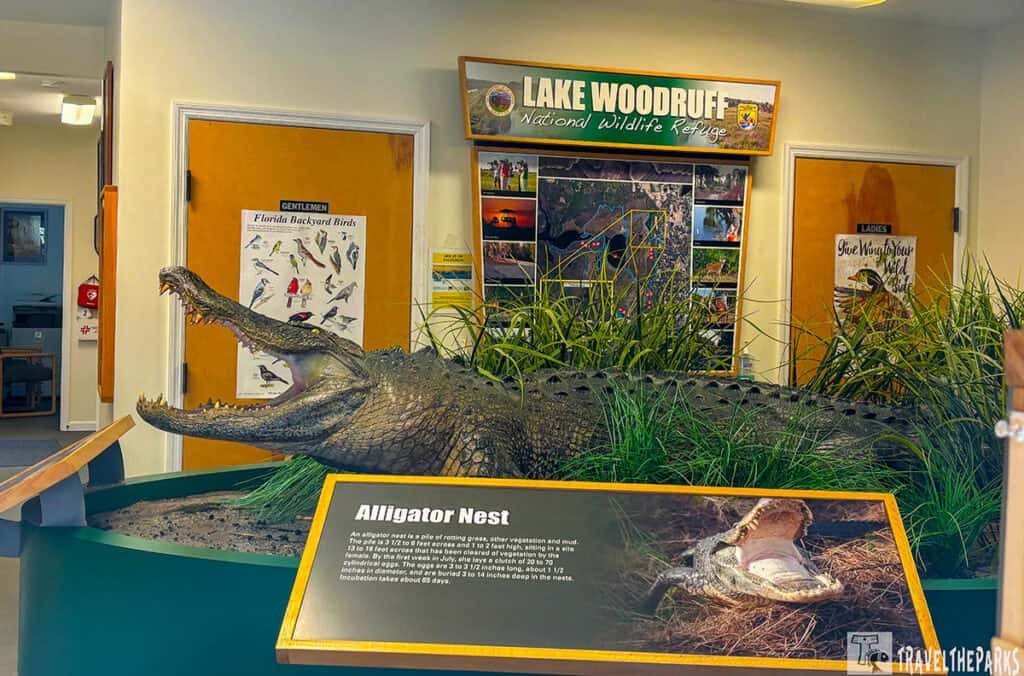
Before you head out, hit the tiny visitor contact station near the entrance. It’s small. We’re not talking a big visitor center. But grab a map. Say hey to the ranger. Ask about manatee sightings or what birds are moving through that day. They actually know stuff. We always stop there first.
About Lake Woodruff National Wildlife Refuge
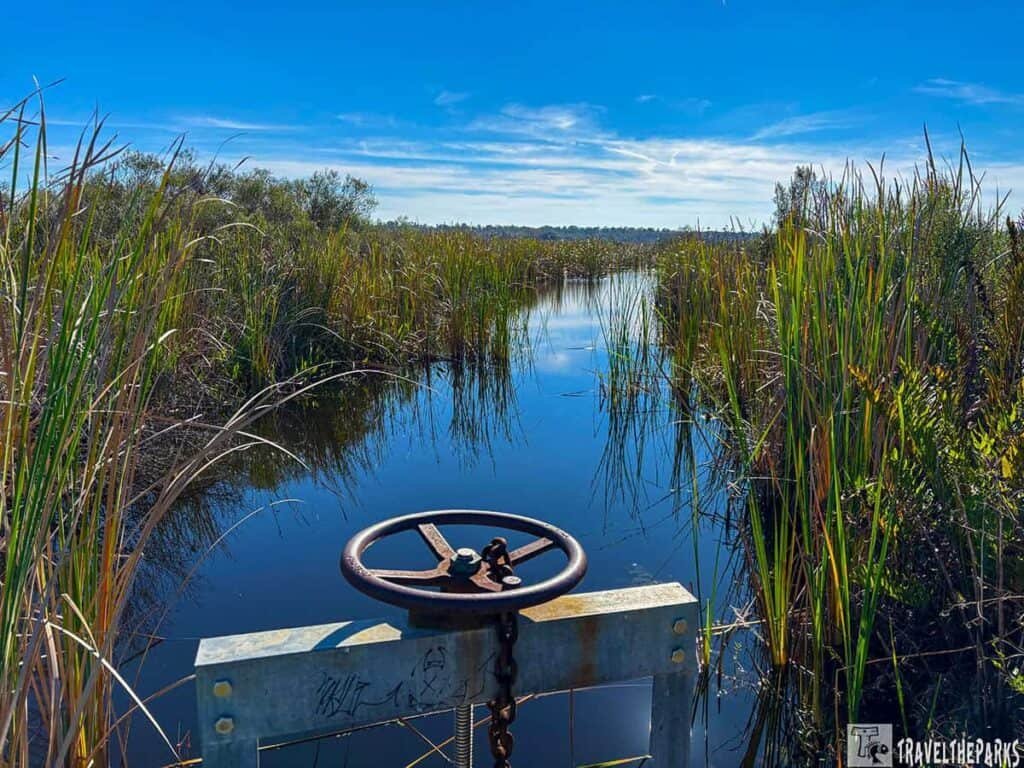
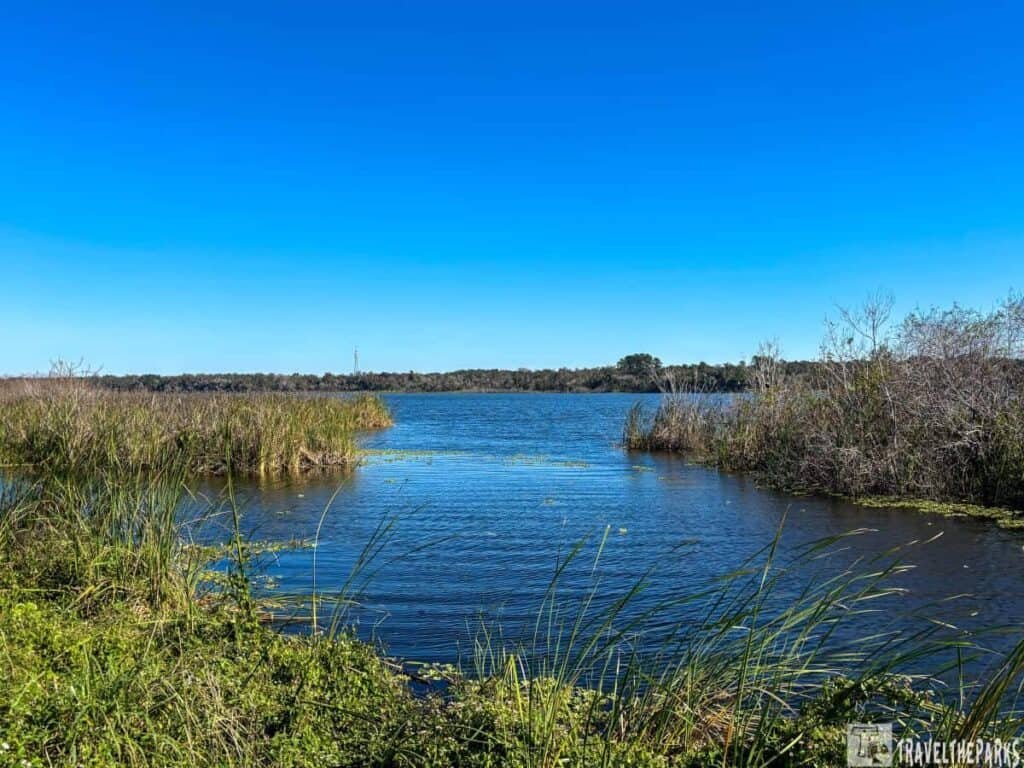
They set this place up to protect wetland habitats. Lake Woodruff itself is shallow. Freshwater. Full of birds, alligators, turtles, and a bunch of fish.
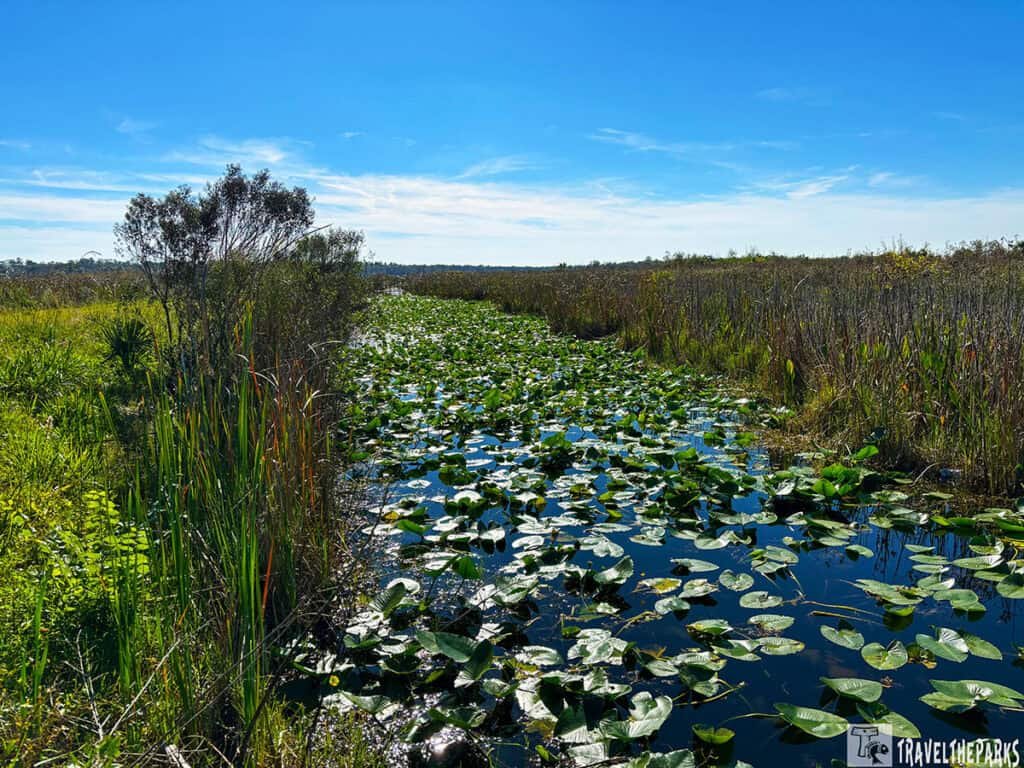
In contrast to many other state parks in Florida, this park is largely undeveloped. This is actually the whole idea behind it. The park offers visitors boardwalks, dikes, and dirt roads. You can explore the park without disturbing any wildlife. Feels more real than the crowded spots.
What to Know Before You Go to Lake Woodruff NWR
Facilities are minimal, reinforcing the refuge’s focus on conservation and natural experiences.
- Facilities are minimal. Not a complaint, just how it is. They care more about conservation than fancy bathrooms.
- No entrance fee. Free. But check the park’s website before you go. They close sometimes for reasons.
- Hours: Sunrise to sunset. Every day.
- Trails are mostly unpaved. Wear decent shoes. You’ll be glad you did.
- Best time to visit: early morning or late afternoon. That’s when the animals are actually moving around. October through April is best for birding and not sweating to death.
- Pets? Nope. Not allowed. Wildlife comes first.
- Respect the animals. Watch from a distance. Don’t feed anything. Don’t get close to anything. Alligators are in there. They don’t want to meet you.
- Cell service is hit or miss in some spots. Download your maps before you go.
- Leave no trace. Pack out your trash. Stay on the trails. Pretty simple.
Things to Do at Lake Woodruff National Wildlife Refuge
Wildlife Viewing & Birdwatching
Honestly? One of our favorite things to do here is just… sit. Find a quiet spot on an embankment and let the animals come to us.
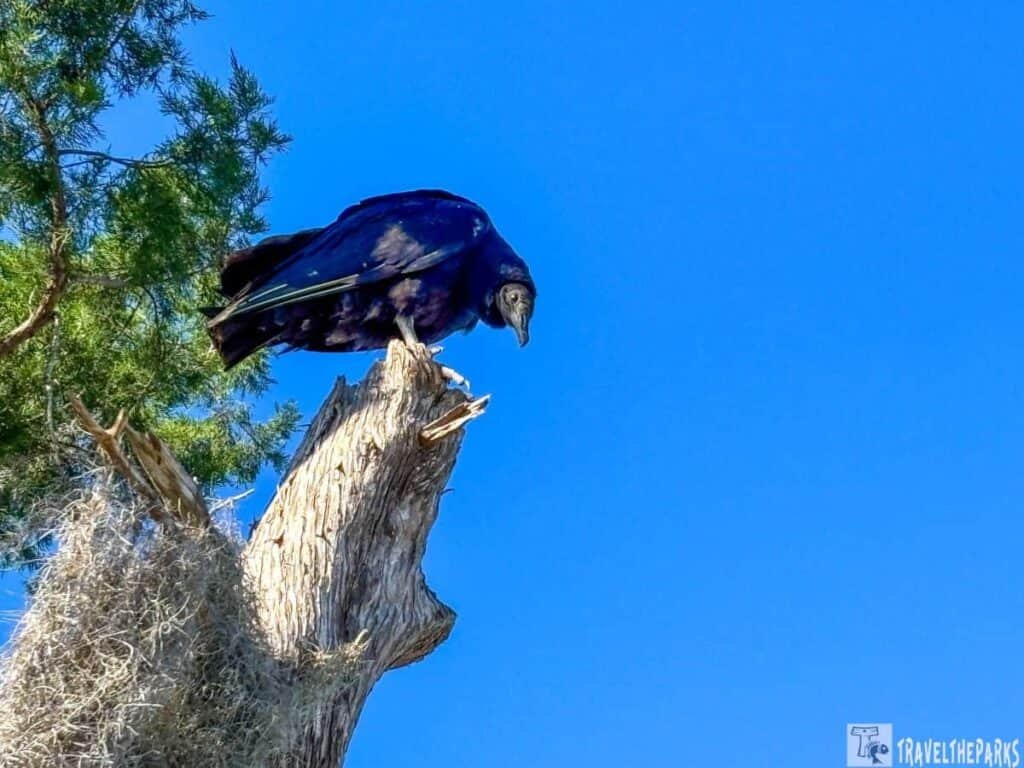
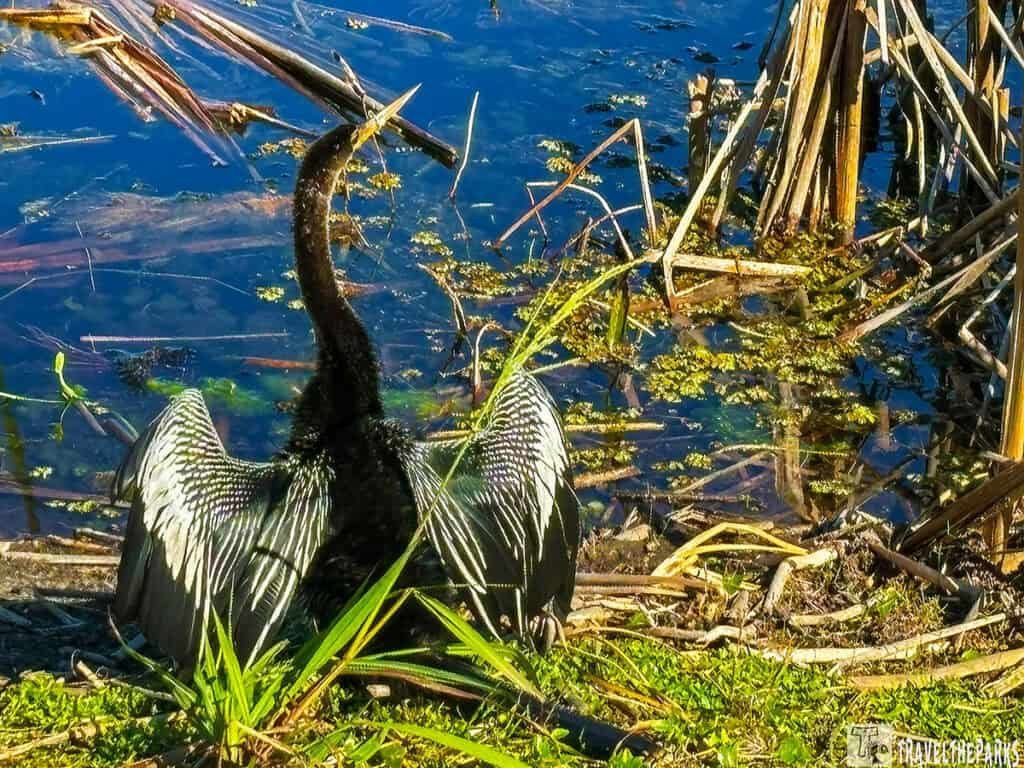
Birdwatchers go wild for this place. It’s a major stop on the Atlantic Flyway. We’ve spent a lot of mornings out there with binoculars. You see all kinds of stuff—great blue herons, anhingas that look like drowned dinosaurs, bald eagles in the pines. Last time we saw a black vulture on the ground, just sitting there. It let us get pretty close. Just sitting there. Let us get pretty close too. Let us get pretty close. Really close. Kind of creepy, but cool.
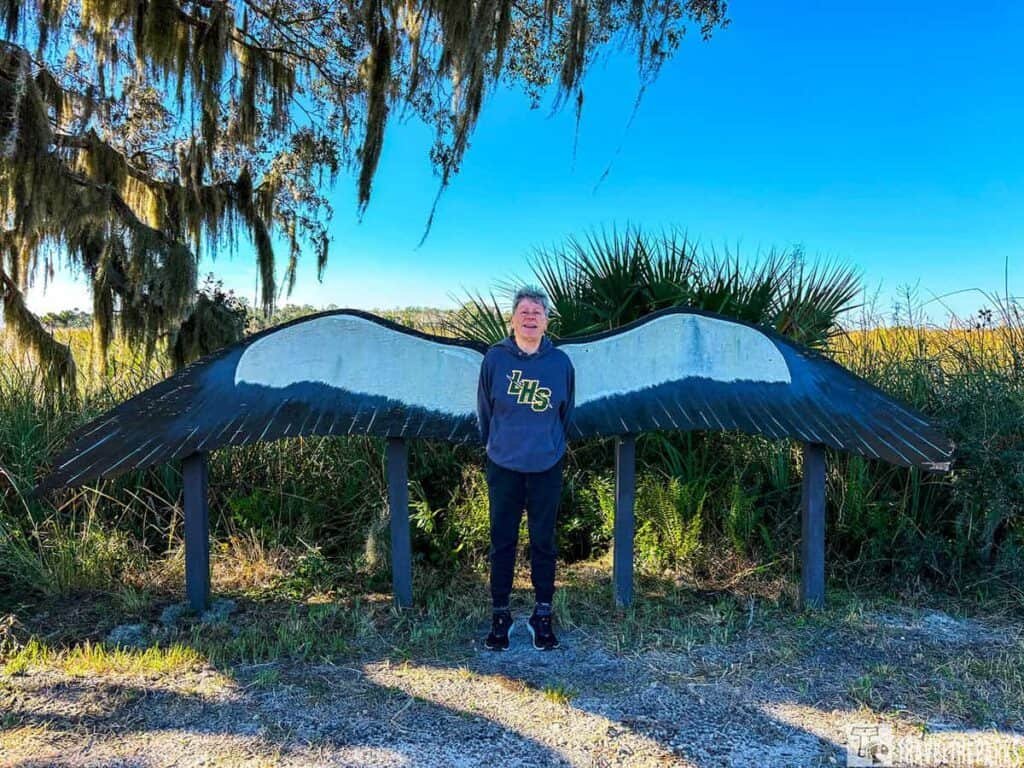
Migration seasons are the best. The refuge fills up with teals and pintail ducks — color everywhere. They say there are about 230 bird species here. We haven’t seen them all. Still working on it.
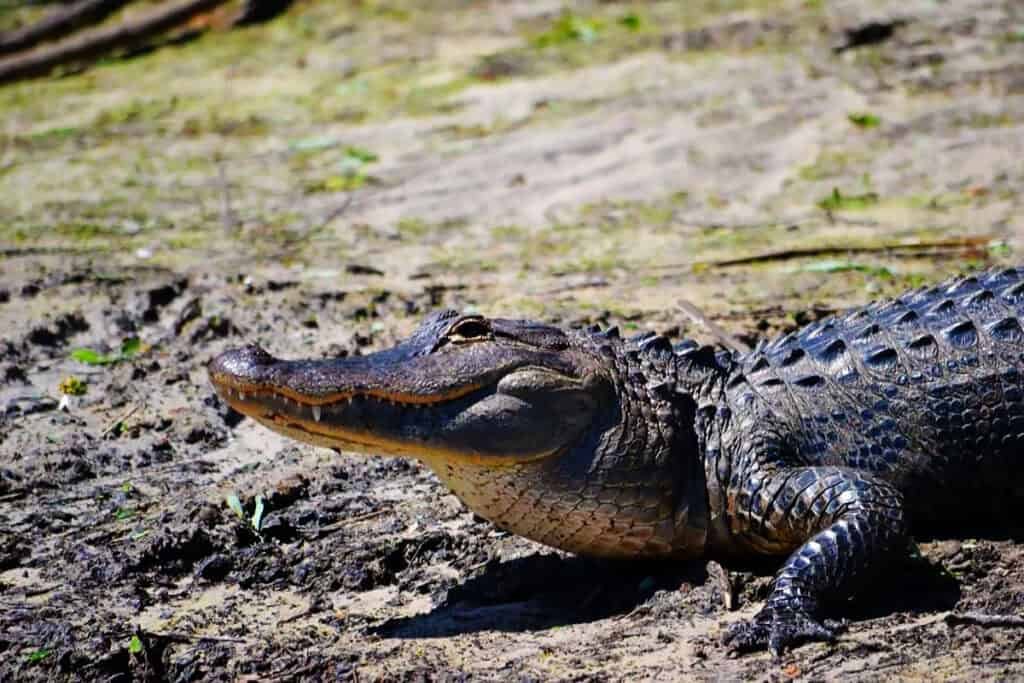
And it’s not just birds. We’ve watched alligators just laying there on the banks. Saw a river otter pop its face up in a canal once. Made our whole week.
Move slow. Stay quiet. Watch close. Bring binoculars.. Bring patience. That’s really the secret.
Hiking Trails at Lake Woodruff National Wildlife Refuge
The real magic starts when you get out of the car. There’s something about walking these trails that’s just… quiet. Slow. The refuge sets the pace, not you.
Most trails are flat. Easy enough for anyone. But they’re not paved. After rain, they get muddy. That’s just part of it.
Our favorite routes:
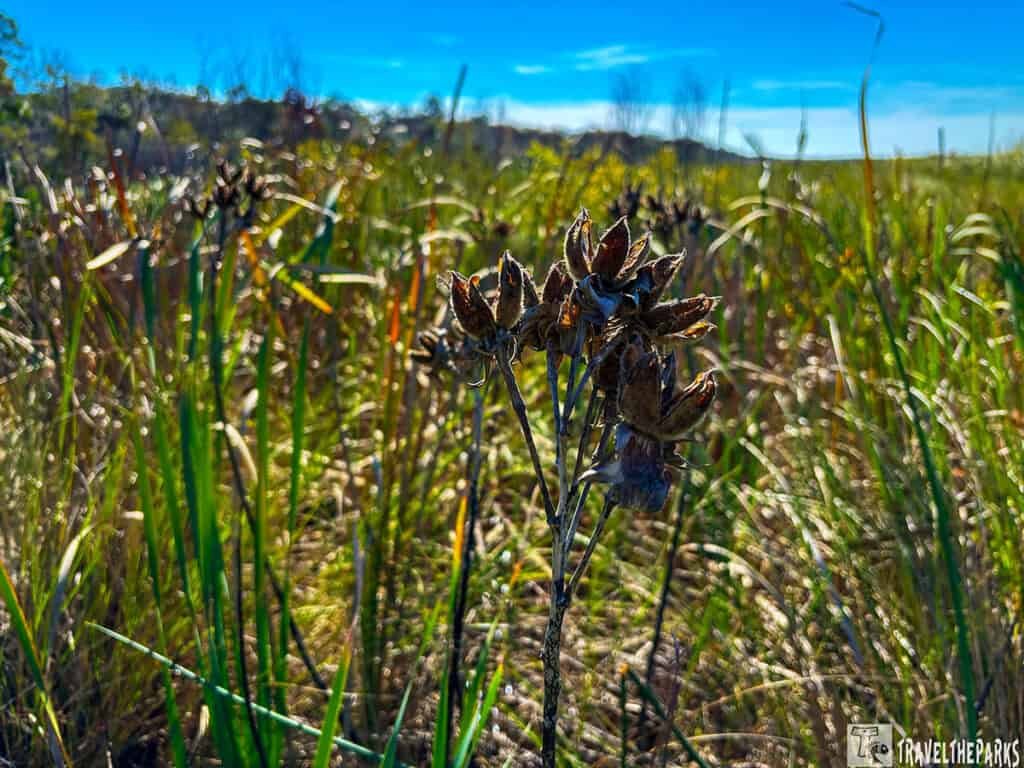
- Pontoon Landing Trail (3 miles one way): Wide-open spaces. Quiet wetlands. Feels like standing on the edge of the world. Good for hiking or biking.
- Live Oak Trail (0.36 miles): Short. Sweet. Big old oak trees. Easy walk.
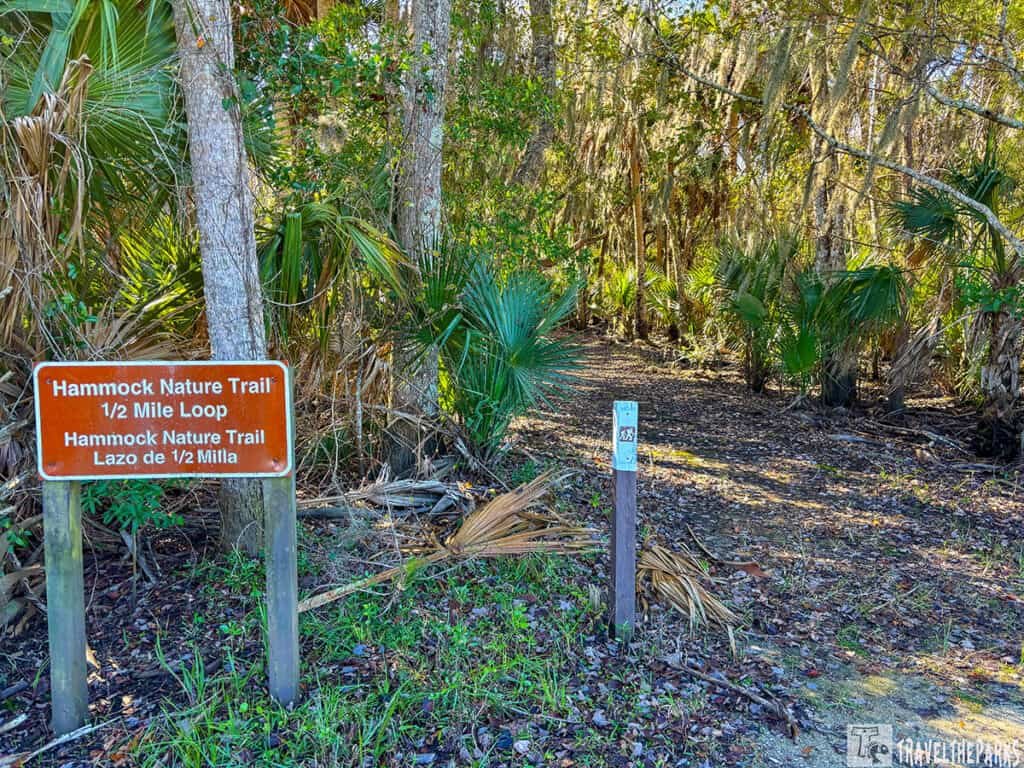
- Hammock Nature Trail (0.47 miles): Shade. Quiet. We’ve seen deer here more than once.
- Mayaca Trail (1.1 miles): Always reliable for animal sightings. Never let us down.
The trails are marked pretty well. Easy to follow. But wear good shoes and watch your feet. These aren’t trails for rushing. They’re for slowing down. For noticing stuff. For those moments when an animal just wanders into view and you forget to breathe for a second.
That’s the beauty of hiking here.
Photography & Nature Observation
Big skies. Smooth water. Tons of wildlife. This place is great for photos.
Our best luck has been early morning or late afternoon. The light changes everything. Makes the whole place look different.
Bring a good zoom lens. You’ll want it. Lets you get the details of an eagle or a heron without getting close enough to bother them.
What to Bring to Lake Woodruff National Wildlife Refuge
The refuge is undeveloped, so show up ready. Here’s what we bring:
- Comfortable walking shoes: Trails and dike roads are unpaved and can be uneven or muddy
- Plenty of water: There are limited facilities within the refuge
- Sun protection: a hat, sunglasses, and sunscreen are essential in open wetland areas
- Insect repellent: Especially important during warmer months
- Binoculars: A must-have for birdwatching and spotting wildlife across the marsh
- Camera or zoom lens: Wildlife sightings are frequent, but often at a distance
- Snacks or a light picnic: Plan to pack out everything you bring in
Explore More Central Florida Parks Nearby
One of the best parts about visiting Lake Woodruff? It goes really well with other nearby spots. You could turn a day trip into a whole weekend of wild Florida.
Blue Spring State Park
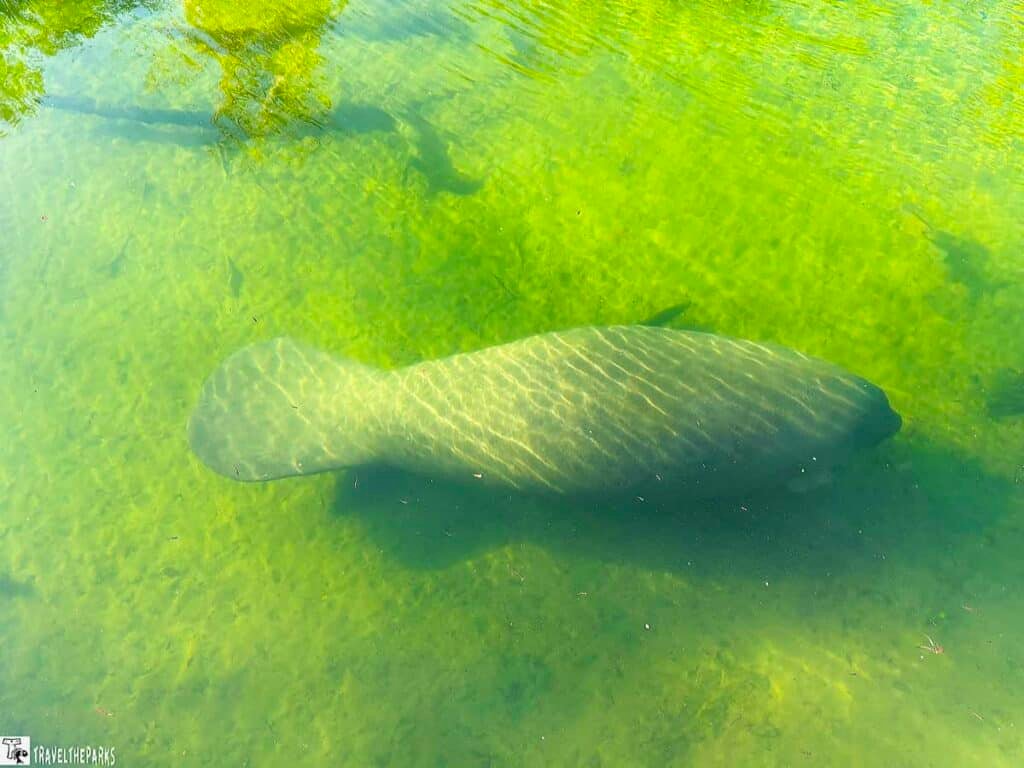
Blue Spring State Park is a short drive away. Clear spring. Manatees in the winter. Swimming in the summer. The boardwalk over the bright blue water is a nice change from Lake Woodruff’s darker marshes. Try to do both on the same trip—you’ll see two different sides of Florida.
De Leon Springs State Park
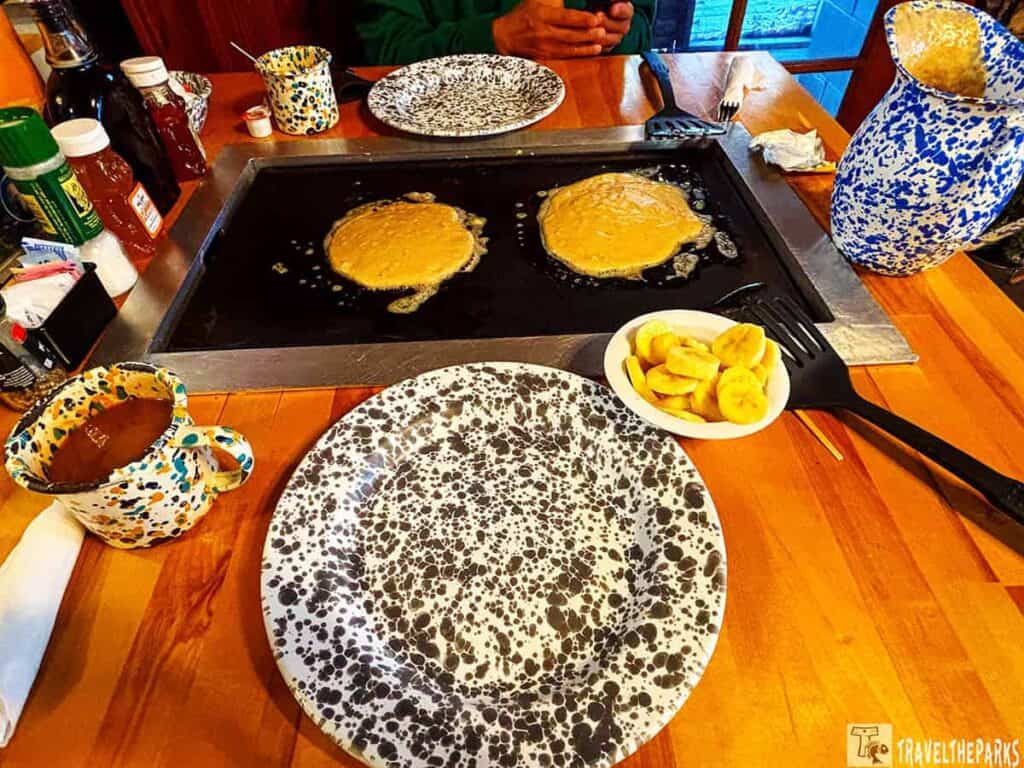
So after you spend a quiet morning at Lake Woodruff, you can head over to De Leon Springs. It’s close. They have this big spring there where you can swim. And then there’s this pancake place—the Old Sugar Mill—where you cook the pancakes yourself at your table. It’s kind of fun, actually. A little weird, too. But the pancakes are good. Makes for a nice, lazy afternoon.
Hontoon Island State Park
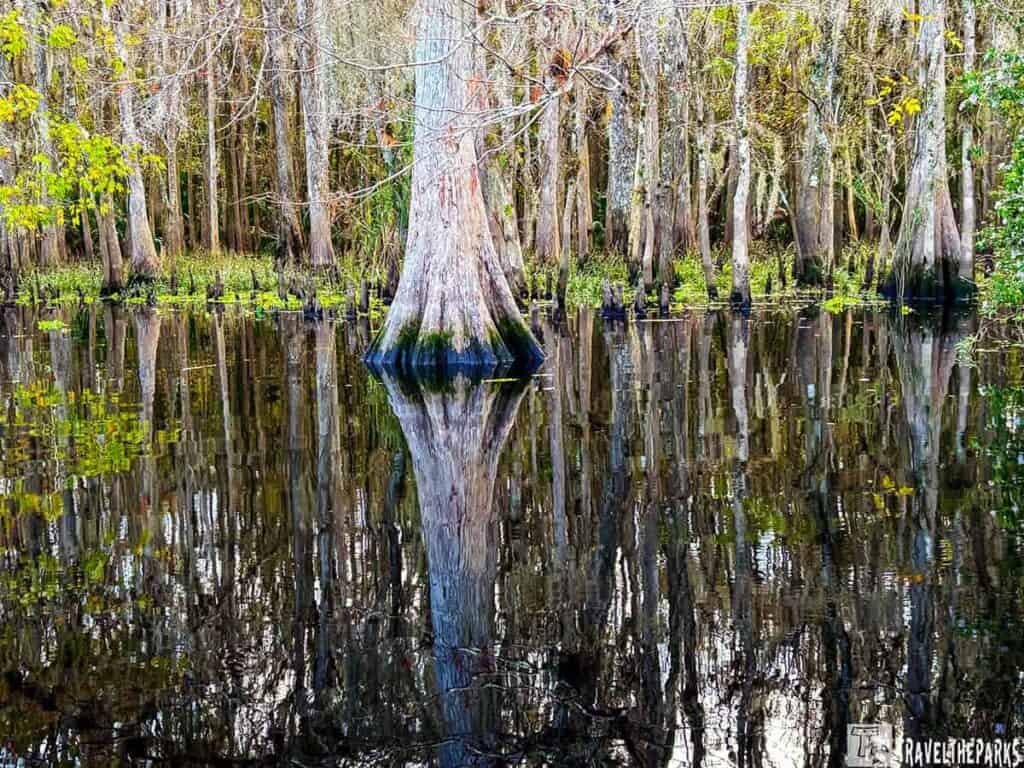
If you want somewhere more private, try Hontoon Island. You have to take a ferry to get there—that’s literally the only way in. Once you’re on the island, there are some hiking trails and picnic areas. Cypress trees along the river. It feels really different from the other parks. Not in a bad way.
Silver Springs State Park
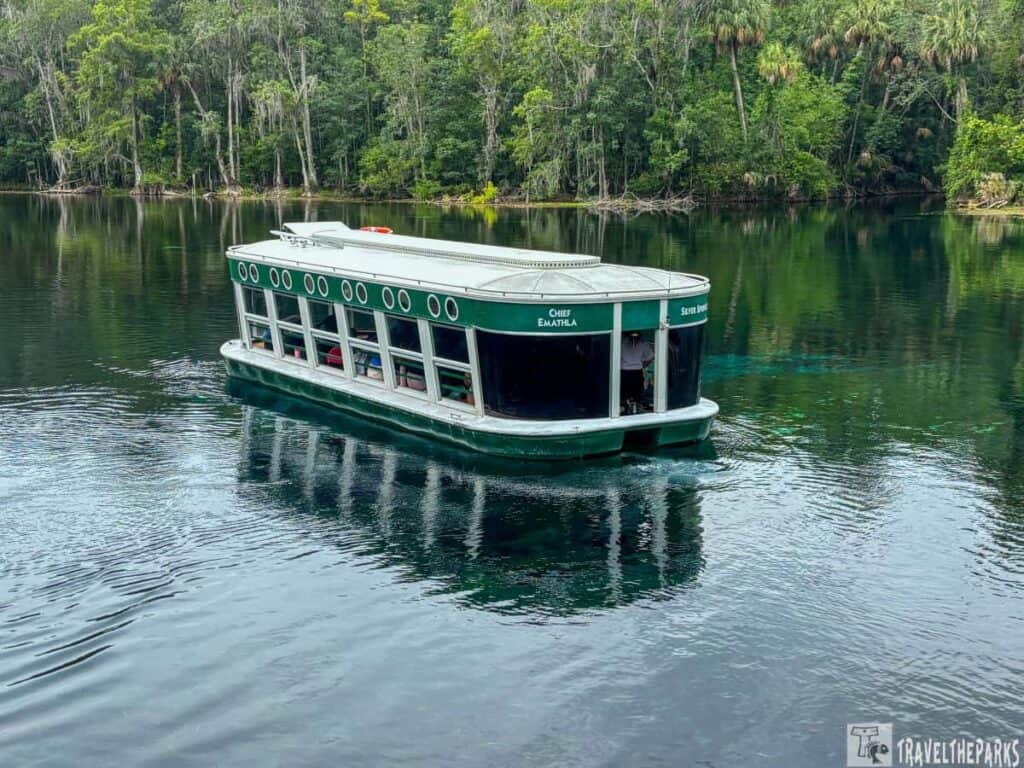
Silver Springs is a little farther from Lake Woodruff, but it’s worth it if you’ve got time. They have those glass boat tours. Kayaking too. Lots of wildlife. It’s just a different kind of spring—bigger, more open. If you’re making a whole day of it or a weekend trip, it pairs well with Lake Woodruff.
Final Thoughts: Lake Woodruff National Wildlife Refuge
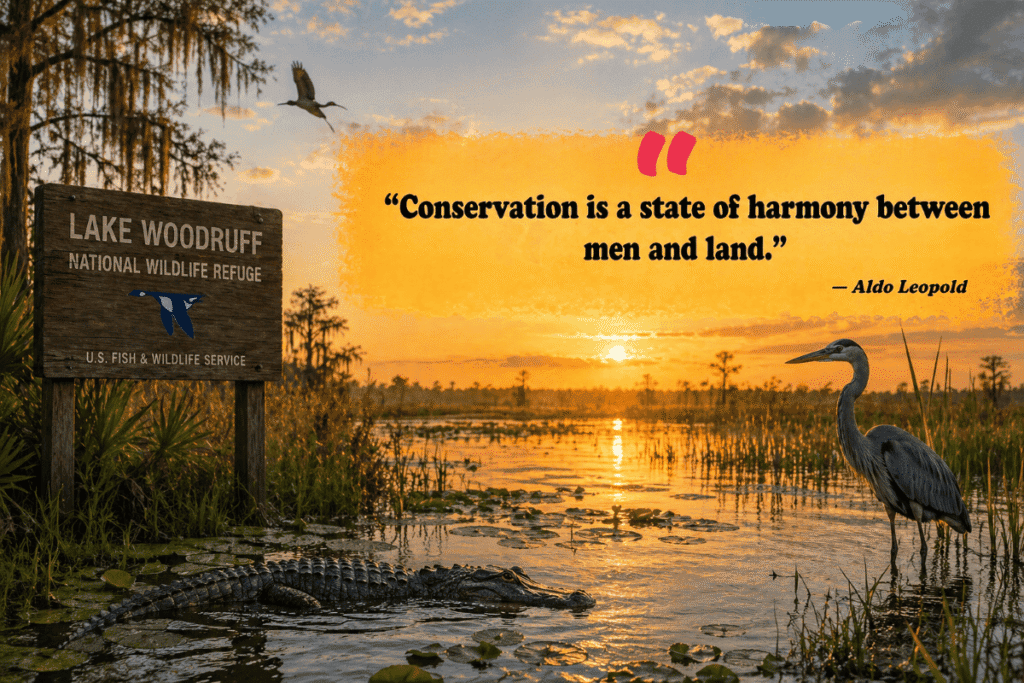
Lake Woodruff is a good reminder of why we protect wild places. No crowds. No fancy attractions. Just wetlands, quiet trails, and animals doing their own thing.
If you want authentic Florida nature, this is it. The undeveloped thing is the whole point. Wildlife watching. Quiet hiking. Landscapes that still feel genuinely wild.
Have you visited Lake Woodruff or a similar refuge? Drop a comment below. We’d love to hear about your favorite trails, what you saw, or any tips for other nature lovers.