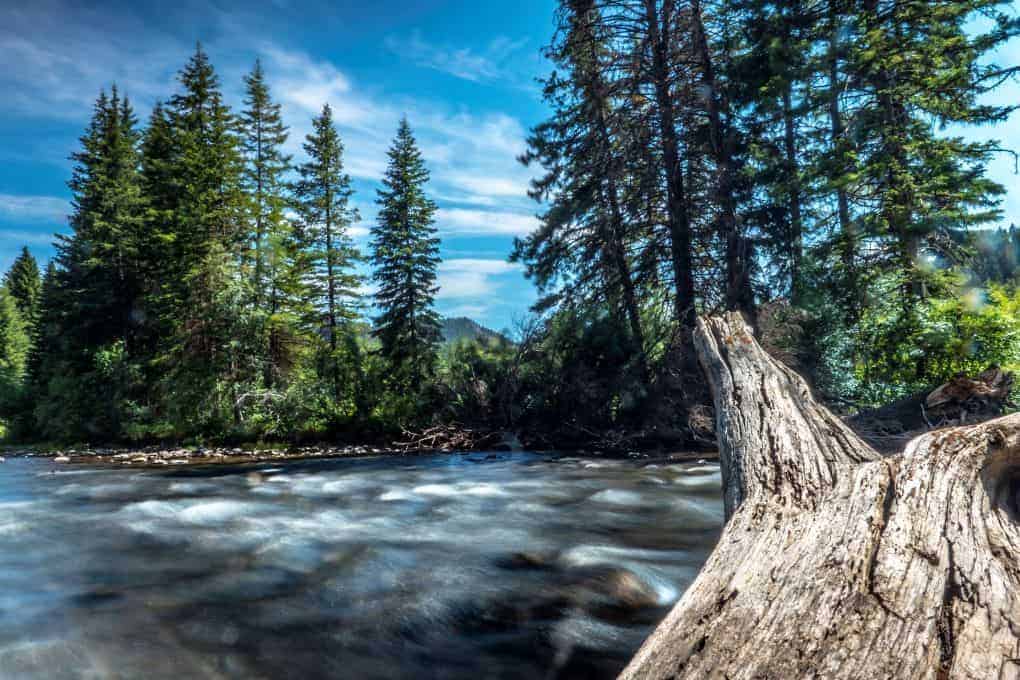
The Madison River is legendary for fly fishing, offering anglers an unforgettable opportunity to catch trout in one of the most scenic settings in the Greater Yellowstone Ecosystem. Formed at Madison Junction by the confluence of the Gibbon and Firehole Rivers, the Madison River begins in Yellowstone National Park and flows approximately 180 miles through mountain valleys before eventually joining the Missouri River.
Because the river originates on Yellowstone’s high mountain plateau, you might expect its waters to be fast and icy cold. However, geothermal activity near the river helps warm portions of the water, particularly near its headwaters. These conditions, combined with nutrient-rich waters, create an ideal environment for trout and help make Madison River Fly Fishing one of the most popular angling experiences in the region.
Anglers can find rainbow, brown, brook, and cutthroat trout in the Madison River. The upper reaches are especially well known for dry fly fishing, with excellent opportunities for anglers who enjoy wading and casting to rising trout. Many sections of the river within Yellowstone National Park are accessible to wading anglers.
For anyone visiting West Yellowstone or exploring Yellowstone, a Madison River Fishing Experience is a memorable way to enjoy the park’s beautiful waters and abundant wildlife. If you are planning a trip to the area, our Yellowstone National Park travel guide can help you plan your visit and discover more of the incredible destinations throughout Yellowstone and Grand Teton.
This post may contain affiliate links, meaning if you purchase something through one of these links, we may earn a small commission at no extra cost to you! Read the full disclosure policy here.,
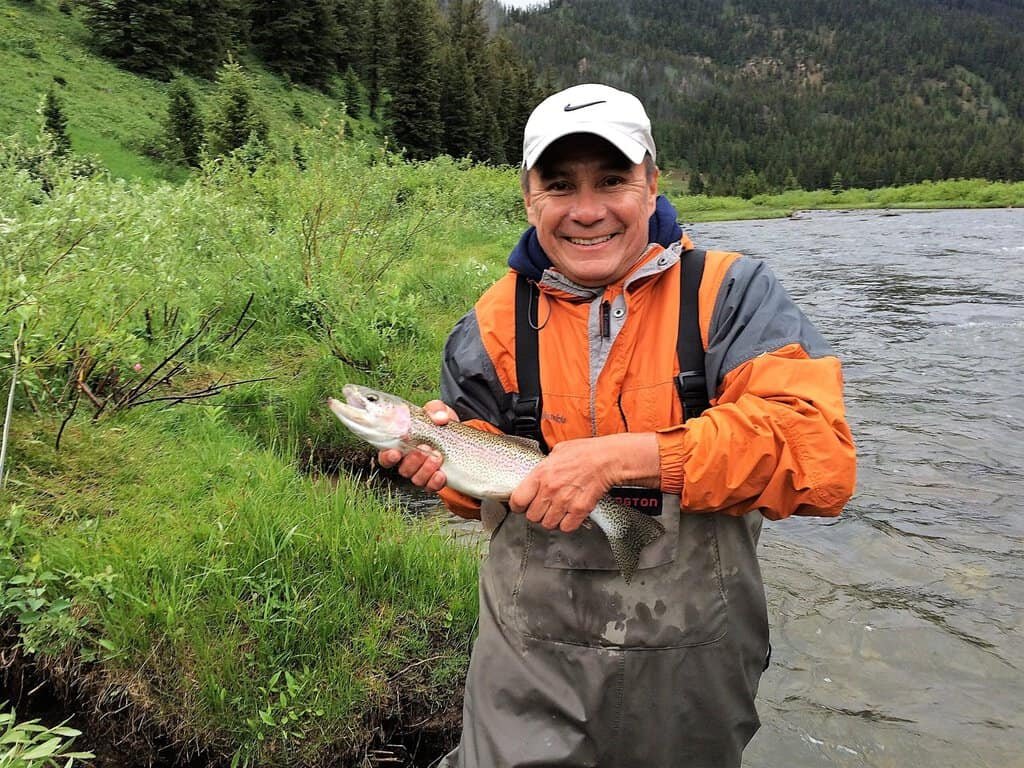
Fly fishing the Madison River in Yellowstone National Park can be an unforgettable experience for anglers of all skill levels. Known for excellent trout fishing and spectacular scenery, the river attracts fly anglers from around the world. Whether you plan to wade into the river on your own or fish with a Madison River fly fishing guide, there are opportunities to enjoy this famous Yellowstone waterway.
Table of Contents
When Is the Best Time for Fishing the Madison River?
The best time for Madison River fly fishing depends on the type of experience you want. Summer is a popular time to fish because the weather is generally warmer and access to the river is easier. However, it is also one of the busiest times in Yellowstone.
We chose to visit in early spring to avoid the summer crowds and enjoy cooler weather. Spring conditions can vary, but visiting outside the peak summer season can provide a quieter Madison River fishing experience.
Before planning a Madison River fishing trip in Yellowstone National Park, check current park fishing regulations and obtain the required Yellowstone fishing permit. Regulations may limit the types of flies and fishing equipment that can be used and include specific rules for catch-and-release fishing. Yellowstone also has special regulations for certain nonnative fish species, some of which may not be released after being caught. Be sure to review the latest fishing regulations before your visit, as rules can change.
Yellowstone Fishing Guides
If you are unfamiliar with the Madison River or other Yellowstone fishing waters, hiring a local guide for a day can be one of the best ways to improve your experience. A knowledgeable guide can help you understand the river, choose appropriate flies, improve your casting and presentation, and learn how to read the water.
Local guides also know how seasonal conditions affect fishing throughout the Greater Yellowstone area. Rather than spending your entire day trying to figure out where to fish, you can spend that time learning from someone who knows the local waters and techniques. Of course, fishing is never guaranteed, but a guide can greatly shorten the learning curve and help you make the most of your time on the water.
When booking a Yellowstone fishing guide, make sure the outfitter is authorized to operate in the park. The National Park Service requires commercial fishing guides operating in Yellowstone to have the appropriate Commercial Use Authorization (CUA). Guided stream and shoreline fishing trips are permitted under this authorization.
Here are several established guides and outfitters serving Yellowstone and the surrounding Montana waters:
- Angler’s West Fly Fishing Outfitters: 406-333-4401
- Arrick’s Fly shop: 406-646-7290
- Montana Angler Fly Fishing: 406-522-9854
- Madison River Outfitters: 406-646-9644
- Yellowstone Angler: 406-222-7130
- Yellowstone Fishing Guides: 406-640-1603
For a first-time Yellowstone angler, I would particularly consider booking a walk-and-wade trip rather than trying to tackle unfamiliar water on your own. Madison River Outfitters, for example, offers guided walk-and-wade trips in Yellowstone as well as guided float trips on the Madison River.
Best Guide Service: Arrick’s Fly Shop, West Yellowstone
We made the run from Old Faithful to West Yellowstone to meet our fly-fishing guide, Zach, at Arrick’s Fly Shop. It was a 32-minute drive in heavy rain, with temperatures hovering around 34 degrees. We arrived with about 15 minutes to spare.
We were experienced bass fishermen, but this was our first time fly-fishing. Fly-fishing is a completely different experience, and we quickly realized that having a knowledgeable guide made a big difference.
Arrick’s offers guided wade-fishing and drift-boat trips, with half- and full-day options. Depending on conditions and the trip you choose, guides fish waters throughout the area, including the Madison, Firehole, Gallatin, Lamar, and Yellowstone Rivers, as well as Slough Creek and other smaller streams.
For our trip, Arrick’s provided the required fishing equipment and flies. One thing that really impressed us was that we were not charged separately for the flies we used. That made the experience feel straightforward and hassle-free.
Getting to Our Section of the Madison River
Because of the warmer water temperatures in the Firehole River, our guide decided we would have better fishing conditions on the Madison River below Hebgen Lake. After getting our fishing licenses, Zach started the drive toward Hebgen Lake along Highway 191.
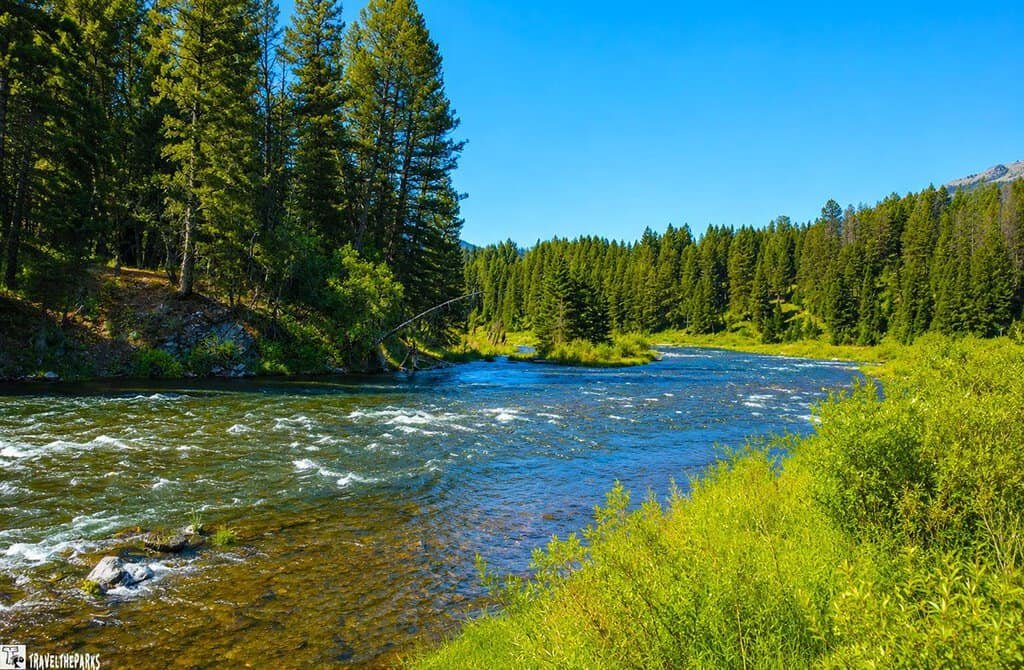
Highway 287 follows the shoreline of Hebgen Lake before reaching the dam. Below the dam, the Madison River flows swiftly and clearly through the canyon. We stopped at a pullout directly below Campfire Lodge, where we would begin our day of fishing.
The weather was cool and rainy, but that did not deter us. We were excited to get on the river and see what our first day of fly-fishing would bring.
Today’s Fishing Equipment on the Madison River in Yellowstone
The waters of the Madison River can be cold in June, so having the right fishing gear makes a big difference. A good pair of chest waders and wading boots kept us comfortable in the cold water, while wool socks helped keep our feet warm throughout the day.
Our guide outfitted us with a Redington Crosswater 9-foot, 5-weight fly rod, a floating fly line, and a 5X tippet. For beginners like us, having the proper setup already prepared made it much easier to concentrate on learning how to cast and present the fly.
The weather was cool and rainy during our trip, so a rain jacket was essential. I also recommend a wide-brimmed hat and polarized sunglasses. Sunglasses protect your eyes from the sun and help protect them from an errant fly while casting.
If you are planning your own Madison River fishing trip, dress for changing weather. Even on a summer day, temperatures around Yellowstone can change quickly, and standing in cold river water for several hours makes proper clothing especially important.
Best Flies on the Madison River

Fly selection on the Madison River can change with water conditions, weather, and the insects hatching that day. For our June fishing trip, our guide Zach recommended several patterns that are commonly used on the Madison. If you are unsure what to use, stopping at a local fly shop before heading to the river is a great way to find out what is working that day.
Here are some of the flies we used or were recommended for our June trip:
- X-Caddis Tan — sizes 12–26. This is a classic Madison River dry-fly pattern.
- Chubby Chernobyl — sizes 4–10. This large foam pattern works well as an attractor and can also support a smaller dropper.
- Henry’s Fork Salmon Fly — size 8.
- Parachute Adams — sizes 10–16. A versatile dry fly that can imitate several types of mayflies.
- Rogue Foam StoneFly — sizes 6–8.
- Coffee Rubber Legs — size 6.
- San Juan Worm — red or pink. This can be used as a dropper.
- Olive Serendipity — size 16. Another good option for a dropper.
Our Guide, Zach
Zach was an excellent guide. He had spent several years in Alaska before coming to Montana and brought a wealth of experience to our trip.
As first-time fly-fishermen, we felt awkward at first while learning a completely new skill. Zach immediately put us at ease. He patiently explained what we were doing, helped us improve our casting, and adjusted our setup as conditions changed.
By the end of the day, our confidence had grown considerably. Having an experienced guide beside us made the difference between simply trying to figure out fly-fishing and actually learning how to fish the Madison River.
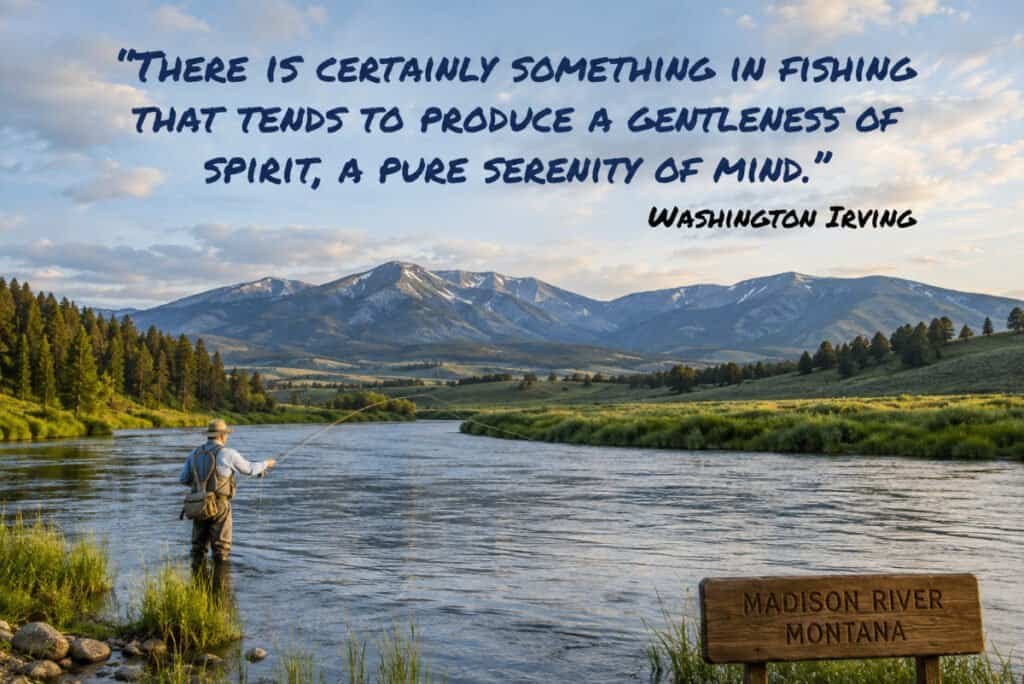
Fishing on the Madison River
Zach made fly-fishing seem easy. Within minutes, Barry had his first fish—a mountain whitefish about 12 inches long.
This section of the Madison is known for rainbow and brown trout in the 15- to 18-inch range. I had plenty of bites but struggled to set the hook. Setting the hook on trout was very different from what I was used to when bass fishing.
Zach finally told me to set the hook like I would for a bass. On the very next fish, I did just that—and this time, I didn’t miss.
Barry was already ahead of me with a nice rainbow trout measuring approximately 14 inches. The wind had picked up, so Zach switched tactics and tied on a size 4 dry stonefly imitation. We wanted to see if the larger fly would produce more bites.
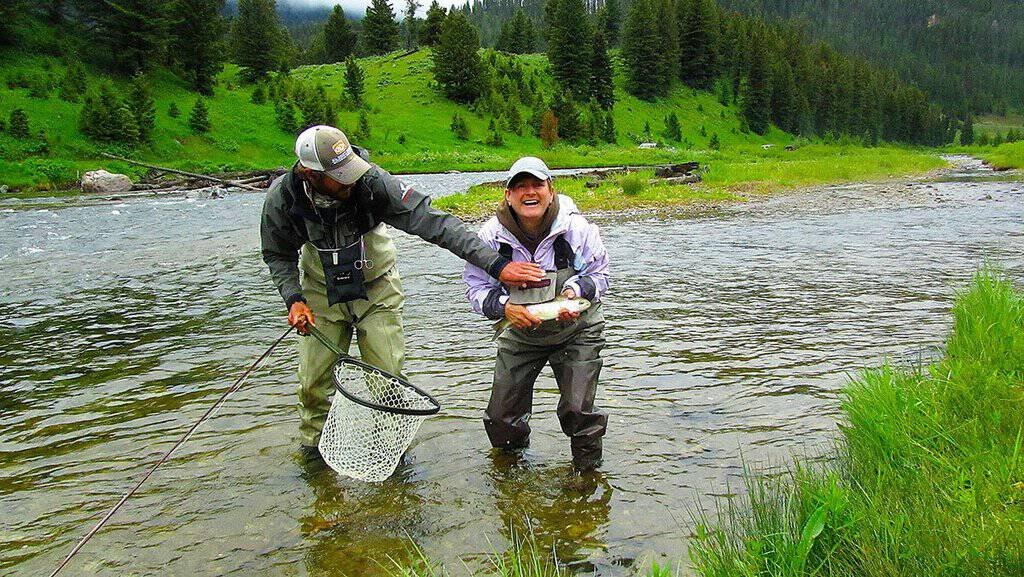
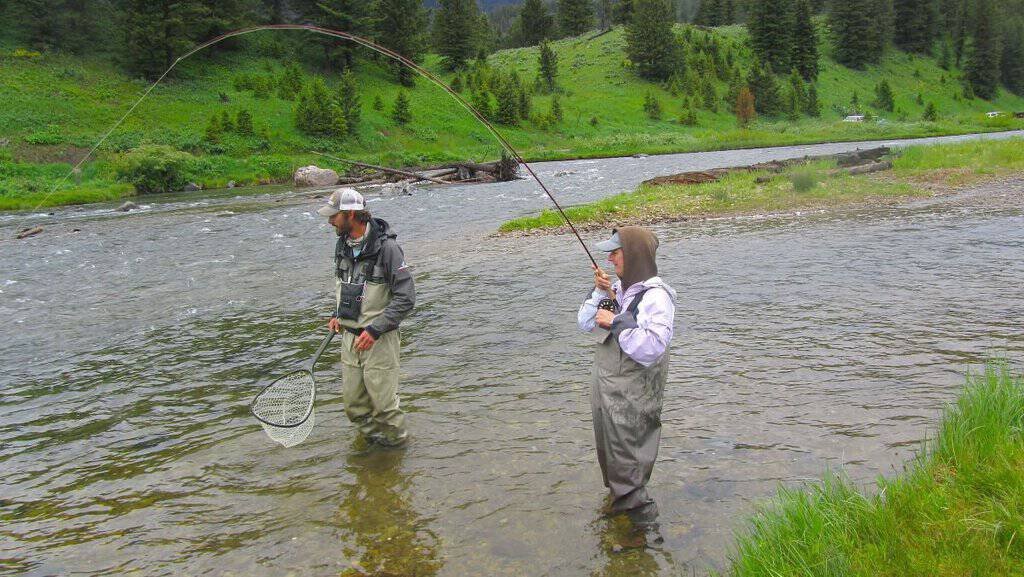
Zach then moved us across the stream to a beautiful riffle. On my first cast, BANG! A nice rainbow took the fly and immediately headed toward the rapids. After a brief fight, I was able to get him into the net. He measured close to 14 inches.
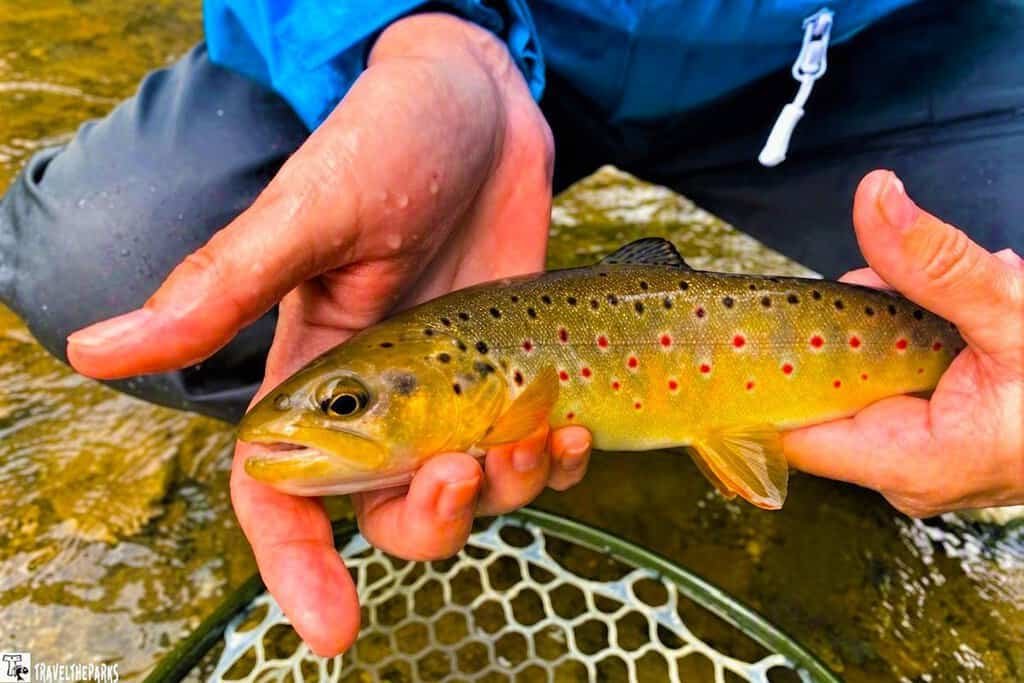
We continued catching mountain whitefish of various sizes, and I was lucky enough to land a beautiful brown trout as well.
What impressed me most about Zach was how passionate he was about fly-fishing. He also showed genuine concern for the river and the well-being of every fish we caught. He handled the fish carefully and made sure they were returned to the water as quickly as possible.
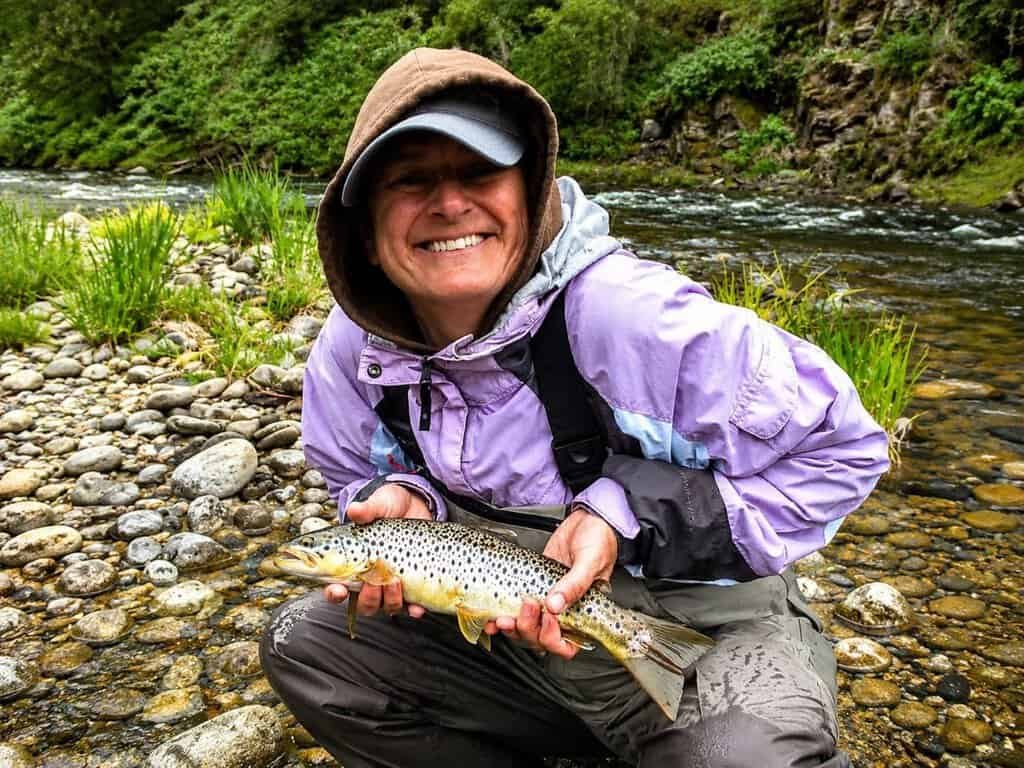
Unfortunately, we had booked only a half-day trip. By the end of our time on the river, I was thoroughly chilled from the cold, rainy weather, but I still wished we had booked the full day.
The Madison River is beautiful, and fishing it was an unforgettable experience. As someone who had never fly-fished before, I couldn’t have asked for a better introduction. Arrick’s Fly Shop was our favorite guide service of the trip, and I would gladly recommend them to both experienced fly-fishers and beginners looking for a memorable Yellowstone fishing experience.
PRO Tip: Be Bear Aware
If you are fishing or hiking in Yellowstone, remember that bears are active throughout the park. Carry bear spray and know how to use it. Traveling with a partner or group is also recommended in backcountry areas. Our guide carried bear spray with us during this trip.
Lunch at the Madison River Picnic Area
We drove back to West Yellowstone and spent a little time browsing the souvenir shops before heading back into Yellowstone National Park. By then, the weather was beginning to clear.
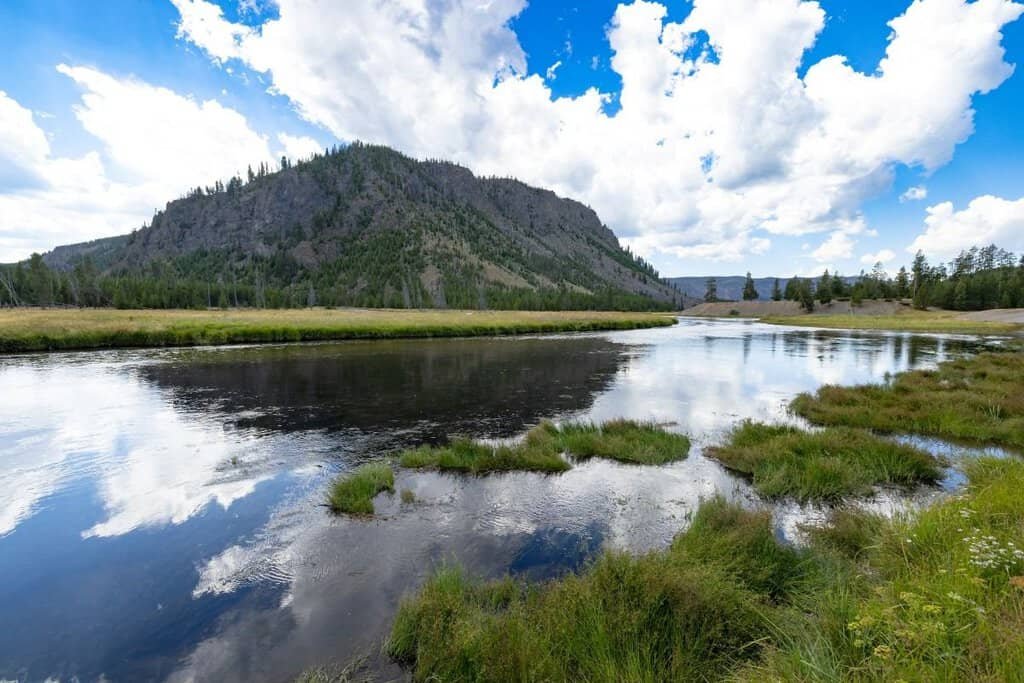
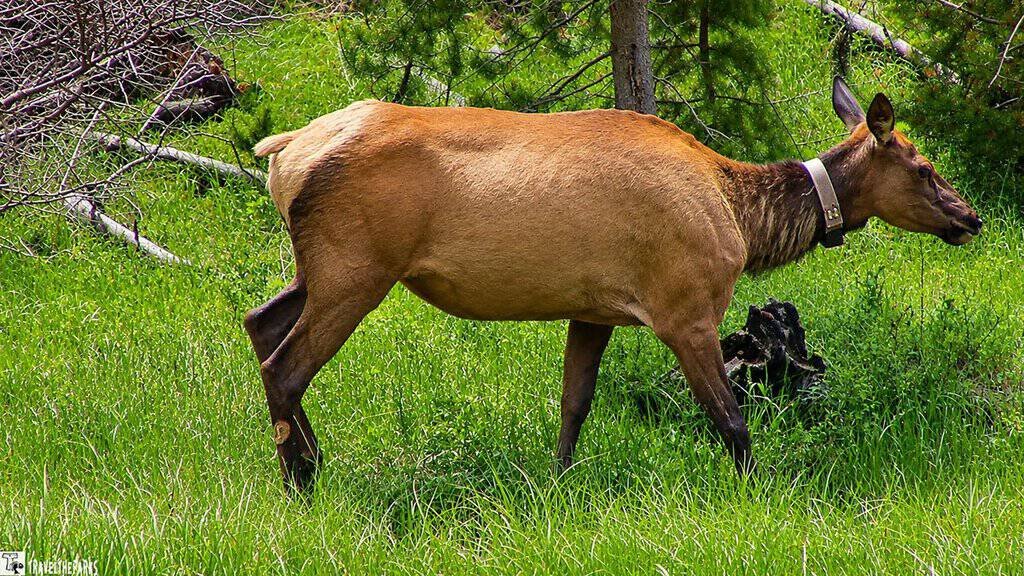
We stopped at the Madison River Picnic Area for lunch. Across the river, we watched a small group of elk grazing along the opposite shoreline, calmly munching on the grass.
After the cold and rainy morning on the river, the peaceful setting was a welcome change. Sitting beside the Madison, watching the elk and listening to the river flow by, made for an incredibly serene afternoon.
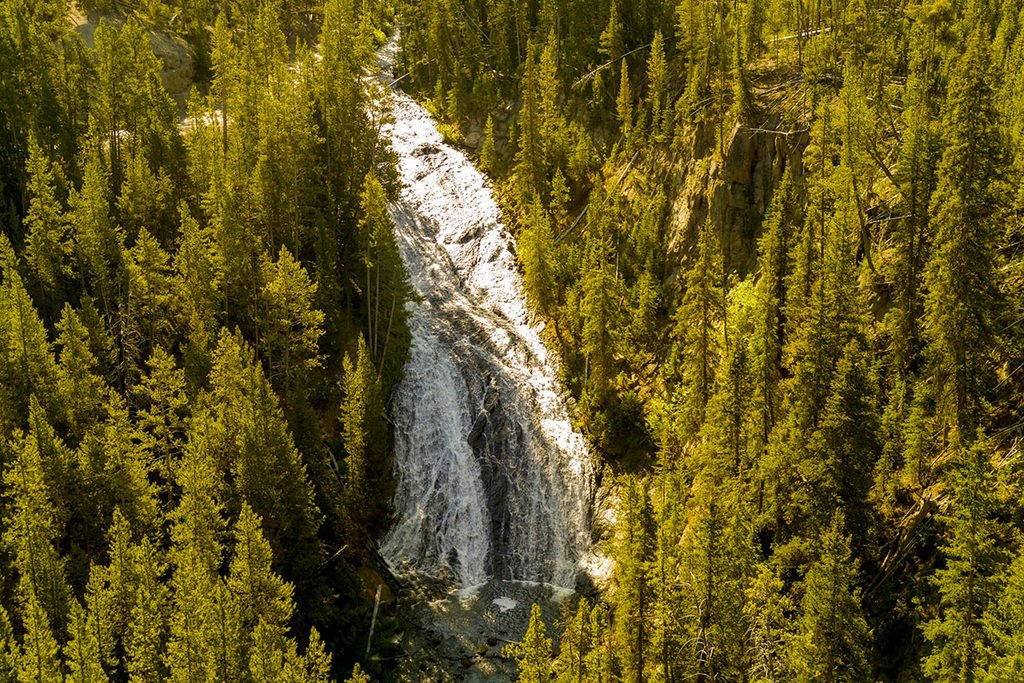
Side Trip to the Gibbon River—Yellowstone National Park
The Gibbon River begins at Grebe Lake, where a small freestone stream flows across the plateau toward Wolf Lake. Below Wolf Lake, the river picks up speed as the gradient becomes steeper. It eventually reaches the Virginia Meadows before cascading over Virginia Cascades, a series of drops created by a roughly 60-foot descent as the river continues toward Norris.
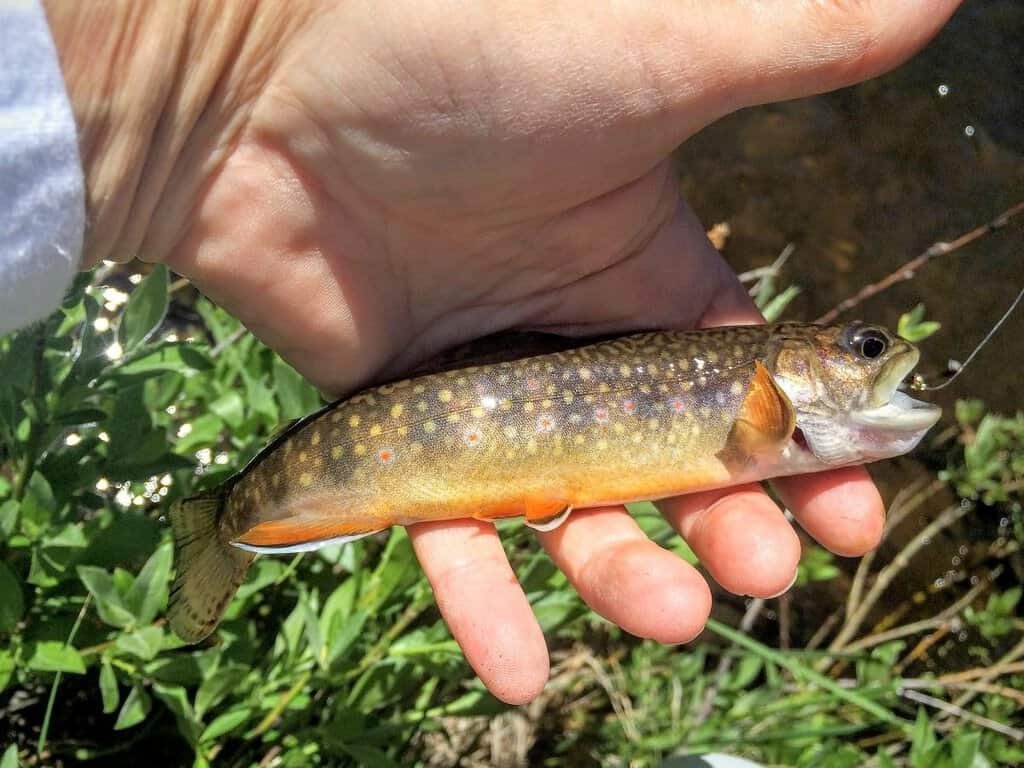
The upper Gibbon contains rainbow trout, while the lower sections of the river hold populations of small brook trout.
Fishing the Gibbon River
We stopped along the Gibbon just above the cascades to try our luck. For approximately two hours, we caught small brook trout using light fly-fishing gear.
The trout were only about 6 to 8 inches long, but they were colorful, lively fish and a lot of fun to catch. For us, the smaller fish also provided a great opportunity to practice our fly presentation and casting without worrying about landing a large trout.
Brook trout are non-native in Yellowstone, and the National Park Service manages them in some watersheds as part of its efforts to protect and restore native fish populations. Fishing regulations can vary by location and change from year to year, so always check the current Yellowstone fishing regulations before deciding whether you may keep or must release a particular species.
For families, the Gibbon can provide a fun introduction to small-stream fishing, especially for young anglers who are more interested in catching fish than chasing trophy trout. Just remember that Yellowstone’s fishing regulations apply, including any location-specific rules regarding brook trout harvest.
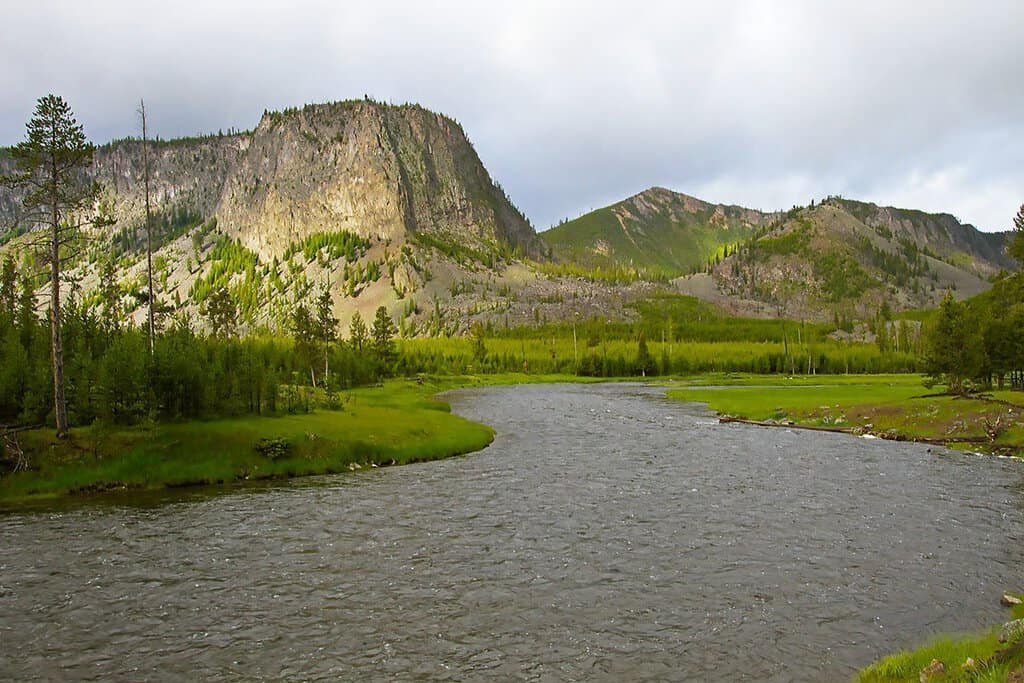
Final Thoughts on Fly Fishing the Madison River in Yellowstone
Fly-fishing the Madison River in Yellowstone National Park was a memorable and rewarding experience for us. There is something special about combining the challenge of the sport with the beauty of Yellowstone’s rivers and mountains.
The clear, cold water reminded me of places we have fished before, including Glacier National Park, the Big Thompson River in the Rocky Mountains, and the Alaskan rivers. Yet Yellowstone has a character all its own.
Fly-fishing has a certain allure that is difficult to explain until you experience it. There is something almost magical about walking a river or stream in search of trout, surrounded by the sounds and scenery of the wilderness.
An eagle soaring overhead. The constant awareness that a grizzly could be somewhere beyond the next bend. Watching fish rise as a caddis hatch begins. Then, suddenly, a trout takes your dry fly and the quiet afternoon turns into a battle to bring it to the net.
Landing that fish brings an incredible sense of accomplishment—and usually a huge grin.
For us, the Madison River wasn’t simply another place to go fishing. It was our introduction to fly-fishing, and having an experienced guide like Zach made the experience even more memorable. If you are new to fly-fishing, I highly recommend giving it a try. You may discover, as we did, that there is something truly special about standing in a Yellowstone river with a fly rod in your hands.
If you have fished in Yellowstone, what was your favorite moment? Tell us your story in the comments below.