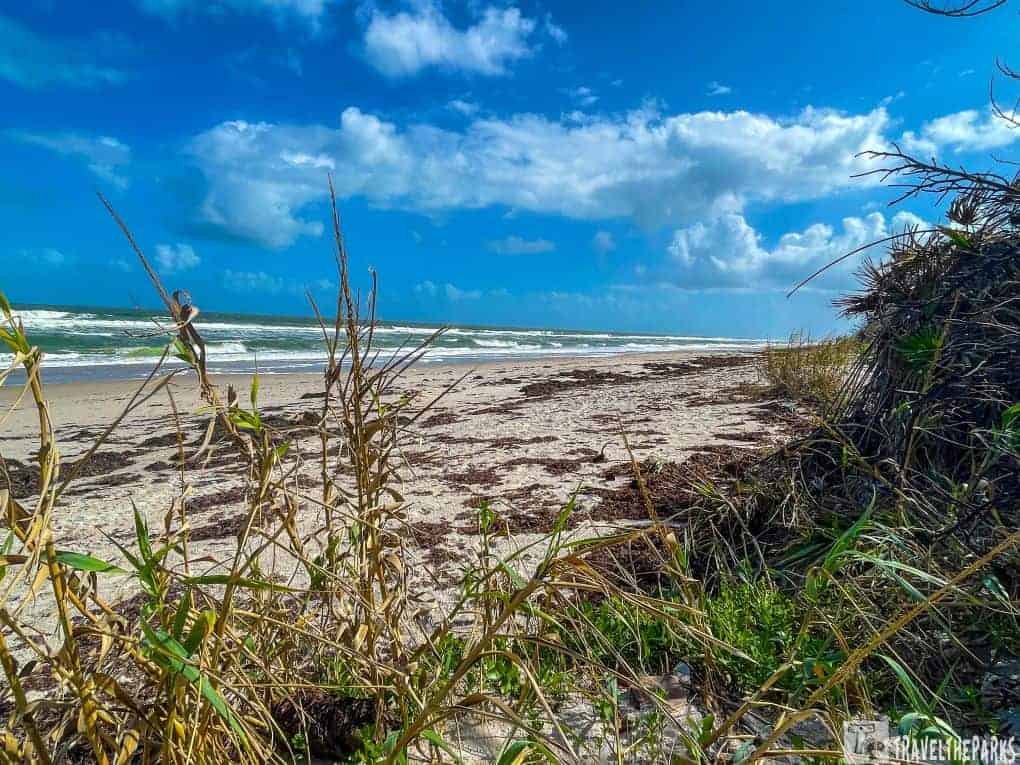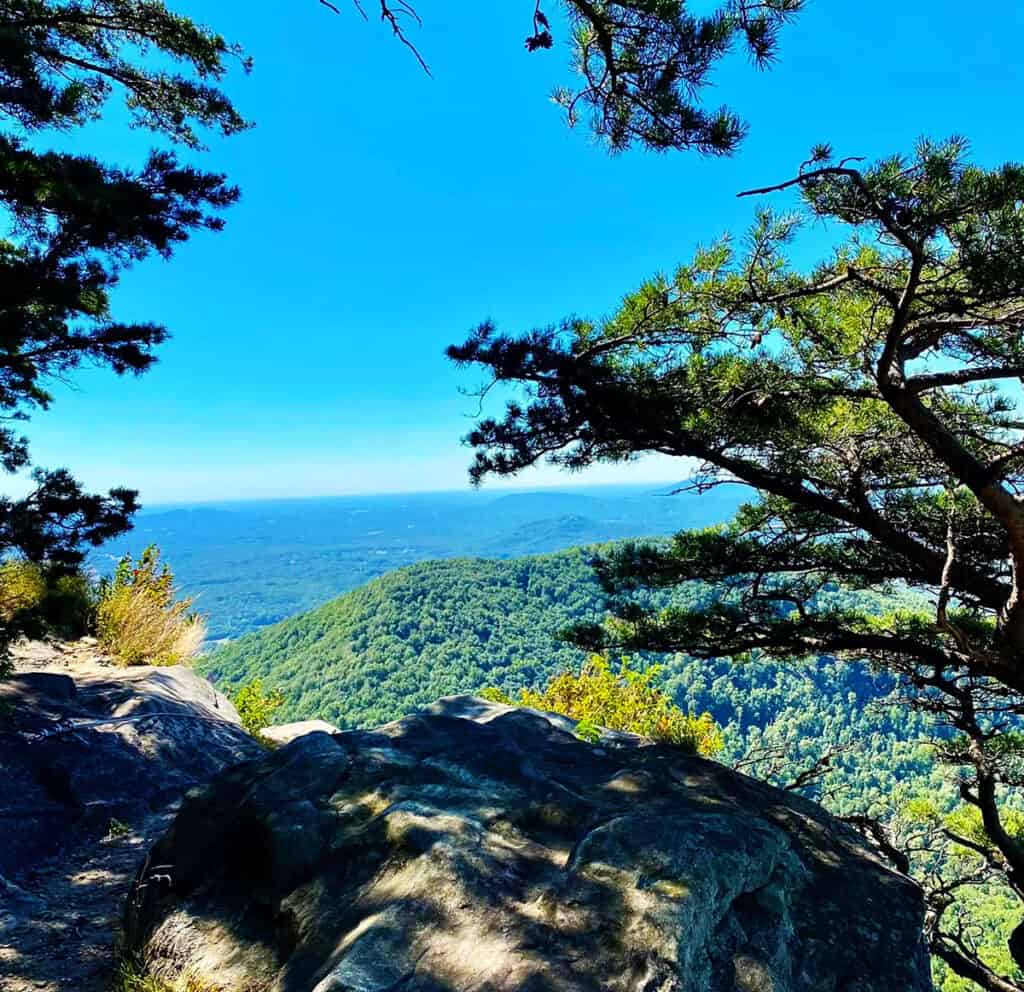
There is a specific kind of magic that only happens when you combine a slightly questionable GPS, a cooler full of lukewarm sodas, and a map dotted with some of the most significant landmarks in American history. We recently set out on a Nashville St Louis Memphis road trip—a loop connecting those three music-and-history cities — and let’s just say, our tires are tired, but our spirits are full.

There comes a moment in every road tripper’s life when looking at a map stops being an exercise in logistics and starts feeling like an invitation. That’s exactly what happened to us when we mapped out this Mid-South driving itinerary—a route that wound through Florida, Georgia, Tennessee, Missouri, Illinois, Kentucky, Alabama, and back again. State parks, national monuments, battlefield parks, Indigenous mounds, civil rights landmarks, a ghost tour, a distillery—and yes, Graceland. This trip had it all.
What follows is our stop-by-stop account of one of the most rewarding road trips we’ve ever taken. Part history lesson, part camping adventure, part excuse to eat barbecue in four different states—this is the trip we’ll be talking about for a long time.
This post may contain affiliate links, meaning if you purchase something through one of these links, we may earn a small commission at no extra cost to you! Read the full disclosure policy here.
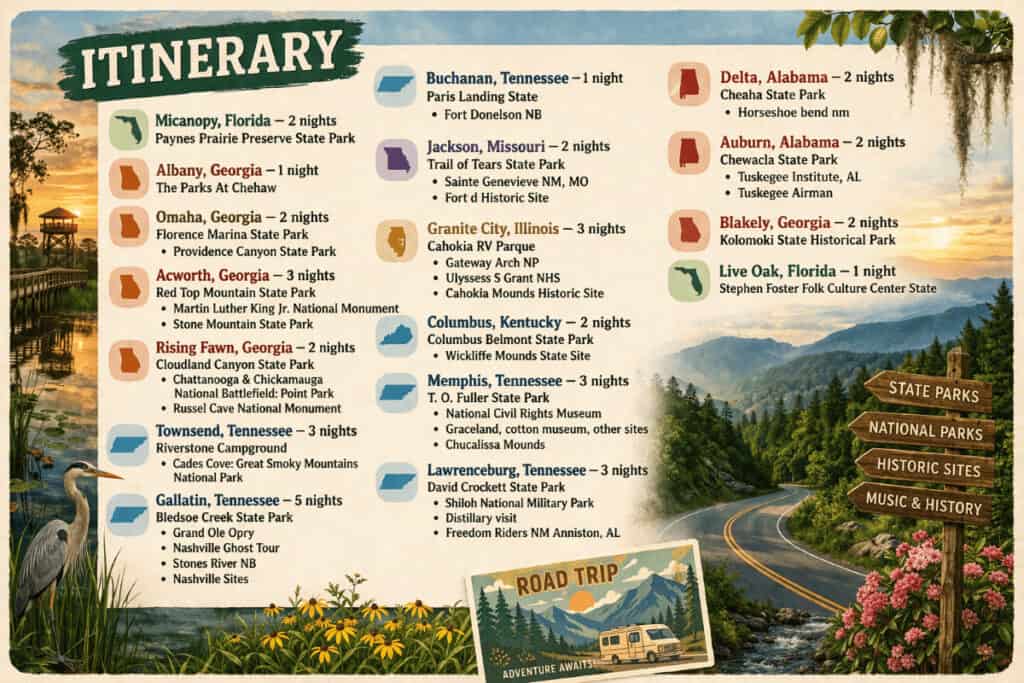
Table of Contents
Stop 1: Micanopy, Florida—Where the South Begins
2 NIGHTS | PAYNES PRAIRIE PRESERVE STATE PARK
So, Micanopy, Florida. Yeah, never heard of it? Don’t sweat it. That’s literally the point. It’s this tiny, no-rush kind of town — one of the oldest inland spots in Florida, believe it or not. And it doesn’t try hard at all. Just sits there all sleepy and mossy and kind of beautiful.
We camped at Paynes Prairie Preserve State Park. Vast place—21,000 acres. Used to be the biggest cattle ranch in Florida. Now? It’s just this wild mashup of ecosystems. You’ve got wild horses. Actual bison. Sandhill cranes are walking along the trail as if they have an urgent appointment. It’s Florida before Florida got all… Florid-y, you know?
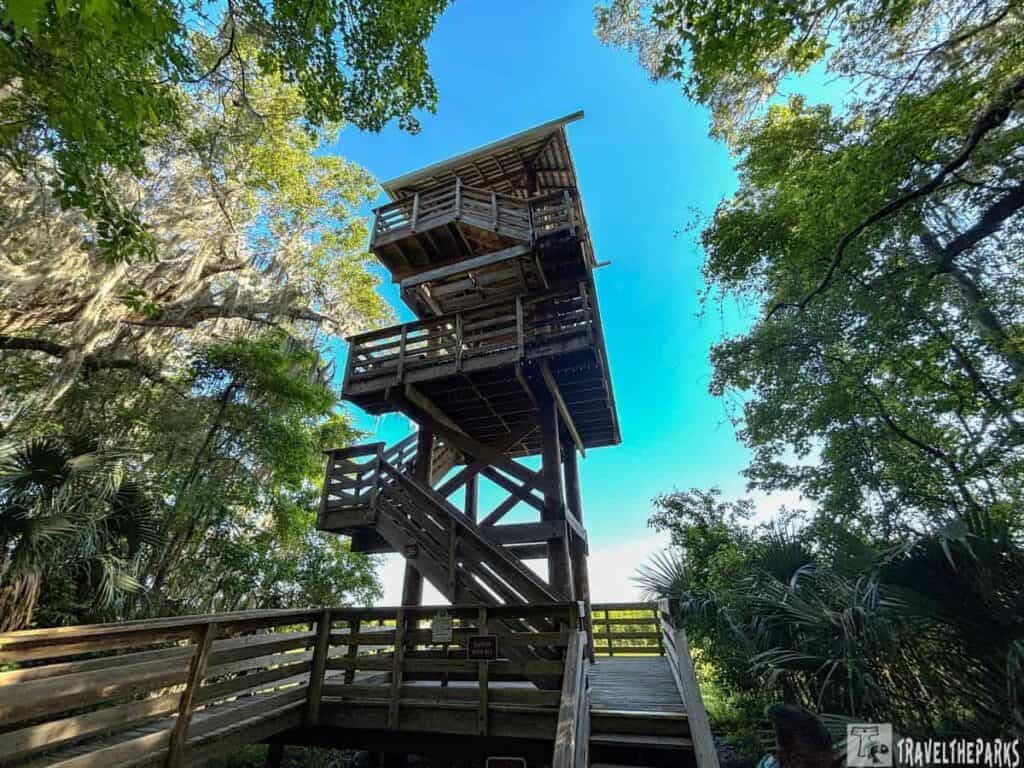
The La Chua Trail is flat and goes on forever, but then you hit this platform overlooking the sink. And we just stopped. Gators everywhere. They’re just hanging out. There’s nothing quite like watching a dozen alligators sunbathing while peacefully coexisting to remind you that you are a guest on this patch of earth.
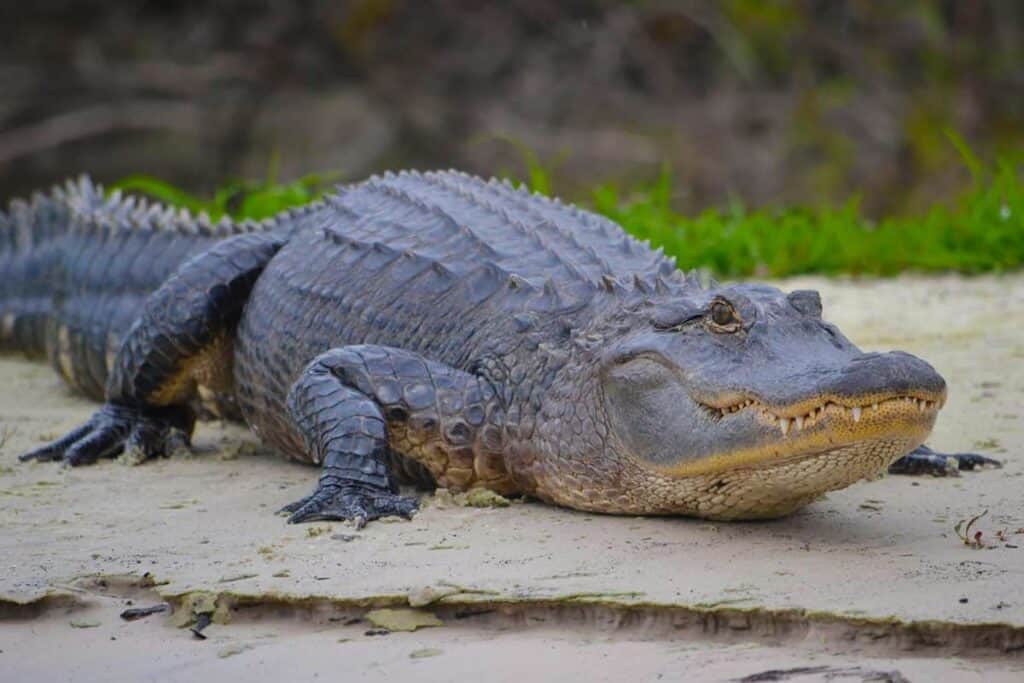
Micanopy itself is five minutes away. Two blocks. Antique shops. Live oaks with so much Spanish moss it looks like the trees have beards. And a general store that hasn’t changed since my grandparents were kids. We ate too much, slept like rocks, and drove out feeling like we’d finally remembered how to breathe.

Stop 2: Albany, Georgia — A Quiet Night with Wild Neighbors
1 NIGHT | THE PARKS AT CHEHAW
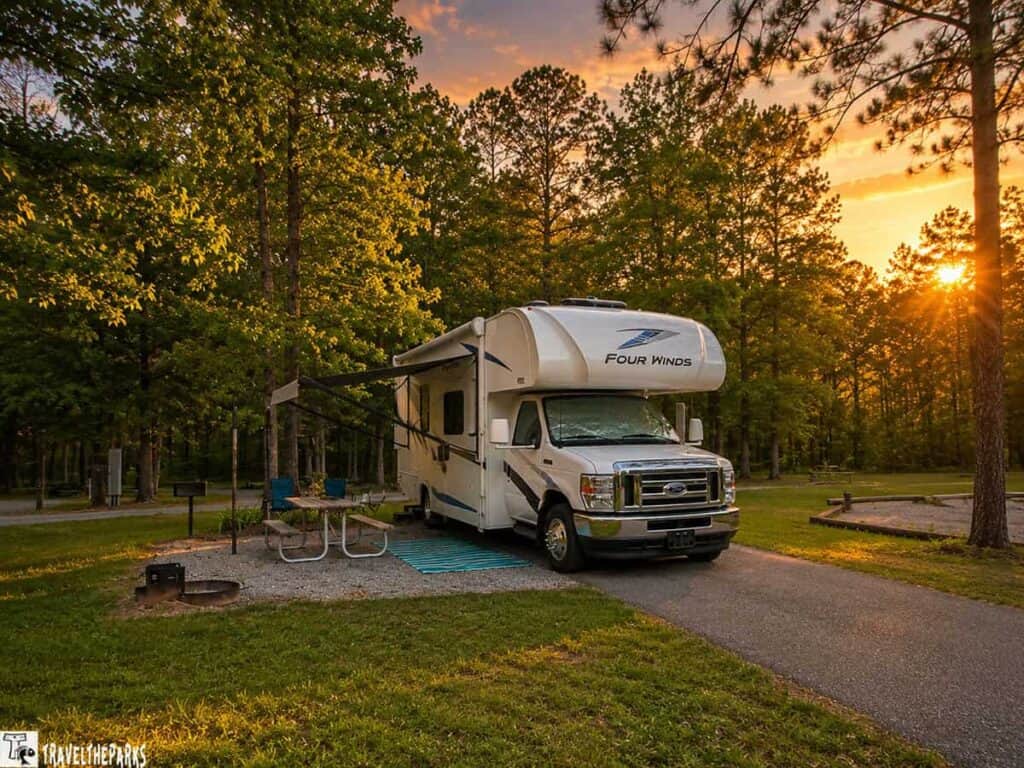
We rolled into Albany without a lot of fanfare, which is exactly the right way to arrive. Our one-night stay at The Parks at Chehaw gave us a chance to decompress and let the road stress fade. Chehaw is a multi-use park that combines a wild animal park, walking trails, a campground, and an amphitheater all in one footprint—the kind of place that Albany locals seem genuinely proud of, and rightly so.
We didn’t try to squeeze in too much here. At times, an excursion such as this one may require a relaxing stroll in the evening, a fireplace, and even an early night’s rest. Albany is a city that has made its own contribution to the Civil Rights Movement, as the Albany Movement during the early 1960s was important in the grand scheme of things, even though it has been eclipsed by other cities within the national discussion.
Stop 3: Omaha, Georgia — Canyons and Quiet Waters
2 Nights | Florence Marina State Park | Providence Canyon State Park
Omaha, Georgia sits on the banks of Walter F. George Lake, and Florence Marina State Park is one of those places that rewards the traveler who has no particular agenda. The marina, the cottages, the water—it all adds up to a deeply relaxed two nights. We used it as a base for one of the more surprising stops of the entire trip: Providence Canyon State Park.
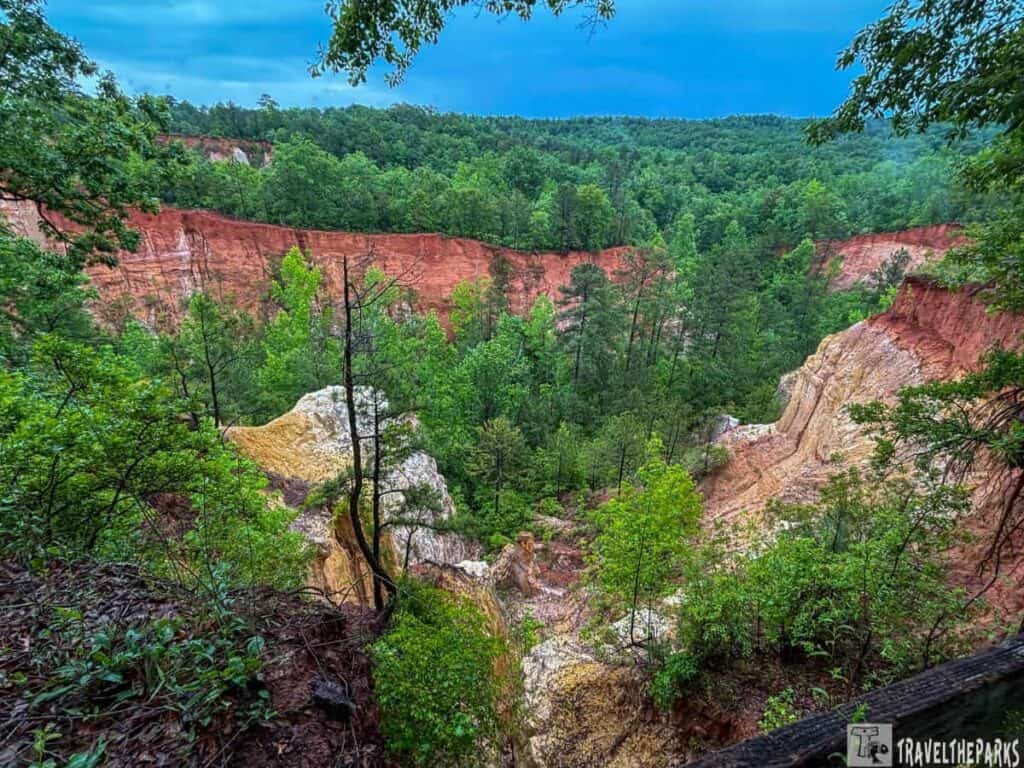
Providence Canyon has another name–Georgia’s Little Grand Canyon, which appears to be the sort of catchy slogan that tourism boards use, but in this instance, it is quite fitting. This time, however, it is not because of any grand geological forces but simply soil erosion as a result of bad farming practices in the 19th century. This fact only adds to the splendor of the bright colors of the canyon walls in red, pink, orange, and white hues. Colors are exceptionally bright in the early morning light.
We hiked all the way down to the bottom of the canyon, and it reminded me of the last time we were in Monument Valley and Sedona. You know why? Because we came back absolutely covered in that brown clay dust. That stuff gets everywhere. Totally worth it, though. Just don’t forget an extra pair of socks.
Stop 4: Acworth, Georgia — Mountains, a Monument, and a Monolith
3 Nights | Red Top Mountain State Park | MLK Jr. National Monument | Stone Mountain State Park
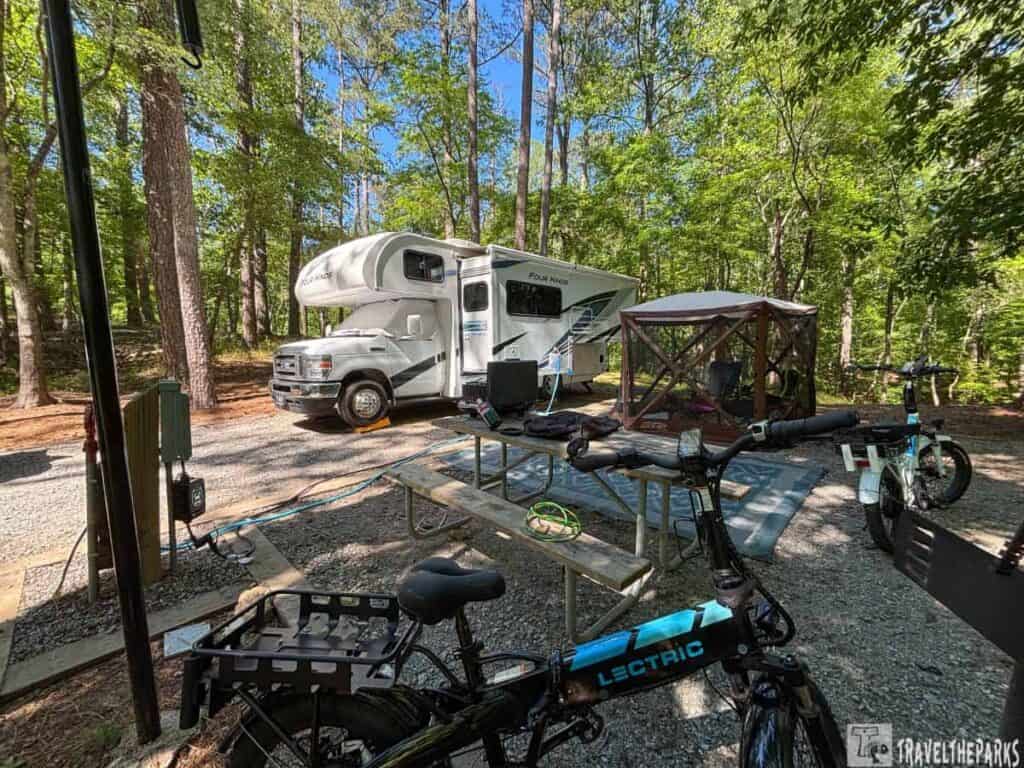
We stayed three nights at Red Top Mountain on Lake Allatoona, which ended up being exactly the break we needed. Enough room to actually move around and do stuff. The park’s nice—wooded trails, good lake views, and the campground fills up on weekends for a reason. Made for a solid home base over a few days, that ended up meaning more than I expected.
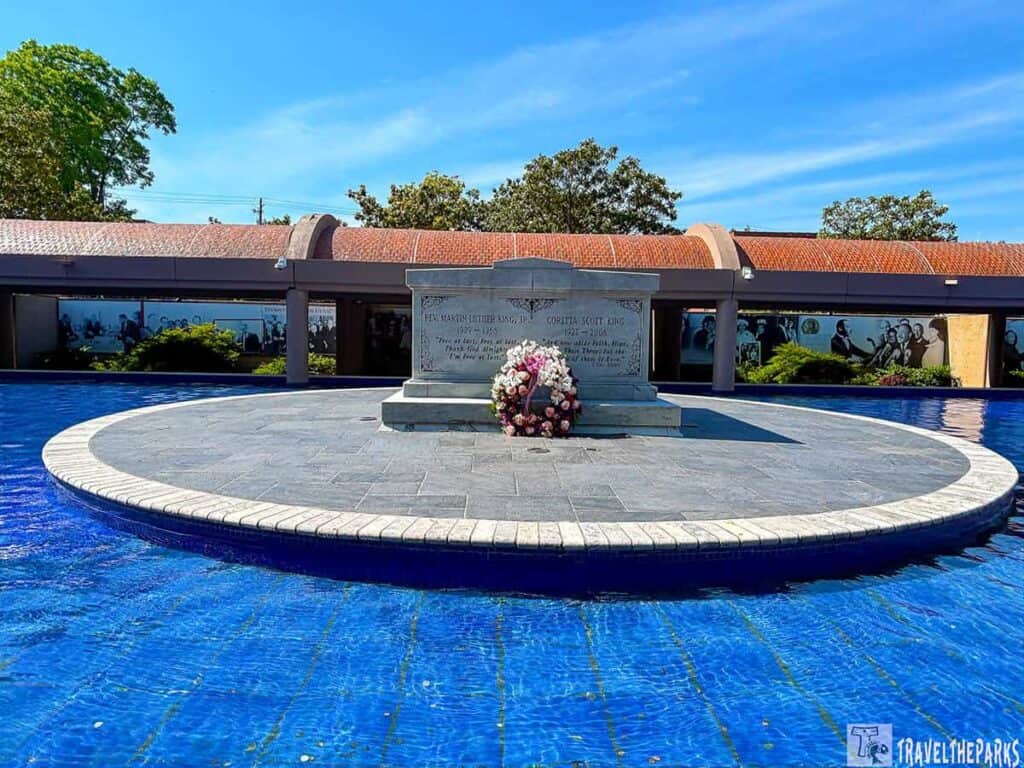
The drive into Atlanta to see the MLK historic site really stuck with me. The area around Auburn Avenue—where he was born and preached and is buried with Coretta—has this heaviness to it that photos just don’t capture. You’ve got the birth home, Ebenezer Baptist, the nonviolence center. It’s a lot to take in. Don’t rush it.
Then there’s Stone Mountain. Totally different vibe, and kind of complicated. Geologically, it’s amazing—a huge exposed granite dome. The park itself is big and crowded, and very recreational. But yeah, the carving on the side with Confederate leaders is still a whole thing. Worth knowing before you go. We hiked up to the top for the views, which were incredible—no debate there.
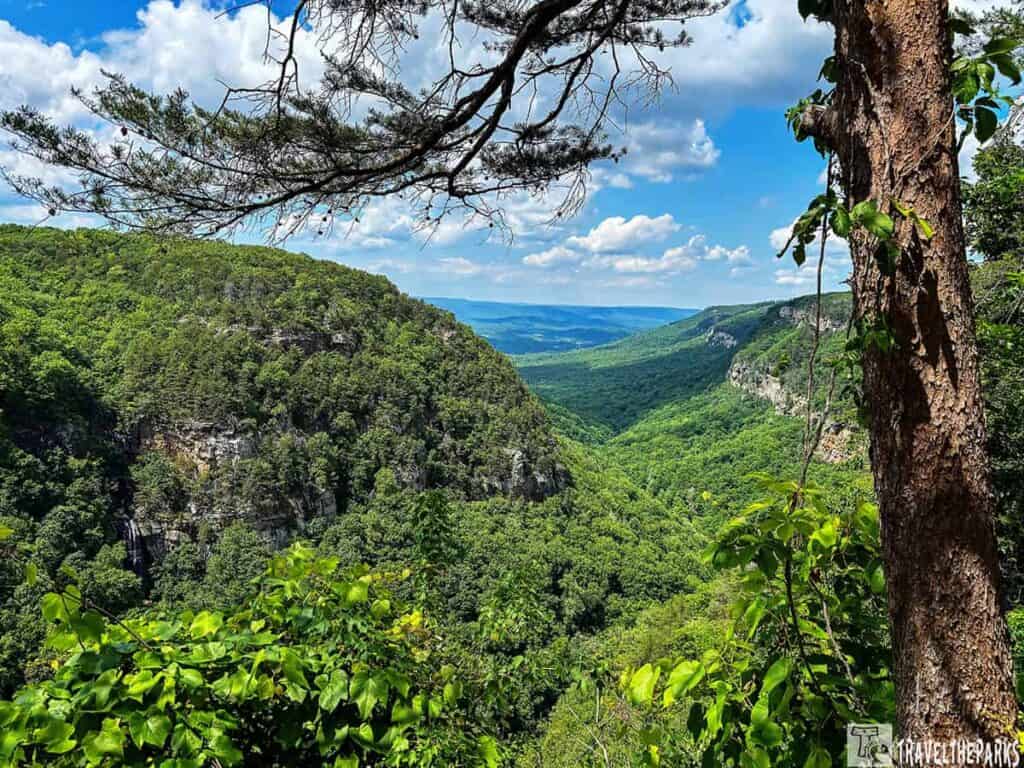
Stop 5: Rising Fawn, Georgia — Ridge Tops and Battlefields
2 Nights | Cloudland Canyon State Park | Chickamauga National Battlefield | Russell Cave NM
Cloudland Canyon State Park? Yeah, this one should be on more bucket lists.
It’s out on the western edge of Lookout Mountain. Big canyon views, waterfalls you have to earn via stairs (so many stairs), and honestly some of the best tent camping in Georgia.
We woke up one morning with fog just pouring into the canyon below us. Looked like something from a nature documentary. Still thinking about that.
From Rising Fawn, we drove over to Chattanooga. Hit up Chickamauga and Chattanooga National Battlefield it’s the first and largest national military park in the US.
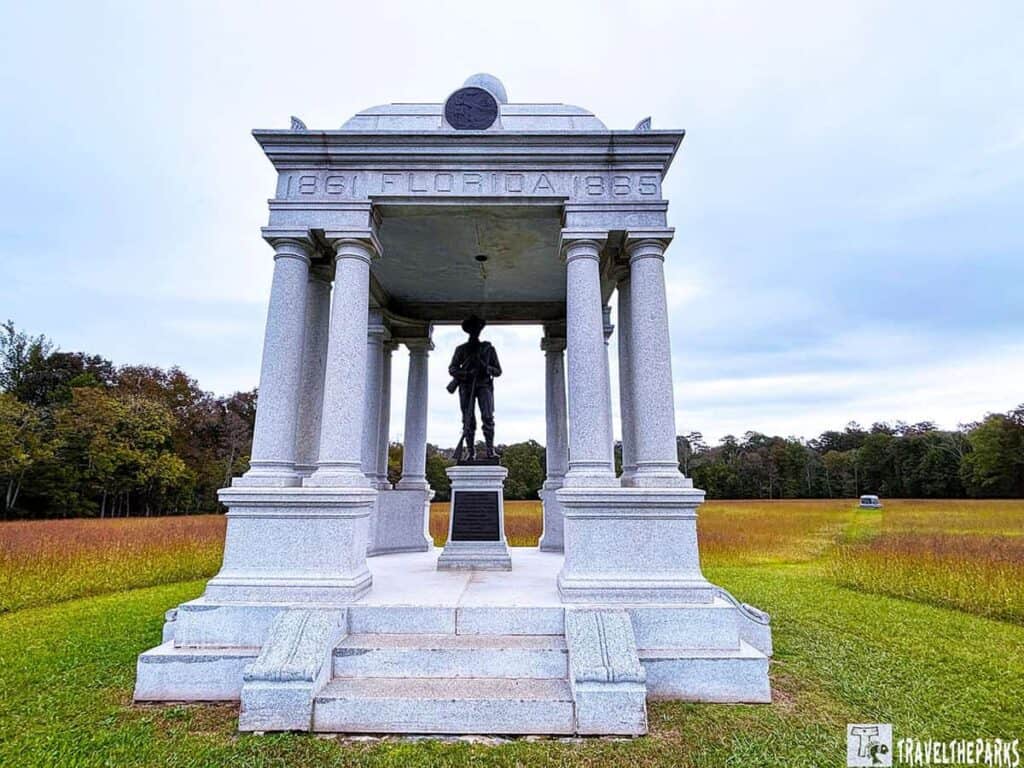
Point Park is up on Lookout Mountain. Great views of the city and the valley. The battlefield itself goes on forever through fields and woods, with monuments everywhere to the soldiers who fought there back in 1863.
It’s sobering. And fascinating. Both.
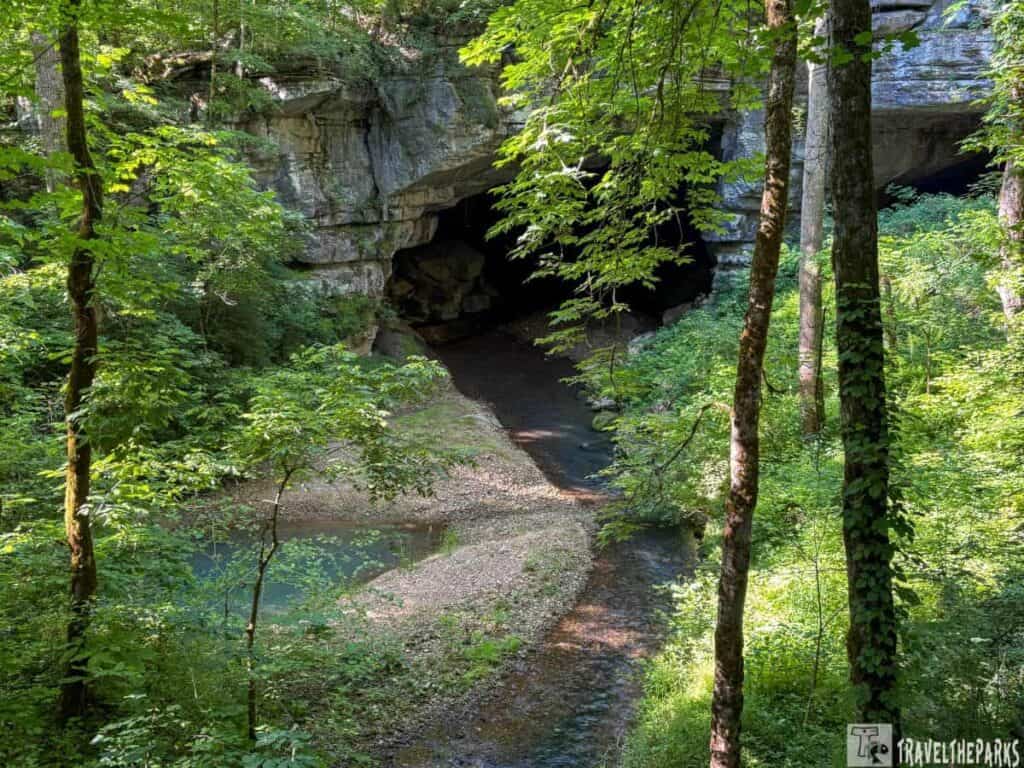
Then Russell Cave in northern Alabama. Totally different time period.
People lived in this cave system for at least 10,000 years. One of the longest continuously used sites in the eastern US. The exhibits are thoughtful, the guided tours are great, and honestly, we weren’t expecting much. It caught us completely off guard in the best way.
Stop 6: Townsend, Tennessee — Into the Smokies
3 Nights | Riverstone Campground | Cades Cove, Great Smoky Mountains NP
Townsend is the quieter gateway to the Smokies—an intentional alternative to the full Gatlinburg experience, which suits us just fine. Riverstone Campground sits along the Little River and is the kind of place where the sound of water replaces the need for a white noise machine. We got excellent sleep here.
Cades Cove is all about the loop road. That’s really the main thing there.
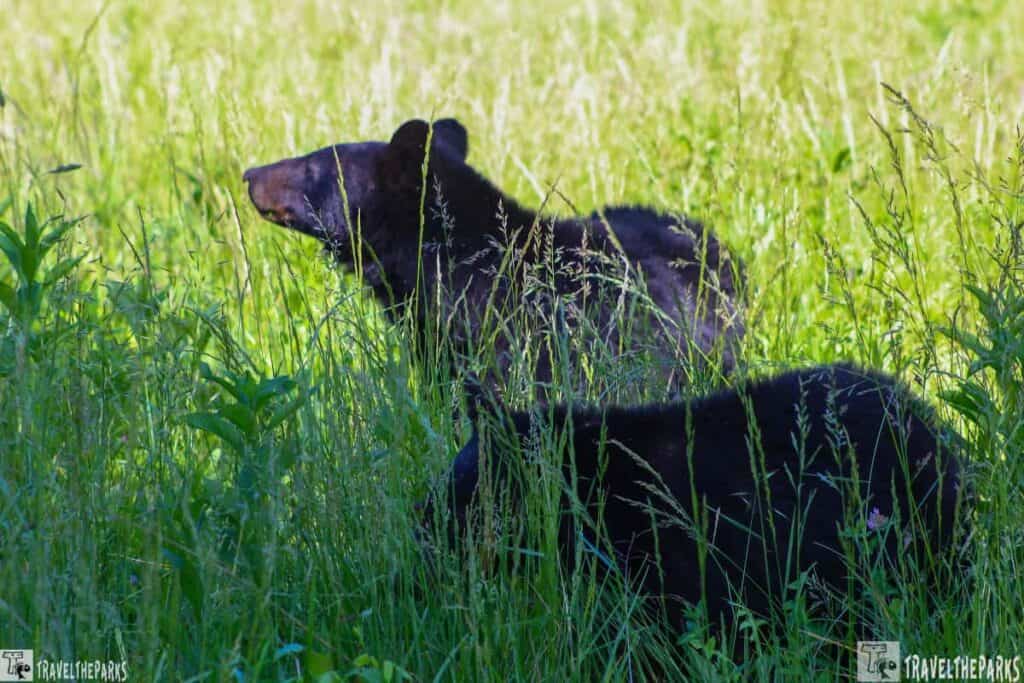
You drive through this gorgeous valley, surrounded by mountains. On the 11-mile loop there are old historic buildings, homesteads from the 1800s, a couple of mills, and a few old churches.
The deer, though. That’s what got us. White-tailed deer everywhere, just grazing right next to the road. So similar to Shenandoah NP. They don’t seem to care about the slow-moving cars inching past them. Bears are spotted regularly enough that we kept our heads on a swivel—one appeared about fifty feet from the road on our second loop and caused the kind of spontaneous excitement usually reserved for sporting events.
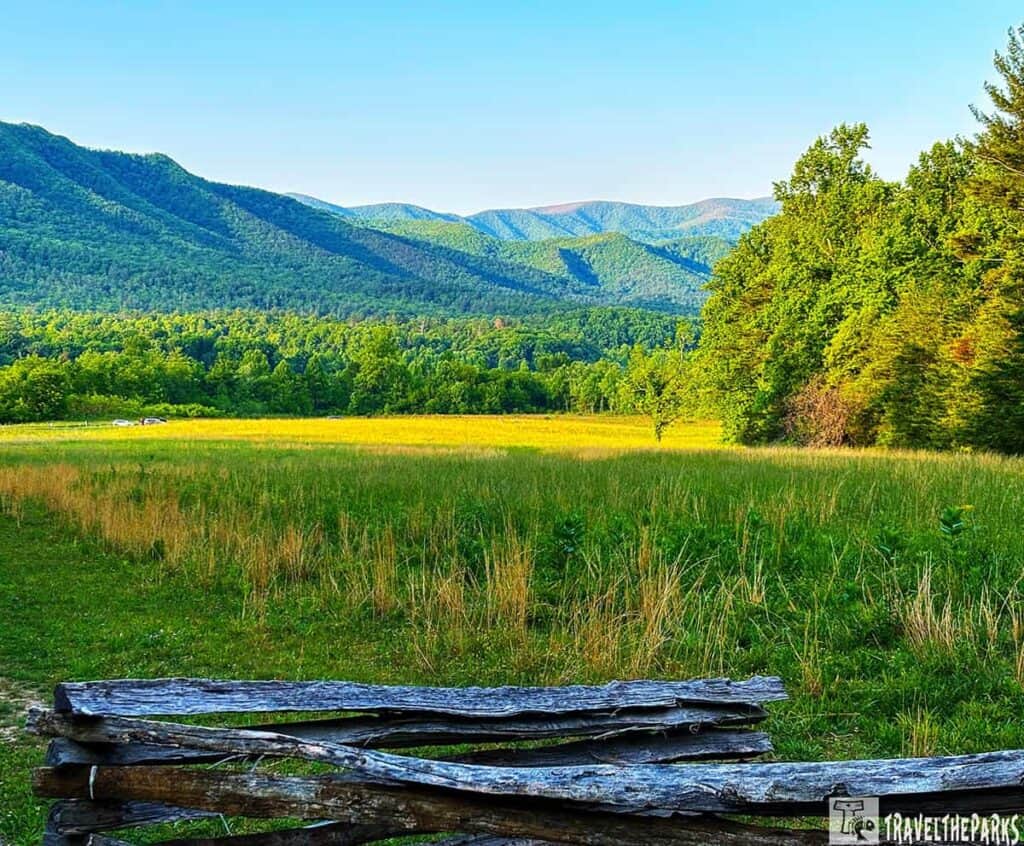
Cades Cove on a weekday morning—before everyone else shows up—is probably one of the most peaceful spots we’ve found on this entire trip.
The valley just doesn’t rush you. So we didn’t either.
Stop 7: Gallatin, Tennessee — Nashville, the Heart of This Nashville, St. Louis, Memphis Road Trip
5 Nights | Bledsoe Creek State Park | Grand Ole Opry | Nashville Ghost Tour | Stones River NB | Nashville Sites
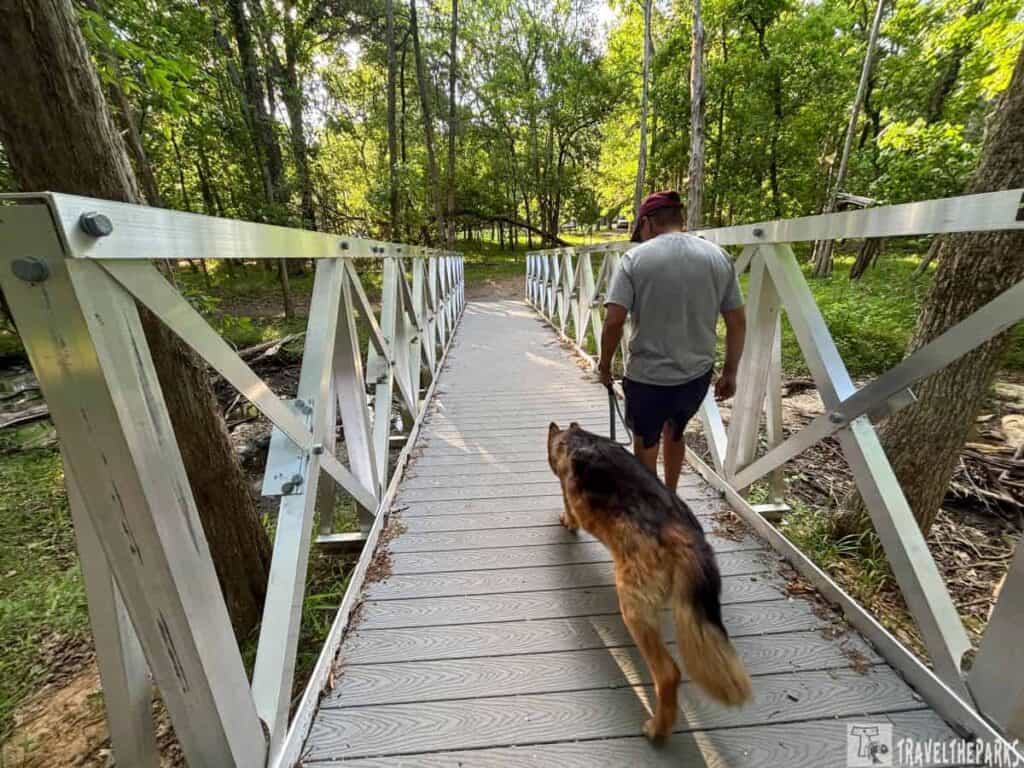
Five nights at Bledsoe Creek State Park outside Gallatin put us at the emotional center of this Tennessee to Missouri road trip. A quiet, wooded campsite near Old Hickory Lake and easy access to Nashville, which is about 35 miles southwest and a world apart in terms of energy level. Loud and full of spirit, Nashville is committed to offering you a great experience.
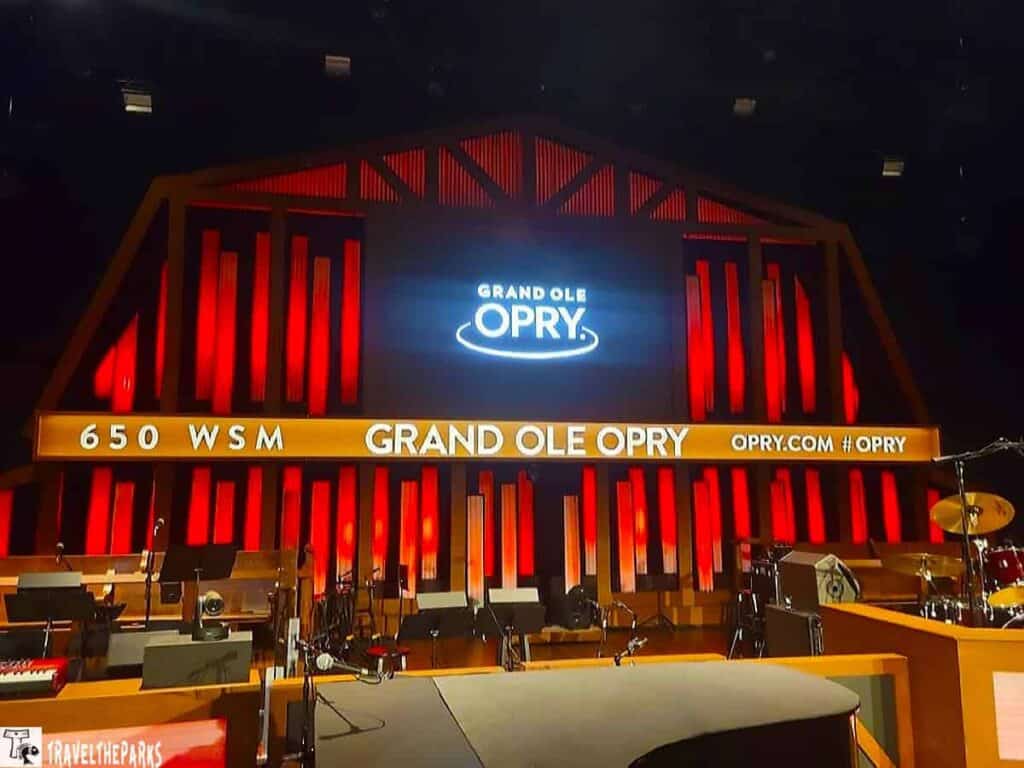
The Grand Ole Opry is one show that truly delivers on its promise. Whether you consider yourself a fan of country music, there’s no denying the magic that happens when you sit in that theater and watch artists perform on the very stage that icons have graced for almost a hundred years.
A Nashville Ghost Tour was a good move. Our guide was funny, told good stories, and kept everyone hooked for a few hours. Scary? Eh, a little. But not too much. Just right.
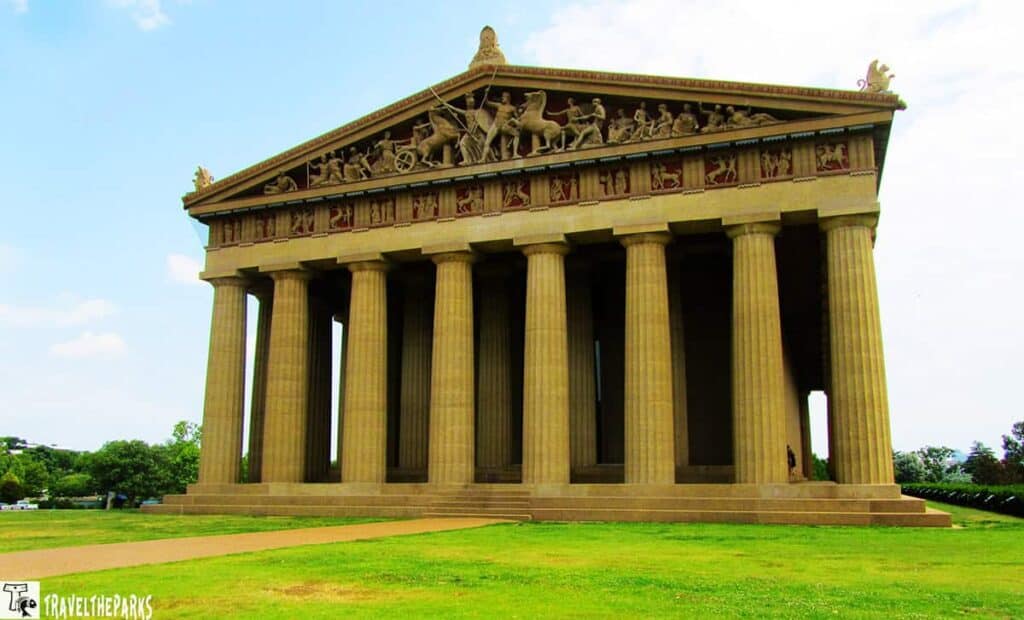
We also spent time wandering Nashville’s broader sites—the Parthenon in Centennial Park (yes, a full-scale replica of the Athenian original, which is exactly as gloriously odd as it sounds), the historic District, and more than a few honky-tonks where the live music starts before noon and nobody questions it.
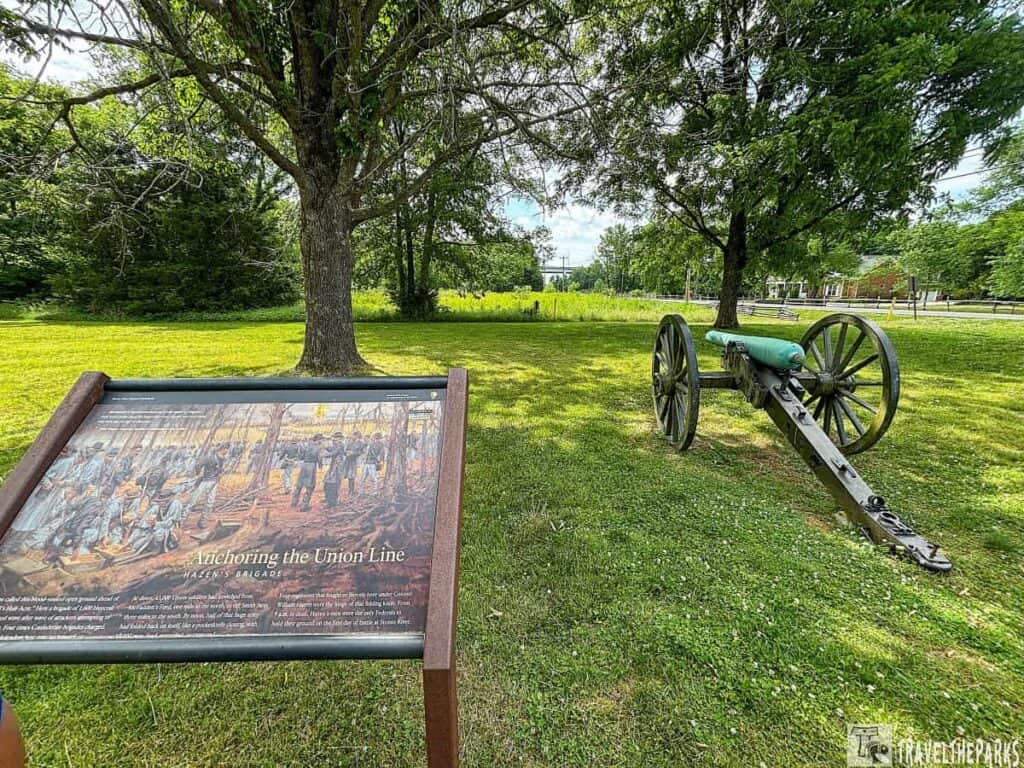
Stones River National Battlefield
The Stones River National Battlefield near Murfreesboro was among the most moving Civil War sites of the whole trip. The battle that took place at Stones River at the end of 1862 and beginning of 1863 is regarded as one of the deadliest battles during the Civil War, and the battlefield manages to highlight the magnitude of casualties along with the strategy of the battle quite effectively.
Stop 8: Buchanan, Tennessee — Paris Landing and Fort Donelson
1 Night | Paris Landing State Park | Fort Donelson NB
Paris Landing State Park sits along Kentucky Lake. To tell the truth, I have to admit that it is only a brief stay. However, we got much more than we expected. The scenic lake seems to extend forever. I thought they kept the campground spotless. But the most beautiful sight is that of the sunset across the lake. That’s the kind of moment road trips quietly promise you—and every now and then, they actually come through.
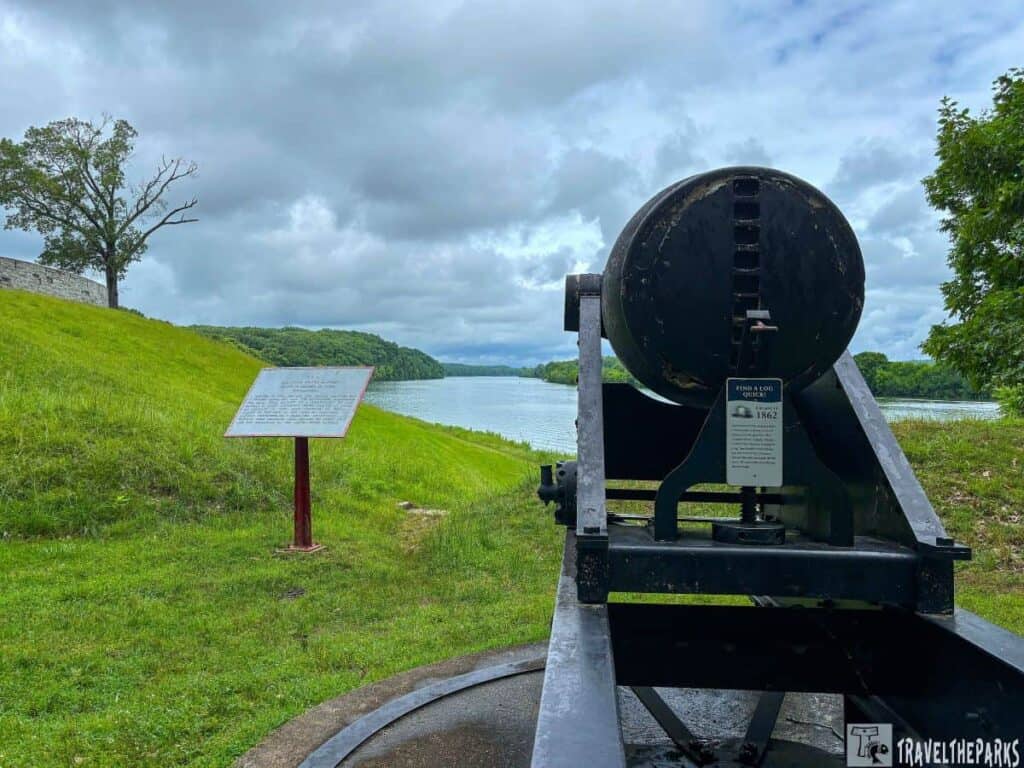
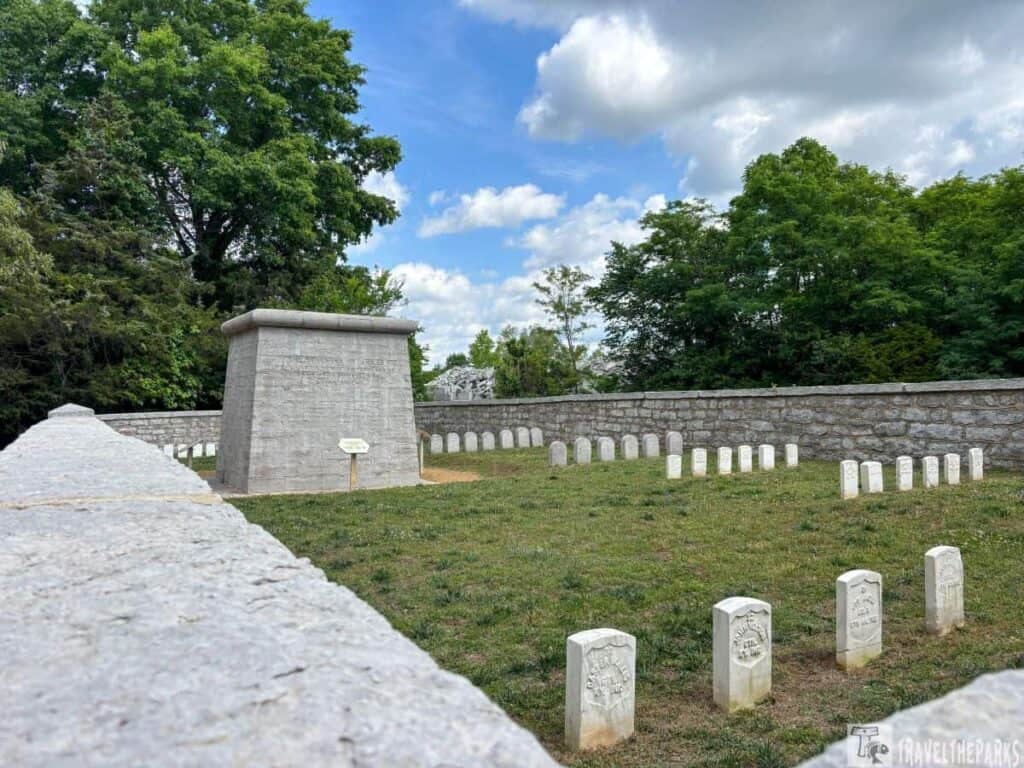
A short distance east of the park lies the Fort Donelson National Battlefield. It commemorates the location where one of the first major victories by the Union side during the Civil War took place. It was at Fort Donelson that General Ulysses S. Grant became famous for demanding unconditional surrender from the Confederate army without making any concessions, hence his nickname “Unconditional Surrender” Grant, which made him president later on.
The site features well-maintained earthworks, river batteries, and a cemetery. The national cemetery in particular at this location is very touching, and the visitor center offers a good historical background without being too much of a history lesson.
Stop 9: Jackson, Missouri — Trail of Tears and Ste. Genevieve.
2 Nights | Trail of Tears State Park | Sainte Genevieve NM | Fort d Historic Site
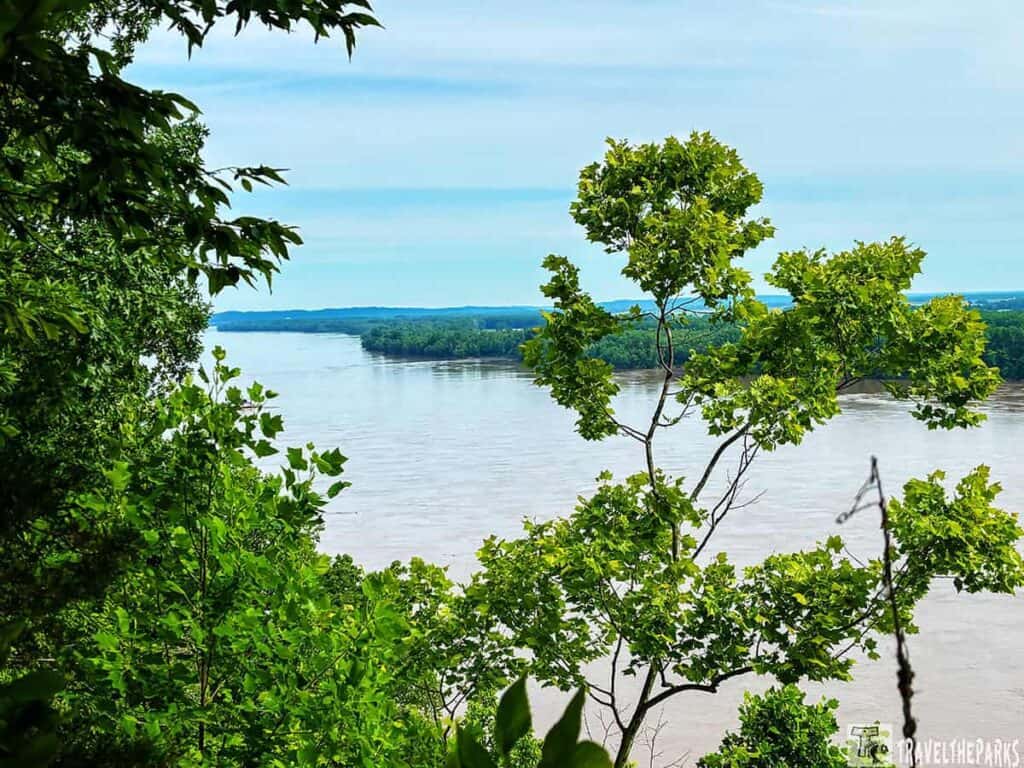
Trail of Tears State Park in Missouri commemorates one of the darkest periods in the United States’ past. The forced relocation of Cherokee Indians from their ancestral lands took place in the 1830s, and thousands lost their lives while being transported westwards. The park offers trails, bluff views over the Mississippi River, and quiet interpretation that never sensationalizes. It’s not a cheerful stop, nor should it be. It’s an important one.
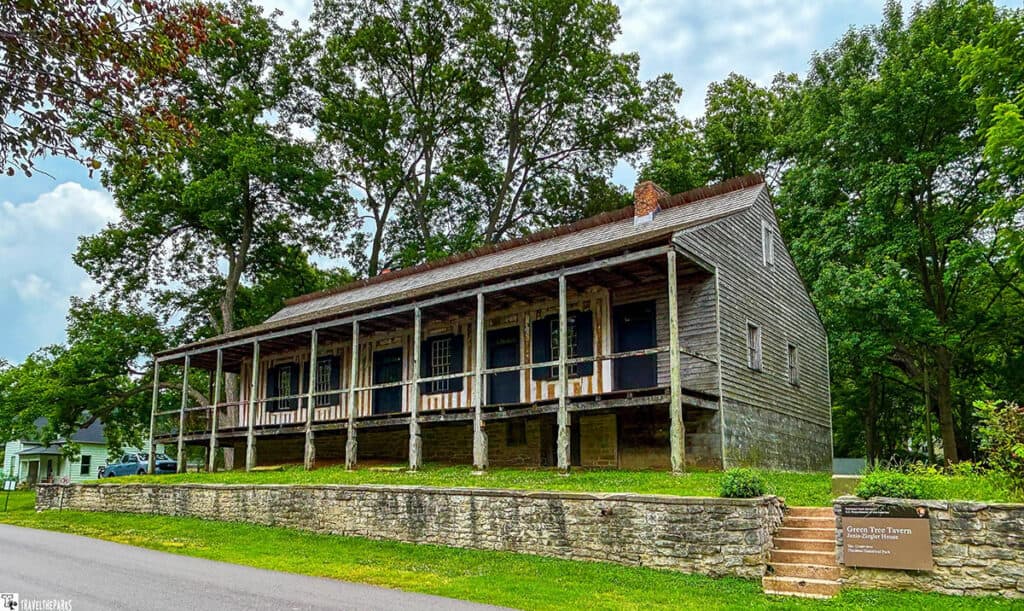
Then there’s Sainte Genevieve National Historic Site, just up the road. Completely different kind of history.
It’s the oldest permanent European settlement west of the Mississippi—which is wild to think about. Small Missouri town, but it’s packed with 18th-century French Creole buildings. Like, actually preserved. The National Historic Site designation helped a lot, and it really does feel like a time capsule walking through there. Not fake-old. Genuine-old.
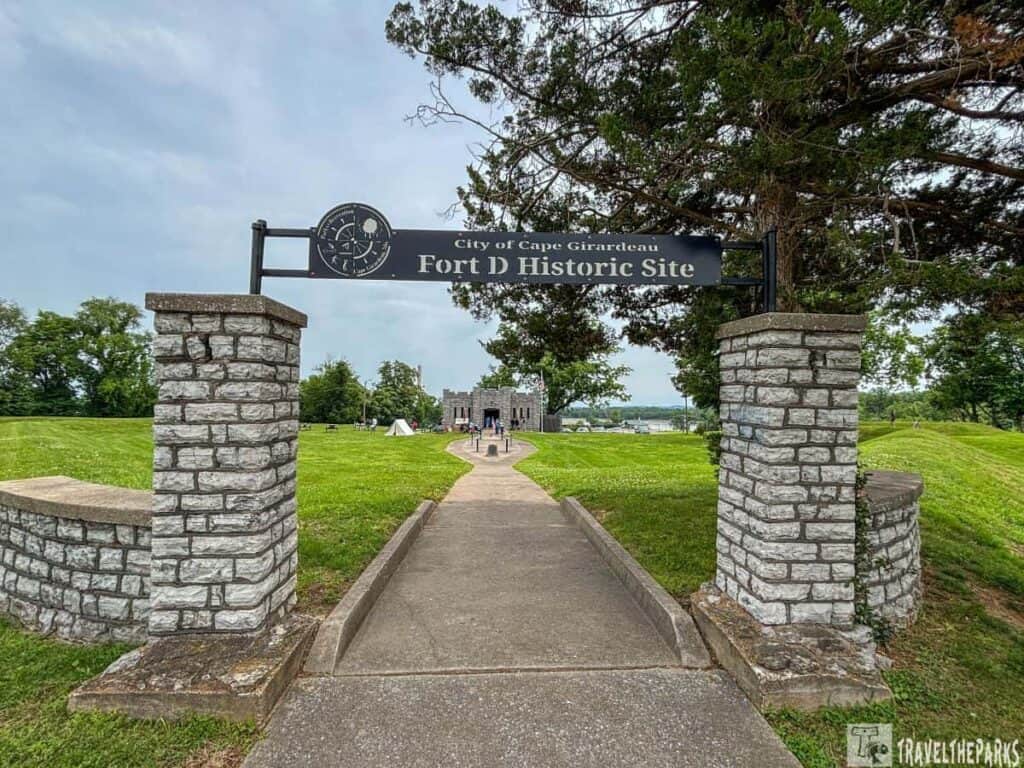
The village is small enough to walk end to end, and the interpretive work done at several of the historic homes is excellent. Fort d State Historic Site, a Civil War earthwork fortification in Cape Girardeau, adds another chapter before you push north.
Stop 10: Granite City, Illinois — Gateway Arch and the Missouri Leg of Our Nashville, St. Louis, Memphis Road Trip
3 Nights | Cahokia RV Parque | Gateway Arch NP | Ulysses S. Grant NHS | Cahokia Mounds Historic Site
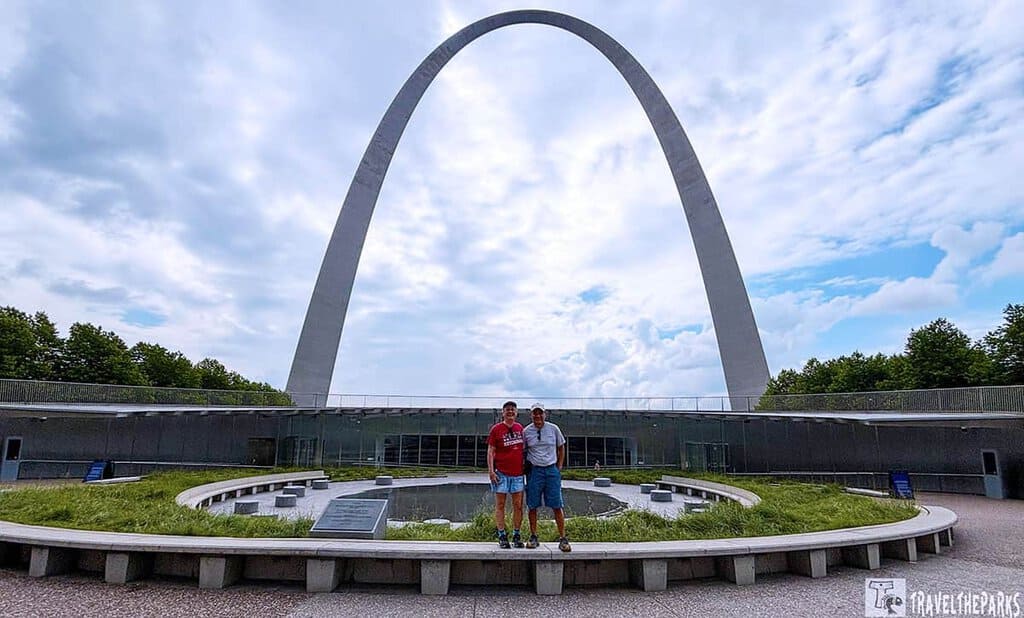
Cahokia RV Parque in Granite City put us right across the Mississippi from St. Louis, which made the Gateway Arch an easy and spectacular commute. The Gateway Arch marks the geographic and symbolic midpoint of this Civil War and Civil Rights tour. If you haven’t stood beneath the Arch and looked up, it’s one of those scale-defying experiences that photos don’t quite capture. The tram ride to the top, narrow and creaking in the best possible way, delivers views over both Missouri and Illinois that are worth every moment of the slightly claustrophobic ascent.
Gateway Arch National Park
The Jefferson National Expansion Memorial grounds and the attached Museum of Westward Expansion underneath the Arch do a thorough job of contextualizing what the Arch commemorates—the 19th-century westward expansion of the United States, with all the history and consequences that entails.
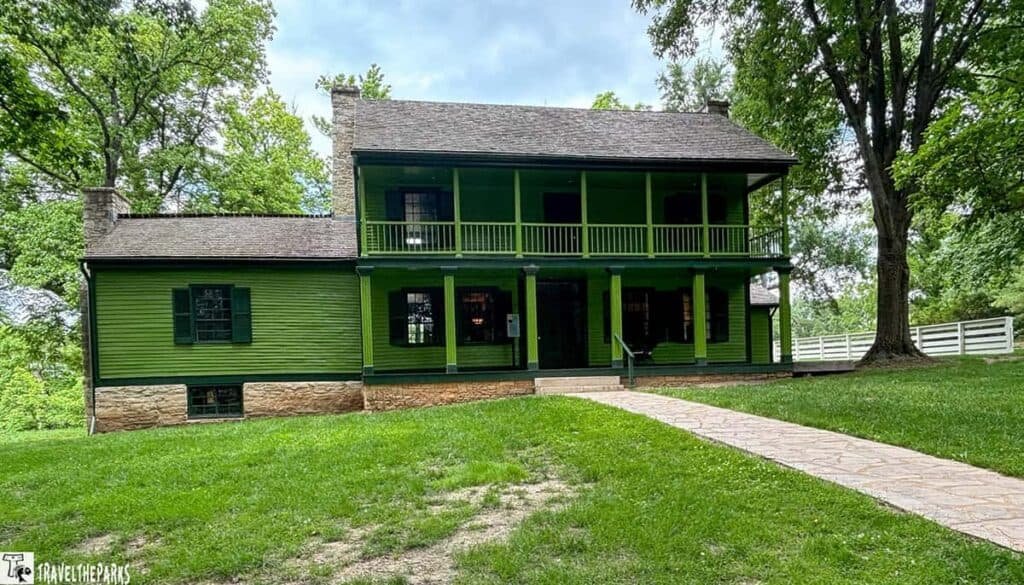
Ulysses S. Grant National Historic Site, in the St. Louis suburb of Grantwood Village, preserves White Haven—the antebellum farm where Grant lived with his wife, Julia. The site grapples honestly with the fact that enslaved people lived and worked here, which adds appropriate complexity to a site that could easily be a simpler hero narrative.
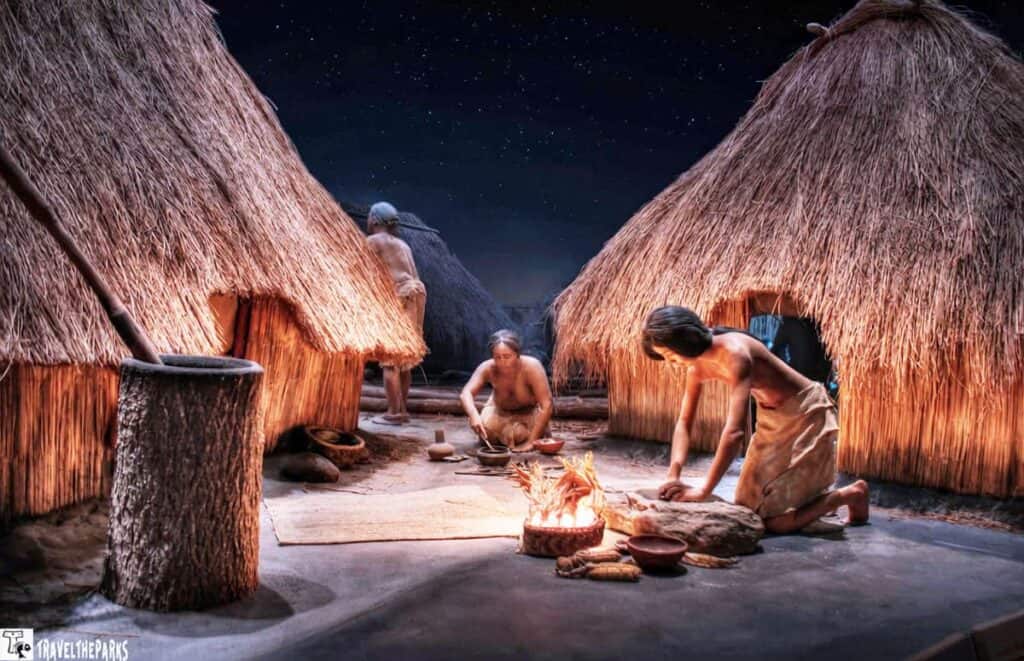
Cahokia Mounds National Historic Site was only a few miles from our campsite, and it ended up being the surprise highlight of our time in Illinois. Total unexpected win.
It’s a UNESCO site. Basically, the leftovers of a Native American city that, around 1100 CE, was actually bigger than London. Let that sink in.
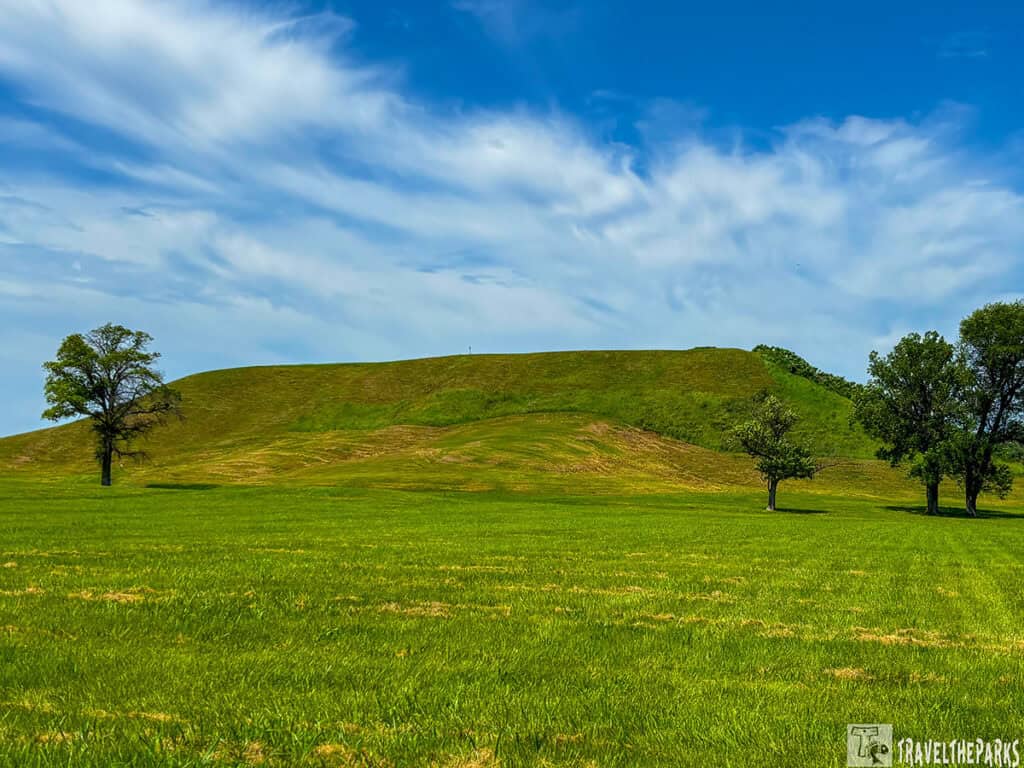
Then there’s Monks Mound. The biggest prehistoric earthwork in North America. Rises about a hundred feet up from the flat land. You climb to the top and look out over the Mississippi Valley, and you just stop for a second. It hits you—how deep the history is here. How much of this continent’s story happened long before the stuff we usually think about?
Stop 11: Columbus, Kentucky — River Bluffs and Ancient Mounds
2 Nights | Columbus-Belmont State Park | Wickliffe Mounds State Site
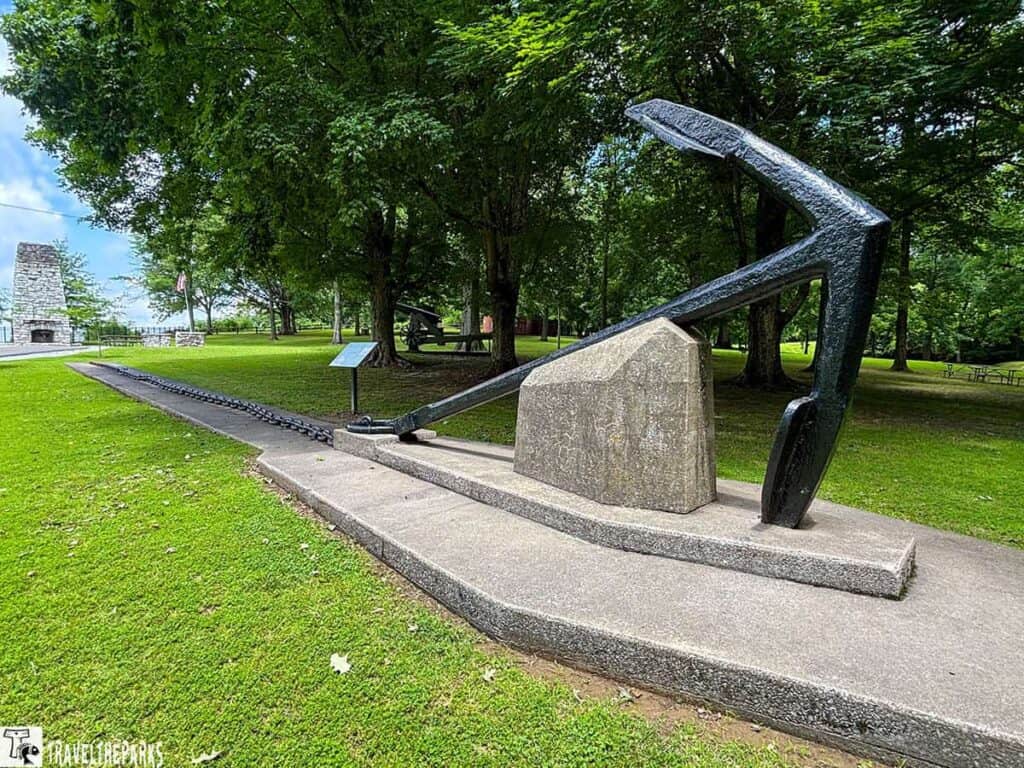
Columbus-Belmont State Park perches above the Mississippi River on a bluff that Confederate forces fortified heavily early in the Civil War—they even stretched a massive chain across the river to block Union gunboats. The chain didn’t function properly, but it makes an interesting tale, and the park has some evidence of the earthworks as well as a piece of the famous chain itself. But even without that, the sight of the river will make your visit worthwhile.
The Mississippian Indian village at Wickliffe Mounds, which existed from 1100 to 1350 AD, is a historic site near Wickliffe, about a ten-minute drive to the north. The interpretive center at Wickliffe Mounds is impressive and very informative, and it’s situated atop a bluff overlooking the point where the Ohio and Mississippi rivers meet. This stretch of western Kentucky doesn’t get much road trip press, and that’s a genuine shame.
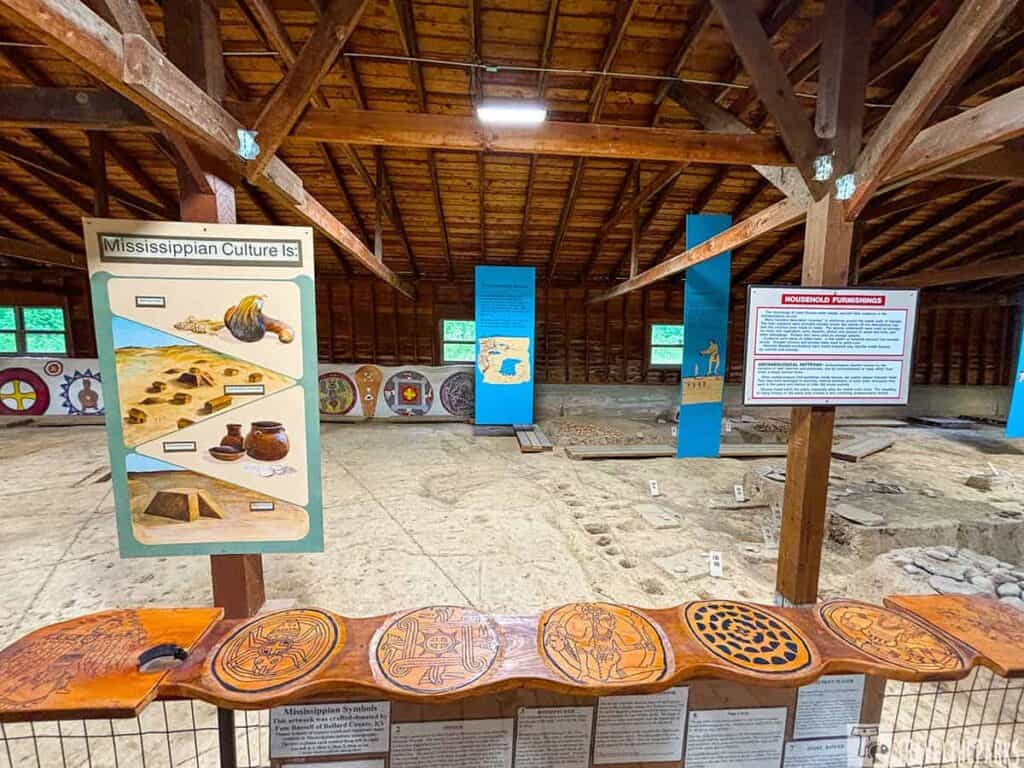
Stop 12: Memphis, Tennessee — Soul, Sorrow, and Graceland — Final Stop on Our Nashville, St. Louis, Memphis Road Trip
3 Nights | T.O. Fuller State Park | National Civil Rights Museum | Graceland | Chucalissa Mounds
Memphis is a city that asks things of you. It is the emotional anchor of any Southern history road trip of this kind—a city that doesn’t let you pass through without feeling something. Whether it’s the raw power of the blues clubs on Beale Street, the weight of the National Civil Rights Museum, or the over-the-top spectacle of Graceland. We gave Memphis three nights because Memphis earned three nights.
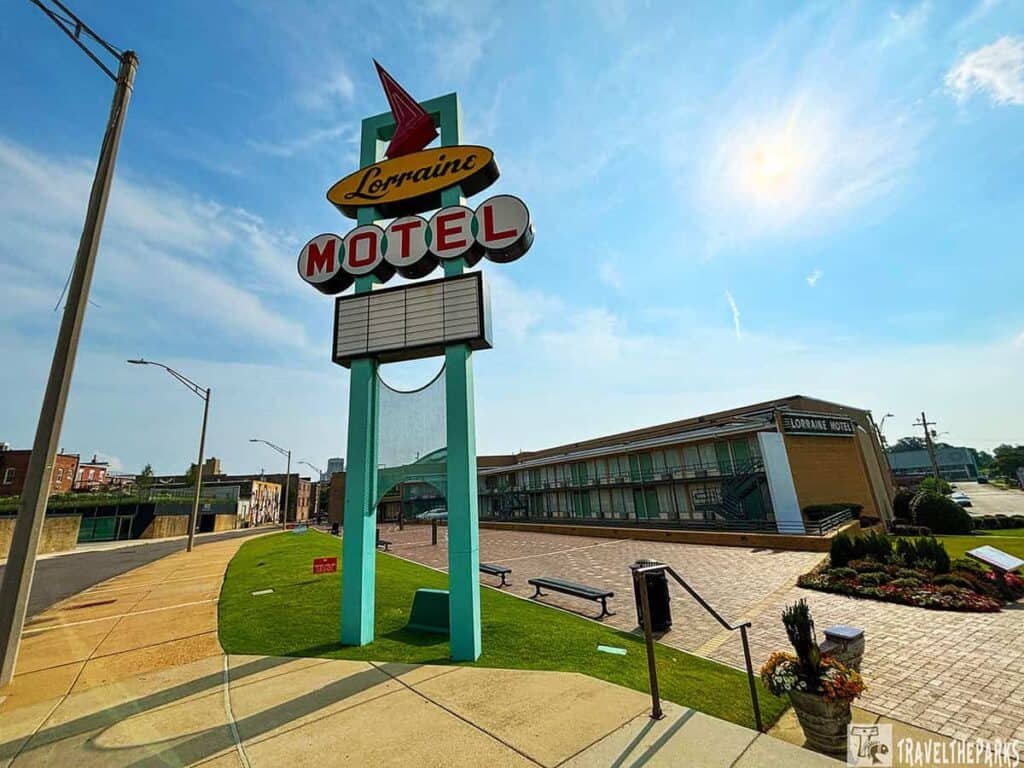
National Civil Rights Museum in Memphis
Went to the National Civil Rights Museum in Memphis. It’s at the Lorraine Motel, where Dr. King was killed. April 4, 1968. Probably one of the most important museums I’ve ever been to.
They walk you through everything—slavery, the whole civil rights movement. It’s honest without being preachy. Just lays it all out there.
Then there’s Room 306. Preserved exactly how it looked that day in 1968. You stand there and it just… stays with you. Hard to explain. But you don’t forget it.
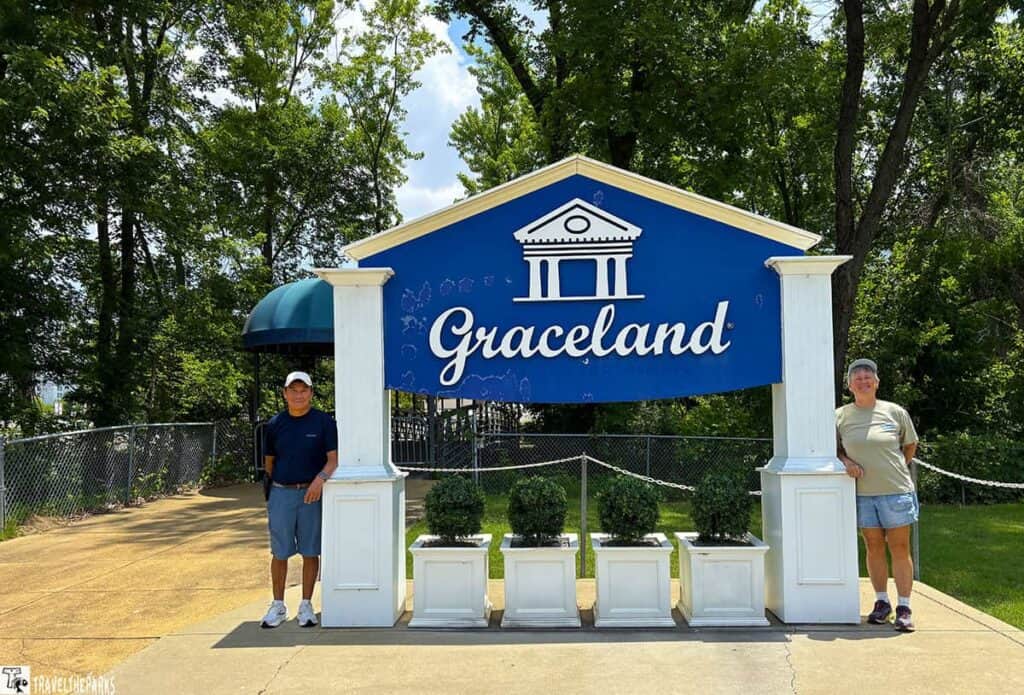
Graceland
Then there’s Graceland. Completely different vibe. And I mean that in a good way.
Look, even if you don’t care about Elvis, the house itself is something else. Total time capsule of 1970s decorating. You walk through it and just keep asking, “Why?” Like, the Jungle Room especially. I still don’t know what to make of it.
But the exhibits about his career and his life? Actually, really well done. The fans are into it. The gift shop is huge. And Memphis—they know exactly what they’ve got there.
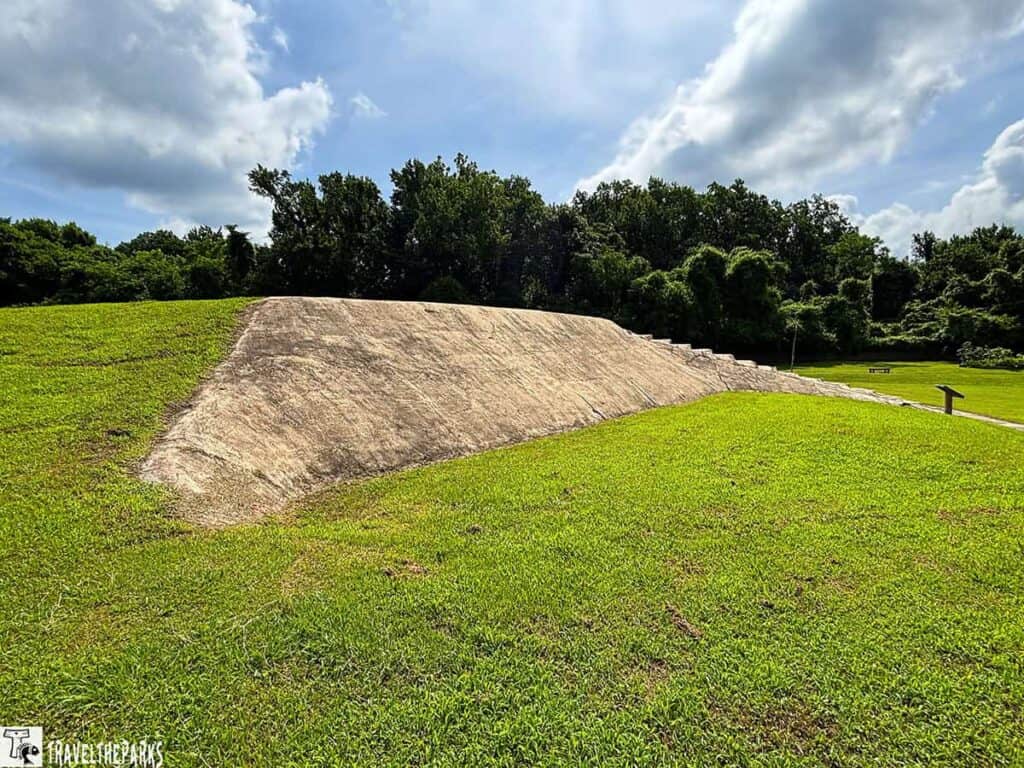
We stayed at T.O. Fuller State Park, which is right on the edge of Memphis. Quiet. A wonderful escape from the city.
Turns out there’s a Native American site inside the park—Chucalissa Mounds. Mississippian village, like 1000 to 1500 CE. Had no idea it was there.
There’s a little museum too, the C.H. Nash Museum. They do a really good job explaining it. Most people visiting Memphis never even know this place exists.
Stop 13: Lawrenceburg, Tennessee — Davy Crockett, Shiloh, and Serious Whiskey
3 Nights | David Crockett State Park | Shiloh NMP | Distillery Visit | Freedom Riders NM
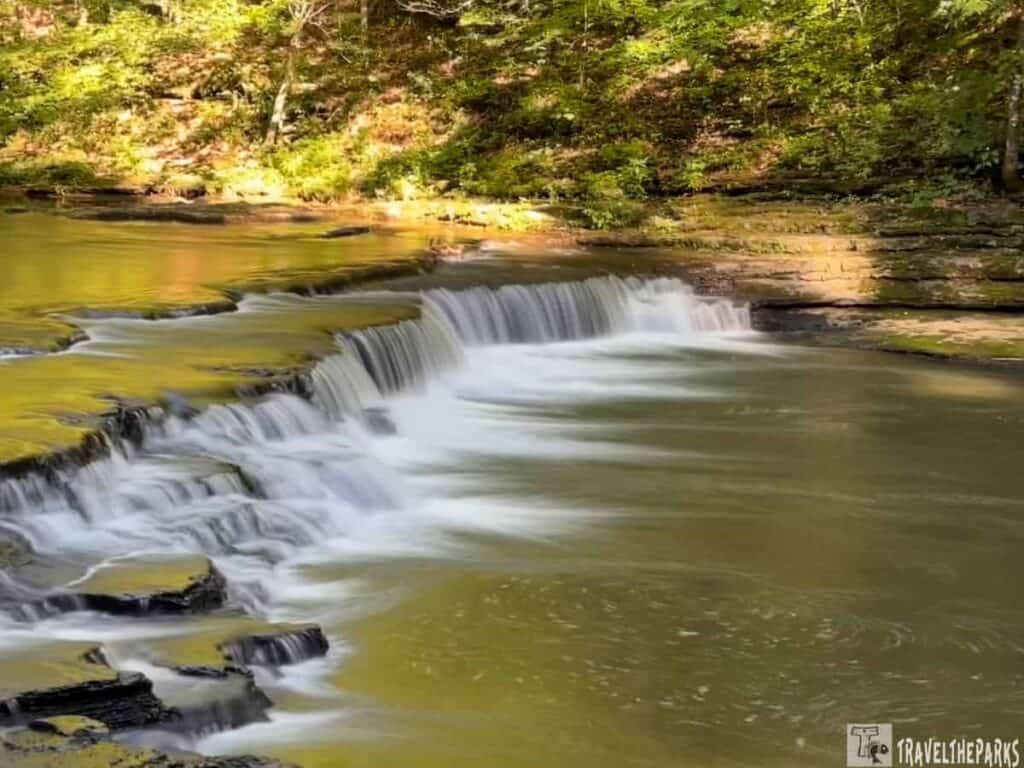
Stayed at David Crockett State Park, Lawrenceburg. So this is where Crockett lived. Had a mill on Shoal Creek. Then he headed to the Alamo in Texas, and we all know how that ended. The park is nice—pool, restaurant, lake, cabins. Really comfortable. But you can still feel the history here. We used it as a base for a couple of days. Worked out well.
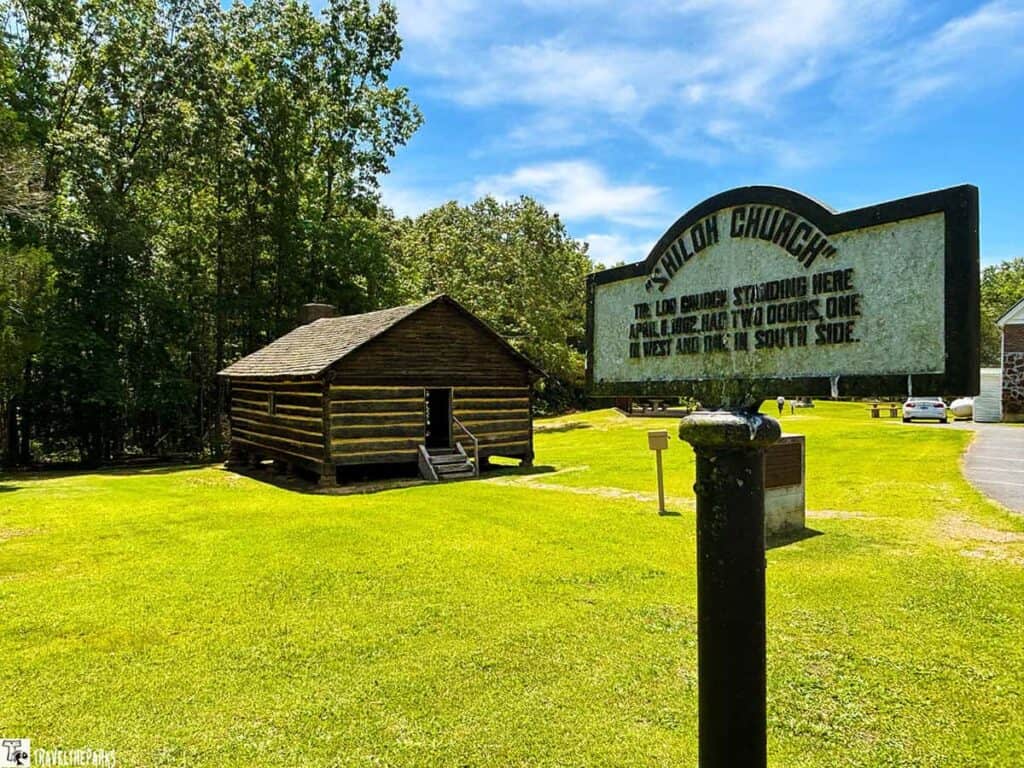
Shiloh National Military Park is one of the great Civil War battlefield parks, and visiting it impressed upon us again how different these sites feel from simply reading about them. The Battle of Shiloh in April 1862 was a two-day catastrophe of staggering proportions — nearly 24,000 casualties on both sides—and walking the fields where those events unfolded brings a sobriety that textbooks alone can’t produce. The peach orchard, the sunken road, Bloody Pond — the landscape still holds the memory of what happened here.
The distillery visit was a welcome tonal shift. Tennessee whiskey culture is serious business and cheerful tourism in equal parts, and the combination makes for a thoroughly enjoyable afternoon. We’ll leave the specifics vague and let you find your own favorite.

Freedom Riders National Monument
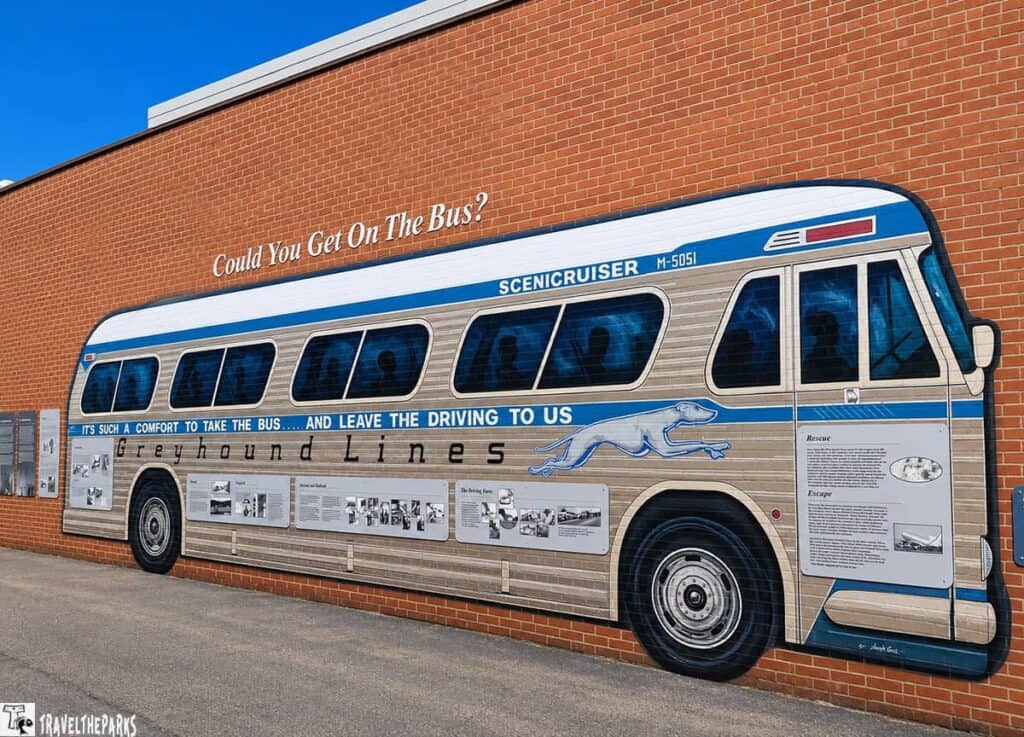
We drove down to Anniston, Alabama, to see the Freedom Riders National Monument. In 1961, a group of interracial activists rode buses into the South. When they reached Anniston, people firebombed one of the buses. Beat the riders. The monument includes the old Greyhound station where it all started. It’s stark. Quiet. Important. Worth the drive from Lawrenceburg. No question.
Stop 14: Delta, Alabama — Cheaha Summit and Horseshoe Bend
2 Nights | Cheaha State Park | Horseshoe Bend NM
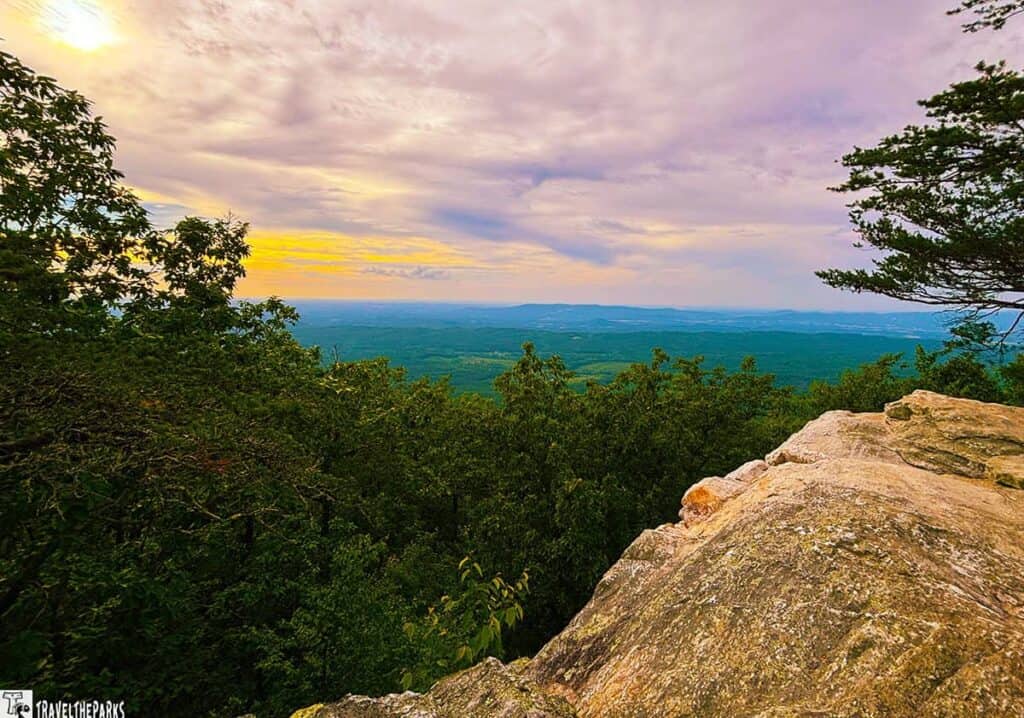
Cheaha State Park is the highest point in Alabama. Cheaha Mountain—2,407 feet. Doesn’t sound huge, but the views from the top? Genuinely kind of breathtaking.
You drive up these winding roads to get there, and it’s worth every turn. The park itself is really nice—lodge, cabins, camping, trails from easy walks to serious backcountry stuff.
We got there right as the sun was getting low. Just stood there and watched the light change over the Talladega National Forest below us.
Yeah. It was a good evening.
Horseshoe Bend National Battlefield.
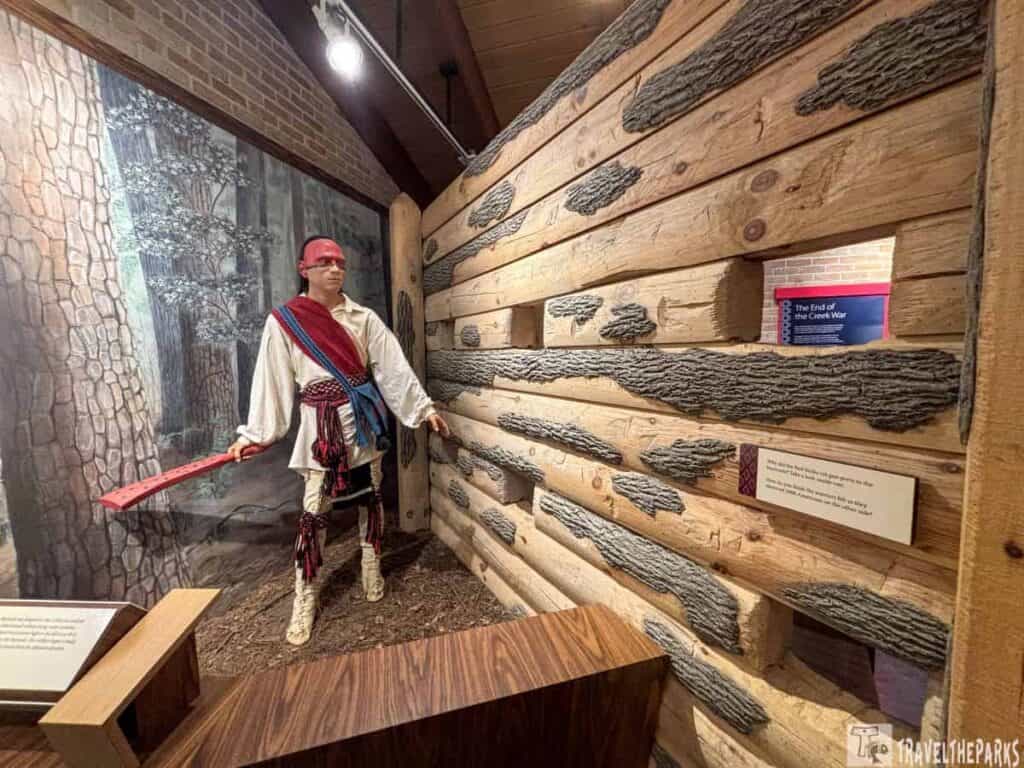
On March 1814, at Horseshoe Bend. Andrew Jackson’s forces took on the Red Sticks—that was the Creek faction fighting back—and absolutely crushed them. That was pretty much the end of the Creek War. After that, the Deep South opened up for American expansion.
The park does a good job with it. They don’t pretend it’s simple. The history is messy, and they let it be messy.
You can walk out to the overlook and see the river bend—that horseshoe shape. And suddenly the whole battle makes sense. You can see why it went down the way it did. The landscape tells the story.
Stop 15: Auburn, Alabama — Tuskegee and the Legacy of Courage
2 Nights | Chewacla State Park | Tuskegee Institute NHS | Tuskegee Airmen NHS
Chewacla State Park in Auburn is a pleasant, well-maintained park that served us well as a base for what became one of the most meaningful days of the entire trip. The Alabama National Historic sites at Tuskegee are about 40 miles east, carry a weight of history that we felt before we even set foot inside.
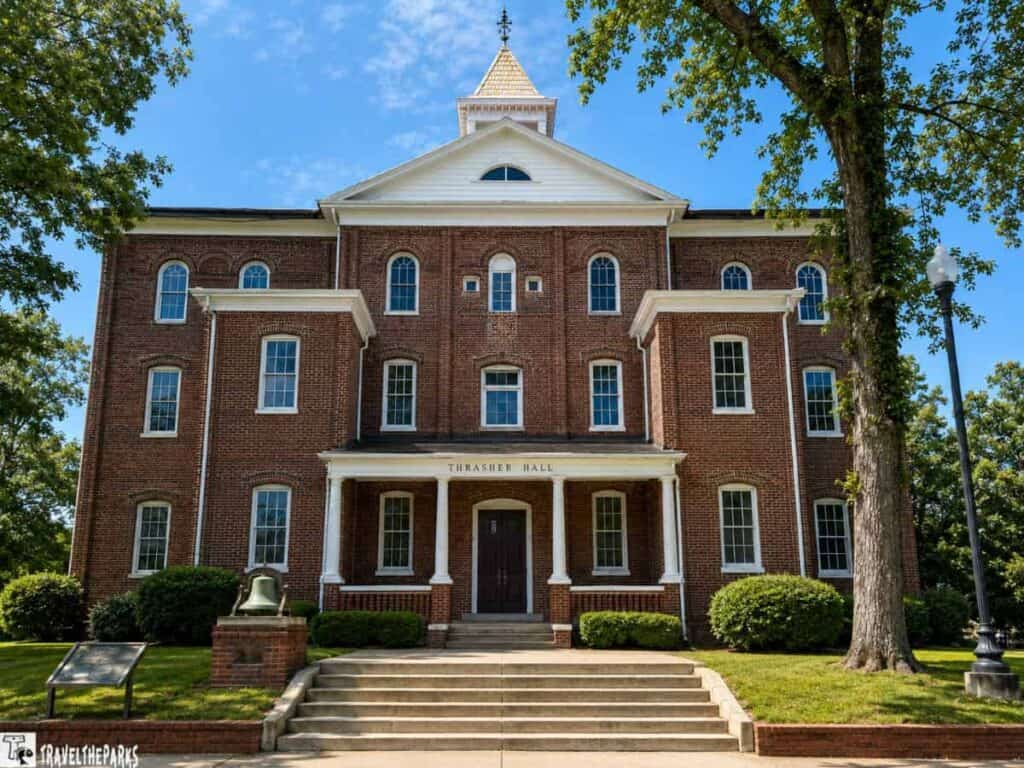
Tuskegee Institute National Historic Site preserves the campus of the historically Black university founded by Booker T. Washington in 1881. The Oaks, Washington’s home, is a beautifully preserved Victorian residence. The museum dedicated to George Washington Carver—who spent decades here conducting the agricultural research that made him famous and helped transform Southern farming—is excellent and surprisingly moving. Carver’s laboratory, his work ethic, and the scope of what he accomplished with limited resources make for a story that deserves more space than school history lessons typically give it.

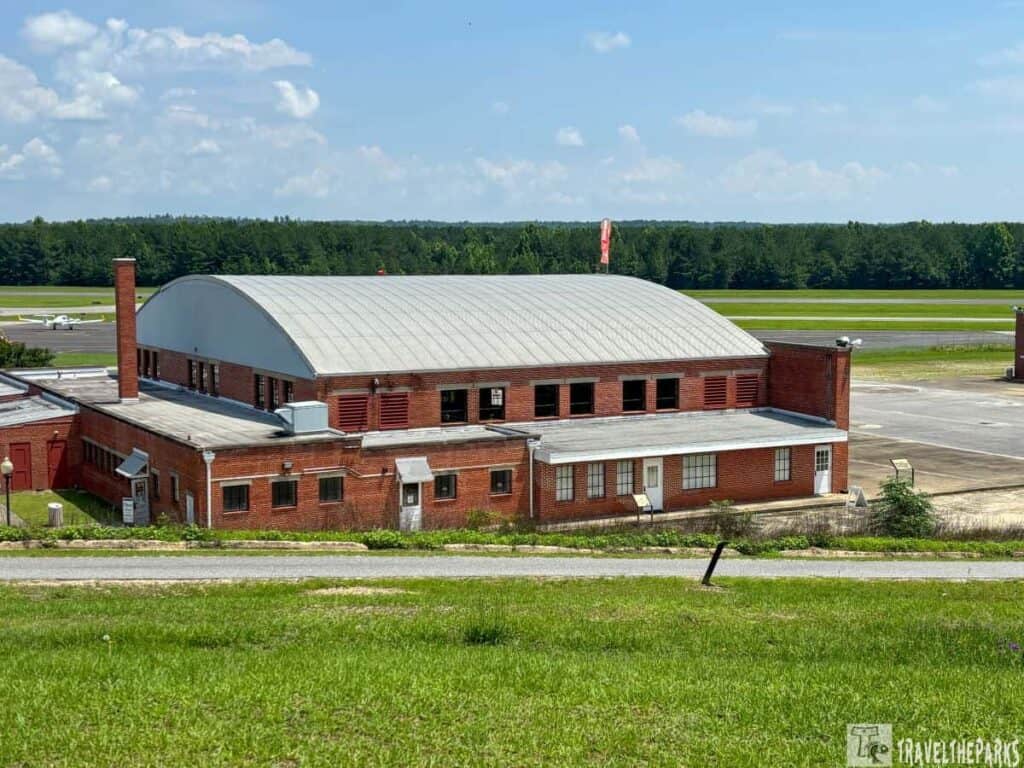
Tuskegee Airmen National Historic Site at Moton Field represents the history of the first Black aviators trained by the U.S. Army Air Corps during WWII. Here one can learn more about the discrimination suffered by the pilots, their outstanding performance, and how they forced a change in the military institution of their time. The site contains actual planes, hangar buildings, and personal stories of those who took part in this historical event.
Stop 16: Blakely, Georgia — Ancient Mounds and the Long Way Home
2 Nights | Kolomoki Mounds State Historic Park
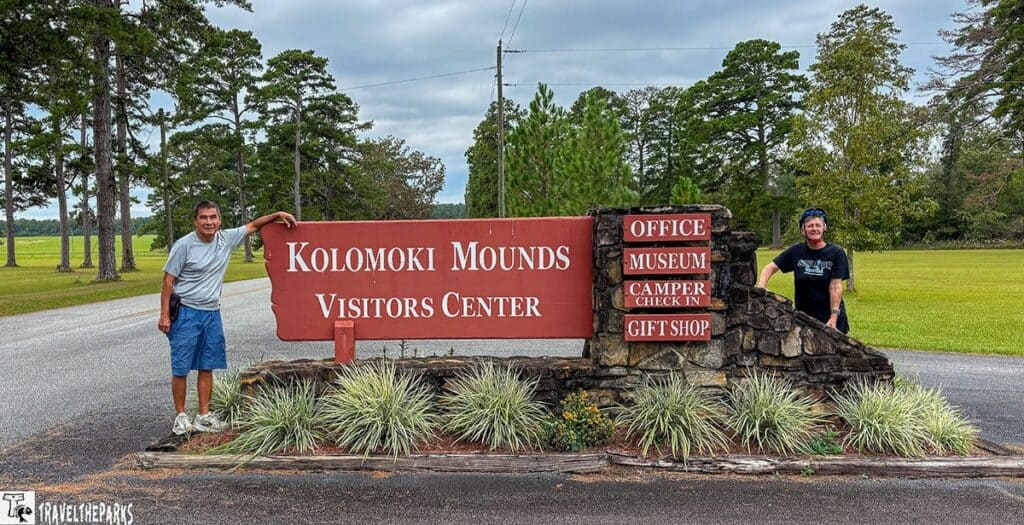
Kolomoki Mounds. Blakely, Georgia. This is exactly why I like going slow.
It’s an old ceremonial site—Swift Creek and Weeden Island people built it up between, like, 350 and 750 CE. One of the oldest and biggest mound complexes in the eastern US. Seven mounds still standing. The biggest one is 57 feet tall.
They put a museum inside one of the smaller mounds. You can actually see burials in place—like right there. They handle it respectfully, not gimmicky. I appreciated that.
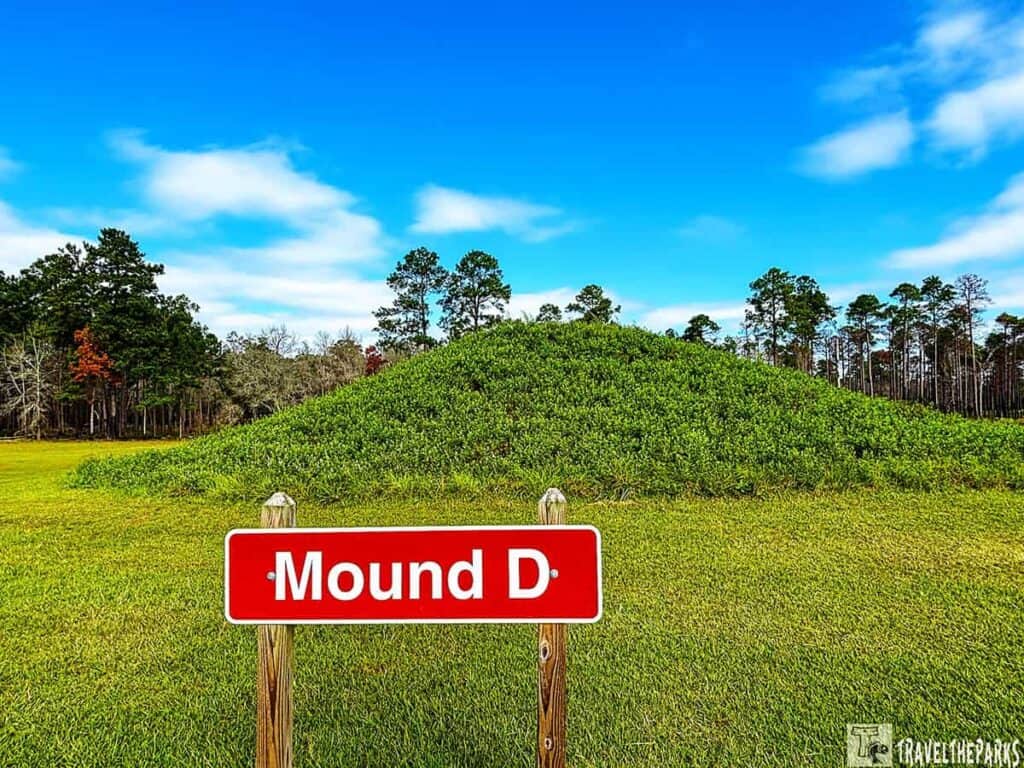
The park itself is really nice. Lake. Camping. Trails connecting all the mounds.
By this point in the trip, pulling up to another site with a thousand years of history didn’t feel like a lot. It just felt normal. Like, yeah, of course. This is how we move through the world now.
Stop 17: Live Oak, Florida — Stephen Foster and the Journey’s End
1 Night | Stephen Foster Folk Culture Center State Park
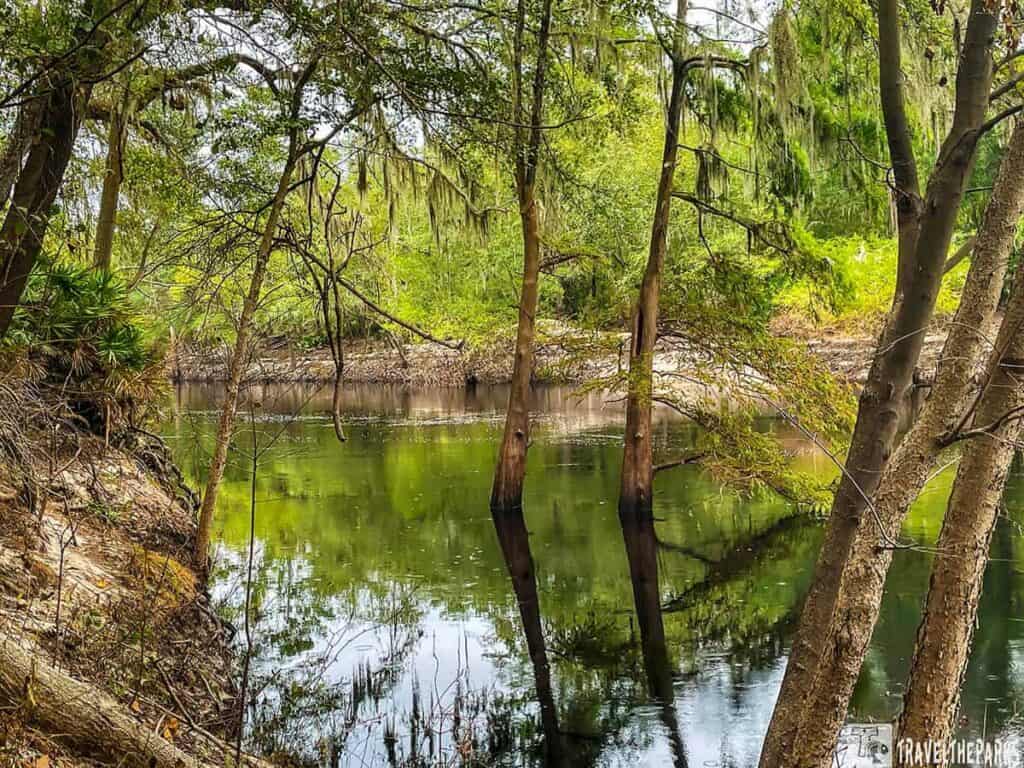
Eventually the road curved back toward Florida. Our last night was at Stephen Foster Folk Culture Center State Park in Live Oak. Felt like the right way to end things. Quiet. No rush. Right on the Suwannee River.
Yeah, that Suwannee. The one Foster wrote about. He probably never even saw it, but the park named after him sits right there on its banks.
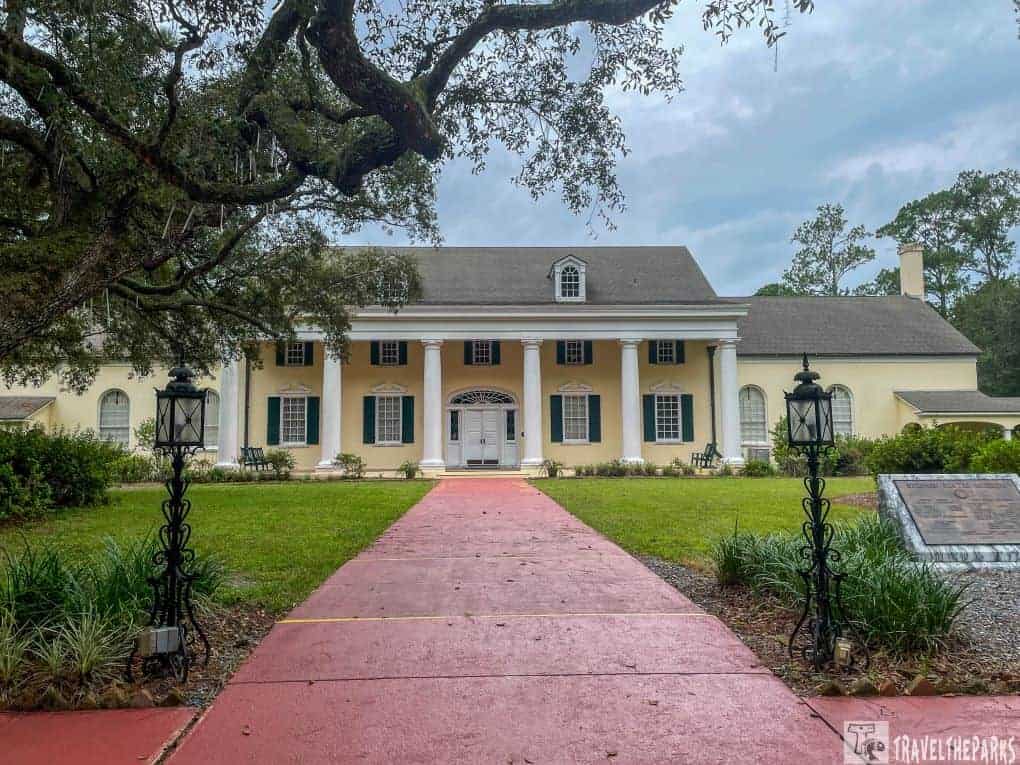
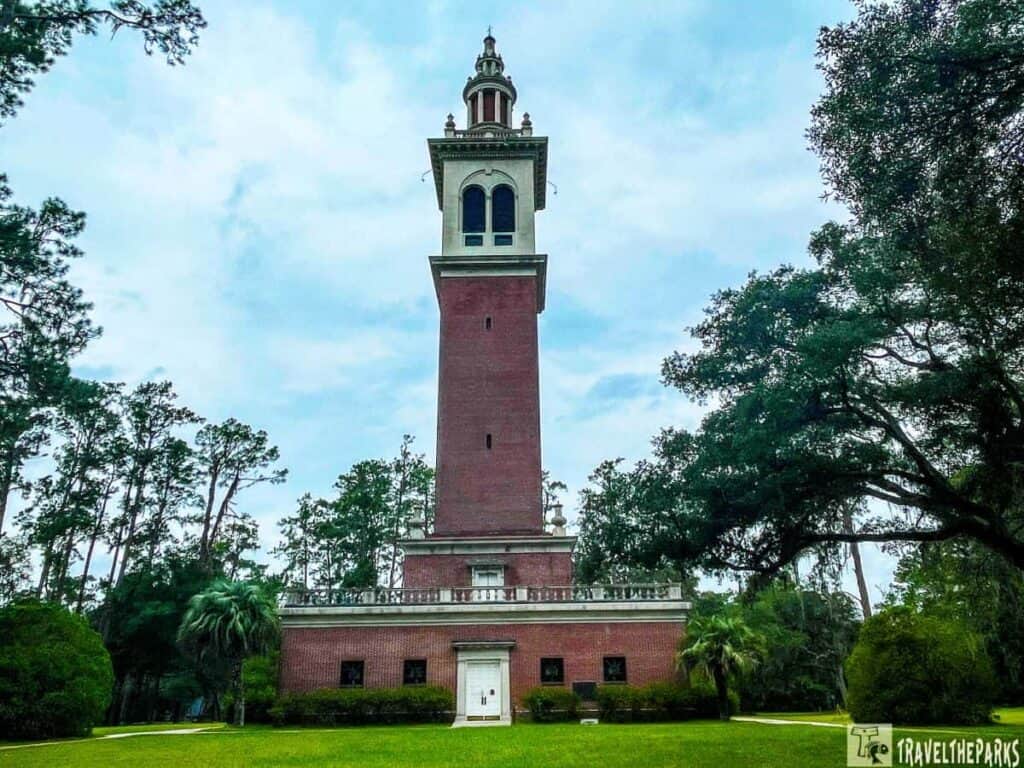
The park does this whole folk culture festival thing—it’s Florida’s official one. They’ve got a carillon tower that plays his songs across the grounds, dioramas from his music, the whole deal. It’s weird. It’s charming. And honestly, it’s such a Florida way to end a trip.
We sat by the river on our last evening. Listened to the carillon. Tried to wrap our heads around everything we’d seen.
Didn’t really succeed. The trip was just too big to sum up nicely.
That felt right, too.
Final Thoughts: What the Road Taught Us
If you’re planning a Nashville, St. Louis, Memphis road trip—or any version of this Gateway Arch to Music City loop—know that it will ask something of you in terms of time, energy, and emotional readiness for difficult history. It gives back considerably more than it takes.
We drove through landscapes of extraordinary beauty and stood in places where extraordinary things—both terrible and heroic—happened to real people. We camped in state parks that do quiet, unglamorous, excellent work preserving wild places for future visitors.
The state parks in deserve a special word. From Paynes Prairie to Kolomoki, the park systems of Florida, Georgia, Tennessee, Missouri, Illinois, Kentucky, and Alabama are doing something genuinely valuable. They’re not flashy. They don’t advertise heavily. But they are out there, maintaining campgrounds and trails and historic sites and wild habitats for anyone willing to show up and pay attention.
We’ll do it again. Probably a different route. Definitely the same approach: slow down, stay curious, and never pass a state park without at least checking the map.
What’s the one historical site that made you pull over and just sit in silence for ten minutes? For us, it was the Lorraine Motel balcony—and the Freedom Riders bus marker.