Table of Contents
Update August 2026
Yellowstone is famous for its explosive geysers and bubbling mud pots, but the Lamar Valley offers a quieter, more profound kind of awe. Here, the landscape opens into vast grasslands where mountains stretch across the horizon and wildlife often takes center stage. We found ourselves glued to the windows during our drive, scanning the sagebrush and hillsides for bison, elk, wolves, and bears.
The drive through Lamar Valley is an experience in itself, but Roosevelt Lodge adds another layer to the adventure. Tucked into the northern reaches of Yellowstone, this historic lodge feels like a step back in time, with rustic cabins, a welcoming lodge atmosphere, and the rugged landscape just outside your door.
If you’re planning a longer Yellowstone adventure, be sure to check out our Planning a 7-Day Trek Through Yellowstone & Grand Teton National Parks: An Ultimate Guide for our complete itinerary and tips. But if wildlife, wide-open landscapes, and a taste of Yellowstone’s Old West are calling your name, Roosevelt Lodge and Lamar Valley deserve a spot on your itinerary.
This post may contain affiliate links, meaning if you purchase something through one of these links, we may earn a small commission at no extra cost to you! Read the full disclosure policy here.
Roosevelt Lodge & Cabins: Rustic Retreat in Lamar Valley
Tucked along the Grand Loop Road near Tower Junction, Roosevelt Lodge & Cabins puts you close to one of Yellowstone’s best wildlife-viewing areas. After a day exploring the Lamar Valley and scanning the grasslands for bison, elk, wolves, or bears, returning to this rustic lodge feels like stepping back into a simpler time. The setting is peaceful, with cabins tucked among the trees and the sounds of nature surrounding you.
Roosevelt Lodge offers two main cabin options: Frontier Cabins and Roughrider Cabins. We chose a Frontier Cabin, which includes a private bathroom and shower—something we especially appreciated after a long day in the park. We booked ours about a year in advance, and the wait was worth it. Our cabin was surprisingly spacious, with two double beds, an electric heater for those chilly Yellowstone nights, and a clean bathroom stocked with plenty of towels.
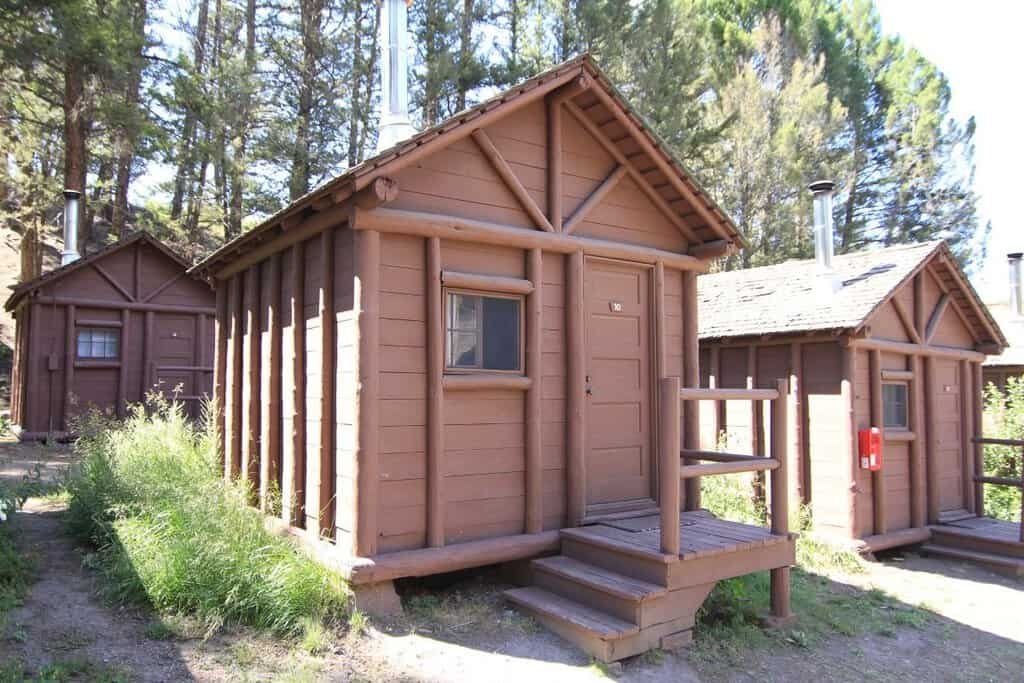
The Roughrider Cabins offer a more basic experience without private bathrooms. Guests use the community bathhouses located nearby, making them a good choice if you’re looking for a more rustic stay.
We also loved the convenience of the cabins. We could park right outside our door, and a short wooded path led to the main lodge, stables, and dining room. The cabins felt secluded enough to be peaceful while still keeping us close to everything we needed. For us, that combination made staying at Roosevelt Lodge in Lamar Valley one of the highlights of our Yellowstone adventure.
If you want a closer look at our Frontier Cabin, including what we liked, what we didn’t, and whether we think it’s worth the price, check out our Roosevelt Lodge Cabins Review: Our Rustic Yellowstone Getaway
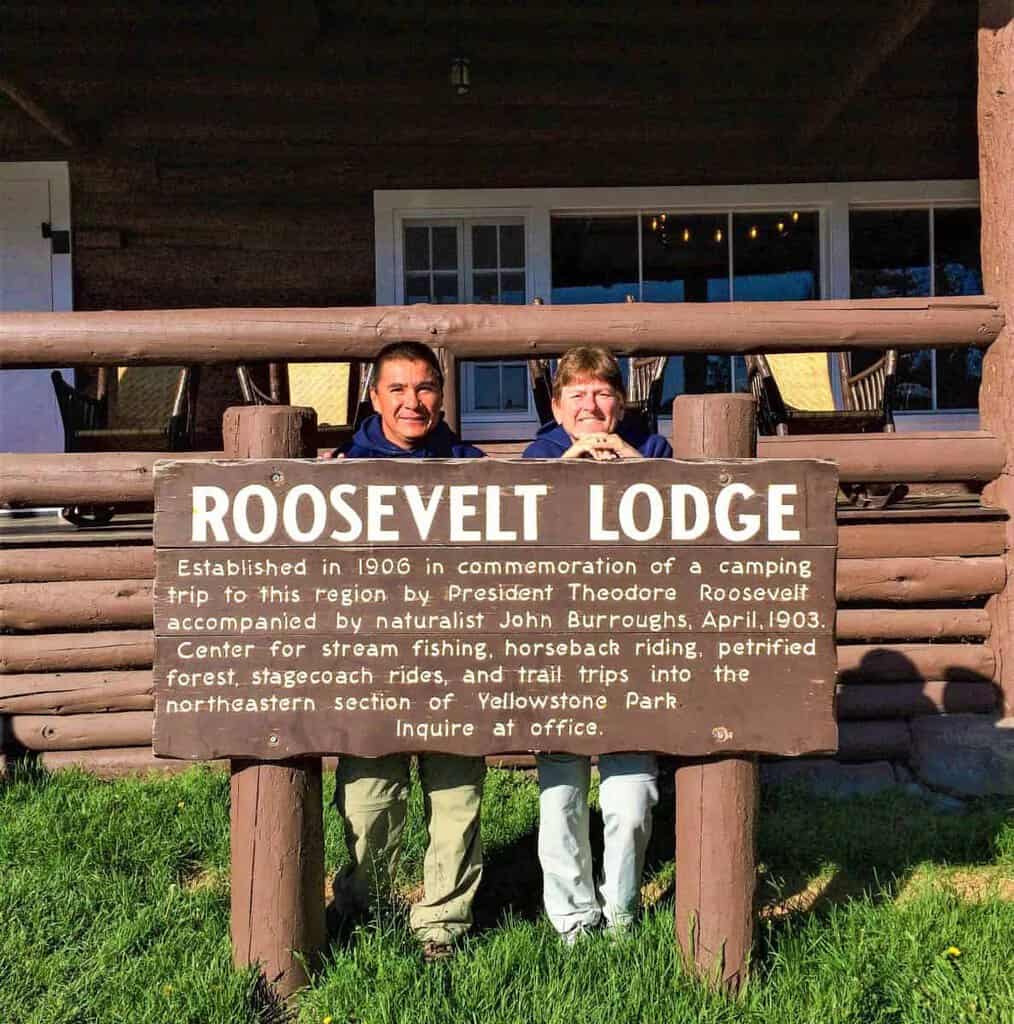
Roosevelt Lodge in Lamar Valley: Embracing Yellowstone’s Wild Side
Roosevelt Lodge isn’t just a place to sleep; it’s a chance to experience a slower, simpler side of Yellowstone. Located near Tower Junction and the northern end of the Lamar Valley, it puts you close to some of the park’s best wildlife-viewing areas. For us, the location was the biggest draw. This northeastern corner of Yellowstone offers sweeping landscapes, fewer crowds, and the kind of wildlife encounters that make you want to slow down and take it all in.
And when we say you can disconnect here, we mean it. There’s no cell service or Wi-Fi, making Roosevelt Lodge one of those rare places where you can truly leave the outside world behind. Honestly, we found it liberating. The main lodge is modest and welcoming, with a small general store alongside the dining area. Mornings start with complimentary coffee, served from 7 to 9 a.m., which is especially nice before heading out to explore.
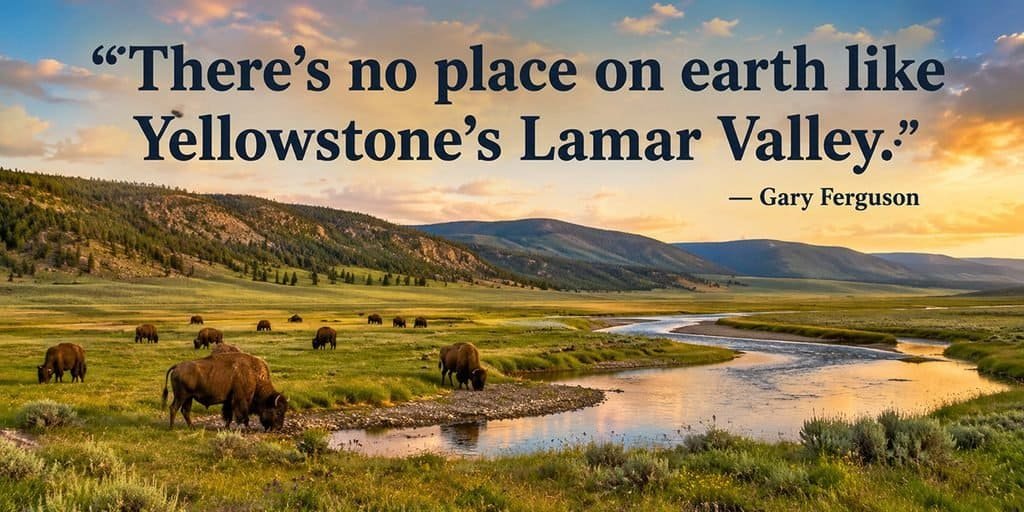
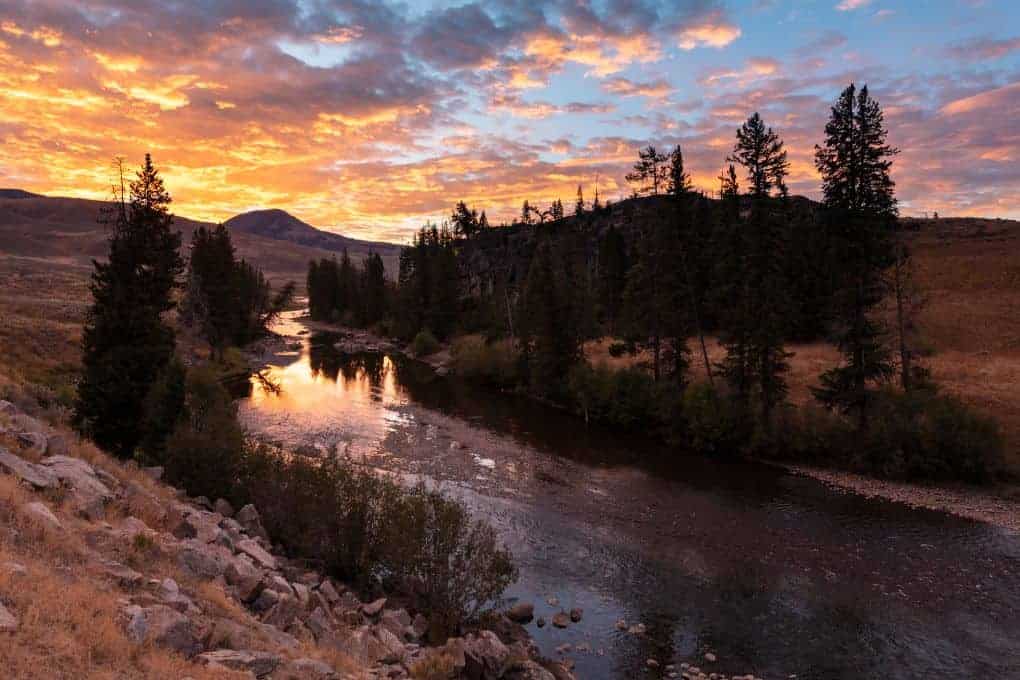
But our favorite spot was the front porch. A wooden deck with a handful of rocking chairs gives guests a relaxing place to unwind at the end of the day. We spent our evenings there, cocktails in hand, watching the sunset paint the Lamar Valley in shades of gold and amber while talking about the day’s adventures. Bison herds, distant wildlife, and the sheer scale of Yellowstone made those quiet moments some of our favorite memories.
Inside, a large stone fireplace anchors the check-in area, surrounded by comfortable seating that makes the lodge feel warm and inviting. Roosevelt Lodge is quieter, more isolated, and less developed than the busy areas around Yellowstone’s famous geyser basins. And for us, that was exactly the appeal.
Roosevelt Lodge Chuckwagon Dinner: A Western Culinary Experience in Lamar Valley
For a truly memorable evening, we highly recommend the Old West Dinner Cookout. It’s more than just dinner. You trade the car for a wagon ride into the Lamar Valley, winding through sagebrush-covered meadows as the sun begins to set. The cookout setting is spectacular, surrounded by mountains and open grasslands, with the smell of campfire smoke and dinner cooking in the background.
Reservations are essential, especially during the busy summer season. This experience was one of the highlights of our Yellowstone adventure, so we were glad we planned ahead.
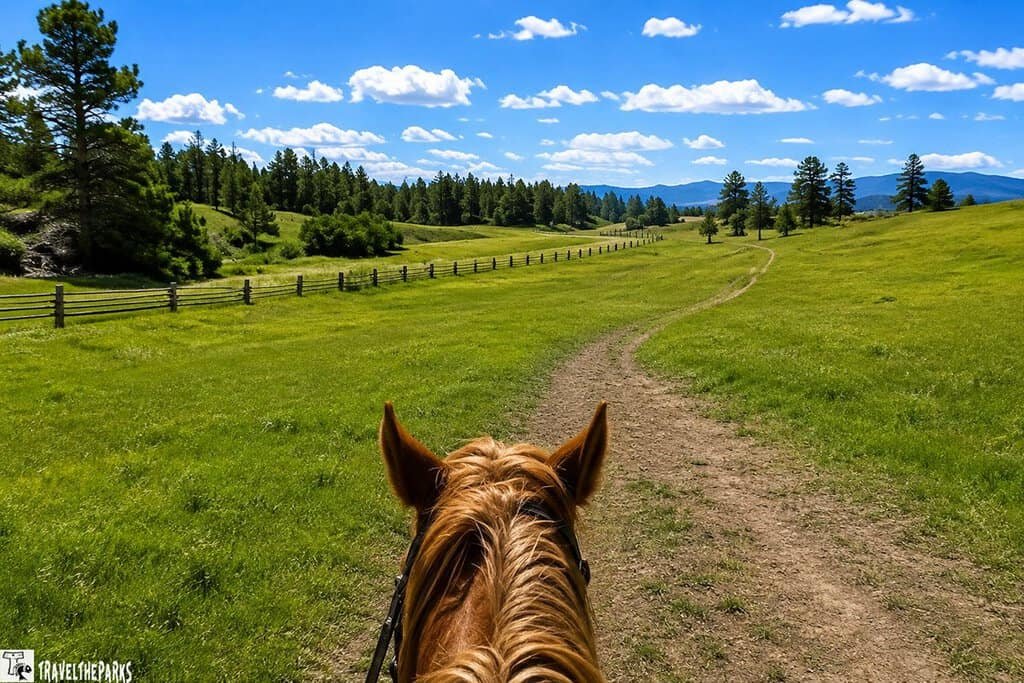
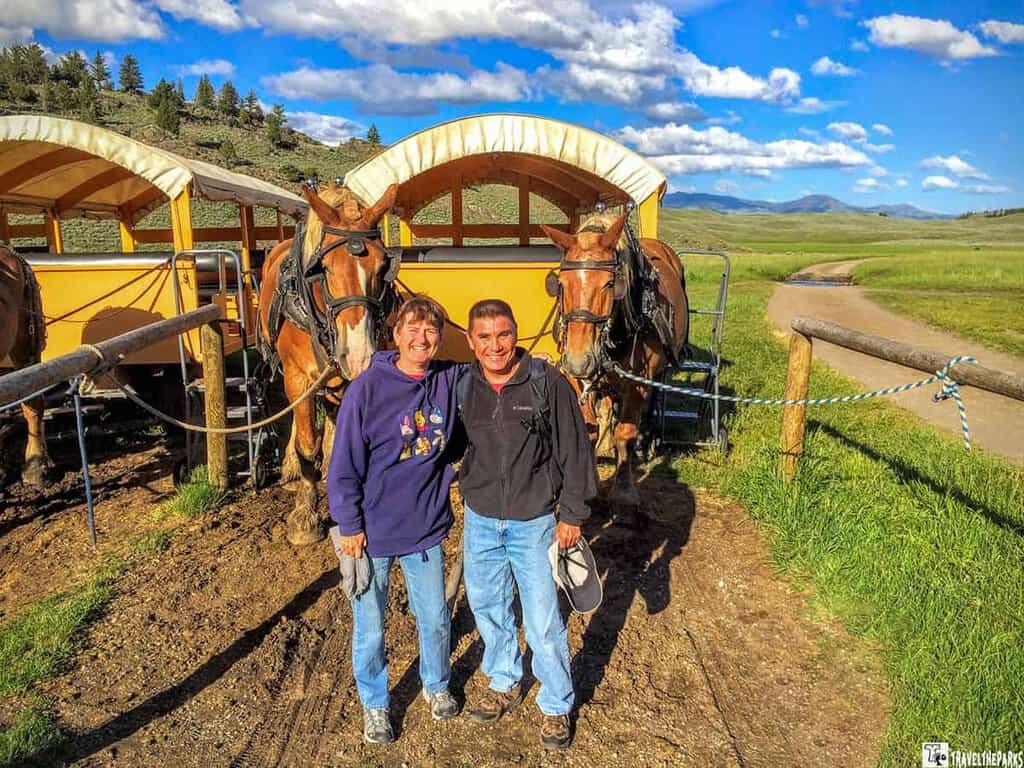
Guests can reach the cookout by horseback or wagon. We opted for the wagon and loved the experience from the start. Our driver, Hannah, and wrangler guide, Chuck, made the trip especially memorable. Chuck had an interesting story of his own, having left a career as a New Orleans lawyer for a life in the wide-open spaces of Wyoming.
Before heading out, we gathered on benches for Chuck’s safety briefing and a lively Q&A. Once everyone was ready, we climbed aboard and were introduced to the draft horses pulling our wagon. Our team was made up of two Belgian draft horses named Lock and Load, while Percherons pulled the wagons ahead and behind us.
As we headed down the dirt trail, Roosevelt Lodge quickly disappeared behind us. The ride opened into the broad expanse of the Lamar Valley, with mountains, grasslands, and the occasional glimpse of wildlife along the way. Bouncing along behind those enormous horses, it felt like we had stepped into another era. After a day exploring Yellowstone, the chuckwagon ride was the perfect way to slow down and experience a different side of the park.
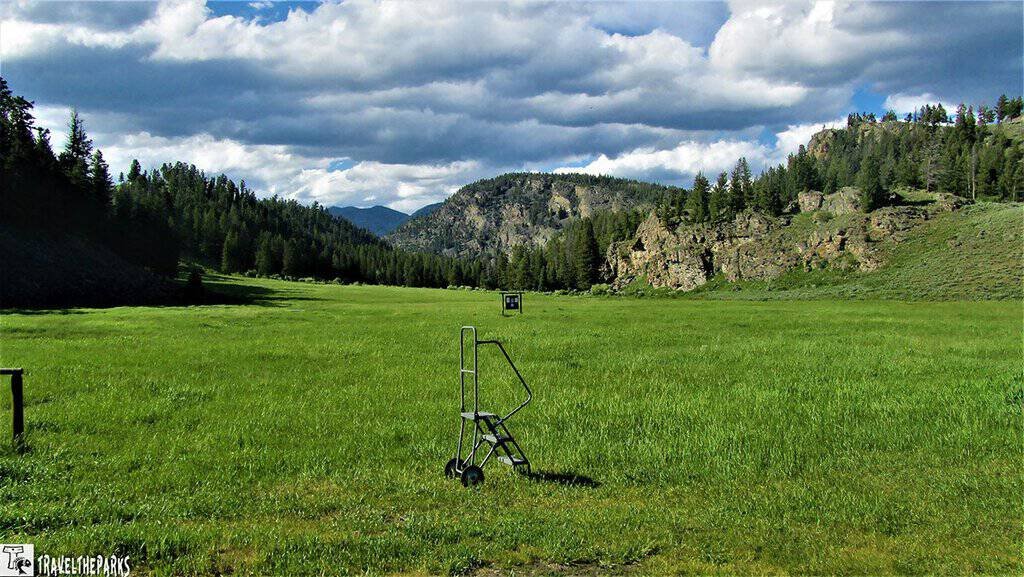
Wagon Ride to Paradise Valley: A Scenic Journey Through Yellowstone
The wagon ride to the cookout takes about 30 to 45 minutes, winding through a landscape that feels wonderfully removed from the busy areas of Yellowstone. We traveled along sagebrush flats and dusty roads, following a route used for the park’s historic stagecoach rides. Each canvas-covered wagon was pulled by two large draft horses, with padded bench seats that made the bumpy ride surprisingly comfortable.
We were glad we brought jackets. Even in summer, temperatures can feel chilly in the Lamar Valley, especially with the wagon’s open sides. The cool breeze was part of the experience, though, as we watched the landscape unfold around us.
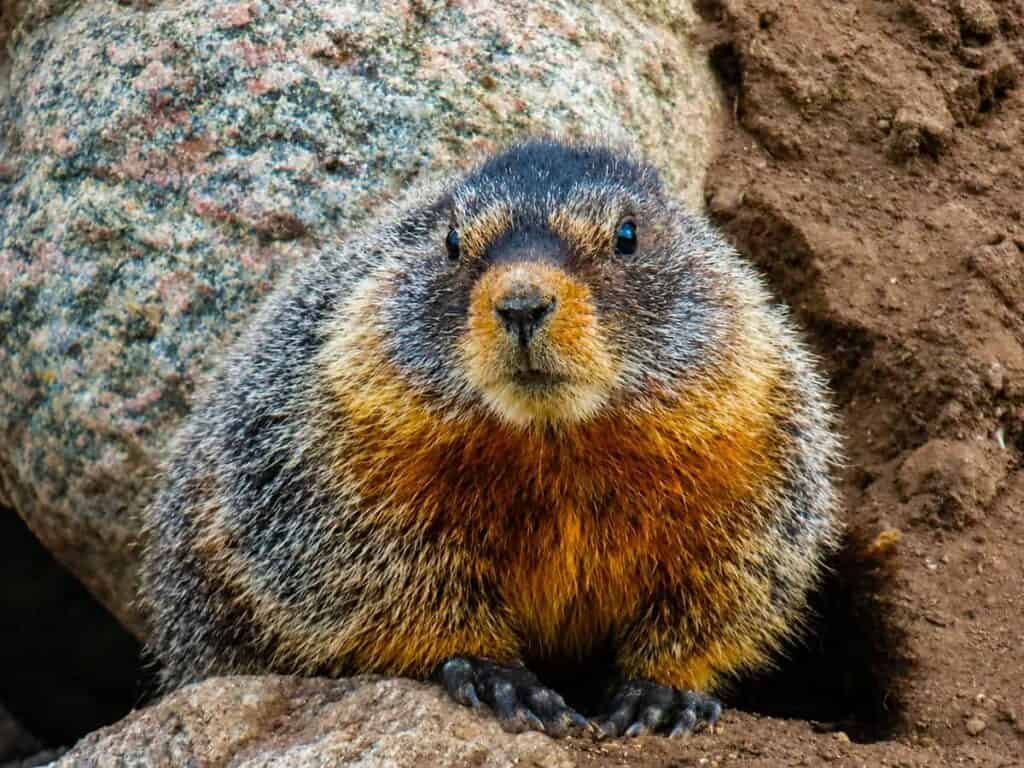
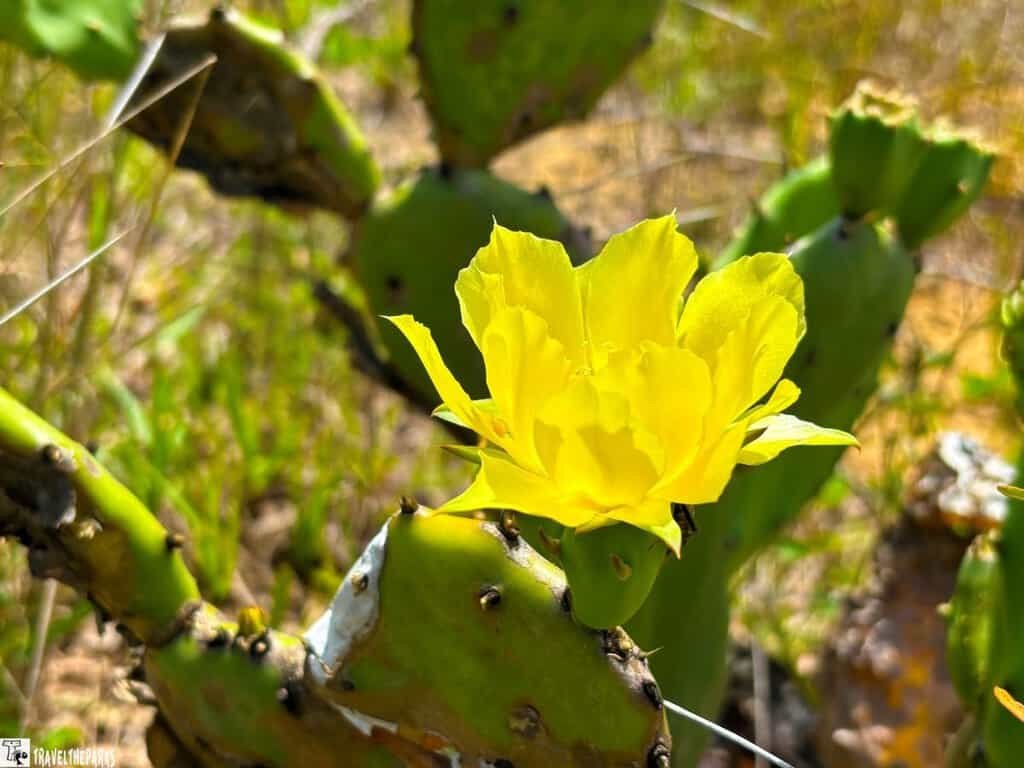
Wildlife sightings began along the way. We spotted a small herd of bison grazing in the distance, pronghorn moving across the grasslands, and a group of marmots on a rocky hillside. Clusters of prickly pear cactus also dotted the landscape, adding an unexpected touch to the scenery.
As we approached the cookout site, the staff greeted us with friendly smiles and plenty of enthusiasm. The setting immediately felt like an old-fashioned Western camp, with wooden picnic tables arranged around a central fire and lanterns beginning to glow as evening approached. Families gathered around the fire, children roasted marshmallows, and guests relaxed and talked as dinner preparations got underway.
It was a fun change of pace from exploring Yellowstone by car. Instead of rushing to the next overlook or wildlife sighting, we had time to simply enjoy the scenery, the horses, and the experience of being out in the middle of Yellowstone’s wide-open landscape.
Breakfast at Roosevelt Lodge: Hearty Fare with a Side of Patience
Breakfast at Roosevelt Lodge was a hearty way to start a day of exploring Yellowstone. The menu offers plenty of classic breakfast favorites, and we both found something we enjoyed. Barry ordered the Huckleberry Pancakes, while I kept things simple with two sunny-side-up eggs and crispy bacon. The portions were generous, and the food was exactly the kind of filling breakfast we wanted before heading out for another day of wildlife watching.
Coffee refills and iced water kept coming as we settled into the rustic dining room. The one downside was the service. Our meals took longer than we expected to arrive, even though there were plenty of empty tables during our visit. We couldn’t tell whether the delay was due to staffing, the kitchen, or simply the relaxed pace of dining at the lodge.
The food was worth the wait, but if you’re planning an early morning wildlife drive, give yourself plenty of extra time for breakfast. For us, the combination of good food and the lodge’s rustic atmosphere helped make up for the slower service.
Journey into the Lamar Valley: Exploring Yellowstone’s Serene Wilderness
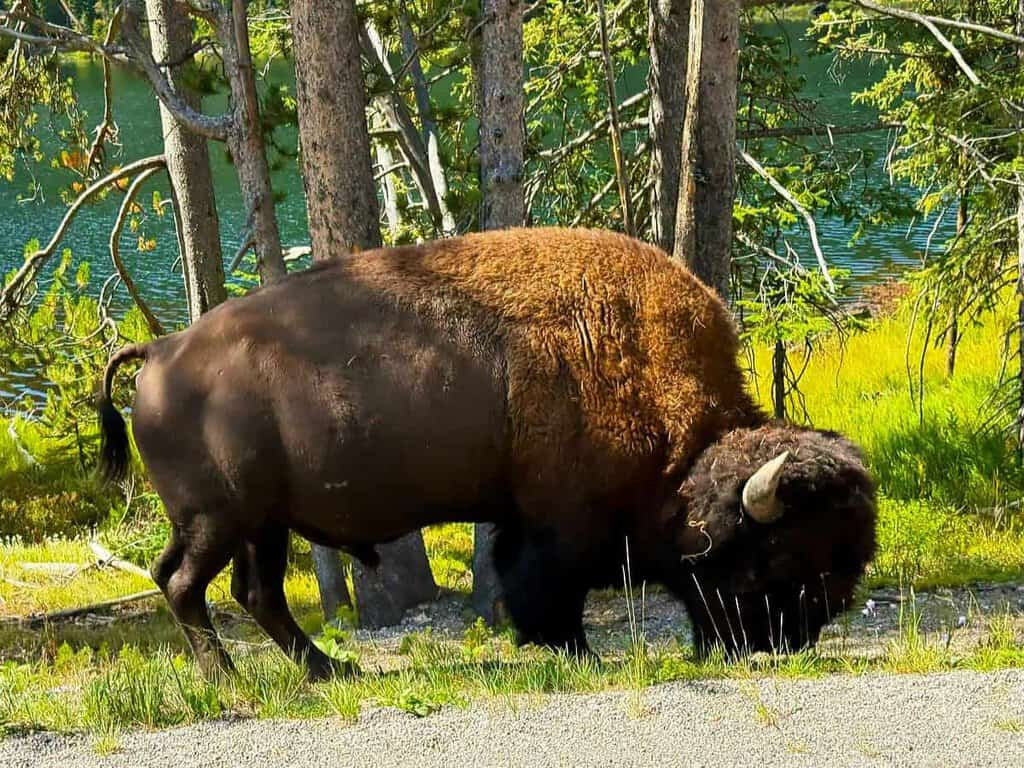
As we set out for our wildlife adventure, I kept my camera ready, knowing a great sighting could appear at any moment. Lamar Valley is one of Yellowstone’s most spectacular landscapes, with wide-open grasslands, distant mountains, wildflowers, and abundant wildlife. We saw more wildlife here than anywhere else during our Yellowstone visit, making the valley one of the highlights of our trip.
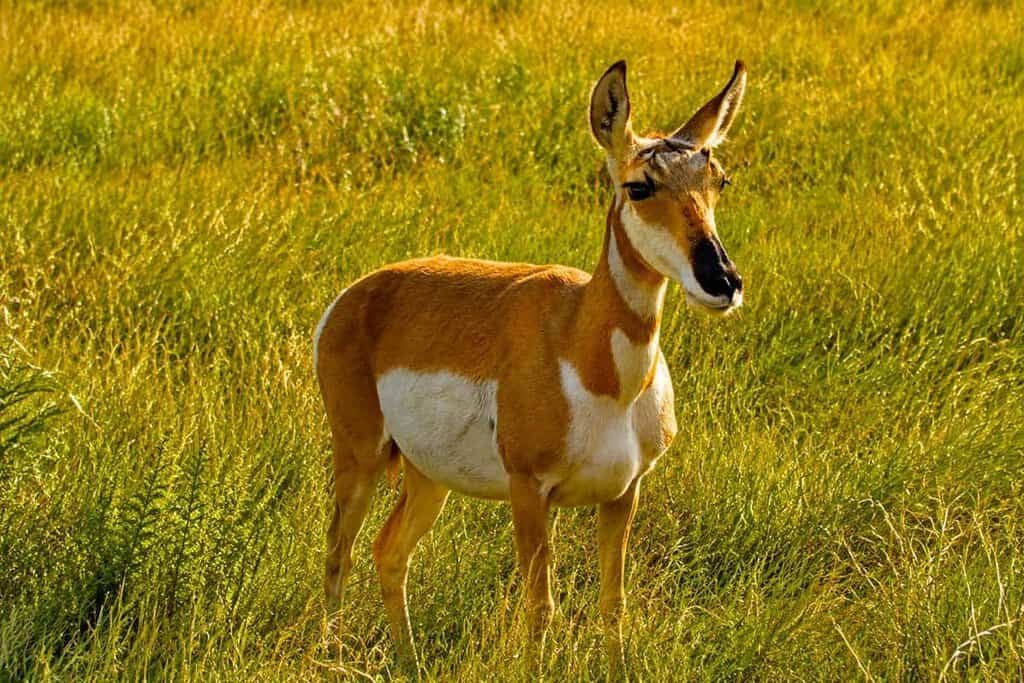
Lamar Valley provides habitat for large herds of bison, elk, and pronghorn, along with predators such as coyotes, grizzly bears, and gray wolves. While wildlife sightings are never guaranteed, getting an early start gives you one of the best opportunities to see animals when they are most active. The morning light is also beautiful across the valley, and arriving early means fewer vehicles competing for viewing spots.
The valley is accessible year-round, although each season offers a different experience. Summer mornings can be especially rewarding for wildlife watching, while early evenings provide another good opportunity. As temperatures cool, animals often become more active after spending the warmer part of the day resting.
If you’re planning to explore the entire Lamar Valley and continue toward the Northeast Entrance, come prepared. There are no regular services between Roosevelt Lodge and Silver Gate and Cooke City. Pack a lunch, carry plenty of water, and take advantage of the picnic areas along the way. We found the picnic area near Pebble Creek Campground to be a peaceful place to stop and enjoy lunch surrounded by Yellowstone’s scenery.
Because the valley is so expansive, binoculars or a spotting scope are well worth bringing. Some wildlife may be close to the road, but many animals can be hundreds of yards away. We found ourselves scanning the distant hillsides and meadows for movement, which made spotting wildlife feel like part of the adventure. Bison may stroll past your vehicle, while wolves, bears, or other animals can be much harder to spot without a little help.
Take a Hike: Explore Beyond the Lamar Valley Road
Early summer evenings, when the heat of the day begins to fade, can also be a great time for wildlife viewing. While you’ll often spot animals from the road, don’t overlook the opportunity to get out and explore some of Yellowstone’s shorter trails. Walking even a short distance can give you a different perspective of the landscape and take you away from the busiest areas.
For hiking, sturdy walking or hiking shoes are a must. Many Yellowstone trails are rocky and uneven, and a good trekking stick can provide extra stability on steeper sections or switchbacks. Morning temperatures can also be cool, so dressing in layers is a good idea. A quality hooded fleece is easy to remove as temperatures rise.
Be sure to carry plenty of water and a few snacks to keep your energy up. A refillable water bottle is especially useful for staying hydrated throughout the day.
Lamar River: A Scenic Stop Along the Road
After checking out of Roosevelt Lodge, we headed east through the Lamar Valley toward Cooke City. The morning was still young when we spotted our first black bear moving through the pine forest. We pulled over at the nearest designated pullout to watch it, which is an important habit when wildlife appears in Yellowstone. Never stop in the roadway, even when an animal is putting on a show.
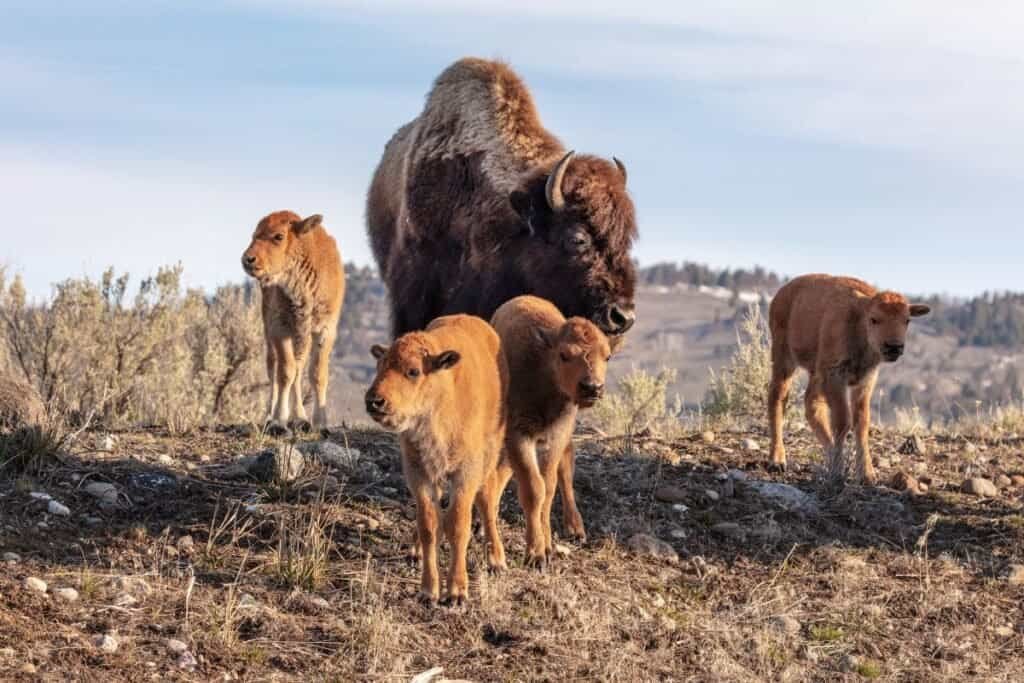
A short time later, we stopped near the Lamar River to take in the scenery. The river winds through broad grasslands surrounded by rolling hills, creating another beautiful perspective of the Lamar Valley. We watched bison grazing across the open landscape and kept our binoculars nearby as we scanned the hillsides and riverbanks.
This stretch of road rewards travelers who aren’t in a hurry. Take your time, use the designated pullouts, and keep your eyes open. Wildlife can appear when you least expect it, from bison and pronghorn along the valley floor to bears or wolves in the more distant hills.
Pro Tip: Wildlife is one of the biggest draws to this part of Yellowstone, but remember that these are wild animals. Keep a safe distance, carry bear spray when hiking, make noise on trails, and follow all Yellowstone wildlife-safety guidelines.
Slough Creek: A Worthwhile Detour in Lamar Valley
Not far from the Lamar River, we turned onto the gravel road leading toward Slough Creek Campground. The short detour keeps some visitors away, but our Prius handled the road without a problem. The extra drive was well worth it for the scenery.
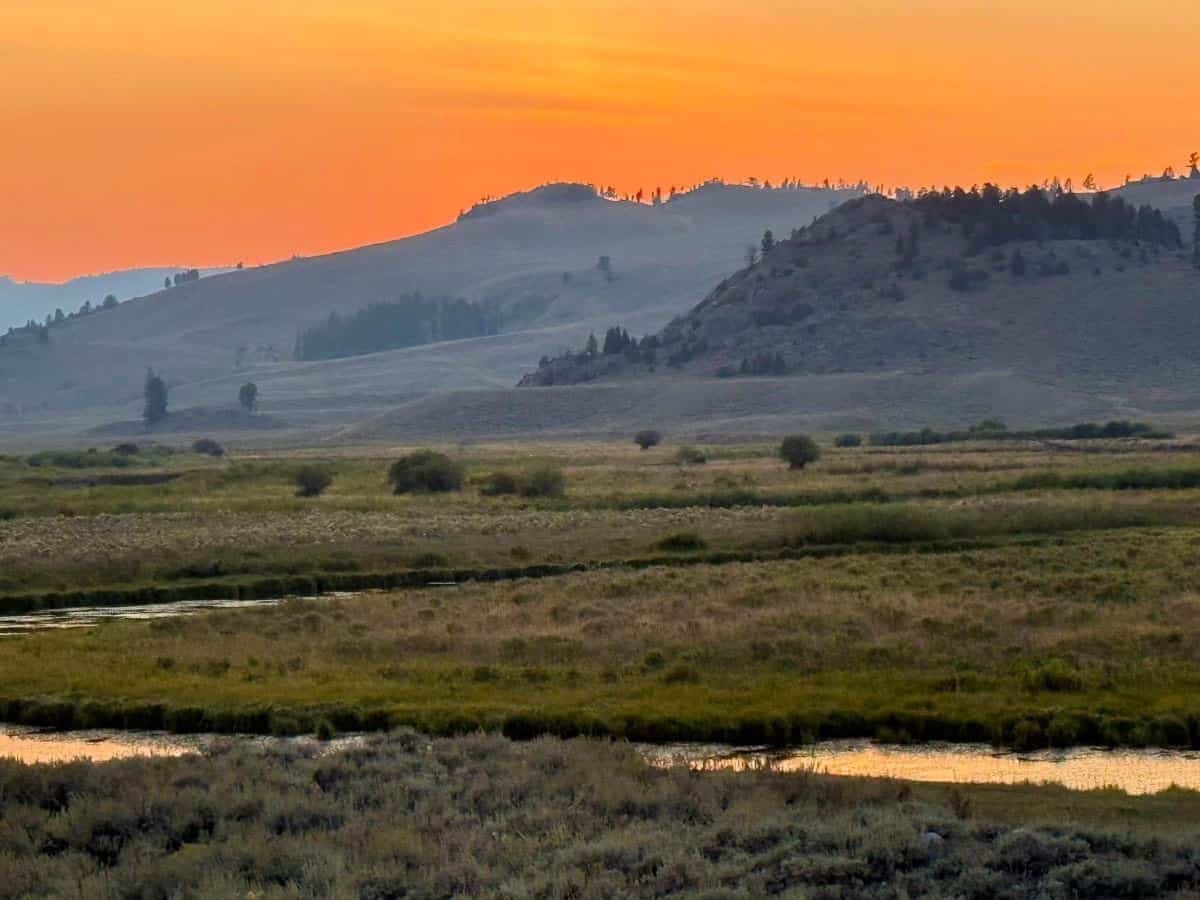
Slough Creek winds through a broad valley surrounded by meadows, rolling hills, and forested slopes. The area is also known for its wildlife, including wolves, although sightings are never guaranteed. During our visit, a ranger and several other visitors pointed out a distant area where wolves had previously been seen and invited us to look through their spotting scopes. We could see the area clearly, but the wolves and pups remained hidden. That’s Yellowstone for you—wildlife doesn’t operate on our schedule.
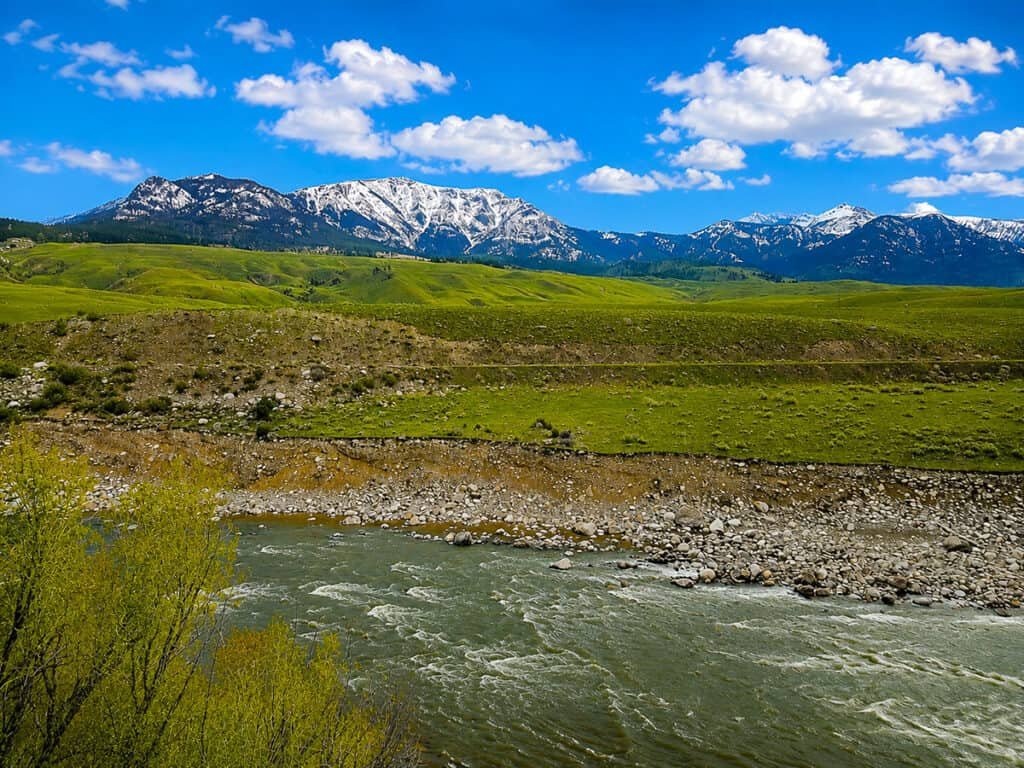
If you’re hoping to spot wolves or other wildlife here, bring good binoculars or a spotting scope. Animals may be far from the road or trail, so having a little extra magnification can make a big difference. Just remember to give wildlife plenty of space and never approach or pursue an animal for a better view.
Slough Creek is also popular with anglers, with opportunities to fish for trout in its clear waters. We had originally planned to fish but decided against it during our visit. The crowds, persistent wind, and steep scramble down to the water made us rethink the plan. Instead, we enjoyed the scenery from above before continuing our drive toward Cooke City.
Sometimes, you don’t have to do everything on the itinerary. We didn’t see the wolves or cast a line that day, but Slough Creek was still a worthwhile stop—and another reminder that some of the best parts of Yellowstone are simply found by slowing down and looking around.
Soda Butte Creek Fishing: Casting Lines in Lamar Valley
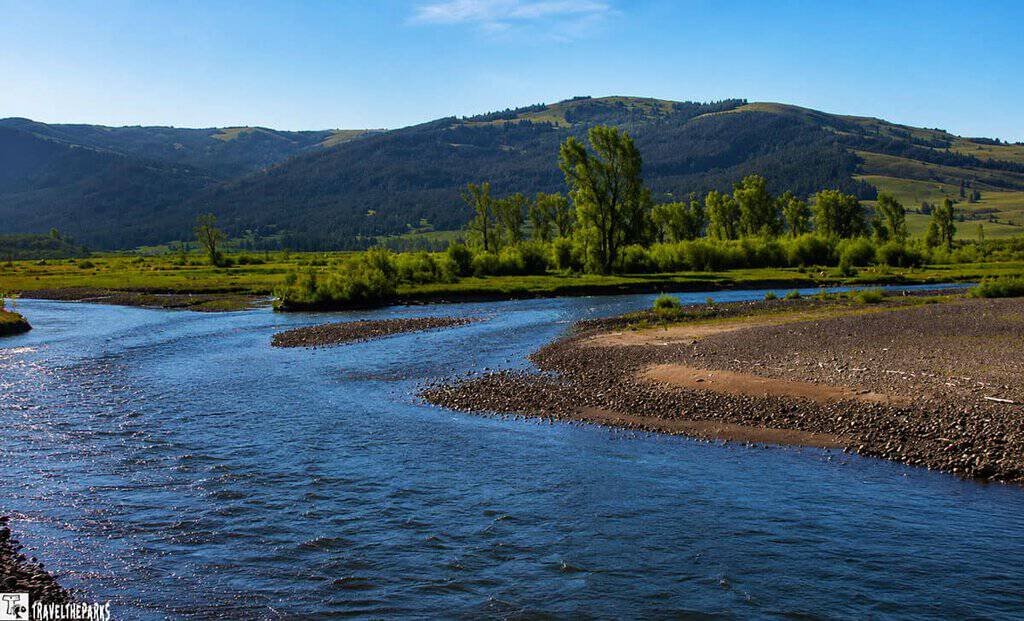
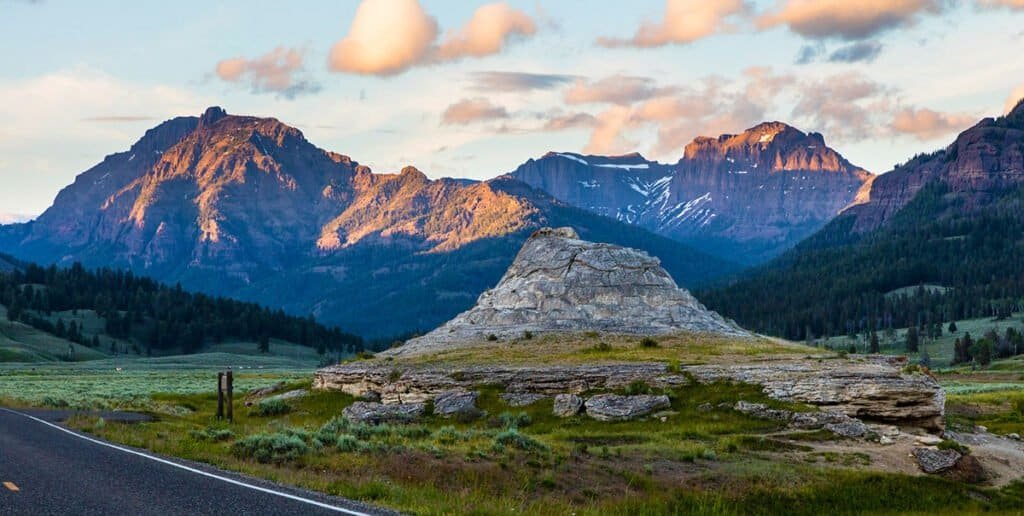
Soda Butte is one of the recognizable landmarks in the northeastern corner of Yellowstone National Park. The cone-shaped formation is an extinct hot spring, and the nearby Soda Butte Creek takes its name from the landmark. The creek flows through the Lamar Valley before joining the Lamar River, with the highway following much of its course.
We stopped at a turnout along Soda Butte Creek to try our hand at fishing. Our gear included a Redington Crosswater 9-foot 5-wt fly rod with a floating line and 5X tippet. For flies, we used caddis patterns in sizes #10–#20 and mayfly patterns #16–#24. Green, tan, and black were our go-to colors.
June can offer good dry-fly opportunities on Soda Butte Creek, and we had a few nibbles during our visit, although we didn’t land any fish. Still, catching fish wasn’t the only reason we stopped. Standing in the creek with the Lamar Valley surrounding us made the experience memorable in its own right.
If you’re interested in exploring more of Yellowstone’s fly-fishing opportunities, check out our guide to Madison River Fly Fishing near West Yellowstone.


Pebble Creek Campground: End of the Line
This Campground offers gorgeous views of the Absaroka Mountains, making it a worthwhile final stop as you travel through the Lamar Valley toward the Northeast Entrance. We made a brief stop here before turning around and heading back toward our overnight destination at Canyon Village.
The campground has 27 sites available on a first-come, first-served basis. During our visit, a park ranger was in the parking area and offered us a look through her spotting scope. High on the mountainside, we spotted a mountain goat—a perfect surprise to end our time in the valley.
From Pebble Creek, we turned around and retraced our route through Lamar Valley. After everything we’d seen along the way, we understood why this corner of Yellowstone had become one of our favorite places in the park. If wildlife is high on your Yellowstone wish list, Lamar Valley deserves a place on your itinerary.
Essential Tips Before Visiting Roosevelt Lodge and Lamar Valley
- Book Early: Roosevelt Lodge is popular, and Frontier Cabins can book well in advance. We reserved ours about a year ahead, so don’t wait until the last minute if staying at Roosevelt Lodge is part of your Yellowstone plans.
- Start Early for Wildlife: Early morning and evening are generally good times to look for wildlife. Bring binoculars or a camera with a telephoto lens because many animals may be well away from the road.
- Dress for Changing Weather: Summer weather can change quickly in Yellowstone. Cool mornings can give way to warmer afternoons, while evenings may become chilly again. Dressing in layers makes it easier to adjust throughout the day.
- Plan Your Meals: Roosevelt Lodge offers dining options, including the Old West Dinner Cookout. Reservations are recommended, particularly for the chuckwagon dinner. If you’re driving farther east, pack lunch and plenty of water because services are limited.
- Respect Wildlife: Never approach, crowd, or pursue wildlife for a better photograph. Yellowstone recommends staying at least 100 yards from bears and wolves and 25 yards from other animals. Binoculars and telephoto lenses let you enjoy closer views while keeping a safe distance.
- Expect Limited Connectivity: Cell service and Wi-Fi are limited or unavailable around Roosevelt Lodge and Lamar Valley. Download maps and important information before leaving areas with reliable service.
- Check Road Conditions: Road access can change because of seasonal closures, weather, construction, or other conditions. Check current Yellowstone road conditions before setting out.
- Prepare for Hiking: If you plan to explore trails, bring sturdy hiking shoes, snacks, sun protection, plenty of water, and bear spray when hiking in bear country.

Final Thoughts: Roosevelt Lodge & Lamar Valley
Our stay at Roosevelt Lodge gave us a chance to experience a quieter, more rustic side of Yellowstone. From the moment we arrived, the combination of historic charm, peaceful surroundings, and easy access to Lamar Valley made this part of the park feel different from the busier areas around the geyser basins.
The wildlife was certainly a highlight. During our time in the Lamar Valley, we spotted a black bear, bison, pronghorn, and a distant grizzly, along with plenty of opportunities to search the hillsides for wolves and other wildlife. We even ended our journey with a mountain goat spotted high on the mountainside near Pebble Creek. Not every sighting worked out—the wolves at Slough Creek stayed hidden—but that’s part of what makes wildlife watching so exciting. You never know what you’ll find around the next bend.
What we loved most about Roosevelt Lodge was the opportunity to slow down. Sitting on the lodge porch in the evening, watching the sunset over the valley, and enjoying a chuckwagon dinner made the experience about much more than simply finding wildlife. The lack of cell service and Wi-Fi only added to that feeling of getting away from it all.
If you’re planning a Yellowstone trip and want to experience a less developed, more peaceful side of the park, Roosevelt Lodge and Lamar Valley are worth adding to your itinerary. Give yourself time to explore, keep your binoculars handy, and don’t be afraid to linger at a pullout when the landscape—or a wildlife sighting—gives you a reason to stop.
Have you explored Lamar Valley or stayed at Roosevelt Lodge? Tell us about your Yellowstone adventure in the comments below!