

Table of Contents
Updated June 2026
So, spending a day in Monument Valley. We finally did it. And yeah, it really is as good as everyone says. The photos never quite capture it, you know? Monument Valley Tribal Park is right there on the Utah/Arizona border. Not hard to find at all if you’re already driving around the Southwest.
People ask us about the Grand Circle tour all the time. That whole loop with Zion, Bryce, the Grand Canyon—all those big names. And here’s the thing. Monument Valley isn’t officially part of that route. But it’s so close, most folks just add it on anyway. Which, honestly, you should too.
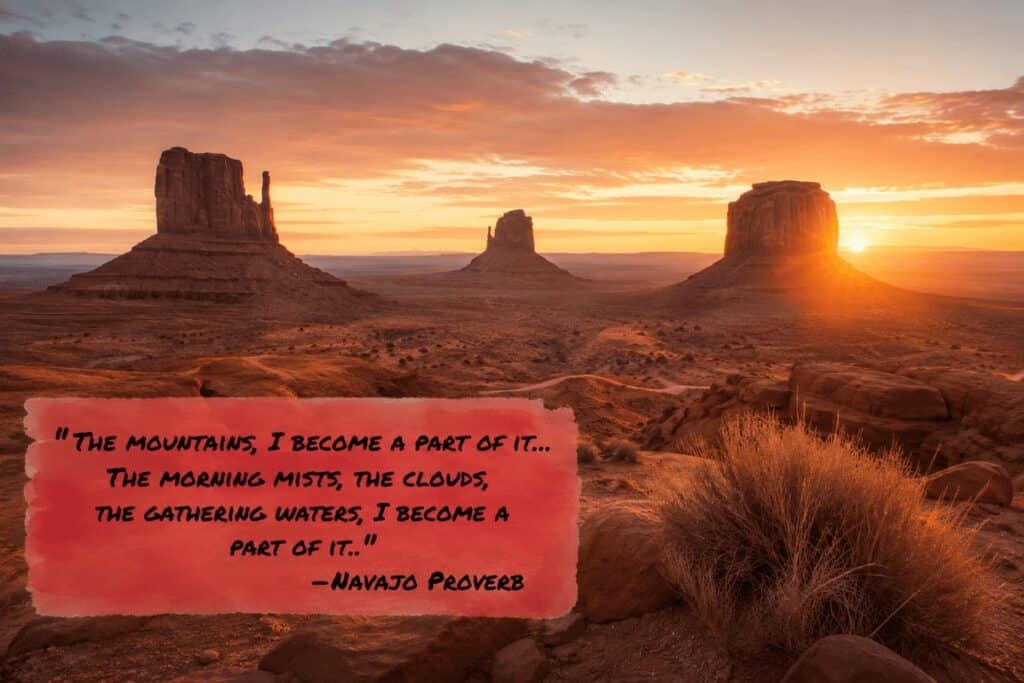
Monument Valley became a Tribal Park in 1958. It’s about 30,000 acres. So not tiny. Not huge either.
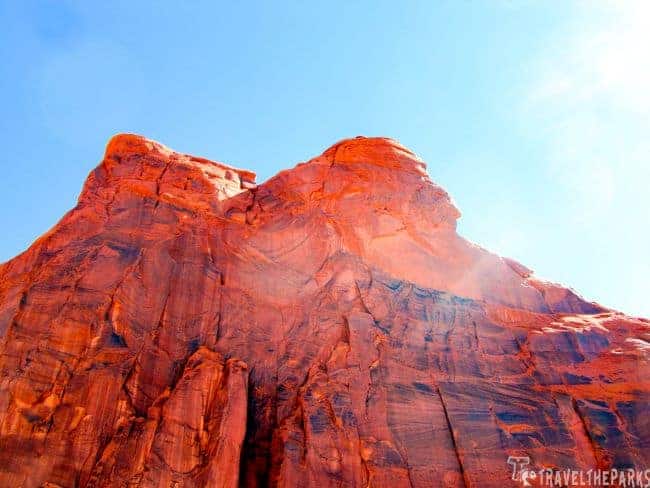
Those sandstone buttes? You’ve seen ’em a million times — movies, postcards, whatever. They shoot up from the desert floor. Like 400 feet. Sometimes 1,000. Just… straight up.
This post may contain affiliate links, meaning if you purchase something through one of these links, we may earn a small commission at no extra cost to you! Read the full disclosure policy here.
How do I get to Monument Valley?
You’ve got a few ways to do this. Most people just drive. Honestly, it’s the easiest — you can go at your own pace, pull over whenever something looks cool, and half the trip’s the adventure anyway.
Monument Valley’s main entrance is on Highway 163. Coming from Phoenix? That’s about five and a half hours north. From Page, Arizona? More like two hours and fifteen minutes southeast. Fair warning: some of the roads going in aren’t paved. So yeah, leave the low sports car at home.
You could fly. Closest big airports are Phoenix Sky Harbor or Las Vegas. Then you rent a car and drive the rest. Phoenix to Monument Valley runs around five and a half hours. Vegas? Give yourself a good six. Before you go, grab a good Monument Valley travel guide. This one will do just fine.
What you need to know before your visit to Monument Valley
Those buttes and mesas out on the Navajo Reservation? Some of the most photographed rocks anywhere. Wind and water took millions of years carving them. The Navajo call it Tse’Bii’Ndzisgaii—means “valley of the rocks.” Fun fact: the Navajo Nation has the biggest Indigenous population in the US. And don’t go looking for cliff dwellings like Mesa Verde—you won’t find ’em here.
- Visitor Center hours: Daily 8 AM to 5 PM (Mountain Standard Time). Peak season (April–September): 7 AM to 7 PM, last entry at 4:30 PM. Off-season (October–March): 8 AM to 5 PM, last entry at 2:30 PM.
- Fees: $8 per person, per day. National Park Passes don’t work here — the Navajo Nation runs this park. Backcountry permits? Required if you’re hiking or camping off designated trails. Grab one at the Visitor Center.
- Best time to visit: Peak season (April–September) gives you full access to the scenic drive and guided tours. But it’s hotter and more crowded. Off-season is quieter and cooler, though some services run reduced hours.
- Leashed pets are allowed on the 17-mile Scenic Drive and the Wildcat Trail. Keep that leash under six feet.
Exploring the Enchanting Southwest: a Journey through Kayenta
Kayenta’s basically the gateway to Monument Valley Navajo Tribal Park. Just a small town. Sits right on Highway 163. Navajo Reservation land. Most tourists crash here at motels and grab fast food before spending a day in Monument Valley.
We were pretty wiped out after construction stops slowed our drive from Page. We pulled in because, honestly, we were beat. Construction stops slowed us down coming from Page. So Kayenta became our pit stop. Grabbed lunch—Sonic. Why Sonic? Easy in, easy out. No fuss. Then back on Highway 163 north for about 20 miles. Keep your eyes right. That’s where the park entrance shows up.
NOTE: Arizona doesn’t do daylight savings. But the Navajo Nation does. Adjust your watch unless you want to show up late for your tour. Good tip for any Monument Valley travel guide.
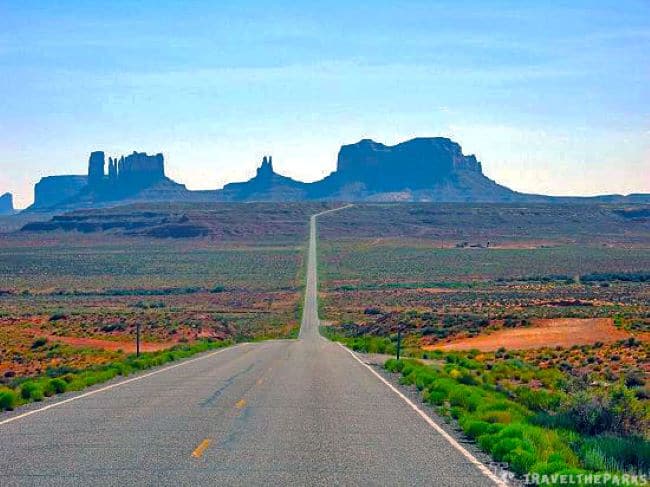
Forrest Gump Point: Yes, That Spot
So there’s this spot. People call it “Forrest Gump Point.” Not the real name, obviously. It’s just what stuck. You’ll find it along Highway 163. Around mile marker 13. Somewhere between Monument Valley and Mexican Hat.
You can pull off on either side of the road. Everyone wants that same photo. You know the one. Standing in the middle of the road. Monument Valley behind you. Just don’t get hit. Seriously. Watch for cars.
We got lucky. Road was pretty empty. So we hopped out, snapped the picture, and got back to the car.
A few locals had tables set up. Selling handmade Navajo jewelry. Right there on the roadside.
Oh, and there’s a sign. Just sitting in an open field. Kind of random. But yeah, it’s there.
Where to Stay on Your Visit to Monument Valley
One more thing about lodging: book it early. Like, way early. Places fill up stupid fast during peak season. And don’t just assume everywhere has Wi-Fi or food or tours. Some spots are pretty barebones. Call ahead or check carefully—otherwise you might show up with nothing but a bag of chips and a dead phone.

The View Hotel (worth the hype?)
The Monument Valley View Hotel is Navajo-owned and sits right inside the Tribal Park. I booked a year in advance. Not kidding.
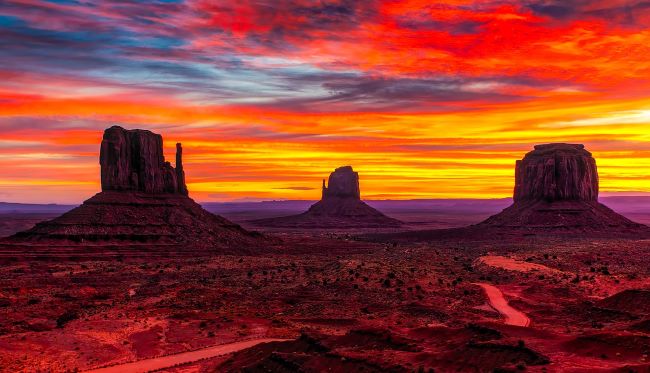
Every room faces the Mitten Buttes directly from your window. Three floors, all overlooking those famous monuments and beyond. Is it pricey? Yep. Was it worth it for sunrises and sunsets from our own deck? Absolutely. If you’re spending a day in Monument Valley, staying here makes it effortless.
Rooms have a Southwest native style, spotless, comfy beds, microwave, fridge. Big bathrooms with organic toiletries and huge towels. Bonus: Wi-Fi works here. Almost nowhere else has cell service. They’ve since added cabins too, if you want to feel farther from everything.
Watch a sunrise or sunset in Monument Valley
Best thing about staying at The View? The view. (Shocking, I know.)
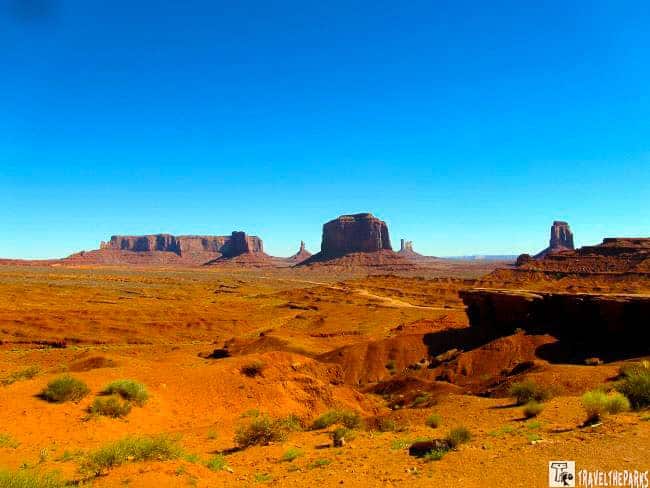
We started our day watching the sunrise over the valley. That golden hour light hits different out here. The way shadows move across the buttes and mesas? Pure magic. If you’re visiting Monument Valley and don’t catch at least one sunrise, you’re doing it wrong.
The View Hotel Gift Shop
Service was great. Staff actually seemed like they gave a damn about helping people. The lobby’s huge—really dramatic. There’s this central fireplace with kachinas all around it, and the thing runs from the first floor clear up to the second. Beautiful sculptures everywhere, woven rugs hanging on the walls.
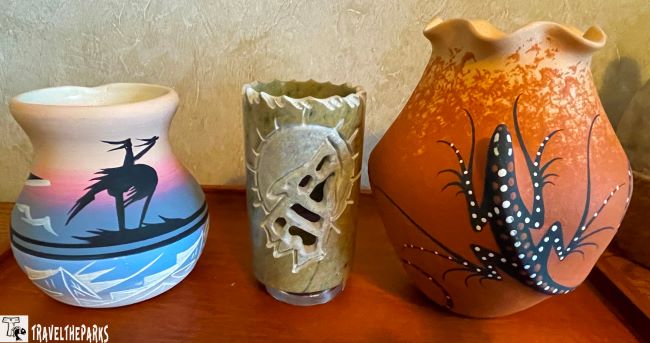
The gift shop? Real authentic stuff—pottery, jewelry, rugs, art. If you’re staying at the hotel, they give you a $20-off voucher. And most things were already half off. We ended up grabbing some jewelry and a kachina for my collection.

Watch The Unique Nightly Movie at the View
Every evening, they play old Westerns outside at the hotel—a lot of ’em were actually filmed right here. The night we stayed, they showed The Searchers with John Wayne. Just projected it right up against the hotel wall, like an old drive-in. We watched from our balcony with the whole valley spread out below us.
PRO TIP: Get there before dusk for sunset photos. And set an early alarm — sunrise is not optional out here.
Stargazing? Incredible. Almost zero light pollution. The Milky Way looks close enough to touch. Feels rare to see it like that anymore. Add that to your one-day itinerary in Monument Valley for sure.

The View Campground
If you want something a little more rustic, try camping at The View Campground. It’s actually inside the Tribal Park. You pay your entry fee, head up the hill—the campground’s on the left, past the visitor center and hotel.
The RV and trailer spots are spacious, level, and kept up pretty well. Easy pull-through access. No hookups though, fair warning. But the sites are long enough that you can stay hitched up. Tent campers? You get the best views — perched right along the hillside facing those Mittens. Solid budget move if you’re only spending a day in Monument Valley and don’t feel like dropping serious cash on the hotel.

Goulding’s: A little history
Harry Goulding and his wife Leone — everybody just called her “Mike”—rolled into Monument Valley around the early 1920s. Harry was a sheep trader, wanted a change. They bought a piece of land, opened up a little trading post, and traded with the local Navajo people. Rugs, jewelry, pottery—stuff like that. In exchange for food and supplies.
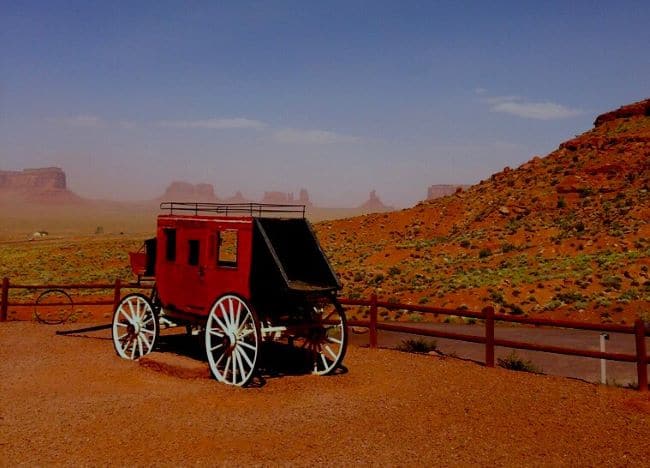
Then the Great Depression hit, and the Navajo Reservation was hurting. Bad. Harry heard some movie company was scouting locations out in the Southwest. So with their last $60, he and Mike drove all the way to Hollywood and talked director John Ford into filming his 1939 classic Stagecoach right there in Monument Valley. It starred some young actor named John Wayne. Maybe you’ve heard of him.
And the rest? Yeah. History.
Goulding’s Lodge and Campground
Today, Goulding’s Lodge has 63 guest rooms with sweeping views of Eagle Mesa, Brigham’s Tomb, King on His Throne, and Stagecoach. Amenities include flat-screen TV with 200+ Dish channels, mini-fridge, iron, climate control, and a Keurig. Also a dining room, museum, gift shop, fitness room, indoor heated pool, outdoor sundeck, gas station, car wash, grocery store, and a fleet of jeeps with tour guides.
If you’re building a one-day itinerary in Monument Valley, Goulding’s is a great home base.

Goulding’s Museum
Worth the small fee. You’ll see artifacts, photos, and memorabilia from the early days—the Gouldings’ interactions with Navajo people, the Hollywood influence, and how Monument Valley became the backdrop for so many Westerns. We spent an hour browsing vintage John Wayne memorabilia, movie posters, and props. Good gift shop too.
Goulding’s Campground
Tucked into the red bluffs about five miles from the Monument Valley Tribal Park entrance. Quiet, scenic. Pull-through sites with full hookups, though spacing is a bit tight. A free shuttle runs to the restaurant and theater area, where they play nightly John Wayne movies. Fun touch.
Where to Dine in Mythical Monument Valley
Limited options, but you won’t starve. Any good Monument Valley travel guide will tell you the same.
The View Restaurant
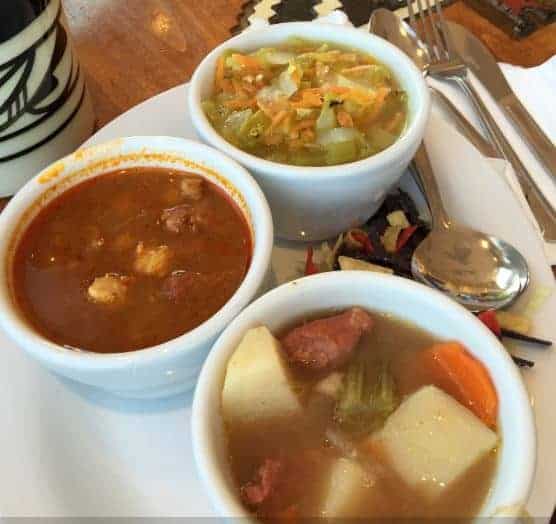
Delicious Navajo cuisine. We showed up early for dinner without a reservation and got seated immediately—though we had one anyway. Our table was by the wall of windows. Expansive valley views.
The menu blends Le Cordon Bleu training with Navajo cooking traditions learned at grandmothers’ wood stoves. Our server was super helpful. We started with a sampler plate: green chili stew, sheep camp mutton stew, red chile pork posole, and Navajo fry bread. The fry bread with honey and powdered sugar? Ridiculously good.
The green chili stew was excellent—more like a flavorful soup, honestly. Healthy and delicious. The mutton stew reminded me of my grandma’s cooking. Simple comfort food.
We also shared a Navajo taco (perfect for two). The sampler plate came with four mini tacos on small fry bread, topped with fresh veggies and mild green chili.
Heads-up: The Navajo Nation is a dry nation. No beer or wine.
Breakfast buffet at The View? Very good. We’ve had buffets at other national parks that were expensive and served burned bacon. Not here. Eggs, potatoes, biscuits and gravy, bacon, sausage, pancakes, fruit, muffins, yogurt, cereal, juice. We asked to take yogurt for the road, and the server said yes without hesitation.
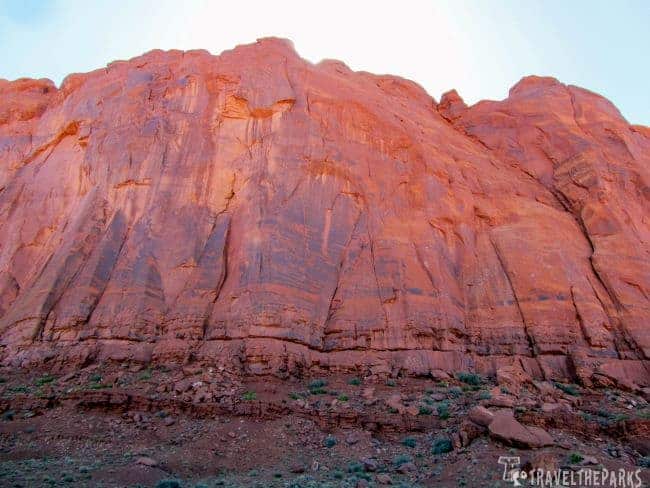
Things to do in Monument Valley: The Tribal Park Loop
Entry fee is $5. You can self-drive the 17-mile tribal road as a loop. One-way road, multiple viewpoints where you can stop, take photos, and stare at rocks.
But. I’d recommend a heavy-duty vehicle. Preferably 4-wheel drive. The road is unimproved, washboard surface, and dusty as heck in dry season. Cost is $20 per vehicle.
Or better yet? Take a guided tour with a Navajo guide. You’ll get deeper history, culture, and geology. Some landmarks are only accessible with a guide. Trust me — the best things to do in Monument Valley usually involve a local.
One-day itinerary in Monument Valley: Tour with Navajo Spirit Tours
Absolute highlight of our whole time in Monument Valley. No question. If you’ve only got one day here? Book this.
We did a private jeep tour with Navajo Spirit Tours. Our guide’s name was Larson Homer. And man — the day was something special. Not just because of the scenery, which is incredible. But because Larson wove Navajo culture and history into every single stop along the way.

Tour ran about two and a half, three hours. They take you on Valley View Road — that 17-mile loop with all the mesas, buttes, towers. But the silence out there? I’ll never forget that.
Bring water. A refillable bottle. Summer heat will wreck you if you don’t hydrate.
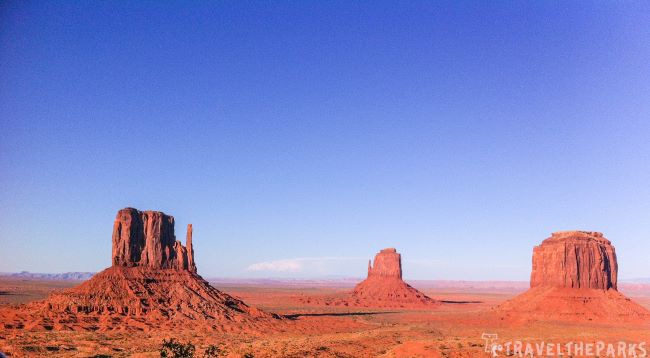
Stop #1: East and West Mitten Buttes
Look like hands with thumbs facing each other. These are the most recognizable features in Monument Valley. And they’re way bigger in person than any photo suggests. East Mitten stands 6,226 feet. West Mitten is 6,176 feet.
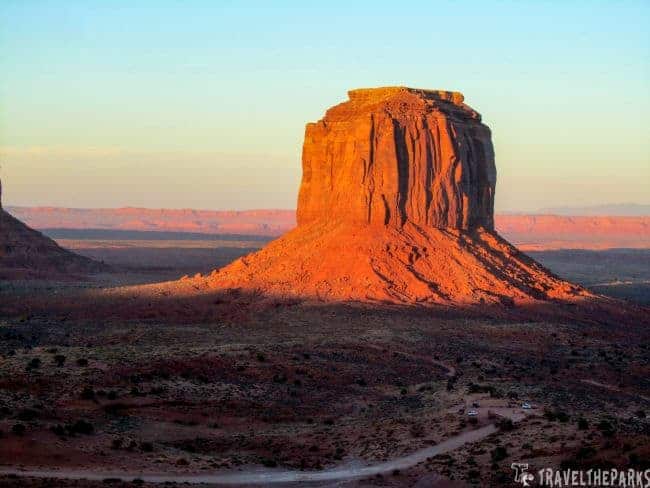
Stop #2: Merrick Butte and Mitchell Mesa
Legend says back in 1879, two men were warned to stay out of the area where Chief Hoskininni had a rich silver mine. They didn’t listen. Mitchell got killed at their campfire. Merrick made it three more miles before he died. They never found the mine.
Stop #3: Elephant Butte
That elephant rock thing? Yeah, it really does look like one. Big trunk and all. Over a thousand feet tall. Guide said late afternoon’s the time to shoot it. The whole thing’s just this deep red sandstone shape sitting out there.

Stop #4: The Three Sisters
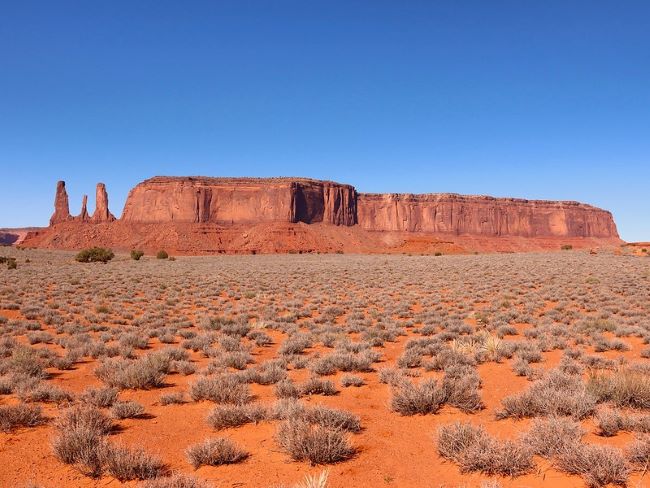
Three spires standing side by side, rising over 1,000 feet. Some say they look like a Mother Superior, a Sister, and a tiny novice with a veil. Navajo tradition tells of a mother walking with her daughter, guided by an uncle with a cane.
Stop #5: John Ford’s Point
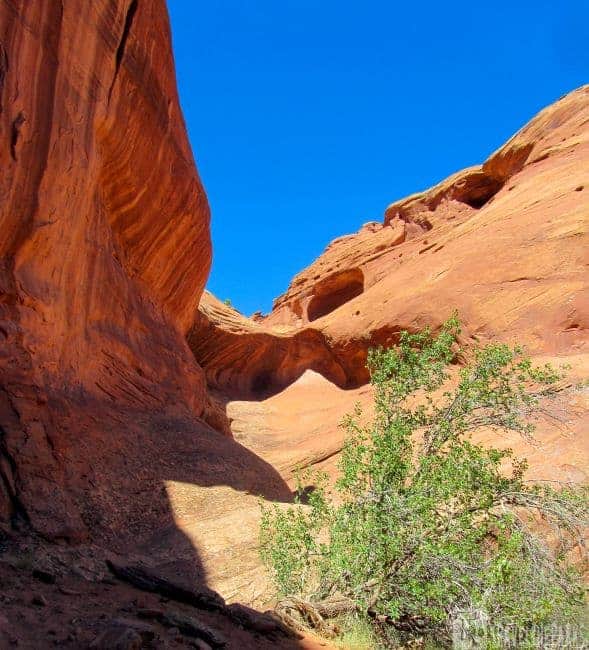
There’s this legend—when John Wayne first laid eyes on Monument Valley, he said something like, “So this is where God put the West.” Or that’s what they tell you anyway.
They filmed Stagecoach here. The Searchers. A bunch of those old Westerns. More recently? That Johnny Depp Lone Ranger movie. The one nobody really remembers.
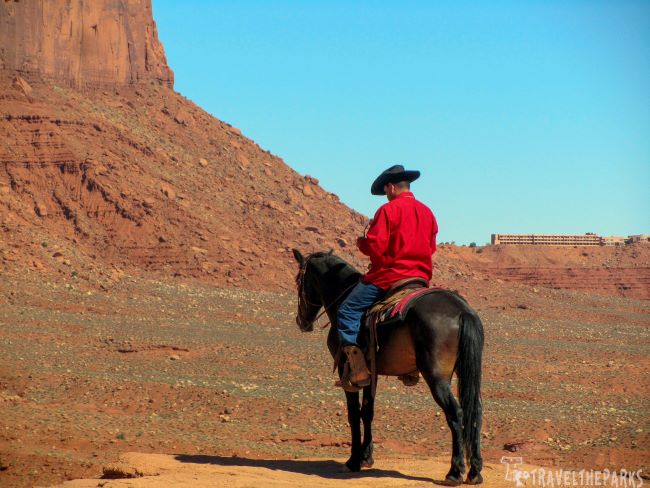
You’ll probably see a Navajo guy on horseback out there. Red shirt. Posing for pictures. And vendors selling stuff—jewelry, pottery, weavings, little paintings. Real stuff, not cheap imports. Buying from them actually helps local people, so.

Stop #6: Camel Butte
Did I see a camel? Eh. But that’s what they say it looks like. Hump-like formation, elongated neck. It’s at the highest elevation point on the Valley Loop Road, in front of Rain Mesa.
Don’t forget water. Snacks too. Sunglasses. Sunscreen. And don’t be a jerk about their rules or customs. It’s their land.

Stop #7: Rain Mesa and Thunderbird Mesa
We stopped so everyone could stretch and take photos. Rain Mesa is smooth and flowing, elegant and serene. Thunderbird Mesa is sharp edges and towering heights, grand and powerful.
Also here: Pancake Rocks and the Sleeping Dragon. Larson helped us see the dragon’s nose on the far left, then the head, narrowing through the neck, rising to the body.
PRO TIP: The rest of the geological formations in the Tribal Park? Only visible on guided tours. Another reason a guided tour is one of the best things to do in Monument Valley.
Stop #8: Eye of the Sun
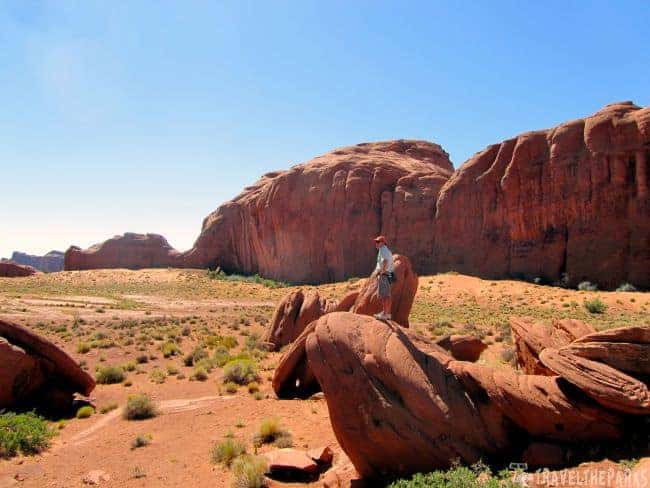
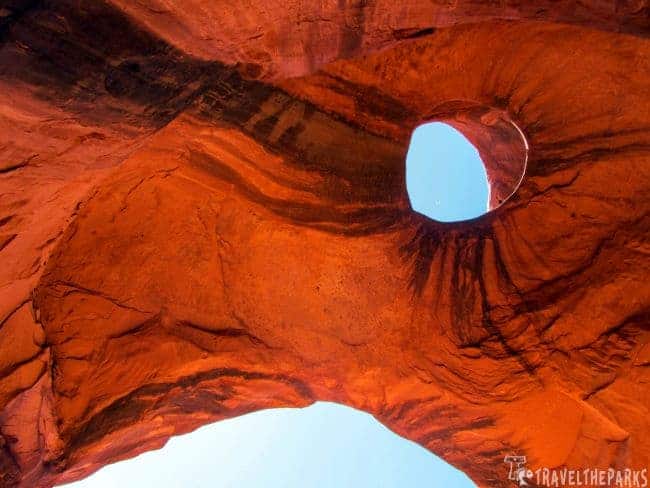
We weren’t ready for this. A cave-like arch carved from DeChelly sandstone that looks like a giant eye gazing over the desert. Holds deep spiritual meaning in Navajo culture — the watchful eye of a higher power.

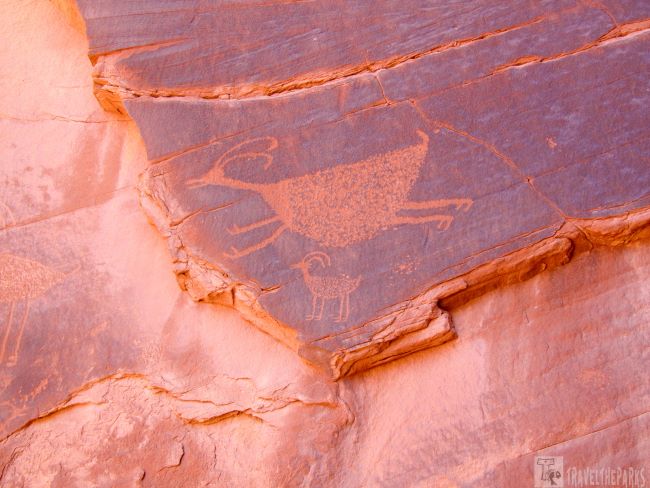
Below it, you’ll find 700-year-old images of bighorn sheep in a niche. Larson has hiked these valleys since childhood. He knew every inch. We squeezed through cavern walls, climbed over sandstone, sat in a cave Natives used over 4,000 years ago.
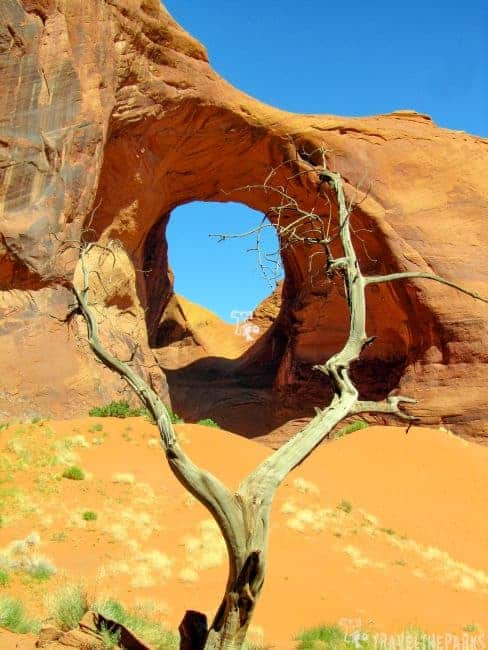
Stop #9: Ear of the Wind
You gotta hear this place. Seriously. Words don’t really do it.
Wind sneaks through these tiny gaps in the rock. Makes all these sounds. Whispers. Murmurs. Kind of eerie but beautiful too.
There’s a dead tree right by the arch. Sounds weird but it works. The red sandstone behind it? Gorgeous.
Honestly, without the stories? It’s just red rock. But the Navajo stories? They make it something else entirely.
Stop #10: Authentic Navajo Hogan
“Hooghan” literally means “place home.” The traditional Navajo home. No electricity or running water. Just shelter from wind, summer heat, and winter cold.
Two types: Female Hogan has nine support poles (representing nine months of pregnancy) with a rounded dome roof. Male Hogan has four support poles (the four compass points) and a more conical shape. There’s a Sweat Lodge next to both, used for ceremonies and meditation.
Stop #11: Big Hogan Flute Experience
We approached the last leg of our journey at Big Hogan—a natural arch carved in DeChelly sandstone. The acoustics here are incredible.
Larson plays the Native American flute beautifully. Self-taught. He played a healing ceremony for us inside Big Hogan. The sound echoed off the sacred walls. Total experience was renewing. Left us with a deeper sense of harmony and connection to the land.

Stop #12: The Yei Bi Chei
So this thing’s called Totem Pole. It’s 450 feet of sandstone. Looks like a real totem pole—except those are carved from wood by clans up in the Northeast. This one? Wind and water. No carving involved.
And Yei Bi Chei? That’s Navajo. Supernatural beings. Kind of like go-betweens—humans and spirits. Healing stuff. Protection. Ceremonies. That’s the short version anyway.

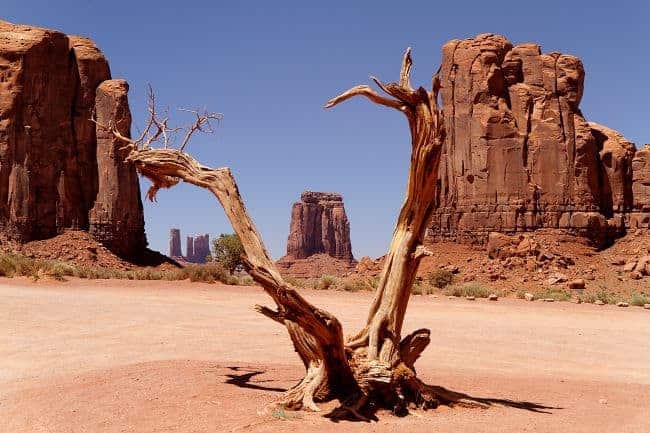
Stop #13: North Window
A natural rock formation that looks like a colossal window. Through it, you get unrivaled views of Elephant Butte. To the right stands Cly Butte, named after a Navajo medicine man buried at its base. Nearby, the Thumb rises as a free-standing spire (also looks like a cowboy boot).
Stop #14: Stagecoach, Bear and Rabbit, and Castle Rock
Three formations at the center of Monument Valley. Stagecoach looks like an old-fashioned stagecoach from the Wild West. Bear and Rabbit is playful—exactly what it sounds like. Castle Rock stands tall and proud, like a majestic castle rising from the desert floor..

Monument Valley travel guide: Final thoughts on Navajo Spirit Tours
Larson Homer shared his childhood, spending time with his grandma in her mud hogan. Sacred stories, legends, ancestral wisdom passed down through generations. Hearing him play his flute in Big Hogan with those magical echoes? Inspirational.
Also, his skill navigating rocks and dunes was incredible. Made the whole experience unforgettable.
Navajo Spirit Tours is worth every penny. Avoid the random guides hanging out in the Visitor Center parking lot. Book Navajo Spirit Tours well in advance. If you’re serious about spending a day in Monument Valley the right way, this is non-negotiable.
Final thoughts on spending a magical day in Monument Valley
So here’s the thing—spending a day in Monument Valley? It’s pretty incredible. You get that whole Southwest feel. The culture. The photos that’ll make everyone back home go “whoa.” And yeah, the memories just kind of stick with you.
Honestly? One of the most thought-provoking trips we’ve taken. And it’s easy to tack onto any western parks trip—close to Colorado, Utah, and New Mexico. Perfect for a Northern Arizona road trip too.
If you’re only doing one day? Here’s my advice. Book your tour ahead. Stay at The View if you can afford it. Wake up for sunrise. And whatever you do—don’t skip the fry bread.
So our time there ended, sadly. Not on purpose. Landslide on Hwy 89A screwed up our plans. Detour. Ended up driving about two and a half hours to the Cameron Hotel and Trading Post. Lucky they had a room.
Next stop was Grand Canyon. South Rim.
Anyway—you ever been to Monument Valley? What’d you think? Drop it below.


Eric Harris
This was your best blog yet. IMHO.
Please add Death Valley/Mount Whitney to your future plans (include movie road). I think the entire eastern side of the Sierra Nevada’s would be interesting for you.
wnorton
Thanks you are my #1 fan!!
Mickey Jay
Would be great if I could print out the text to take with me. However, with the pics it is 45 pages !!! Yikes. No can do.
Travel the Parks
There is a lot to see and do in Monument Valley. You can always send us a message on instagram or facebook and I can get just the text for you. It’s good to know it helped you to plan your trip. WE cannot wait to go back, maybe winter next time.