Our road trip to see the iconic national parks of the Midwest had an unexpected silver lining: it gifted us the opportunity to discover the quieter beauty of the region’s state parks. While many were memorable, Prophetstown State Park in Indiana stood out. Perhaps it was the urgency of our layover to swap out our failing “China Bomb” trailer tires that made its peaceful landscape feel like such a welcome sanctuary. Or perhaps it was the simple, timeless charm we found at the living history farm at Prophetstown State Park.
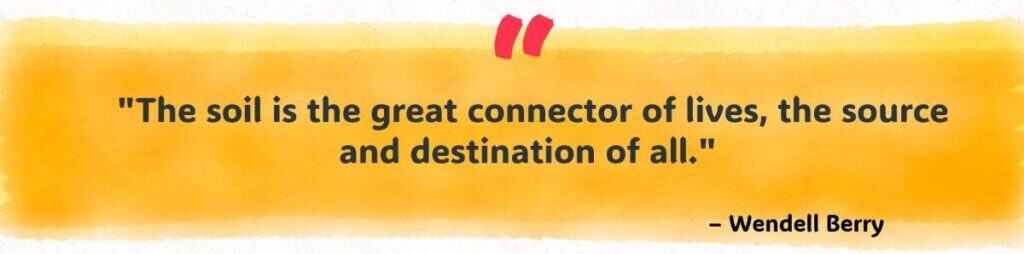
While the tire change is a story for another day, it’s our visit to The Farm at Prophetstown that stands out as the most memorable part of our stop.
This post may contain affiliate links, meaning if you purchase something through one of these links, we may earn a small commission at no extra cost to you! Read the full disclosure policy here.
Table of Contents
About the Farm at Prophetstown State Park
The Farm at Prophetstown is the crown jewel of living history within Prophetstown State Park. While the park itself is a haven for hiking, camping, and swimming, the farm offers a unique, immersive step back in time. This isn’t just a petting zoo; it’s a working museum where history feels alive. Visiting The Farm at Prophetstown felt like stepping back in time to a 1920s farmstead. It’s more than just a working farm—it’s a place where sustainable agriculture, homesteading, heirloom gardening, and farm-to-table cooking come to life.
This complete guide will cover everything you need to know to plan your visit, from the heritage breed animals you’ll meet to the practical tips that will make your family’s day seamless and unforgettable.
Know Before You Go: The Farm at Prophetstown State Park
- Hours: Open seasonally (spring through fall). Hours vary and may differ from general park hours. Always check the official website for the most current schedule before your visit.
- Entrance Fee: the Farm is FREE after paying the standard state park entrance fee: $7 for Indiana-registered vehicles, $9 for out-of-state vehicles.
- Dogs: For the safety of both farm animals and your pets, dogs are not allowed in the farm area—service animals are welcome.
- Best Time to Visit: Weekends typically offer more scheduled living history demonstrations. Visiting on a weekday or in the morning gives you the best opportunity to enjoy a quiet, uncrowded experience.
- Time Commitment: Plan for a minimum of 1.5 to 2 hours to fully enjoy the farm.
- PRO Tips: Wear sturdy, closed-toe shoes—you’re on an actual farm with uneven terrain. Bring hats, sunglasses, sunscreen and water. Most of the park has very little shade.
- Check the demo schedule upon arrival to not miss blacksmithing, milking, or chore times.
Prophetstown State Park Nature Center
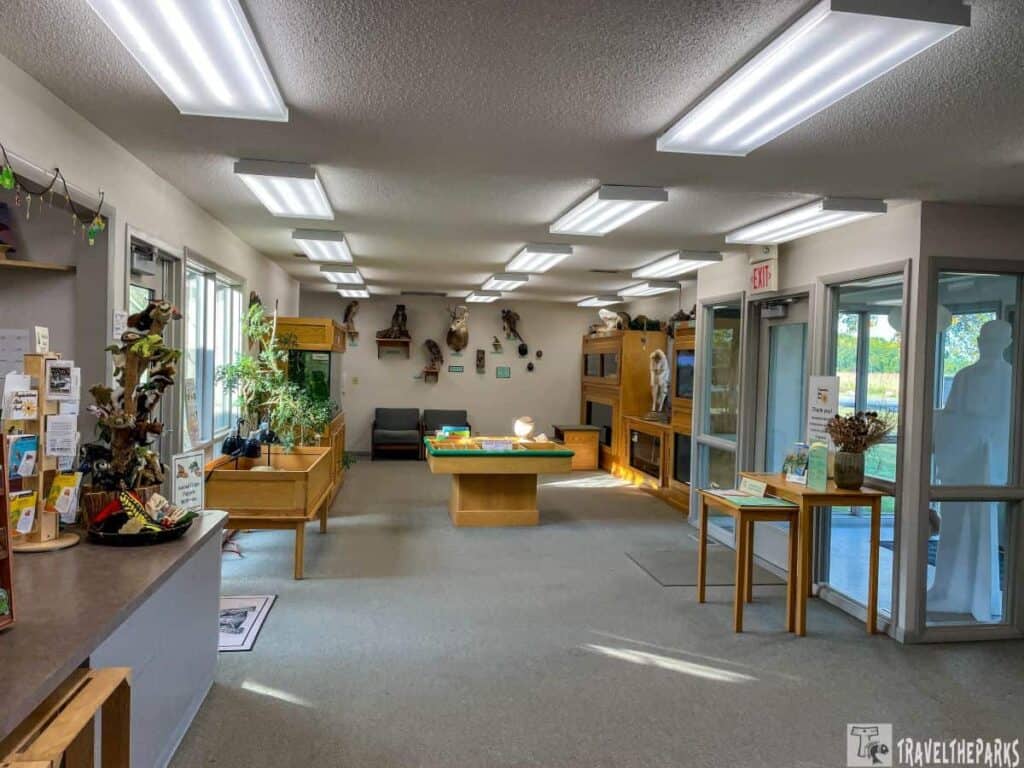
We camped at the park, so I started the next morning with a stop at the visitor center. While Barry went to buy new tires and have them mounted on the rims, I decided to take the opportunity to explore the farm. After going through the exhibits and animal displays, I asked which trail I should take to get to the farm. It was a beautiful morning for an excursion. I walked through the meadow toward The Farm at Prophetstown. I took a quick self-guided tour of the Woodland Indigenous Village—it was a brief but interesting glimpse into the lives and culture of the area’s early inhabitants.
Trail Through the Tallgrass Prairie
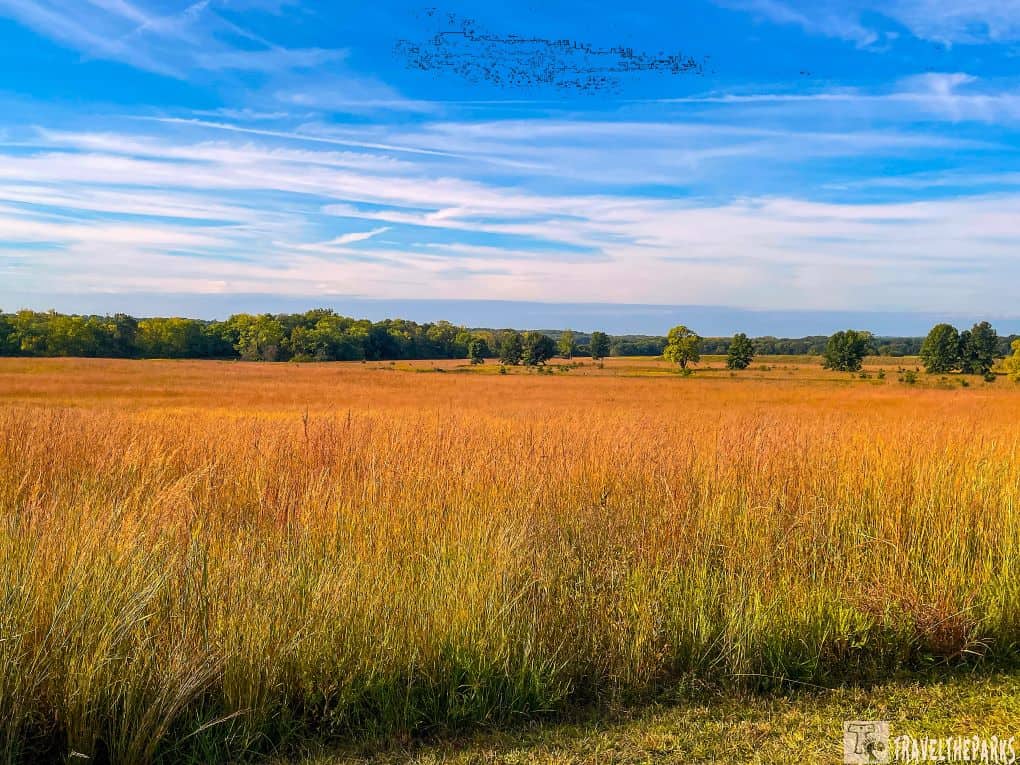
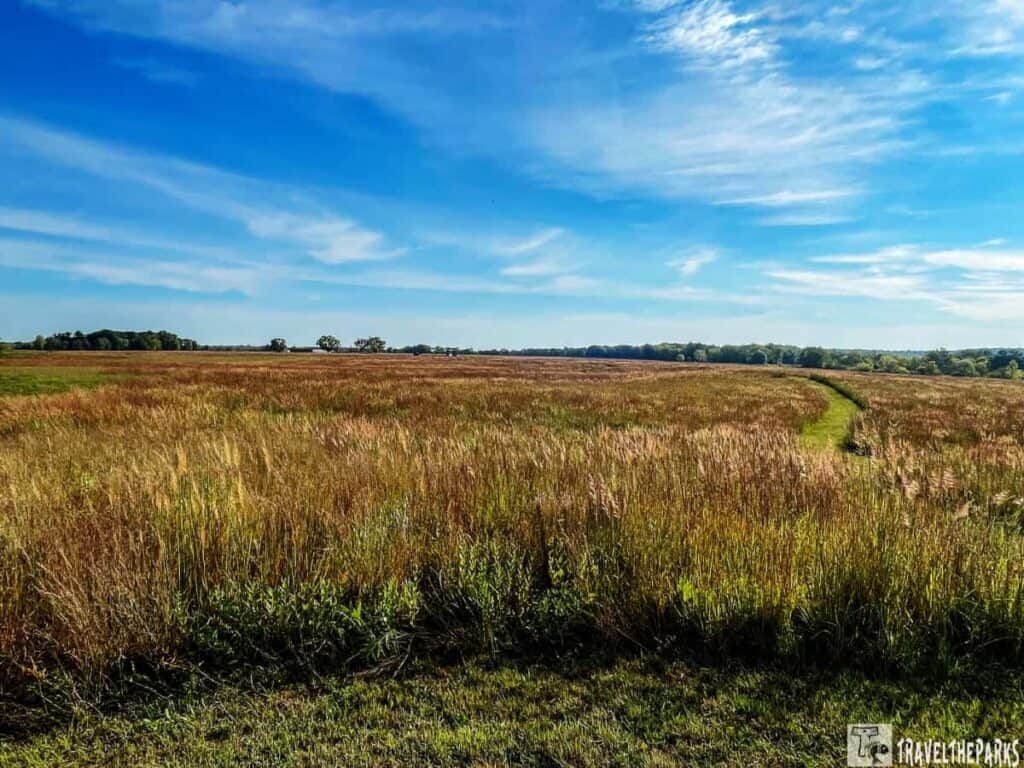
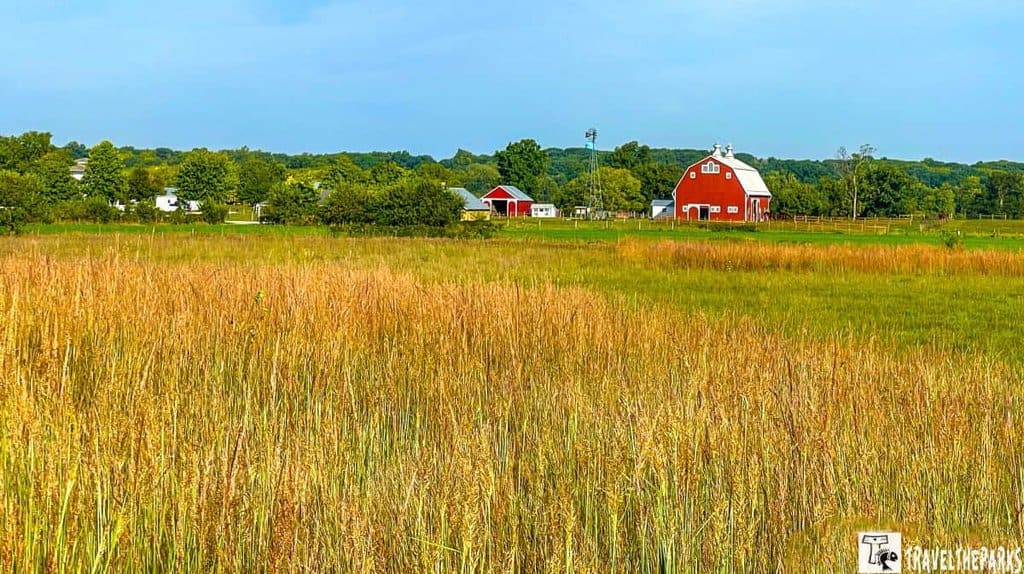
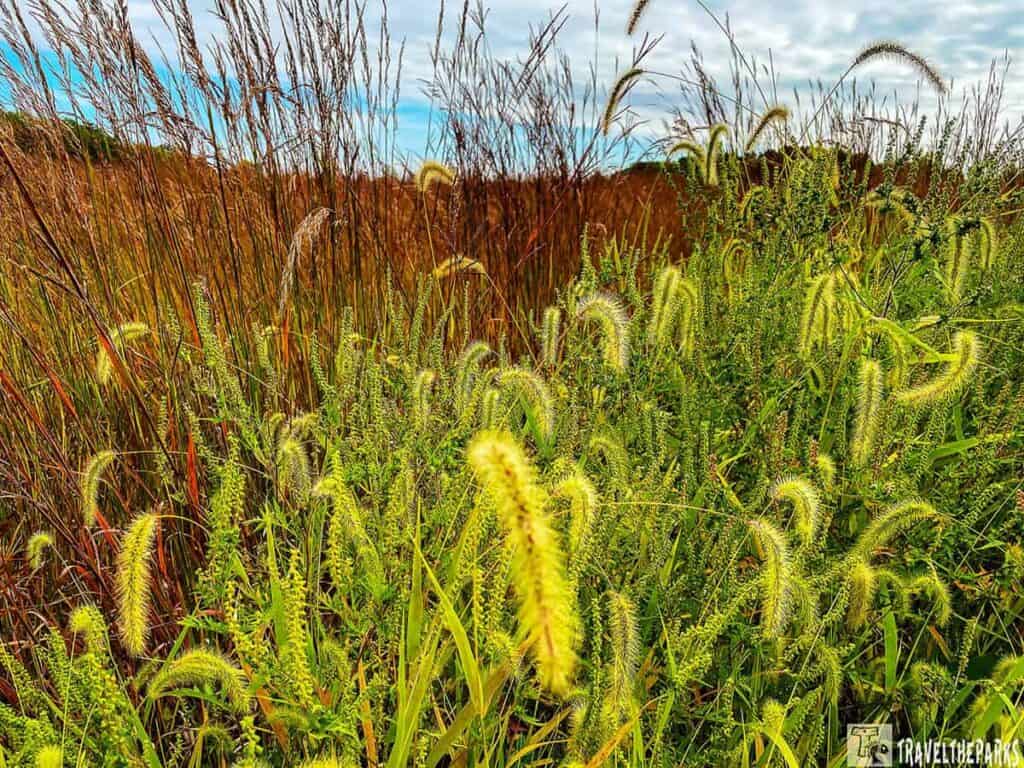
The trail to the farm took me through 0.75-mile of tall prairie grass, swaying gently in the breeze like waves across a golden sea. A wide grass path cut through the field, guiding me forward. I was amazed at the dozens of butterflies flitting overhead and grasshoppers leaping at my feet. This morning, the air is warm with the earthy scent of late summer. If you listen the only sounds were the rustling grasses and the occasional call of a meadowlark. It felt peaceful—almost timeless—far removed from highways and my to-do lists. With every step, the modern world slipped further away. I wouldn’t have been surprised by a bison’s appearance, but there aren’t any. At one point I thought I had actually gotten lost; then the silhouette of the farm slowly came into view on the horizon.
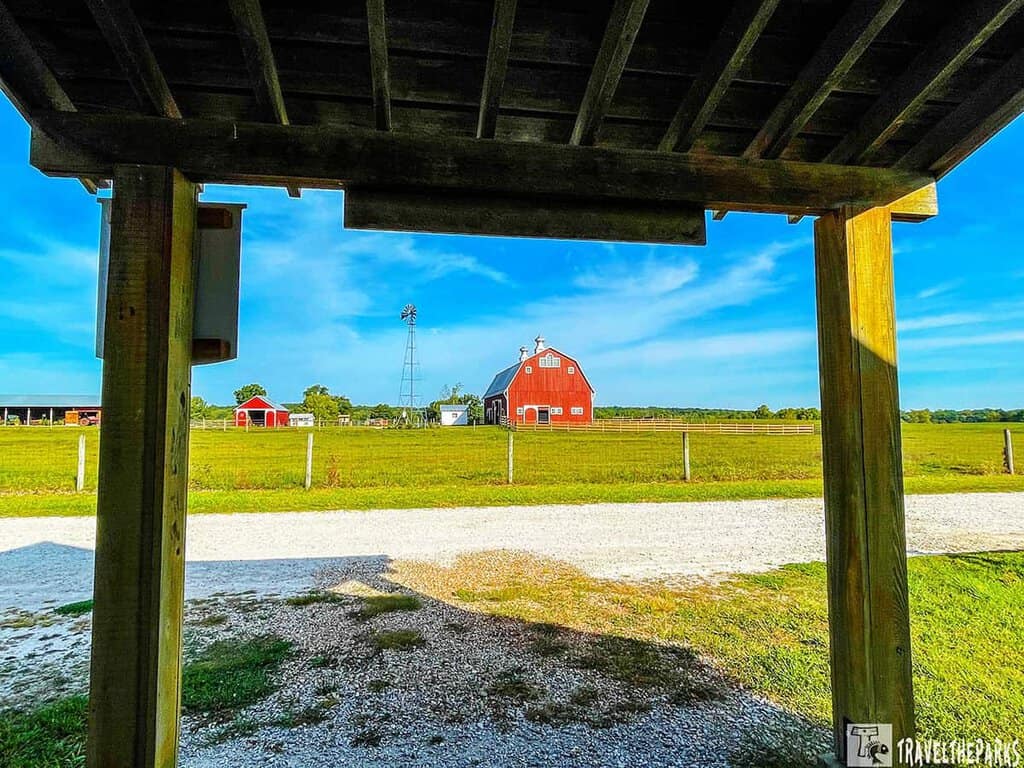
Entering the orientation pavilion, the sweet, earthy scent of fresh hay was the first thing that greeted me. Then comes the soundtrack—somewhere in the distance, a rooster lets out a proud crow, followed by the gentle, lazy moo of a cow who clearly has no complaints about farm life. As I stepped onto the gravel pathway, the modern world fell back, and in its stead came the simple, vigorous rhythm of life on an Indiana farm during the 1920s.
Don’t Miss the Orientation Kiosk: Your Historical Roadmap
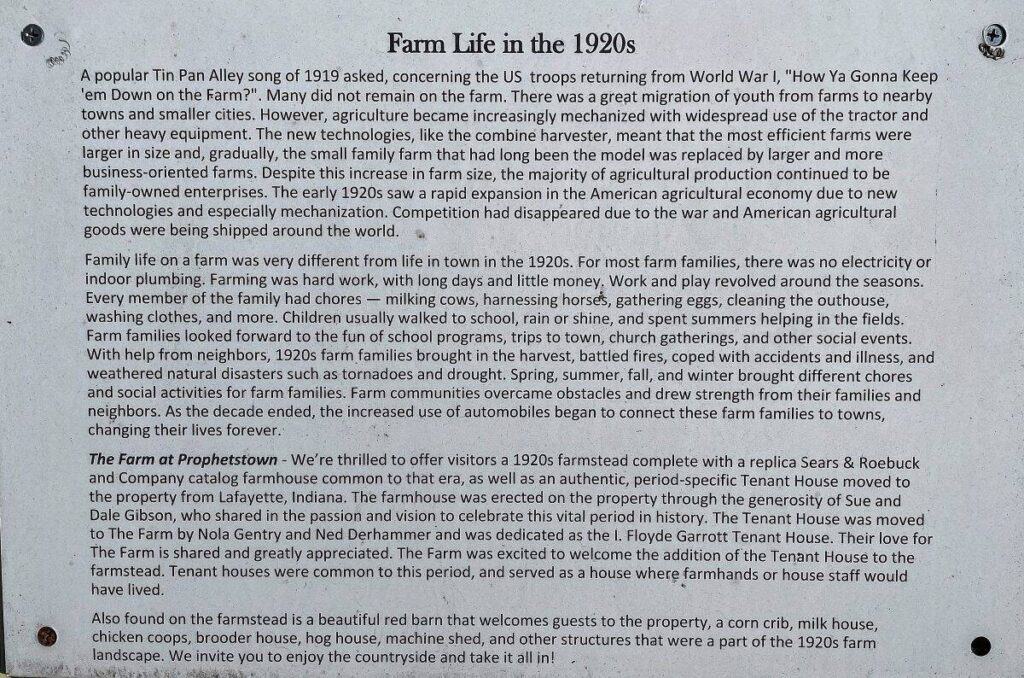
Before rushing off to see the animals, I took a few moments at the beautifully designed orientation kiosk near the farm’s entrance. This isn’t just a simple map; it’s a series of detailed informational boards that provide the essential context to make your visit truly meaningful.
Here, I gained a deeper insight into the 100-acre property’s mission. The kiosk elegantly connects the three core historical narratives of the area:
- The Woodland Indians: Learn about the indigenous people who first inhabited this land and their profound connection to the natural world.
- The Tallgrass Prairie: Understand the incredible ecosystem that once dominated Indiana and the efforts to restore it.
- The 1920s Farmstead: See how the farm fits into the larger story of American agricultural development.
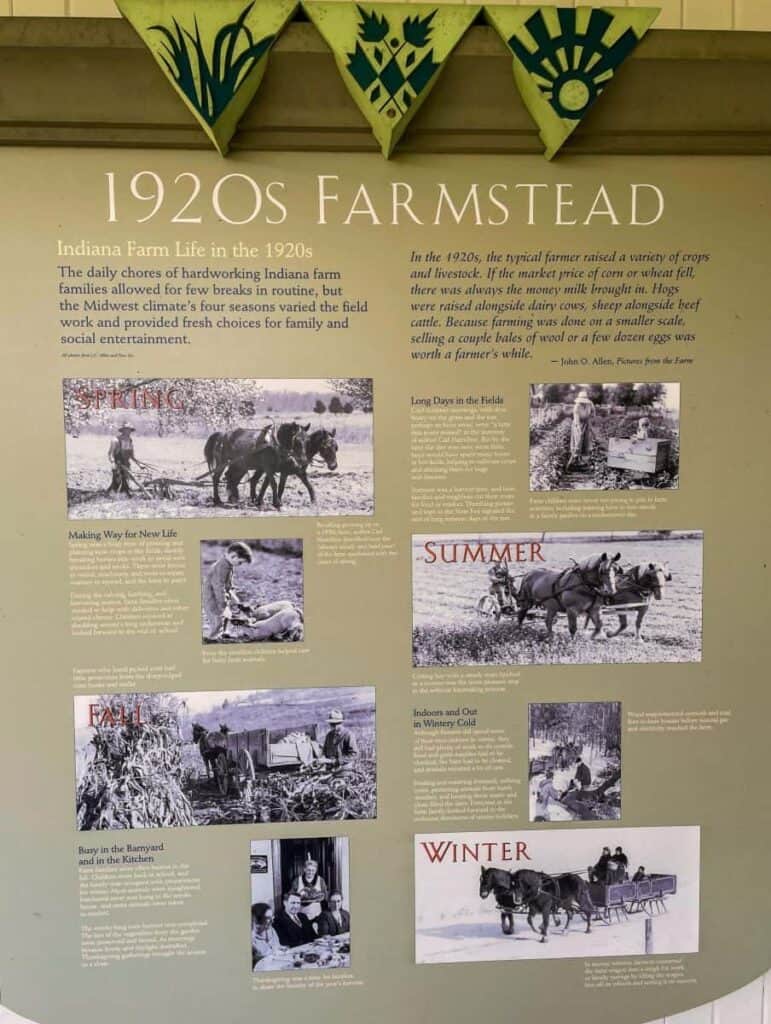
What makes these placards so engaging is their focus on seasonal change. They detail how each season—from the hopeful planting of spring to the harsh trials of winter—brought distinct challenges, hardships, and triumphs to each group. This perspective will completely change how you view the activities and demonstrations you’re about to see, adding a powerful layer of understanding and appreciation for the resilience of those who worked this land.
PRO Tip: Snap a photo of the boards with your phone. It serves as a perfect historical reference guide as you explore the farmstead and prairie trails.
From Barnyard to Garden: The Best of The Farm Experience
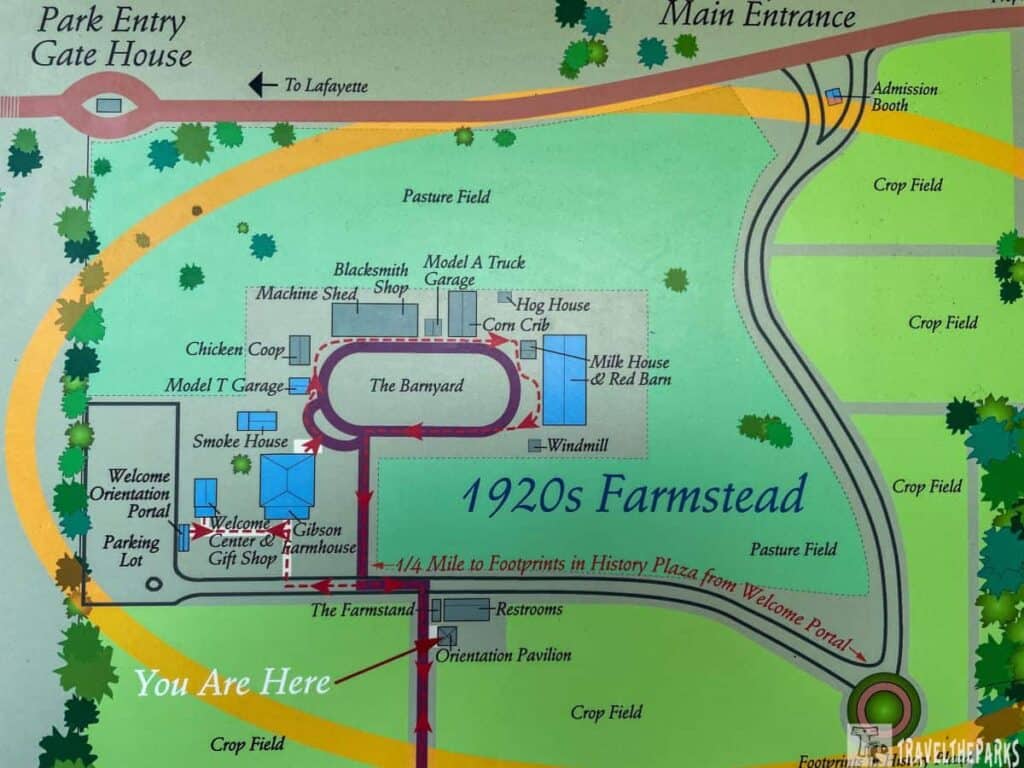
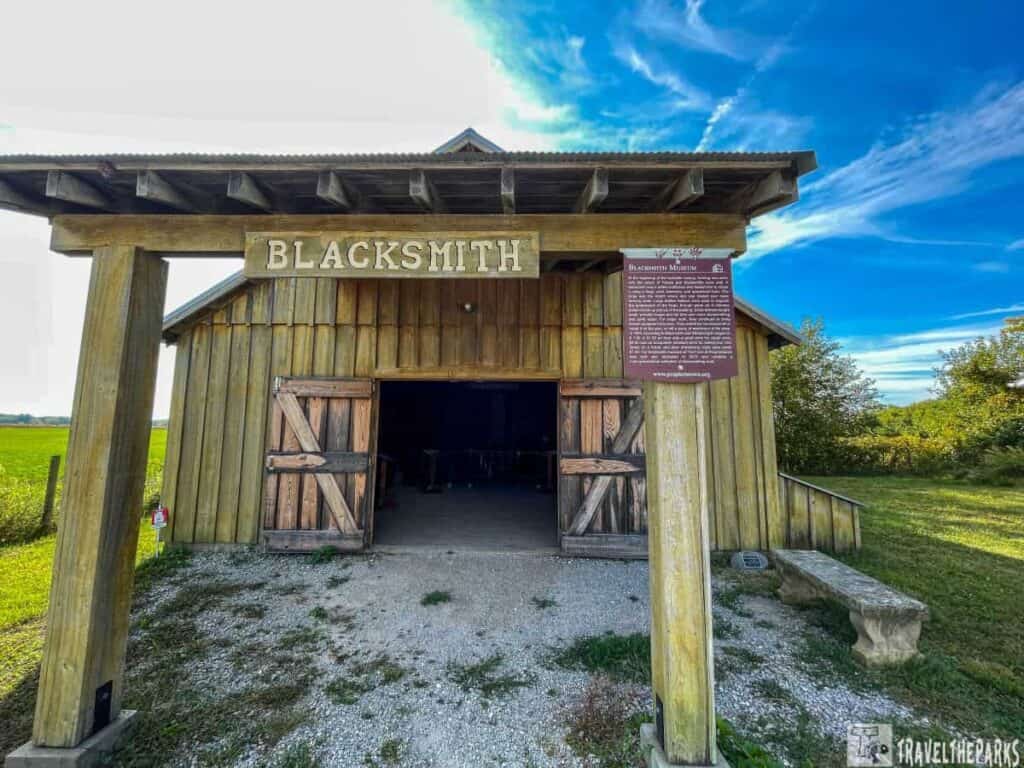
The tour of the farm is self-guided (click for a map of the farm). I began with a look at the Blacksmith Shop. Inside, I found this isn’t a static display. It’s a functioning forge where the ring of hammer on anvil echoes a craft that was essential to every 1920s farmstead. The shop’s tools and equipment are accurate to the 1920s era, which makes the demonstration a genuine piece of living history. I learned that the blacksmith was the farm’s central repair and hardware supplier. They created and fixed everything from simple nails and hooks to crucial tools like hoe blades, horseshoes, and structural hardware for wagons and buildings.
A Tour of the I. Floyd Garrott Tenant House: The 1920s “Amazon” Home
One of the most fascinating aspects of The Farm at Prophetstown is the I. Floyd Garrott Tenant House. This isn’t just any old farmhouse; it’s a brilliant example of early 20th-century innovation and a physical piece of American history that you can walk through. The inside tour reveals its unique origin story. It is a Sears Modern Home, a kit house ordered from the famous Sears, Roebuck and Co. catalog.
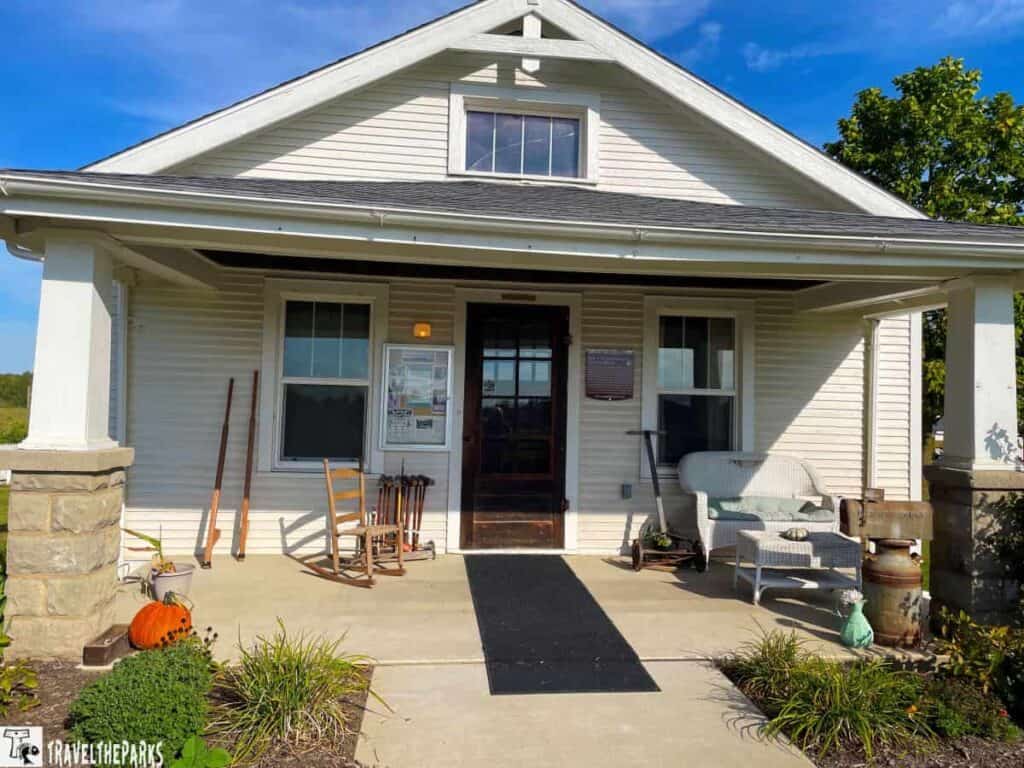
In the early 1900s, Sears sold over 450 different models of homes through its mail-order catalog. From 1908 to 1940, customers could literally order a house the way we now order furniture online. A Hampton-style home kit, including all materials, arrived via boxcar. Charles and May Stubel built this 900 sq ft home in 1921 for $1681.
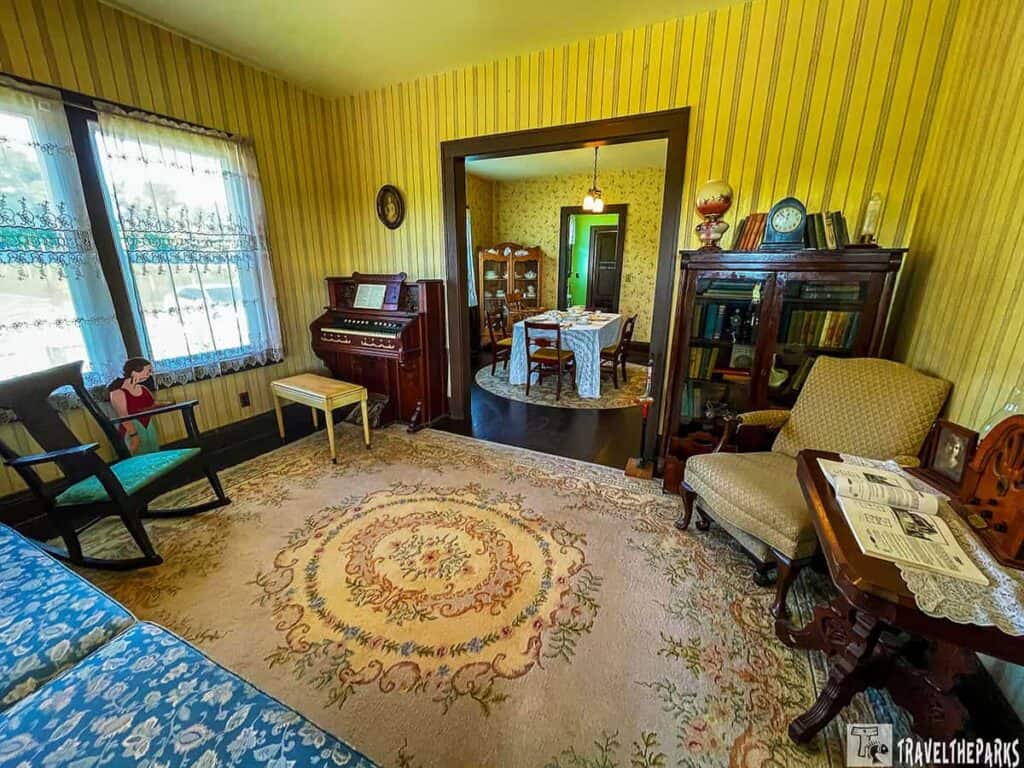
Stepping inside, I was struck by how complete and well-designed the house was. The catalog offered detailed floor plans. Look for the Sears catalog placed on a table—it’s a wonderful touch that ties the entire story together. Each of the kits included all the interior finishes, such as built-in cabinetry, staircases, and decorative moldings. These were not flimsy structures; they were affordable, durable, and modern homes that allowed many American families to achieve homeownership. The tour focused on tenant farmer who would have lived and worked the land for the property owner.
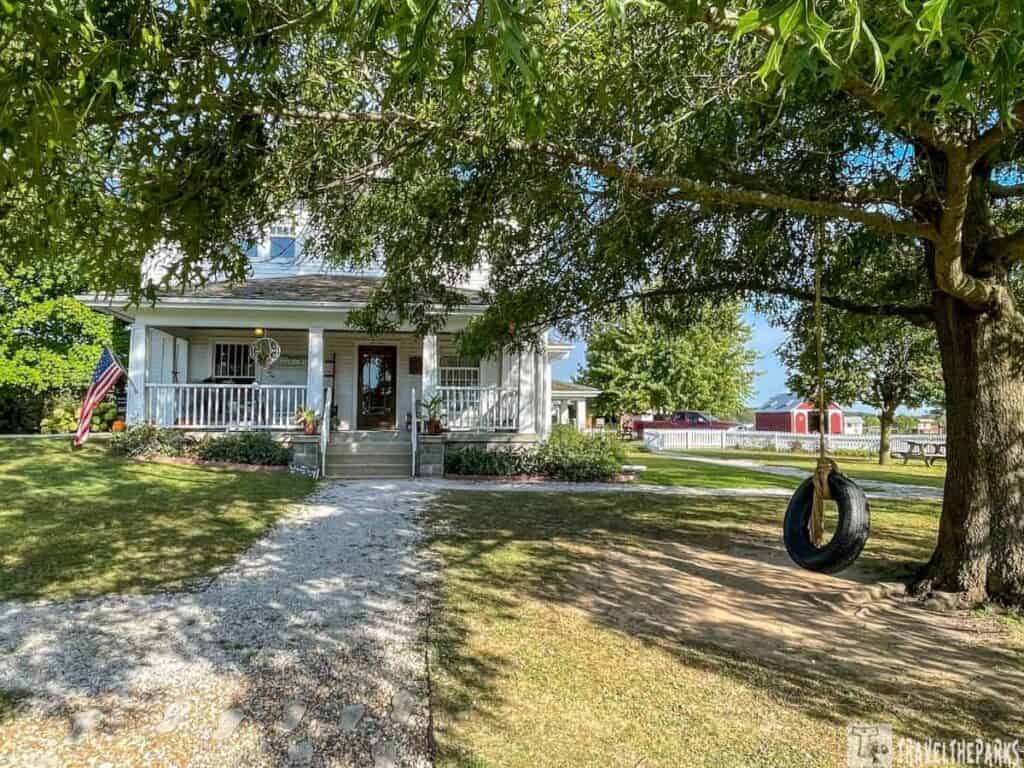
Gibson Farmhouse Tour
I found this home to be so welcoming; this is the heart of the experience. It made me think of the farms where I worked as a kid in the Dutch community. I listened to the costumed interpreters as they led us through the furnished replica Hillrose home. This living history museum encourages interaction. On today’s tour, they explained what daily life was like, the chores, and challenges of a 1920s farm family. You’ll see the kitchen, parlor, bedrooms, and learn about the technology of the time (e.g., iceboxes, wood-burning stoves).
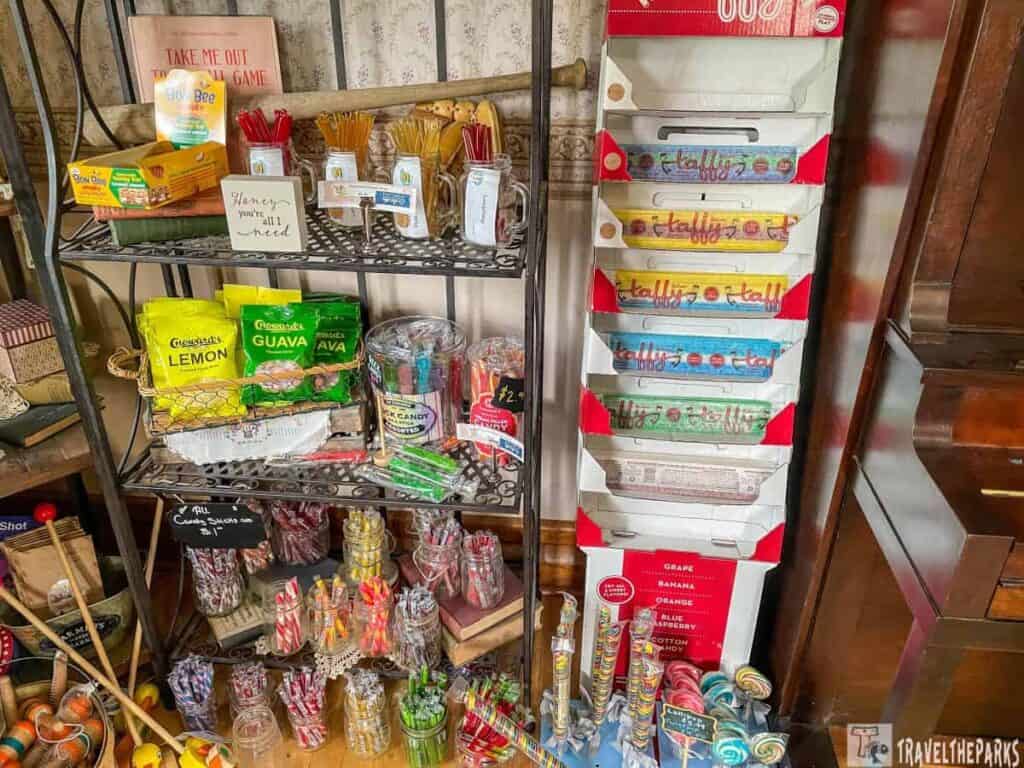
Prior to going out, I stopped at the small farmhouse store beside the entrance. It’s an excellent place to grab a souvenir as a reminder of your visit. They have an assortment of souvenirs, such as postcards, toys, and handmade crafts from local artisans.
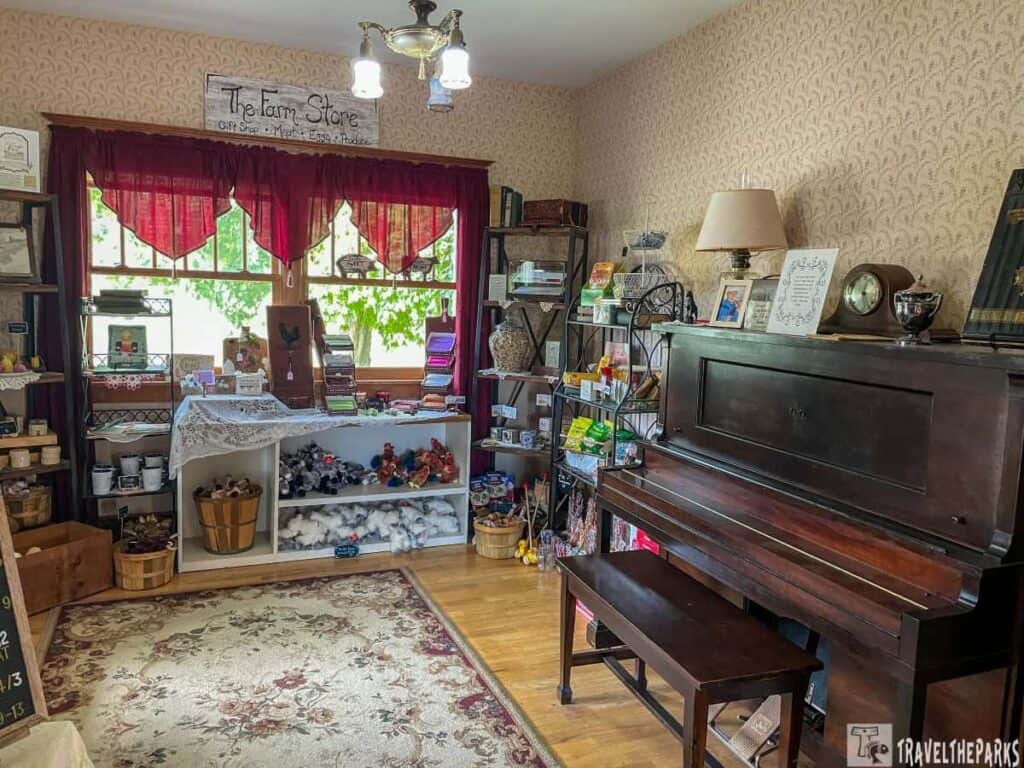
Seeing the variety of vintage candies in jars made me feel nostalgic. It’s a trip back to your childhood. I brought home a small bag of classic treats: caramel candies, taffy, candy sticks, and Necco Wafers.
Heirloom Gardens and Orchard
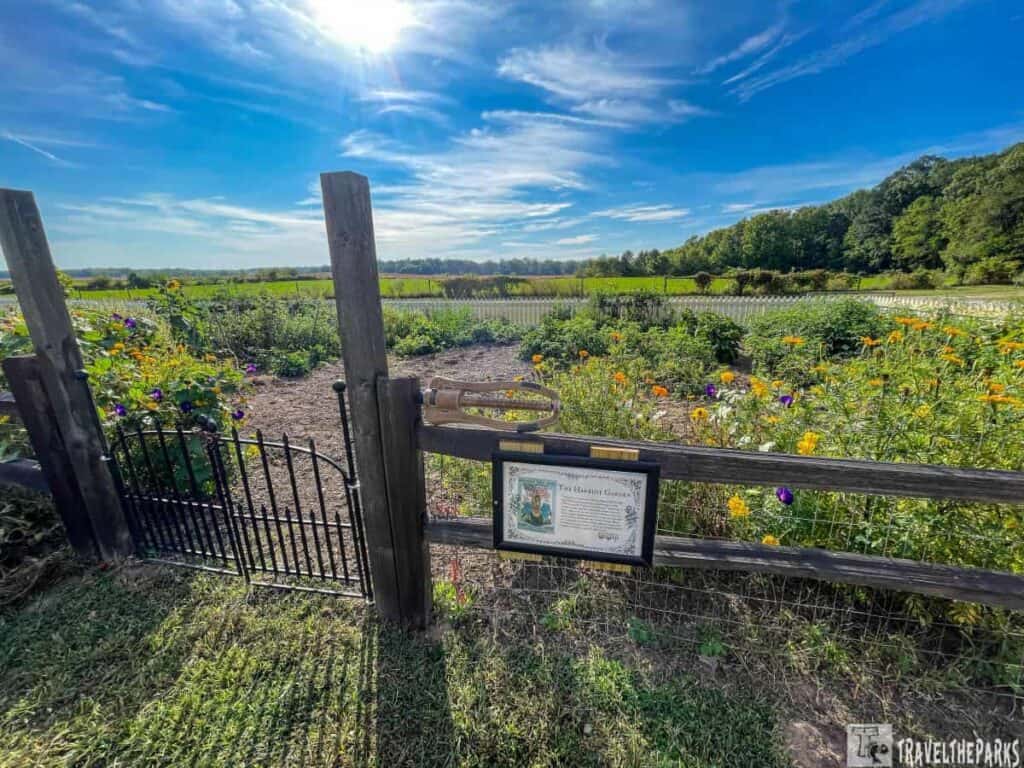
Leaving the Gibson house, I stepped onto the front porch. I wandered out back to one of the heirloom gardens. I observed two volunteers collecting herbs for the kitchen’s farm-to-table meals. This concentrates on sustainability through farm-to-table cooking. I chatted a bit with the two volunteers. They told that they produce a large variety of vegetables, herbs, and flowers from traditional heirloom seeds. Besides that, you can purchase boxed lunches, vegetables, and meat from here. I really would have liked to be part of the five-course dinners they provide each month.
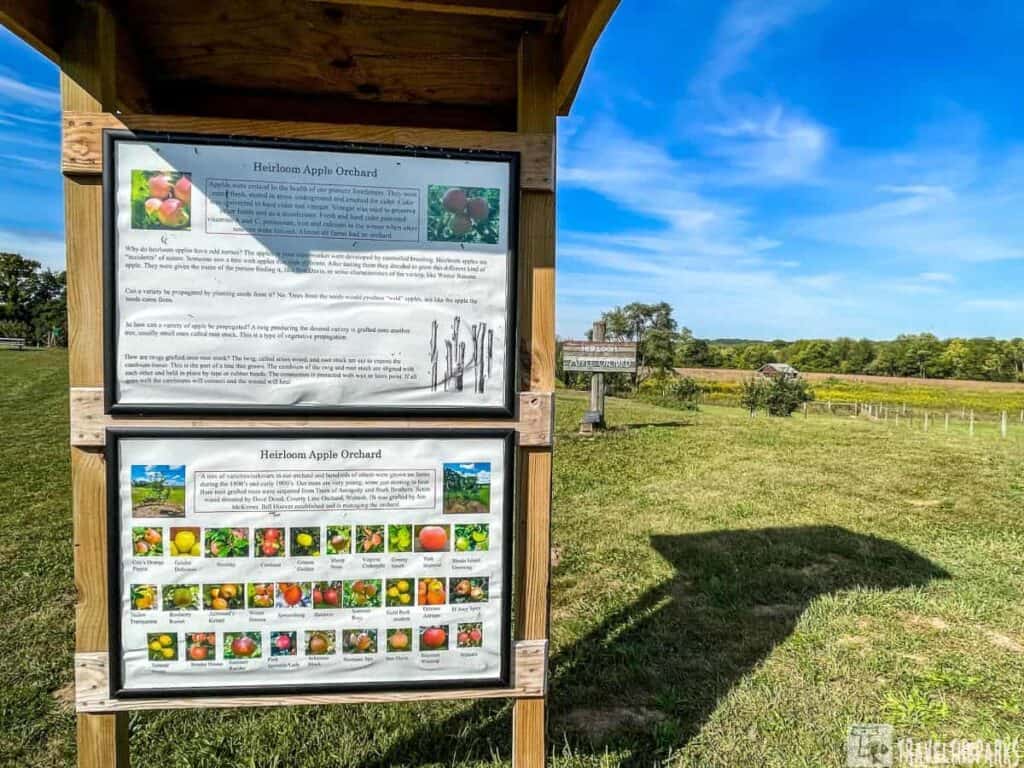
The farm has a small apple orchard filled with old-fashioned apple types that people used to grow for eating fresh and keeping through the winter. The volunteer farmers take care of the trees using techniques from the early 1900s and do not use modern pesticides.
Prophetstown Farm: Pastures and Heritage Breed Animals
The farm raises old-fashioned breeds of animals in the open pastures, using traditional farming methods from the 1920s. Local groups have rescued many of the animals and now have a forever home here.
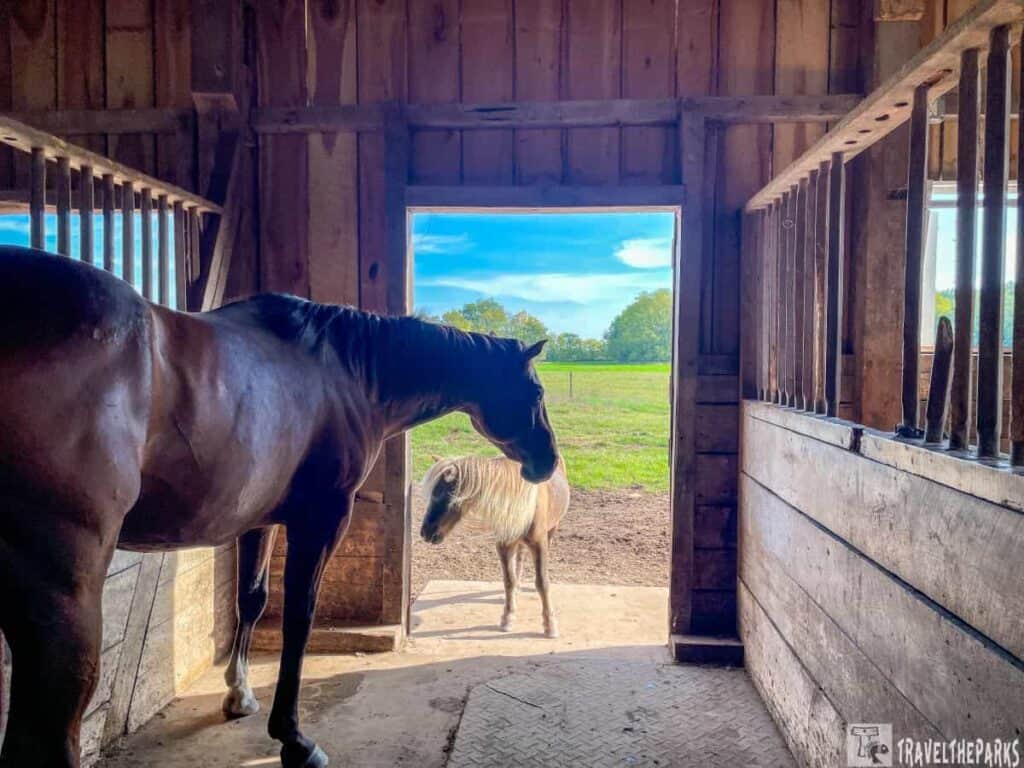
- Standardbred Horses: I meet Bob, Daisy, and Landon. Farmers used these gentle draft horses for plowing fields and pulling wagons. Today they roam the pasture free of performing any hard labor.
- The Mascots: Keep an eye out for Mr. Bojangles, the miniature horse, and JJ the donkey, who also share the horse pasture.
- Hereford Cattle: This powerful breed from England was perfect for family farms, for beef. I worked with Herefords when I was a kid. Though Herefords produce milk, they are primarily a beef breed and not efficient dairy producers.
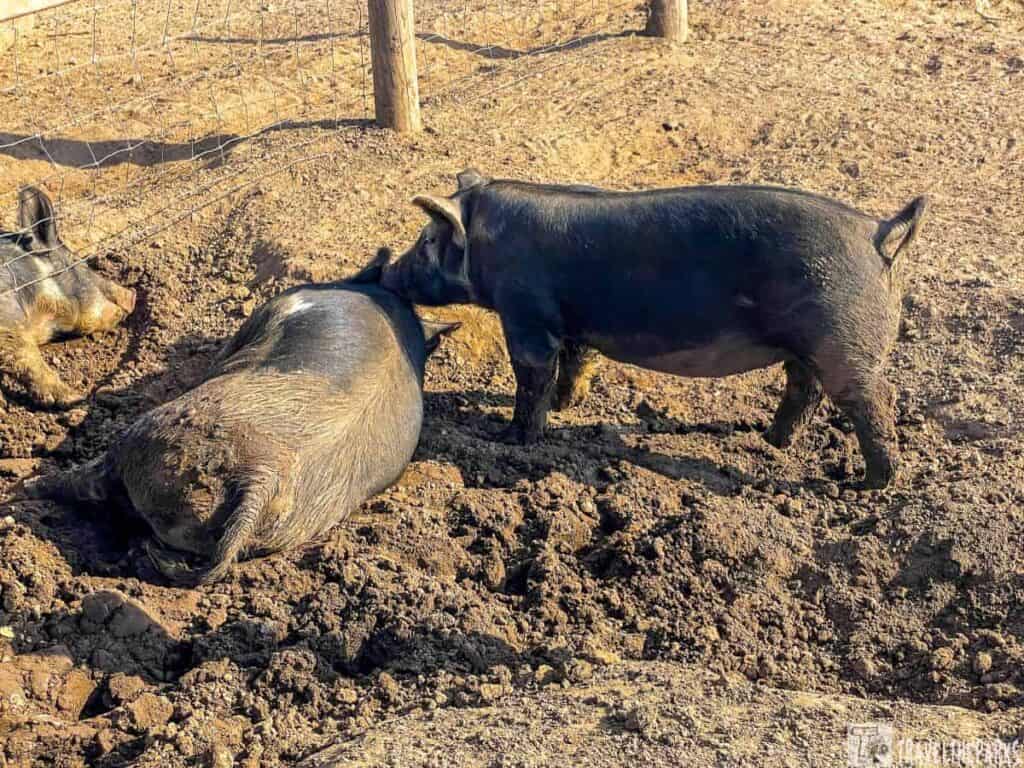
- Berkshire pigs: These pigs are well-known for their excellent foraging abilities and often relax in muddy areas. Today, I saw them playing in the mud, and it made me laugh. They reminded me of the pigs I saw at Oconaluftee in the Smoky Mountains.
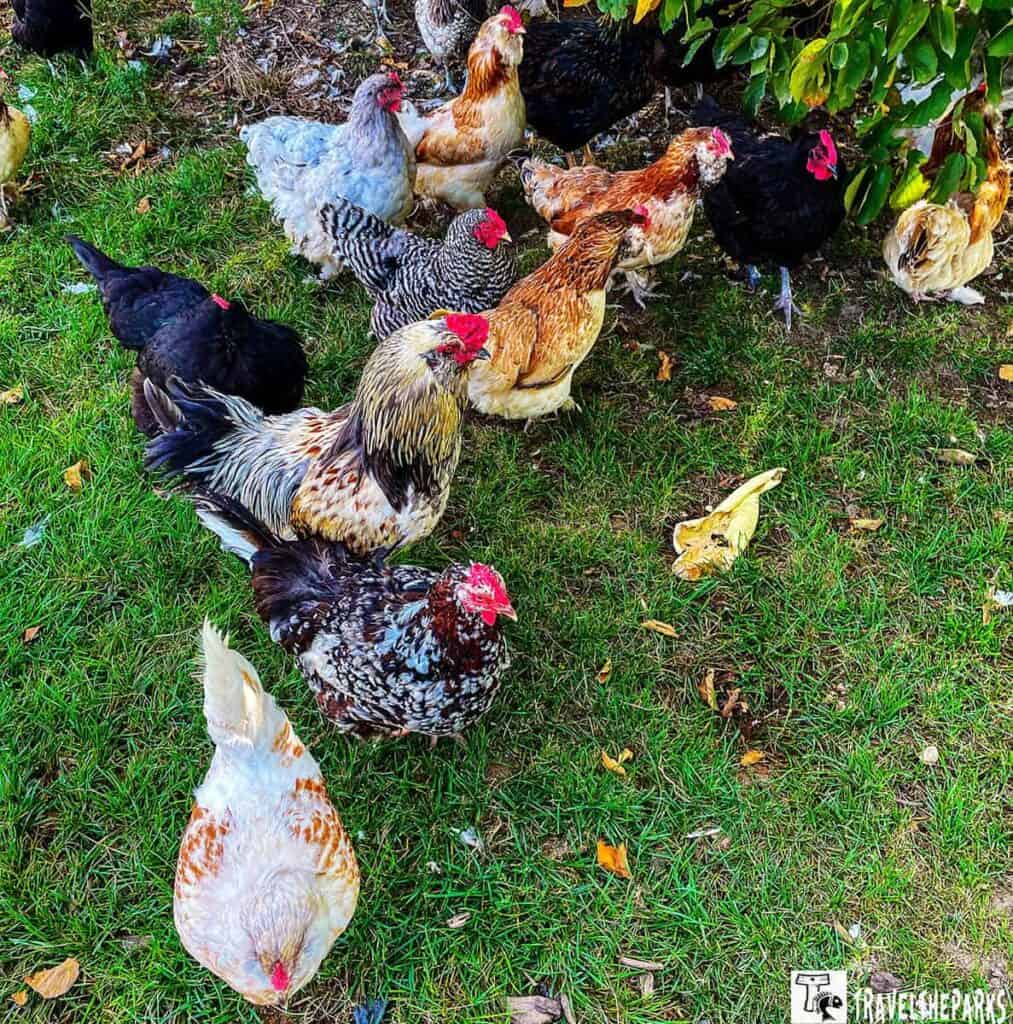
- Chickens, sheep, and goats: these animals are very important because they provide eggs, wool, milk, and meat. There are over 15 types of chickens on the farm. The chickens, ducks, and turkeys roam freely. Visitors can buy eggs at the farm store. Each fall, farmers shear the sheep and demonstrate spinning on a spinning wheel.
PRO Tip: Clean Your Hands: There are handwashing stations you can use. Make sure to wash your hands after you touch animals or fences. Even though I’m allergic to horses, I still enjoyed feeding them.
The Outbuildings: Heart of the Farm Operation
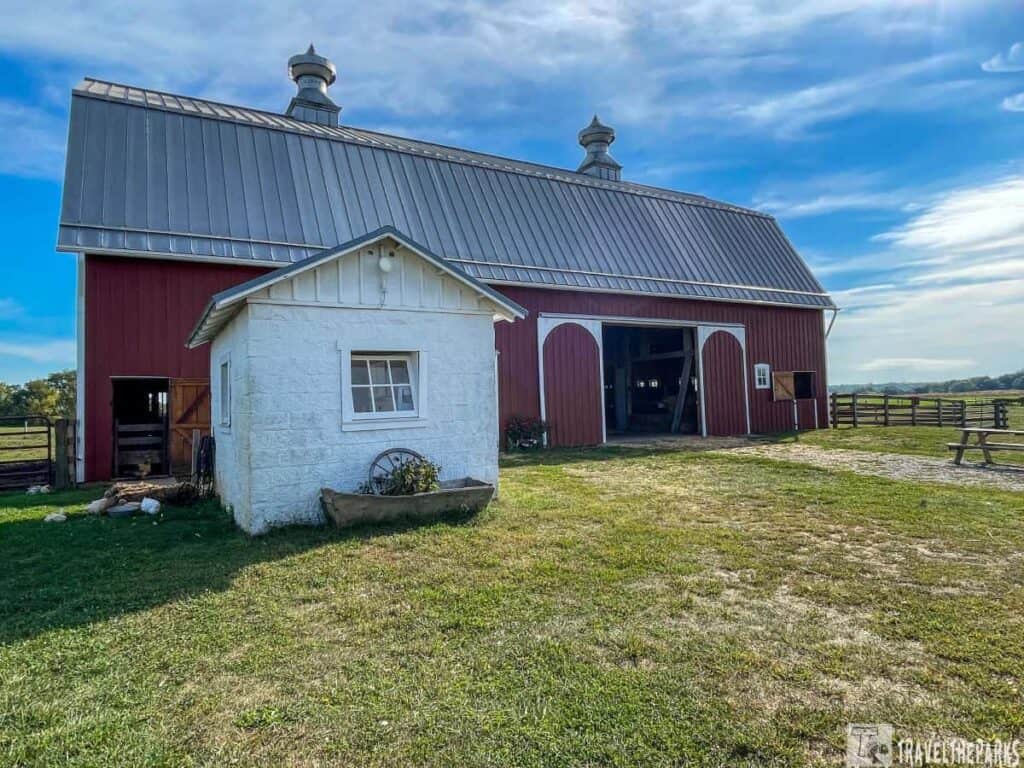
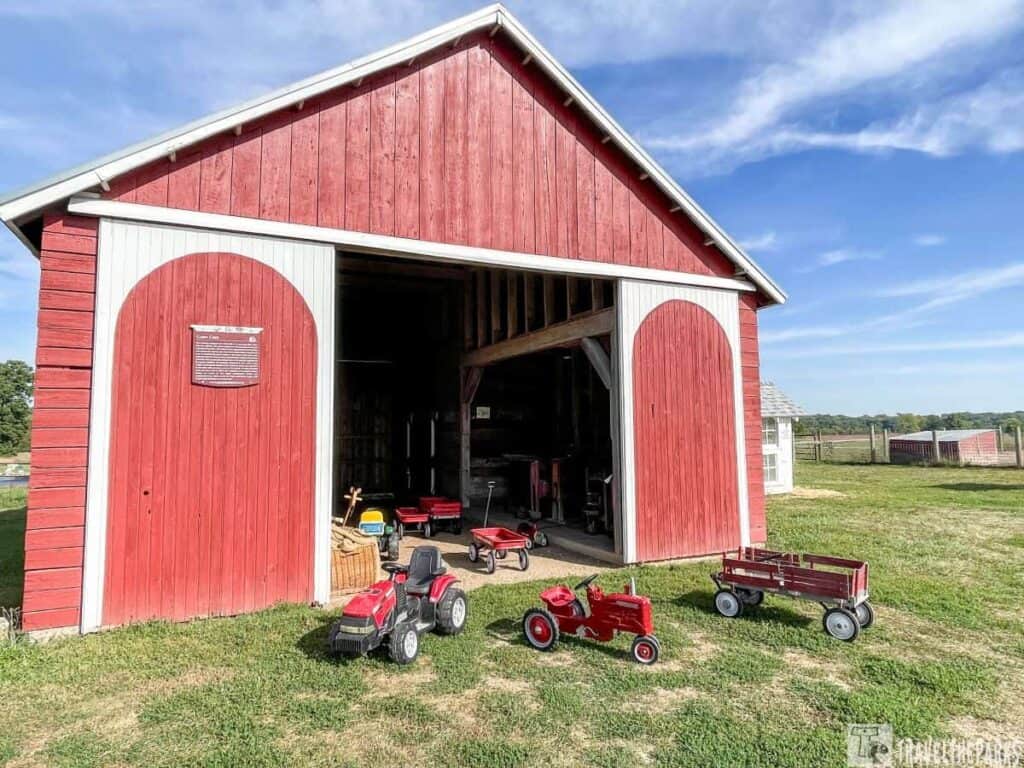
The farmstead itself is a character. In the 1920s, a farm operated as a closed system, with almost every building serving a distinct purpose. With its tapered walls, the corn crib was designed to dry and protect the harvested corn, which was crucial to the farm. The workhorses, cattle, and pigs also relied on corn for sustenance in winter. The crib’s unique shape prevented spoilage by letting air flow through the corn. Today, it serves as a fun play area for children. It now houses a collection of miniature, vintage-style steel toy tractors, kid-sized John Deere replicas, and Radio Flyer wagons.
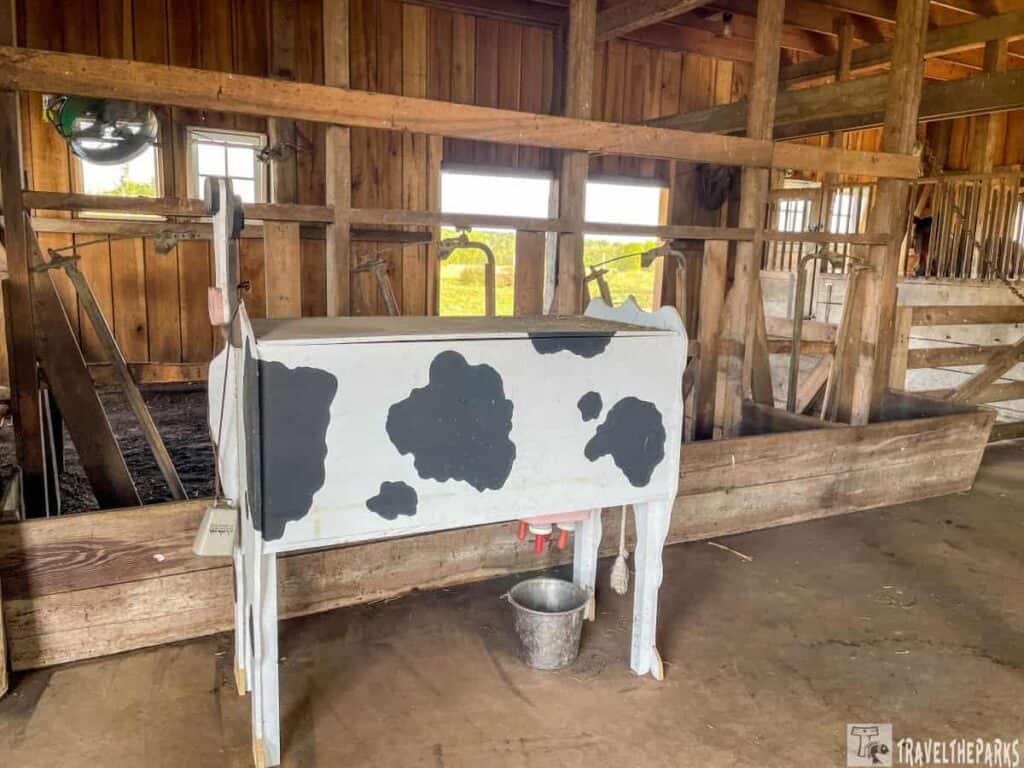
Nearby, there was a small, sturdy milk house that was used for cleanliness and for keeping things cold. After the milk was collected, it was quickly taken to the milk house to be filtered and cooled in water tanks. This milk was then stored or sent out for delivery. The milk house reminded me how important dairy was to the farm’s income and food supply for the family.
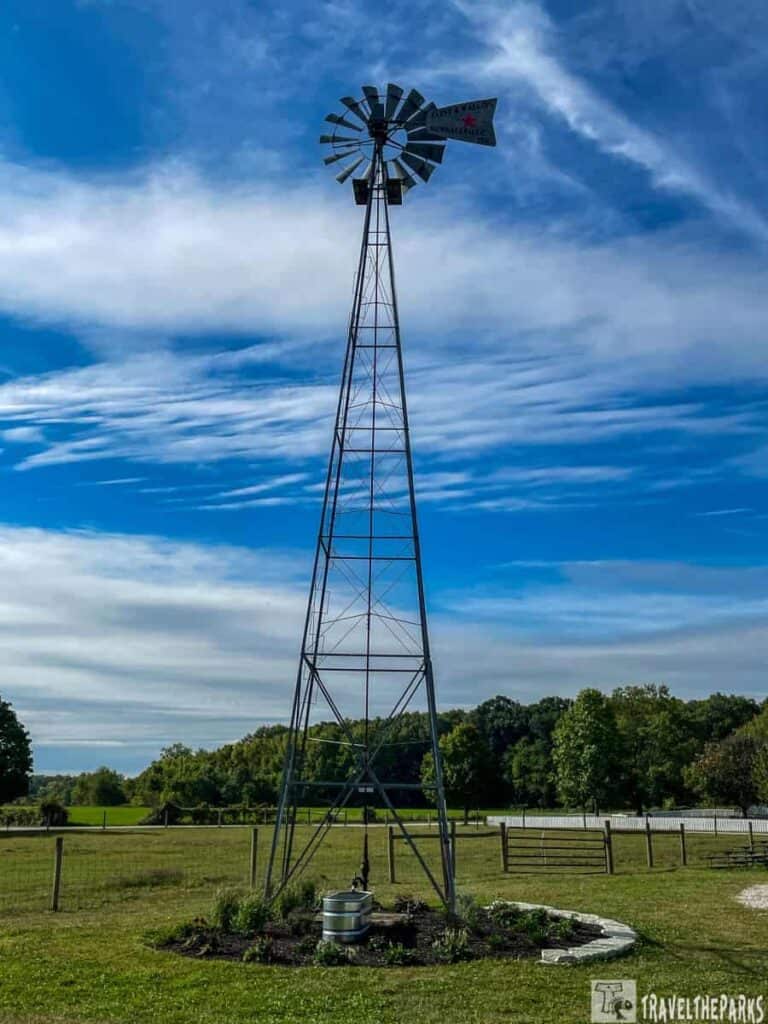
Overlooking the farm was a large windmill that was used to extract water from a well. This windmill was crucial in ensuring the livestock and the nearby households had access to water. The windmill was also beneficial to the farm as it eliminated the need for electricity.
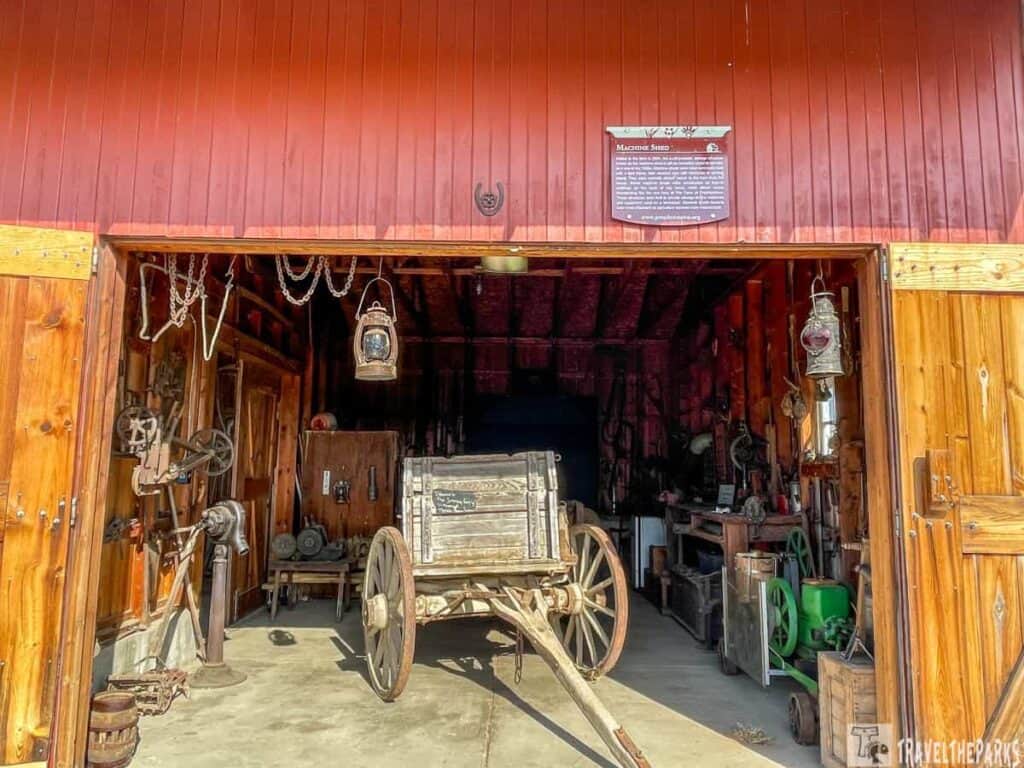
Many of the different farming implements and tools needed to be kept in a machine shed. Steel-wheeled tractors, which were replacing horses, as well as plows, rakes, and wagons, could all be found in the shed.
The big barn with a gambrel roof was the center of the farm. It was a multifunctional structure, as the barn had a spacious threshing floor, which was used for processing grain, and a loft, which was used to store hay.
Final Thoughts: The Farm at Prophetstown State Park Is More Than Just Animals
Is it worth visiting? In a word, absolutely. The Farm at Prophetstown offers a rare, authentic glimpse into a defining era of America’s heartland. It’s educational without feeling like a classroom, engaging for all ages, and a truly peaceful escape. It’s more than an attraction; it’s an experience that sticks with you.
Every element—from the choice of livestock breeds to the tools in the blacksmith shop—is meticulously researched and presented to tell the story of Indiana’s agricultural heritage. It’s a place to connect with the past in a tangible, hands-on way. After exploring the farm, be sure to check out our complete guide, How to Plan the Perfect Trip to Prophetstown State Park, for details on all the hiking trails, the aquatic center, and camping options.
Have you been to the Farm at Prophetstown State Park? We’d love to hear about your visit—what was your favorite part of the farm?