Hiking the trails of Zion National Park is one of the best ways to see the park. Each trail offers a unique perspective of the park. These are a few of our favorite Zion National Park hiking trails from our Grand Circle tour. I hope you enjoy hiking in this wonderful park.

This post may contain affiliate links, meaning if you purchase something through one of these links, we may earn a small commission at no extra cost to you! Read the full disclosure policy here.
Table of Contents
Zion National Park Hiking Guide: Essentials for the Trails
It is advisable to refill your water bottles with cold purified spring water by taps either at the Lodge, and the Visitor’s Center before embarking on any hike. Having a quality trekking stick can help on the steeper sections of the trail. You really should have walking or hiking shoes, as most trails are unpaved, with loose sand and dirt. Downloadable park brochure with trail information.
Best Hikes in Zion National Park: Walk in the Footsteps of History and Nature
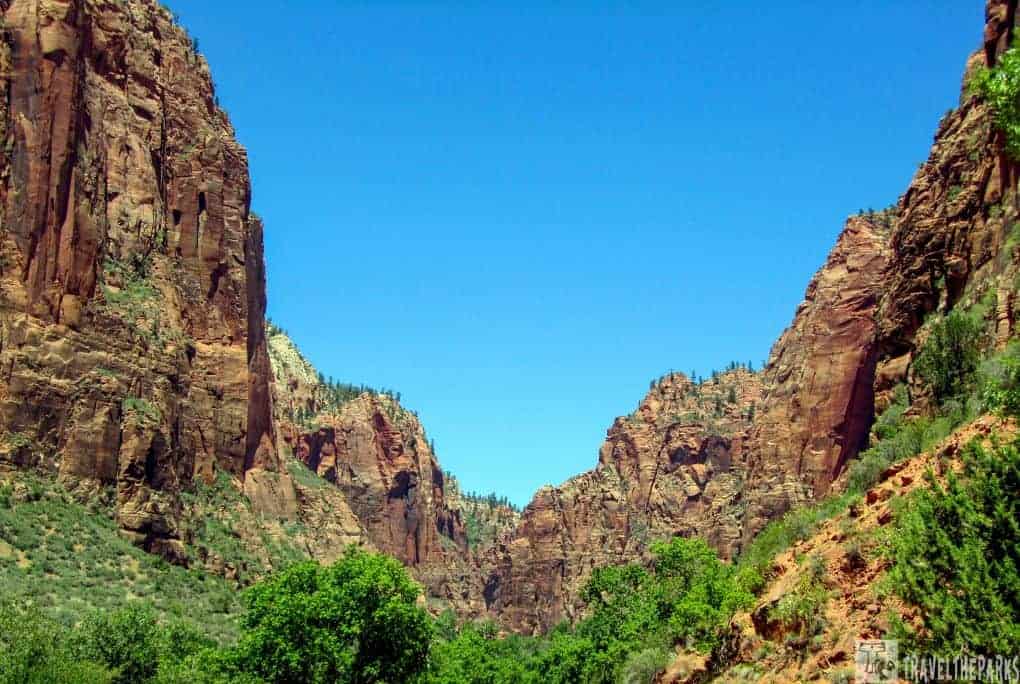
When hiking the trails in Zion National Park, it’s worth remembering that you are walking in the footsteps of ancient native peoples and the pioneers who first explored these massive canyons. Look up to see the cream, pink, and red canyon walls framed against the brilliant blue sky above.
Zion offers a true wilderness experience, with abundant wildlife if you rise early. At the same time, this wilderness is fragile, and the impact of crowds is a real concern. Park personnel manage this thoughtfully, using propane shuttle buses to move the vast number of summer visitors efficiently. Still, the sheer number of guests can strain the systems in place.
If I return, I would likely choose early spring or late fall to enjoy the park’s beauty with fewer people, when the experience feels more like the peaceful wilderness it was meant to be.
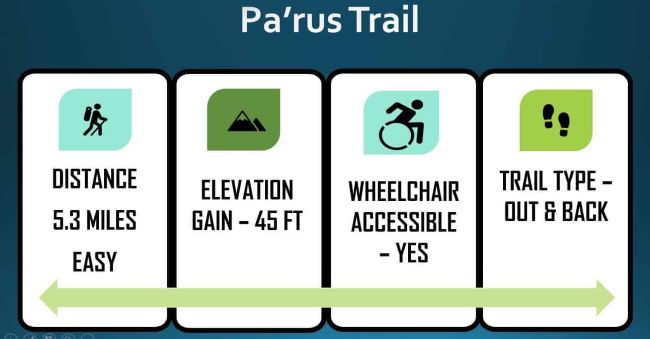
Pa’rus Trail: A Riverside Stroll in Zion National Park
The Pa’rus Trail is the only hiking trail in Zion National Park that allows dogs on a leash. This paved trail is ideal for strollers, bicycles, or wheelchairs, making it accessible for visitors of all abilities.
The trail follows the Virgin River, starting at the Visitor Center and ending at Canyon Junction. Its name, Pa’rus, comes from a Paiute word meaning “bubbling, tumbling water.” I was particularly impressed by the biodiversity along this trail.

If you only have a brief stay in the park, the Pa’rus Trail is perfect for experiencing the canyon without a strenuous hike. Often overlooked, it’s a peaceful way to end the day while taking in the natural beauty of Zion.
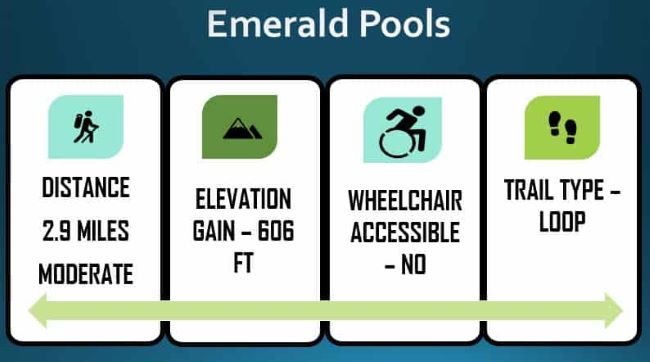
Favorite Walks in Zion National Park: The Emerald Pools Trail
The Emerald Pools Trail in Zion National Park is a captivating adventure that guides hikers through a verdant oasis, where lush greenery and refreshing waterfalls offer a soothing respite from the surrounding desert landscape.
This popular trail provides a range of experiences, from a leisurely stroll to a moderate hike, making it accessible and enjoyable for visitors of all fitness levels. Join us on a journey to explore the enchanting beauty of the Emerald Pools Trail and the hidden treasures it holds along the way.

At Shuttle Stop #5, cross the road to reach the trailhead for the Lower Emerald Pools Trail. This is a great trail to start early in the morning to avoid crowds, though we hiked it in the evening when the canyon was cooler. Walking amid the lush greenery and feeling the gentle spray of waterfalls, you’re reminded of the delicate harmony between water and rock that shapes Zion’s beauty.
The hike to the lower pool is easy, and the main trail connects all three pools. If you wish, you can continue on to the middle-and upper pools. This is a perfect starter hike for all ages. One of our most memorable moments was spotting a rattlesnake sunning itself among the rocks—a thrilling encounter that added to the adventure.
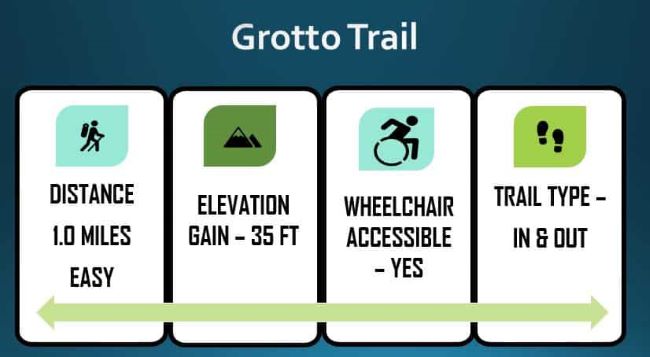
Grotto Trail: A Hidden Gem Amidst Zion’s Majesty
This short hiking trail connects The Grotto (Stop #6) to Zion Lodge (Stop #5) in Zion National Park. The Grotto Trail is an easy and convenient path, and both shuttle stops offer restrooms, a water fountain, and picnic areas.
Walking this trail in the evening or early morning provides a great opportunity to see wildlife. On our morning walk, we spotted wild turkeys, mule deer, and elk. It’s also a great way to avoid the crowds on the shuttle at any time of day.

The Grotto—Stop #6: Angels Landing is the starting point for one of the most iconic day hikes in Zion National Park. The Angels Landing Trail sees heavy traffic, especially during the busy summer months.
The trail is renowned for its jaw-dropping vistas, exhilarating heights, and heart-pounding adventure. This legendary hike beckons daring visitors to ascend to the summit of Angels Landing, a towering rock formation with sweeping panoramic views over Zion Canyon below. As we embarked on this thrilling journey, we quickly realized the challenges, rewards, and breathtaking beauty that make the Angels Landing hike so unforgettable.

Angels Landing Trail: A Thrilling Ascent to Heavenly Heights
Bring plenty of water when hiking the Angels Landing Trail. Starting from The Grotto, the trail crosses a small bridge, and the first two miles follow the paved portion of the West Rim Trail.
The trail steadily climbs before entering Refrigerator Canyon, a stunning canyon where brilliant green moss and ferns cling to the walls. This is also the only shaded portion of the hike, offering a welcome respite from the sun.
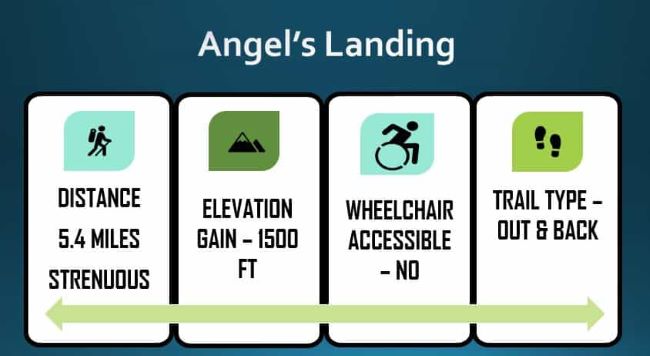
Next, the trail climbs twenty-one tight switchbacks known as Walter’s Wiggles. They are named for Walter Ruesch, Zion National Park’s first superintendent, who constructed the switchbacks in 1926.
As you make your way up, keep an eye out for the endangered California Condor soaring overhead. At the top of the wiggles, you’ll reach Scouts Lookout, a perfect spot to catch your breath and take in the views before continuing toward Angels Landing.
Scout Lookout offers breathtaking panoramic views of Zion Canyon and the Virgin River far below. Restrooms are available here, though there is no drinking water. The West Rim Trail diverges at this point.
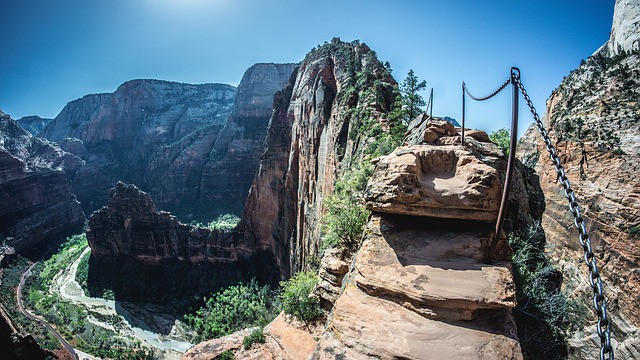
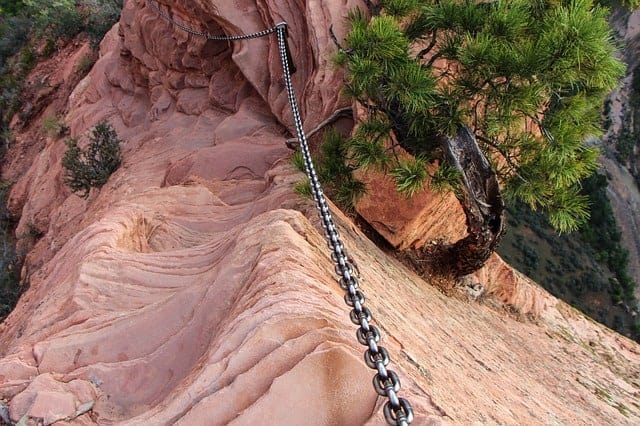
The final half-mile to the summit of Angels Landing can be daunting. Many hikers stop at Scout Lookout, not wanting to continue. From here, you are gazing along the Hogsback, a narrow sandstone saddle with sheer drops on either side.
The trail features a bolted chain rail for safety, but clinging to the chains while avoiding the dizzying cliffs is a true adrenaline rush. I couldn’t tackle the chains myself, so Barry went ahead—hence no photos of the summit for me. For him, the sense of accomplishment and the memories of those breathtaking views will linger long after the hike. Truly a once-in-a-lifetime experience!
Weeping Rock Trail: A Glimpse into Nature’s Tears and Hanging Gardens
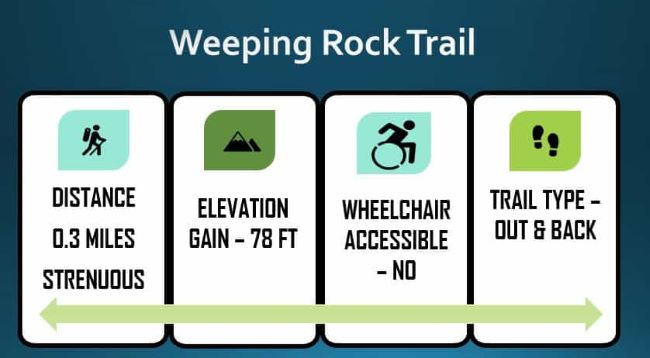
Shuttle Stop #7—Weeping Rock leads to the famous Weeping Rock Trail, a short, family-friendly hike in Zion National Park.
The trail ends at the Weeping Rock alcove, where water gently seeps from the sandstone cliffs, creating a mesmerizing display that looks like tears trickling down the rock face. The wide, paved path steadily gains elevation, making it easily accessible for visitors of all ages.
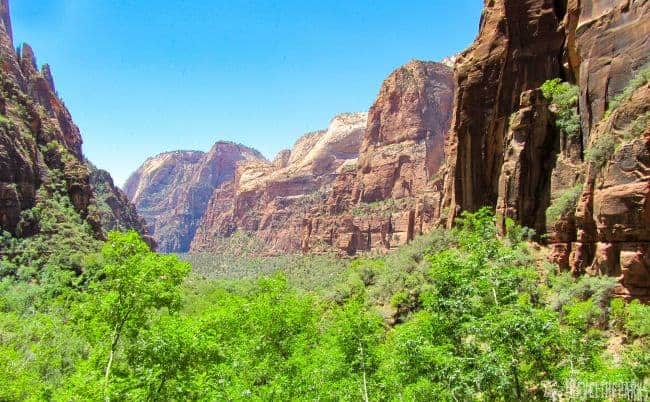
At the top of the Weeping Rock Trail, there’s a cool resting area—perfect on a hot day as water drips from the rocks above. Delicate flowers grow directly from the rock face, adding bursts of color to the sandstone walls.
The water seeping from the wall has been on a long journey, beginning about 12,000 years ago. It slowly traveled through the sandstone until it reached an impermeable layer, forcing it to emerge as the “weeping” water we see today. Don’t miss the stunning views down the canyon from this vantage point—they’re truly unforgettable.
Temple of Sinawava Trail (Riverwalk): An Immersive Journey Along the Virgin River
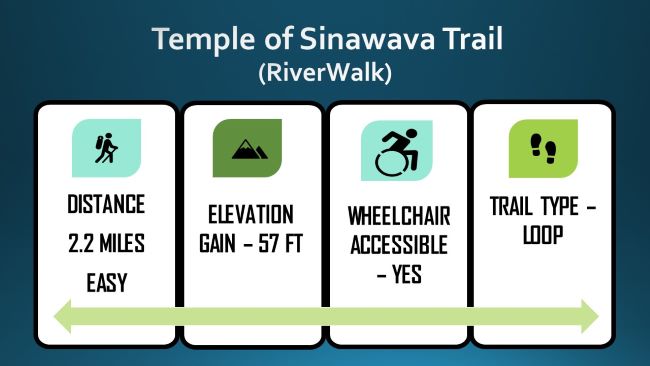
This hiking trail is located at the end of Zion Canyon Road, at Shuttle Stop #9—Temple of Sinawava. We loved walking it during the quiet morning hours, spotting wildlife like mule deer, rock squirrels, and chipmunks along the way. Cottonwood trees, willows, and various wildflowers add to the charm of this peaceful riverside stroll.

The trail is suitable for all skill levels. The paved path is wheelchair accessible, though some steep inclines and slippery spots may require assistance. As you walk, the Virgin River meanders gracefully alongside, reflecting the stunning sandstone cliffs. The narrow canyon walls provide shade for most of the day, and the trail eventually narrows into a slot canyon. The Temple of Sinawava Trail also serves as the gateway to one of Zion’s most celebrated hikes, the Zion Narrows.
Whether you’re traveling with family, seeking a peaceful escape, or planning further adventures into The Narrows, this trail offers a tranquil and immersive encounter with the unparalleled wonders of Zion National Park.
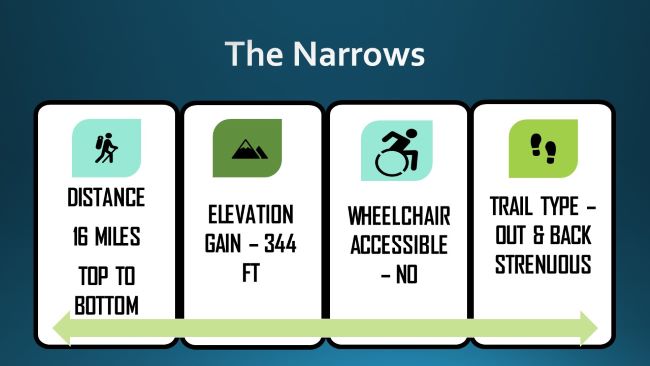
The Narrows Trail: A Mesmerizing Journey Through Zion’s Narrow Slot Canyons
The Narrows Trail in Zion National Park is a world-renowned hiking adventure that offers a truly unique and awe-inspiring experience. This iconic trail leads hikers deep into the heart of Zion’s narrow slot canyons, with the Virgin River guiding the way through soaring sandstone walls.
The towering cliffs, sometimes reaching 1,000 feet, create a humbling sense of nature’s grandeur. As you embark on this unforgettable journey, be prepared to wade through the river, encounter captivating rock formations, and immerse yourself in the magical, otherworldly beauty of The Narrows.
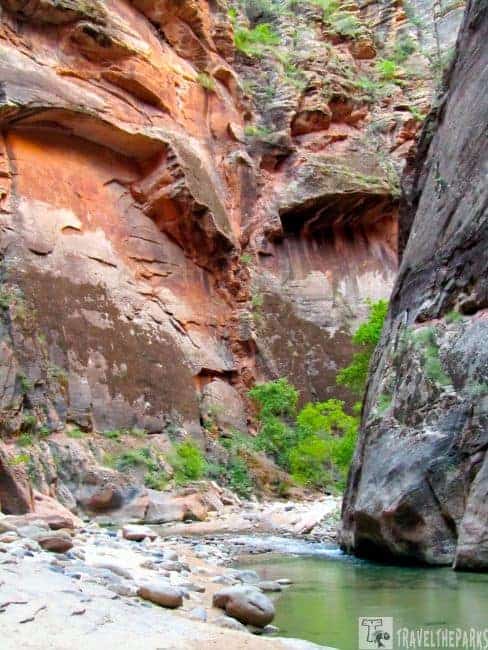
I have to put The Narrows as my #1 favorite hike in Zion National Park. Make sure you’re properly prepared for the Narrows hike before stepping into the water. Some pockets went up to mid-thigh for me, but most of the hike was ankle to shin deep. A walking stick and a good pair of shoes are a big help.
I have to rank The Narrows as my #1 favorite hike in Zion National Park. Before stepping into the water, make sure you’re properly prepared. Some sections of the river reached mid-thigh for me, though most of the hike stayed ankle- to shin-deep. A walking stick, good,wading socks and wading boots make a vast difference. Arriving early in the morning can be helpful—you might even find a walking stick left behind by other hikers.
This amazing hike allows you to choose how far you want to go once you enter the river. One of the most iconic sections, Wall Street, features soaring canyon walls that seem to touch the sky. We hiked as far as the waterfall, mostly alone, and it was wonderfully soothing and surreal—a truly unforgettable experience.
Hidden Canyon Trail: A Hidden Gem of Exploration and Mystery in Zion National Park
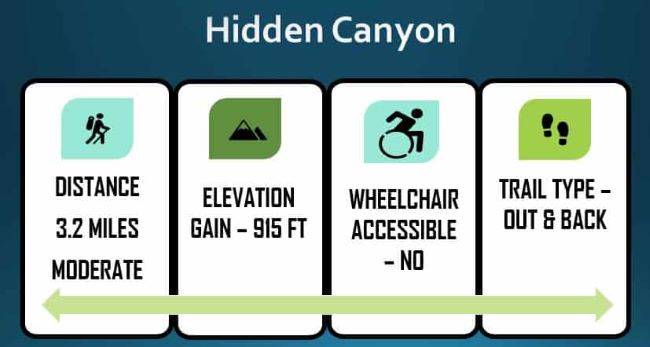
The Hidden Canyon Trail in Zion National Park is a lesser-known but equally captivating hike, offering an adventure into a secluded world of beauty and intrigue. Start at Shuttle Stop #7—Weeping Rock.
We combined this trail with hikes to Weeping Rock Trail and Observation Point Trail since they all share the same trailhead. Hidden Canyon is much more strenuous and climbs higher than Weeping Rock—actually, it rises even higher than Angels Landing Trail.
NOTE: Hidden Canyon and Observation Point (from Weeping Rock) are closed because of massive rockfall as of September 2019. No timeframe for reopening. We feel it was a privilege to have done this trail before the collapse.

The first quarter-mile of the Hidden Canyon Trail is well-maintained, starting with steep switchbacks. The trail hugs the canyon wall, with steel cables bolted into the rock to guide you safely along the face of the mountain. Take your time and hold on to the chains—especially with the large drop-offs and hairpin switchbacks, the views are exhilarating.
For the intrepid explorer, Hidden Canyon holds a secret gem: the Hidden Arch. This natural arch, sculpted over time by the forces of nature, is a fascinating reward for those willing to venture deeper. Reaching the arch requires some climbing and scrambling. Along the way, there are a few shaded spots perfect for a snack break.
This trail sees significantly fewer hikers than Angels Landing Trail, making it an ideal choice for those seeking a more secluded and adventurous experience.
Observation Point Trail: A Breathtaking Vantage Point Above Zion’s Grandeur
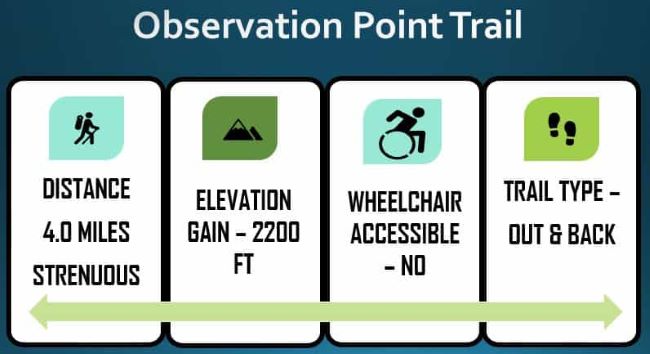
—This is one of our favorite hikes in Zion National Park because it’s far less crowded than Angels Landing Trail. Start at Shuttle Stop #7—Weeping Rock. The round-trip hike is about 8 miles with an elevation gain of 2,200 feet.
The trail begins at Weeping Rock and follows the East Rim Trail. For the first mile, it climbs through several switchbacks before reaching the junction to Hidden Canyon Trail.
Over the next few miles, the trail winds through Echo Canyon, carved into the cliff face and hugging the canyon wall with a sheer 20-foot drop-off. Unlike Angels Landing, the trail here is wide and doesn’t require the white-knuckle chains, allowing you to enjoy the views more comfortably.
Echo Canyon is a narrow slot canyon with cooler temperatures, and its walls are otherworldly in their shapes and contours. Exiting the canyon rewards hikers with spectacular views of the Great White Throne.
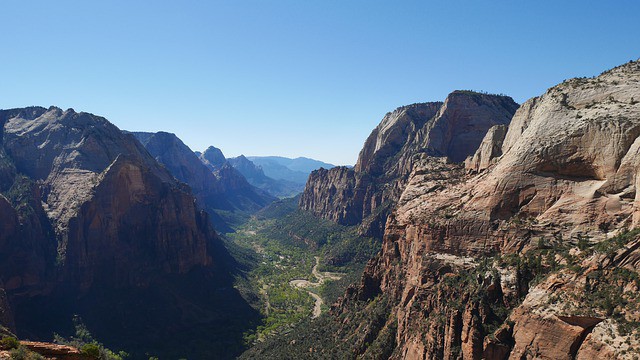
From the East Rim Trail, the Observation Point Trail branches west. The trail steadily gains elevation before leveling out on the mesa. For about a mile, it follows the canyon rim, offering stunning views of the East Rim, Hidden Canyon Trail, Great White Throne, Cable Mountain, Deertrap Mountain, West Rim, Angels Landing Trail, and The Pipe Organ. Observation Point sits 500 feet higher than Angels Landing, providing an unparalleled vantage point.
For those seeking a less grueling ascent, you can access Observation Point from the eastern boundary of the park via the East Mesa Trailhead. Hiking from East Mesa avoids the long, challenging climb from the canyon floor to Observation Point.
NOTE: As of September 2019, Hidden Canyon and Observation Point (from Weeping Rock) are closed because of rockfall.

Observation Point via East Mesa Trail: A Scenic and Less-Traveled Path to Panoramic Heights
Access Observation Point via the East Mesa Trail on Route 9, just outside the park boundary. The hike is about 6 miles round-trip. From Route 9, turn left on North Fork Road, drive 5.3 miles, and turn left into Zion Ponderosa Resort. Stay right on the main road; Twin Knolls Road leads to a T-intersection—turn right onto Beaver Road. Caution: road conditions may be less than ideal. A small parking lot and fenced entrance mark the start of the trail, following signs to Observation Point for the remaining 3 miles.
This rewarding hike takes adventurers on a scenic journey through the East Mesa, offering unique perspectives of the surrounding landscapes before culminating in the majestic panorama at Observation Point. Along the way, we passed stands of ponderosa pines and vibrant wildflowers, adding to the trail’s picturesque beauty. Observation Point via the East Mesa Trail is a hidden gem, giving hikers a chance to experience the grandeur of Zion National Park from a different vantage point. Even on our second hike to Observation Point, the experience was no less impressive than the first—an unforgettable adventure.
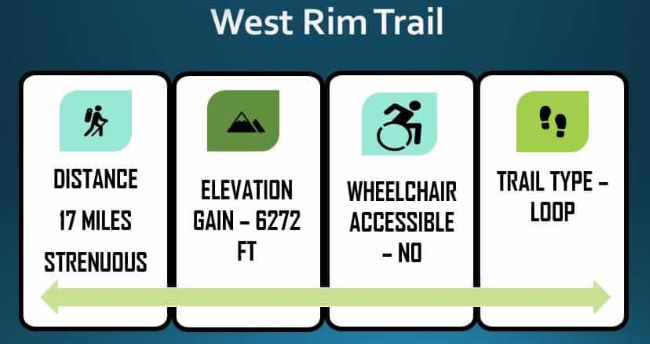
The West Rim Trail: A Scenic Odyssey Across Zion’s Rugged Backcountry
The West Rim Trail begins at Lava Point, accessed via a scenic drive along Kolob Terrace Road. A private shuttle to Lava Point puts you at the highest point of the trail, allowing most of the hike to follow a gradual downhill toward The Grotto.
The first few miles are relatively easy, with a particularly beautiful meadow in Potato Hollow. There is a few steeper climbing sections along the way, but the trail overall showcases a journey through diverse landscapes, from deep canyons to high plateaus.
This can be tackled as a 6–8 hour day hike, or you can choose to overnight at one of the designated campsites (a permit is required for overnight stays). Expect full sun exposure for most of the hike, but the breathtaking views throughout make it a truly rewarding adventure.
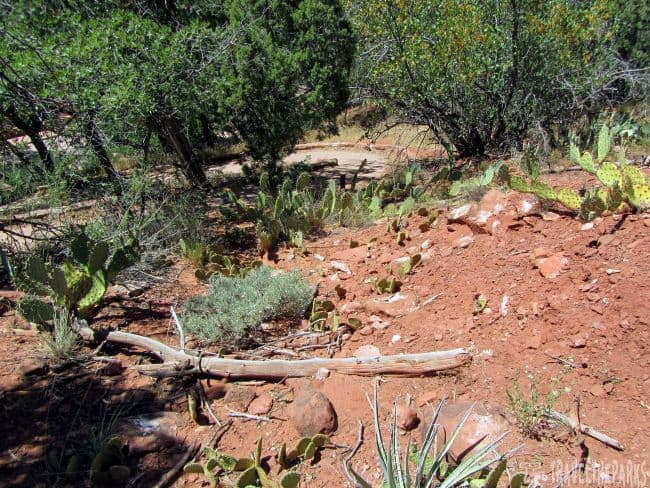
As you journey along the West Rim Trail, the varied landscapes, wildlife encounters, and scenic overlooks showcase the untamed beauty of Zion National Park. One of the trail’s highlights is catching a unique view of Angels Landing from a different perspective.
Toward the end of the trail, we descended through the Grotto, returning to the heart of Zion Canyon and concluding a truly unforgettable adventure.
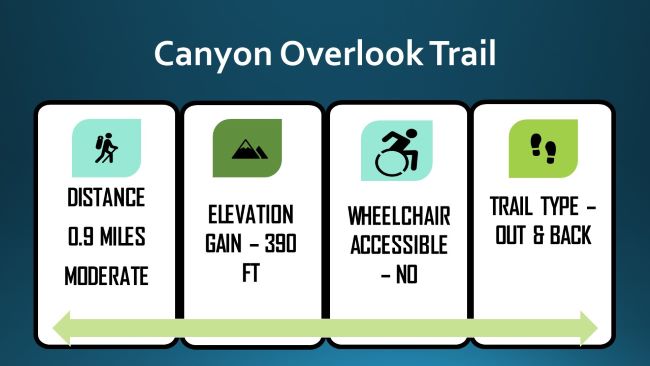
Canyon Overlook Trail: A Short and Scenic Gem with Captivating Vistas
On the east side of Zion National Park, the trail begins just east of the tunnel on Mt. Carmel Highway. This trail does not require a shuttle pass, though it is quite popular and parking can be limited. We started extremely early on our last day in the park to beat the crowds.
The trail is relatively flat with minimal elevation gain, though there are a few rocky sections. Be cautious if hiking with small children, as there are some steep drop-offs. The trail takes about 20 minutes to reach the overlook, offering stunning views and striking rock formations along the way.
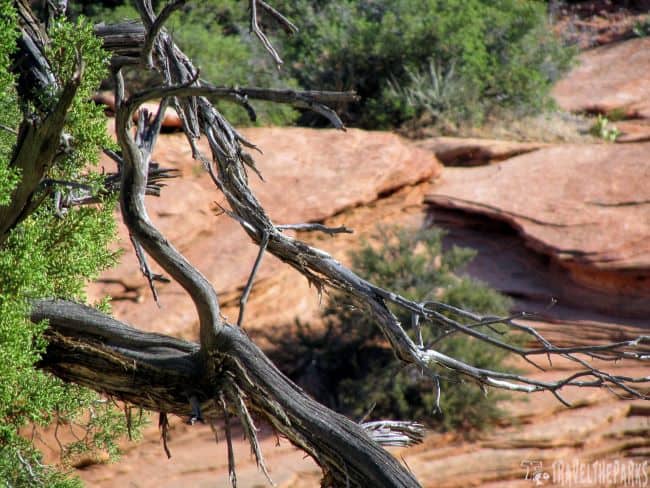
At the end of the trail, we were rewarded with a spectacular view of Zion Canyon. If you’re not up for a long or strenuous hike, this trail is much less challenging—and far less intimidating—than Angels Landing Trail. It’s an excellent choice for visitors with limited time in Zion National Park who still want to experience breathtaking scenery.
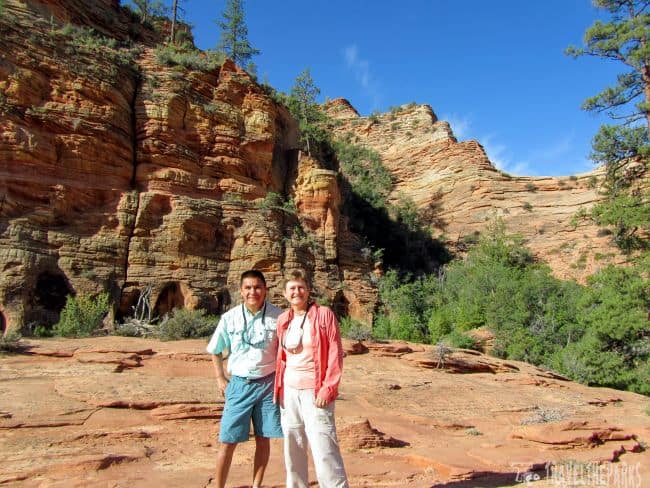
I highly recommend these memorable day hikes in Zion National Park. The best advice I can give you is to plan your visit in advance. This way, you see everything you want to see and will not be disappointed. Use the shuttle whenever you can. Remember, during peak hours you cannot access the major park areas except on the shuttle, so work this into your itinerary plan.
Have you been hiking in Zion? Which hike was your favorite? Share your comments with us below.