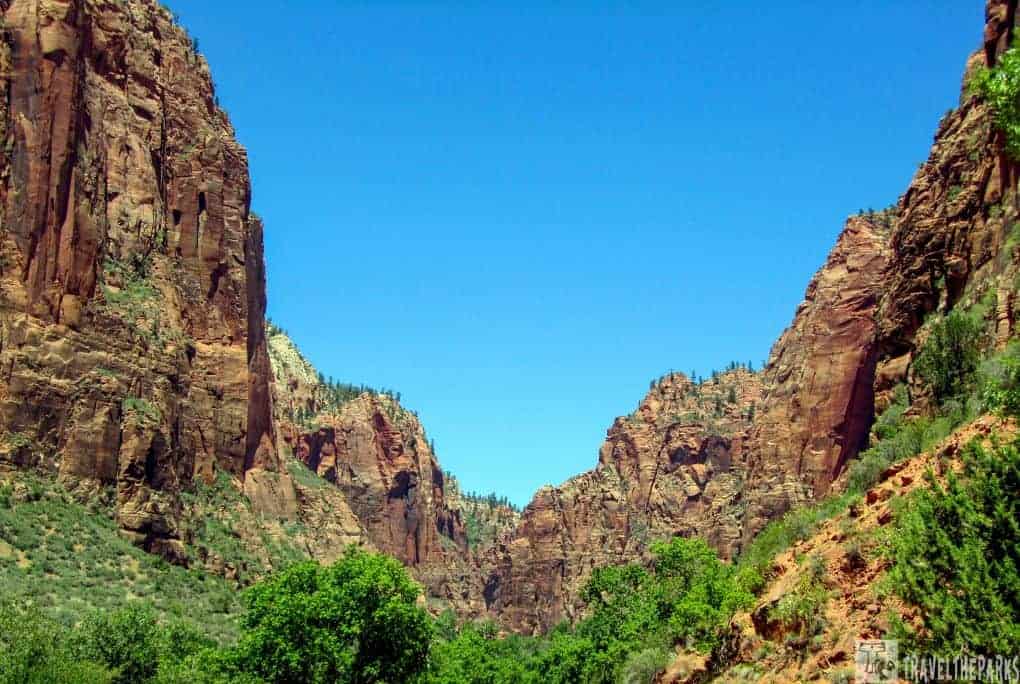
Okay, let’s be real—Zion National Park is absolutely stunning. Zion National Park hiking trails are one of the best ways to experience all that incredible scenery. Towering red rock cliffs, narrow canyons, and the Virgin River make every turn feel like another postcard. And there’s something about seeing it all on foot that makes the experience even better.
We fell hard for Zion during our Grand Circle road trip and quickly discovered that every trail offered a different perspective of the park. Some were easy and relaxing, while others made us work for the views. A few left us speechless—and a little sore the next day—but they were completely worth it.
After plenty of miles and more than a few memorable moments, we’ve rounded up 11 of our favorite Zion National Park hiking trails. From peaceful riverside walks to challenging climbs and unforgettable canyon adventures, these trails showcase just how much variety Zion has to offer.
After plenty of miles and more than a few memorable moments, we’ve rounded up 11 of our favorite Zion National Park hiking trails. From peaceful riverside walks to challenging climbs and unforgettable canyon adventures, these are the hikes that stood out to us most during our time in Zion.
This post may contain affiliate links, meaning if you purchase something through one of these links, we may earn a small commission at no extra cost to you! Read the full disclosure policy here.
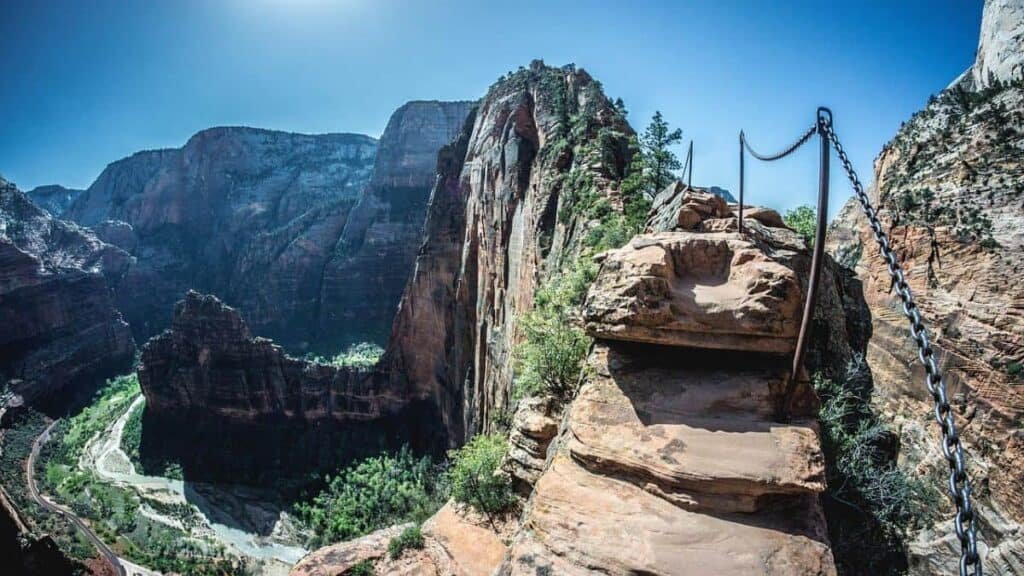
Table of Contents
Hiking Zion: More Than Just a Trail
One of the things I love about hiking in Zion is that you get to slow down and really see the landscape around you. The cream, pink, and red sandstone cliffs seem to change with the light, while the Virgin River winds through the canyon below. When you look up from the trail, it is easy to understand why this place has inspired people for generations.
If you get out early, you may also have a better chance of seeing wildlife before the canyon gets busy. Zion can feel wonderfully wild in those quiet morning hours. Later in the day, the crowds can be hard to escape, especially during the busiest months when thousands of visitors rely on the park shuttle to reach the canyon’s most popular trails.
If we return to Zion, I’d choose early spring or late fall. Cooler temperatures and fewer crowds would make it easier to slow down and enjoy the trails without feeling rushed.
Pa’rus Trail: A Riverside Stroll in Zion National Park
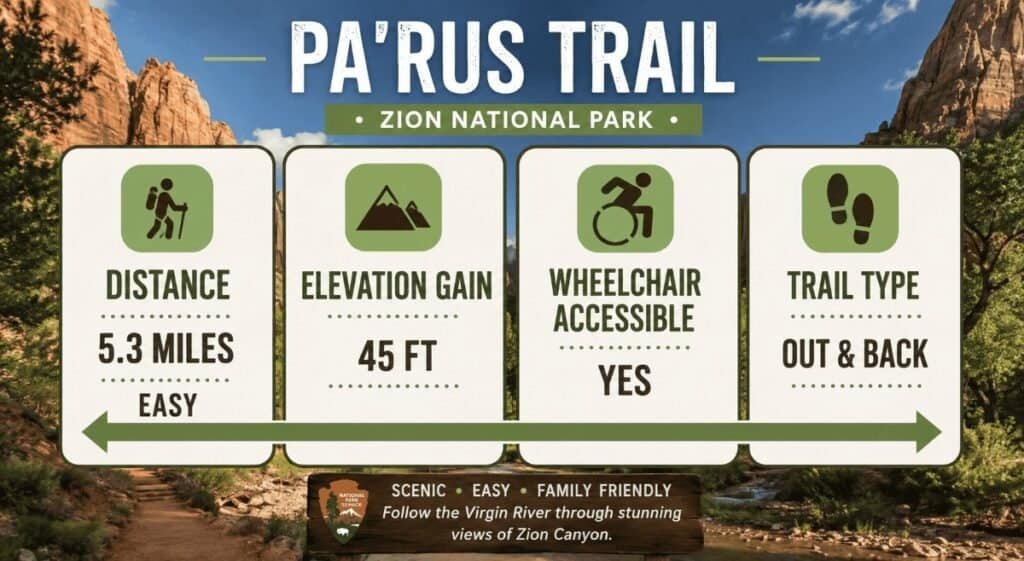
The Pa’rus Trail holds a special distinction—it’s the only hiking trail in Zion National Park where you can bring your four-legged best friend along, as long as they’re on a leash. And honestly, that alone made me smile. But this paved path is about much more than being dog-friendly. It’s also suitable for strollers, bicycles, and wheelchairs, making it a great choice for visitors with different mobility needs.
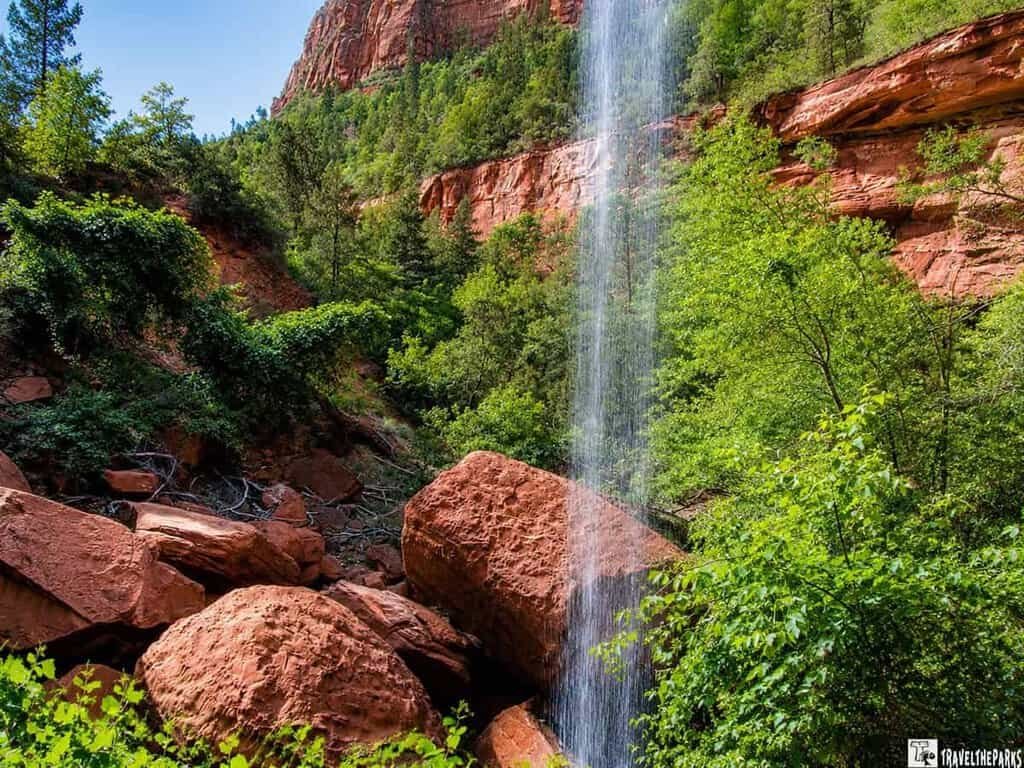
The trail follows the Virgin River from the Visitor Center to Canyon Junction. The name Pa’rus comes from a Paiute word meaning “bubbling, tumbling water,” which seems fitting as you listen to the river flowing alongside the trail. I was genuinely surprised by the biodiversity here. You can watch for birds, spot wildflowers, and enjoy beautiful views of the canyon without having to tackle a strenuous climb.
What I enjoyed most about the Pa’rus Trail was how peaceful it felt compared with some of Zion’s busier trails. It’s easy to walk, but the scenery never feels ordinary. The combination of the river, canyon walls, and open sky made this one of my favorite walks in Zion.
Emerald Pools Trail: A Favorite Walk in Zion National Park
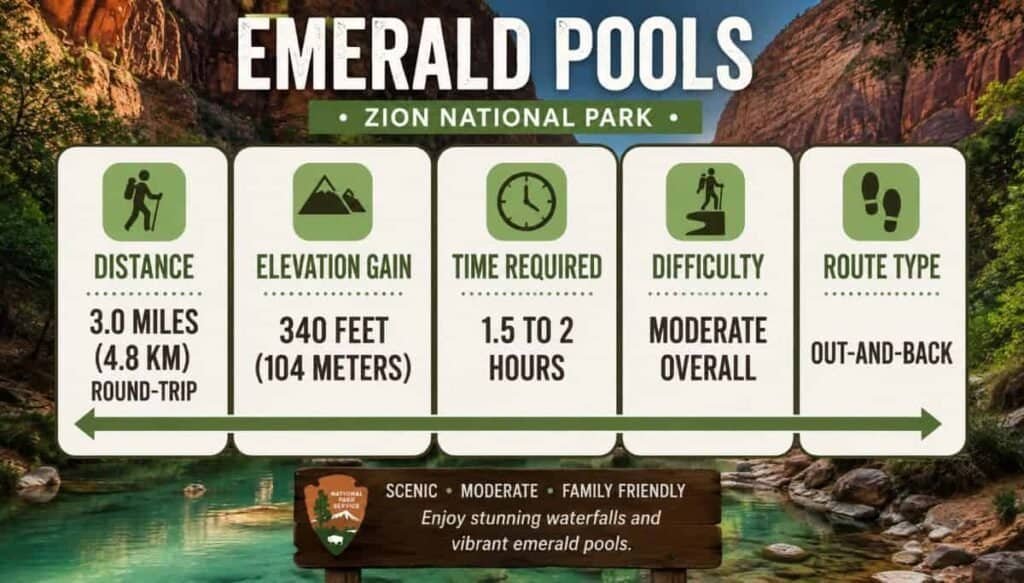
The Emerald Pools Trail is one of Zion’s most popular hikes, and it’s easy to see why. The trail leads through a surprisingly green section of the canyon, where hanging gardens, lush vegetation, and seasonal waterfalls contrast beautifully with the surrounding red and cream sandstone. When we hiked it, the cool spray from the waterfalls was especially welcome after being out in the desert heat.
One of the things I like about this trail is that you can choose how far you want to go. The Lower Emerald Pools Trail is an easier walk, while continuing toward the Middle and Upper Emerald Pools adds more distance and elevation. That makes Emerald Pools a nice option for hikers who want some flexibility rather than committing to one difficult climb.

Hiking to the Emerald Pools
At Shuttle Stop #5, cross the road to reach the Lower Emerald Pools Trailhead. We hiked this trail in the evening when the canyon was cooler and the light was starting to soften. It was beautiful, and the timing made the experience feel much more relaxed.
The lower pool is an easy walk, and from there you can continue toward the Middle and Upper Emerald Pools. Each section offers something a little different, from dripping waterfalls and green vegetation to broader views of the canyon.
One of our unexpected memories from this hike was spotting a rattlesnake sunning itself among the rocks. We gave it plenty of space and continued on our way, but it certainly made the walk a little more memorable!
If you want to enjoy the Emerald Pools without the busiest crowds, I’d recommend going early in the morning or later in the day. The canyon can be much more pleasant when you’re not sharing the trail with as many people.
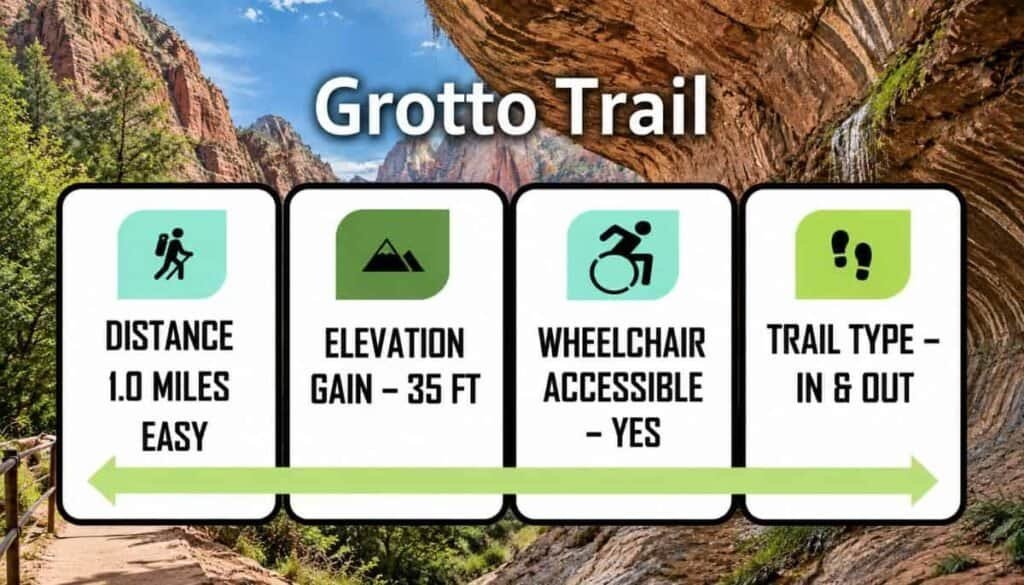
Grotto Trail: A Quiet Walk Through Zion Canyon
The Grotto Trail is short and easy, but don’t overlook it just because it isn’t one of Zion’s big-name hikes. We found it especially enjoyable early in the morning when the canyon was quiet and the wildlife was active.
During our morning walk, we spotted wild turkeys, mule deer, and elk. Those unexpected encounters made the short trail much more memorable than we expected. There’s something special about walking through Zion when you can hear the canyon around you instead of a crowd of people.
For us, the Grotto Trail was less about reaching a particular destination and more about slowing down and enjoying what was happening around us. If you enjoy wildlife and peaceful walks, this is one of the Zion National Park hiking trails I’d happily walk again.
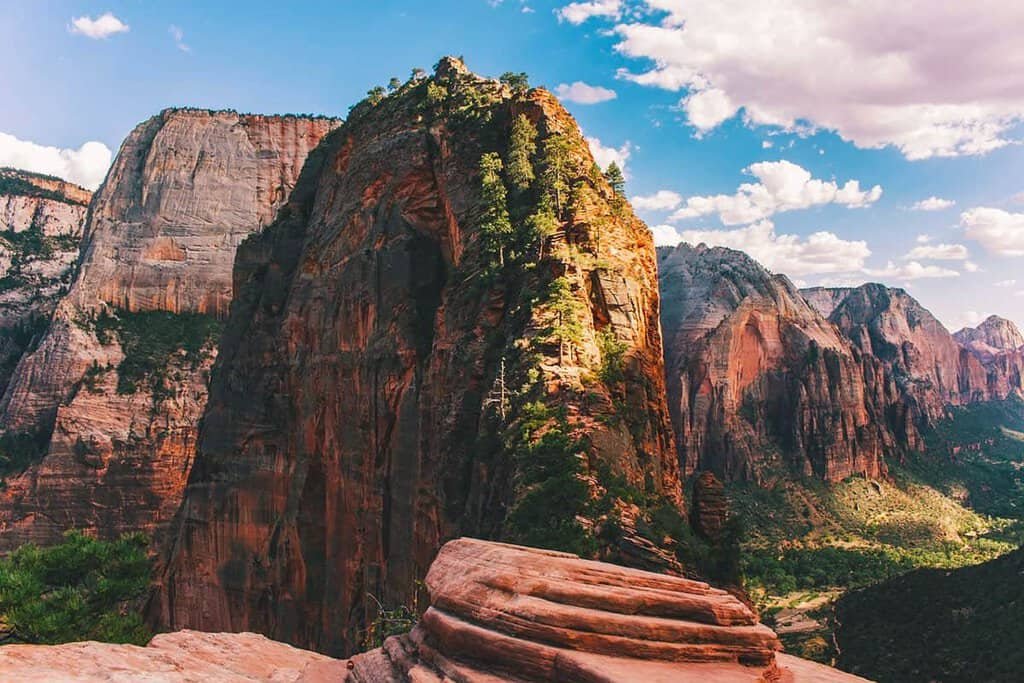
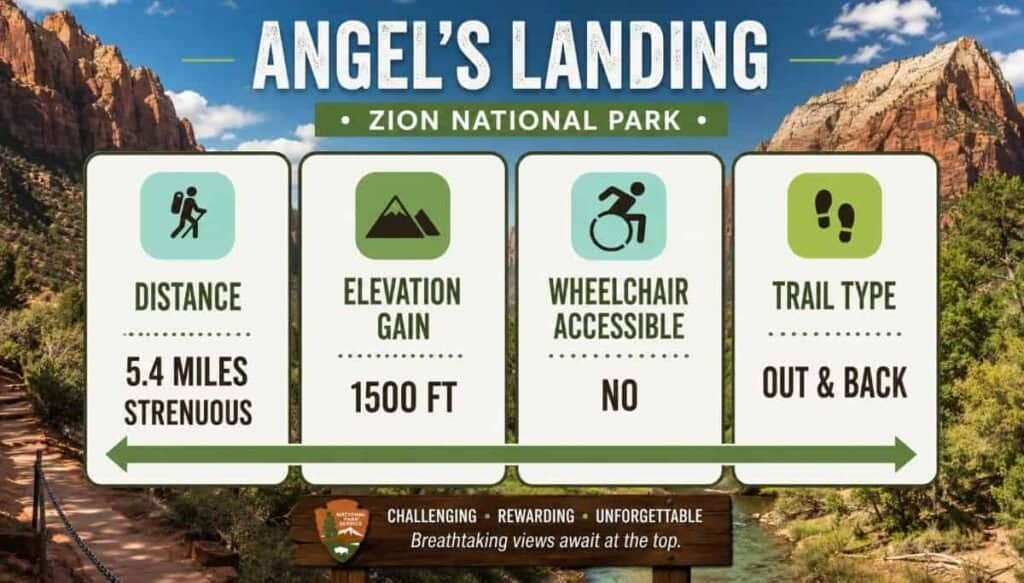
Angels Landing Trail: A Thrilling Ascent in Zion National Park
Angels Landing is one of those Zion hikes that stays with you, even if you don’t make it all the way to the summit. We started the hike knowing the final section would be beyond my comfort level, but I still wanted to see how far I could go.
The trail begins with a climb through Refrigerator Canyon, where the sandstone walls close in around you and the temperature feels noticeably cooler. Green moss and ferns grow along the damp canyon walls, making this one of the most refreshing parts of the hike. It doesn’t last long, though, and soon you’re back in the open sun.
Then come Walter’s Wiggles—the famous series of 21 tight switchbacks that climb toward Scout Lookout. They were named for Walter Ruesch, Zion National Park’s first superintendent, who constructed them in 1926. They may be a piece of Zion history, but when you’re climbing them, you’re mostly thinking about reaching the top!
Scout Lookout is where the hike changes dramatically. The views over Zion Canyon and the Virgin River are incredible, and this is where many hikers decide they’ve gone far enough. I was one of them.

The Final Half-Mile to Angels Landing
Beyond Scout Lookout, the trail follows the Hogsback, a narrow sandstone ridge with steep drop-offs on both sides. Chains bolted into the rock provide handholds along the route, but the exposure is intense.
I couldn’t tackle the chains myself. My legs said “nope,” and I listened. So Barry continued on without me, which means I don’t have summit photos to share. For him, though, reaching the top was an accomplishment he’ll never forget. The views and the feeling of standing up there made every difficult step worthwhile.
For me, Scout Lookout was enough. I got the incredible canyon views, experienced the climb, and knew when to stop. That’s something I’ve learned from hiking over the years: reaching the end of the trail isn’t always the measure of a successful hike. Sometimes knowing your own limits is just as important.
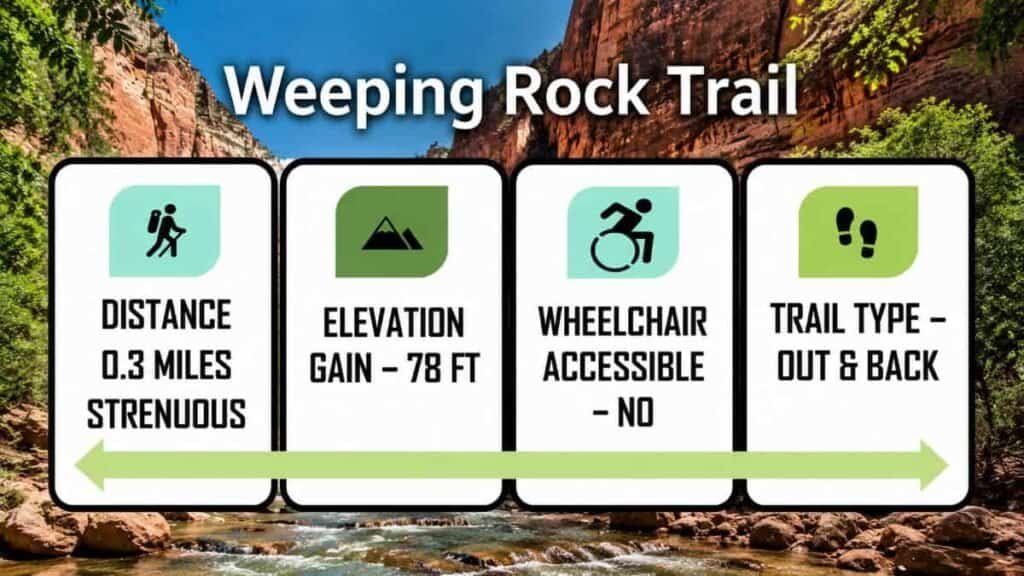
Weeping Rock Trail: A Glimpse into Nature’s Tears and Hanging Gardens
Sometimes the shortest hikes leave the biggest impressions, and Weeping Rock is a perfect example. This short but steep trail leads to one of Zion’s most unusual natural features—a large sandstone alcove where water continually seeps from the rock above.
When we visited, I remember being fascinated by how green and lush the alcove was compared with the dry landscape surrounding it. Water dripped from the sandstone, and small plants and flowers grew along the damp rock face. It felt like finding a little oasis tucked into the canyon.
The water has a fascinating story, too. Rain and snowmelt slowly move through the porous Navajo Sandstone. When the water reaches a less-permeable layer, it is forced toward the canyon wall, where it eventually emerges as the dripping springs that give Weeping Rock its name.
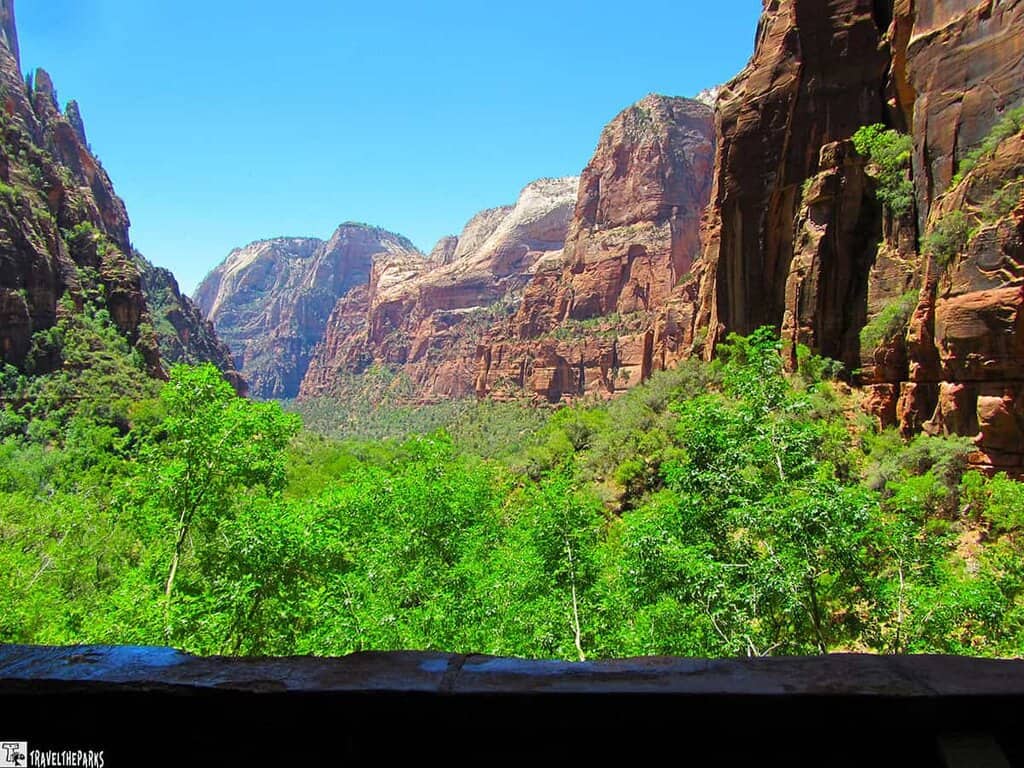
The short climb is worth it for the views as well. From the alcove, you can look out across Zion Canyon and see several of the park’s massive formations rising around you.
Weeping Rock Trail reopened in September 2025 after repairs following a rockfall. The National Park Service describes it as a 0.4-mile round-trip hike with 98 feet of elevation gain. The paved trail is short but steep and includes several stairs, so don’t let the mileage fool you.
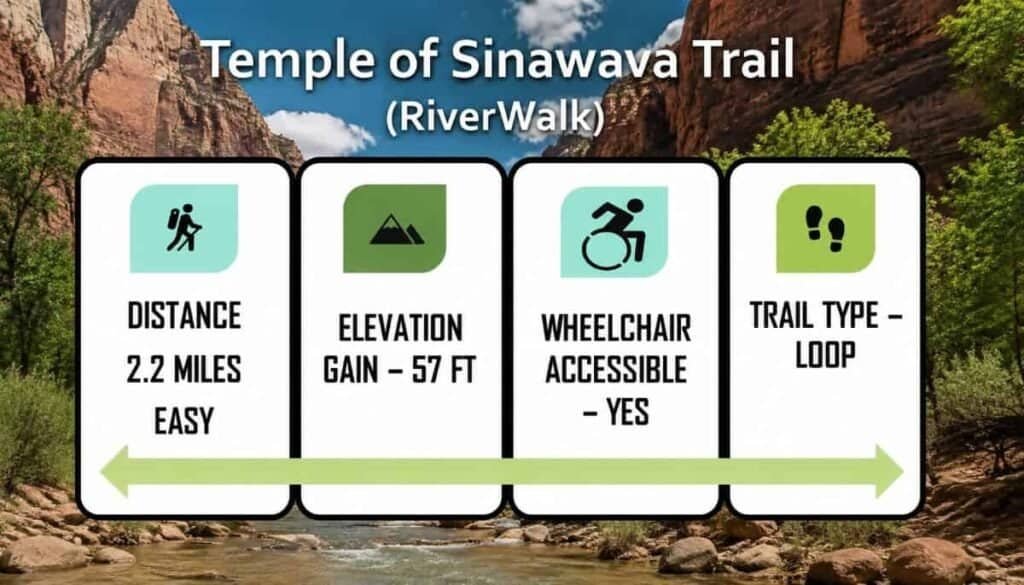
Temple of Sinawava Trail (Riverside Walk): Along the Virgin River
There’s something special about walking beside moving water, especially in a place as dramatic as Zion. The Temple of Sinawava Trail, also known as the Riverside Walk, was one of our favorite walks in the park.
We enjoyed it most in the quiet morning hours when the canyon was still waking up. We spotted mule deer, rock squirrels, and chipmunks along the way, while cottonwood trees, willows, and wildflowers lined the river. Those wildlife encounters made the walk feel much more personal than simply following a paved trail through the canyon.
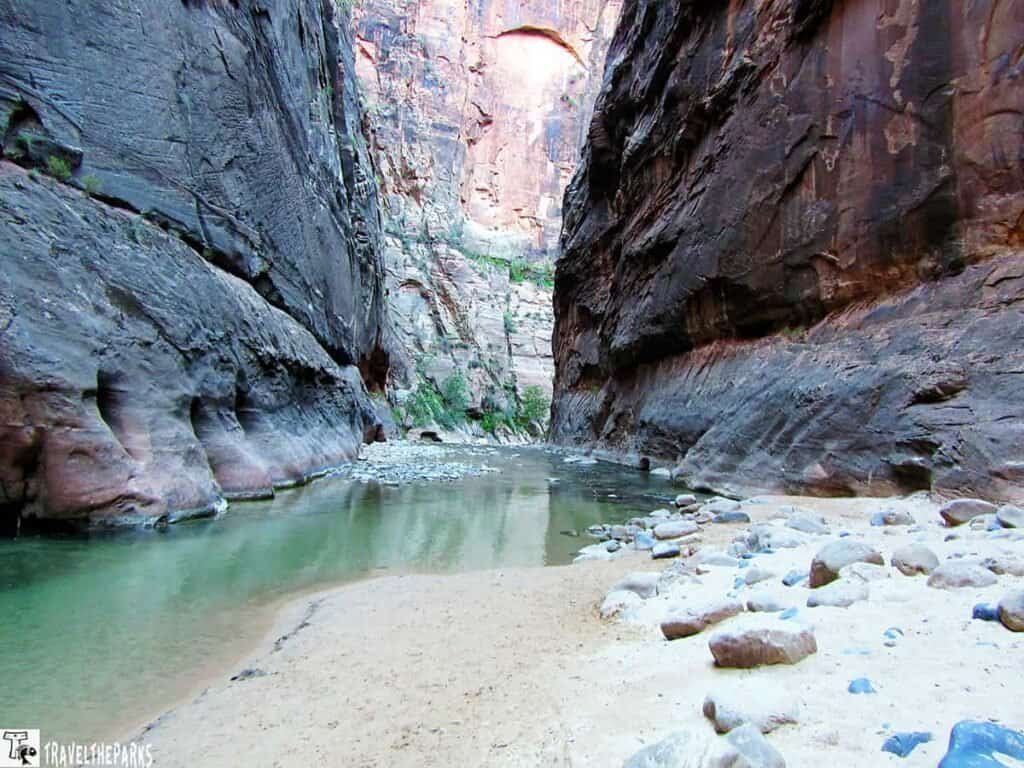
The Virgin River stays close as you walk, sometimes rushing over rocks and other times moving quietly between the canyon walls. Looking up from the trail, the sandstone cliffs seem to rise almost straight out of the river, giving you a completely different perspective of Zion.
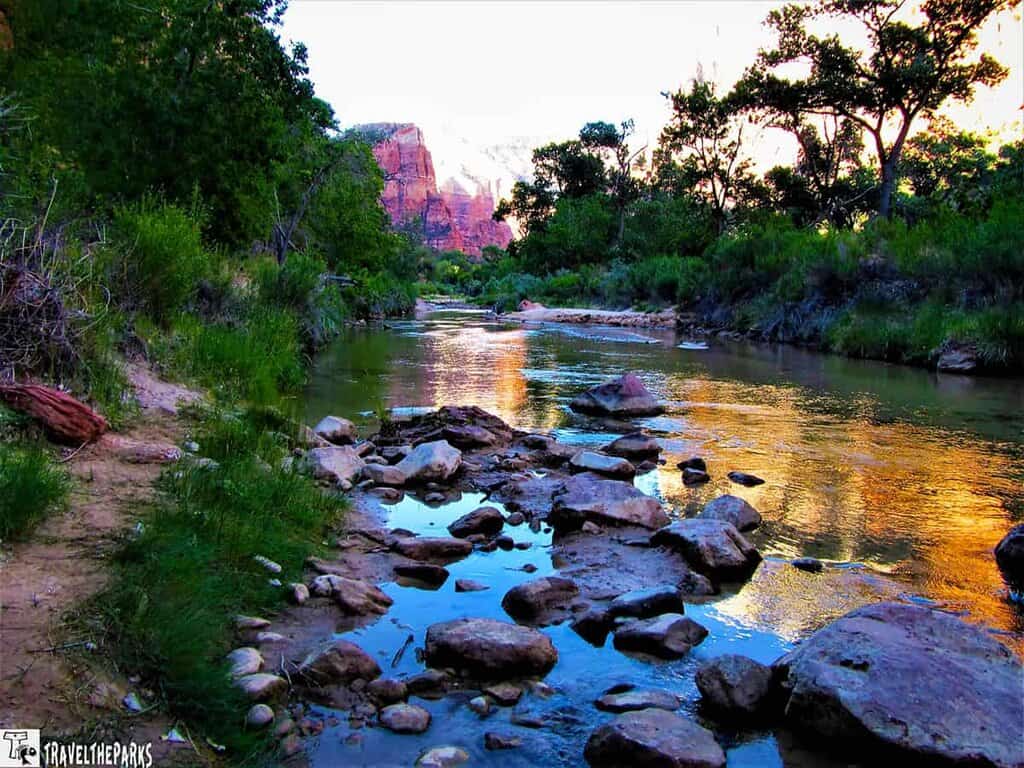
The Riverside Walk eventually comes to the point where the canyon narrows and the trail ends at the river. From there, hikers who are prepared for a very different kind of adventure can continue into the water on The Narrows.
For us, the best part of this walk was simply slowing down. Between the river, the wildlife, and those enormous canyon walls, there was plenty to see without having to climb a mountain to find it.
.
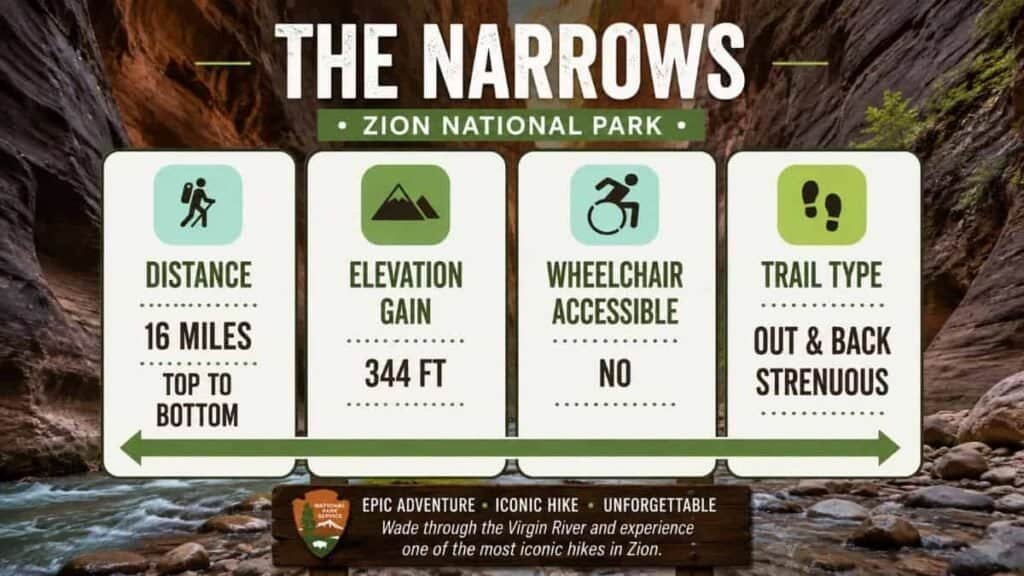
The Narrows: Our Favorite Zion National Park Hiking Adventure
If I had to choose just one favorite hike from our time in Zion, The Narrows would be it. There is simply nothing else quite like walking through the Virgin River with towering sandstone walls rising around you.
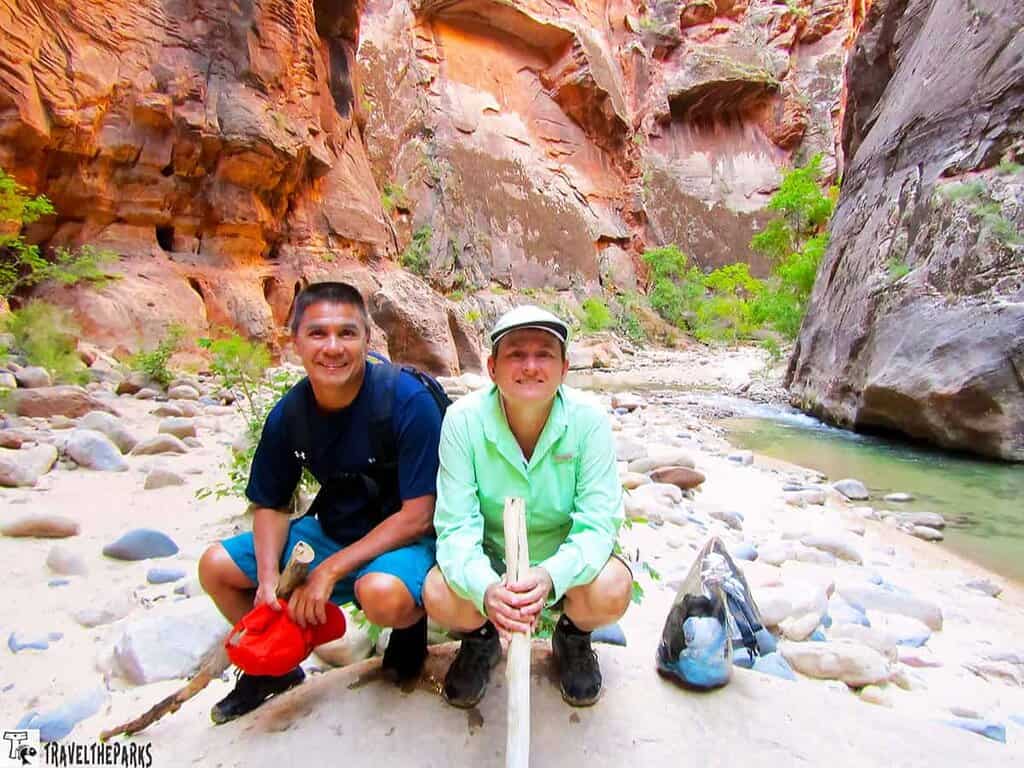
The experience changes with every step. Sometimes the water was only ankle or shin deep, while other sections reached mid-thigh for me. We used a walking stick to help with our footing, and having proper wading gear made a huge difference. The water was cold, the canyon was spectacular, and the combination made this hike feel completely different from anything else we did in Zion.
One of my favorite parts was realizing that we could choose our own stopping point. We made it as far as the waterfall, and there were stretches when we hardly saw another person. Standing in the middle of that enormous canyon with the river running around our feet was incredibly peaceful.
The Narrows was easily my #1 favorite hike in Zion, and it’s one of those experiences I would happily repeat.
Want the full story and everything you need to know before hiking The Narrows? We’ve written a separate guide covering the route, preparation, gear, water conditions, and what we learned from our own hike.
Hidden Canyon Trail: A Hike We Were Lucky to Experience
There are some hikes that stick with you not just because of the views, but because you know you experienced something rare. Hidden Canyon was exactly that for us.
It was one of the more adventurous Zion hikes we tackled, and honestly, I’m especially grateful we had the chance to hike it before it closed.
We combined Hidden Canyon with Weeping Rock and Observation Point during our visit. The trail was considerably more strenuous than Weeping Rock, with steep switchbacks that got the heart pumping and sections that hugged the canyon wall with dramatic drop-offs. Steel cables were bolted into the rock to help hikers navigate some of the more exposed areas, which added an extra bit of excitement—and maybe a few nervous laughs—to the climb.
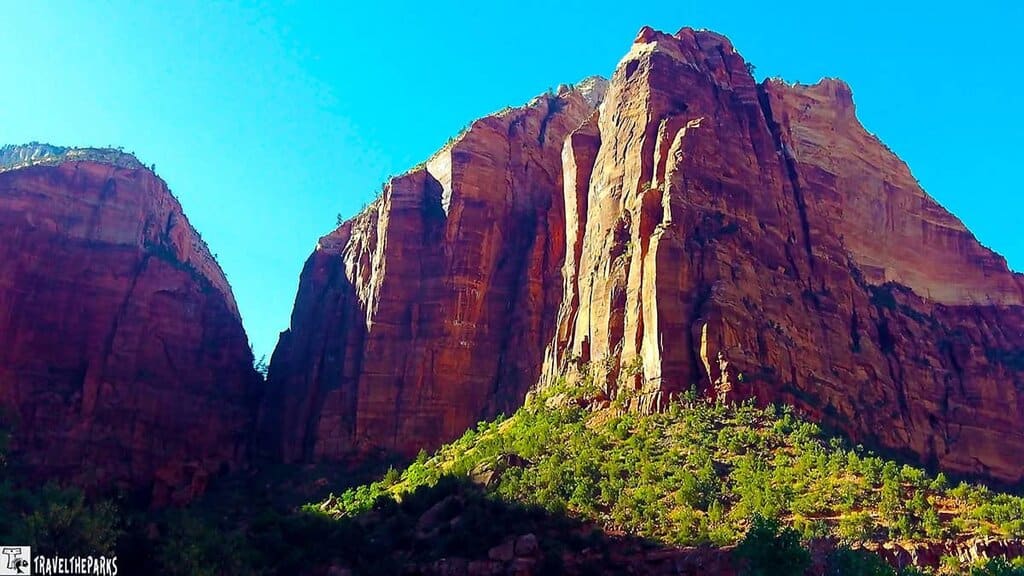
As we made our way deeper into Hidden Canyon, something shifted. The surroundings became quieter and more secluded, and it felt like we’d stepped into a part of Zion that few visitors experienced. One of the highlights was reaching Hidden Arch, a natural formation tucked into the canyon wall. It felt like finding a hidden treasure.
Here’s the thing about Hidden Canyon: it’s no longer part of the hikes visitors can currently access. The trail has been closed for years following a rockfall. So when I look back on that hike, I feel a mix of gratitude and wonder. I’m so glad we experienced it when we did.
It remains one of those Zion memories that reminds me how much the park can change over time—and how lucky we are to catch these places at just the right moment.
Observation Point Trail: A Breathtaking Vantage Point Above Zion
Observation Point was one of our favorite Zion hikes. We loved the views, but what really made it memorable was seeing the canyon from a completely different perspective. From the top, you can look across Zion Canyon and see Angels Landing far below.
When we hiked it, the route from Weeping Rock was about 8 miles round trip with roughly 2,200 feet of elevation gain. It was a challenging climb, but the scenery kept changing as we gained elevation.

The Journey Through Echo Canyon
The trail began with a steady climb and a series of switchbacks before reaching Echo Canyon. This was one of my favorite parts of the hike. The canyon walls close in around the trail, and the cooler temperatures were a welcome break from the sun.
There were sections where the trail hugged the canyon wall, but unlike the exposed final section of Angels Landing, we didn’t have to navigate chains. That made it easier to stop, look around, and actually enjoy the scenery.
As we climbed out of Echo Canyon, the landscape opened up again. One of the first views of the Great White Throne was unforgettable.
The View From Observation Point
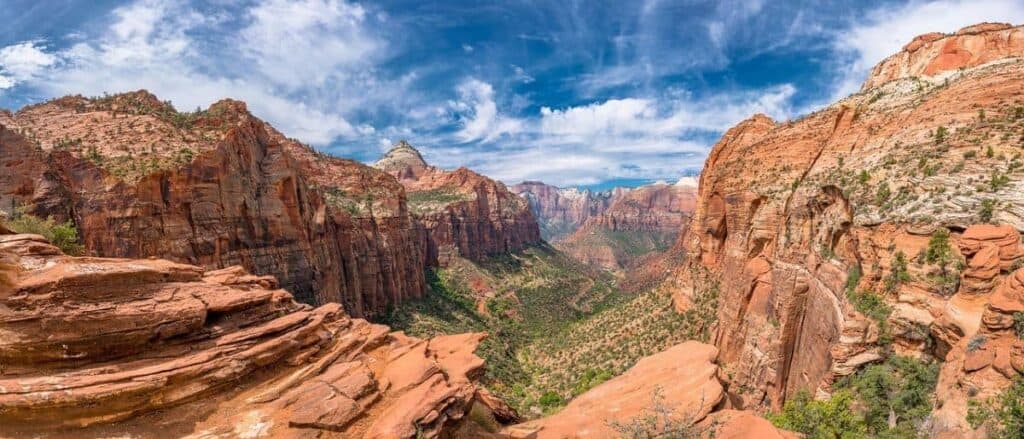
The final stretch followed the mesa toward Observation Point, where the views seemed to get better with every step. From the overlook, you can see the East Rim, Great White Throne, Cable Mountain, Deertrap Mountain, the West Rim, Angels Landing, and The Organ.
One of the things that makes Observation Point so special is its elevation. The overlook sits about 500 feet higher than Angels Landing, giving you an incredible bird’s-eye view of Zion Canyon.
Important: The route to Observation Point from Weeping Rock is currently closed. We included it because we hiked this trail before the closure and wanted to preserve our experience of one of our favorite Zion hikes.
For visitors looking for the current route to Observation Point, we’ll cover the East Mesa Trail separately below.
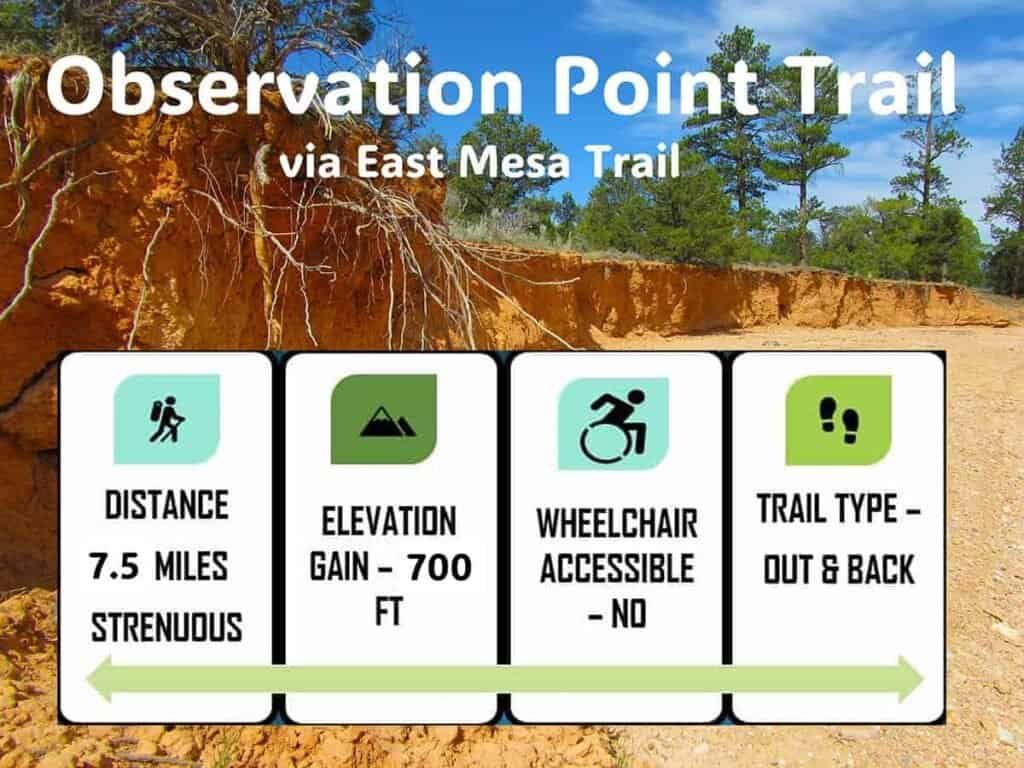
Observation Point via East Mesa Trail: A Scenic and Less-Traveled Path to Panoramic Views
If the long climb from the canyon floor sounds like more than you want to tackle, there is another way to reach Observation Point. The East Mesa Trail approaches the overlook from the east side of Zion, making for a very different hiking experience.
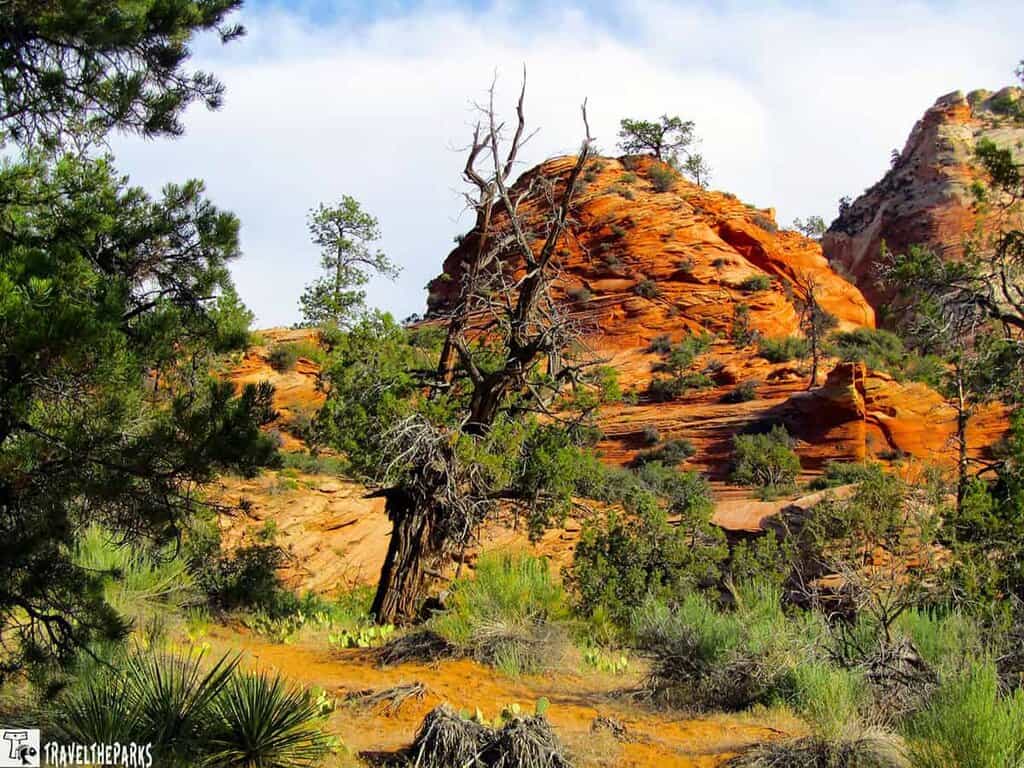
We took this route on our second hike to Observation Point, and I enjoyed seeing another side of Zion. Instead of climbing steeply through the canyon, the trail winds through the East Mesa, with stands of ponderosa pines and wildflowers along the way. It felt quieter and more peaceful than the trails in the main canyon.
Getting to the East Mesa Trail
The trailhead is reached from Route 9 outside the main canyon. The final roads can be rough, especially after rain, so take your time and be prepared for changing road conditions.
From the trailhead, the route follows the East Mesa toward Observation Point. The hike is considerably less strenuous than the old route from Weeping Rock, although you still have several miles of hiking before reaching the overlook.
The Payoff: Observation Point
The first time we stood at Observation Point, the view was impressive. Coming back a second time didn’t change that.
From the overlook, Zion Canyon stretches out below you, with Angels Landing looking surprisingly small in the distance. The Great White Throne, West Rim, and other familiar formations create a panorama that gives you a whole new appreciation for the scale of Zion.
What I liked most about hiking the East Mesa route was that the journey felt completely different from our first trip to Observation Point. The destination was the same, but the scenery along the way gave us another perspective on the park.
And that view? It never gets old.
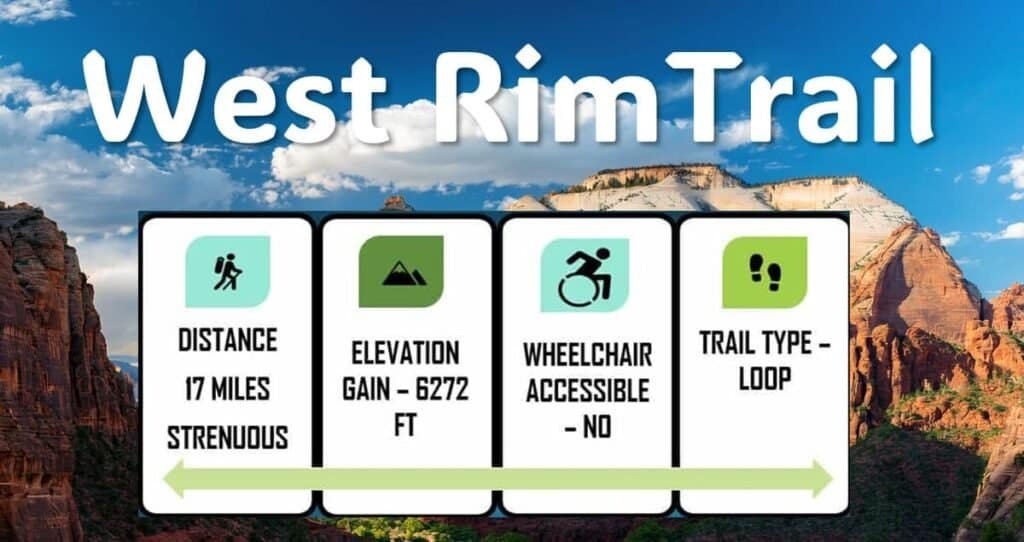
The West Rim Trail: A Scenic Journey Through Zion’s Backcountry
If you want to see a quieter side of Zion, the West Rim Trail takes you well beyond the busy canyon floor. We loved the change of scenery, from high plateaus and open meadows to deeper canyons and sweeping views.
The trail begins at Lava Point, reached by way of Kolob Terrace Road. From there, the route gradually works its way toward The Grotto. We arranged a shuttle to the trailhead, which made the logistics much easier and allowed us to hike the route in that direction.
One of my favorite sections was Potato Hollow. The meadow was a beautiful contrast to the towering sandstone scenery that Zion is known for. There were also plenty of smaller details along the way, including prickly pear cactus and the occasional wildlife sighting.
A Different View of Angels Landing
One of the highlights for me was seeing Angels Landing from a completely different perspective. After hiking Angels Landing itself, it was fascinating to look back at that famous rock formation from the West Rim.
The trail has some steeper sections, but the changing scenery kept us interested throughout the hike. Much of the route is exposed, so this is one where you’ll want to pay attention to the weather and carry plenty of water.
The West Rim Trail can be completed as a long day hike, or hikers can spend the night at designated backcountry campsites with the appropriate permit. We made it a day hike.
Toward the end, we descended toward The Grotto and back into the heart of Zion Canyon. By then our legs were tired, but the views and variety along the trail made the effort worthwhile.
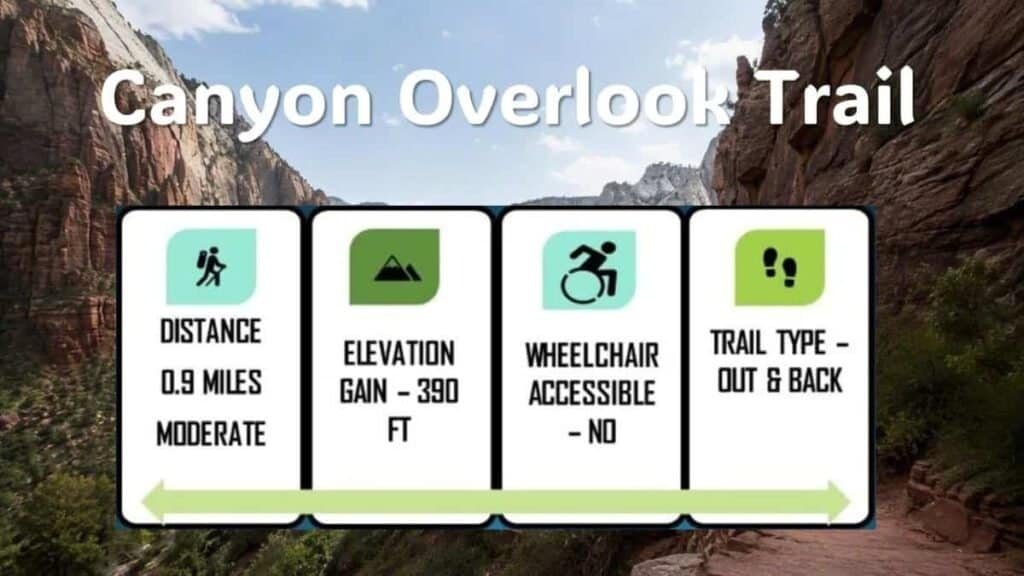
Canyon Overlook Trail: A Short Hike With a Big Zion View
Canyon Overlook Trail was one of the hikes we made sure to fit into our Zion visit. Located on the east side of the park, it offers a completely different perspective from the trails in Zion Canyon.
One of the things we liked about this hike was the convenience. The trailhead is just east of the Zion-Mount Carmel Tunnel, so you don’t have to ride the shuttle to reach it. Parking can be limited, though, which is why we started very early on our last morning in the park.
The Trail
The trail is short, but don’t let the distance fool you into thinking there’s nothing to see along the way. The path winds through the rocky landscape, with pinyon pines and interesting rock formations along the route. There are some rocky sections and areas with steep drop-offs, so you’ll want to watch your footing.
We reached the overlook in about 20 minutes, but we stopped several times along the way to take in the scenery.
The View
The payoff at the end is a sweeping view of Zion Canyon. From the overlook, you can see the canyon stretching out below, surrounded by the massive sandstone cliffs that make Zion so recognizable.
For us, this was one of those hikes where the effort-to-reward ratio was hard to beat. You don’t have to spend hours on the trail to get an incredible Zion view.
If you’re short on time, looking for a shorter hike, or simply want to see the park from the east side, Canyon Overlook Trail is an easy one to add to your Zion hiking list.
Before You Hike Zion: What to Know
- Water: Where to fill bottles and how much to carry
- Footwear: Why sturdy hiking shoes are important
- Trekking poles: Particularly useful on uneven or steep trails
- Shuttle: Which trails require the Zion Canyon shuttle and how that affects access
- Weather: Heat, sun exposure, and changing conditions
- Trail closures: Check current conditions before heading out
- Permits: Important for hikes such as Angels Landing
- Trail map: Link to the park’s current map rather than relying solely on the old downloadable park brochure
Final Thoughts: Zion National Park Hiking Trails
After hiking so many different trails in Zion, what stands out to me most is how different each one feels. Some are short walks along the river, while others take you high above the canyon or right into the Virgin River.
The Narrows remains my #1 favorite, but that doesn’t mean it will be yours. Angels Landing, Observation Point, Canyon Overlook, and even the Pa’rus Trail each offer something completely different. That’s what makes hiking in Zion so much fun.
My best advice is to plan ahead. Check current trail conditions, shuttle information, closures, and permit requirements before you visit. An early start can also make a huge difference. We found quieter trails, cooler temperatures, better light, and more wildlife when we were out early.
We’ve been fortunate to experience some Zion trails that are no longer open, including Hidden Canyon and the original route to Observation Point. Parks change, trails close, and conditions aren’t always the same from one visit to the next.
I highly recommend these memorable day hikes in Zion National Park. If you’re visiting for just one day, check out our Best 1-Day Itinerary for Zion National Park to help put your hiking plans together.
Have you hiked in Zion? Which trail was your favorite?