We’ve learned on our road trips that not every campground needs to be deep in the wilderness to be memorable. Some of the best ones strike a balance—and Gulpha Gorge Campground does exactly that.
Tucked inside Hot Springs National Park, this campground gives you a mix of nature, convenience, and just enough history to keep things interesting—all without needing to “rough it” too hard.
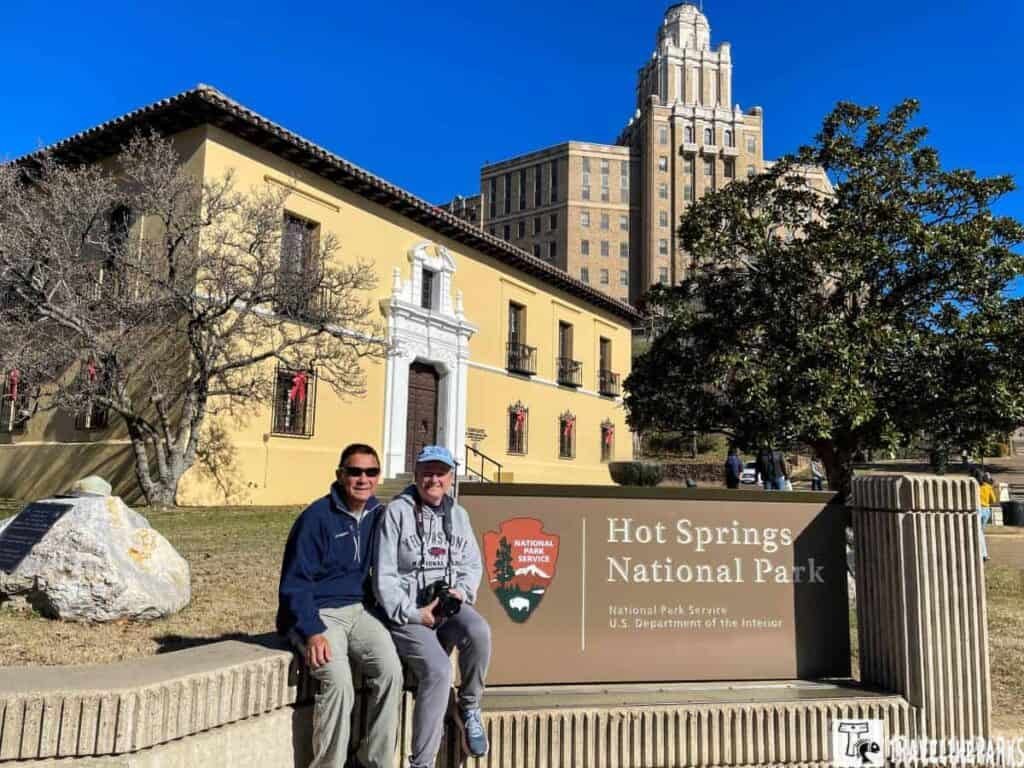
Table of Contents
Know Before You Go to Gulpha Gorge Campground
- Location: 305 Gorge Road, Hot Springs, AR 71901
- Park: Hot Springs National Park (the only NPS campground in the park)
- Sites: 40 sites—all full hookups (30 & 50 amp electric, water, sewer)
- Cost: $34/night | $17 with Senior/Access Pass (50% discount)
- Reservations: Required via Recreation.gov (6-month rolling window)
- Max RV Length: 60 feet (vehicle included)
- Quiet Hours: 8:00 PM–9:00 AM
- Max Stay: 14 consecutive days / 30 cumulative days per calendar year
- Pets: Allowed on leash (6 ft. Max); immediate waste cleanup required.
- Cell / Wi-Fi: No campground Wi-Fi; cell service varies by carrier
- No showers at the campground—plan for a bathhouse visit or bring a camp shower setup if hygiene is non-negotiable for your crew.
- The campground is open all year. If we had to pick the best time? Fall. Cooler temperatures, leaves changing, fewer people, and a hot soak at Buckstaff waiting at the end. Hard to beat that.
A Brief History: From Swimming Hole to National Campground
So here’s the thing about Gulpha Gorge—people have been hanging out here way longer than the National Park Service.
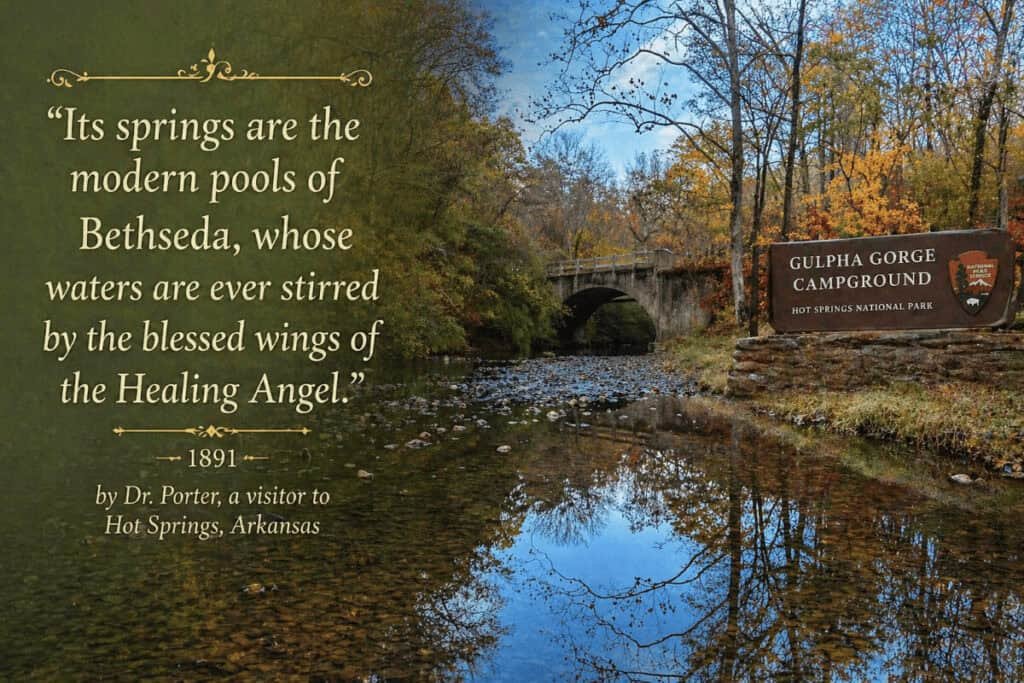
Like, way longer. People have been coming to these hot springs for a really long time — Indigenous nations long before any European settlers got here. Then, in 1832, the government decided to make Hot Springs a federal reserve. That was actually 40 years before Yellowstone became a national park, which is one of those facts we read on a wayside sign and then repeat to each other three times because we couldn’t believe we’d never heard it.
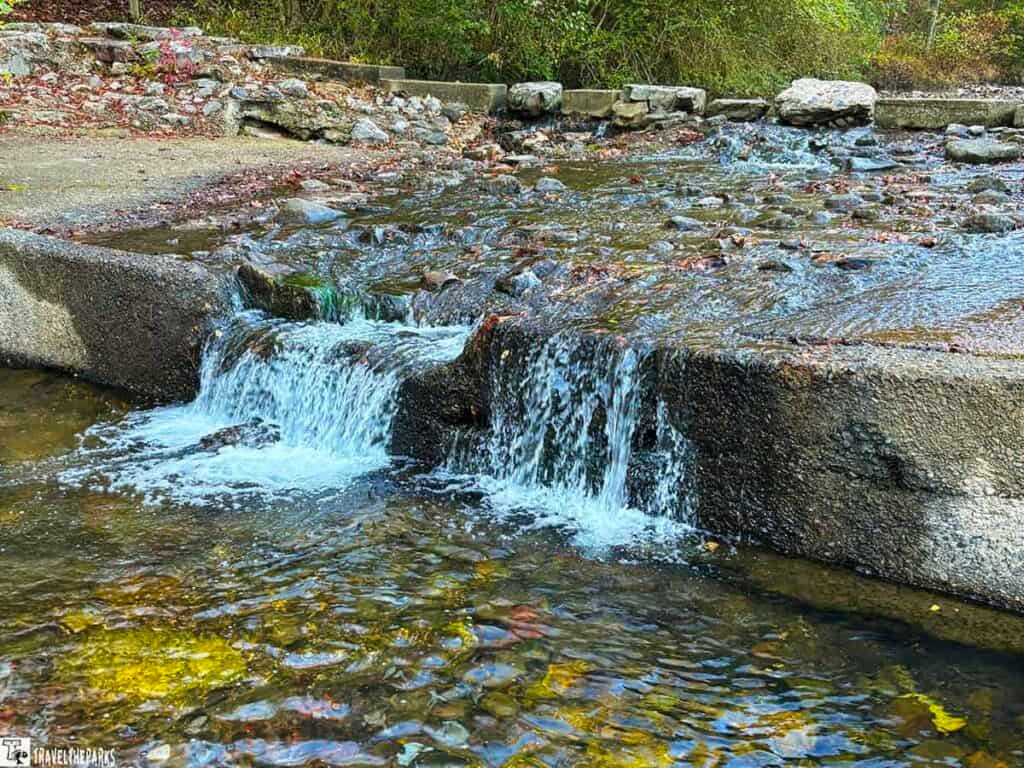
Anyway, by the early 1900s. The city of Hot Springs actually owned this land along Gulpha Creek. And get this—they built a dam and a little swimming pool. Which sounds adorable until you realize early 20th-century “swimming pool” probably meant muddy water and splinters. No lifeguard. Just vibes.
Then the 1930s rolled around. The National Park Service buys the property, and the Civilian Conservation Corps (the CCC—those guys were everywhere) shows up to build trails. Those same trails? Still there. We walked one trail after dinner.
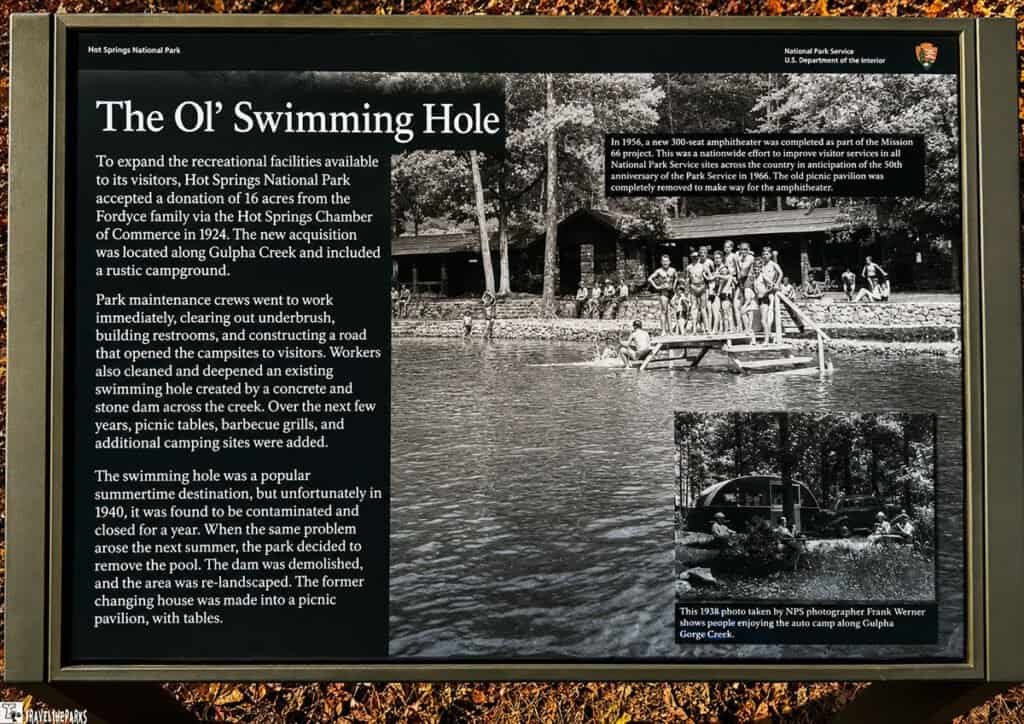
The campground itself—the one with the hookups and the little creek and the surprise hot showers—that came later, mid-20th century, built for families in station wagons. Now it’s this weird, wonderful thing: a national park campground literally five minutes from downtown.
So, no, it’s not wilderness. But it’s got layers. And a swimming hole that doesn’t exist anymore. And honestly? We liked it more for that.
The Campground Itself: What to Expect
So here’s what surprised us about Gulpha Gorge—the campground itself is flat and paved. The sites are level, easy pull-throughs for travel trailers and RVs. No leveling block drama here.
They take tents and RVs up to 60 feet, which is bigger than we expected for a national park spot. And get this—every single site has full hookups. Electric (30 and 50 amp), water, sewer. That’s practically unheard of in most NPS campgrounds. We kept double-checking because we didn’t believe it. This is why the place books up so fast, by the way.
We also brought a screen tent for the mosquitoes. Smartest move we made all trip. The creek is beautiful, but the bugs know it too. The screen tent gave us a place to eat dinner without donating blood.
Each site gets you a picnic table, one of those pedestal grills, and a paved parking slab. There are actual restrooms with flush toilets—modern enough, no complaints—but no showers. So don’t show up expecting to rinse off unless you walk into town and pay for a bathhouse soak. We did that, and it was great, but just know going in.
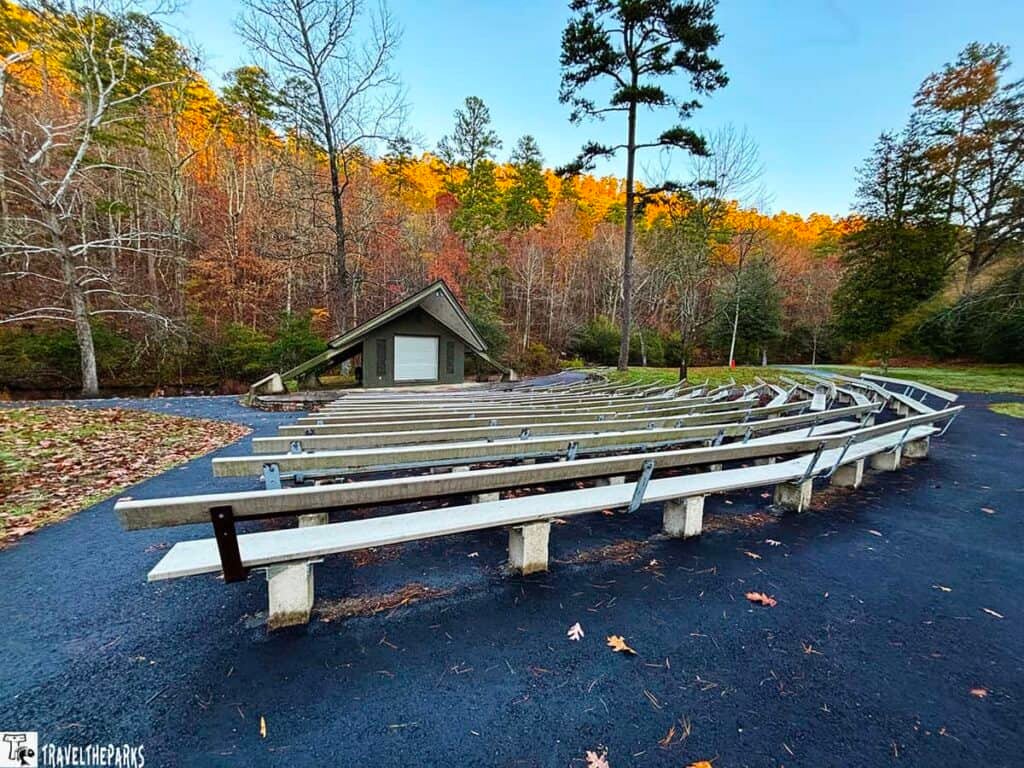
There’s one ADA site, plus #4 and #17 are the accessible ones with paved paths to the bathrooms and the little amphitheater they’ve got there

Choosing the Best Site
Now, site choice matters more than we thought. If you can, grab something between 20 and 44. Those run right along Gulpha Creek. Honestly, the creek sound alone is worth showing up for. Plus, there are enough trees between you and the road that you feel farther out than you really are—which is a nice little trick the gorge plays on you.
Sites 1 through 16? Those are the ones closer to Highway 7S. During the day you’ll hear some traffic—not awful, but it reminds you that a road exists. We’d still stay there if we had to, but creek-side is the better call.
They’ve got campground hosts. Check-in is 2 PM, check-out is noon. Max eight people and two vehicles per site.
One weird rule—tents go on pavement, not grass. RVs are fine on the pads. If you’re tenting, bring a thick sleeping pad, or you’ll feel every pebble. We were in our travel trailer, so we dodged that one, but we felt bad for the tent folks nearby.
Hit the Trails: Hiking from the Campground
One of the best things about Gulpha Gorge Campground is that the trail system starts right at the amphitheater. Leave the car parked and get out on foot—the park has 26 miles of trails accessible from the campground and the surrounding network.
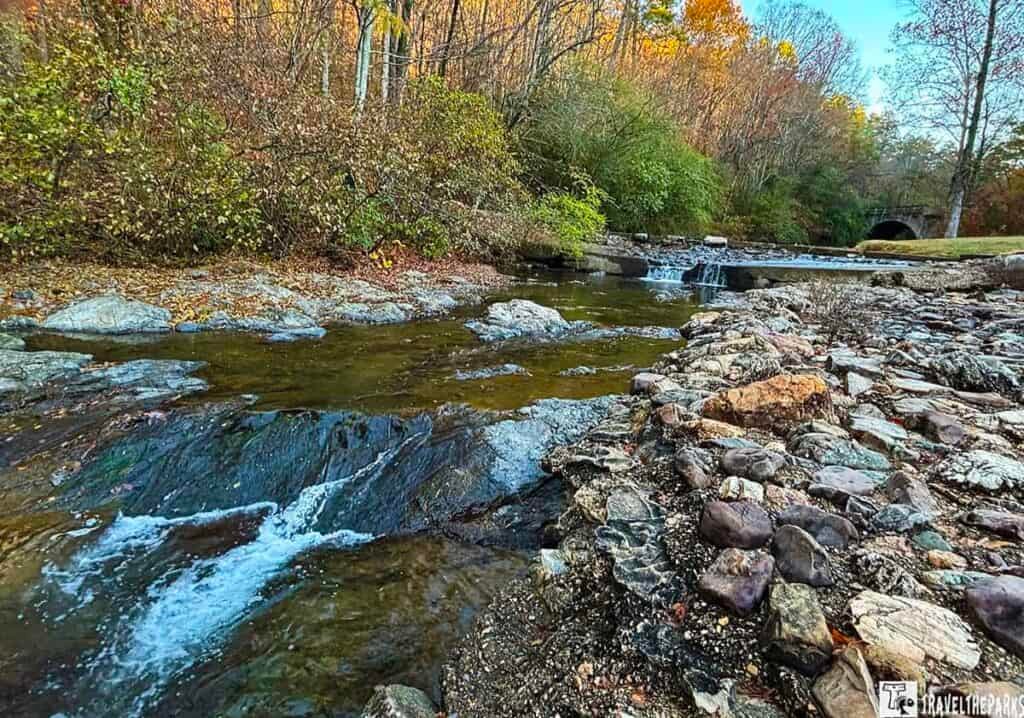
Gulpha Gorge Trail (0.6 miles one-way | strenuous)
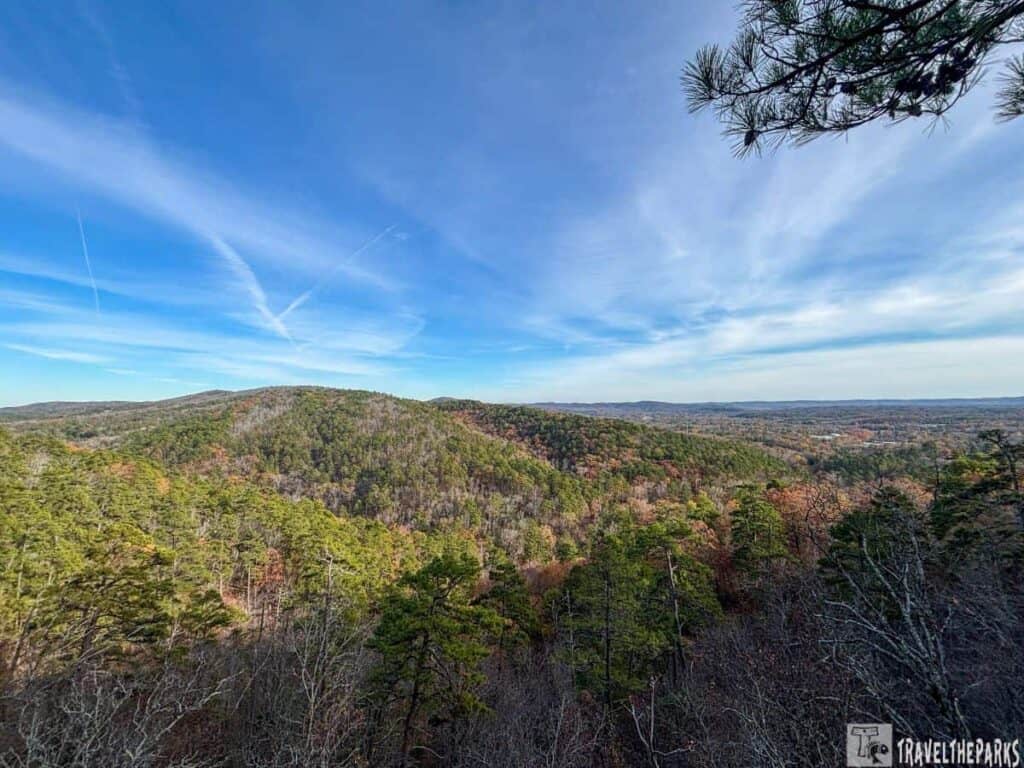
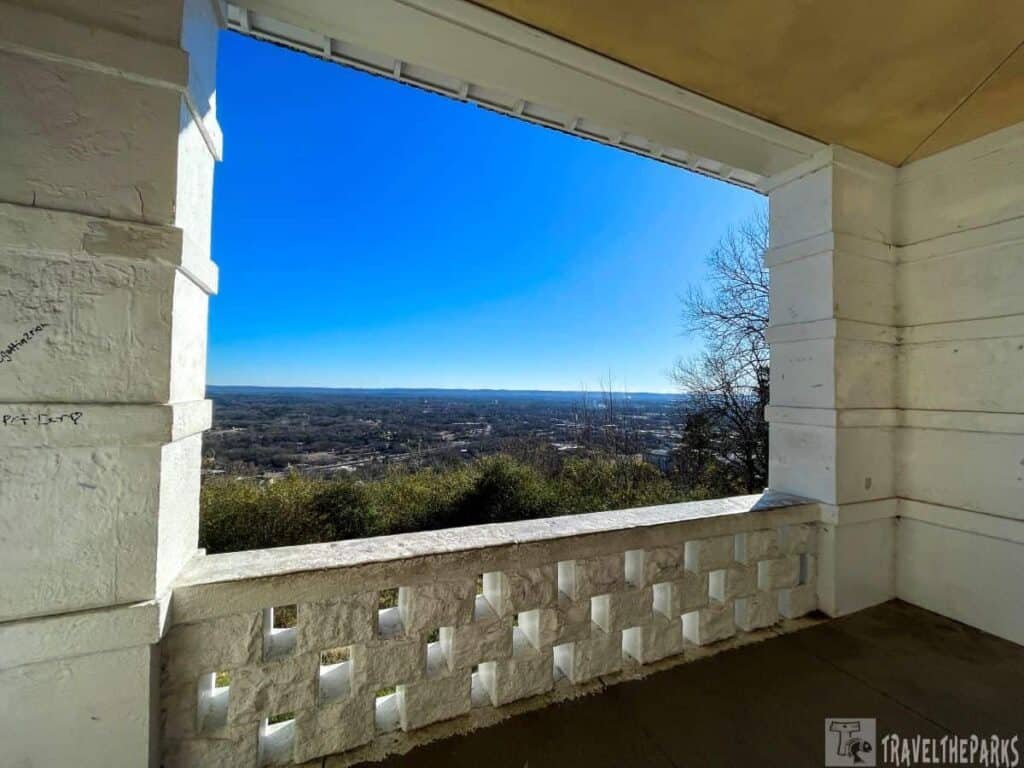
This is the connector. It departs the campground and climbs Hot Springs Mountain in a lung-burning, no-nonsense fashion—reportedly ranging from 12 to 21% grade in sections. At the top, the trail connects to the wider network—Goat Rock Trail, Hot Springs Mountain Trail, and an entire menu of ways to keep suffering voluntarily. The views down into the gorge and over the campground are genuinely worth every wheeze. Just know going in: 400 feet of elevation in 0.6 miles is not a gentle suggestion. It’s a negotiation with your lungs. We did it. We called it cardio.
Goat Rock Trail (0.9-mile one-way | Moderate)
This one’s shorter than we thought going in—it’s about 0.9 miles from the trailhead to the rock formation itself. You can also just keep walking and hook up with the Gulpha Gorge Trail to make a bigger loop. We ended up doing that by accident, honestly. The rock outcrops at the top are cool—worth the climb. And yeah, there are some switchbacks, but they’re not terrible.

Sunset Trail (13.1 miles loop | Moderate-Strenuous)
For anyone with grand visions and enough food, this hike begins (or terminates) at the campground and traverses the most secluded part of the park, traveling past West Mountain, Music Mountain, and Sugarloaf Mountain. People usually connect some trails to complete a loop of about 14 miles. The route has orange markings; be sure to follow them.
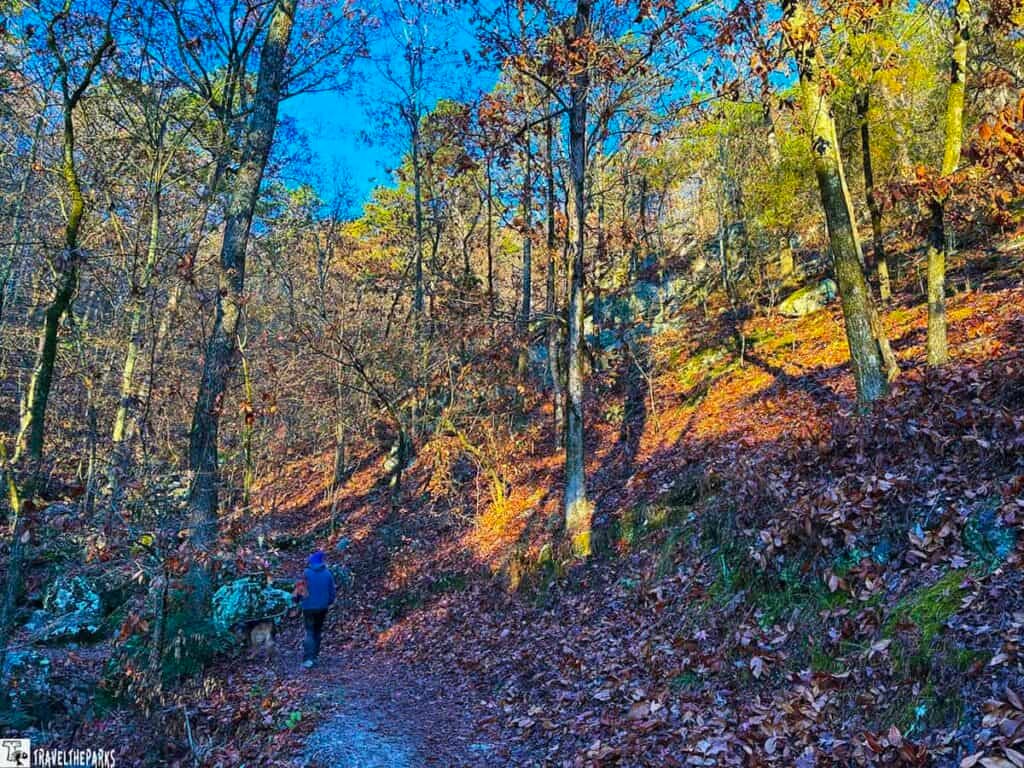
Dead Chief Trail (1.5 miles one-way | Moderate)
This trail connects the campground to the Army-Navy gate above the Stevens Balustrade and then down to Bathhouse Row. Connects from the campground to Bathhouse Row, it’s about 1.5 miles—a totally doable walk into town if you don’t want to move the car. The first section is steep, then it levels out.
Hot Springs National Park: The Bigger Picture
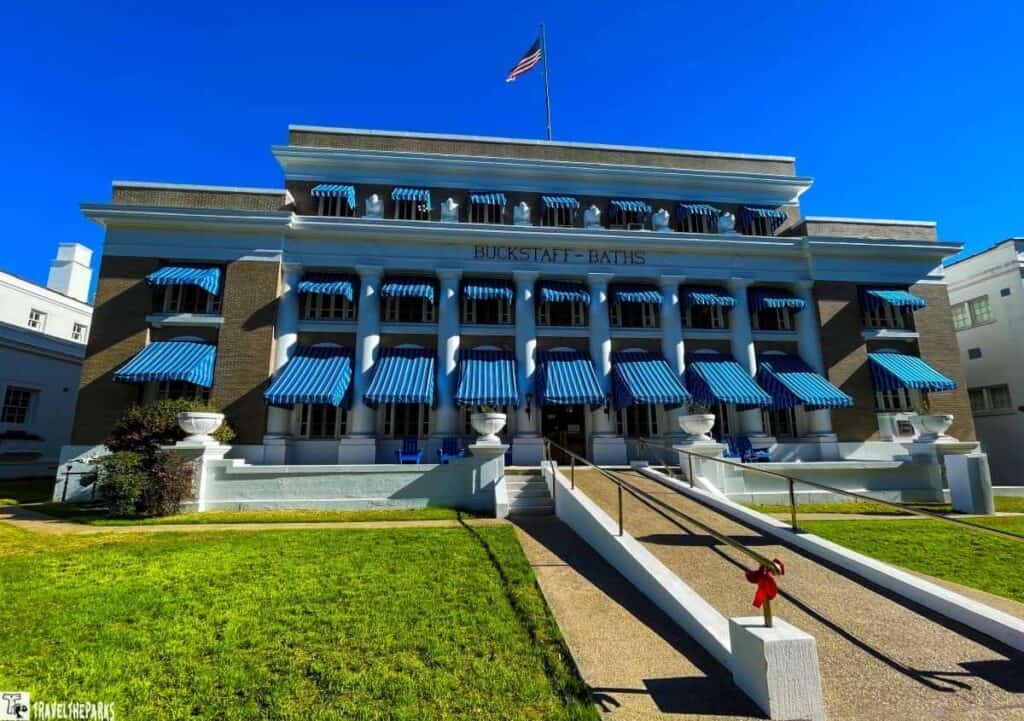
So here’s the thing everyone talks about first—Bathhouse Row. It’s a line of grand old bathhouses on Central Avenue that feels like a European spa town somehow dropped into Arkansas.
They were built between 1892 and 1923—eight in total. The Fordyce Bathhouse is now the visitor center and museum, and it’s absolutely worth exploring.
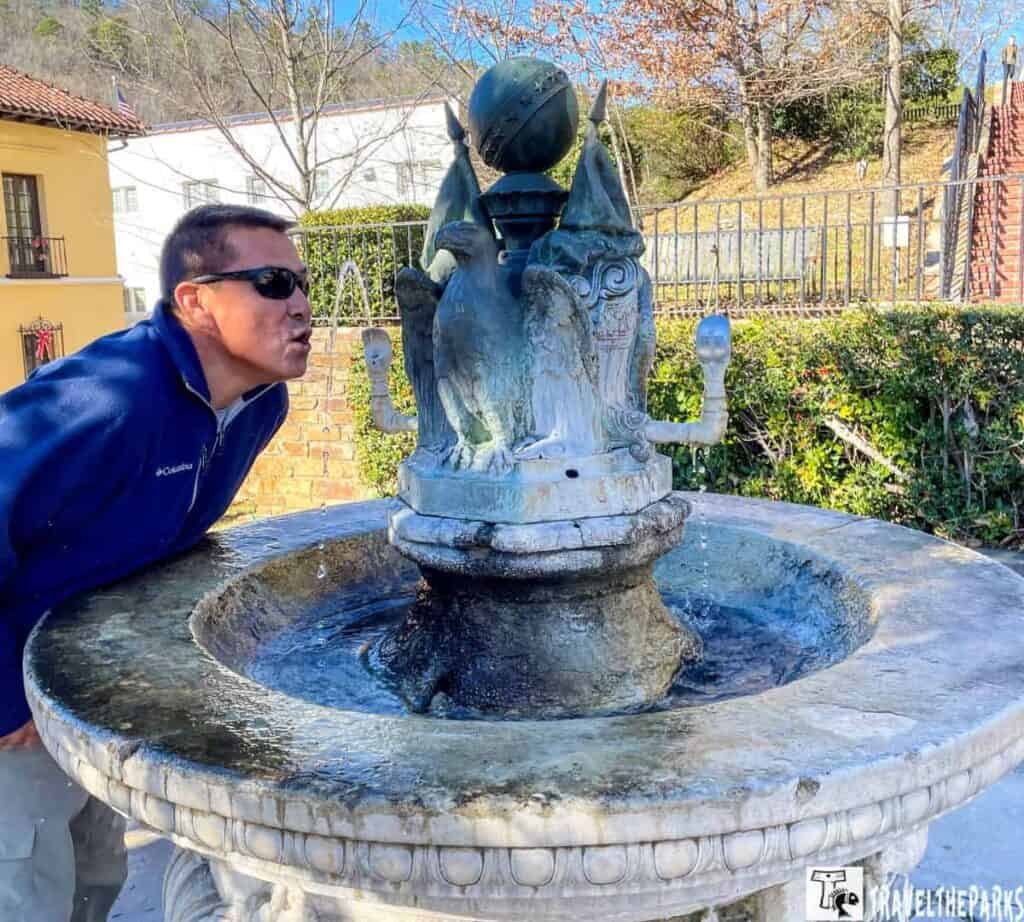
Want an actual soak? Buckstaff does traditional baths, first-come, first-served basis. Quapaw needs a reservation and feels a little fancier. We loved our spa day here. Seriously.
The water comes out around 143°. They cool it to about 104 before you get in. Hot enough to melt road trip tension. Not hot enough to cook you.
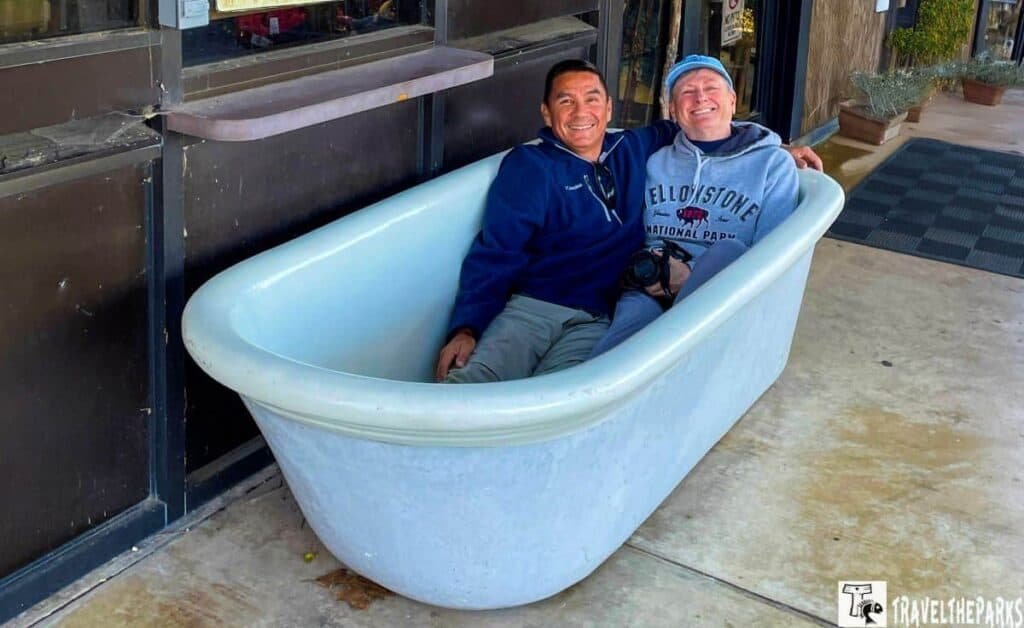
We learned something interesting while we were there—baseball players used to come here in the off-season to train and soak. Like, major league guys. Hot Springs is actually called the birthplace of spring training. We had no idea.

A Few Other Things Nearby
A couple of other random things nearby that we liked:
The Superior Bathhouse Brewery is inside a national park—the only one in the country that can say that. They brew with thermal spring water. Does it make the beer better? We couldn’t really tell. But it’s a fun story to tell.
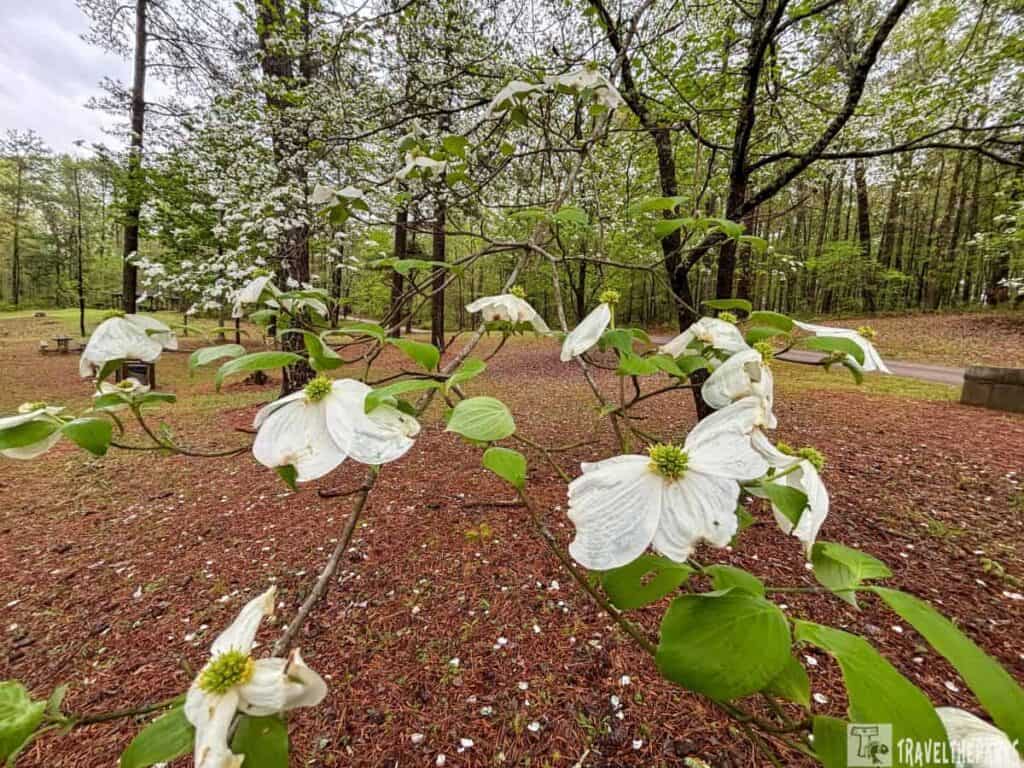
Garvan Woodland Gardens is 210 acres of flowers and paths, and pretty stuff. Mid-America Science Museum—we didn’t go, but other people told us it’s great for kids. And honestly, for adults who like pushing buttons and looking at space exhibits.
Oh, and entrance to the park is free. Parking downtown? Not so free in terms of patience. Good luck during peak season. We learned that the hard way and just started leaving the car at the campground. Walking was so much easier.
What to Bring (Because We Forgot Half of This)
- Screen tent: Non-negotiable. The creek is gorgeous. The mosquitoes agree. We set ours up over the picnic table and suddenly dinner wasn’t a blood donation.
- Thick sleeping pad (if you’re tenting): Tents go on pavement here. You will feel every tiny pebble through a cheap pad. Ask us how we know.
- Camp shower or bathhouse plan: No showers at the campground. We walked to Buckstaff and loved it, but if you want to rinse off at camp, bring a portable shower setup.
- Headlamp: The campground is dark at night. Not “romantic, dim” dark. “Where did I put the chips?” dark. A headlamp keeps both hands free for chip retrieval.
- Portable power bank: No hookups? Wait—actually, there are full hookups here. So you don’t need this for power. But we always bring one anyway for phone charging while we’re on the trail.
- Bug spray: Already mentioned the mosquitoes, right? Worth saying twice. [Link]
- Reusable water bottle: The thermal springs are cool to see, but you can’t drink from them untreated. Bring a bottle for tap water at the campsite or in town.
- Camp chairs: Creek-side sitting is mandatory. Don’t be the person sitting on a flipped-over bucket.
Final Thoughts: Camping at Gulpha Gorge Campground
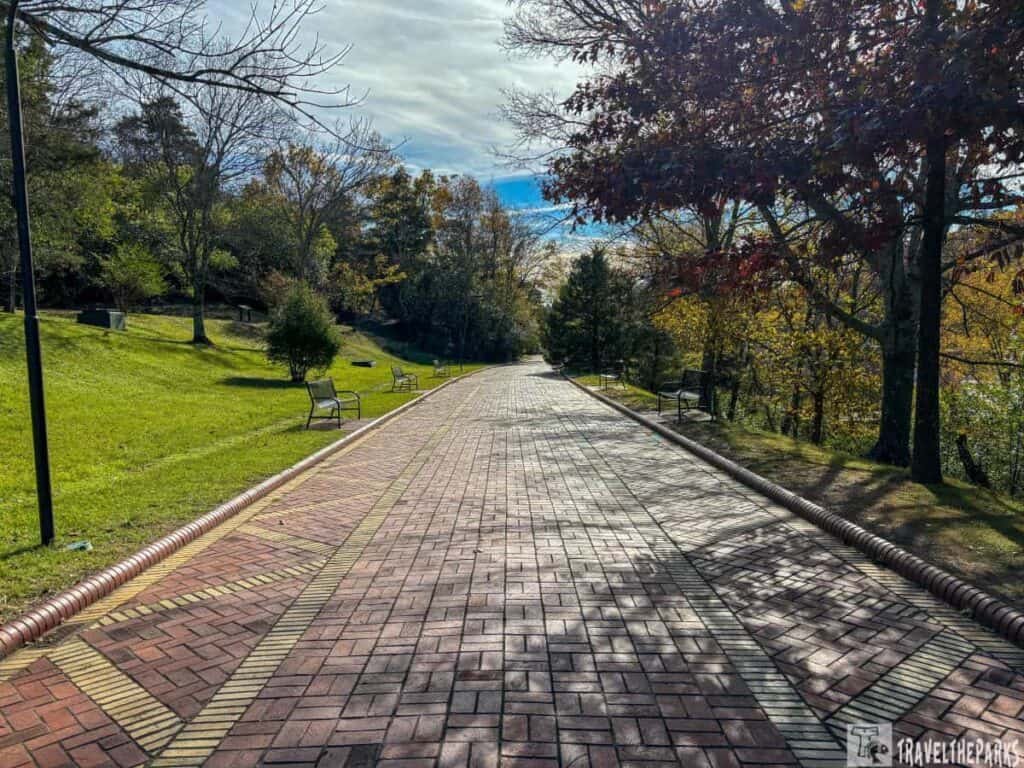
Gulpha Gorge Campground earns its reputation. It’s not a flashy place—no pool, no playground, no camp store—but it offers something better: a genuine sense of being tucked into a national park canyon while still being five minutes from coffee, restaurants, and a historic spa district. For a road trip campground, that combination is hard to beat.
We left cleaner than we arrived (barely), with tired legs from the Gulpha Gorge Trail and a solid appreciation for what the National Park Service has preserved here for over a century. Hot Springs National Park doesn’t always get the same marquee attention as some of its flashier national park siblings, but that’s part of the charm. The gorge was quiet, the creek was cold, and the hot springs waiting in town were exactly what the doctor ordered—literally, as it turned out. Physicians once actually prescribed soaks here.
Would we come back? Without question. Would we book a creek-side site and arrive with better snacks? Absolutely.
Have you camped at Gulpha Gorge Campground? Drop a comment below—we’d love to hear your creek-side stories, favorite trail picks, or which bathhouse you recommend. The road trip community runs on shared intel.