There are some stops on a road trip that you plan months in advance—and then there are the ones that quietly turn out to be exactly what you needed. That’s how our David Crockett State Park camping experience turned out. Traveling in our motorhome, we’re always looking for places that are easy to navigate, comfortable to stay in, and offer enough to explore without needing a packed itinerary. This park checked all those boxes.
Tucked away about 90 minutes south of Nashville, David Crockett State Park covers 1,319 acres along the banks of Shoal Creek. It’s the kind of place that sneaks up on you—you’re driving through small-town Tennessee, and suddenly there’s a peaceful lake, limestone bluffs, waterfalls, and a campground with concrete pads wide enough for our Class C motorhome. We pulled in, leveled up, plugged in, and immediately wondered why we had never stopped here before.
But there’s more to this park than a relaxing campground and pretty scenery. David Crockett State Park also has a fascinating connection to Tennessee history, including the Trail of Tears, which passes through the park. Add in hiking trails, waterfalls, historic sites, and easy access to the town of Lawrenceburg, and we quickly realized this was more than just a convenient place to spend a couple of nights. It was a destination worth exploring.
This post may contain affiliate links, meaning if you purchase something through one of these links, we may earn a small commission at no extra cost to you! Read the full disclosure policy here.
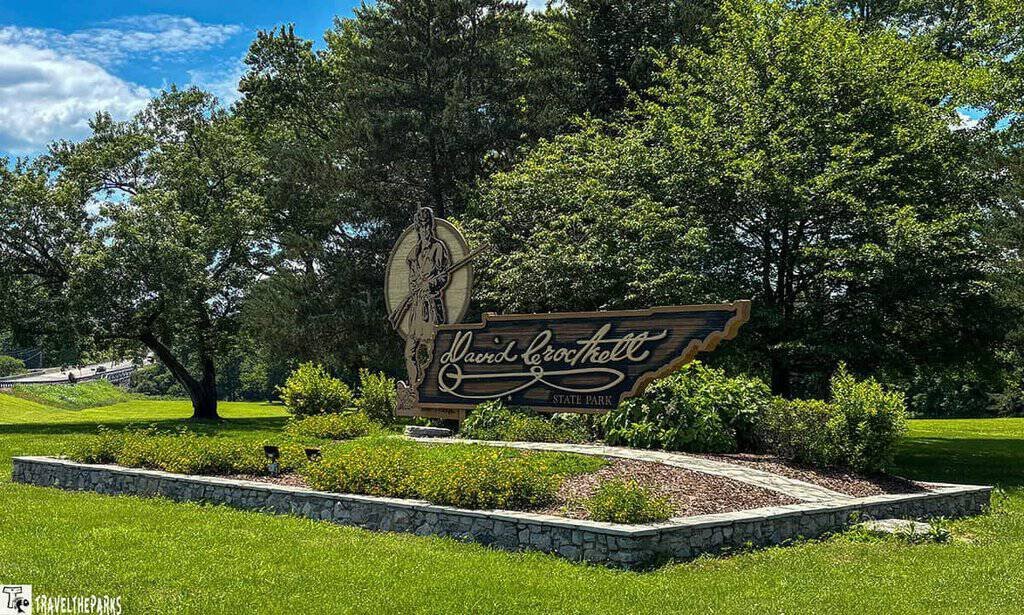
Table of Contents
Know Before You Go: Camping at David Crockett State Park
- Operating Hours: Open daily from 7:00 AM Central Time until sunset.
- Museum has free entry from Memorial Day through early August; weekends only after early August. State Park
- Restaurant: Hours can vary by season, so it’s worth a quick call ahead if that’s part of your plan. Call ahead at 931-762-9541. Check the official state park website for seasonal changes.
- Entrance Fee: No entry fee.
- Pet Policy: The park allows pets, so the four-legged road trip companions are good to go. Dogs must stay on a leash in all outdoor areas. Pets are not allowed inside the museum, pool area, or any other indoor space.
- Accessibility Features: Free all-terrain wheelchairs are available if you request them ahead of time. Adaptive boat launch with accessible kayak and canoe launch on Lake Lindsey. ADA picnic shelters, camping, and cabins.
- Best time to visit: Fall (September through November) offers cool temperatures, low humidity, beautiful autumn colors, and thinner crowds, making it ideal for hiking, sightseeing, and photography. Best for avoiding crowds: Weekdays from mid-September through October, or any weekday morning before 10:00 AM.
NOTE: Which park is this? This is David Crockett State Park in Lawrenceburg, not to be confused with Davy Crockett Birthplace State Park in Limestone (which has different hours, fees, and recent storm damage)
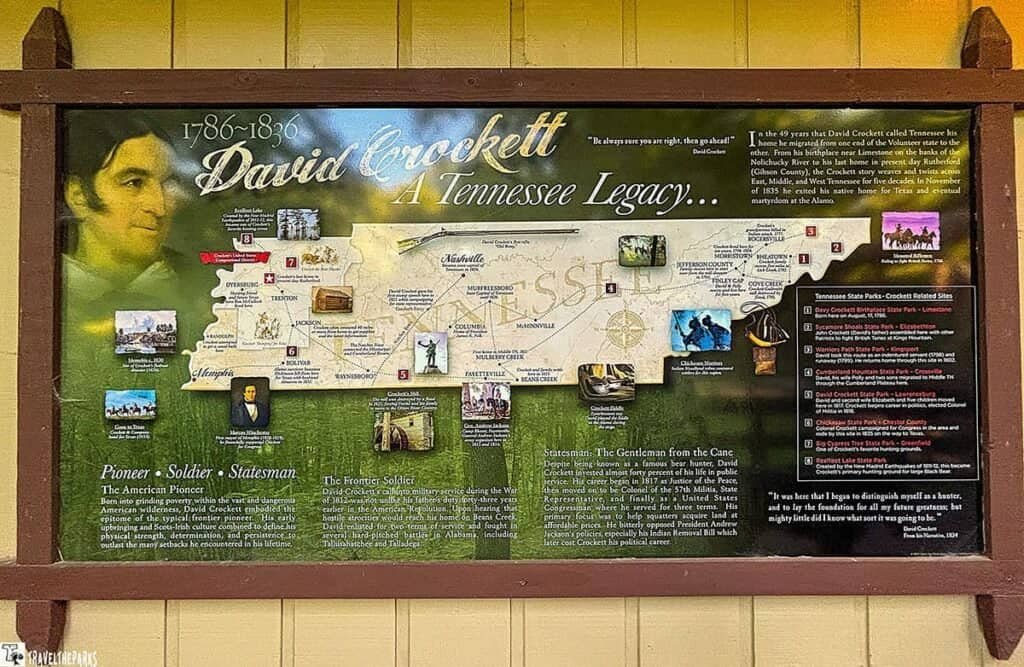
The 1821 Flood That Sent Davy Crockett from Lawrenceburg to the Alamo
Before Davy Crockett became famous at the Alamo, he had already spent years building a life in Tennessee. In 1817, Crockett moved with his family to Lawrence County, settling along Shoal Creek in what is now David Crockett State Park. This makes the park particularly special because you’re exploring the very land where Crockett lived, worked, and built his livelihood.
His Tennessee years were busy ones. Crockett served as a justice of the peace, organized and led a local militia, and established a small industrial operation along Shoal Creek that included a gristmill, powder mill, and distillery. For a time, it looked like he had found a permanent home in Lawrenceburg.
Then came the flood.
In September 1821, a devastating flood swept through the area and destroyed Crockett’s mills and other businesses. The financial loss was significant, and the setback eventually pushed him to leave Lawrence County. He moved on to West Tennessee, where his political career continued to grow. That path eventually led him to Congress—and, years later, to Texas and the Alamo.
It’s fascinating to think about how one event in rural Tennessee became part of the much larger story of one of America’s most famous frontiersmen. Without that devastating 1821 flood, Crockett’s path might have looked very different.
Tennessee remained an important part of Crockett’s story, and today David Crockett State Park preserves the place where so much of that story began. The park was established in the 1950s to commemorate his years in Lawrence County, with historic sites and exhibits helping visitors understand what life was like during Crockett’s time here.
David Crockett State Park Camping: Campground 2
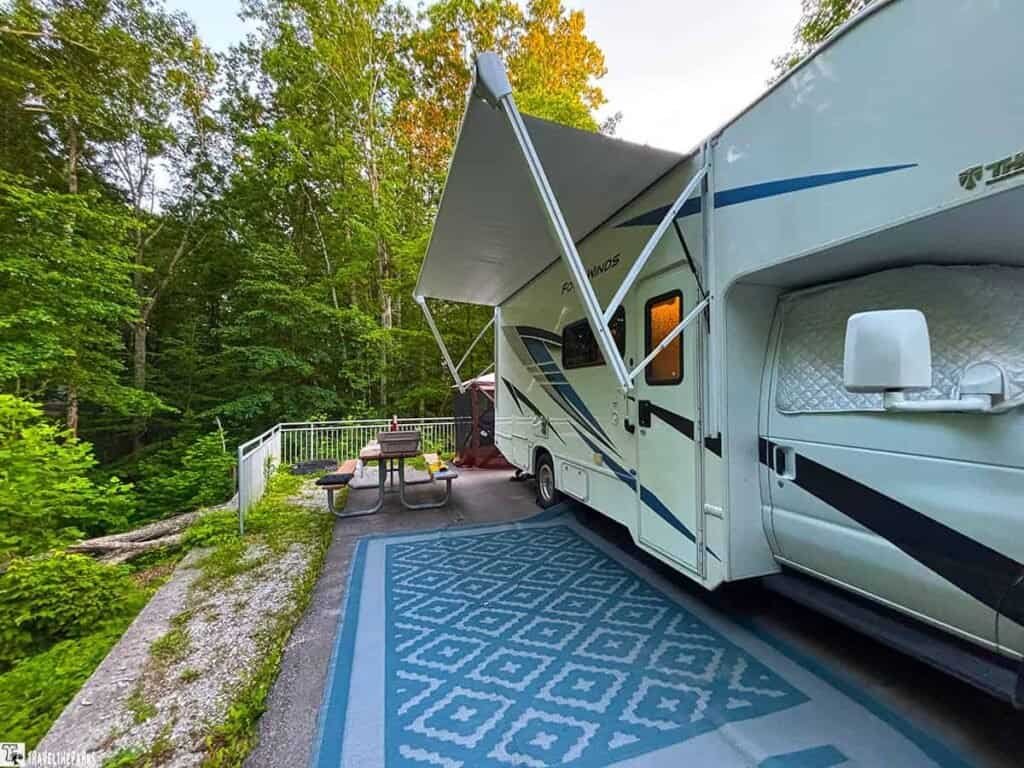
David Crockett State Park has two campground areas. If you’re planning David Crockett State Park camping, Campground 2 is the section I’d recommend for larger RVs. This newer section has larger, level concrete pads that make parking considerably easier for big rigs.
The campsites have water and electric hookups, with 20-, 30-, and 50-amp service available. There is also a dump station for RVs. Free Wi-Fi is available throughout the park. During our stay, the service was good enough for checking email, researching our next stop, and basic trip planning, although I wouldn’t count on it for streaming 4K video. The campground also has bathhouses with hot showers, and they were clean and well-maintained when we visited.
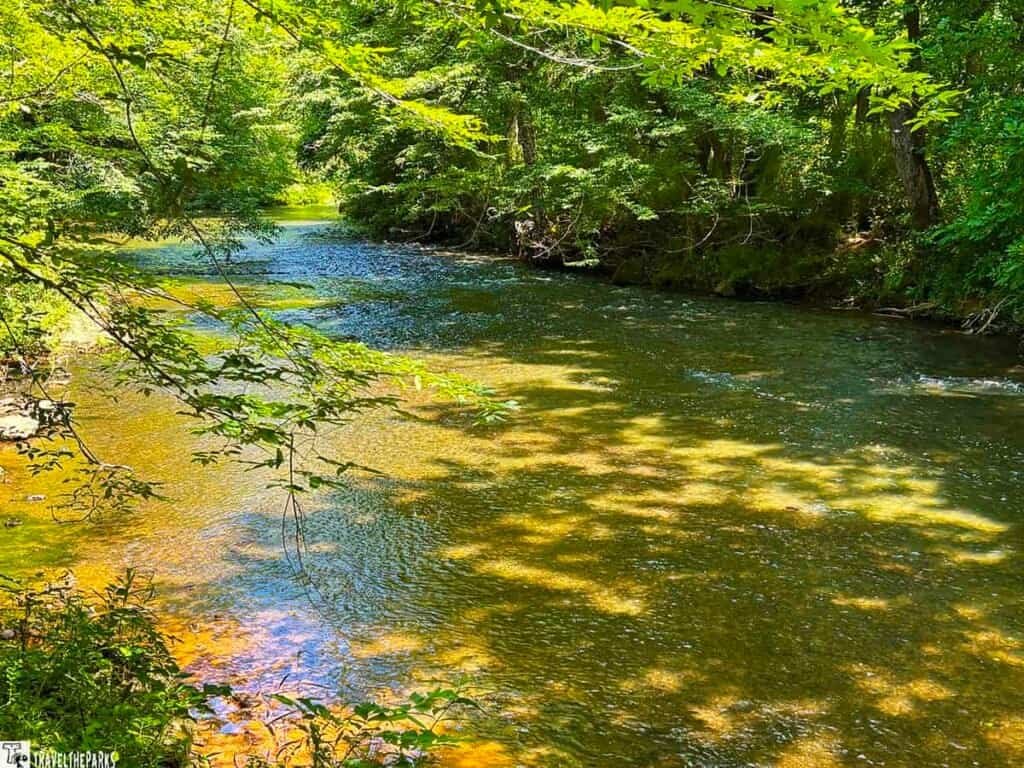
Campground 1 is the older section and has some genuinely lovely sites along the creek. However, the roads and campsite sizes make this area much tighter for larger RVs. Based on our experience, I would avoid Sites 5–12 if you’re traveling with a large rig. If you’re camping in a tent or traveling with a smaller camper or pop-up, Campground 1 has a lot of charm.
For a Class A, large Class C, or long fifth wheel, I’d stick with Campground 2. It gives you more room to maneuver and makes arriving at your campsite a whole lot less stressful.
PRO Tip: Camping rates at David Crockett State Park vary by season, campsite, and hookup type. Reservations can be made through the Tennessee State Parks reservation system, and campsites can be reserved up to a year in advance. Summer weekends can fill quickly, so booking ahead is a good idea if you have specific dates in mind.
Stay in a Cabin
Not camping? David Crockett State Park also offers cabins for overnight lodging. The cabins provide another way to enjoy the park if you don’t have an RV or simply prefer having a little more comfort at the end of the day. They’re also a good option if you’re traveling with family or friends who aren’t interested in sleeping in a tent or camper.
Best Things to Do at David Crockett State Park: More Than You’d Expect
One of the things that surprised us about David Crockett State Park was how much there is to see and do beyond the campground. You can spend time on the lake, explore Crockett’s history, hike through the woods, or simply slow down and watch for wildlife. There are also a few unexpected touches that make the park feel more personal and unique.
Enjoy Lake Lindsey
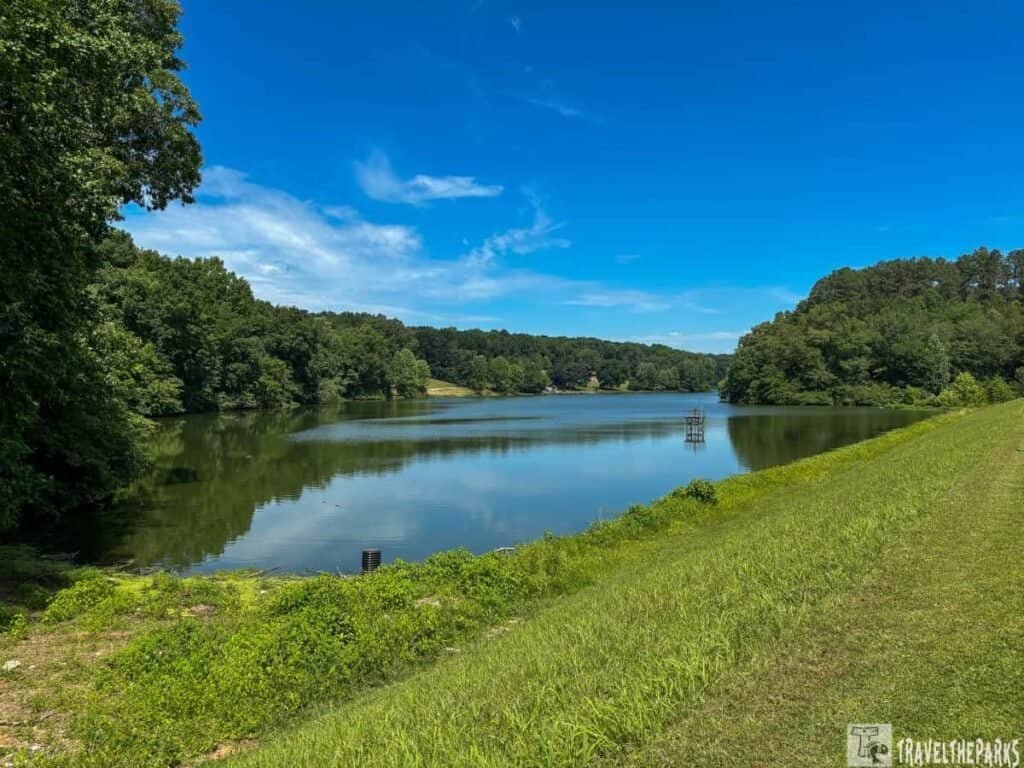
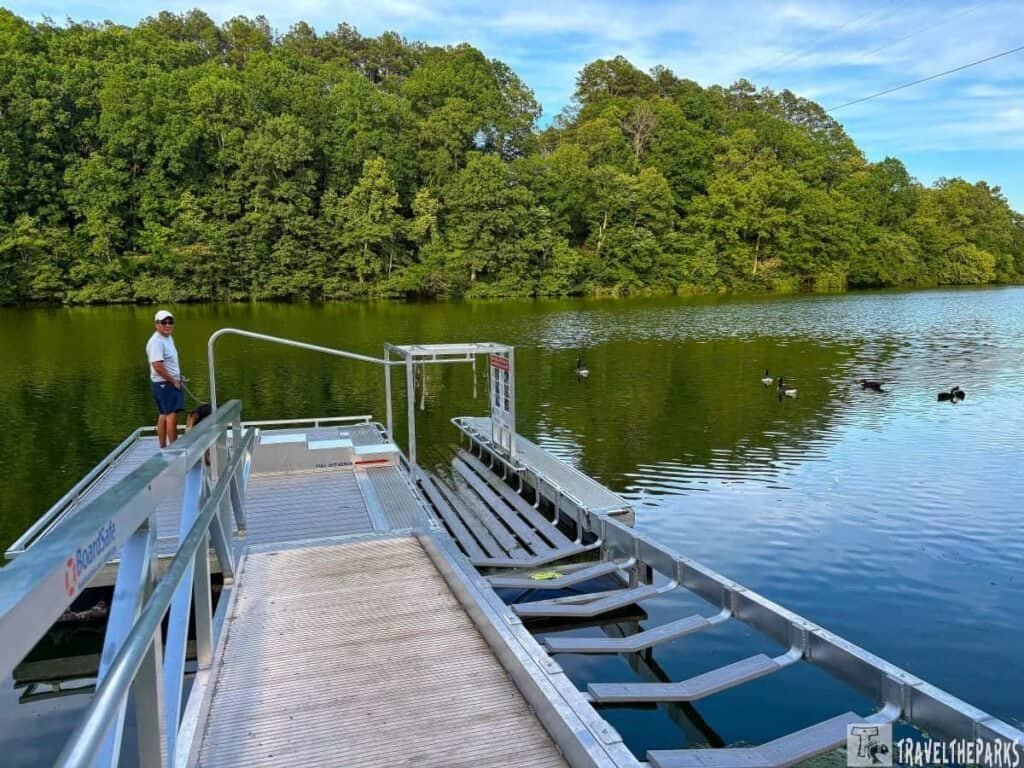
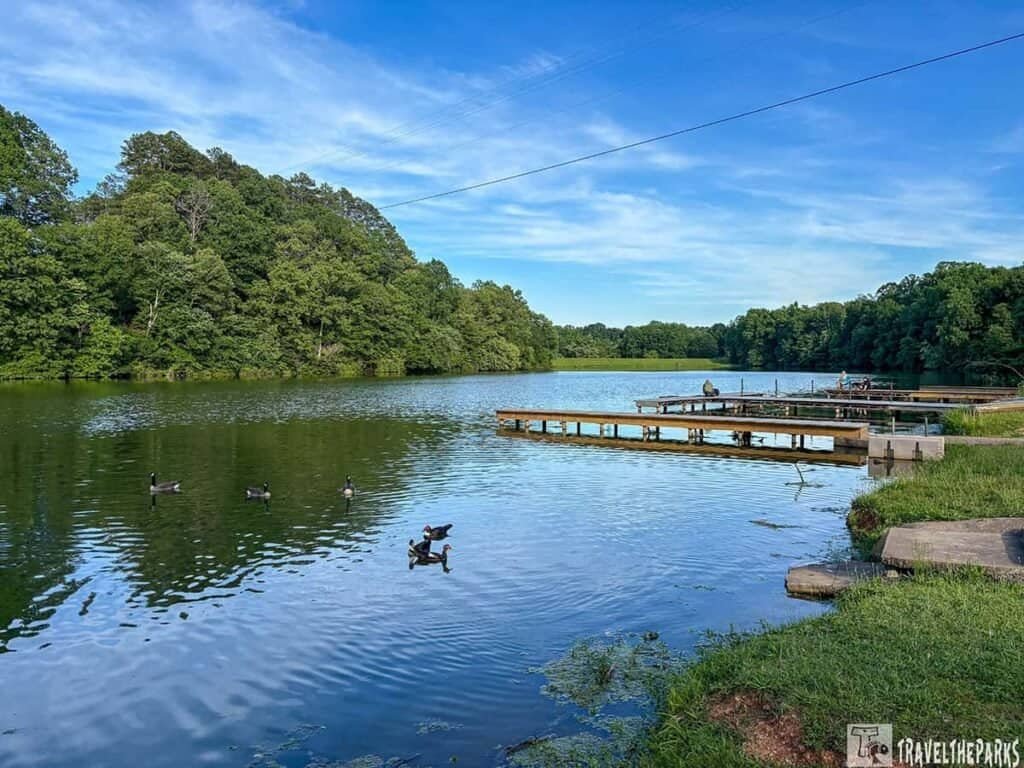
Lake Lindsey sits at the heart of the park and is a peaceful spot for fishing, paddling, or simply watching a great blue heron do its very slow, very serious thing along the shoreline. The park offers canoe and paddleboat rentals during the season, so you can get out on the water even if you didn’t strap a kayak to the roof before leaving home—not that we made that mistake ourselves.
Explore the Interpretive Center
The David Crockett Interpretive Center is a great place to start if you want to understand why this particular piece of Tennessee is so closely connected to Crockett. The exhibits tell the story of his time in Lawrence County and give you a better sense of the man behind the legendary frontiersman image.
It’s not a huge museum, so you don’t need to set aside half a day. But it’s interesting enough that I wouldn’t skip it, especially if you’re already visiting the historic area. The exhibits help put the rest of the park into perspective.
See the Historic Gristmill
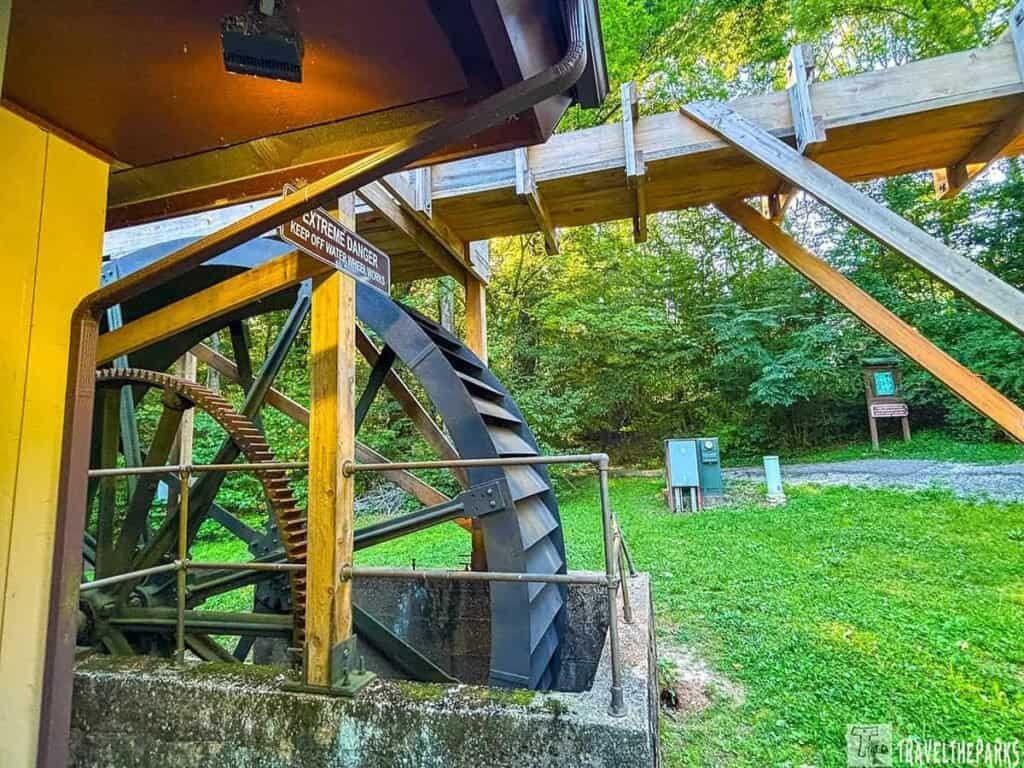
Near the interpretive center is an outdoor water-powered gristmill, which adds another layer to the story of Crockett’s years along Shoal Creek. Crockett himself operated a gristmill here before the devastating 1821 flood destroyed his businesses.
Seeing the mill and the surrounding historic area makes it easier to picture what this property looked like when Crockett was living and working here. It’s one of those places where the history feels connected to the landscape rather than confined to a display inside a building.

Meet the Park’s Birds of Prey
Another unexpected attraction is the park’s birds of prey. The interpretive area includes owls and other raptors, giving visitors a chance to see these impressive birds up close and learn more about them.
This was one of those things we weren’t expecting to find at a campground—and it’s part of what made the park feel like more than just a convenient overnight stop.
Don’t Skip the Bathrooms
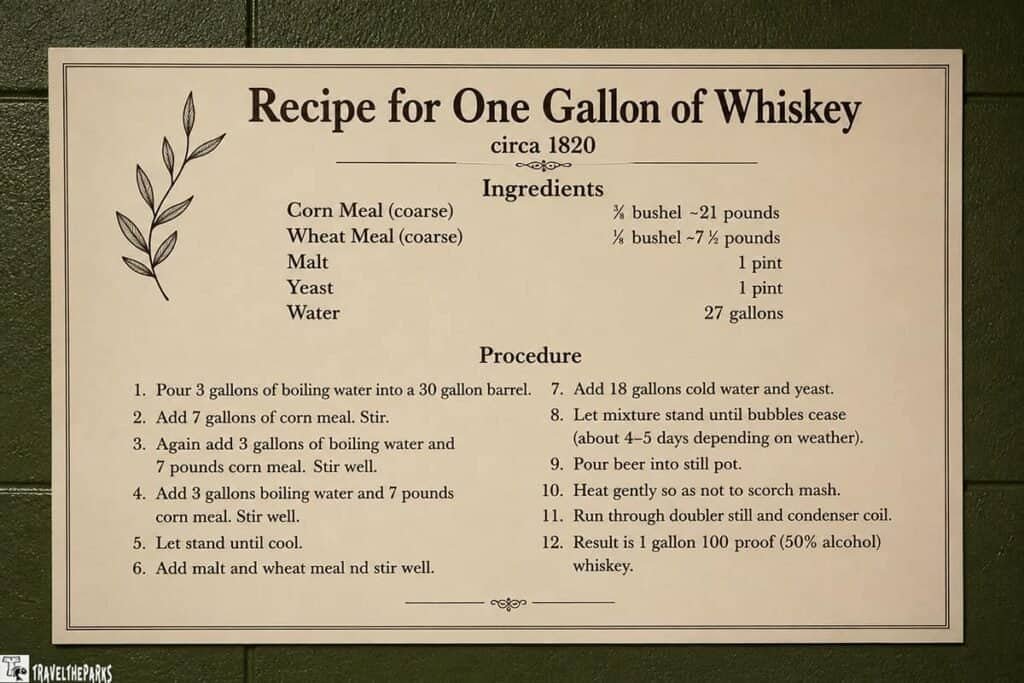
Okay, this probably isn’t something you expect to see on a list of things to do in a state park—but the bathrooms at the interpretive center made us laugh. Posted inside the bathhouses were old-fashioned recipes and bits of practical advice from an earlier era, including one explaining how to make whiskey.
It might seem like an unusual choice for bathroom reading today, but it actually fits the history of the park. These little displays offer a glimpse into the resourceful and sometimes unconventional ways people lived during Crockett’s time.
It’s a small detail, but those are often the things you remember after a trip. Between the history, scenery, wildlife, and little surprises like these, David Crockett State Park has a relaxed, slightly quirky personality that we really enjoyed.
Walk Across the Covered Bridge
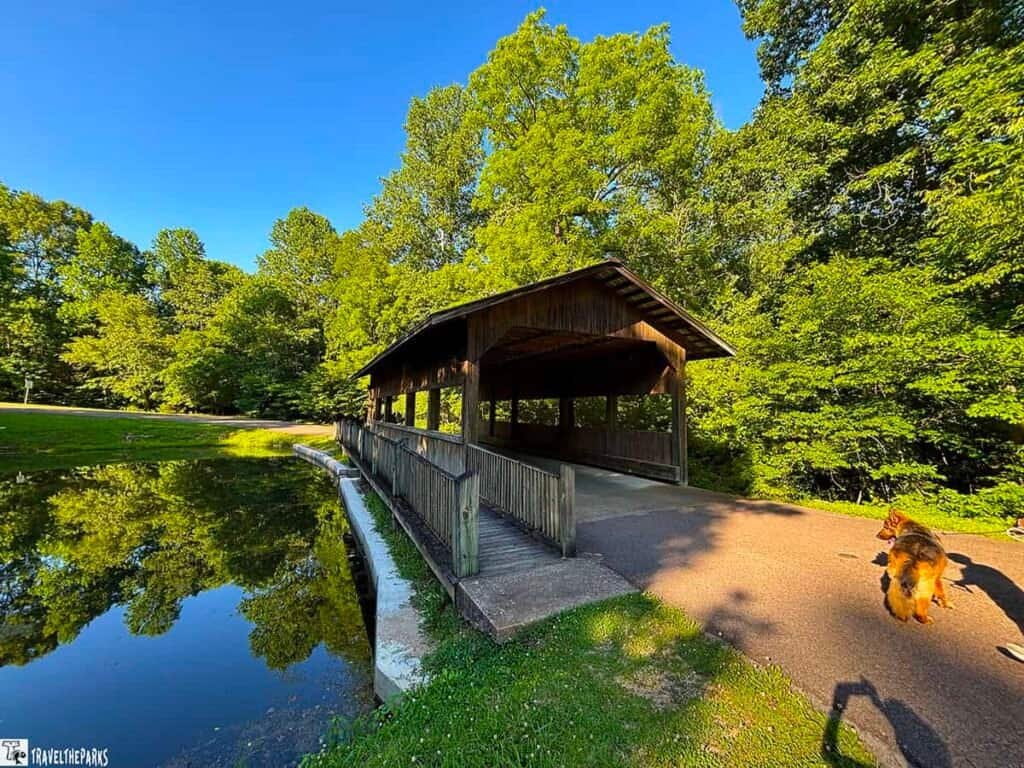
Near the Shoal Creek Trail, you’ll also find a charming wooden covered bridge. It’s a quick stop rather than an attraction that requires a lot of time, but it’s one of those photogenic details that adds character to the park. If you’re already hiking toward Crockett Falls, it’s worth taking a few minutes to check it out.
Look for Wildlife
Keep your eyes open wherever you are, whether you’re sitting around the campground, walking along the lake, or hiking the trails. White-tailed deer, wild turkeys, raccoons, groundhogs, and great blue herons are among the wildlife you may encounter.
Birdwatchers will find plenty to keep them busy, too. We saw red-bellied woodpeckers, summer tanagers, mallards, and other birds during our stay. And then there was the very audacious raccoon who came to investigate our campsite at dusk. He didn’t find whatever he was looking for, and judging by his expression as he left, he was thoroughly disappointed.
David Crockett State Park Hiking Trails
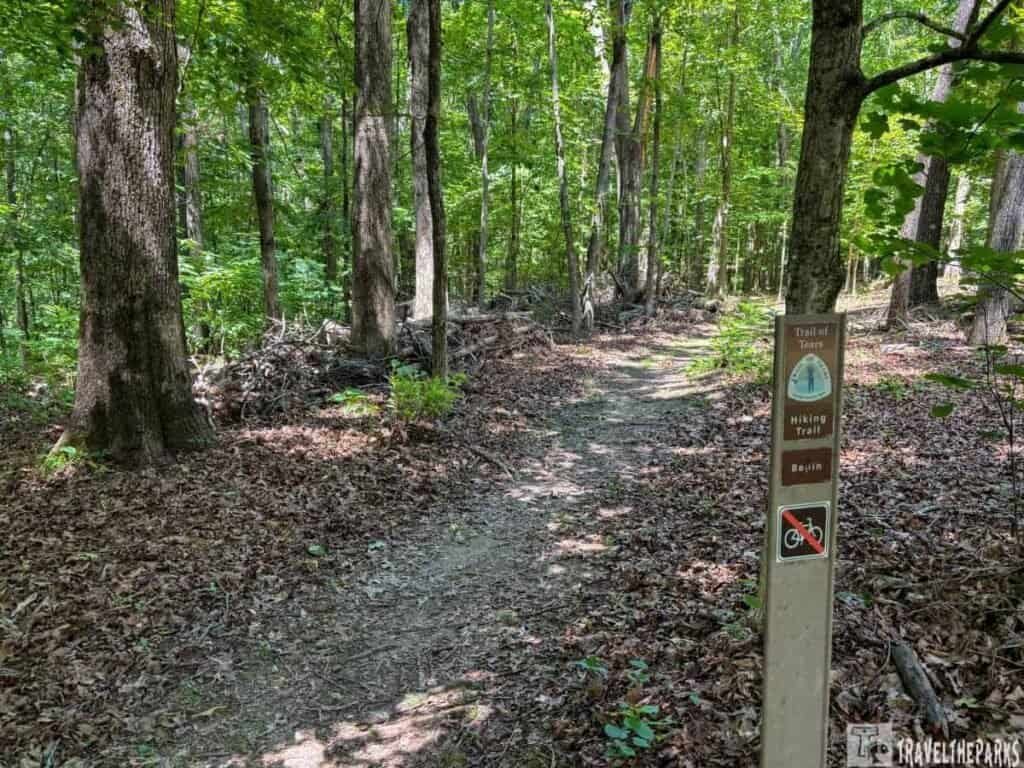
David Crockett State Park has about 12 miles of trails, ranging from easy walks along the lake and creek to longer routes through the woods. Most visitors should find a trail they can manage, although you’ll want water and bug spray, especially during the warmer months.
Shoal Creek Trail: Distance: About 1.45 miles | Difficulty: Easy
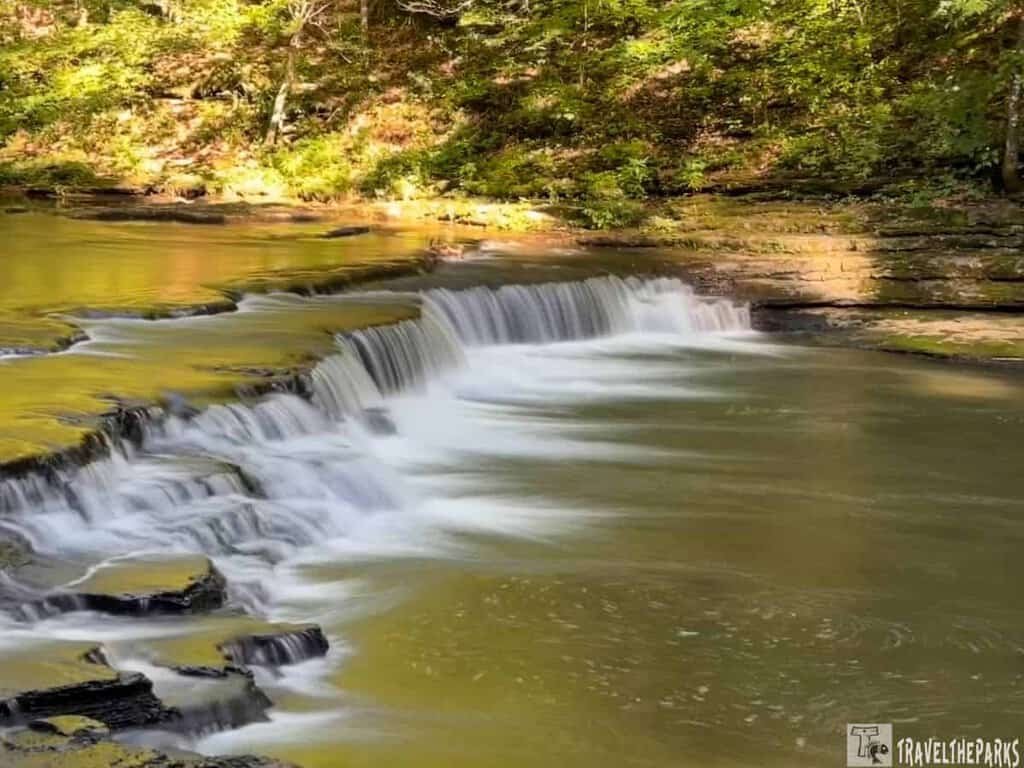
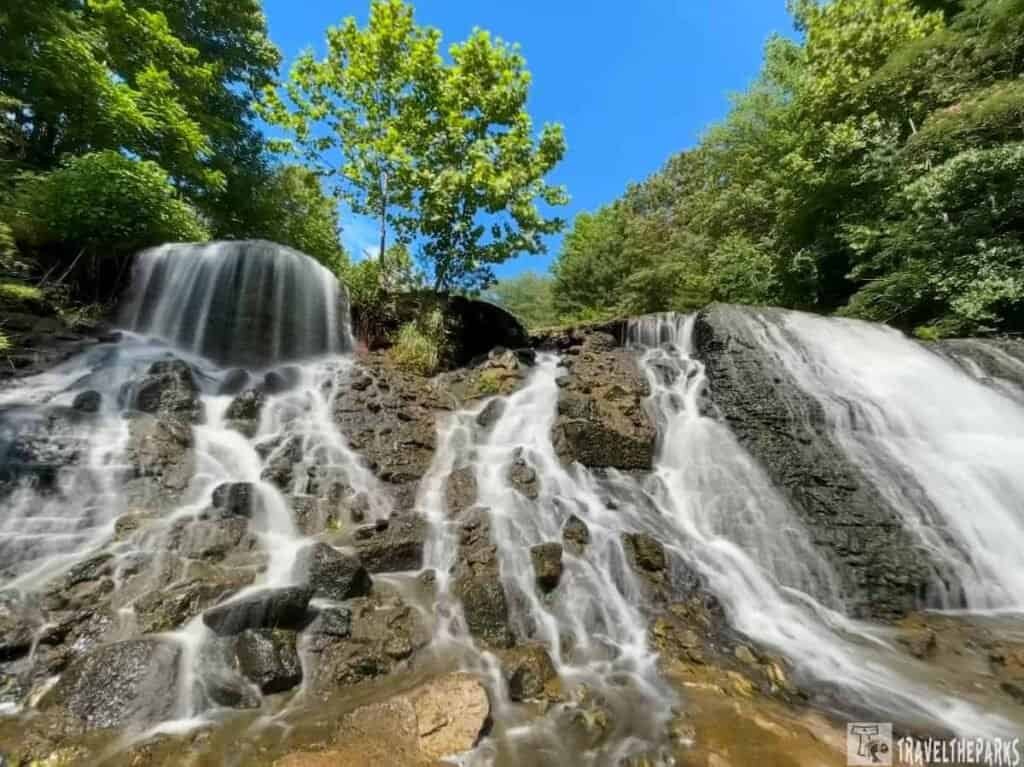
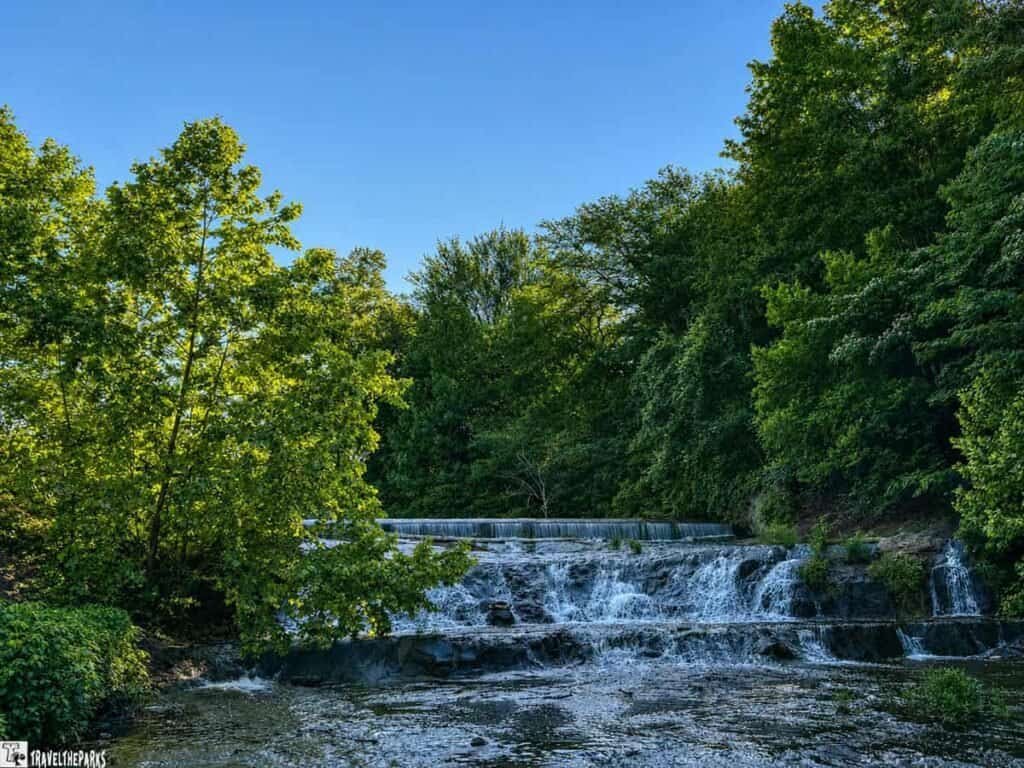
The Shoal Creek Trail follows the creek and passes through the area near Crockett Falls. It’s a nice choice for a leisurely walk along the water and a chance to see the park’s signature waterfall. The trail also connects with longer routes through the park.
Lake Road Trail: Distance: About 0.81 mile | Difficulty: Easy
This shorter route provides access around the park and portions of the area near Lake Lindsey. It’s a good option when you want an easy walk without committing to a longer hike.
Turkey Ridge Trail: Distance: About 1.5 miles | Difficulty: Moderate
Turkey Ridge takes you through the wooded portions of the park and provides a little more elevation and variety than the easier lake and creek routes.
Crawfish Valley Trail: Distance: About 2.7 miles | Difficulty: Moderate
One of the longer trails in the park, Crawfish Valley takes you farther into the wooded landscape. It’s a good choice if you’re looking for a more substantial hike rather than a short campground walk.
Trail of Tears: Distance: About 2.25 miles | Difficulty: Moderate
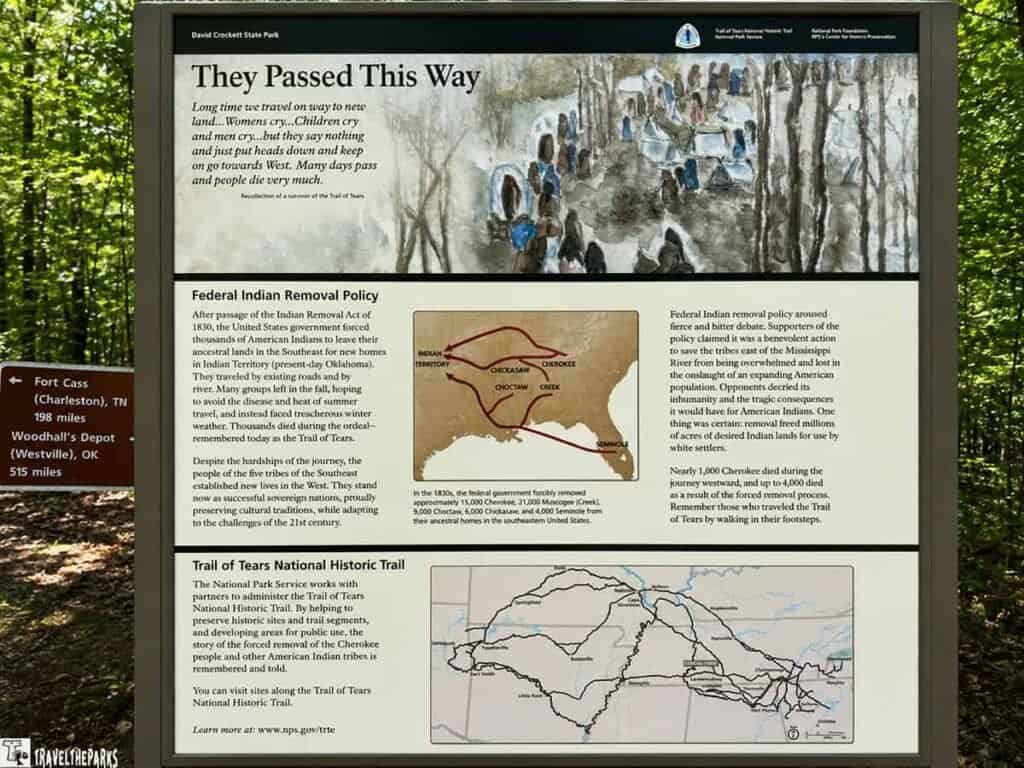
The Trail of Tears is more than just another hiking trail. It follows a portion of the historic route taken by Cherokee people during their forced removal to Indian Territory in the 1830s.
The trail connects David Crockett State Park to a much larger story in Tennessee history and offers an opportunity to experience a small portion of this historic route firsthand.
We also visited Trail of Tears State Park in Missouri, another important place connected to this tragic chapter in American history. You can read about our experience there in our Trail of Tears State Park camping guide.
If you’re interested in the history, seeing these different places connected to the Trail of Tears helps put the enormous scale of the removal into perspective.
PRO Tip: Trail conditions and accessibility can vary, so check the current park map before heading out. Bring water, especially during the summer, and don’t forget bug spray.
Food and Supplies
The on-site restaurant is now available for private events only, so don’t plan on stopping here for a meal after a day of hiking. Fortunately, the town of Lawrenceburg sits right on the edge of the park, making it easy to stock up on groceries, fill your car or RV with gas, or find a sit-down meal without traveling far.
During our stay, The Pie Factory was our favorite place to eat. We liked it so much that we went back both days for the calzones!
While You’re in the Area: Day Trips Worth Tacking On
David Crockett State Park makes a convenient base for exploring more of southern Middle Tennessee. Once you’ve parked the motorhome, grab the car keys and explore beyond the park. Several interesting stops are close enough to make easy day trips without spending the entire day behind the wheel.
Lawrenceburg Town Square – 5 minutes from the park
It’s so close to the park that there’s really no excuse not to check it out. Lawrenceburg has that relaxed small-town Tennessee feel, with local shops, restaurants, and places to grab a cup of coffee.
It doesn’t take an entire afternoon to explore, but it’s a cheerful place to wander around between hikes or stop for lunch. One morning, we went into town for breakfast and ended up staying longer than expected. Why? The coffee was fantastic, and I found a sunny bench that was far too comfortable to leave.
Natchez Trace Parkway — about 45 minutes north
We believe this one deserves our recommendation. Spanning 444 miles, the Natchez Trace Parkway connects , and Nashville. The National Park Service is entirely responsible for its upkeep. The section near Lawrenceburg is quiet, slow, and completely devoid of any billboards. No need to go anywhere. Just get on it, drive north for an hour. Turn around when you feel like it. It’s an afternoon that doesn’t make for any particularly exciting but leaves you feeling better than when you got there.
This one deserves a spot on your itinerary. Stretching 444 miles from Natchez, Mississippi, to the Nashville area, the Natchez Trace Parkway is one of the most relaxing scenic drives you can add to a Tennessee road trip. The National Park Service manages the entire parkway, and commercial billboards are prohibited along the route.
The section near Lawrenceburg is quiet and unhurried. You don’t necessarily need a destination in mind. Just get on the parkway, enjoy the scenery, stop at a few overlooks or historic sites, and turn around when you’ve had enough. It’s the kind of afternoon that doesn’t sound particularly exciting on paper but somehow leaves you feeling better than when you started.
Shiloh National Military Park — about 1 hour west
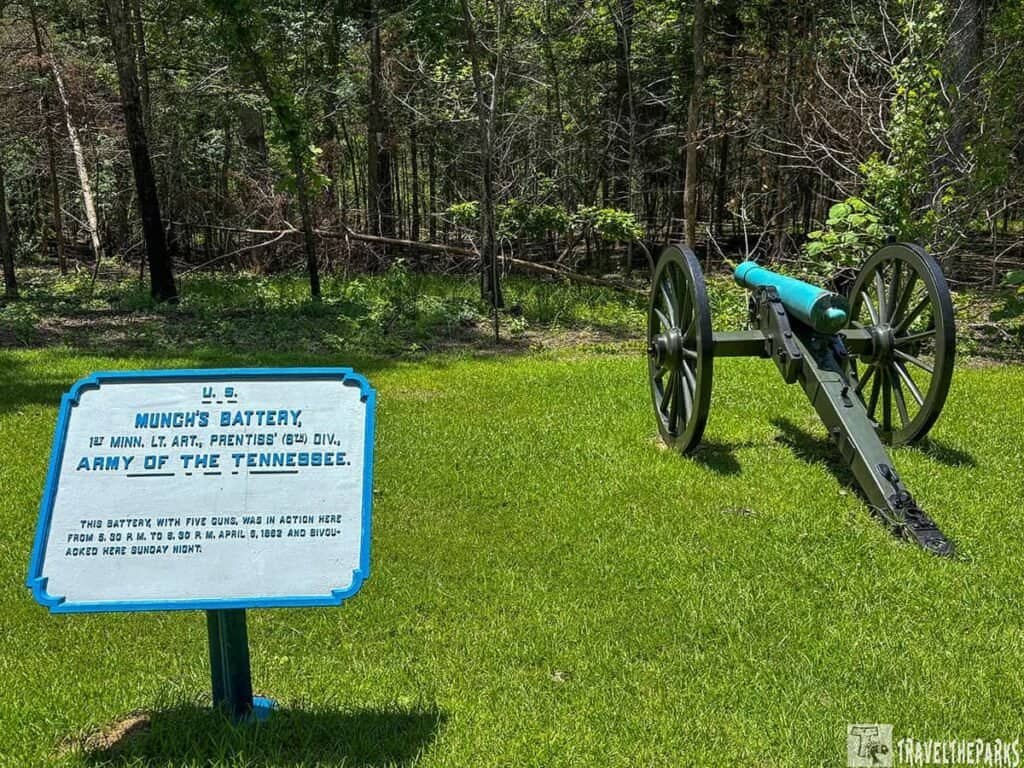
If you’re interested in Civil War history, Shiloh National Military Park is another worthwhile day trip from David Crockett State Park. It’s about an hour away, making it an easy addition if you have a full day available.
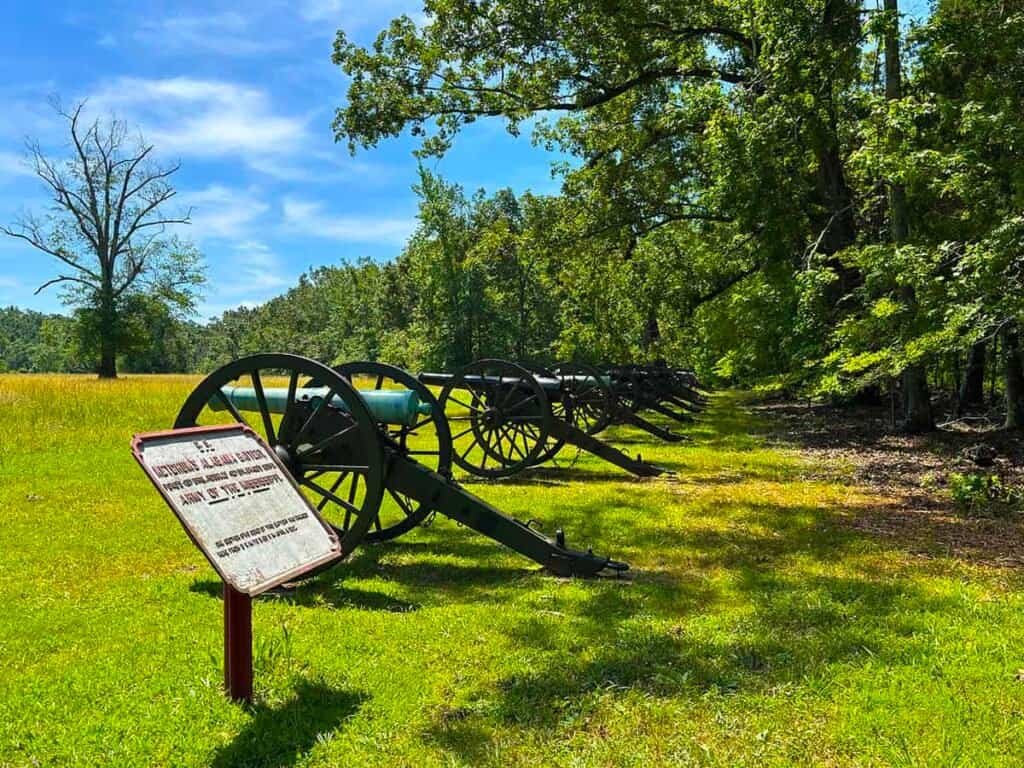
We made the drive from the park and spent the day exploring the battlefield, where the Battle of Shiloh took place in April 1862. The battlefield is spread across a large area, with monuments, historic sites, and interpretive stops along the tour route. It’s the kind of place where having time to get out of the car and explore makes a big difference.
If Shiloh is on your list, don’t just drive over, snap a few photos, and leave. Give yourself enough time to follow the battlefield tour and understand what happened here. You can read more about our visit in our Shiloh National Military Park guide.
Davy Crockett Birthplace State Park — Limestone, TN (about 90 minutes northeast)
Who knew there were two Tennessee state parks connected to Davy Crockett? And no, they aren’t the same place.
In 1786, Crockett was born at David Crockett Birthplace State Park in Limestone. Years later, he moved to Lawrence County, where he established his home and businesses along Shoal Creek—the land preserved today as David Crockett State Park.
The two parks tell different chapters of Crockett’s Tennessee story, which makes visiting both a fun way to connect the dots. If you’re already interested in Crockett’s history, the Birthplace makes a natural addition to your trip.
Because the park has experienced storm damage and periodic closures, check current conditions before making the roughly 90-minute drive. It’s always better to verify than to arrive and discover that an area you planned to visit is closed.
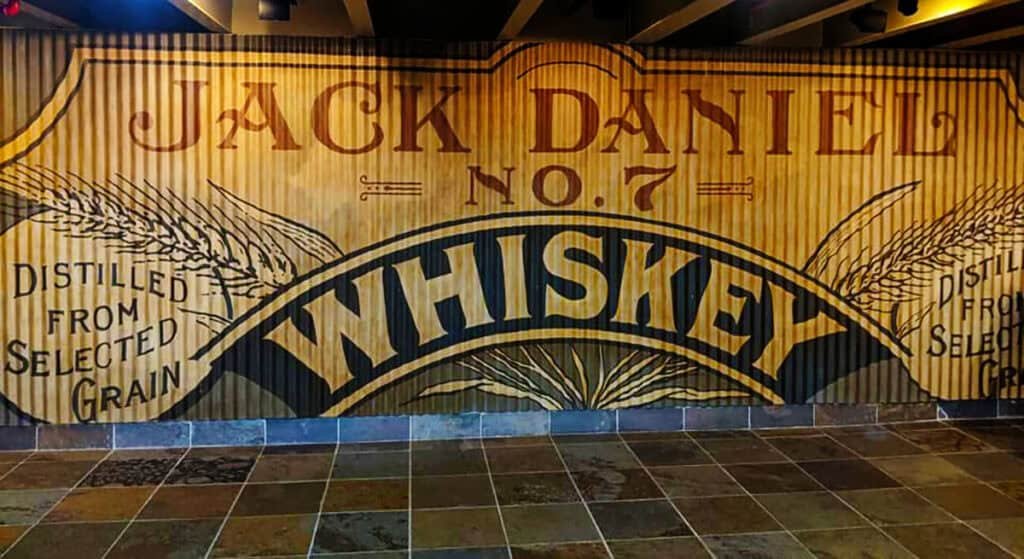
Jack Daniel’s Distillery — Lynchburg, TN (roughly 30 minutes southeast)
About 30 minutes southeast of the park, you’ll find the home of one of Tennessee’s most famous exports: Jack Daniel’s.
There’s an interesting bit of Tennessee history here, too. Lynchburg is located in Moore County, which has historically been a dry county, yet the Jack Daniel’s distillery operates under special provisions that allow it to conduct tours and sell its products on-site.
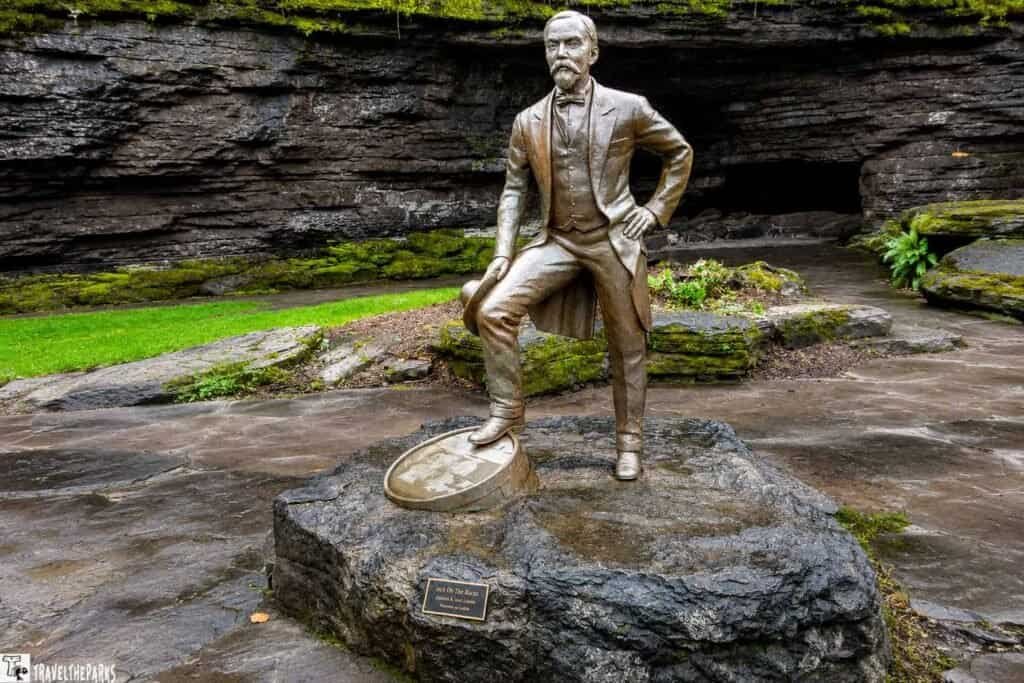
The distillery dates back to 1866, and tours cover the history of Jack Daniel’s, the distilling process, and the grounds around the historic property. The natural setting is worth seeing as well, particularly the hollow and spring associated with the distillery’s water source.
Tours can fill up, especially during busy travel periods, so it’s a good idea to check the schedule and reserve your tour before you go.
Amish Country — Ethridge, TN (about 40 minutes southwest)
About 40 minutes southwest of David Crockett State Park, Ethridge is home to one of the largest Amish communities in the South. It’s a completely different experience from the park and makes an interesting, slower-paced addition to your trip.
Horse-drawn buggies share the roads with cars, while small family-run businesses and roadside stands sell handmade furniture, quilts, baked goods, preserves, and other products. There isn’t a traditional visitor attraction or admission gate. You simply drive through the area, slow down, and stop when something catches your eye.
One warning: Try to exercise some restraint at the jam table. We failed miserably.
Final thoughts: David Crockett State Park Camping
Now, we’re not going to tell you that camping at David Crockett State Park is the most amazing state park in America. It’s not. There’s no mountain vista to make your eyes get all misty, and no legendary hike to make you brag to all your friends for years to come.
However, you know what? Not every stop on a road trip has to be spectacular.
Sometimes you just want a campsite that is clean, no crowds elbowing past you on the trail, some interesting history to explore, and a town nearby when you’re tired and don’t feel like cooking. David Crockett State Park camping has all of those things.
Would we drive eight hours just for this park? Probably not. Would we happily stop here for a night or two while crossing Tennessee? Absolutely. And if you’re planning a larger Tennessee road trip, David Crockett State Park fits nicely into our Nashville, St. Louis and Memphis Road Trip Itinerary.
Pair it with Jack Daniel’s, the Natchez Trace Parkway, or some of the other stops we’ve mentioned, and you’ve got a nice little road trip loop without trying to cram another giant attraction into your itinerary.
For us, David Crockett State Park camping turned out to be exactly the kind of easygoing stop we appreciate on a longer road trip. It’s comfortable, easy to explore, full of unexpected history, and just relaxed enough to remind you that sometimes the best campground stops are the ones you didn’t plan on loving.
Have you camped at David Crockett State Park, or are you adding it to your Tennessee road trip list after reading this? Either way, drop a comment—we actually read them and try to respond