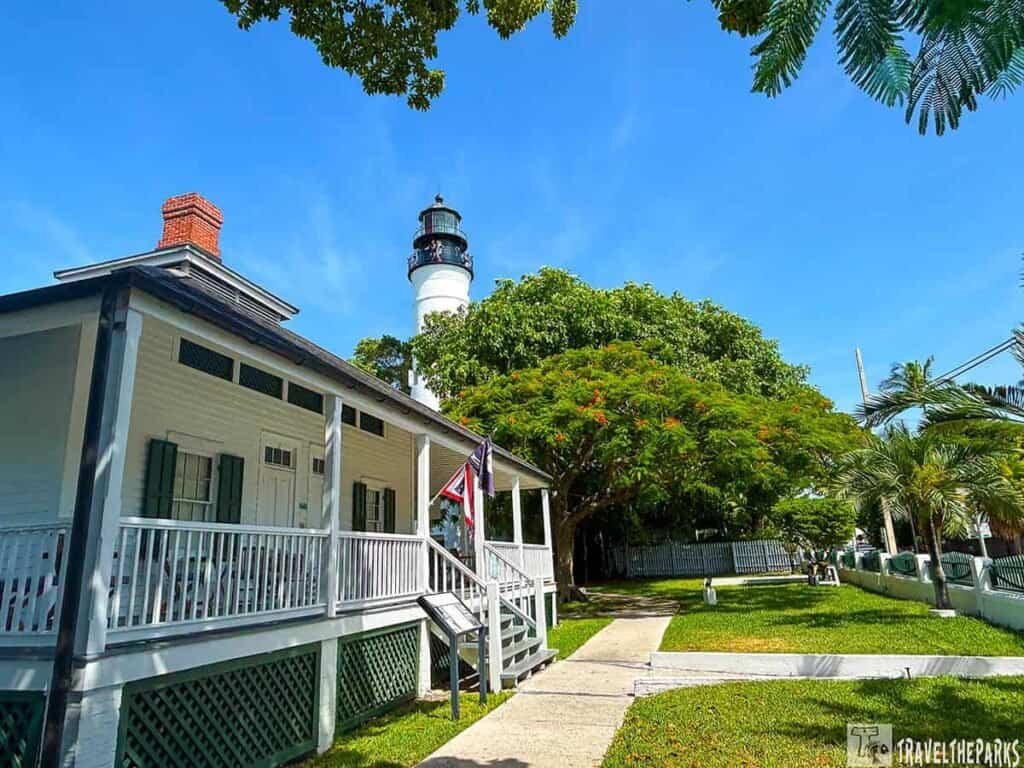
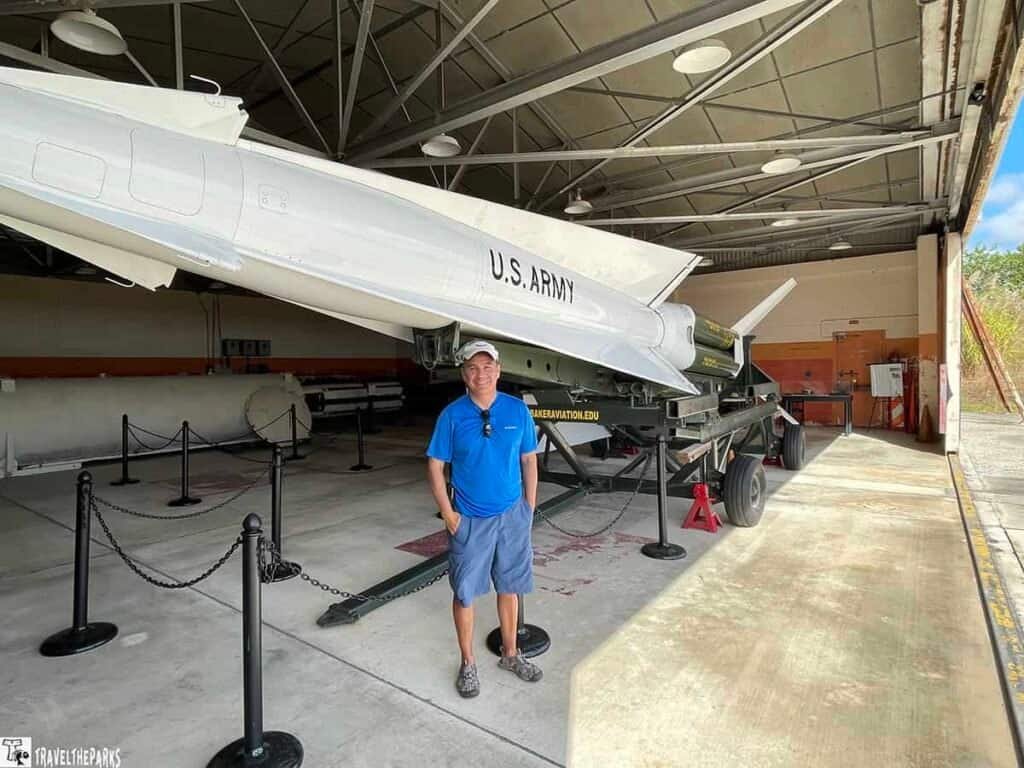
Lighthouse number four. That’s when we stopped pretending. This wasn’t accidental anymore. Started as, “Oh, there’s one nearby, let’s stop.” Turned into a full-blown Florida lighthouse road trip. Ended up covering the Sunshine State, quite a few of them. Panhandle. Gulf coast. Atlantic side. All the way down to the Keys.
Most people don’t realize how many Florida has. Over thirty still standing. Each one’s different. Different story. Different personality. A few you can climb. Others take a boat to reach. And some? Just sitting in the middle of a state park. Still doing their jobs. Exactly what a lighthouse is supposed to do. A few are honestly a little rough around the edges. And at least one is only accessible by kayak. We did not fully appreciate that until we were already on the water.
This post covers twelve of them. History. Practical details. A genuine take on whether each one’s worth your time. Spoiler: most are. Just for different reasons.
This post may contain affiliate links, meaning if you purchase something through one of these links, we may earn a small commission at no extra cost to you! Read the full disclosure policy here.

Table of Contents
1. St. Marks Lighthouse: Oldest active lighthouse in Florida—standing since 1842
Built: 1842 (third structure on this site) • Height: 82 feet • Location: St. Marks National Wildlife Refuge, Panhandle • Climbable: No (exterior viewing only)
First lighthouse? Failed. Second? Also failed. Recurring themes in early Florida lighthouse construction. Engineers kept underestimating what saltwater and soft soil would do to masonry. Third try worked. Finished in 1842. Still standing.
Civil War came. Confederate soldiers pulled the lens. Mess with Union ships. It worked. The Coast Guard eventually relit it. Still runs it today.
Starting your Florida lighthouse road trip from the Panhandle? St. Marks is a natural first stop. Seven miles winding through the refuge. Honestly, one of the prettiest stretches we drove in Florida. Bald eagles. Couple of alligators. Even a roseate spoonbill. Wasn’t expecting that.
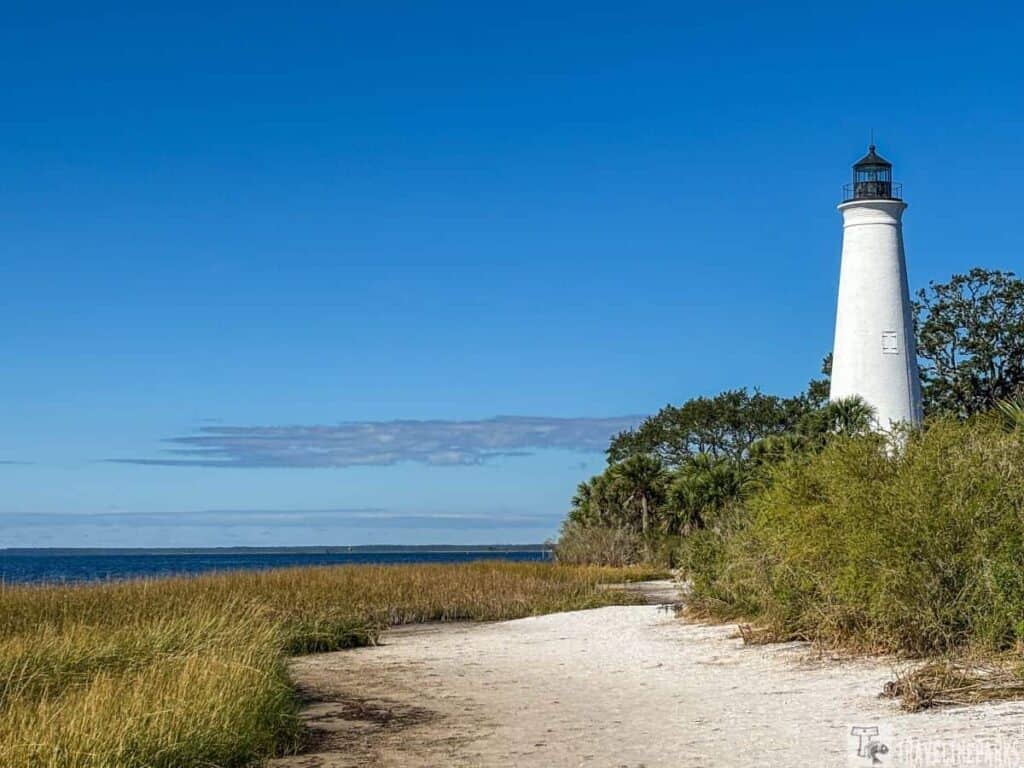
Then the lighthouse comes into view. You’ve probably seen photos. It’s popular. Easy to see why it gets photographed so much.
Quick heads-up if you want to go inside. Keeper’s quarters open Friday through Sunday only. Just a few hours. 11 to 3. Takes some planning.
The beach where the St. Marks River flows into Apalachee Bay? Genuinely beautiful. Walk out to the tip for sunrise or sunset. Worth every step.
2. Cape San Blas Lighthouse: The lighthouse that moved—twice
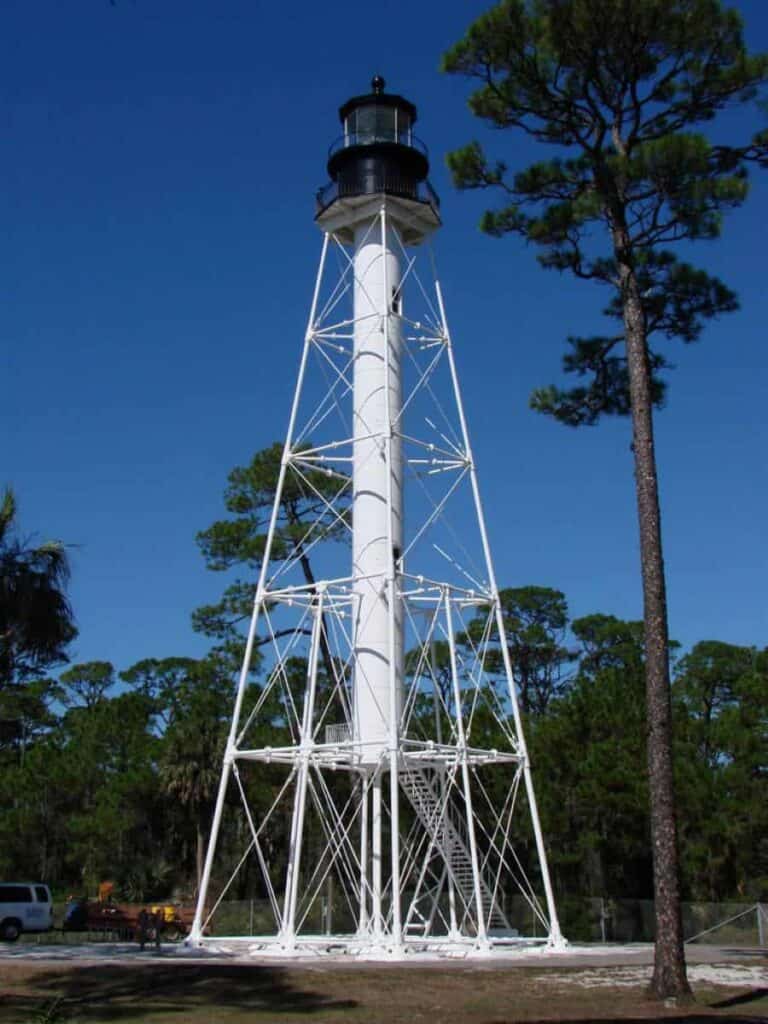
Built: 1885 (current structure, fourth on this site) • Height: 98 feet • Location: Cape San Blas, Gulf County (relocated to Indian Pass in 2014) • Climbable: Yes (seasonal)
This lighthouse has been around. And I mean that literally.
The first one went up in 1838. Didn’t last. Erosion ate it. The Gulf does that out here.
So they moved the whole thing. Not just the lens. Not just the metal. The entire 200-ton lighthouse. Hauled it a mile inland onto Cape San Blas property so it could actually stay standing.
Then? They did it again. In 2020, they picked it up and moved it to Frank Pate Park in Port St. Joe. Now it’s got a little museum next to it. Easier to visit. No beach erosion to worry about.
Funny to think—this lighthouse has seen more of Florida than most people who live here.
If it’s open when you show up, climb it. You get the bay on one side, the Gulf on the other. That skinny stretch of land running out in both directions. Even from the ground, it’s worth the detour.
Cast-iron lighthouses hit differently. Not the usual brick. Feels more industrial. But also kinda delicate? Hard to explain. Just go see it.
3. Cape St. George Lighthouse: Replica tower, real remoteness
Built: 2008 (replica of the 1852 original) • Height: 74 feet • Location: Little St. George Island, Apalachicola • Climbable: Yes (92 steps)
You drive here. Straight over the Bryant Patton Bridge from Eastpoint—about four miles across Apalachicola Bay. The lighthouse shows up right as you hit the island, sitting in Lighthouse Park at the center of St. George Island. No boat required. No special permits. Just a bridge and a parking spot.
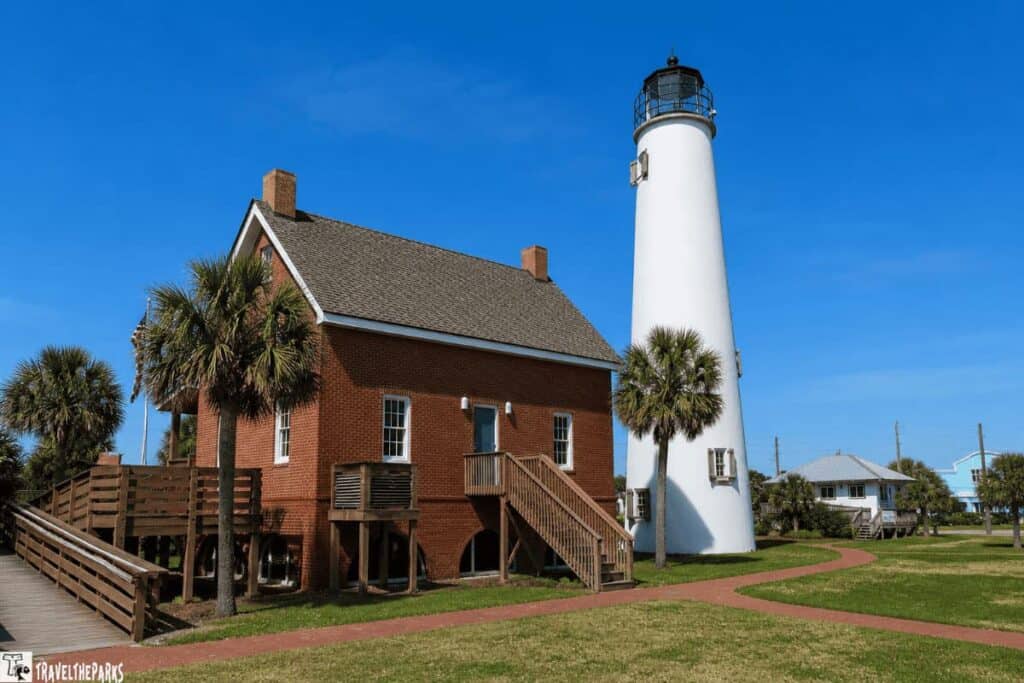
The original? That one was on Little St. George Island. Way out there. Boat only. And it fell over in 2005. Erosion just ate the ground under it. So locals built this replica in 2008. On the main island where people can actually get to it.
Some folks hear “replica” and shrug. Whatever. Stand under it. The thing is 74 feet tall. Looks like a lighthouse. Feels like a lighthouse. The community raised the money and built it because they cared. That counts for something.
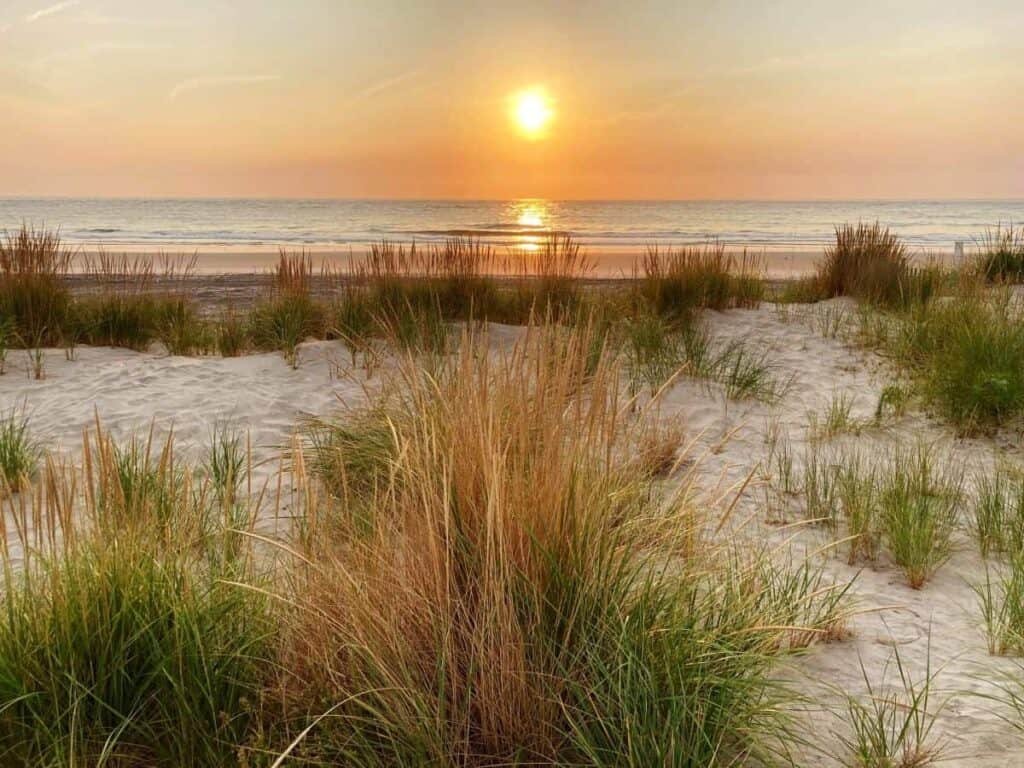
Ninety-two steps up. Not gonna lie—we stopped once. Maybe twice. Blamed the Florida heat. At the top you’ve got the Gulf on one side, the bay on the other. Dunes. Water. Quiet. Worth the leg burn.
Check their website before you go. The climbing hours change with the seasons. And after? Go find some fried shrimp on the island. You’ll thank me..
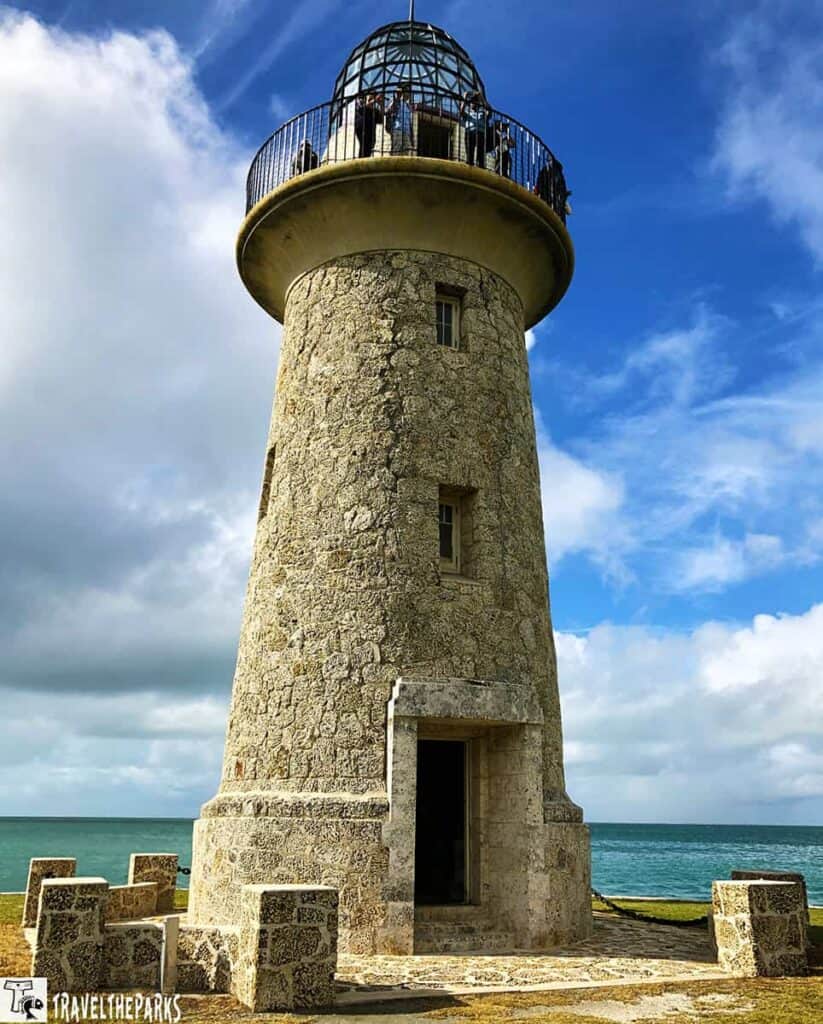
4. Boca Chita Key Lighthouse: The lighthouse that was never meant to guide ships
Built: 1937 • Height: 65 feet • Location: Boca Chita Key, Biscayne National Park • Access: Boat only • Climbable: Yes (ranger-guided, limited hours)
Here’s the thing.
The Coast Guard never approved this thing.
Mark Honeywell—yeah, that Honeywell—built it in 1937. Part of his private island getaway. Looks like a real lighthouse. Feels like one too. But it never actually guided a single ship. Coast Guard said it would just confuse people. And honestly? They had a point.
Honeywell used Boca Chita as his personal retreat for years. Entertained guests. Showed off his little island. The lighthouse was the centerpiece. All for show.
After he died, the island changed hands a few times. Eventually wound up in Biscayne National Park in the 1960s.
Only way in is by boat. Your own or the park ferry from Convoy Point on the mainland. Biscayne National Park is one of those places people just drive past. It’s right there—a stone’s throw from Miami—and most Floridians have never been. Water covers 95 percent of the park. The harbor, the lighthouse, the old coral rock buildings, the mangroves. Quiet. Beautiful. Feels like a secret even though it’s a national park.
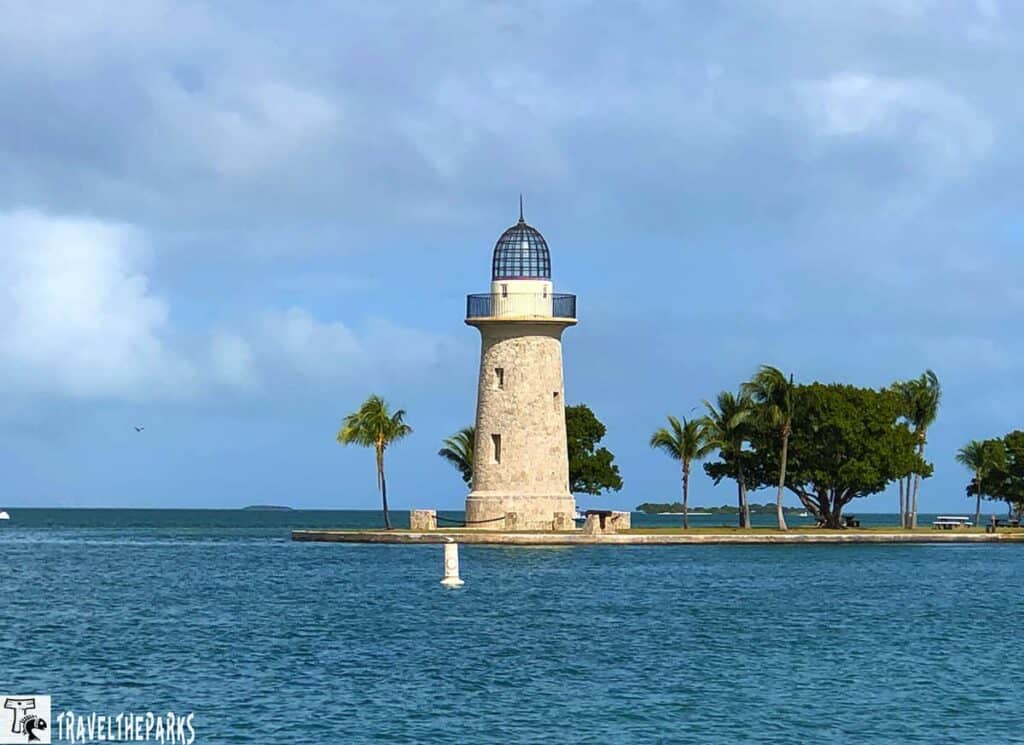
5. Alligator Reef Lighthouse: Standing on legs in the middle of the sea
Built: 1873 • Height: 136 feet • Location: Offshore near Islamorada, Florida Keys • Access: Boat only • Climbable: No (private, exterior viewing)
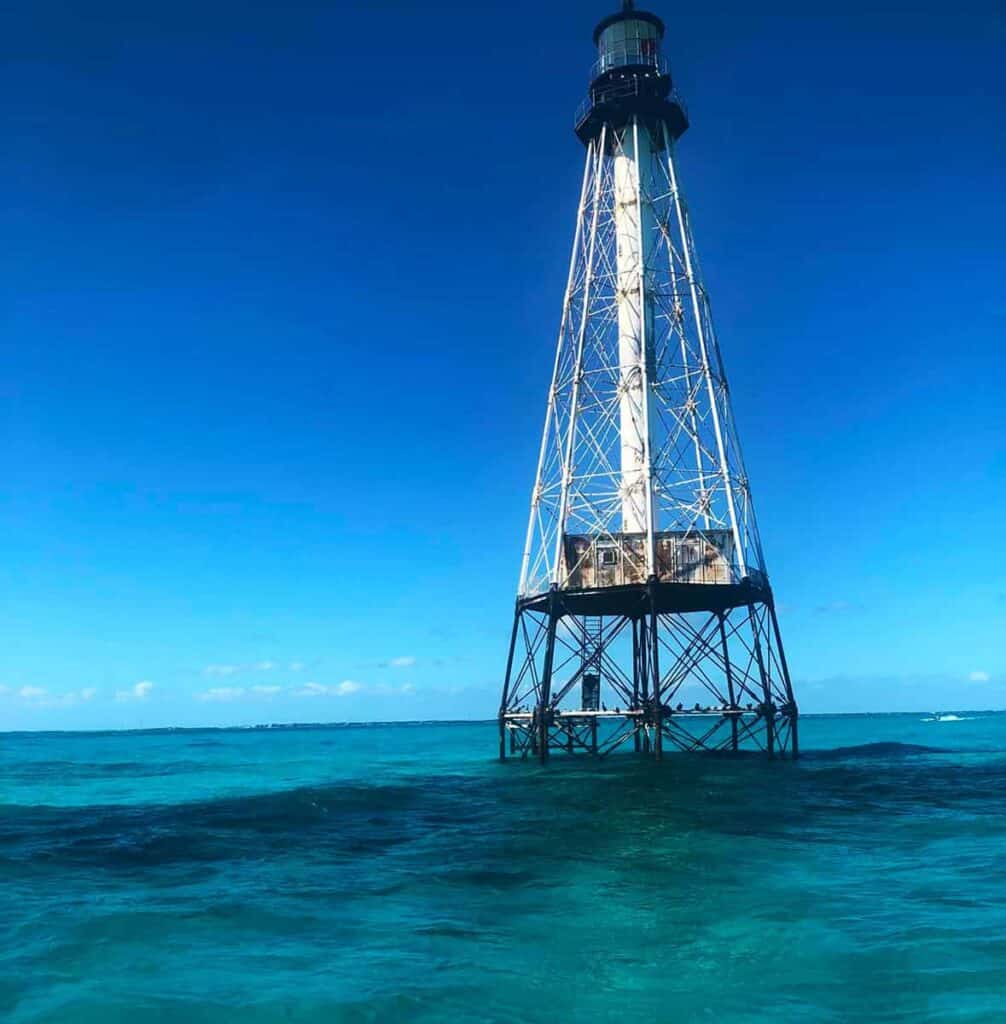
Four miles off Islamorada in the Florida Keys. A lighthouse just sitting in open water. Nothing under it but iron legs and ocean. No island. No sandbar. Just this thing standing there. Sounds normal on paper. Then you actually see it from a boat. Different story.
1822|Navy schooner USS Alligator. Wrecked right on this reef. The crew? Hunting pirates. That wreck sat there so long it turned into a hazard. So in 1873, they finally built the lighthouse. Warn ships off the same spot that sank the Alligator.
The design is called screwpile. Engineers use it when there’s no solid ground to build on. Serious work for its time. Still looks serious. This one has held up better than most in the Keys. That says something.
You need a boat. Most people just spot it on the way to a dive or snorkel trip. We hired a small charter and went out just to see the lighthouse. Pulling up next to it? The scale hits you. Bigger than it looks from the shore. Rougher up close. Rust in spots. Weather everywhere. But not worn out. Feels like it’s been there forever and plans to stay.
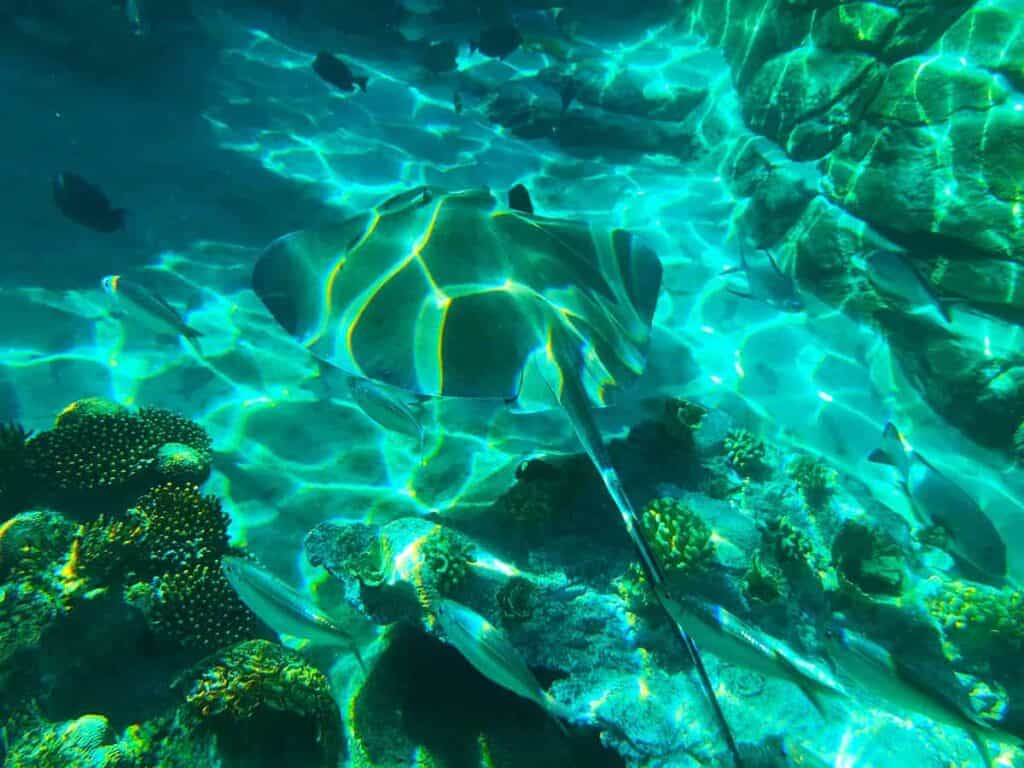
The reef underneath is worth the trip alone. Clear water. Good coral. Lots to look at. Bring an underwater camera. Otherwise, you’ll spend the whole boat ride back wishing you did.
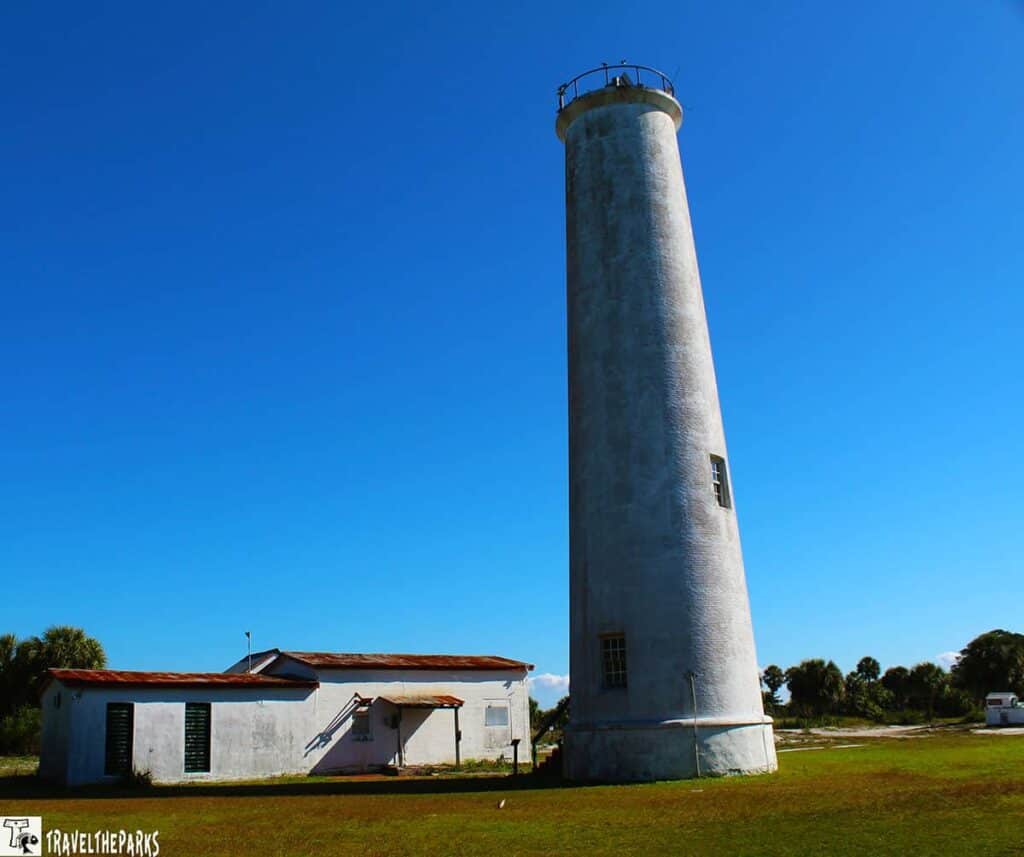
6. Egmont Key Lighthouse: An island lighthouse with a complicated past
Built: 1858 (second structure on site) • Height: 87 feet • Location: Egmont Key State Park, mouth of Tampa Bay • Access: Boat or ferry from Fort De Soto • Climbable: No
Egmont Key. Right at the mouth of Tampa Bay. If you wanted to control the bay, you had opinions about this island. Over the years? Lighthouse station. Civil War camp for Seminole prisoners. Spanish-American War fort. Coast Guard base. The lighthouse is the easiest thing to spot from the water. But it’s not the best part of the island.
The first one went up in 1848. A hurricane took it out two years later. The current tower was finished in 1858. Done a lot better. Made it through the Civil War in one piece, though Confederate sympathizers pulled the lens—happened at a lot of Florida lighthouses back then. One of the first to get relit after the war ended.
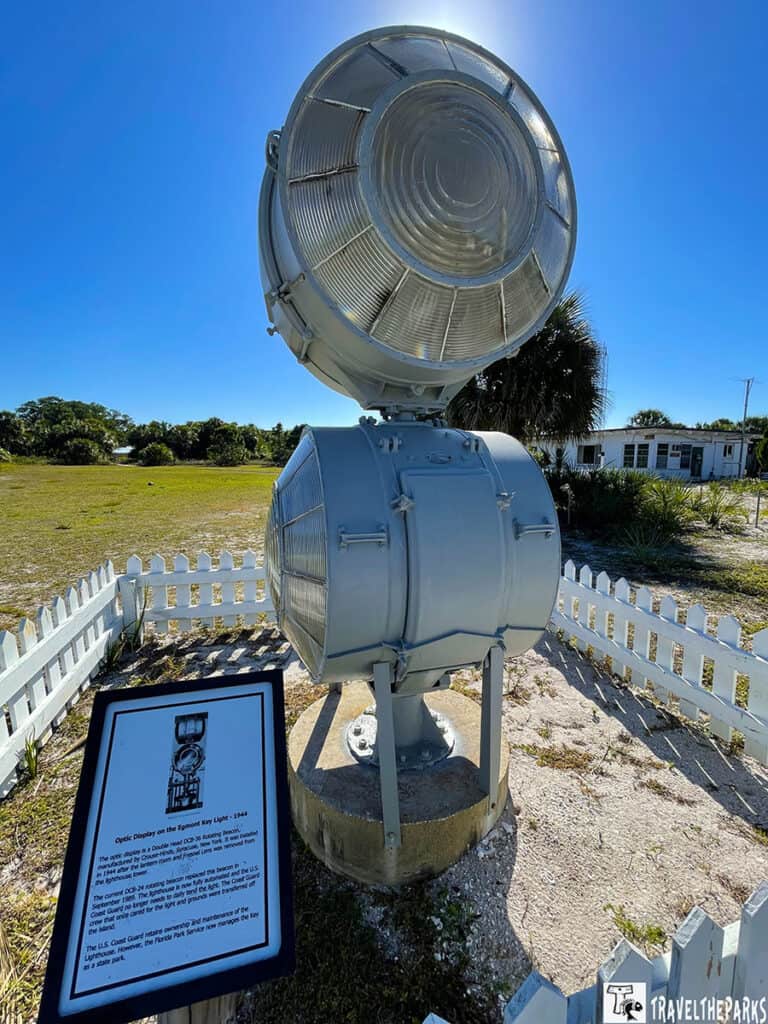
Book the ferry early if you’re doing this one. Hubbard’s runs out of Fort DeSoto State Park every day. Spots fill up fast. We almost learned that the hard way. Worth the trip. Even without the lighthouse. Sea turtles come up onto the beach to nest. And the gopher tortoises? We saw a bunch of them. Just wandering. Acting like they run the island.
Honestly? They kind of do. Dolphins tag along with the ferry like it’s their job.
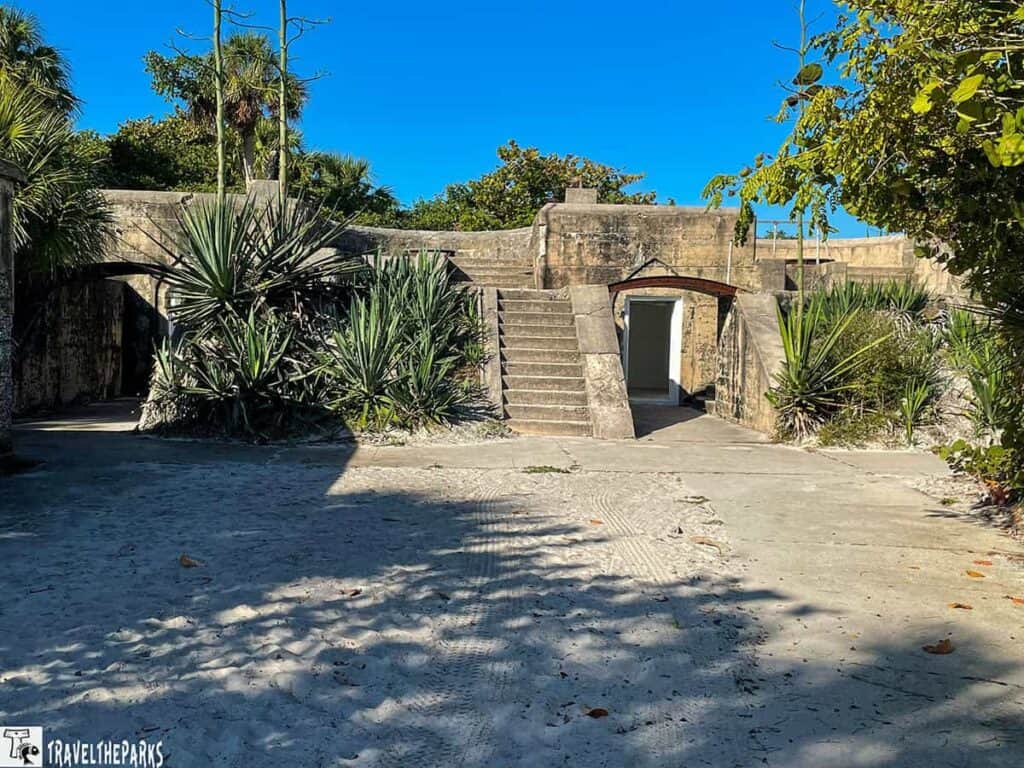
Old Fort Dade. Southern end of the island. Ruins everywhere. The island’s taking a lot of it back—slowly, but you can see it happening. Worth spending the whole day here if you can. Just go.
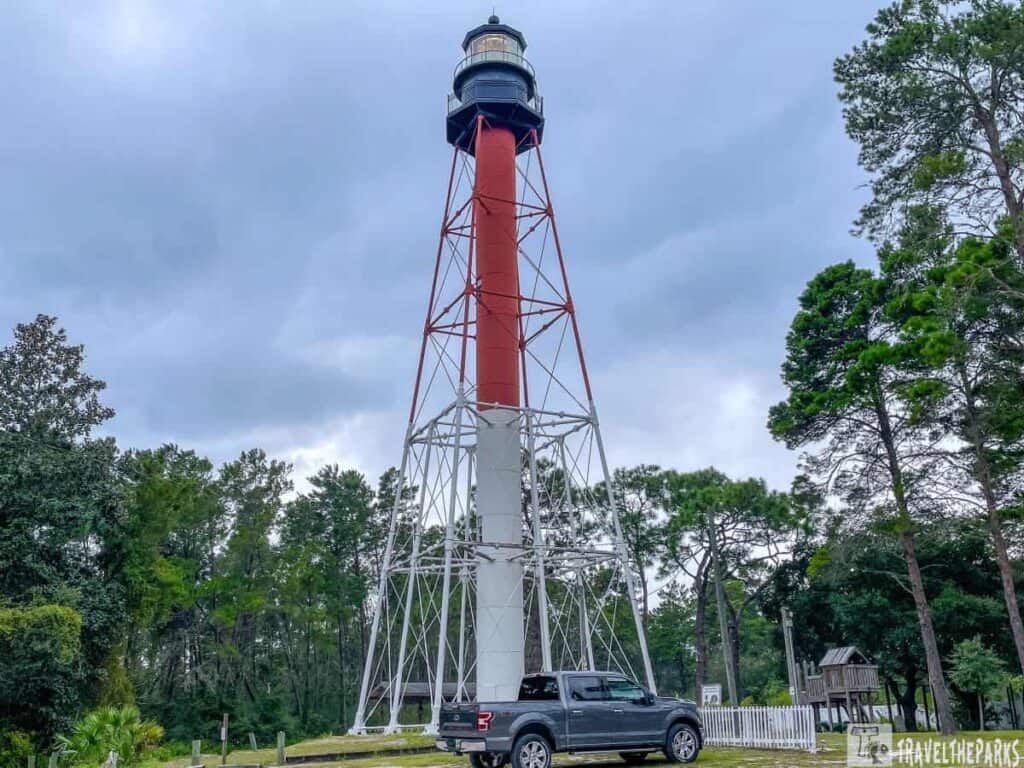
7. Crooked River Lighthouse: The little lighthouse that got saved by a community
Built: 1895 • Height: 103 feet • Location: Carrabelle, Franklin County • Climbable: Yes (guided tours)
Crooked River. Easy to drive right past. Didn’t know it was there? You’d miss it. It’s in Carrabelle. Small fishing town on the Forgotten Coast. If you’re doing a Florida lighthouse road trip through the Panhandle? Don’t skip this one. We found it by accident. The year we evacuated central Florida ahead of a hurricane. We were restless. House was empty. You find stuff to do.
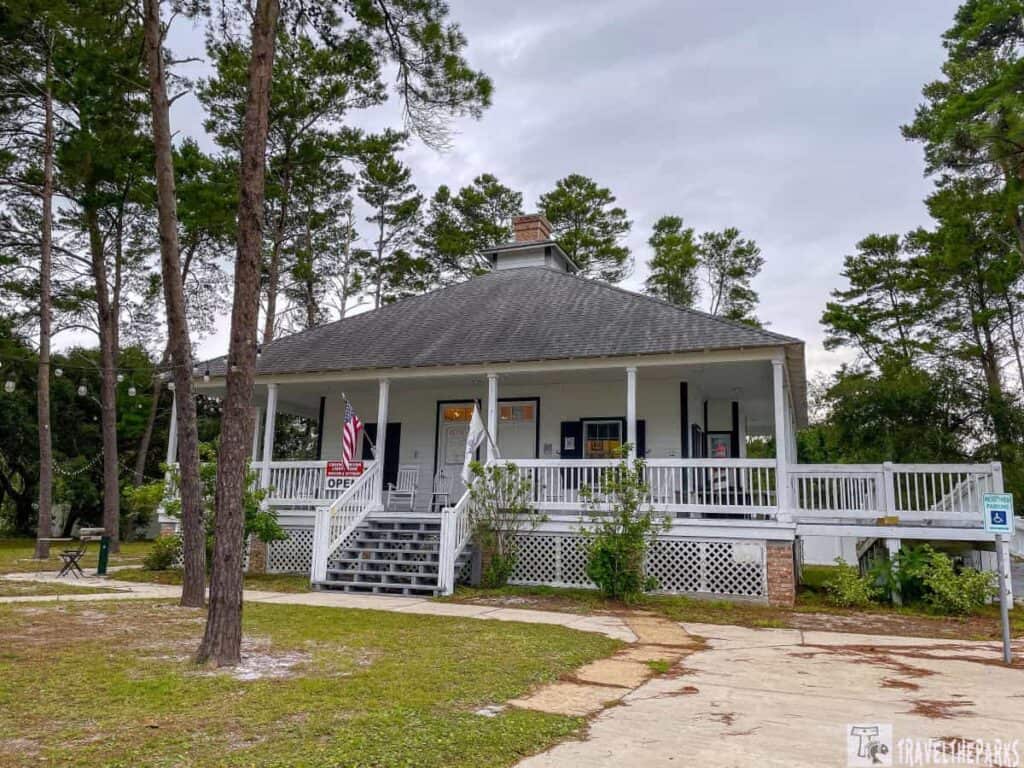
Went up in 1895. Replaced the Dog Island Light. That one took one too many storms. For a hundred years after? Guided shrimpers and fishing boats in and out of Carrabelle Harbor. The Coast Guard switched it off in 1995. Exactly a century of service. After that? Nobody knew what would happen to it.
Local volunteers saved it. Carrabelle Lighthouse Association took over. Restored the tower. Restored the keeper’s cottage. Started giving tours. The guides know the history cold. And they’ll keep talking as long as you want to listen.
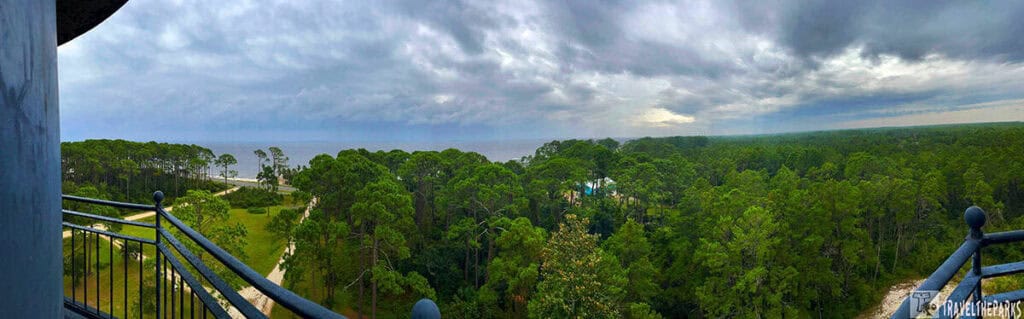
We climbed all 138 steps. Yes, we counted. The view looks out over the harbor. The gulf opening up in the distance. Storm clouds building on the southern horizon, the hurricane tracking somewhere below us. Felt a little surreal. Not the most dramatic lighthouse view in Florida. But it made a stressful evacuation into a day you’re actually glad happened.
8. St. Augustine Lighthouse: The most haunted lighthouse in Florida, apparently
Built: 1874 (current structure) • Height: 165 feet • Location: Anastasia Island, St. Augustine • Climbable: Yes • Museum on site
Been in plenty of lighthouses. Nothing matches this one. One of the most popular in America. For good reason.
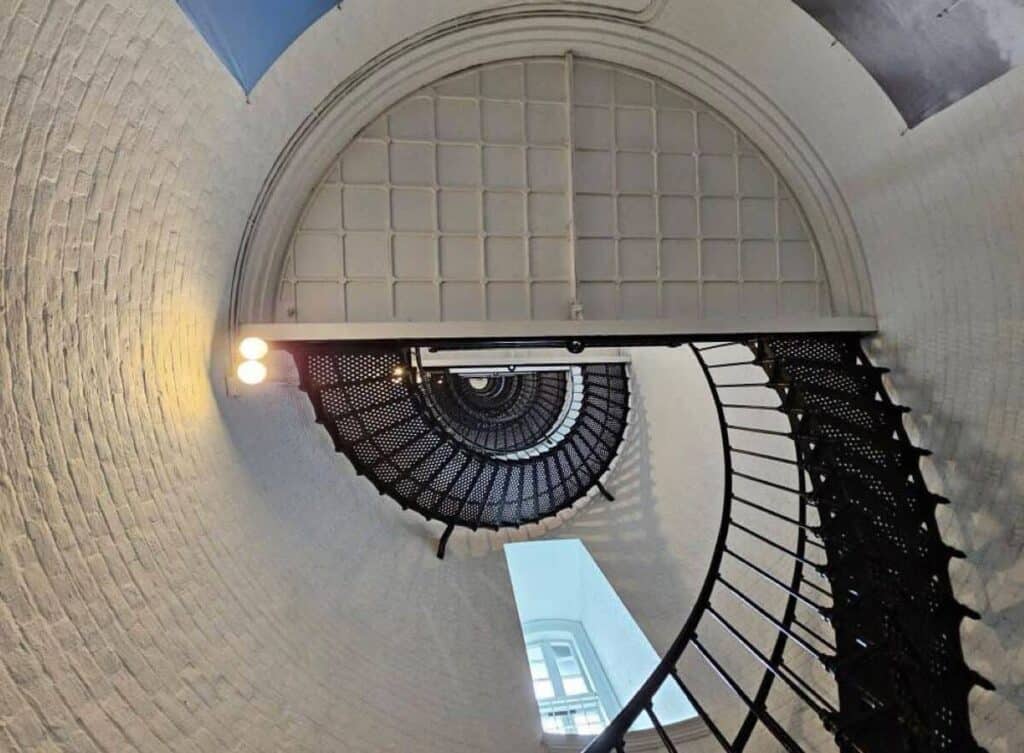
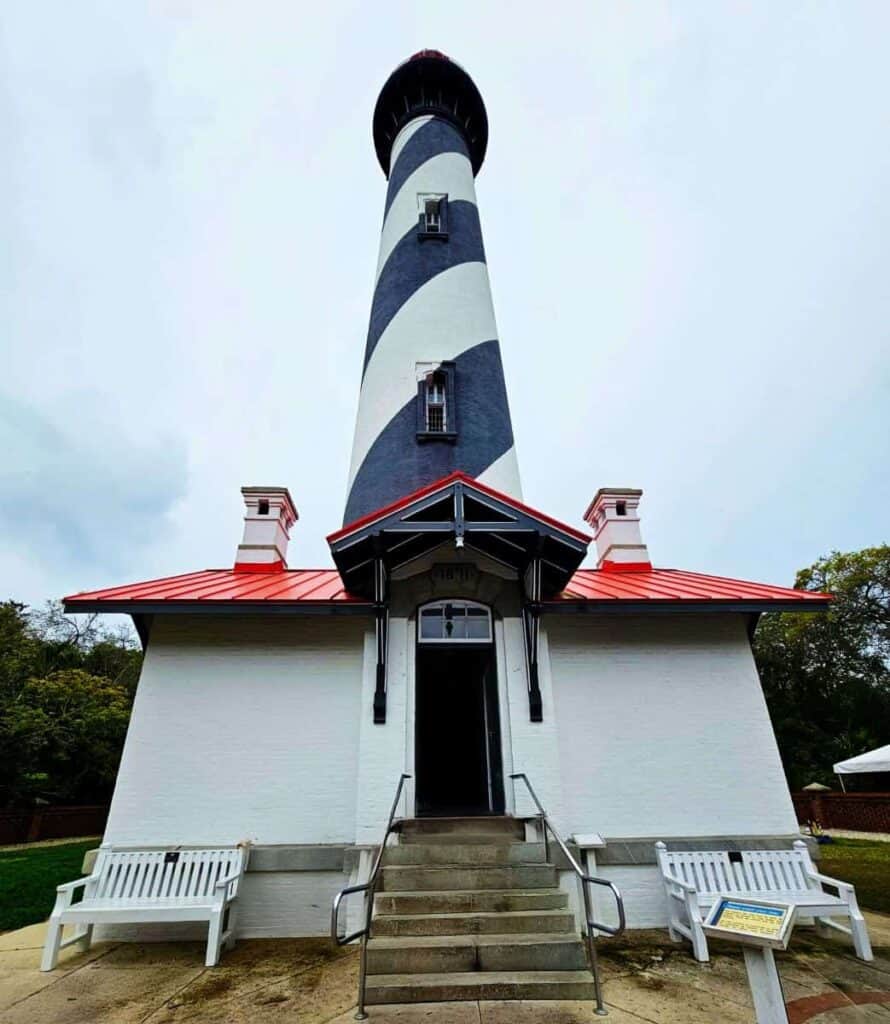
Built in 1874. The outside is what gets you. Black and white spiral stripes. Like a kid with a crayon made a candy cane. We climbed 219 steps to the observation deck. View over the Matanzas River and the Atlantic? Makes you forget your legs are burning.
Quick history. There’s been a watchtower on Anastasia Island since the 1590s. Spain ruled Florida back then. That makes this one of the oldest lighthouse sites in the country. The current tower replaced an older one. Erosion took that one out. First lit in 1874.
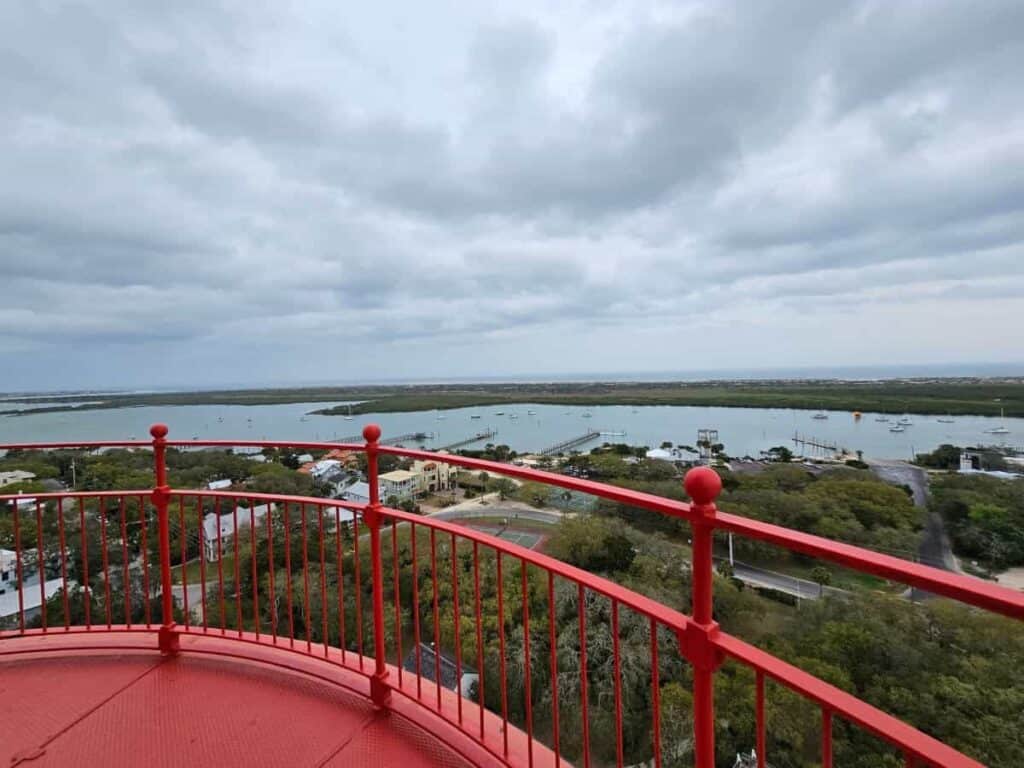
The St. Augustine Lighthouse & Maritime Museum does a good job. The keeper’s house is fully restored. Exhibits go deeper than you’d think. Maritime archaeology. Real stories of people who lived here. Not just lighthouse facts. If that sounds interesting? Give yourself two hours. Minimum..
Then there’s the ghost thing. Paranormal shows have filmed here. They do nighttime tours. We’re not saying we believe it. Not saying we don’t either. What we will say? 219 steps and that view are worth it. Whatever else might be up there with you.
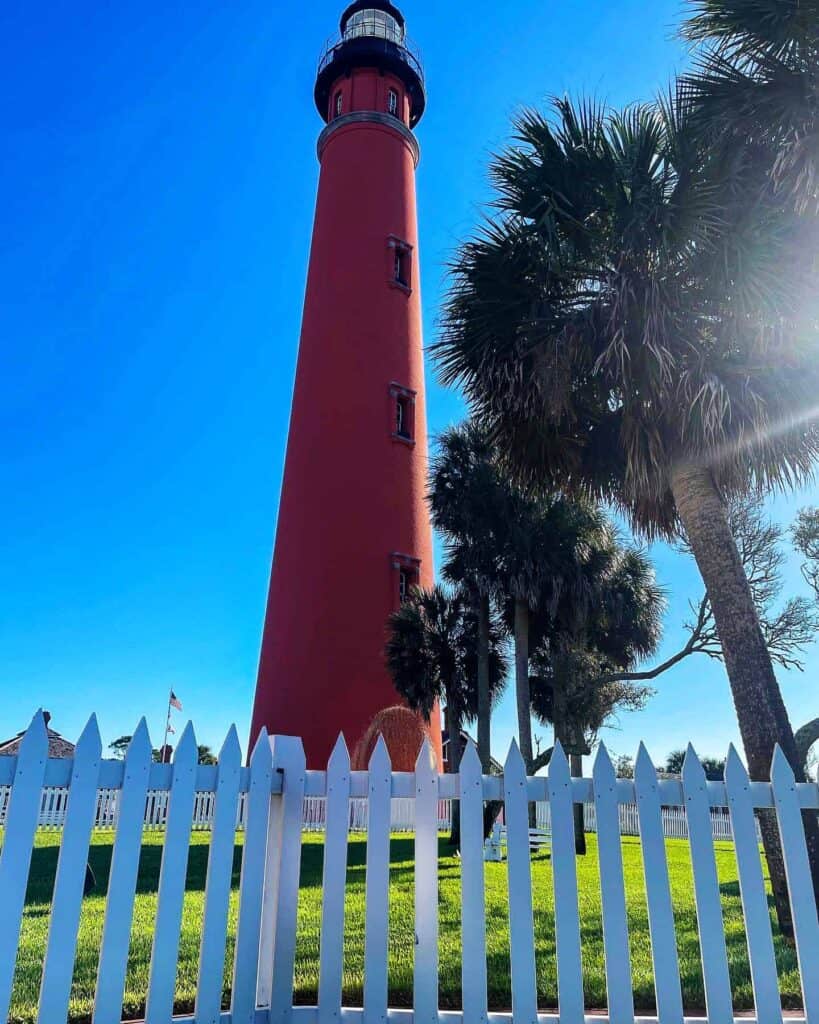
9. Ponce Inlet Lighthouse: The tallest lighthouse in Florida, and it knows it
Built: 1887 • Height: 175 feet (tallest in Florida) • Location: Ponce Inlet, Volusia County • Climbable: Yes • National Historic Landmark
Ponce Inlet. The showpiece of any Florida lighthouse road trip. Tallest in the state. Third tallest in the country. National Historic Landmark. Complete package. The museum complex? One of the best in the nation. Only climbing one Florida lighthouse? This one’s the answer.
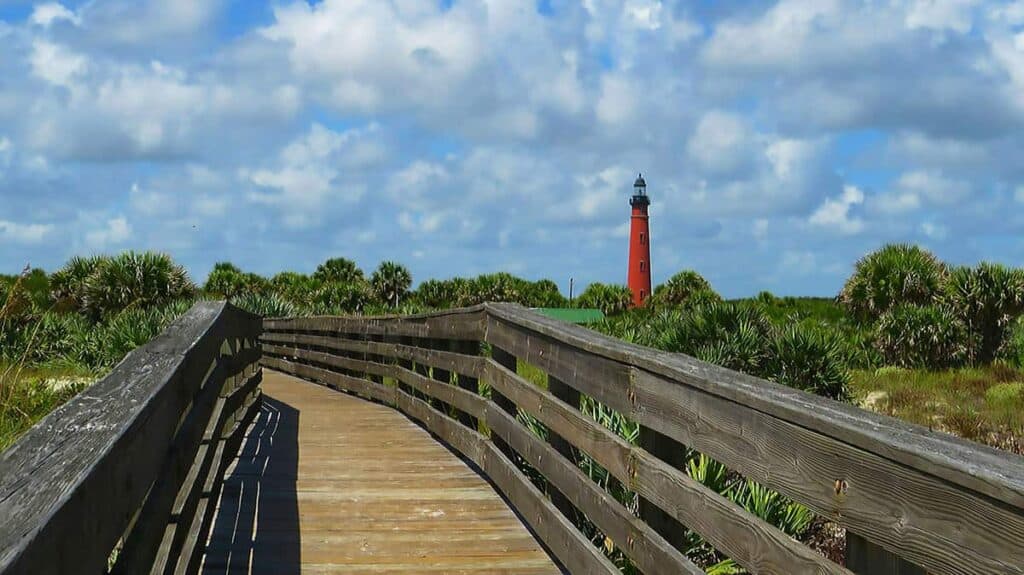
Went up in 1887. Replaced an older lighthouse that couldn’t handle the shoals at Ponce de Leon Inlet. Here’s the thing. Took ten years to build. Not because it was complicated. Funding problems. Material shortages. And try raising a 175-foot brick tower in coastal Florida in the 1880s. Swamps. Heat. Humidity. When they finally lit it? The Fresnel lens threw a beam 19 miles offshore.
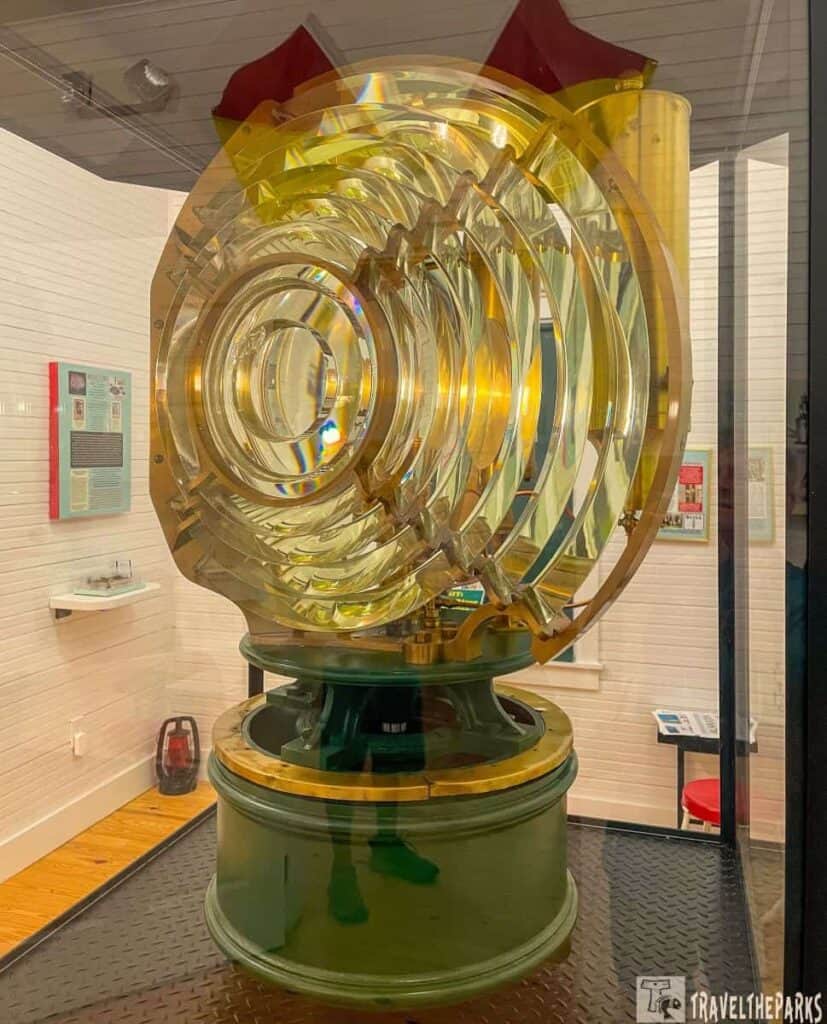
That original Fresnel lens? Still there. Restored. In its own building on the grounds. Only a handful of first-order lenses left intact in the US. Seeing it up close is worth the trip by itself. It’s enormous. Hundreds of glass prisms. Precisely ground. Stacked together. Stand in front of it and you get it. Nineteen miles out into the Atlantic.
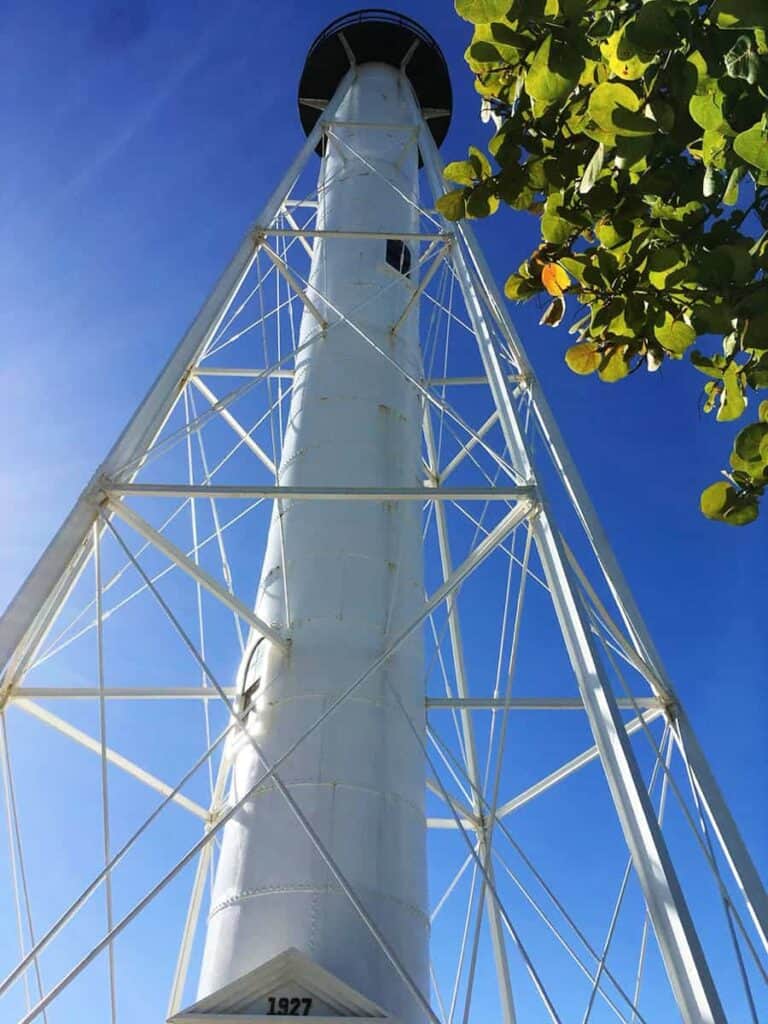
10. Gasparilla Island Lighthouse: island, small lighthouse, big history
Built: 1890 (relocated from Michigan) • Height: 44 feet • Location: Boca Grande, Gasparilla Island State Park • Climbable: Yes (Tours: October thru April) • Free access
Strangest origin story we’ve found. This lighthouse? From Michigan.
Cast-iron structure. Originally built for Point Aux Barques on Lake Huron, 1890. Feds needed a new light at Boca Grande Pass. Didn’t want to pay for a new one. So they shipped an old Great Lakes lighthouse down to Florida’s Gulf Coast instead. That’s exactly what happened. We love it.
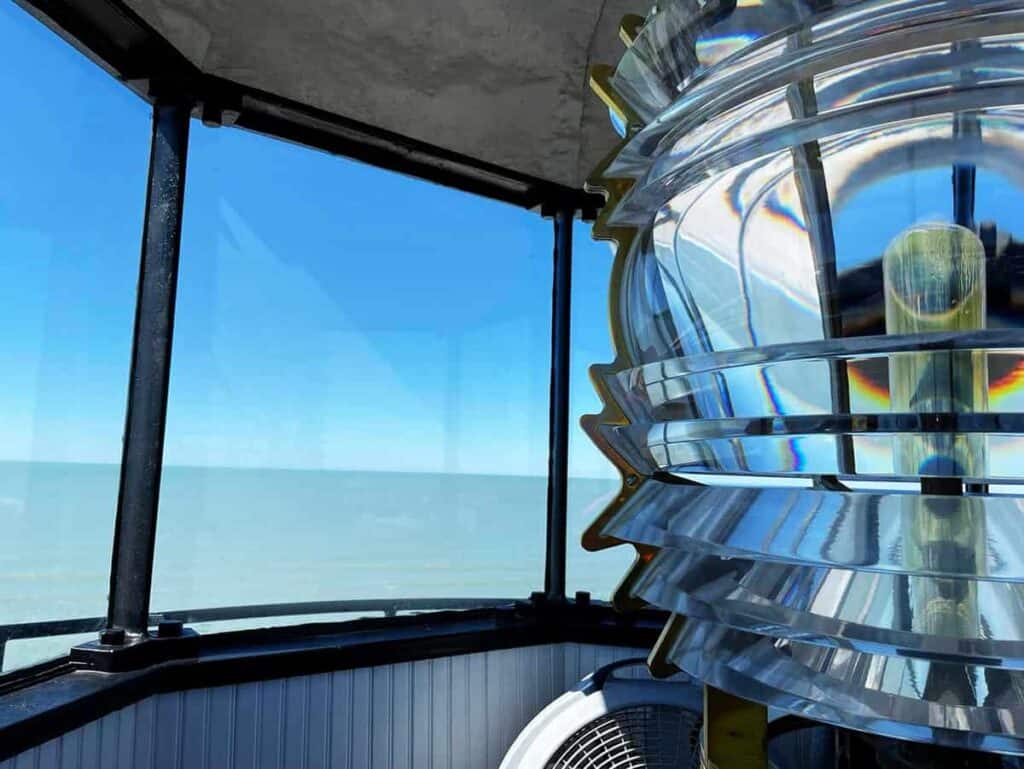
Boca Grande Pass. Big deal for fishermen. One of the most famous tarpon spots in the world. Every year when tarpon migrate? Anglers show up. They take it very seriously. Back in the day, this area was busy shipping phosphates from the mines. The lighthouse guided vessels through the channel. Now? Just sits there looking pretty while people fish.
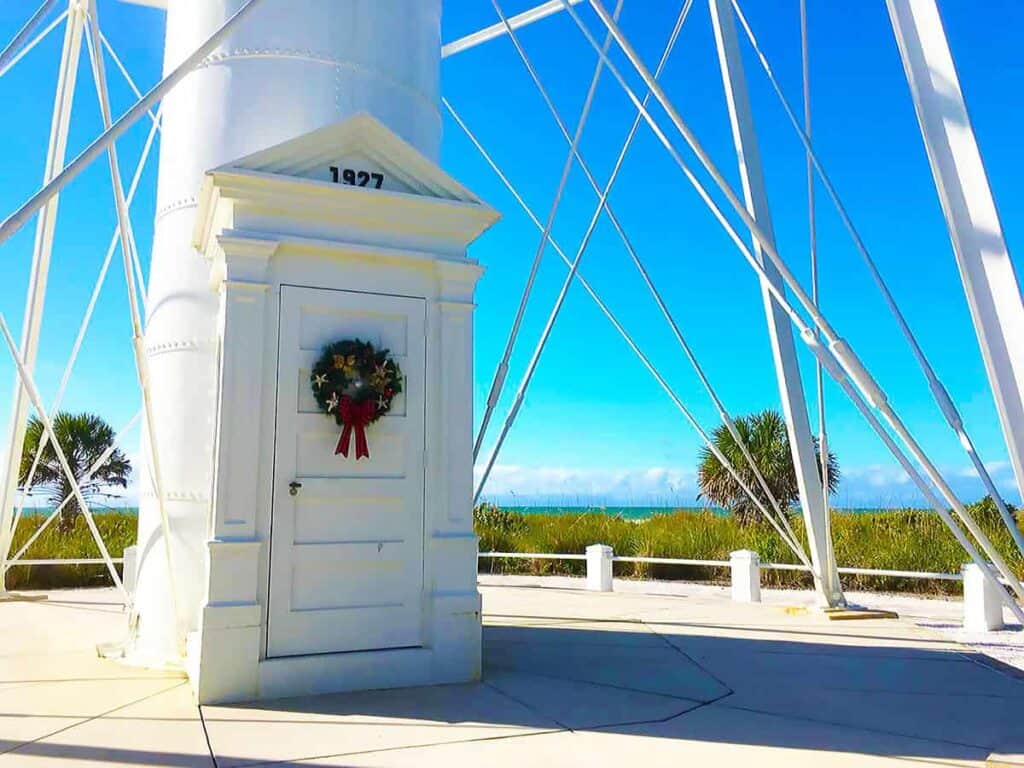
Southern tip of Gasparilla Island State Park. Best way to get there? Golf cart. Which is also just the best way to get anywhere on Boca Grande.
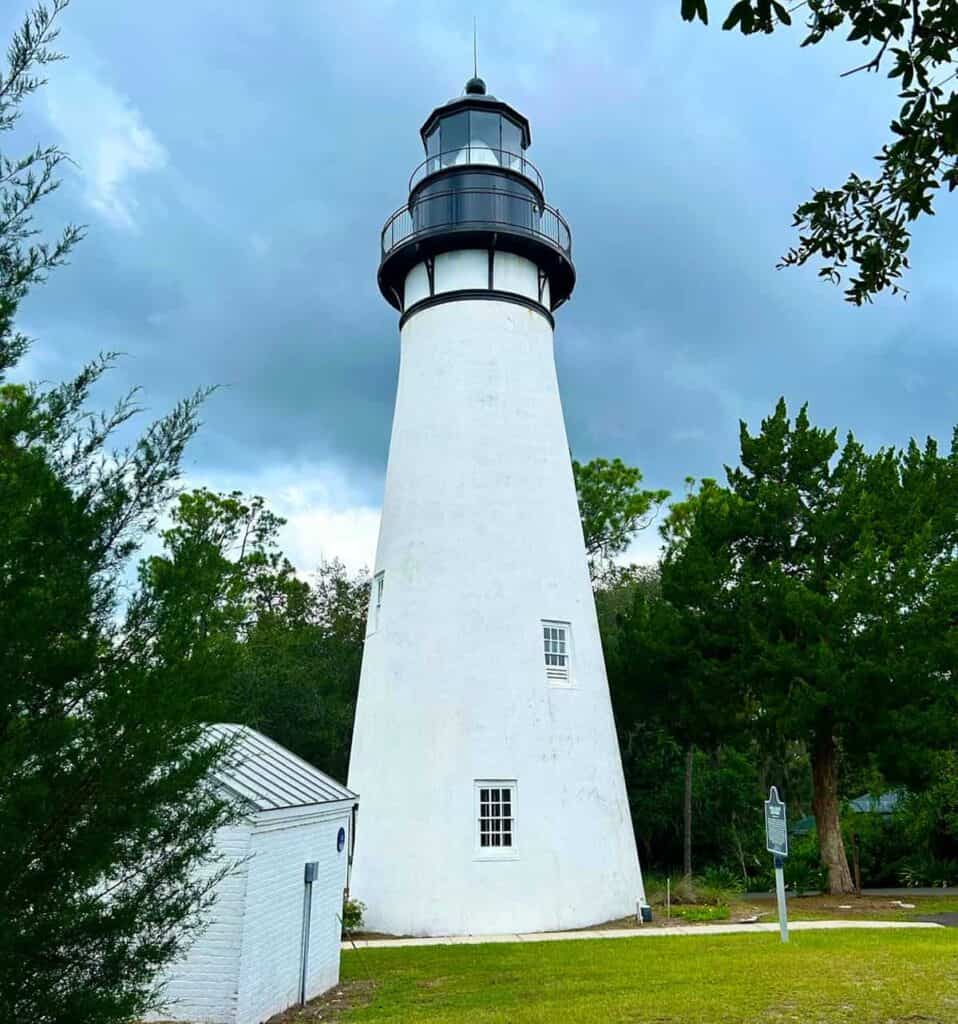
11. Amelia Island Lighthouse: Florida’s oldest lighthouse, still standing
Built: 1839 (relocated from Cumberland Island, GA, in 1838) • Height: 64 feet • Location: Fernandina Beach, Amelia Island • Climbable: Yes (limited guided tours)
Florida’s oldest surviving lighthouse. Out in Fernandina Beach. Earned the title too. Most of the really old ones around here didn’t make it. Hurricanes. Time. Bad luck. This one’s been standing nearly 190 years. Watches over the St. Marys River entrance. Just south of the Georgia border.
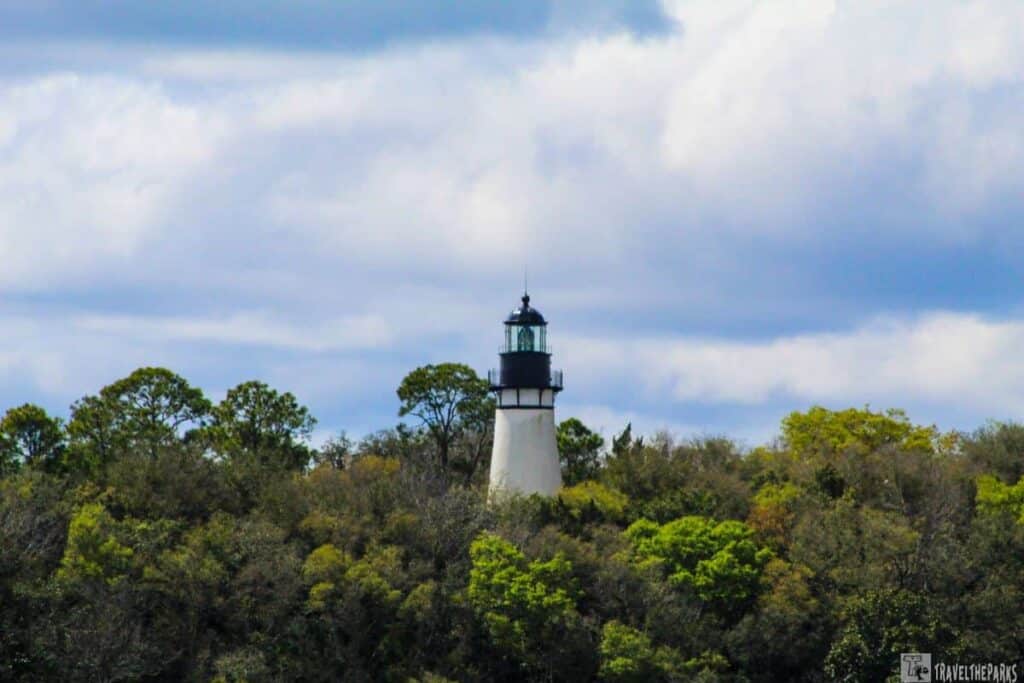
Odd part? Wasn’t built in Florida. Original structure went up on Cumberland Island, Georgia. 1820. Then the channel shifted. The lighthouse was in the wrong place. So in 1838, they moved it. Across a state line. In the 1830s. No equipment that would make that sound reasonable. Survived the move. Still standing. That tells you how well they built it.
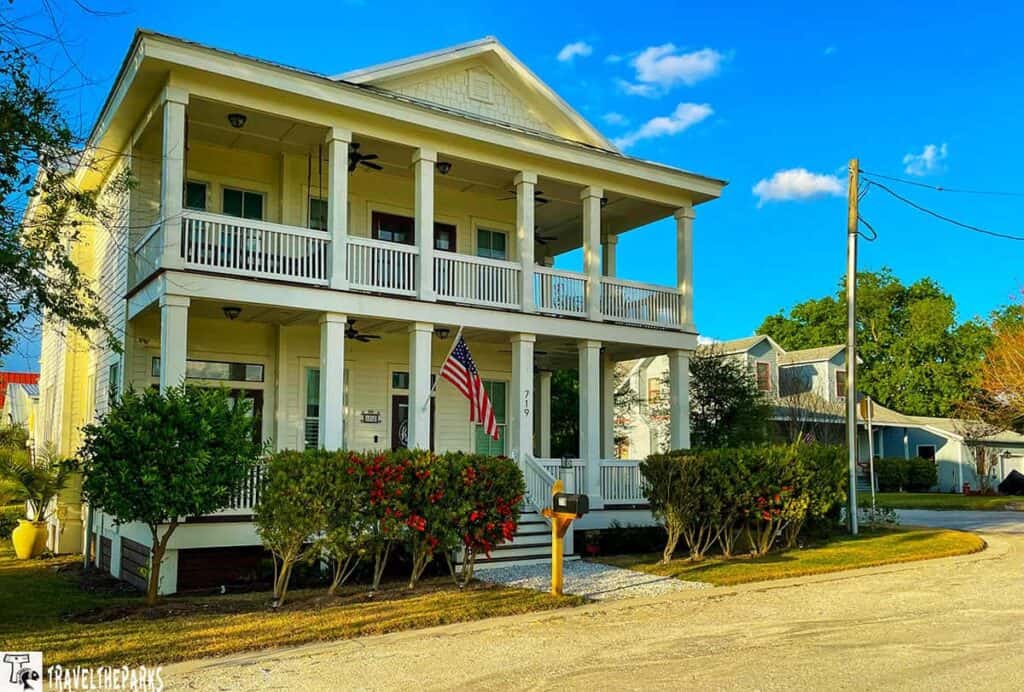
Sits in a residential neighborhood now. Takes a second to wrap your head around. Expect a dramatic clifftop. Or at least a park. Nope. Houses are nearby. Keeper’s cottage with someone living in it. Tours are limited. Book ahead. When it’s open? Views over the river and the marsh are worth it. Quieter than most lighthouse visits.
Fernandina Beach itself? Worth the trip. Even if you miss the lighthouse tour. Victorian architecture. Working shrimp fleet. Good places to eat. Doing a Florida lighthouse road trip up the Atlantic coast? This is a natural last stop before Georgia. Kind of Florida town that isn’t trying to be anything. Which is rarer here than it should be.
12. Pensacola Lighthouse: The whole light station, not just the tower
Built: 1859 (current tower) • Height: 150 feet • Location: Naval Air Station Pensacola, Pensacola • Climbable: Yes with fee
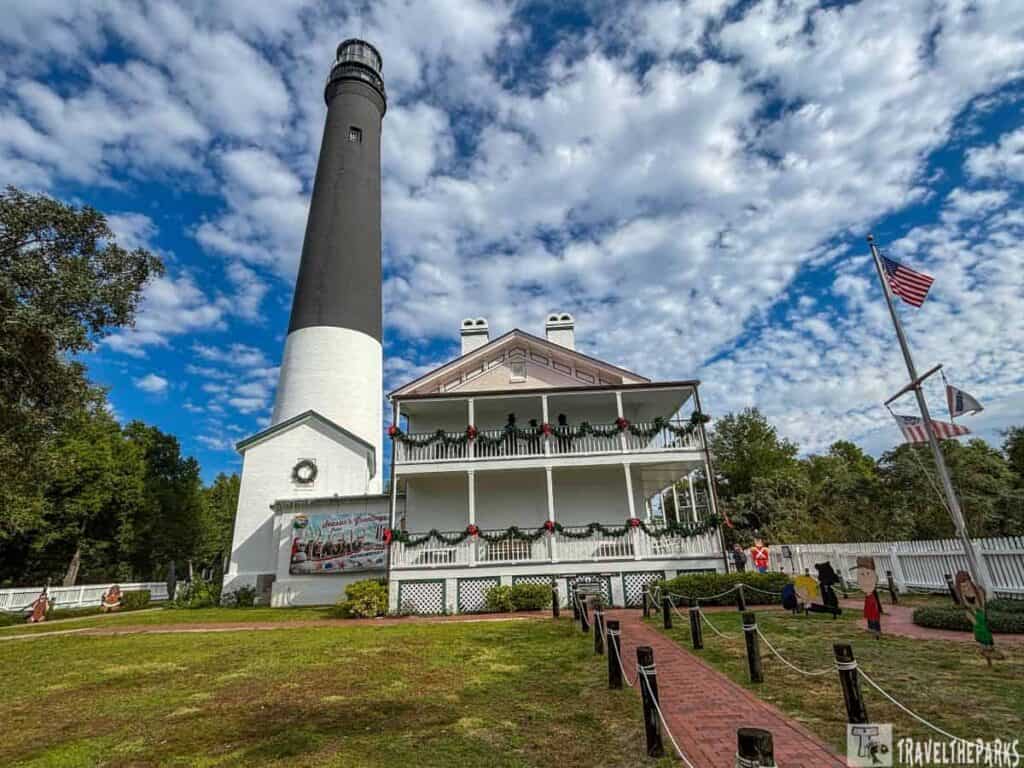
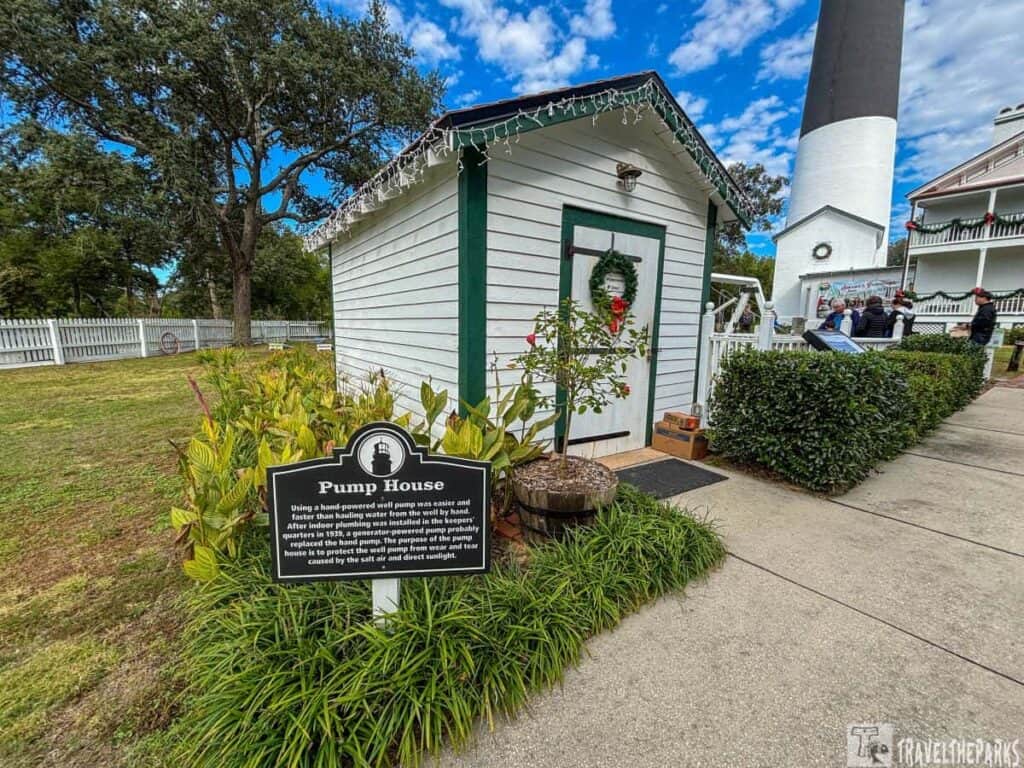
Pensacola Lightstation. Sits inside Naval Air Station Pensacola. You’ll clear a military checkpoint to get there. Don’t let that stop you. Process is easy. This site? Most complete lightstation complex in Florida. Original keeper’s quarters. Oil house. Outbuildings. All well-kept. Right on the grounds of the National Museum of Naval Aviation.
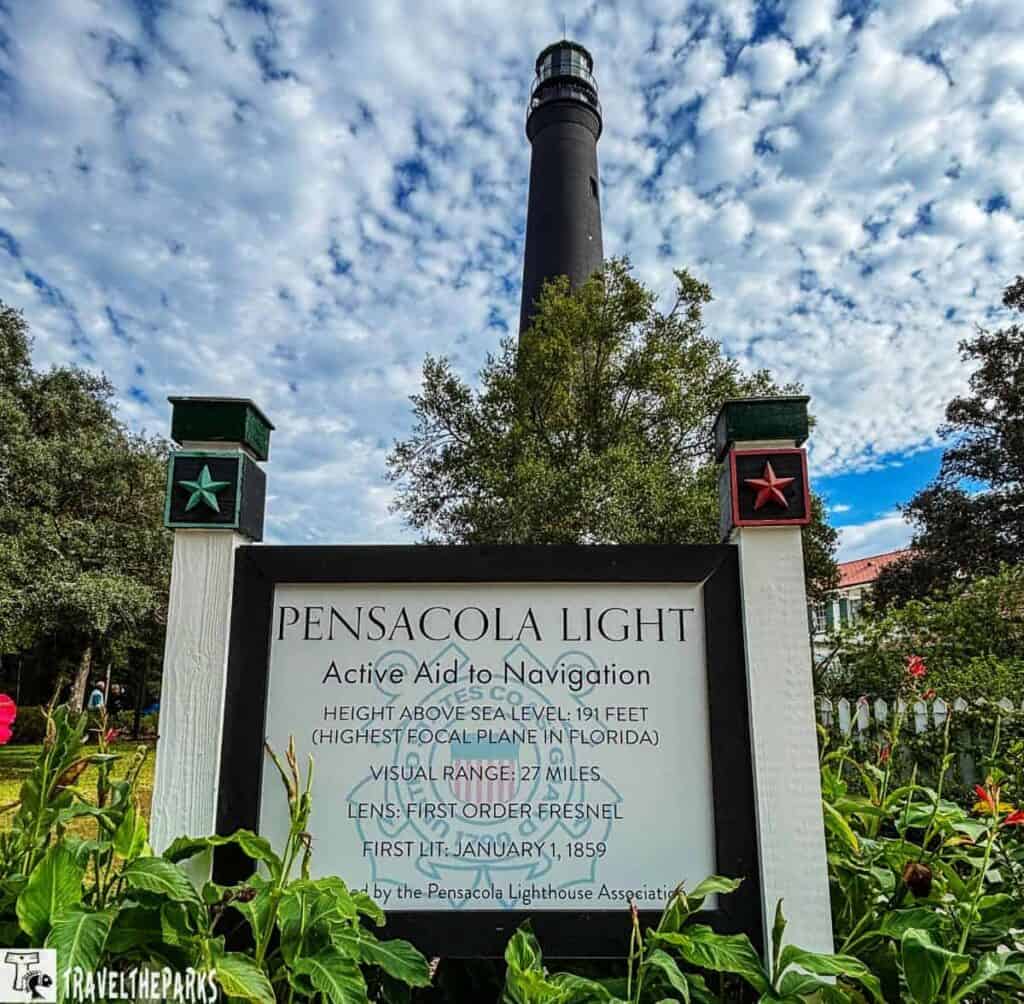
Lighthouse here since 1824. The first one was a quiet disaster. Too short. Too far inland. Invisible to the ships it was supposed to guide. Workers finished the current tower in 1859. 150 feet. Brick. Solved both problems. Hasn’t stopped working since. Then the Civil War interrupted things. Confederates turned the lights off. Used the tower as a signal station. Union troops retook Pensacola in 1862. Lit it again. This tower looks like it’s absorbed a lot of history. It has. Wears it well.
Tours run daily. Fee to get onto the grounds. Plan for it. The climb is 177 steps. Narrows toward the top. View erases the effort. Pensacola Bay. Gulf Islands National Seashore. Long stretch of Gulf on a clear day. You get it immediately. This is why they built a lighthouse here.

National Museum of Naval Aviation. Free. Enormous. Right there. Blue Angels jets. Historic aircraft. Easy half-day on its own. Fort Barrancas is also on the grounds. Well-preserved 19th-century fort. Most people miss it. Don’t.
Final Thoughts on the Florida Lighthouse Road Trip
Florida lighthouses don’t get much attention. State has too much other stuff going on. But they’re a thread running through Florida’s whole history. Spanish colonial watchtowers at St. Augustine. Screwpile engineering in the Keys. Community-saved panhandle towers that locals refused to let die.
Some are easy stops. Some need a boat. Or a ferry reservation. And a willingness to get mildly sunburned. All worth it for different reasons.
Ponce Inlet is the showpiece.
St. Augustine is a history lesson.
Boca Chita is the secret.
Alligator Reef? Makes you rethink how hard lighthouse keepers actually had it.
And St. Marks? You’ll keep recommending it to people. Even though—or maybe because—the drive through the wildlife refuge is half the point.
We’re not done. Still twenty-something more standing out there. Consider this a first pass.
Have you visited any of these Florida lighthouses? Which one surprised you most? Drop it in the comments — we’d love to compare notes.