We hit the Crystal River Archaeological State Park on our road trip along Florida’s Nature Coast. It’s 61-acres protects one of the Sunshine State’s key ancient sites. Native groups that were part of the Weeden Island culture met here long before Europeans arrived. On the Crystal River near the Gulf Coast of Florida, the site was a nexus for trade and cultural exchange. The site shows obvious influences from the Hopewell culture of the Ohio River Valley (evidenced by traded artifacts). These point out that it was a pilgrimage and ceremonial center for a wide region.
This post may contain affiliate links, meaning if you purchase something through one of these links, we may earn a small commission at no extra cost to you! Read the full disclosure policy here.
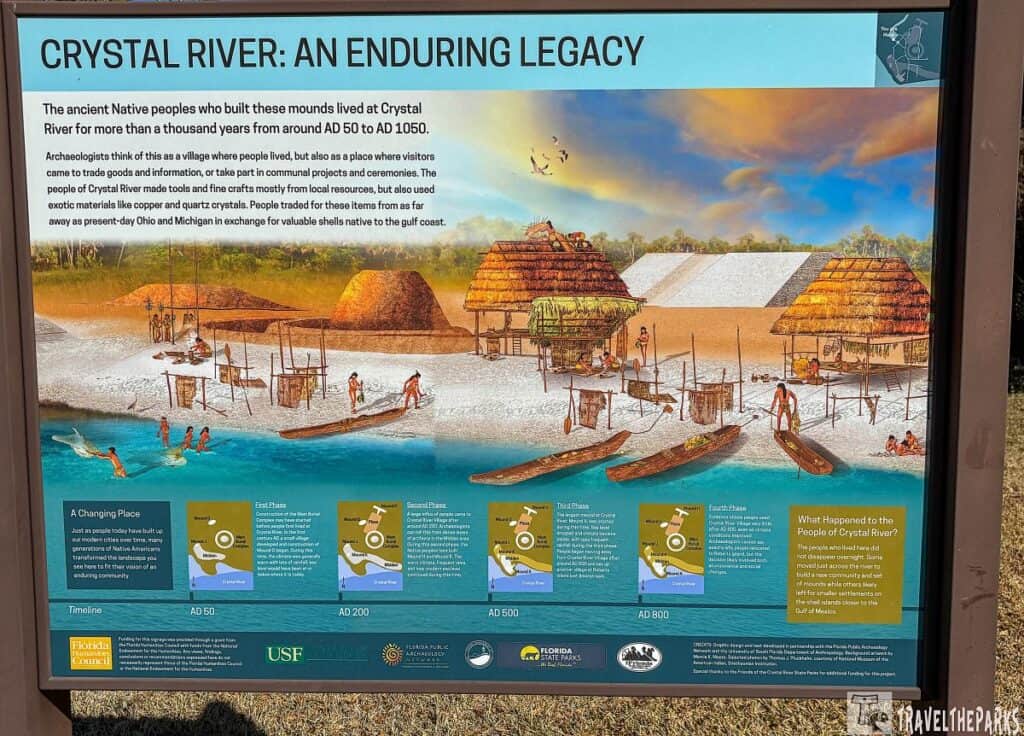
Table of Contents
Know Before You Go to Crystal River Archaeological State Park
- Location: 3400 N Museum Point, Crystal River, FL 34428
- Hours: Park: 8 AM–Sundown, year-round. Museum: 9 AM-5 PM Thursday-Monday (museum hours may vary). Check the official park website for details.
- Admission: $3 per vehicle (2–8 people)
- Park Amenities: picnic areas, small museum, restrooms, nature trail
- Accessibility: Paved paths to main mounds; some uneven terrain on trails
- Bring water, sunscreen, and insect repellent—especially in warmer months.
- Allow 1.5–2 hours to explore the trails, mounds, and museum fully.
- Combine your trip with other things to do in Crystal River, such as kayaking, manatee viewing (in season), or visiting at nearby Homosassa Springs Wildlife State Park.
- Visit in the cooler morning hours for quieter exploration and better photography light.
Crystal River Archaeological Park Museum
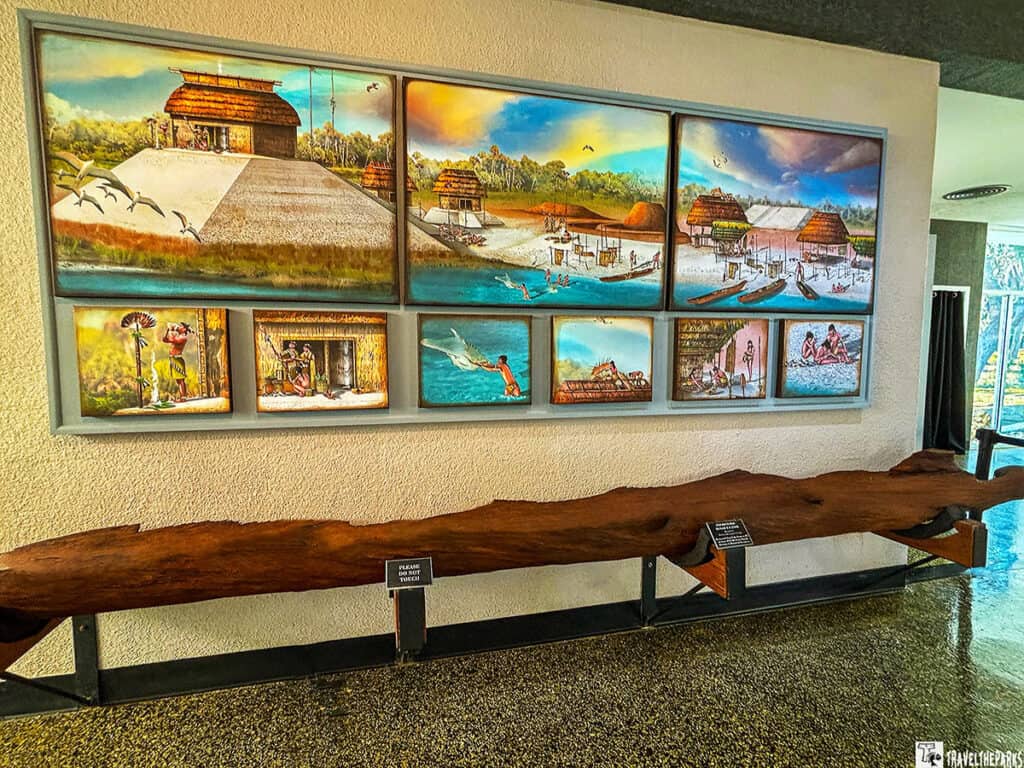
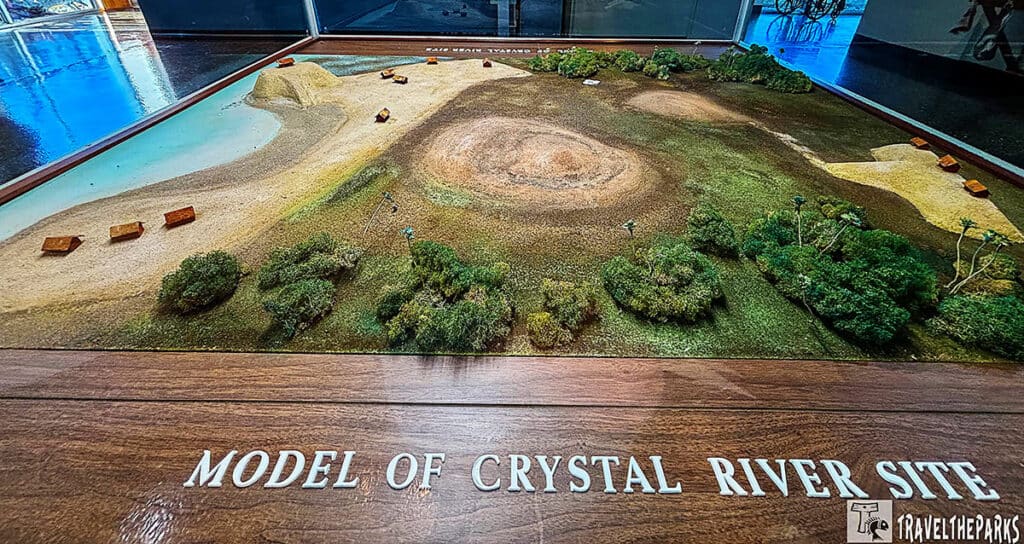
We began at the on-site museum. It gives key background before you walk the area. We saw displays of artifacts dug up here, like pots, tools, and ritual objects. The displays cover the history of the indigenous people who lived here and how the site changed over the years. This mound site left no written records. The diorama models were my favorite. They let you picture the original site.
We recommend starting here to better understand what you’ll see outside on the grounds. It made the walk through the park much more meaningful. Also, do not miss the 9-minute interpretive video.
Exploring the Crystal River Mounds
The heart of the park is its impressive collection of six Native American mounds. These earthen structures date back ~1500 years (roughly 200 BCE to 1400 CE) and include burial mounds, temple mounds, and a large plaza area. In 1990, they designated the park as a National Historic Landmark.
As we followed the paved mounds trail, it was easy to imagine gatherings taking place here. I could envision canoes arriving along the water and ceremonies filling the open space. Interpretive signs explain how each mound was used and the importance of the site to regional Native Americans.
Climb the Ceremonial Temple Mound A
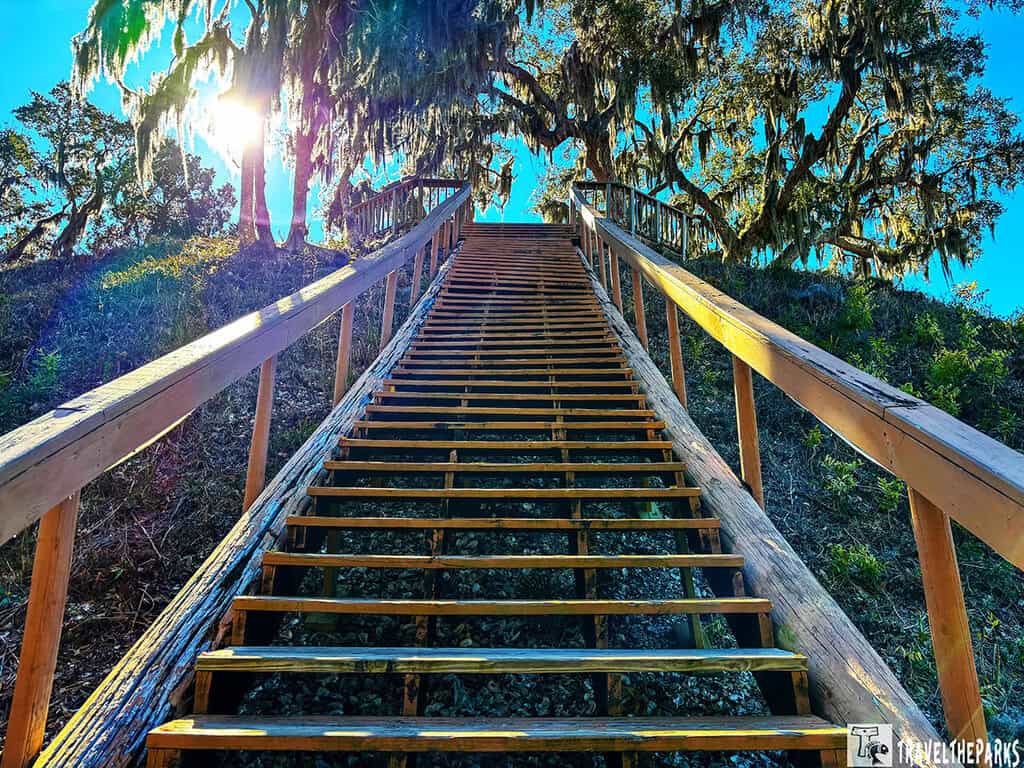
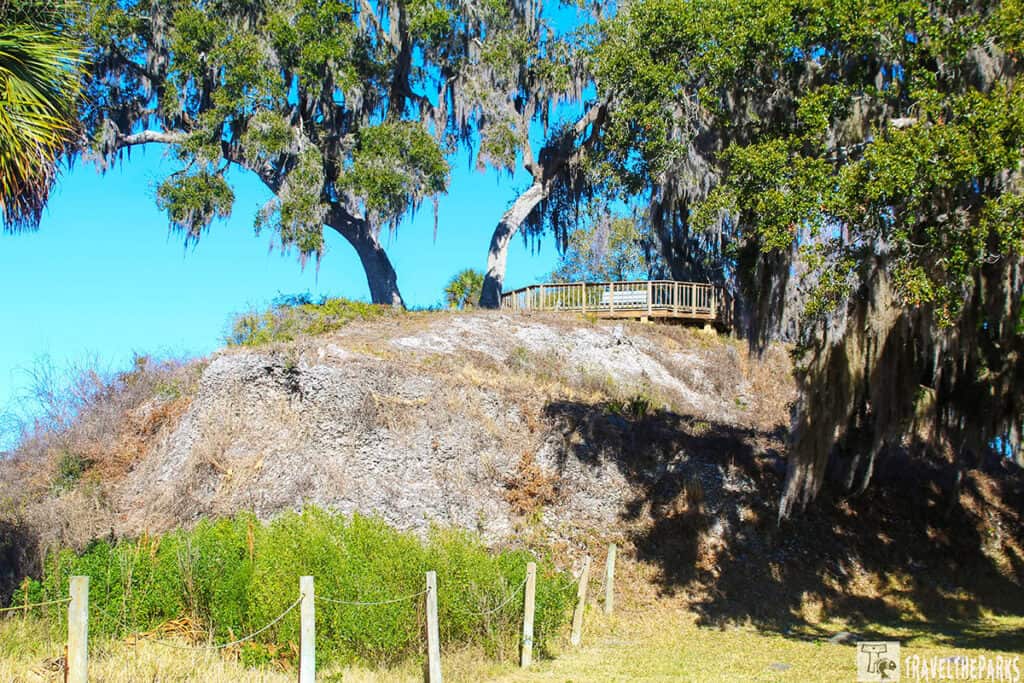
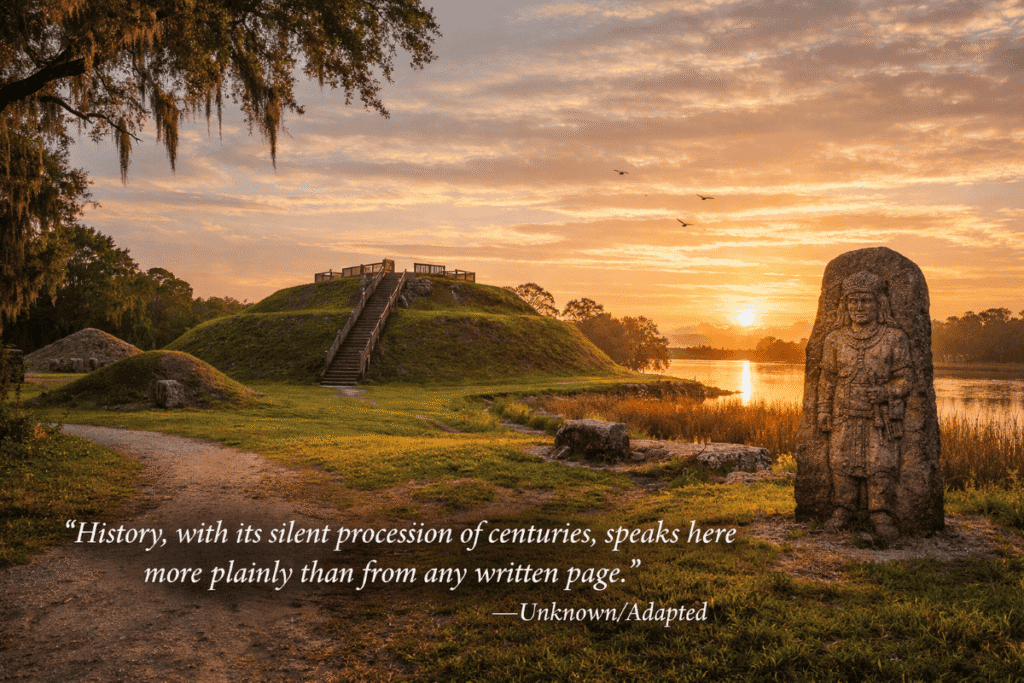
This mound towers as the site’s largest platform, reaching 28 feet or 8.5 meters high. A 51-step staircase climbs from its peak to the plaza below. As the main temple mound, it held a wooden building for holy relics. That space served as a temple or bone house for top religious and political figures. The elevated platform turned rituals into public spectacles, ensuring the gathered crowd below could witness every act.
What I found most interesting was the temple mound’s original structure. This mound was once nearly 30 feet tall. Its base spanned 182 feet long by 100 feet wide, with an 80-foot ramp climbing to the top. The ramp was situated towards the winter solstice sunrise. Many mound sites share this trait. It proves sharp sky knowledge and links rituals to the sun’s cycle. The mound stood mostly untouched for about 1,000 years. In the 1900s, a landowner dug it up and carted off nearly two-thirds of Mound A.
Mound G, known as the Sand Burial Mound
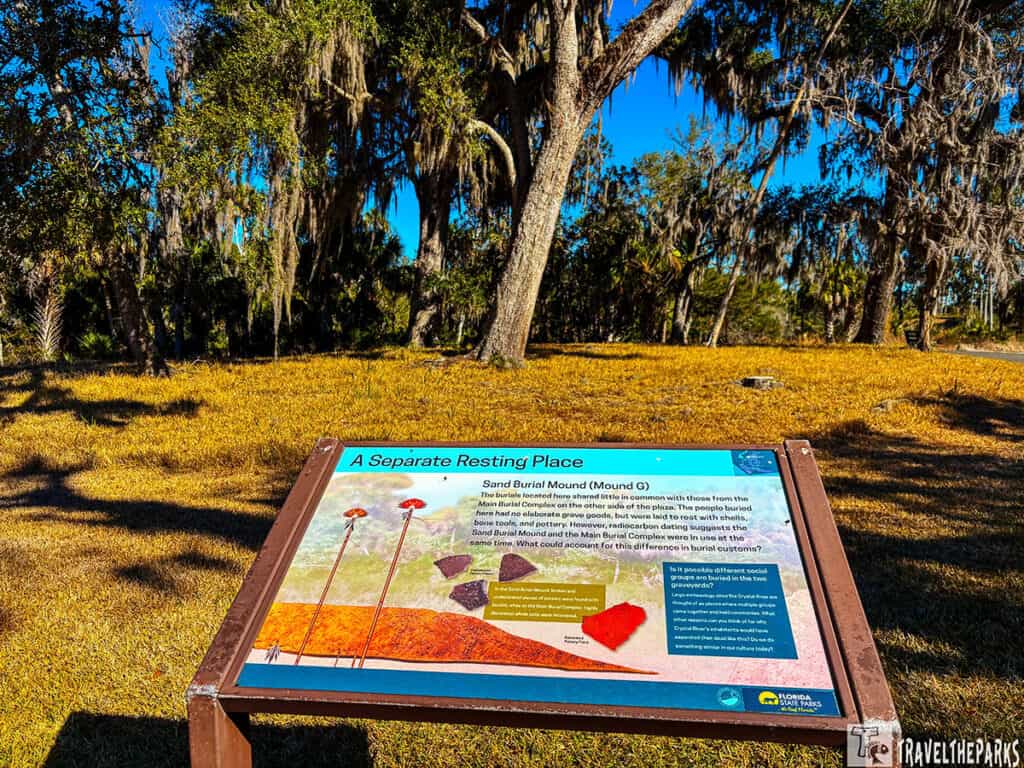
Mound G stands as a flat-topped cone near the river. It held graves for top-status people. Archeologists found over 400 burials. Some were buried with intricate objects in their tombs. These included copper breastplates and ear spools from the Great Lakes. Galena hailed from Missouri. Stone pipes shaped like figures (effigies). Shell and pearl beads added sparkle. Such far-off goods prove Crystal River traded widely across the Southeast and farther. The site’s top find? A carved stone slab shows a figure decked in jewels. It might portray a powerful chief or god.
Unearthing the Past
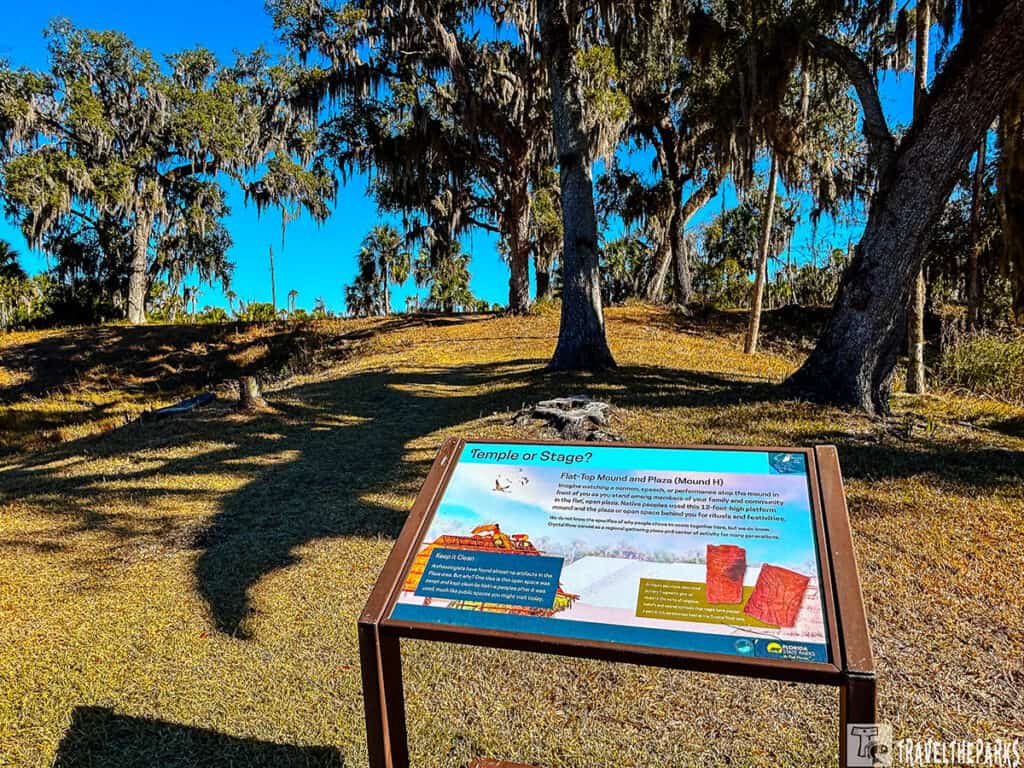
Mound H forms a smaller platform mound next to Mound G. It likely acted as a backup ceremony site or a spot for select rituals. Closeness to the chief temple mound marks it as key to the main ritual area.
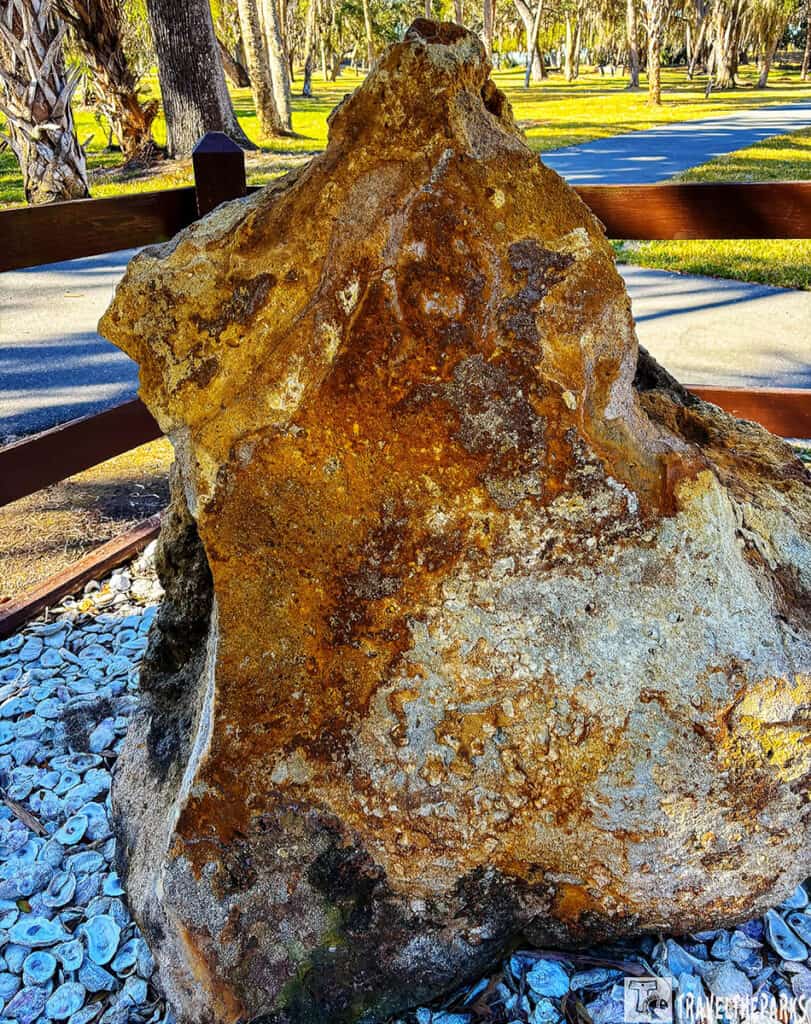
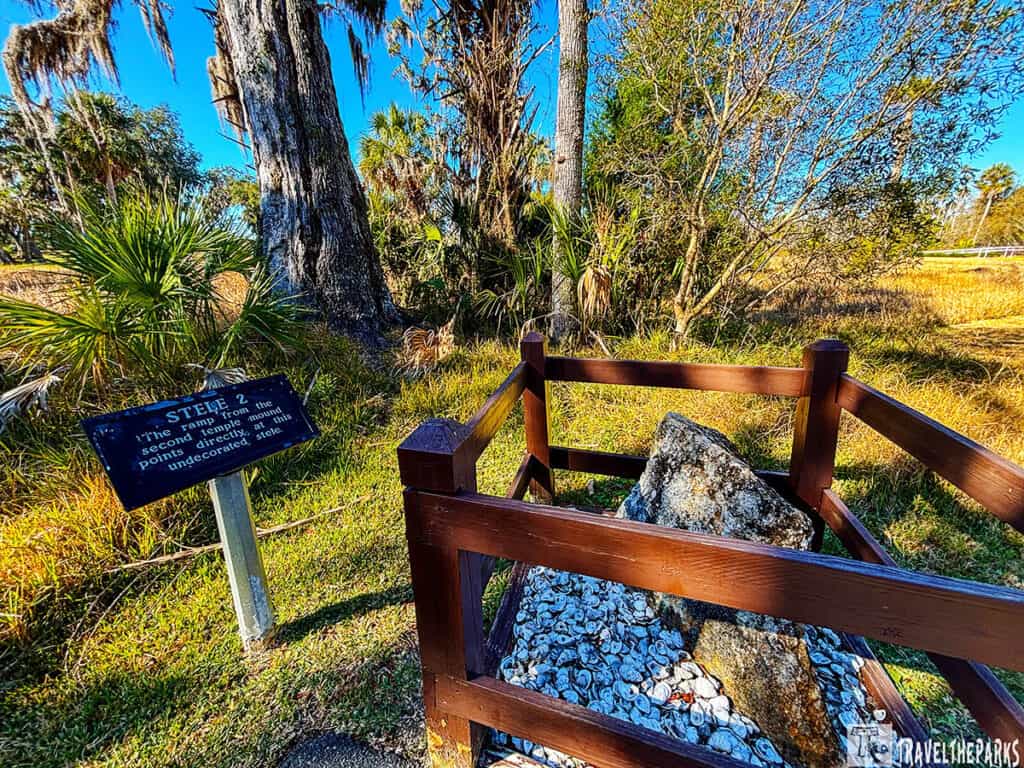
Stelae I and II, close to Mound G, are two big limestone slabs called stelae. Stelae I bears a carved face and faint other shapes, worn smooth by time. These stones marked holy ground or honored big events and family lines. Big carved stones like this are super rare in ancient Florida before Columbus arrived. They suggest influence from Mesoamerican cultures (where stelae were common) or parallel, independent development of monumental art.
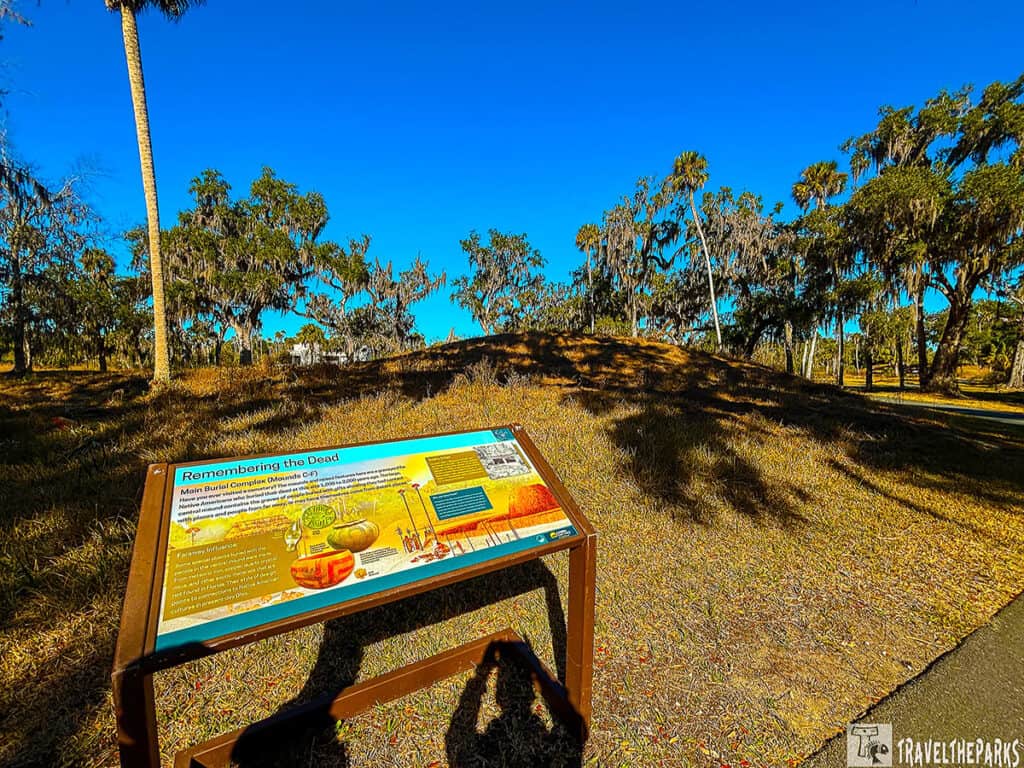
Main Burial Complex Mounds C: These form a separate burial complex distinct from the main plaza and temple mound. These shell and sand mounds weren’t simply raised earth; they were carefully constructed places of honor, built to mark the resting places of important community members and to anchor ceremonies that likely unfolded over generations.
Mounds J and K are not mounds in the ceremonial sense, but substantial shell middens—ancient refuse piles composed primarily of discarded oyster shells that accumulated over centuries of habitation.
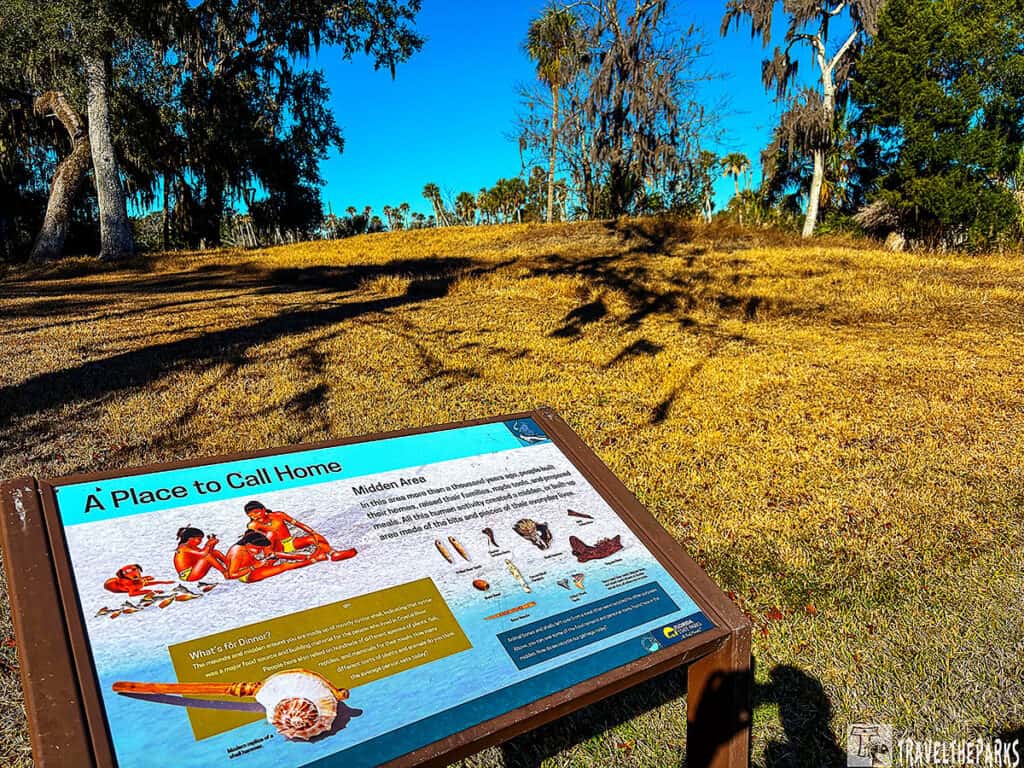
Walking Trails and Waterfront Views
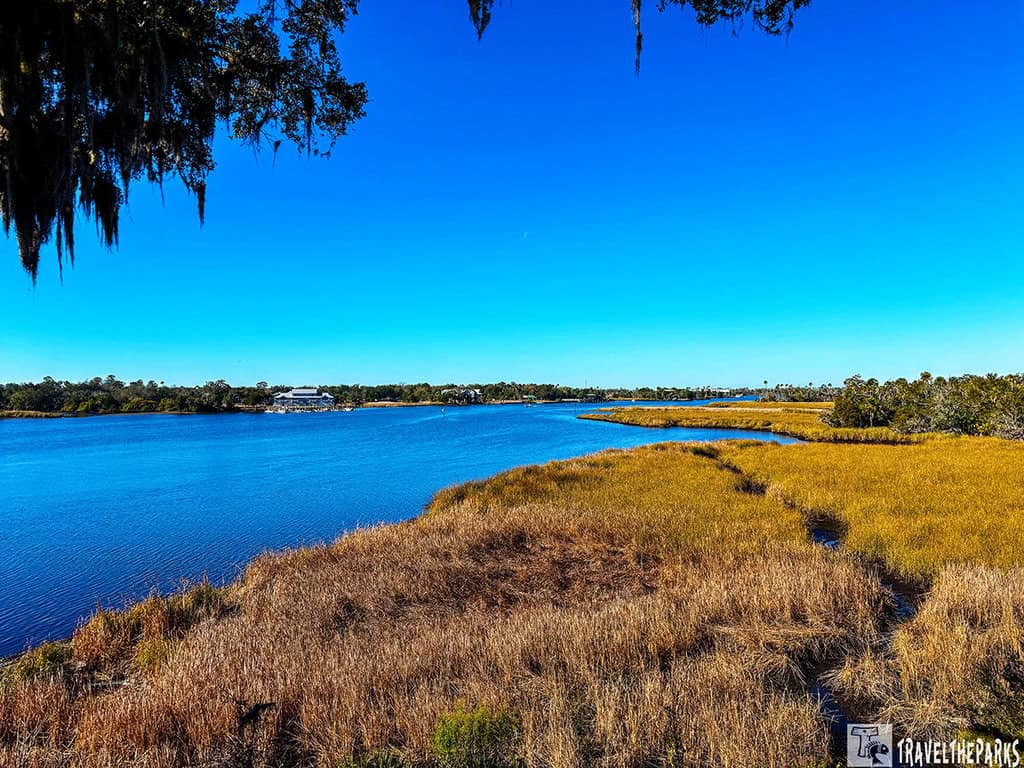
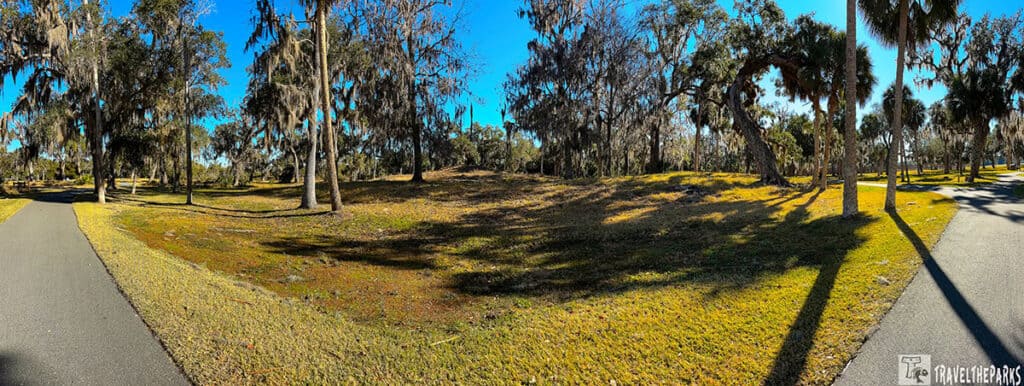
A network of flat, paved, accessible trails forms a perfect loop for exploring the ancient complex at your own pace. The main interpretive trail connects the temple and burial mounds, which guided us from one old earthen mound to the next before winding down toward a scenic overlook of the Crystal River.
So don’t forget to bring binoculars with you. This park is part of the Great Florida Birding Trail and a popular place for riverfront and oak hammocks, bird watching here doesn’t get any better as you have a great opportunity to catch a roseate spoonbill, a great blue heron, an osprey, or a bald eagle too. After exploring, we enjoyed a picnic at the tables overlooking the river—an ideal, serene spot to reflect on the day’s discoveries.
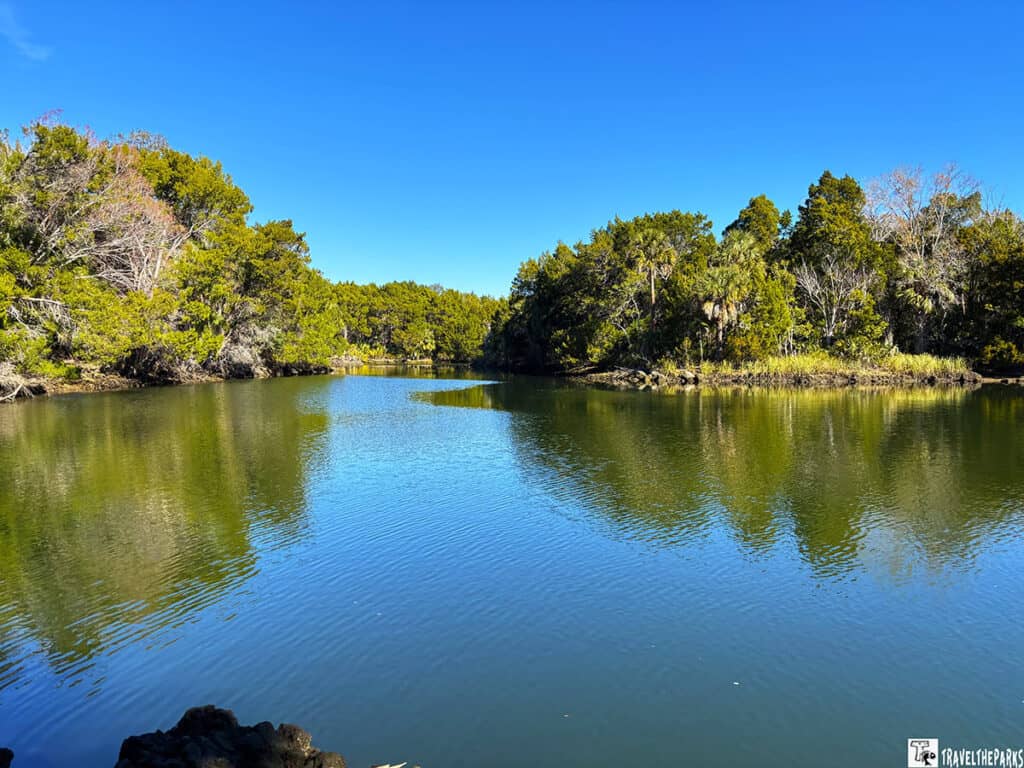
To get more insight and education about the pristine nature of this location, consider adding Crystal River Preserve State Park to your trip as well, since it is located conveniently nearby. It features more than 30 miles of multi-use nature trails for hiking, biking, and horseback riding along coastal salt marshes and pine flats.
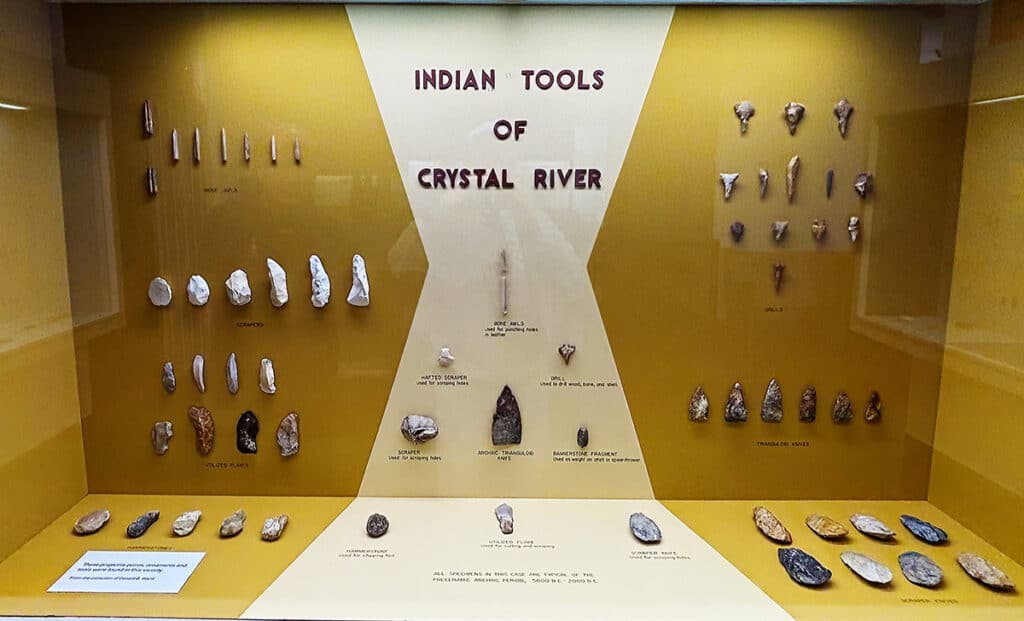
Standing Between Worlds: Crystal River’s Ancient Connections
Standing at the Crystal River Archaeological Site, I couldn’t help but think about how it connects to all those other mound sites we’ve visited on this journey. Unlike the massive Mississippian cities like Cahokia or Etowah that came later, Crystal River feels older and quieter somehow—and it is, with people gathering here for ceremonies over a thousand years before those big chiefdoms rose to power.
What struck me most was how Crystal River sits right on the Gulf Coast. At this site, they used shells in their mounds instead of just earth, which makes it feel unique compared to Kolomoki, its contemporary up in Georgia. And yet, walking the plaza here, I got that same sense of sacred space I felt at Poverty Point, way over in Louisiana, or standing inside the earthlodge at Ocmulgee—that these weren’t just random piles of dirt but carefully planned places where people came together from far and wide to trade, bury their leaders, and make sense of the stars above them.
Each site has its own personality, but they’re all telling pieces of the same story.
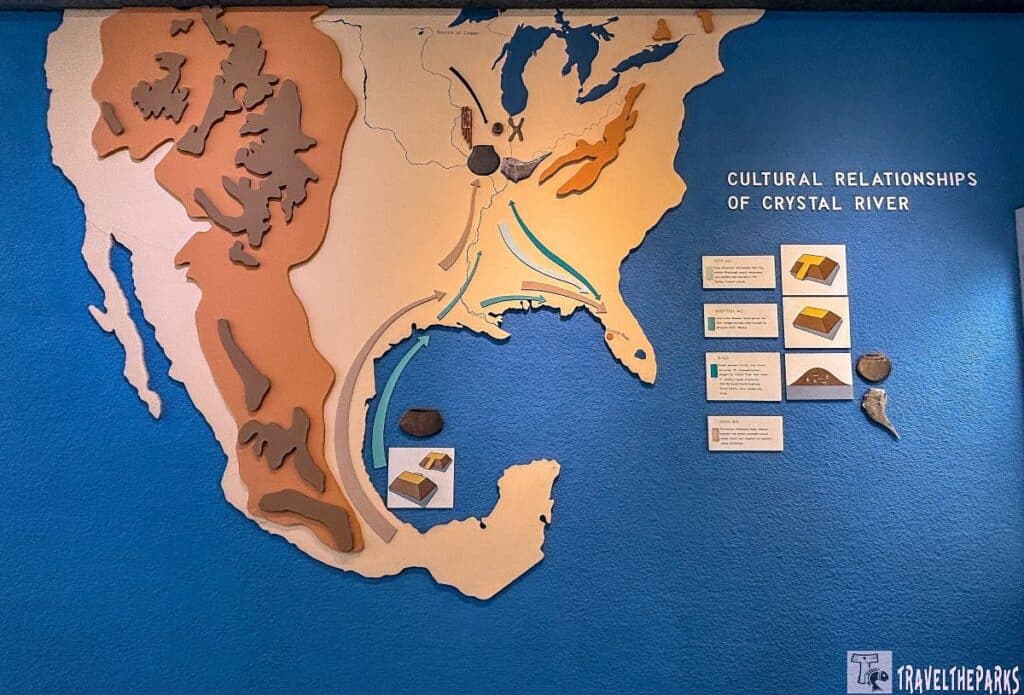
What to Bring to Crystal River Archaeological State Park
Visiting Crystal River Archaeological State Park is a mix of walking trails, exploring mounds, and soaking in coastal views, so pack for comfort, sun, and history.
Start with sturdy walking shoes for trails and boardwalks, plus lightweight, breathable clothing for Florida’s heat and humidity. A wide-brimmed hat and sunscreen are essential, as shade can be limited along the riverfront and open plaza areas. Bug spray is helpful—mosquitoes love the river edges, especially at dawn and dusk.
Bring plenty of water to stay hydrated while wandering the mounds and plazas, and snacks if you plan a longer visit. A small backpack or tote makes it easy to carry water, sunscreen, and a camera. Binoculars come in handy for spotting wildlife along the river—manatees, wading birds, and maybe even a playful dolphin or two.
Finally, a notebook or journal can be a fun addition if you want to record impressions of the mounds, petroglyphs, or the peaceful riverside atmosphere. Whether you’re tracing the ancient plazas, imagining ceremonial life, or just enjoying the natural setting, being prepared makes your visit more enjoyable.
Final Thoughts: Crystal River Archaeological State Park
If you like travel that combines history, culture, and nature, like we do, Crystal River Archaeological State Park definitely needs to be on your list of must-visit destinations. Here, you’ll be able to walk in the footsteps of a past civilization, experiencing the same river and the same sunlight that they did.
Crystal River makes an ideal base for exploring the Suncoast of Florida. Adding additional trips like a morning of kayaking alongside manatees at Three Sisters Springs or Ellie Schiller Homosassa Springs Wildlife State Park. Be sure to extend your journey to nearby historic sites like Yulee Sugar Mill or experience “Old Florida” at Cedar Key. Together, these places offer a more connected way to experience the heart of Florida.
If you’re planning your own trip to Crystal River and have questions, or if you’ve already been and have tips to share, drop a comment! Let’s help each other discover more of these incredible places.